Category: Book Design

Book design in all its forms, from jackets and hardcover books to trade paperbacks, mass-market paperbacks (although rarely), and academic journals.

  • 50 Books, 50 Covers: 2021 Edition

    50 Books, 50 Covers: 2021 Edition

    AIGA has announced their winners of the 2021 50 Books, 50 Covers competition:

    With 605 book and cover design entries from 29 countries, this year’s competition recognizes and showcases excellence in book design from around the world. […] Eligible entries for the 2021 competition were open to books published and used in the marketplace in 2021.

    AIGA Press Release

    In this year’s competition, innovative book designs for topics ranging from designing and motherhood, African surf culture, stories of resistance, visual histories of Detroit, Black food traditions, and more all give our jury life, hope, and visible windows into new possible worlds. The covers and books we looked at had a diverse range of visual language and took aesthetic risks.

    Silas Munro, AIGA [Competition] Chair

    As usual, there are items here that I haven’t seen before, along with several that surfaced on others’ “best of 2021” book design lists (see that Foreword post for my faves). Also as usual, there are some excellent choices.

    Further, there’s something in this competition that you don’t see in the usual “best of” posts: interiors. Half of the competition is covers, sure, but the other half considers the whole book design — and sometimes, as I can definitely attest, an underwhelming cover can lead to a treasure within.

    But enough talking. My favorites, in no particular order:

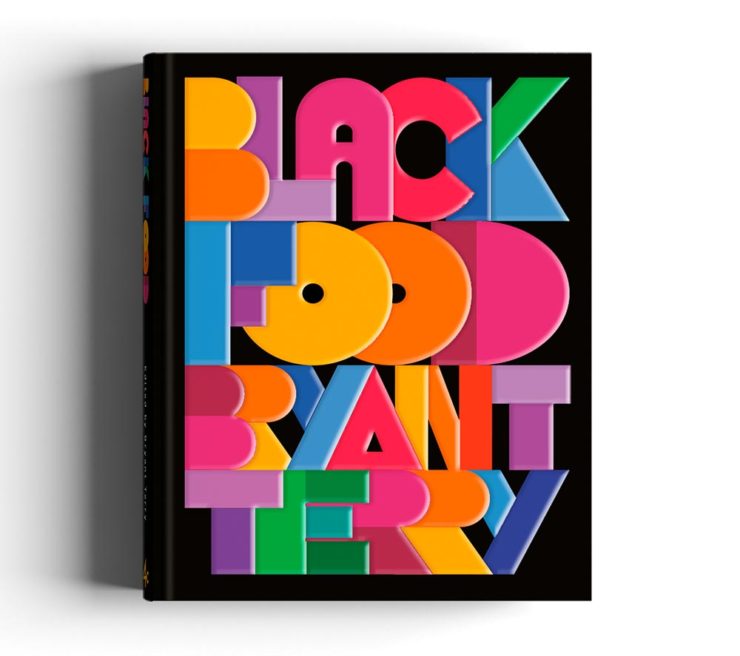
    Cover by George McCalman.
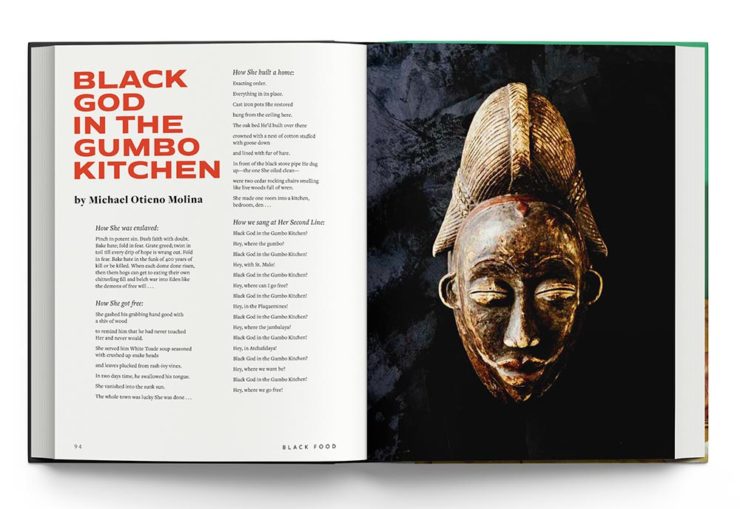
    Book design by George McCalman.

    This is one from the 2021 “best of” finalists that I didn’t post about — but now that I’ve seen the interior…. So very worthy. (See more.)

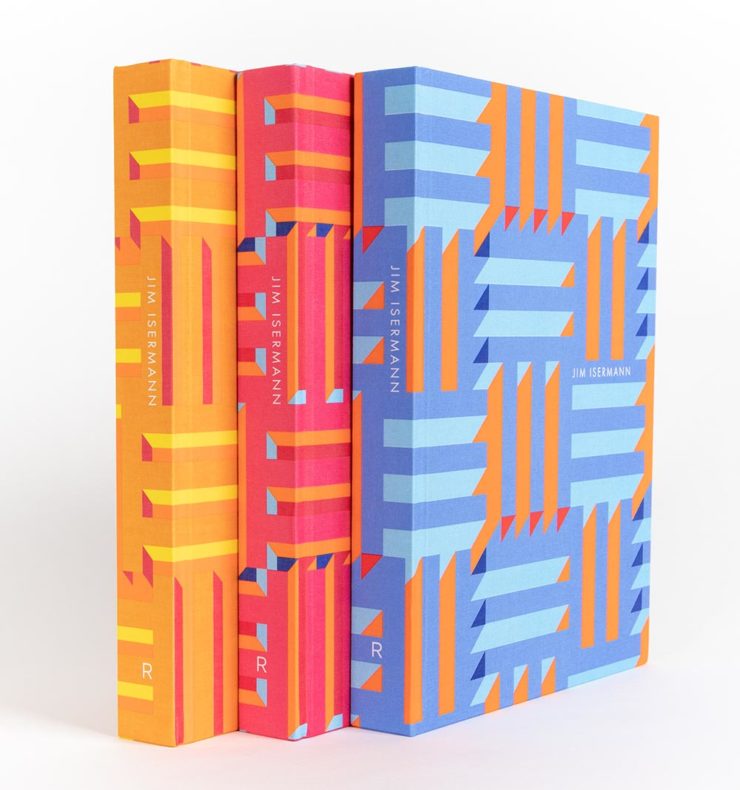
    Cover design by David Chickey and Mat Patalano.
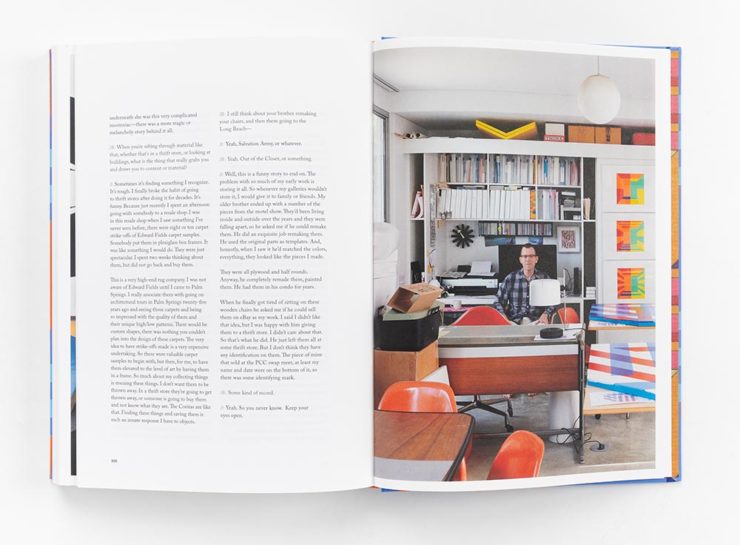
    Book design by David Chickey and Mat Patalano.

    This series of three books not only have striking covers I’d not seen before but exceptionally competent interiors done on matte paper, a personal favorite. (Click through for more examples.) Excellent.

    Design overseen by Haller Brun.
    Design overseen by Haller Brun.

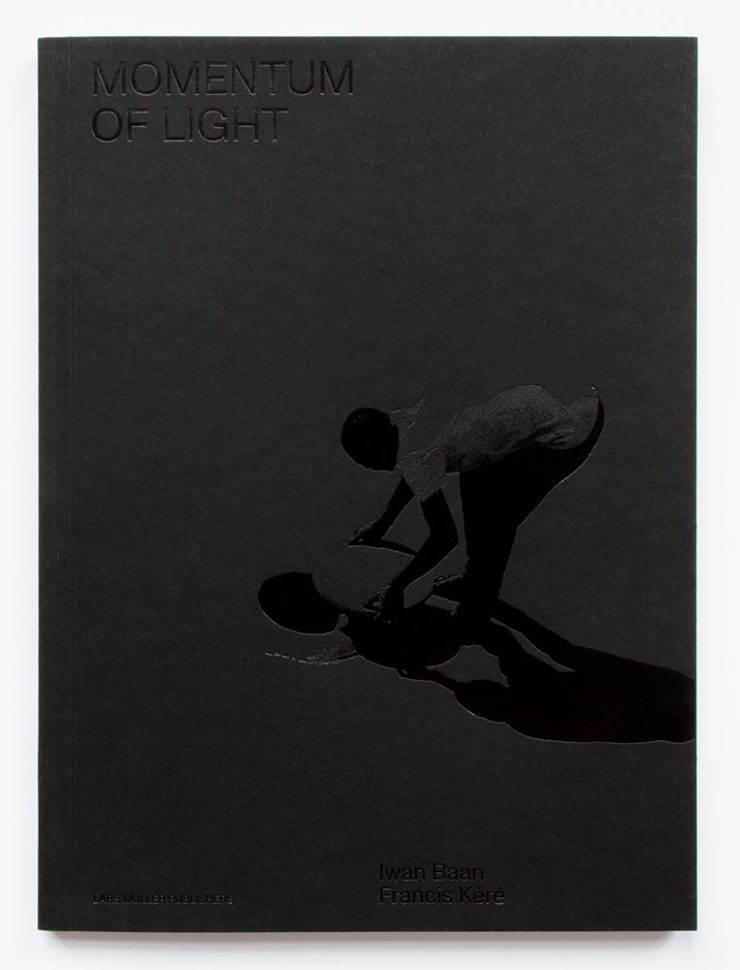
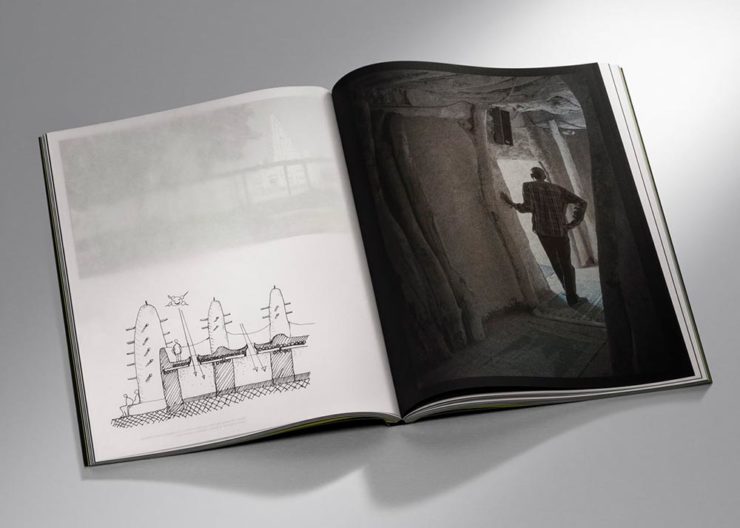
    In this fascinating book, architectural photographer Iwan Baan and (Pritzker-winning) architect Francis Kéré “set out to capture how the sun’s natural light cycle shapes vernacular architecture.” While I may be slightly biased in terms of architecture and photography, this one’s a winner. (Read the AIGA’s take.)

    Cover by Andrea A. Trabucco-Campos.
    Book design by Andrea A. Trabucco-Campos.

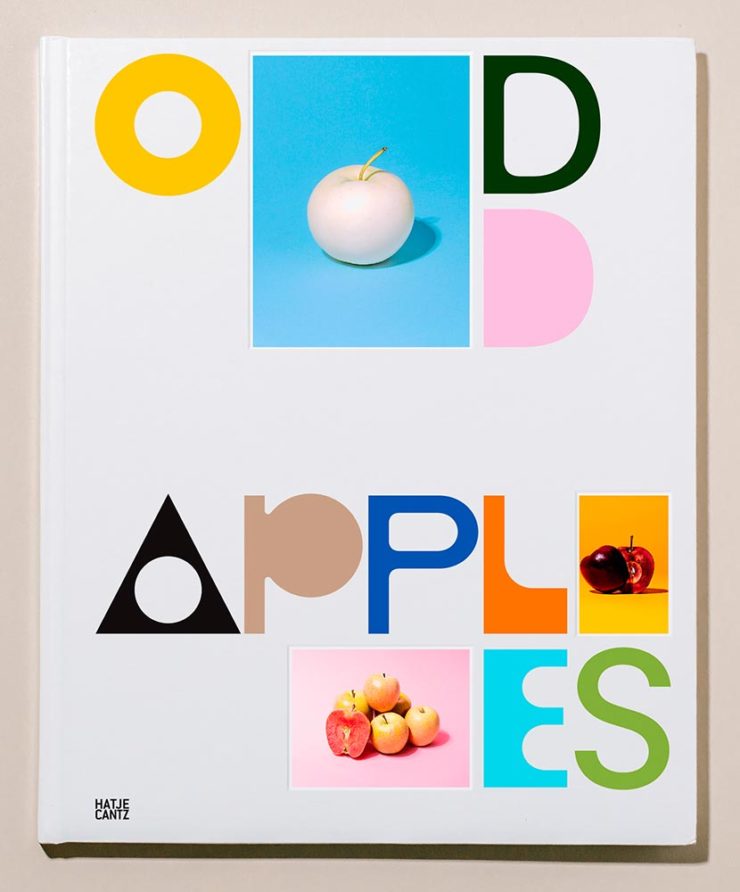
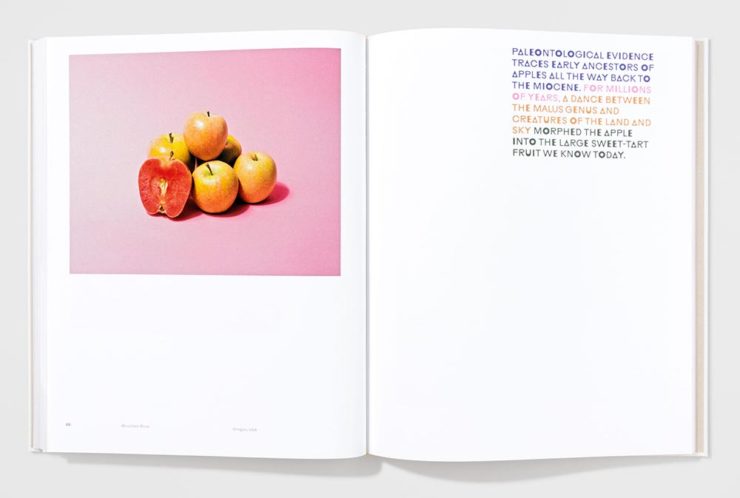
    “A little overly precious,” the AIGA says … while awarding it a prize. Completely fresh, I say, with interesting content presented in a way that does considerably more than interest. Well done. (See them apples.)

    Cover by Gary Fogelson and Ryan Waller.
    Book design by Gary Fogelson and Ryan Waller.

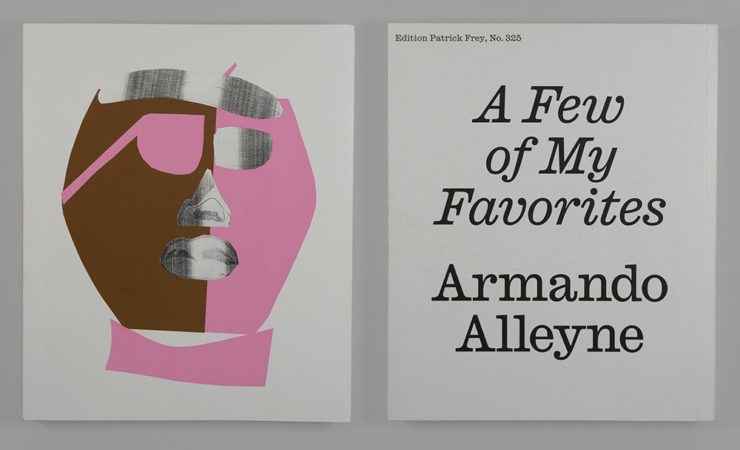
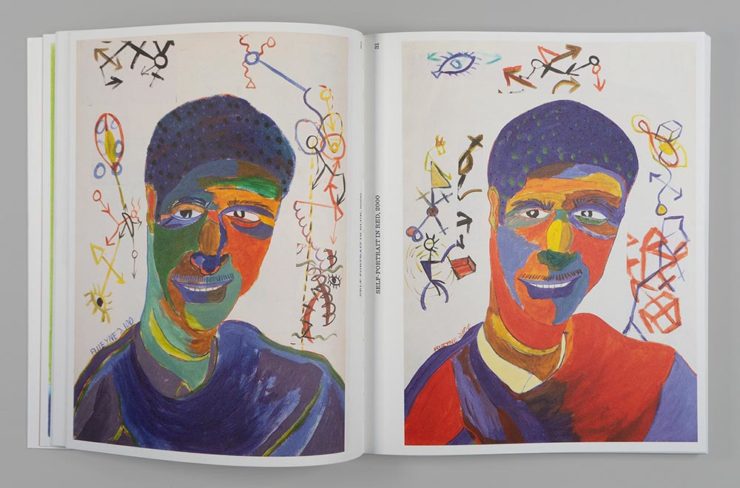
    “The type on the cover and in the body is perfect, in all ways and choices. The use of the gutter for captions is a great understanding of the art and a perfect way to save space. The page numbers too.”

    Brian Johnson, AIGA Judge

    This is one of those books that you have to say, “I wish I’d done that.” Great stuff. (See its individual entry.)

    The Time Formula. Cover by Honza Zamojski.
    Book design by Honza Zamojski.

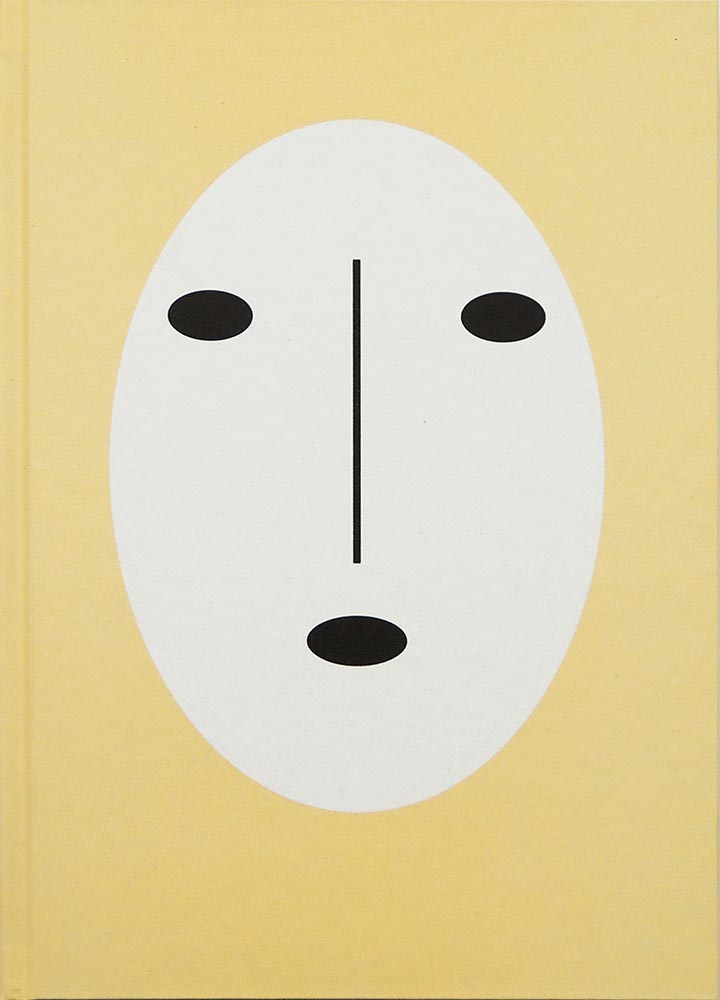
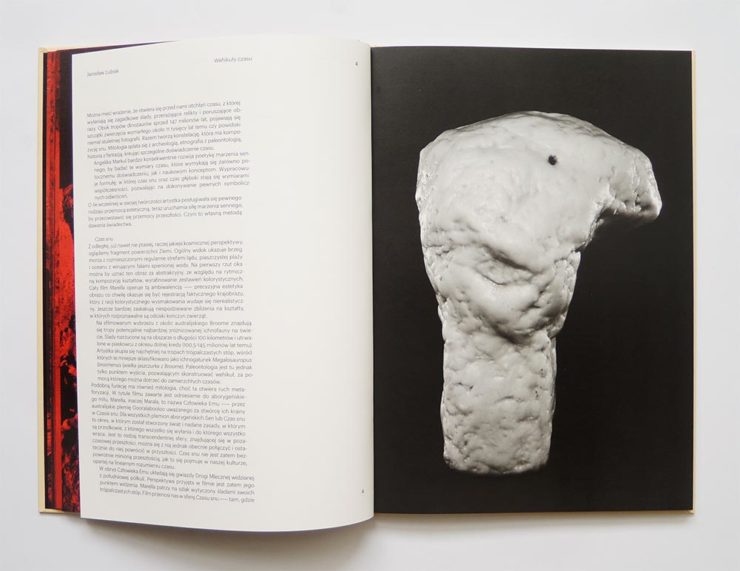
    There always seems to be some projects that violate book design “rules” — this one doesn’t have a title on the cover, has page numbers in the gutters, and more. Yet this book, about a sculpture project, makes for interesting viewing indeed. (See more.)

    Last, we have a couple that are only covers:

    Cover by Janet Hansen.

    This was considered for my favorites of 2021 (and made it onto others’ lists). I’m glad to have been given the chance to call it out. Excellent in its simplicity. (See the AIGA entry.)

    Last, but certainly not least:

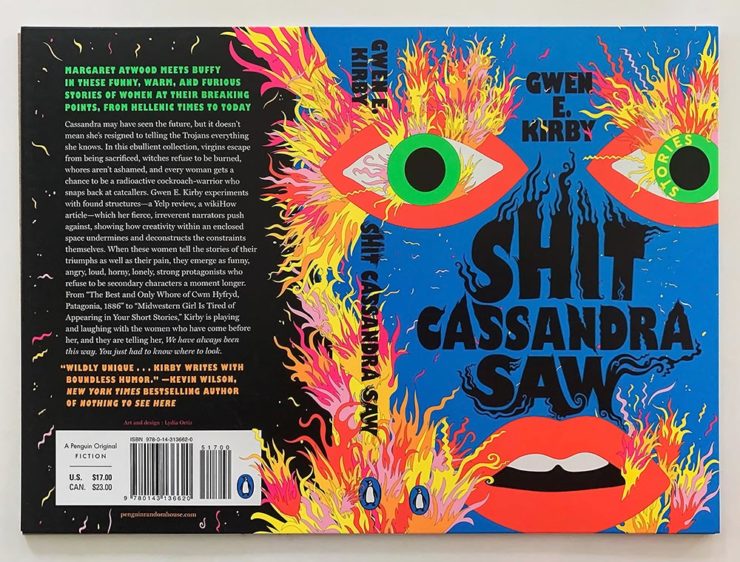
    Cover by Lydia Ortiz.

    Another advantage of this competition: seeing more than the front cover. And this cover, front, back, and spine, is so much more — especially in person: black plus four neon inks. Wow. (See the AIGA’s praise.)

    Many, many more to choose from at AIGA: set aside a little time, wander through all of the projects chosen, and truly enjoy. (Via Locus.)

    FYI: See last year’s 50 Books, 50 Covers, too.

  • Beautifully Briefed, Early July 2022: The Autopian, The Ford Heritage Vault, and an Eames Follow-Up

    Beautifully Briefed, Early July 2022: The Autopian, The Ford Heritage Vault, and an Eames Follow-Up

    Car site The Autopian scores with book design, Ford posts old marketing material gold mine, and more on the Eames Institute of Infinite Curiosity in this edition of Beautifully Briefed.

    Autopian suggests book design

    The Autopian, founded by a couple of former Jalopnik writers, is a new automotive gem: in these days of more-of-the-sameism sites trying to make money of others’ ideas, the Autopian has a retro style and interesting, original content.

    Including this short post from their Cold Start column:

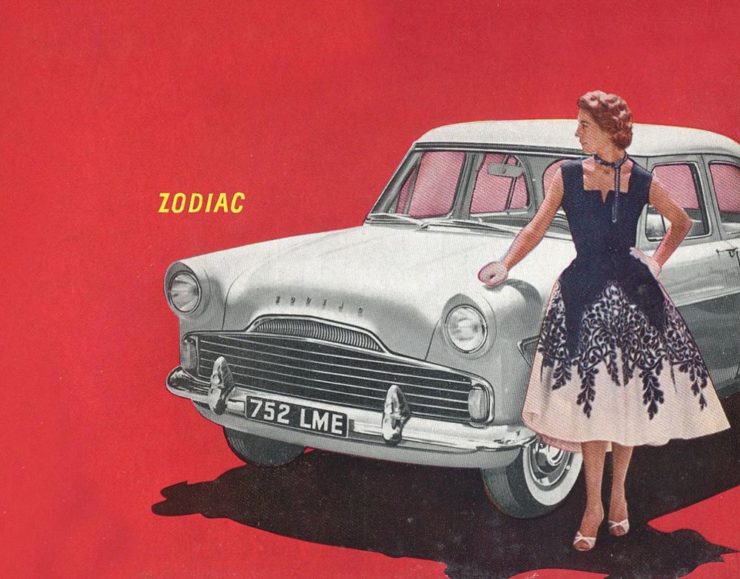
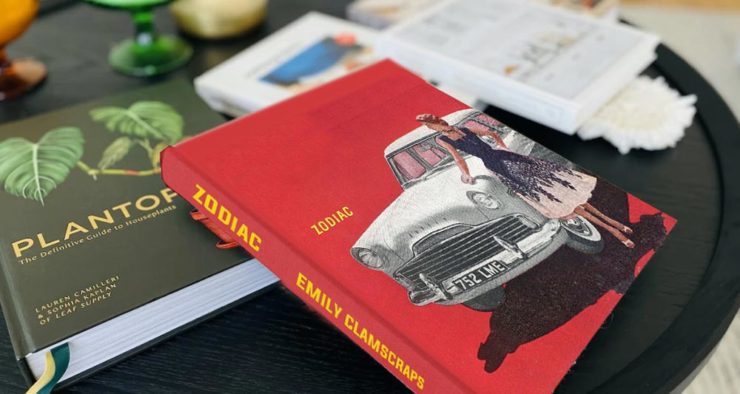
    Sometimes you may encounter an old car ad and realize that the design of it could lend itself very well to something completely different. In this case, this 1958 Ford Zodiac ad, with its rich, saturated colors, striking dress on the model, and evocative name with understated typography just feel like something you’d see on modern book cover design.

    Jason Torchinsky, Autopian Founder

    The ad:

    A 1958 Ford Zodiac (European)

    His book design idea “realized”:

    Jason’s book cover mock-up. Love the author name.

    Nice.

    The Ford Heritage Vault

    Ford has taken the unusual step of posting a good chunk of their old — 1903 to 2003, their first 100 years — marketing materials online: “promotional materials, photographs, and all kinds of other historical goodies,” according to CarScoops.

    “Our archives were established 70 years ago, and for the first time, we’re opening the vault for the public to see. This is just a first step for all that will come in the future,” says Ted Ryan, Ford archive and heritage brand manager.

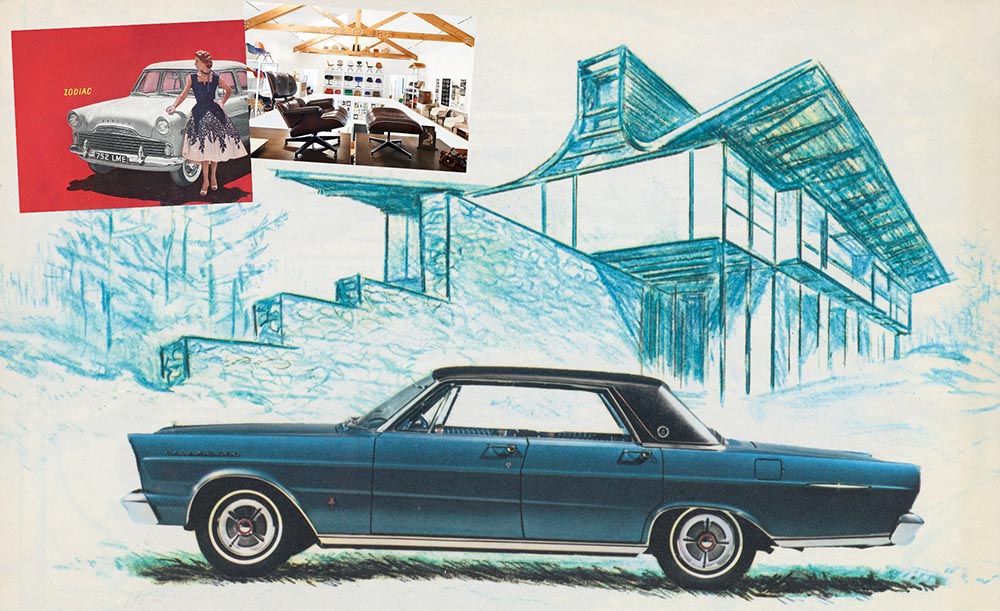
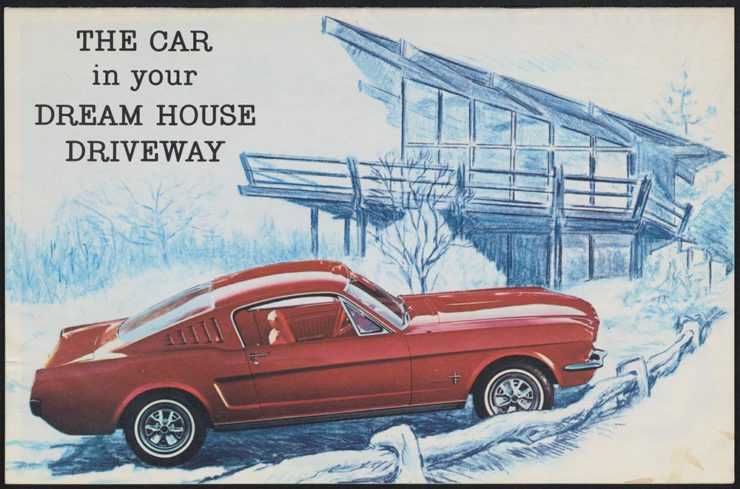
    Here’s a personal favorite: the 1965 full line brochure, showing the cars set in architectural drawings — presumably, matching the car to the house:

    The 1965 Ford Family of Cars brochure

    Fancy a drive down memory lane?

    More from the Eames Institute

    We discussed the Eames Institute of Infinite Curiosity back in April, but Metropolis magazine has published an extensive article covering a visit to the Institute.

    Modernism has largely been diluted from a series of ideas rooted in social change to one of just style—Instagram moments, if you will. The Eameses insisted that they did not have a style or even an “ism.” […] Modernism was an idea, not a style. With the establishment of the Eames Institute, I hope Charles and Ray will be remembered most of all for their ideas and processes.

    Kenneth Caldwell, Metropolis
    An exhibit at the Eames Institute of Infinite Curiosity.

    With our ongoing struggle to use materials more efficiently, many of the Eameses’ ideas and ideals need to be taken for the solutions that they are: style with incredible substance.

    Read the whole article at Metropolis. (Via ArchDaily.)

  • Beautifully Briefed [Updated]: Book Six-Fer, June ’22

    Beautifully Briefed [Updated]: Book Six-Fer, June ’22

    A book design treat for your Monday morning: four of my favorite new book covers from last month’s debuts.

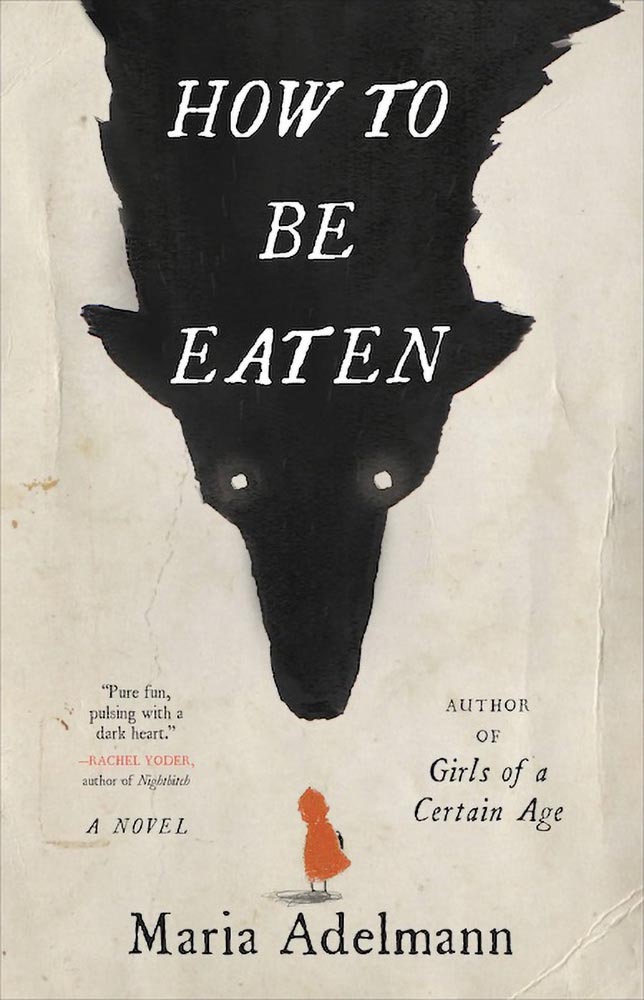
    How To Be Eaten. Design by Julianna Lee.

    Aged, distressed paper is a great look when done well, and this one hits all the right notes. The size relationship between the characters, the glow around the eyes, the two color choices, the type, all of it — great stuff.

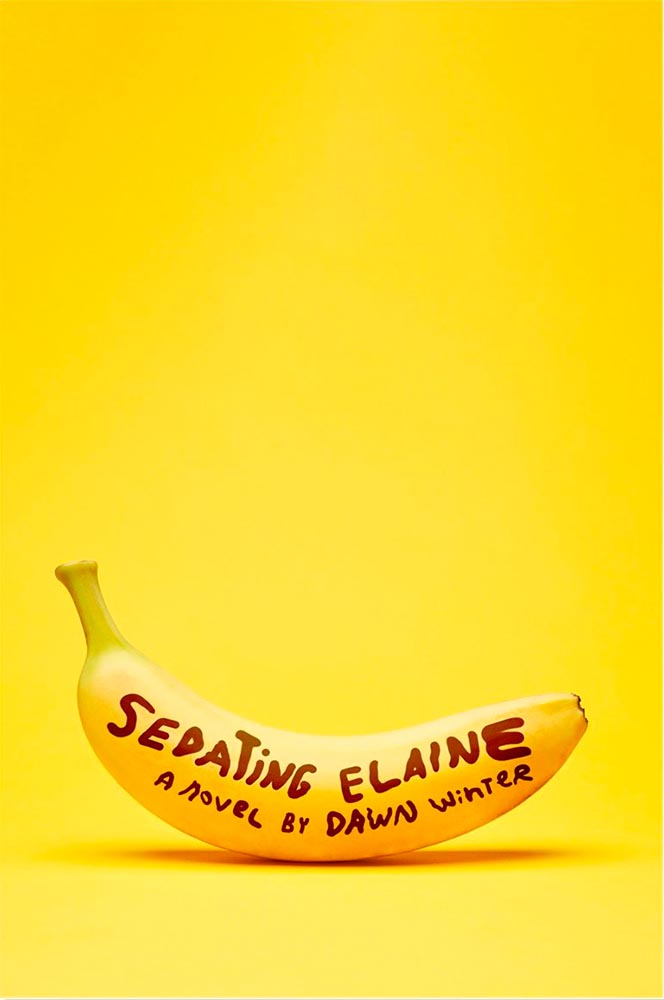
    Sedating Elaine. Design by Janet Hansen.

    A veritable how-to on less-is-more. Brilliant.

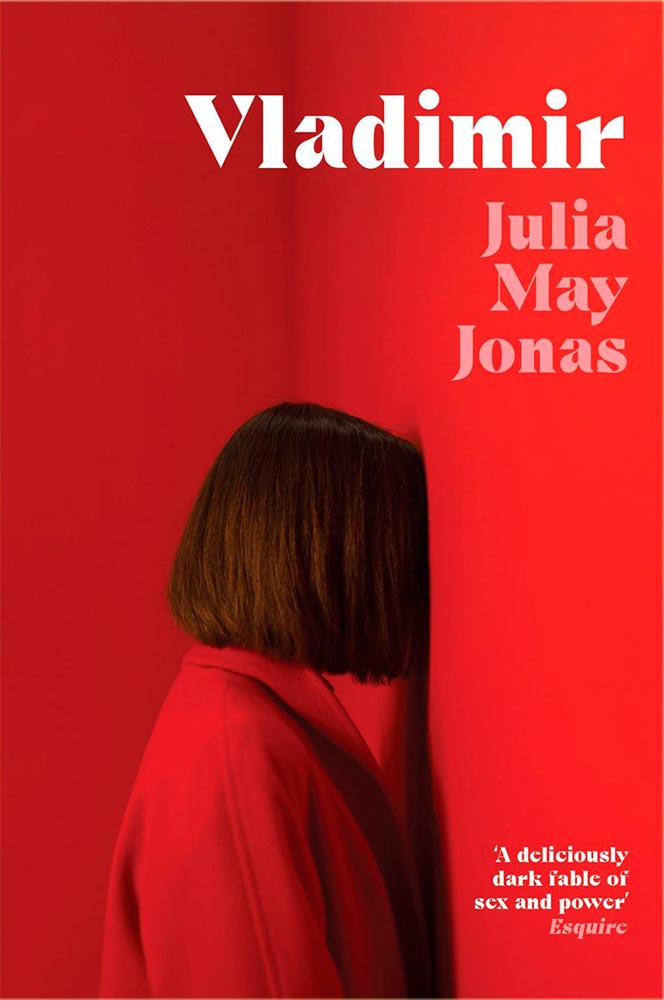
    Vladimir. Design by Katie Tooke.

    Another solid-color triumph. Great font choice here, too. Awesome.

    I’ve saved the best for last:

    You Have a Friend in 10A. Design by Kelly Blair.

    Great Circle has featured before, and this follow-up takes us inside the plane and into the safety brochure in the best possible way. Great, brilliant, and awesome wrapped into one.

    Via LitHub and Spine, as usual. Have a good week!

    Update, June 20th: WABE, Atlanta’s NPR station, has a summer reading list out, highlighting Georgia books and authors — and I’d like to include two of the covers here:

    Invisible Child.

    The grainy photograph, the wonderfully placed city skyline, and classic typography, combined with the diagonal cutline, elevate this title from mundane to eye-catching.

    The Sweetness of Water.

    Excellently distressed doesn’t begin to describe this, on many levels. Side note: it’s a terrible shame that the Oprah and Booker call-outs have been elevated to logo status in what can politely be described as a distraction (from a book designer’s point of view, at least).

  • Spring Book Design Coverage

    Spring Book Design Coverage

    For your May Day, please take a closer look at twelve great book covers — and a bonus thirteenth! — spotted during the first four months of 2022.

    In alphabetical order:

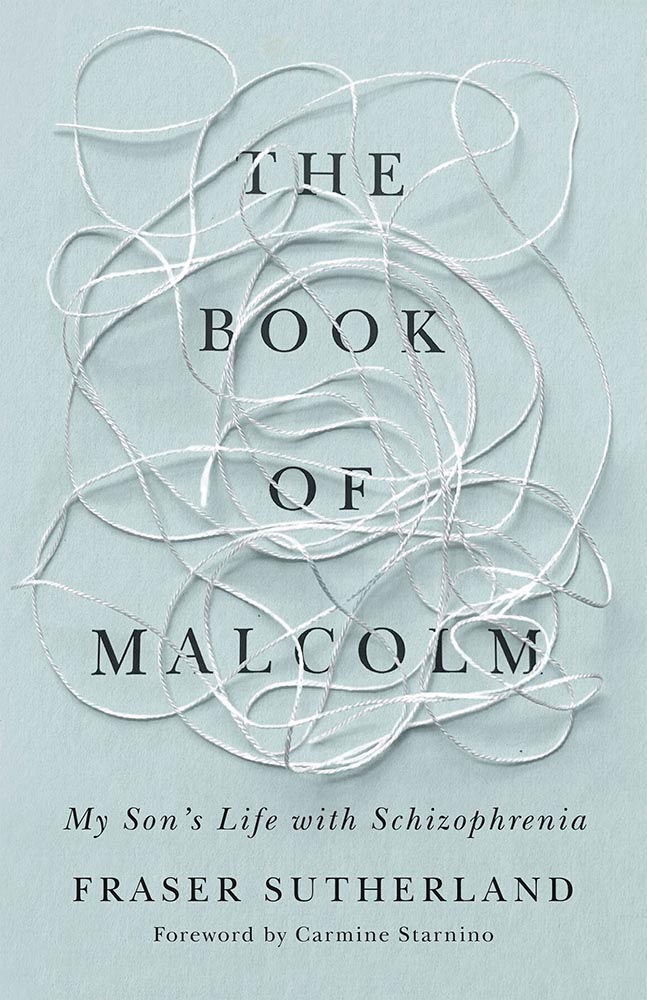
    Book design: David Drummond

    Brilliant: actual text, printed (on a great color paper, too), with actual string, photographed on said print. Not only is it exactly right for the subject matter, it’s simply and beautifully done.

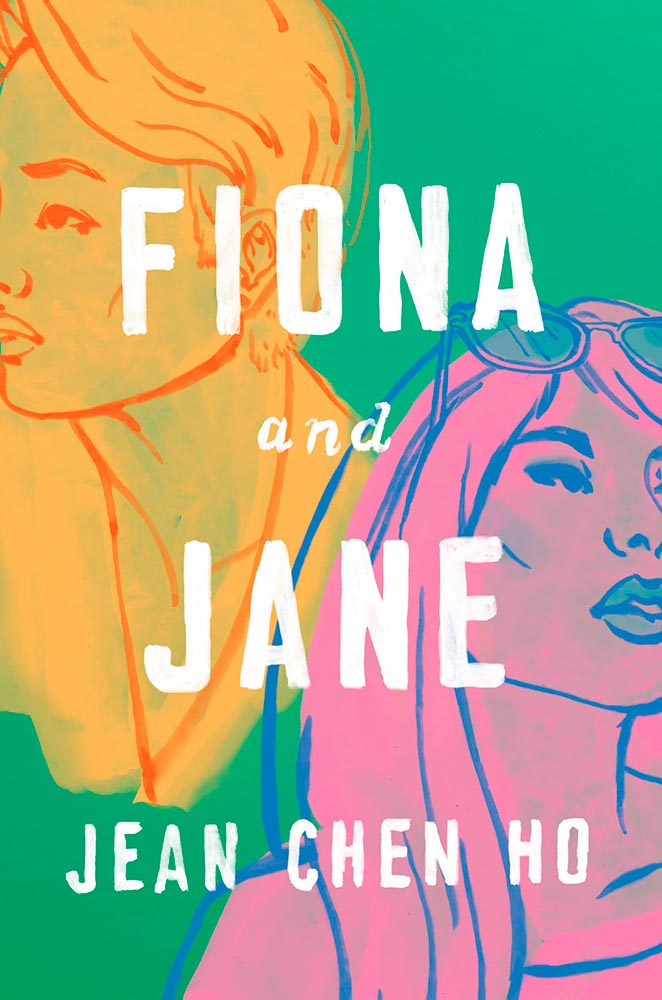
    Cover design: Brianna Harden

    Another great background color choice, this time highlighting the awesome colors chosen for Fiona and Jane’s illustrations. The hand-painted text is perfectly done.

    Cover design: Vi-An Nguyen

    Woodcut or just aged? Doesn’t matter, as “brilliant” falls short when describing this title.

    Cover design: Alex Merto

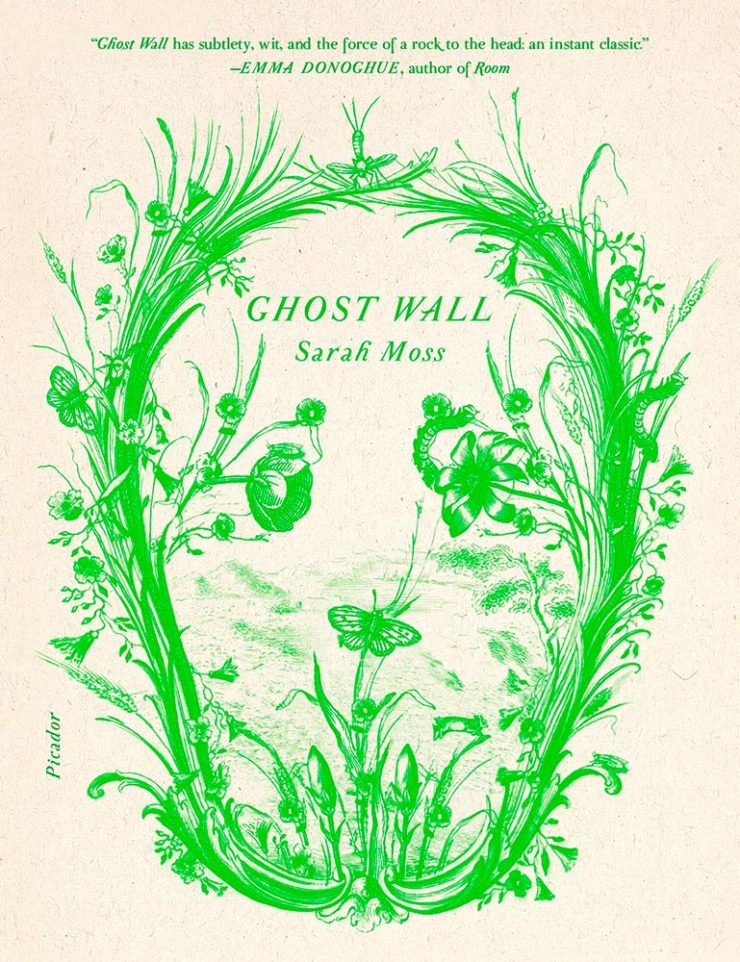
    From It’s Nice That, we have a nice feature on Alex Merto — whose Ghost Wall cover is a great example of plant life adding so much more: “the force of a river to the head,” to paraphrase Emma Donoghue’s quote.

    Cover design: Anna Morrison

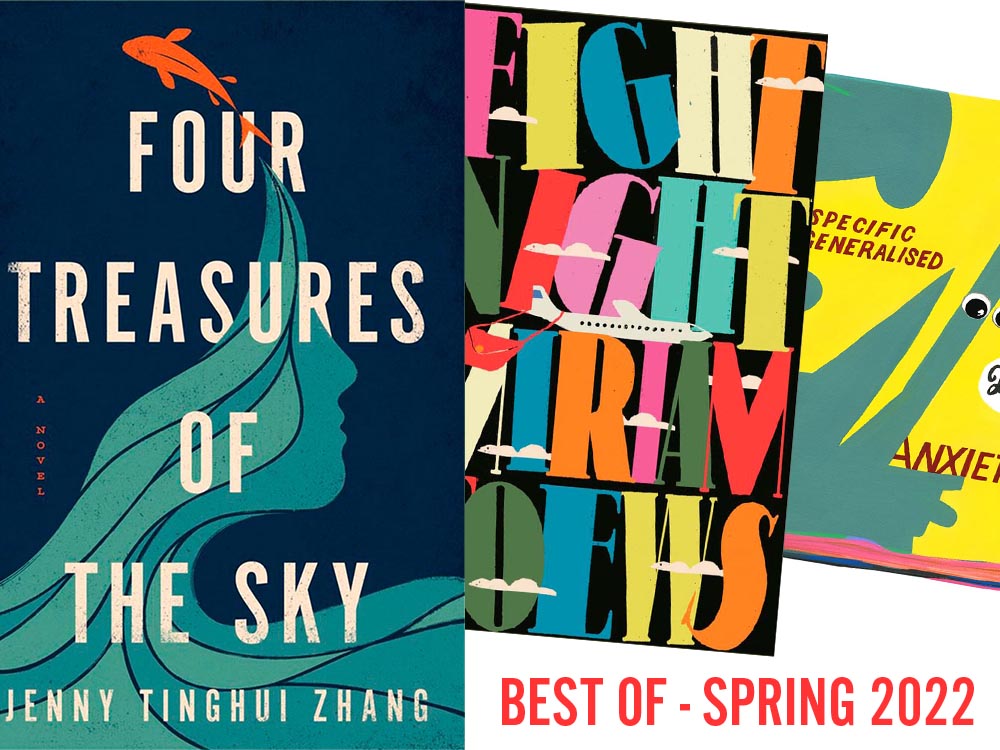
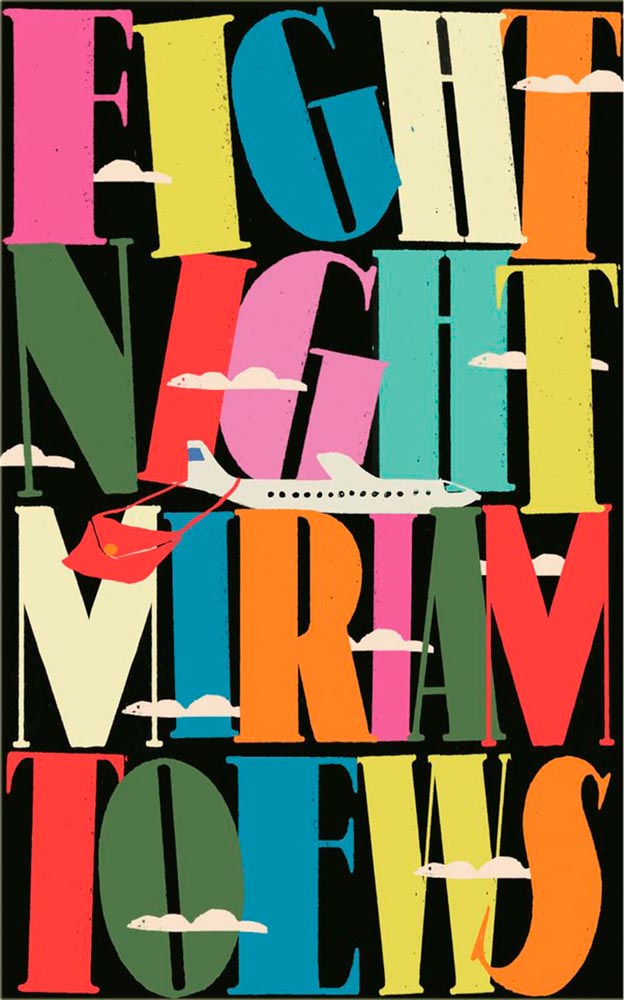
    The typography, awesome little plane — the purse(r)! — the clouds, all of it: sky-high levels of good.

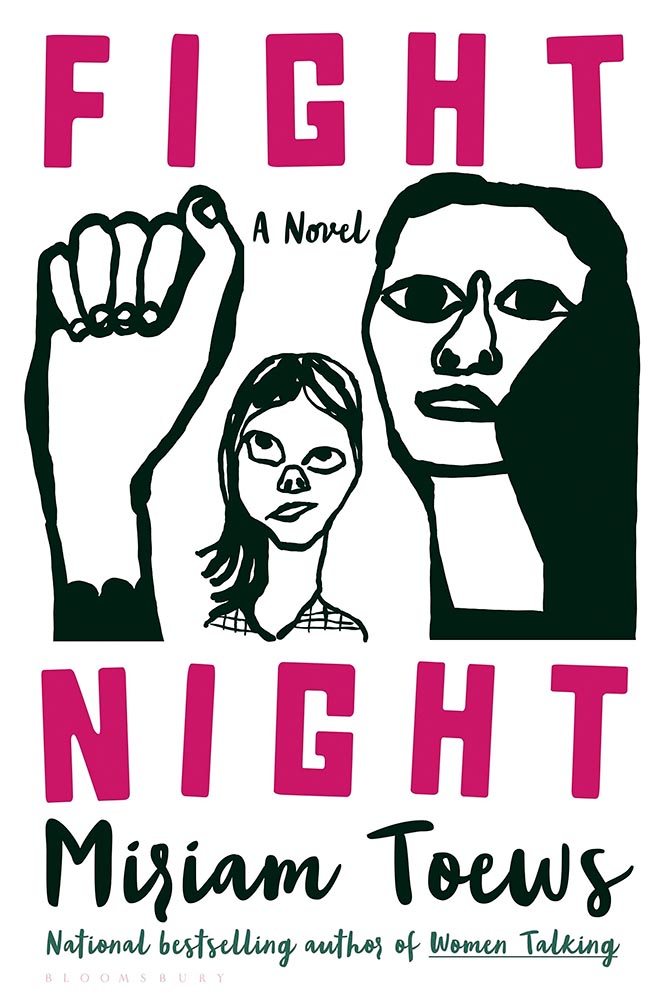
    Interestingly, Fight Night‘s cover has gotten notice before:

    Cover design: Patti Ratchford, illustration: Christina Zimpel

    I can’t begin to imagine what caused the redesign, or why it wound up being so radically — 180 degree! — different. The old design wound up on some “best covers” lists (here’s LitHub’s October 2021 post, for instance); the new one has wound up on mine.

    Cover design: Christopher Sergio

    LitHub says this one has a very high “hang on the wall” factor. I can’t think of a better description — great stuff.

    Cover design: Na Kim

    Na Kim just can’t help but design the best covers: a wonderful, antique background complimented by brilliance. (Great typography, too.)

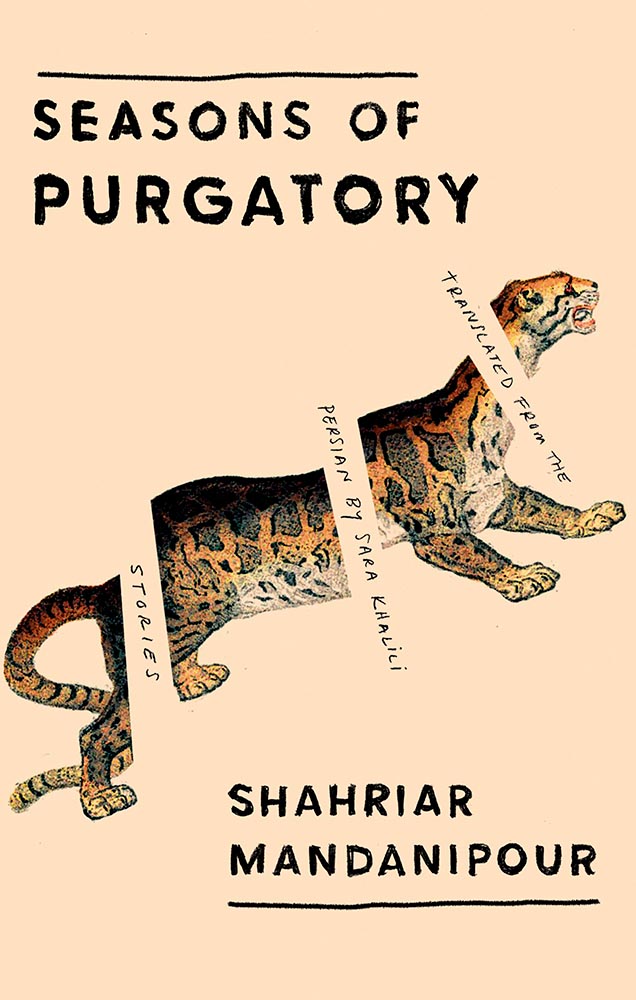
    Cover design: Emily Mahon

    It’s nigh-on impossibly to look at this cover and not flip it around to read the text trisecting the leopard. Take something simple, add the elusive more, get this. Yeah.

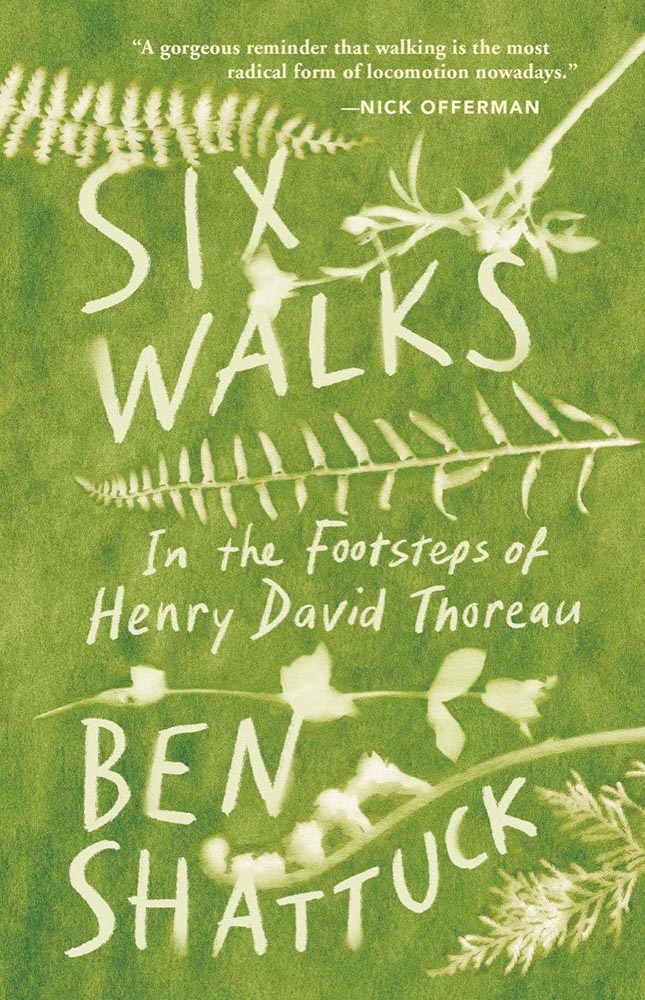
    Cover design: Jim Tierney

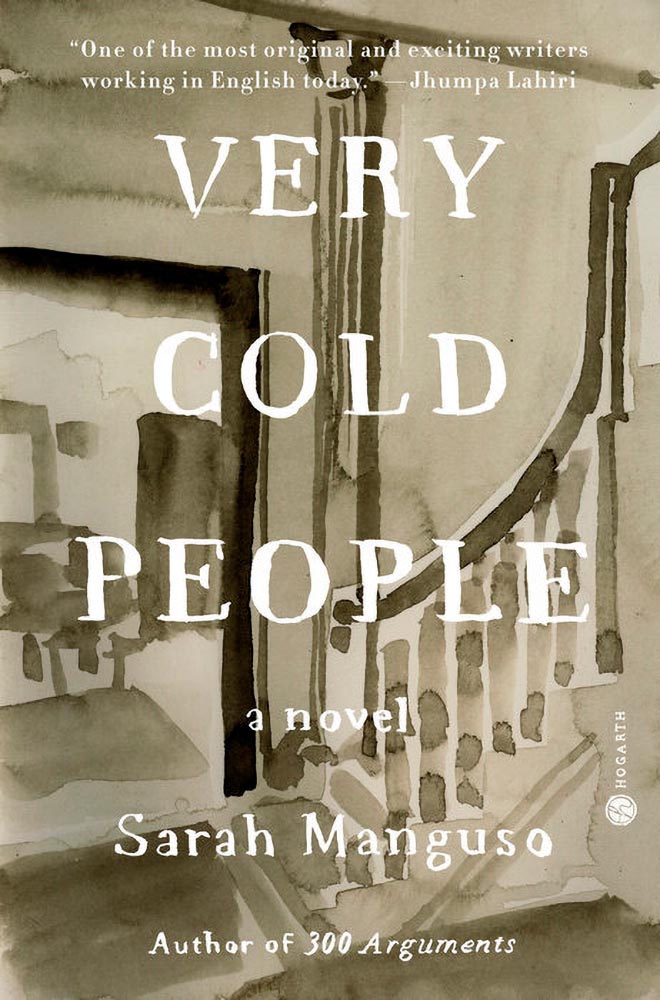
    Another fantastic example of plants adding more than the sum of their parts. The mottled green background and watercolor-style falloff is perfectly complimentary. Great stuff. (Except: This is one of those times when an editor or publicist somewhere says, “Hey, we need to add this quote at the top. Let’s do it without consulting the cover designer.”)

    Cover designer … unknown. Credit where credit is due — when I can.

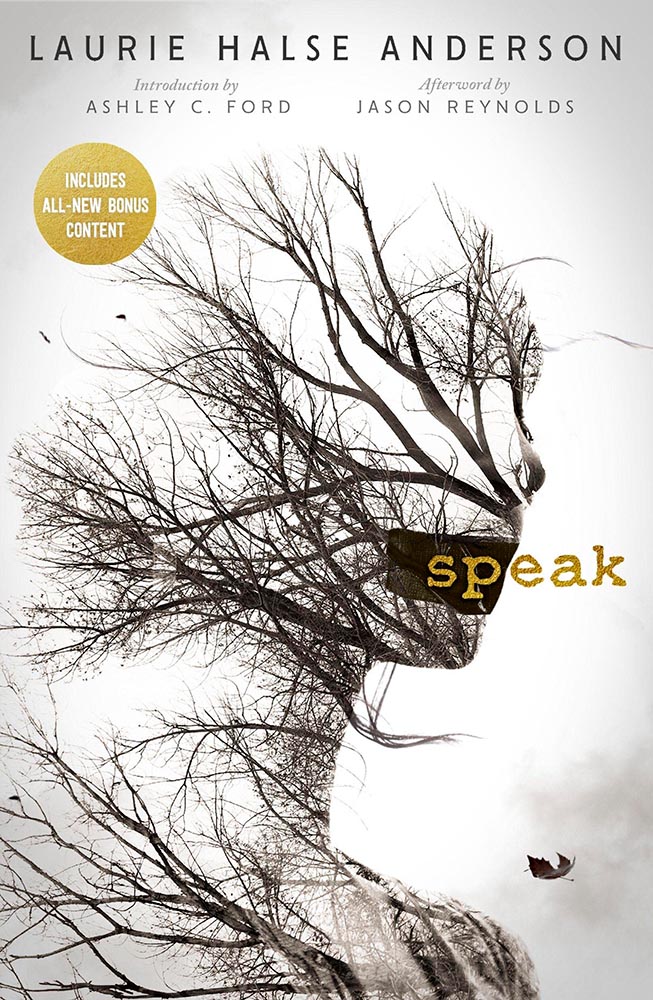
    From the Banned Books Department, we have the 20th Anniversary edition of this difficult title rendered in a photo-based collage that’s nothing short of brilliant. Highest praise. Kudos, too, to Open Culture: The New York Public Library Provides Free Online Access to Banned Books: Catcher in the RyeStamped & More.

    Cover design: Jack Smyth

    Never mind the great brushed color blocks or boat-rowing-the-ocean above the title. This is here for the overlap between color and island. Shortlisted for the prize for intersection-of-the-year.

    Cover design: Leanne Shapton

    This illustration being in grayscale is, at first, a little off. But, of course, that’s exactly the point. I overuse “brilliant,” but it’s the best description. (See a note from the designer at LitHub‘s cover reveal.)

    So, the bonus. No, it’s not the extra Fight Night, above, it’s a fictitious cover. That’s right:

    Cover design: Anna Hoyle

    In another It’s Nice That post, we have Anna Hoyle: “Judge her fake books by their comical covers.” Okay!

    More book design updates soon — ’cause, here in Georgia, USA, we’re done with spring. Summer starts . . . now.

    Additional sources: Spine, “Book Covers We Love” for January, February, March, and April, and LitHub, “Best Book Covers of the Month.”

  • I Swear, This Title….

    I Swear, This Title….

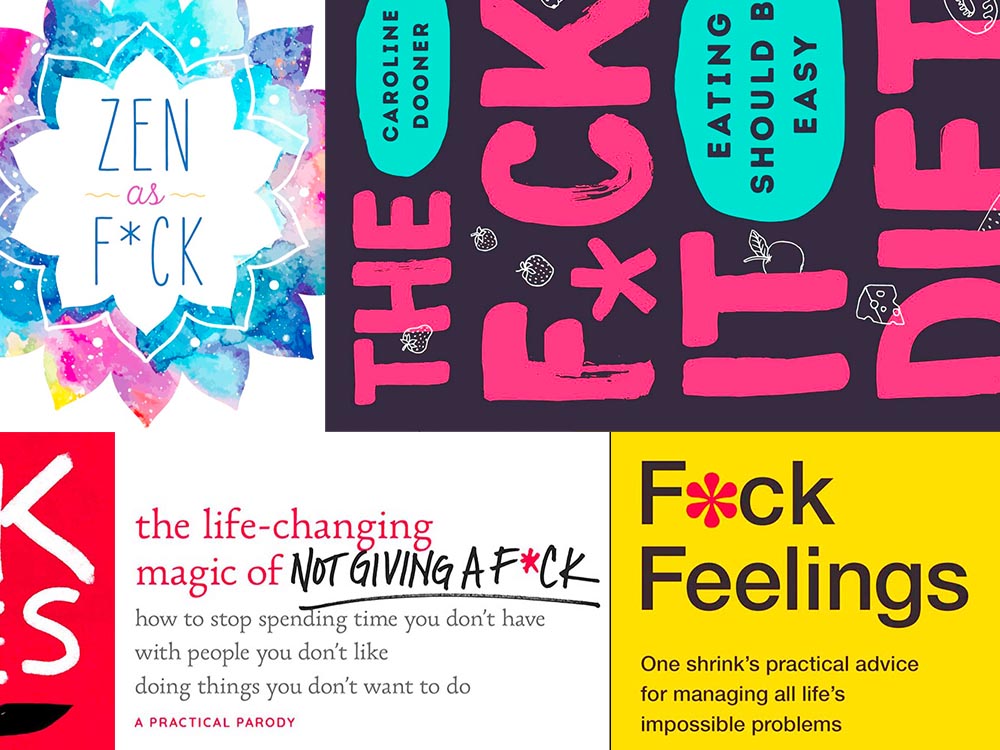
    Kottke recently revisited a theme that’s been running for a few years now: titles with a swear — f*ck, in this case — in the title. According to Slate, the practice stems from the 2011 parenting title Go the F*ck to Sleep, and has accelerated over the years.

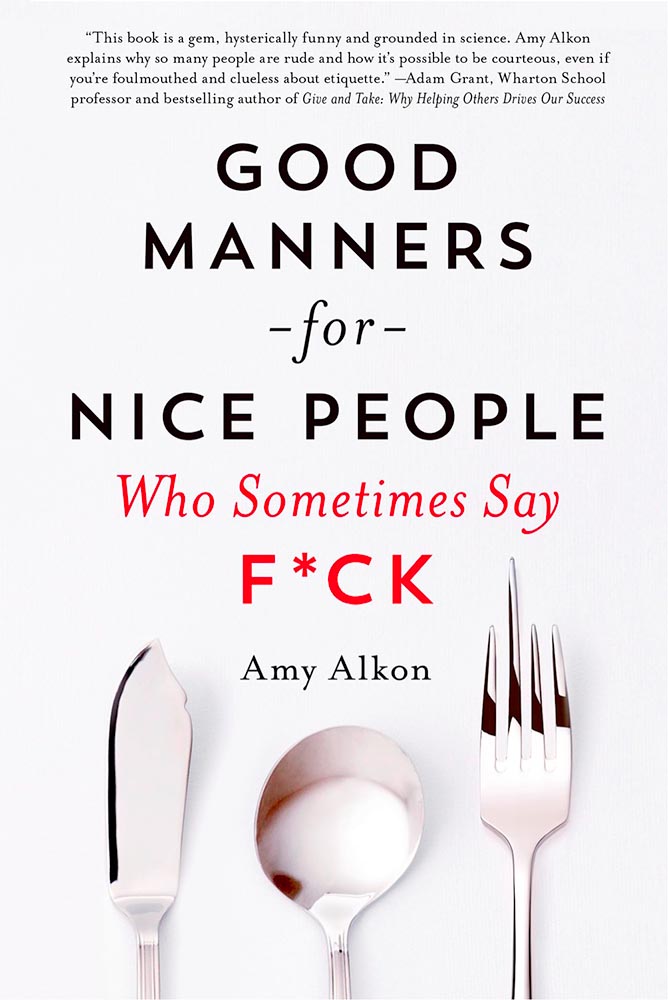
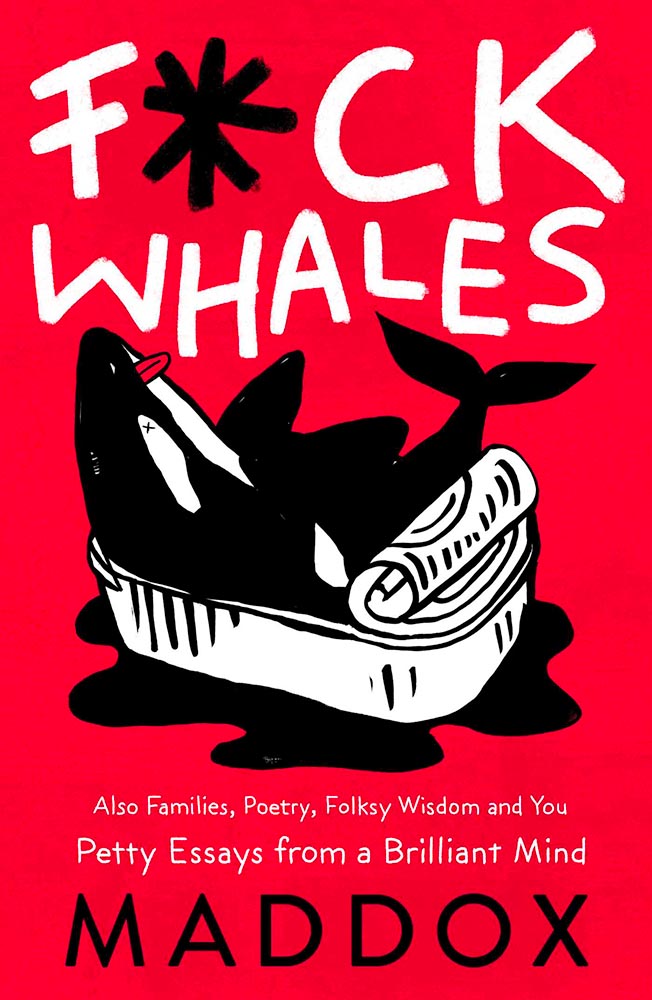
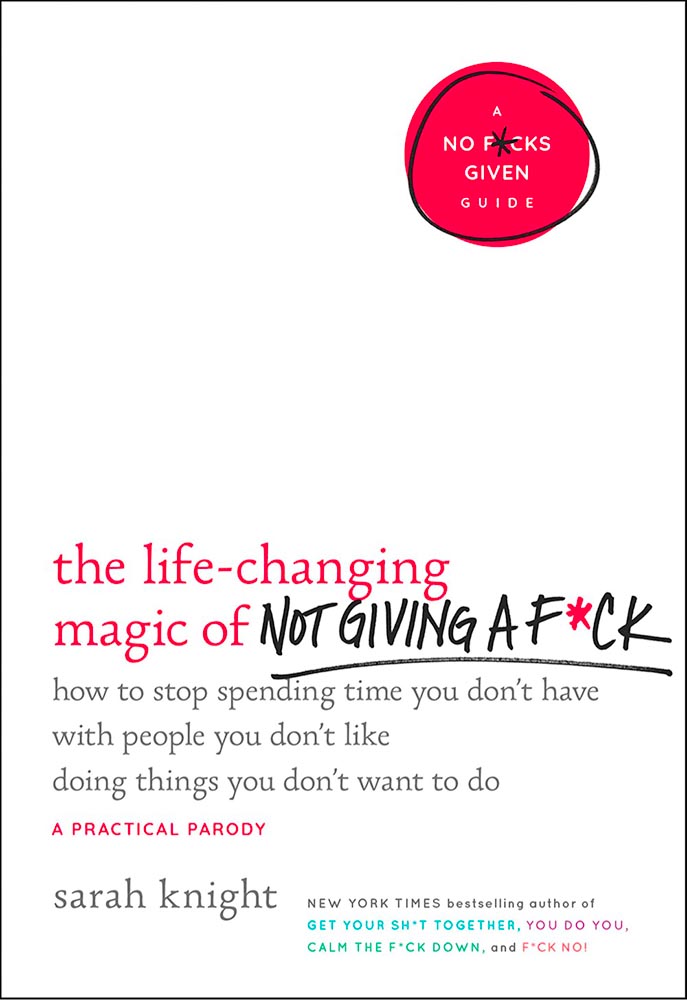
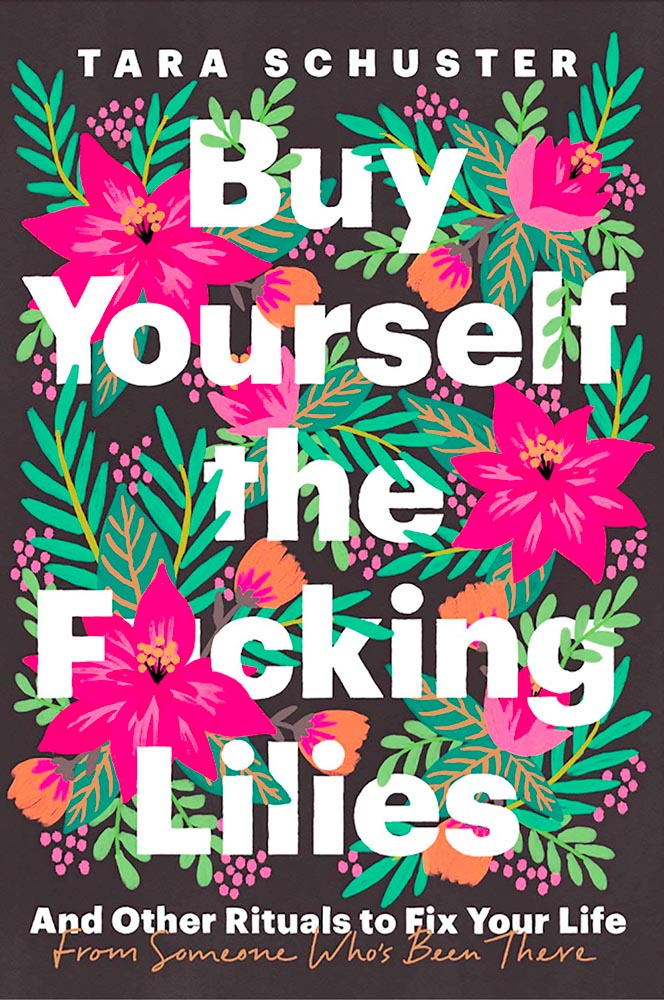
    I’m more interested in the design of such a title. Bookstores, advertisers, and publicists demand that the swear never be completely spelled out, but that doesn’t restrict great design ideas. Here are a few of my favorites:

    Love the fork. (So to speak.)
    The less-is-more approach.
    Whales as sardines.
    Interesting choice with the capitals, or lack thereof.

    Note the over-arching theme: no, not that — the lack of photography. The vast majority of these titles are text based, supposedly because something competing with the swear would detract from the shock value. There’s a primary color thing going, too, probably for the same reason.

    Most of the time:

    Self-help, with style.

    Something different for your day!

  • Beautifully Briefed, Early March 2022: Monograph Impresses, Monotype Trends, and Media Waste

    Beautifully Briefed, Early March 2022: Monograph Impresses, Monotype Trends, and Media Waste

    Three diverse items in this round-up, from illustration to typography to whether or not ad-blockers are actually environmentally-friendly — along with a response that reminds us to look at the bigger picture.

    Malika Favre (Expanded Edition)

    CreativeBoom:

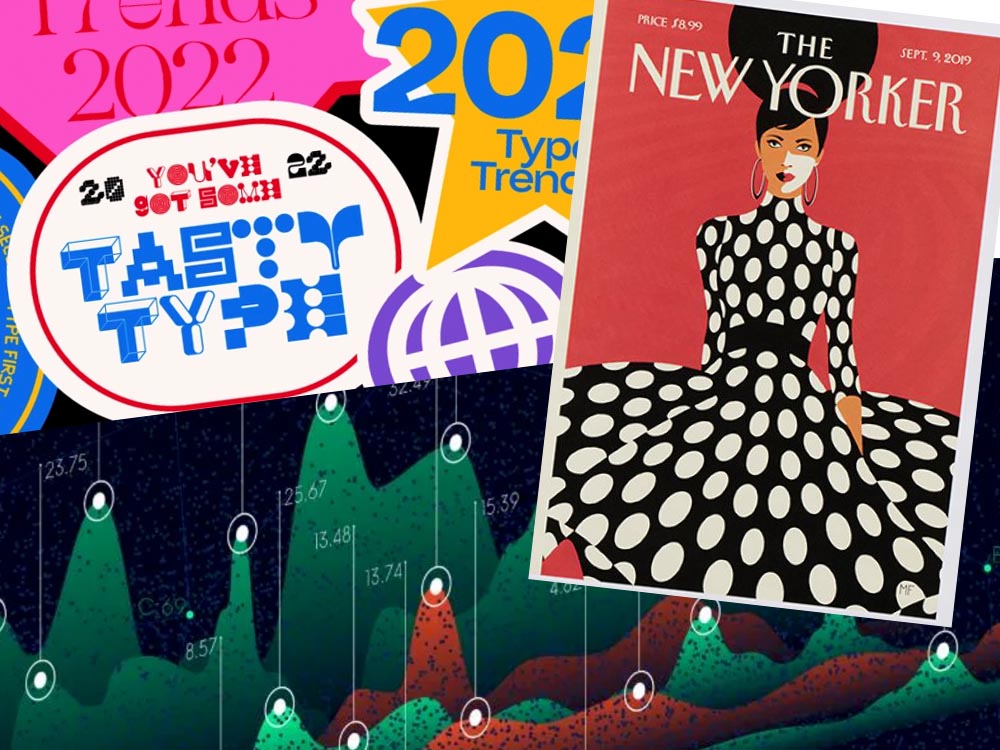
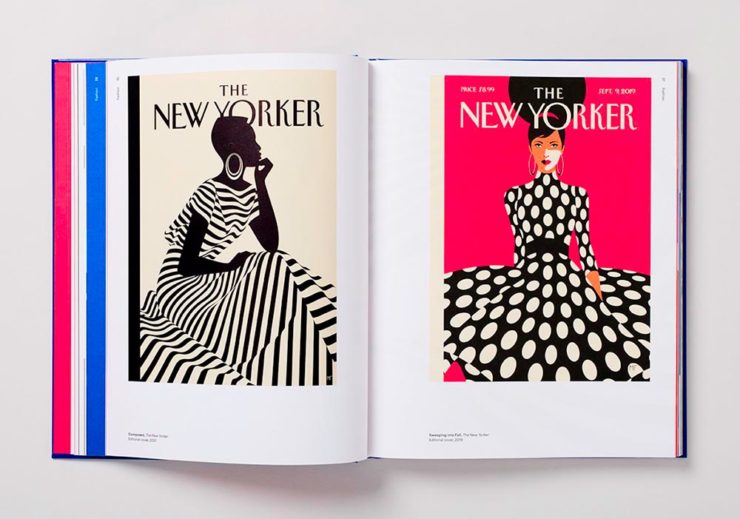
    French illustrator and graphic designer Malika Favre has been impressing audiences for years with her minimalist work for publications such as The New Yorker, Vogue, and Vanity Fair. Now over a decade’s worth of her work has been released in a new monograph from Counter-Print, which contains a suitably stripped-back aesthetic.

    Her style is distinctive; I’ve liked her New Yorker covers especially:

    Malika Favre (Expanded Edition) in English

    The book includes the illustrator’s own cover, and she had a big hand in designing the layout, too. CreativeBoom’s article is excellent — check it out.

    Monotype’s 2022 Trends

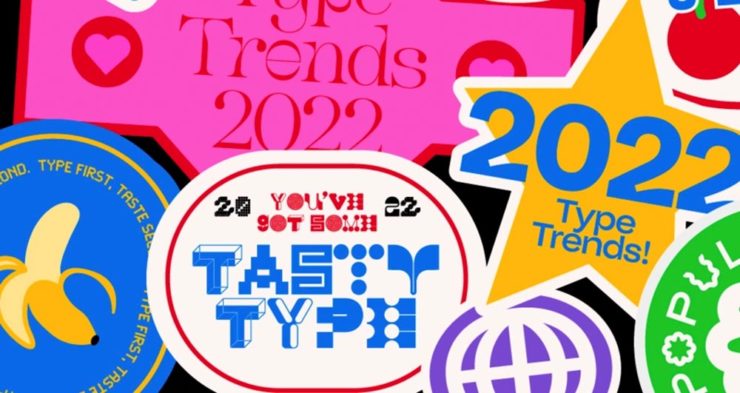
    It’s Nice That points us to the recently-released 2022 Type Trends Report from Monotype:

    Monotype’s 2022 Type Trends Report cover

    Throughout yet another “unprecedented year,” it’s safe to say that the macro trends influencing the type design community are nearly too long to list. Several socioeconomic, political, and cultural events continue to shape the way we approach creative work and how connect to each other online and offline.

    Biodiversity’s relationship to type, varying type styles in a single logo, and thin serifs — the one I’m likely to use somewhere — are in this year.

    New York’s Park Lane Hotel

    The above example, from New York’s Park Lane Hotel, is but one they cite (see that whole, very lovely project at Brand New). Check out the whole report, and get trendy.

    Perhaps we can convince Apple to go back to its also-lovely Garamond…?

    Media, Trackers, Blockers, and the Environment: There’s a Problem

    Did it ever occur that using an ad blocker in your browser is actually an environmentally-friendly move? No, I hadn’t put it together, either.1More from MIT on ecological impacts of cloud computing here.

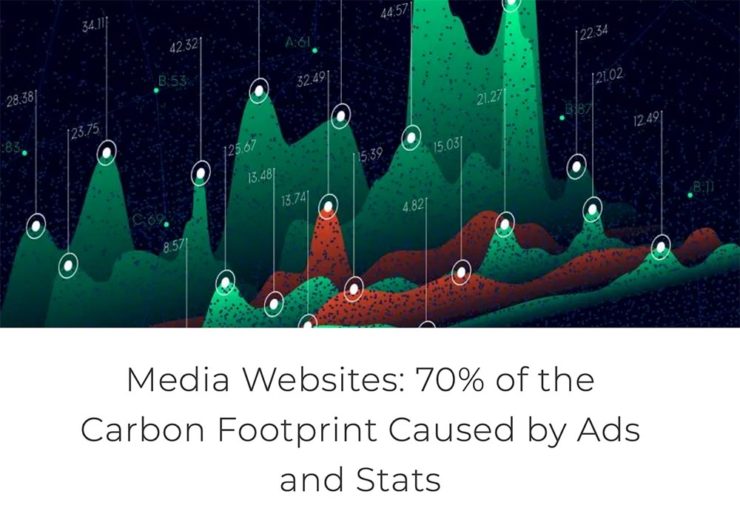
    70% junk. Surprise and shock (not really).

    [U]p to 70% of the electricity consumption (and therefore carbon emissions) caused by visiting a French media site is triggered by advertisements and stats. Therefore, using an ad blocker even becomes an ecological gesture. But we also suggest actions web editors could take to reduce this impact.

    An interesting study, certainly, with information that many of us already use and some suggestions for action in case we don’t. But…:

    Another of Monotype’s 2022 Type Trends, appropriated for use here

    Nick Heer:

    I have qualms with this. The idea of a “carbon footprint” was invented by British Petroleum to direct focus away from environmental policies that would impact its business, instead blaming individuals for not recycling correctly or biking to work more. A “carbon footprint” is also a simplistic view of how anything contributes to global warming, and that it seems to be used here as a synonym for bandwidth and CPU consumption.

    I’m not sure whether I’ve called out the excellent Pixel Envy2A sort-of Daring Fireball with Canadian roots, but this is an example of why I should.

    That is where I think this well-intentioned study falters. Even so, it is absurd that up to 70% of a media website’s CPU and bandwidth consumption is dedicated to web bullshit. Remember: the whole point of web bullshit is that it is not just the ads, it is about an entire network of self justifying privacy hostile infrastructure constructed around them.

    • 1
      More from MIT on ecological impacts of cloud computing here.
    • 2
      A sort-of Daring Fireball with Canadian roots
  • Beautifully Briefed, Early February 2022: A Car, a Photo, and a Book

    Beautifully Briefed, Early February 2022: A Car, a Photo, and a Book

    BMW i3 Discontinued

    As some of you know, for getting around town, I zip about in an electric BMW i3. The range isn’t great — 120 miles, give or take, meaning I’d have to recharge there if I went to Atlanta — but for Macon and pretty much all of Middle Georgia, it’s perfect. Grocery store? No problem. Park, for a walk? No warmup, no emissions. Enough range for an ice cream in Musella or lunch in Milledgeville? Easy.

    In fact, it’s not an understatement to say that I rave about my i3. Simply put, I love it.

    Electric Toolbox, Wooden Shed

    When introduced in 2014, it was hugely ahead of its time. Built on a bespoke platform with a carbon-fiber body and an eye-catching style (that somehow just looks electric), it was a huge change of pace for the “Ultimate Driving Machine” folks. And it’s done well for them, too: a quarter-million since.

    Alas, it’s just been discontinued: people want SUVs instead. Bah.

    From cars to boats

    Leica has announced their photograph of the year for 2021:

    Over the past ten years, Leica Camera AG has honoured twelve renowned photographers for their life’s work, by inducting them into the Leica Hall of Fame. A Leica Picture of the Year has now been designated for the first time, with the aim of sharing this success with all Leica enthusiasts. 

    Leica’s 2021 Photograph of the Year

    One of the things that makes photography so glorious is how many different ways the person behind the camera could approach a subject. So, I ask myself: would I have taken that photograph? Almost certainly not. That said, would I hang it on my wall? Yes. For $2000? Maybe another lens instead!

    LeicaRumors has more. Meanwhile, I’ll keep improving. Someday….

    Update: The official Leica page: Ralph Gibson and the M11.

    2021 Cover of the Year addition

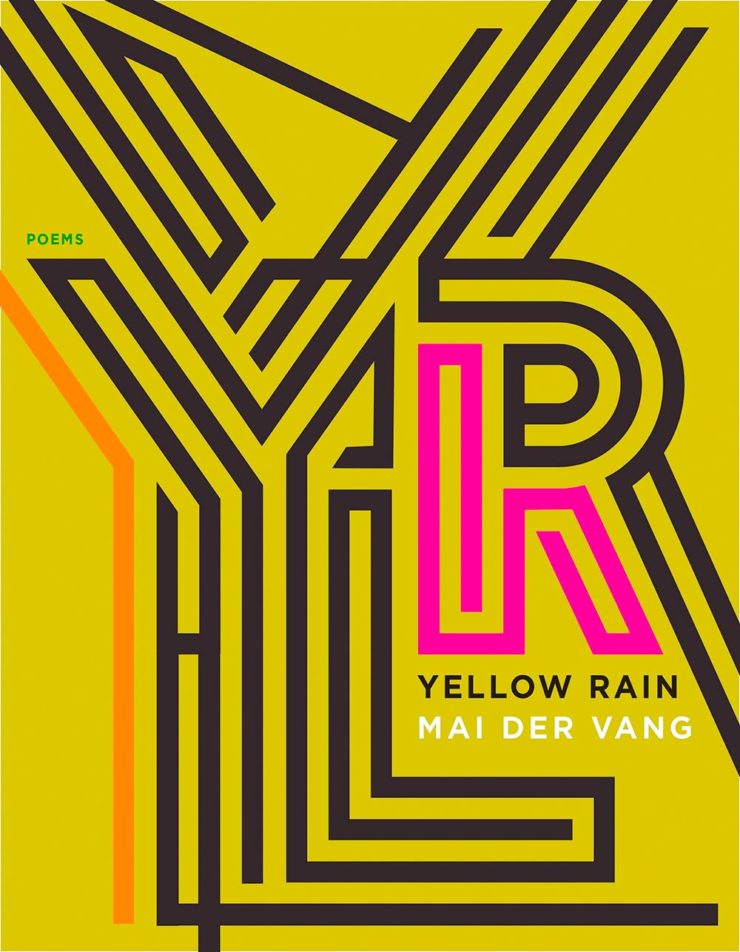
    Lastly, the New Yorker’s Briefly Noted book reviews (from 6 December — I get them second-hand, and subsequently, am a little behind) reveals a collection of poetry — a reinvestigation of chemical weapons dropped on Vietnam — whose cover is sublime:

    Yellow Rain, 7 x 9″ paperback, Graywolf Press, cover by Jeenee Lee Design

    Noted, indeed — I wish I’d seen this in time for my favorite covers of 2021. Belated Honorable Mention! (Thanks, Youa.)

  • New Website. Finally.

    New Website. Finally.

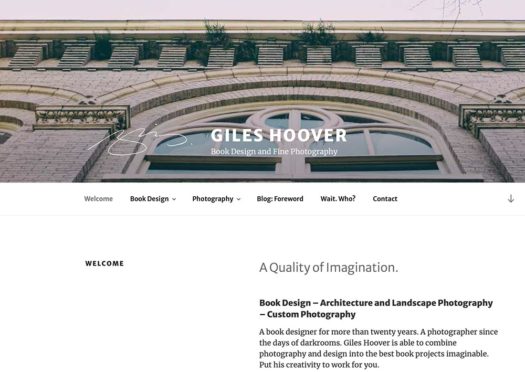
    Housekeeping news: I went back to having an actual website in June, 2019; for a few years, I’d just used a photography hosting service, as photography was the vast majority of what I did. However, when book design again became an important-enough part of my work, I wanted to have a space to talk about it. I bought a WordPress template, added photographs, and posted it.

    …But I never really liked it. From the beginning, I felt y’all deserved more: better typography, better photography, better everything. Like so many, however, one’s own stuff is always at the bottom of the to-do list. No longer.

    I’d like to introduce the new version:

    The new gileshoover.com, January, 2022

    There were a few bumps getting here (naturally, I broke everything along the way; to say I don’t code is an understatement!), but with some tweaking notwithstanding, the new gileshoover.com is live. It’s got all-original photography, matched sans and serif font superfamily (Merriweather by Sorkin Type, a Google Font), much faster response time, open-source foundations, and so on.

    Note that entries on Foreword are best seen individually, as you’ll see bigger photographs (or illustrations, graphics, etc.). Click on entry titles to get there.

    Please explore.

  • My 50 Favorite Book Covers of 2021

    My 50 Favorite Book Covers of 2021

    This post is late, because I had trouble narrowing my long list down . . . and then, when even the short list was too long, said, “heck, 21 is too few for a year with such superlative design.” So, instead of 21 for ’21, y’all get 50. Grab a delicious beverage, settle in, and enjoy.

    My selections stem from books I’ve seen; the “best of” lists from NPR, The New Yorker, Kottke, and the BBC; and the best book cover lists from Spine, the Casual Optimist, Kottke, AIGA Eye on Design, Creative Review, LitHub, and PRINT magazine. When you’re done here, see how my list compares with theirs — a great many more outstanding covers await.

    Please remember that these are my favorites — others might say “best,” but I’ve been in this business long enough to know that there’s always another great title you haven’t seen or read about, and I don’t want to disrespect any of the great book designers not on this list. I’ve tried to include design credit where I could (thank you to the folks who answered emails with that information), and I wish to stress that any mistakes (incorrect attribution, link not working, etc.) in the list below are mine.

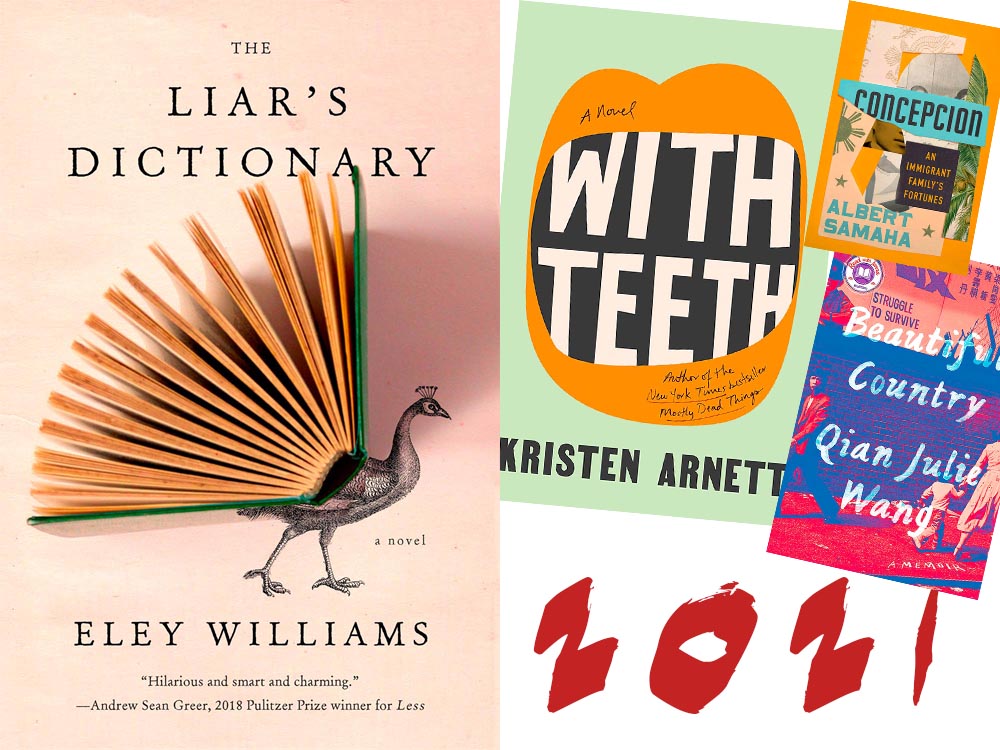
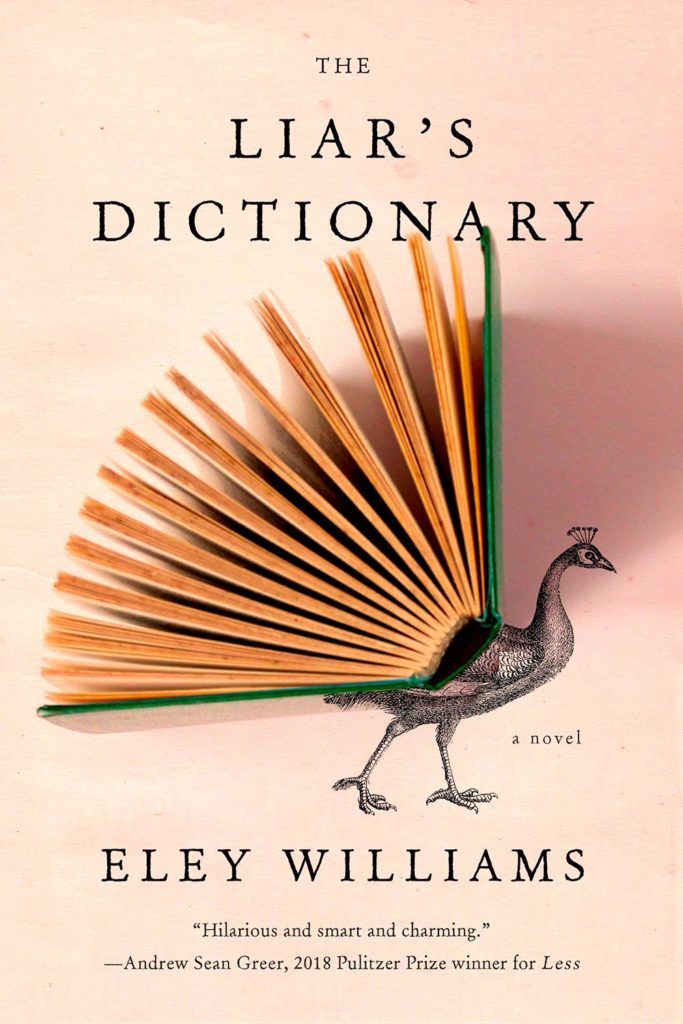
    My cover of the year is one of those combinations of photography and printed word that works on multiple levels. Okay, sure, it’s called Liar’s Dictionary, so I may totally be pulling your leg here, but:

    2021 Cover of the Year: Liar's Dictionary

    “We all peacock with our words,” one reviewer said: exactly right. I’m wondering about the direction of the shadow — some Monday morning quarterbacking, for certain — but otherwise, I’d be incredibly pleased to have this cover in my portfolio. It speaks to what I aspire to, which is the best photography and best graphics working in beautiful concert. Design by Emily Mahon. (Bonus: See a Spine write-up on Emily from 2017.)

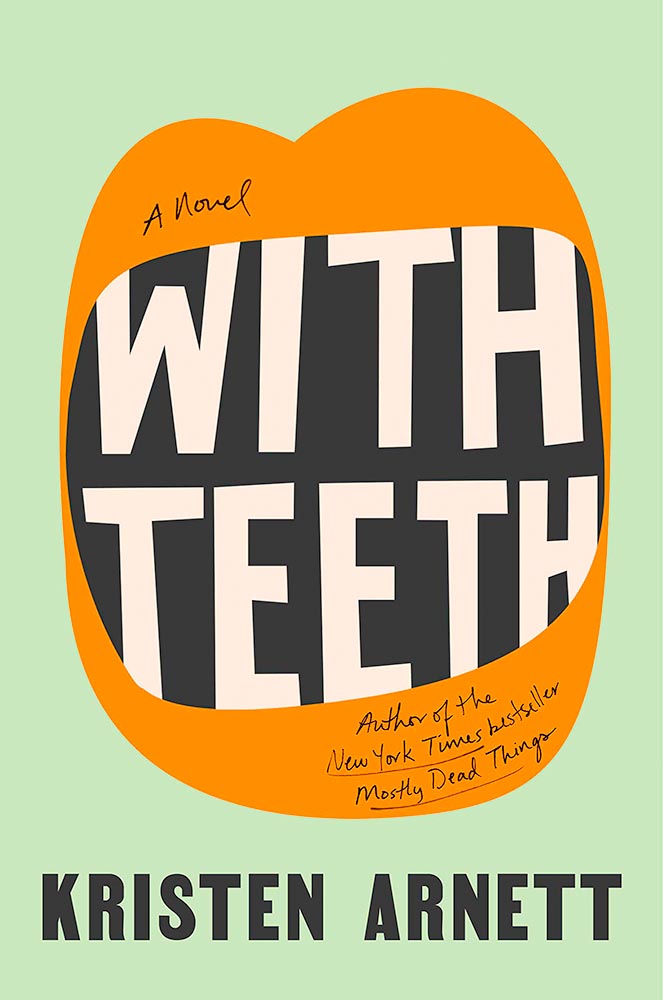
    With Teeth book cover

    My runner-up for favorite cover of the year, this novel of a queer mother is immeasurably strengthened by this extraordinary cover. Great color, great type . . . just great. Design by Lauren Peters-Collaer.

    The rest, in alphabetical order:

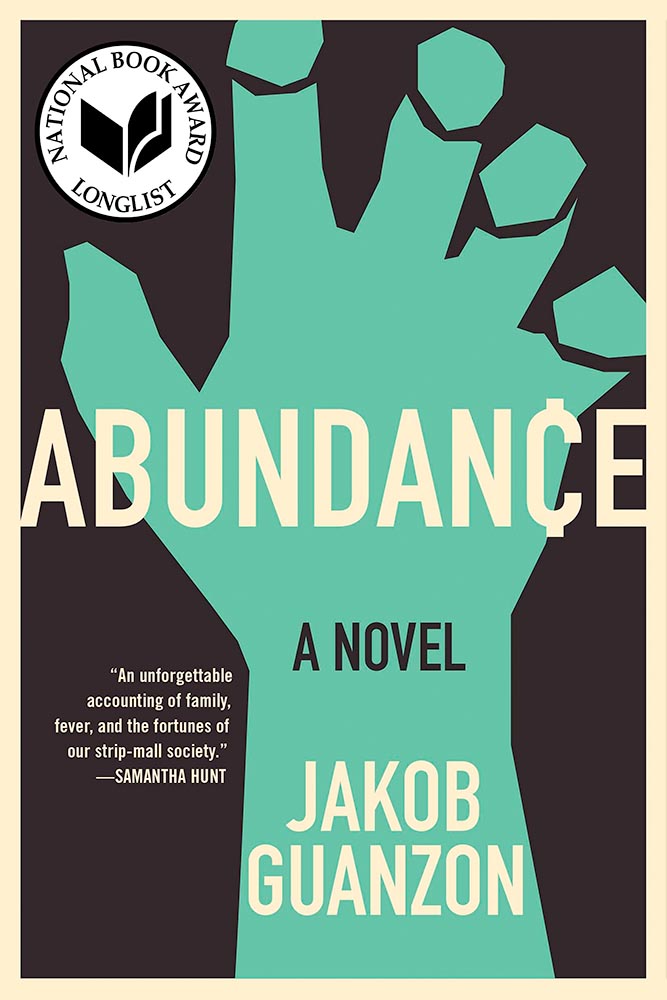
    Abundance

    The ability of this cover to catch your eye on a crowded bookshelf is undeniable, but it’s the amount communicated with seeming simplicity that makes it a winner. Design by Kapo Ng.

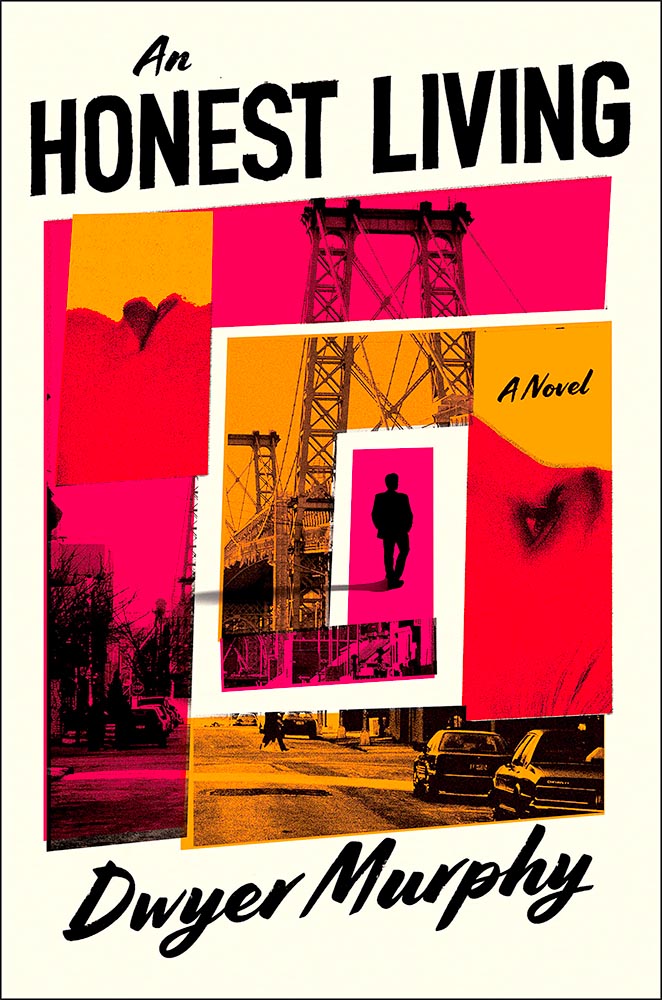
    An Honest Living book cover

    The progression of graphics here win on several levels, but the icing on this “exquisite ransom note” (thanks, Lithub) is the shadow from the silhouette in the middle. The use of so few colors is a huge bonus. Design by David Pearson. (He doesn’t seem to have a website, but here’s a It’s Nice That article.)

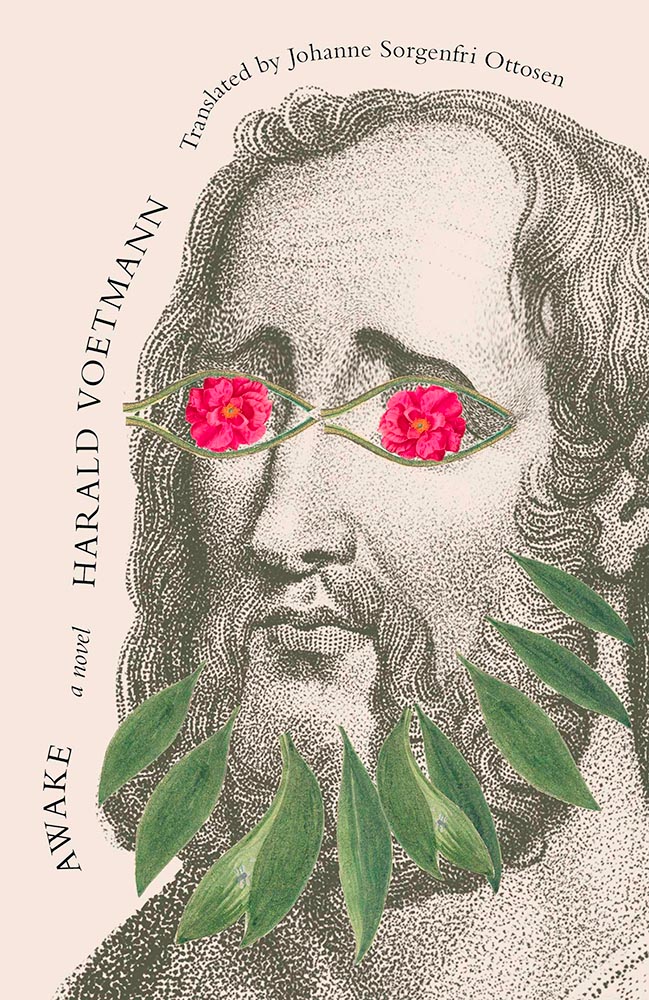
    Awake book design

    The combination of background image — the eyebrows are perfect — with the elements making up the overlays is wonderful. The wraparound text adds to the whimsy. Brilliant results. Design by Joan Wong.

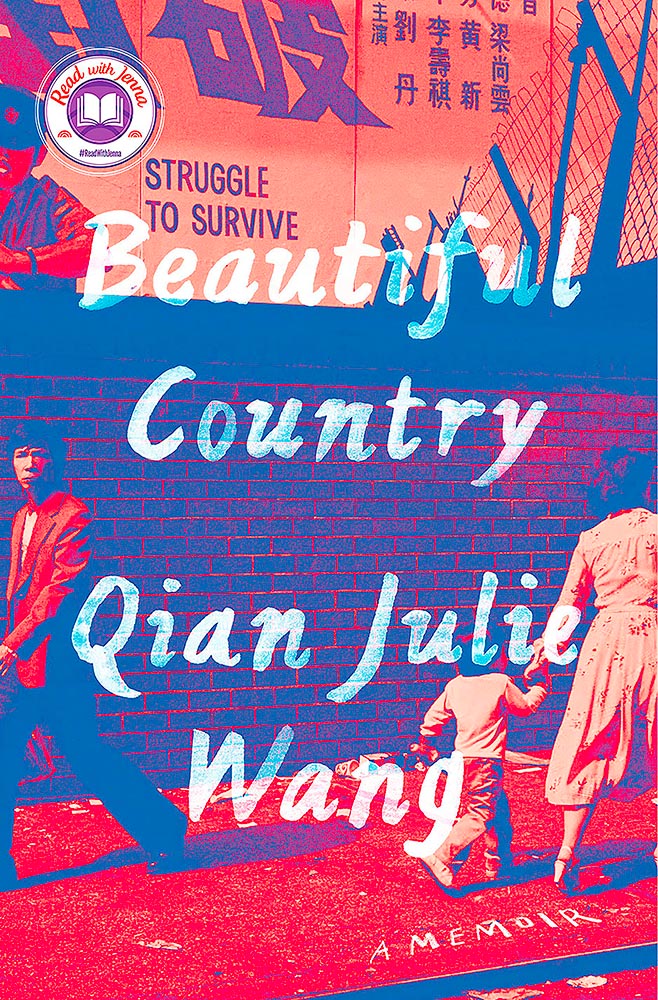
    Beautiful Country book design

    This is just great: “struggle to survive” so prominently displayed, the fence and wall, what looks like a cop in the upper left, the guy staring straight at camera in the lower left, the “hurry up” notion of the mother and child, the colors of the collage, everything. Wow. Design by Linda Huang.

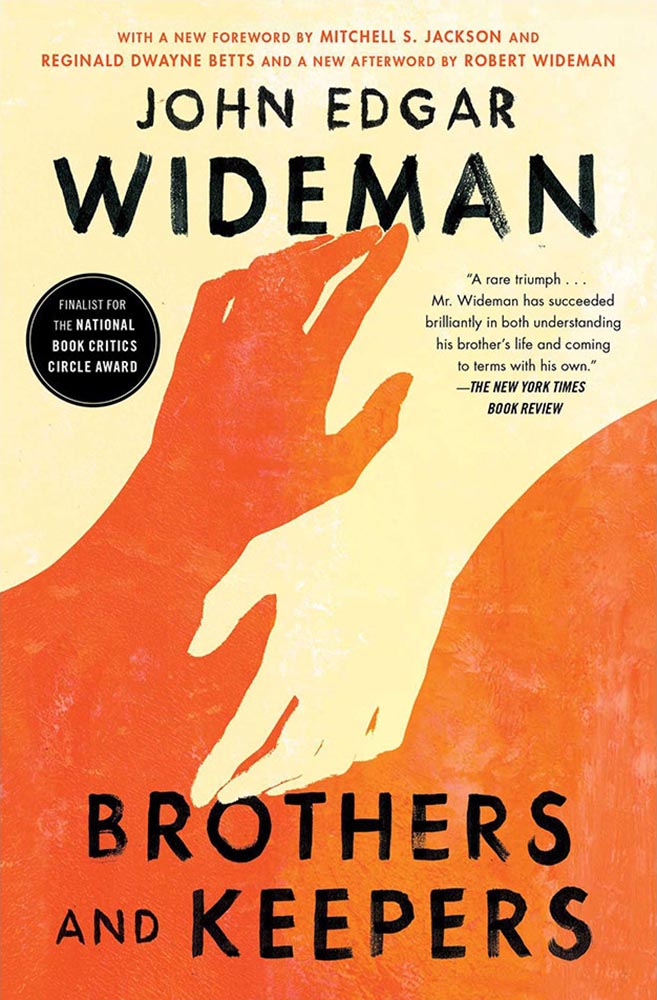
    Brothers and Keepers book cover

    This is another from the “simple is better” category. Great colors, yes, but little details, like the type and the subtle overlay of the graphs over some of that type take it over the finish line with style.

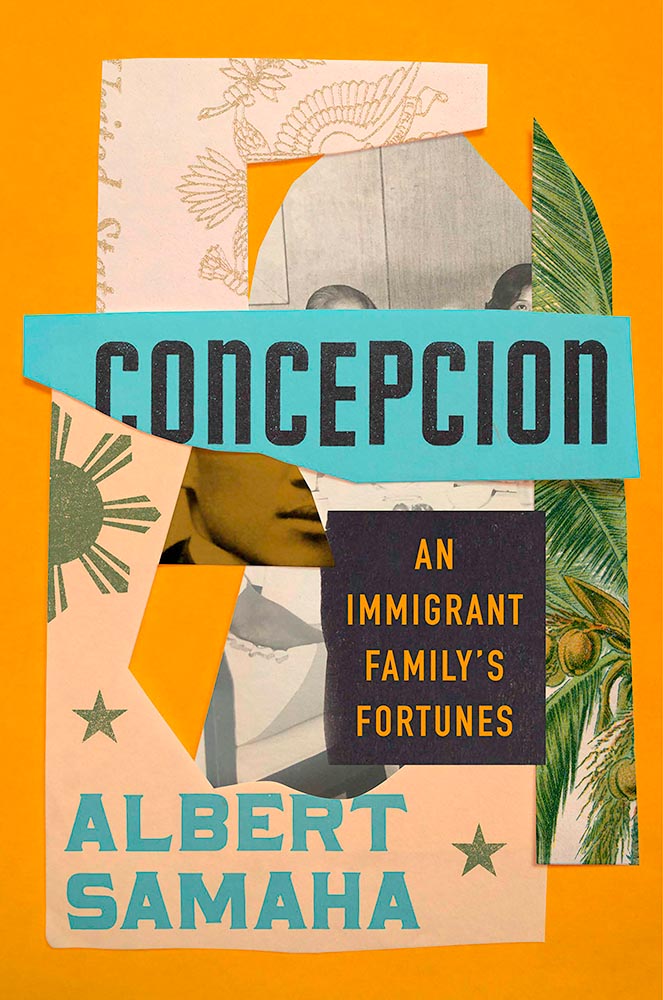
    Concepcion book cover

    Collage and type, yellow and green, all done beautifully well. Bonus points for the hints — just hints — at faces. Design by Lauren Peters-Collaer.

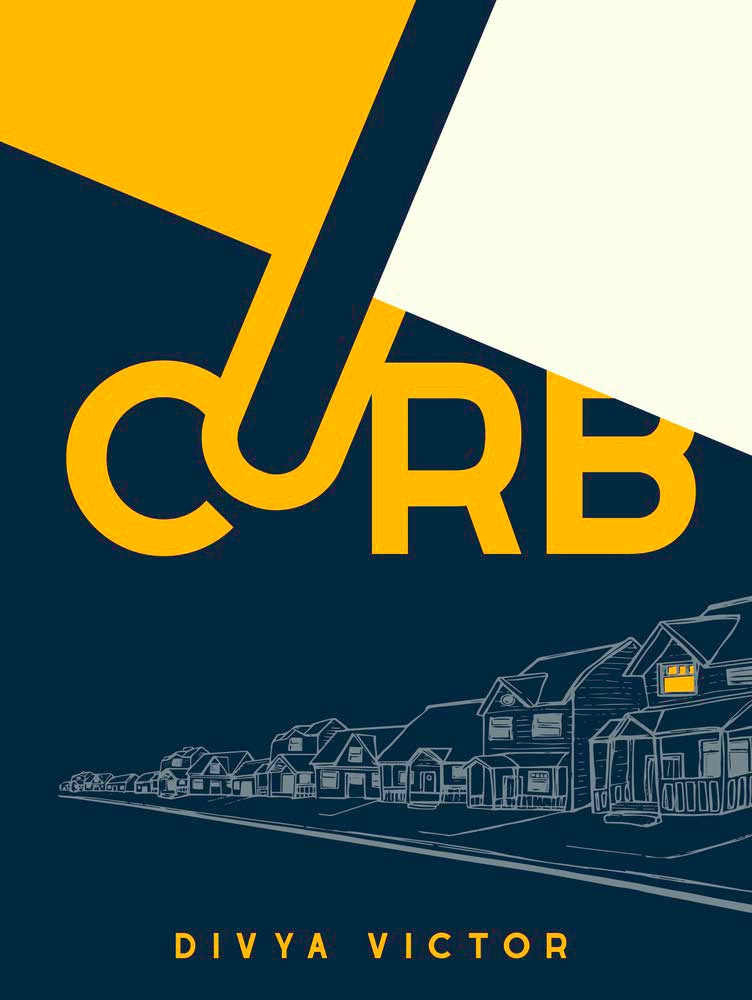
    Curb book cover

    Another with simple colors, but the strengths here are not only in the eye-catching type, but the repeating line drawings with their own curb . . . and that single lit window for the win.

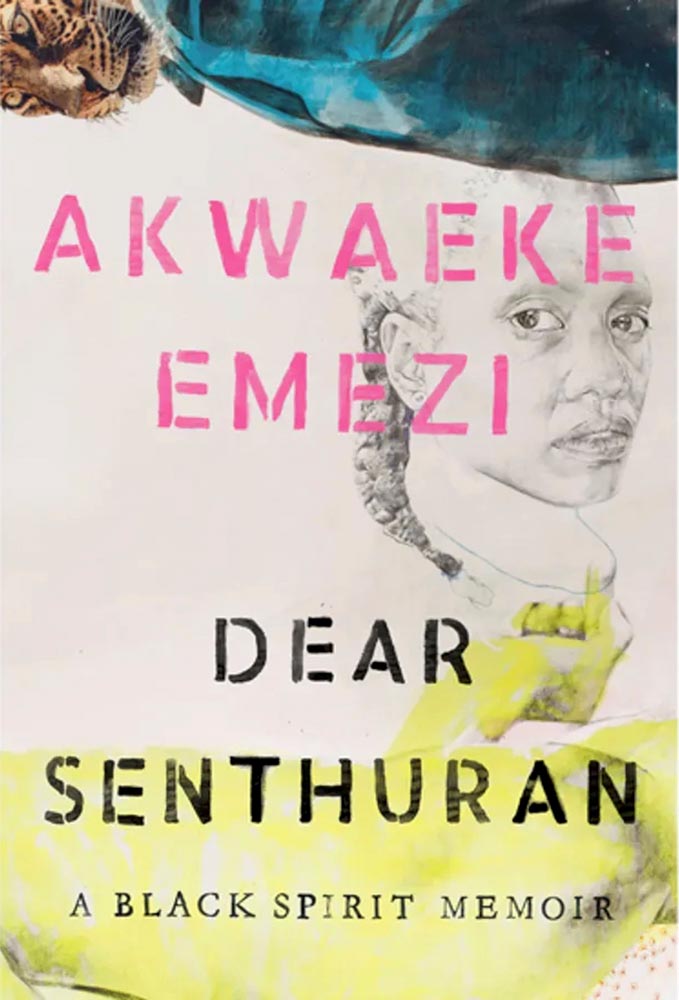
    Dear Senthuran book cover

    Leopard! Wonderful pencil sketch! From the simple-at-first-glance category we have anything but.

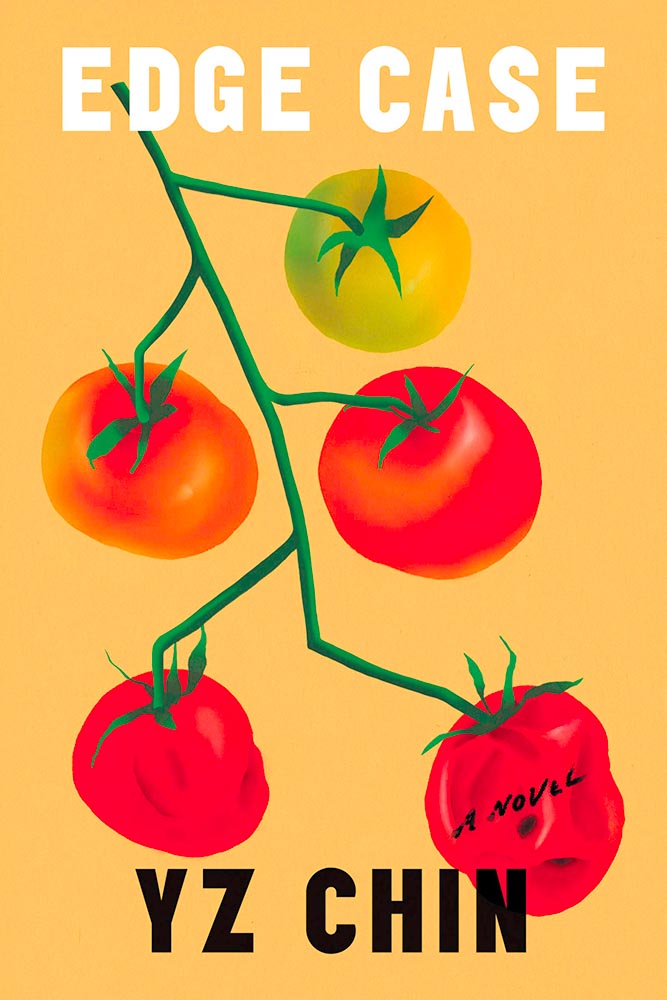
    Edge Case book cover

    At the risk of repeating myself, this one seems simple. Until you realize that the tomatoes age . . . and spoil. (The vine’s awesome, too.) Edgy design by Na Kim. (Bonus AIGA Eye on Design article on her.)

    Foucault in Warsaw book cover

    “Memorable” doesn’t begin to describe this one; the upside-down painting is only the beginning. Design by Daniel Benneworth-Gray.

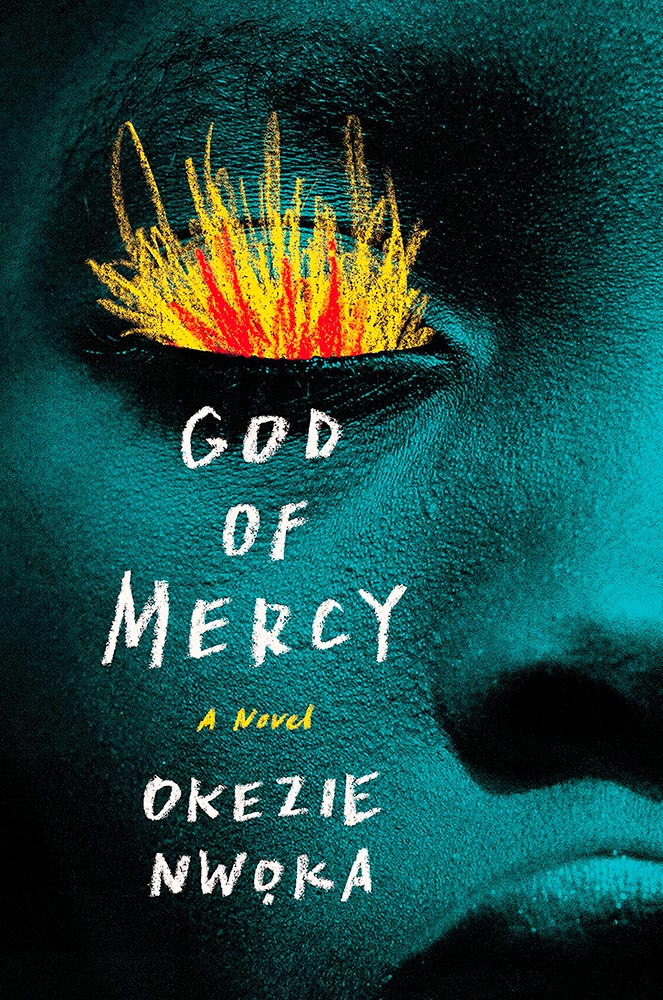
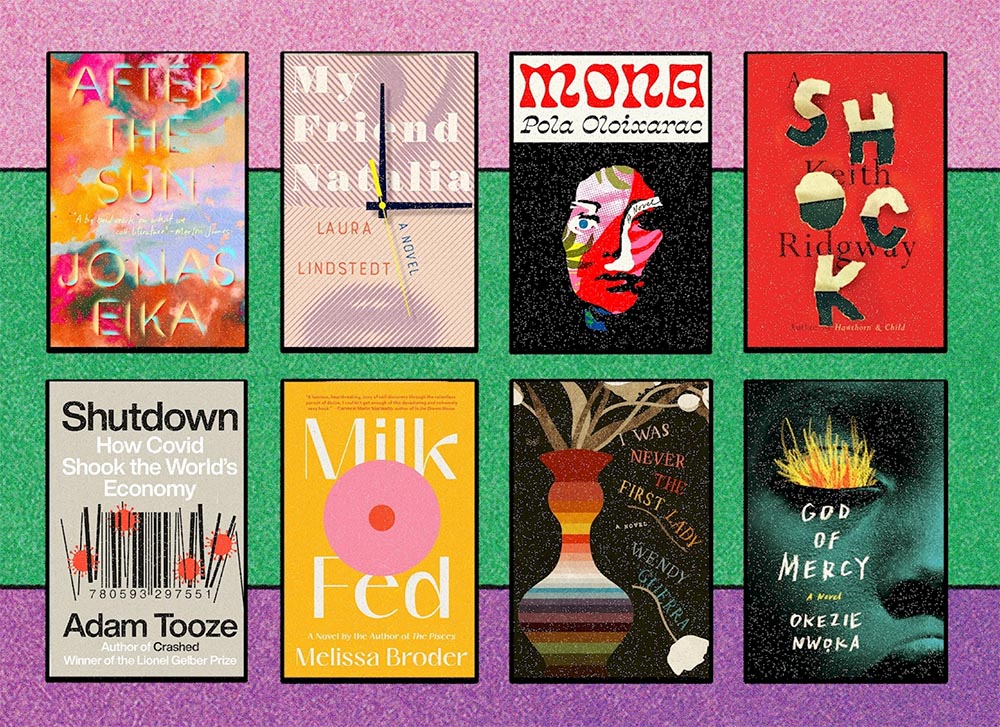
    God of Mercy book cover

    I’m going to go with chalk rather than brush to describe the type and especially flames, but either way, when combined with this extreme close-up, its perfectly-chosen duotone, and fantastic skin texture of this beautiful model, we get something close to amazing. Design by Sara Wood.

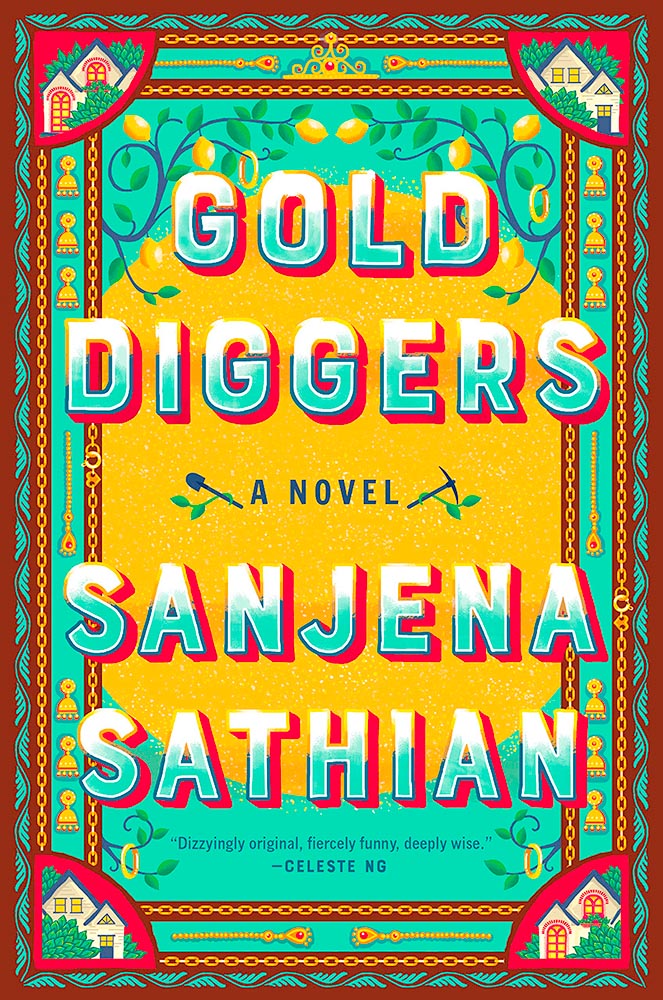
    Gold Diggers book cover

    In contrast to some, this one is not simple at all: deeply detailed and strikingly colored, this cover says “all-American” in a way only an immigrant can. Design by Stephanie Ross.

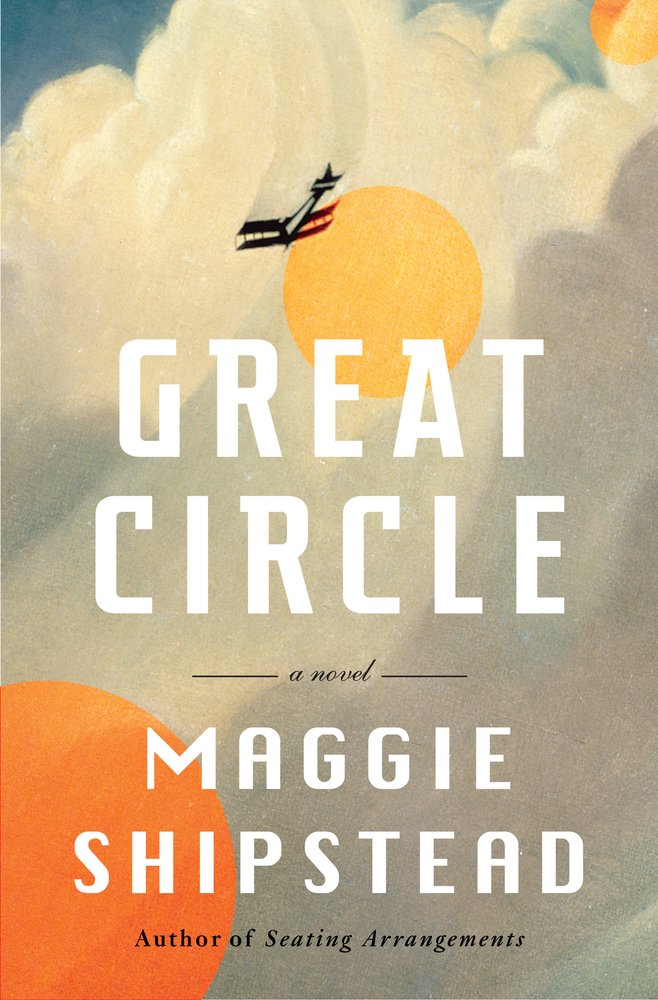
    Great Circle book cover

    Mentioned earlier this year, this title circles back because the artwork demands it. Cool white-type title, too. Design by Kelly Blair.

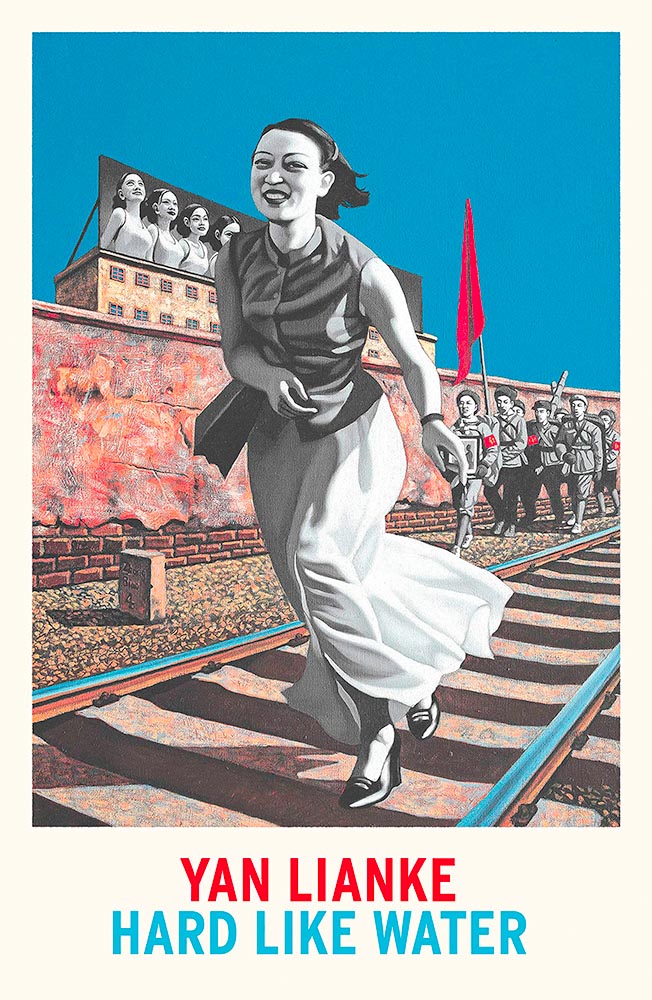
    Hard Like Water book cover

    The smile — and the shoes! — speak more loudly than the revolutionary themes so typical of Maoist-era settings. The perfect parody cover. Brilliant. Cover design by Matthew Broughton, based on art by Biao Zhong.

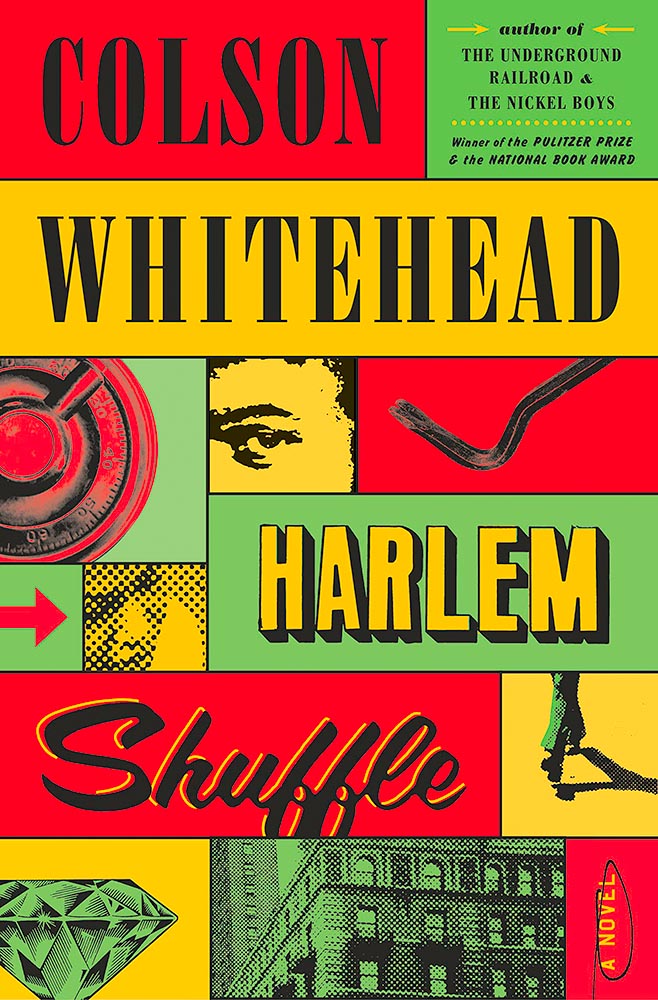
    Harlem Shuffle book cover

    Color, type, objects, the arrow, “a novel,” circled, the people and places . . . all add up to so much more than just the sum of the parts. Awesome.

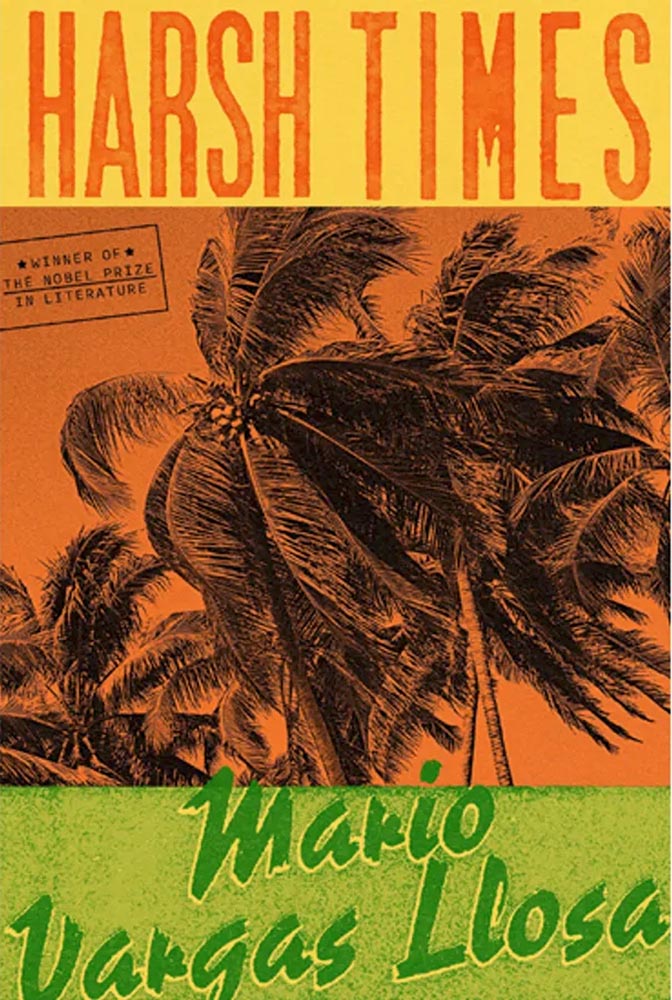
    Harsh Times book cover

    Nobel prize, blah, blah. It’s the cover, darn it! Design by Alex Merto.

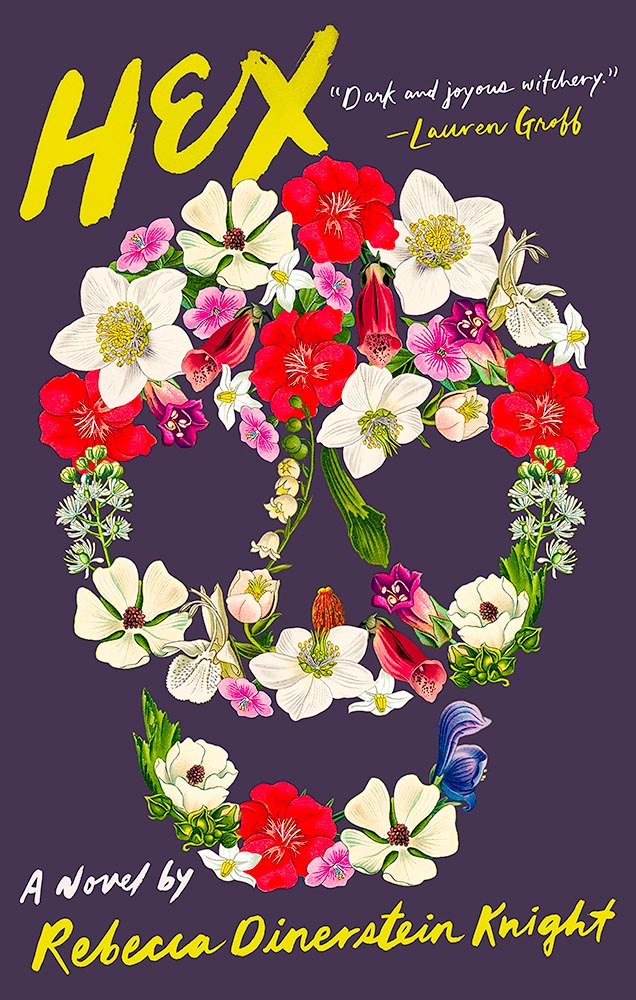
    Hex book cover

    The first of two skulls on this year’s list, this one made up of perhaps the least-hexed thing imaginable.

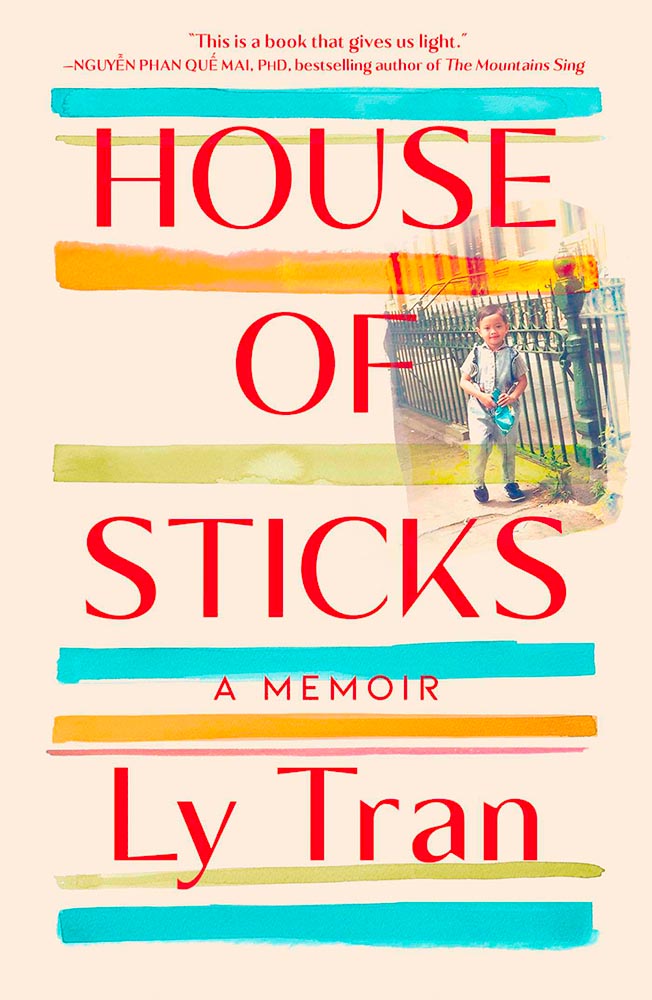
    House of Sticks book cover

    This one’s on this list for its subtle brilliance: the watercolor lines, the great typography choice, and integration of the photograph. Nicely done.

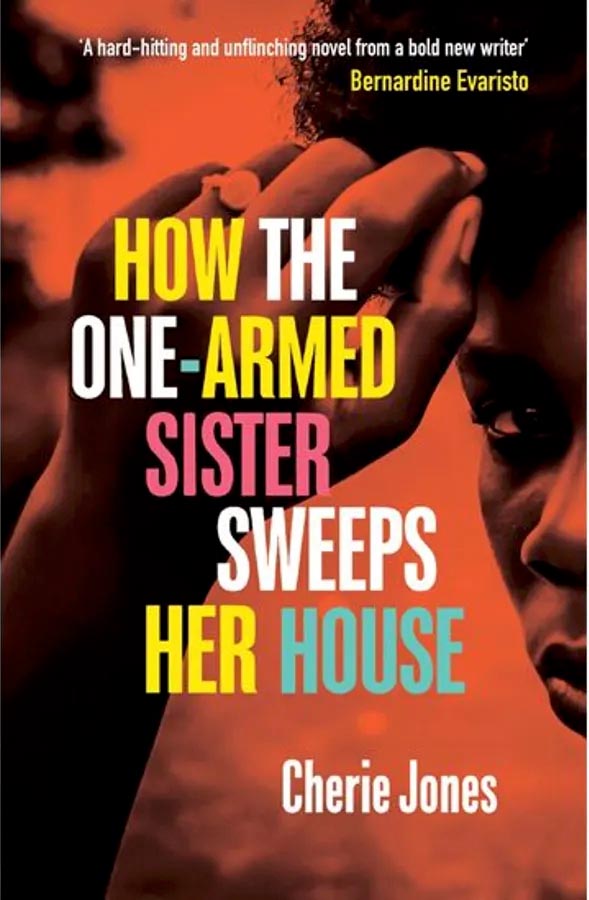
    How the One-Armed Sister Sweeps Her House book cover

    One the one hand, a simple photograph-and-title book cover. On the other, it’s beautifully cropped, the reader/viewer catches the “look,” and it’s complimented with great color choices. Long title served oh-so-well.

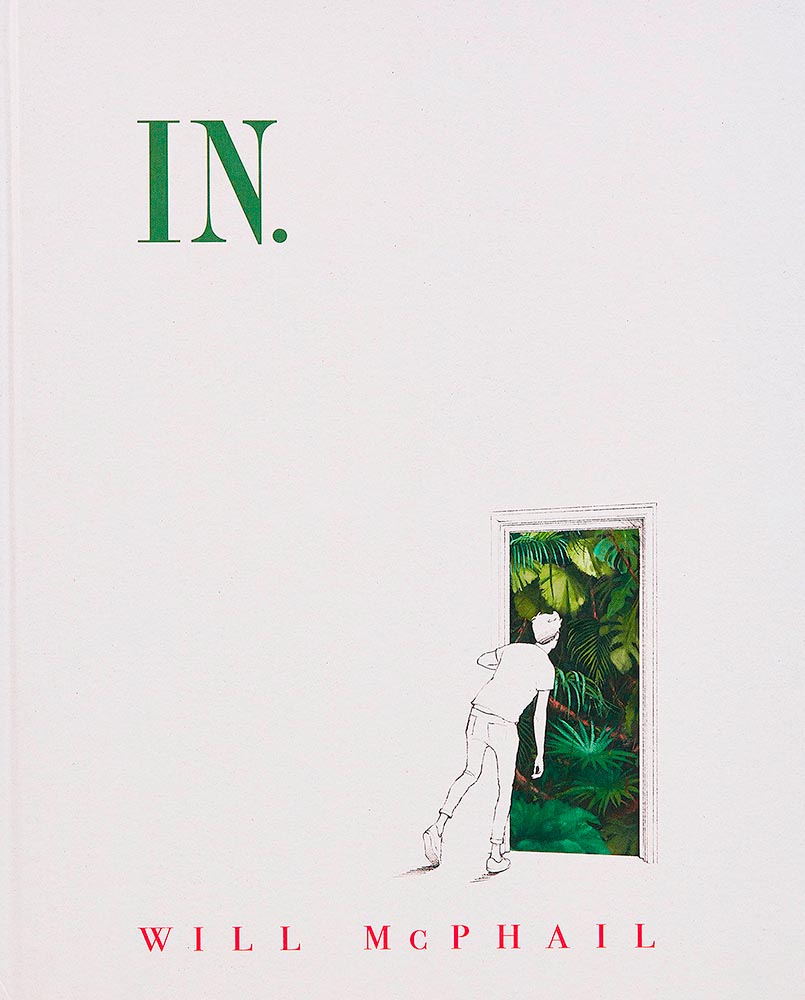
    In book cover

    You don’t see almost-blank covers every day, and this one, especially, makes you want in. (Sorry.) Brilliant.

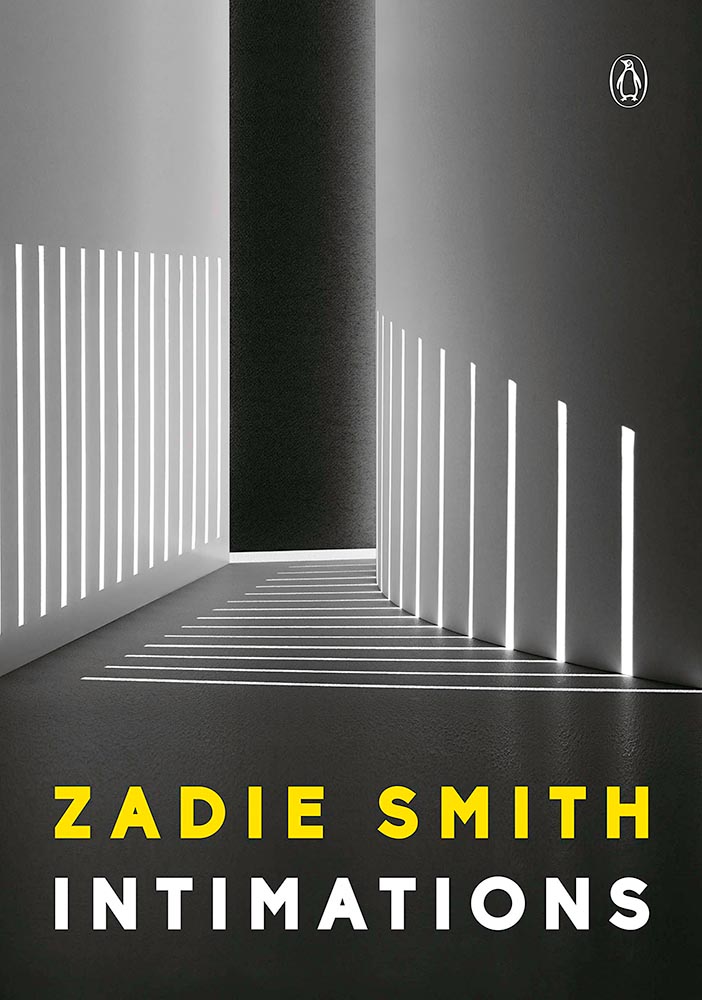
    Intimations book cover

    I. Want. To. Have. Taken. This. Photograph. (And then done this cover.)

    Kennedy's Avenger book cover

    This type of cover is actually very difficult to accomplish well, and here, it’s . . . well, accomplished.

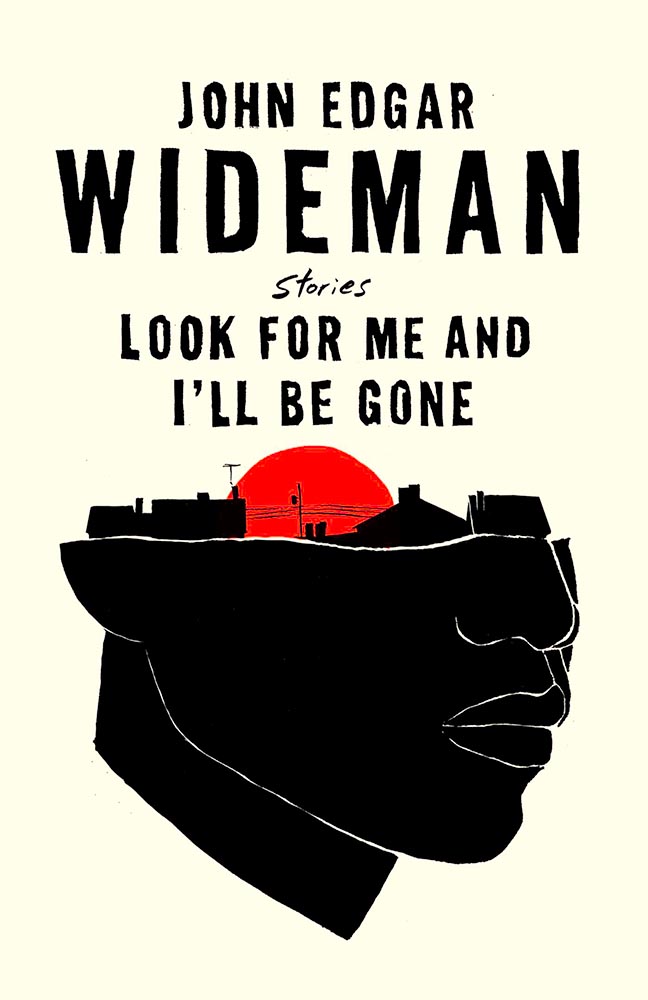
    Look For Me and I'll Be Gone book cover

    Brilliant on so many levels. Design by David Litman.

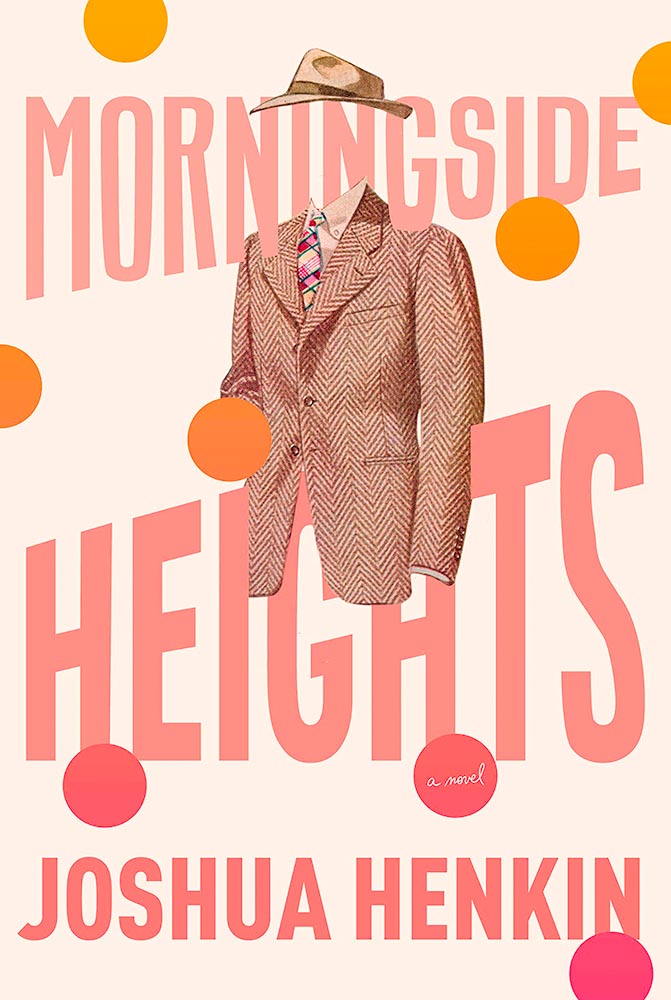
    Morningside Heights book cover

    Color and type compliment the awesome choice of suit and hat here. One of those covers that demands the reader/viewer pick it up off the shelf and explore. Design by Kelly Blair.

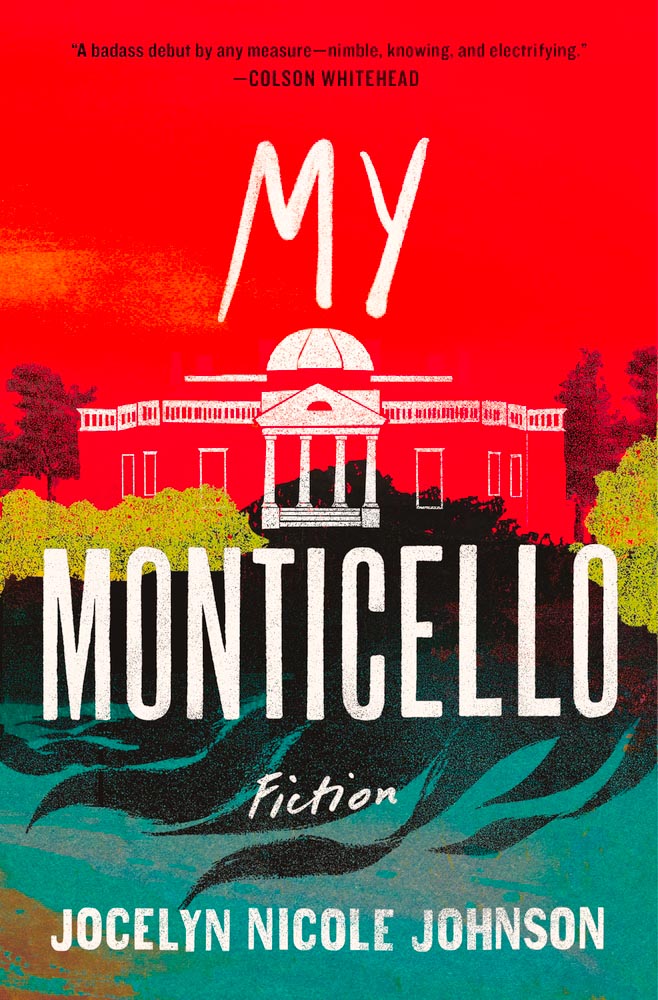
    My Monticello book cover

    The painterly elements here lead the reader/viewer to the correct question: “what is this about?” and, guaranteed: it’s not what you think.

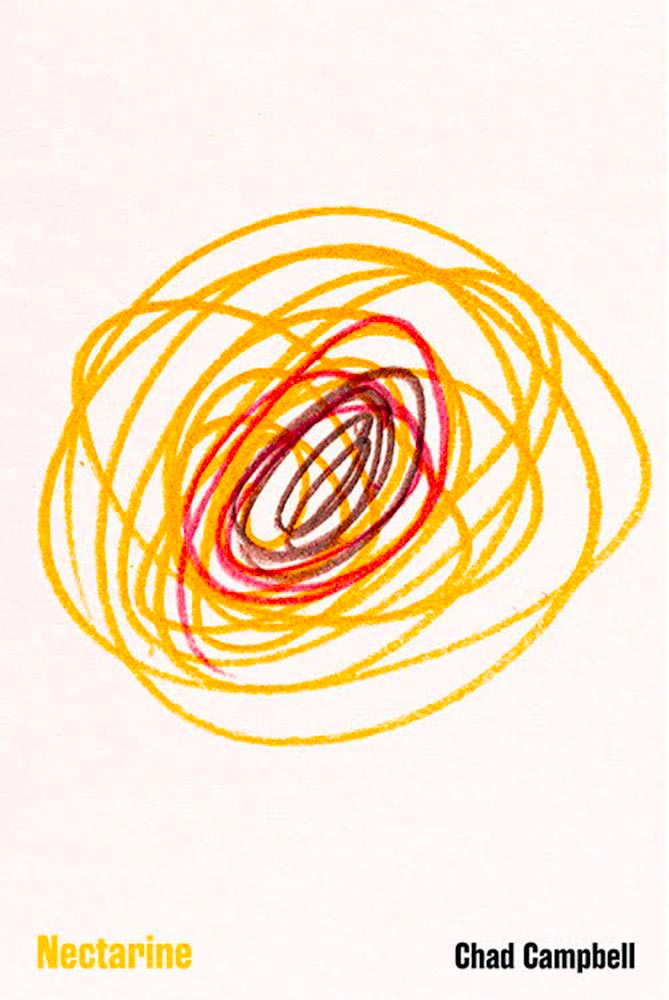
    Nectarine book cover

    This made a bunch of best-of lists this year, and I gotta say: it’s one accomplished scribble. Brilliant. Design by Dave Drummond. (Bonus: Dave Drummond has a write-up from PRINT.)

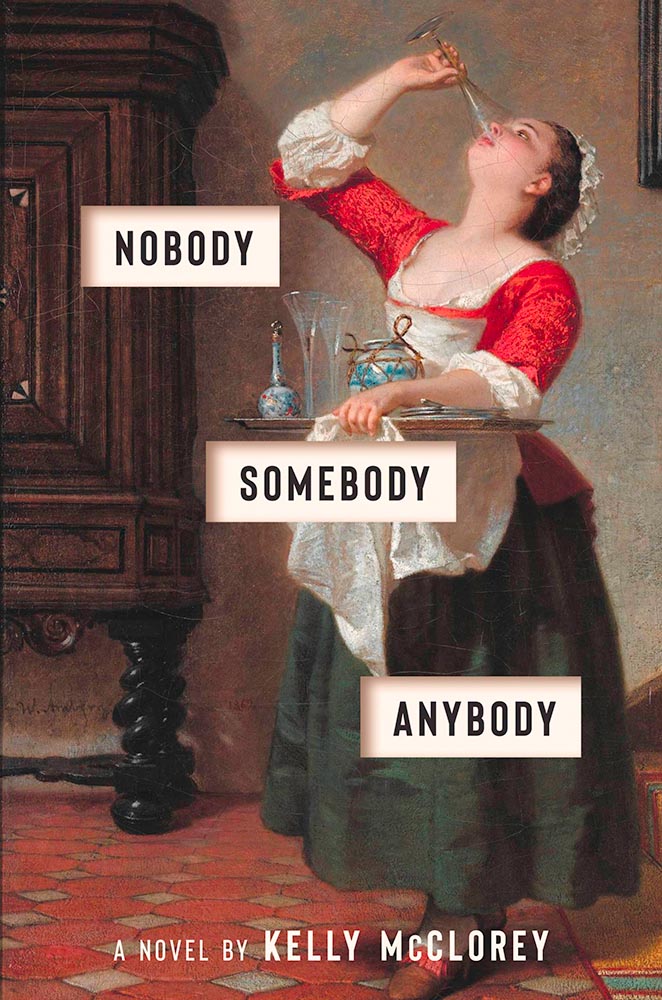
    Nobody Somebody Anybody book cover

    The best riff on “upstairs, downstairs” seen in a long, long time.

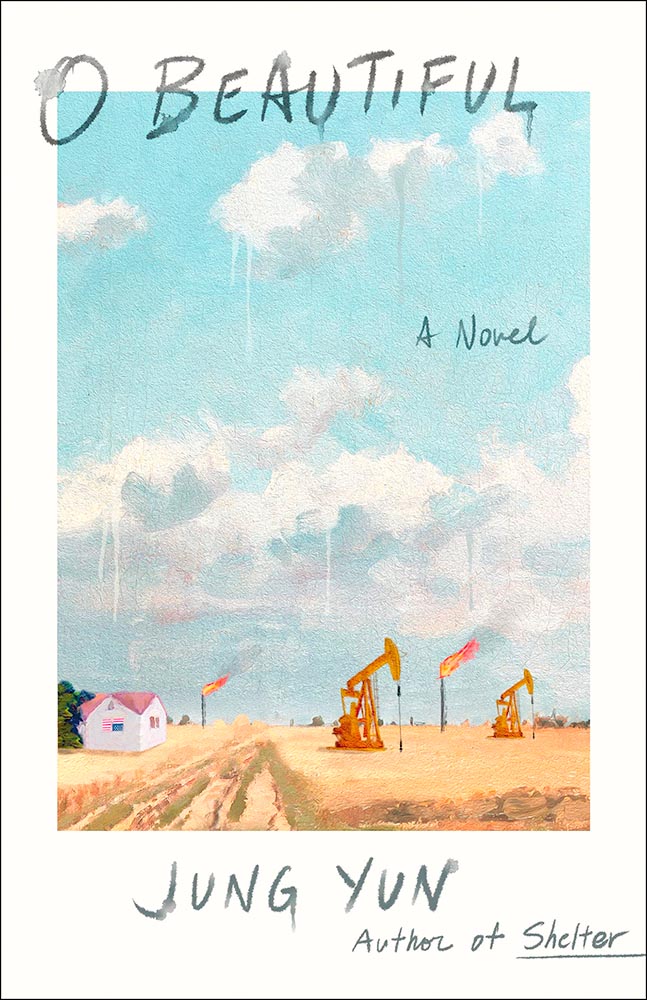
    O Beautiful book cover

    Watercolor, in every sense of the word. (Cloudy drips, too.) O-so-beautiful. Design by Young Jin Lim.

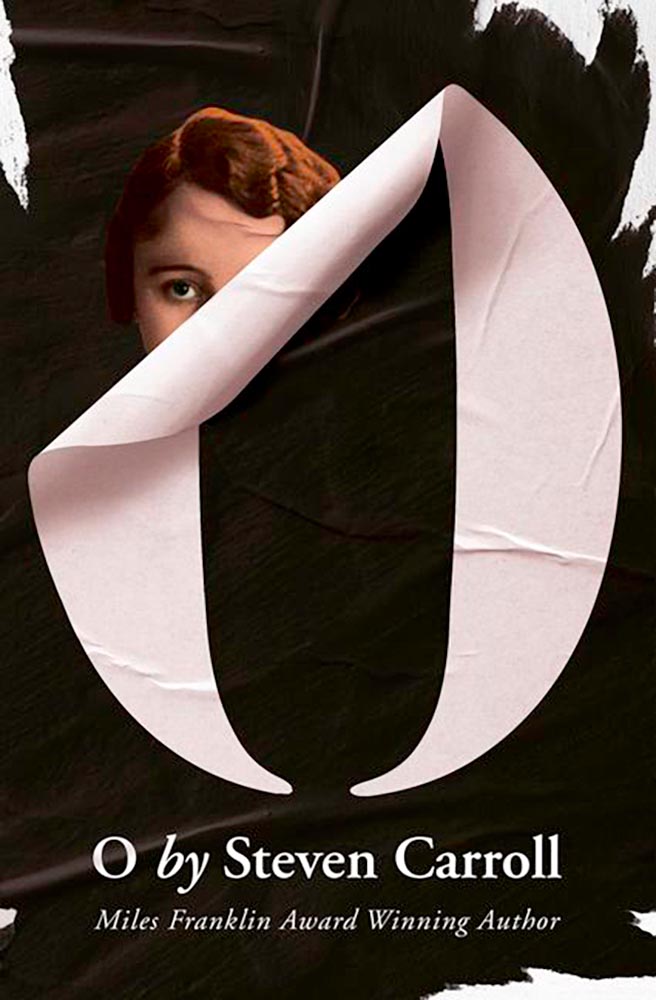
    O book cover

    Oh — wait a minute. Stick-on that isn’t, quite, combined with peeling and what seems like staring add up to a favorite. Design by Gray318.

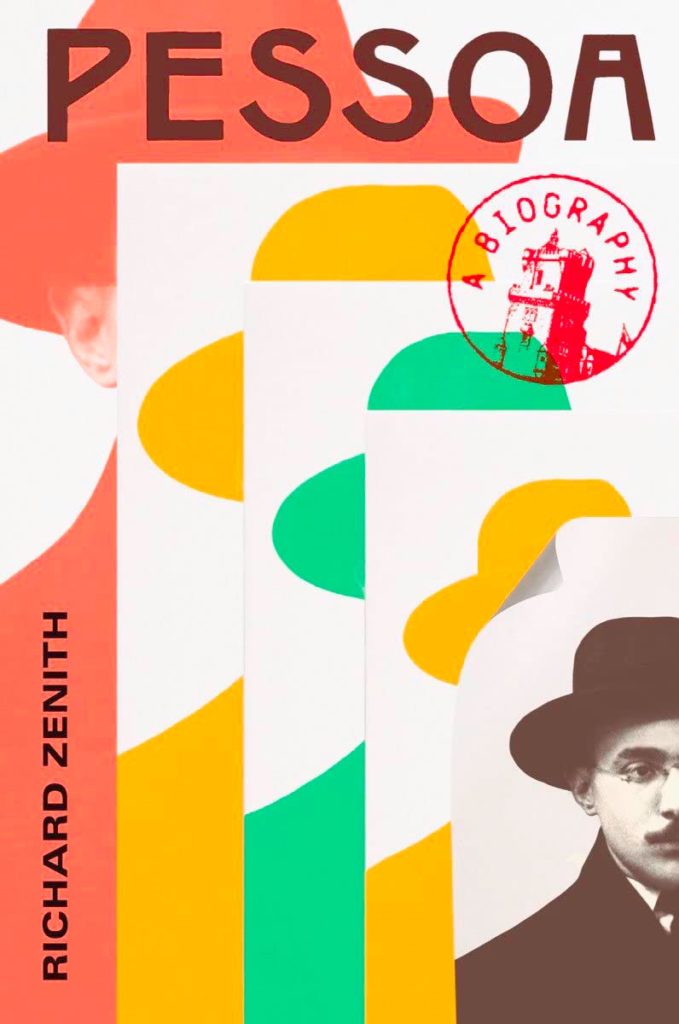
    Pessoa book cover

    From the simple-but-not dept., we have another brilliant entry, with great color choices, type placement, and the best — some might say, “Iconic” — “a biography” stamp ever. Love that the smallest photo is peeling, too. I’m actually envious of the talent displayed here! Design by Yang Kim.

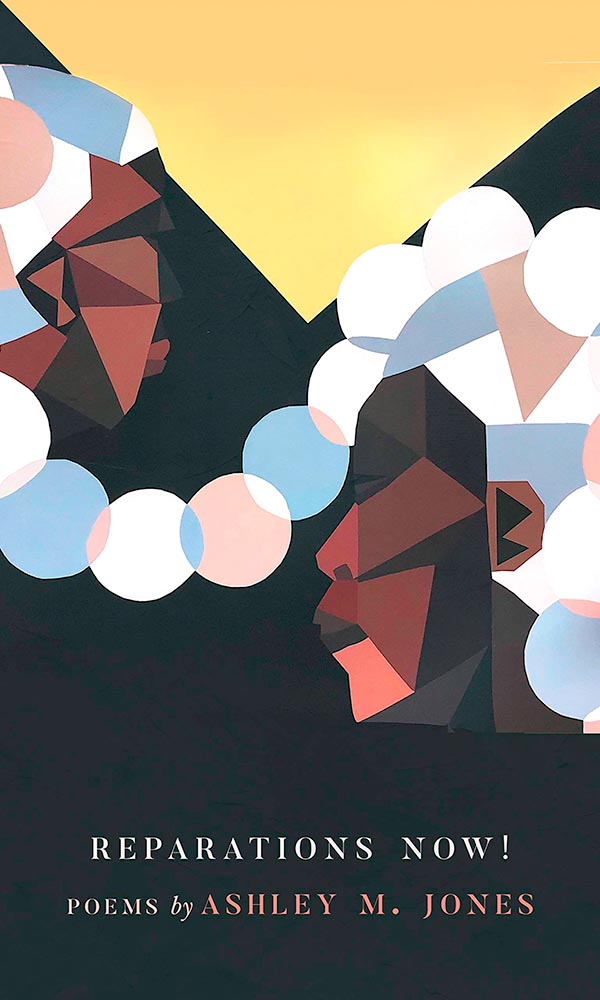
    Reparations Now book cover

    I hope it comes out in the relatively small photograph, but this is actually paper cut. Great choices, great colors.

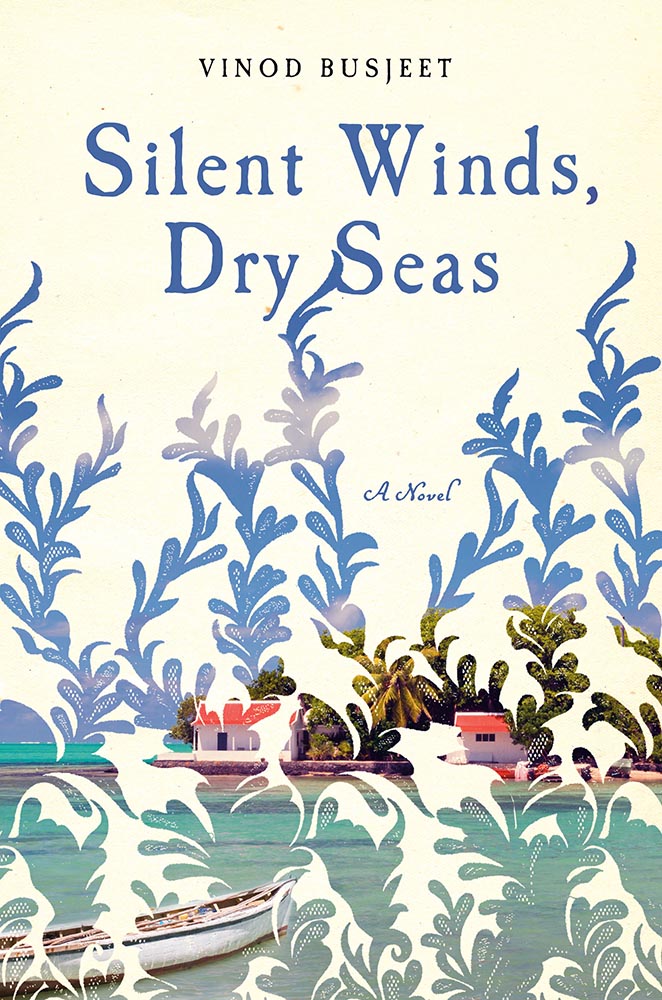
    Silent Winds Dry Seas book cover

    Like a dreamily lace curtain, the overlay on this painted shore brings what could be nice to the level of sublime. Having a cool title helps, too. Winner.

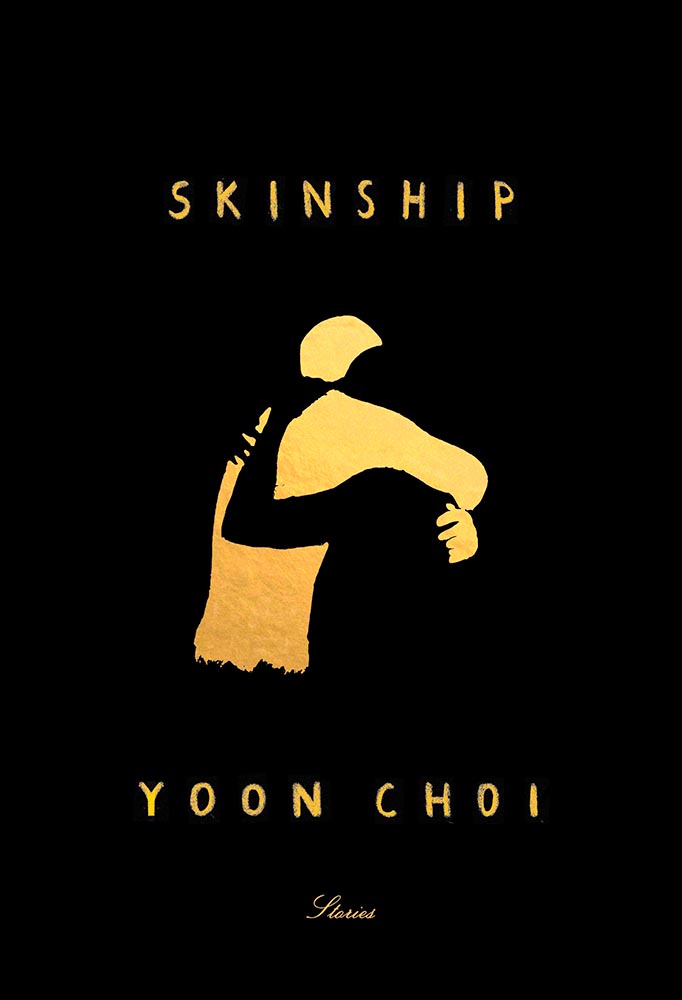
    Skinship book cover

    Wow. This cover violates so many supposed rules, yet succeeds on so many levels — absolutely brilliant. Design by Janet Hansen.

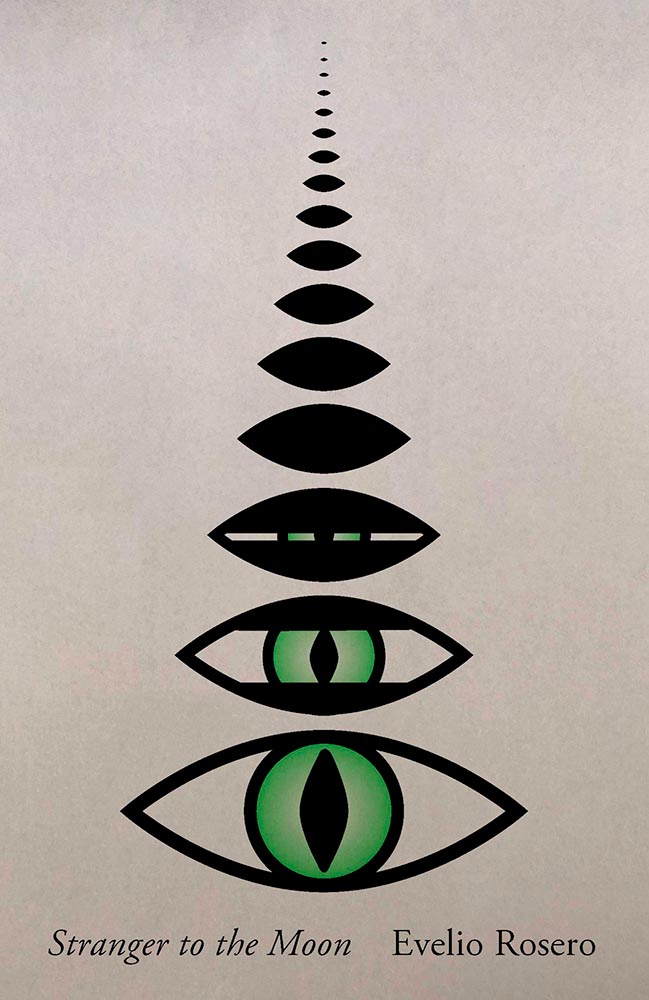
    Stranger to the Moon book cover

    The simple-yet-not cup floweth over with this one; its scant 96 pages encompass dystopian political fiction that wins national awards and deserves something this strong. Design by Janet Hansen.

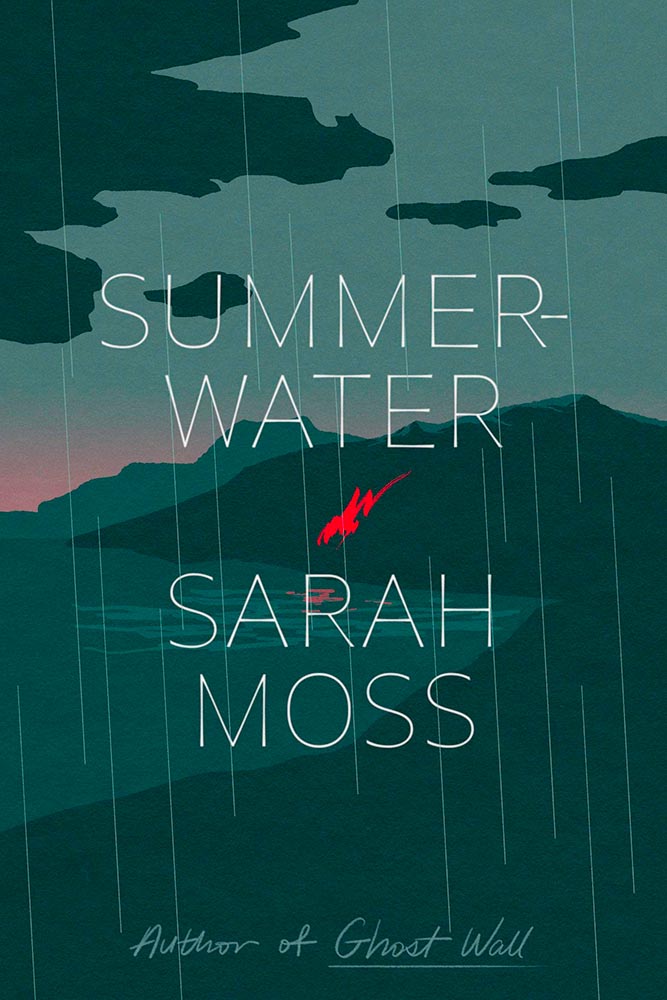
    Summer Water book cover

    Illustration rules, in a foreboding style that suggests anything other than a Scottish summer. Lovely slim type is complimented perfectly by the script at the bottom. The title is actually Summerwater, by the way — I missed the hyphen at first — but ultimately I’m not sure it matters. Design by June Park.

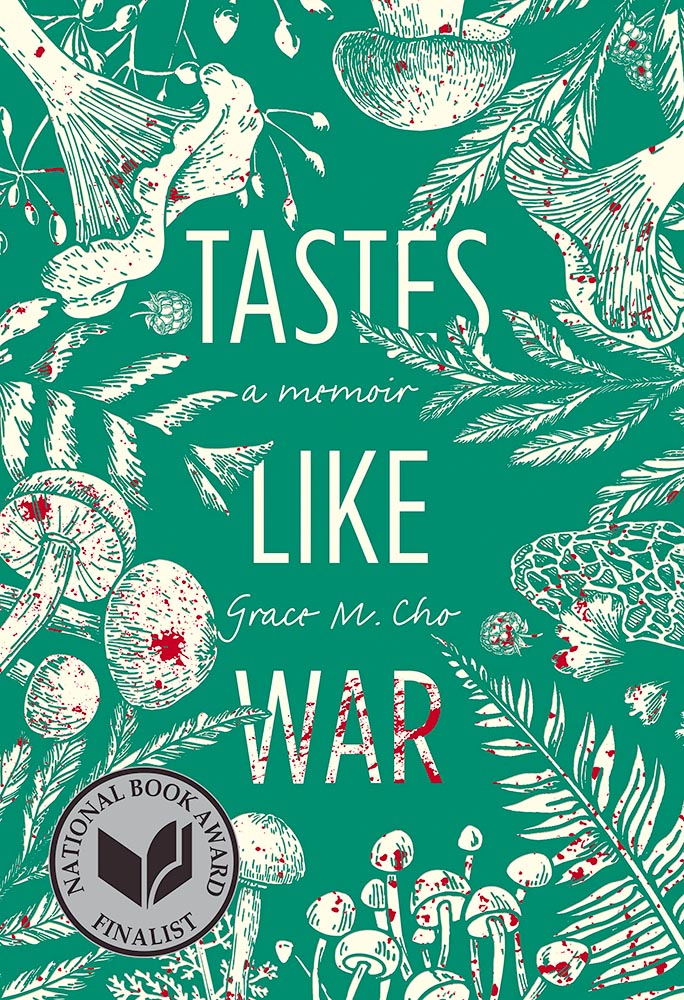
    Tastes Like War book cover

    The ingredients on this cover, together with splattered red, suggest more than food, racism, and a parent’s problems, yet this is a title I’d definitely pick and and spend time examining — all thanks to great design.

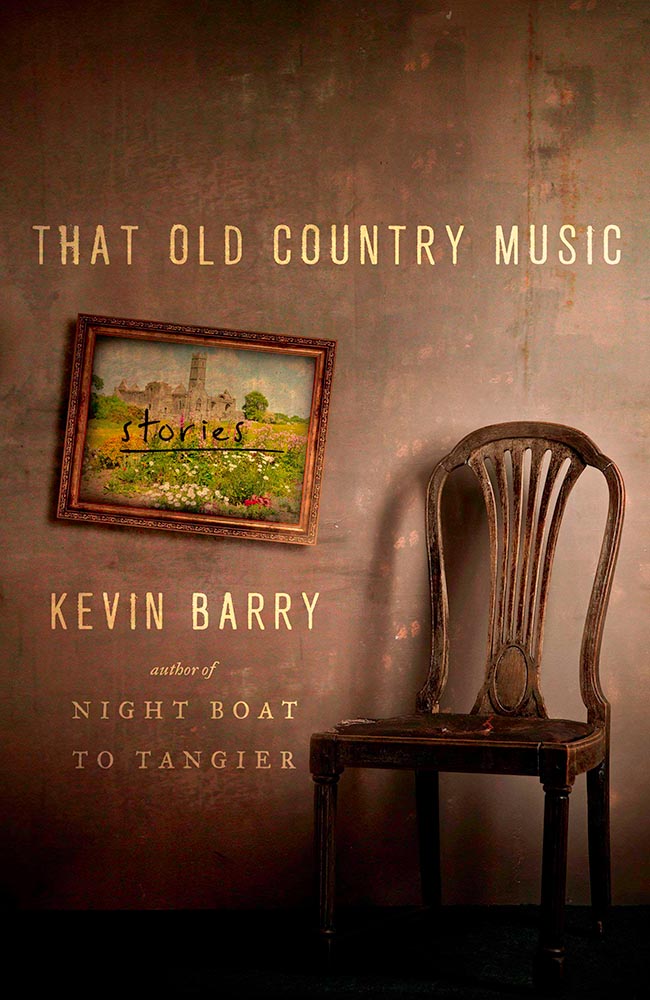
    That Old Country Music book cover

    An absolutely perfect photograph highlights a stack of great choices.

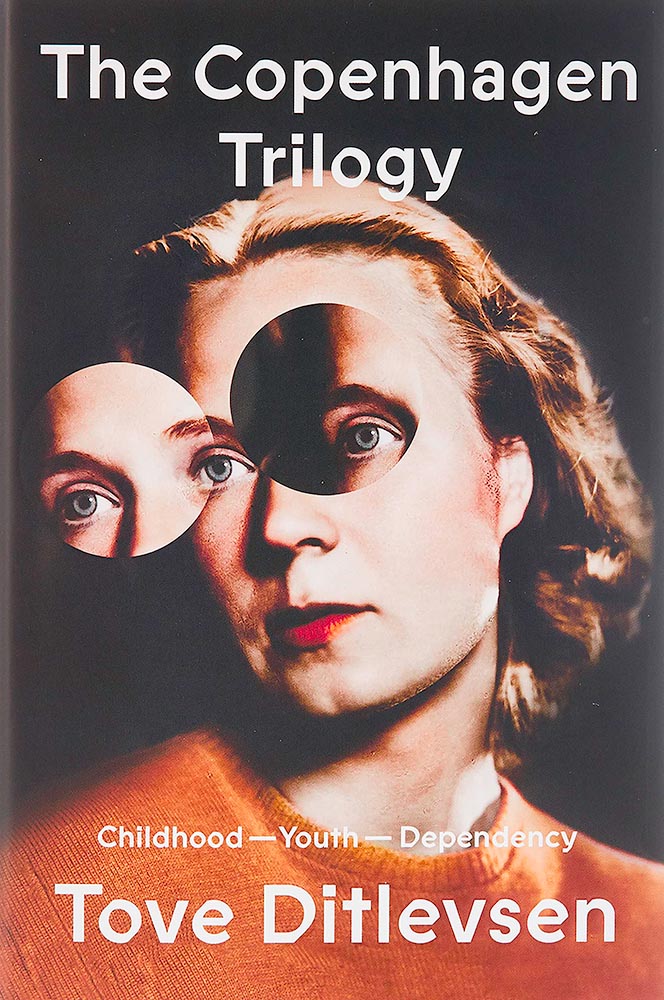
    The Copenhagen Trilogy book cover

    The old-time portrait it taken to the next three levels. Fantastic. Bonus points for an unusual type choice (type name, according to site name). Great, great design by Na Kim. (See also the PRINT write-up on this title.)

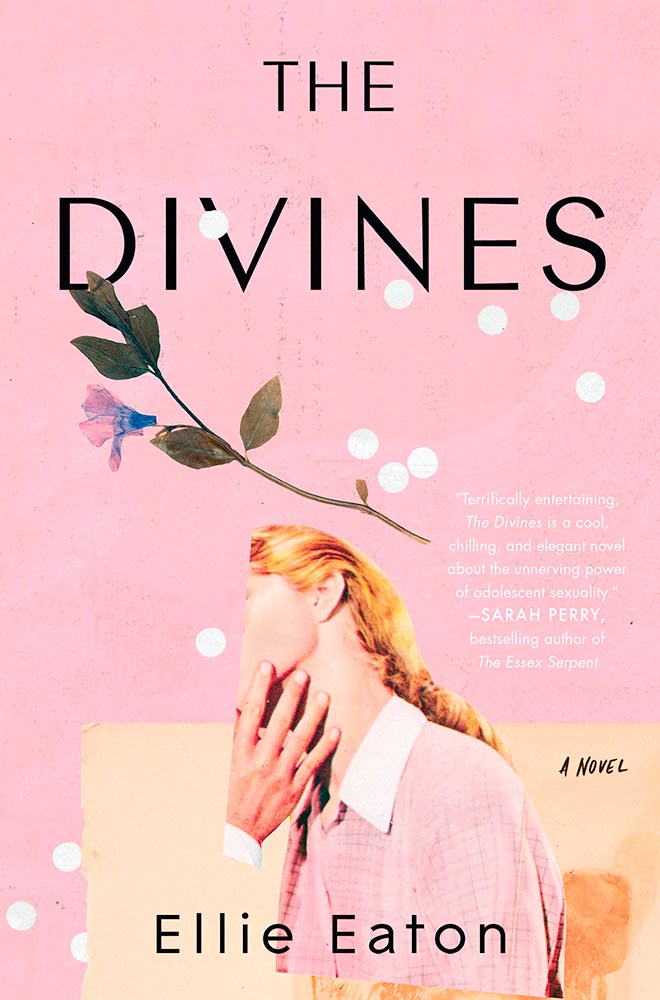
    The Divines book cover

    The photograph cropping alone brings this title to the table, but when combined with the aged background, the white dots perhaps suggesting a past shot through with problems, and the desiccated flower suggest something so much more. Design by Mumtaz Mustafa.

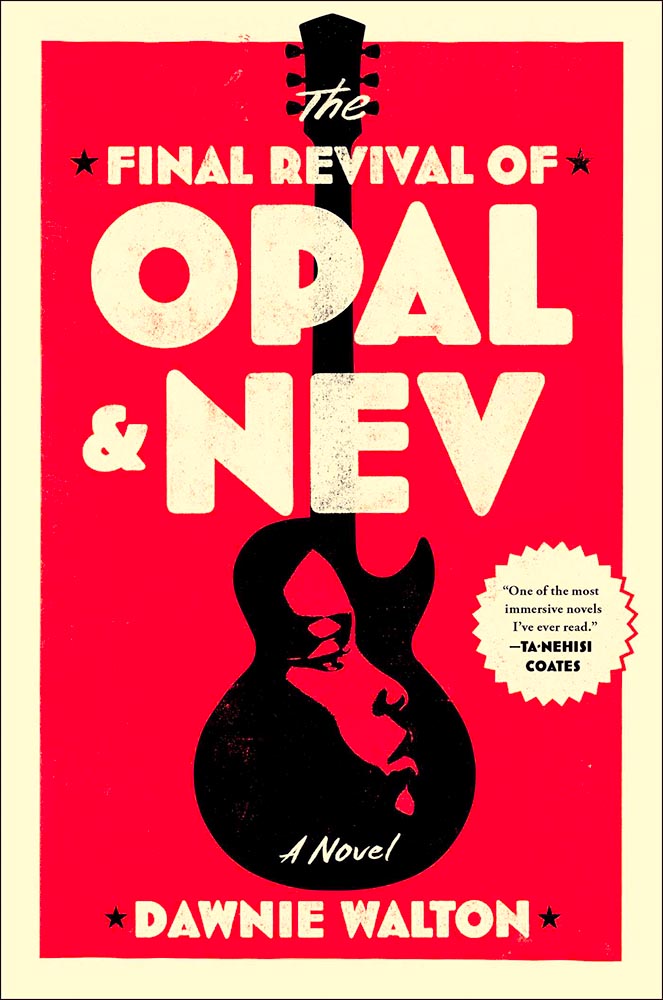
    Open and Nev book cover

    Sure, impressing Ta-Nehisi Coates and Barak Obama means impressive fiction — but it deserves a cover with star power, and this design by — absolutely delivers. Great stuff.

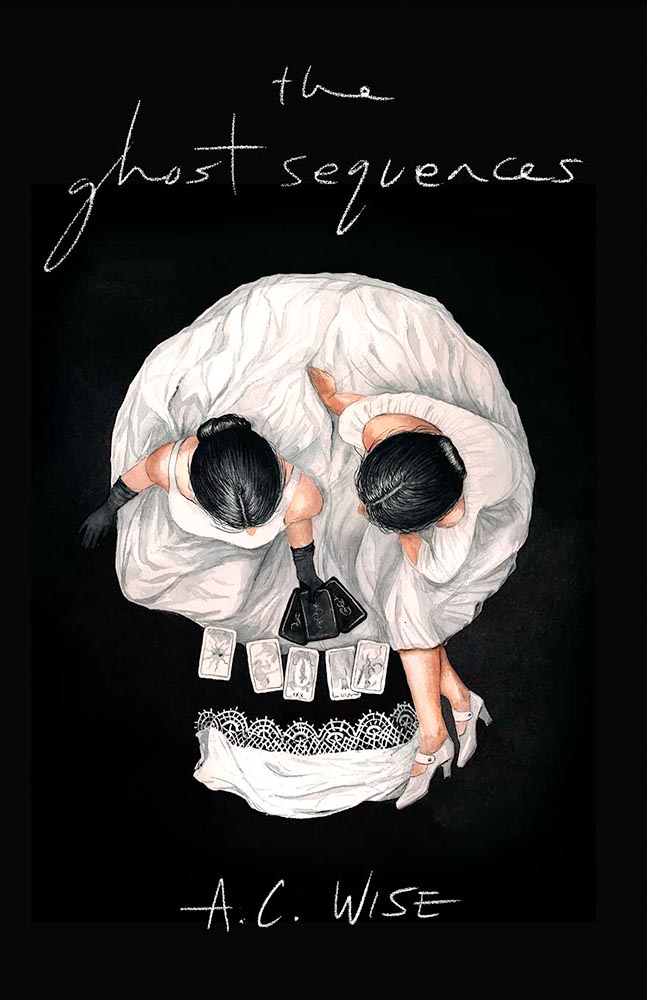
    The Ghost Sequences book cover

    The second skull on the list, this “house built by memory in-between your skin and bones” requires a second look, then a third. Deal me in. Design by Vince Haigh.

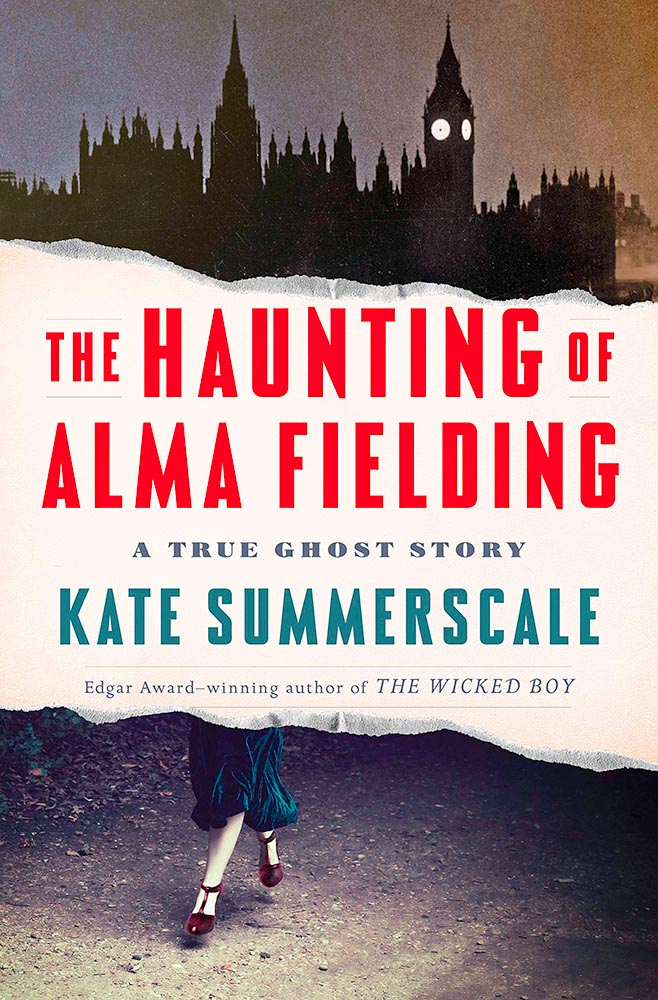
    The Haunting of Alma Fielding book cover

    Great type complimenting great illustration choices, sure, but those feet . . . .

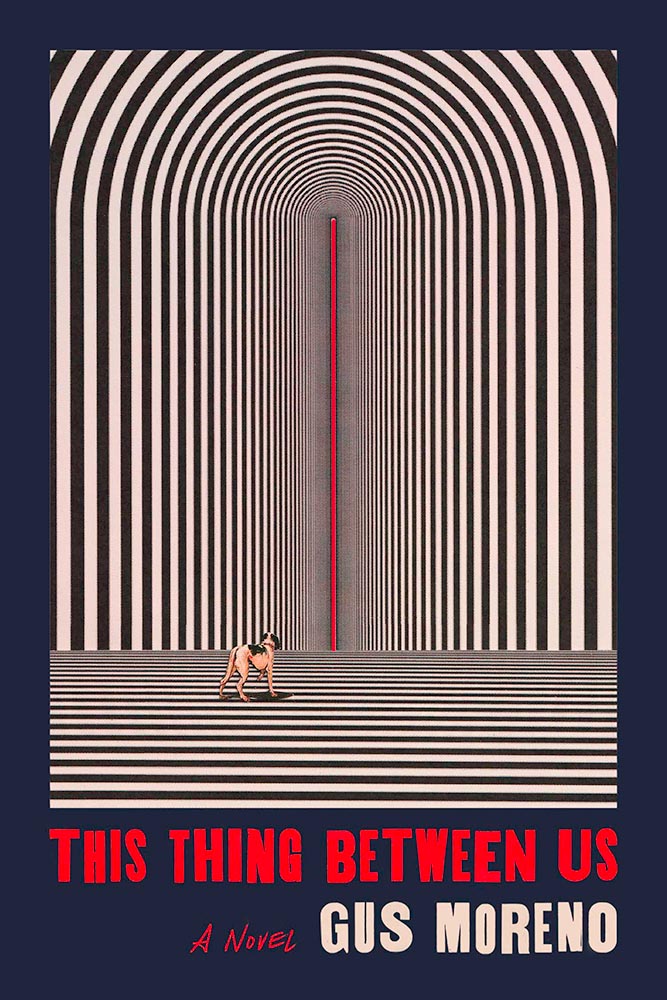
    This Thing Between Us book cover

    Surreal smart speaker — no kidding. How does one design a cover for that, exactly? This way. Design by Sara Wood.

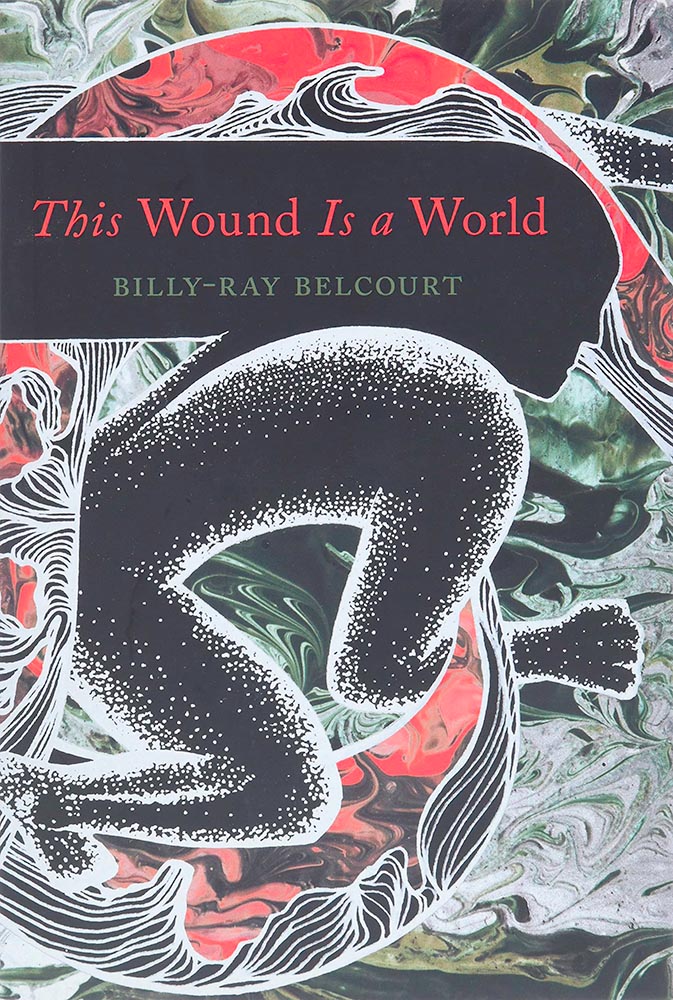
    This Wound is a World book cover

    “[C]ut a hole in the sky / to world inside,” this volume of Native American poetry suggests. The cover does just that.

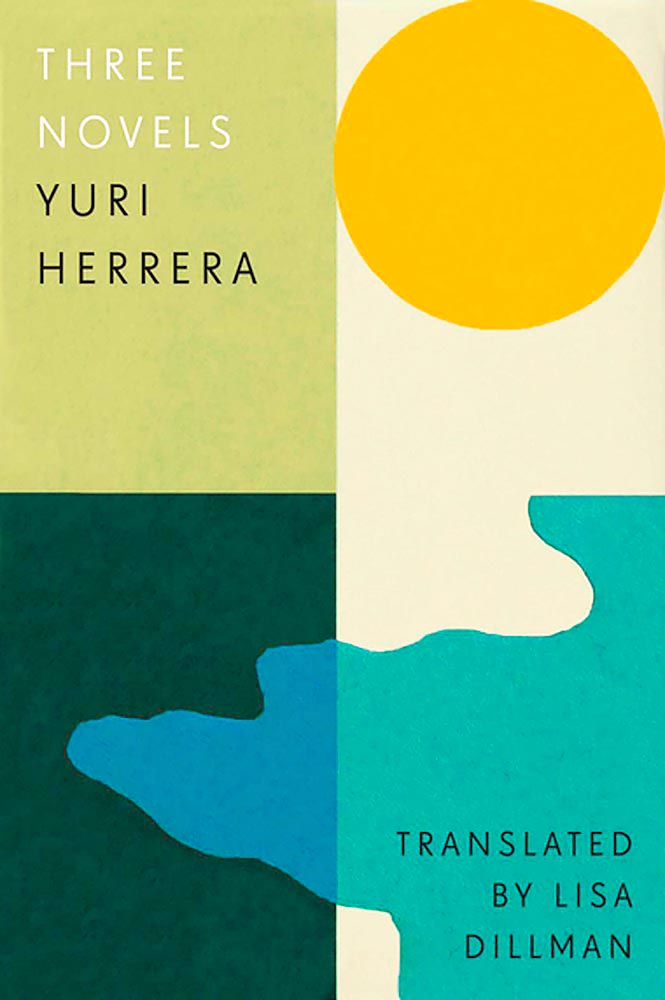
    Three Novels book cover

    “Another few cuts of paper,” he said with such casualness. Ha! Design by Tom Etherington.

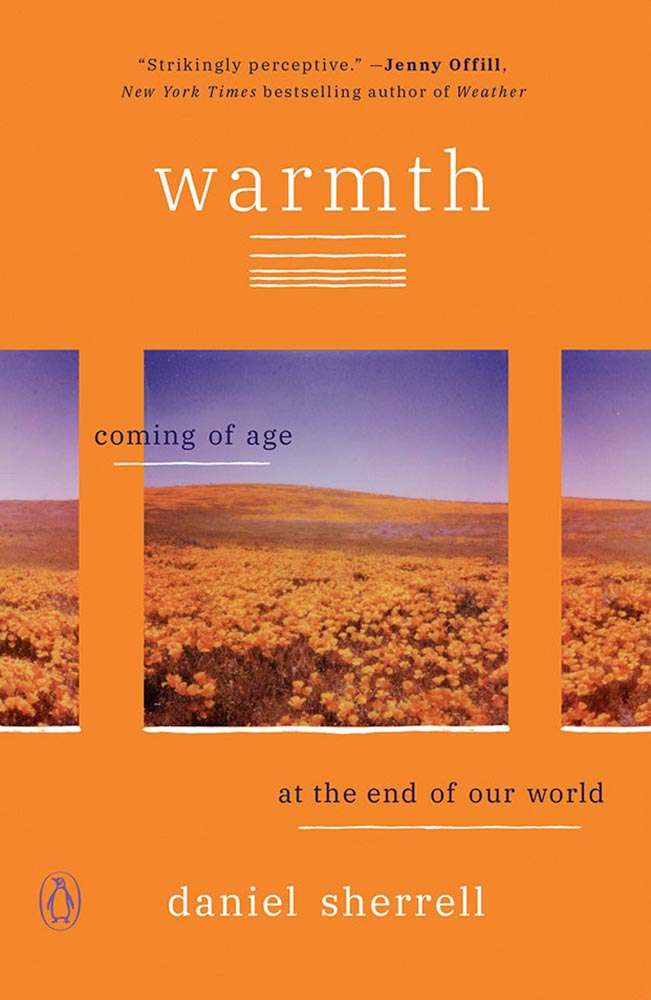
    Warmth book cover

    “Beautifully rendered and bracingly honest,” one of the reviews says. The cover, as well. (Plus, lines.)

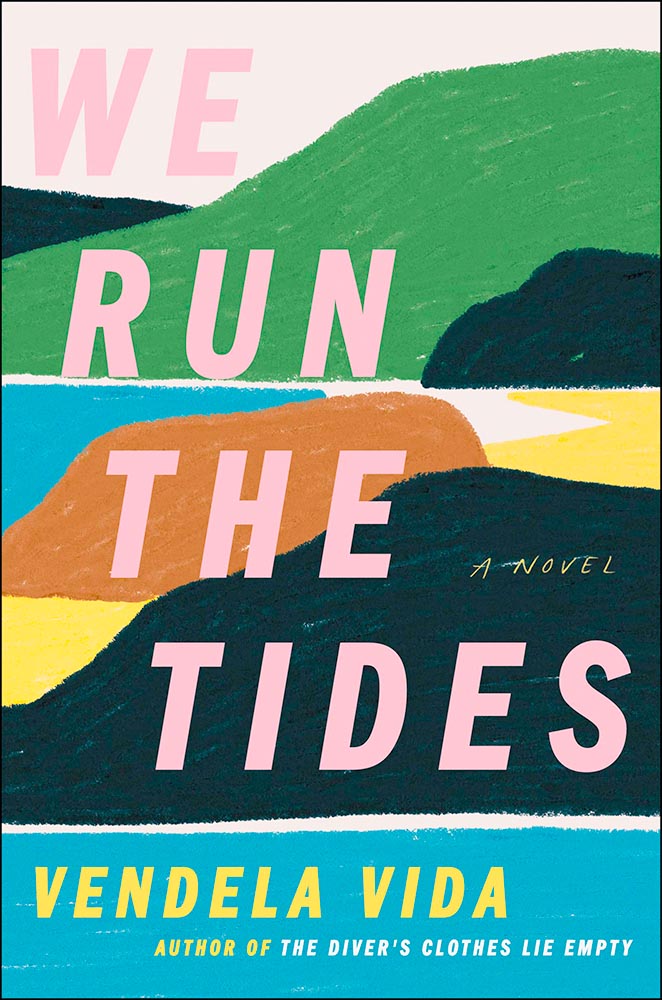
    We Run the Tides book cover

    The color choices here, combined with the illustration, suggest something soothing, yet catch the eye in a way that demands attention. The mystery within does, too, from practically the first sentence. Here because I know I wouldn’t have done it so well.

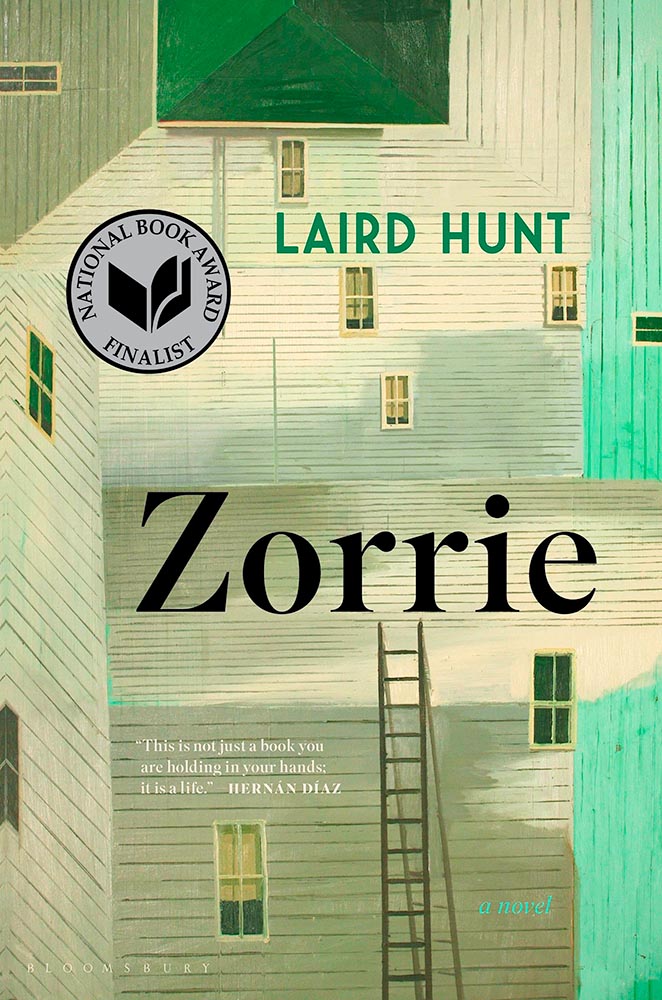
    Zorrie book cover

    Climbing that ladder’s going to take a minute. But then, that’s what it’s all about . . . .

    On to 2022, everyone! Thanks for surviving 2020, 2021, and continuing to read — here, and behind your favorite book cover.


  • Washington Post’s Best Book Covers 2021

    Washington Post’s Best Book Covers 2021

    The Washington Post has an article from book designer Kimberly Glyder with her favorite book covers of 2021. Her bio:

    Kimberly Glyder’s studio specializes in book design, illustration and lettering. Her work has been featured in the AIGA 50 Books/50 Covers show, the Type Director’s Club Annual Exhibition, Print magazine, American Illustration, the American University Presses Book Jacket and Journal Show, and the New York Book Show.

    Check her “best of” at the WP, and stay tuned for more 2021 lists next month.