Tag: aiga

  • Beautifully Briefed 26.3: The Ides of Equal Madness

    Beautifully Briefed 26.3: The Ides of Equal Madness

    This month, some optimism, some interesting books, some creative fonts, and some fantastic photos, and somepositivity — plus a smidgen of pessimism — in the form of Adobe.

    On the whole, it’s mostly optimism, promise. And there’s butter. And a sleeping fox. And duck.

    This Month’s Spine

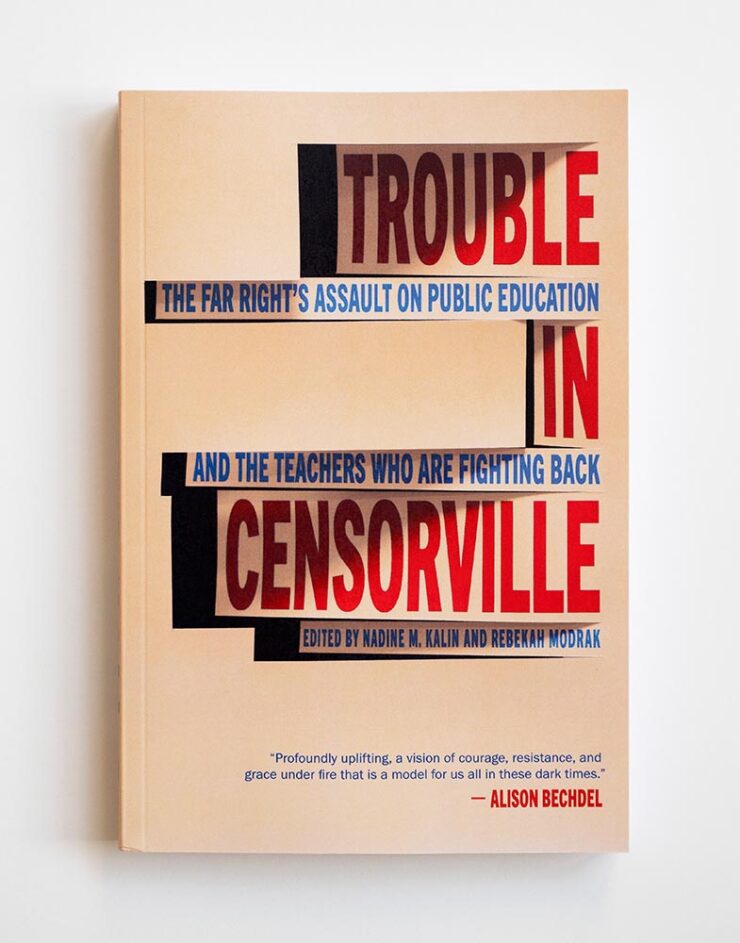
    Rutgers University Press. Cover design by Ashley Muehlbauer; production editor, Vincent Nordhaus.

    “Our initial direction for [the designer] was to create a clean, simple text design that conveyed crisis, dread, or the element of threat,” this title’s production editor said in response to my request for information.

    “To say that someone lit a fire under those directions is an understatement,” I wrote in this title’s commentary. “In today’s American academic reality, where every day could indeed be … shall we say, fraught, this cover takes the brief and runs straight onto the dean’s list.”

    See the rest of this month’s University Press Coverage at Spine.

    Why She’s an Optimist 
    Joan Westenberg (previously) has another great essay up about the AI doom loop — why it’s easy to believe that the downward spiral is tightening, to roughly paraphrase — and why she believes it just isn’t true:

    In 1810, 81% of the American workforce was employed in agriculture. Two hundred years later, it’s about 1%. If you had shown someone in 1810 a chart of agricultural employment decline and asked them to model the economic consequences, the only rational projection would have been apocalypse. Where would 80% of the population find work? What would they do? How would anyone eat if the farmers were all displaced by machines?

    The answer, of course, is that entirely new categories of work were created that no one in 1810 could have conceived of, and these new jobs paid dramatically more than subsistence farming. Factory work, office work, services, knowledge work, the entire apparatus of modernity: none of it was visible from the vantage point of the pre-industrial economy.
    — Joan Westenberg, “Everything is Awesome”

    “The transition was brutal and uneven. [People] suffered,” she writes. “But the trajectory was real, and the people projecting permanent immiseration […] were, in the fullest sense, catastrophically wrong.”

    The essay isn’t perfect; it’s too long, and the editor failed to catch a few typos (he said, hypocritically). But … it scales. Zoomed out, it applies to more than AI.

    “The doomers may have the best stories. I believe the optimists have the best evidence,” she concludes. I agree. Or, at least, I’d like to. 

    Go read it and see whether you do.

    Great Web Moments X2
    Kottke.org 

    Kottke Turns 28. There are few websites I nod along with as often as this gem from the late ’90s, still going strong.
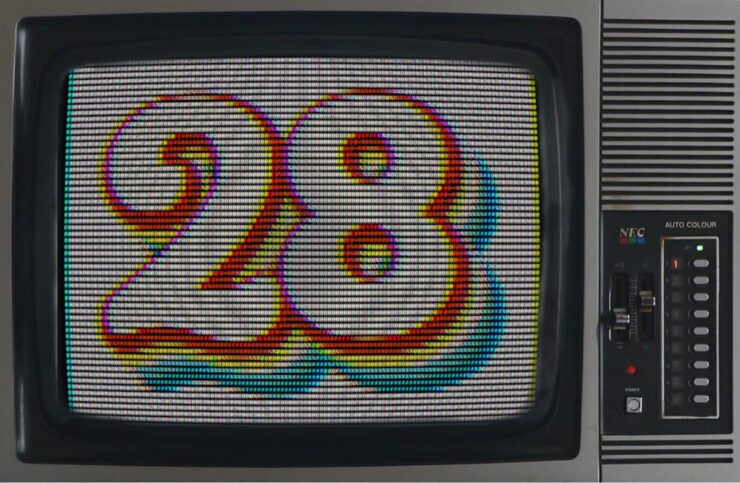
    Kottke.org: 47,300 posts and counting.
    Scripting.com

    Dave Winer shoots for the stars:

    We’re going to try to reboot the web.
    Doing what the social networks do, but only using the web.
    Every part replaceable. 
    — Dave Winer, scripting.com, “Mission Statement”

    Scripting News has been around since ’94 and if you’re even a little interested in a free web, his site is a fine place to start learning how you can contribute to keeping it free.

    Note: scripting.com is, famously, still non-https — which means that if you click on either of the above links you’re likely to get a warning that the site isn’t secure. It’s very much a safe link.

    Book Notes X3
    Oliver Munday, Head of Household

    Somehow, I expected someone older. (Courtesy of Debutful.)

    Nearly every one of his book cover designs could be called an instant favorite. He has a wry, brief expression that often delights.

    So, when he wrote a book, did he do the cover? Well … no, as it turns out — and he preferred it that way.
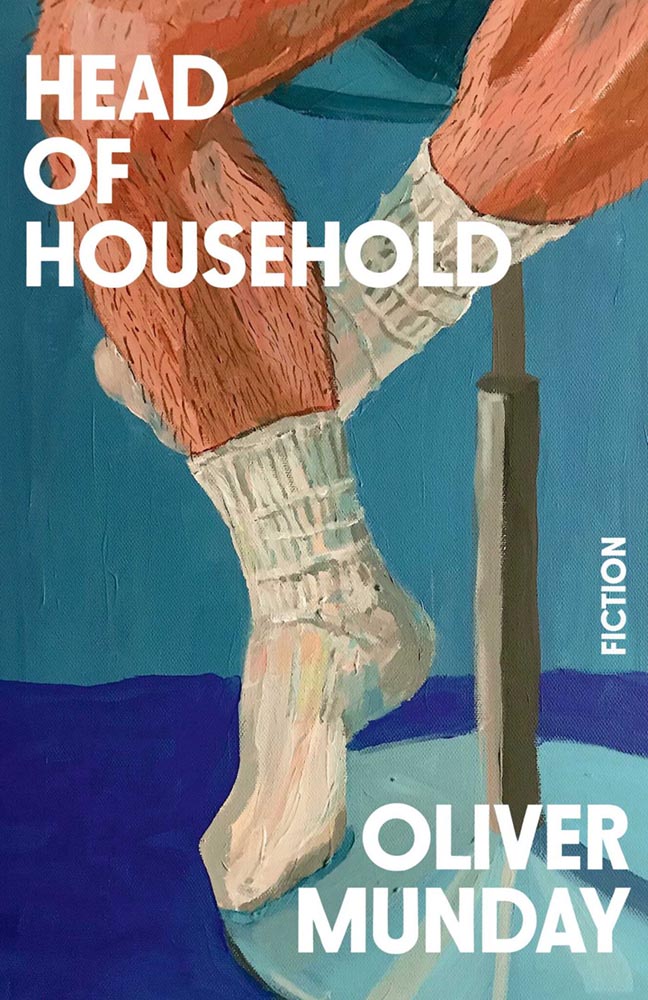
    Cover design by Chris Brand.

    Munday’s collection of stories has an interesting cover by industry veteran Chris Brand, and I like it — although some of the alternatives seem to me like better fits for Munday’s take on life. 

    But, of course, that’s the point: it’s not about him, it’s about his book.

    See the other book cover design drafts Brand designed for Head of Household at LitHub. (And a short Q&A.) Enjoy also this interview with the author/designer at Debutful.

    The Butter Book
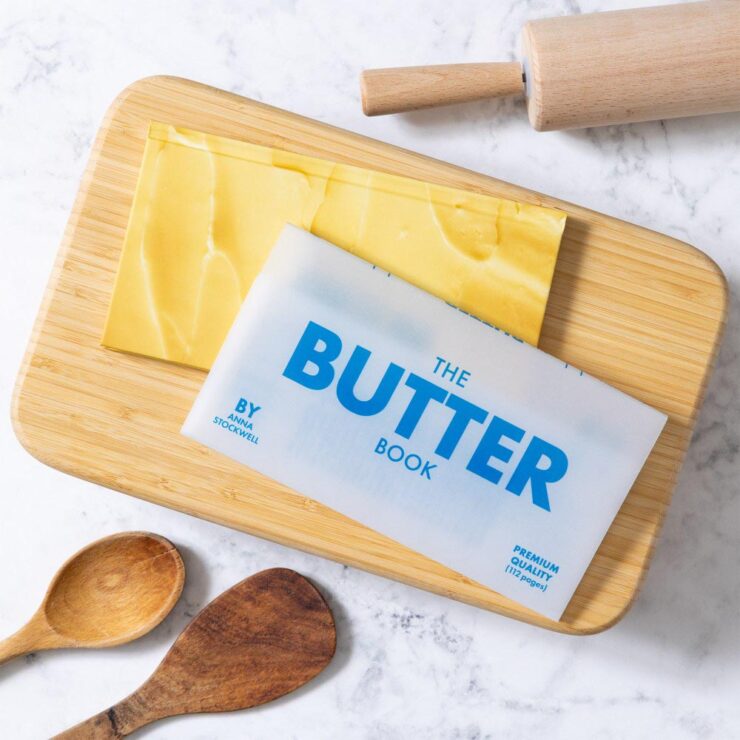
    Book design by Lizzie Vaughan.

    No, it doesn’t soften when left out — or spread any larger meaning. It’s just a great book cover (and jacket).

    Chronicle gets a kick out of “things that look like other things.” We made a notepad called Pad of Butter that has been selling steadily since 2015. So, imaginations did not need to stretch when a butter-focused cookbook with a vellum jacket was proposed. It’s our “bread and butter,” so to speak.— Q&A with author Anna Stockwell and designer Lizzie Vaughan, PRINT

    “It’s important to find joy wherever you can these days and it’s hard to hate on butter,” the article says. Read the rest at PRINT.

    “Naïve” Design
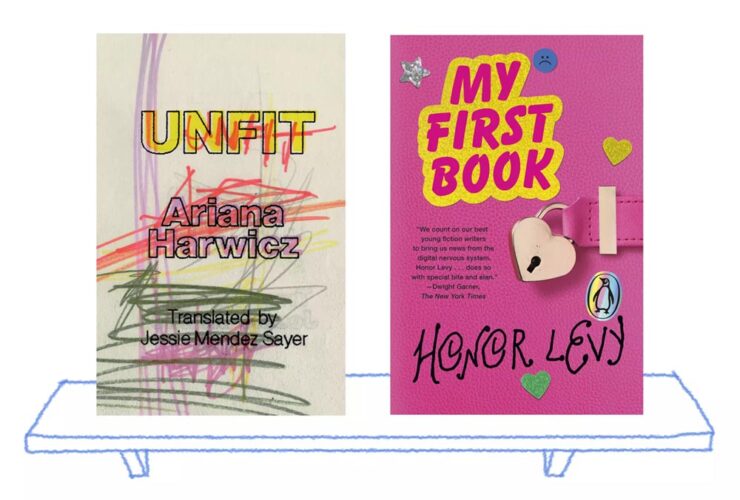
    Image courtesy of the LA Times.

    The LA Times examines the latest book design trend: naïve design. (Yes, I pretentiously style that like the New Yorker does. The LA Times does not.) It’s where serious subjects wear … nostalgic cover designs, to use a phrase. Find out why.

    Parenthetically, of the covers mentioned in that article, only one — by design legend Na Kim — has found its way into my 2026 Favorite Covers folder. It’ll be a minute, but stay tuned to find out which.

    Special Bonus #1: “You’ll need a magnifying glass to read these,” says This is Colossal:
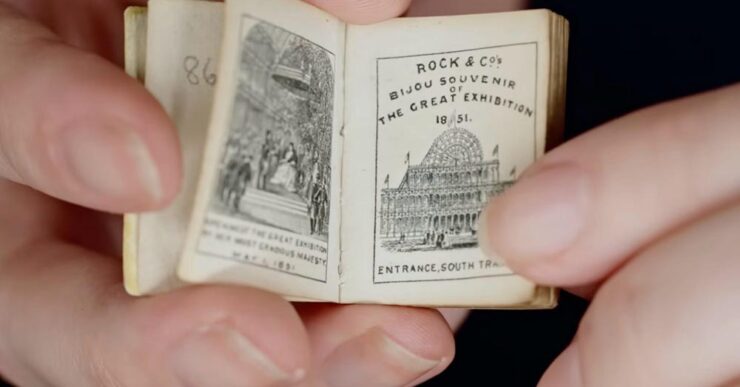
    Courtesy of the V&A Museum.

    Special Bonus #2: A favorite collectible (and slight tangent), these books “keep a lost design legacy alight,” says It’s Nice That:
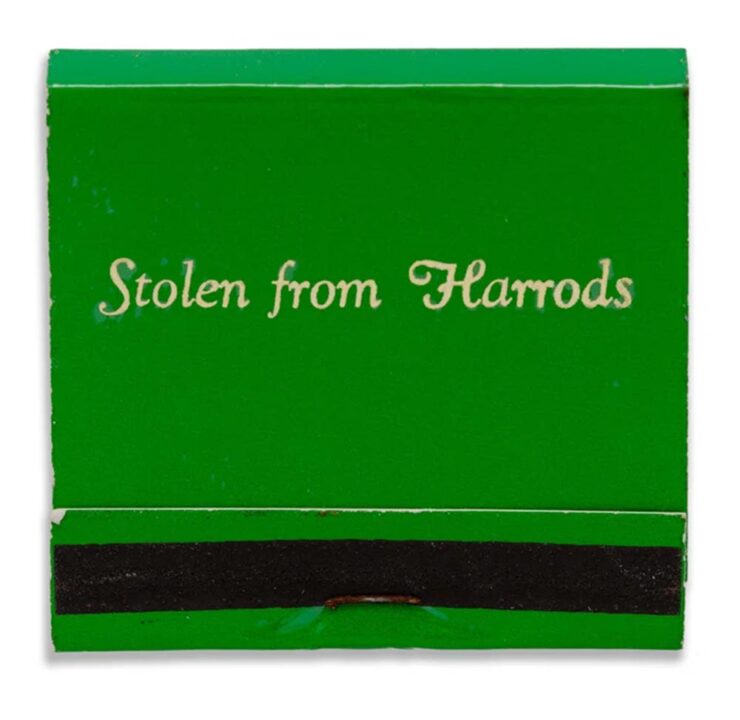
    A sample from The Matchbook Book by CentreCentre. 

    Update, 1 April: CreativeBoom has a nice feature on this title as well, with additional images. Check the slipcover:
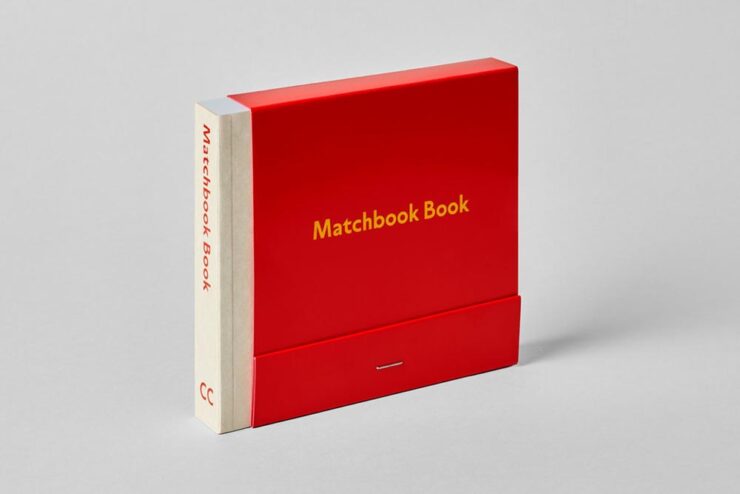
    Awesomeness courtesy of CreativeBoom.
    Fonts March Foreword
    CreativeBoom’s March Faves

    CreativeBoom‘s regular feature contains sixteen choices this month — awesome! — but I’d like to just highlight my three favorites: 
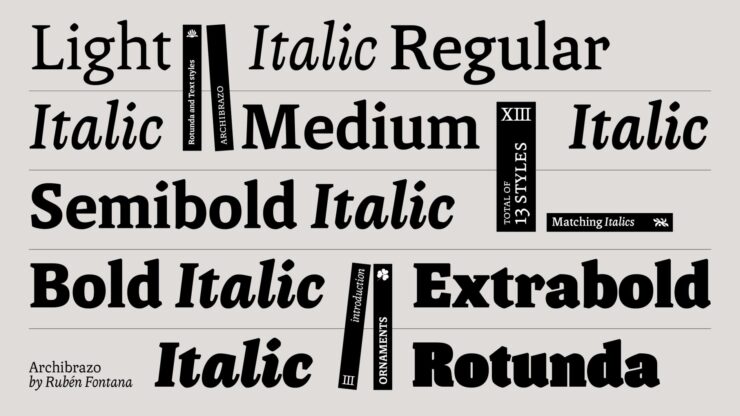
    Archibrazo by Rubén Fontana.

    “Rubén Fontana is one of the most respected figures in Latin American type design, and Archibrazo, released through TypeTogether earlier this year, represents a characteristically considered piece of work. The typeface brings together two traditions that might seem at odds: the fluidity of calligraphic practice and the hardness of sculptural form. The result is a serif family that wears its sources with confidence, without collapsing into historicism or affectation.”
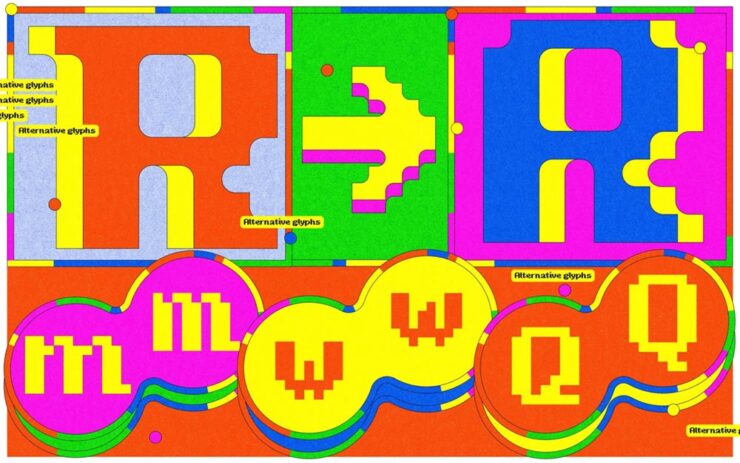
    See more at TypeTogether.

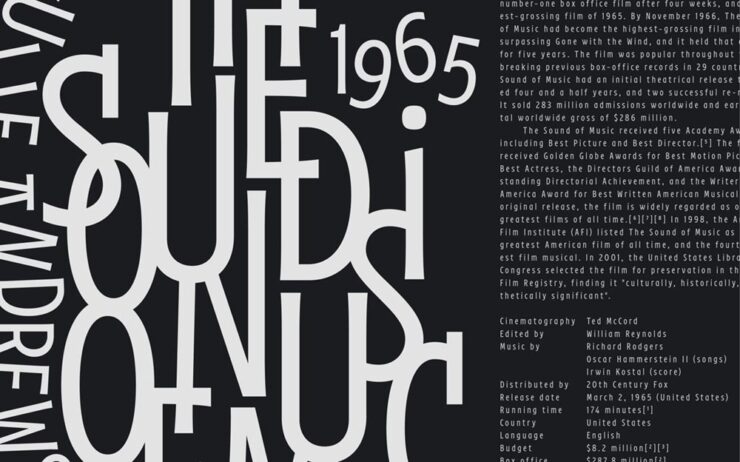
    Djaggety by Alessia Mazzaarella.

    “Djaggety began in a classroom. Alessia Mazzarella of Typeland, who teaches type design to BA Graphic Design students, uses an 8×8 grid exercise as a standard introduction to letterform construction. The constraint, she explains, strips away the paralysis of infinite choice and forces students to focus on what makes a character recognisable within a tightly defined system. During one iteration of the exercise, she found herself drawn into the process rather than simply demonstrating it. […] Overall, it’s a good lesson in how constraint can generate, rather than foreclose, creative possibilities.”
    See more at Typeland.

    Musikal by Fred’s Fonts.

    “After three years in development on Future Fonts, Fred Wiltshire’s Musikal has reached v1.0: a significant milestone for a typeface that began with a conscious act of divergence. Herman Ihlenburg’s Obelisk (1880s) served as the starting point: a high-contrast, ornamental display face of considerable geometric rigour and decorative confidence. Rather than reviving Obelisk directly, Wiltshire took its ‘playful nature’ as a conceptual springboard and built something clearly of the present.”

    See more at Future Fonts.

    Letterform Archives’ New Celebration of Hand-Painted Type
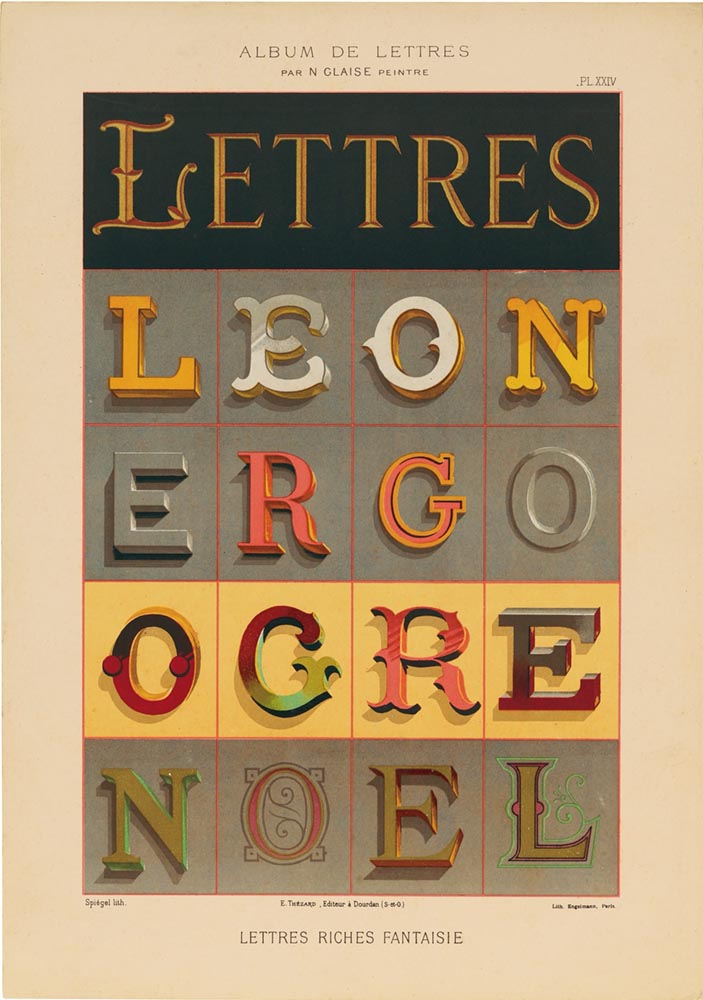
    One example — I mean, who can argue with “Lettres Riches Fantaisie“?

    “A new book published by Letterform ArchiveLettres Décoratives: A Century of French Sign Painters’ Alphabets, celebrates the vivacity and timelessness of French sign painting from the 19th and early 20th centuriesCompiled from lithograph portfolios, which range from 1875 to around 1932, the volume includes more than 150 full-color reproductions of these bold lettering samples. These portfolios once served as catalogue-like albums, providing inspiration for styles and motifs that could be translated onto large billboards and small signage alike.”

    Read more about this great new book at This is Colossal or PRINT.

    Cambridge’s Old Baskerville Punches

    Heavy metal for the type crowd:
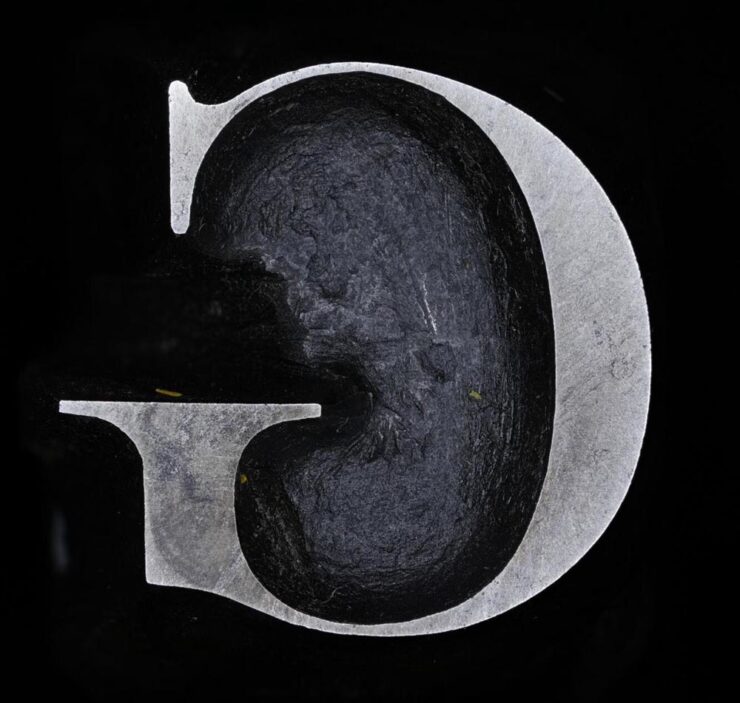
    Image courtesy of Cambridge University.

    “John Baskerville was an influential 18th-century printer and type designer; you’ve probably used (or at least heard of) the Baskerville typeface. Cambridge University has the original punches used to create his signature typeface and has made high-res digital photos of them available online,” Kottke writes. “[S]eeing close-ups of the actual cut & shaped metal from 1757 is something else.”

    In case you’re not familiar:

    The typographic punch is the initial design for the letterform and one of the first of three stages in the manufacturing of metal type: short lengths of steel onto which his letters were cut in reverse and in relief. The punch was ‘tempered’ to increase its toughness and enable its use as a tool. Secondly, the punch was struck into the surface of a softer piece of metal (copper), leaving an impression of the ‘right-reading’ character to be cast. This was called the matrix. Finally, type was manufactured when the matrix was passed to the type-caster and inserted into a mould, into which molten lead-alloy was poured. This produced a cast of the type in relief and in reverse which were then arranged to create a text block and once inked, paper could be pressed against it.

    Not just hi-res photos of punches for various sizes of type, either: some have 3D versions. Very cool.

    Special Bonus #3: The menu that never was:

    World Class Female Singers.

    Okay, okay, that’s not actually an unused menu from before Apple’s Macintosh was released in 1984, but how it came about isn’t something I’m going to quote. Instead, I’m just going to ask you to read it in full — it’s fantastic.

    Courtesy of Unsung, Marcin Wichary’s awesome blog. (Yes, he of Shift Happens fame.)

    Great Graphic Items X2
    The Tenth Muse
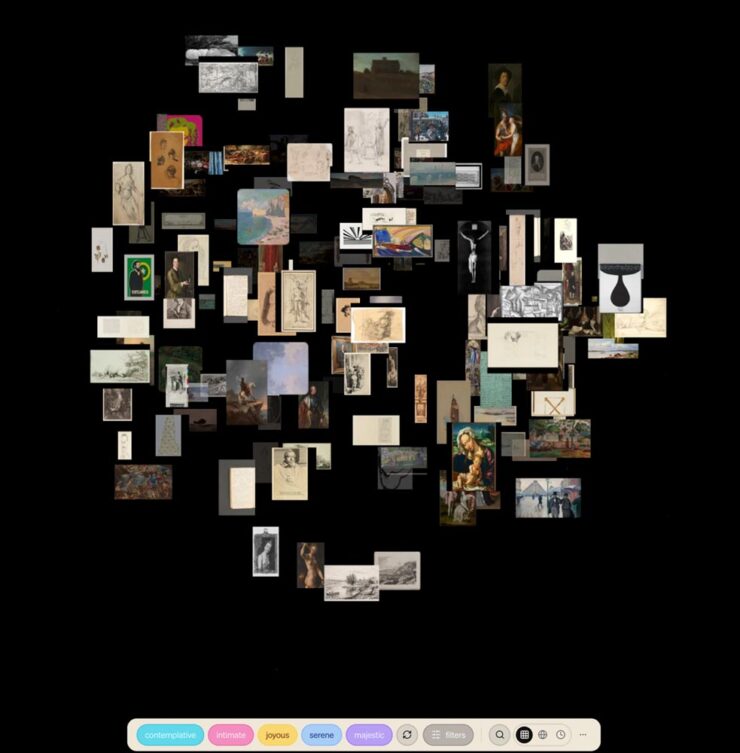
    Screenshot of the Tenth Muse home page.

    The Tenth Muse is an art discovery engine. Over 120,000 artworks from museums and institutions — searchable by feeling, mood, atmosphere, era, and medium.”

    (Via Kottke.)

    AIGA NY: 50 Years of Posters
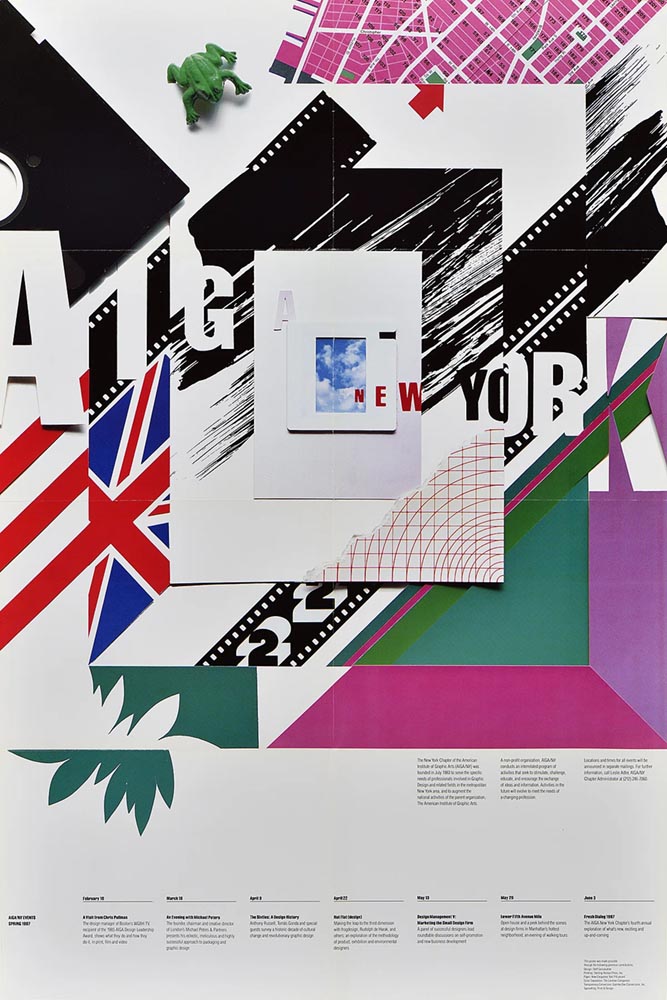
    Just one example of the many posters now available for your persual.

    “A 50-year goldmine of design: AIGA New York unveils its poster archive to the public,” It’s Nice That reports. “A newly opened window into its design archive, this unique visual library provides the public with an inside view of the design, art and activism that’s emerged from the city’s recent history. AIGA NY has ambitions for the collection to become physically accessible with an accompanying book that will showcase the posters in more depth.”

    Adobe, Yet Again
    DNG Now Standard

    Let’s start with the positive:

    “In March 2004, Australian photographer Robert Edwards asked a simple but meaningful question on Rob Galbraith’s now-defunct photography forums: ‘Could Adobe make a RAW format?’ The answer was very much ‘yes,’ and Adobe announced the DNG format, or Digital Negative, later that same year. Now, more than two decades later, DNG is now the official standard under the International Organization for Standardization (ISO),” PetaPixel writes.
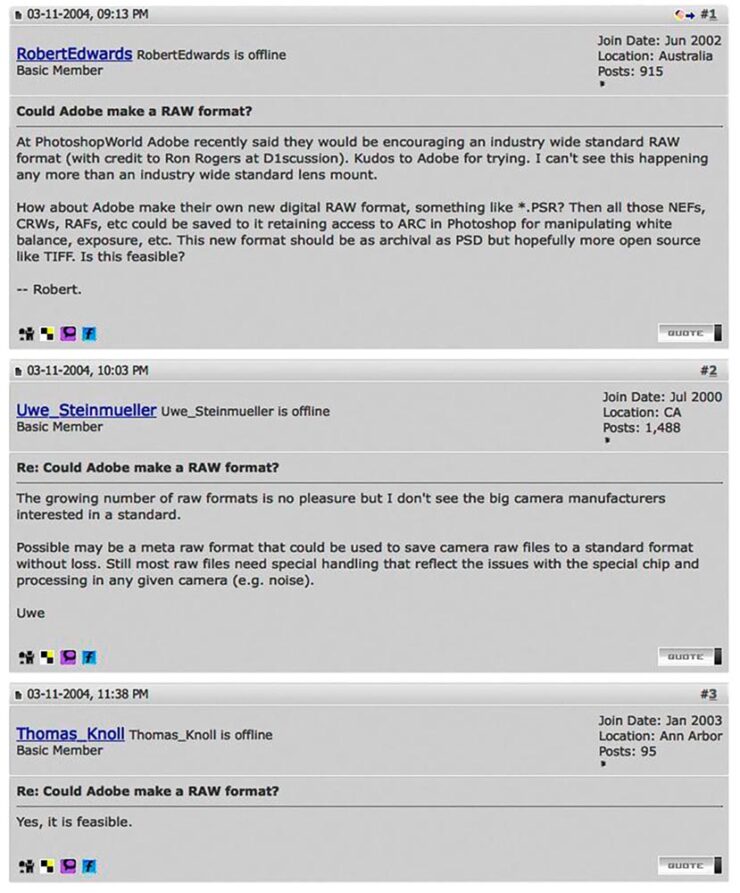
    From back in the day.

    I remember lurking on Rob Galbraith site. Such were the importance of his forums — and, for that matter, the overall size and condition of the ’net in the early Aughties — that Thomas Knoll himself, one of the creators of Photoshop, would post there.

    In case you’re not familiar, a camera’s RAW file is what the sensor sees at the moment of exposure, stored in a format for later editing. It’s completely different from a JPG file, which has all the camera’s choices baked in to the final image. Sports or journalism photographers usually shoot JPG, due to the need to post immediately; social media photography is, of course, its own animal.

    Most fine photographers — that is, folks who shoot for art or pleasure, including your author — only shoot RAW, because it gives you maximum flexibility in “look.”

    I’m honestly not sure how much of a difference this will make, but it’s nice to see DNG accepted as a standard — and it’s an example of Adobe meaningfully contributing to the bigger picture. 

    Train Adobe’s AI on Your Style

    From the “mixed” department:
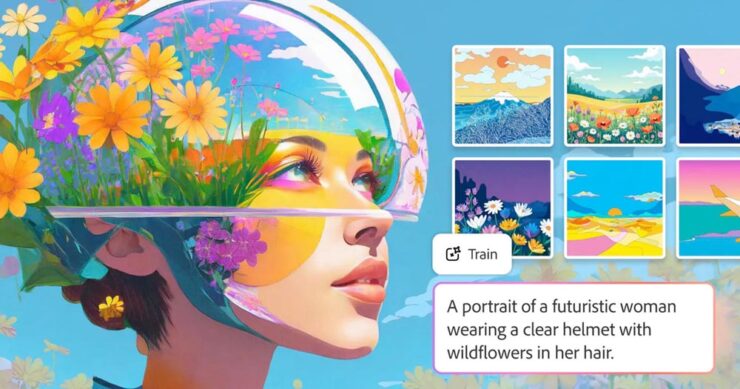
    It’s not tin foil.

    Adobe has launched Firefly Custom Models, “allowing artists to generate image variations that ‘more consistently reflect’ their own style, subject, or characters. 

    Adobe’s Deepa Subramaniam says, “Today, we’re expanding access to Firefly custom models, which let you turn your creative style into a reusable model trained on your own images. In this public beta release, custom models are optimized for ideation in character, illustration and photographic style.” 

    The goal of Custom Models, according to PetaPixel, is to “allow artists to train Adobe’s Firefly AI specifically to unique workflows so that when it generates content, it is more aligned with their specific style.”

    Hmmm. How ’bout practical effects? Seriously, this might turn out to be useful. Time will tell. Helmet of tin flowers and all.

    CEO Retires. Stock … Down?

    Here’s where the attitude sneaks in: most of us, present company included, are sick of Adobe’s attitude towards its customers.

    “Adobe’s longtime CEO, Shantanu Narayen, announced this week that he is stepping down after 18 years as CEO and nearly 30 years at the company. If you ask shareholders, Narayen was, for a long time, among the very best in the biz. If you ask Adobe’s core customers, the artists who were once indispensable to the company’s success, it’s a different story,” writes Jeremy Gray in an opinion piece for PetaPixel.

    Adobe made more than $7 billion in net profit last year, a clear win for shareholders. This is due to their choice to treat creatives as a profit center. But their stock is down because their AI efforts have fallen flat — Firefly is way behind Midjourney or Gemini — and the planned additional profit center has failed to materialize. 

    And by “down,” I mean significantly. During Narayen’s tenure, Adobe’s share price increased from around $40 in late 2007 when he took over to an all-time high of $688.37 in 2021. But as of this writing, it’s $243. “Although Adobe and Narayen are painting his departure as entirely the outgoing CEO’s decision,” Gray continues, “it’s easy to wonder whether tumbling share prices had something to do with the transition, or at least sped up existing plans.

    “I respect the sheer scale of what he achieved. I admire that he grew Adobe so that it could hire more great workers to build better software. But for me, Narayen’s legacy is ultimately one of treating [creatives] like an afterthought […] using our passion and love for art to boost his brand.”

    I understand that Adobe has become one the Internet’s favorite punching bags of late, and I try to distance myself from that sport (no matter the subject). But I can’t help but agree with many of the things expressed in that piece.

    Let’s hope that the future bring change, one way or another. For many professionals, Adobe essentially holds a monopoly. 

    But then, so did Microsoft.

    Special Bonus #4: Unsung asks, “Why wouldn’t everyone deserve the gift of focus?” He’s talking about the tragically-short-lived focus mode in Photoshop, wherein the user isn’t automatically shown pop-ups or blaring (bleating?) buttons regarding new features.

    I mention this because I just uninstalled Acrobat, Adobe’s PDF management program, because I couldn’t turn off the pop-ups, sharing invitations, or requests to add comments. All I wanted was to proof documents, but what I was gifted with was frustration — even anger, on days where a deadline was involved. 

    Special Bonus #5: “A slap on the wrist” is understatement writ large:

    “Canceling a software subscription is supposed to be easy — that’s what US law dictates. Adobe, however, has played fast and loose with its Creative Cloud subscriptions in the past. The company was sued by the Department of Justice in 2024 due to its practice of hiding hefty termination fees when customers signed up. The case has now been settled, with Adobe agreeing to a $75 million fine and matching free services to users of its products,” Ars Technica writes.

    The company doesn’t admit to violating the law. “While we disagree ⁠with the government’s claims and deny any wrongdoing, we are pleased to resolve this matter,” Adobe said in a statement.

    March Photo Round-Up

    Okay, let’s switch gear and end with inspiration — even happiness.

    International Garden Photographer of the Year 2026

    Yes, you read that right: there’s an international contest for the best garden photograph. (If you want hard-hitting stuff, see Sony’s awards. There’s enough “news” in the world, so….)

    Grange Fell Last Light. Overall Winner. Photograph by Mark Hetherington.

    Soothing. The image also earned first place in the Breathing Spaces — more soothing —category, and was captured in Borrowdale in England’s Lake District; the “photograph shows heather, silver birch trees, and the warm light of sunset viewed from Grange Fell,” PetaPixel writes.

    See all the winning photographs at the contest website.

    British Wildlife

    Asleep at the Wheel. Winner, Urban Wildlife. Photograph by Simon Withyman.

    It’s a shame these are still photographs. Hearing a red fox bark in a British accent is a hoot.

    Standing Tall. Winner, Animal Portrait. Photograph by Alastair Marsh.

    Proof that excellence in photography extends to all parts of the realm. See all twenty-one winners at This is Colossal or PetaPixel.

    London Camera Exchange Photographer of the Year 2026

    Last of the items originating in the UK this month, although the excellent photographs within aren’t limited to just those countries. Some examples:

    Crossing the Curves. Winner, Street. Photograph by Helen Trust.

    “A lone cyclist moves through sweeping arcs of light and shadow at the City of Arts and Sciences. Reflections echo the architecture’s rhythm, momentarily aligning human motion with structure, symmetry, and space.”

    Saving Lives at Sea. Winner, Action. Photograph by David Lyon.

    “Captured from the shore, during a regular Newhaven training exercise.”
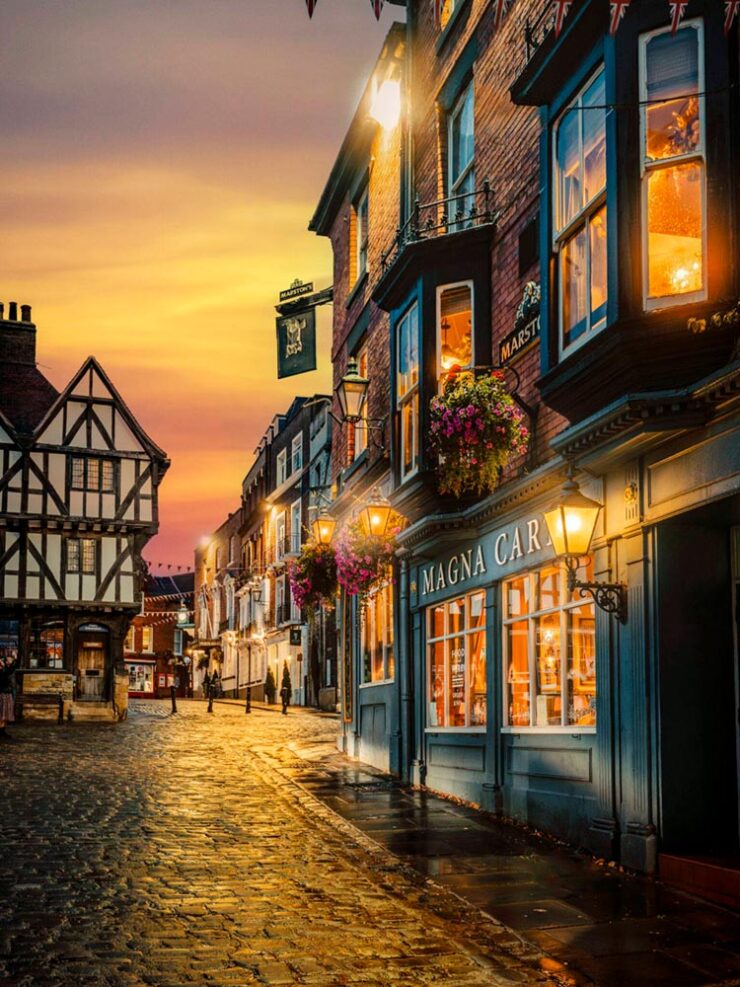
    Magical Uphill Lincoln. Winner, People’s Choice. Photograph by Andrew Scott.

    “This image was taken during golden hour in Lincoln. The image captures the historic streets and architecture of Lincoln as a golden sunset sets in. […] The golden glow of the sky, cobbles and light from the window add that extra dimension in terms of how the overall image works as a result.” (The description somehow missed “soothing.”)

    See all the winners at the London Camera Exchange website. Via Macfilos.

    Andrew Moore: Theater

    “Known for his atmospheric photographs of landscapes, interiors, and urban centers that feel mysteriously locked in a not-so-distant past, Andrew Moore’s enigmatic images invite us into a slippage of time,” This is Colossal writes.
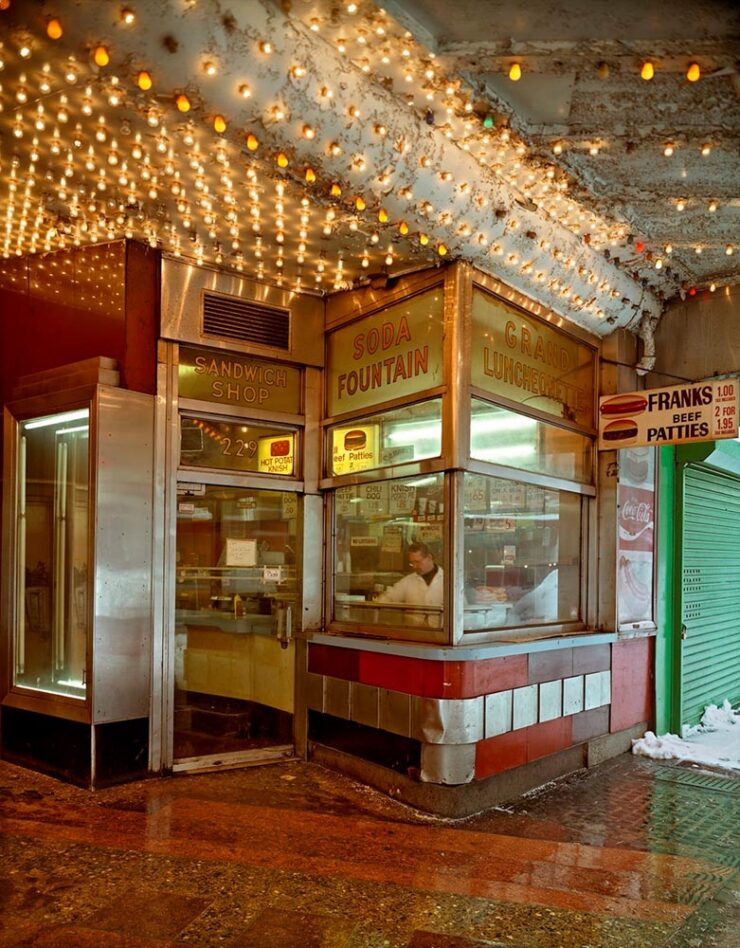
    Grand Luncheonette, New York, 1996. Photograph by Andrew Moore.

    Not only great, but currently on display: Moore has a solo show running at Atlanta’s Jackson Fine Art. (Update: The show ended March 21st, darned it. I’d have gone if I’d read that properly.)

    Cinematic Plastic

    No, not current events — something better:
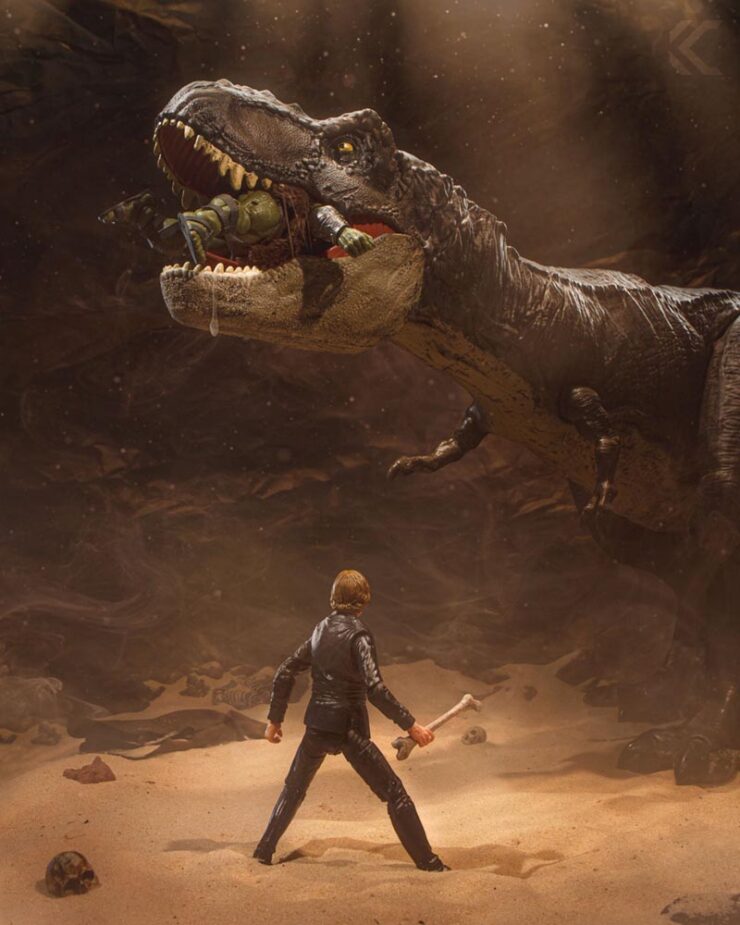
    Jurassic Pit. Photograph by Chuck Eiler.

    “Chicago-based photographer Chuck Eiler transforms action figures into cinematic, story-driven miniature worlds that blur the line between toy photography and film. Through meticulously crafted sets, practical effects, and careful lighting, he creates immersive scenes that bring nostalgia and storytelling to life,” PetaPixel writes.

    Apex Predators. Photograph by Chuck Eiler.

    Awesome. (And available as prints, in case you want for your sandbox walls.)

    Finally: Duck This

    Last month saw the incredible fresh pasta camera. Well, in case you think I only recommend a vegetarian lifestyle, there’s…:

    Four Minutes in London.

    Martin Cheung’s Chinese roast duckcam

    Presumably, he throws a fresh camera into the oven every time he needs one: “I will continue making Duckcam while I travel, so next time when you see a person with a roasted duck on a tripod, please say hello to me.”

    Enjoy your spring, everyone!
  • 50 Books | 50 Covers (2024 Edition)

    50 Books | 50 Covers (2024 Edition)

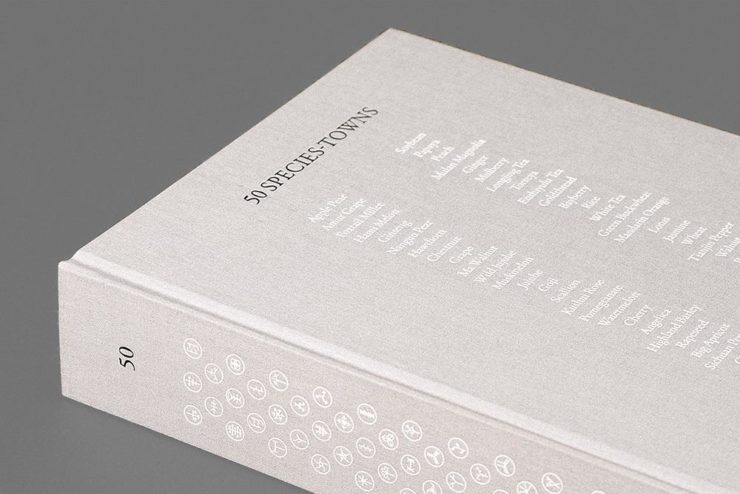
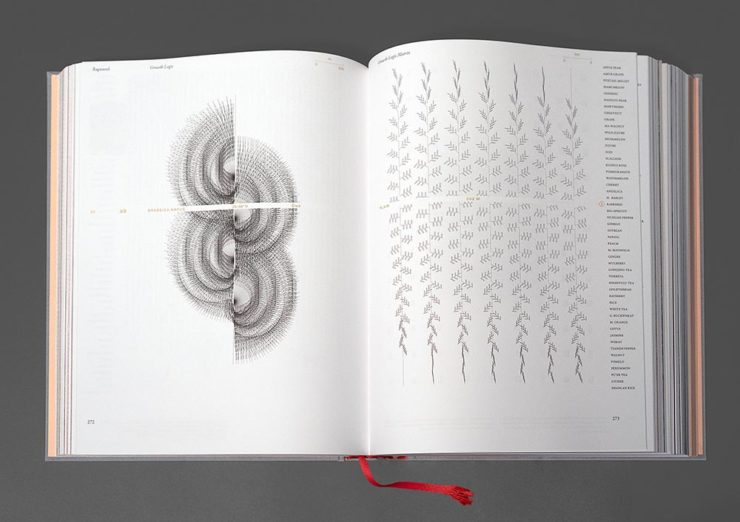
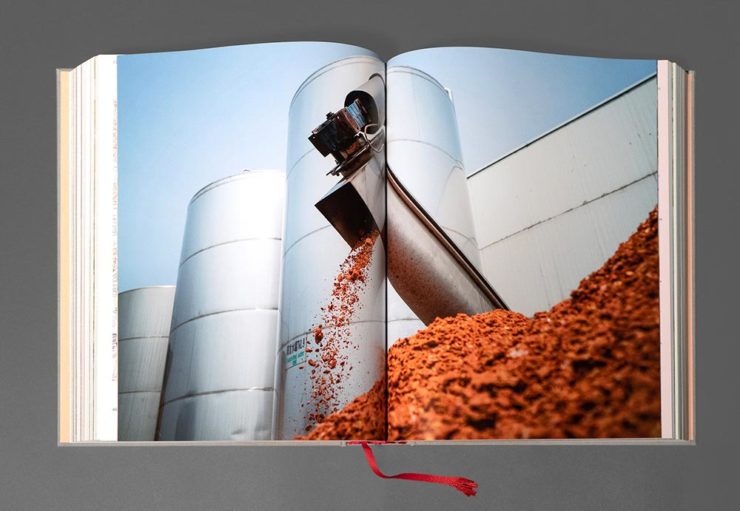
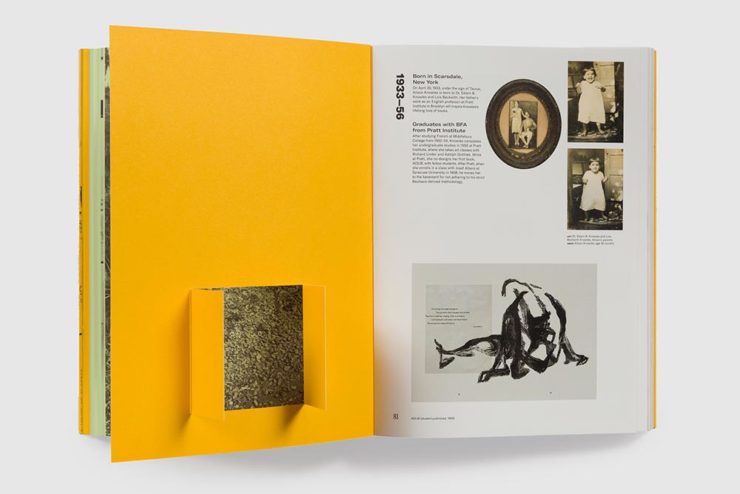
    The AIGA’s book design competition has been around for 101 years now — and every year, it’s a pleasure to explore the great work featured within. This year, the jury “had the unique opportunity to view 523 entries from practitioners working in the book design field. It is encouraging that designers continue to be interested in this medium and are currently developing new ways of working with publishers and printers to push our discipline further,” said chair JP Haynie.

    In order to be eligible, submitted designs had to have been published and used in the marketplace in 2024. Like last year, the winners were announced in October.

    I’m sorry to be running late on this coverage, but as always with 50 Books | 50 Covers, it’s absolutely worth taking the time to go through the gallery and appreciate the dedication to craft shown within. (It just took a little longer than usual to share.)

    Twenty titles are highlighted below. Taking a page from my Spine column, I’m including links to each book’s page so you can explore further. The titles are in alphabetical order.

    Note: As with all posts here on Foreword, click the title to get to a dedicated page with a wider text column and, more importantly, bigger images.

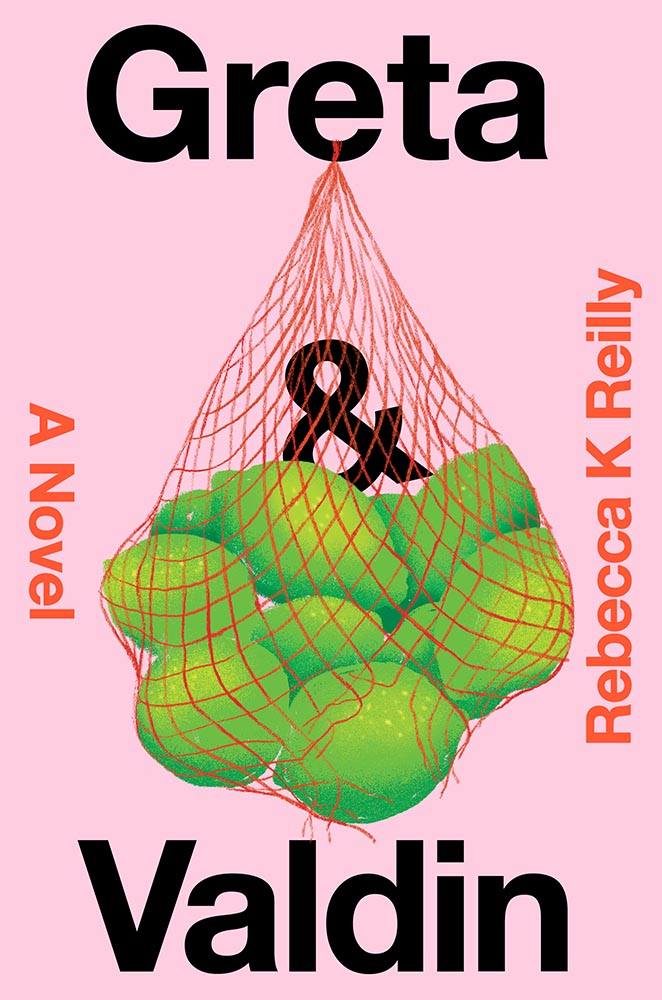
    Cover design by Lauren Peters-Collaer.

    Many layers of Flattery deserved here.

    Unfortunately, several of the individual AIGA gallery pages contain nothing other than the book and some rudimentary information. This is one.

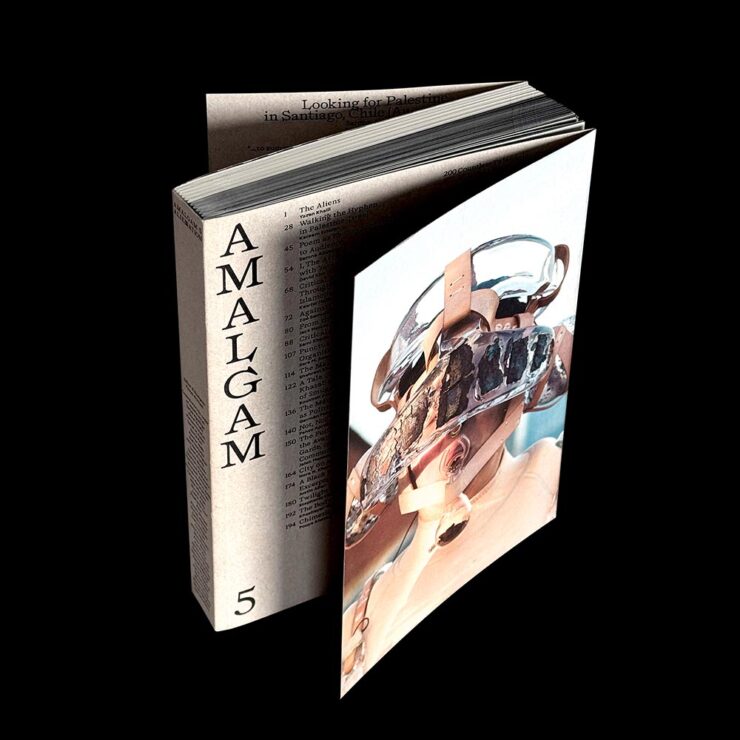
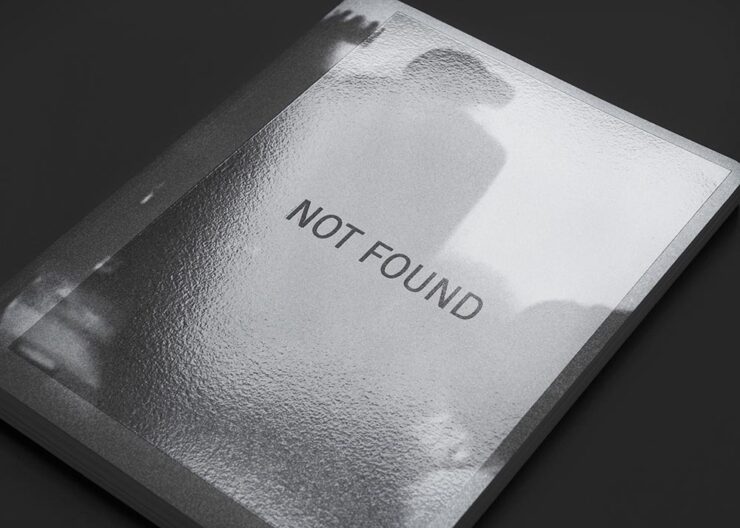
    Cover design by Pouya Ahmadi; art by Tanya Aguiñiga; photography by Gina Clyne.

    Two specific shout-outs here: this issue’s title, AlieNation, and those flaps. It’s not the first time I’ve seen those large reverse flaps, but here done oh-so-well; there’s useful text hidden in those areas and dynamic photography (art, really) on the “surface.”

    It’s fantastic to see journals in these awards, too — an underrepresented category, to be sure.

    See more about this title.

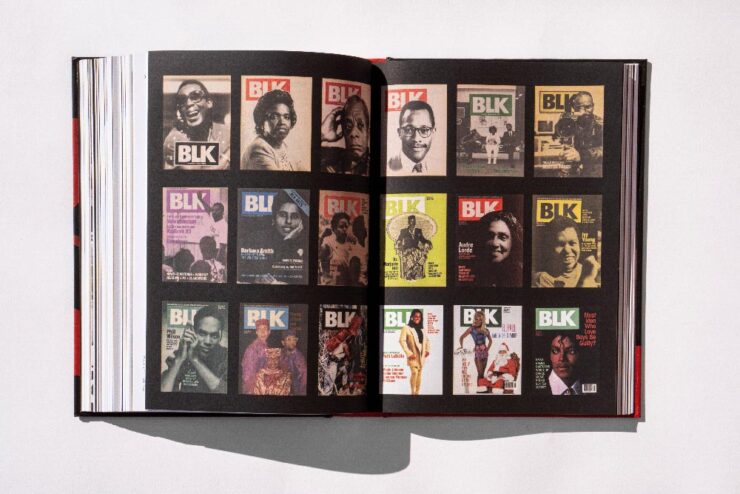
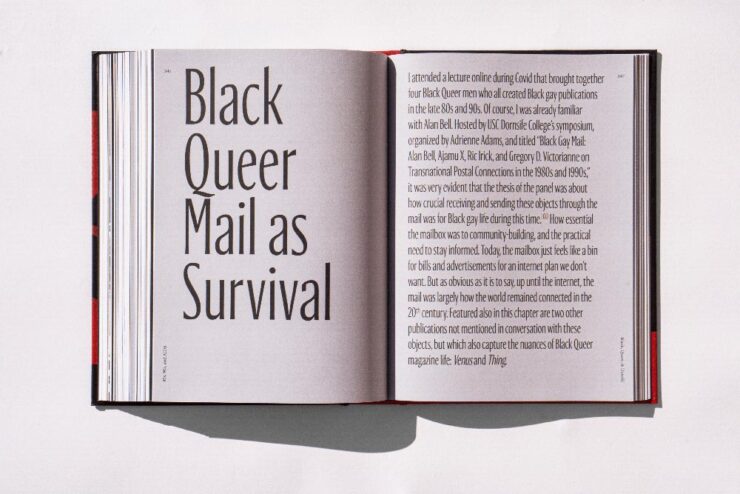
    Book design by John Key.
    Book design by John Key.
    Book design by John Key.

    One of the best things about the 50 Books competition is that it’s about the whole project, not just the cover. We get to see interior designs like this one, designs that are interesting and contributory to the mission of the title — which, when the title is about a designer, a high bar indeed.

    See more about this title.

    Cover design by Chris Allen.

    Wading into this minefield — even as a book designer — could be an issue, to put it mildly. This one’s got just the right character, leaning into the great (and perfectly cropped) image, simple-yet-effective use of color, and large text to, um, score a lot with a small input.

    See more about this title.

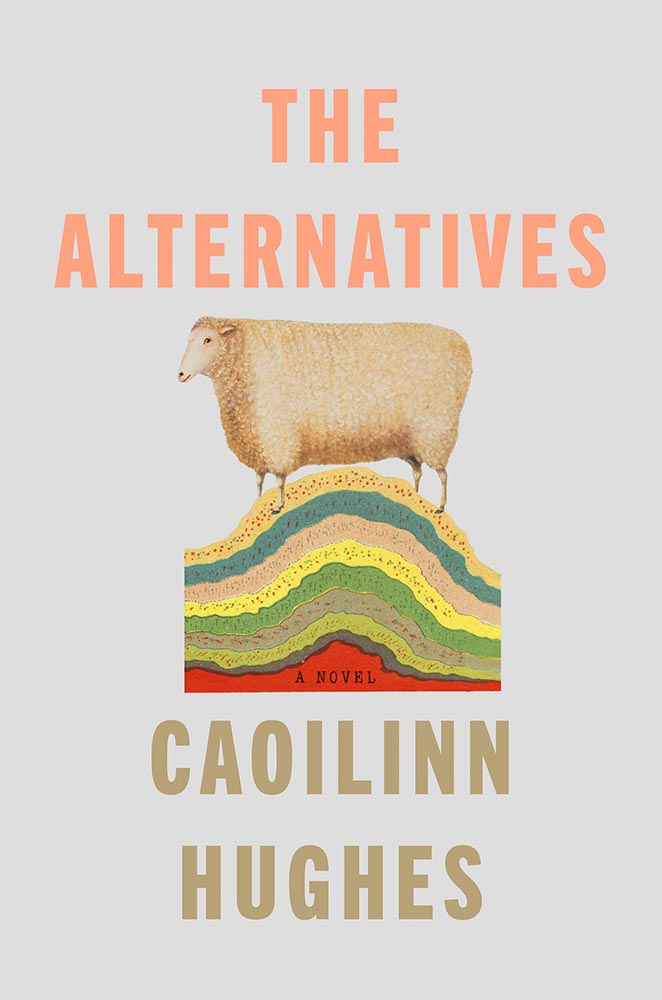
    Cover design by Lauren Peters-Collaer.

    Billed by The Washington Post as “riding a unicycle up and down a set of Escher staircases,” this novel deserves a cover design that’s not quite what’s expected.

    Delivered.

    See more about this title.

    Jacket design by Jennifer Griffiths.

    As I mentioned above regarding 50 Books, one of the great things about 50 Covers is that we often get to see not only the cover image but the jacket as a whole.

    Jacket design by Jennifer Griffiths.

    The cover is awesome, a juxtaposition in just the right way. But the jacket as a whole is more complete, more contextual, and in this case, calmly supportive of the more provocative front cover.

    See more about this title.

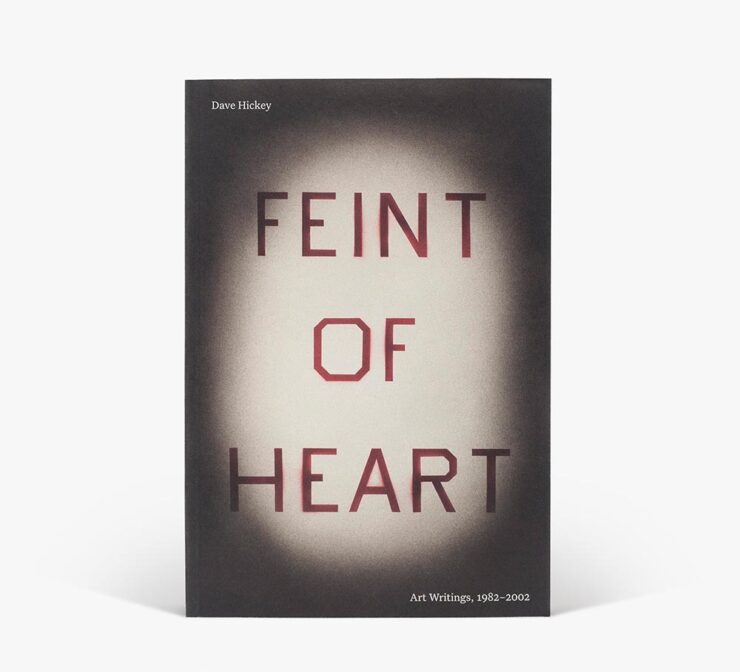
    Cover design by Mark Thomson.

    I’m surprised that this style of vignetting isn’t used more often, using both the light area to draw the viewer’s attention to the title and the dark areas as a holding area for other necessary text. Falls into what I like to call, “simply, elevated.”

    See more about this title.

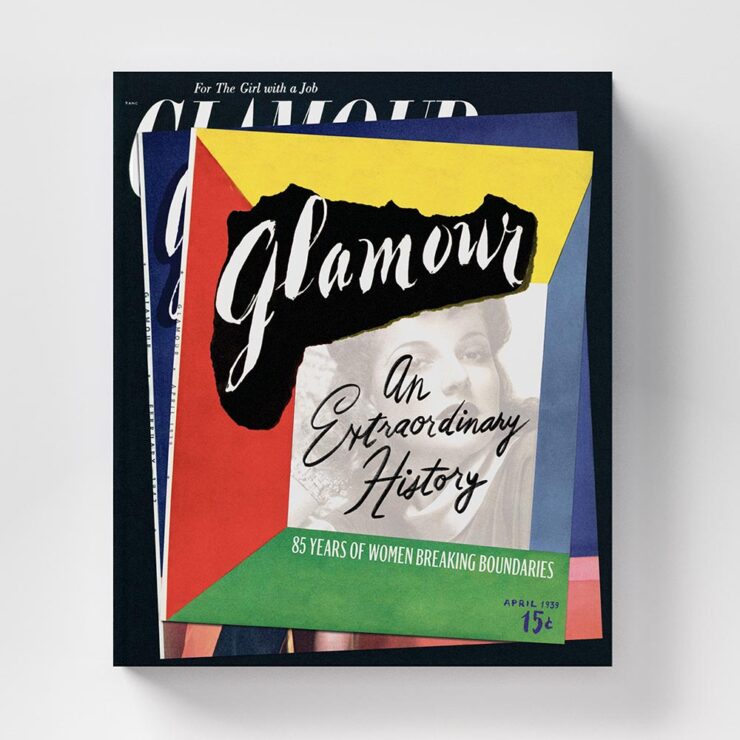
    Cover design by Alexandra Folino.

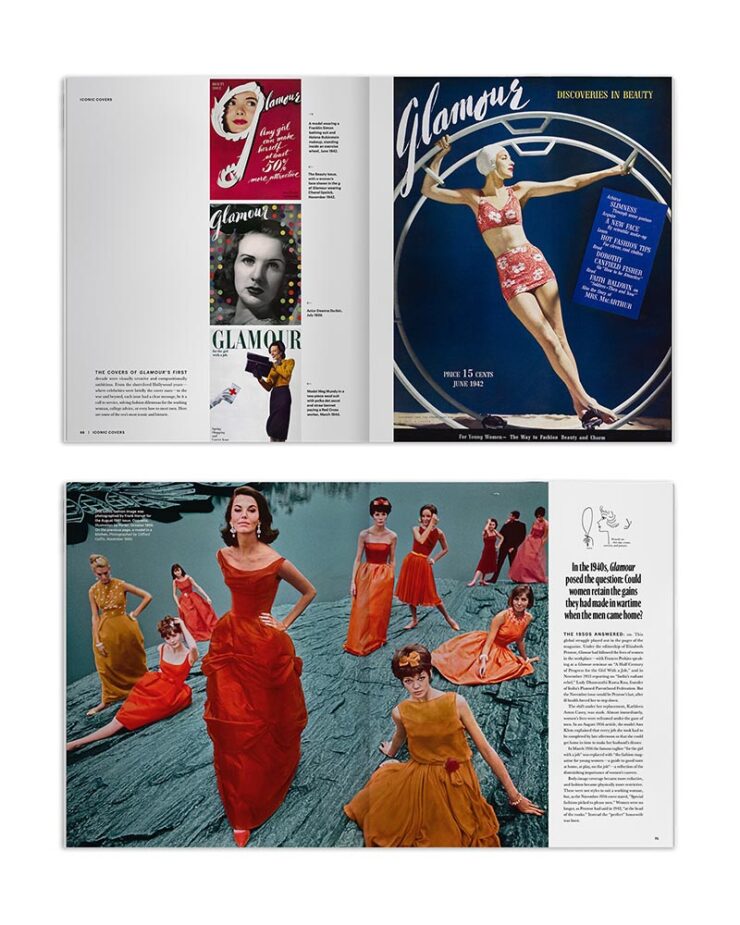
    This title has an interesting cover, yes, but it’s the highly competent interior design that really caught my eye:

    Book design by Alexandra Folino.
    Book design by Alexandra Folino.

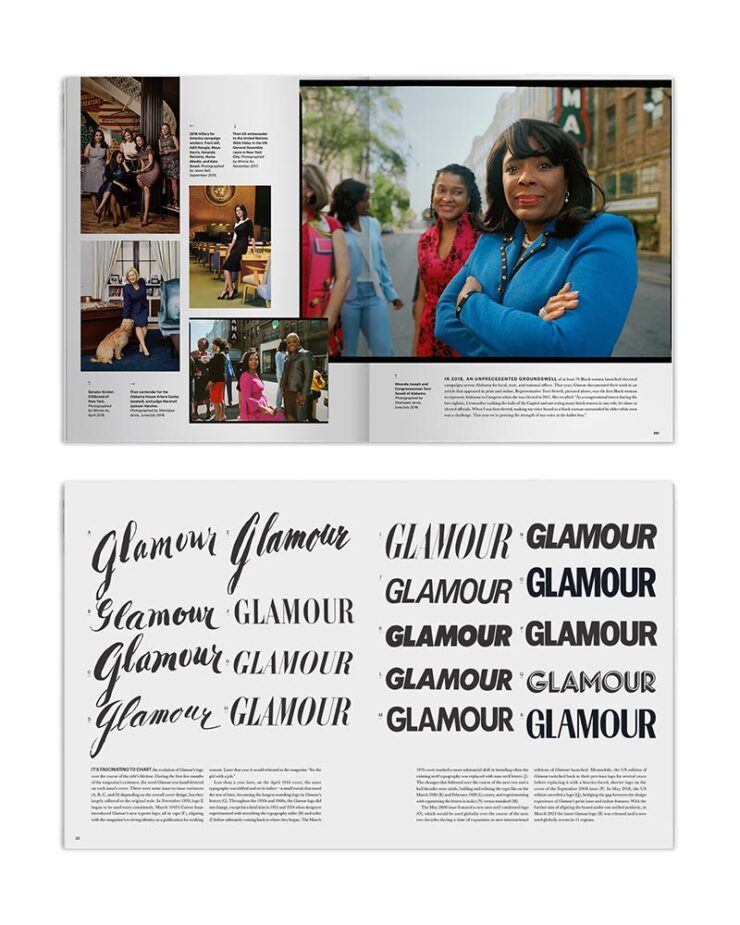
    With the wealth that is Glamour‘s history to pull from, the designer here has wisely used that content to elevate this title beyond simple spreads to something truly compelling. Well done.

    See more about this title.

    Cover design by Clay Smith.

    “The bag of sublime slowly unravels,” none of the reviews said.

    See more about this title.

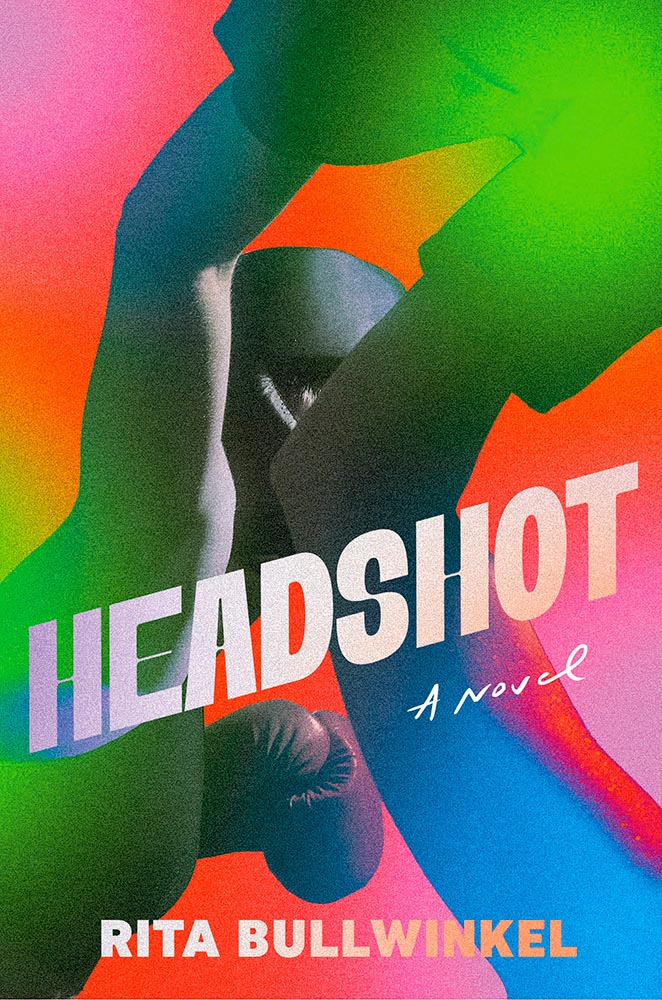
    Cover design by Lynn Buckley.

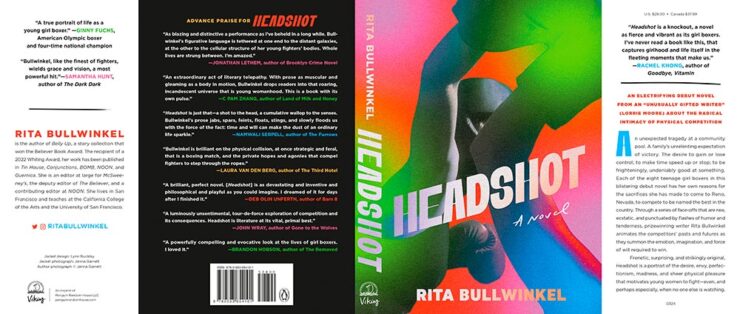
    Another great cover — the textures rock, the colors hit hard, the title text just right — backed up with a complimentary jacket:

    Jacket design by Lynn Buckley.

    It was probably tempting to load up the design, possibly even with visual puns as bad as my descriptions, but instead it supports perfectly. Nice.

    There is a link for this title, but it’s another sadly lacking any description.

    Book design by Andy Baron, Robert Williams, and Sarah Moffat.

    The only title to get four images in this post. “Simply right,” taken to the next level.

    Book design by Andy Baron, Robert Williams, and Sarah Moffat.
    Book design by Andy Baron, Robert Williams, and Sarah Moffat.

    Oh, and the interior:

    Book design by Andy Baron, Robert Williams, and Sarah Moffat.

    Books on graphic design can miss the mark surprisingly often, either through trying to hard and thus overwhelming the content or by attempting to let the content be the star in such a hands-off way that the book design winds up detracting. Here, every part of this supports with respect, with style, and with a smile. A real highlight.

    See more about this title.

    Cover design by James Ihira.

    This cover is one of those multi-layer surprise-and-delight things. A closeup:

    Cover design by James Ihira.

    Halftone is the perfect way to handle that overprint. Excellent.

    See more about this title.

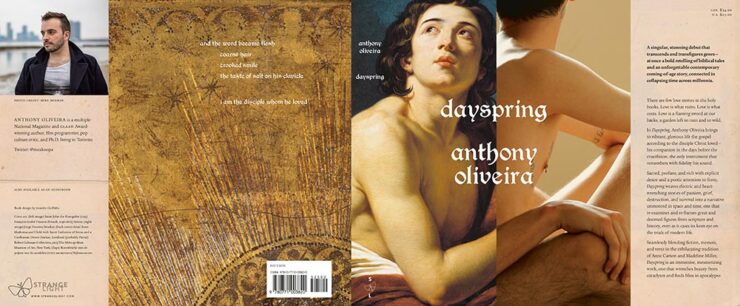
    Cover by Utku Lomlu.

    “Screw it, we’ll just make it awesome.” (The title is Chilean, by the way — and apparently awesomely-written, as it’s the first work to be awarded the three most prestigious Chilean literary awards.)

    See more about this title.

    Book design by Victor Mingovits.

    “‘Unexpected style,’ the Out-In-Left-Field department said. Overall pick, surely,” I said in a terribly-punny moment from my coverage of the 2025 Association of University Presses Show.

    See AIGA’s page on this title.

    Cover design by Leonardo Iaccarino.

    No, he doesn’t look like a New Yorker. Why do you ask?

    Jacket design by Leonardo Iaccarino.

    The secret revealed. Awesome in any language.

    See more about this title.

    Book design by Alison Forner. Typography by Andrew Footit.

    From another time, one of my four favorite cover designs of 2024 — and still fantastically transcendent.

    Another unfortunately-blank AIGA gallery page, but here’s a link in case it’s been temporally teleported somewhere important.

    Cover design by Mike Tully and Cat Wentworth.

    One of those photographs that doesn’t quite do justice. Exploring a little more yields rewards:

    Cover design by Mike Tully and Cat Wentworth.

    “Architecture is the perfect form on camouflage,” the description reads — and the book itself pulls a real varnishing act, inside and out.

    The second journal on this list, by the way. Nice to see.

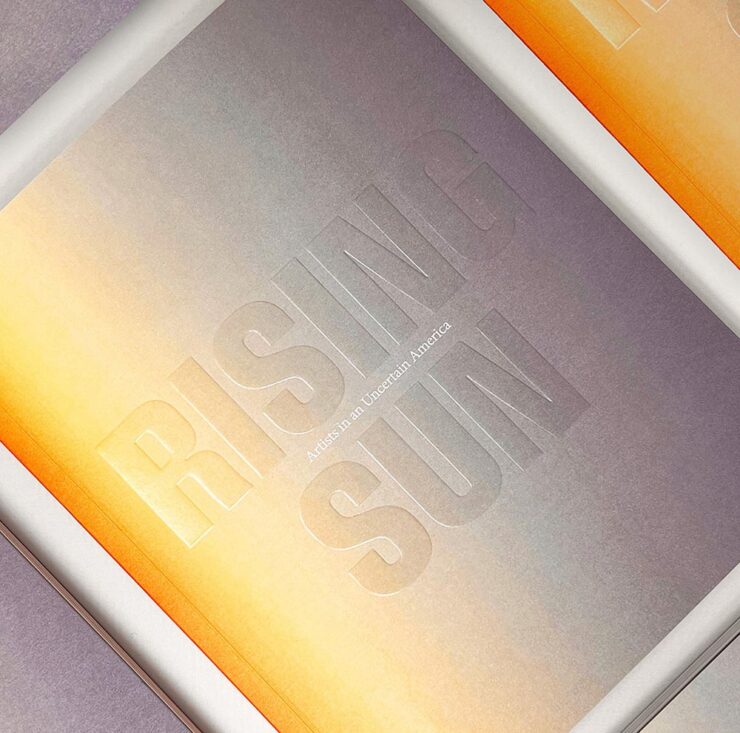
    Cover design by Allan Espiritu, Kevin Kernan, and Jazel Panagsagan.

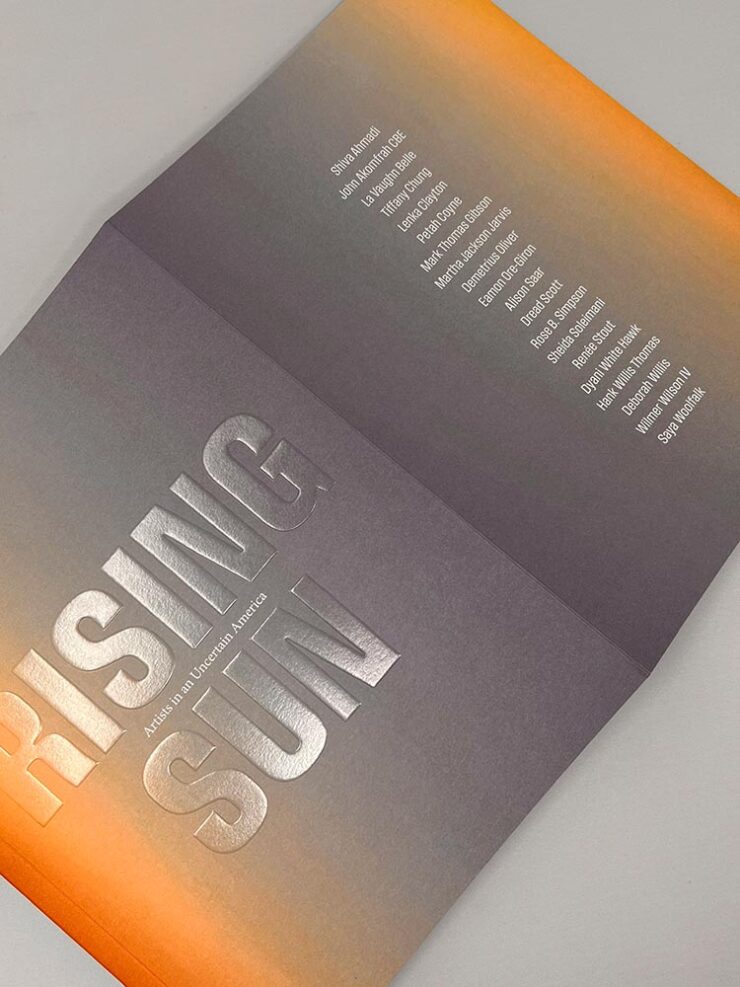
    Treating the title (blind embossing and clear matte foil stamping) as reflective of the rising sun background is … genius. It’s also another entry from the awesome-flaps department:

    Cover design by Allan Espiritu, Kevin Kernan, and Jazel Panagsagan.

    See more about this title.

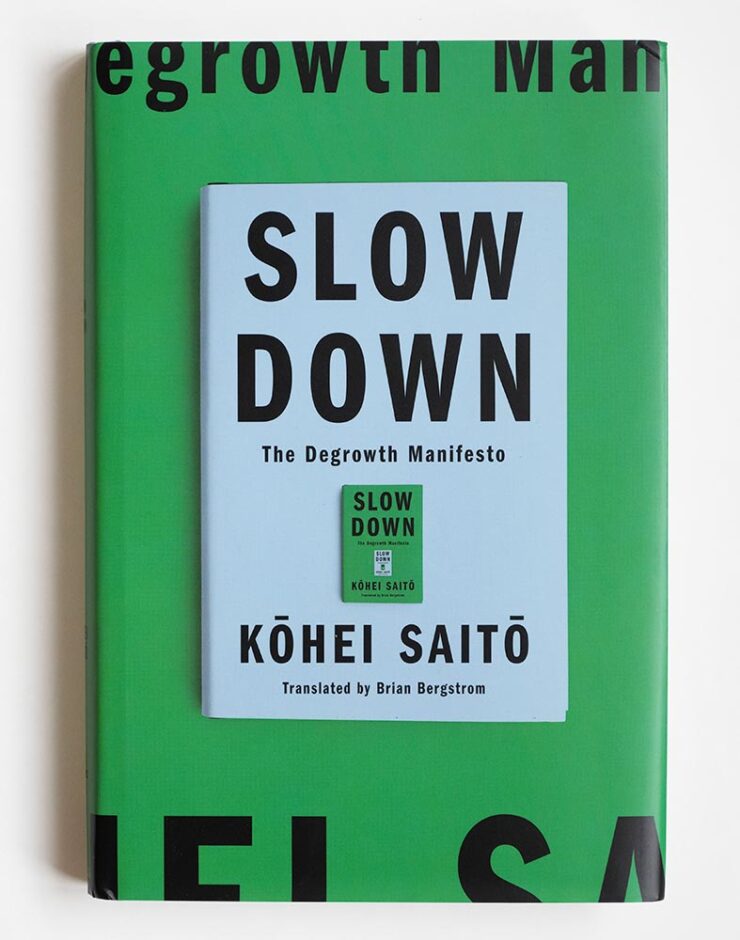
    Cover design by Ben Demzer, Rodrigo Corral Studio.

    It’s not necessary to slow down to appreciate the alternating, repeating covers — even at today’s drive-by speeds, it’s easily appreciated.

    The becoming-familiar not-quite-blank gallery page at AIGA, but here’s a link anyway.

    Cover design by Ben Denzer.

    Two in a row for Ben, and in a completely different direction. Still, a simple concept done exceptionally well. (Rodrigo Corral Studio isn’t listed in the credits, by the way, hence the credit line here.)

    See more about this title.

    • • •

    All of the 2024 winners can be viewed through AIGA’s online gallery, and I’d like to congratulate all for another good year. The 2024 titles will also join the growing AIGA collection at the Rare Book and Manuscript Library at Columbia University’s Butler Library in New York, one of my favorite things about this competition.

    Thanks for taking a moment to share these with me!

  • 50 Books | 50 Covers, 2023 Edition

    50 Books | 50 Covers, 2023 Edition

    AIGA’s annual deep dive into great book design is out — later this year, for some reason — and brings deep satisfaction with a huge variety of titles, foreign and domestic.

    “One hundred years into this competition, the book seems to be as protean and chimeric as ever. At times confounded and delighted, we asked ourselves [during the judging process], Is this a course packet or a manifesto? A sculpture or a monograph? A glossary or a guidebook? Is this book contemporary or retro? Gauche or chic? We debated books that blended the grotesque with the goofy alongside books that were delicate, subtle, and difficult to emotionally classify. In the end, we felt we found some of the best of this year’s offerings, books that in every case seem to show what design can do to bring the experience of reading to riskier-yet-more-rewarding places.”

    — Rob Giampietro, AIGA 50 Books | 50 Covers Chair

    As pointed out above, it’s the 100th year of the competition, this time with 542 book and cover designs entered from 28 countries. In order to be eligible, submitted designs had to have been published and used in the marketplace in 2023.

    Some of my favorites, in alphabetical order:

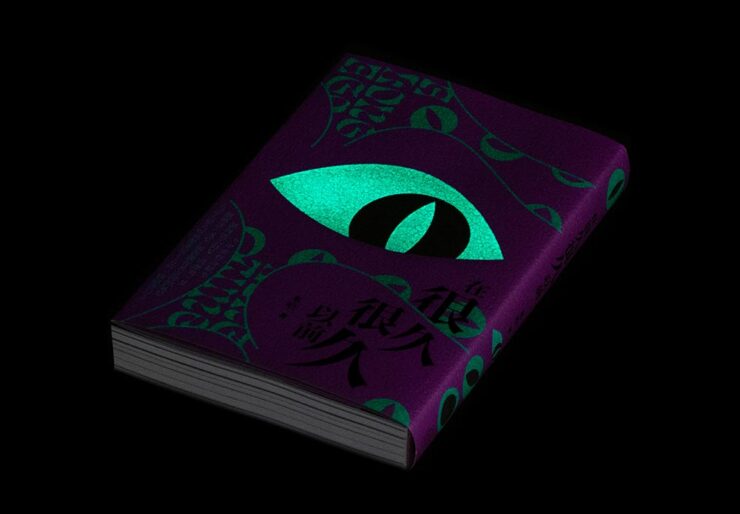
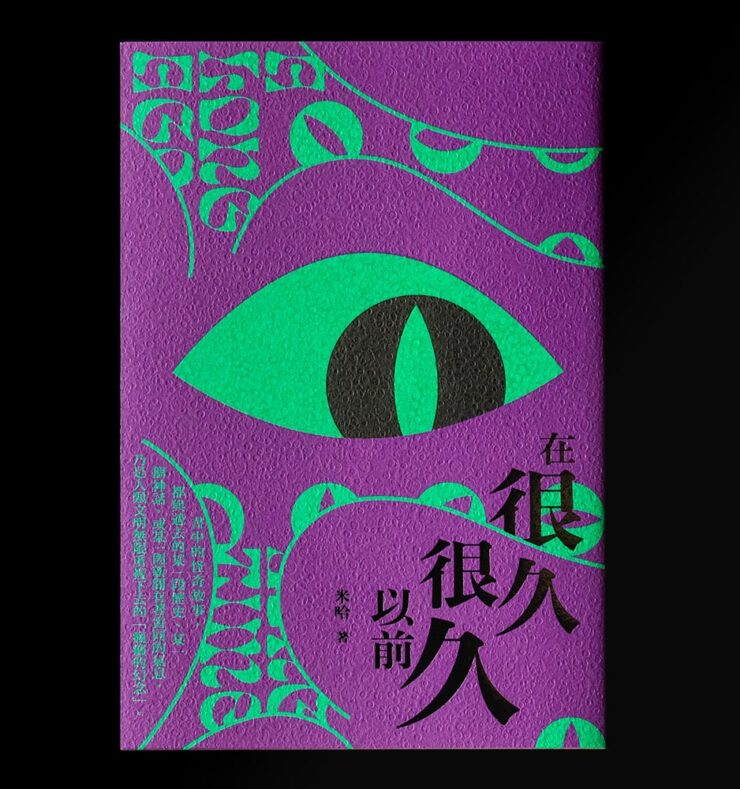
    A Long Long Time Ago. Book design by You Kwok Ho.

    Great texture, great graphics — on the theme of “observer.” Indeed.

    A Long Long Time Ago (glow-in-the-dark detail). Book design by You Kwok Ho.

    But wait: there’s more. This one observes more dramatically than it might seem, uh, at first glance.

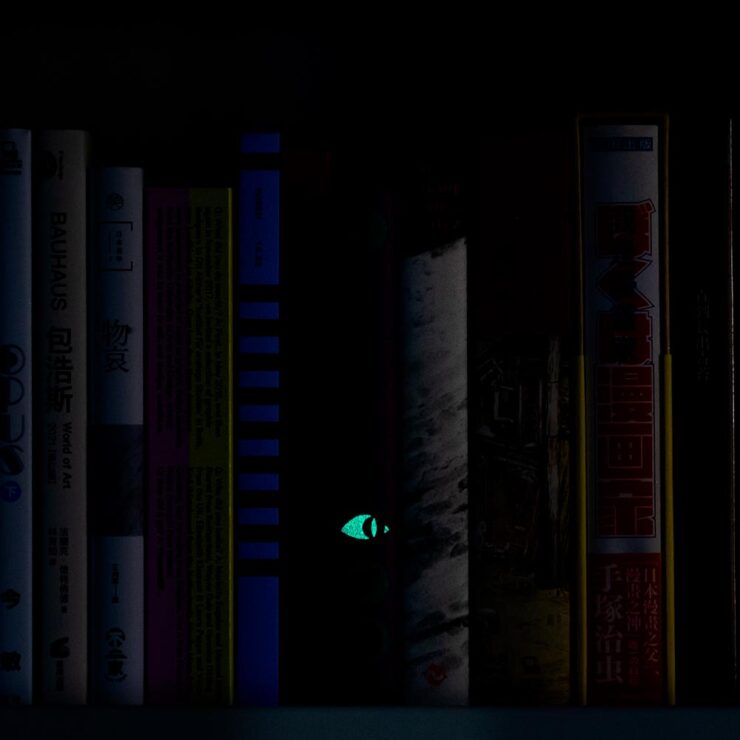
    A Long Long Time Ago (shelf detail). Book design by You Kwok Ho.

    I want to get a copy just so one of my bookshelves will have this moment. Fantastic.

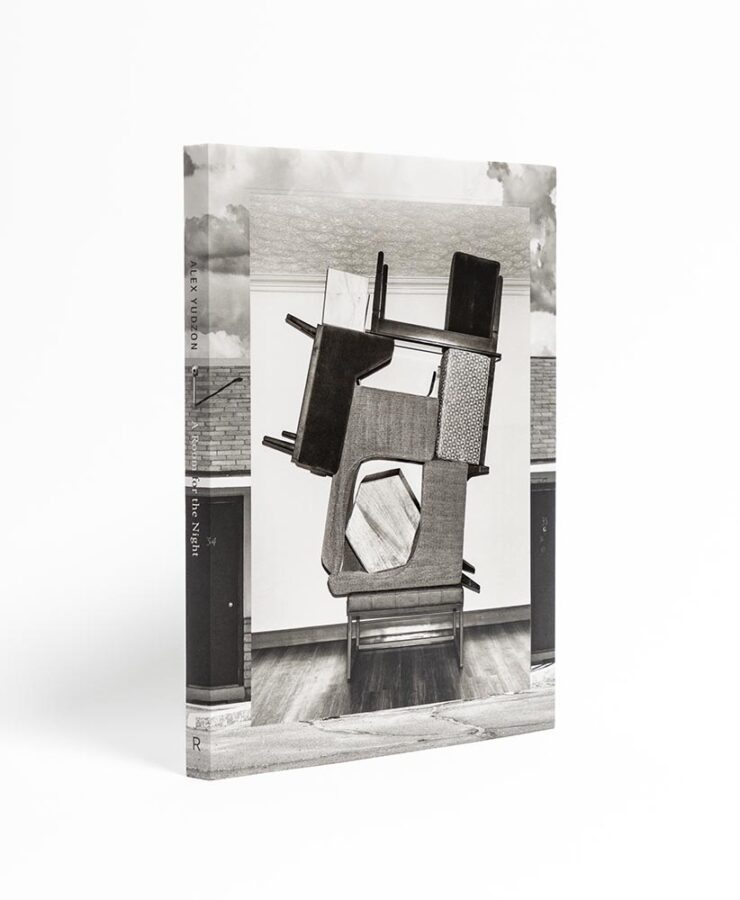
    Alex Yudzon: A Room for the Night. Book design by David Chickey and Mat Patalano.

    “Yudzon stacks, leans, and balances furniture [in the hotel rooms where he’s a guest] in configurations that transform these generic interiors into hallucinatory worlds where the laws of physics are suspended and dormant emotions released.” (After the installations are documented, crime-scene style, they are dismantled and the rooms returned to their original condition.) Really: who could resist? The compelling design isn’t even the icing on that cake — we’re well past that — it’s a fancy fork, ready to dig in.

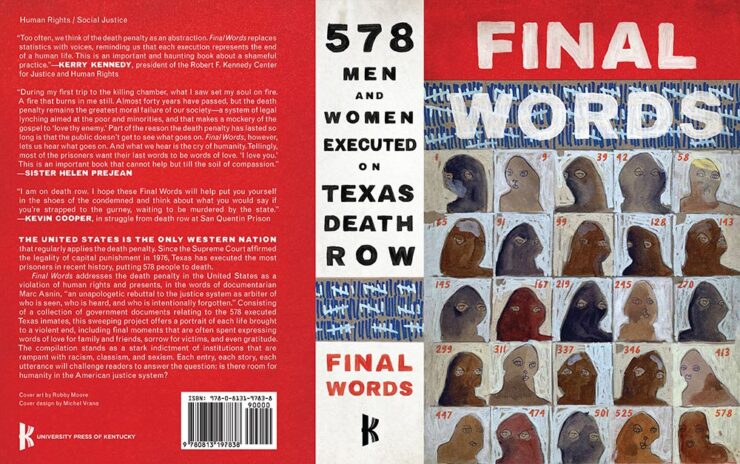
    Final Words: 578 Men and Women Executed on Texas Death Row. Book design by Michel Vrana.

    I’m glad we have the whole cover here; the spine definitely adds to the overall, and the illustrations on the front add so much.

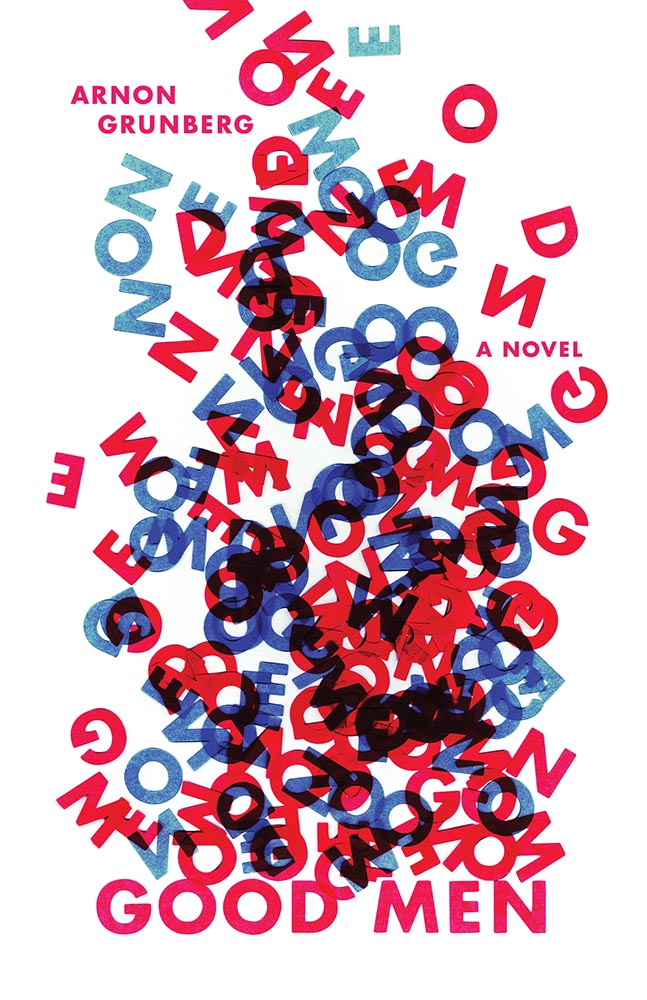
    Good Men. Book design by Anna Jordan.

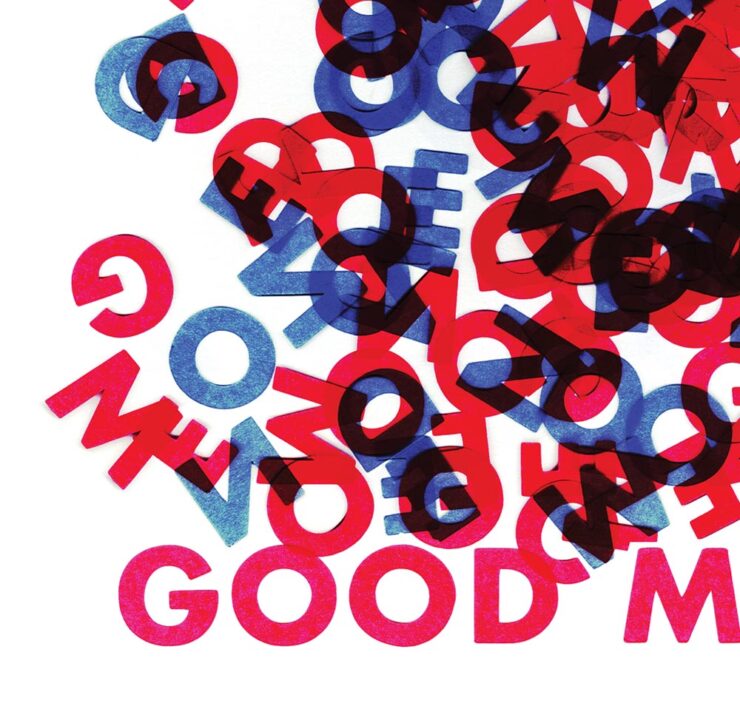
    “I cut the letters of the title out of paper and arranged them in a way that is reminiscent of a fire – as if the words “GOOD MEN” are going up in flames. The letters rise up in a smoke-like form. Blue and red is used to emphasize the visual association with fire. The result is a visual metaphor for “GOOD MEN” blazing into entropic chaos,” designer Anna Jordan says of this novel about a firefighter, “an ordinary, sympathetic guy lost in a turbulent existence.”

    Good Men (lettering detail). Book design by Anna Jordan.

    Nice.

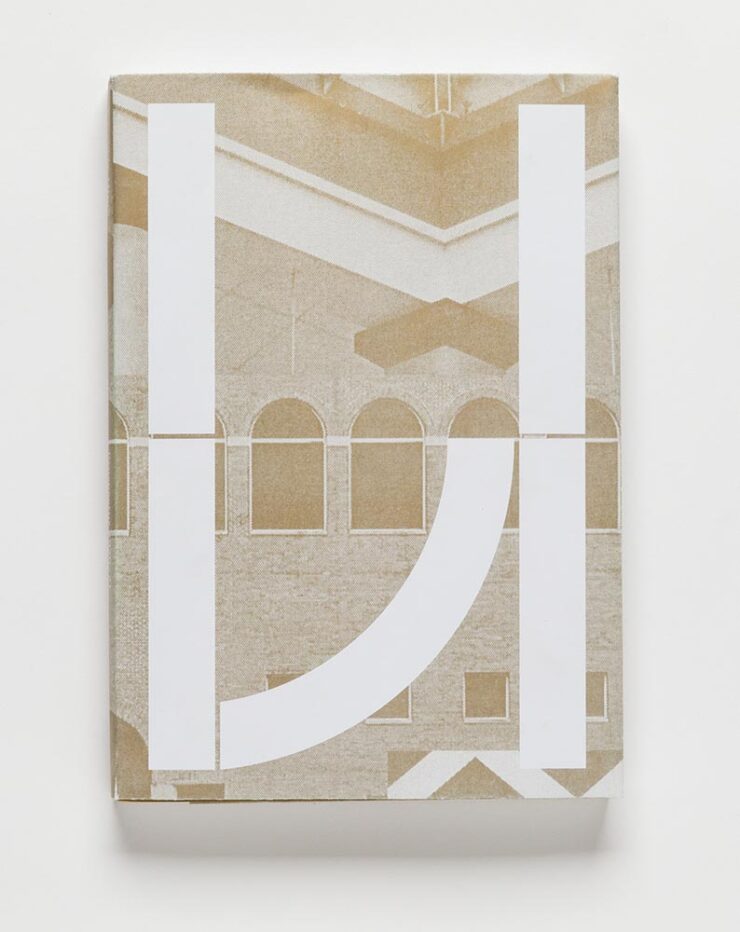
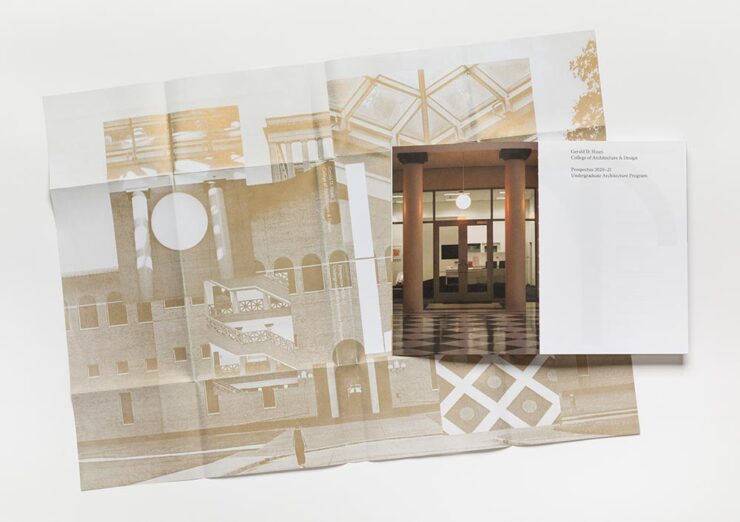
    The Gerald D. Hines College of Architecture and Design: 2020–21 Prospectus. Book design by Renata Graw and Lucas Reif.

    This prospectus for the University of Houston has a special bonus:

    The Hines College 2020–21 Prospectus, with its jacket casually tossed over its shoulder. Book design by Renata Graw and Lucas Reif.

    Design-driven impact, the dean says. Yep.

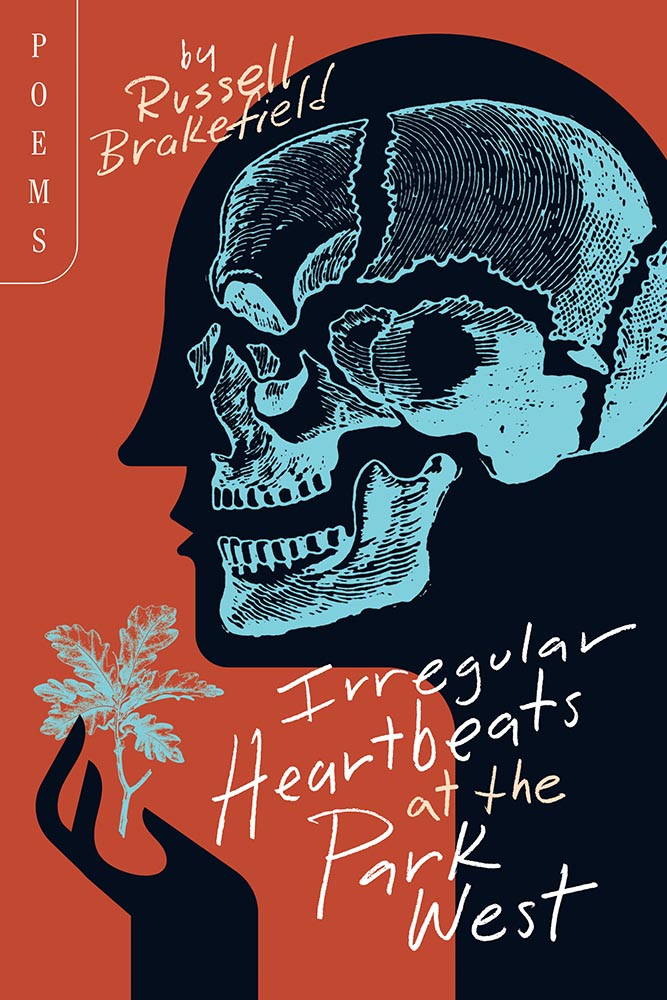
    Irregular Heartbeats at the Park West. Book design by Brad Norr.

    “Rural gothic,” they say. “Goodness,” I append.

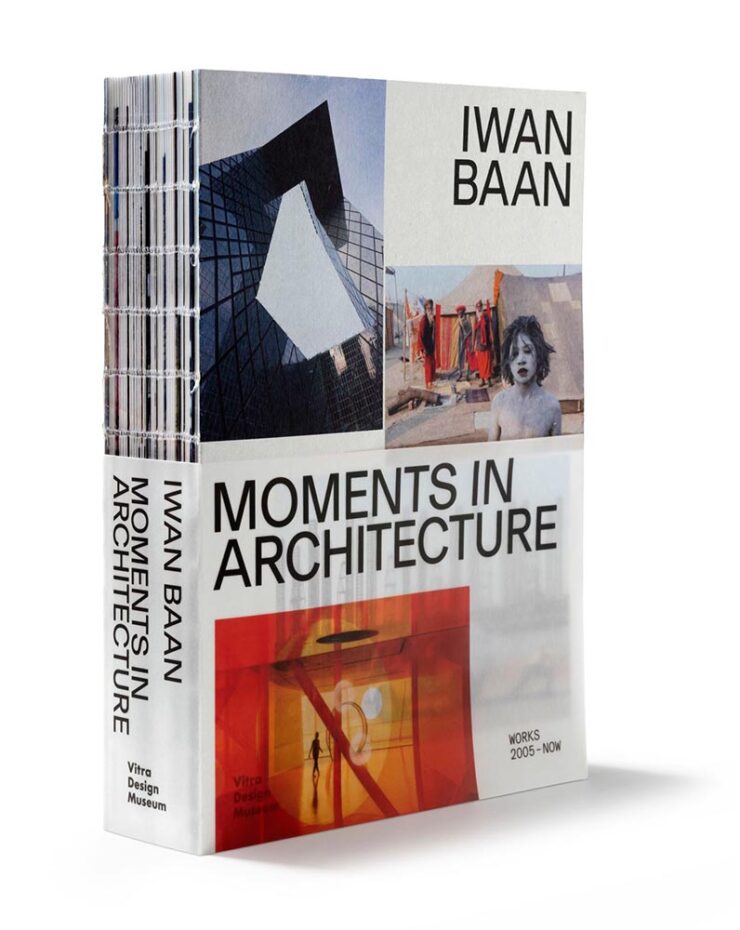
    Iwan Baan: Moments in Architecture. Book design by Haller Brun.

    Each year, 50 Books seems to latch onto a particular theme. Last year, it was irregular page sizes (often multiple sizes in the same book); this year, it’s irregular, often hand-sewn bindings, seen here with a slip jacket starring the other recurring theme this year: translucency.

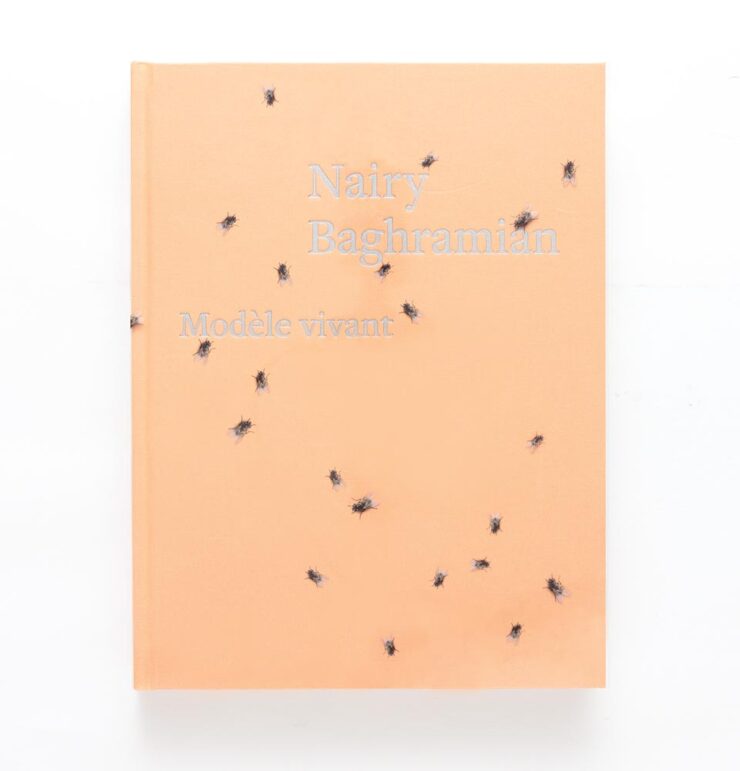
    Nairy Baghramian: Modèle vivant. Book design by Green Dragon Office with Nairy Baghramian.

    Speaking of translucency, this jacket is that … and something more, shall we say, eye-catching. Compelling, but does it make you want to pick it up?

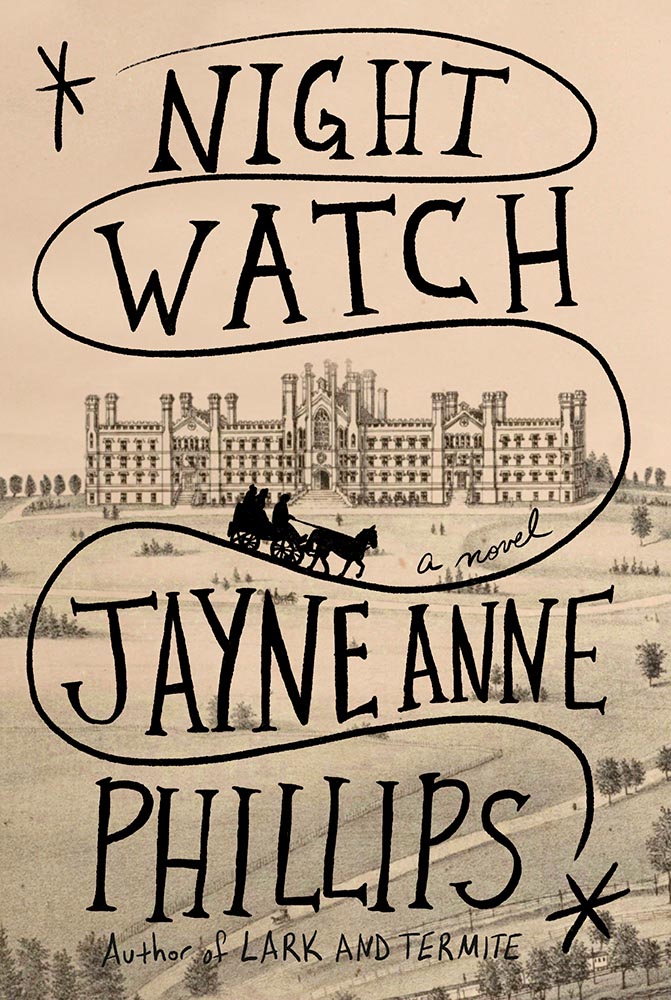
    Night Watch. Book design by Kelly Blair.

    This title was in my folder of finalists for Foreword‘s Favorite Book Covers of 2023 but ultimately not selected. Glad to see it get some recognition. (Note that The Guest Lecture and The Nursery, two other 50 Covers winners, did make my list.)

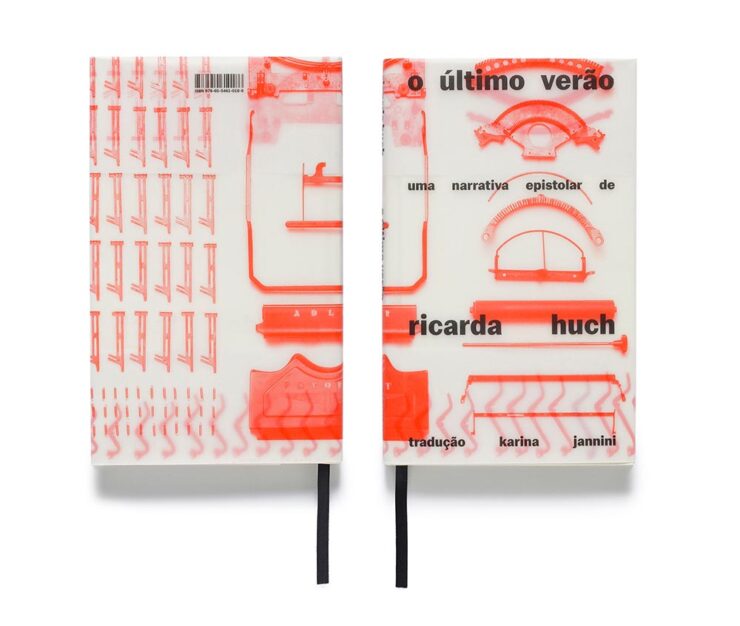
    The Last Summer. Book design by Gabriela Castro, Gustavo Marchetti and Paulo Chagas.

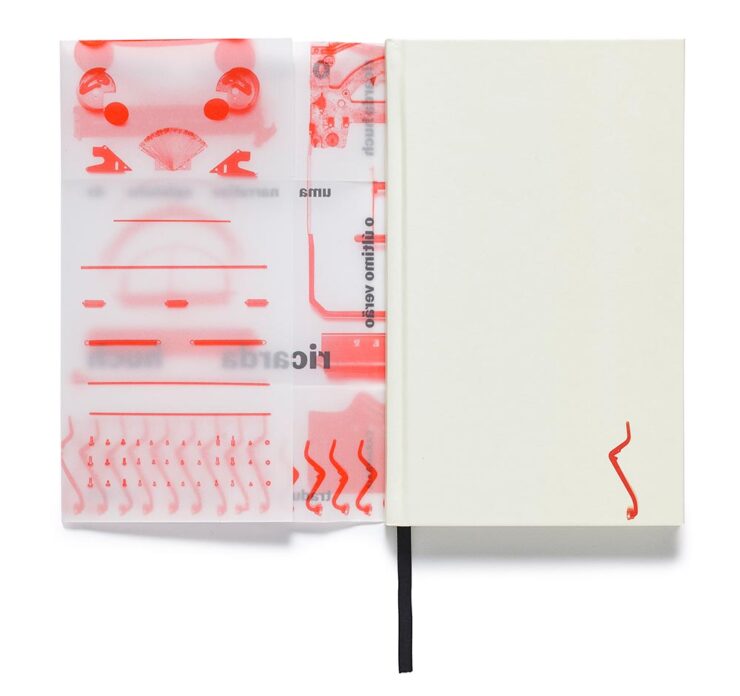
    The translucency is back, this time covering — well, jacketing — a newly-republished 1910 detective novel set in pre-revolutionary Russia.

    The Last Summer (jacket detail). Book design by Gabriela Castro, Gustavo Marchetti and Paulo Chagas.
    Only on Saturday. Book design by Chuck Byrne.

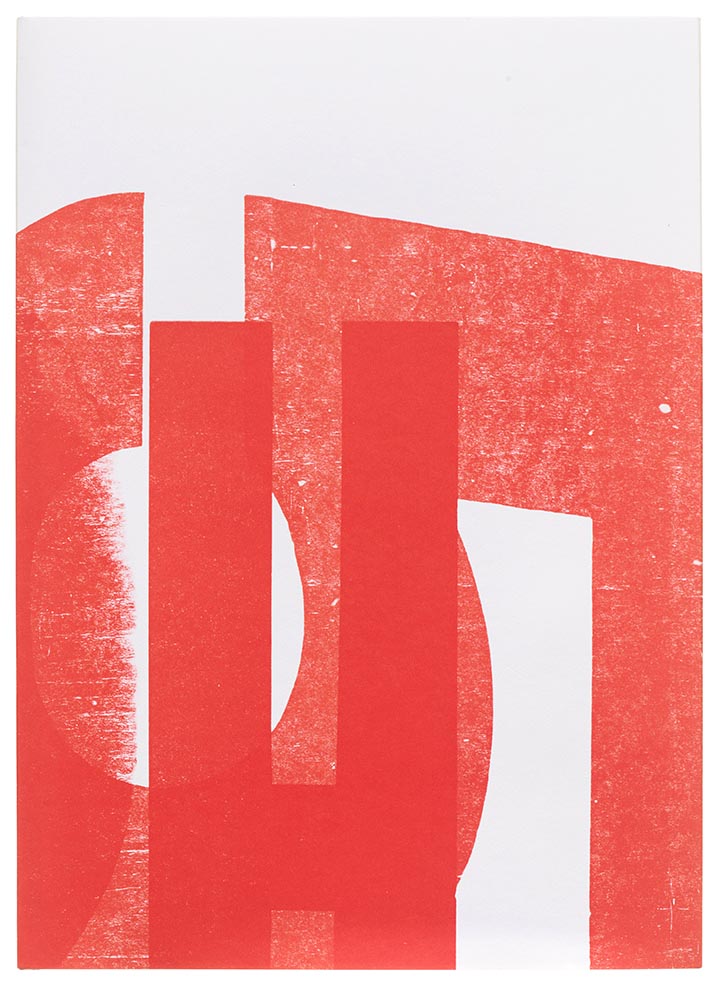
    “Printing legend Jack Stauffacher’s experimental make-ready sheets informed both the cover and the jacket for the regular edition,” 50 Books says, in another red-and-white triumph.

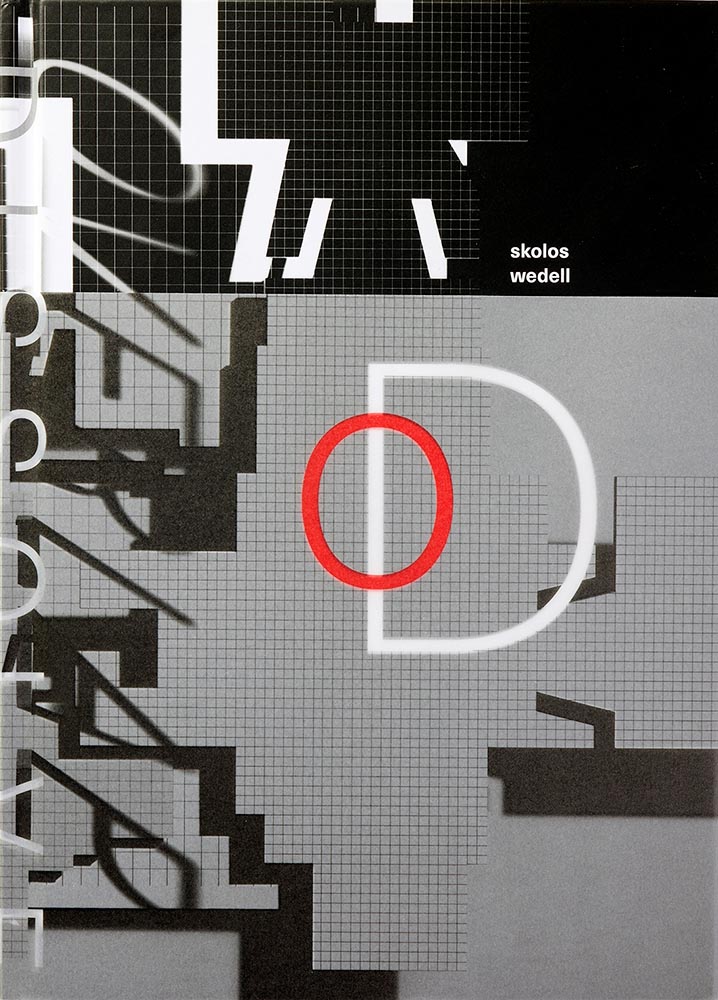
    Overlap/Dissolve. Book design by Nancy Skolos and Thomas Wedell.

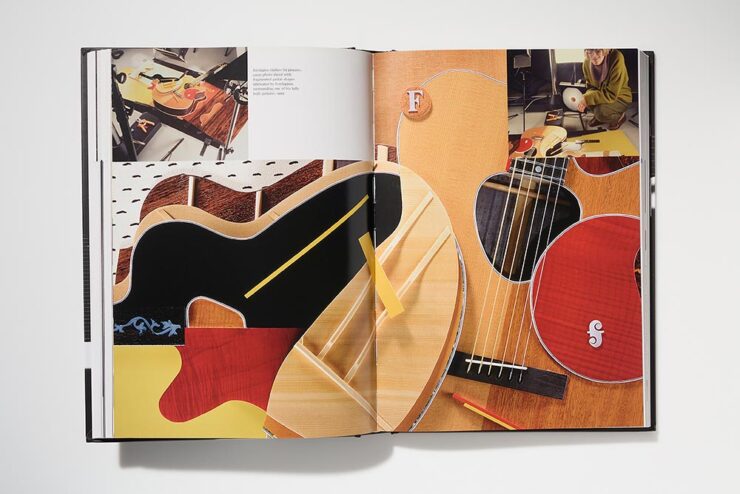
    Great three-dimensionality on this cover, with an equally compelling interior:

    Overlap/Dissolve interior spread. Book design by Nancy Skolos.

    “We set up compositional frameworks to express harmony, conflict, resolution, or both,” the designers write. “For us there is never one perfect design solution, but the process generates one idea that overlaps and dissolves into the next.”

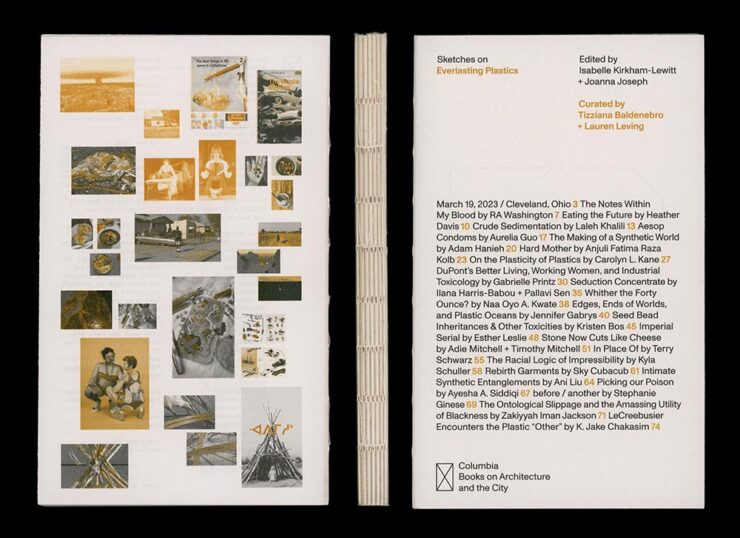
    Sketches on Everlasting Plastics. Book design by Renata Graw and Lucas Reif.

    Sketches on Everlasting Plastics, which “explores the infinite ways in which plastic permeates our bodies and our world,” accompanied the exhibition Everlasting Plastics at the 2023 Venice Architecture Biennale. (Note the binding.)

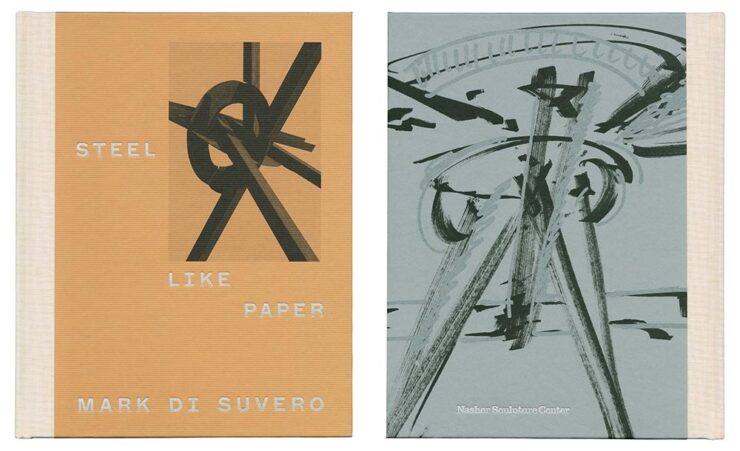
    Steel Like Paper. Book design by Wolfe Hall.

    Debossed type, linen spine, great photographs. Nice.

    And, last but certainly not least:

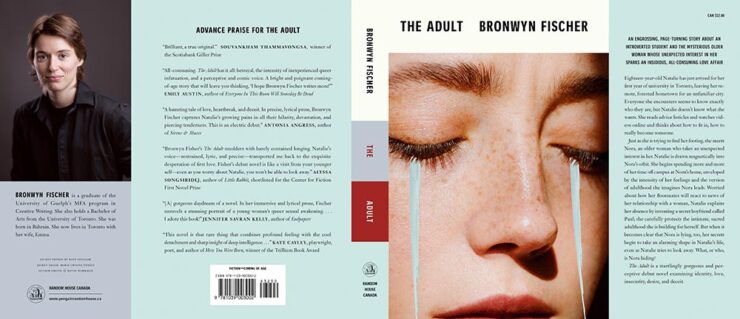
    The Adult (full jacket). Book design by Kate Sinclair.

    Simple at first glance, yet brings more on multiple levels. Great.

    Each of the 2023 winners can be viewed through AIGA’s online gallery, and will become part of the AIGA collection at the Rare Book and Manuscript Library at Columbia University’s Butler Library in New York.

    Via, as is often the case, PRINT Magazine.

  • Beautifully Briefed 24.4: April Snow(ed Under)

    Beautifully Briefed 24.4: April Snow(ed Under)

    This April has been busy — meaning that I’ve not marked as many items for this column as usual. (I generally keep a browser tab group going throughout the month with items that could potentially be added, then weed them out/down as posting time gets near; usually, I aim for four or five diverse items.) This month, a great young Egyptian photographer and some details on what goes on, er, under the covers of book design.

    Karim Emr, Photographer
    Infinity, Karim Emr, 2021. The print is 64×64 inches(!).

    Just look at that — awesome. The moment it appeared on Kottke, it got marked for posting. It’s fantastic to see a familiar locale taken with a fresh perspective, proving once again that no matter how many cameras exist in the world, it’s what you do with it that matters.

    This is great, too:

    “Water, Water, Water,” Karin Amr, 2021. (Forgive the color banding; that’s my fault, not the photographer’s.)

    I didn’t realize that was flooded at first — the desert plays many tricks. For more, check out his Instagram or order prints at 1stDibs.

    The Design of Books

    You’re reading Foreword, so it’s safe to assume at least a passing interest in book design. So this one’s a natural to highlight:

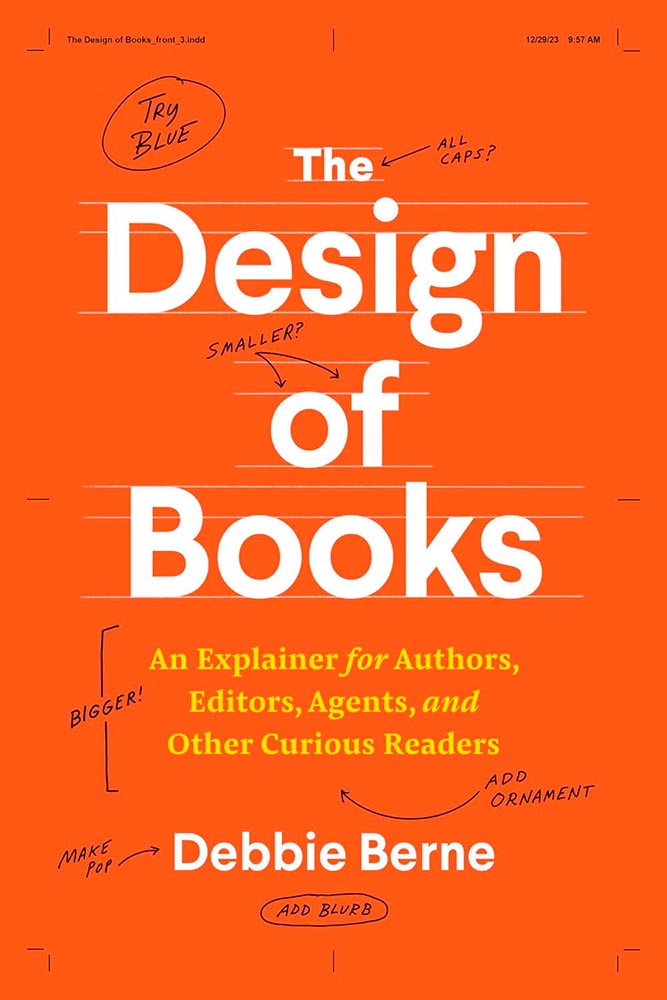
    New title by book designer Debbie Berne

    Professional book designer Berne debuts with her first self-authored (and designed) title that seemingly anticipates every question people curious about book production might ask, as well as many they probably hadn’t thought about. . . . This title illuminates all that goes into producing and designing a book.

    — Library Journal
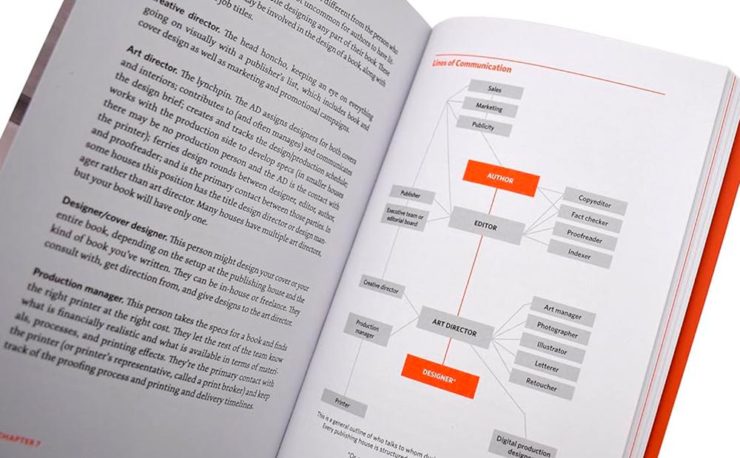
    Interior highlights from The Design of Books.

    From crop marks to the editorial workings, a worthy read for those in need of better understanding the process, those in the process (you’d be surprised: it’s more than authors and editors), and, as the author — and the LJ — say, “other curious readers.” Recommended.

    Special Bonus #1: The above is courtesy of another Kottke post, which has a comment regarding the redesign of the Book of Common Worship for the Church of England. It’s long and detailed, but it you have a minute: An account of the making of Common Worship: Services and Prayers for the Church of England. [PDF]

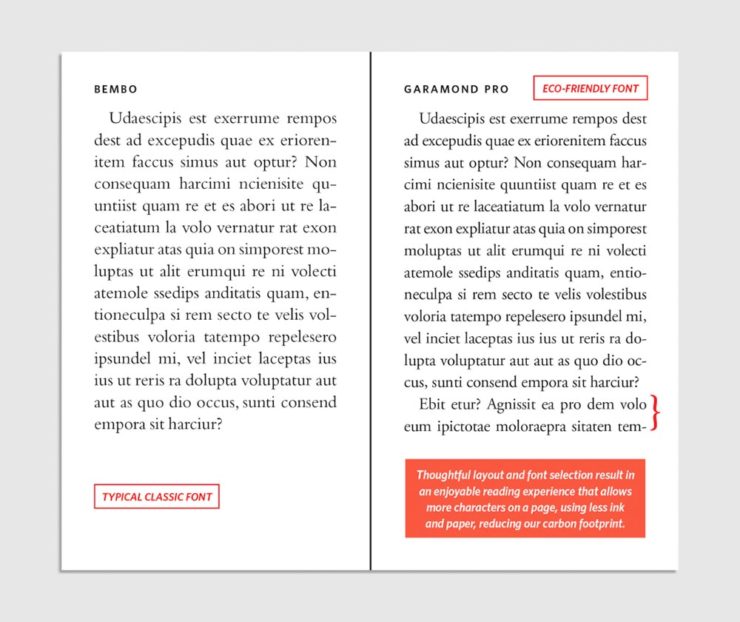
    Special Bonus #2: HarperCollins, one of the biggest publishers in the world, has something to tout: saving trees through “eco design.”

    It’s painfully clear which is easier to read: a change for the better . . . ?

    Fast Company reports on this, although to be honest I’m not sure it’s an improvement — while it’s impressive that, “so far, these subtle, imperceptible tweaks have saved 245.6 million pages, equivalent to 5,618 trees,” perhaps the startling statistic there is that a single tree can produce nearly forty-four thousand book pages. (Along with some bark mulch, presumably.)

    In any case, the VP of creative operations and production at HarperCollins — apparently an actual title — is proud of their “learnings.”

    Doctor? No, Book Designer

    The AIGA Eye on Design‘s book design category, always full of gems, highlights the career path of another book design professional, Jason Ramirez:

    One of the first in his family to attend college, he studied biological sciences and later religious studies at the University of Rochester, and after graduation he began taking night classes in typography, color theory, graphics, and web design. At nearly 30-years-old, he applied and was accepted into Parsons School of Design, where a course with cover designer Gabriele Wilson opened up a world of possibility.

    —Laura Feinstein, AIGA

    He’s done well:

    Cover design: Jason Ramirez

    A great read on the how’s and why’s of five worthy book cover designs when you have a moment.

    Special Bonus #3: CreativeBoom profiles another book designer, this time Leah Jacobs-Gordon, a freelancer in England.

    Cover design: Leah Jacobs-Gordon

    Enjoy your spring!

  • 50 Books | 50 Covers, 2022 Edition

    50 Books | 50 Covers, 2022 Edition

    AIGA once again surprises and delights in their annual competition of book design.

    Since its inception in 1923 as the Fifty Books of the Year competition, this annual event highlights AIGA’s continued commitment to uplifting powerful and compelling design in a familiar format we know and love. As book jackets became more prevalent, the competition evolved with the field to acknowledge excellence in cover design. Beginning in 1995, the competition became known as 50 Books | 50 Covers. 

    AIGA Press Release

    The jury and I were very impressed with both the quantity and quality of the entries this year, which made choosing only 50 extremely difficult. Among the trending techniques this year were use of exposed bindings and elaborate page sequencing and mixed paper choices. For me, there was a greater overall sophistication in book design, with a mix of aesthetically beautiful and graphically brash approaches in the final choices.

    Andrew Satake Blauvelt, Director, Cranbrook Art Museum (Chair)

    As usual, there’s some overlap with various lists of “best of 2022” — here’s Forewords — but, as LitHub puts it, these are the best book [designs] of 2022 that you (probably) haven’t seen.

    A selection of my favorites, in alphabetical order:

    Cover design by Mary Austin Speaker

    Simplicity itself — along with some awesome block type — add up to a great cover. (Love the angled blurb, too.)

    Book design by Zack Robbins and Bentzion Goldman

    One of the great things about this post is the “50 Books” part; this cover’s okay, and the spine more than okay, but it’s the interior design that really wins in my book (pardon the expression):

    Book design by Zack Robbins and Bentzion Goldman
    Book design by Zack Robbins and Bentzion Goldman

    Kudos: the photography is great, but the spread above is artistic in wonderful way.

    Book design by Kimberly Varella.

    The trend, mentioned above, to mix paper stocks and styles is shown to full effect here. This book has too many great examples to post; see more.

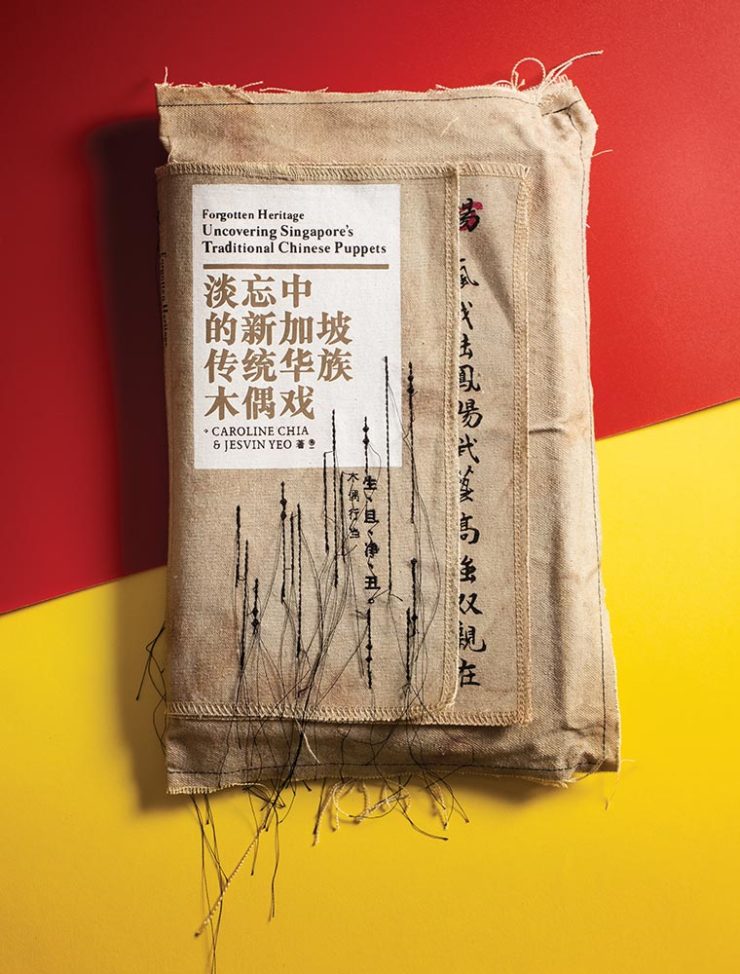
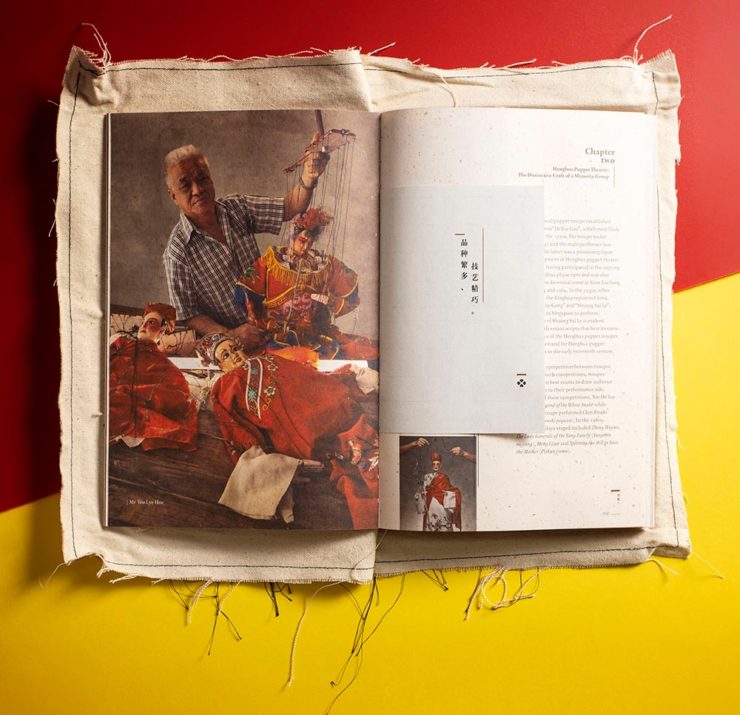
    Meanwhile, Uncovering Singapore’s Traditional Chinese Puppets may not be a title you’d automatically reach for, but…:

    Book design by Alvin Ng and Jesvin Yeo.
    Book design by Alvin Ng and Jesvin Yeo.

    More mixed papers (sizes, too), more great stuff. (See additional examples.)

    Cover and jacket design by Lindsay Starr.

    This is an interesting, compelling cover and jacket design as shown above. However, once again, rather than post it all here, I’m just hoping to whet your appetite — you need to see this one unfold (literally).

    Cover design by Raúl Aguayo.

    Great colors, great combinations, great cover.

    Cover design by Vi An Nguyen.

    I’m always a sucker for photographs of practical items used in ways that make book covers great, and this one’s a shining (pink) example.

    Book design by Maria Elias.

    There’s so much great design work done in the children’s book market it’s not even funny. The first of two great examples. (See more from this title.)

    Book design by Mỹ Linh Triệu Nguyễn.

    A book’s edges are so often a canvas left unexplored. Not with this book, Pacita Abad. (See examples from this title’s wonderful interior, too.)

    Cover design by Christopher Sergio.

    I’ve highlighted this design before, but every time I see it I like it more. Glad to see it as an AIGA 50 Covers winner.

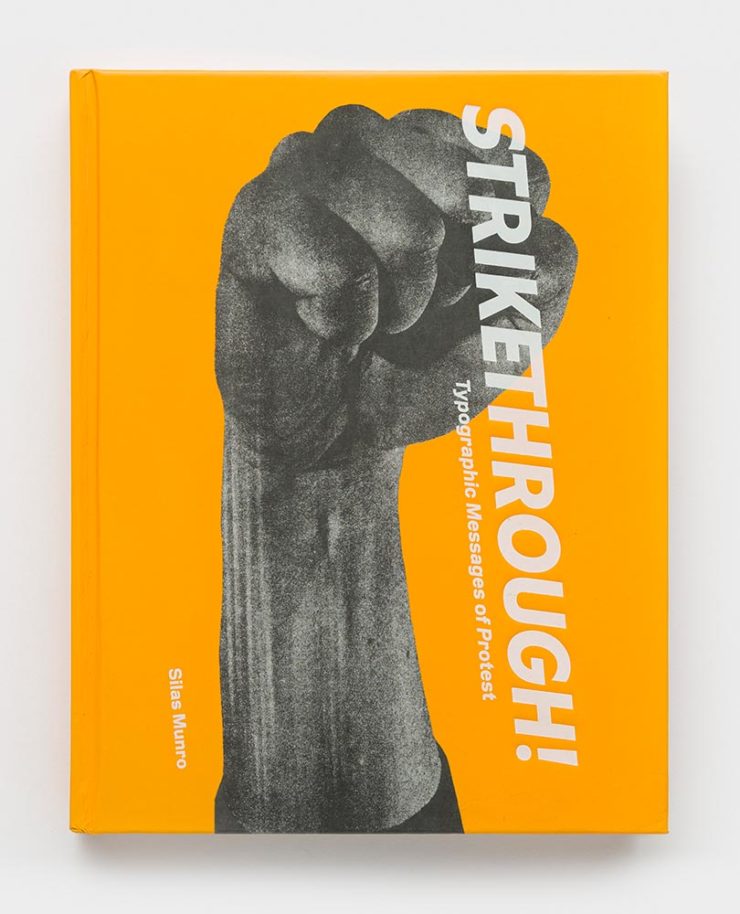
    Book design by Brian Johnson, Michelle Lamb and SilasMunro.

    Typographic Messages of Protest, indeed — done in an appropriately powerful way. The suggestion of motion is a great touch.

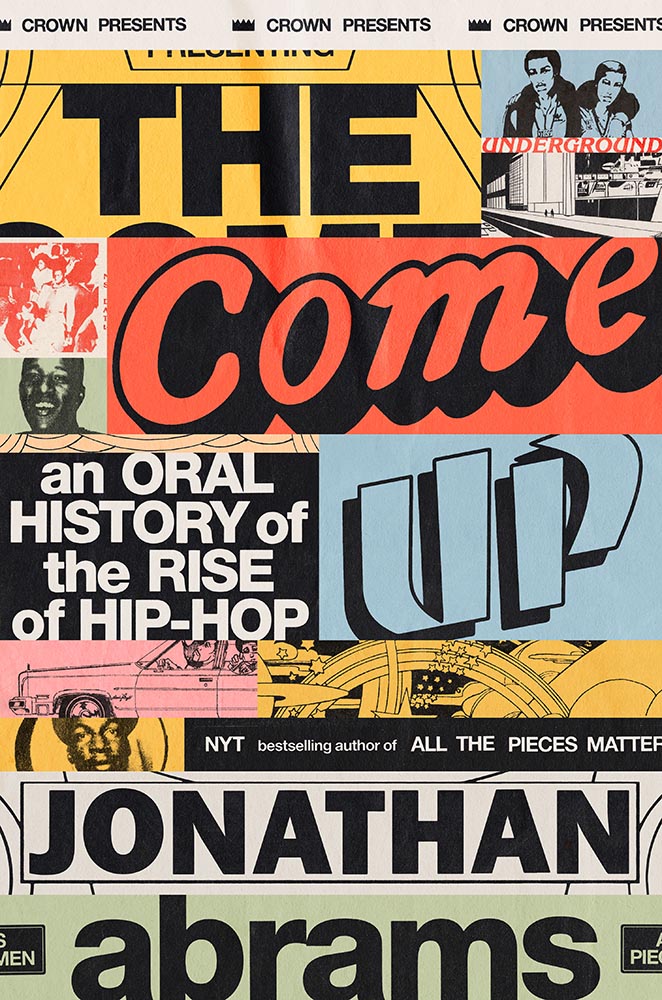
    Cover design by Chris Allen.

    “Block party,” defined. Excellent.

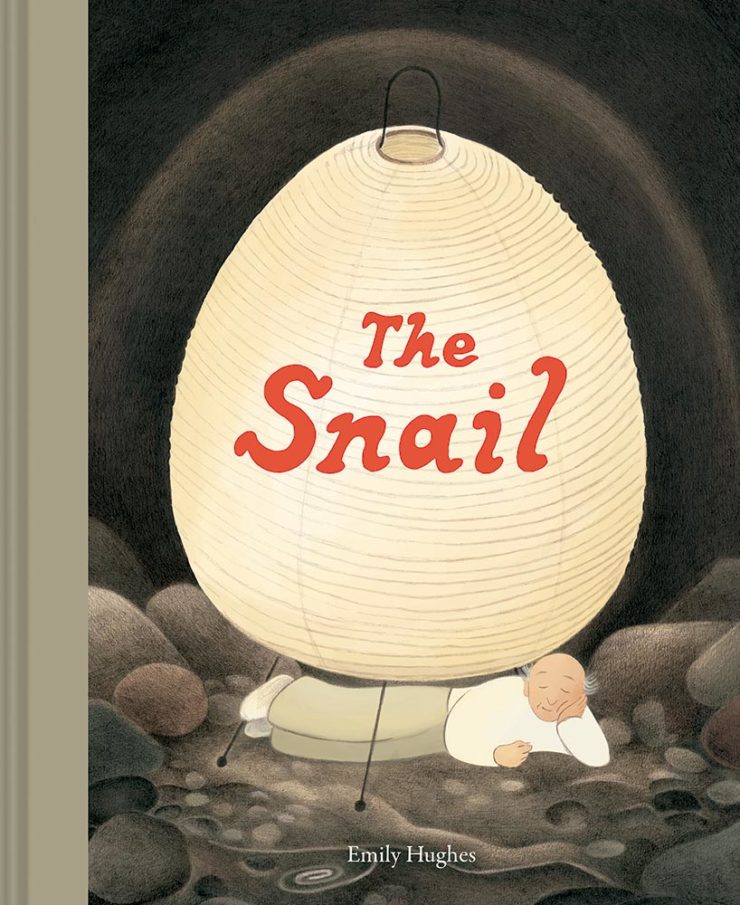
    Book design by Jay Marvel.

    The second children’s title on this list, including an interesting and distinctive style. (See the interior of this book.)

    Again, these are only some of my favorites — there are many more, all of which deserve a look. Congrats to all the designers who made these title happen and thanks to the AIGA for this annual delight.

    See also: Last year’s winners. Via: It’s Nice That.

  • 50 Books, 50 Covers: 2021 Edition

    50 Books, 50 Covers: 2021 Edition

    AIGA has announced their winners of the 2021 50 Books, 50 Covers competition:

    With 605 book and cover design entries from 29 countries, this year’s competition recognizes and showcases excellence in book design from around the world. […] Eligible entries for the 2021 competition were open to books published and used in the marketplace in 2021.

    AIGA Press Release

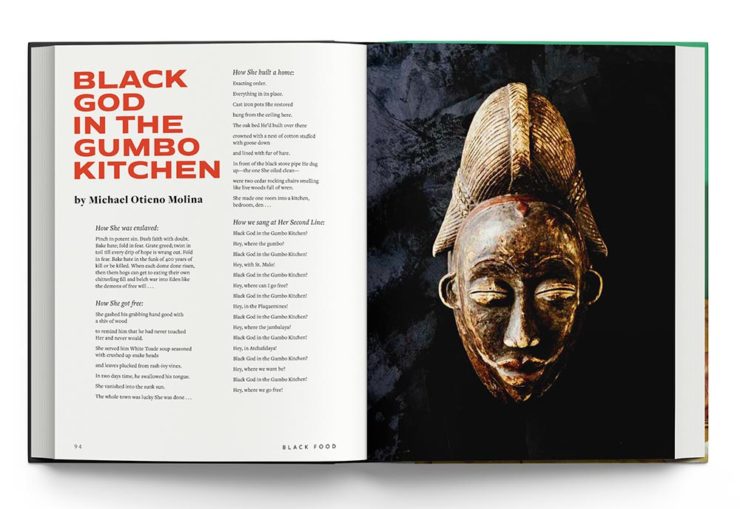
    In this year’s competition, innovative book designs for topics ranging from designing and motherhood, African surf culture, stories of resistance, visual histories of Detroit, Black food traditions, and more all give our jury life, hope, and visible windows into new possible worlds. The covers and books we looked at had a diverse range of visual language and took aesthetic risks.

    Silas Munro, AIGA [Competition] Chair

    As usual, there are items here that I haven’t seen before, along with several that surfaced on others’ “best of 2021” book design lists (see that Foreword post for my faves). Also as usual, there are some excellent choices.

    Further, there’s something in this competition that you don’t see in the usual “best of” posts: interiors. Half of the competition is covers, sure, but the other half considers the whole book design — and sometimes, as I can definitely attest, an underwhelming cover can lead to a treasure within.

    But enough talking. My favorites, in no particular order:

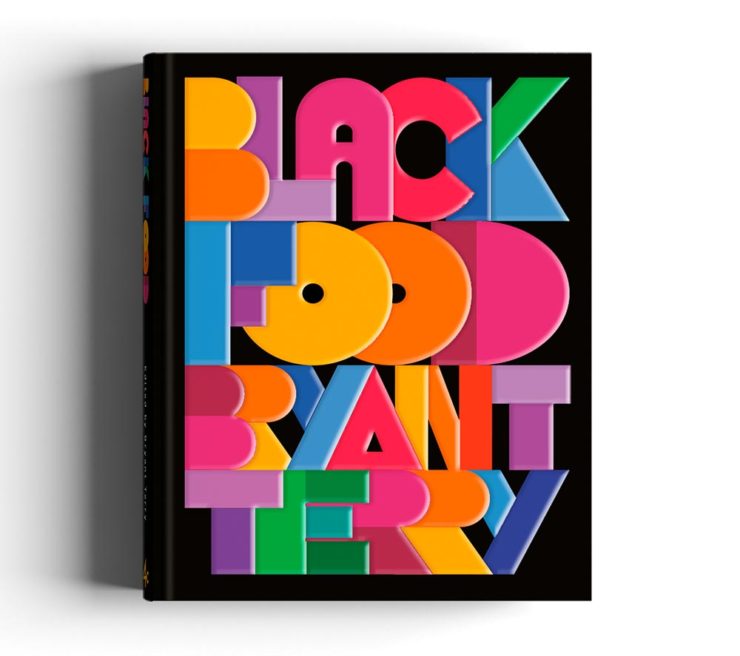
    Cover by George McCalman.
    Book design by George McCalman.

    This is one from the 2021 “best of” finalists that I didn’t post about — but now that I’ve seen the interior…. So very worthy. (See more.)

    Cover design by David Chickey and Mat Patalano.
    Book design by David Chickey and Mat Patalano.

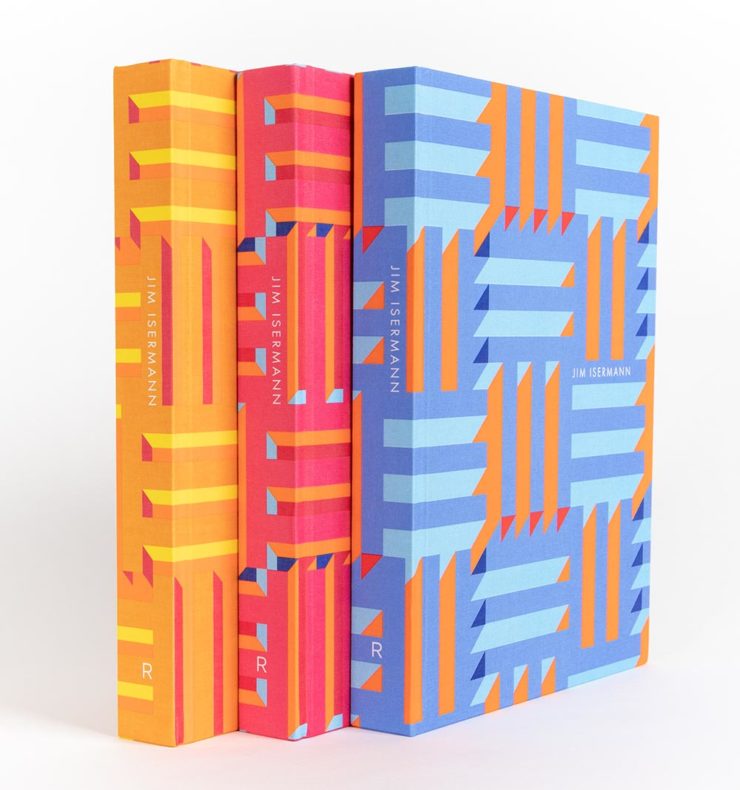
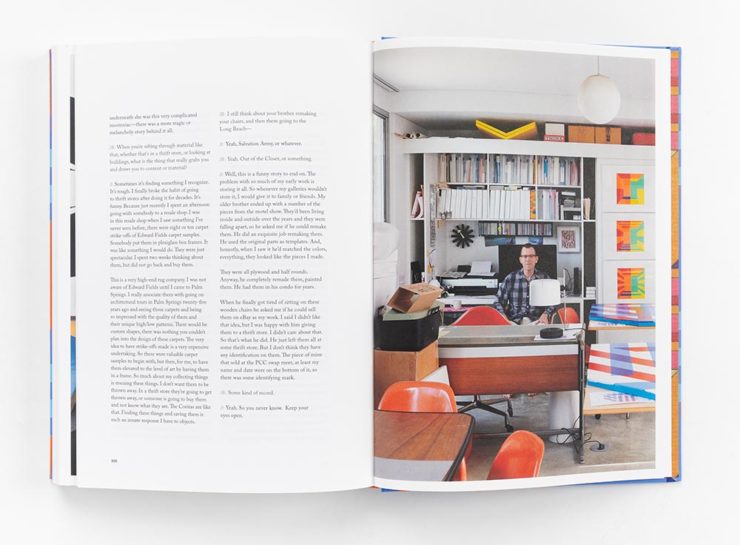
    This series of three books not only have striking covers I’d not seen before but exceptionally competent interiors done on matte paper, a personal favorite. (Click through for more examples.) Excellent.

    Design overseen by Haller Brun.
    Design overseen by Haller Brun.

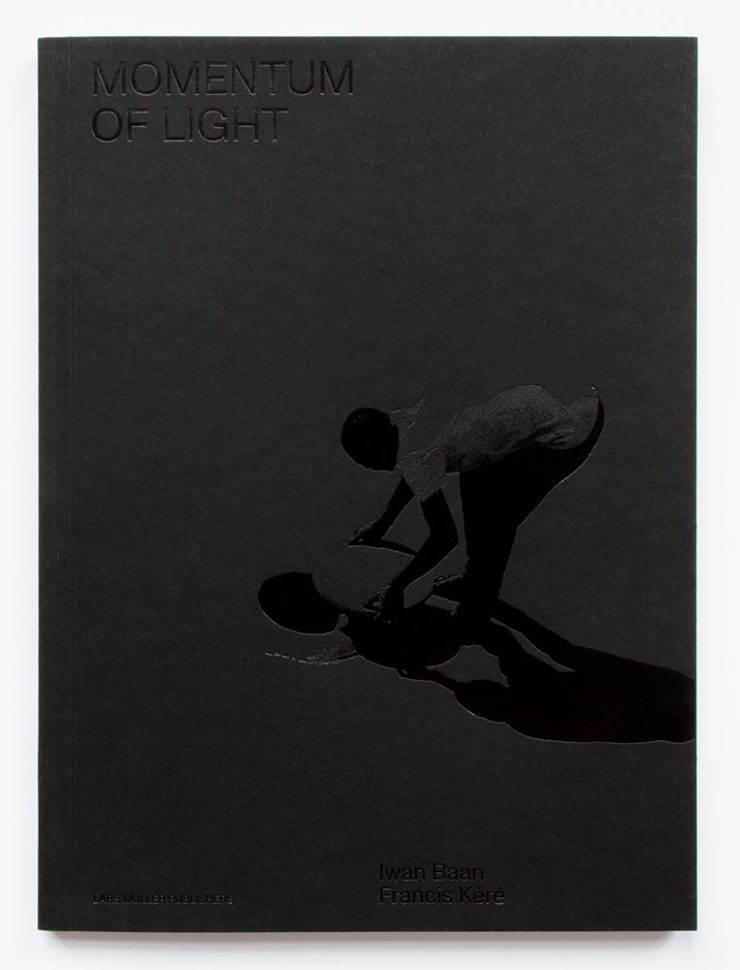
    In this fascinating book, architectural photographer Iwan Baan and (Pritzker-winning) architect Francis Kéré “set out to capture how the sun’s natural light cycle shapes vernacular architecture.” While I may be slightly biased in terms of architecture and photography, this one’s a winner. (Read the AIGA’s take.)

    Cover by Andrea A. Trabucco-Campos.
    Book design by Andrea A. Trabucco-Campos.

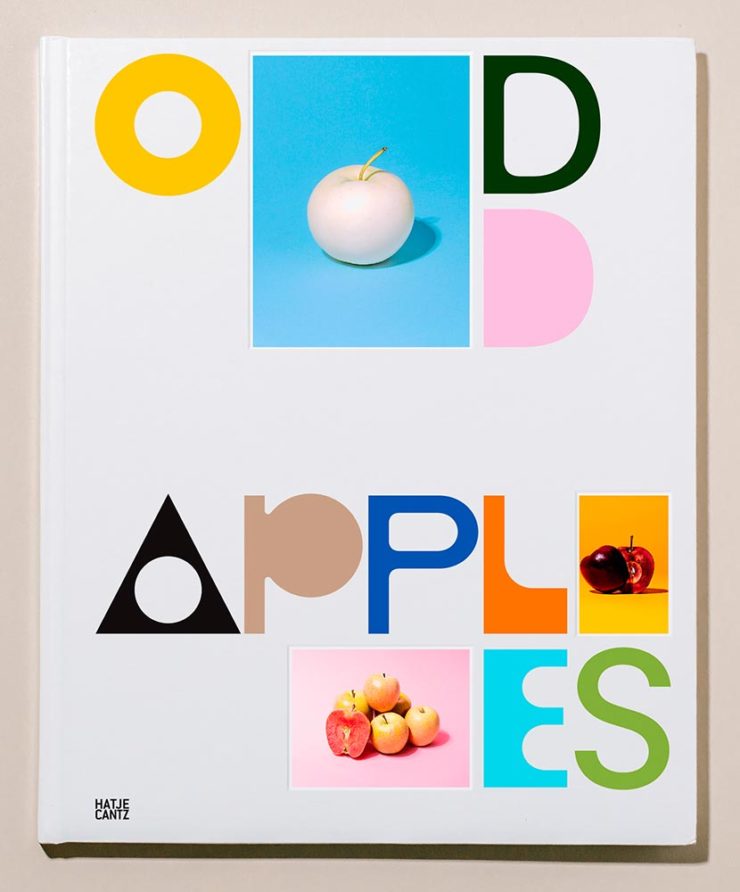
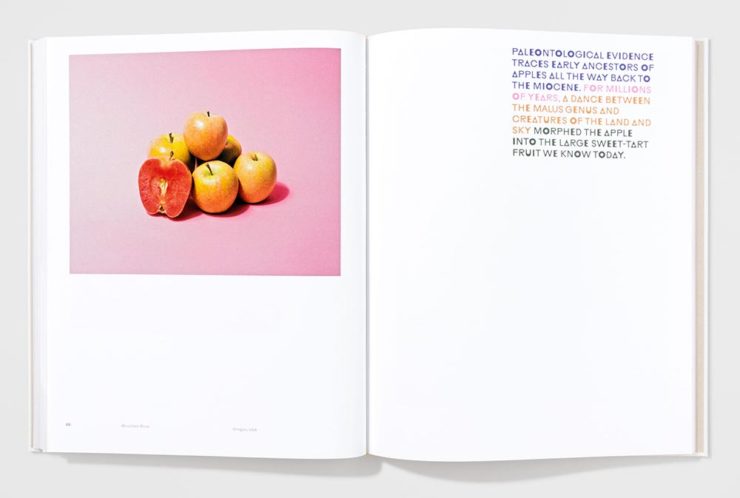
    “A little overly precious,” the AIGA says … while awarding it a prize. Completely fresh, I say, with interesting content presented in a way that does considerably more than interest. Well done. (See them apples.)

    Cover by Gary Fogelson and Ryan Waller.
    Book design by Gary Fogelson and Ryan Waller.

    “The type on the cover and in the body is perfect, in all ways and choices. The use of the gutter for captions is a great understanding of the art and a perfect way to save space. The page numbers too.”

    Brian Johnson, AIGA Judge

    This is one of those books that you have to say, “I wish I’d done that.” Great stuff. (See its individual entry.)

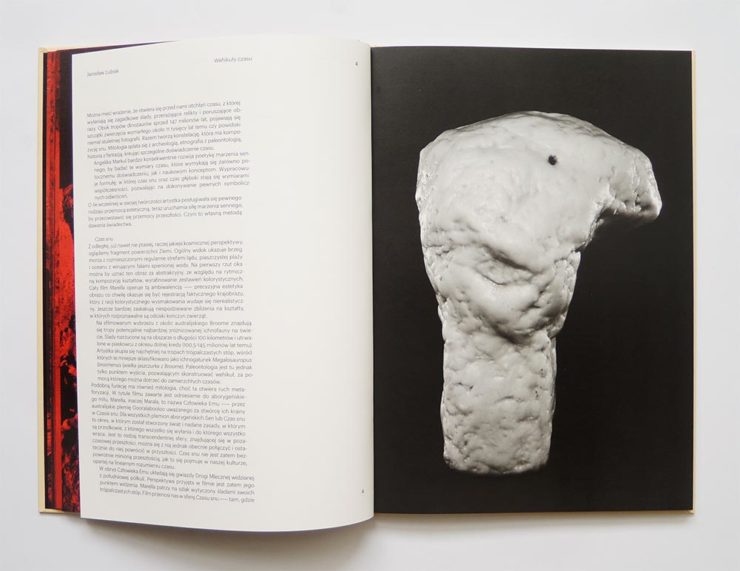
    The Time Formula. Cover by Honza Zamojski.
    Book design by Honza Zamojski.

    There always seems to be some projects that violate book design “rules” — this one doesn’t have a title on the cover, has page numbers in the gutters, and more. Yet this book, about a sculpture project, makes for interesting viewing indeed. (See more.)

    Last, we have a couple that are only covers:

    Cover by Janet Hansen.

    This was considered for my favorites of 2021 (and made it onto others’ lists). I’m glad to have been given the chance to call it out. Excellent in its simplicity. (See the AIGA entry.)

    Last, but certainly not least:

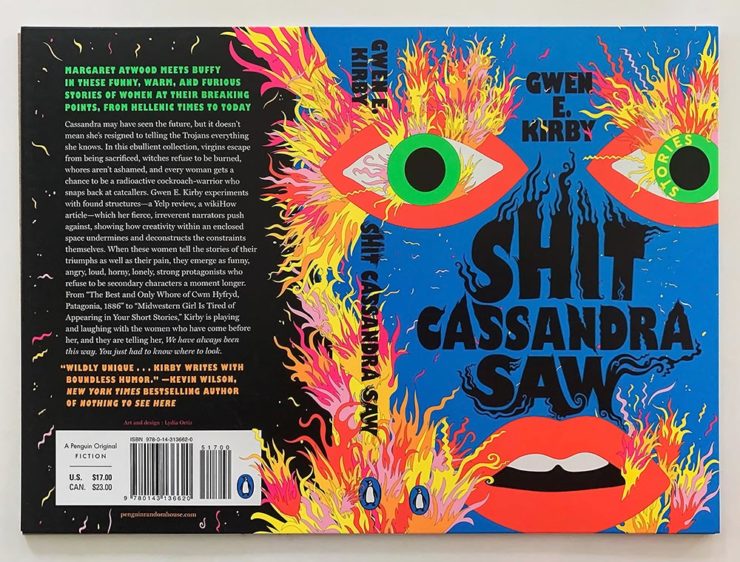
    Cover by Lydia Ortiz.

    Another advantage of this competition: seeing more than the front cover. And this cover, front, back, and spine, is so much more — especially in person: black plus four neon inks. Wow. (See the AIGA’s praise.)

    Many, many more to choose from at AIGA: set aside a little time, wander through all of the projects chosen, and truly enjoy. (Via Locus.)

    FYI: See last year’s 50 Books, 50 Covers, too.

  • Washington Post’s Best Book Covers 2021

    Washington Post’s Best Book Covers 2021

    The Washington Post has an article from book designer Kimberly Glyder with her favorite book covers of 2021. Her bio:

    Kimberly Glyder’s studio specializes in book design, illustration and lettering. Her work has been featured in the AIGA 50 Books/50 Covers show, the Type Director’s Club Annual Exhibition, Print magazine, American Illustration, the American University Presses Book Jacket and Journal Show, and the New York Book Show.

    Check her “best of” at the WP, and stay tuned for more 2021 lists next month.

  • 50 Books, 50 Covers

    50 Books, 50 Covers

    It’s time once again for AIGA’s 50 Books, 50 Covers:

    This time-honored competition aims to identify the 50 best-designed books and book covers. With 696 entries from 36 countries, the juror-selections from this year’s 50 Books | 50 Covers of 2020 competition exemplify the best current work from a year marked by unparalleled change.

    Picking favorites from this list is always fun, and often includes books and/or covers that I haven’t seen before — especially 2020, when seeing things in person was often … difficult. So without further ado (in no particular order):

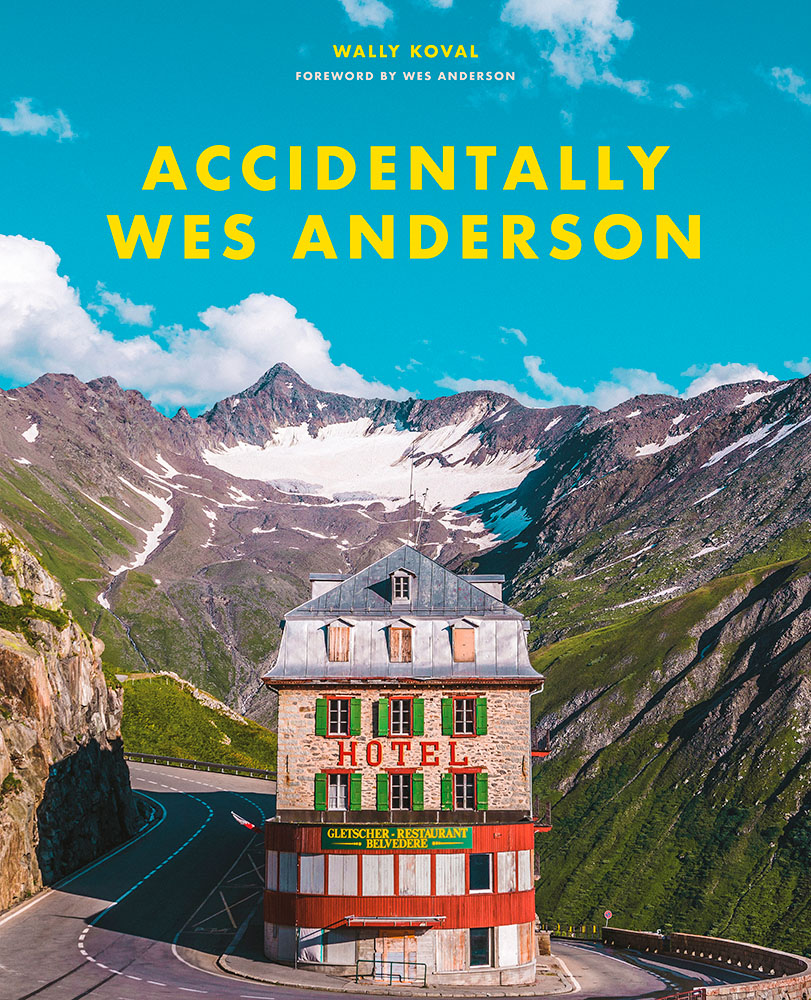
    Accidentally Wes Anderson

    The unique destinations of Accidentally Wes Anderson. This 50 Books item catches the eye with the cover and the photographs carry you inside and to places heretofore unknown. Great stuff. Design by Mia Johnson.

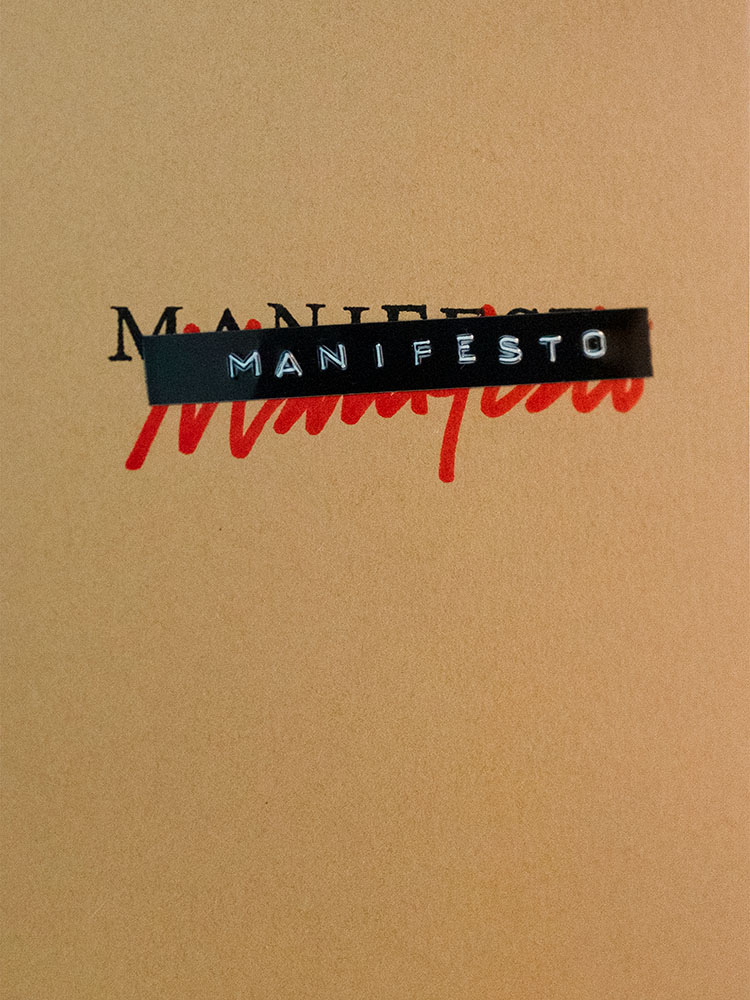
    Manifesto - Cover

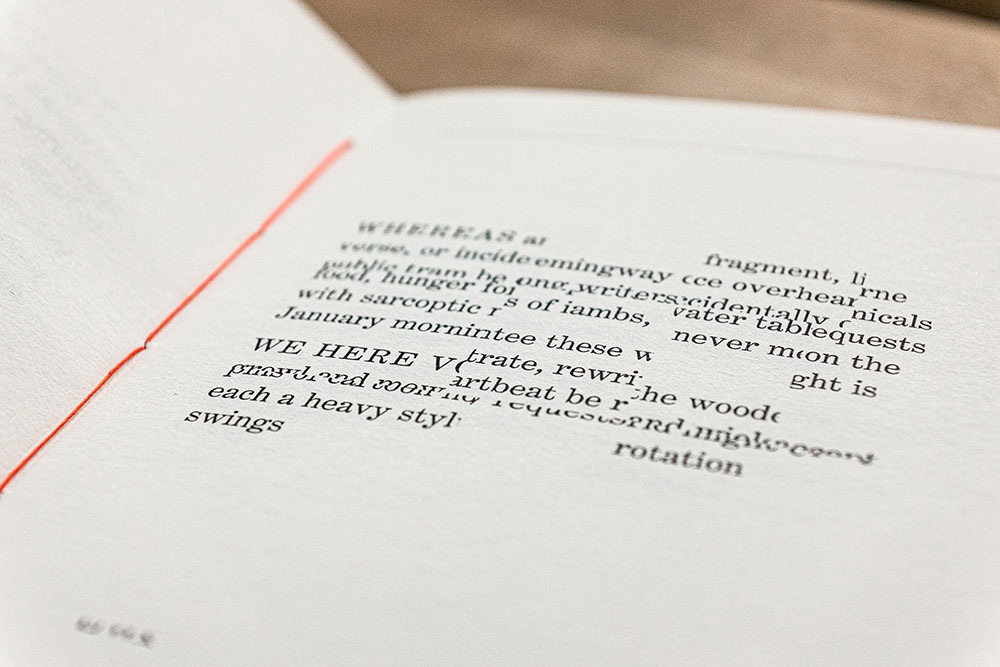
    Manifesto is more than meets the eye, even though the cover does an excellent job leading you in. It’s easier to quote the existing description than write one, so: “The opening pages contain an original text employing the sort of bombastic rhetoric traditionally associated with the manifesto genre. The typeset text is then cut up and reassembled, repeating throughout the book, each iteration becoming source material for subsequent cut-ups. The project takes a critical approach to book arts to explore authorship, readership, and the materiality of language.” Yeah:

    Manifesto - interior

    It’s tiny, too: 4.125 by 6. The design, by Victor Mingovits, is anything but. Well done!
    DR. ME

    Not Dead of Famous Enough, Yet compiles 10 years of work from a design firm into one place, with this surprisingly modest cover. DR. ME, as the duo of Ryan Doyle & Mark Edwards became known, not only do quality work, they know how to stitch together a quality book — to a point where they picked up a prestigious award. See more.

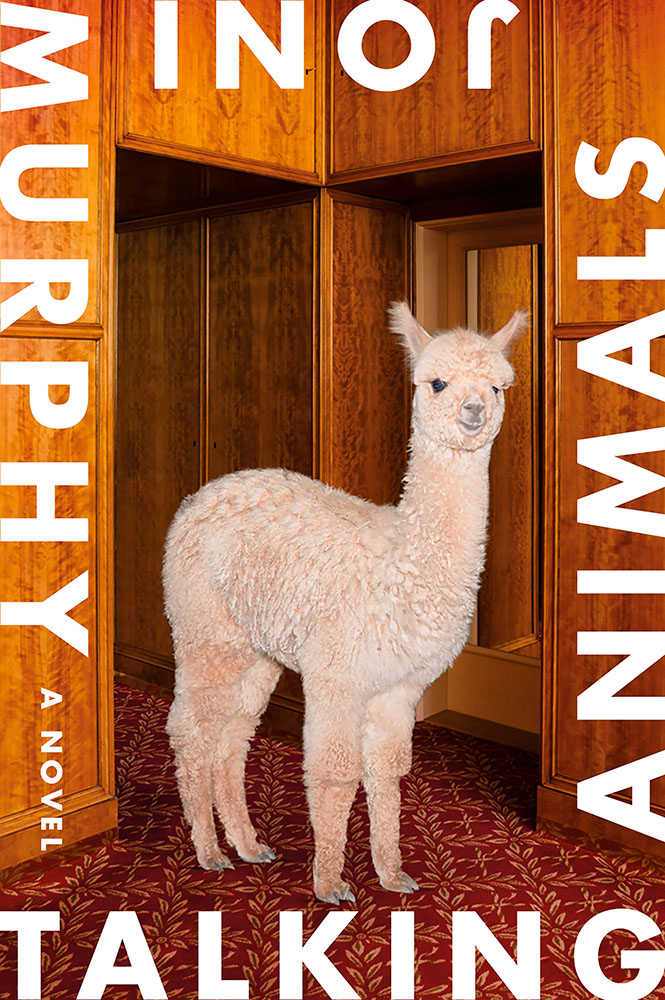
    Talking Animals

    Talking Animals violates one of my usual cover-design rules: it’s not immediately apparent which title word is first. Nonetheless, it’s eye-catching enough to warrant an exception — and a 50 Covers award. Design by Na Kim.

    Self Portrait with Russian Piano

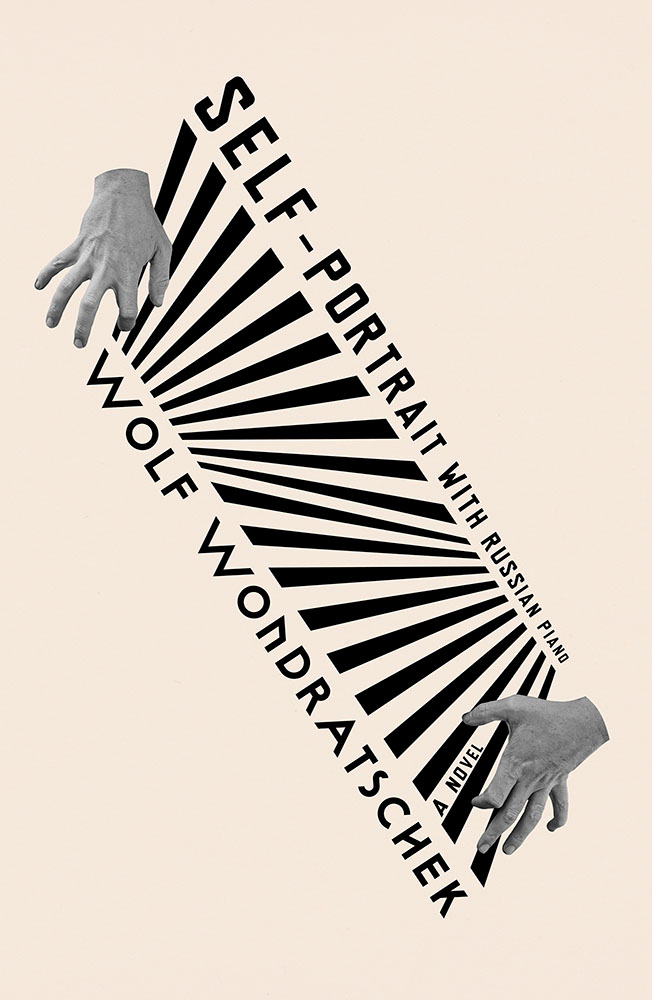
    Na Kim makes another appearance with Self Portrait with Russian Piano. Kudos for something that’s equally eye-catching yet about as completely different as humanely possible — talent, defined.

    Sestry

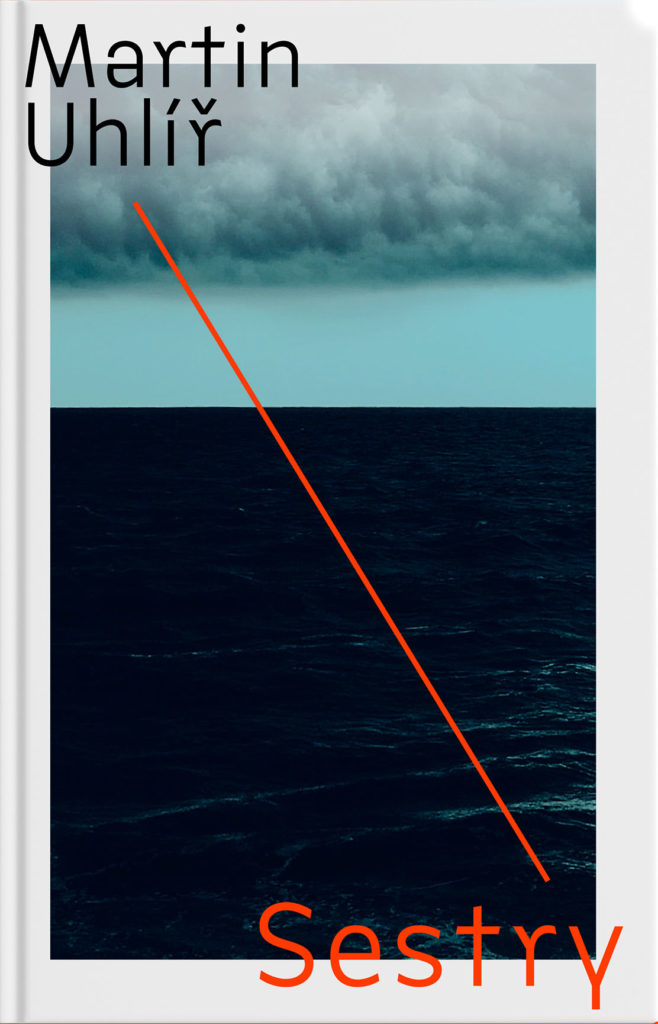
    “Eye-catching and mysterious,” says the entry for Sestry. “Oppressive and mysterious,” says the description. Both work — it’s certainly mysterious enough to catch your attention, grab it off the shelf, and investigate further. Design by Jan Šabach.

    I Lived on Mars

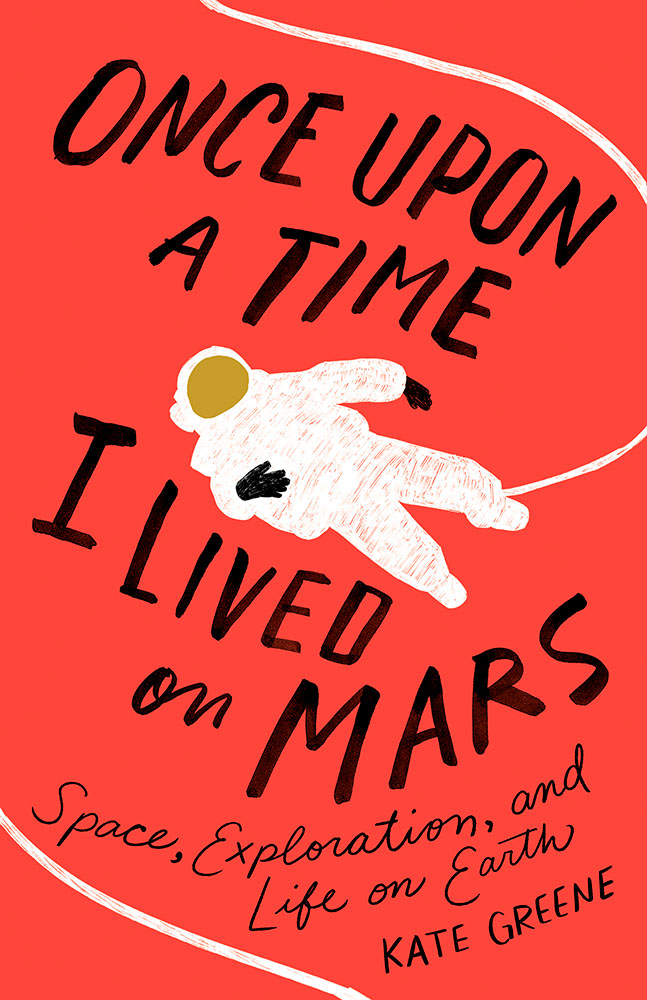
    Once Upon a Time, I Lived on Mars: Space Exploration, and Life on Earth is a loooooong title/subtitle combination. It’s something that, as a cover designer, you dread — but Johnathan Bush knocked it out of the park with this hand-lettered illustrated piece that’s 180 degrees from where you’d expect.

    The Turn of the Screw is probably my favorite of the whole collection:

    Turn of the Screw

    Almost simplistic … until you really look at it; the kind that makes you think, “I wish I’d done that.” Fantastic work by Kaitlin Kall.

    Lastly, two covers previously mentioned here:

    Verge

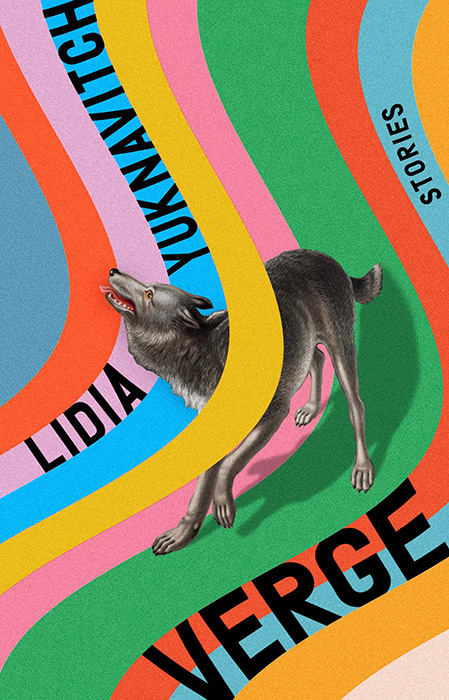
    Verge, where unexpected choices lead to great new places here, especially with the yellow band overlaying the wolf. So, so good. Design by Rachel Willey. And:

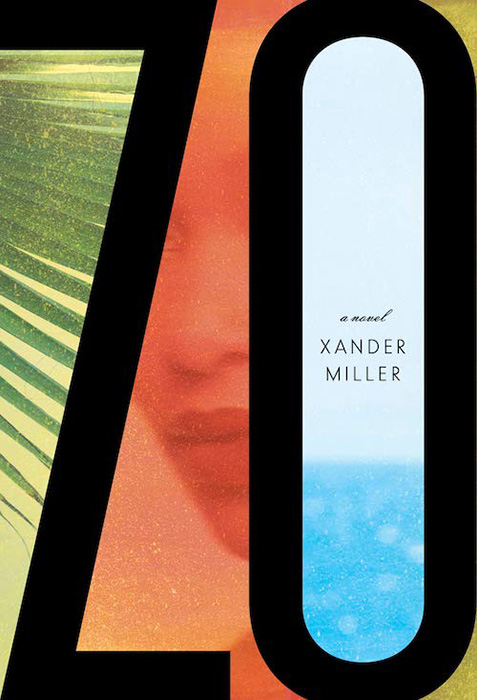
    Zo

    Zo, which uses illustrations to huge effect — but this time with a huge typography effect to go along with it, and lo, it works. Great design choices by Janet Hansen.

    Again, see the whole list at AIGA: 50 Books, 50 Covers. Props to Hyperallergic for the heads up.

  • “The evolution of Biden’s visual language is a glimpse of where political branding is heading.”

    Joe Biden’s Branding Was Both Traditional and Trippy, and It Looks Like the Future of Politics

    AIGA’s Eye on Design takes a look at the beginnings and evolution of Joe Biden’s campaign branding. Great read.