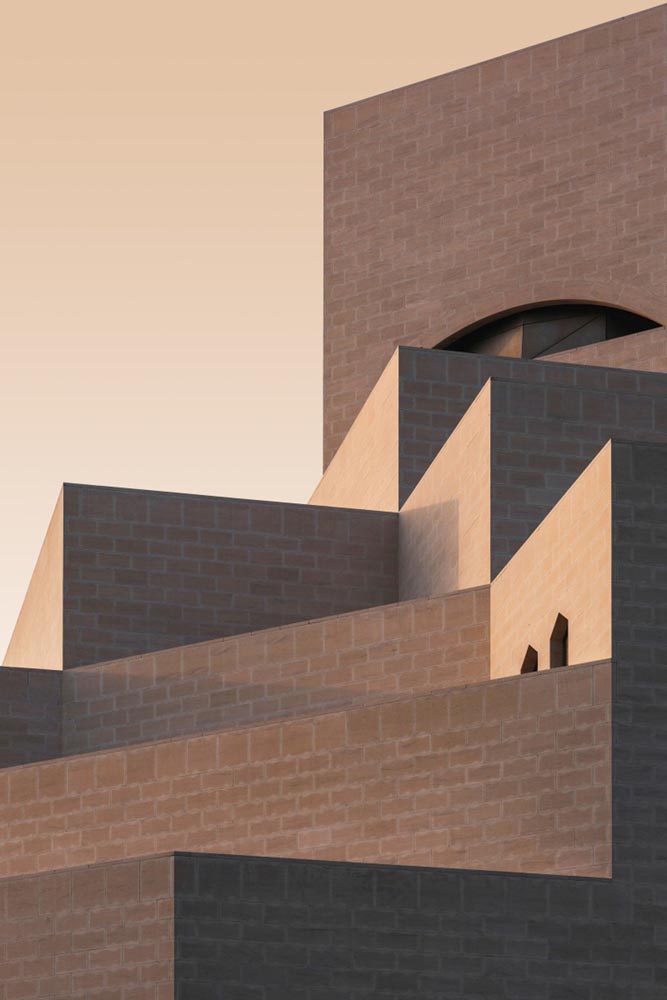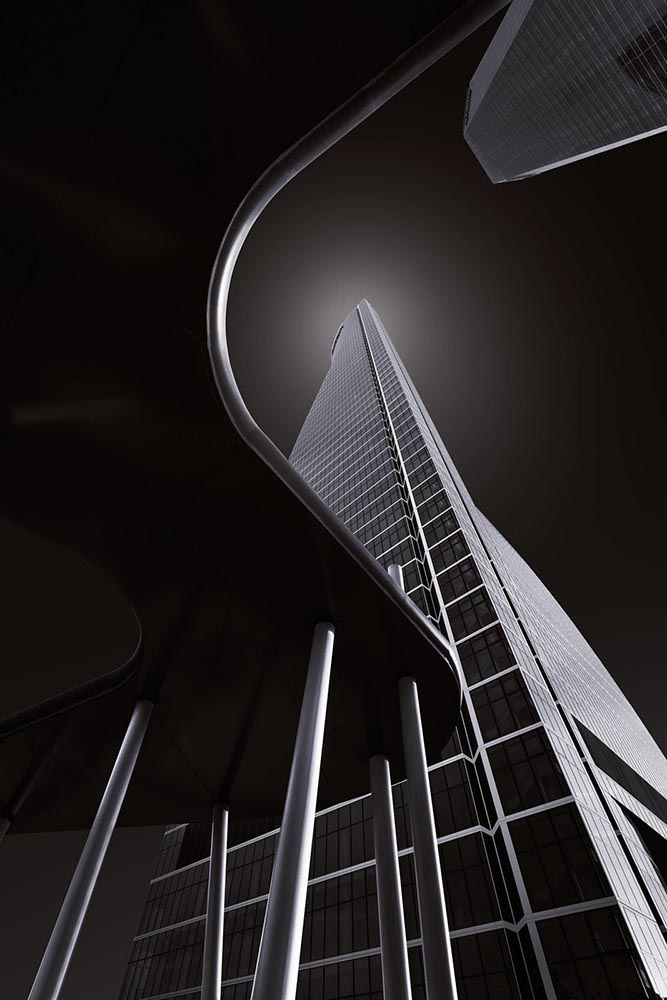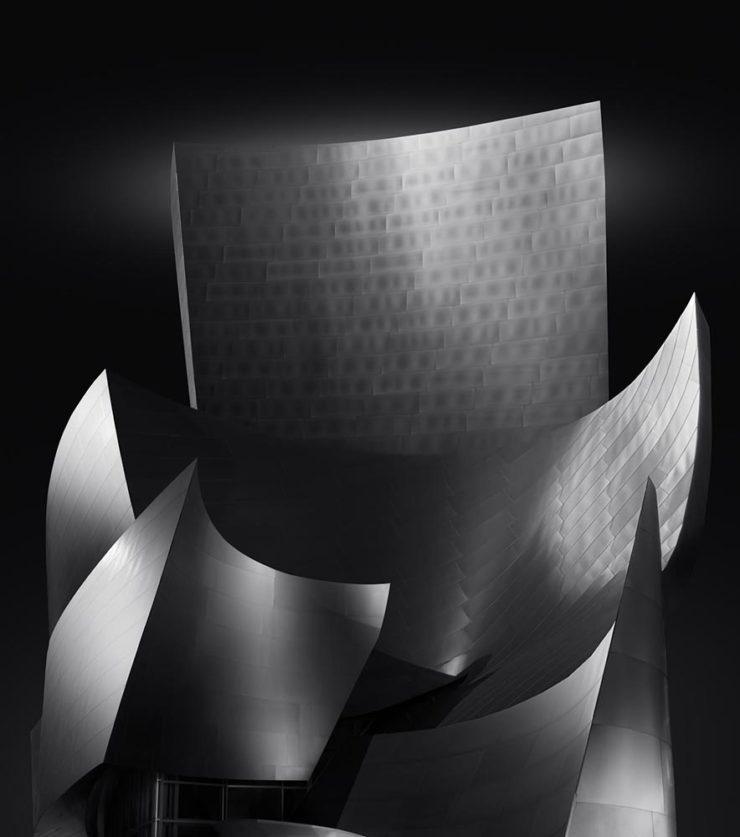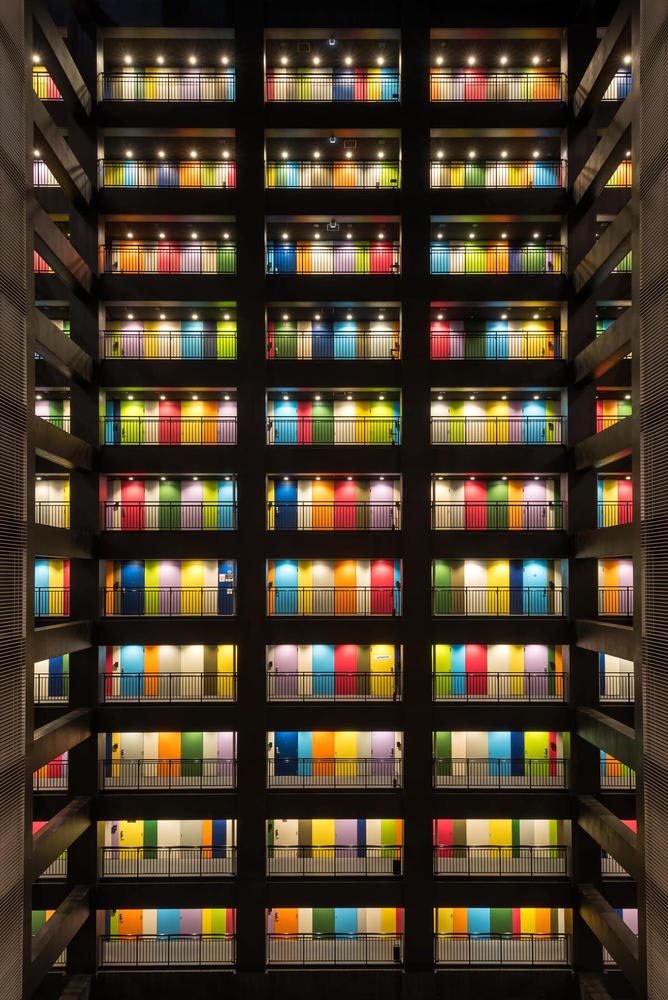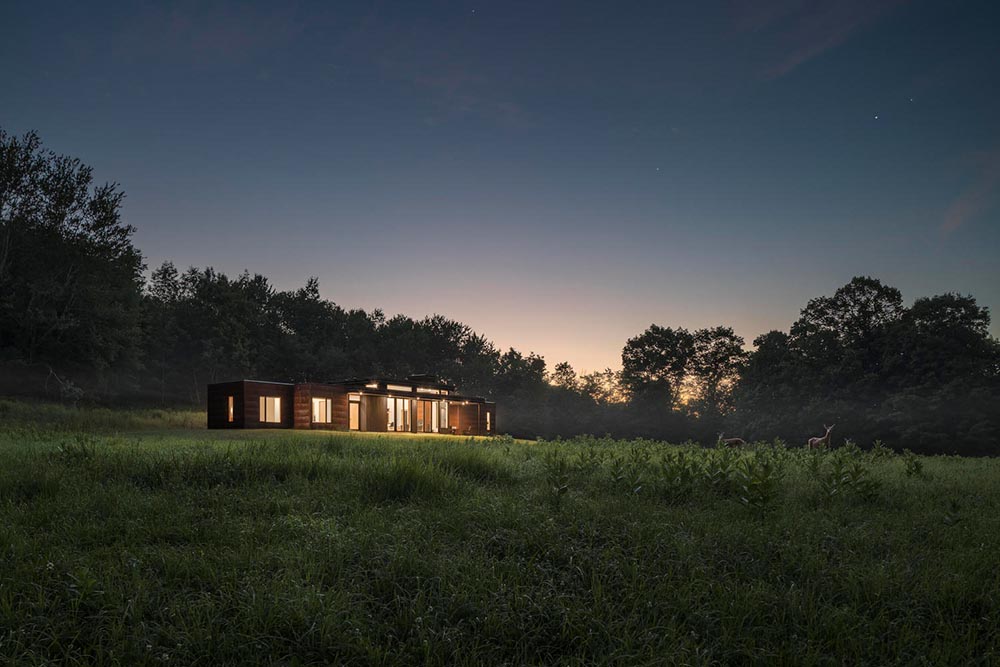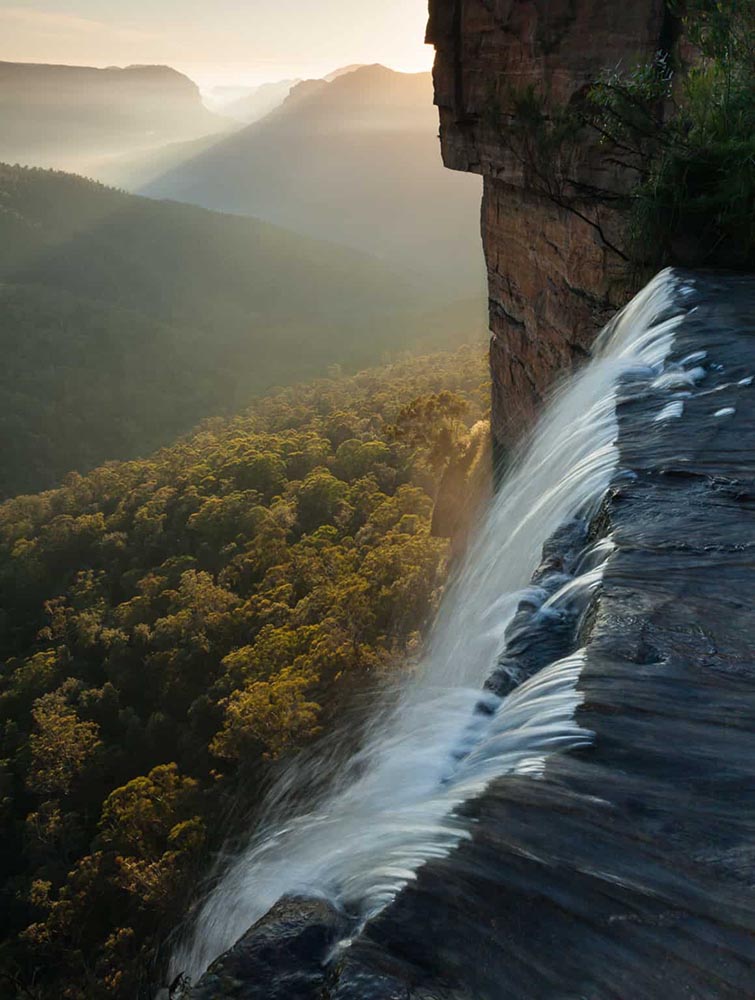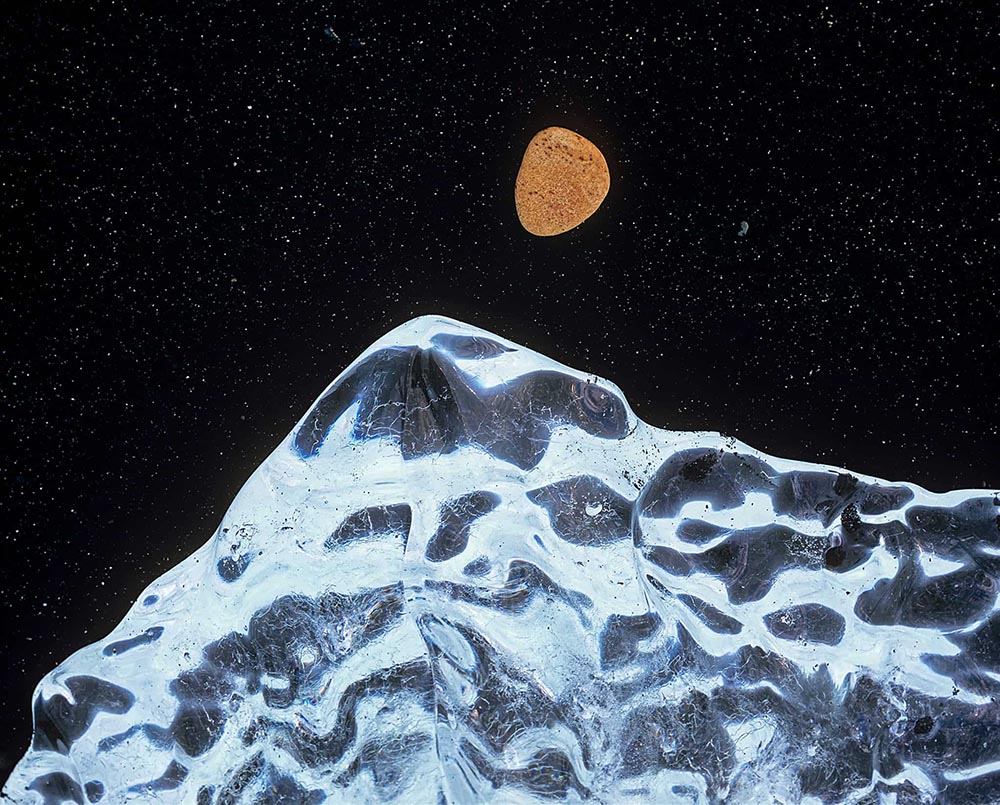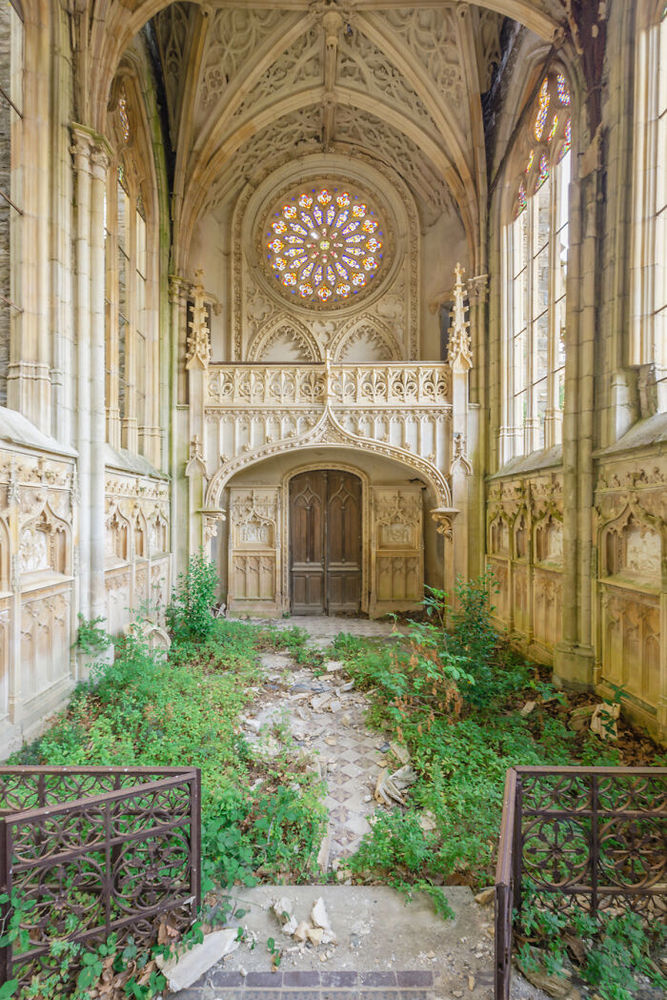
Tag: architectural photography

  • Beautifully Briefed 26.1: Finding What’s Needed

    Beautifully Briefed 26.1: Finding What’s Needed

    We’re setting into our third snow of the season here in Georgia, an extraordinary event even in a world where “normal” doesn’t seem to happen all that often any more. Thankfully, there are still gems, waiting to be discovered. Hopefully you’ll find several in the links below.

    Note: The site was offline for several hours mid-month due entirely to my mismanaging an update; the backups took a minute and didn’t restore the plug-ins, so it wound up being rough around the edges for a couple of days. If you visited — or tried to — during that time, apologies.

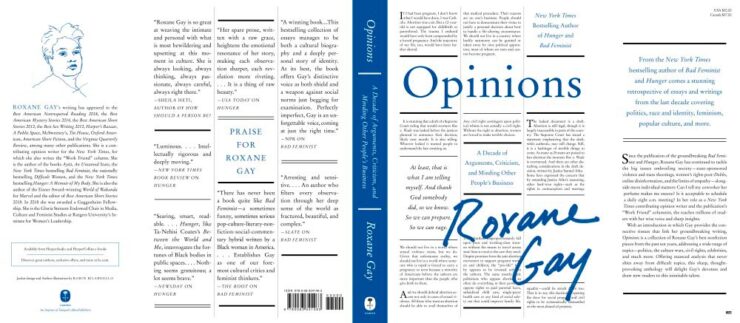
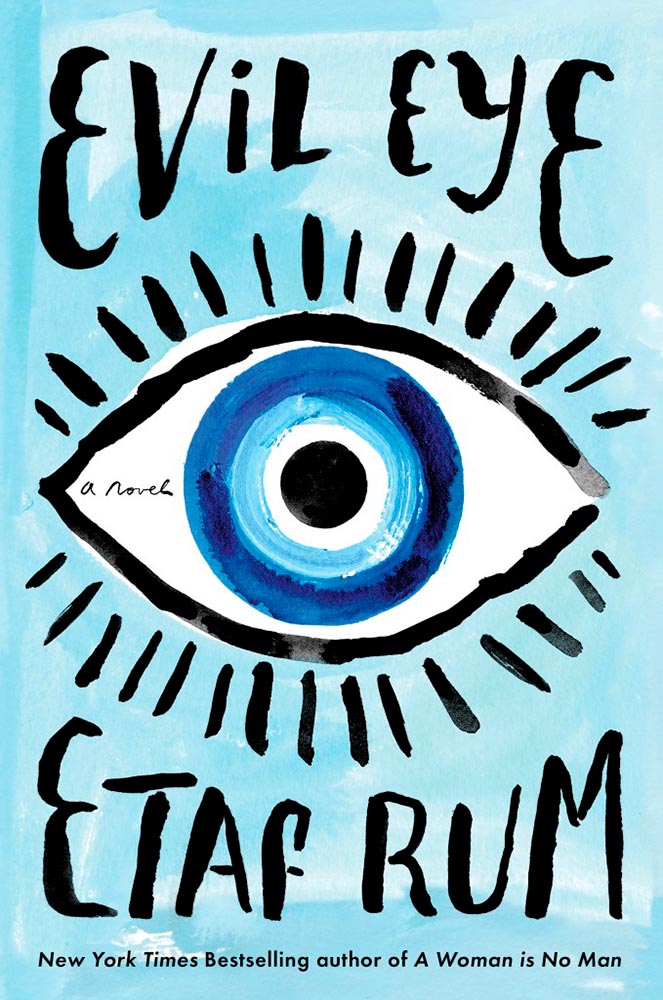
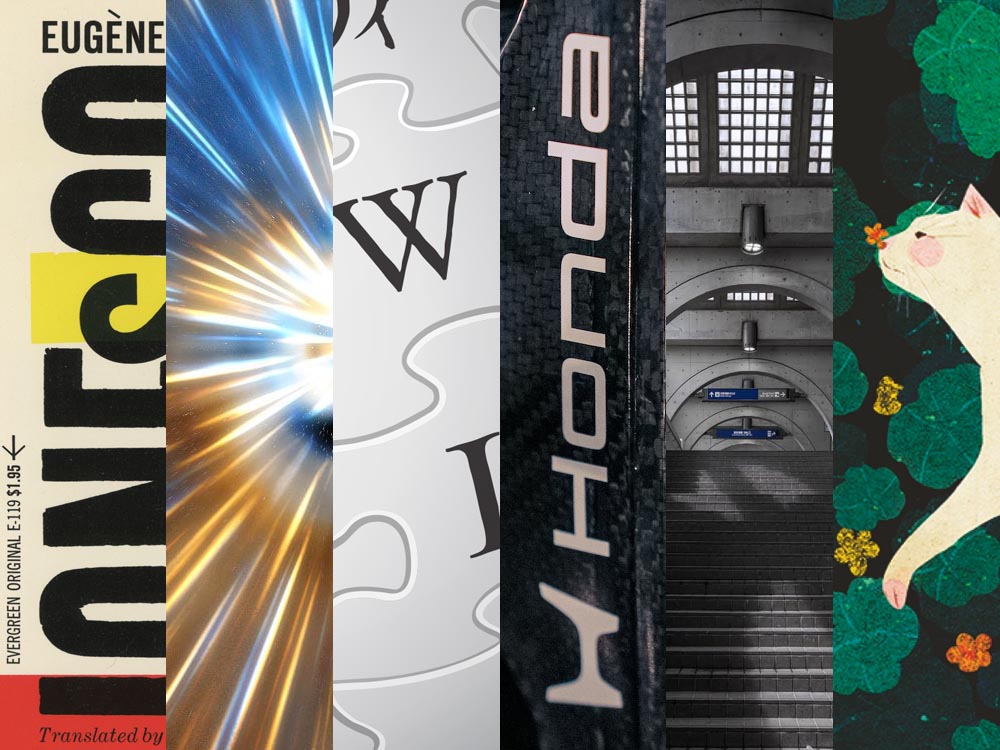
    FAVORITE BOOK COVERS OF 2025, AND MORE

    If you’ve not seen, set aside a few minutes to enjoy:
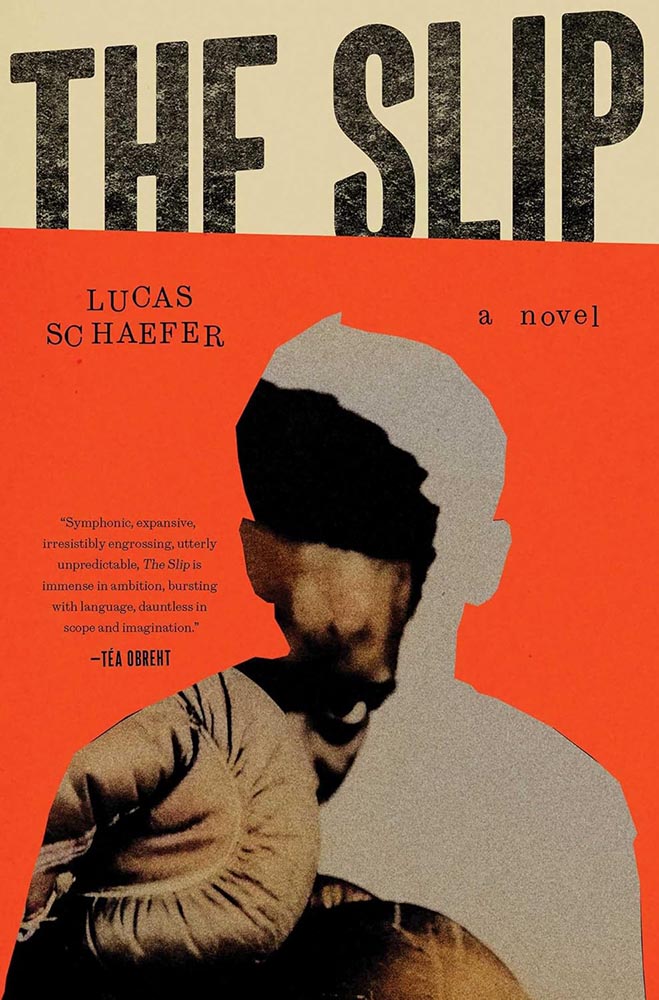
    This image has an empty alt attribute; its file name is 25fave_slip-the_jack-smyth.jpg
    Cover design by Jack Smyth.

    More than a hundred examples of book design greatness, with commentary, for the fifth year in a row. Bring a beverage.

    But wait, there’s more:
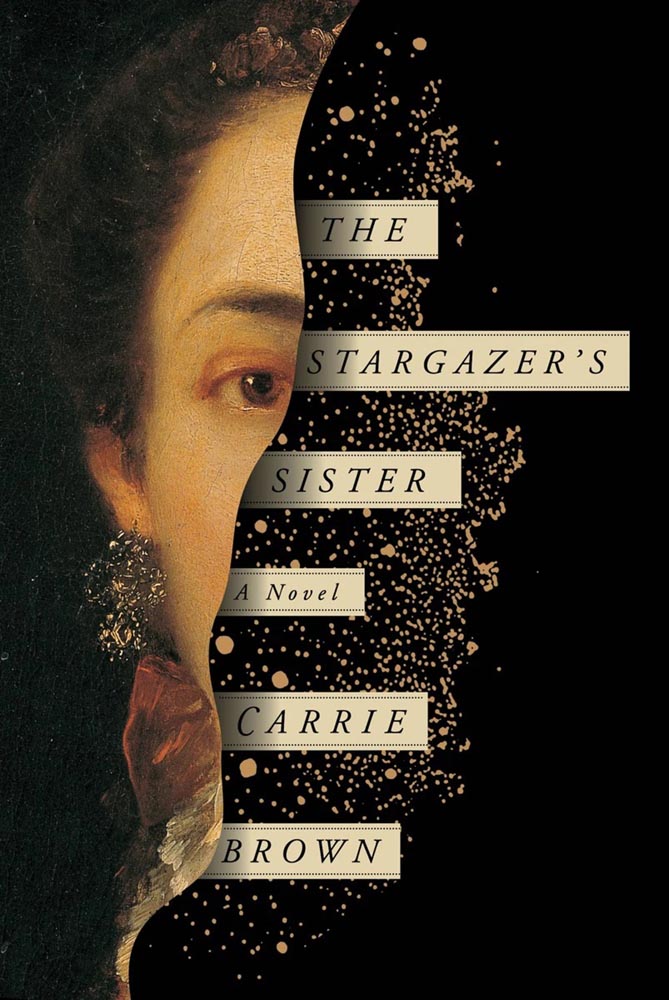
    This image has an empty alt attribute; its file name is books_the-stargazers-sister_2016_oliver-munday_lithub.jpg
    Cover design by Oliver Munday.

    LitHub has posted a summary of the last decade of their favorites, too. Whew!
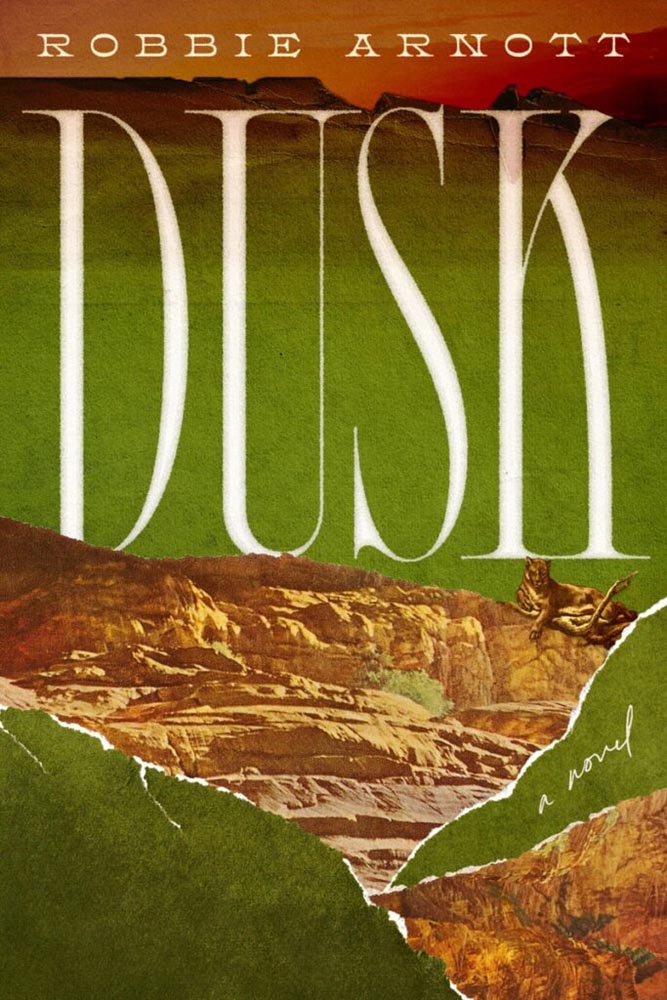
    This image has an empty alt attribute; its file name is books_dusk_alica-tatone_ourculturemag.jpg
    Cover design by Alicia Tatone.

    Special Bonus #1: Our Culture has a feature on seven book designers to watch in 2026. None will be a surprise to regular readers, although Alicia Tatone hasn’t been highlighted here as much as she deserves (she had three cover designs, including Dusk, in the runners-up folder for my ’25 favorites, but didn’t appear in the final list).

    THIS MONTH’S SPINE

    Meanwhile, over at Spine, my monthly column on University Press goodness has been posted, including this:
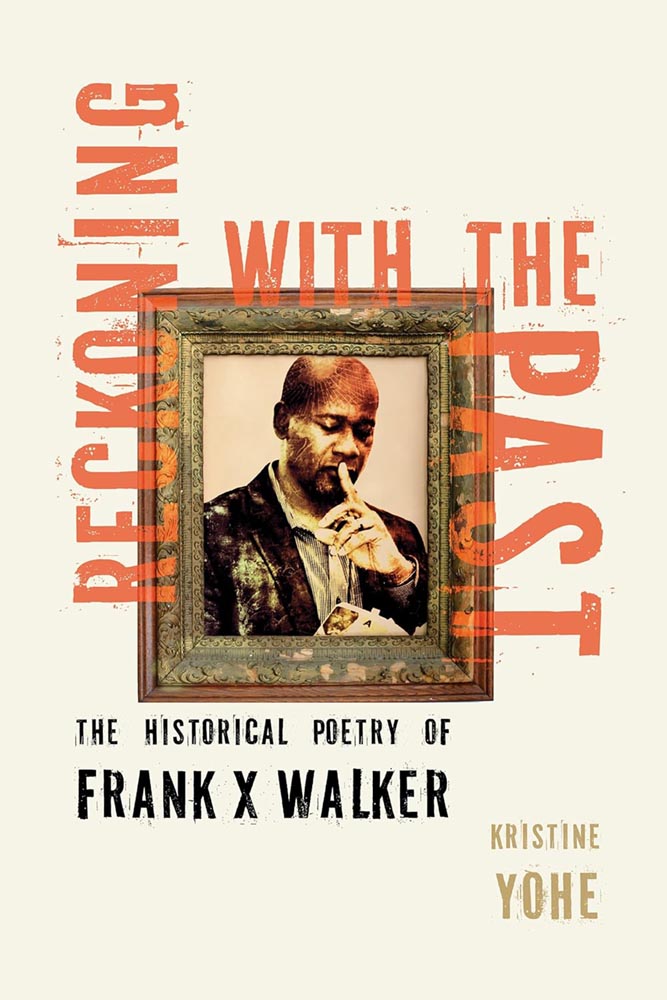
    This image has an empty alt attribute; its file name is spine_kentucky_reckoning-with-the-past_jan26_kat-lynch.jpg
    Cover design by Kat Lynch for the University Press of Kentucky.

    Walker, FYI, was the first Black person to be named Kentucky Poet Laureate and coined the term, “Affrilachia.”

    MORE FROM THE DESIGN DEPARTMENT
    Heller on Roy Kuhlman

    Steven Heller’s column in PRINT is always fantastic, but some introduce designers more of us should know by name — this time, Roy Kuhlman:
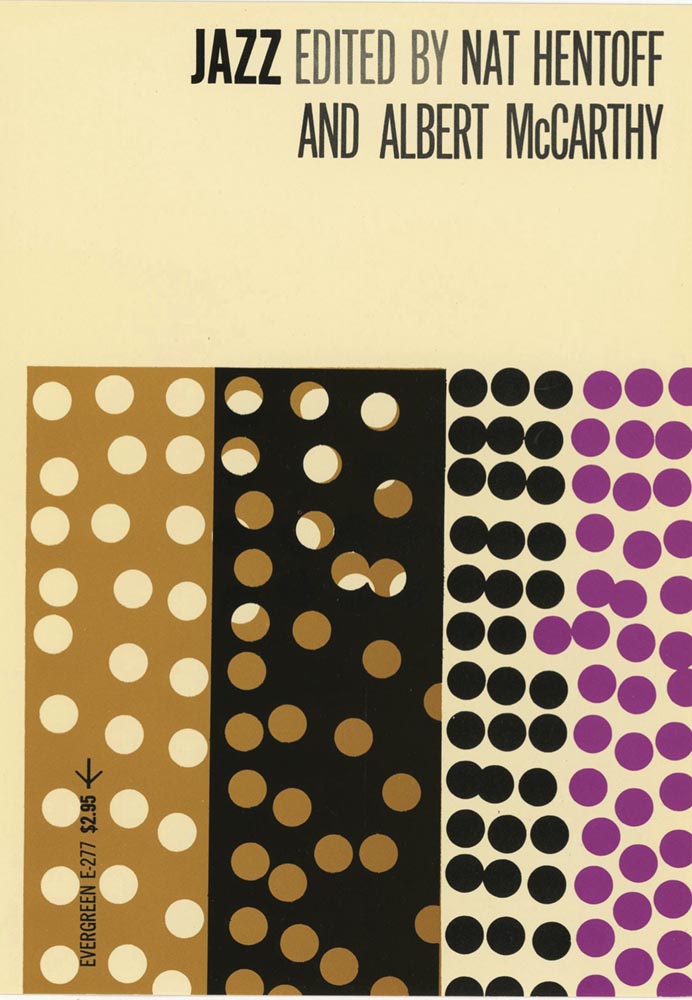
    This image has an empty alt attribute; its file name is books_jazz_roy-kuhlman_print.jpg
    Cover design by Roy Kulhman.

    “He designed almost exclusively for the edgy indie Grove Press, defining its list of literary, critical, philosophical and politically radical nonfiction titles,” Heller writes, discussing a new retrospective (that he wrote the introduction for):
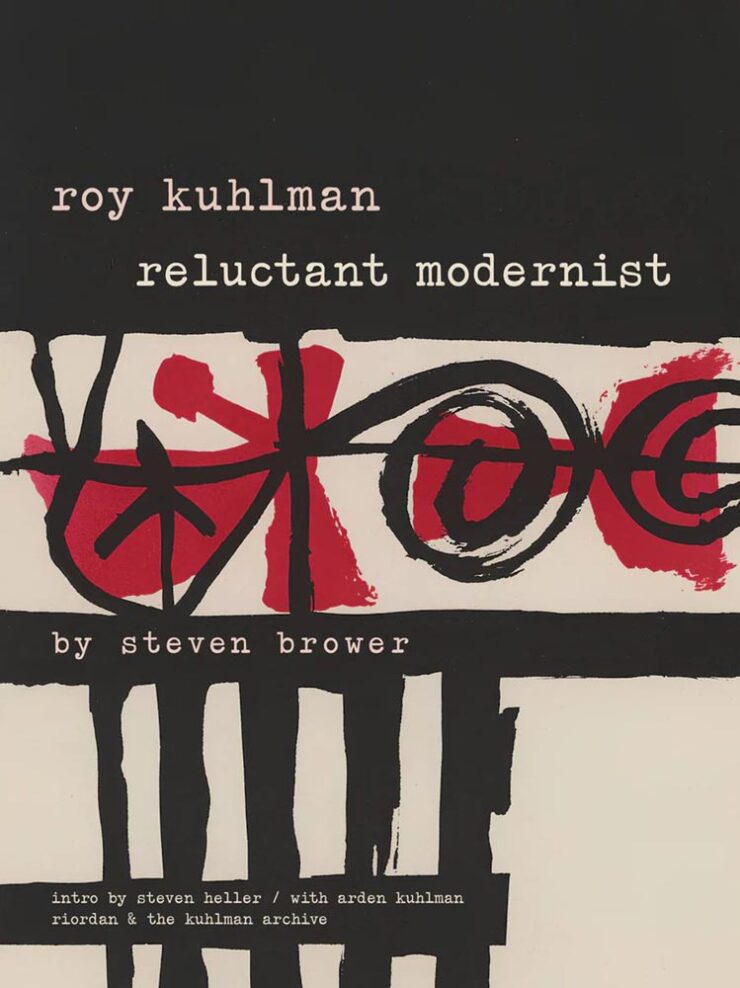
    This image has an empty alt attribute; its file name is books_roy-kulman-reluctant-modernist_print-740x988.jpg

    Many of his abstractions tested the reader’s perception. His lexicon of kinetic, morphing shapes was usually rendered in flat colors with painterly and collage randomness. They could stand on their own. But usually, to make them functional, he used simple sans serif or elegant classic serif typefaces; fitting the abstract nature of his manner, he’d frequently draw or paint hand-scrawled titles and subsidiary texts. Much of his work employed two or three colors, as opposed to four-color process — and he was more than adept with limitations.— Steven Heller, PRINT

    Very cool. See the rest.

    January Typeface Favorites

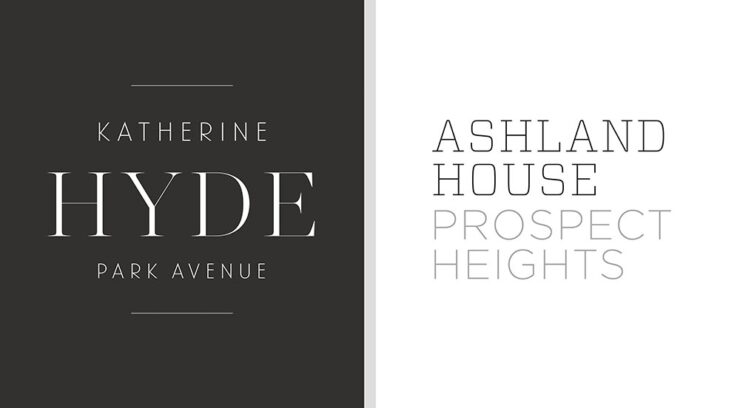
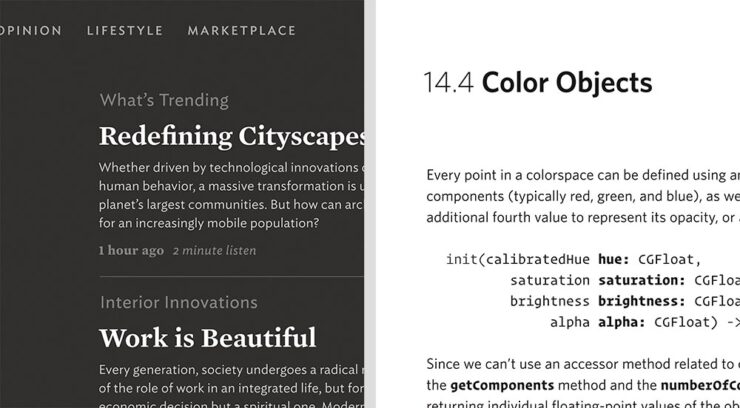
    Speaking of CreativeBoom, their regular feature on new typefaces has several that I like. Let’s start with the elegant Appeal, by new foundry We Type:
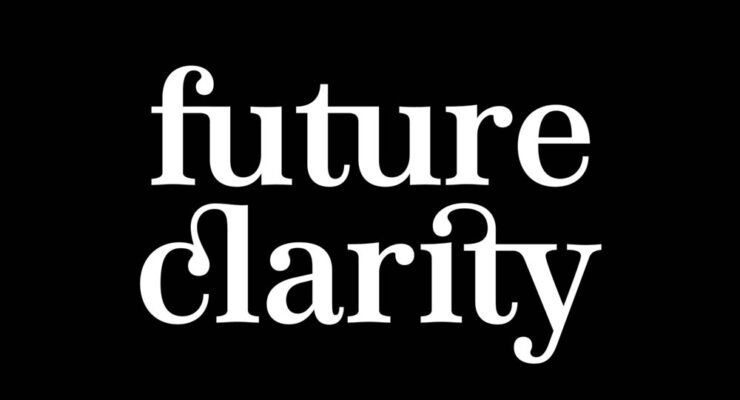
    This image has an empty alt attribute; its file name is fonts_appeal_creativeboom-740x400.jpg

    Next up, the old-style, almost-evokes-needlepoint Bárur, by MNDT Type:

    This image has an empty alt attribute; its file name is fonts_barur_creativeboom.jpg

    Another new foundry, Designomatt, brings us the neat and “unpretentiously functional” Stróc:
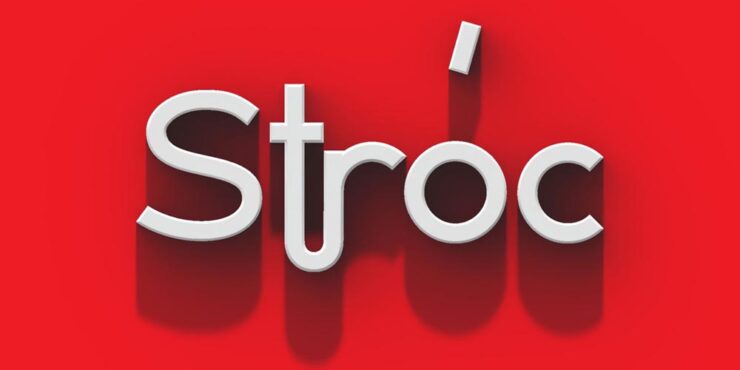
    This image has an empty alt attribute; its file name is fonts_stroc_creativeboom-740x370.jpg

    The last to highlight is probably my favorite of the bunch, this cool and well-executed script called Pennline, from The Northern Block. It’s a “meticulous resurrection of Bulletin — a script first cast in 1899 by Philadelphia’s Keystone Type Foundry — demonstrat[ing] how historical preservation and contemporary utility can coexist when approached with respect and imagination.”
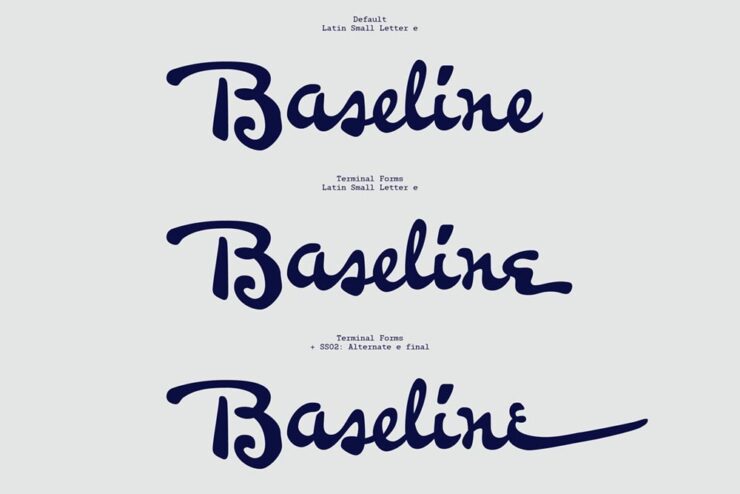
    This image has an empty alt attribute; its file name is fonts_pennline_creativeboom-740x494.jpg

    See ’em all — type joke intended — at CreativeBoom.

    Faber Editions: Just My Type

    It’s Nice That has a great feature on the new — actually, newly-revisited — Faber Edition titles, with their primarily type-driven cover designs:
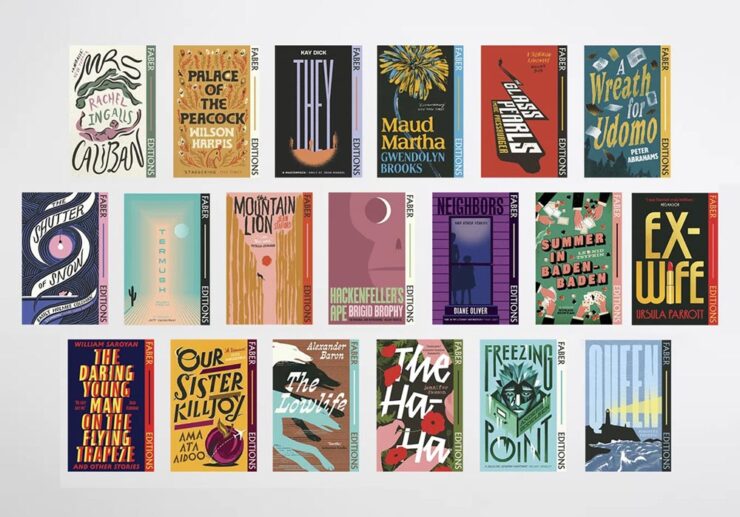
    This image has an empty alt attribute; its file name is books_collected-faber-editions_various_its-nice-that-740x517.jpg

    “In an industry that can often be focused on newness, Faber Editions is a great reminder of the groundbreaking literature that’s come before us, and a clear indicator of the importance of the artwork the words sit within,” writes Olivia Hingley.
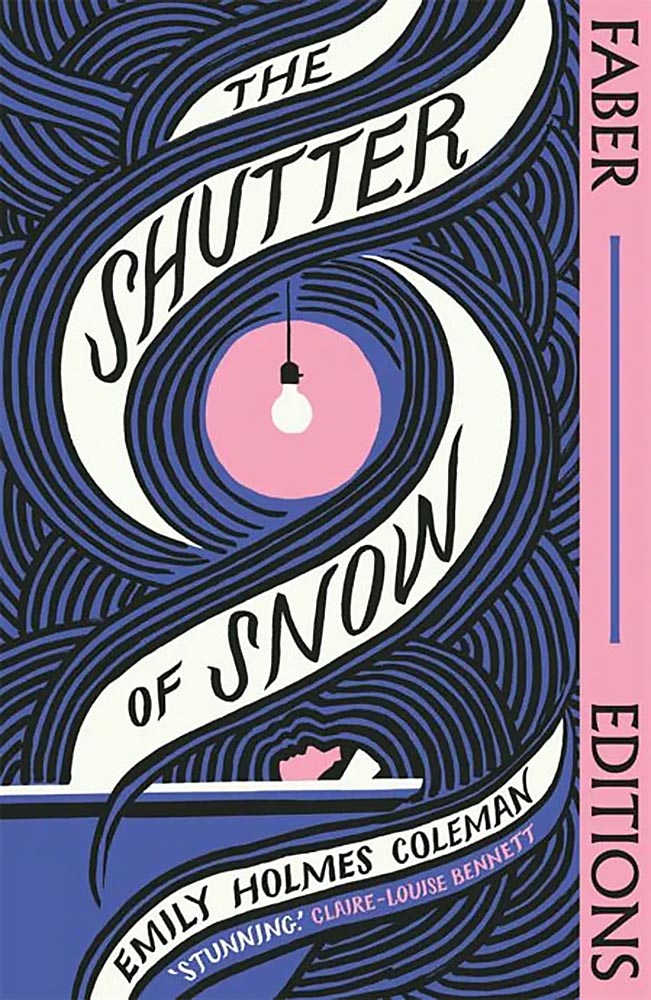
    This image has an empty alt attribute; its file name is books_the-shutter-of-snow_bill-bragg_its-nice-that.jpg
    Cover design by Bill Bragg.

    Faber is a UK publisher, so while these covers could be excellent because they’re British — see several examples of the US vs. UK titles in the favorites post — I’m just going to call the style interesting, the “look” of the complete series compelling, and the resulting work excellent. Read on.

    Special Bonus #2: “The graphic trends you’ll want to bookmark for 2026,” also from It’s Nice That. In short: lo-fi, anti-trends continue:
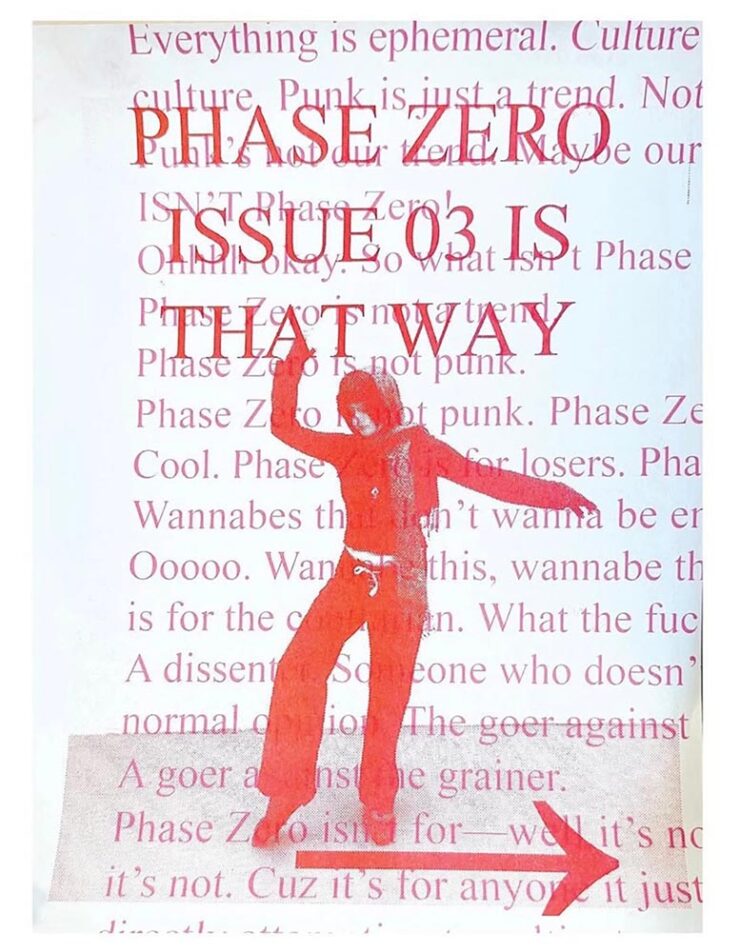
    This image has an empty alt attribute; its file name is design_phase-zero-flyer_its-nice-that-740x952.jpg
    © Maya Valencia & Sydney Maggin, Phase Zero NYC, via It’s Nice That.

    In other words, if AI struggles with it — if it’s authentic — it could be a winner. See the specifics.

    Special Bonus #3: “AI isn’t the enemy. Our lack of nuance is,” Liz Seabrook writes at CreativeBoom. “The most powerful response is being more human.”

    LIFE IN ’26: DDOS? OR JUST VELOCITY?
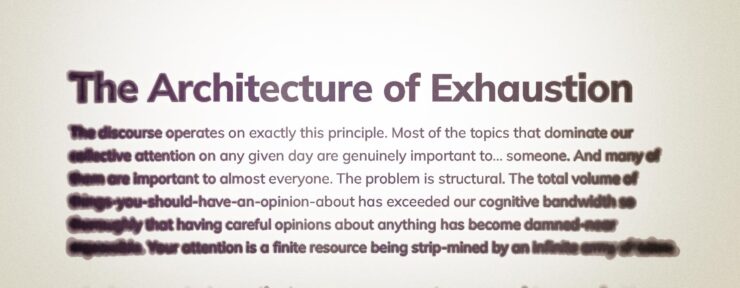
    This image has an empty alt attribute; its file name is discussion_discourse-is-a-ddos_westernberg-740x288.jpg

    A few days apart, two new essays caught my attention and wound up feeling relevant enough — significant enough — that I wanted to share. They’re new takes on where we’re at, or, the specifics of “how.”

    The first is from new-to-me author Joan Westenberg, discussing a computer term called the Distributed Denial of Service (DDOS) attack:

    [The] attack works by exhausting resources. It doesn’t need to be clever. It just needs to be overwhelming. The target’s defenses are simply overrun. The server can’t distinguish between legitimate requests and attack traffic because, in a sense, all the traffic is legitimate. The attack succeeds when the system has spent so much energy processing requests that it can no longer serve its actual function.— Joan Westenberg, “The Discourse is a DDOS”

    Does that sound like it might apply to life in the ’Twenties? Yeah.

    The old media ecosystem had gatekeepers, and those gatekeepers were often stupid or corrupt, but at least the stupidity and corruption were bounded. There were only so many column inches in the New York Times, only so many minutes of evening news. A finite supply of attention-worthy items existed, and someone had to decide which ones made the cut. That selection process was biased and imperfect, but it performed an important function: it told you, implicitly, that you didn’t have to have an opinion about everything. Most things that happened in the world weren’t important enough to make it into your awareness at all. Local political disputes in New South Wales? Nobody in Washington DC gave a [crap], and vice-versa. This was as close to optimal as we’ve ever got.

    But the gatekeeping function has now been distributed across millions of individual users, each of whom can boost any piece of content into viral prominence if it happens to resonate with the right combination of tribal anxieties and engagement incentives. The feed is infinite, and every slot in the feed is optimized to make you feel something strongly enough that you’ll engage with it. Outrage works, and so does fear. Disgust works, and righteousness
    really[…] works. Nuance and careful reasoning don’t work at all, because by the time you’ve finished a thought that begins with “Well, it’s complicated…” someone else has already posted a much simpler take that makes people feel validated, and the algorithm has moved on.— Joan Westenberg, “The Discourse is a DDOS”

    Om Malik, long-time in-the-trenches tech nerd (and fellow Leica enthusiast), completely agrees:

    Authority used to be the organizing principle of information, and thus the media. You earned attention by being right, by being first in discovery, or by being big enough to be the default. That world is gone. The new and current organizing principle of information is velocity.

    What matters now is how fast something moves through the network: how quickly it is clicked, shared, quoted, replied to, remixed, and replaced. In a system tuned for speed, authority is ornamental. The network rewards motion first and judgment later, if ever. Perhaps that’s why you feel you can’t discern between truths, half-truths, and lies.
    — Om Malik, “Velocity Is the New Authority. Here’s Why.”

    Westenberg has a suggestion I wholeheartedly recommend:

    What I do know is that the feeling of being overwhelmed, of never being able to keep up, of having strong opinions about everything and confident understanding of nothing, is not a personal failing. It’s a predictable response to an impossible situation. Your brain is being DDoS’d, and the fact that you’re struggling to think clearly under that onslaught is evidence that your brain is working normally. The servers aren’t broken. They’re overloaded. And until we figure out how to reduce the load or increase the bandwidth, the best any of us can do is recognize what’s happening and try, when possible, to step away from the flood long enough to do some actual thinking.— Joan Westenberg, “The Discourse is a DDOS”

    “Find one topic,” she says, and start there. Get with experts, get evidence, get uncomfortable, actually get into it … but just get into that one.

    And stay true to the idea that it shouldn’t — can’t — get away from you.

    I get some feedback for my lack of participation in social media. I don’t hate social media; if anything, the past few weeks of mayhem organized resistance in Minneapolis proves it has a place. But I long ago heeded advice to narrow my focus. Instead of burying my head in the sand — tempting though it may be at times — I choose to concentrate on those things that a) really hold interest and b) things I actually want to be part of my life.

    Both of these essays summarize the situation well, and both offer insights on how we got here. Westenberg’s offers good advice. When you have a spare few minutes, read both.

    (DDOS article via Doc Searls, whom I don’t link to often enough. Om’s article via Daring Fireball.)

    WIKIPEDIA TURNS 25

    Let’s please turn to something that the Internet does right.

    Whenever I worry about where the Internet is headed, I remember that this example of the collective generosity and goodness of people still exists. There are so many folks just working away, every day, to make something good and valuable for strangers out there, simply from the goodness of their hearts. They have no way of ever knowing who they’ve helped. But they believe in the simple power of doing a little bit of good using some of the most basic technologies of the internet.— Anil Dash, “Wikipedia At 25: What The Web Can Be”

    “When Wikipedia launched 25 years ago today, I heard about it almost immediately, because the Internet was small back then, and I thought ‘Well… good luck to those guys,’” Dash writes.1I, too, remember those days of a small Internet — not a young person anymore. While I miss the community it felt like, the resources available today, of which Wiki might be at the fore, are without parallel. But it’s grown into something something amazing: the encyclopedia that’s free in every sense of the word.
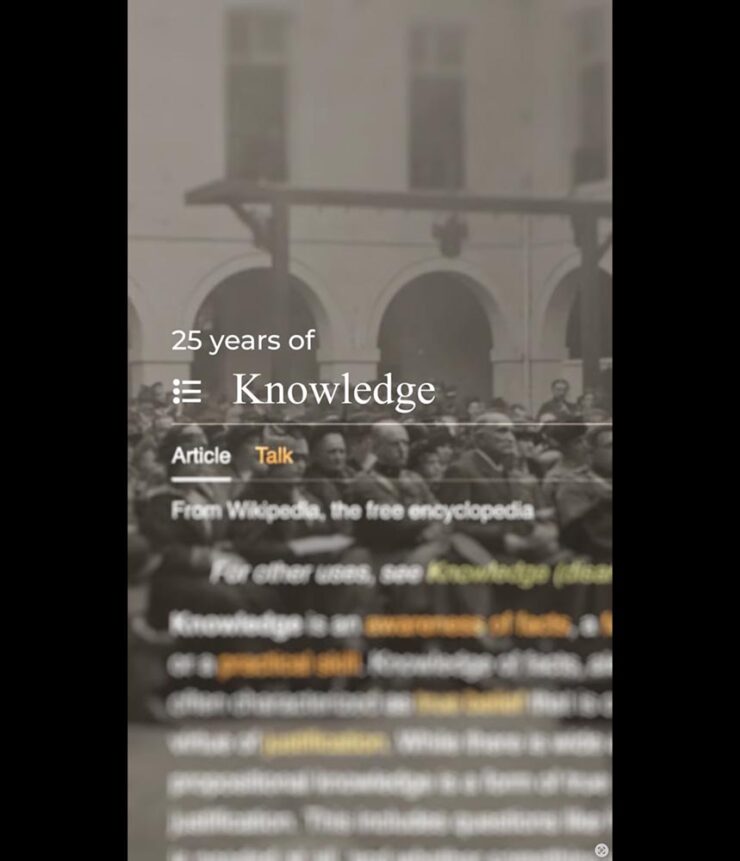
    This image has an empty alt attribute; its file name is wiki25_youtube-740x861.jpg
    One of the YouTube shorts published by Wikimedia Foundation.

    Like countless others, I value being a contributor, in an incredibly small way, to the collective effort that is Wikipedia. Indeed, editors “span continents, professions and motivations,” a CreativeBoom article writes. “Together, their stories underline that, even in an age of AI, knowledge is still human and it still needs humans.”

    “The site is still amongst the most popular sites on the web,” Dash agrees. “[B]igger than almost every commercial website or app that has ever existed. There’s never been a single ad promoting it. It has unlocked trillions of dollars in value for the business world, and unmeasurable educational value for multiple generations of children.”

    Of course, all is not perfect. Like Universities, DEI, and whatever else, Wikipedia has become a target; Grokipedia, for instance, exists specifically to undermine Wiki’s centrality and success. (And, it’s important to note, Groki used Wiki as a basis … because it’s open and freely available. No hypocrisy.)

    In fact, so many rely on Wikipedia that access has become a thing. Luckily, some large enterprise users of the site have recognized that the trillions they’ve earned as a result of having access to Wiki’s collective knowledge is worth paying for:

    [T]he Wikimedia Foundation announced API access deals with Microsoft, Meta, Amazon, Perplexity, and Mistral AI, expanding its effort to get major tech companies to pay for high-volume API access to Wikipedia content, which these companies use to train AI models like Microsoft Copilot and ChatGPT. […] In April 2025, the foundation reported that bandwidth used for downloading multimedia content had grown 50 percent since January 2024, with bots accounting for 65 percent of the most expensive requests to core infrastructure despite making up just 35 percent of total pageviews.— Benj Edwards, Ars Technica (15 Jan 2026)

    Anil Dash best finishes up: “Twenty-five years later, all of the evidence has shown that they really have changed the world.” I couldn’t agree more.

    Happy 25 to Wikipedia. May there be countless more.

    Special Bonus #4: In an excellent article, Ars calls 2025 “the year AI came back down to Earth.” And while we’re on the subject of excellence, Cory Doctorow’s essay for The Guardian applies.
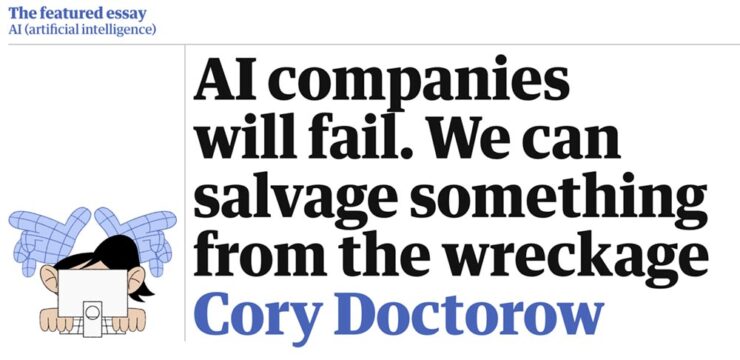
    This image has an empty alt attribute; its file name is ai_ai-companies-will-fail_guardian-740x360.jpg
    Cory Doctorow in The Guardian.
    FOLLOW-UP: BMW ALPINA AND HONDA FORMALIZE LOGOS

    Alpina, for formerly-independent tuner of BMW cars (and SUVs), has, as of the first of this year, officially become a division of BMW, akin to MINI or Rolls-Royce. With it comes a new logo — well, at least, this:
    This image has an empty alt attribute; its file name is cars_new-bmw-alpina-logo_dezeen-740x416.jpg
    Conservative, cool, collected. Definitely part of a bigger corporation now.

    That’s slightly different that what I covered back in June of 2023; the “A” is less dramatic, probably for the better. BMW calls the new logo “calm and confident,” saying the upcoming models will “master performance and comfort.”

    [Alpina] recently entered into an agreement to be purchased by BMW itself, not unlike AMG becoming part of Mercedes-Benz; starting in 2026, they are scheduled to represent the middle ground between BMW and Rolls-Royce — hopefully continuing the comfort, power, and style. It seems that the new ground will be the upmarket models only (that is, no 3-series-based items, and possibly even no 5-series), so think of items $200,000 and up.— Beautifully Briefed, June 2023

    Here’s the old logo, for reference:
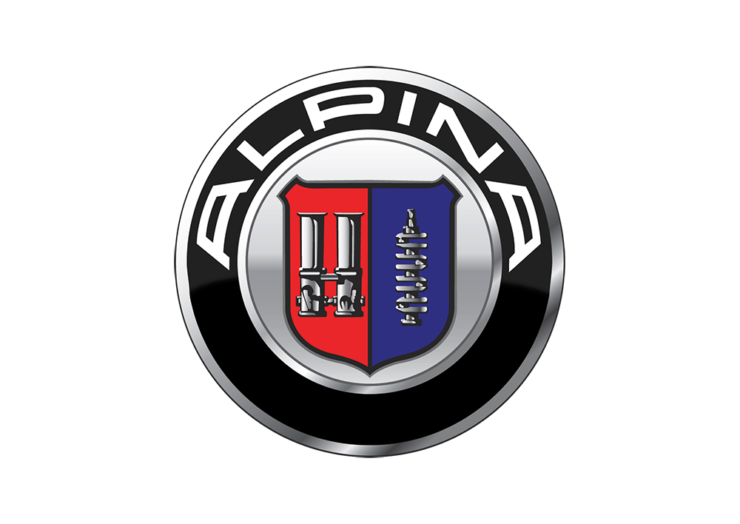
    This image has an empty alt attribute; its file name is alpina-1962-20220-logo-740x524.png
    Alpina’s now-old logo: exhaust and crankshaft, sir. Nuthin’ like it.

    And: they’re going to update the wheels!
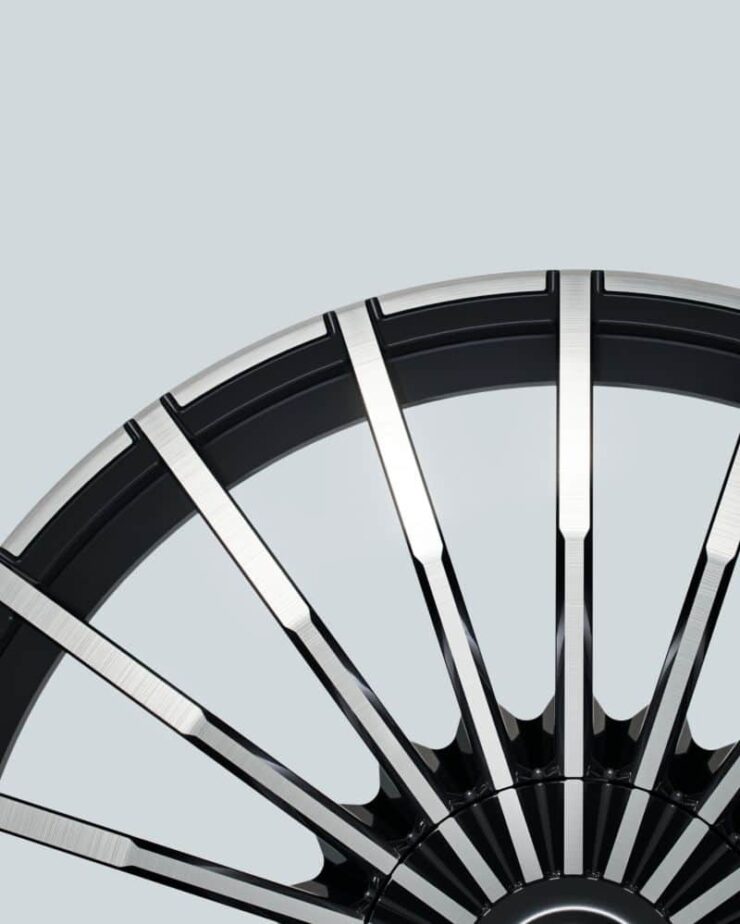
    This image has an empty alt attribute; its file name is cars_new-20-spoke-alpina_bmwblog-1-740x924.jpg
    Photo via BMW Blog.

    As someone who’s become much more familiar with Alpina in the ten years I’ve owned BMWs, these wheels are iconic. Here’s the existing version, on one of my favorite pieces of unobtainium:
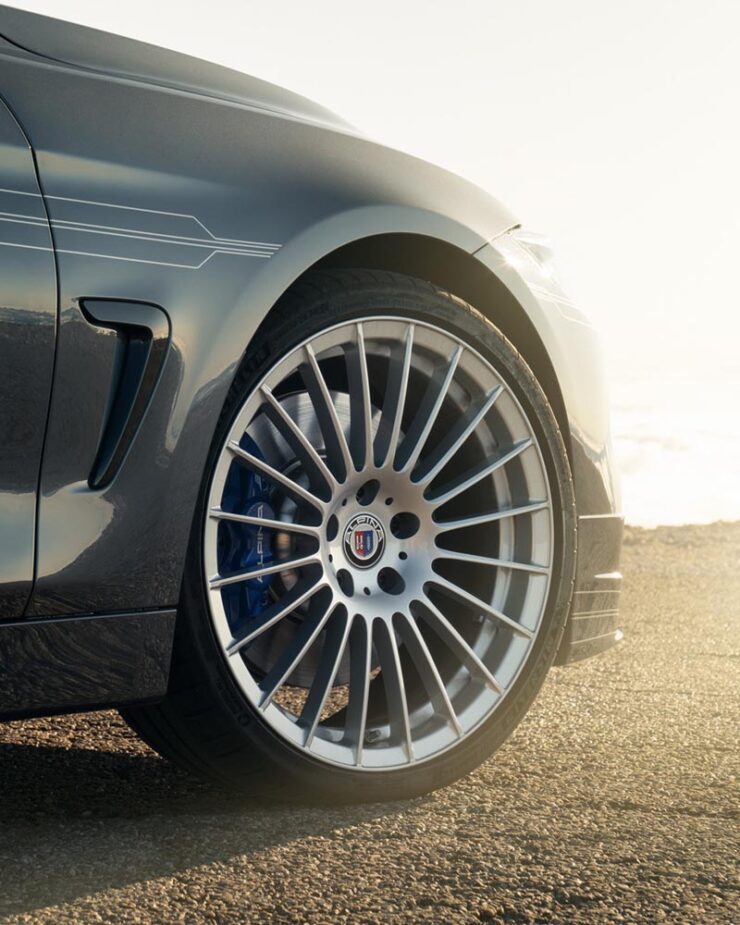
    This image has an empty alt attribute; its file name is cars_old-20-spoke-alpina_bmwblog-740x925.jpg
    Photo via BMW Blog.

    That’s a 2016 Aplina B4 BiTurbo Coupé, by the way. Not quite my favorite B3 Touring, but in either case, “drool” doesn’t quite cover it. (Neither were available in the States.)

    Curious to see whether this is successful. Expectations are high.
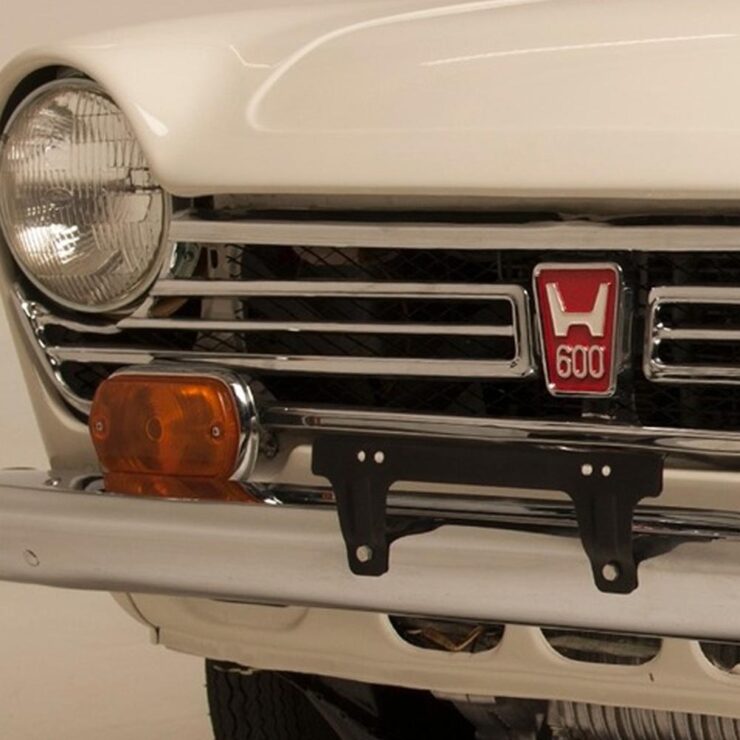
    This image has an empty alt attribute; its file name is cars_honda600-badge_autopian-740x740.jpg
    The “old” H logo, shown on a 1971 600. (See wiki for more info.)

    Meanwhile, Honda initially said — and I reported, two years ago — that their new, slightly-retro “H” logo would be limited to electric cars. Of course, electric as a strategy has changed; they decided this month to make it official for all their cars.

    This image has an empty alt attribute; its file name is cars_honda-new-logo_the-drive-740x523.jpg

    Motorsports, too. Here’s their F1 engine with the new logo:
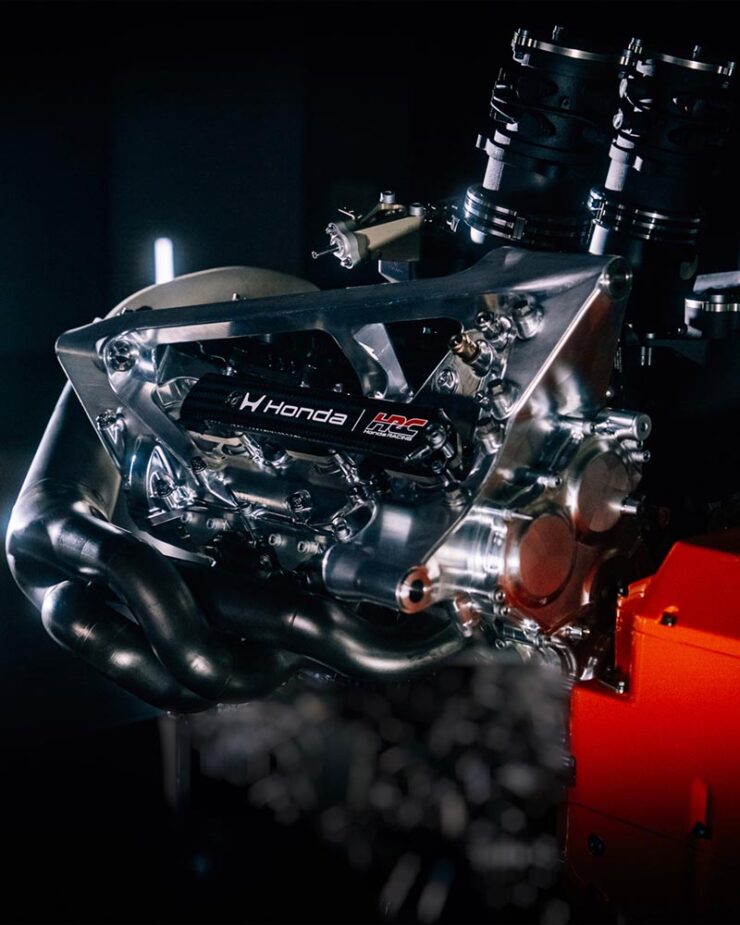
    This image has an empty alt attribute; its file name is cars_honda-logo-f1_the-drive-740x925.jpg
    Photo via The Drive.

    I love that both Honda and BMW are, at their heart, engineering companies.

    Get the full story on BMW Alpina at Dezeen or BMW Blog (logo, wheels). Honda’s details are available at The Drive (logo, F1) or The Autopian, where you can enjoy some sharp commentary on Honda’s press release.

    JANUARY PHOTOGRAPHY ROUND-UP
    2025 Architecture Master Prize

    This image has an empty alt attribute; its file name is photo_arch-arbour-by-younes-bounhar_archinect.jpg
    “Arbour House.” Photograph by Younes Bounhar (Interior Architecture).

    I suppose it’s no surprise that an architectural photography selection tops this round-up, but the annual Architecture Photography MasterPrize highlights “compelling perspectives on buildings, cities, landscapes, and interior spaces, revealing the rich visual language of the built environment.”

    In other words, “catnip.”
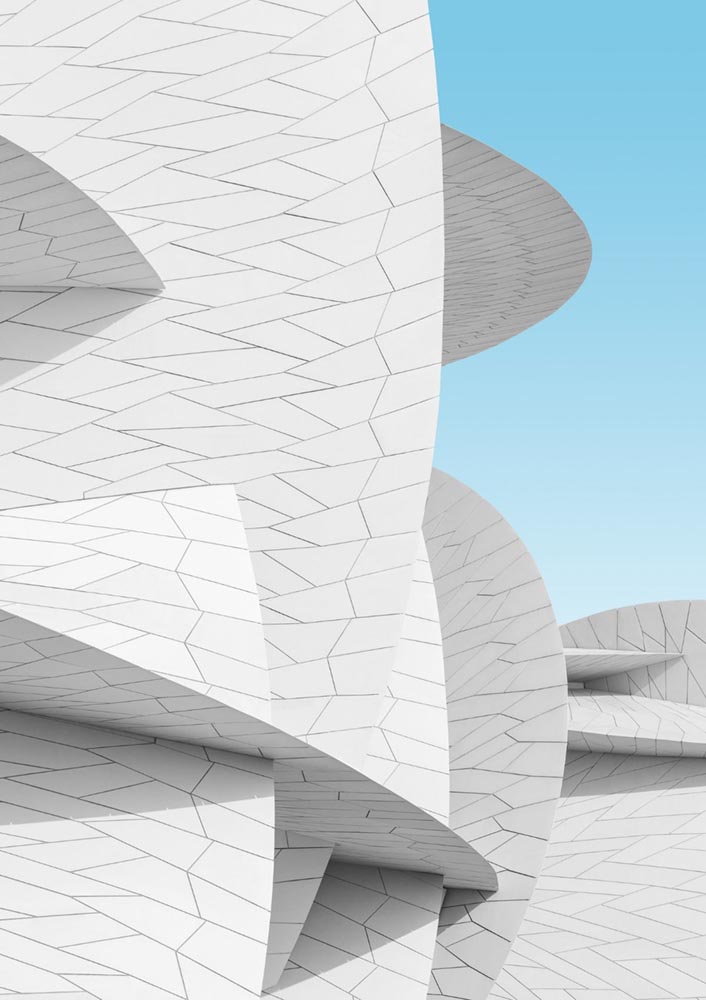
    This image has an empty alt attribute; its file name is photo_arch-details-by-guanhong-chen_petapixel.jpg
    “Details (Series).” Photograph by Guanhong Chen (Other Architecture).
    This image has an empty alt attribute; its file name is photo_arch-details2-by-guanhong-chen_petapixel.jpg
    “Details (Series).” Photograph by Guanhong Chen (Other Architecture).

    There’s a huge variety of winning photographs, from professionals, amateurs, and students alike — all excellent. (They have awards for designs, firms, and products, as well.)
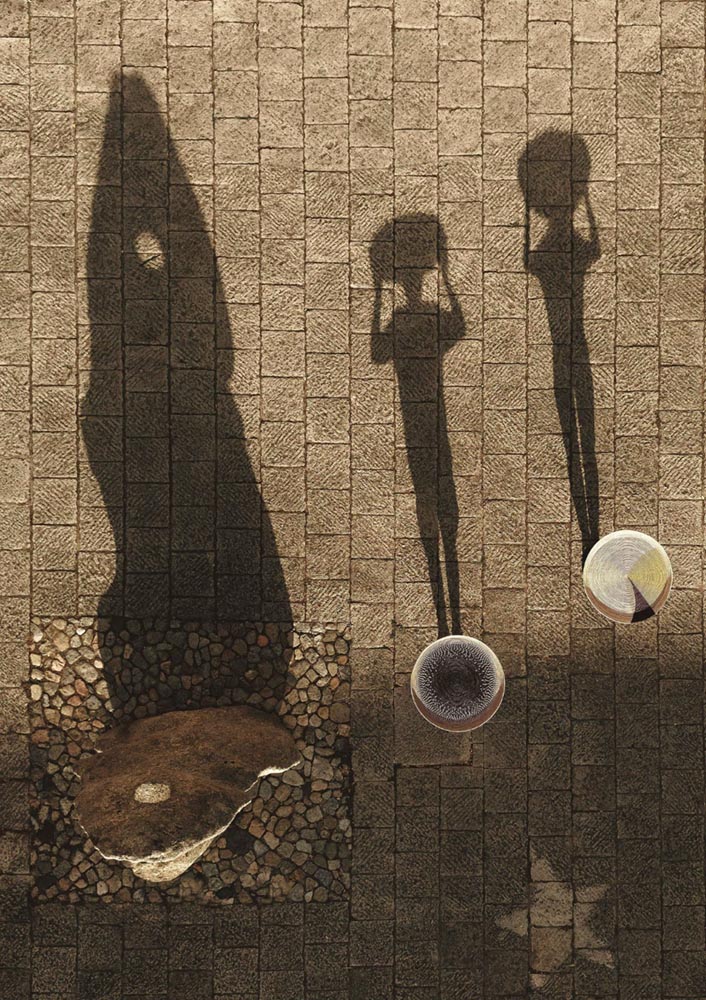
    This image has an empty alt attribute; its file name is photo_arch-sardinia-by-barbara-corsico_archinect.jpg
    “Mustras,” Sardinia. Photograph by Barbara Corsico (Exterior Architecture).

    I can’t possibly cover them all, but can provide links: photography winners, honorable mentions, student winners, and winners by country. Both Archinect and PetaPixel have stories. Enjoy!

    Two Photographers, Highlighted
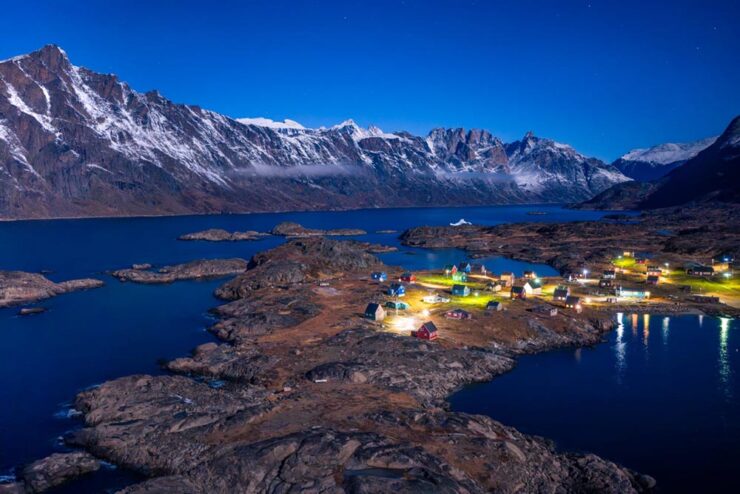
    This image has an empty alt attribute; its file name is photo_greenland-lehtonen-by-dennis-lehtonen_colossal-740x494.jpg
    Photography by Dennis Lehtonen.

    Neither drone images nor folks who primarily post to social media usually get featured here, but these images of Greenland are both timely and excellent. This is Colossal has a great selection of items from photographer Dennis Lehtonen.

    This image has an empty alt attribute; its file name is photo_alps-to-andromeda_tom-rae_petapixel-740x437.jpg
    “From Alps to Andromeda.” Photograph by Tom Rae.

    “My photography style is rooted in landscape and night photography, with an emphasis on atmosphere, scale, and a strong sense of place. I’m drawn to environments that feel raw, remote, and otherworldly,” Tom Rae relates to PetaPixel. Otherworldly feels just right: good stuff.

    Society of Photographers’ Photographer of the Year 2025
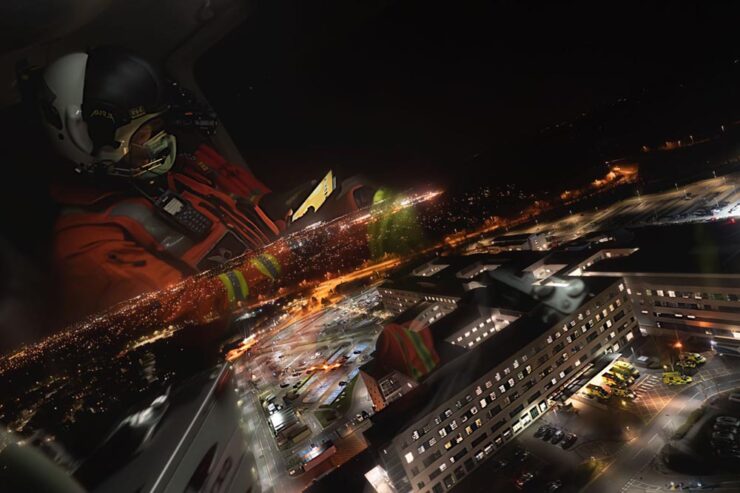
    This image has an empty alt attribute; its file name is photo_soc-of-photographers_documentary-by-terry-donnelly_petapixel-740x493.jpg
    Photograph by Terry Donnelly.

    I also usually don’t cover documentary-style photography — see narrow focus, discussed above — but there were several documentary-style photographs in this set of award winners that were excellent, including this Medivac flight from the UK.

    However — thankfully — there were more categories:
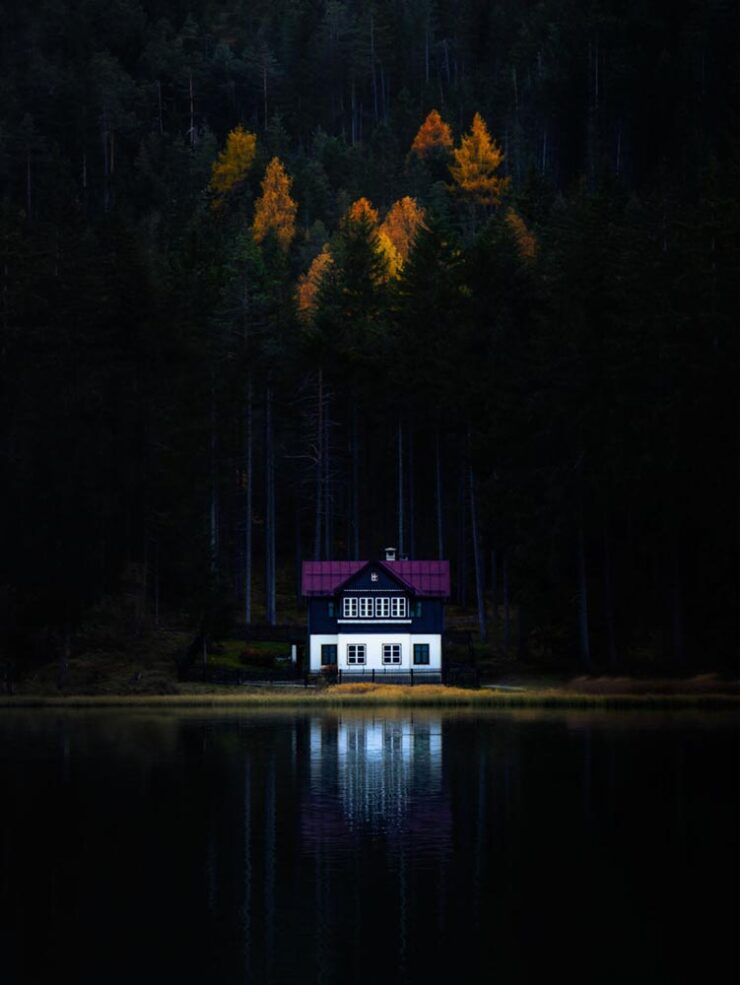
    This image has an empty alt attribute; its file name is photo_soc-of-photographers_travel-by-mark-scicluna_petapixel-740x985.jpg
    Photograph by Mark Scicluna.

    It’s the winner in the “travel” category, because apparently they don’t have one called “dramatically soothing.” No matter the labelling, see the rest of the winners at PetaPixel or head over to the Society’s website for more.

    Finally: Some Cats

    Speaking of catnip, let’s close out with something that purrs — in soprano:
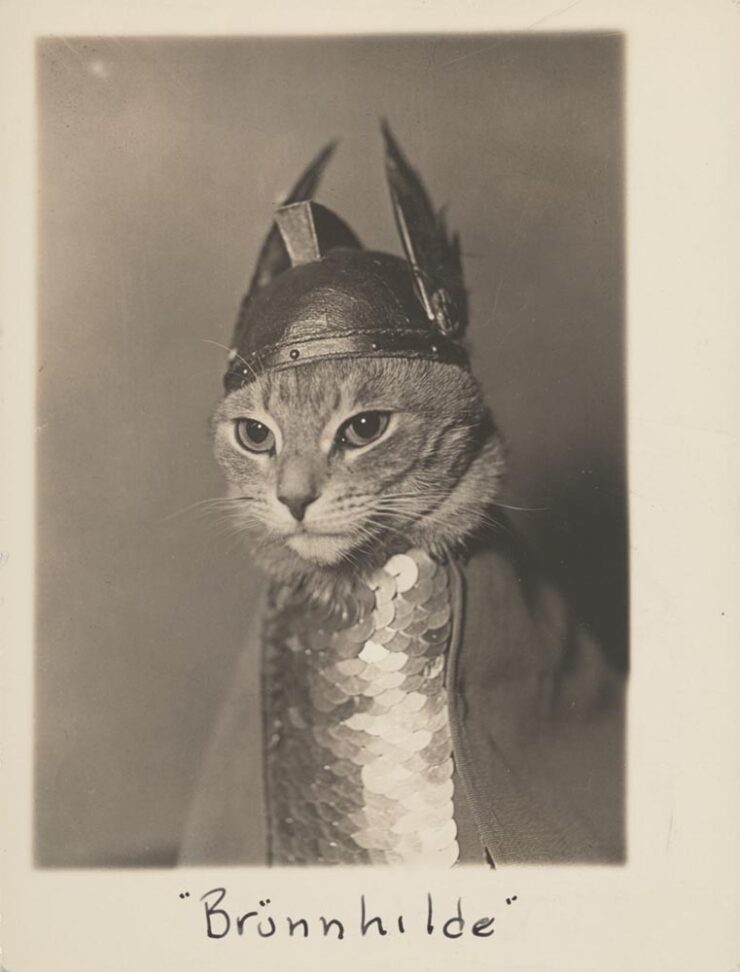
    This image has an empty alt attribute; its file name is photo_phaidon-cat2_colossal-740x972.jpg

    Let’s not go ’round and ’round: that deserves framing. Or at least publication. Thankfully, Phiadon has you covered:
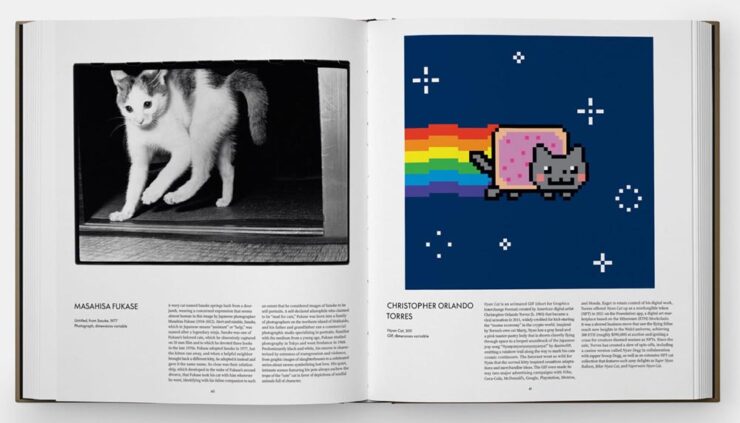
    This image has an empty alt attribute; its file name is photo_phaidon-cat_colossal-740x423.jpg

    A “whimsical visual survey of the house cat in art and popular culture, exploring humanity’s enduring connection to one of our most loved animal companions.” Awesome. (Via This is Colossal.)

    Have a great February, everyone!

    • 1
      I, too, remember those days of a small Internet — not a young person anymore. While I miss the community it felt like, the resources available today, of which Wiki might be at the fore, are without parallel.
  • Beautifully Briefed 25.9: Generous

    Beautifully Briefed 25.9: Generous

    It’s fontastic, illustrative, and full of imagery: your beginning-of-fall design round-up here on Foreword. (And A.I., because it’s everywhere.) Enjoy.

    This month on Spine

    A fun and interesting University Press Coverage post on Spine when you have a moment, including this title from the University of Nebraska:

    That was not a simple photograph to set up. Awesome.

    Generative Book Cover Design

    How 2 Shout Media presents a how-to: 20 cover design prompts for ChatGPT. “Creating the perfect book cover starts with the right vision — and that’s where ChatGPT transforms from a writing assistant into your creative design partner.” (Emphasis theirs.)

    There are, for instance, specifics on “the anatomy of an effective prompt” and how to customize the provided templates; they even provide bonus templates to save and reuse, including one to quickly iterate on previous output.

    The article contains some good advice, honestly, but the most relevant suggestion — to “[t]hink of ChatGPT as [a] creative director who provides vision and direction rather than final artwork” — is buried at the bottom of a fairly long page. I’m willing to get there are more than a few (especially in the self-publishing space) who read this as the definitive how-to . . . possibly without judging the output versus what a professional can create.

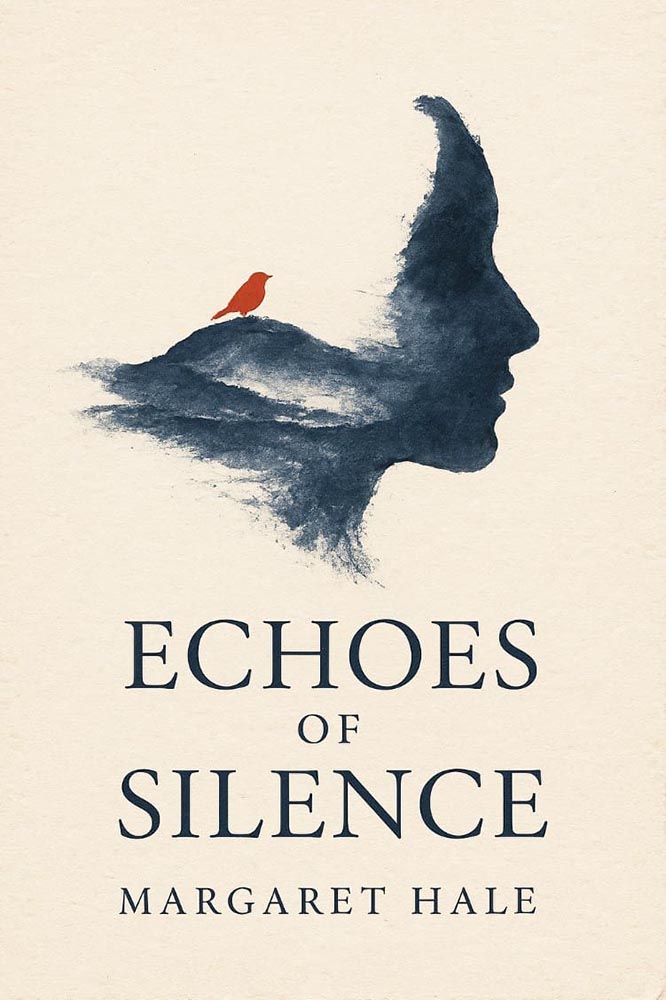
    This cover sample is far and away the best of the eight illustrated options:

    The prompt: “Design a literary fiction cover for ‘[Title]’ using a single continuous brushstroke that forms both an abstract landscape and a human profile when viewed differently—an optical illusion revealing loneliness and connection. Executed in indigo ink wash on cream paper texture. The brushstroke starts thick and confident, becoming increasingly fragmented and uncertain. Minimal color palette: indigo, cream, with one tiny spot of cadmium red as a focal point (perhaps a bird or flower). Title integrated into the negative space using a classic Garamond variant, appearing to be part of the original artwork. Author name in small, understated caps at bottom. Overall feeling: wistful, sophisticated, gallery-worthy.”

    Take a moment to compare the output with the prompt, and you’ll see the generated output ignores several of the items, but overall, is kinda — sorta — close.

    The other examples not so much. But I’m not going to spoil the whole thing: Go and see for yourself.

    For now, I’d suggest that book design professionals — those that make a living from the art and science that is publishing excellence — are safe. Other professionals in the industry recognize what talent is and how valuable it is, and the designers themselves can take advantage of the power that some of these models offer to help brainstorm.

    That said, today’s A.I. models are gaining quality at a rapid rate. In 5–10 years, at most, publishers (and authors self-publishing) that might not recognize that they’re best served by professionals — or those who don’t have the budget, despite the recognition — will have access to what might very well be “good enough.”

    From Your Intelligence to Artificial Intelligence

    So, where do the A.I. engines get their training material? From you and yours, of course; to quote a source we’ll get to in a moment, “[i]n writing this […] I am acutely aware it will become part of a training data set.” Some sites, such as Wikipedia and the Internet Archive, have seen an exponential upswing in traffic — all from the so-called “bots,” programs sweeping internet content into the never-satisfied regurgitation chamber that is today’s ChatGPT, Claude, and others.1One of the reasons my photography, as presented both here on Foreword and in the galleries, is both relatively lo-res and watermarked is to preserve a sense of ownership; likewise, one of the (many) reasons I no longer participate in social media is due to posts specifically being used to train A.I. — Instagram/Meta, for instance.

    Ars Technica and Pixel Envy both highlight a new program, modeled on Really Simple Syndication (RSS), designed to “block bots that don’t fairly compensate creators for content.”

    To quote Doug Leeds, the founder, “A.I. companies know that they need a constant stream of fresh content to keep their tools relevant and to continually innovate.” The “Really Simple Licensing” (RSL) standard evolves robots.txt instructions by adding an automated licensing layer that’s designed to block bots that don’t fairly compensate creators for content.

    Free for any publisher to use starting today, the RSL standard is an open, decentralized protocol that makes clear to AI crawlers and agents the terms for licensing, usage, and compensation of any content used to train A.I[.]
    The new standard supports “a range of licensing, usage, and royalty models, including free, attribution, subscription, pay-per-crawl (publishers get compensated every time an AI application crawls their content), and pay-per-inference (publishers get compensated every time an AI application uses their content to generate a response).”

    — RSL Press Release

    But — and it’s a big “but” — RSL is only one response to the problem. Another is to wall content off entirely, breaking one of the most valuable qualities of the internet itself: its openness.

    We’re watching the construction of a fundamentally different internet, one where access is controlled by gatekeepers and paywalls rather than governed by open protocols and user choice. And we’re doing it in the name of stopping AI companies, even though the real result will be to concentrate even more power in the hands of those same large tech companies while making the internet less useful for everyone else.

    — Mike Mesnick, TechDirt

    Here’s where Pixel Envy agrees:

    A.I. organizations have not created a bottom-up rebellious exploration of the limits of intellectual property law. They are big businesses with deep pockets exploiting decades of news, blogging, photography, video, and art. Nobody, as near as makes no difference, expected something they published online would one day feed the machines that now produce personalized Facebook slop.

    — Nick Heer, Pixel Envy

    “One thing that might help, not suggested by Masnick, is improving the controls available to publishers,” Heer writes, going on to discuss the new RSL standard proposal and what it might do to help. But, in the end, he’s not optimistic:

    I simply do not know how much control I reclaim now will be relevant in the future, and I am sure the same is true of any real media organization. I write here for you, not for the benefit of building the machines producing a firehose of spam, scams, and slop. The artificial intelligence companies have already violated the expectations of even a public web. Regardless of the benefits they have created — and I do believe there are benefits to these technologies — they have behaved unethically. Defensive action is the only control a publisher can assume right now.

    — Nick Heer, Pixel Envy

    Yeah.

    Special bonus #1: From the you’ve-trained-it-so-enjoy-A.I.-for-fun department,Kottke introduces us to generativ.design. “I wore out the “randomize” button on each of these,” he writes. (Via the new-to-me sidebar.)

    Prefab Design

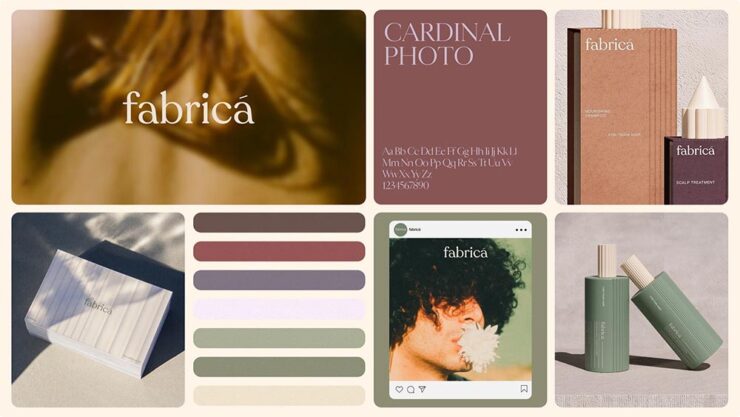
    Meet fabricá, a new hair care company, whose identity ticks all the boxes: it’s trendy, eco-friendly, and well put-together:

    But there’s a catch: fabricá doesn’t exist — at least not yet. It’s a fully-formed identity, available now at Brands Like These, a new prefab identity outfit from Lyon&Lyon.

    Now I’ll admit: at first, this seemed like a Dewey, Cheetham, and Howe thing,2Yes, I grew up listening to Car Talk. something that we all had a chuckle over before allowing it to shuffle into the background, readily available for use as a pithy line whenever we needed it: “Ha, we got Lyin’ and Lyin’ selling your precious startup canned … stuff.”

    Unfortunately, it’s not a joke.

    When Elizabeth Goodspeed, of It’s Nice That, got thinking about it, she had lots to say. “In a good design engagement, the back-and-forth between company and designer pushes the company itself to sharpen what it is; the ‘friction’ people complain about is also the juice that makes the work exciting.” (I find this true in editorial and publishing work, certainly.) But there’s a warning, too:

    If this cart-before-horse approach takes hold, it won’t just change how companies buy branding, but how designers make it. The skills a designer needs shift from listening and refining to cranking out polished shells that could plausibly fit anything. […] Even if sites like BLT only sell a brand once, the more ambiguous the design, the more it risks echoing a dozen others (and collapsing under trend fatigue).

    These models also threaten to hollow out the middle of the industry. We’ve seen this pattern before: bookstores went from indie shops and regional chains to Amazon or your local holdout; music from affordable CDs to either $50 LPs or all-you-can-stream. Branding may be headed for the same split – prefab kits at the low end, ultra-expensive bespoke at the high end, and little in between. And if prefab becomes the norm, it’s hard not to imagine the next step: why should these kits even be designed by humans? Once clients are trained to buy a look off the shelf, there’s little stopping A.I. from flooding the market with pre-packaged “brands” generated at scale.

    — Elizabeth Goodspeed, It’s Nice That

    This feels like an accurate prediction. Read the rest. (See also: her item on copyright, covered in February.)

    Okay, we’ve dealt with the heavy stuff. Let’s enjoy the rest.

    The New Type in Town

    Several articles to point to if you’re interested in expanding your font collection — including 50 predictions for what’ll be popular 2026. Nice.

    Steven Heller’s Font of the Month

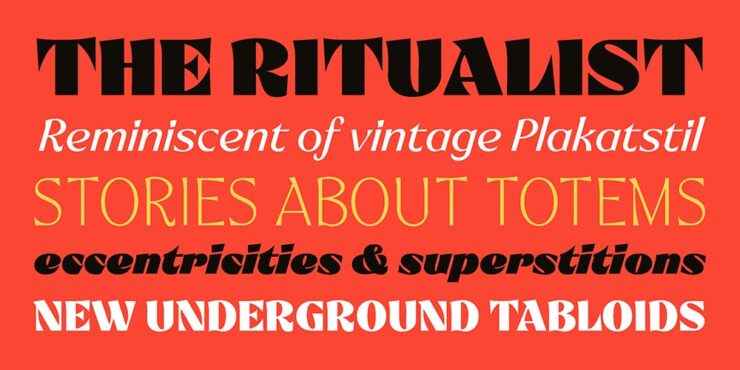
    Over at I Love Typography, industry veteran and designer extraordinaire Steven Heller’s monthly column exalts Ritualist.

    CreativeBoom’s Best o’ September

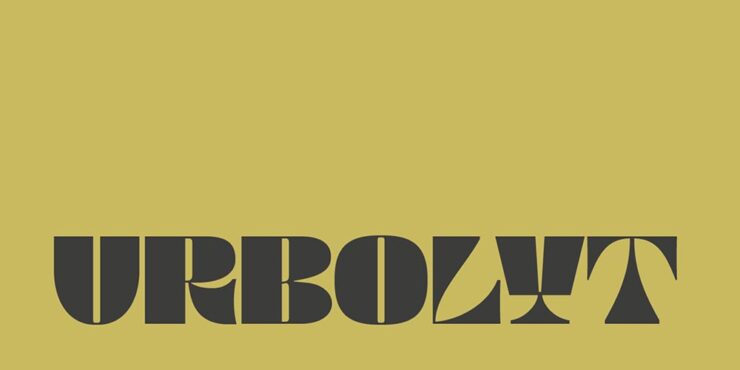
    They have several, but my favorite is not dissimilar to the above, a new face called Urbolyt, a variable “that represents a clash between geometric rigor and organic forms.”

    Zelow Studio’s Nature

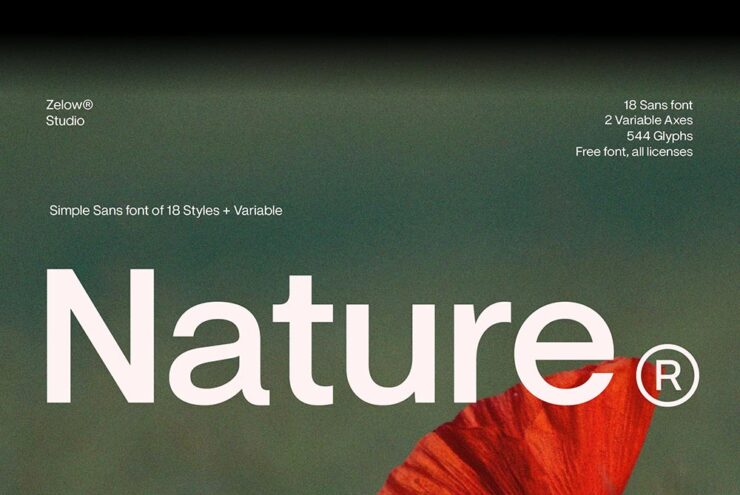
    Pixel Surplus brings us a new — and free! — variable grotesk typeface called Nature, available in a variety of styles.

    CreativeBoom’s 50 for 2026

    The vast majority of these are, basically, Helvetica; like Nature, the simple sans serifs are what’s in right now. (Sigh.) However, there are some gems on the list, and I’d like to take a moment to highlight an absolute favorite: Freight.

    Freight is a collection of integrated typefaces ready to add unique style to any design project. What Joshua Darden started as a serif family inspired by the warmth and pragmatism found in 18th-century Dutch typefaces became The Freight Collection and now ranges across multiple weights, widths, and optical sizes — from Big to Display, Text, Micro, Macro, Sans, Neo, and Round — all of which include companion italics. That’s 192 fonts that have the ability to be bold and daring just as easily as they can be quiet and unassuming.

    — freightcollection.com

    I’ve used Freight in a variety of book projects and the breadth of options available always satisfies. It’s referred to as a superfamily: from the standard Text and beyond-excellent Neo (a sans with style), there’s an option for going Big and even two — Micro and Macro — best used at small sizes (readable footnotes!).

    I cannot recommend more highly. Indeed, I could only take one font family with me to a desert island, I’d take Freight.

    Illustrations Open Doors
    Illustration Awards 2025

    CreativeBoom: “From playful packaging to poignant explorations of identity, the World Illustration Awards 2025 showcase the breadth of contemporary illustration. With over 4,700 entries from 85 countries, this year’s winners reveal how artists are shaping how we see, think and connect.”

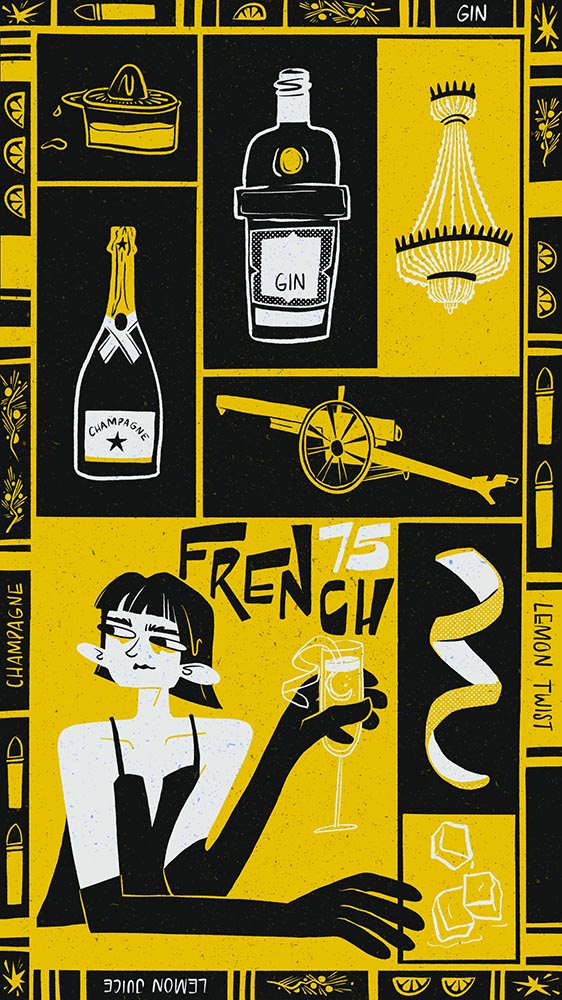
    One of the overall winners is this great poster:

    Léane Ruggli – RTD’s Cocktail Campaign

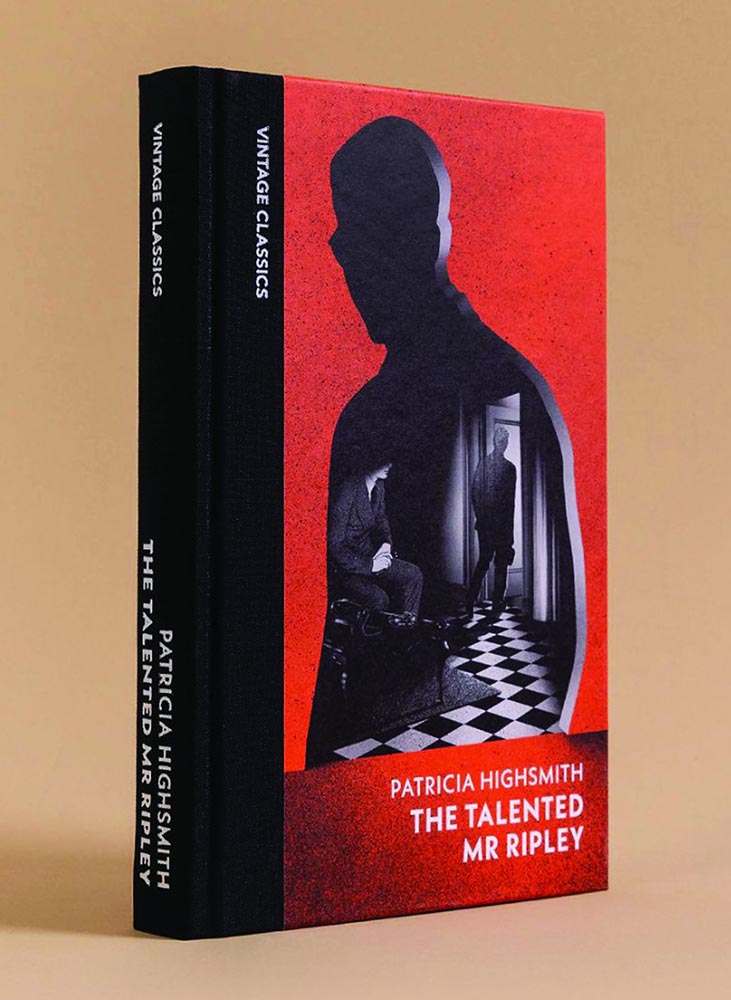
    Book covers (adult and children’s):

    Jennifer Dionisio – The Talented Mr Ripley
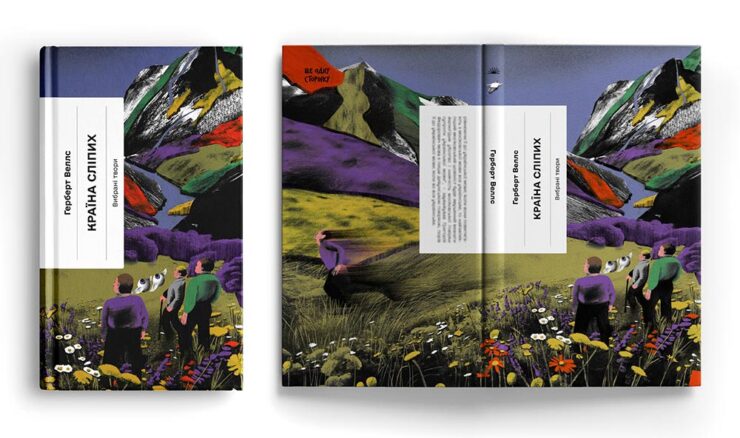
    Jenya Polosina – The Country of the Blind
    Camila Carrossine – The Girl, the Ghost and the Beetroot Forest

    Site Specific:

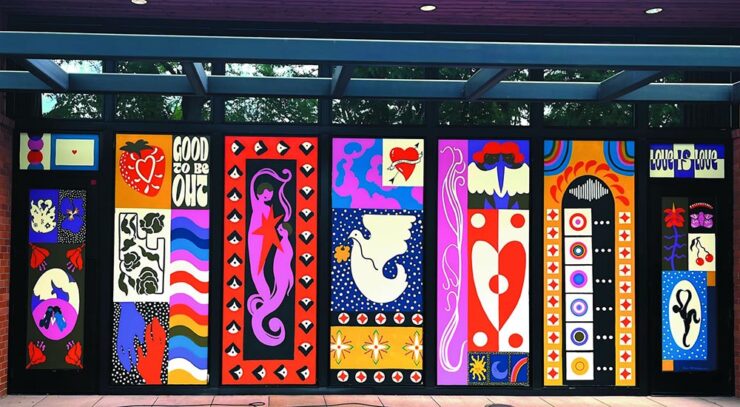
    Ren Kyles – Pride mural in Wilsonville, Oregon

    The awards underline “how illustration continues to thrive as a medium of both beauty and urgency”: from packaging that delights to books that challenge taboos, the winning works reveal the versatility of illustrators working today.

    See the whole list of winners and commended artists at the WIA 2025 Online Showcase, including interviews and insights into their creative process.

    Illustration for Branding

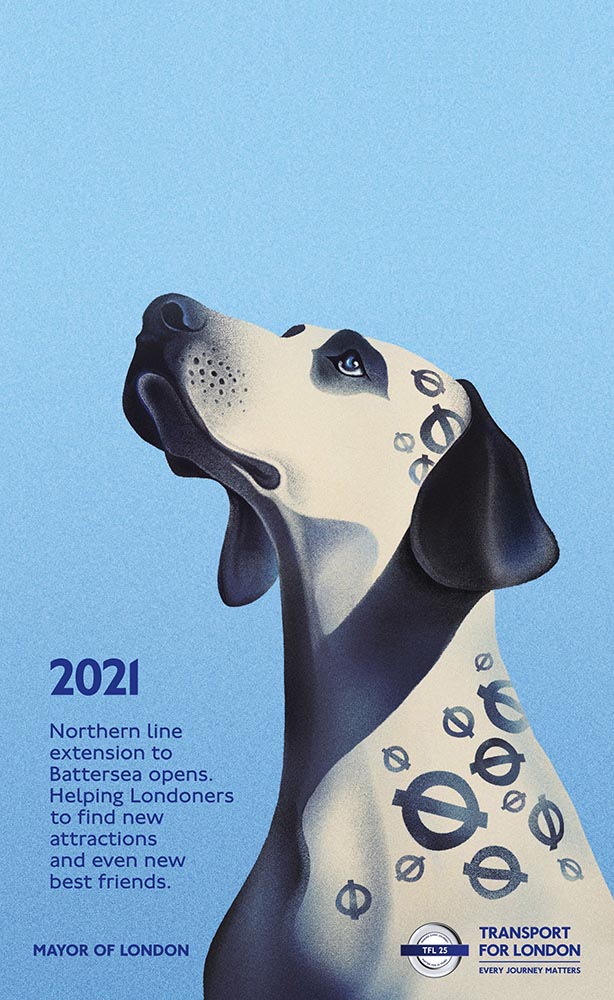
    Another CreativeBoom article suggests that, “[f]rom murals to motion, illustration is starting to reassert itself in advertising,” because “illustration still offers unique advantages. Distinctiveness is the obvious one because, in a sea of photography-led campaigns, an illustrated execution can […] cut through precisely because they are unexpected.”

    As this great TfL poster exemplifies:

    “A Riot of Color and Joy”

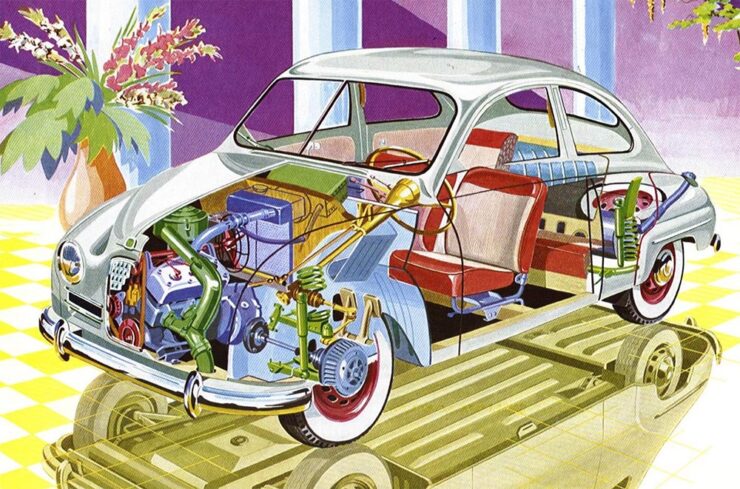
    Yet another example of illustration done well, this time from — wait for it — 1956:

    A Saab 93 full-car cutaway.

    I still miss Saab. See more at The Autopian.

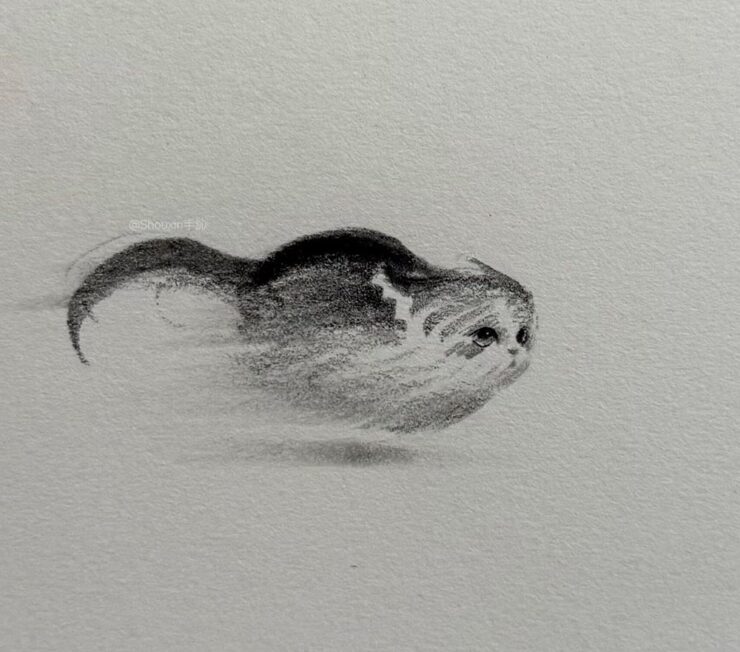
    Special Bonus #2: These minimalist cat illustrations define brilliant:

    Illustration by ShouXin.
    September’s Photography Highlights
    International Pet Photography Awards

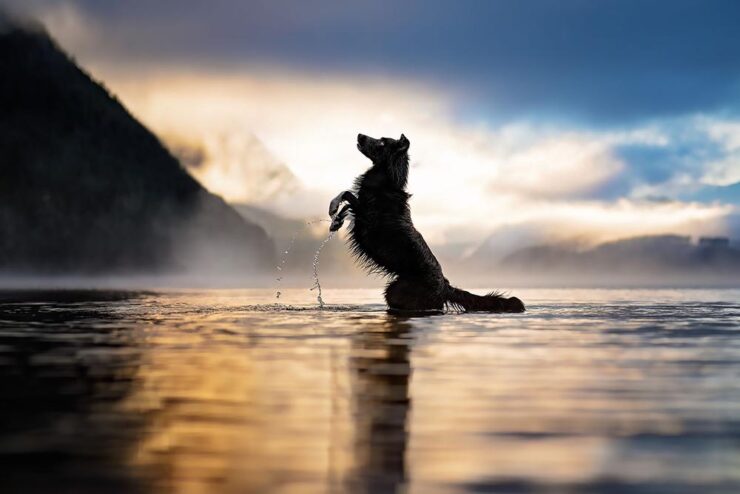
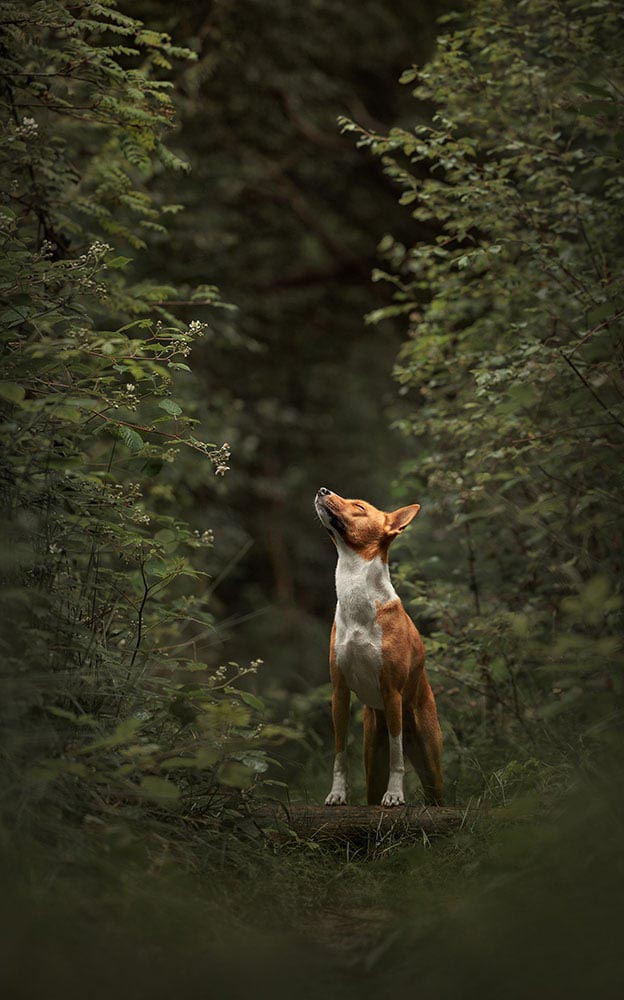
    While we’re on the subject of cats — and dogs, whose entries far outstripped those for cats (and horses, rabbits, pigs, and all the other things folks keep for pets) — this year’s pet photography contest has some pretty spectacular results:

    Photograph by Mirka Koot.
    Photograph by Shandess Griffin.
    Photograph by Janneke De Graaf.

    Getting my dog to stand still long enough for a photograph is nigh-on impossible; some of the accomplishments shown in these winning photographs are fantastic. Kudos.

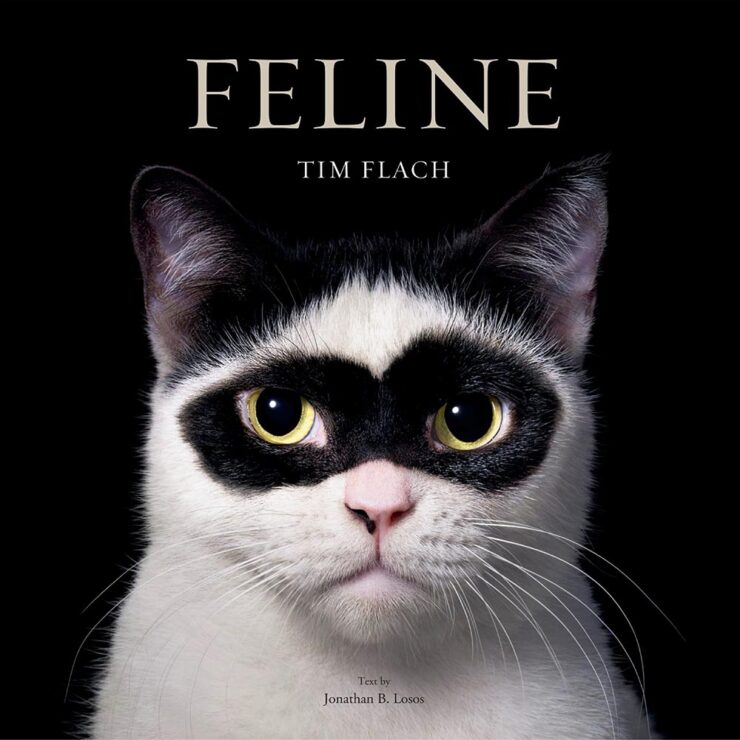
    Special bonus #3: Cats, book matched.

    Audubon Photography Awards

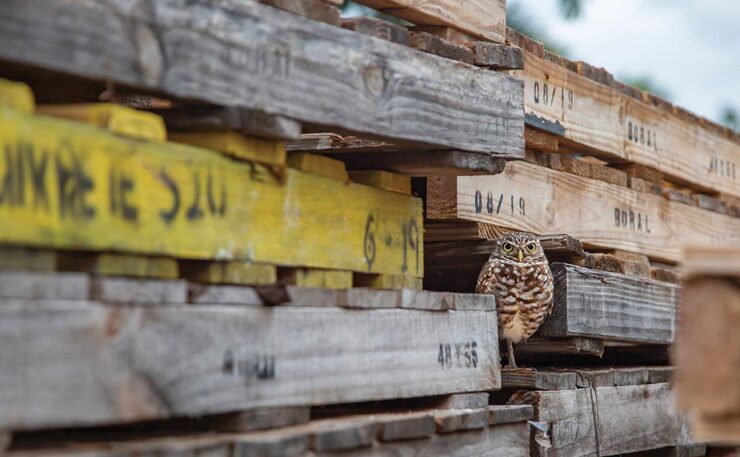
    The 15 winning entries for 2025 have been announced, including this one:

    “Burrowing Owl.” Photograph by Jean Hall.

    See more at PetaPixel or This is Colossal; explore galleries of this year’s winners and honorable mentions, or grab a copy of the Fall 2025 Audubon Magazine.

    Astronomy Photographer of the Year

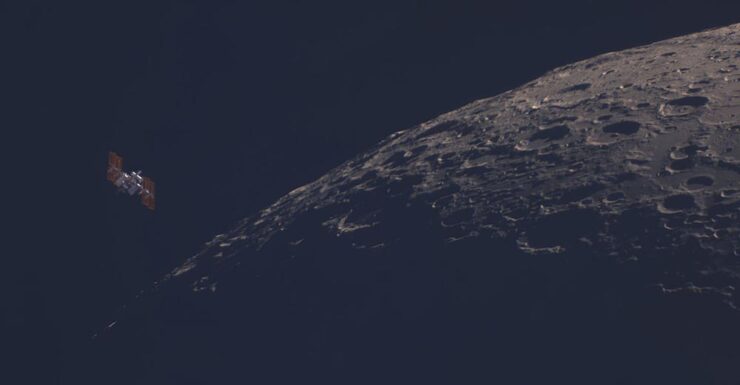
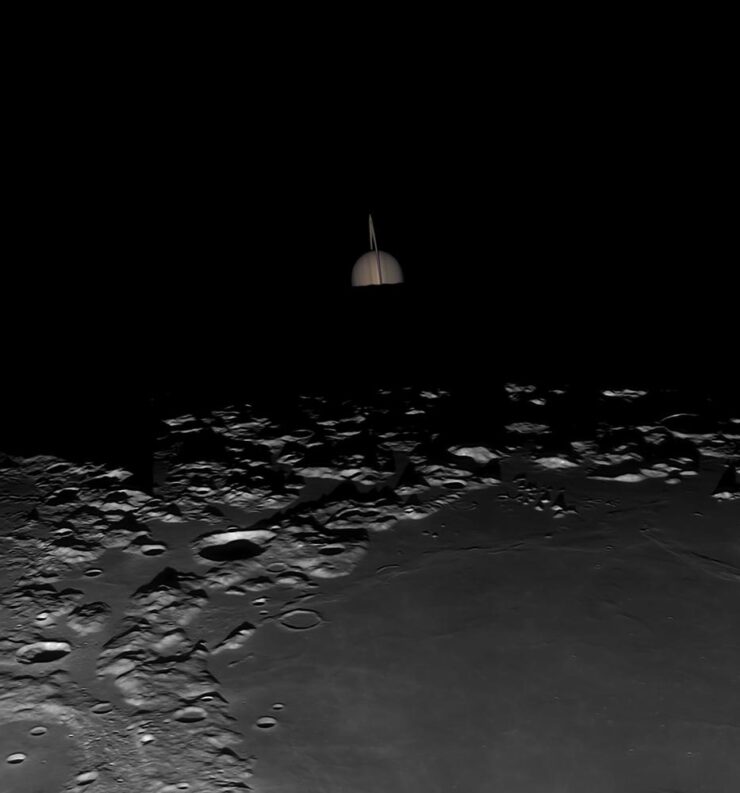
    This is Colossal: “The universe’s workings may always remain a mystery. So it’s no surprise that when peering up at the night sky, whether it’s homing in on distant stellar clusters or simply watching the moon rise, photography helps us appreciate its enigmatic beauty.”

    ISS Lunar Flyby.” Photograph by Tom Williams.
    Saturnrise.” Photograph by Tom Williams.

    I didn’t realize until after I’d selected them that these were both from the same photographer, but unlike some that are just (amazing) night sky, these have an almost-science-fiction quality.

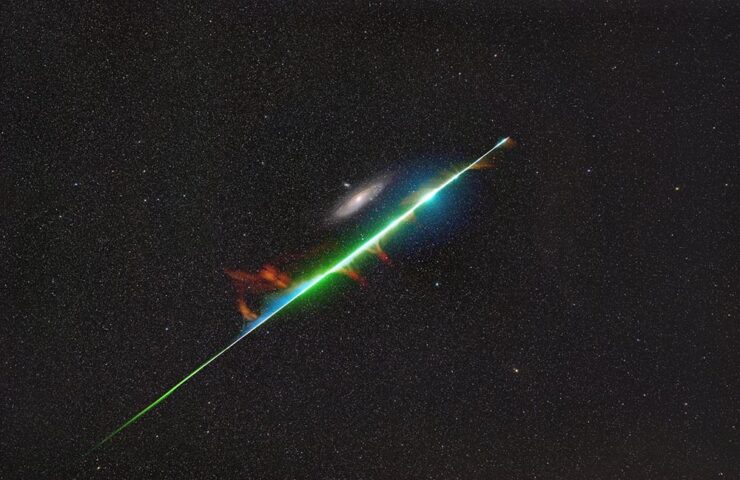
    ’Course, that’s only the tip of the iceberg: “The Royal Observatory Greenwich’s ZWO Astronomy Photographer of the Year 17 contest showcases the best astronomical and night sky images of the year, captured by exceptional photographers worldwide,” writes PetaPixel.
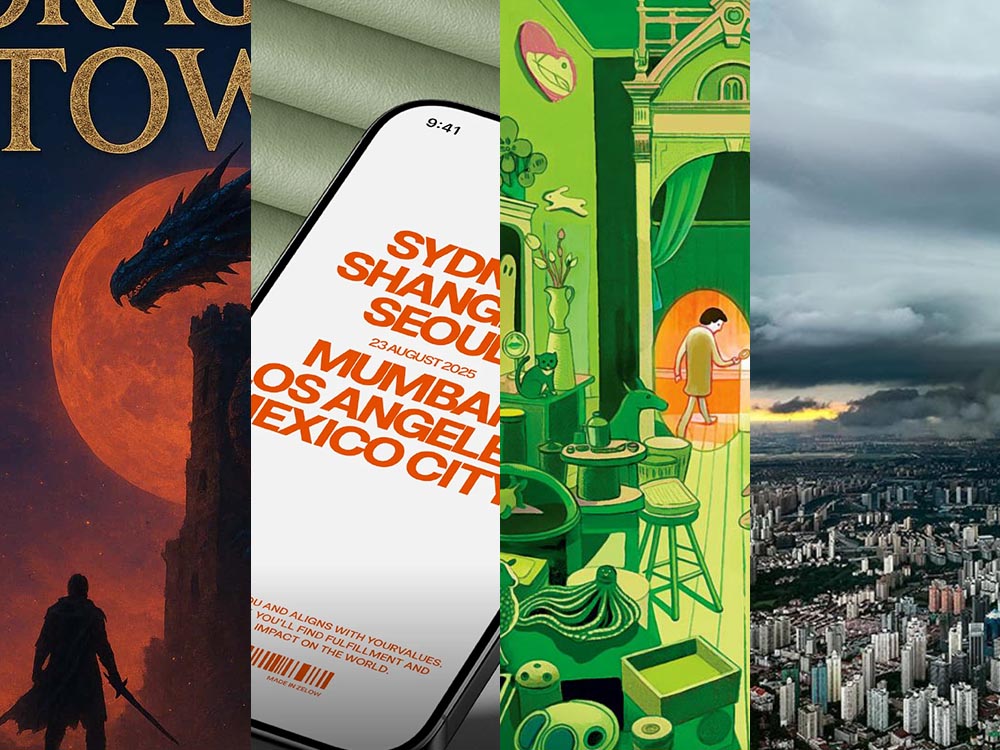
    Two more that aren’t quite what you expect:

    “Encounter Across Light-Years.” Photograph by Yurui Gong and Xizhen Ruan.
    “Fourth Dimension.” Photograph by Leonardo Di Maggio.

    See the more winners, from here and beyond, at PetaPixel or This is Colossal.
    Special bonus #4: While we’re on the subject of Earth and sky, PetaPixel profiles Italian photographer Gianluca Rubinacci:

    Photograph by Gianluca Rubinacci.
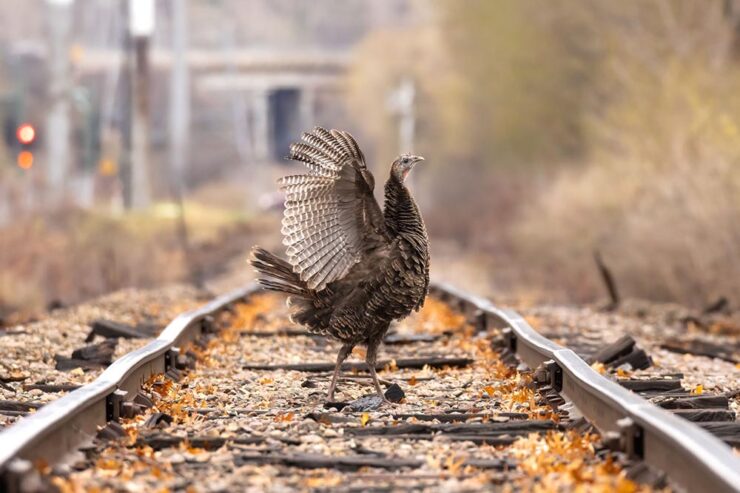
    Special bonus #5: The UK’s Weather Photographer of the Year 2025 Competition list of finalists has been announced, including this one:

    Photograph by Lukáš Gallo.

    See all of ’em — and vote (until October 16th) — here.

    Natural Landscape Photography Awards

    This one’s a little different, in that there can be no generative AI, no compositing of different photographs, and RAW files are checked by judges to ensure authenticity. (Refreshing, honestly.) “The competition is designed to promote photographers looking to work within the constraints of the natural landscape and traditional bounds of photography.”

    From the Project of the Year, Sápmi (Lapland). Photograph by Hanneke Van Camp.

    See more at Petapixel, or to see all of the contestants head to the Natural Landscape Photography Awards website.

    “Cyberpunk” and “Gotham” vs. “Otherworldly” and “Forgotten”

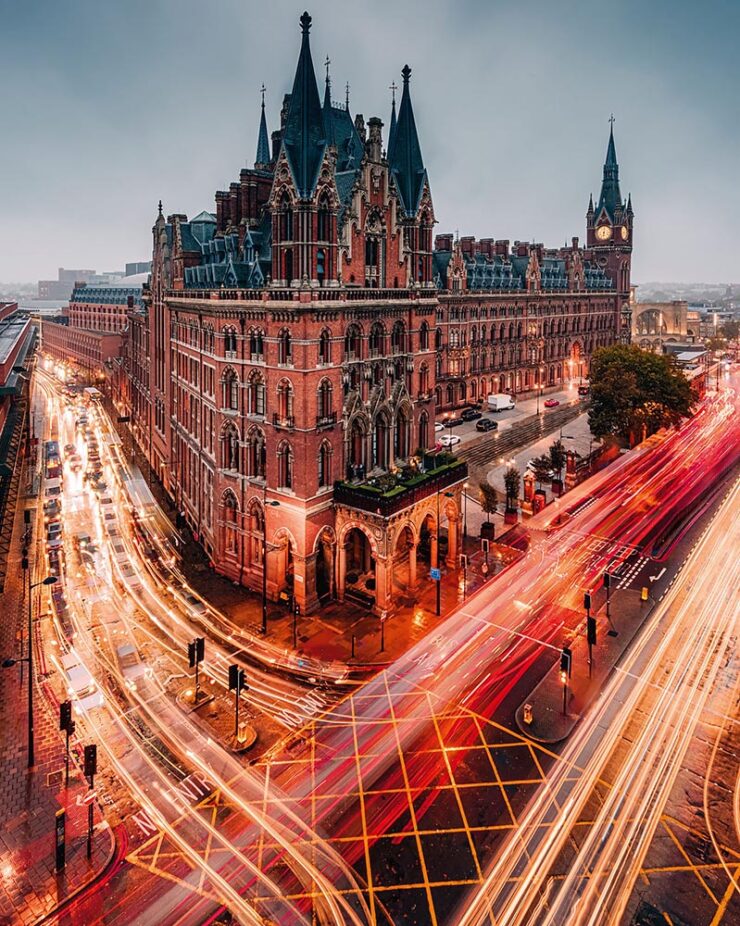
    To close out this month, I’d like to mention a couple more book projects. Let’s start with Ben Moore, whose new photo book is titled Above & Across London. As the name suggests, he found high-up vantage spots: “I’ve always loved the look of a cool, urban, cyber-futuristic world, and at times I catch glimpses of that in London,” he writes.

    Photograph by Ben Moore.

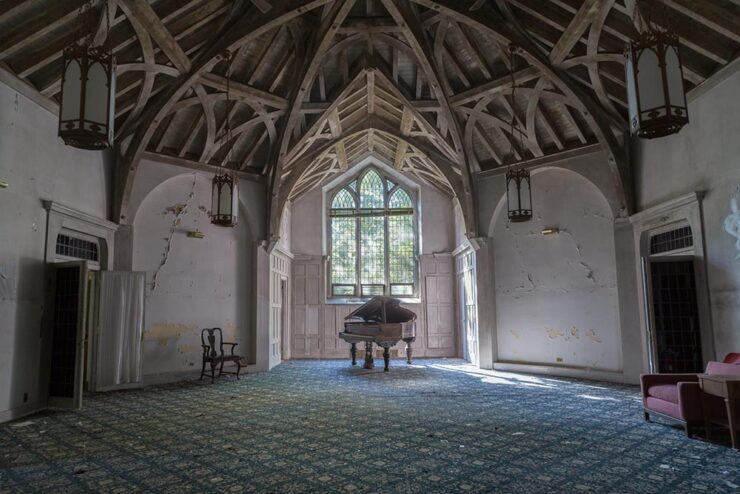
    Meanwhile, photographer Bryan Sansivero feels a strong pull to document and explore forgotten dwellings; his new book, America the Abandoned, explores deserted homes around the country in 200 striking images — including this one:

    “The Grand Room.” Photograph by Bryan Sansivero.

    Have a great October, everyone.

    • 1
      One of the reasons my photography, as presented both here on Foreword and in the galleries, is both relatively lo-res and watermarked is to preserve a sense of ownership; likewise, one of the (many) reasons I no longer participate in social media is due to posts specifically being used to train A.I. — Instagram/Meta, for instance.
    • 2
      Yes, I grew up listening to Car Talk.
  • Beautifully Briefed 24.6: Summer of Win (Mostly)

    Beautifully Briefed 24.6: Summer of Win (Mostly)

    In this installment of Beautifully Briefed, let’s take a look at some great posters, great print items, and great photography. Plus, an update from Adobe’s continued campaign to lose friends and attract government attention. Fun stuff!

    GET LECTURED (ON ARCHITECTURE)

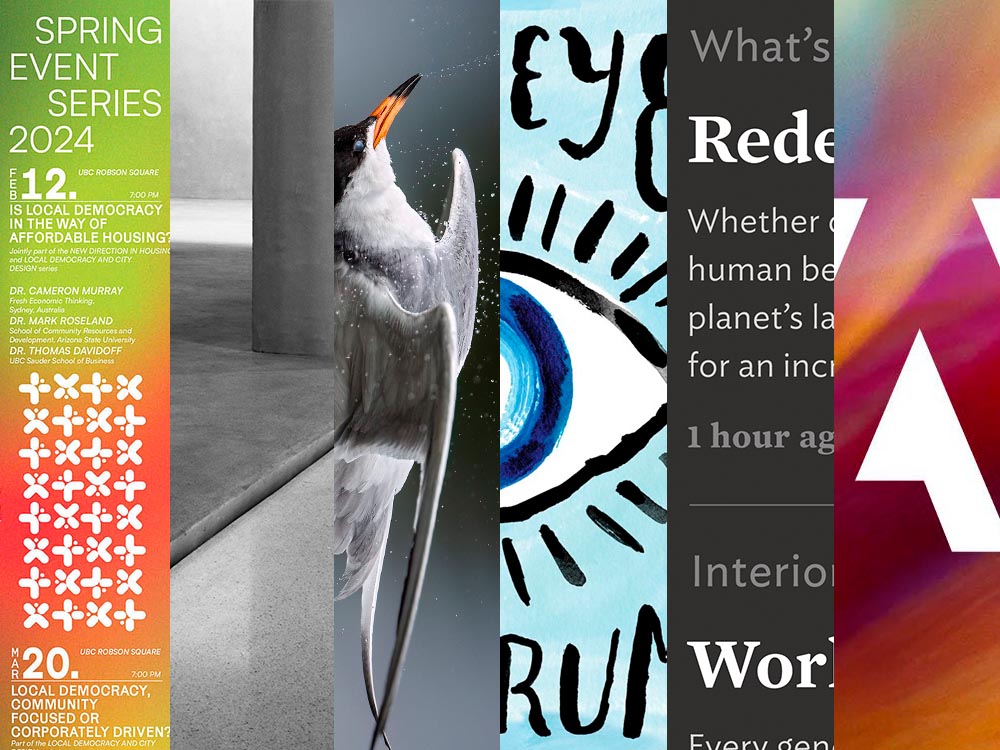
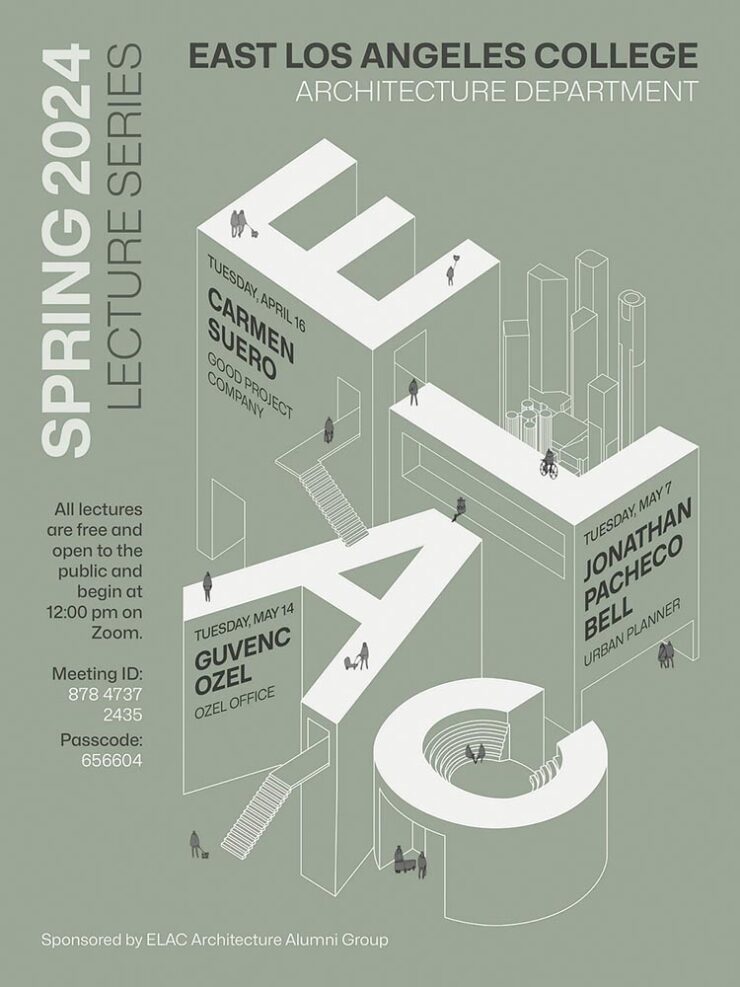
    Back in September, I mentioned Archinect’s Get Lectured poster series. They’re back with the Spring 2024 winners, including these two faves:

    ELAC lecture poster design by Tashfiah Ahmed.
    Lecture poster from the University of British Columbia; designer not listed.

    Great examples of design in a often difficult category. See the rest.

    Architecture Photographs by Hélène Binet

    While we’re discussing architecture, let’s talk about a Dezeen post that caught my eye: photographer Hélène Binet has a new book out, adding to her long career capturing the old-school way — using film.

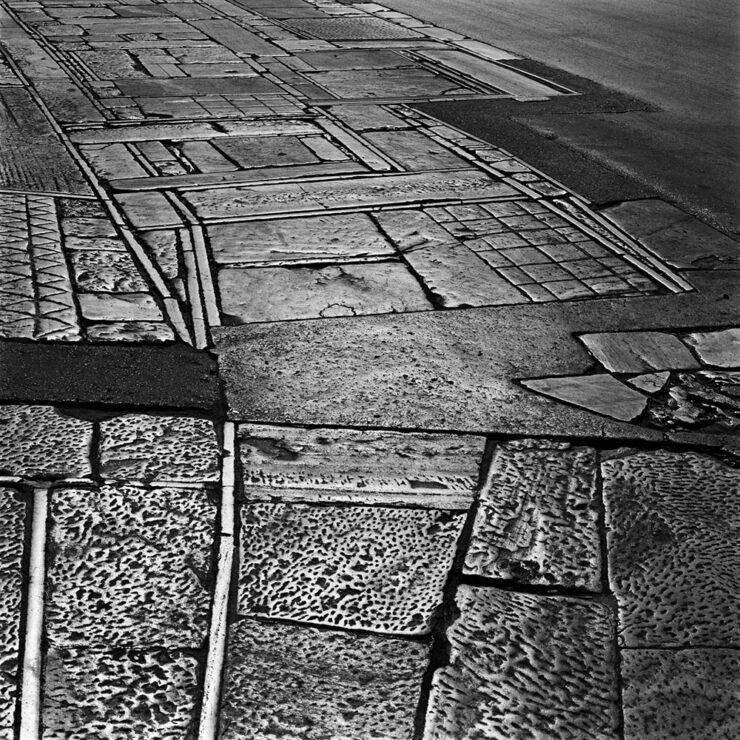
    “A Sentimental Topography by Dimitris Pikionis, landscaping of the Acropolis, Athens, Greece.”

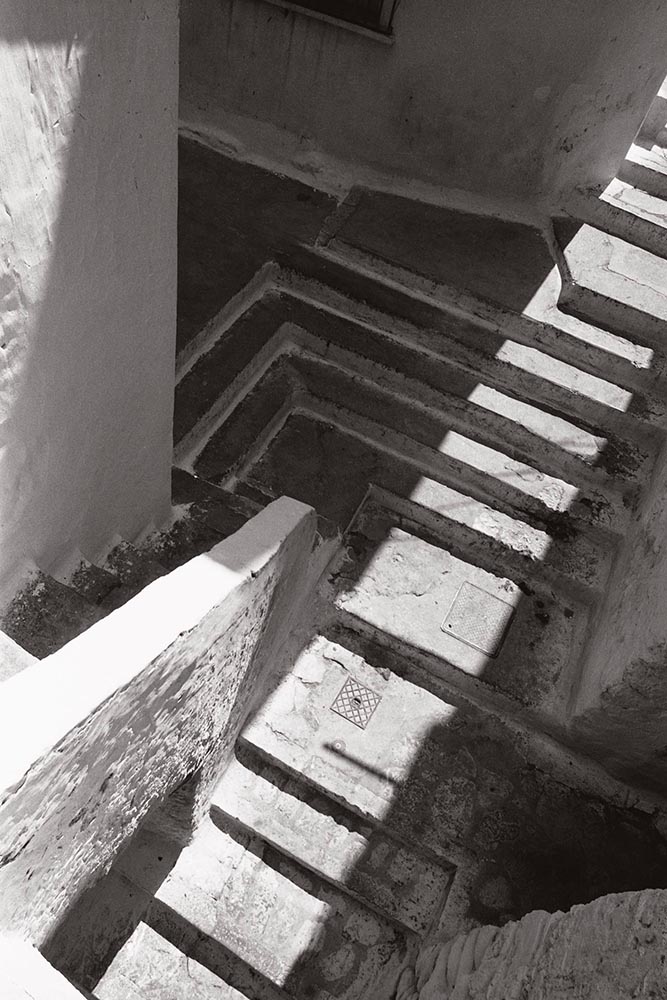
    This series captures shadows and light with exceptional talent, including the above, where she’s praised for “captur[ing] in a single image the tactile and textured presence of tectonic form, both in built and natural environments.”

    “Staircases in Sperlonga, Latina, Italy.”

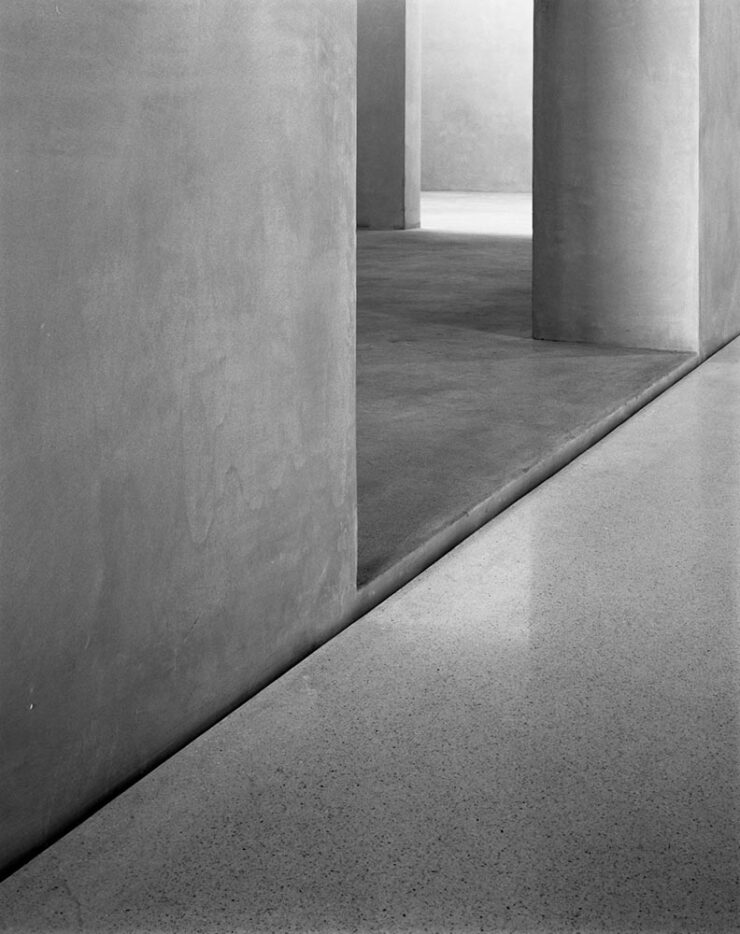
    I love the softer shades of gray than shown in the previous image, and both this and the image below demonstrate a deep understanding of architectural expression.

    “Kolumba Museum, Cologne, Germany, by Peter Zumthor.”

    Read the post from Dezeen, see more examples of outstanding work on her website, or buy the book with 170 photographs, essays, and more.

    2024 Audubon Photography Winners

    This is Colossal posted about this a day before my Audubon magazine showed up with these prominently featured, and they’re all winners.

    Wild Turkey, Female Bird Prize Winner, by Travis Potter.

    Bird photography is a difficult skill requiring patience, perseverance, and specialized gear; those who excel at it deserve recognition. Plus, there’s this:

    Audubon’s climate science report Survival by Degrees reveals that two-thirds of North American birds are threatened by extinction from climate change, including species featured in this year’s Audubon Photography Awards like the Blackburnian Warbler, California Quail, and Sedge Wren.

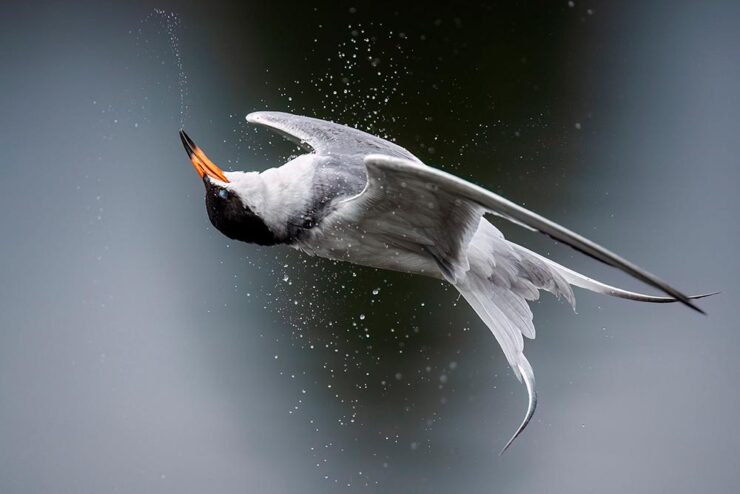
    Forster’s Tern, Professional Honorable Mention, by Kevin Lohman.

    Check out the Colossal post, or see the full story at the Audubon website.

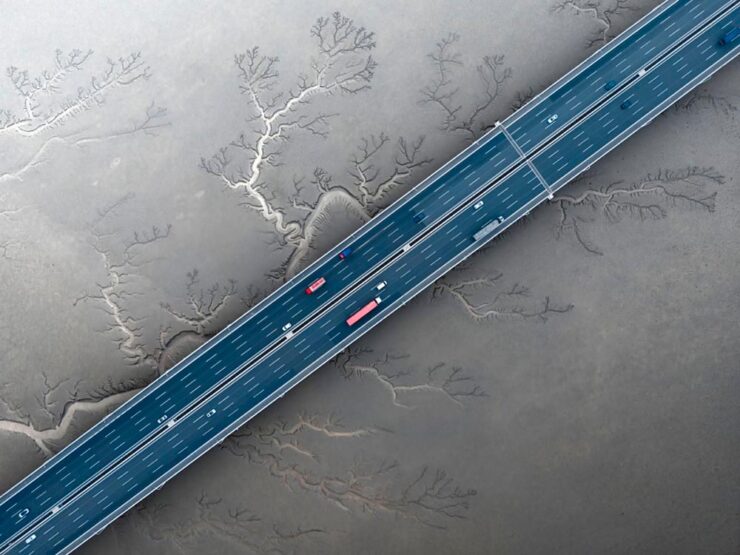
    Special Bonus #1: Kottke points us towards the Siena 2024 Drone Photography Awards. “Look! Up in the sky! It’s … another contest!” Good stuff nonetheless:

    “Jiashao Bridge” by Sheng Jiang, China.
    PRINT 2024 Awards

    The annual PRINT awards are out, featuring — natch — great items in print, including items like the Smithsonian’s annual report and a Naked Trails brochure. Here are a couple of items from the book design category:

    Jacket design by Robin Bilardello.

    Author sketch and lettering by the author. Also, let’s get the . . . :

    Cover design by Milan Bozic, with illustration and typography by Lauren Tamaki.

    Fantastic.

    Special Bonus #2: Hoefler & Co. brings us Typographic Doubletakes: “While good typefaces have prodigious families of carefully related styles, some of the best typography builds unexpected relationships between unrelated fonts.”

    Left: Chronicle Hairline + Landmark. Right: Vitesse + Gotham.

    Their blog refreshes as you scroll in more ways than one — enjoy.

    Left: Mercury Text + Ideal Sans SSm. Right: Whitney + Operator and Operator Mono.

    Special Bonus #3: Kottke points us to a LitHub post arguing for adding full credit pages to books acknowledging everyone who worked on them. “How lovely it is to be seen and appreciated.”

    Adobe “Too Easy to Hate,” Say Users, Employees

    Adobe continues to score big with the public — in the best Boeing style, a formerly-great company has put profits before users and employees. While successful from the shareholders’ point of view (record profits, again), some are . . . upset. PetaPixel:

    Just over a month ago, an Adobe exec called AI the “new digital camera.” Simultaneously, an Adobe marketing campaign chucked photographers under the bus, and not for the first time, which caught the attention of the American Society of Media Photographers (ASMP). At the very top of Adobe, there is a concerning and frustrating lack of understanding about art and the people who make it.

    Even “exasperated employees implored leadership to not let it be the “evil” company customers think it is;” while that might be a stretch — “ignorant greed” is a better description — either is not a winning look.

    The latest was a terms-of-service update that many saw as a rights grab, allowing the company to use users’ work to train its AI services. While those have been amended, the seemingly clear language — “We’ve never trained generative AI on customer content, taken ownership of a customer’s work, or allowed access to customer content beyond legal requirements” — comes from a company that has lost the trust of users, making those words just that — words. Time will tell if they are truth.

    But there’s more: Adobe’s just been sued by the FTC (via PetaPixel, Pixel Envy) for hidden fees and difficult cancellations:

    “For years, Adobe has harmed consumers by enrolling them in its default, most lucrative subscription plan without clearly disclosing important plan terms,” the lawsuit alleges. “Adobe fails to adequately disclose to consumers that by signing up for the ‘Annual, Paid Monthly’ subscription plan, they are agreeing to a yearlong commitment and a hefty early termination fee that can amount to hundreds of dollars. Adobe clearly discloses the early termination fee only when subscribers attempt to cancel, turning the stealth early termination fee into a powerful retention too that [redacted] by trapping consumers in subscriptions they no longer want.”

    I’m actually glad for this, as I wasn’t aware that my $60+ monthly fee is a payment on an annual plan. (Ug.) Not too big an issue — I actually feel like there’s decent value in the plan and will continue to subscribe for the foreseeable future.

    But I’d also be lying if I said I’m completely satisfied with our business arrangement: alternatives are few and far between. While Adobe does not have a monopoly legally or technically, in the publishing industry at least, they are, for all intents and purposes, the only game in town. It would be nice if they would at least demonstrate a modicum of respect for their users.

    Update, 25 July 2024: “Adobe Exec Says Early Termination Fees Are ‘Like Heroin’ for the Company,” according to PetaPixel. Hmph.
  • Beautifully Briefed 23.9: Falling into Brilliance

    Beautifully Briefed 23.9: Falling into Brilliance

    As summer turns to fall, let’s take a look at Type 1 fonts, a library index, revolutionary posters, posters for “get lectured,” and two different photography contests. Let’s get right into it.

    Adobe discontinues a standard: The Type 1 font

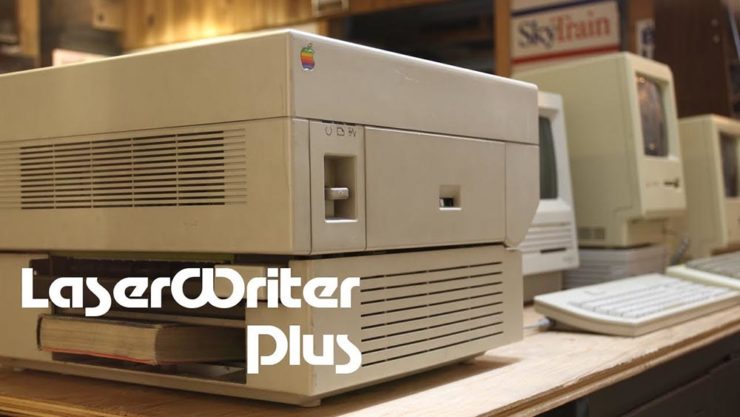
    Back in the early days of desktop publishing — up to about the turn of the century, give or take — everything typographic used PostScript, a programming language by Adobe. (Other stuff, too, like Adobe’s vector program, Illustrator.) PostScript fonts were the so-called “Type 1” variety, made up of a bitmapped “suitcase” that housed the standard display sizes and an outline file used by the output device to print clean, what-you-see-is-what-you-get beauty.

    The Apple LaserWriter Plus and some vintage Macs: nostalgia! (Note the book — heh.) Image: YouTube.

    Companies from Apple to Microsoft didn’t want Adobe to hold a monopoly on output tech, so later fonts evolved into TrueType and then OpenType, the latter of which is the standard today.

    So much so that Adobe has now discontinued Type 1, and they, along with Microsoft, have stopped being supported. Which is understandable and yet a shame: some of us still have hundreds of them.

    Ars Technica has the best roundup.

    Meanwhile, I’m going to investigate a conversion utility. Will report back.

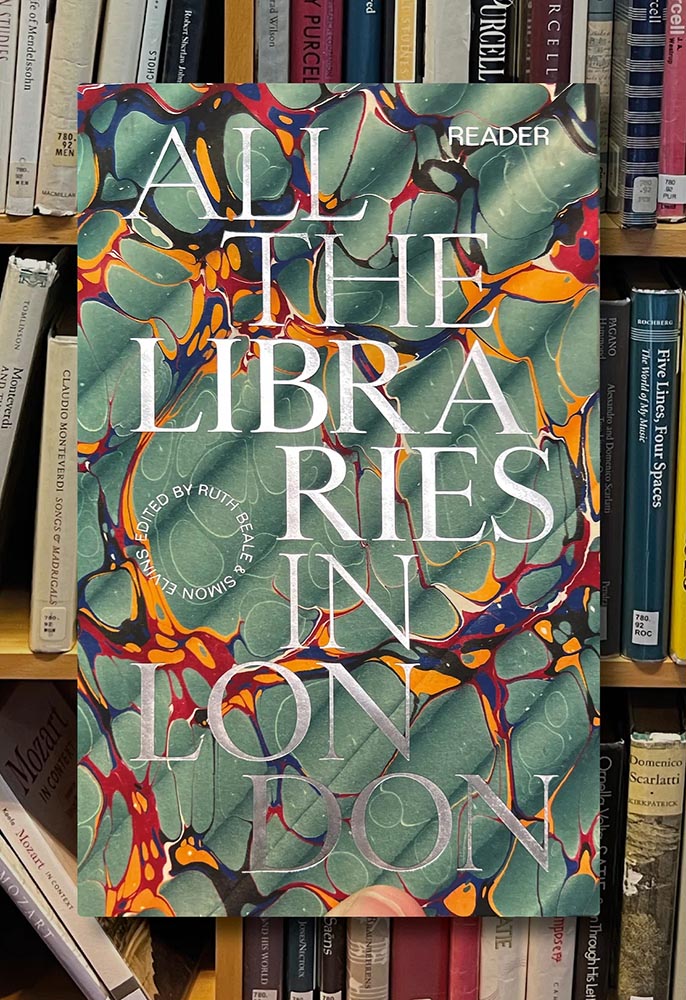
    All the Libraries in London

    It’s Nice That has a post that reminds us of a library’s central purpose: to leave knowing more than you did when you entered. “The library, in our shared public imagination, is a special place,” the author argues — reminding us of what libraries were established to do, often distinctly different from the modern reality (especially in the United States).

    In the library you begin to be convinced that language matters, that words have the power to clarify, to rouse, to make us feel something, to help us understand the political and cultural features of historical and contemporary moments.

    Lola Olufemi, It’s Nice That
    All the Libraries in London. Cover design: unknown. Image via It’s Nice That.

    All the Libraries in London does something artistic with a simple listing, elevating it, reminding us how compelling the ideal that libraries represent really is:

    This is a political and artistic listing, one that invites the reader to rediscover their own memories of their local library as a site of discovery. The book’s authors invite us to reflect on our personal relationship to libraries as well as the necessity of collectively securing their future existence.

    Lola Olufemi, It’s Nice That
    Alan Kitching, Durning Library. Image via It’s Nice That.

    We need more of this everywhere, but especially here in the States. Meanwhile, check out this great item at It’s Nice That.

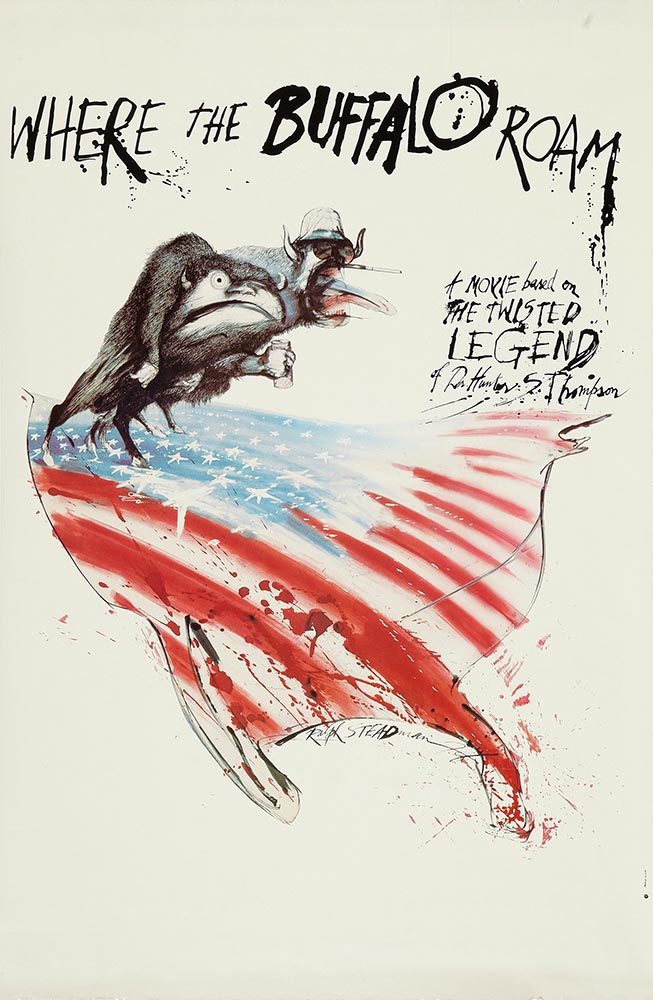
    Special Bonus #1: Another British treasure, via the very British Antiques Roadshow (a British original, natch): this incredible poster by Ralph Steadman.

    Ralph Steadman’s Where the Buffalo Roam (1980) poster. Image via Wikipedia.

    Special Bonus #2: British book designer Steve Leard has launched a new book design podcast, Cover Meeting, featuring interviews between Leard and fellow book designers on the work, the industry, and more. The Bookseller has more.

    Cuban Movie Posters. No, Really.

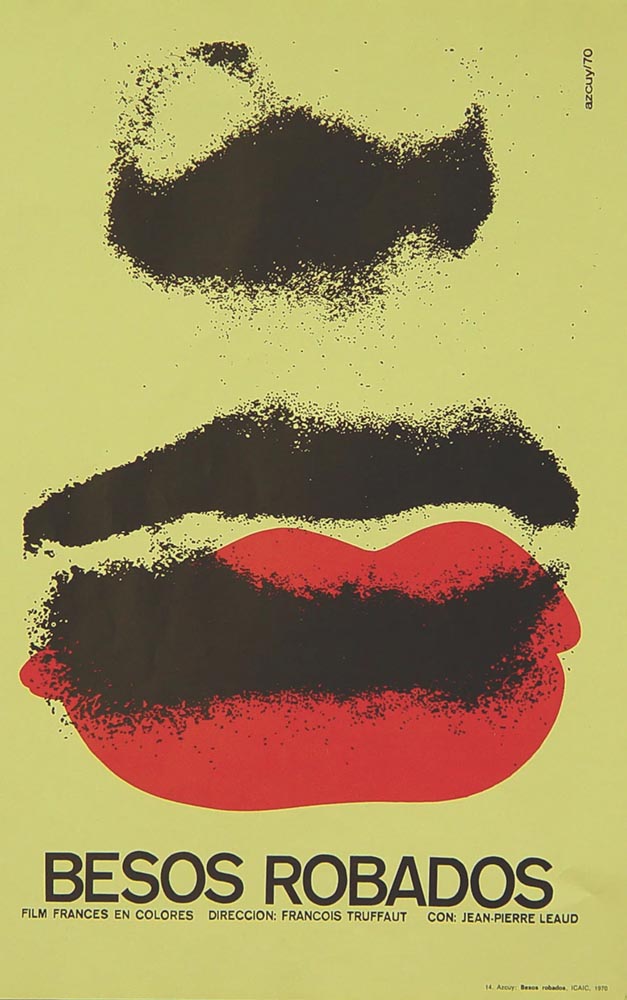
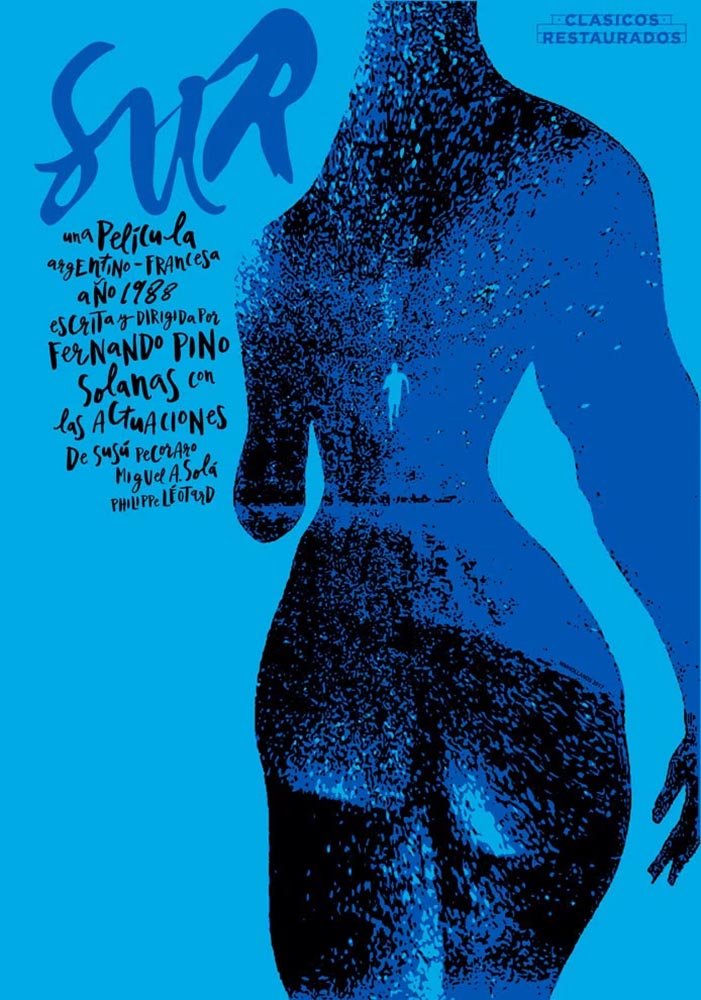
    While we’re on the subject of great posters — and It’s Nice That — let’s talk about how Cuba’s revolution-era political posters transformed their poster design for films. Appropriately enough, a new film, El Cartel Cubano, highlights these amazing (and, likely, never seen before) items.

    Besos Robados, ICAIC, by Sotolongo & Carole Goodman. Image via It’s Nice That.

    How come our posters in the US aren’t this beautiful? What did this say about the priorities of the revolution? What did the medium or choices in the scarcity of materials used say about the economic situation in Cuba?” It’s these questions which form the bedrock of El Cartel Cubano, a fascinating and tender tribute to the artists on the island.

    Adrienne Hall, co-director, El Cartel Cubano
    Sur, by Michael Myiares Holland. Image via It’s Nice That.

    I have to admit: this isn’t a subject I would have leapt at, but It’s Nice That sold it. Awesome.

    Get Lectured (on Architecture)

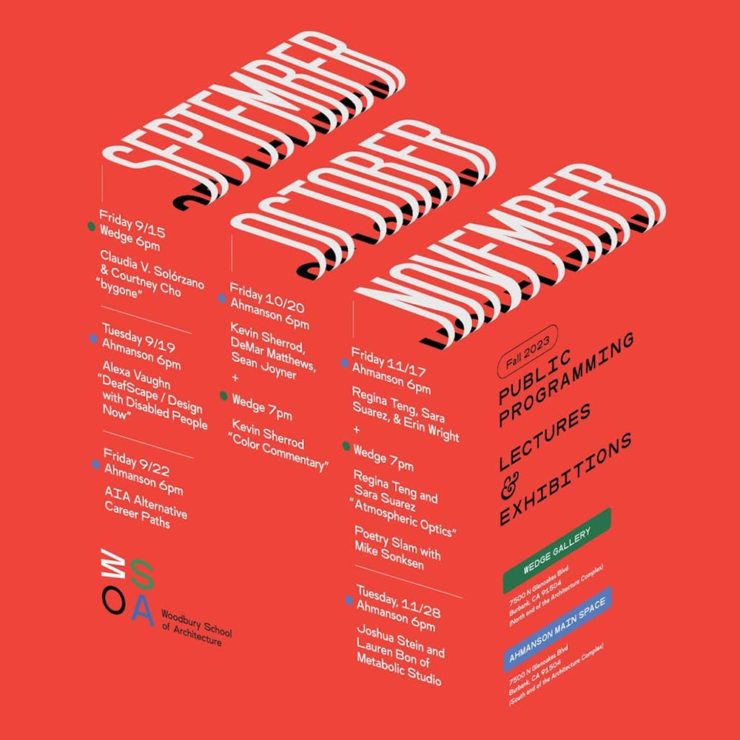
    Closing out our trifecta of great posters, Archinect‘s Get Lectured series brings us these fantastic items from their Fall 2023 series:

    Woodbury University School of Architecture’s Fall 2023 lecture series.
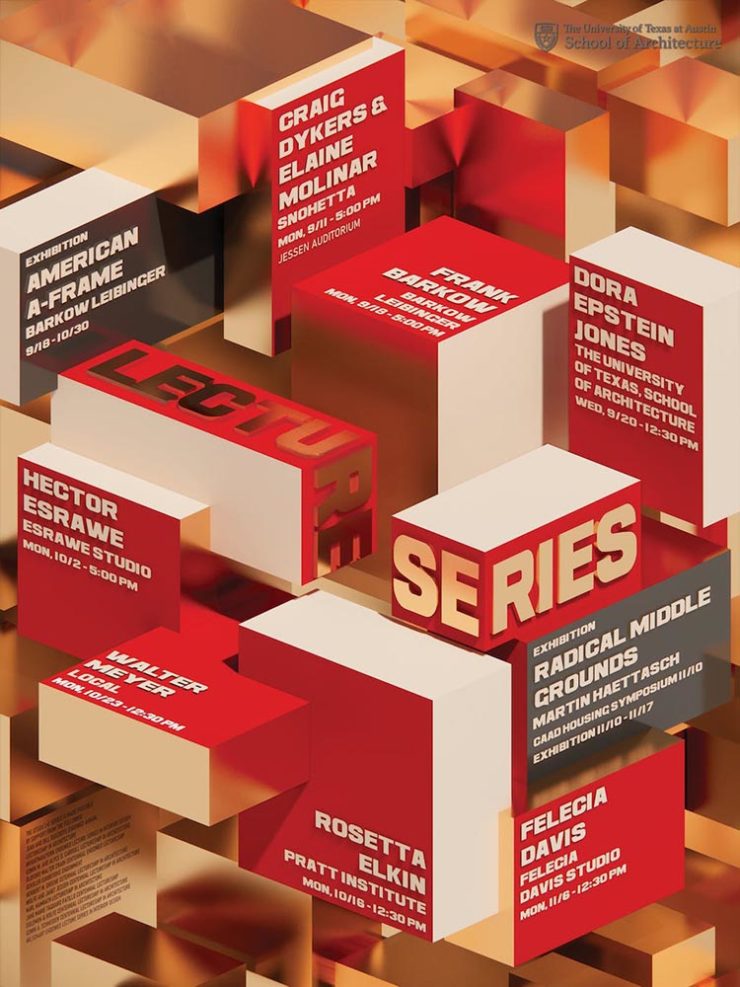
    The University of Texas at Austin School of Architecture’s Fall 2023 lecture series

    Some real gems: see more.

    Finalists of the 2023 Urban Photography Awards

    Going to soapbox a little here: pay-to-enter photo contests aren’t usually something I want to spread the word about. So ArchDaily‘s basically-a-press-release, “URBAN Photo Awards 2023 has announced its list of Finalist Photographers, marking the penultimate stage of the international contest,” was guaranteed a pass.

    But there’s a problem: some of the photographs are really compelling.

    Untitled, by Claudia Costantino

    This one’s my fave:

    Back to the 70s, by Stephane Navailles

    See the contest website, or ArchDaily‘s post.

    Winners of the 2023 Black and White Photography Awards

    Another contest, yes. They’re everywhere. But … wow.

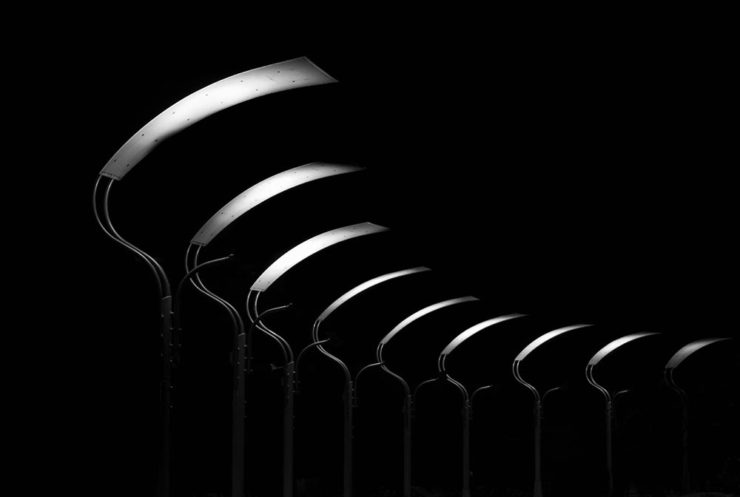
    Street Lights – Ottawa, by Gareth Jones, category winner, architecture
    Another mushroom? By Hector Ballester Ballester. Silver mention, architecture.
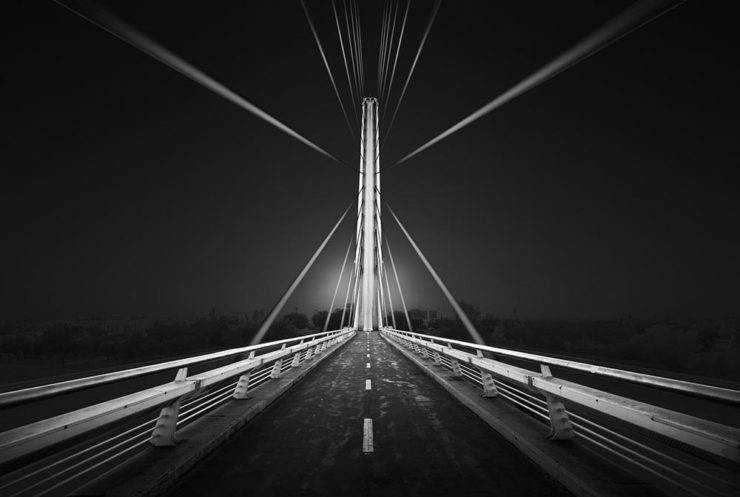
    Alamillo bridge, by Manuel Ponce Luque. Finalist.
    The concert, by Helena García Huertas. Finalist.
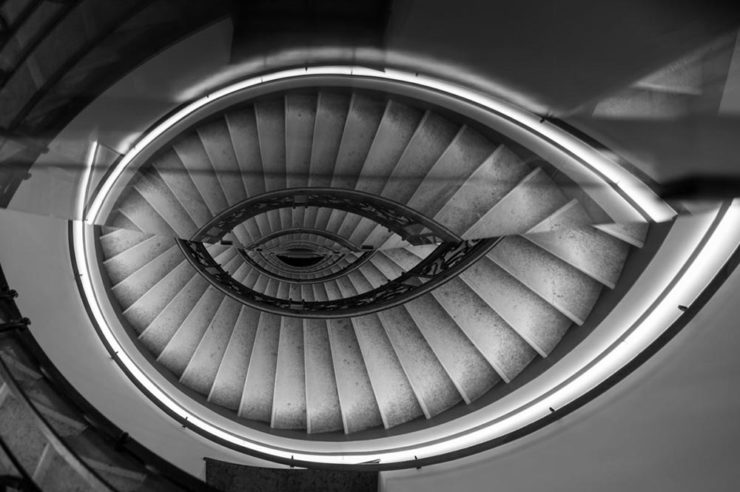
    Reflections on the stairwell, by Max Dobens. Finalist.

    And that’s just the buildings/architecture — there are portraits, street photography, landscapes, and more. A reminder to aspire, every day, with every image.

    The Black and White Photo Awards (2023). (Via PetaPixel.)

  • Architectural Photography 2022 Awards Shortlist

    Architectural Photography 2022 Awards Shortlist

    As most of you know, I’m not a huge fan of photography competitions. Like I did last year, though, there’s an exception for this one: not because it’s better than some — there’s still the problem with rights, methods of compensation, etc. — but because it’s so up my alley. (Pun intended.)

    If you’ll pardon the cliché, great architectural photography is more than the sum of the building’s parts. These great shots show just that:

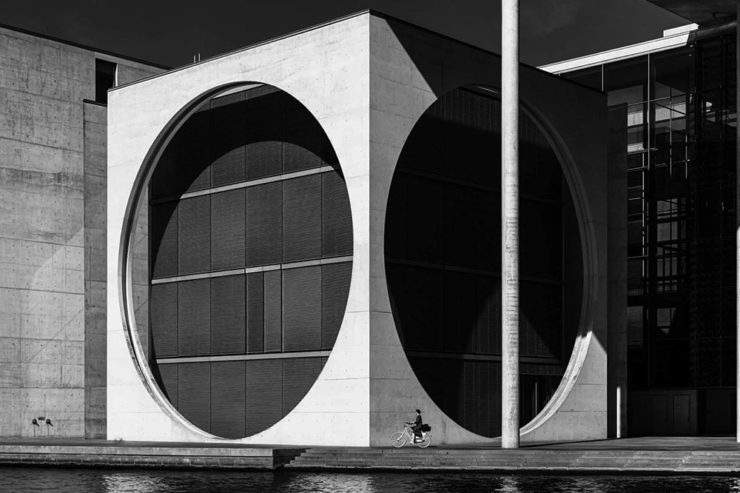
    Cycling Under the Circles, Berlin, Germany, by Marco Tagliarino (Exterior)
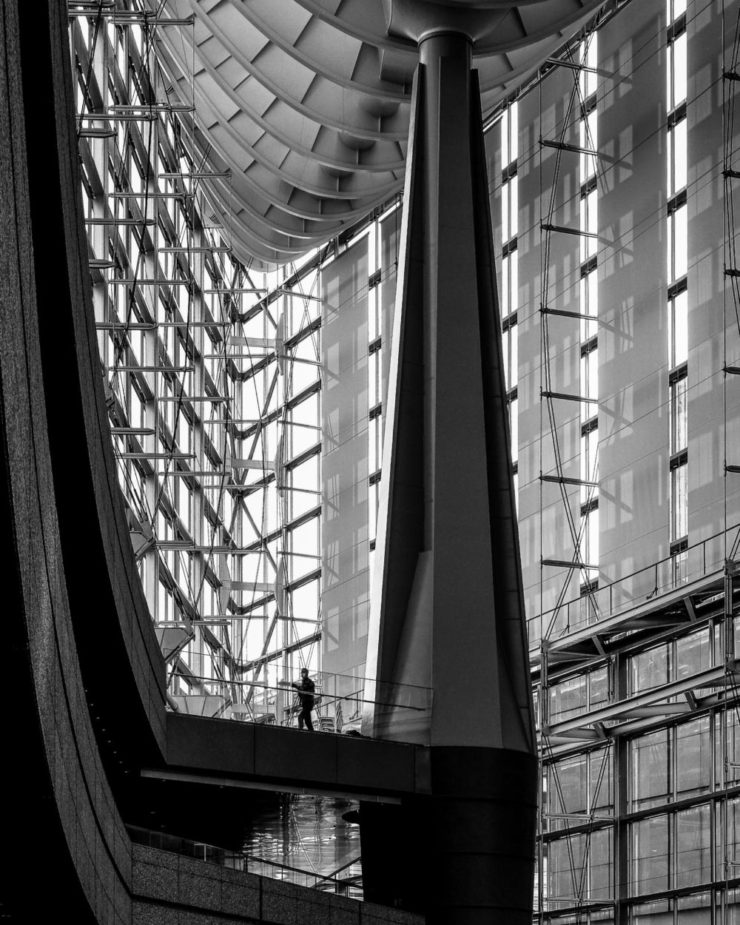
    Shapes of Soul, Milan, Italy, also by Marco Tagliarino (Interior)

    Entry photographs are divided into six categories: Exterior, Interior, Sense of Place, Buildings in Use, Mobile (with Bridges being this year’s theme), and Portfolio (focusing on the theme of Transport Hubs).

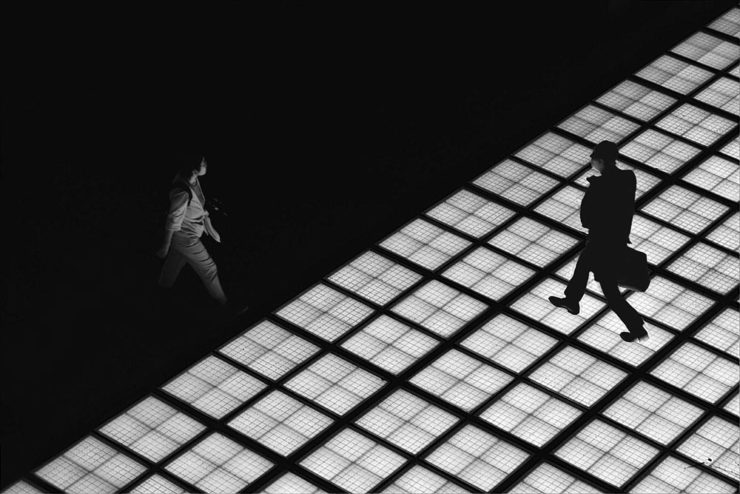
    Glass Floor, Tokyo, Japan, by Tom Ponessa (Buildings in Use)
    Architecture 1, location not listed (but pretty cool, IMHO), by Stephane Navailles (Bridges)
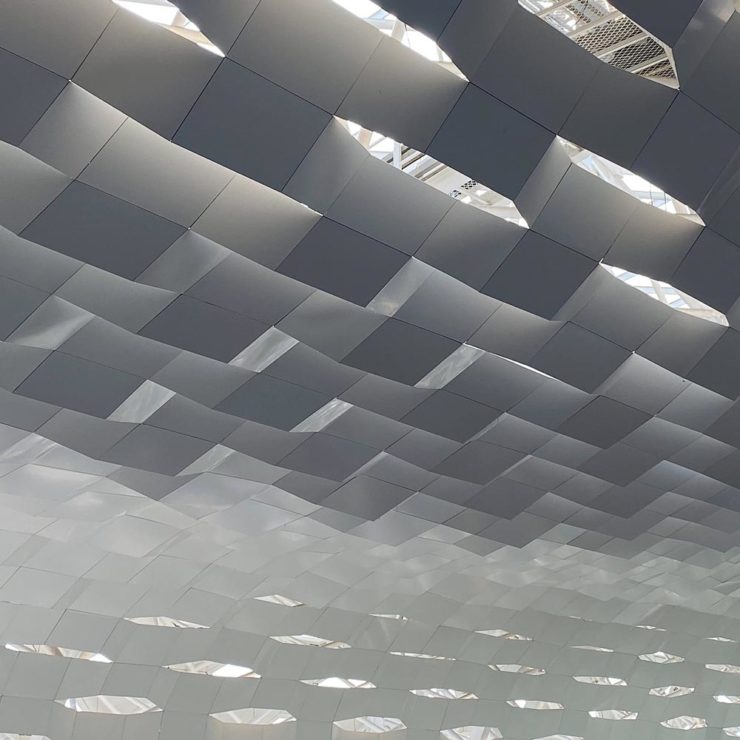
    Shenzhen Bao’an International Airport, China, by Kangyu Hu (Transport Hubs)

    There are many more to be enjoyed: ArchDaily has an article and gallery up, and the Guardian has a gallery, too. Enjoy.

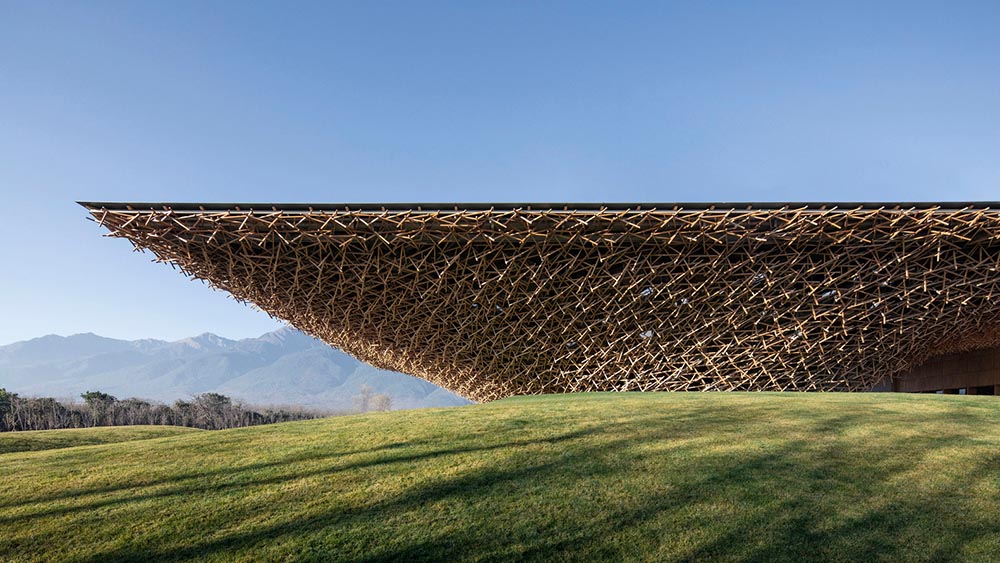
    The post’s featured photograph, top, is Nest, Dali, China, by Alex Chan, from the Exterior category.

  • Beautifully Briefed, Late June 2022: AIA’s Best Architectural Photography, 2022 Logo Trends, and … Buick!

    Beautifully Briefed, Late June 2022: AIA’s Best Architectural Photography, 2022 Logo Trends, and … Buick!

    Three items for the end of June, 2022: AIA Los Angeles announces photography awards, the 2022 edition of the Logo Lounge logo trends report is out, and Buick makes its new logo official. Let’s get into the details.
    AIALA Photography Awards

    The Los Angeles chapter of the American Institute of Architects (AIA|LA) has announced this year’s winners of the annual Architectural Photography Awards, and there’s some pretty great stuff:

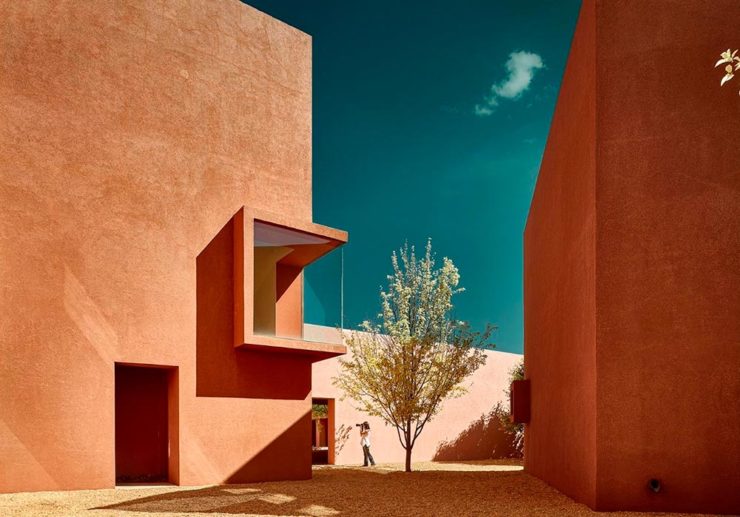
    Ryan Gobuty: Santa Fe (Santa Fe, NM)
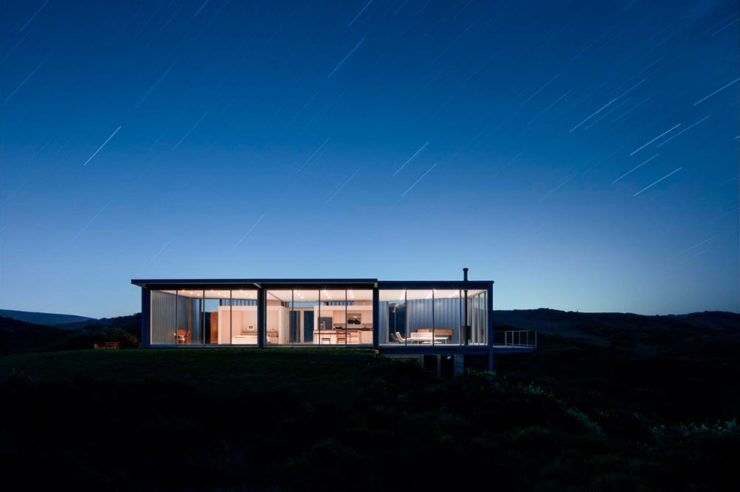
    Taiyo Watanabe: C-Glass House (Dillon Beach, CA)
    Tim Griffith: Mission Bay (San Francisco, CA)

    See more at AIA|LA. (Via Archinect.)

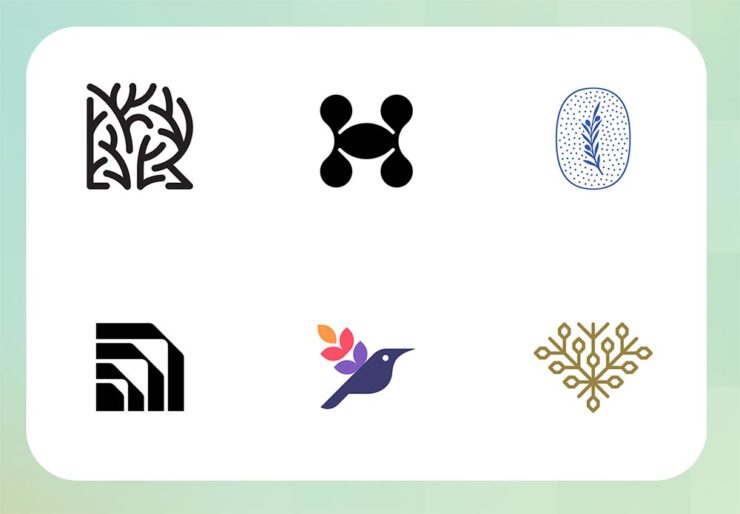
    2022 Logo Trends Report

    The always-excellent Brand New points us at Logo Lounge’s 2022 Logo Trends report, it’s 20th annual look at what logos and branding, as a group, are looking like this year.

    Logo Lounge 2022 Logo Trends Report

    [W]hile there are still corporate-looking marks being crafted there is a stronger effort to find ways to identify products that are artisanal and handcrafted.

    Bill Gardner, Logo Lounge

    Corporations trying to be more human. (News at 11.) But then, my use of that particular phrase perhaps betrays my lack of being in touch with the modern corporate world; I think publishing is a different animal, and prefer being part of that world despite the regular influence of corporate entities there, too.

    Nonetheless, following logo trends is, from a purely graphic design perspective, worthwhile — and this report summarizes beautifully. Read on.

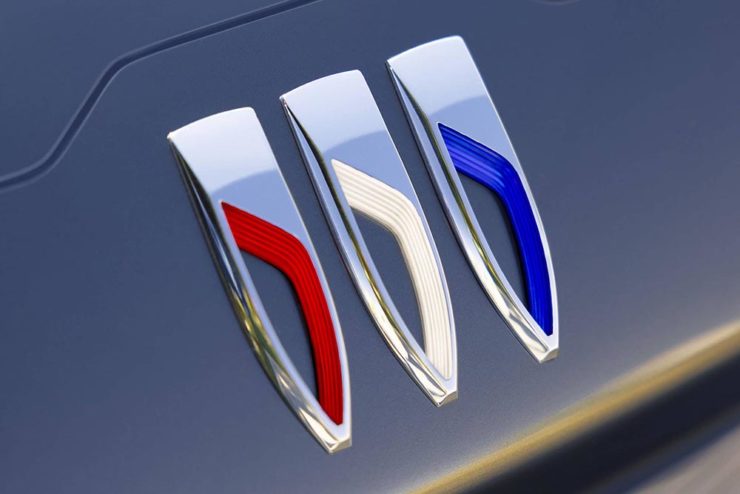
    Buick’s New Logo, Officially

    We’ve touched upon it before, but Buick has, with the release of the Electra Wildcat concept, officially updated its logo:

    Official: Buick’s new logo

    Electra is Buick’s name for electric cars, simultaneously stating the obvious while giving a big nod to past models — and the Wildcat concept is, dare I say it, borderline cool:

    Scandinavian, American, Futuristic, Retro … Buick!

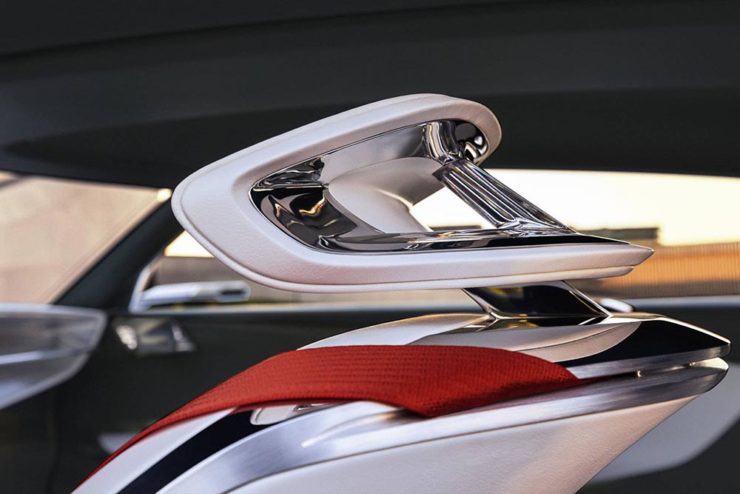
    Both Buick and Cadillac have hinted at more Art Deco in their upcoming products, perhaps best illustrated on this concept’s interior:

    It’s a head rest, folks.

    Nice. (Not even remotely possible on a production model, but still.) Read more on Buick’s new logo and transition to an electric car brand at Car and Driver or The Drive.

    See you in July!

    Update, 12 August 2022: Brand New weighs in: A New Point of View… ick

  • New and Updated Galleries: Woodland, Thomaston, and Yatesville

    New and Updated Galleries: Woodland, Thomaston, and Yatesville

    The end of winter here in Georgia means beautifully warm days, flowers and trees budding, and photography. Gerald and I took a road trip this weekend, enjoying almost 200 miles of driving — and four photostrolls.

    We’ll cover three today, heading west from Middle Georgia:

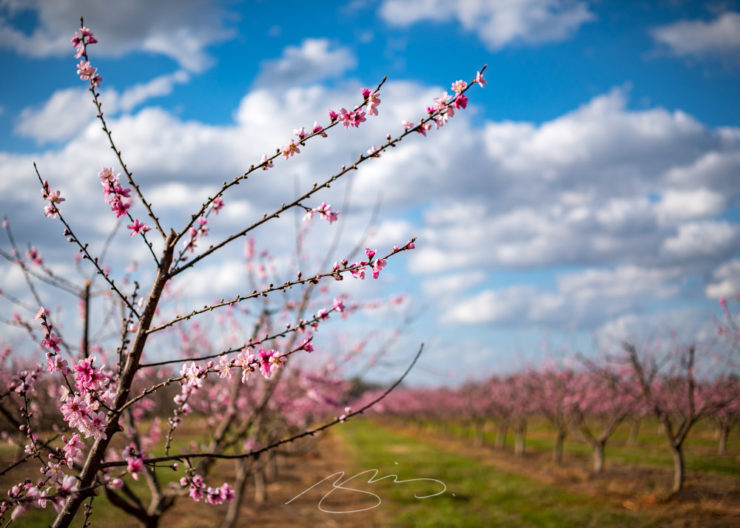
    Yatesville Peach Blossoms #1

    See everything from Yatesville, pop. 408, here.

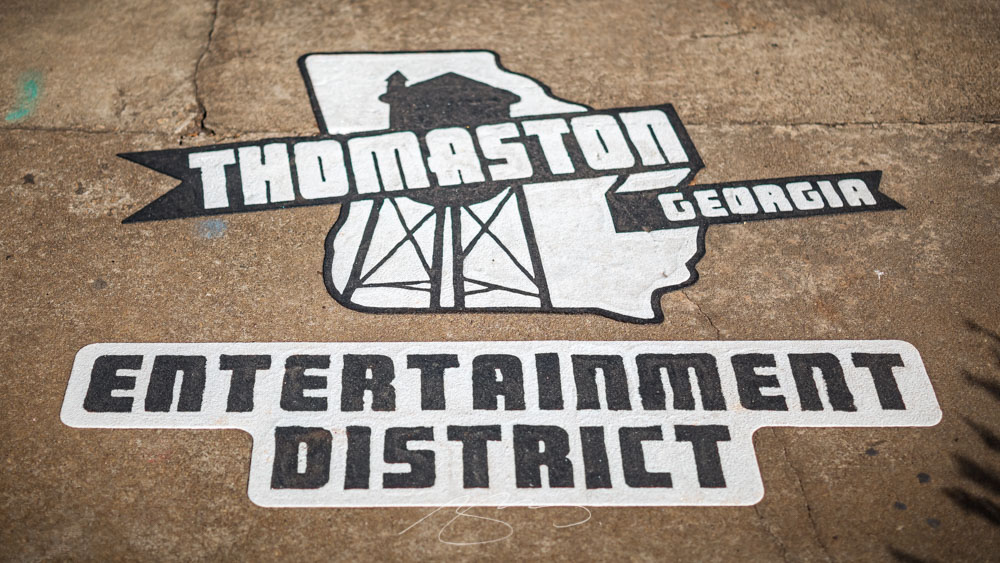
    Next is an update from Thomaston, whose downtown square is typical of Georgia:

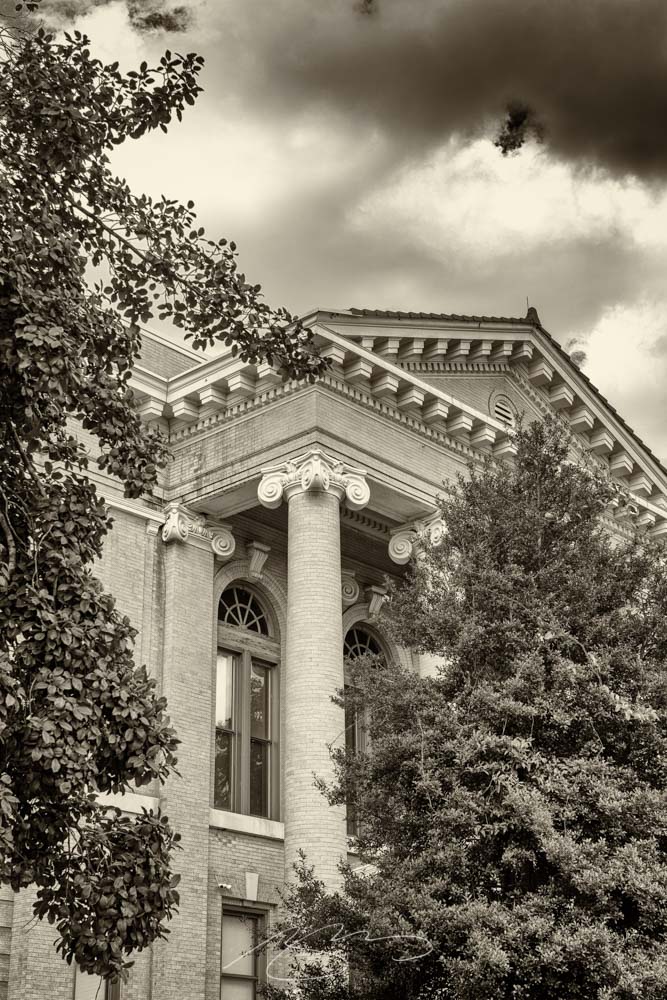
    Upson County Courthouse (B&W Study #2), 2022

    That gallery is available here.

    Lastly today is a new stop: Woodland, in west-central Georgia, near Pine Mountain and Warm Springs, northeast of Columbus.

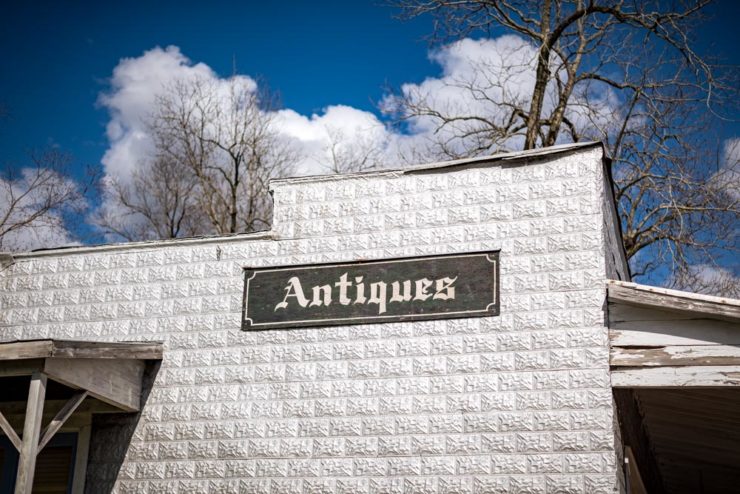
    Woodland Antiques
    Postal Angel (Awning to be Free)

    Woodland, whose population also happens to be 408, has a gallery here.

    Many thanks to Gerald for the company and good day. Next up: FDR State Park, likely tomorrow.

  • Beautifully Briefed, November 2021: Four on Photography

    Beautifully Briefed, November 2021: Four on Photography

    Four different, yet valuable, interesting, and informative links to photography items heading into this Thanksgiving weekend.

    Architectural Photography Awards

    Starting with ArchDaily: The Architectural Photography Awards 2021 Announces its Shortlist. Some great stuff here:

    ArchDaily 1
    ArchDaily 2
    ArchDaily 3
    ArchDaily 4
    ArchDaily 5

    All simple, yet so much more. Well done.

    Natural Landscape Photography Awards

    Next, the Natural Landscape Photography Awards. Many here to choose from, as well, but a couple of faves:

    Nature Award 1
    Nature Award 2
    Landscape Photography Best of How-to

    So, we all ask ourselves, how to you get from the everyday stuff to the best-of-the-best? DPReview has answers, with Erez Marom: On Originality in Landscape Photography.

    It has been, and continues to be, a rough time for a nature photographer who makes a living shooting around the world. This kind of time period sometimes makes we artists think about our life missions and convictions, and delve deeper into our beliefs and the way we view our art and what makes it worthwhile. While some people don’t see photography as art, I definitely do, and for that reason I feel that a discussion is needed about what makes photography an art form rather than technical labor.

    Some examples:

    On Originality 1
    On Originality 2

    Read the whole essay. Excellent stuff.

    Route 66 Photography

    Lastly, some art from Dezeen: Hayley Eichenbaum captures the “punchy absurdity” of Route 66 roadside architecture:

    Dezeen 1
    Dezeen 2

    Enjoy all four — and enjoy the turkey weekend! Happy (Photography) Thanksgiving.

  • Beautifully Briefed, October 2021: Architecture Photography

    Beautifully Briefed, October 2021: Architecture Photography

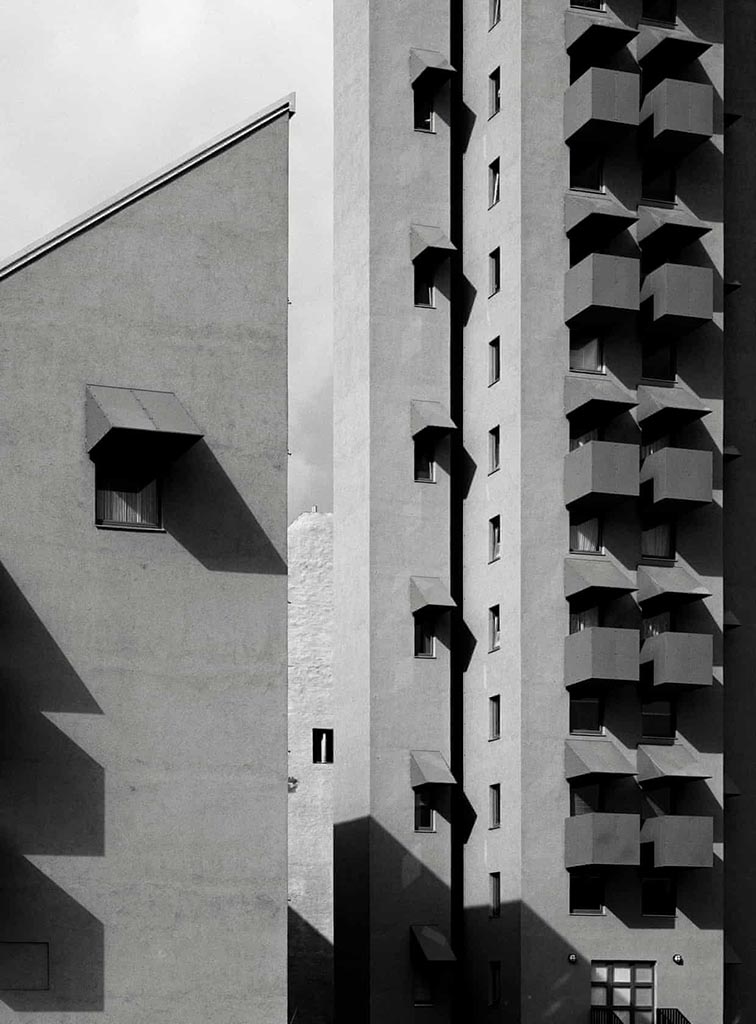
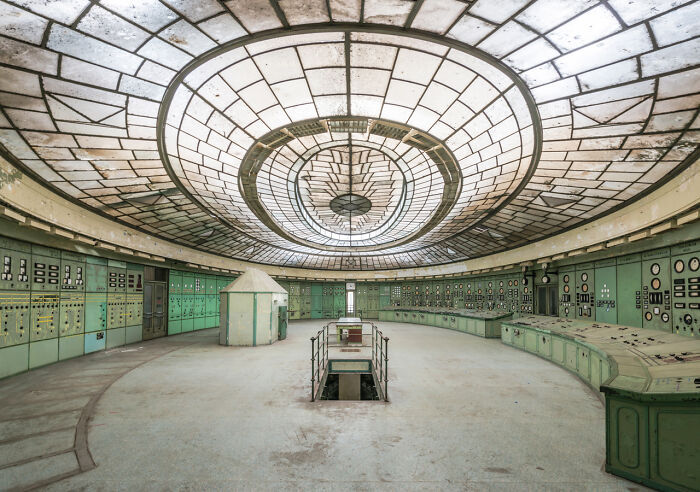
    Two very different yet very impressive architectural photography items caught my eye this month.

    Hélène Binet’s Architecture Photography

    Let’s start with an article in the Guardian (UK) on Hélène Binet:

    “It’s like being a musician in front a big audience. You can’t get it wrong. In that instant, you have to be the best of yourself, you bring your mind to a place, not to lose that unique moment.” Hélène Binet is explaining her commitment to working with the venerable techniques of analogue, as opposed to digital, photography[…].”

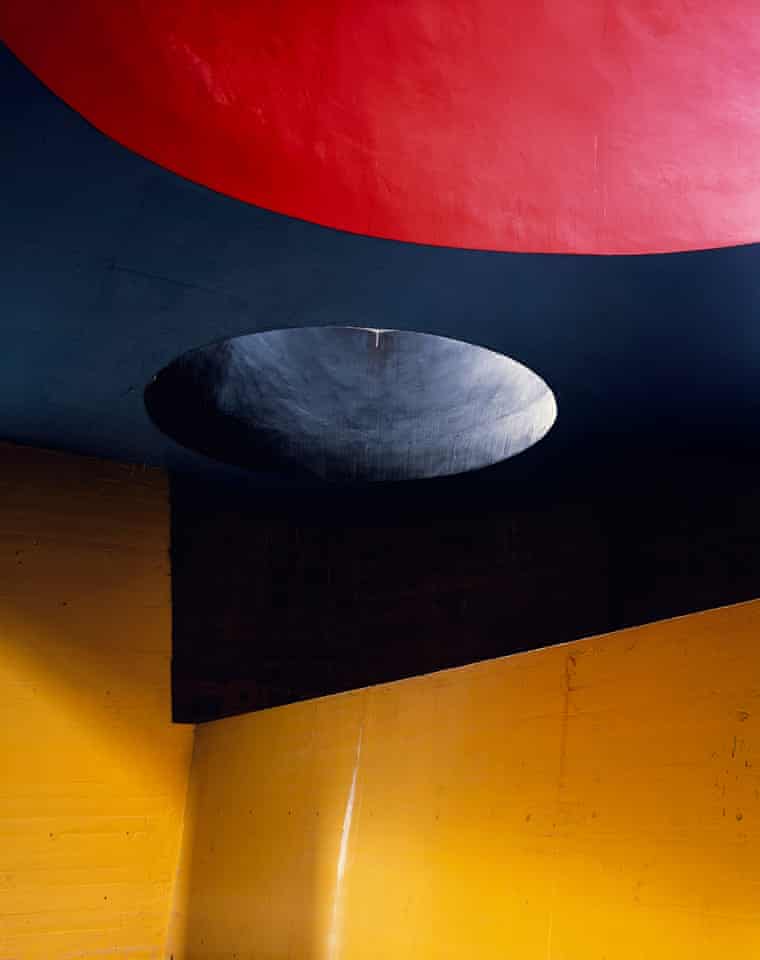
    She manages to capture exactly the kind of thing I strive for — potentially abstract, detail-oriented, yet somehow . . . different:

    HB3740

    And:

    HB3k

    Beautiful. If you’re in the UK, check out Light Lines: The Architectural Photographs of Hélène Binet, at the Royal Academy, London W1, 23-October-23 January.

    Romain Veillon’s Architecture Photography

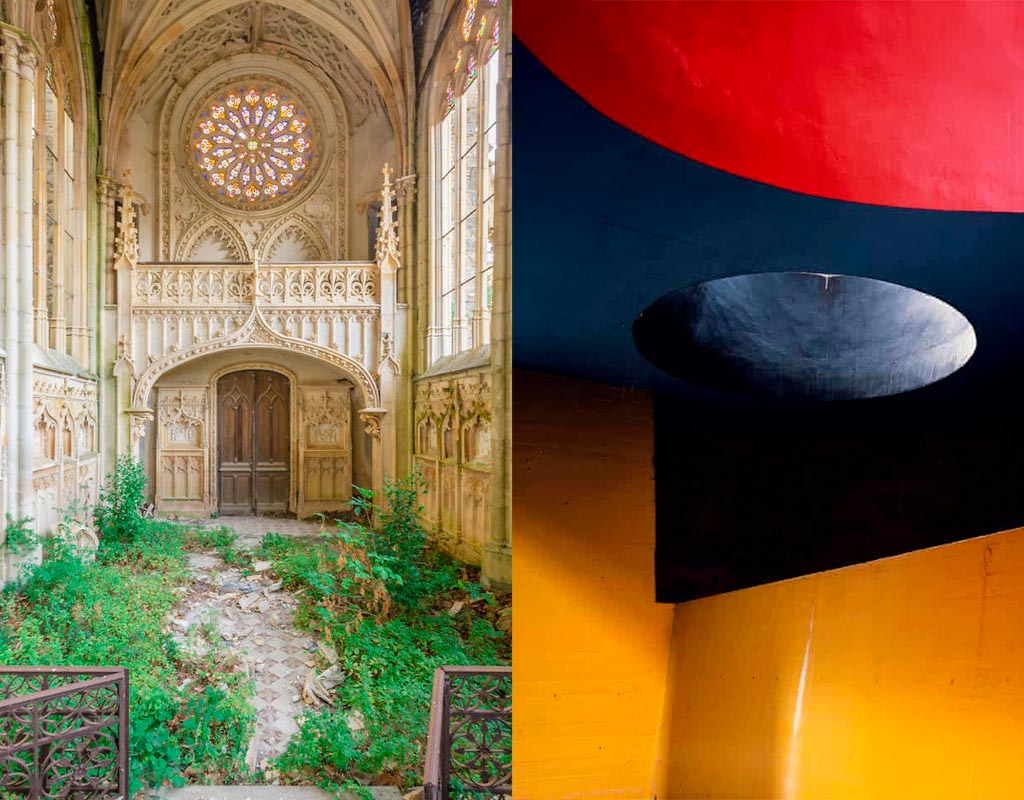
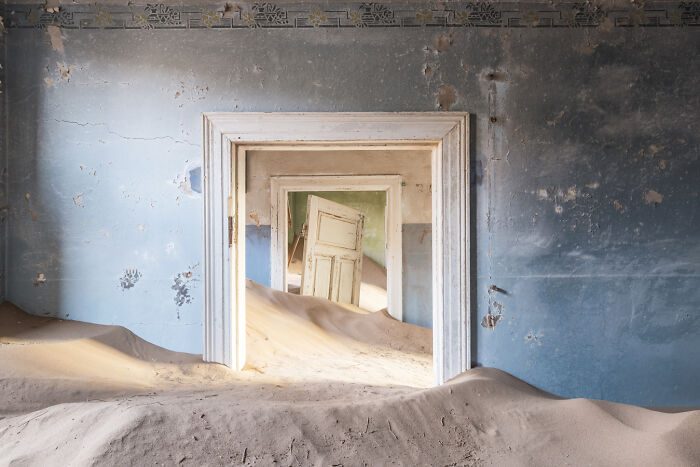
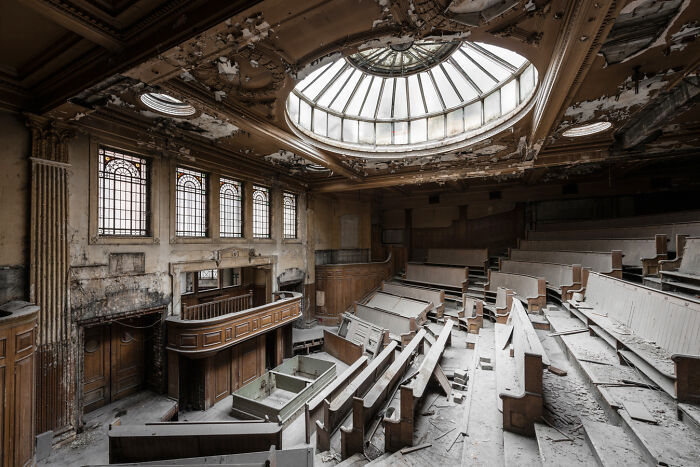
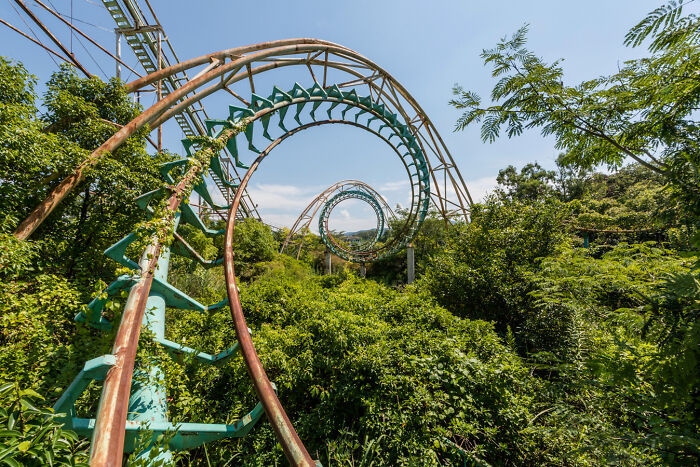
    Meanwhile, from France, we have another: award-winning photographer Romain Veillon with architectural “decay:”

    RV1

    Brilliant. More:

    RV5
    RV2
    RV4
    RV3

    He’s got a book out — Green Urbex: The World Without Us (French-language only, alas) — but the photographs don’t need translation. Learn more on ArchDaily.

  • The Spectacular Deichman Library

    The Spectacular Deichman Library

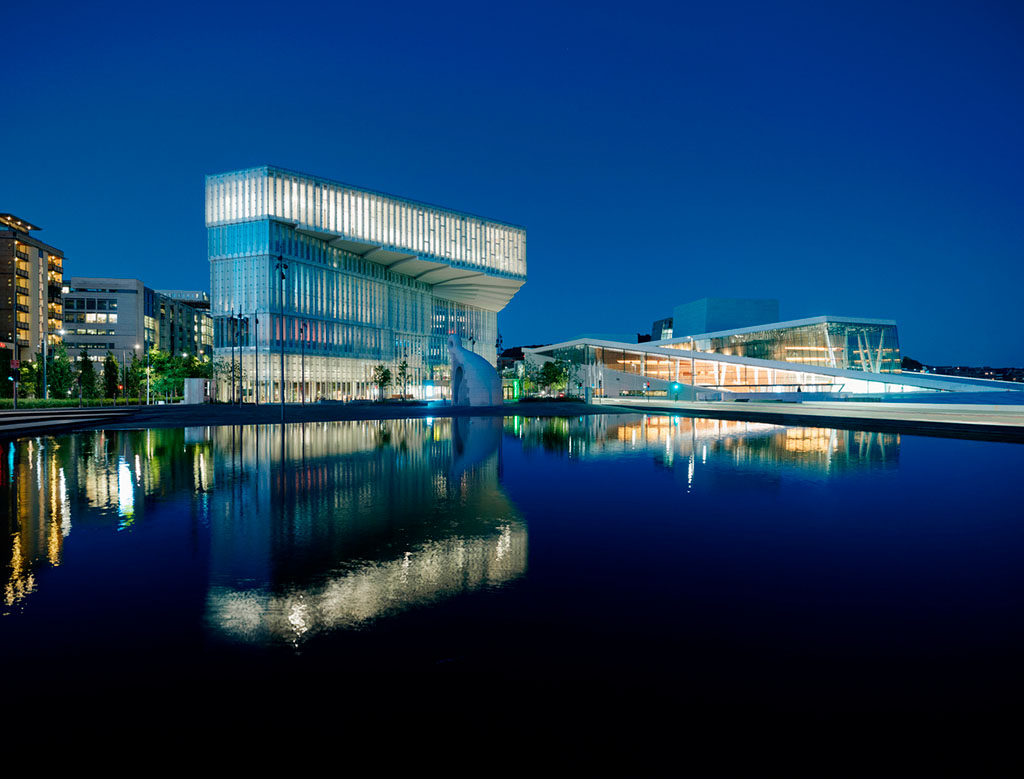
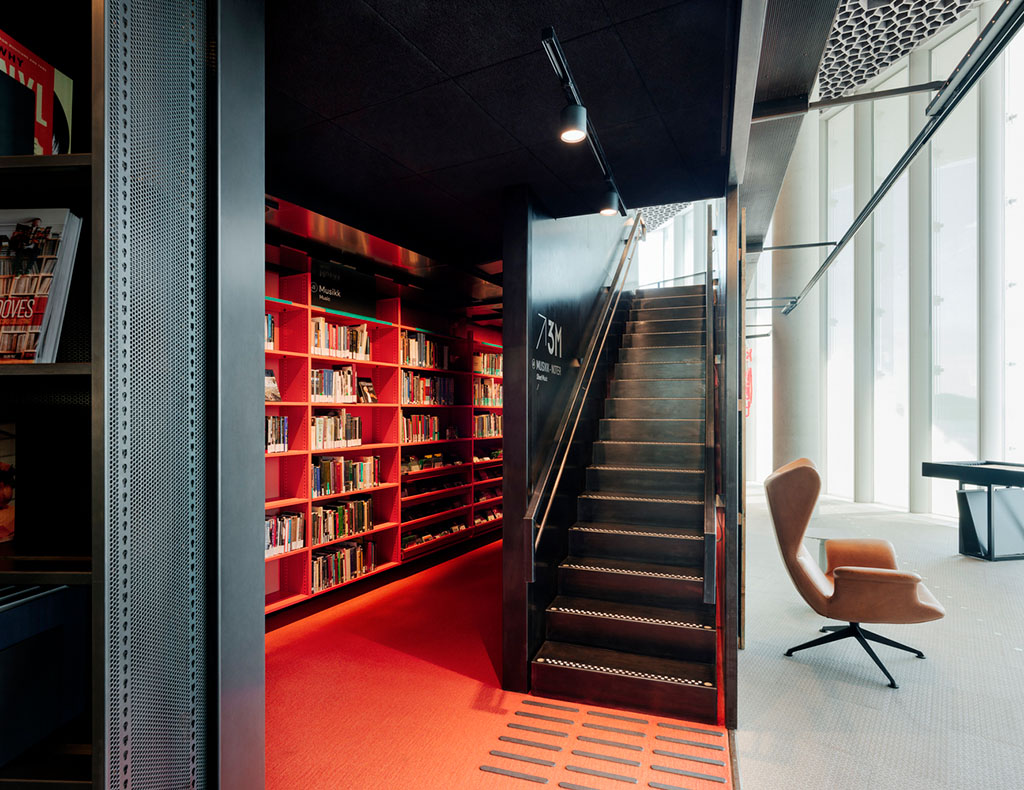
    We don’t get ’em like this in the United States. Oslo, Norway gets the win:

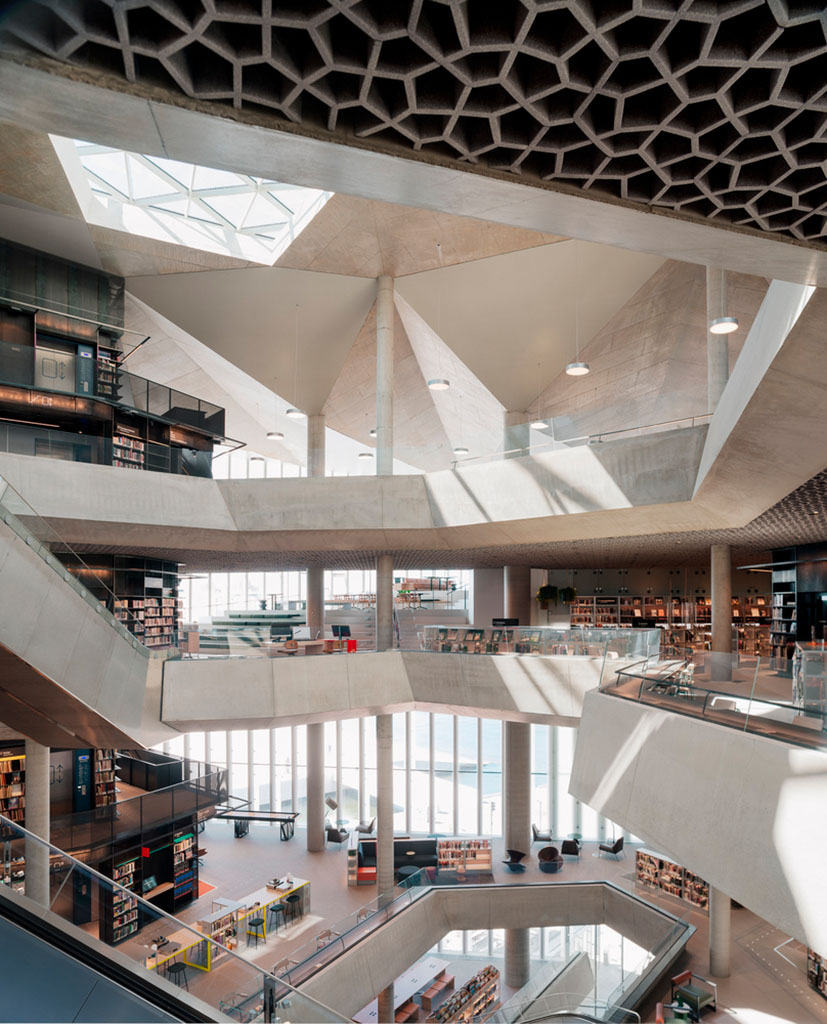
    Even the ceilings are noteworthy (also seen below). Check the atrium:

    More at ArchDaily.