Tag: books

  • Beautifully Briefed: September, 2021

    Beautifully Briefed: September, 2021

    Let’s get the shock news out of the way first:

    Hoefler and Monotype

    It’s been thirty-two years, four months, and fourteen days since I hung out a shingle to announce that The Hoefler Type Foundry was open for business. What started as a sole proprietorship grew into the Hoefler&Co of today, a diversified design and technology practice with an international reach, still dedicated to the invention of original, thoughtful, and hard-working typefaces.

    Meanwhile, “nothing will change,” Jonathan Hoefler (previously) says, except that he’ll be stepping down. That’s kind of a big change, IMHO — but after using typography to “help elect a president,” where do you go from there? Read more here.

    In happier news, the much-delayed new Bond movie, No Time to Die, is finally in theaters next week.

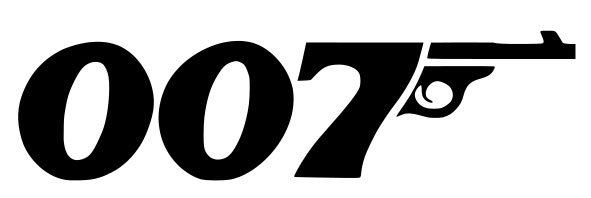
    The 007 logo

    Ever wonder who was responsible for the above (slightly brilliant) graphic? Read Stephen Heller’s The Daily Heller: The Most Prolific Designer You’ve Never Known. Informative and great. Bang!

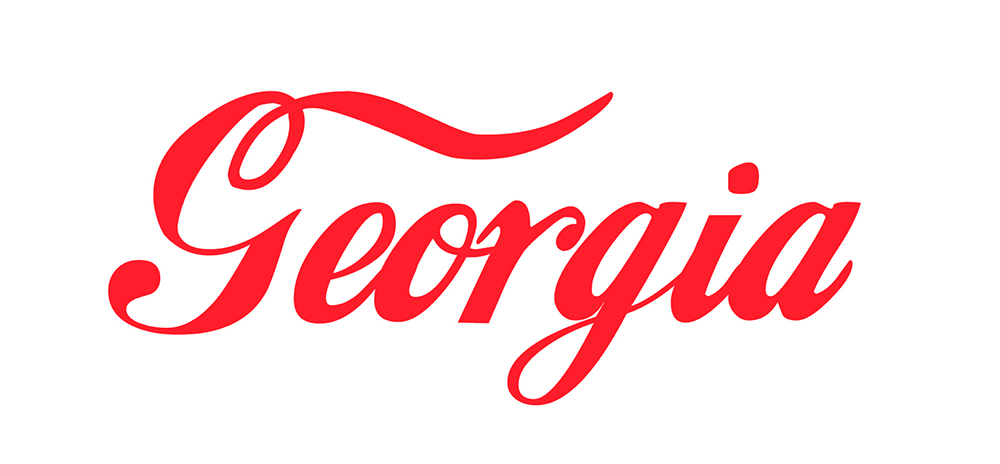
    Corp State of America: GA

    Keith Fleck has gotten a good deal of press for his Corporate States of America, but in case you haven’t seen it, it’s absolutely worth a look. Maine’s L.L. Bean, Florida’s Publix, and, of course, Georgia’s Coca-Cola are all winners. 51 bonus points!

    Lastly for this month, some book design:

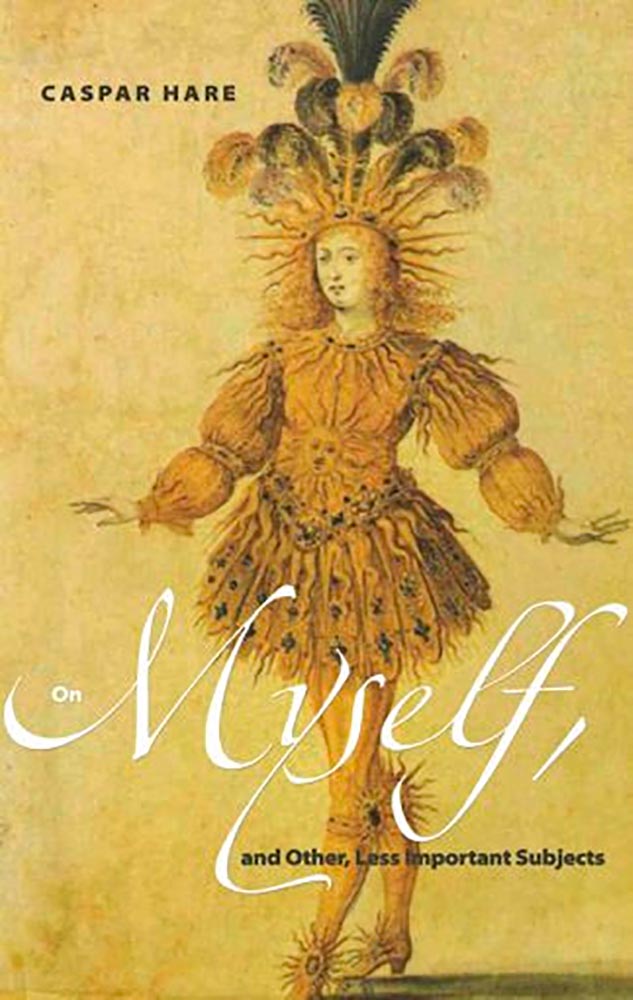
    On Myself

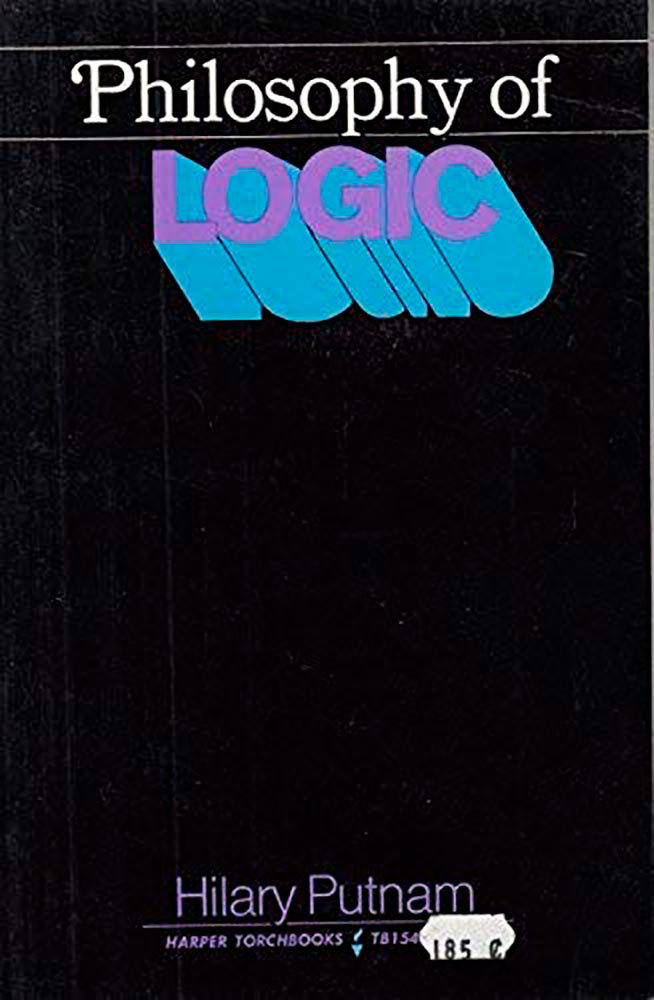
    Daily Nous asks their readers to nominate the best philosophy book covers — Judging Philosophy Books By Their Covers — and there are some winners, some absolute losers, and a few funny moments, too:

    Black Sabbath, except not

    “This always reminded me of a rejected Black Sabbath album cover or something,” says the poster. Nice. (And only 185 cents!)

  • Beautifully Briefed, July/August 2021

    Beautifully Briefed, July/August 2021

    It’s been a busy summer here in Middle Georgia; after regular updates to Foreword for several months, things have slowed down a little. Thus, some good items have piled up.

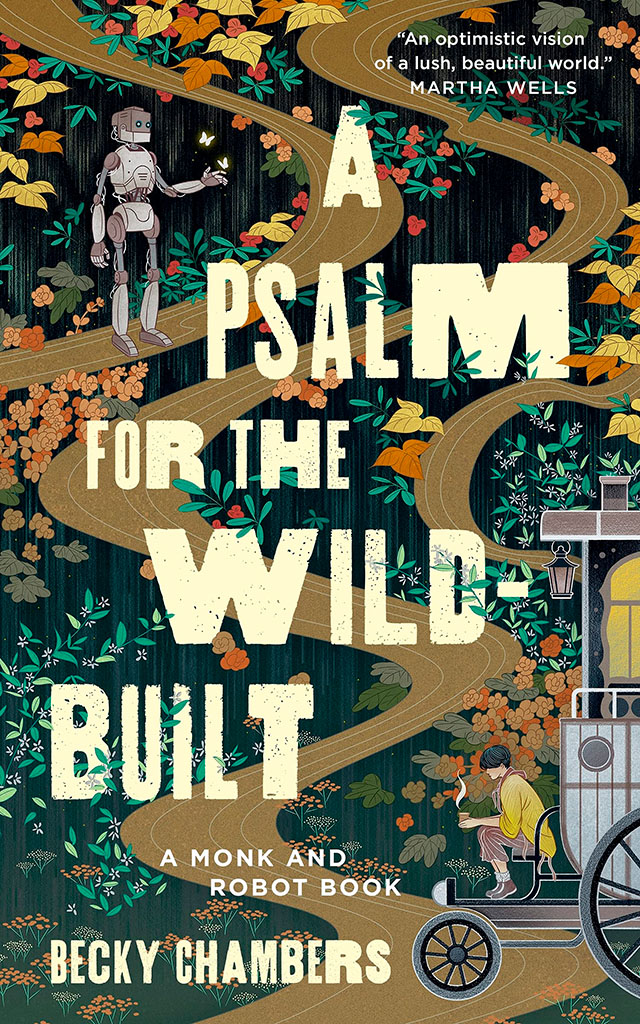
    Starting with a book design I really like:

    NPR describes it as, “A Monk And A Robot Meet In A Forest … And Talk Philosophy.” Interesting description, interesting design. I’d pick it up off a shelf.

    Speaking of bookshelves, a notable quote from Andy Hunter, of Bookshop.org:

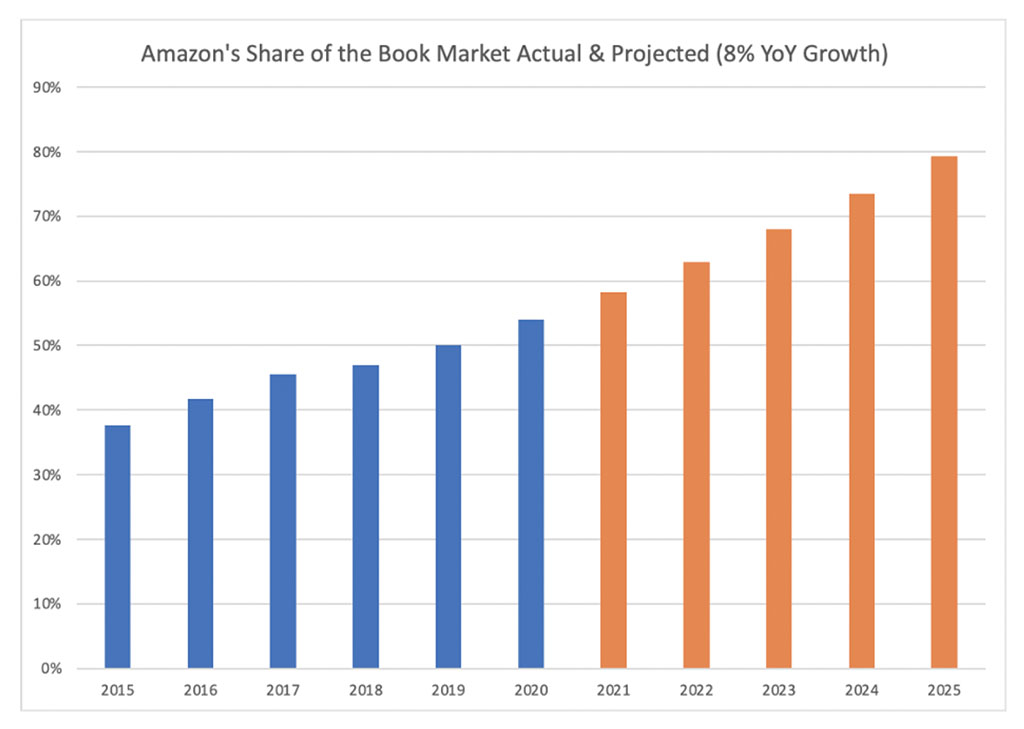
    Take a look at this graph. The blue is Amazon’s share of book sales in the past six years. The orange is where we are headed if their average growth rate (8%) continues. If nothing slows their momentum, Amazon will control nearly 80% of the consumer book market by the end of 2025. Every single book lover should worry. After we’re done worrying, we must change the way we buy books.

    The graph:

    I’m not a fan of Medium — Andy, please choose a better place to post your very valid point — but it’s worth reading. Then change your book-buying habits if possible!

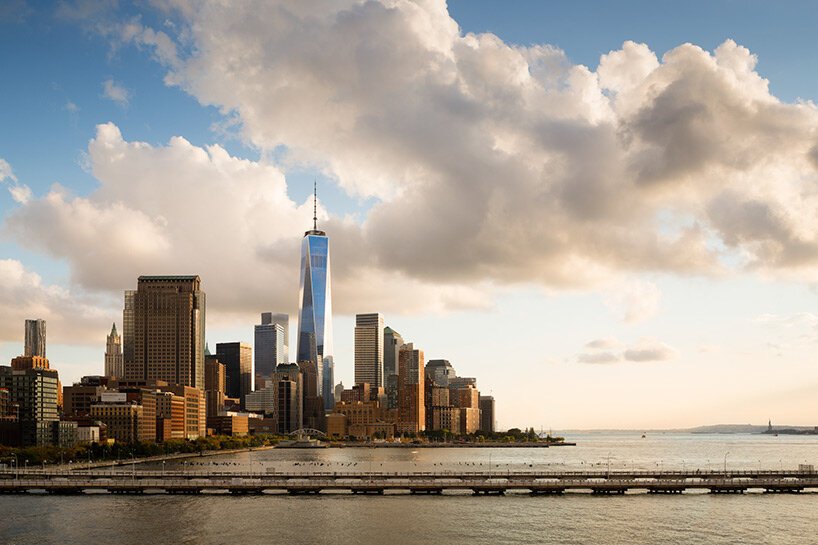
    Also from the book category, check out Skidmore, Owings, and Merrill’s latest book of built work 2009-2019. Tons of great work here, but one example might tower over the others:

    Great photography, too. designboom has more, in their famous all-lower-case style.

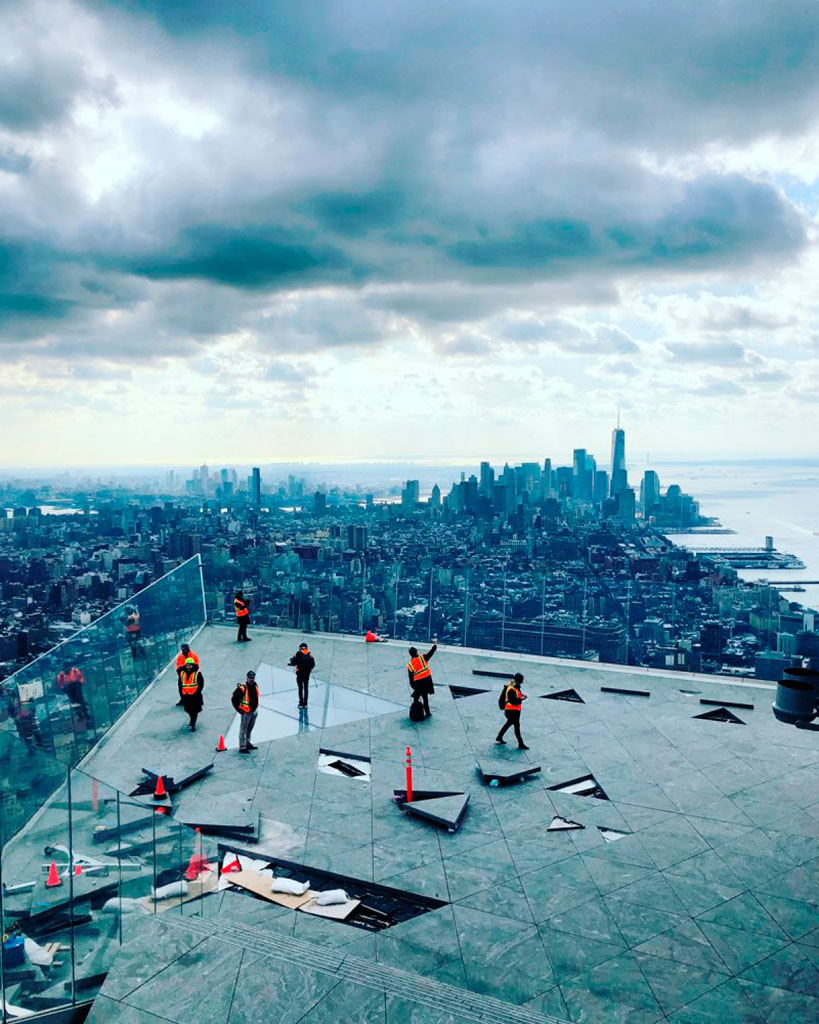
    While we’re talking about great photographs of New York City, check this out — complete with 1WTC in the background:

    A winner from the recent 2021 iPhone Photography Awards, which I enjoyed … until I found out it’s just another contest, complete with entry fee. (Hey, at least they don’t reassign copyright.)

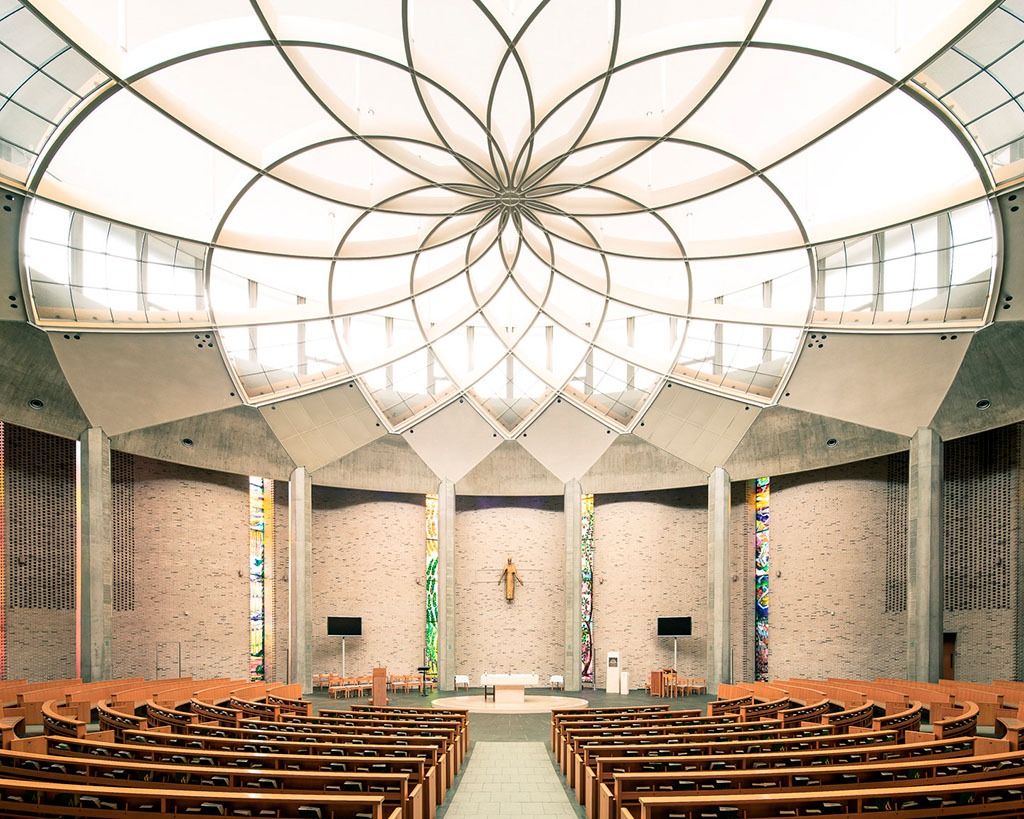
    While we’re at the intersection of photography and architecture, these shots of modern churches across Europe are stunningly beautiful:

    From the nearby intersection of photography and illustration:

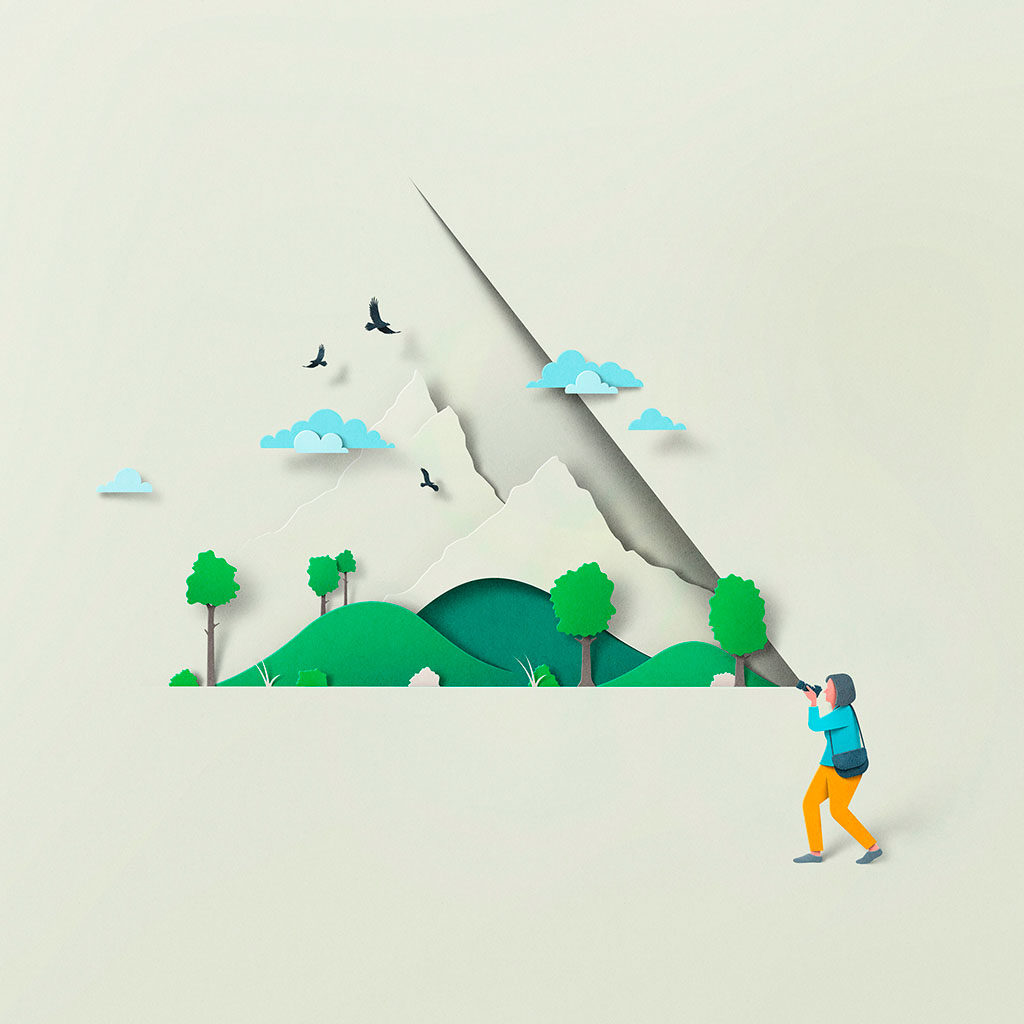
    The whole series is great, great stuff, and has very deservingly been used by the likes of Apple, The New Yorker, and more. Read on.

    Last and almost certainly least, I’ve updated the Musella gallery:

    Check that gallery out, look at the Middle Georgia collection, or peruse all my Georgia photographs on the road to purchasing a print or getting in touch to let me know you’d like to use something in a book or design project. Thank you.

    On to September!

  • (More) Beautifully Briefed, Books and Design, May 2021

    (More) Beautifully Briefed, Books and Design, May 2021

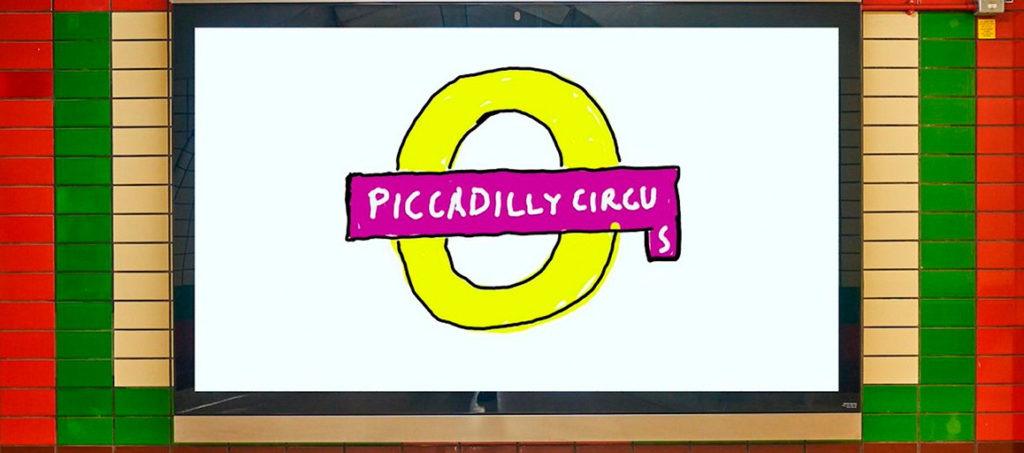
    On David Hockney’s Piccadilly Circus logo:

    piccadilly-circus

    It’s been a minute since I’ve been in London — 2011, to be exact — and I’d love to go back. The food, the parks, the museums, the Thames, the short train rides to more interesting places (Hello, Cambridge?), and even the Tube. (We’ll leave the anti-Americanism aside for right now — we’re post-Trump and post-Covid, so traveling is at least an option!) Yet even the cultural masterpiece that is London is showing some cracks; from the New Statesman:

    Hockney’s Piccadilly Circus has also drawn criticism for its simplistic approach. Over on the cesspit of arts criticism that is Twitter, anonymous accounts that decry all art made post-1920 as an abomination have ridiculed Hockney’s scrawl as indicative of the death of art. Other critics have rightly argued that the work feels like a red flag to a bull: fuelling culture-war debates about the legitimacy of public art, rather than encouraging the public to get onside.

    I like it more every time I see it. Read more at It’s Nice That.

    On the NYC subway map:

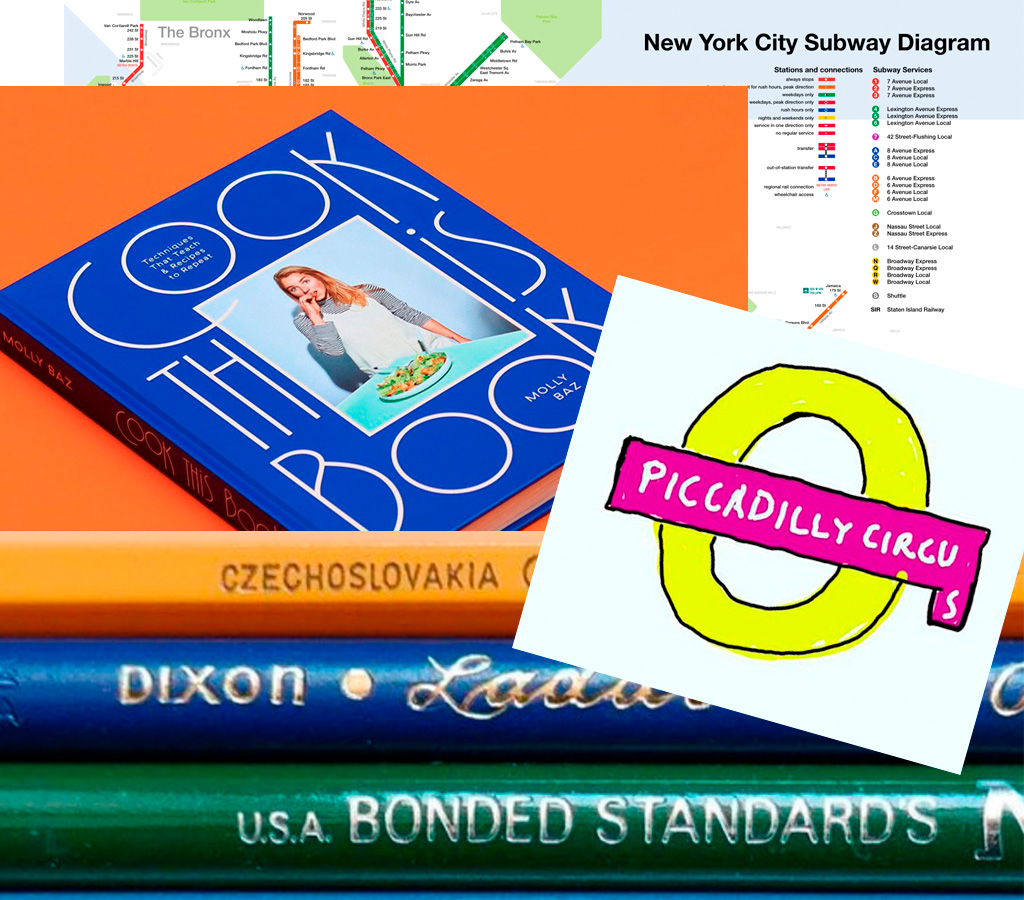
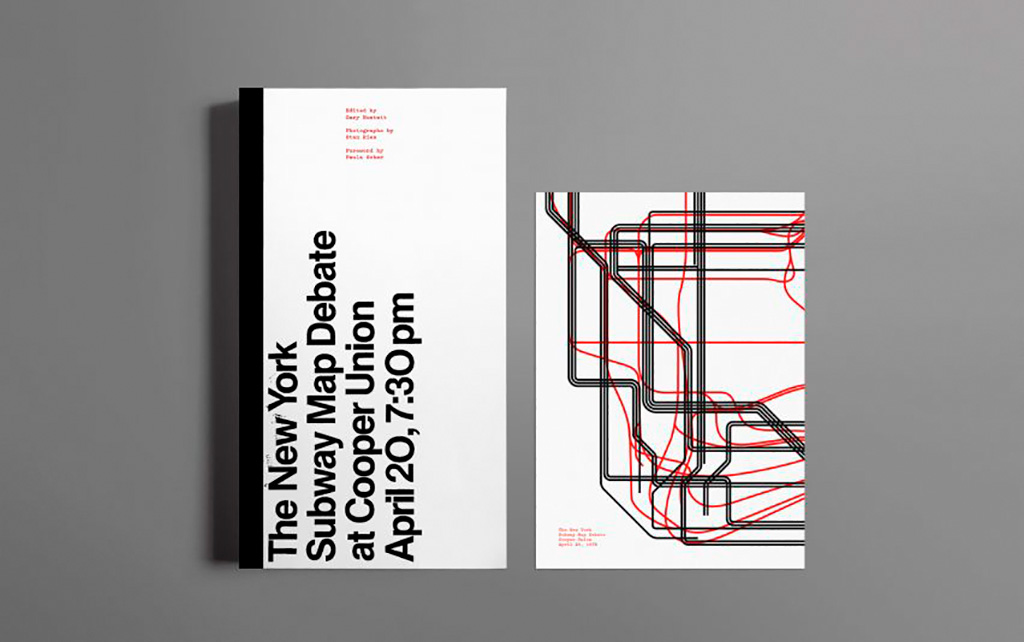
    Speaking of It’s Nice That, an interesting new book from Gary Hustwit . . . on the debate over the New York City subway map. On the one side, the iconic Massimo Vignelli version, introduced in 1972, representing the less-is-more approach. On the other, the replacement version from John Tauranac, introduced in 1979, representing the more-accurate-is-more approach. (An updated version of the latter is still in use today.)

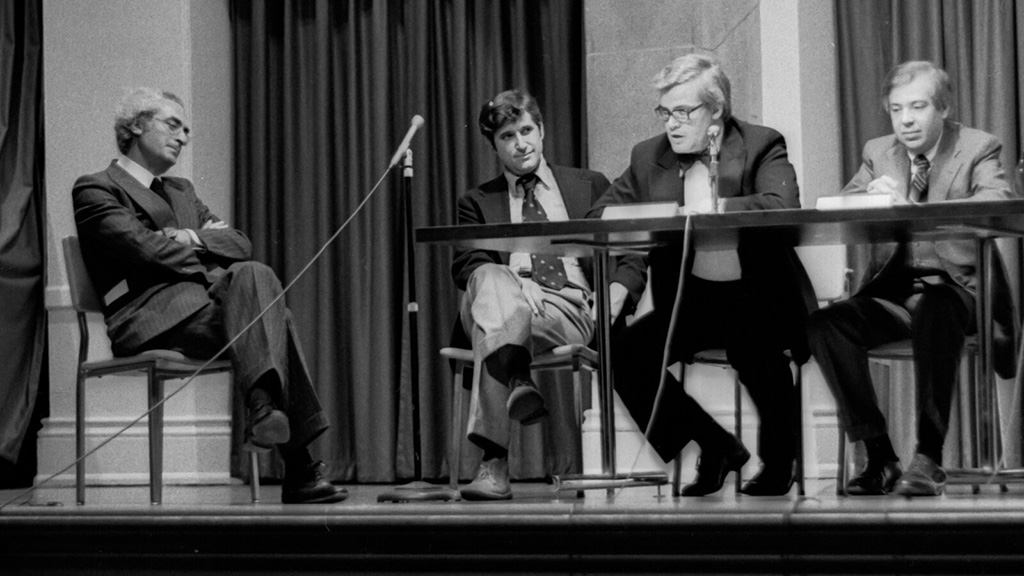
    But back in 1978, the two got up on stage at Cooper Union’s Great Hall — home to debates of, among others, Abraham Lincoln — and pitched their case:

    They Look Happy! (Subway debate 1978)

    Newly discovered photographs and audio lead to this new, smartly-designed, book. Read more at It’s Nice That; Dezeen has an interview with the author. Pre-order the book and get a limited-edition letterpress print at Oh You Pretty Things.

    Subway Map Debate Book

    On books and book design:

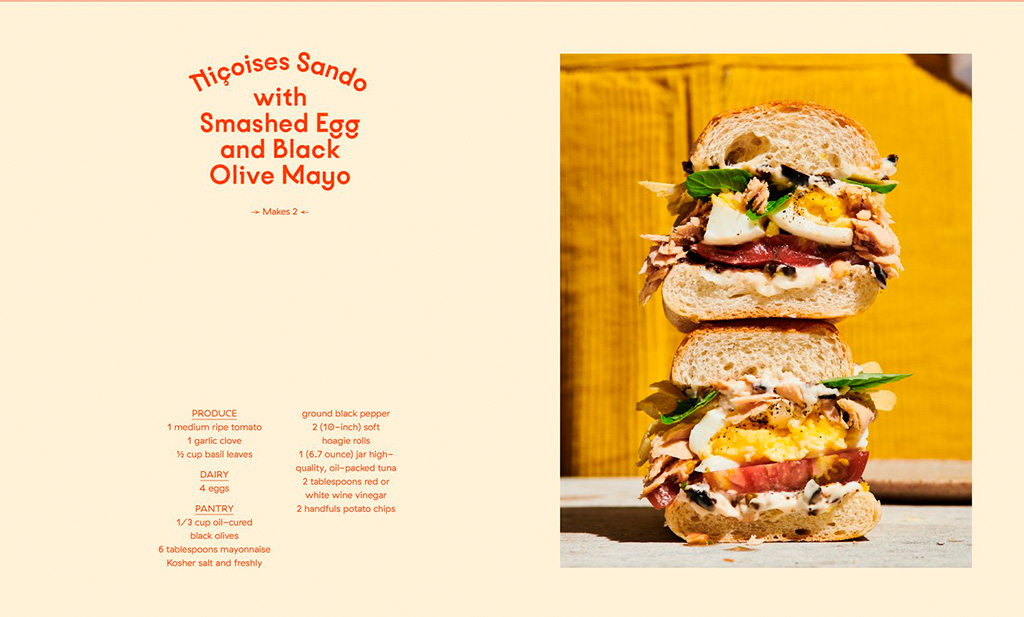
    Nice new cookbook chock full o’ seventies-era design, “Violaine et Jérémy returns with a cookbook for Molly Baz, featuring three of the studio’s much-loved typefaces,” at — wait for it — It’s Nice That:

    Nicoise Sandwich

    Sandwich Nicoice. Mmmmmmm.

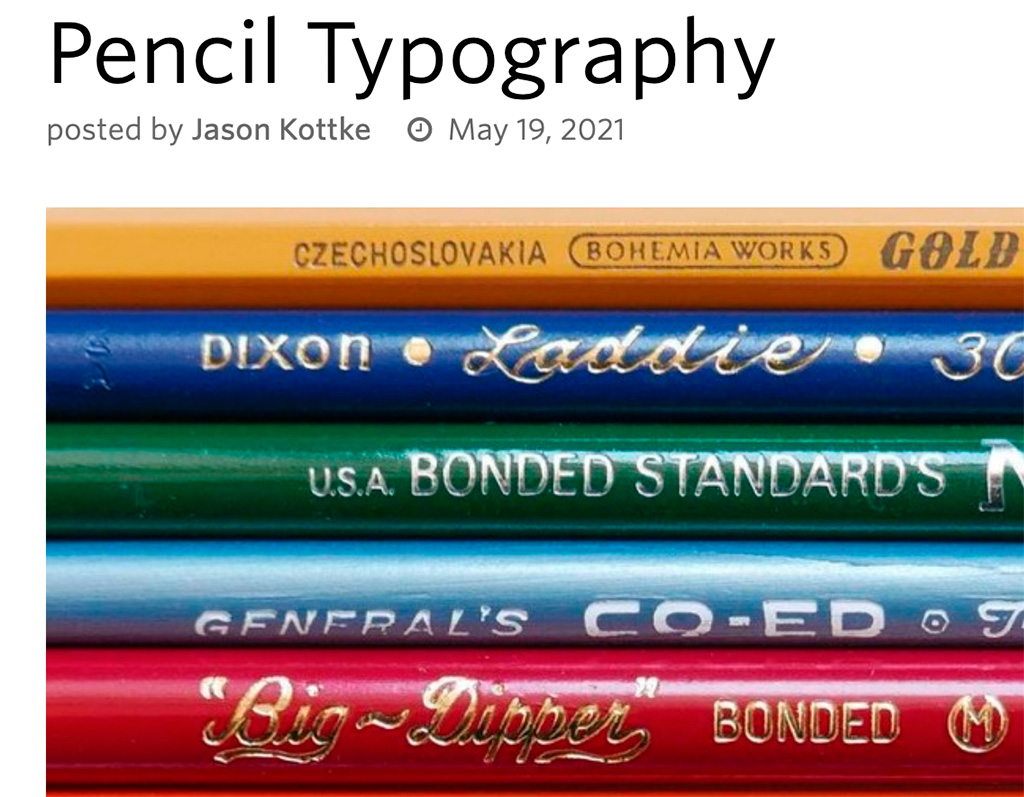
    Lastly, just because, Kottke collects pencil photography to examine the typography. Nice.

    Kottke on Pencil Photography

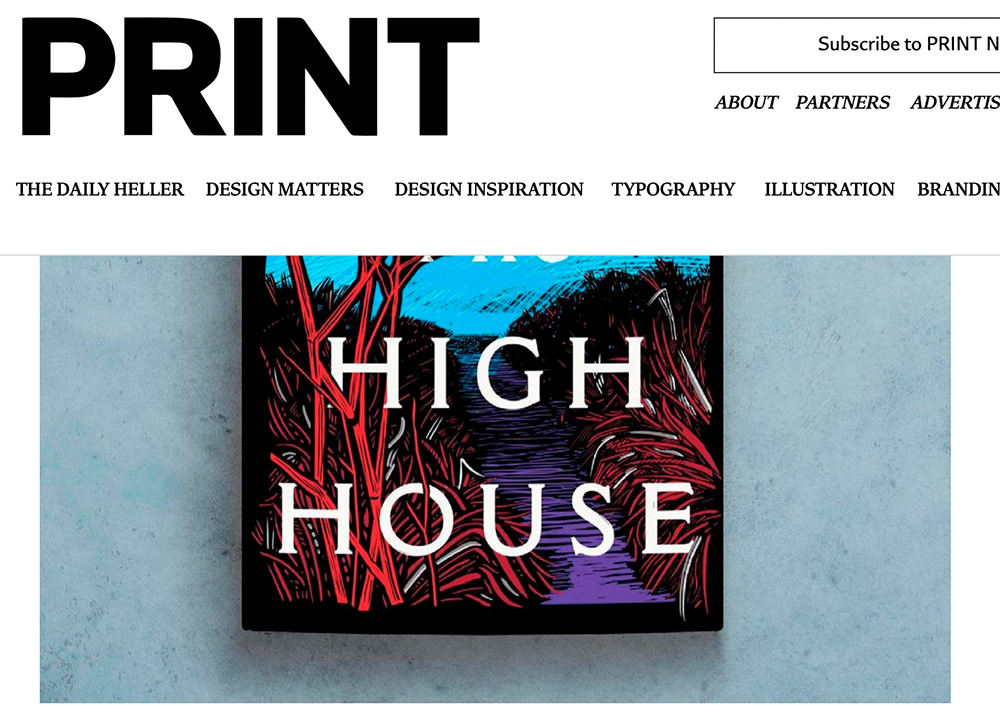
  • Print Magazine: 30 of the best book covers of 2021 (so far)

    Print Magazine: 30 of the best book covers of 2021 (so far)

    Great list — I agree with almost all of them, but wanted to call a few out especially:

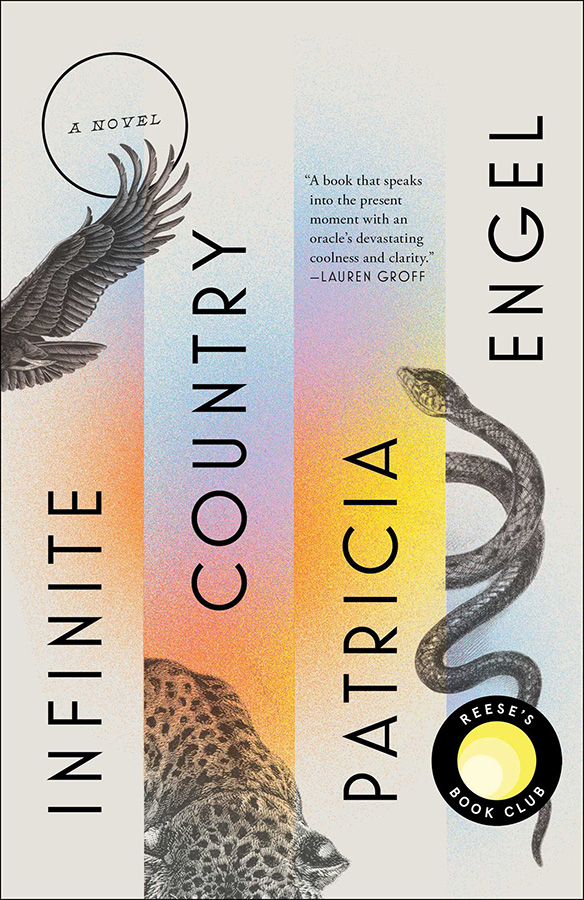
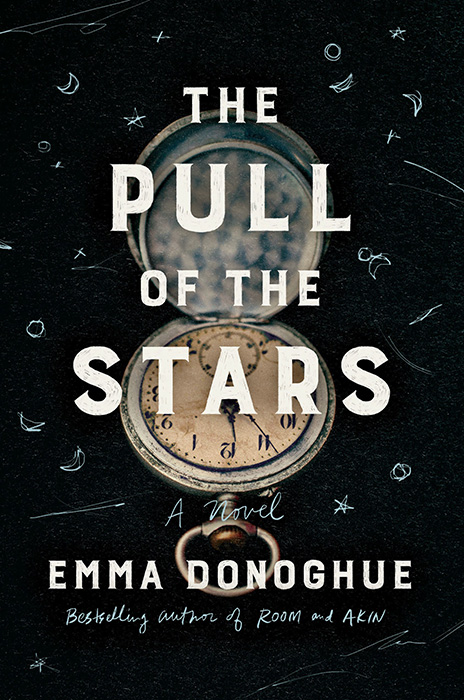
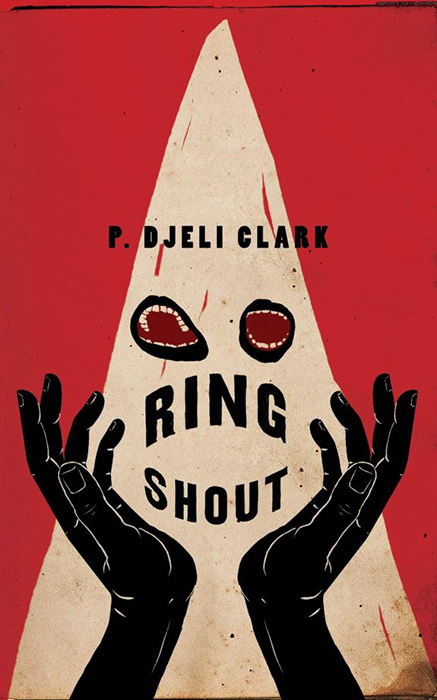
    Infinite Country, mentioned here;

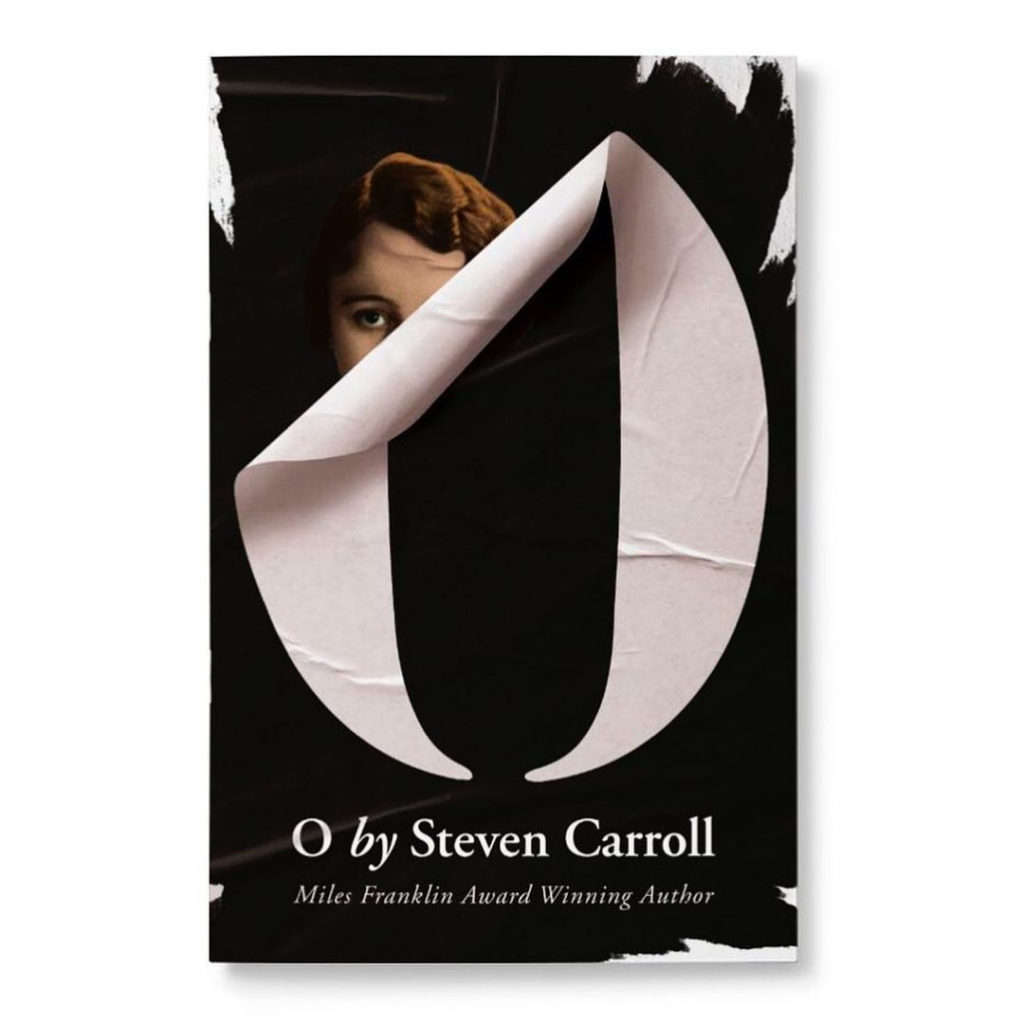
    O, Steven Carroll, cover by John Gray;

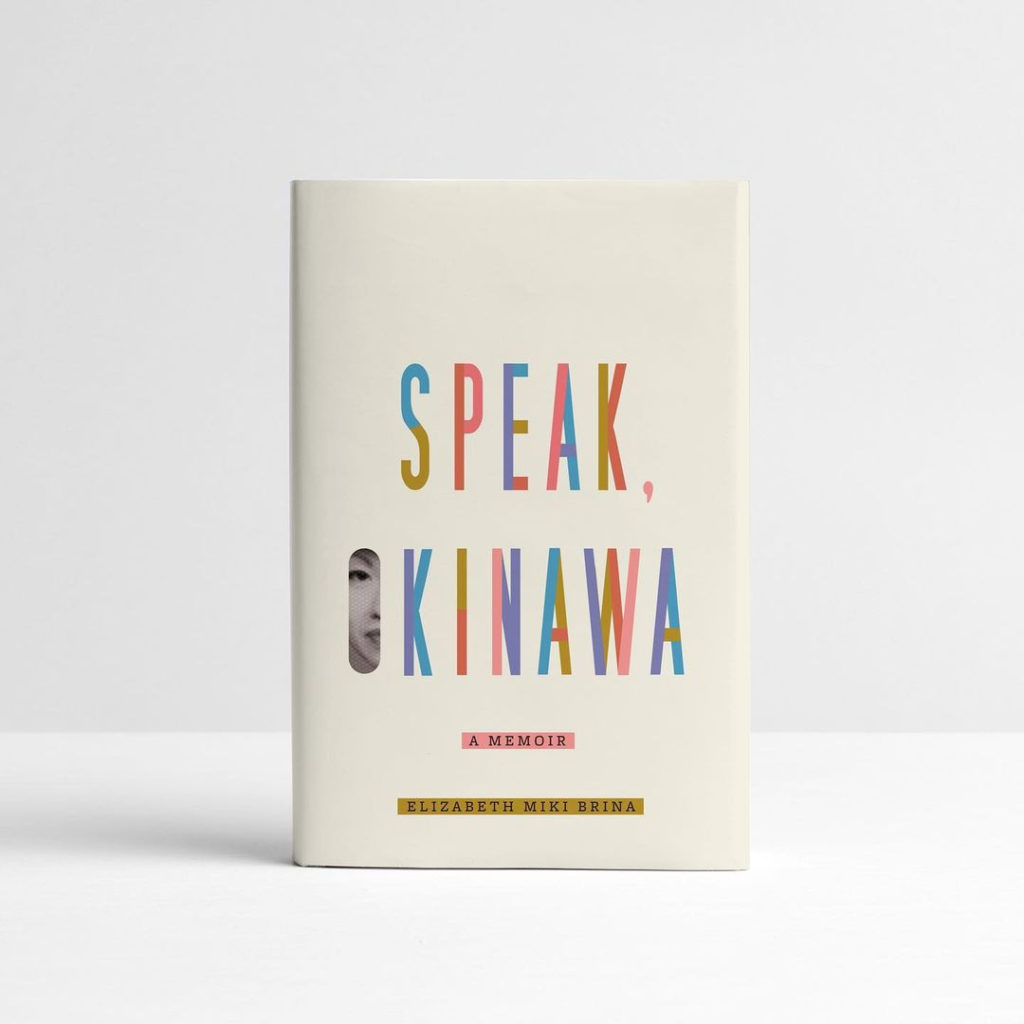
    Speak, Okinawa, Elizabeth Miki Brina, cover by Janet Hansen; and

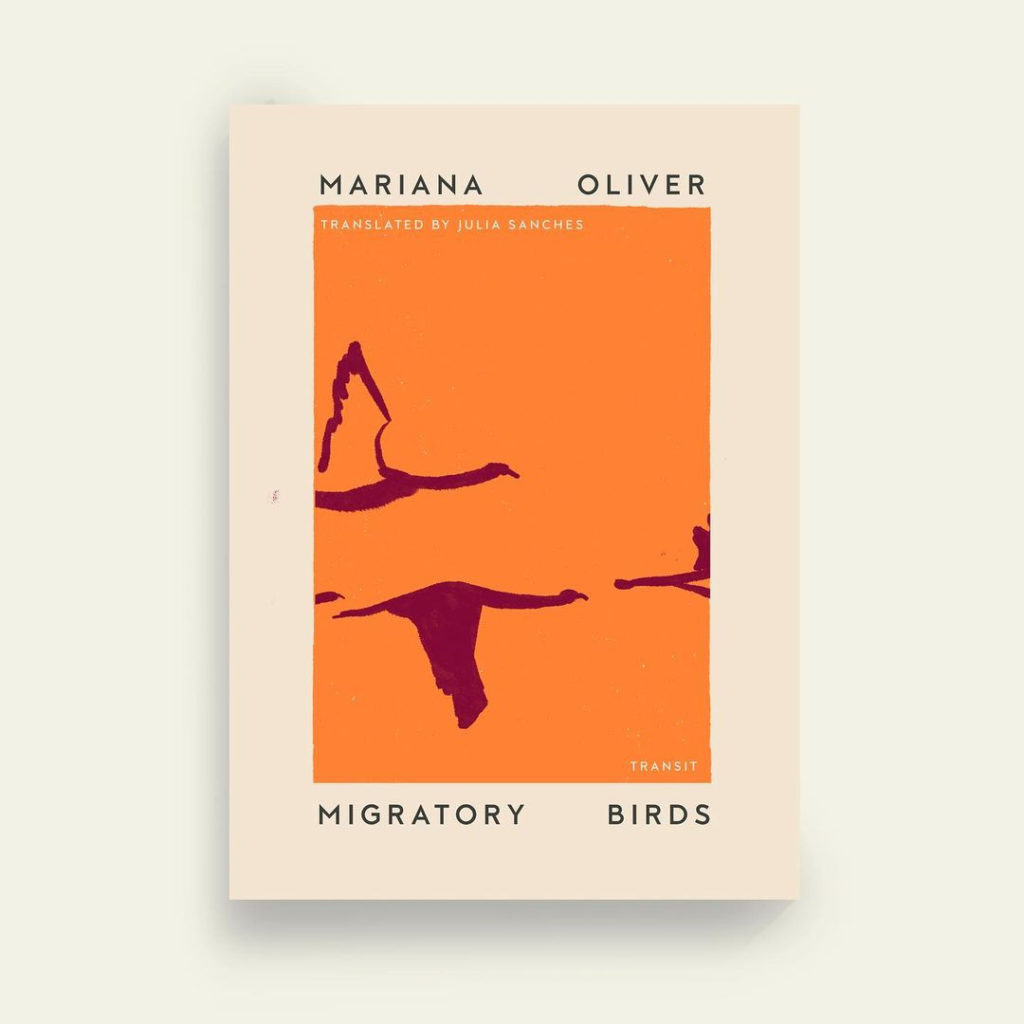
    Migratory Birds, Mariana Oliver, cover by Anna Morrison.

    See the rest.

  • My 20 Favorite Book Covers of 2020

    My 20 Favorite Book Covers of 2020

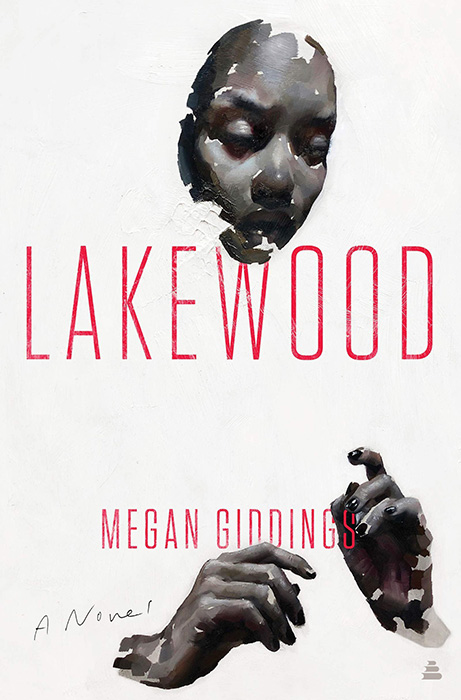
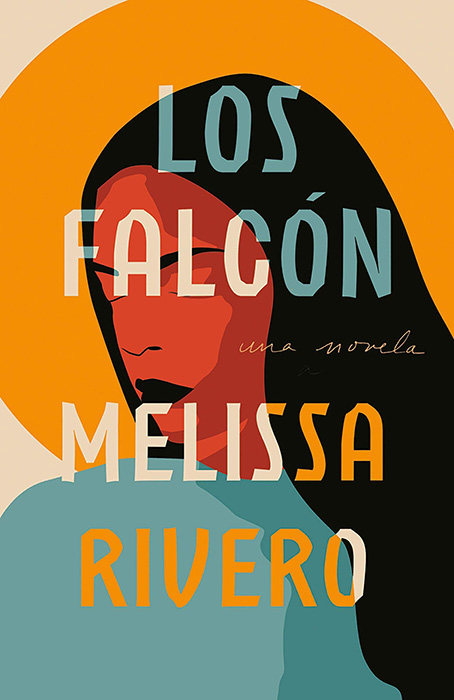
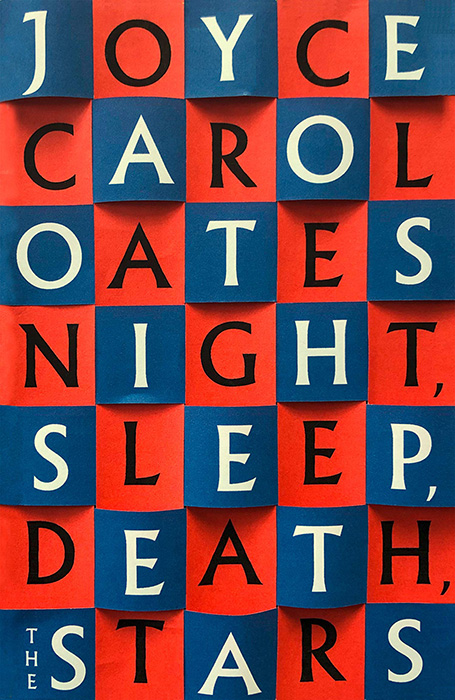
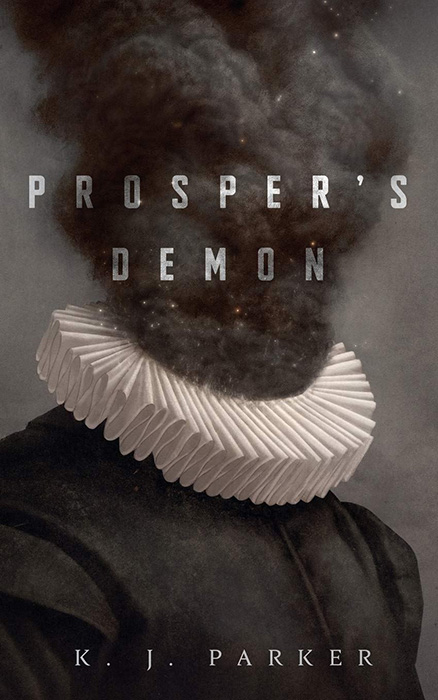
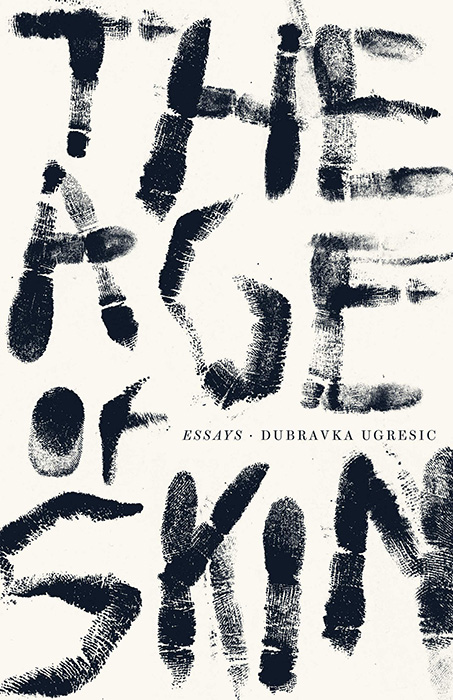
    This list is simple and straightforward: these aren’t necessarily all of the best book covers of 2020, only my favorites — gathered from the combined lists of LitHub, Creative Review, NPR’s 2020 Book Concierge, and the Casual Optimist, along with sightings in the New York Times Book Review, BookRiot, and Spine Magazine. Interestingly, despite the year many of us would rather forget, the best book covers are, as usual, memorable.

    My favorite, by quite a lot:

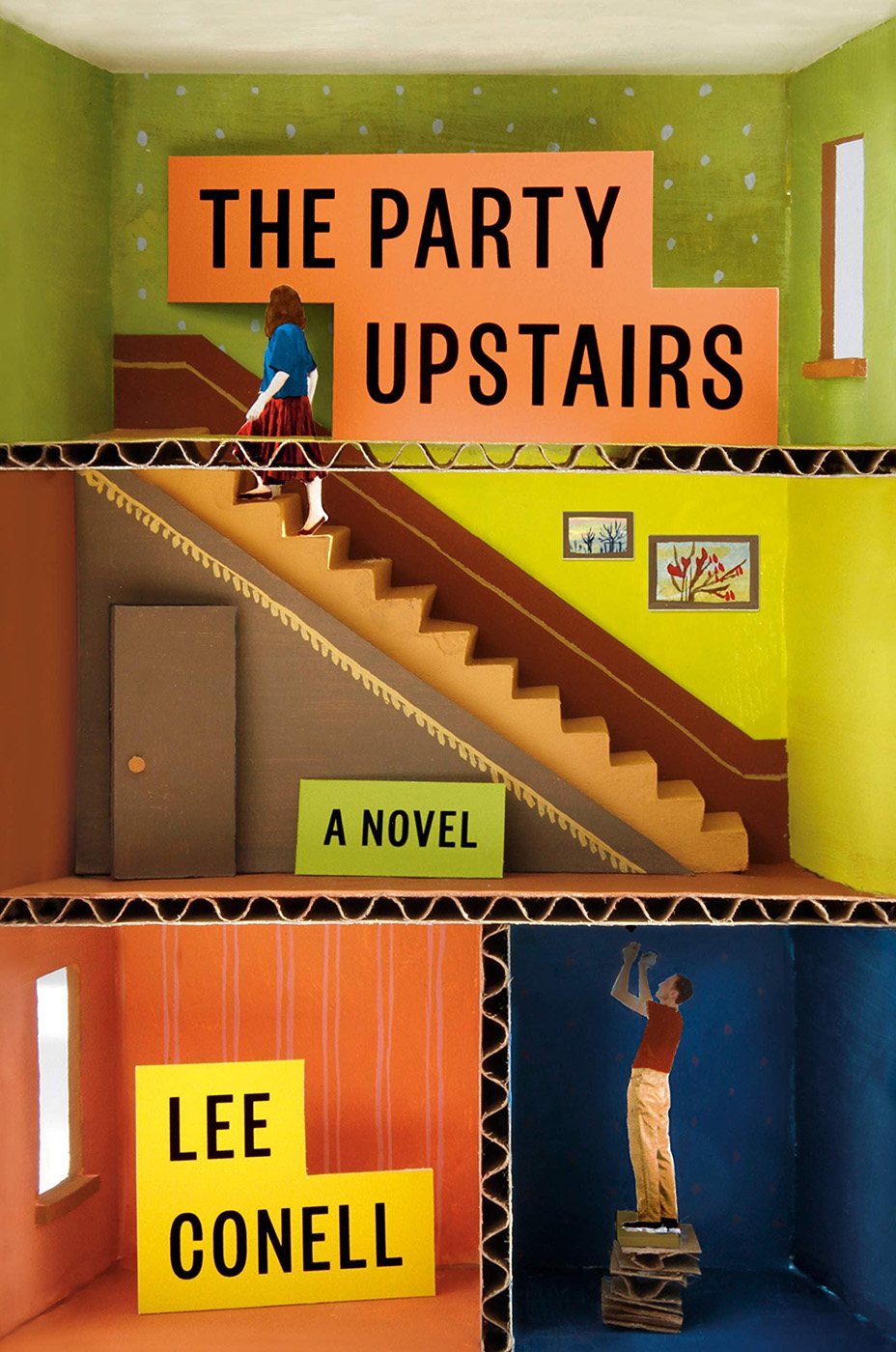
    There’s no other way to put this: it’s brilliant. The Party Upstairs by Lee Conell; design by Stephanie Ross. Read about how it was put together, along with initial ideas and drafts, at Spine Magazine. Great, great stuff!

    The rest, in alphabetical order:

    On the one hand, exactly what you’d expect — except a) it’s a novel, and b) it’s not really what you’d expect. Nice. Design by David High.

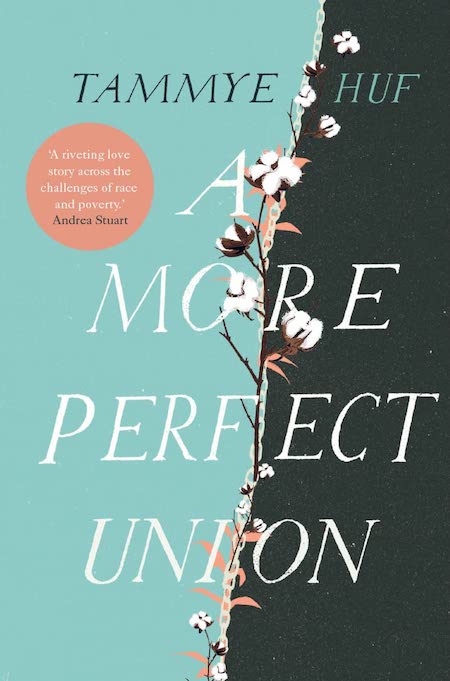
    The left and right halves here are a perfect union, and I’m a sucker for hand lettering. Design by Anna Morrison.

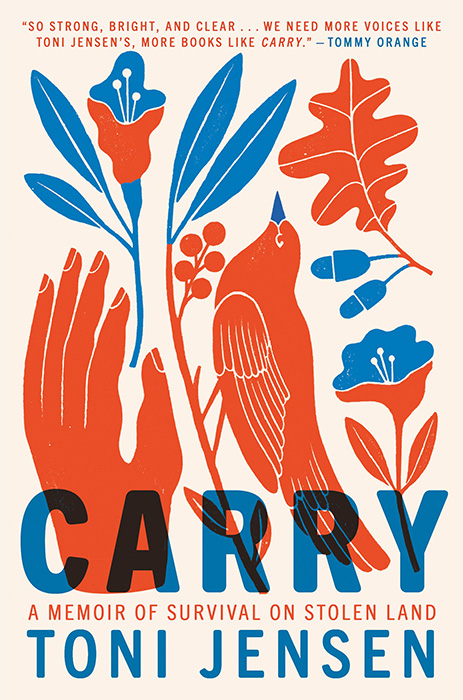
    I can’t remember the last time I saw a two-color cover I liked so much — major kudos here. Design by Emile Mahon.

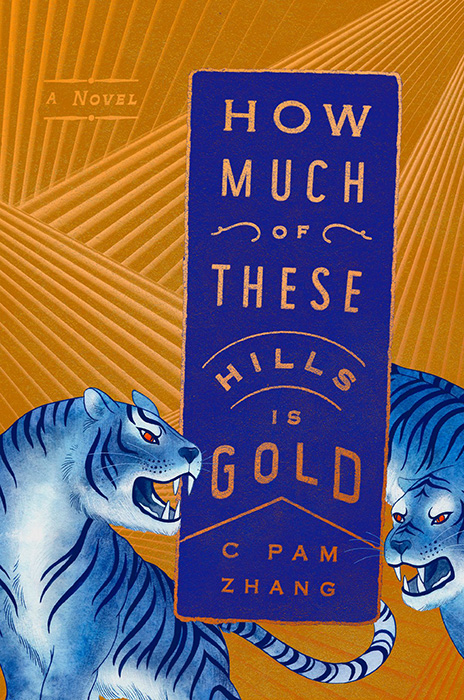
    Blue tigers. Red eyes. Crooked title block. Yet somehow rich beyond easy description. (The author calls it “haunted by place.”) Design by Grace Han.

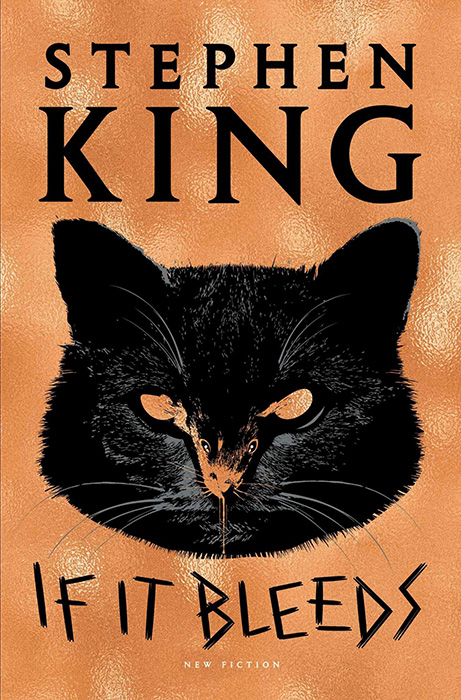
    Can’t. Unsee. The. Rat. Home run of horror. Design by Wil Staehle.

    Simple type that’s well executed meets brilliant original painting. Proof that less can be more, if you’ll pardon the cliché. Design by Stephen Brayda.

    One of this year’s best uses of color, along with another great illustration. Design by Adalis Martinez.

    This design has gotten a good deal of attention — and deservedly so. Eye-catching by fives. Design by Jamie Keenan.

    Explosive. (Sorry.) Actually, I’m personally jealous of this one: it feels like one I would have done, given the sudden (and unlikely) moment of creative greatness. Design by Christine Foltzer.

    The hand work on this one — both illustration and lettering — just make it. A universe of goodness. Design by Sara Wood.

    Scary good. Well, just scary, really, especially for a resident of the South. Excellent design by Henry Sene Yee.

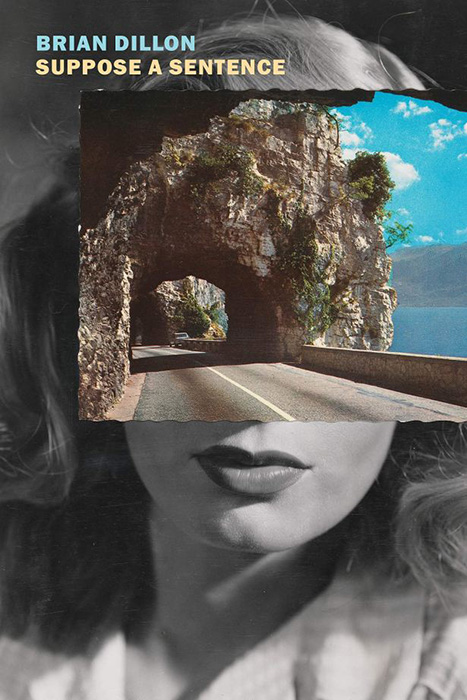
    Retro style and simple typography combine to make something excellent. Suppose a cover, with design by Katy Homans.

    When has one color print been more compelling? This book would stand out on any bookshelf. Imagination by Jack Smyth.

    The original artwork (by Kai McCall) really grabs your attention … and then hangs on, staring straight at you. Wonderful. Design by Stephen Brayda.

    Here, the simple background illustration is enormously enhanced by the choice of colors, the “heart” cutout, and typography choices. A case of 10 + 10 + 10 = 1000. Design by Lauren Peters-Collaer.

    Deceptive at first glance, the colors here keep adding up (to build on a theme). Another excellent example of hand-lettering adding so much, too. Another great design by Lauren Peters-Collaer.

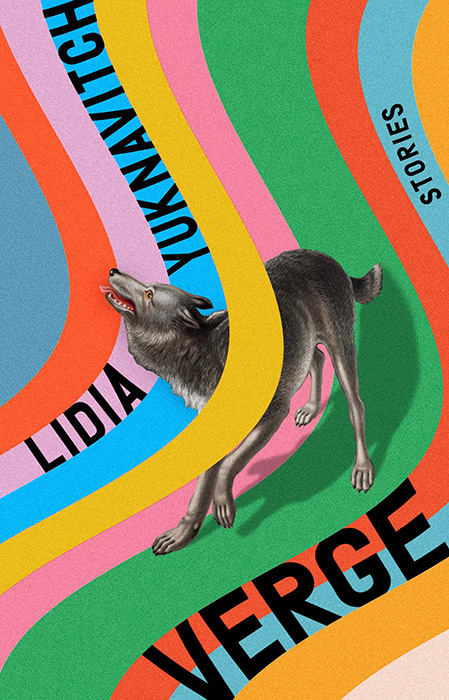
    Unexpected choices lead to great new places here, especially with the yellow band overlaying the wolf. So, so good. Design by Rachel Willey.

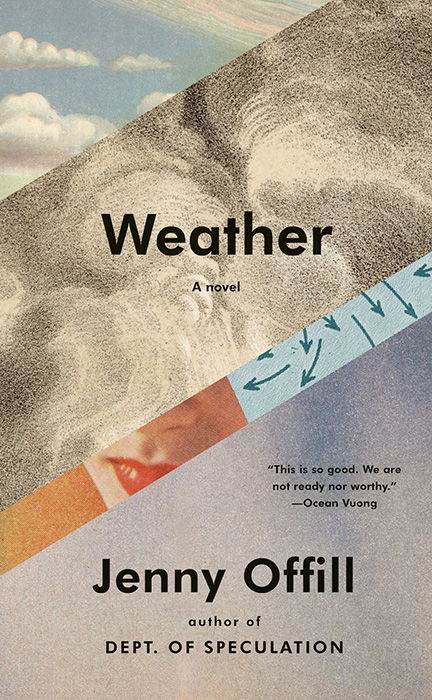
    No speculation here: this one takes me by storm. (Sorry.) “We are not ready nor worthy” applies to the cover, as well! Design by John Gall.

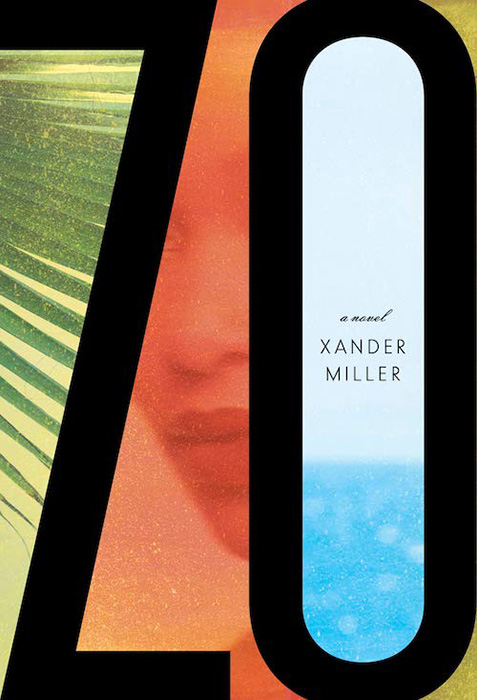
    Like Weather, Zo uses illustrations to huge effect — but this time with a huge typography effect to go along with it, and lo, it works. Great design choices by Janet Hansen.

    Now, let’s all survive 2021 so we can do this again!

  • New Book Celebrates Risograph Printing

    It took 850 days, 74 tubes of soy ink, fifteen colours, 660 masters, 690,000 sheets of paper, three fans, two digital Riso duplicators and four people to complete this 360-page book that focuses on one thing: the process of Risograph printing.

    I have to admit: I hadn’t heard of risograph printing before — Wiki has a (very) brief intro — but the book looks like something very interesting indeed, along the lines of a Pantone catalog on steroids. Read more at Eye Magazine.

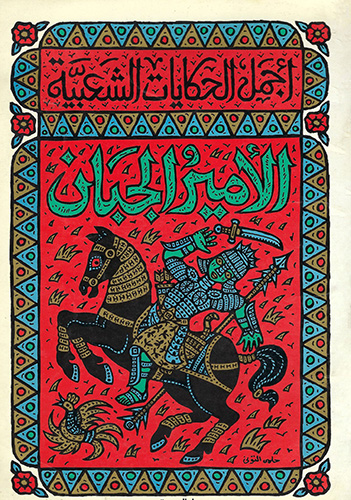
  • It’s Nice That: We dive into a new archive of over 1,000 book covers from the Arab world

    It’s Nice That: We dive into a new archive of over 1,000 book covers from the Arab world

    Egyptian designer Moe Elhossieny talks us through why he launched his Design Repository and what he’s already learned about Arabic book design from the collection.

    Fascinating.

  • Ars: Publishers worry as ebooks fly off libraries’ virtual shelves

    One thing I never read, if possible: ebooks. That said, in these strange times, they are what folks need — and, because these are strange times, it’s causing problems. Ars Technica has the story.

  • H&Co on book … uh, types (for the times)

    Five typography-adjacent books for indoor times, from Johnathan Hoefler:

    All five share a sincerity, an attention to detail, and a sense of humor that has kept me smiling for weeks.

    Check ’em out.

  • In 2019, more Americans went to the library than to the movies.

    From LitHub, an important note. Glad to see something free has more influence than a $40 billion industry.