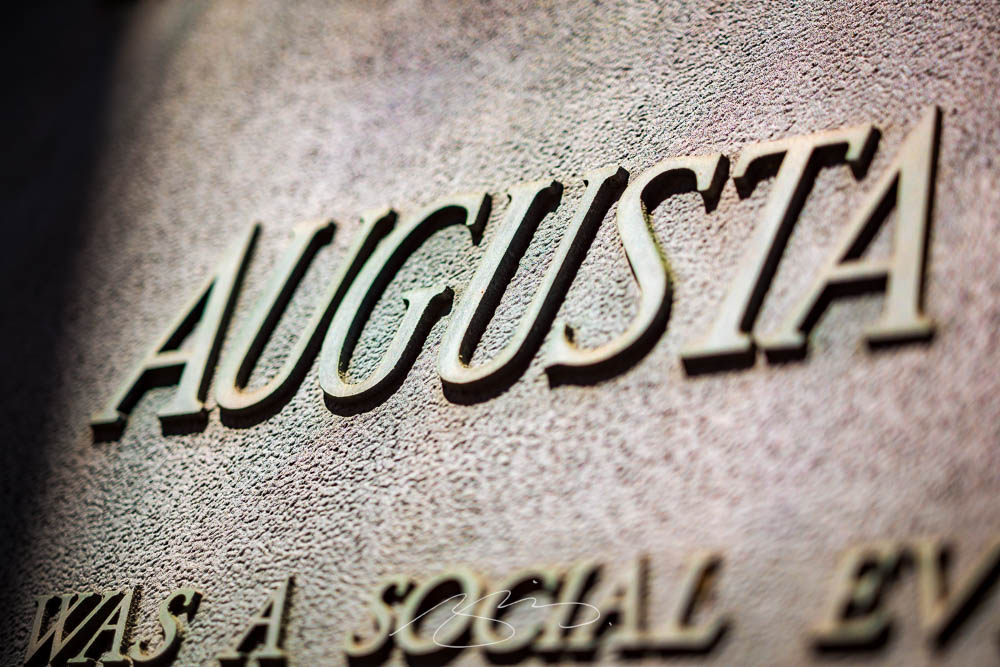
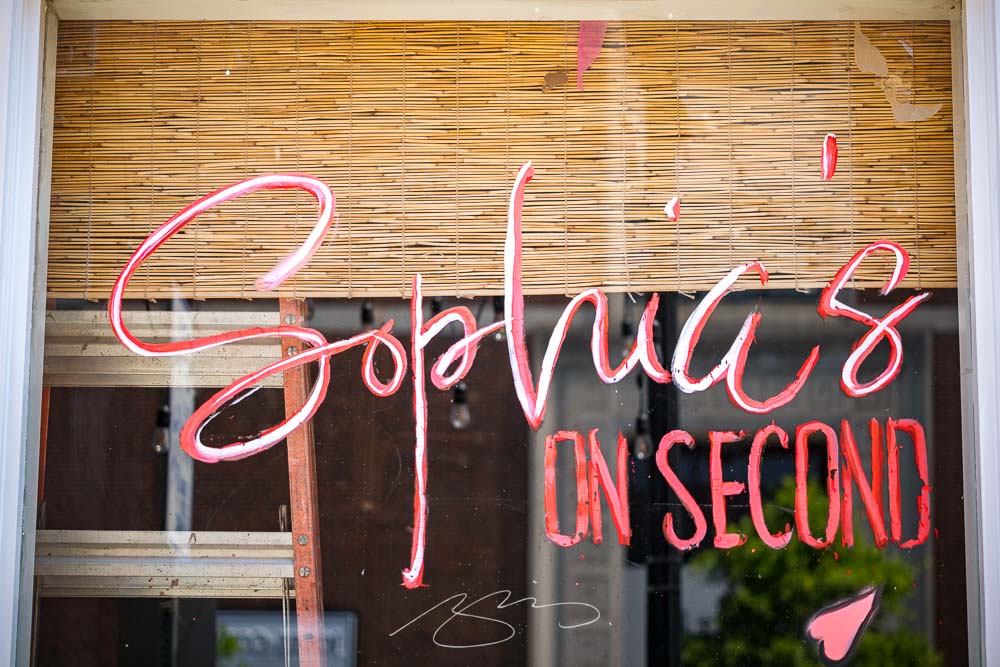
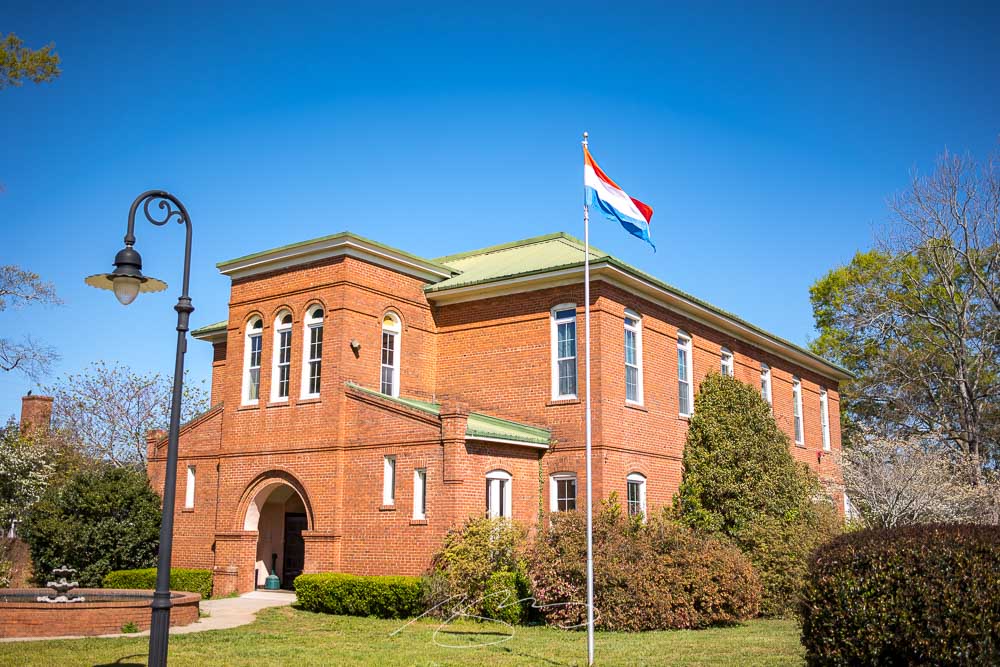
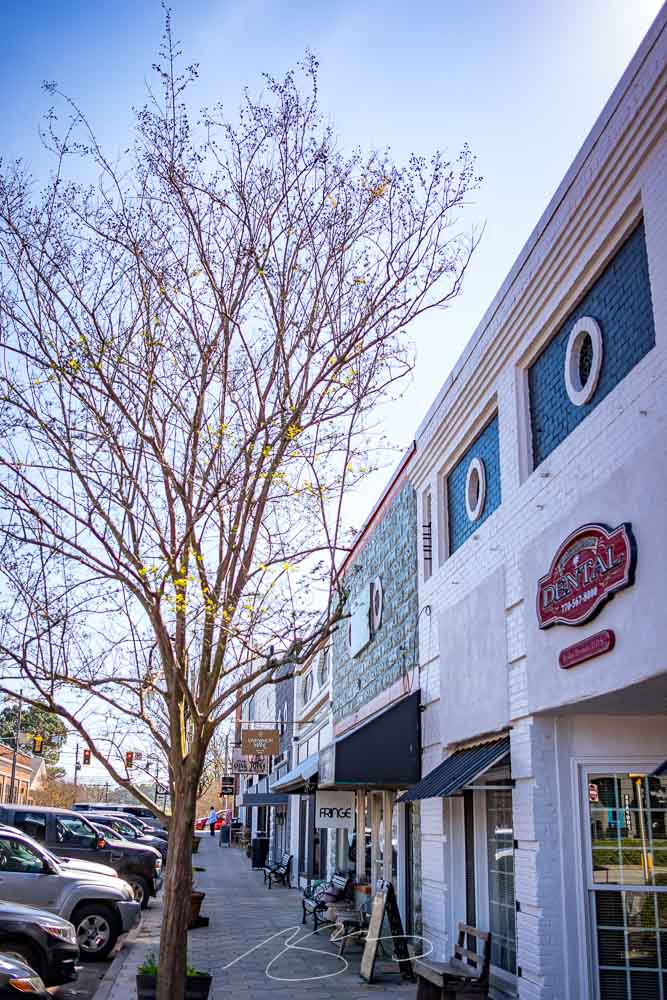
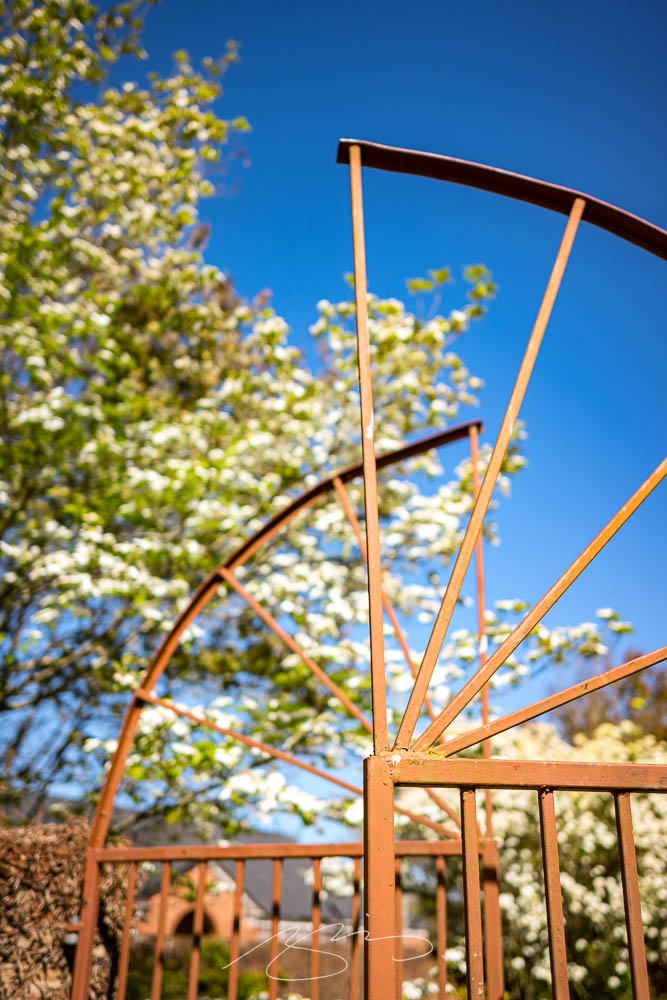
Together with Columbus and Macon, Augusta is one of Georgia’s “Fall Line” cities, and is home to more than 200,000 people. Located on the eastern edge of the state on the Savannah River, it was founded by James Oglethorpe in 1736 on the site of a Native American river crossing.
Augusta has long been on the to-photograph list, but it’s just far enough away from Macon to make a quick, unplanned trip difficult — so this past weekend, when another trip was cancelled, I took advantage of the available time and made it happen.
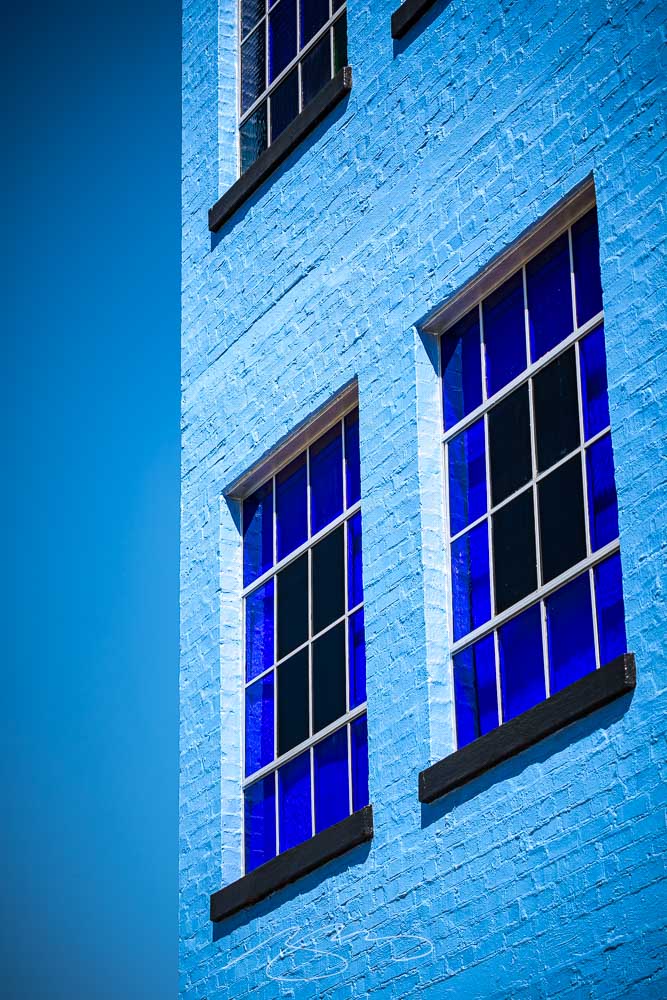
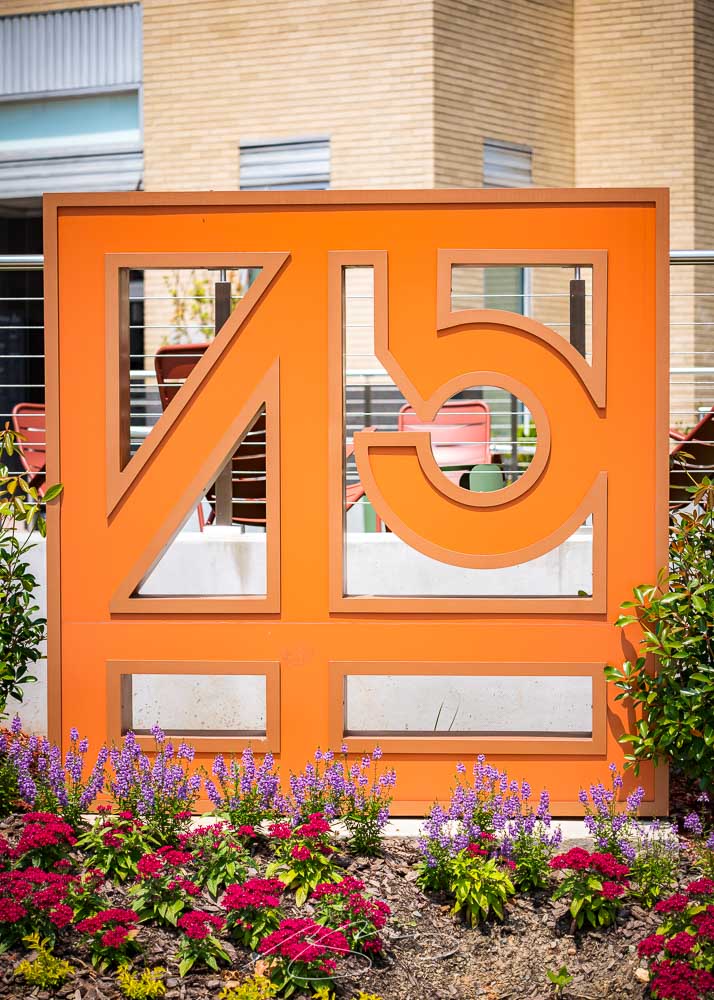
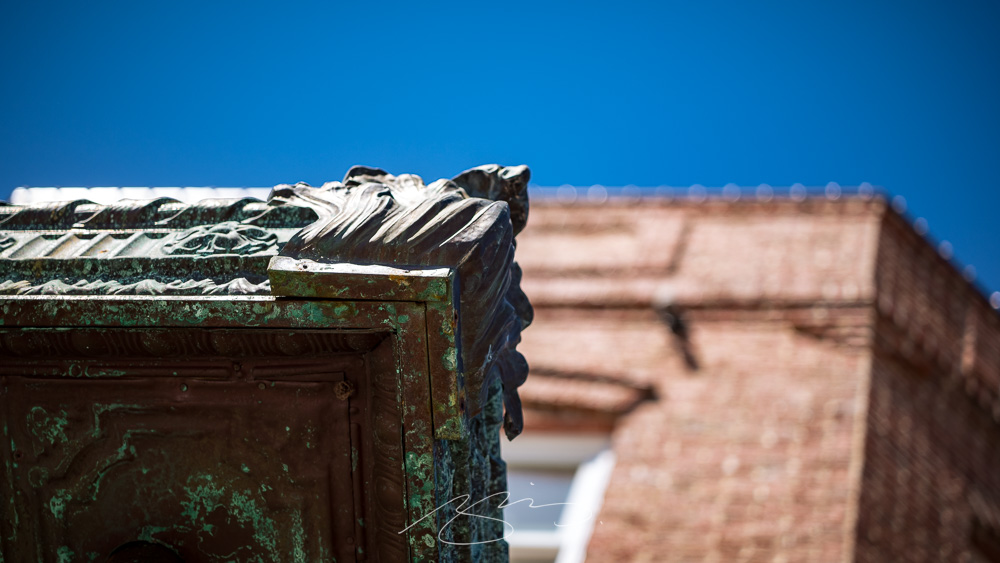
Blue Against Blue Against Blue, 943 Ellis St.
Of course, rather than a quiet Sunday downtown, I ran headlong — no pun intended — into the Augusta Ironman marathon. There were crowded street corners, intersections closed aplenty, and a combination of competitors and supporters everywhere.
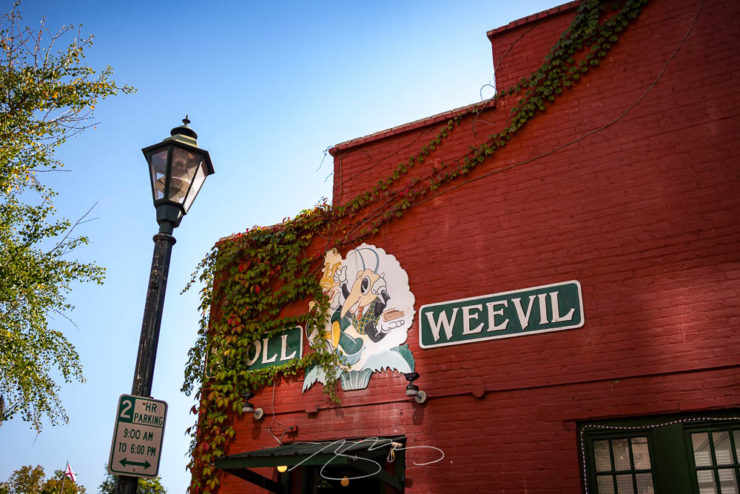
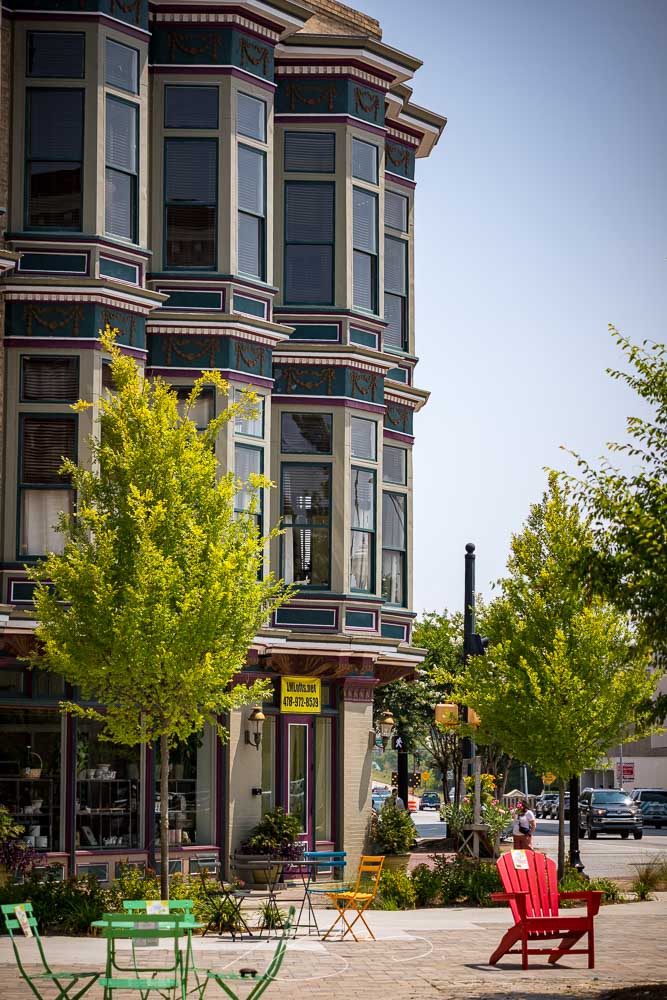
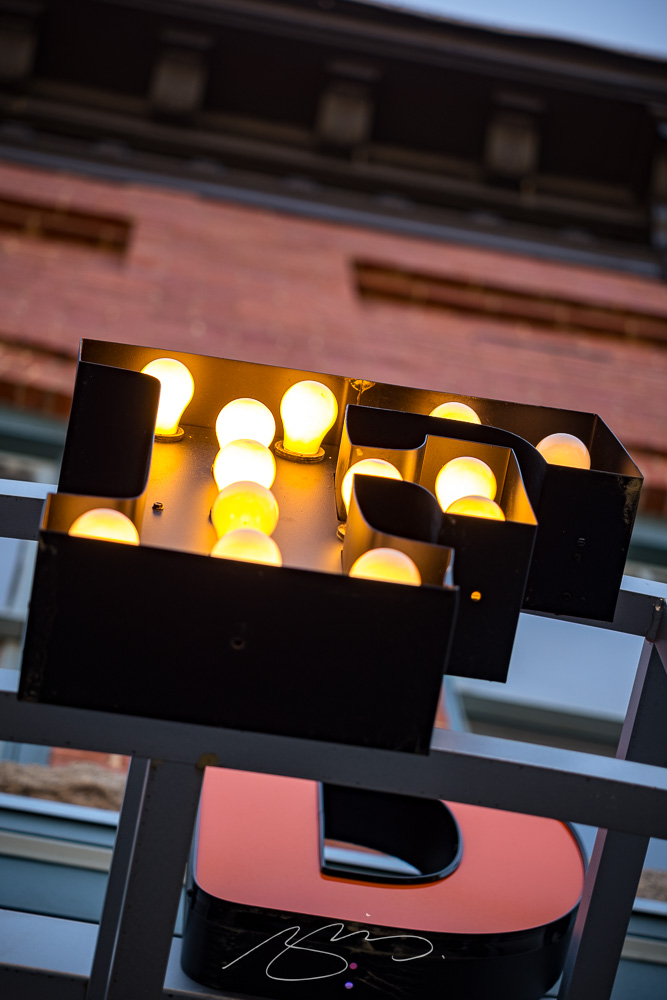
Boll Weevil Cafe and Sweetery, 10 James Brown Blvd.
Nonetheless, it was a beautiful early-fall day in Georgia, and over the course of several hours, I really enjoyed photography in downtown Augusta — as usual, without people in the shots.
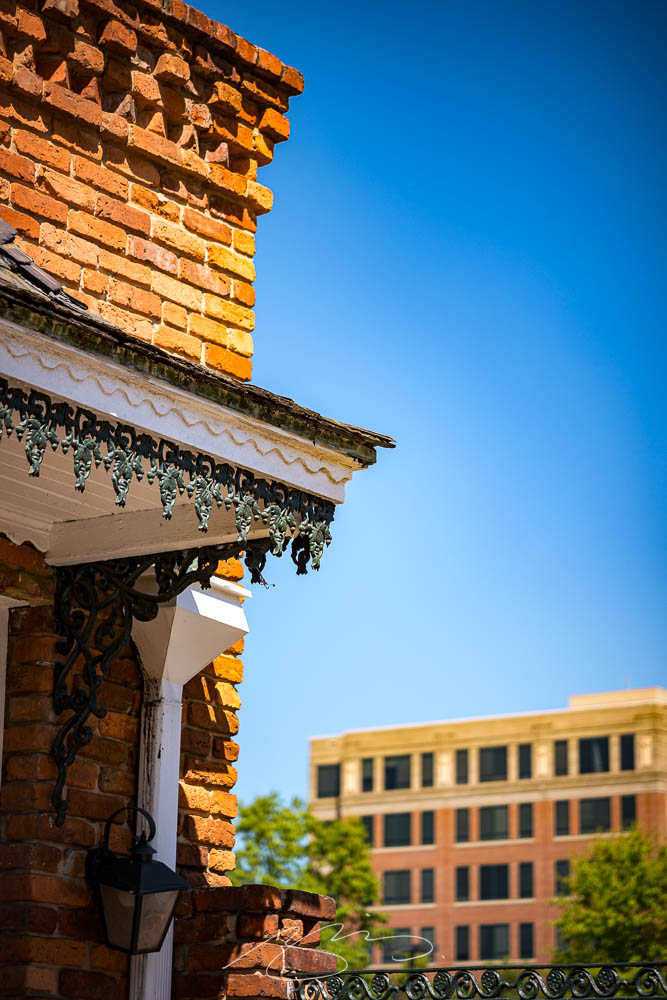
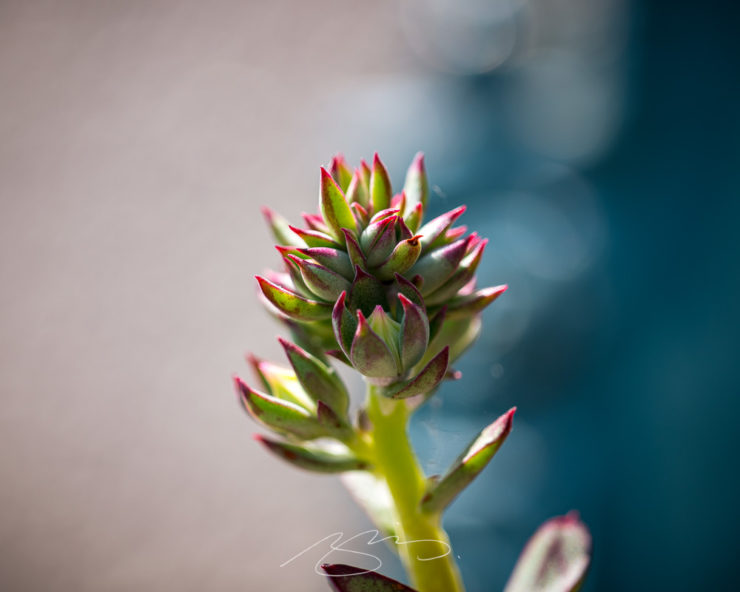
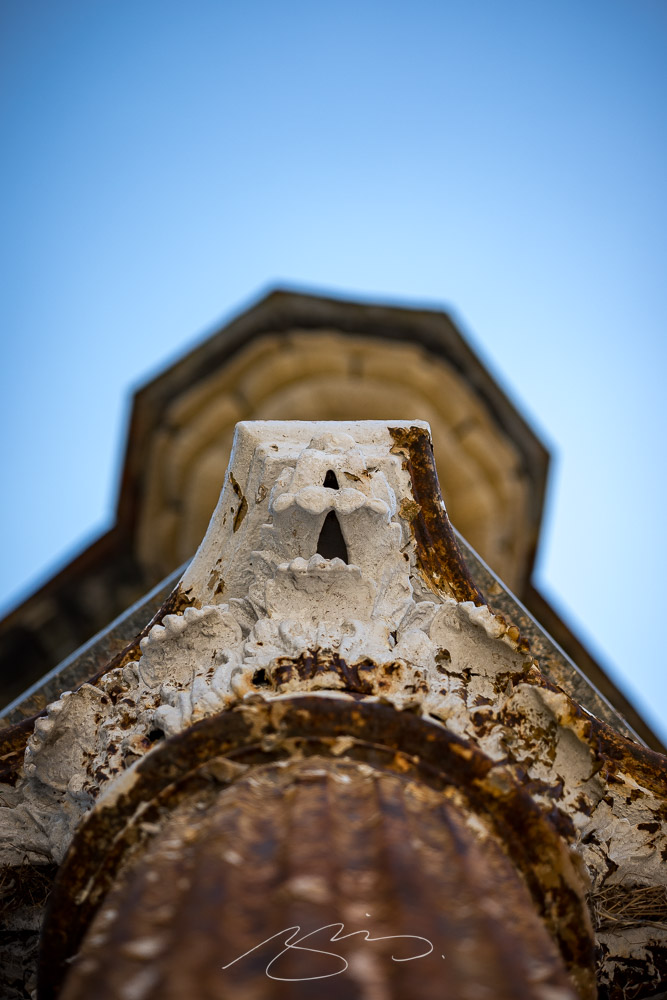
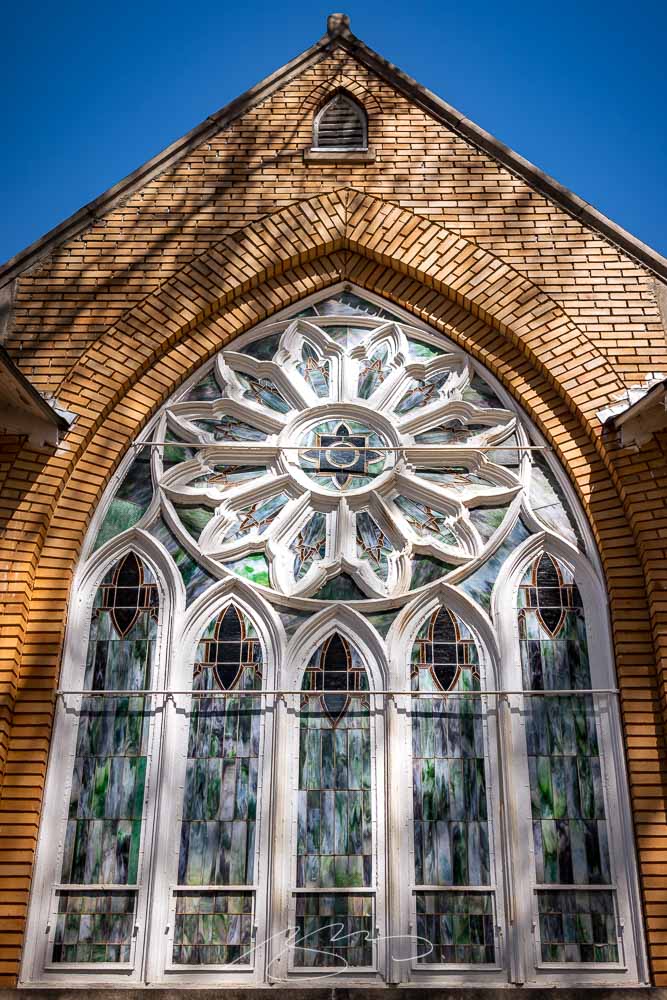
Decorative Facade, 103 Macartan St.
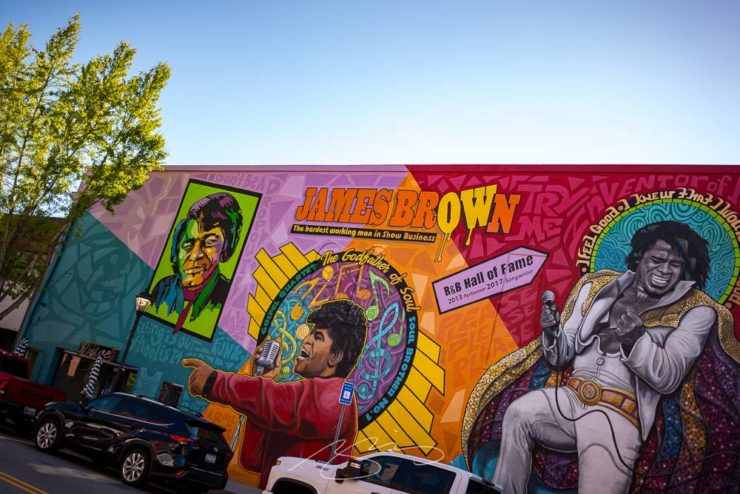
Excepting, of course, The Godfather of Soul:
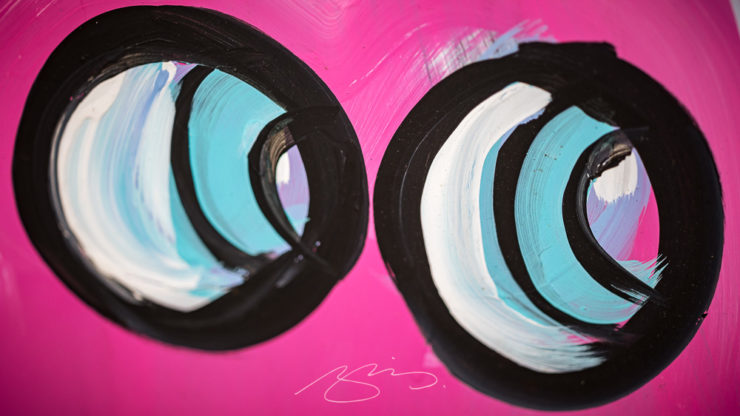
Spirit of Funk Mural, 190 James Brown Blvd.
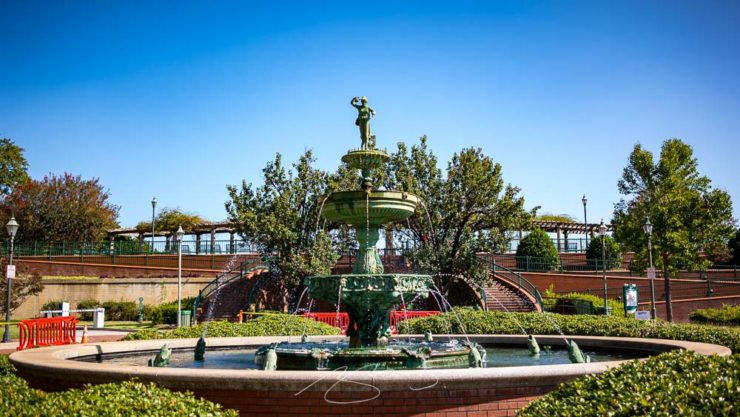
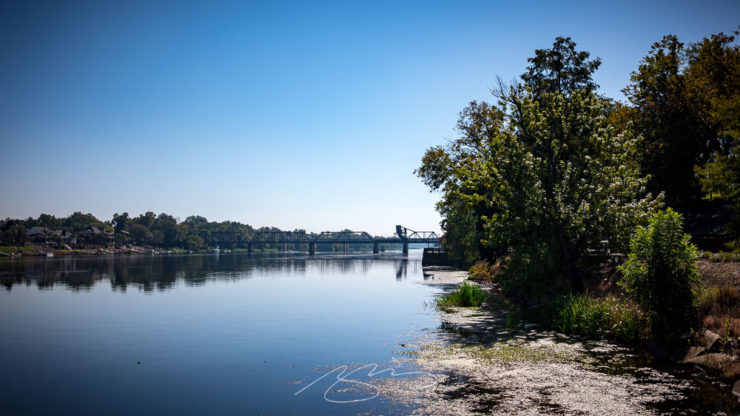
The photostroll also included the Riverwalk, a stretch both at water level and atop the levee — doing my best to stay out of the runners’ way, moving around to the chants of “water!” and “ice!”
Fountain at Riverwalk Enterance (#1), James Brown Blvd.Savannah River at Augusta, Georgia
The first 64 photographs — part one of two — have been posted to the new Augusta gallery. Stay tuned for the second part, along with a bonus gallery and some housekeeping news, tomorrow.
As summer turns to fall, let’s take a look at Type 1 fonts, a library index, revolutionary posters, posters for “get lectured,” and two different photography contests. Let’s get right into it.
Adobe discontinues a standard: The Type 1 font
Back in the early days of desktop publishing — up to about the turn of the century, give or take — everything typographic used PostScript, a programming language by Adobe. (Other stuff, too, like Adobe’s vector program, Illustrator.) PostScript fonts were the so-called “Type 1” variety, made up of a bitmapped “suitcase” that housed the standard display sizes and an outline file used by the output device to print clean, what-you-see-is-what-you-get beauty.
The Apple LaserWriter Plus and some vintage Macs: nostalgia! (Note the book — heh.) Image: YouTube.
Companies from Apple to Microsoft didn’t want Adobe to hold a monopoly on output tech, so later fonts evolved into TrueType and then OpenType, the latter of which is the standard today.
So much so that Adobe has now discontinued Type 1, and they, along with Microsoft, have stopped being supported. Which is understandable and yet a shame: some of us still have hundreds of them.
It’s Nice That has a post that reminds us of a library’s central purpose: to leave knowing more than you did when you entered. “The library, in our shared public imagination, is a special place,” the author argues — reminding us of what libraries were established to do, often distinctly different from the modern reality (especially in the United States).
In the library you begin to be convinced that language matters, that words have the power to clarify, to rouse, to make us feel something, to help us understand the political and cultural features of historical and contemporary moments.
Lola Olufemi, It’s Nice That
All the Libraries in London. Cover design: unknown. Image via It’s Nice That.
All the Libraries in London does something artistic with a simple listing, elevating it, reminding us how compelling the ideal that libraries represent really is:
This is a political and artistic listing, one that invites the reader to rediscover their own memories of their local library as a site of discovery. The book’s authors invite us to reflect on our personal relationship to libraries as well as the necessity of collectively securing their future existence.
Lola Olufemi, It’s Nice That
Alan Kitching, Durning Library. Image via It’s Nice That.
We need more of this everywhere, but especially here in the States. Meanwhile, check out this great item at It’s Nice That.
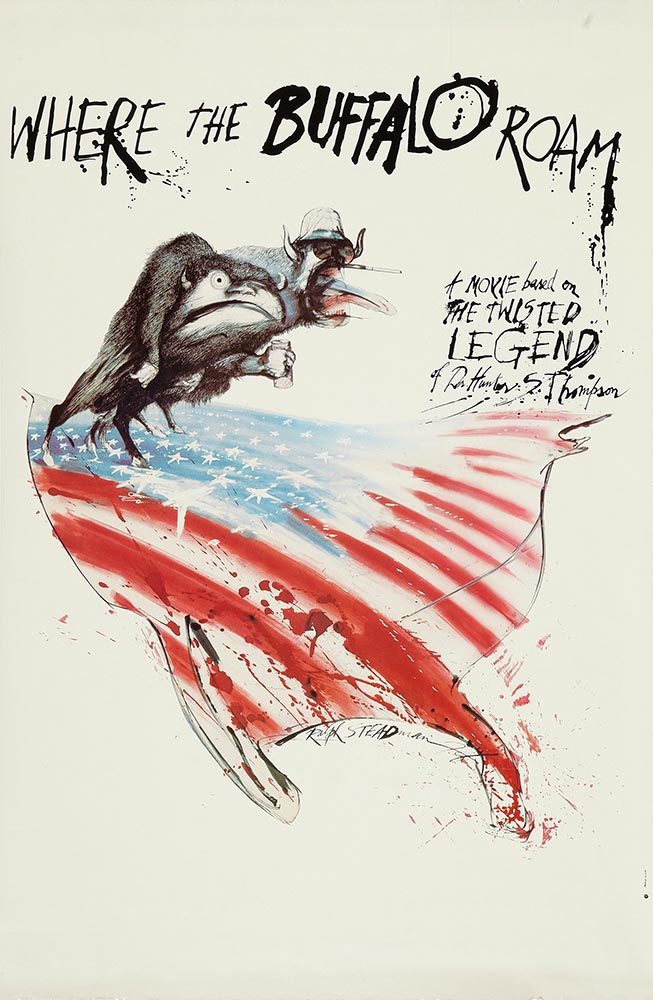
Special Bonus #1: Another British treasure, via the very British Antiques Roadshow (a British original, natch): this incredible poster by Ralph Steadman.
Ralph Steadman’s Where the Buffalo Roam (1980) poster. Image via Wikipedia.
Special Bonus #2: British book designer Steve Leard has launched a new book design podcast, Cover Meeting, featuring interviews between Leard and fellow book designers on the work, the industry, and more. The Bookseller has more.
Cuban Movie Posters. No, Really.
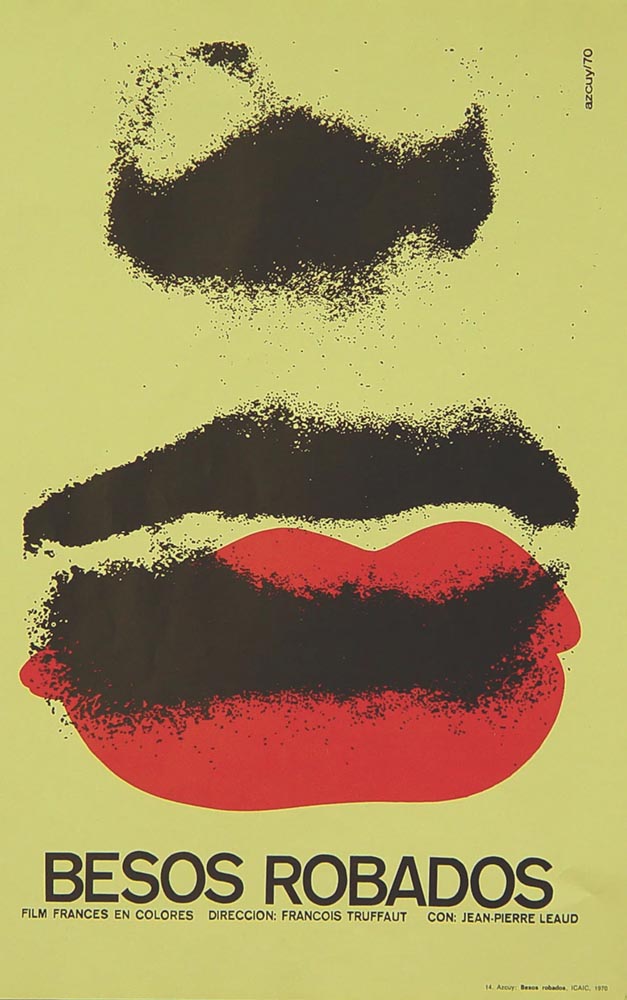
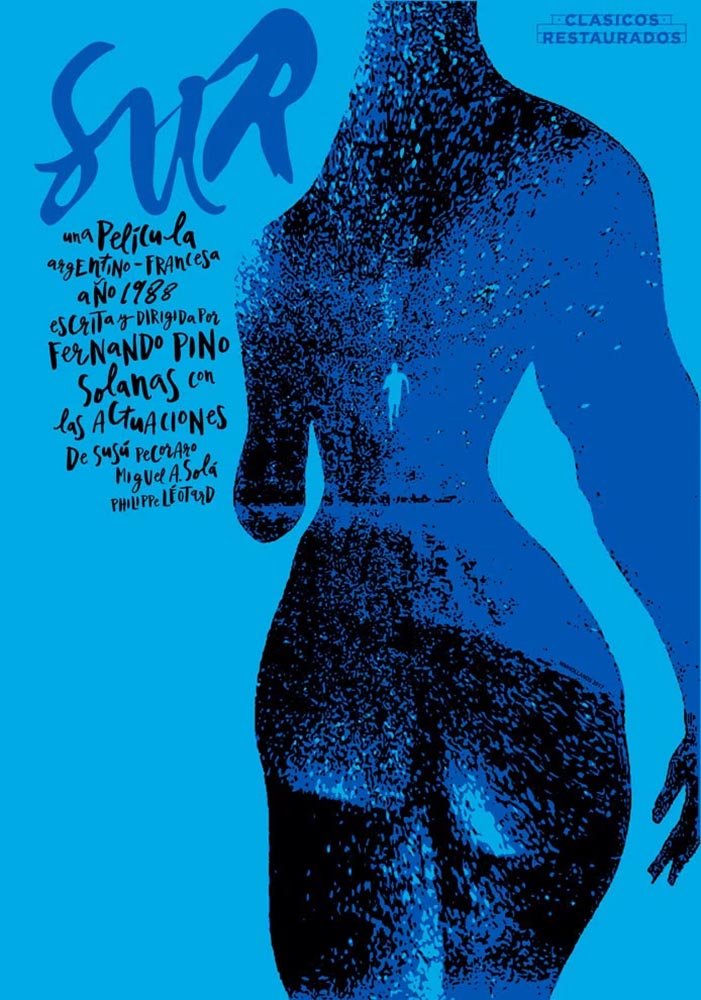
While we’re on the subject of great posters — and It’s Nice That — let’s talk about how Cuba’s revolution-era political posters transformed their poster design for films. Appropriately enough, a new film, El Cartel Cubano, highlights these amazing (and, likely, never seen before) items.
Besos Robados, ICAIC, by Sotolongo & Carole Goodman. Image via It’s Nice That.
“How come our posters in the US aren’t this beautiful? What did this say about the priorities of the revolution? What did the medium or choices in the scarcity of materials used say about the economic situation in Cuba?” It’s these questions which form the bedrock of El Cartel Cubano, a fascinating and tender tribute to the artists on the island.
Adrienne Hall, co-director, El Cartel Cubano
Sur, by Michael Myiares Holland. Image via It’s Nice That.
I have to admit: this isn’t a subject I would have leapt at, but It’s Nice That sold it. Awesome.
Get Lectured (on Architecture)
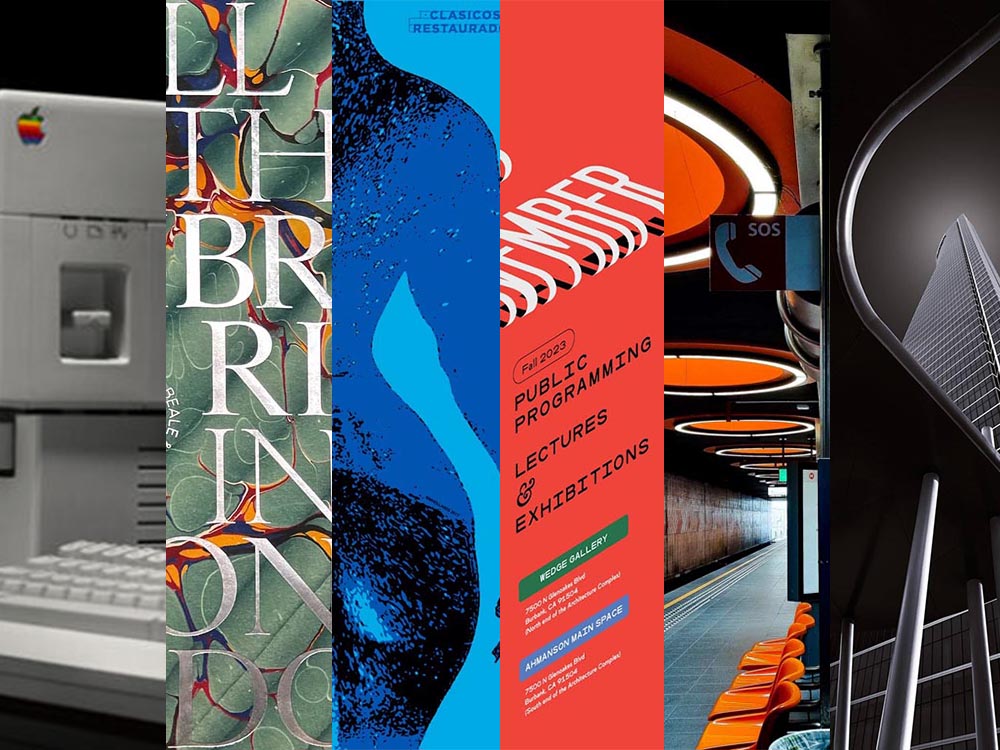
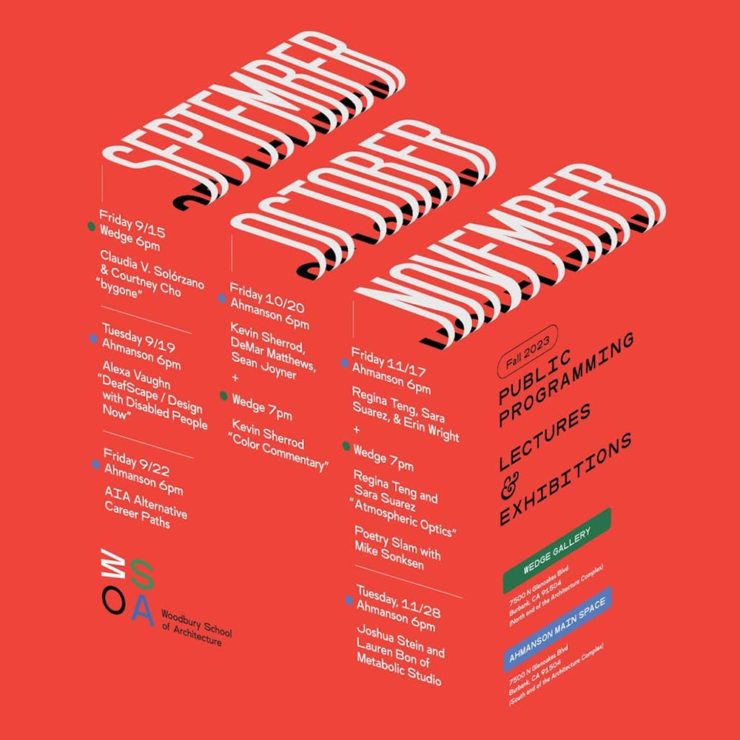
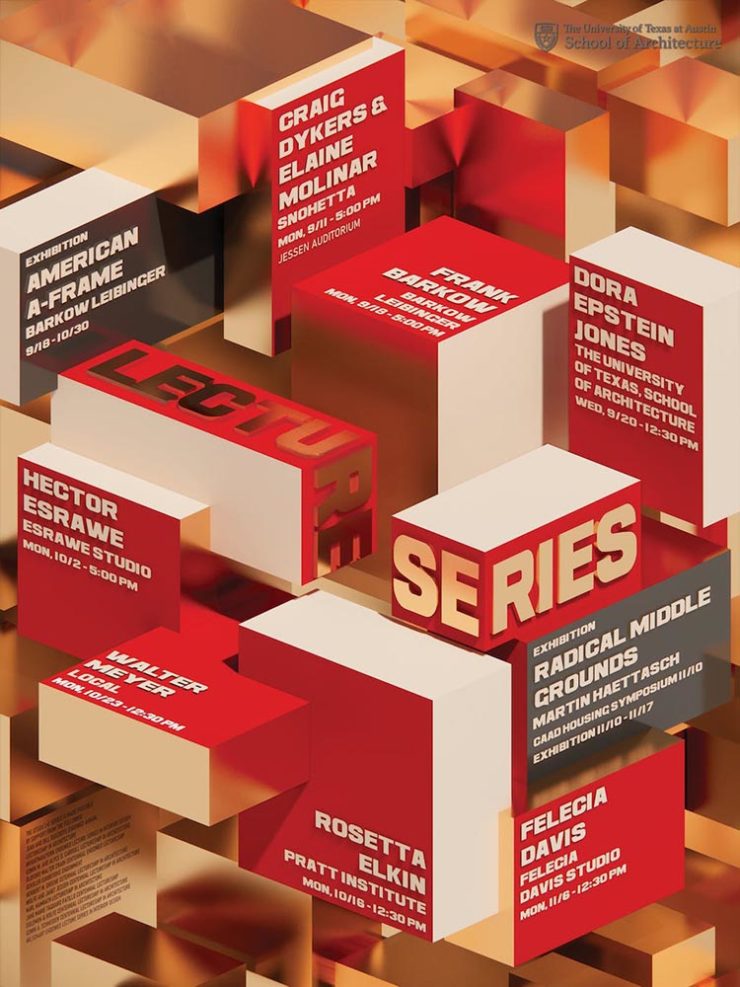
Closing out our trifecta of great posters, Archinect‘s Get Lectured series brings us these fantastic items from their Fall 2023 series:
Woodbury University School of Architecture’s Fall 2023 lecture series.The University of Texas at Austin School of Architecture’s Fall 2023 lecture series
Going to soapbox a little here: pay-to-enter photo contests aren’t usually something I want to spread the word about. So ArchDaily‘s basically-a-press-release, “URBAN Photo Awards 2023 has announced its list of Finalist Photographers, marking the penultimate stage of the international contest,” was guaranteed a pass.
But there’s a problem: some of the photographs are really compelling.
Winners of the 2023 Black and White Photography Awards
Another contest, yes. They’re everywhere. But … wow.
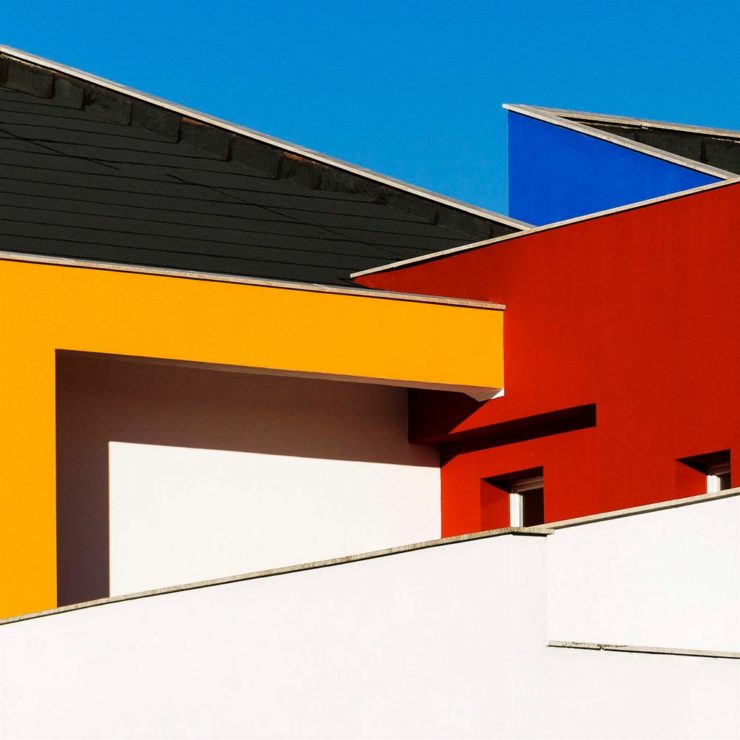
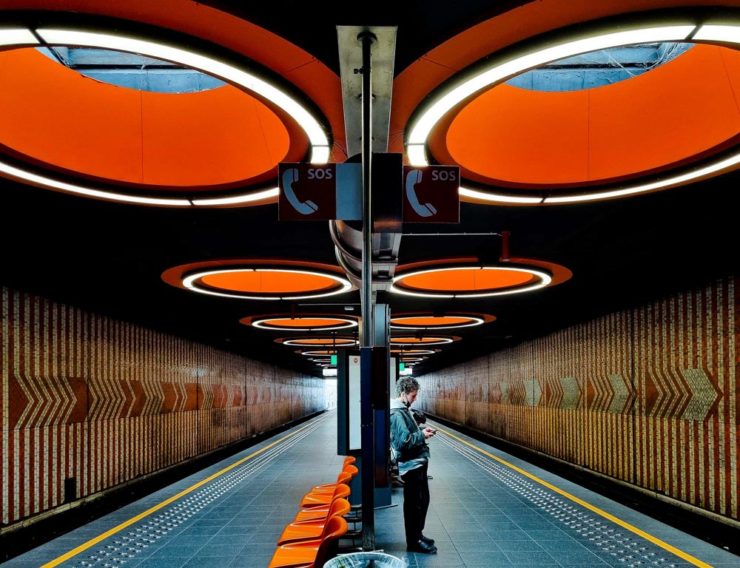
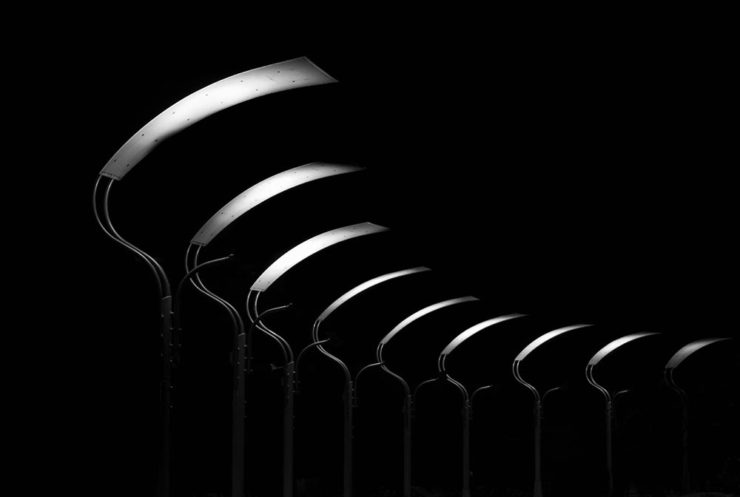
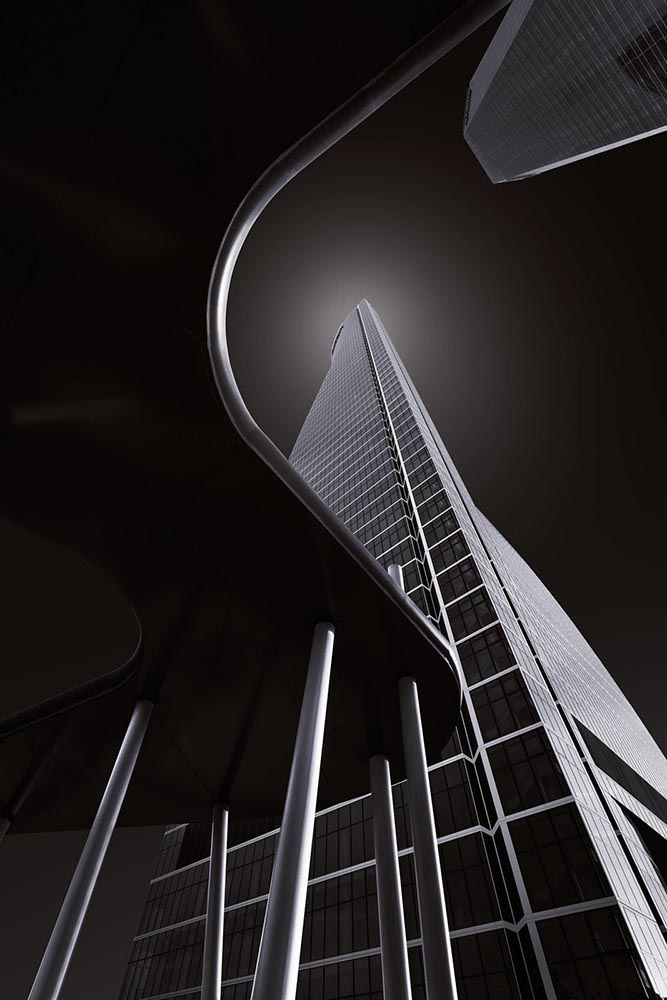
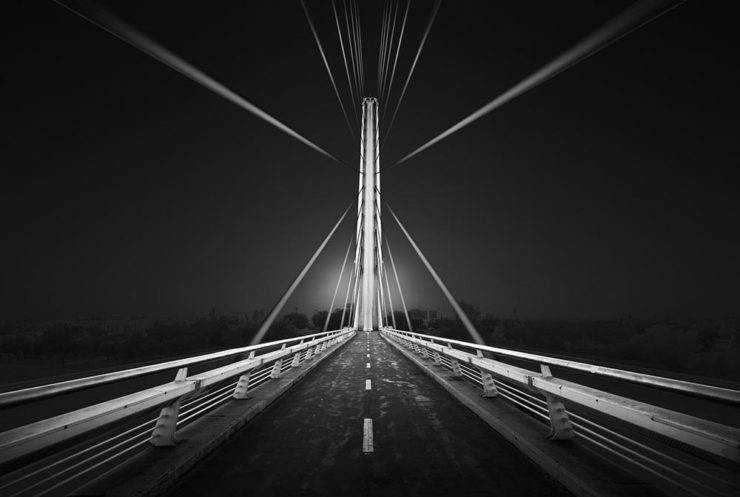
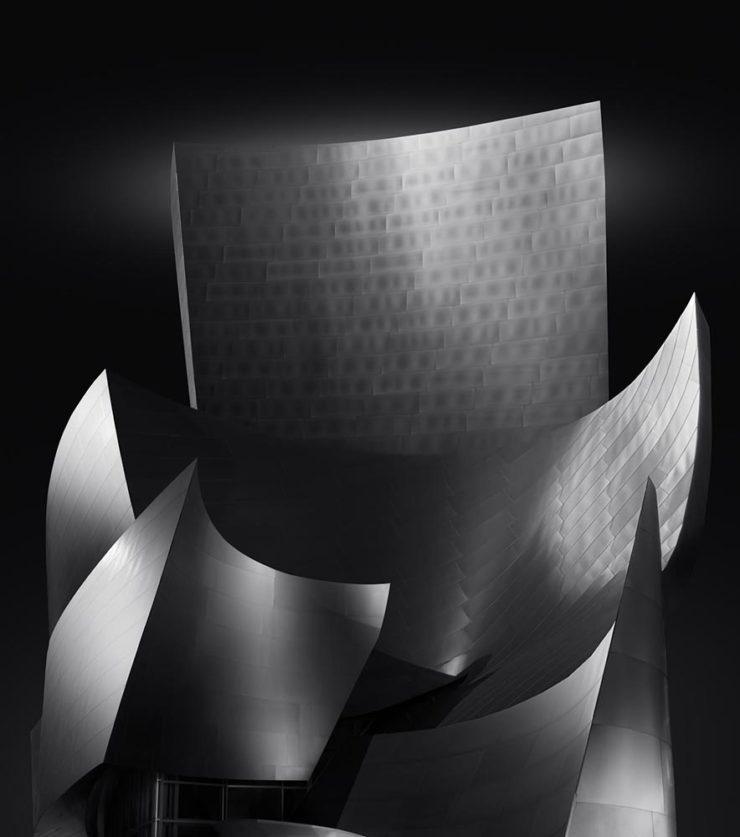
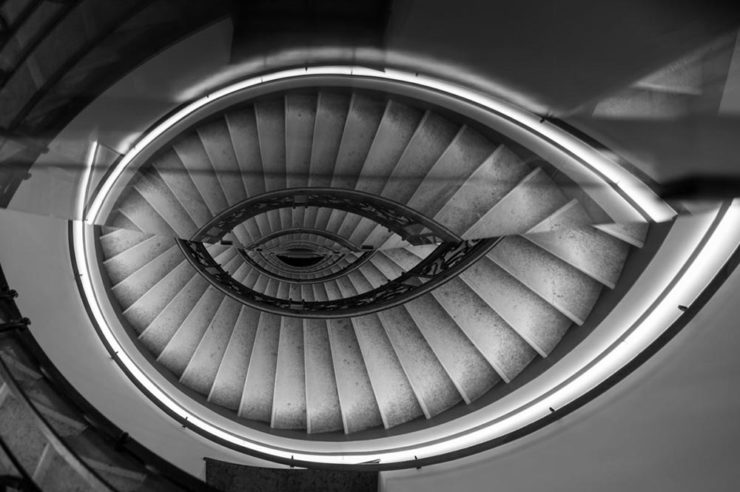
Street Lights – Ottawa, by Gareth Jones, category winner, architectureAnother mushroom? By Hector Ballester Ballester. Silver mention, architecture.Alamillo bridge, by Manuel Ponce Luque. Finalist.The concert, by Helena García Huertas. Finalist.Reflections on the stairwell, by Max Dobens. Finalist.
And that’s just the buildings/architecture — there are portraits, street photography, landscapes, and more. A reminder to aspire, every day, with every image.
Two different photographic opportunities have meant additions to the Automotive gallery recently: some motorcycles in Columbus, and some BMWs at an event in Hampton, a suburb of Atlanta and home to the Atlanta Motor Speedway.
All of these were taken with Leica’s superlative APO 90mm macro (yes, I know, I go on and on about this lens — it’s that good), and almost all are just details — a lens that long in a crowd means leaving the big picture aside in favor of the minutiae. Luckily, that’s a strength of the camera system, and one of my favorite ways to use it.
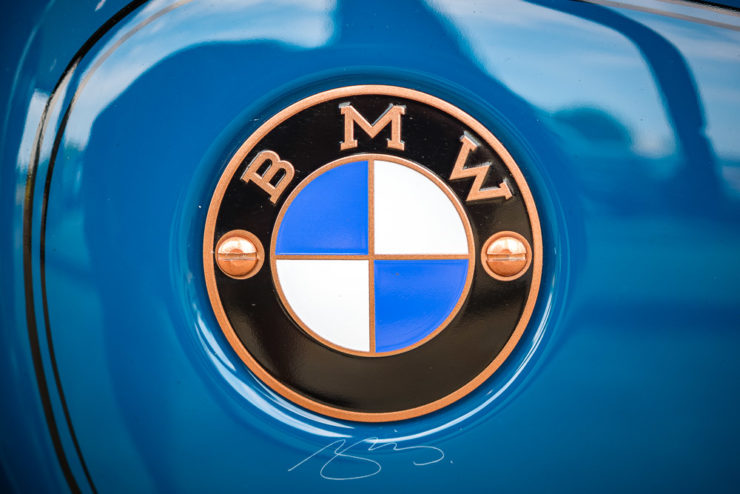
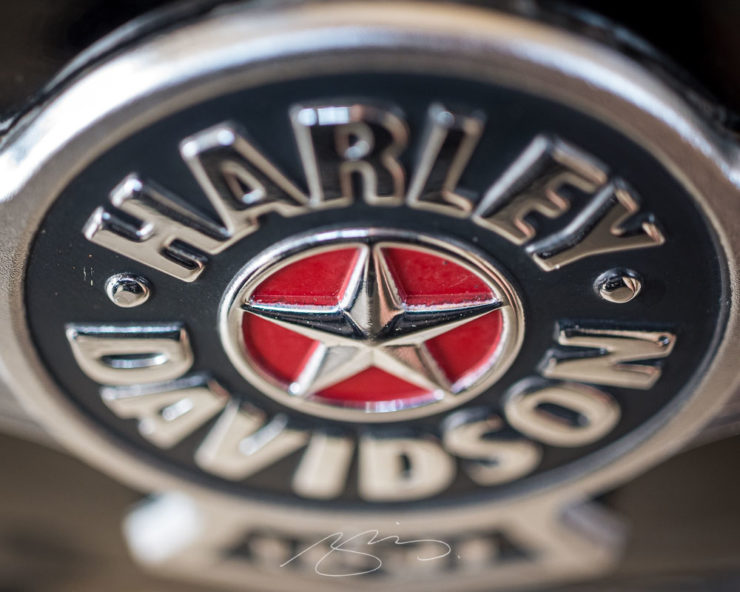
Retro BMW (Motorrad) RoundelHarley Davidson Star Logo (Detail)
The Harley logo wasn’t one I was familiar with — and it’s great — but the BMW is fantastic in its retro glory, complete with copper screws.
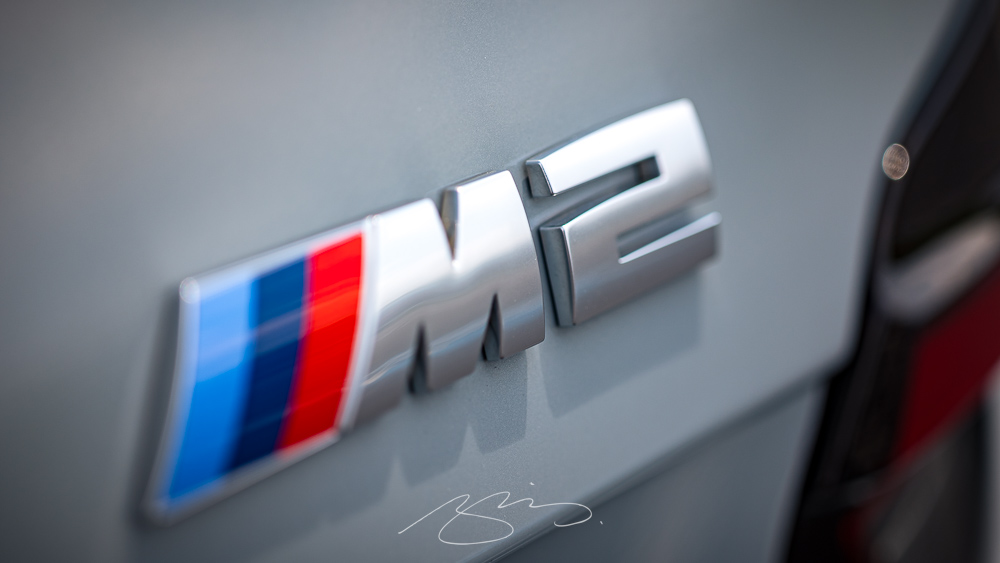
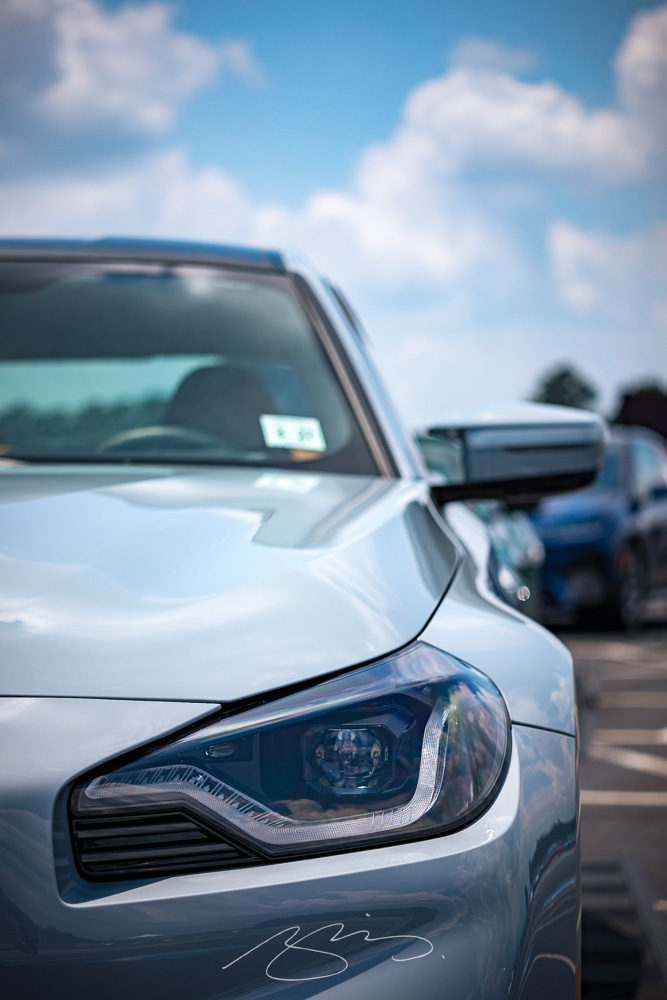
Meanwhile, speaking of BMWs, they hold their Ultimate Drive Experience yearly in the Atlanta area, and Gerald and I are in regular attendance. It was my first time seeing a number of new models, including the new M2:
M2 (Headlight Detail)
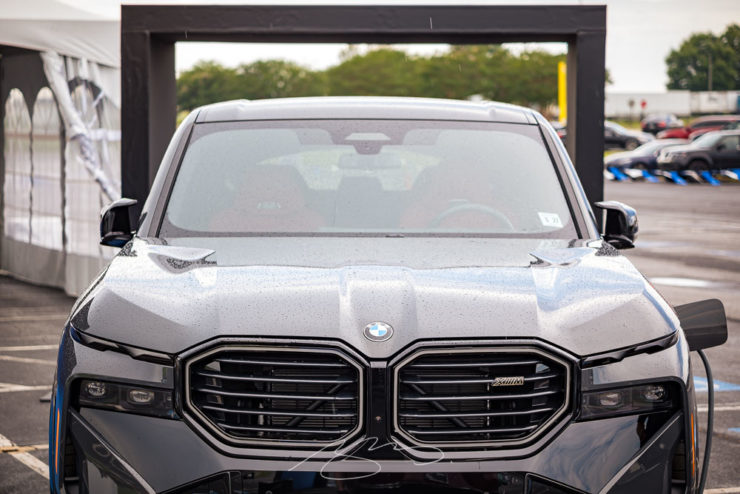
Didn’t like this until I saw it there; it’s a shortened M4 but wide and swollen in all the right ways. However, the undisputed star of the show was the new XM. Like many modern BMWs, it’s better in person — exuding presence:
XM (Charging)
I wish I’d somehow been able to better convey its stance, its proportions, and what I imagine it would look like coming up behind you. Then again, $160k and 664 horsepower will do that. Speaking of horsepower:
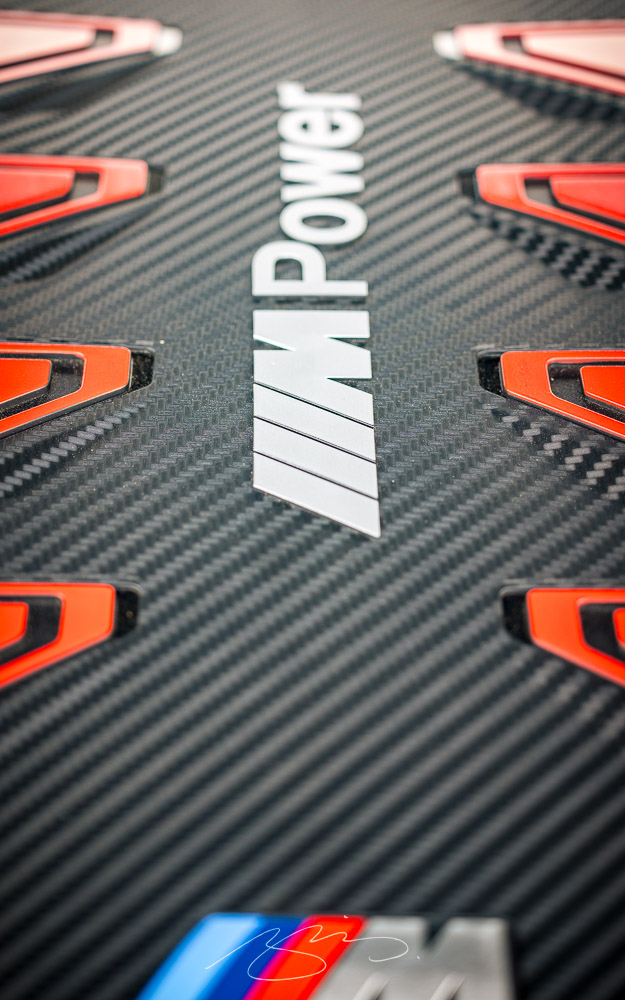
XM (M Power V8 Hybrid)
Nuthin’ like a carbon fiber engine cover in a three-ton machine. That said, for both Gerald and I the far-and-away favorite wasn’t the XM but rather the iX:
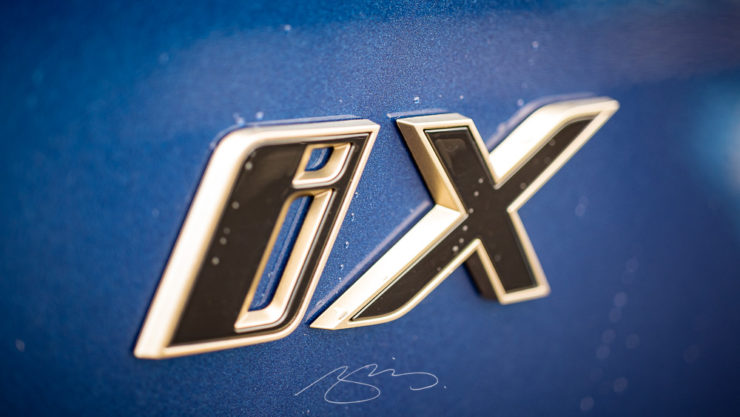
iX (Badge Detail)
The iX is a little ungainly from some angles, but its battery-powered, carbon fiber goodness is both fast and efficient. Plus, it sports one of the best BMW interiors going right now, and that’s saying something. (Ventilated wool seats for the win, folks.)
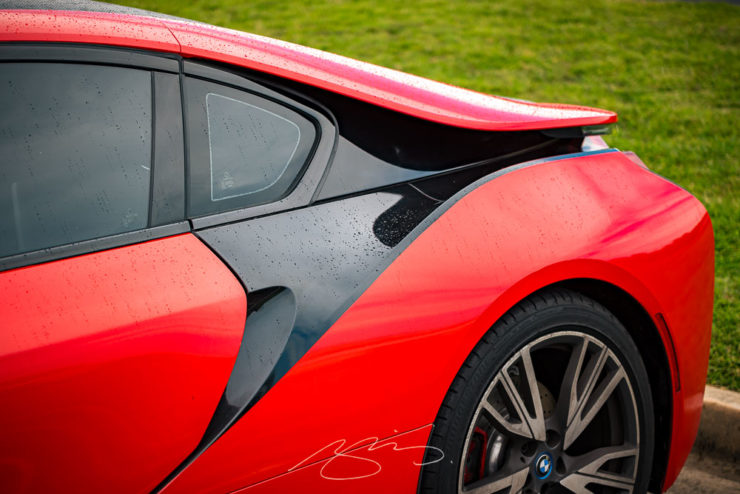
These events usually boast parking lots filled with classics, but either the late Sunday afternoon or thunderstorms kept the older items safely garaged. However, there was a sweet and very bright red i8 gracing the scene:
Gerald and I were in Georgia’s lower Chattahoochee River valley yesterday, visiting the city of Columbus — and ran across a couple of treasures. Naturally, there was a camera handy.
The first is the best restaurant I’ve enjoyed in a long while: The Animal Farm.
The Animal Farm, 105 W. 12th St.
If you’re in or going to be going to Columbus anytime soon, I cannot recommend it highly enough. The food was superlative, the service excellent, and the ambiance simultaneously upscale, casual, and fresh.
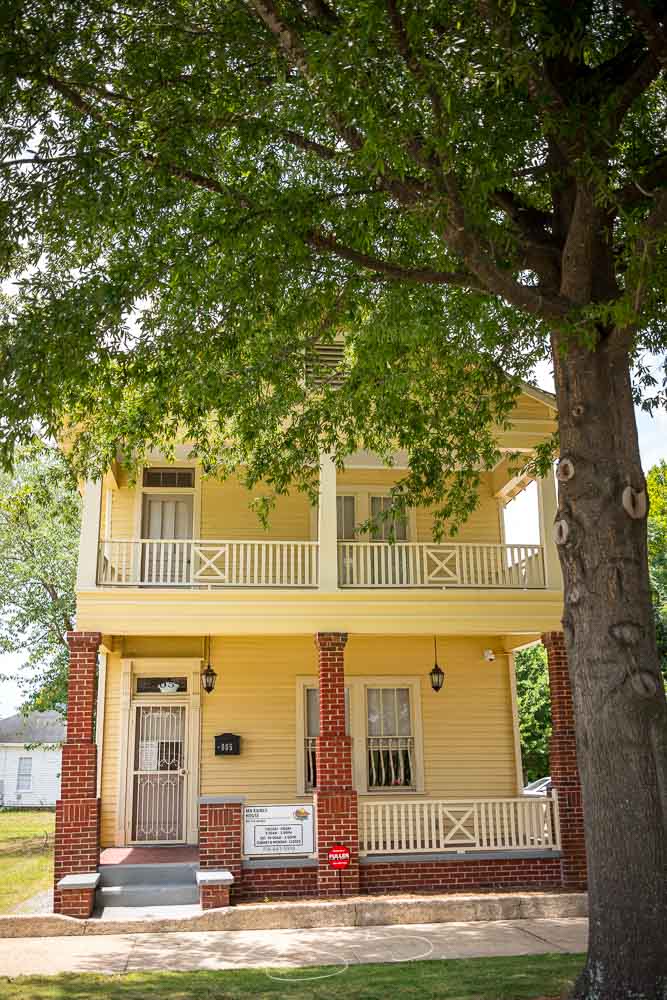
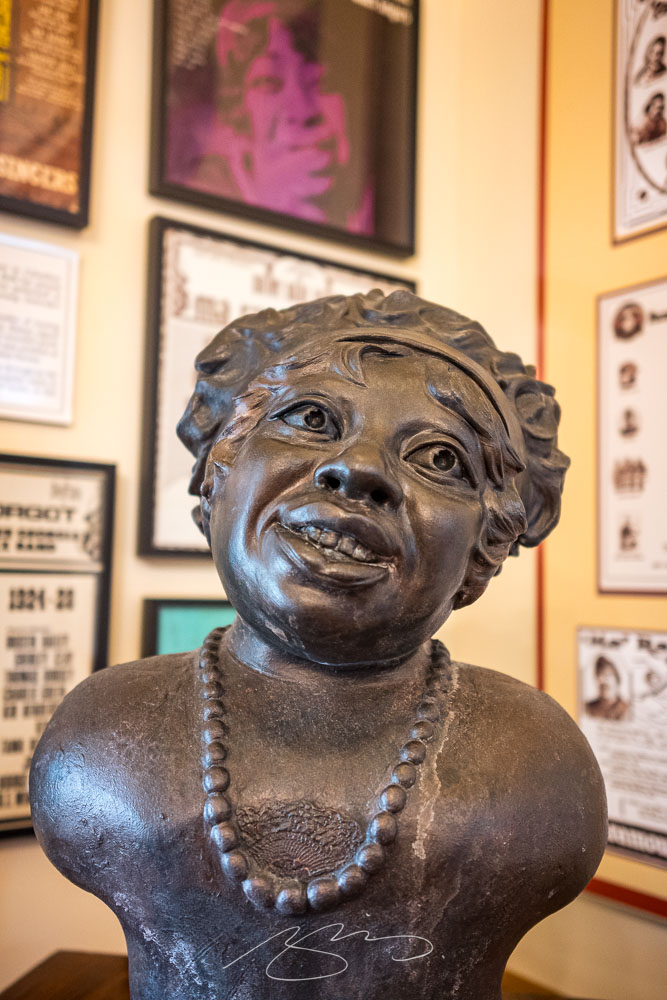
The second — and no less tasty — stop was the Ma Rainey Museum of the Blues. This period house downtown is small but demonstrates a remarkable comeback from the (literal) wreckage they started with in the ’90s. I’d originally wanted to return to the Columbus Museum, but it’s being renovated; Gerald’s suggestion here was pitch-perfect.
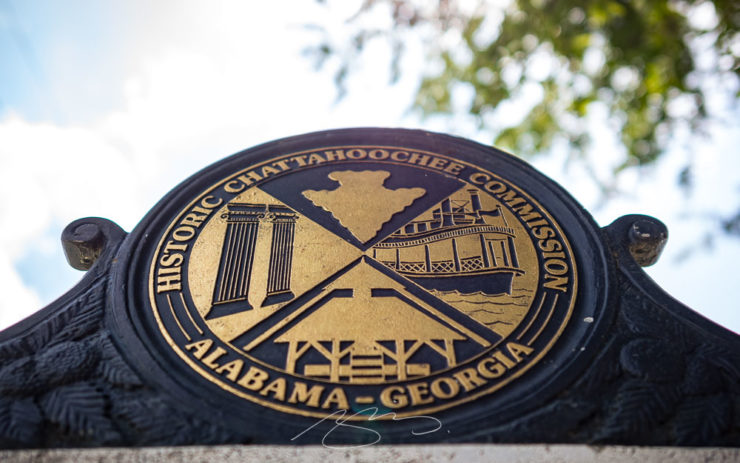
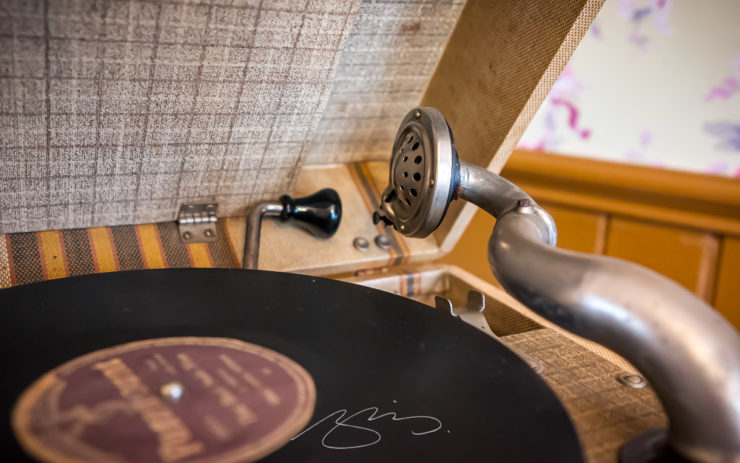
Ma Rainey House, 805 5th Ave.Ma Rainey House Marker, 805 5th Ave.Bust and Albums, Ma Rainey House, 805 5th Ave.Record Player Detail, Ma Rainey House, 805 5th Ave.
Inside, Gerald and I enjoyed a lengthy conversation with Xavier, a guide who was knowledgeable and enthusiastic; he absolutely made us want to explore more blues history. (I’m also going to be listening to some Ma Rainey on Tidal.)
Meanwhile, gallery of Columbus photographs is deep and varied, spanning almost fifteen years and 180 items — check it out.
As is typical in July in Georgia, it was hot yesterday — but not so much that I didn’t spend a few minutes wandering around with the camera and superb 90mm. Especially since I was down on MLK, an area of downtown Macon I don’t frequent as much as, say, 2nd St.
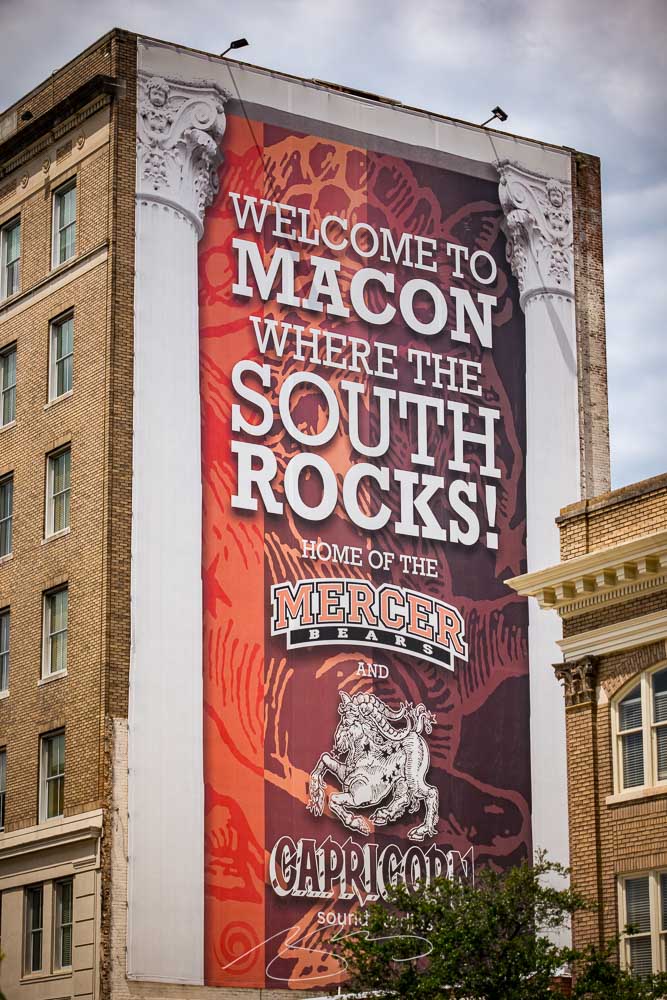
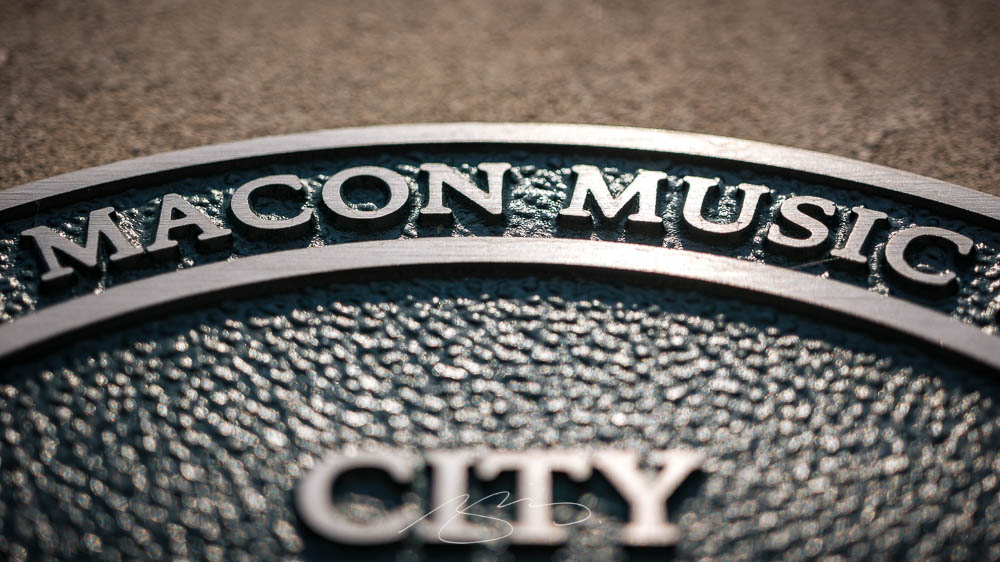
Macon Rocks Mural (401 Cherry St.)Music Marker (MLK and Mulberry)
Some detail shots (as usual):
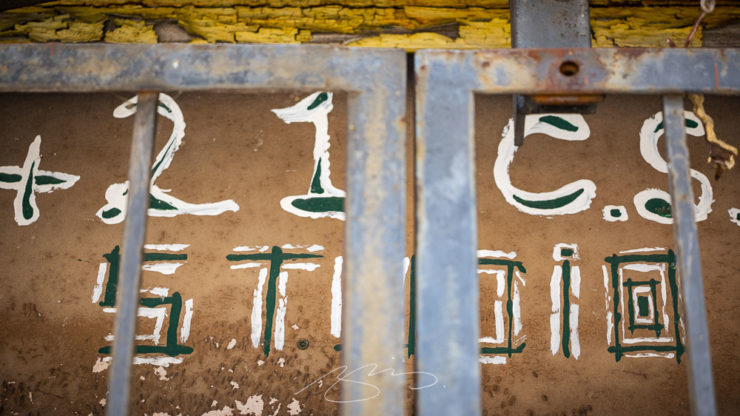
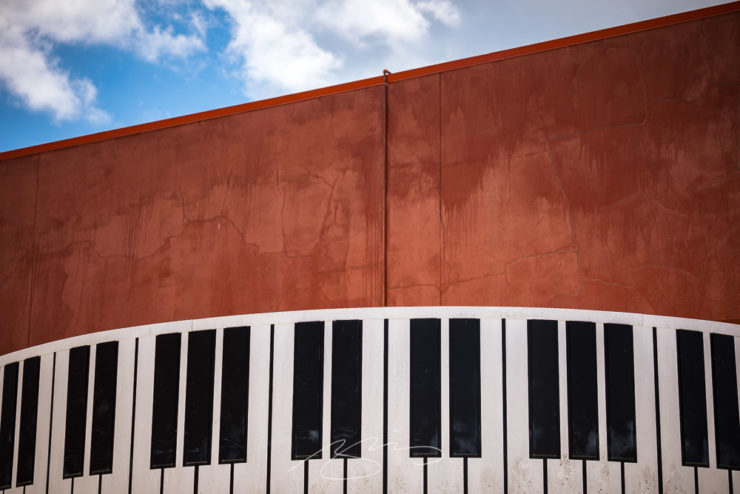
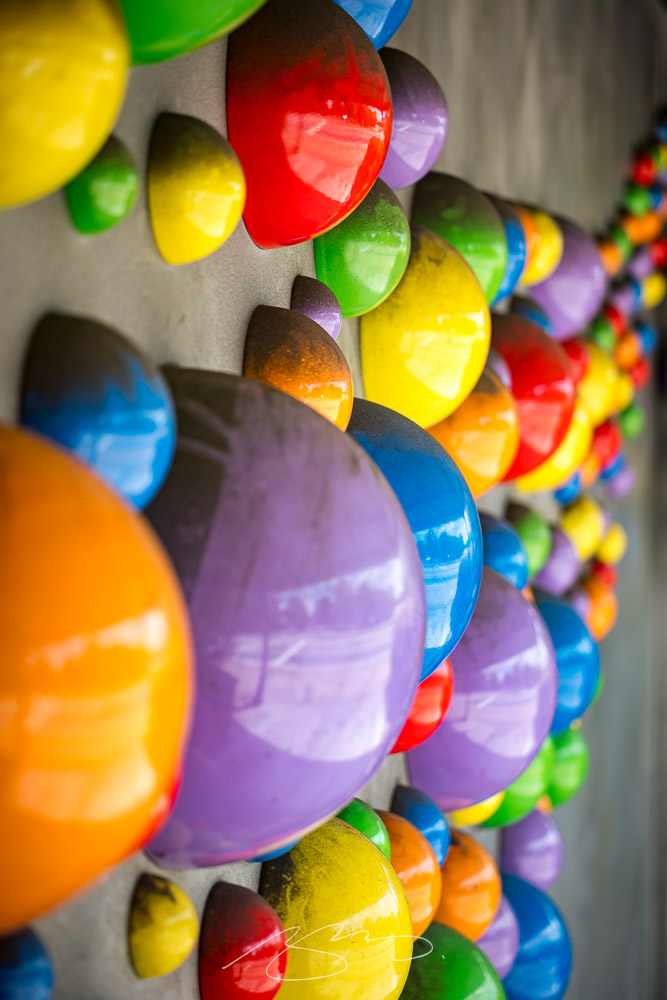
Studio Door, Serenity Entertainment, Cherry St. Ln.Visit Macon’s Keyboard Building Detail, 450 MLK Blvd.Decorated Transit, MLK and Cherry
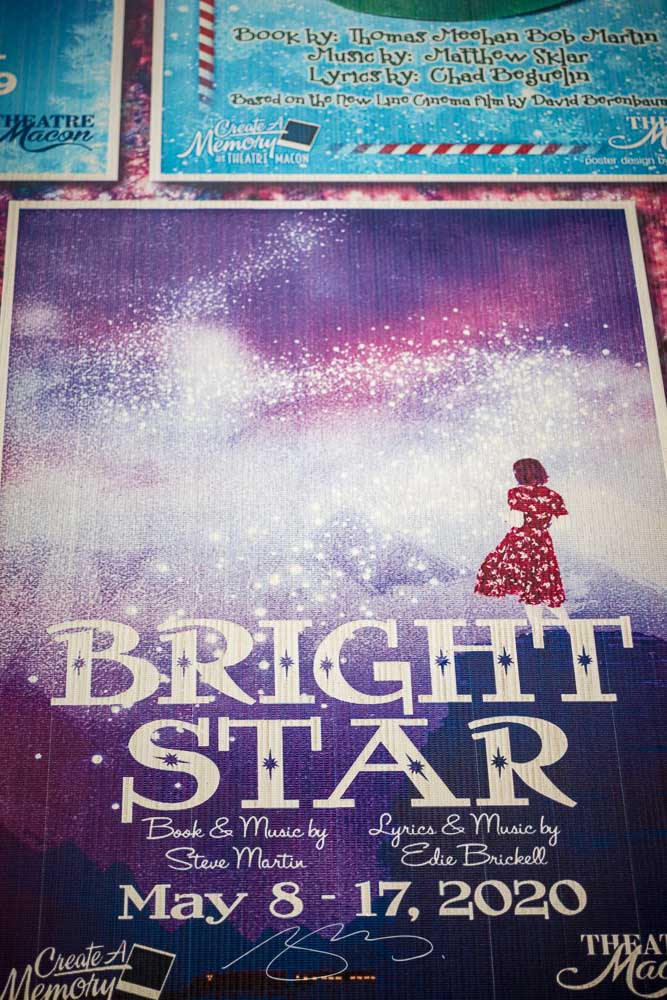
Side note: I was completely unaware that Steve Martin and Edie Brickell had teamed up for Bright Star, a musical set in the Appalachians. (I presume, unfortunately, that the 2020 season at Theatre Macon might not have shown.) It probably won’t surprise that I enjoy a musical now and than — and am a big fan of both Martin and Brickell — so was glad to find it on Tidal.
Bright Star (Painted) Poster, Theatre Macon, 3rd St. Ln.
It’s hard to understate how much downtown Macon has changed for the better in the last fifteen years: new residents (and lofts), new restaurants, new shops, a high-end hotel, and more — all without losing its feeling of an historic Southern city.
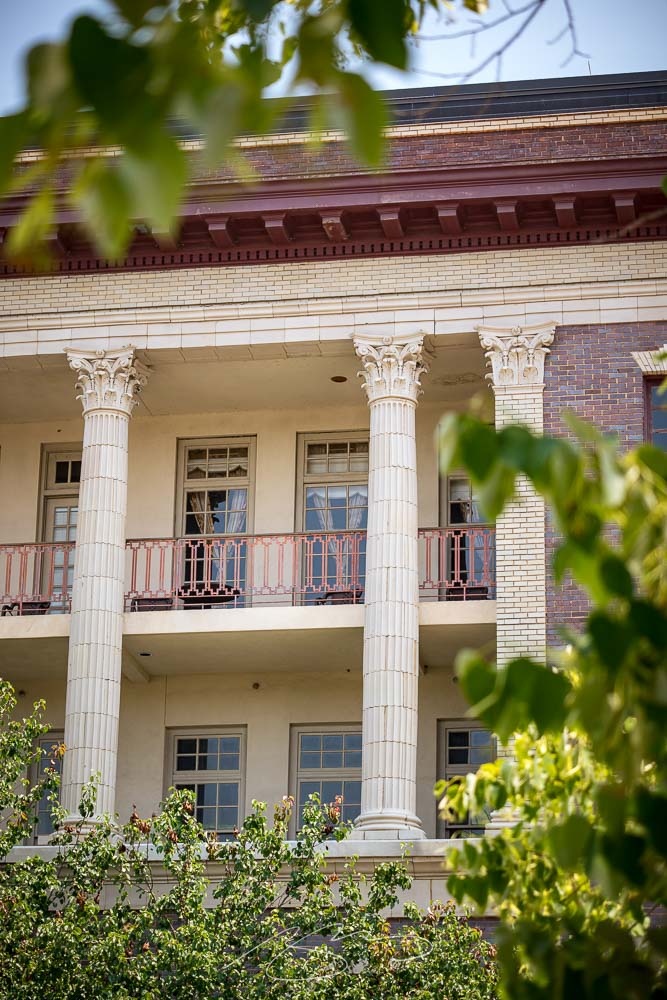
Balconies, 389 1st St.(Sign of) Hotel Forty-Five, 401 Cotton Ave.
On the subject of Southern, I’m glad to see the completion of the new Cotton Avenue Plaza, a pocket park that replaces not only an awkward intersection but one that had, at its center, a Confederate celebratory statue. Something everyone can share is a big upgrade:
Cotton Avenue Plaza (with Lawrence Mayer Building)
Meanwhile, it wouldn’t be a gallery post without some of my signature detail photographs:
Flower Detail #2, Mulberry St.Eyes on Cherry St. (Window)
The downtown gallery (2022–23) is now up to 132 photographs — check ’em out. (Once you’ve followed the link, click on any photograph for a larger, captioned version.) And, if you’re interested in the city’s downtown evolution, see also the 2020–21 and 2008–2018 galleries.
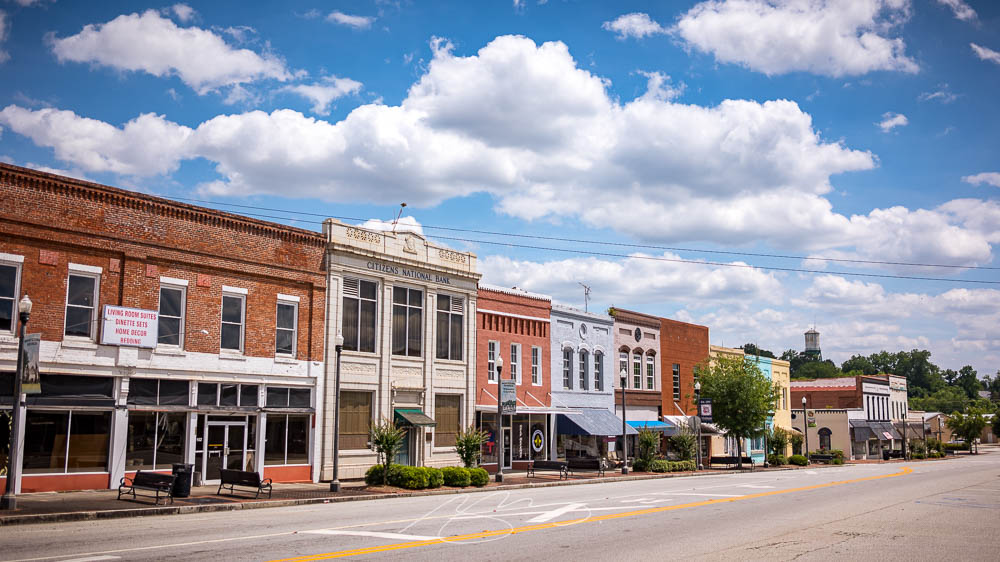
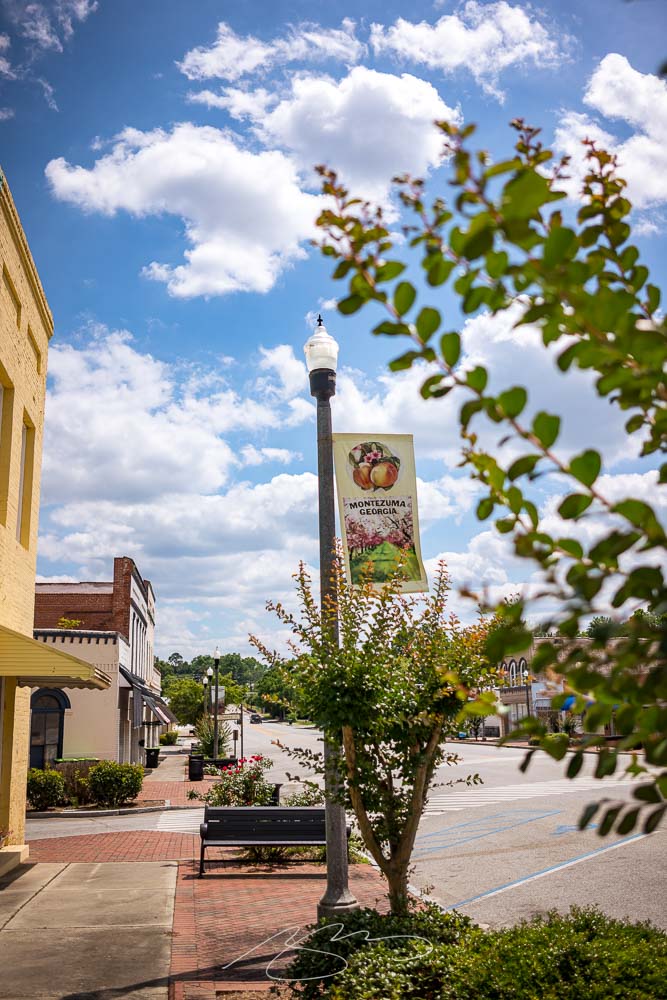
Macon County, Georgia, hosts Montezuma, a railroad crossroads on the Flint River. Officially dating to 1851, it was named after the Aztec leader by soldiers returning from the Mexican-American War.
Montezuma Sign (Crepe Myrtles), S. Dooly St.
I’ve been meaning to stop with a camera for a while, but it’s always been a pass-through on the way elsewhere — the route from Macon to Andersonville, Americus, and all points southwest go through Montezuma — but it’s taken until now to actually stop.
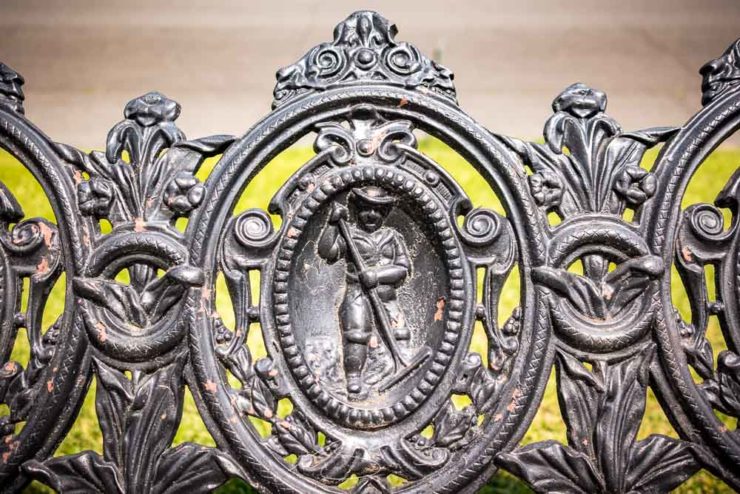
Bench Detail, Montezuma Methodist, N. Dooly St.
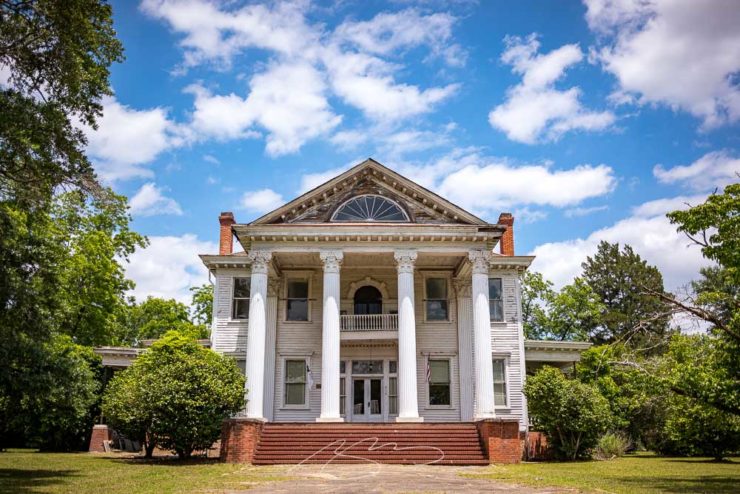
Like a substantial part of rural Georgia, Montezuma has fallen on increasingly hard times; the population continues to drop1See Wiki’s article., the empty storefronts multiply, and many of the beautiful old Southern houses need some attention:
Slight Repairs Needed, 510 S. Dooly St.
There’s an attractive downtown, though, with old brick buildings and a wonderful historic railroad depot:
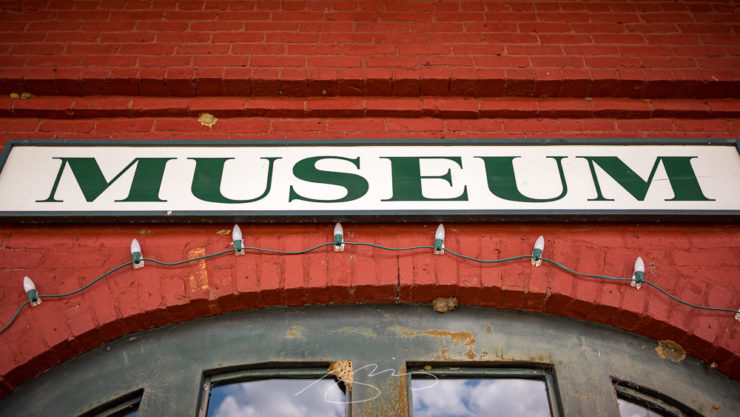
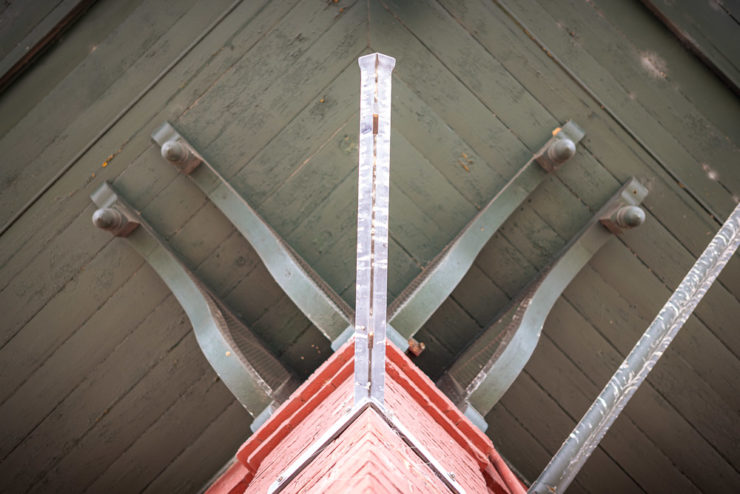
Museum Sign, Old Railroad Depot, Dooly & E. Railroad Sts.Bracket Detail #1, Old Railroad Depot, Dooly & E. Railroad Sts.
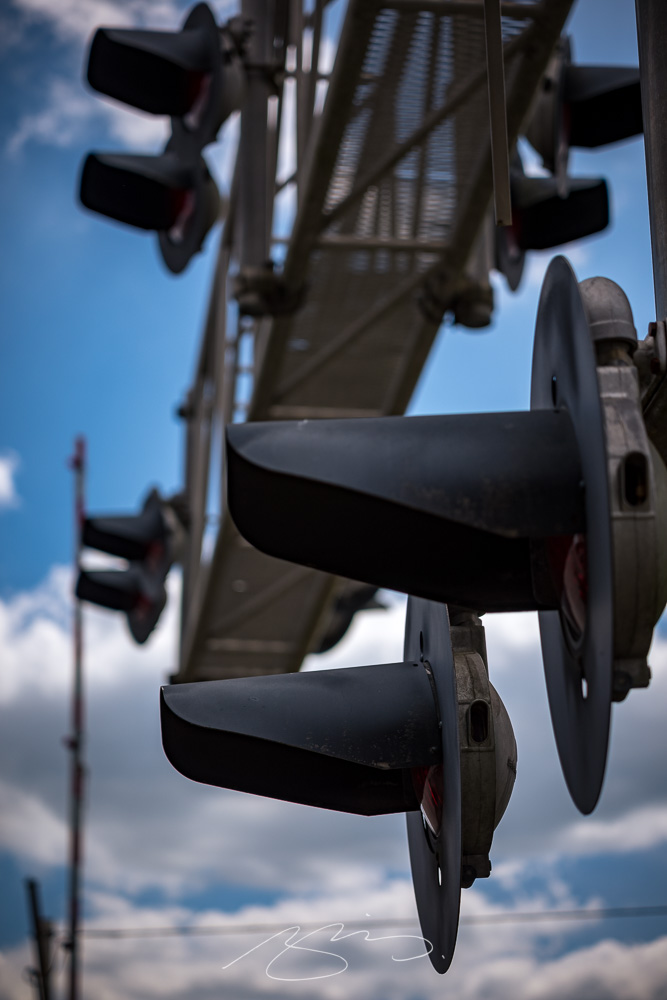
Did I mention that it’s a railroad crossing? There are two sets downtown:
Railroad Apparatus #4, Dooly & E. Railroad Sts.
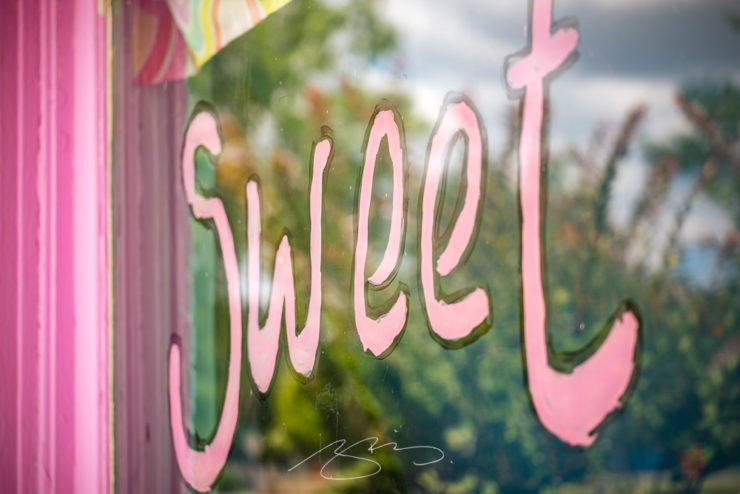
Despite the population loss and storefronts marked “for rent,” however, all isn’t lost. There are some new businesses opening:
Sweet Window, 127 Cherry St.
I’ve posted 55 photographs in the new Montezuma gallery — peruse and enjoy. And, as always, thanks for stopping by.
I had the occasion to have lunch downtown yesterday, a day of simply beautiful spring weather — which I absolutely used as an excuse to take the camera for a spin.
The vast majority of the time, I use what I call my standard lens: 35mm. (Some would argue that 50mm is the “standard,” but I really prefer the wider angle of view due to its additional context.) This time, however, I was using Leica’s superb — and, sadly, no longer available — 90mm macro. The detail, the color, everything about this lens excels:
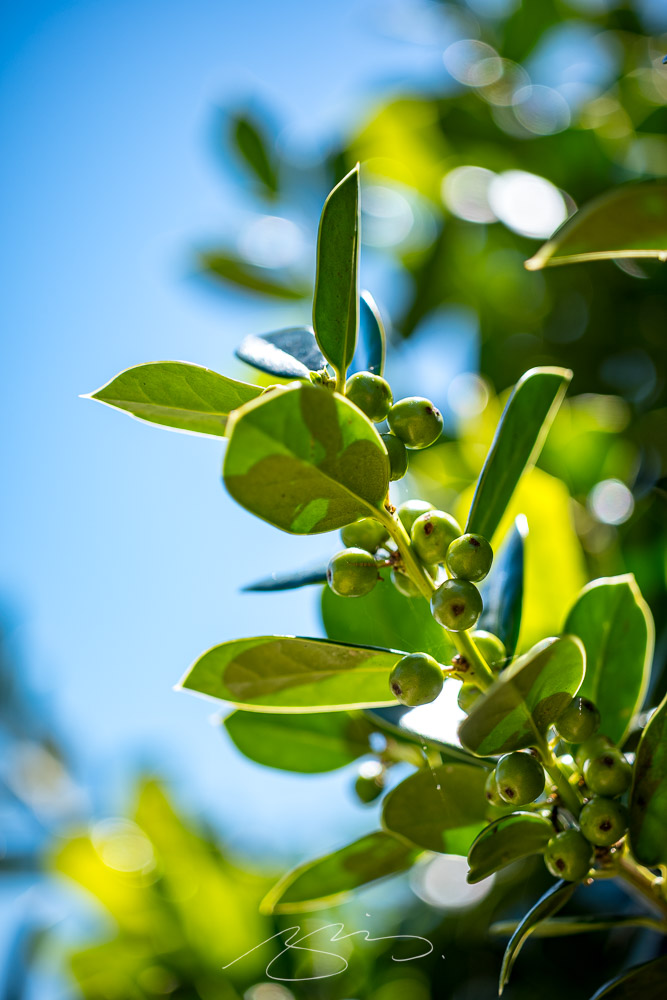
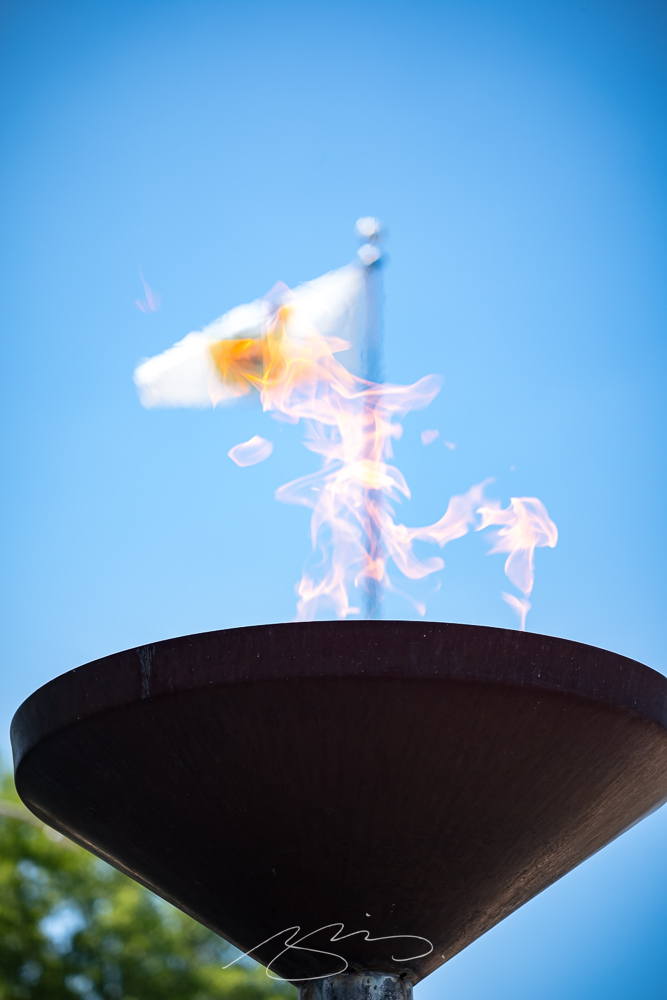
Leaves and Berries, Poplar & New Sts.Veteran’s Flame and Flag, Macon-Bibb Government Center, 700 Poplar St.
It’s sometimes a challenge to be creative in an area you’ve photographed often, but I enjoy trying to spy new details:
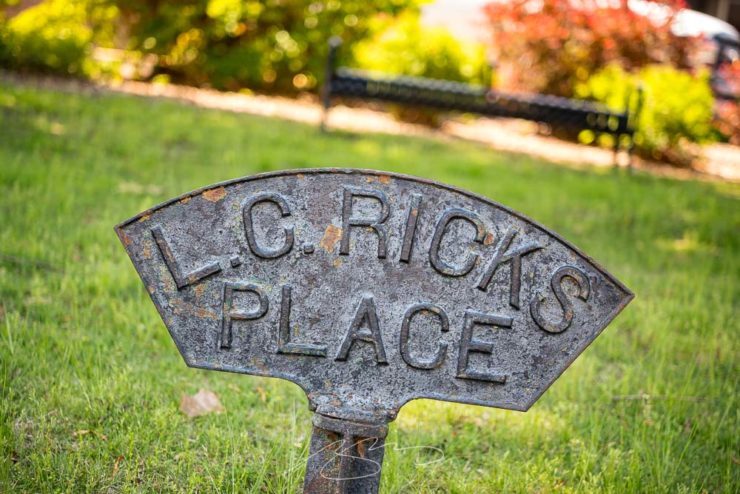
L.C. Rick’s Place, D.T. Walton Sr. Way & Poplar St.Kudzu Signs and Building Cornice, 512 Poplar St.
After leaving Zebulon (see below) last Thursday, I continued northeast into the beautiful spring morning. My destination was Senoia, a town of about 5,000 that has a lovely, old-time feel, and is usually busy due to its “touristy” nature. There’s a film studio (!), and major productions like Driving Miss Daisy and The Walking Dead have used it for a location. Plus, given its proximity to Atlanta, it’s a popular day trip for city dwellers looking for a getaway.
Gerald and I were there last April, and while I had a camera with me, I only took a few photographs and didn’t like any of them. But a church window had stuck in my head, we enjoyed the visit, and I determined to return.
This time: success. Starting with that church window:
Church of God of Prophesy (Window #1), Main and Johnson Sts.
Elsewhere in the historic district, fantastic Southern porches await:
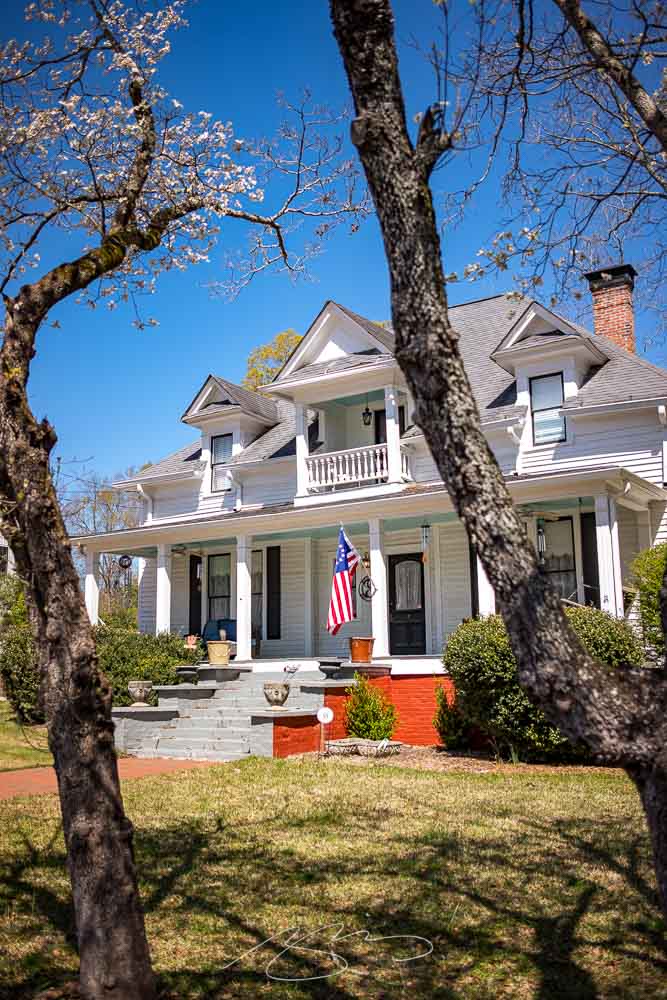
The Veranda Historic Inn, 252 Seavy St.
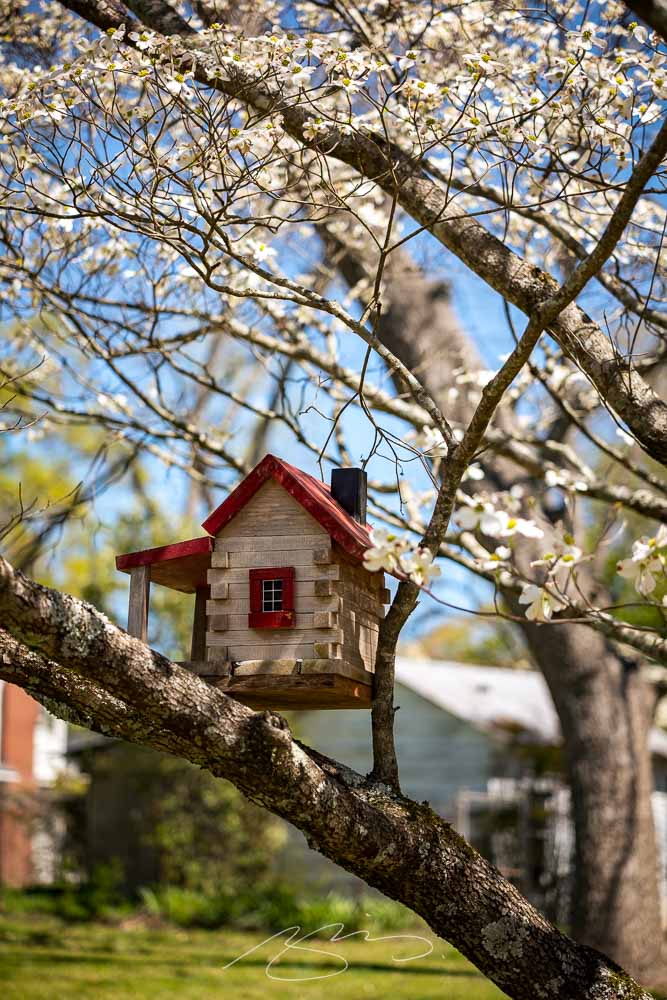
While amongst the dogwood blossoms, there was even a porch for our feathered friends:
Bird House, 128 Travis St.
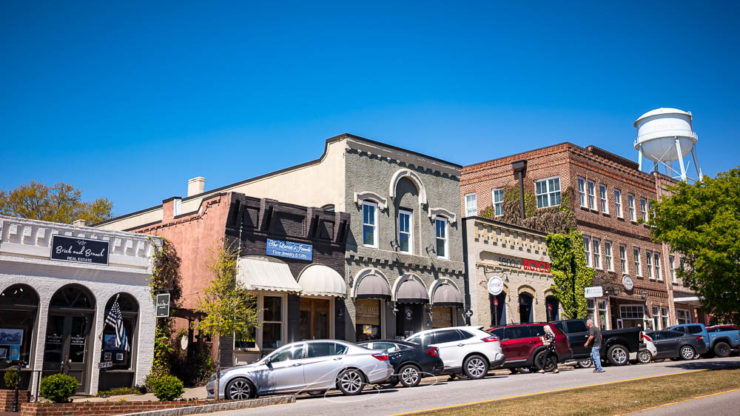
But it’s downtown that folks come to visit:
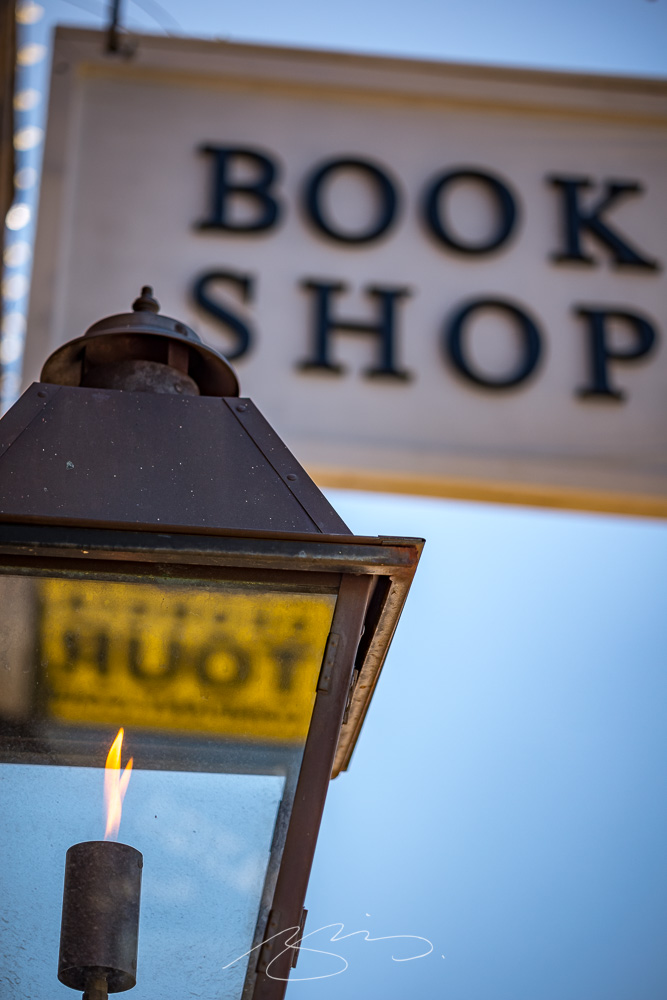
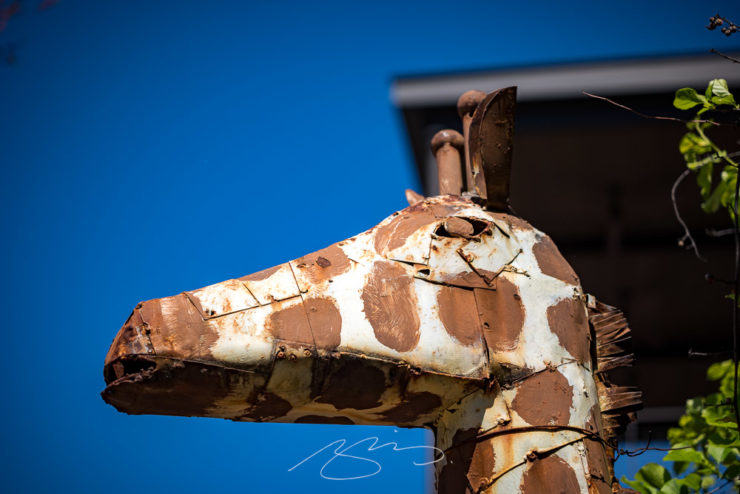
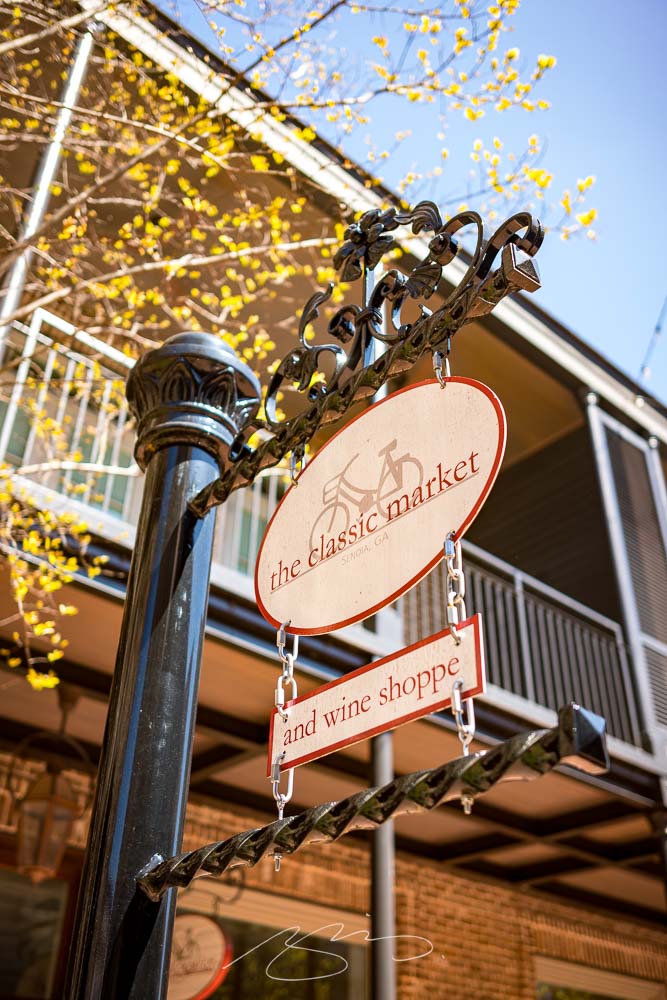
Shops and Eats on the Hill (#2), Main St.Book Light (Reflecting Tour), 53 Main St.Giraffe at Foxhollow, 7 Main St.The Classic Market, 30 Barnes St.
Plenty of history here, too:
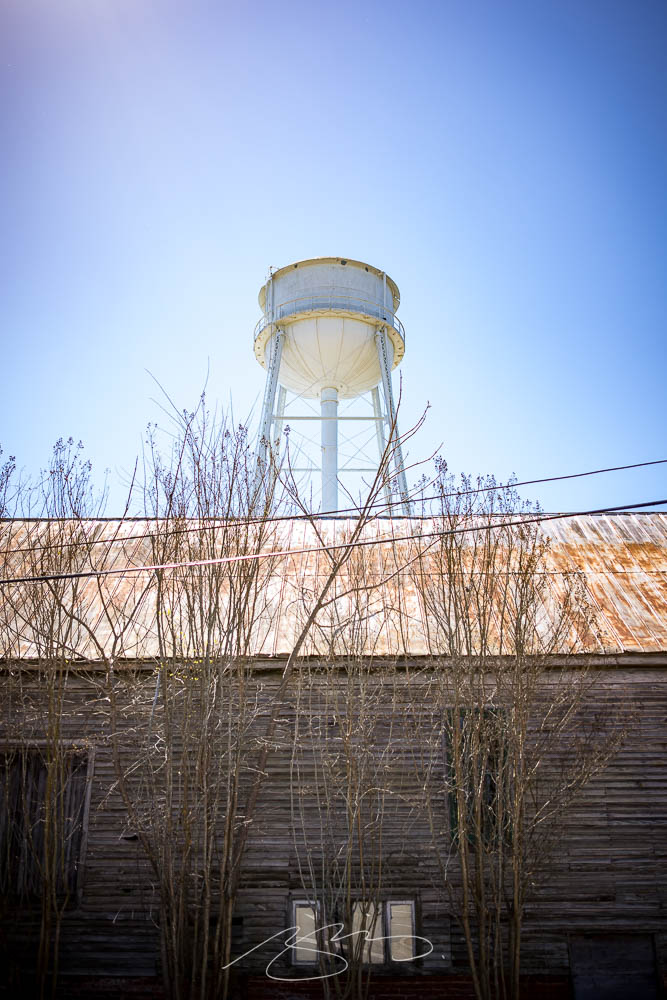
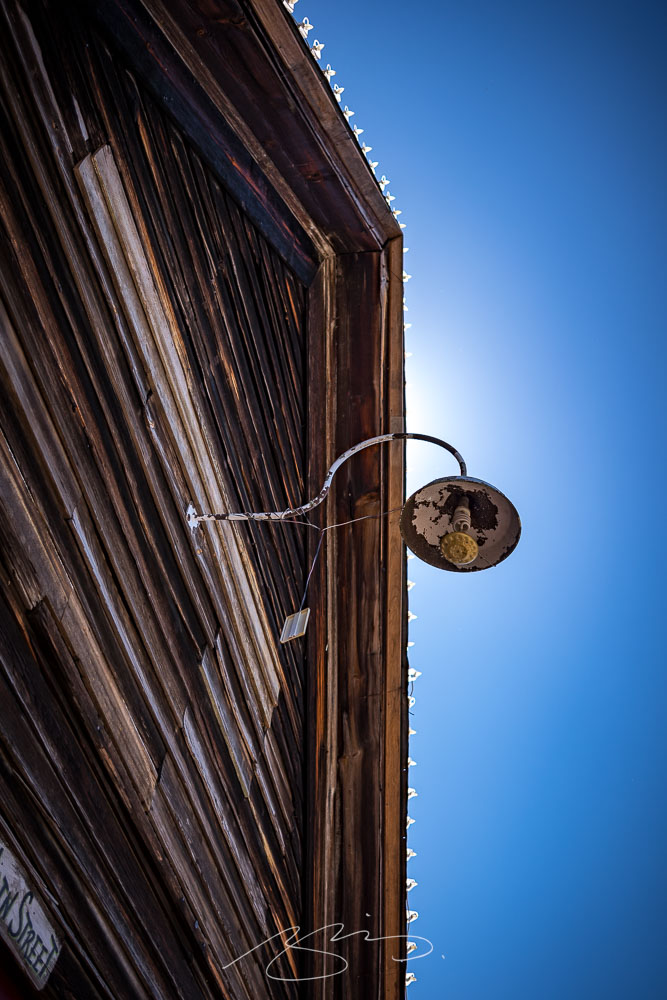
The Museum and the Water Tower (From Baggarly Way)Light and Lights Detail, 61 Main St.
A total of 57 photographs — clearly, it was a good time — have been posted to the Senoia gallery. No matter the weather where you are, wander a picturesque small town on a beautiful spring day.
We’re having an absolutely beautiful March here in Georgia — apologies to places that absolutely aren’t — and I’ve been trying to take advantage by getting out and taking photographs.
The latest photostroll starts in the small town (pop. 1225) of Zebulon1Named for Zebulon Pike, the general and explorer (for whom Colorado’s Pike’s Peak is named, among other things), in Pike County, northwest of Macon, with the typical courthouse square:
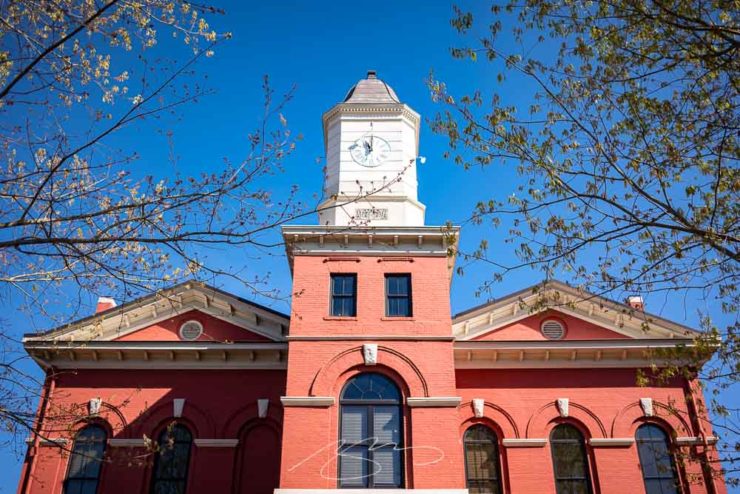
Pike County Courthouse, Barnesville St.
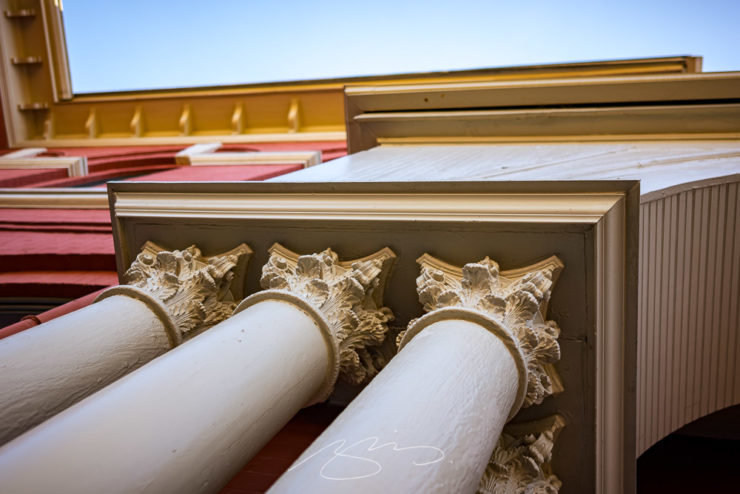
The building, from 1895 and on the National Register of Historic Places, is wonderfully detailed, sporting columns aplenty and lots of Colonial Revival details:
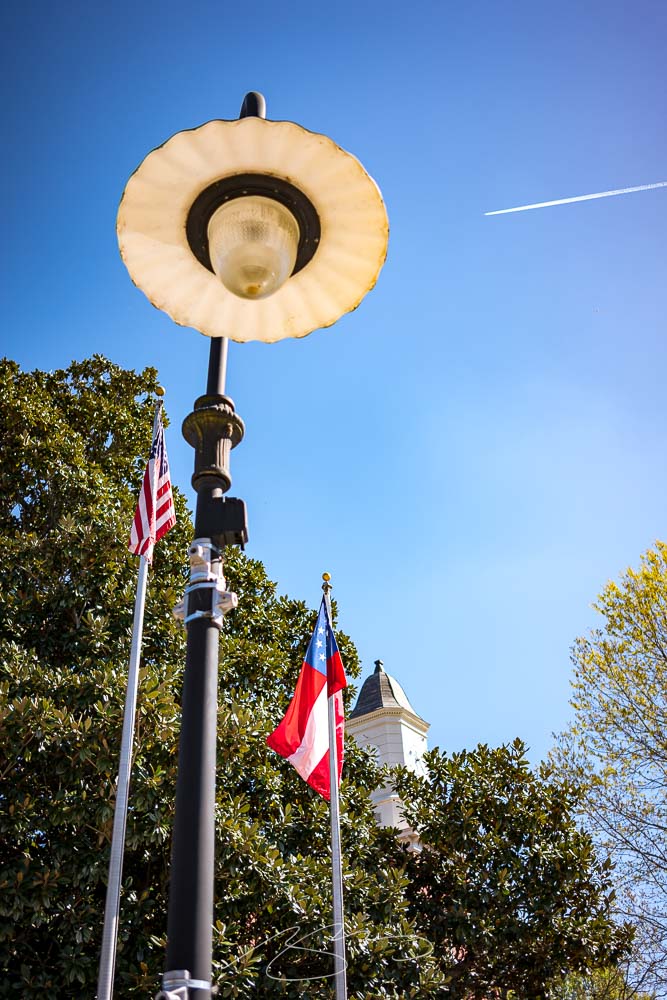
Pike County Courthouse (Column Detail #1)Courthouse Square Composition, Barnesville and Thomaston
The small downtown is well-kept and bustling in a way that small downtowns should be: