The Ringling Museum in Sarasota, Florida has been a place I’ve been taking photographs since I lived in the area, almost twenty years ago now — and a place where I continue to enjoy taking photographs whenever possible.
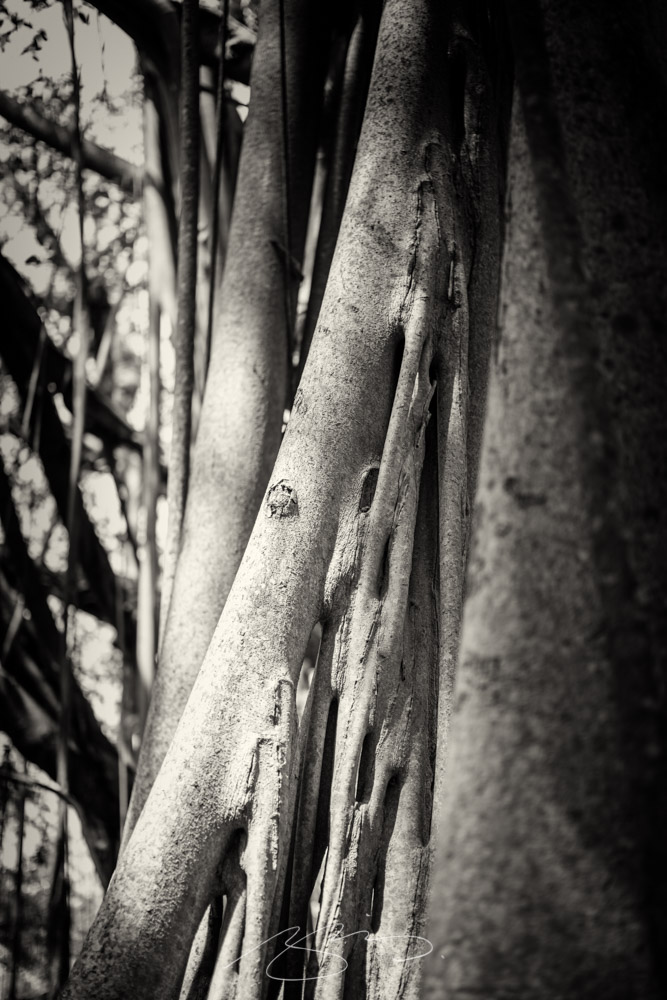
The grounds have these amazing banyan trees, with root systems larger than many houses:
Banyan (black and white, detail)
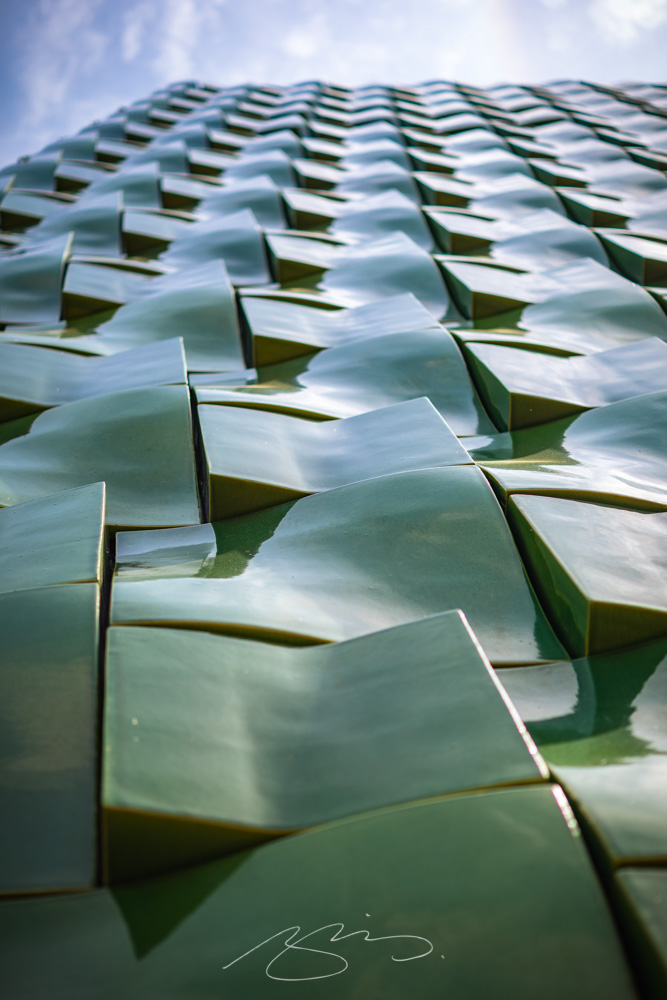
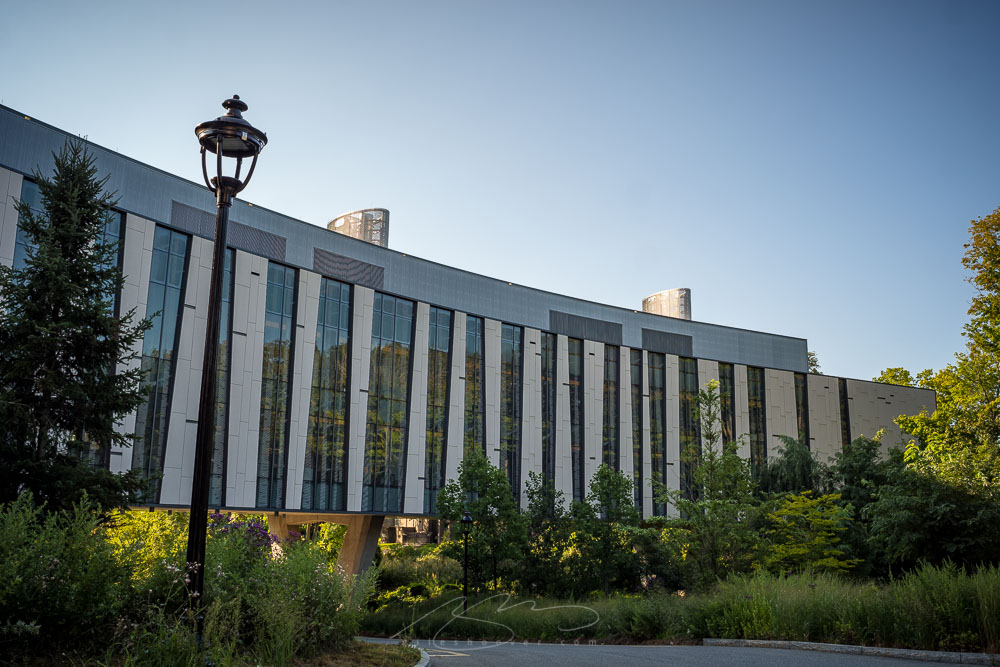
They’ve expanded over the years, adding buildings, a new entrance, and additions. This is the Chao Center for Asian Art:
Chao Center’s Asian Art Siding #3 (Detail)
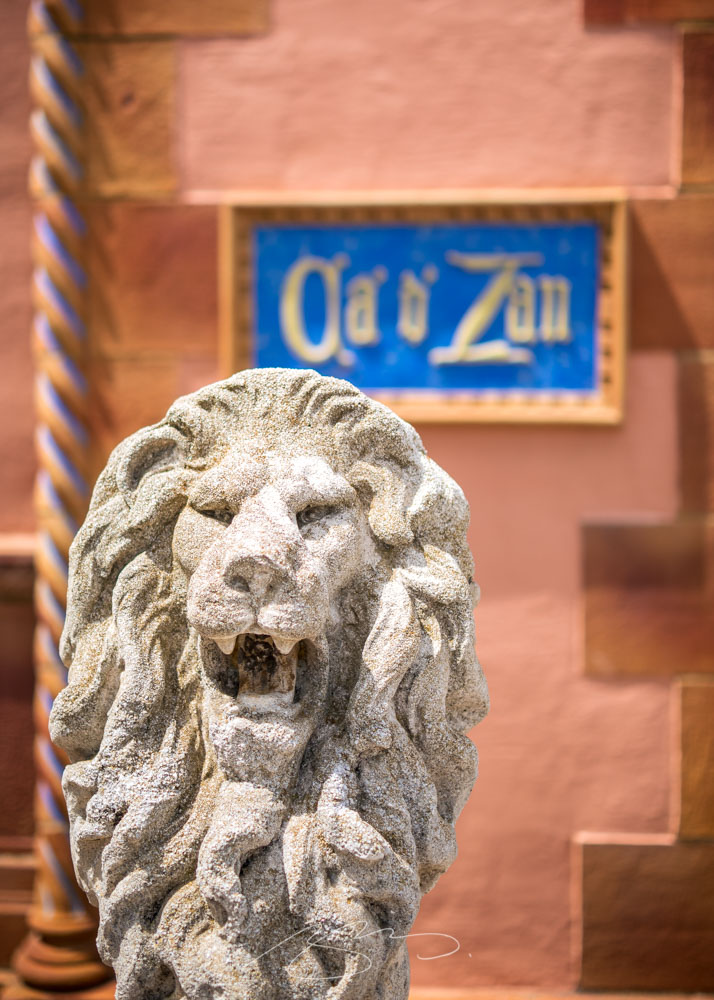
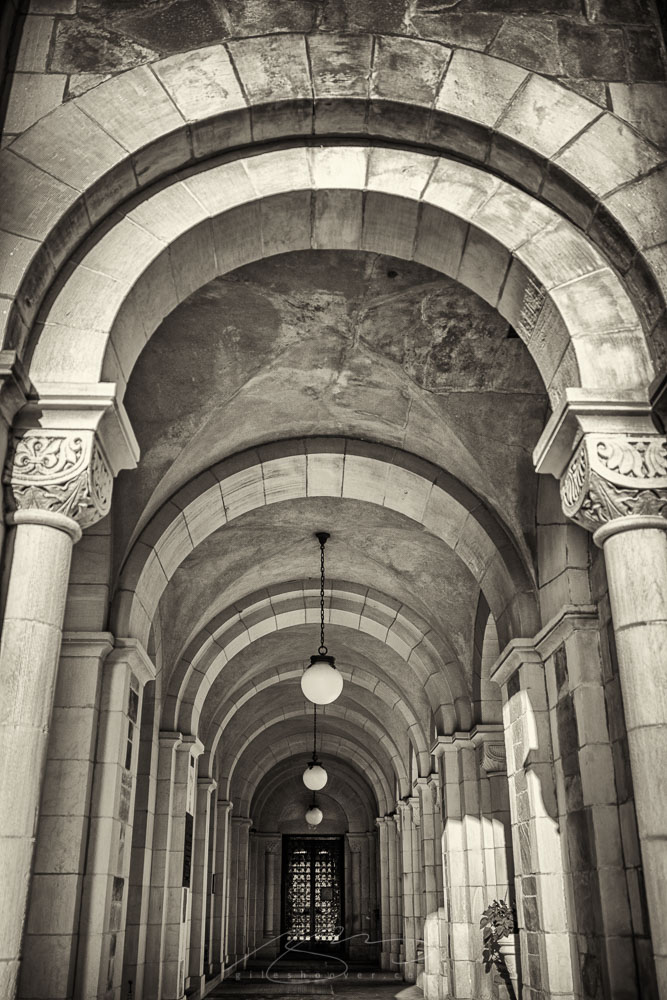
The old Ca d’Zan gate is the new main entrance:
Ca d’Zan Lion
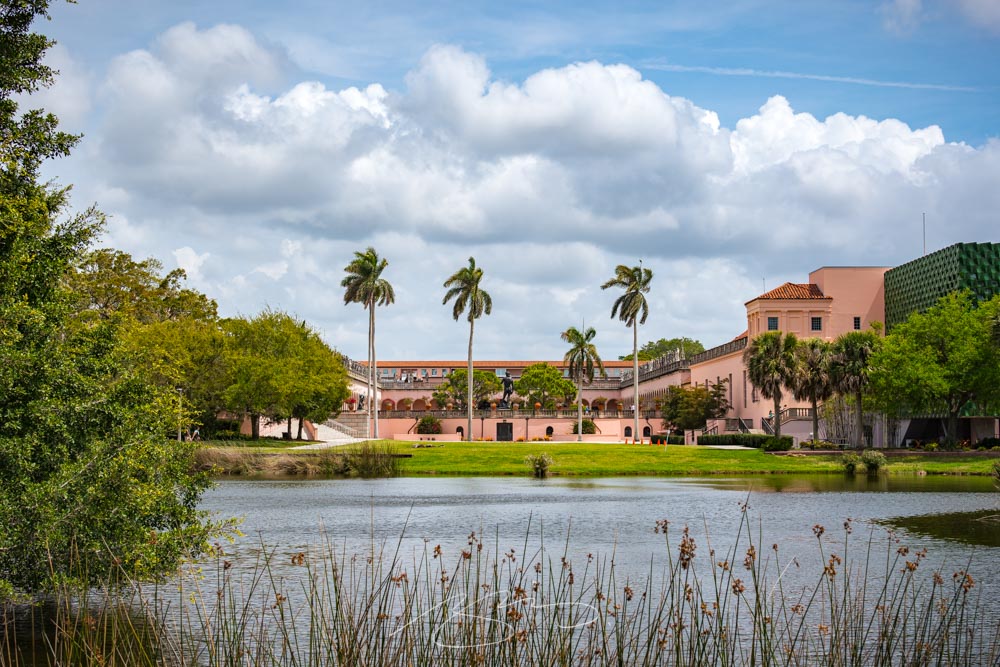
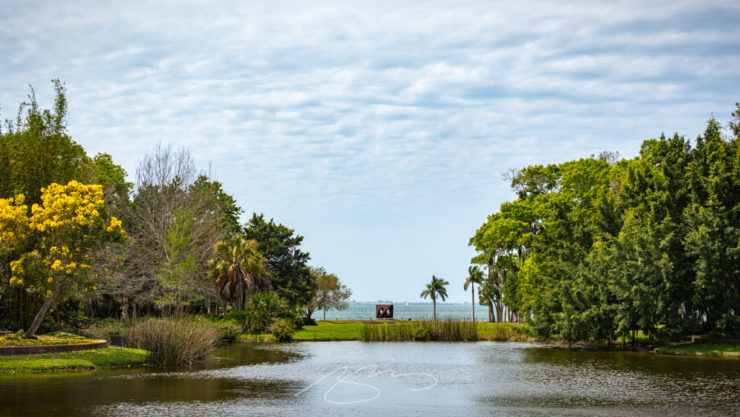
And, of course, the whole compound is right on Sarasota Bay:
As I mentioned yesterday, Gerald and I enjoyed a lovely first-of-spring drive out of middle Georgia. Our destination was Pine Mountain, home of F. D. Roosevelt State Park. Needless to say, there were cameras involved.
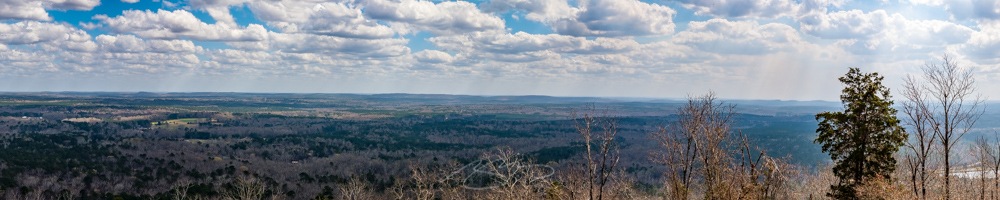
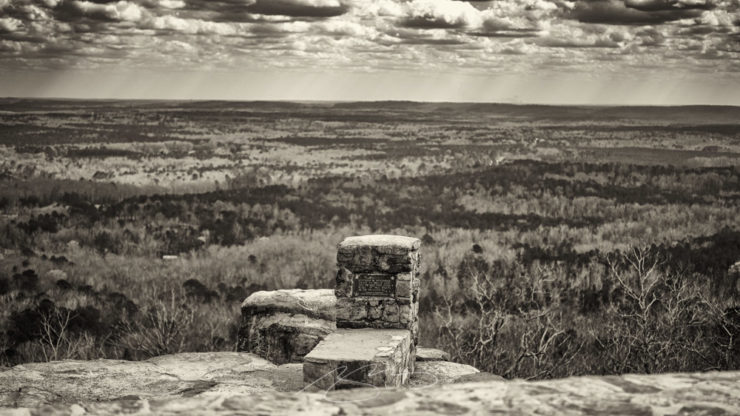
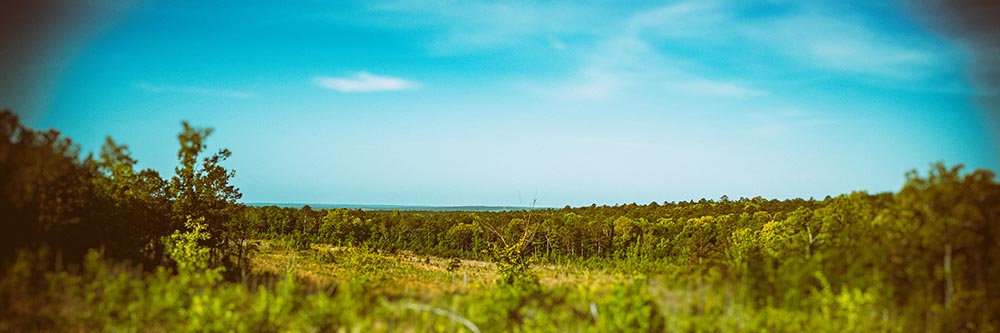
Starting on Dowdell Knob, FDR’s favorite picnic spot — with its amazing valley overlook:
Roosevelt’s Grill With a View, Dowdell Knob
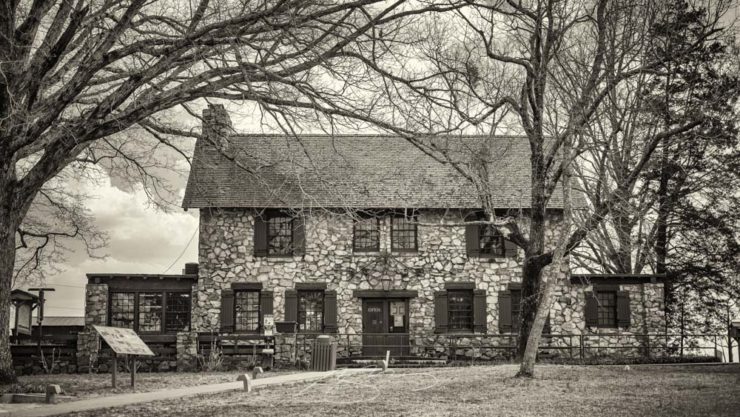
Next was the park’s office and overlook complex:
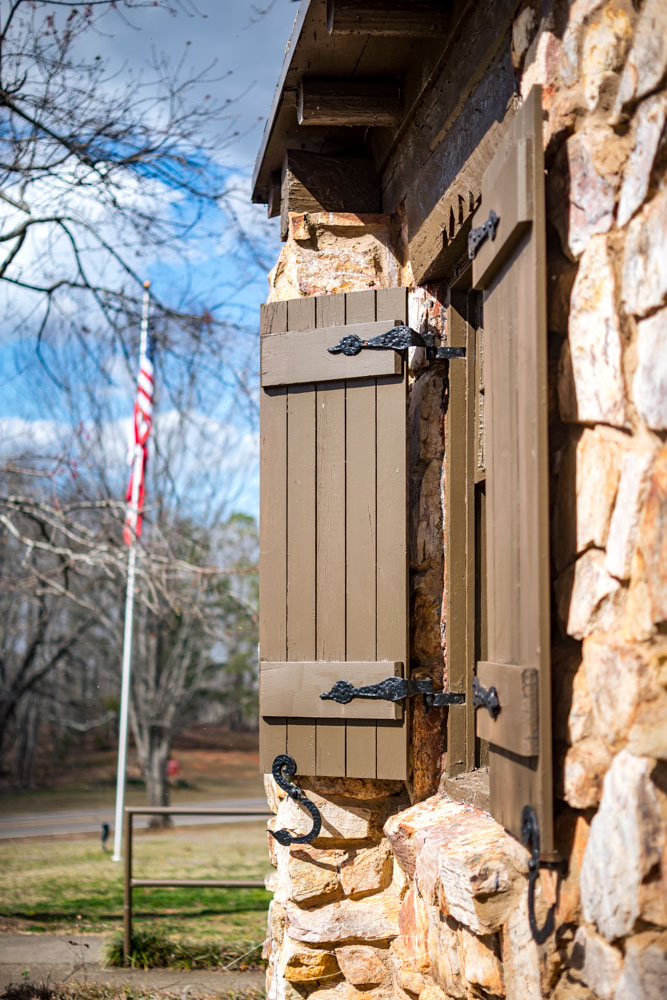
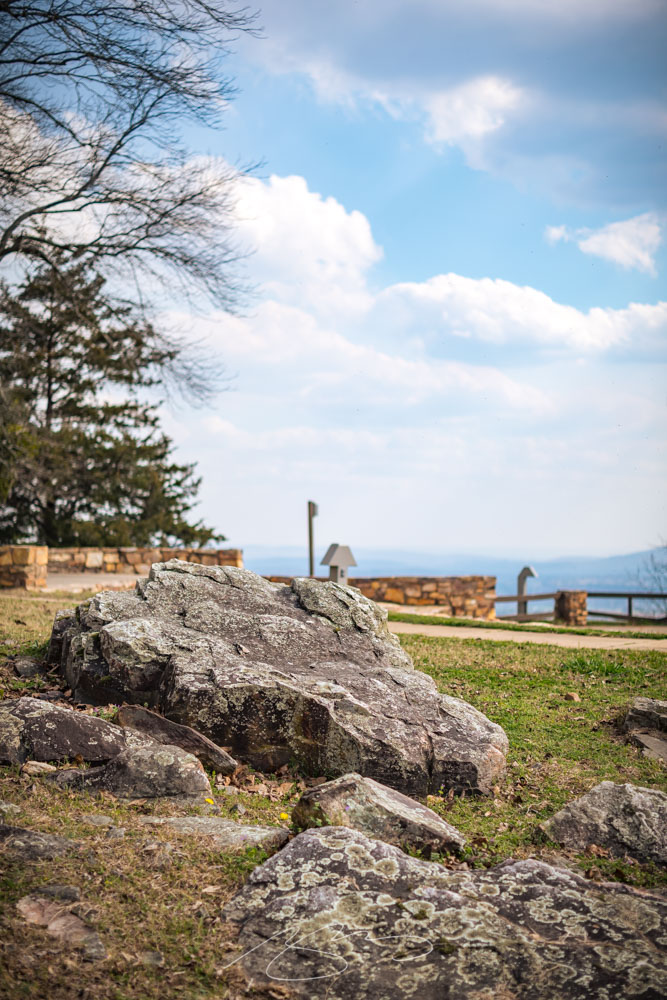
FDR State Park Office (B&W Study), Pine MountainStone, Shutters, and Stars and StripesFDR State Park Overlook: Rocks
Peruse the entire gallery here. And when you have some extra time, all of FDR State Park is worth a visit; it’s got everything from hiking trails to cabins to the Callaway Gardens Country Kitchen in its 9049 acres. Enjoy!
Bonus: Georgia Public Broadcasting, at the premier of its film A President in Our Midst: Franklin Delano Roosevelt in Georgia, said:
Franklin Delano Roosevelt had a very special relationship with the State of Georgia. This compelling documentary spotlights the mutual benefits that the friendship provided to both the president and the people of Georgia. The film is based on the book, A President in Our Midst: Franklin Delano Roosevelt in Georgia.
It’s no Ken Burns, certainly, but if you’re not familiar with FDR’s extensive time spent in west Georgia, it might be worth your time. See it here.
The end of winter here in Georgia means beautifully warm days, flowers and trees budding, and photography. Gerald and I took a road trip this weekend, enjoying almost 200 miles of driving — and four photostrolls.
We’ll cover three today, heading west from Middle Georgia:
A few days ago, Jason Kottke posted an item that raised an important enough question — well, twenty of them — that I wanted to repeat it here. The questions stem from a 1981 quiz1Developed by Leonard Charles, Jim Dodge, Lynn Milliman, and Victoria Stockley, originally published in Coevolution Quarterly 32, from winter 1981, asking how well you know your local natural environment. They are:
Trace the water you drink from precipitation to tap.
How many days til the moon is full? (Slack of 2 days allowed.)
What soil series are you standing on?
What was the total rainfall in your area last year (July-June)? (Slack: 1 inch for every 20 inches.)
When was the last time a fire burned in your area?
What were the primary subsistence techniques of the culture that lived in your area before you?
Name 5 edible plants in your region and their season(s) of availability.
From what direction do winter storms generally come in your region?
Where does your garbage go?
How long is the growing season where you live?
On what day of the year are the shadows the shortest where you live?
When do the deer rut in your region, and when are the young born?
Name five grasses in your area. Are any of them native?
Name five resident and five migratory birds in your area.
What is the land use history of where you live?
What primary ecological event/process influenced the land form where you live? (Bonus special: what’s the evidence?)
What species have become extinct in your area?
What are the major plant associations in your region?
From where you’re reading this, point north.
What spring wildflower is consistently among the first to bloom where you live?
I did poorly. (In the words of the authors, “It’s hard to be in two places at once when you’re not anywhere at all.”) In fact, I did so poorly that I decided to not only follow up on the questions but put my camera where my mouth is.
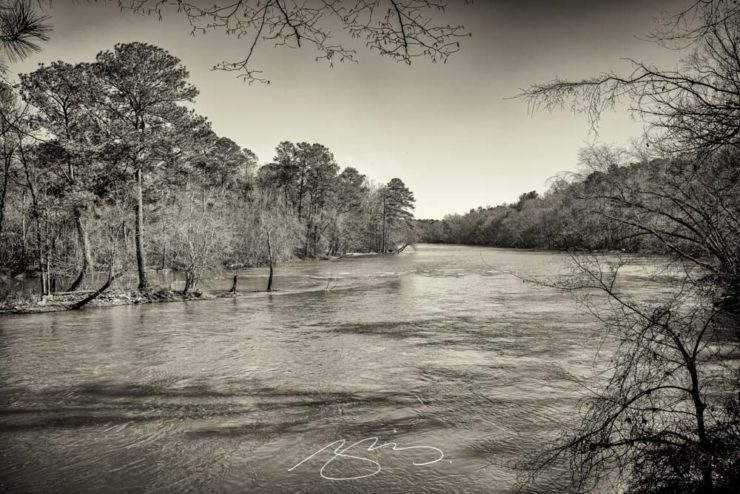
In answer to the first question, Macon and a good chunk of Middle Georgia get their drinking water from the Ocmulgee River:
Ocmulgee (River) Origin
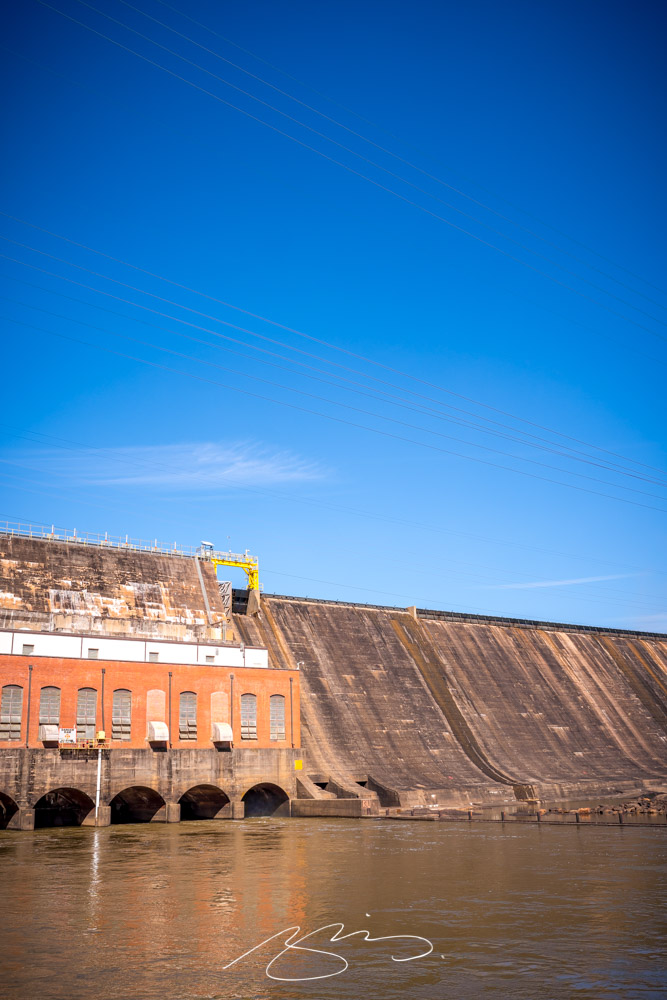
In fact, this past weekend’s trip to Monticello and Barnesville were merely extensions of the trip to Jackson Lake and Dam, so I could see where the Ocmulgee starts. Next up is to trace the Yellow, Alcovy and South Rivers, which feed Jackson Lake. (See the rest of the photographs from the Jackson area.)
Jackson Dam #1
But I’d ask everyone reading this to ask yourselves the same questions. As Kottke points out, most of the people living here years ago would have known more of the answers than those of us who live in the built environment do. He passes on an idea from Rob Walker:
Pick one of the questions you don’t know the answer to – and make it a point to learn what that answer is. After you’ve mastered that, move on to a new question.
Go!
1
Developed by Leonard Charles, Jim Dodge, Lynn Milliman, and Victoria Stockley, originally published in Coevolution Quarterly 32, from winter 1981
This past weekend’s road trip included five stops, including Monticello and Barnesville, which I covered in the last post. However, there were three more stops in the middle.
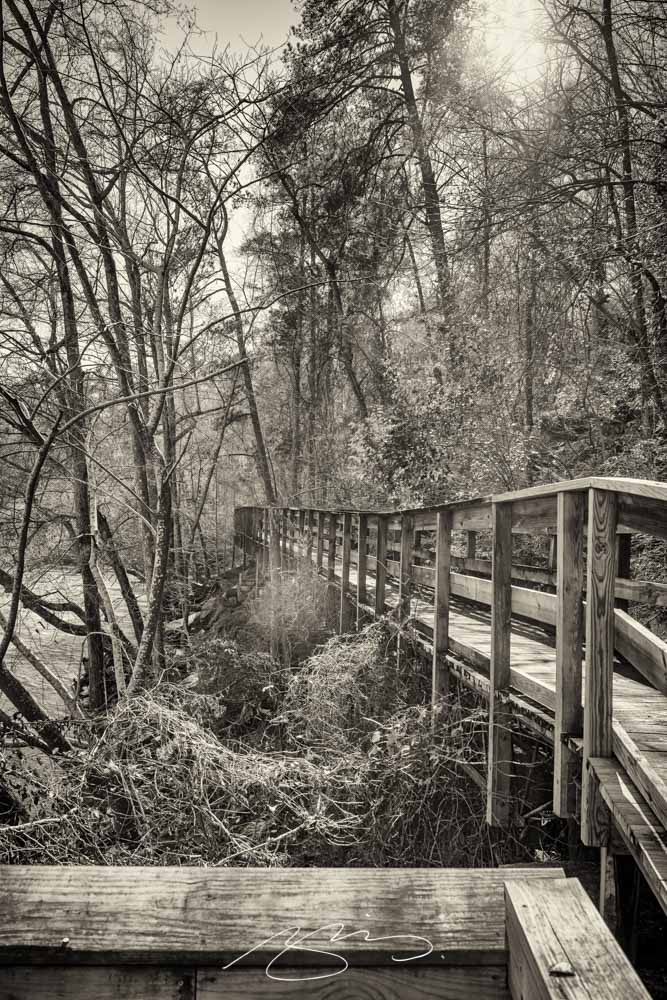
Jackson Dam, which forms the headwaters of the Ocmulgee River — and which has a fishing area with this neat scene:
Walk and Deck, Jackson Dam
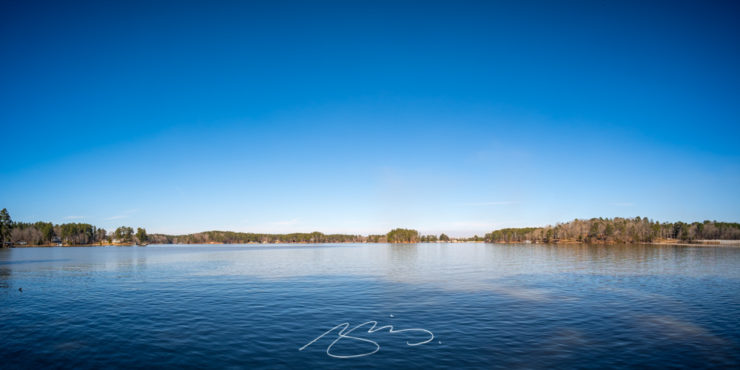
Jackson Lake, formed by the Yellow, Alcovy, and South Rivers:
Jackson Lake (Wideangle)
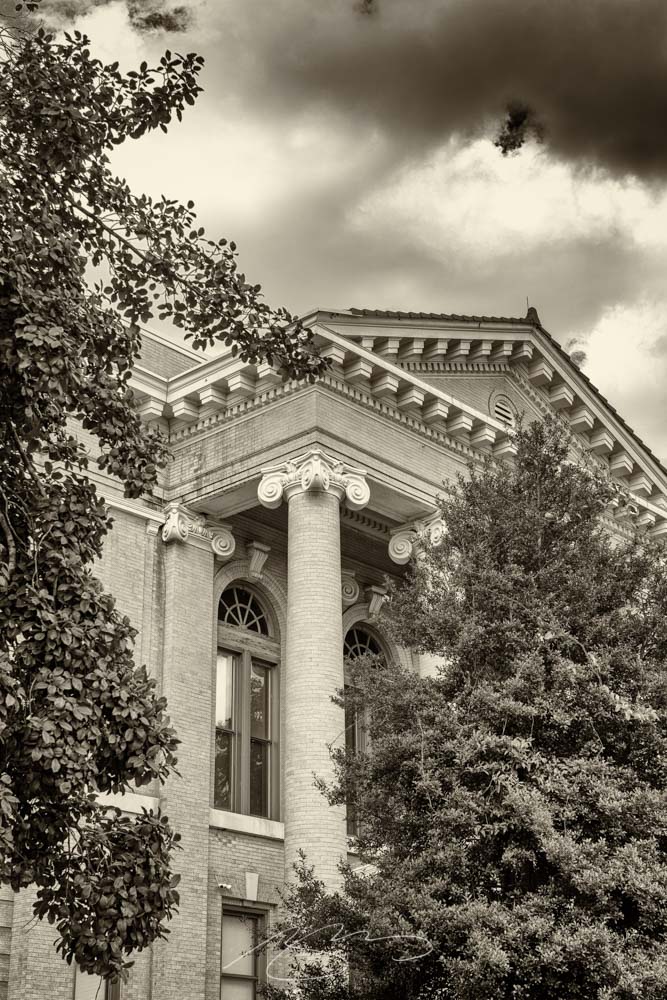
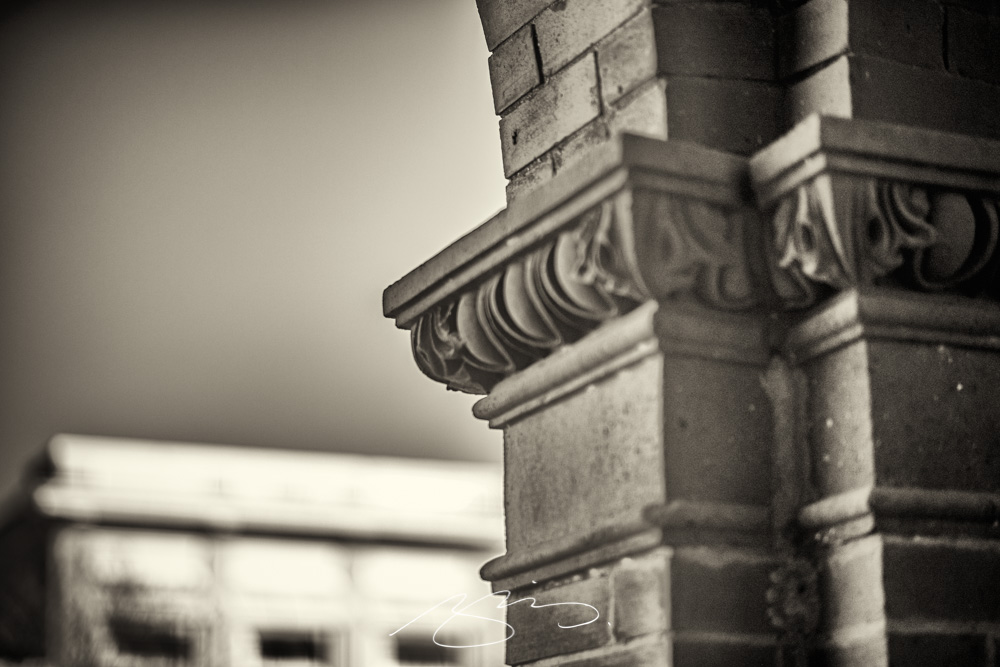
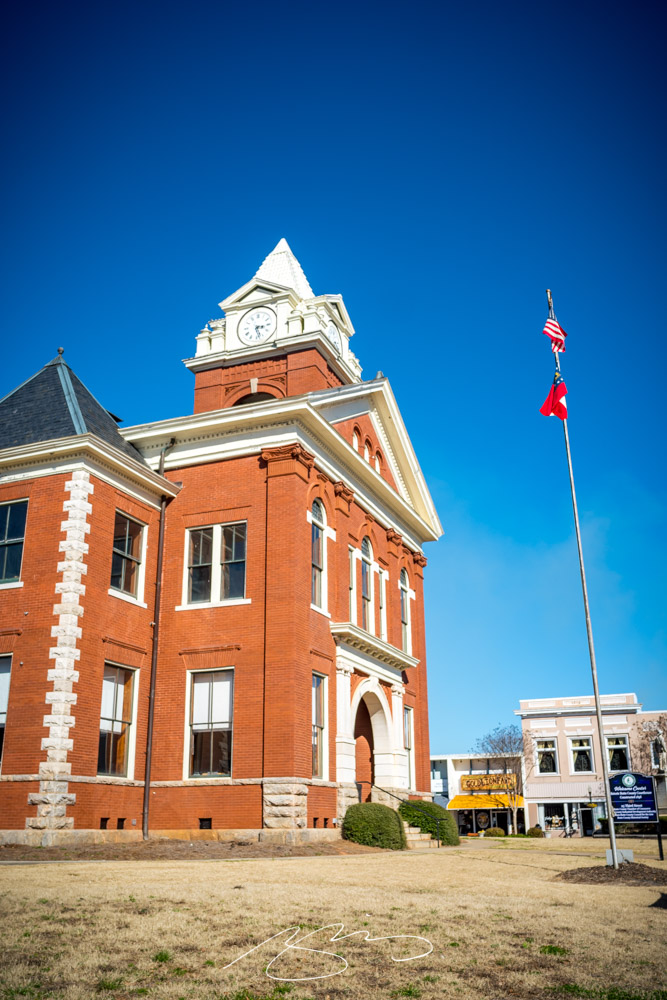
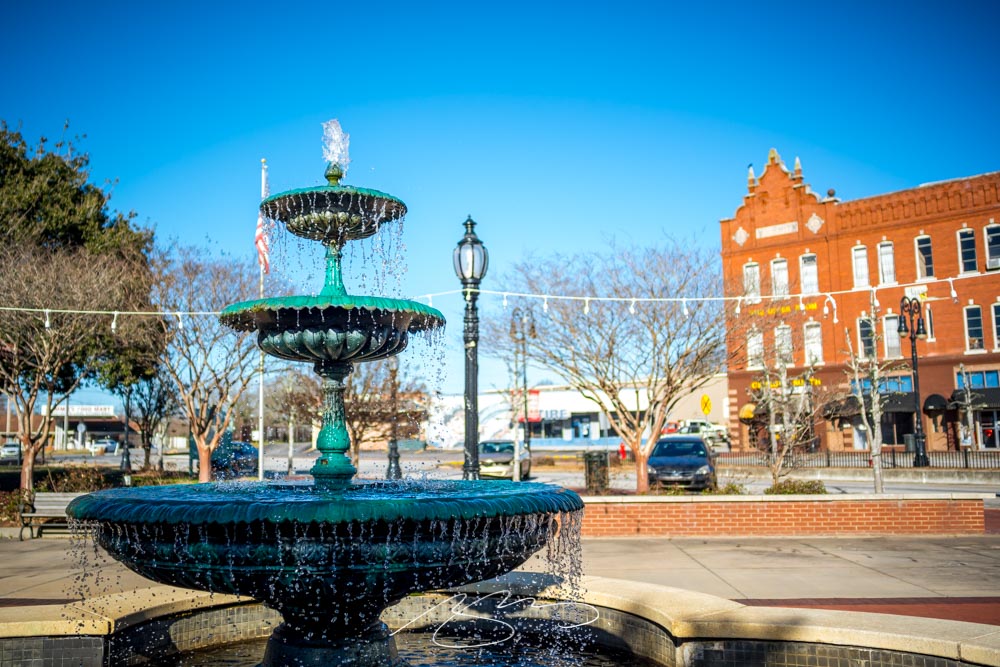
And Jackson proper, which has a traditional (for Georgia, at least) town square with a courthouse:
Butts County Courthouse #5, Jackson
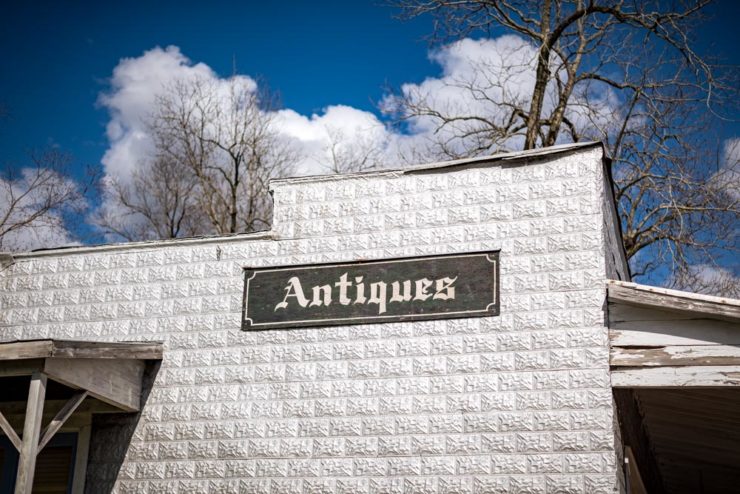
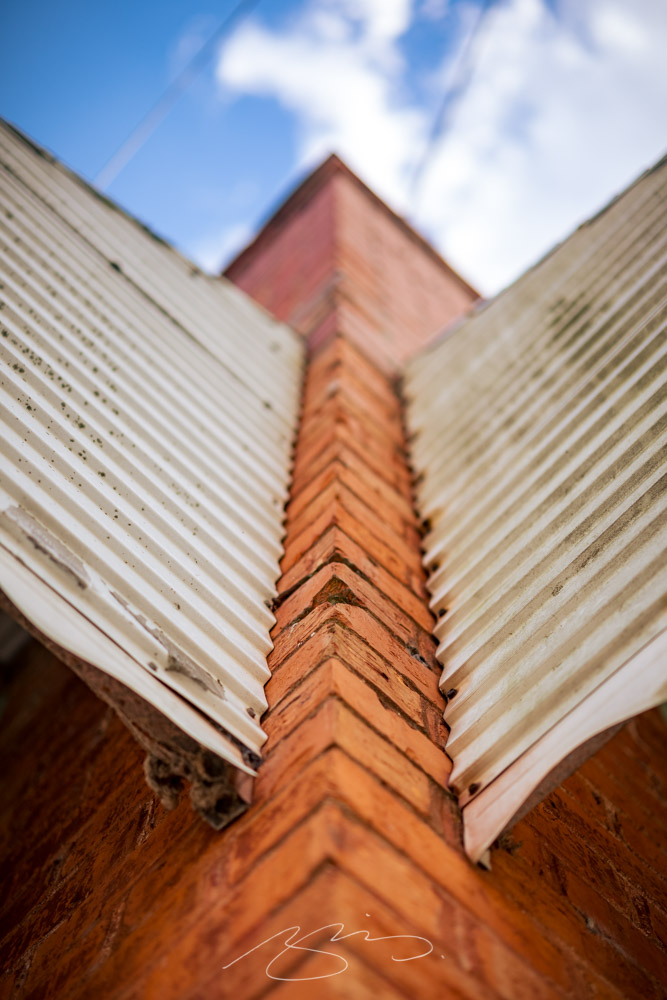
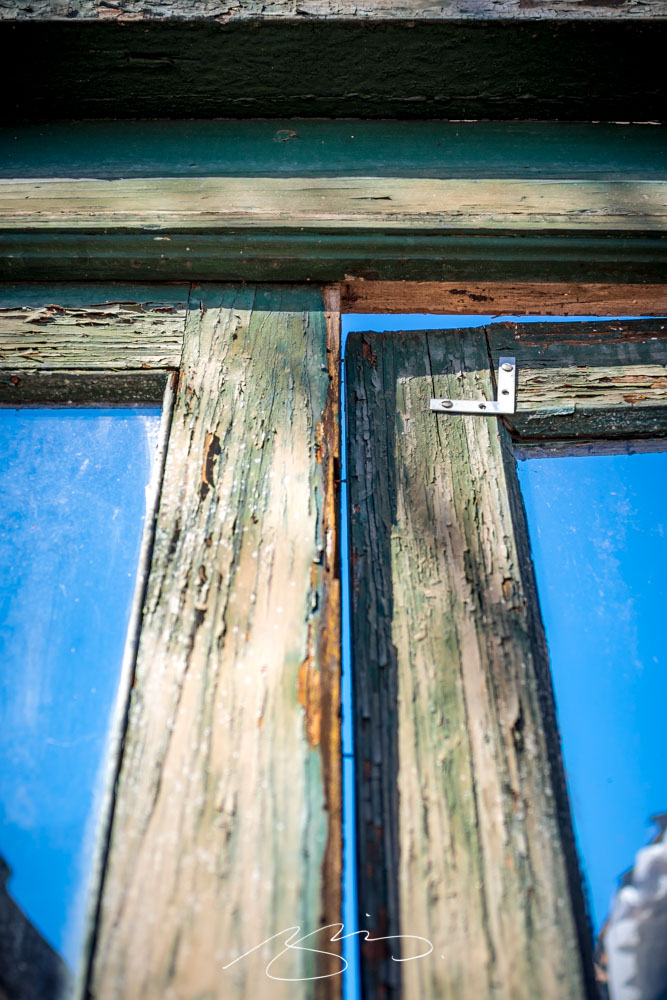
Also, this — with perhaps too cute a title:
Downtown Door During Reconstruction, Jackson
All of these have been added to a new gallery. Check it out.
A three-fer as we wind through this February: Peter Stewart, a really talented architecture photographer from Australia; VAG Rounded, Apple’s keyboard font and how it relates to Volkswagen; and a new site called The Apple Store Glossary leads to an interesting review of furniture in Apple Stores.
Peter Stewart
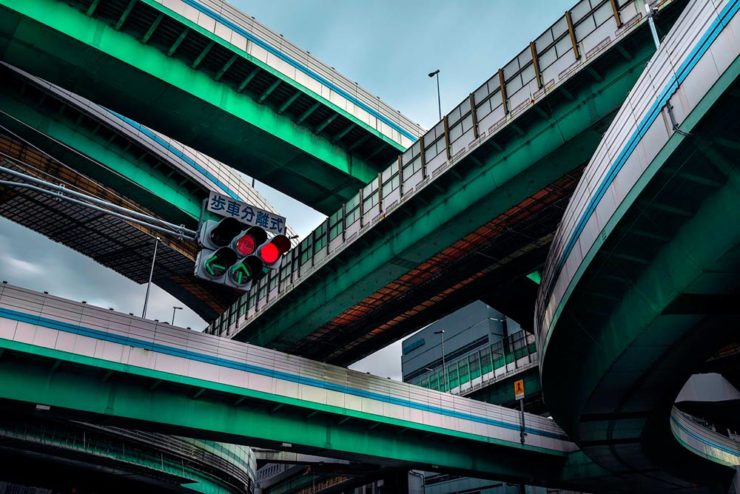
November’s Beautifully Briefed covered the 2021 Architecture Photography Awards shortlist, and one of the photographers is Peter Stewart, a self-taught Australian who wanders around Asia. Gotta say: he’s better than great.
“Hanshins Web” Osaka, Japan. 2019, by Peter Stewart
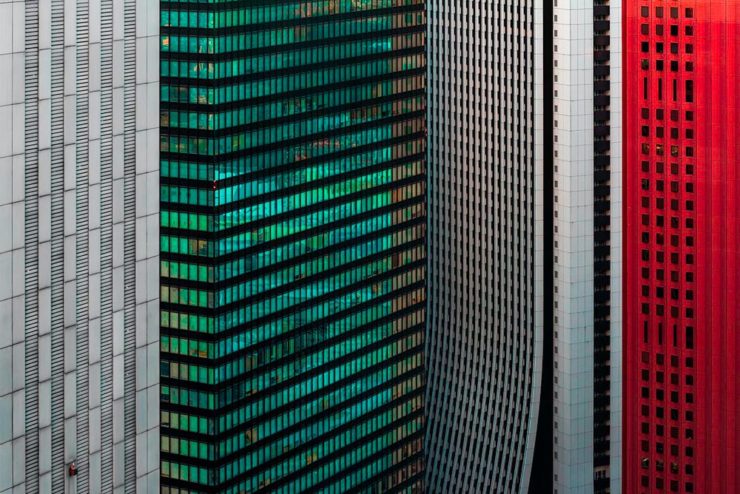
His eye for pattern and color is spot-on:
“Four Columns” Tokyo, Japan. 2019, by Peter Stewart
Archinect’s In Focus feature has a great 2019 interview that not only discusses the how and where, but also the why — including his thoughts on use of Photoshop and, perhaps most insightfully, how to thrive as a photographer in this crowded age:
The hardest part of being a photographer today is finding a way to stand out among the crowd. In just the past few years Instagram has changed everything and given rise to a sizable number of highly talented new photographers. We are inherently influenced by the work we see from others, and as such has given rise to a lot of popular trends and styles of photography which has brought about a bit of a copycat culture. The point is, I think it’s important to find your own themes and ideas in order to progress, and not to simply emulate.
Daring Fireball is a daily stop for Apple geeks like me, but rarely does it cross into graphic design territory — except when it links to a Jalopnik article discussing how a Volkswagen font wound up on Apple’s keyboards.
Good stuff. (Bonus ’80s Dasher brochure siting, too.) Enjoy.
Apple Store’s Boardroom Furniture
Some Apple Stores have additional, not-usually-open-to-the-public spaces called boardrooms. And, as you might imagine, they’re filled with interesting stuff.
A new (to me, at least) site called The Apple Store Glossary has information and photographs of all aspects of Apple Stores, from the new Pickup area to the behind-the-scenes Boardrooms.
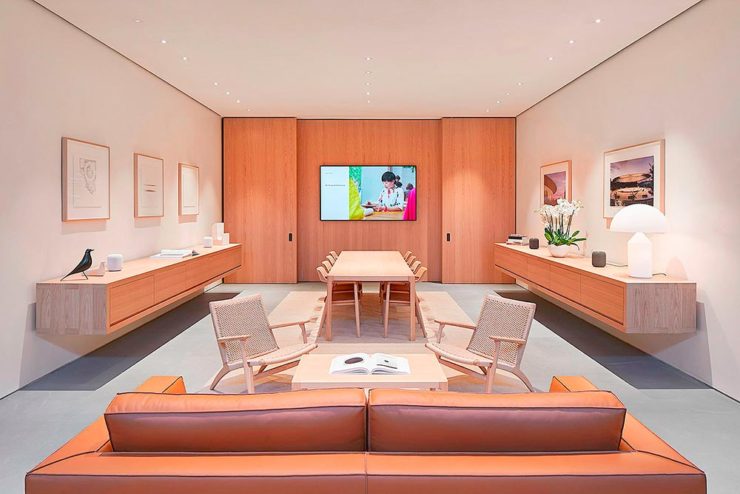
The latter started out as something called Briefing Rooms, intended for business customers and special events. However, they’ve evolved: more casual, more comfortable. And more interesting:
Apple Boardroom (Passeig de Gràcia store, Barcelona, Spain)
9to5Mac has a great roundup of these rooms we don’t see, from the accessories (bonus Eames Bird sightings) to the books, and perhaps most interestingly, the furniture.
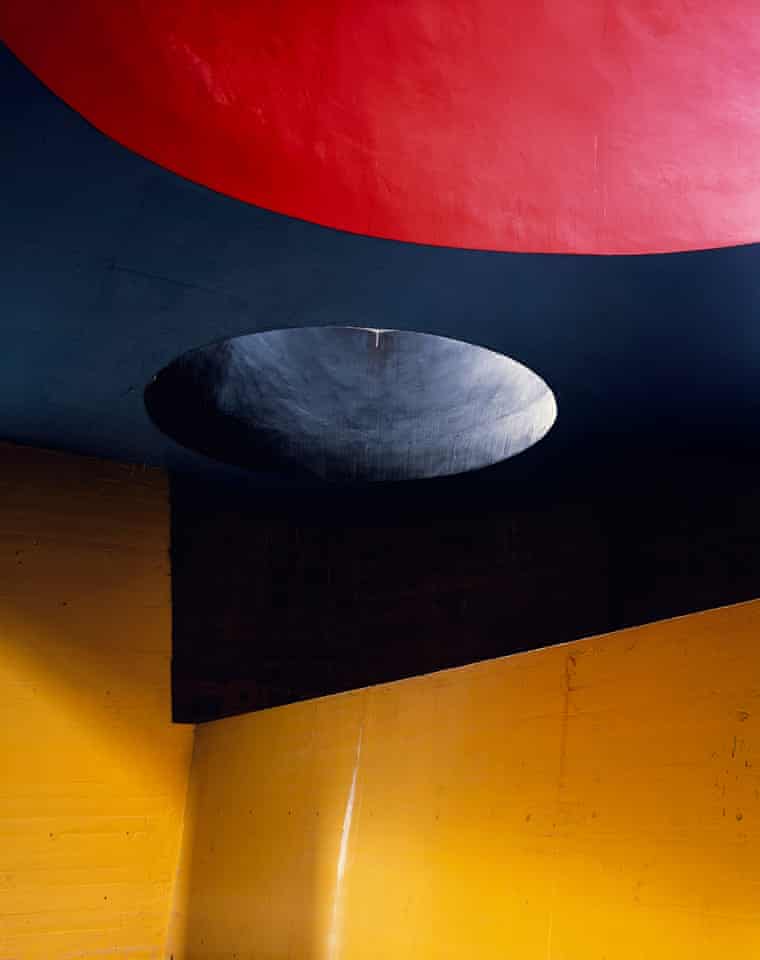
“It’s like being a musician in front a big audience. You can’t get it wrong. In that instant, you have to be the best of yourself, you bring your mind to a place, not to lose that unique moment.” Hélène Binet is explaining her commitment to working with the venerable techniques of analogue, as opposed to digital, photography[…].”
She manages to capture exactly the kind of thing I strive for — potentially abstract, detail-oriented, yet somehow . . . different:
Many, many moons ago, my late sister attended Vassar College. I had an occasion to stay in Poughkeepsie, NY, where Vassar is located, and went over on a beautiful morning and spent some time wandering around with the Leica.
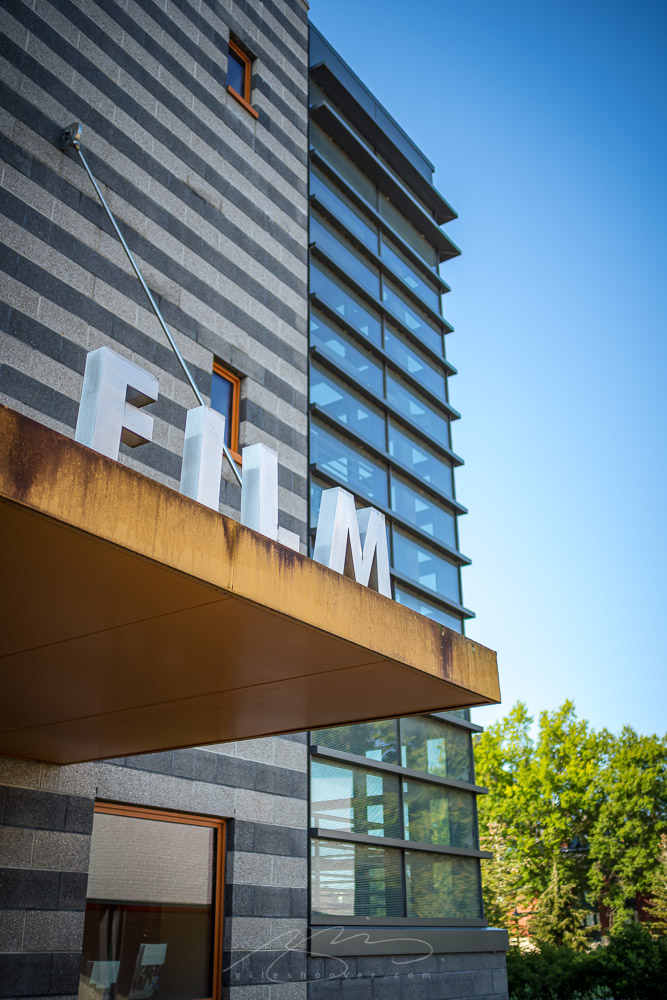
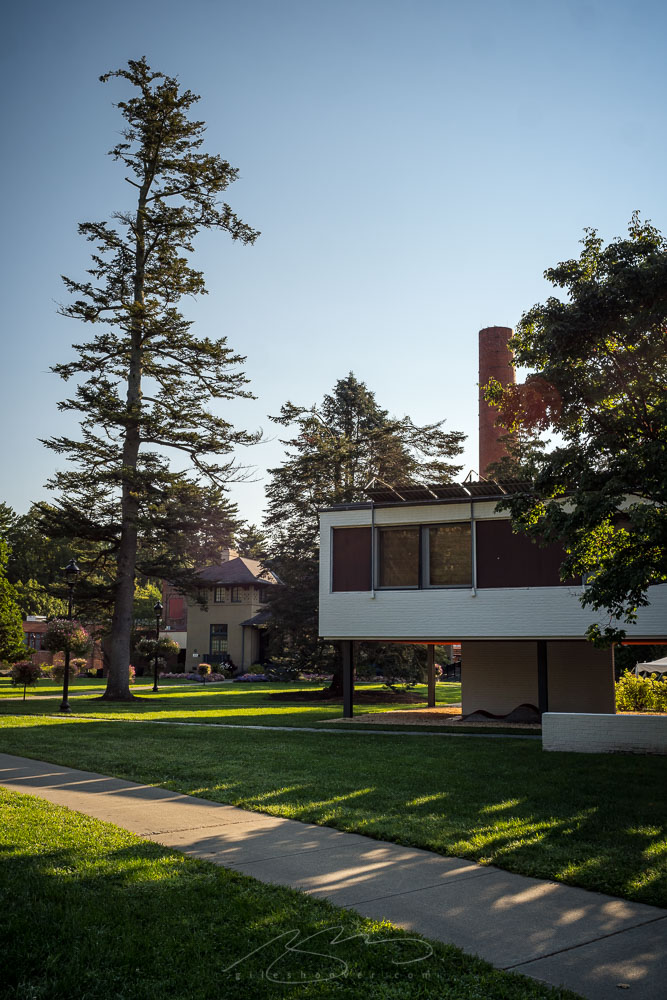
It’s a beautiful campus; a mix of modern, mid-century, and classic architecture — with a little mid-century thrown in:
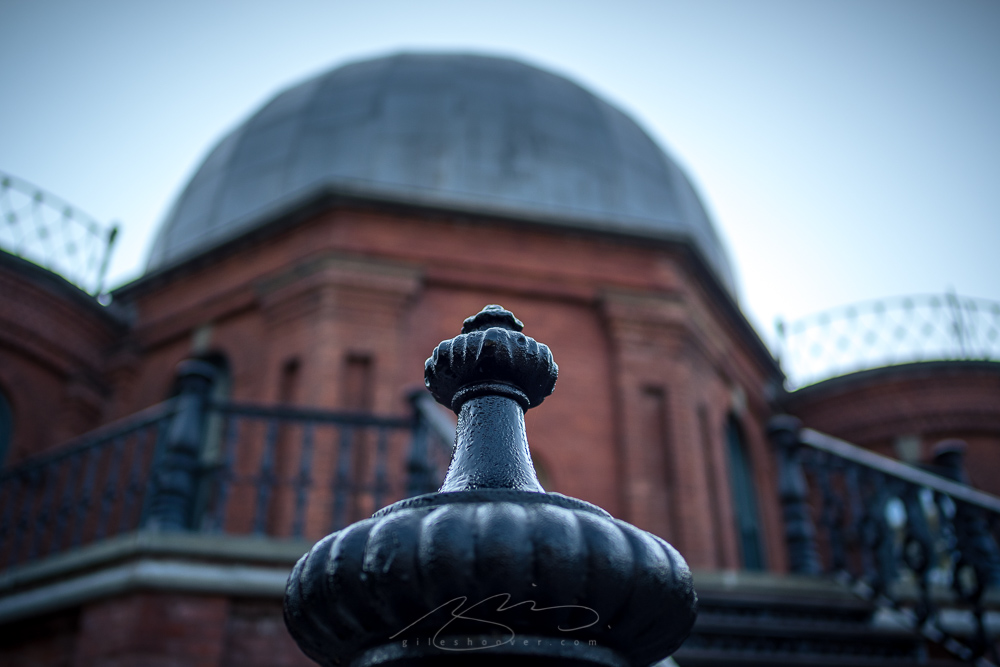
For many years, Vassar was a women’s (-only) college, and it was nice to find the National Landmark observatory building — a reminder that even in the 1800’s, women were doing scientific research:
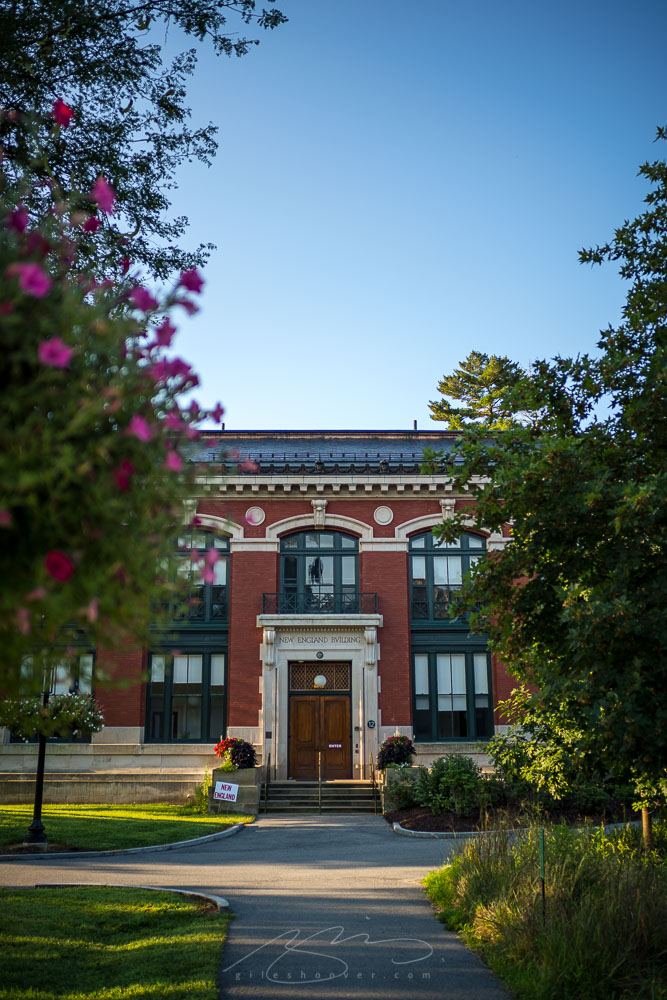
The New England building:
An enjoyable visit, a beautiful, incredibly well-tended campus, and a tranquil late summer morning at a renowned college. I was delighted to visit, and pleased with the resulting photographs. See the rest here.