Category: Art

All art forms — too many to list — that don’t include photography, although there is often overlap.

  • A History of Arab Graphic Design

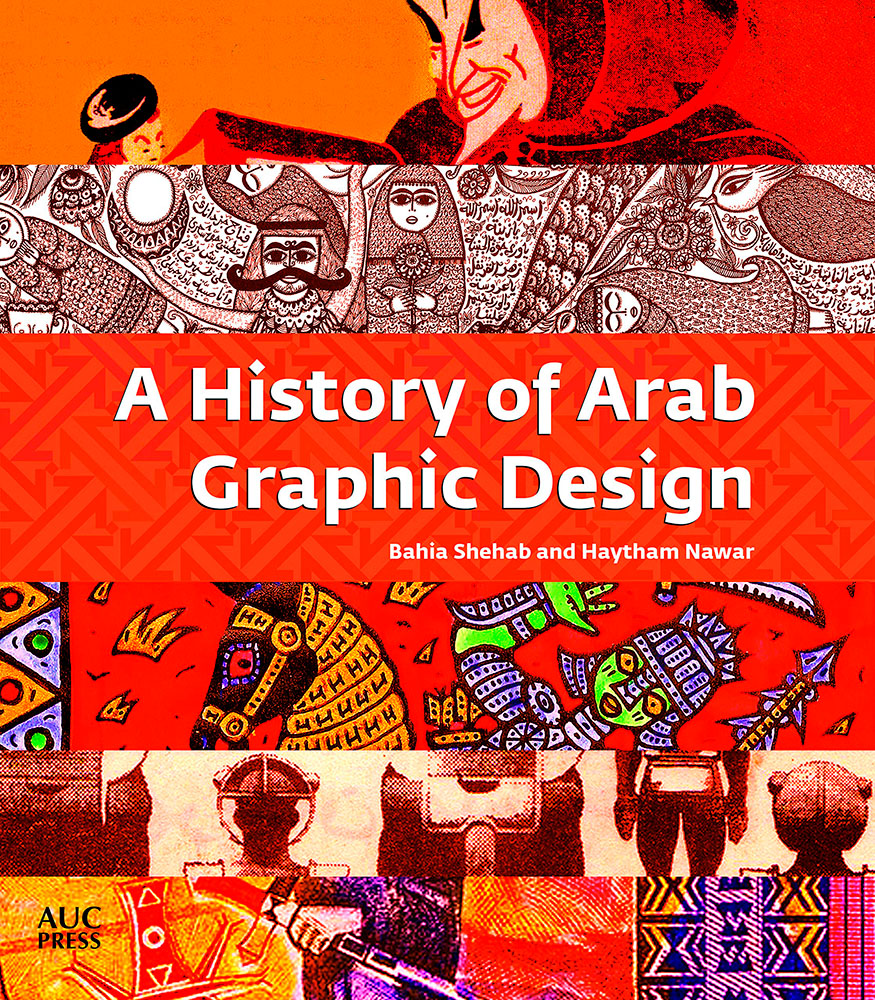
    A History of Arab Graphic Design

    A History of Arab Graphic Design is easily the best introduction to the history of modern Arab visual culture on the market today. It lacks the jargon of exhibition catalogues, leans heavily on visual sources, and dismisses some previously held assumptions about Arab art[.]

    Something for those of us in the West who sometimes suffer from Western-centricity. More at the Brooklyn Rail.

  • In Stitches (of CMYK)

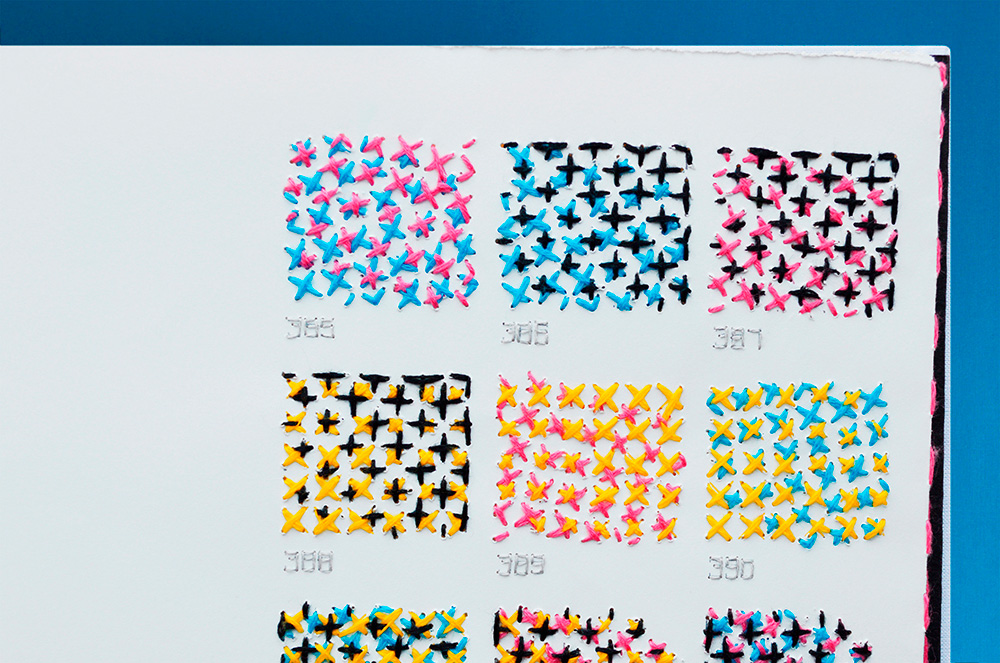
    In Stitches (of CMYK)

    In “XXXX Swatchbook,” Evelin Kasikov explores all of the variables of CMYK printing without a single drop of ink. She catalogs primary, secondary, and tertiary colors, two-dozen combinations showing how rotation affects the final pigment, and a full spectrum of rich gradients. In total, the printing-focused book is comprised of four base tones, 16 elements, and 400 swatches of color entirely hand-embroidered in 219,647 stitches.

    Six years. Six years.

    More @ Colossal.

  • Beautifully Briefed: Books, March 2021

    Beautifully Briefed: Books, March 2021

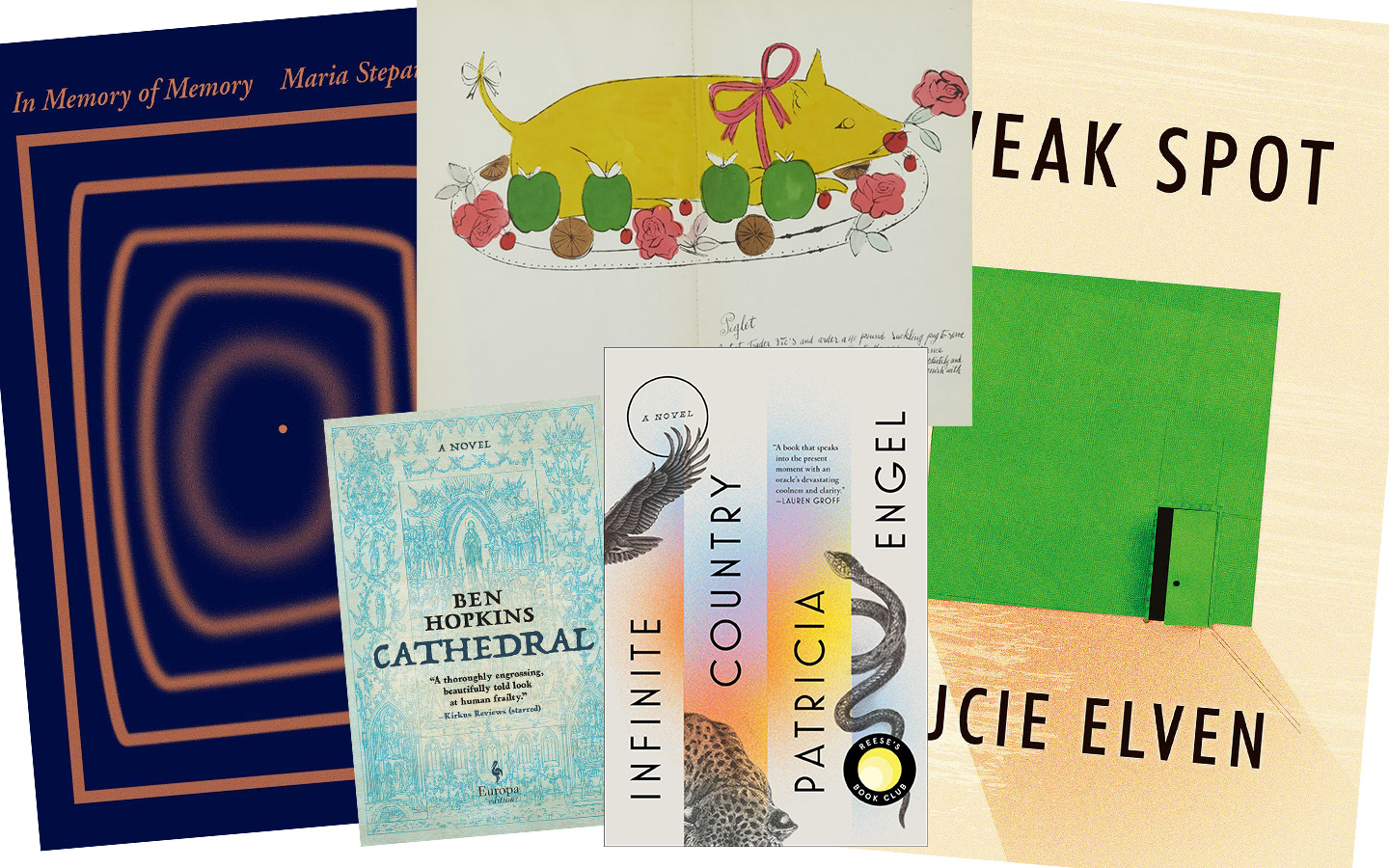
    Five book design items that caught my attention recently.

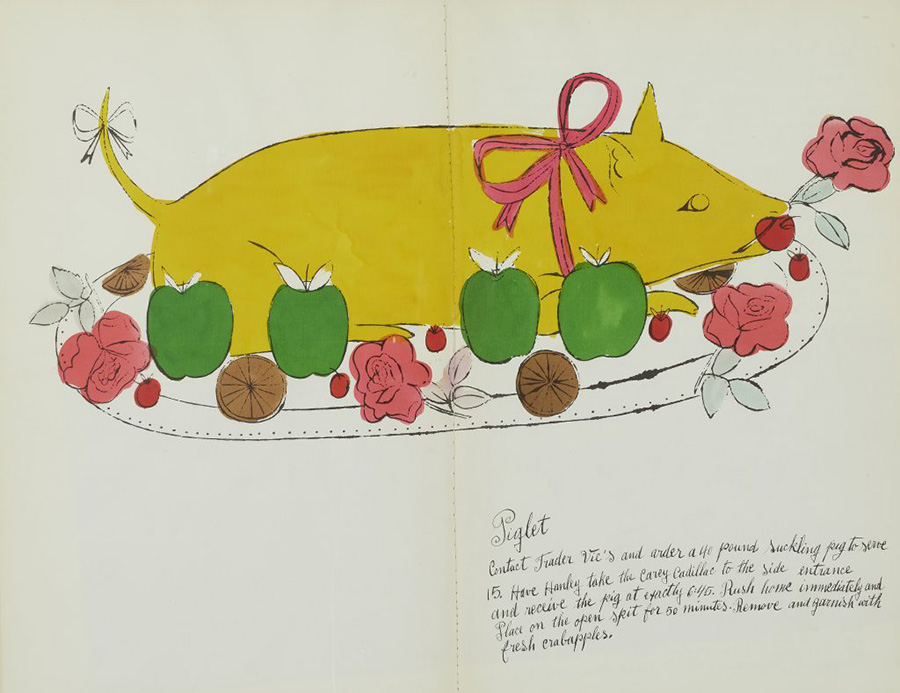
    First, from ArtNet News. Prior to basically everything, Andy Warhol did this:

    “The whimsical book was a collaboration with interior decorator Suzie Frankfurt, who wrote the ridiculous recipes, and the artist’s mother, Julia Warhola, who provided the calligraphy, replete with charming misspellings. [It] was the last of a number of books Warhol designed in the 1950s, before he shot to fame in 1962 with Pop art compositions featuring Campbell’s soup and Coca-Cola. Book design offered him a valuable creative outlet during the years he worked as a commercial illustrator.” See more.

    The rest are from the New Yorker‘s “Briefly Noted” reviews — which, I’ll admit, inspired the title of this post. They pick four titles weekly, and while I’m sure many are great, actually great book design is rare. So to have four in two weeks … well, just had to say, “noted.” (The New Yorker is, of course, subscription — but there is a free account with limited options if you’d like to read their review.)

    The first three are from the March 8th, 2021, issue, starting with In Memory of Memory:

    The simplicity of the concentric rectangles — and “destination” dot — is mesmerizing.

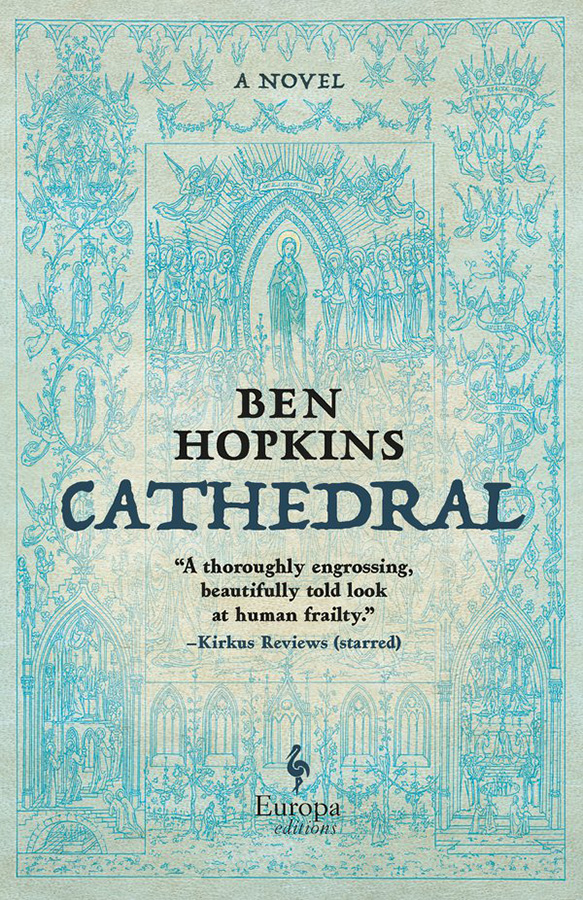
    Next, Cathedral:

    Not a simple illustration in this case, and still an attention-getter in the background. Nice.

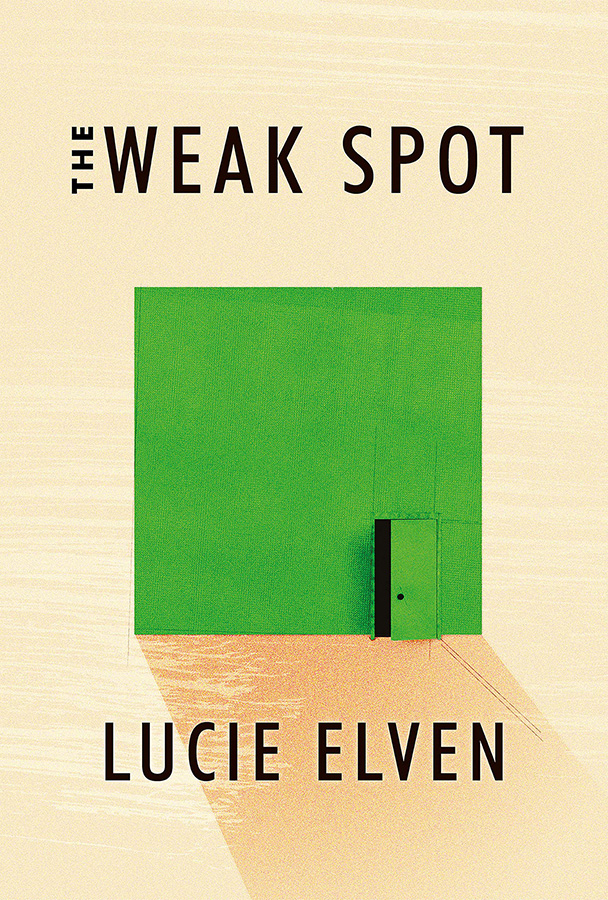
    Next, my favorite of this set, The Weak Spot:

    A very brief (176 page!) debut novel with hits-above-its-weight cover design. (Content, too, presumably…;)

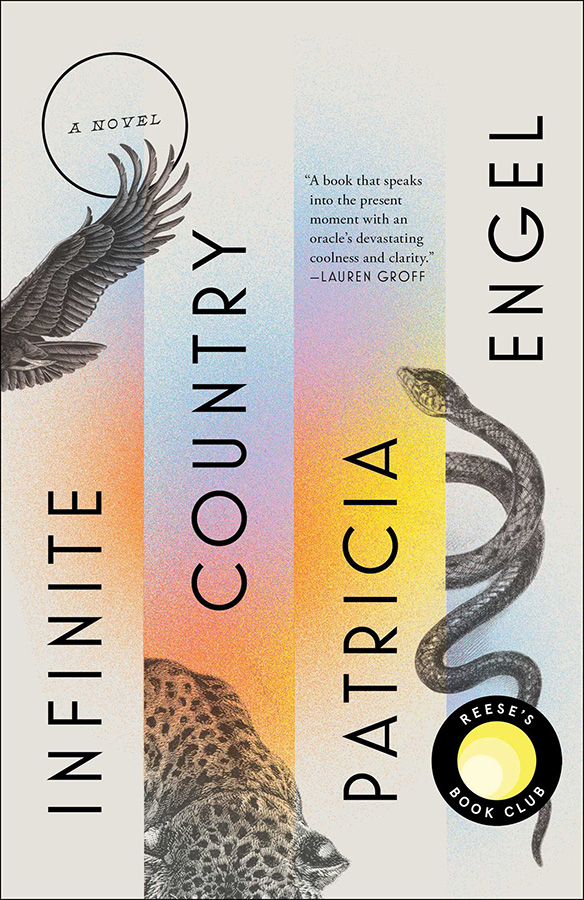
    Lastly, from the March 15th issue, Infinite Country:

    Color and composition unite into something … infinitely good.

    Enjoy.

  • Peter Mendelsund’s The Look of the Book

    Peter Mendelsund’s The Look of the Book

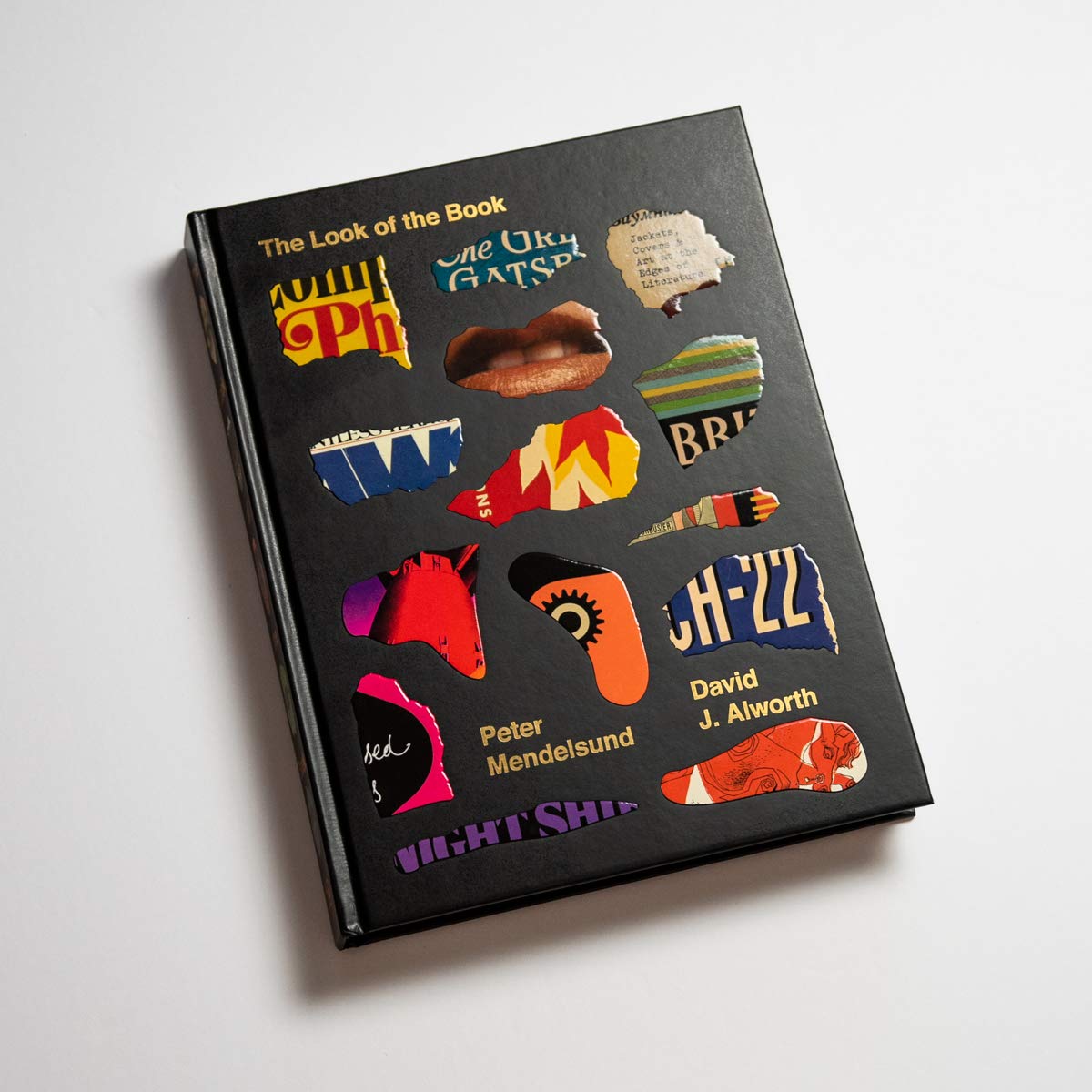
    From Bookshop.org’s description: “Why do some book covers instantly grab your attention, while others never get a second glance? Fusing word and image, as well as design thinking and literary criticism, this captivating investigation goes behind the scenes of the cover design process to answer this question and more.”

    “As the outward face of the text, the book cover makes an all-important first impression. The Look of the Book examines art at the edges of literature through notable covers and the stories behind them, galleries of the many different jackets of bestselling books, an overview of book cover trends throughout history, and insights from dozens of literary and design luminaries.”

    Looks like great stuff (if you’ll pardon the expression). Get it from Amazon Smile or Bookshop.org. (Via Kottke, unsurprisingly.)

  • It’s Nice That: A lesson in experimental and original book design

    It’s Nice That: A lesson in experimental and original book design

    It goes without saying that one of the many reasons book design is so popular amongst designers is due to its versatility. It’s a specialty that the graphic designer Ana Resende knows well, having executed a myriad of book design projects ranging from books on film, architecture, design and art.

    Enjoy this soon. Excellent.

  • New Book Celebrates Risograph Printing

    It took 850 days, 74 tubes of soy ink, fifteen colours, 660 masters, 690,000 sheets of paper, three fans, two digital Riso duplicators and four people to complete this 360-page book that focuses on one thing: the process of Risograph printing.

    I have to admit: I hadn’t heard of risograph printing before — Wiki has a (very) brief intro — but the book looks like something very interesting indeed, along the lines of a Pantone catalog on steroids. Read more at Eye Magazine.

  • American Alliance of Museums: Q&A with Book Designer

    American Alliance of Museums: Q&A with Book Designer

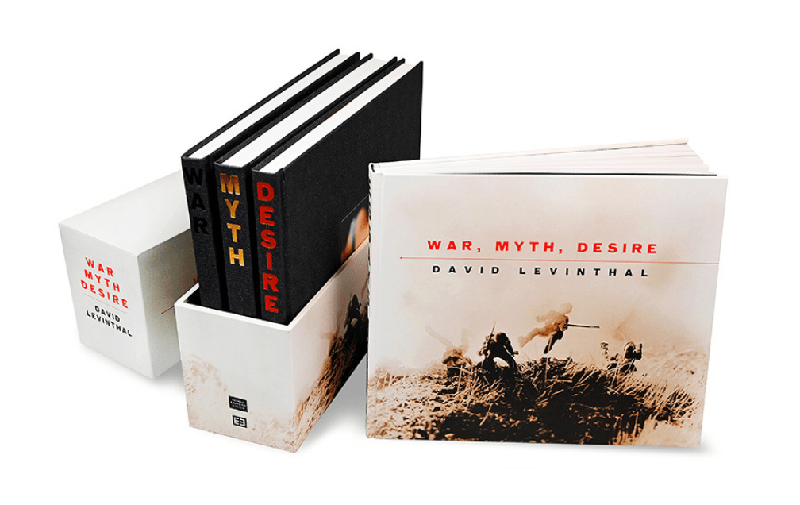
    After reviewing hundreds of entries every year, the jury for AAM’s annual Museum Publications Design Competition awards only one publication with the Frances Smyth-Ravenel Prize for Excellence in Publication Design, recognizing it as the best submission overall. This year, the winner is David Levinthal: War, Myth, Desire, a publication of the George Eastman Museum in Rochester, New York, designed by Design Monsters studio. We recently talked to the book’s designer, George Corsillo,to learn more about the concept behind his prizeworthy design: a four-volume retrospective of the artist David Levinthal’s photographs which took two years to complete.

    Read on!

  • The Guardian: Graphic artist Art Spiegelman on Maus, politics and ‘drawing badly’

    Forty years on from ‘the first masterpiece in comic-book history’, the Pulitzer-winning cartoonist talks fame, switching styles and why he doesn’t want to draw Trump

    Maus on over to the Guardian. (Sorry.)

  • Martin Glaser dies (3 updates)

    Martin Glaser dies (3 updates)

    Martin Glaser, of I [Heart] NY fame — among many others — died yesterday at 91. Dylan covers forevermore! Here’s the Guardian with the news.

    Update: Dezeen has a few items in their story, too.

    Update, July 1: Dezeen has a great list of some of Graser’s more notable works (vodka excepted…;). See here.

    Update, July 10: The Guardian‘s obit.

  • Columbia Journalism Review on capitalizing “Black”

    “At the Columbia Journalism Review, we capitalize Black, and not white, when referring to groups in racial, ethnic, or cultural terms. For many people, Blackreflects a shared sense of identity and community. White carries a different set of meanings; capitalizing the word in this context risks following the lead of white supremacists.”

    Read more of this timely and appropriate article (from a great and authoritative source.)