Category: Design

Design in general; that is, things, objects, and/or ideas that are designed but that aren’t book design, photography, etc. Generally considered distinct from art.

  • Beautifully Briefed 24.10: Content with Worthwhile Content

    Beautifully Briefed 24.10: Content with Worthwhile Content

    “Content,” that is, the feeling of satisfaction — contentedness — is a word I’d much rather use than “content,” that which is required of folks who produce material for their website/YouTube channel/social media feed/whatever. It’s a shame the world favors the latter over the former.

    Or does it? We’ll get to that — right in the midst of the other content that caught my eye in October, 2024.

    Adobe Content Credentials, Continued

    Adobe’s positive messaging continues, saying “[it is] dedicated to responsibly developing tools that empower creators to express themselves and tell their stories while helping address their concerns.” It even carried out a study to get some feedback from creatives on generative AI and one of the standout insights was rising concerns over unauthorised sharing of their work or misattribution with 91% of creators seeking a reliable method to attach attribution to their work.

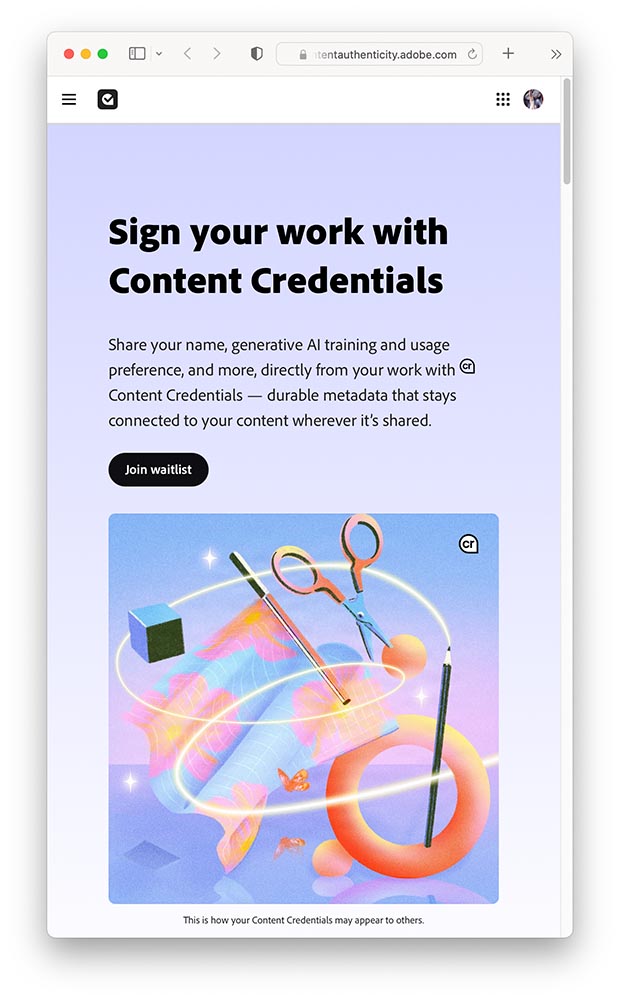
    Bring on Adobe Content Authenticity. It’s a “powerful new web application that helps creators protect and get recognition for their work.”

    A screenshot of Adobe Content Authenticity website.

    In today’s rapidly evolving digital landscape, creators are understandably concerned about safeguarding and gaining attribution for their work and having more control over how it’s used. That’s why we’re excited to introduce Adobe Content Authenticity, a new, free web app that allows creators to easily attach Content Credentials to their digital work — helping you protect your work, show attribution and better connect with your audiences online.

    —Andy Parson, Senior Director, Content Authenticity Initiative, Adobe

    For now, it’s limited to a beta Chrome extension, with a wider beta opening to the general public in spring 2025. (I don’t use Chrome, but have signed up to the waitlist, and will update Foreword readers when I hear back.) Content Credentials are already available in Photoshop and Lightroom — provided you’re using the latest versions, which may require the latest OS.

    Three on Book Design
    PBS on del Rey

    I’d known the publishing house since . . . well, as long as I can remember. What I’d not known is the story behind the publishing house:

    Set aside thirteen minutes when you can — absolutely worth it.

    Multi-Panel Book Covers

    I agree with Jason Kottke: “Bento Books” is the term. A great example:

    Book design by Oliver Munday.

    Here’s the impetus discussing this latest book design trend, with many more examples.

    It’s Nice That: Book Design in Brazil
    Book design by Bloco Gráfico.

    Any foreigner entering a bookshop in São Paulo is likely to be impressed by the quality of the books on display. For a country with relatively few readers, few high quality printers and binders, and a very limited assortment of paper, the Brazilian publishing market shows remarkable graphic ingenuity[.]

    — Elaine Ramos, It’s Nice That

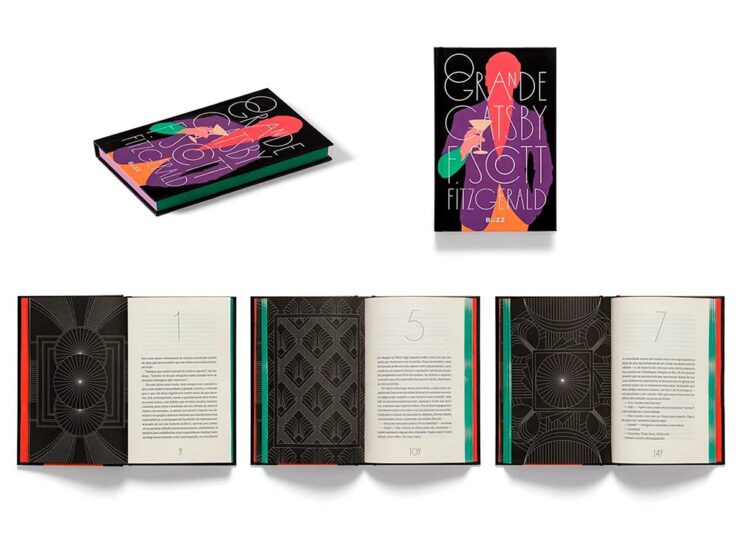
    Never mind the country, the great book design caught my attention: from The Great Gatsby, above, to the J.M. Coetzee series, Orwell’s 1984, even Melville — amongst others. A great read.

    Special Bonus #1: Life outside the internet . . . and physical books, please:

    “The whole internet social complex … and the way people use their computers to conduct life is doomed sooner than later,” said Justin Murphy, the founder of the media and education company Other Life. “The smartest people, the people who are the most cutting-edge, will increasingly live their lives outside of computers.”

    Whether or not that’s true — or even a potential — isn’t as relevant as an actual trend: physical book sales are up:

    Print, too, is on the rise, from books to magazines to newspapers. Print book sales had a pop with the pandemic in 2020, and have continued to maintain sales of more than 750 million units sold each year. Meanwhile, even though they’re cheaper, sales for ebooks are down slightly, which may be owed to the fact that younger readers, much like older generations, overwhelmingly prefer printed formats.

    — Zoë Bernard, Vox

    Flip phones, vinyl LPs, and . . . books: Read the whole article.

    See also: The Guardian: Bookstores are Suddenly Cool.

    50 Fonts for 2025

    CreativeBoom is out with their annual post on future type, “50 fonts that will be popular with creatives [next year].” Some of my favorites (links in captions):

    Editorial New, by Pangram Pangram.
    Nave, by Jamie Clark Type. (Bonus points for the great illustration.)
    Right Grotesk, especially the Casual flavor, by Pangram Pangram.
    Canvas Inline, designed by Ryan Martinson from Yellow Design Studio. Available through Adobe Fonts.
    Ssonder, from Type of Feeling. (Easily the most on-trend of my highlighted items.)

    An honorable mention goes to Gamuth Sans, from Production Type. See CreativeBoom’s 2025 popular fonts list here. (Note: some are available through Google Fonts, and thus free-to-use. Nice.)

    See also: Two more from CreativeBoom on the 2025 type scene: font trends and independent foundries.

    Photography that causes content
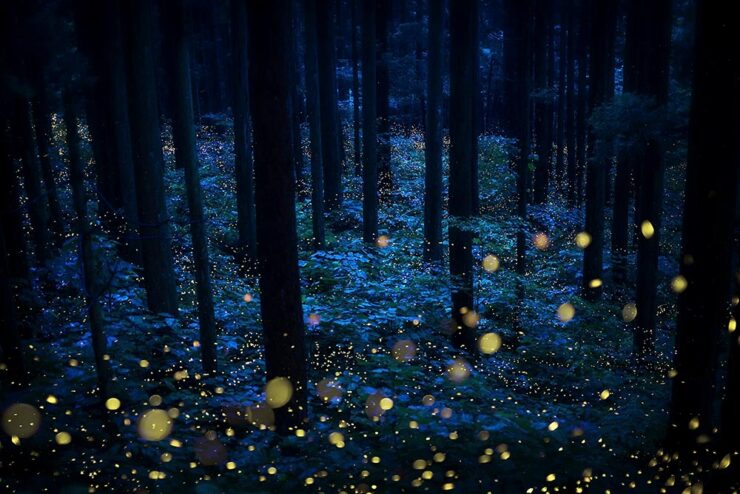
    Forest Fireflies

    From This is Colossal, we have Kazuaki Koseki, who describes himebotaru — fireflies — as “artists who paint light on the forest.”

    From the series “Summer Faeries” by Kazuaki Koseki.

    Artistry, all right. See more.

    Epson International Pano Awards

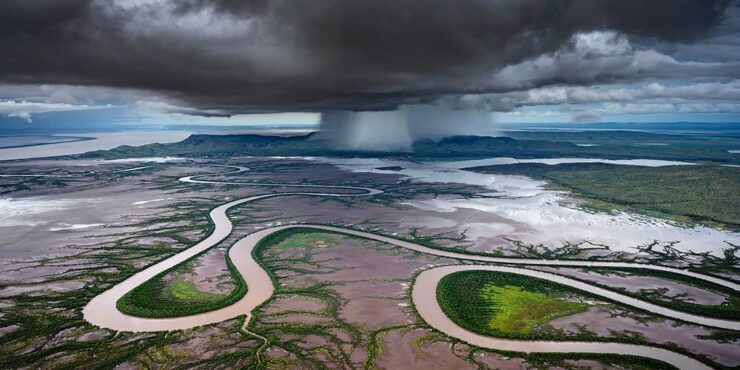
    The 2024 Pano Awards have been announced, with a wealth of great wide-angle shots for your viewing pleasure. Two of my favorites:

    “Storm Dump,” by Tom Putt. Taken near Wyndham, Western Australia.
    “Uprooted,” by Nickolas Warner. Taken in Moab, Utah.

    Epson’s rules are a little looser than some, but don’t diminish the sheer creativity displayed by the entrants. See coverage from PetaPixel or This is Colossal, or go to the source for the full list.

    Siena Creative Photo Awards 2024

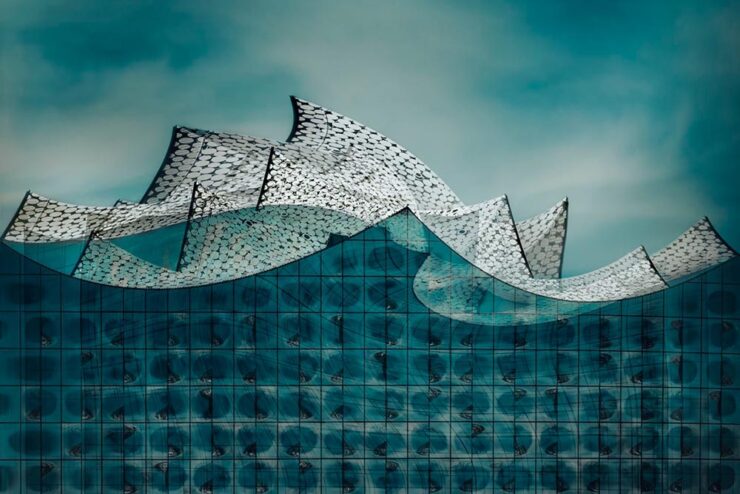
    Just one favorite to highlight here, but what a favorite it is:

    “Storm on the Elbe,” by Anna Wacker. 1st Prize, Architecture.

    See some amazing sleeping bears — and much more — at the PetaPixel post or the full list at the Siena contest website.

    Architecture MasterPrize

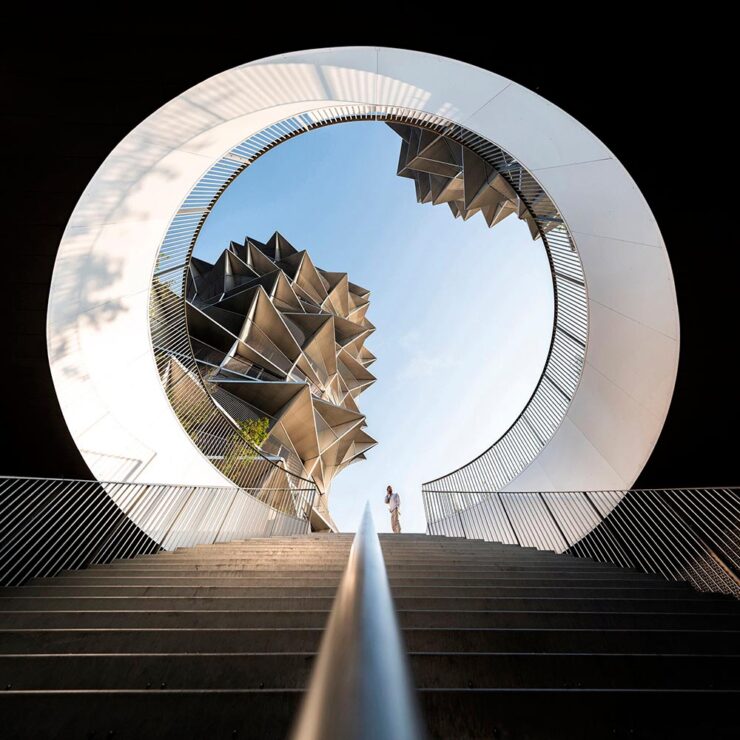
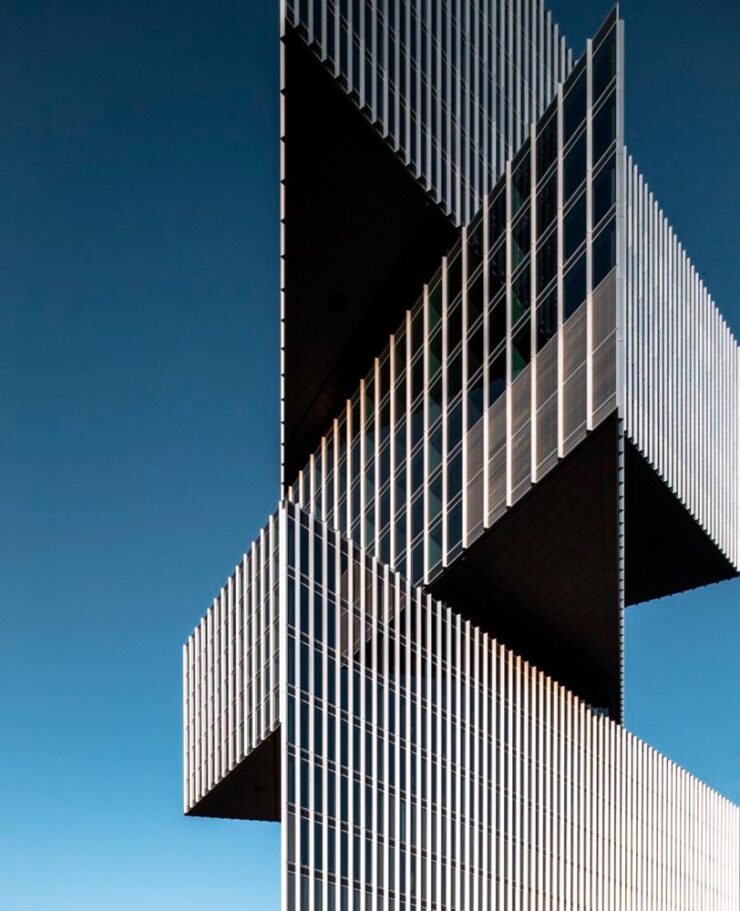
    Few contests are more up my alley than this one, which inspires me to get back out there sooner rather than later:

    Kaktus Tower, Copenhagen, by Shoayb Khattab. See more from this series.
    “Fragments,” taken at the Nhow Hotel, Amsterdam, by Max van Son. See larger.

    Awesome. Meanwhile, the below caught my attention not due to the striking photograph, but the striking content — which, indeed, caused contentedness. Such a huge change to anyone who might recognize this former hulk, now beautifully refurbished and in a new park setting:

    “Michigan Central Station,” Detroit, by Jason Keen. See the full series here.

    See the post from PetaPixel or the full list of 2024 winners at the Architecture Masterprize 2024 website.

    Special Bonus #2: To close us out on this Halloween, the moon:

    Photograph by Darya Kawa Mirza. See more.
  • University Press Design Show 2024

    University Press Design Show 2024

    Significantly behind on this for the second year in a row. Apologies. —Ed.

    The annual Association of University Presses (AUPresses) Book, Jacket, and Journal Show has announced its winners published during 2023. The show, now in its 59th year, “honors the university publishing community’s design and production professionals; recognizes achievement in design, production, and manufacture of print publications; and serves as a spark to conversations and source of ideas about intelligent, creative, and resourceful publishing.”

    It is a joy to be amid the rush of creativity and exuberance that is exemplified by the Book, Jacket, and Journal Show submissions. Our jurors were spoiled with the wide variety of visual and intellectual expressions that make our community so rich and diverse. The committee members really came through as a team, making this year’s efforts virtually seamless. Here’s to another great Show!

    — David Zielonka, Stanford University Press, Book, Jacket, and Journal Show Committee chair

    Entries are extensive — 507 worldwide — and the winners are separated into several categories, which I’ve drawn from below.

    Scholarly Typographic

    Academia’s titles are so often subjects that you only get from university presses. A great example:

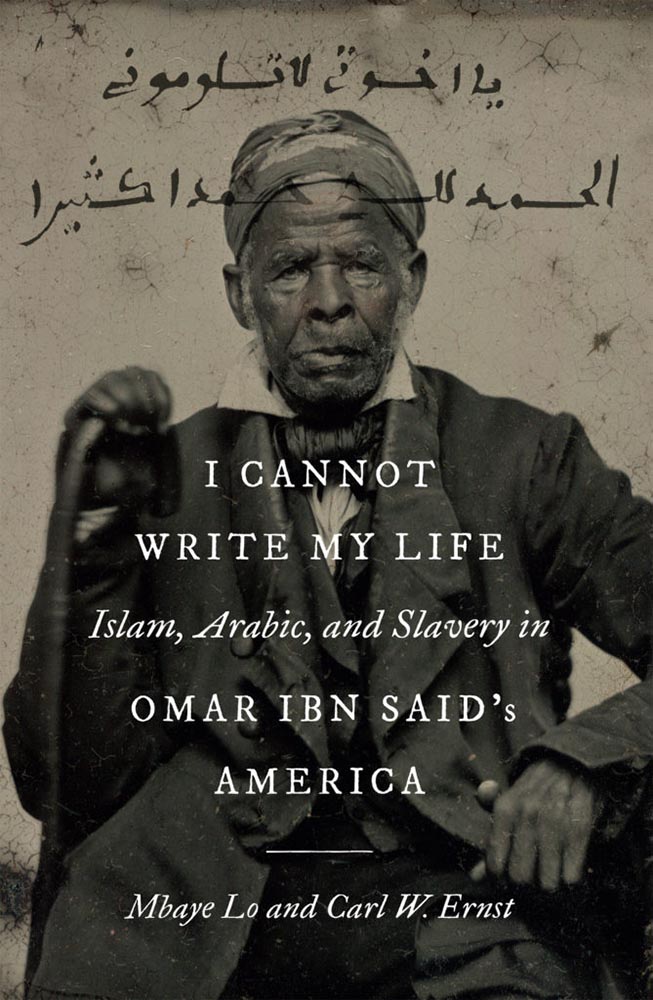
    University of North Carolina Press. Book design by Lindsay Starr.

    When important titles are accompanied by compelling design, everyone benefits. Honorary mention to Horror and Harm, whose design invokes neither. See all the winning entries.

    Scholarly Illustrated

    Because these winning entries are from all over the globe, they run the risk of being difficult for us ’Muricans to understand. But design is a universal language:

    Aarhus University Press. Book design by Jørgen Sparre.

    The cover’s good, but one of the great things about this show is that you get more:

    Aarhus University Press. Book design by Jørgen Sparre.

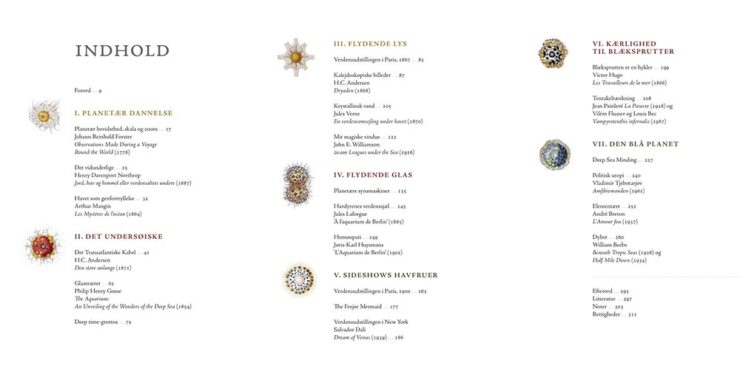
    I’m a sucker for an interesting content spread, as demonstrated here.

    Aarhus University Press. Book design by Jørgen Sparre.

    I love the dingbats next to the page numbers, too; a great way to instantly illustrate which section you’re in.

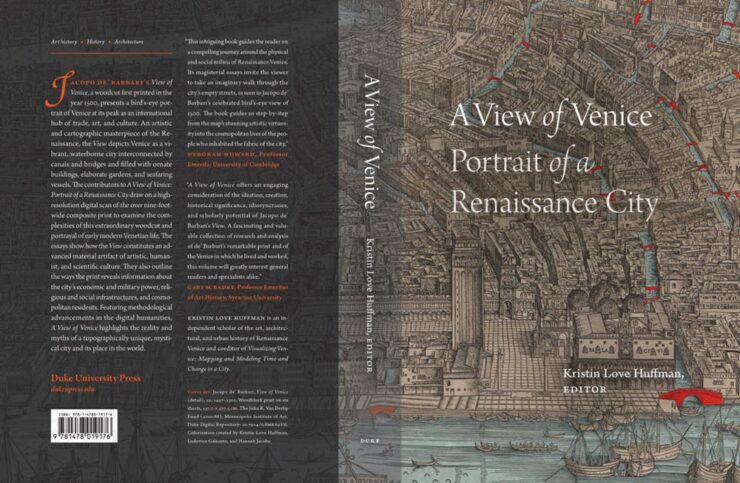
    Duke University Press. Book design by A. Mattson Gallagher.

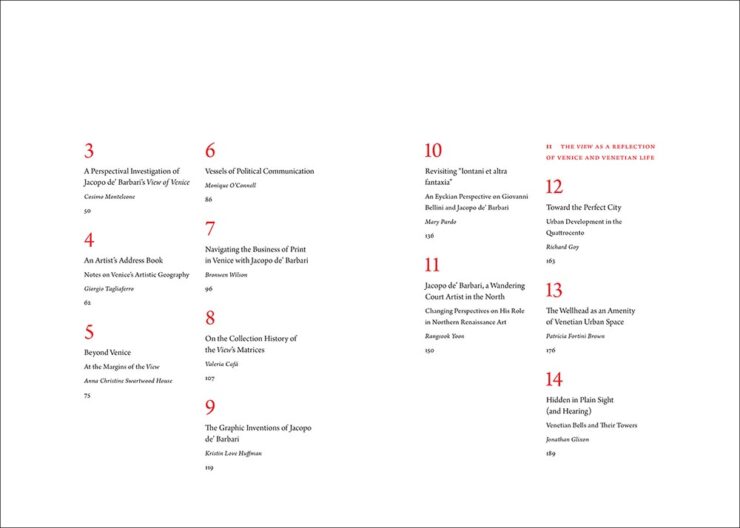
    Strong cover here, with the two shades of overlay really working in concert with the orange. Oh, and another — you guessed it — great content section, like this spread:

    Duke University Press. Book design by A. Mattson Gallagher.

    Nice. See all of the entries from the Scholarly Illustrated section.

    Trade Typographic and Poetry and Literature

    Honorable mention to the jacket for Rim to River in the former category and the illustrations in The Lamb Cycle in the latter. See all the Trade Typographic winners and the Poetry and Literature winners.

    Trade Illustrated

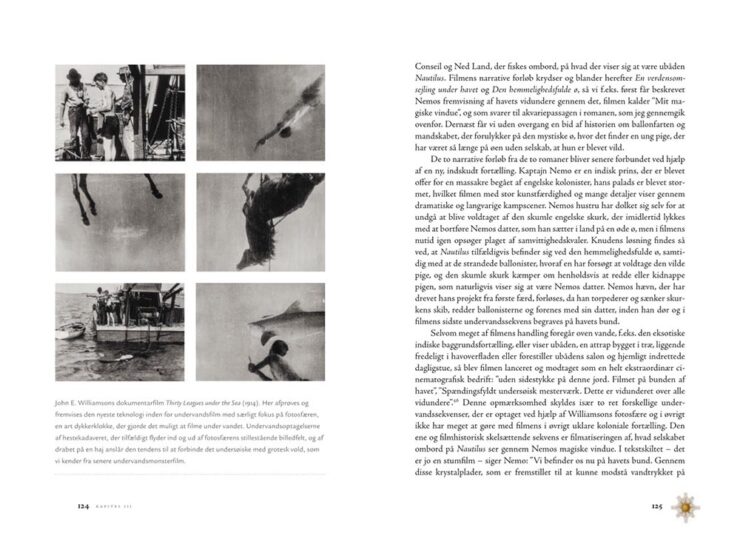
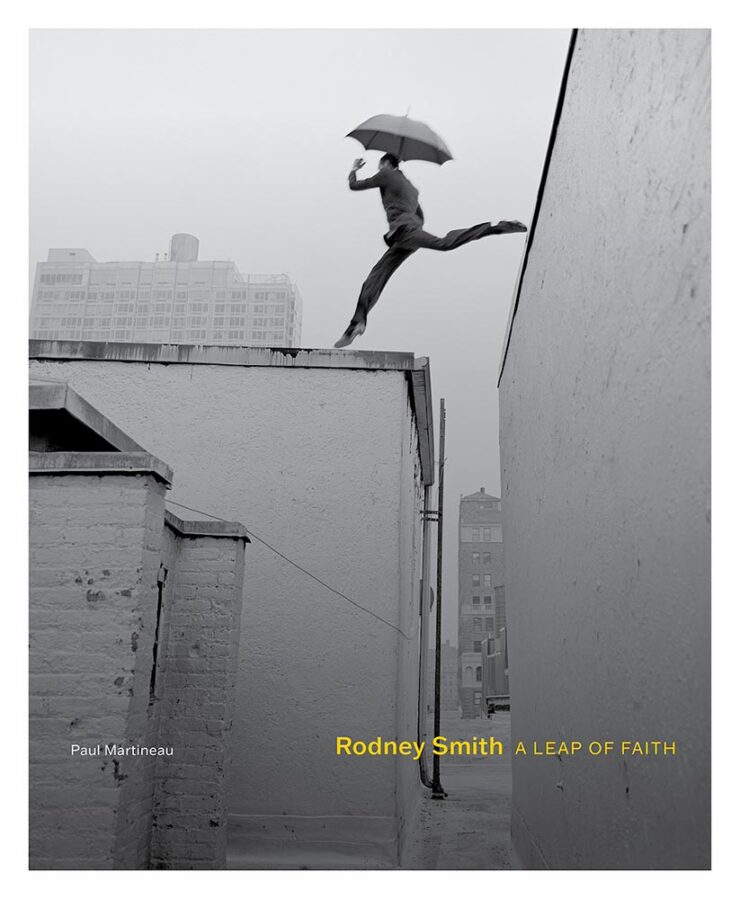
    Some incredibly talented photographers on display here, but one leapt ahead:

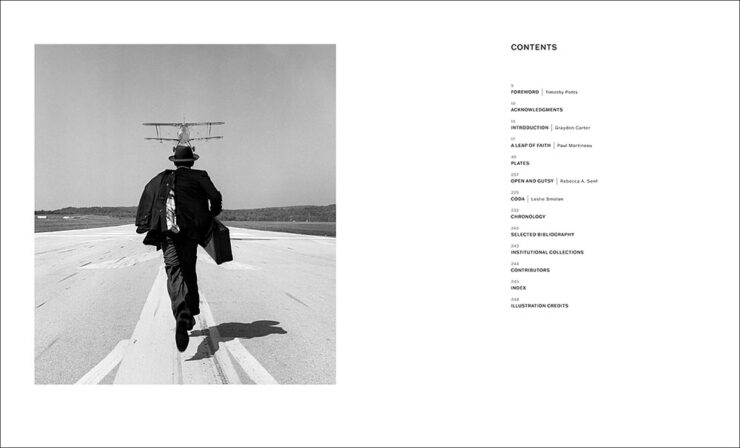
    Getty Publications. Book design by Jennifer Schuetz-Domer.
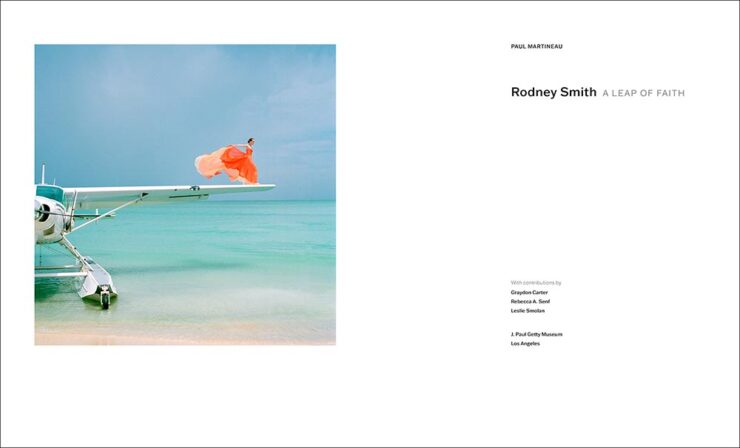
    Getty Publications. Book design by Jennifer Schuetz-Domer.
    Getty Publications. Book design by Jennifer Schuetz-Domer.

    More about the photography than design, admittedly, but still great stuff. Honorable mention to Looking at Venezuela, 1928-1978, which combines more-than-interesting photography with another eye-catching contents spread.

    See all the Trade Illustrated winners here.

    Reference

    Couple of titles to highlight:

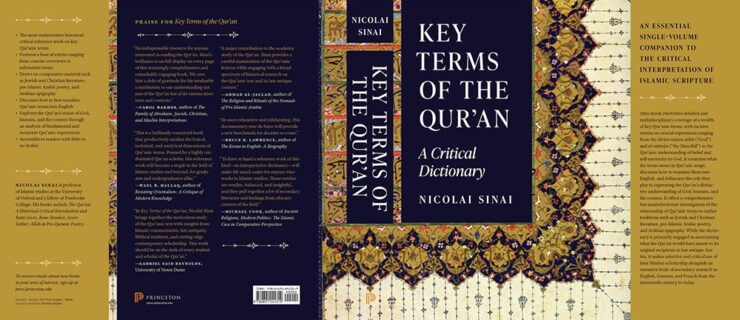
    Princeton University Press. Book design by Heather Hansen.

    A outstanding example of the cover being good, but the jacket in its entirely being more than the sum of its parts. Also:

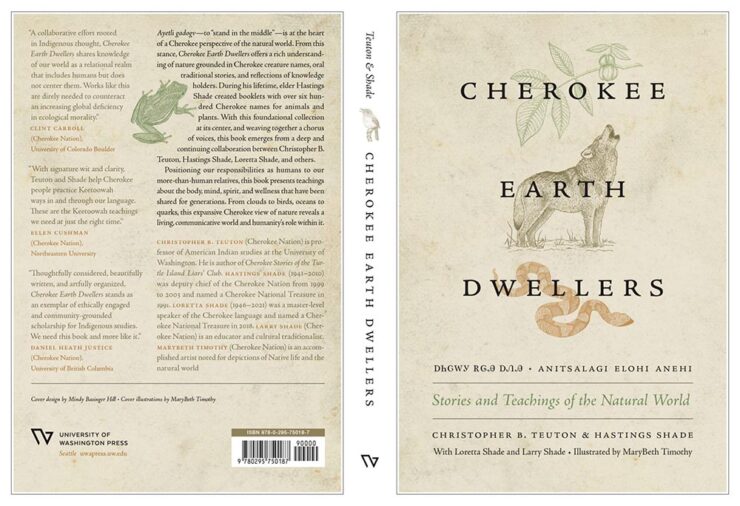
    University of Washington Press. Book design by Mindy Basinger Hill.

    Not resorting to stereotypes or tropes was absolutely the right move, and the strong interior design works well, too. Nice.

    See all the Reference winners here.

    Jacket and Cover

    This section is far and away the largest, and features some outstanding examples of book design — from any publisher — in subject areas that don’t always lend themselves to dynamic design. Some of my favorites, in alphabetical order:

    McGill-Queen’s University Press. Book design by David Drummond.

    Simple concept, well executed.

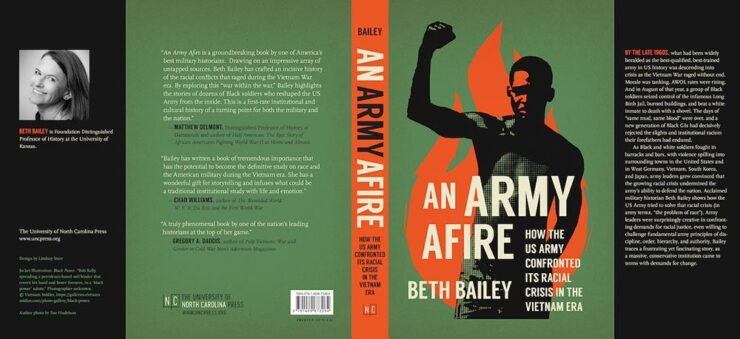
    University of North Carolina Press. Book design by Lindsay Starr.

    Strong image on this cover works extremely well with the green background and orange fire (and spine). Excellent.

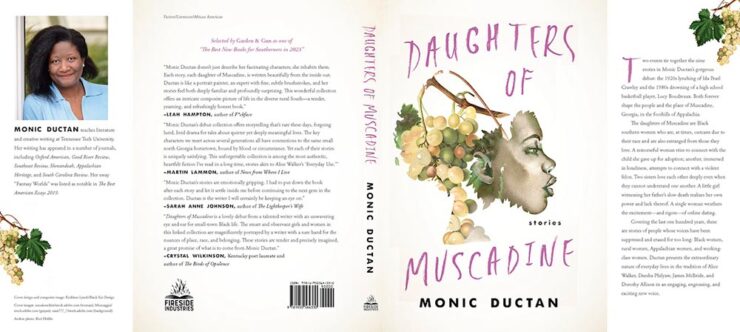
    University Press of Kentucky. Book design by Kathleen Lynch.

    Love the illustration choices on the cover, with exactly the right background and interesting hand-lettering-style title.

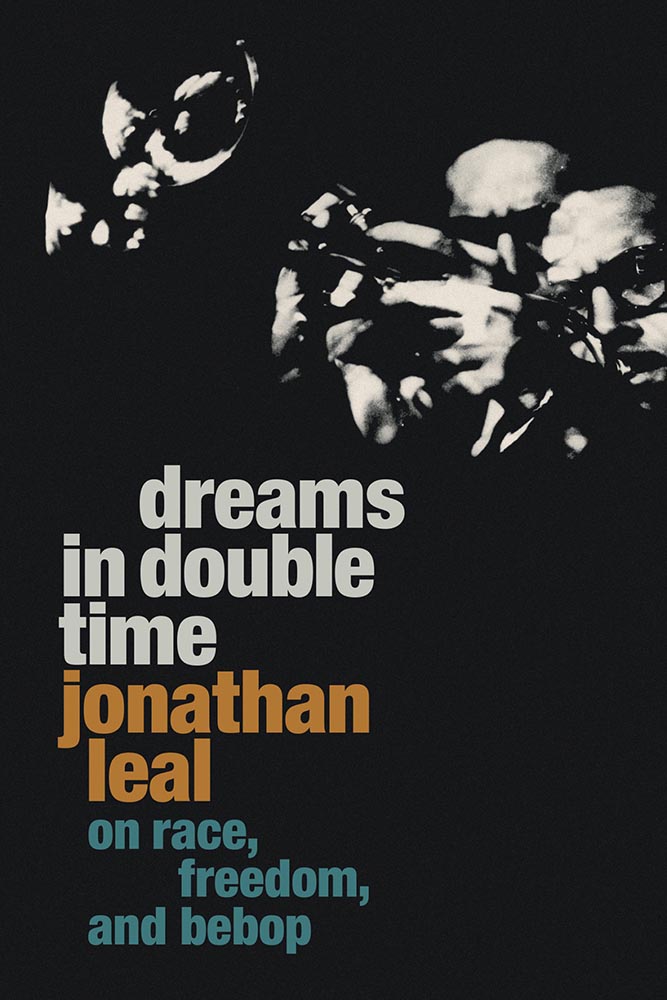
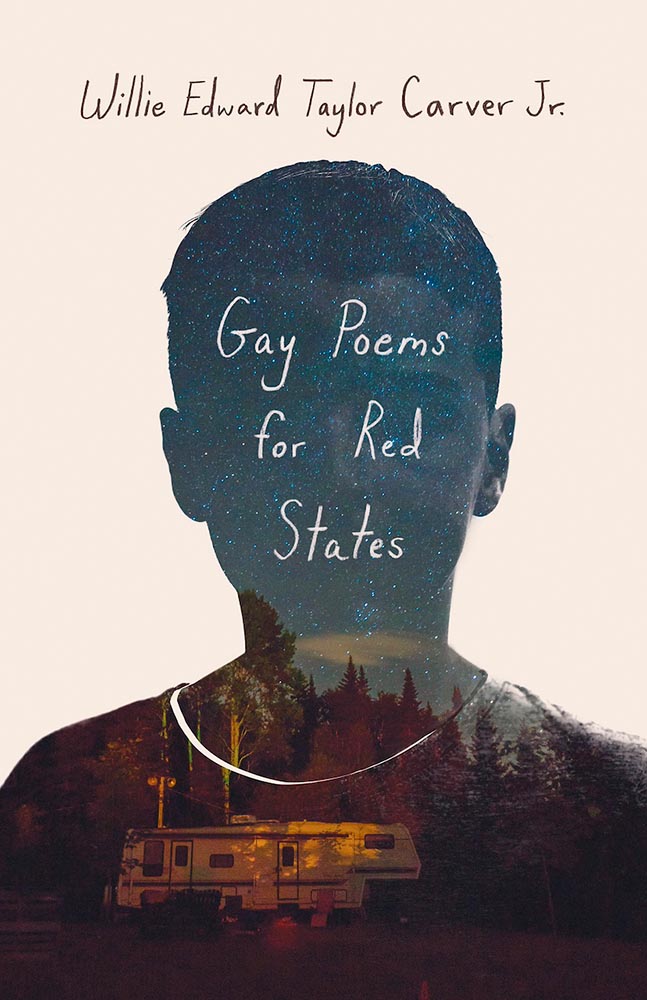
    Duke University Press. Book design by Matthew Tauch.

    Double-exposure, something hard to execute well and done perfectly here, is exactly the right choice on this strong cover.

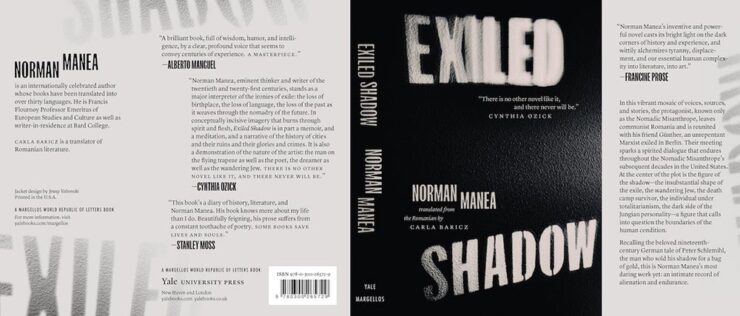
    Yale University Press. Book design by Jenny Volvovski.

    Simply put, excellent: a two-color jacket with fantastic lettering and great texture.

    University Press of Kentucky. Book design by Zoe Norvell.

    The hint of a face and the illustration within the outline combine to make this a winner on several levels.

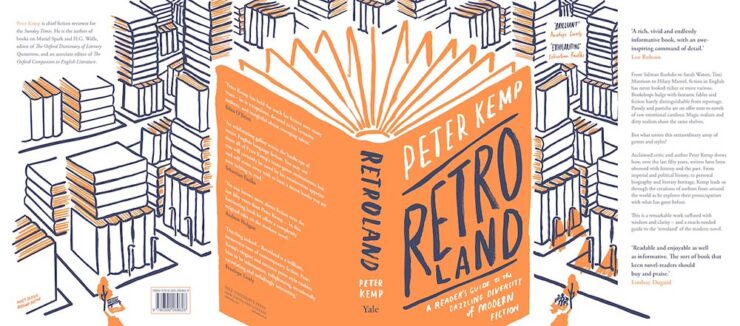
    University of North Carolina Press. Book design by Lindsay Starr.

    Oh, that O! (The rest of the type is awesome, too.) Aged to perfection.

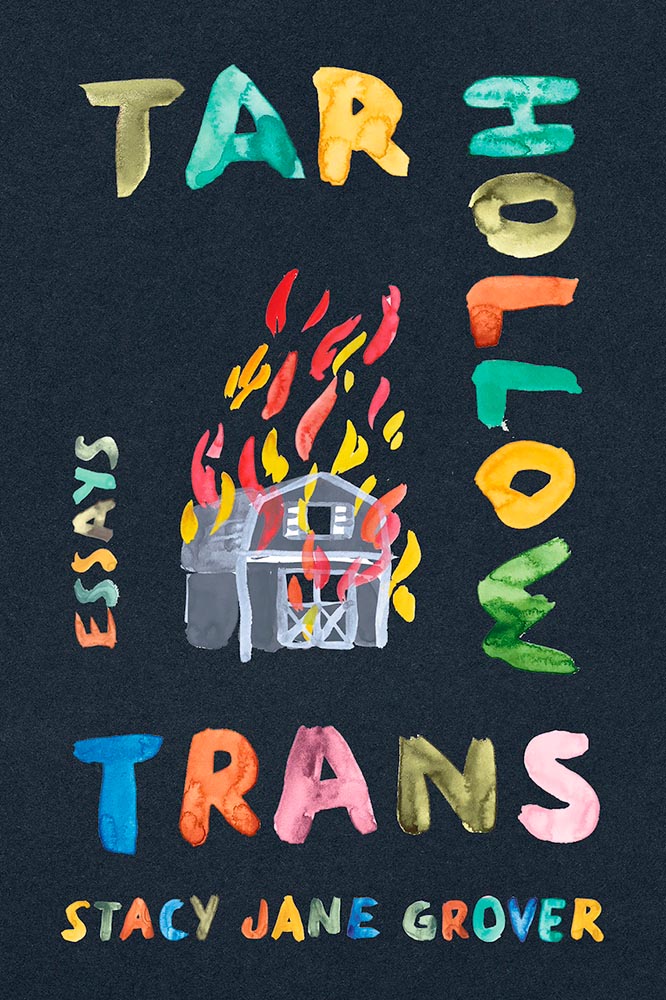
    Yale University Press. Book design by Nathan Burton.

    Illustration and type combine to achieve a fantastic jacket.

    University Press of Kentucky. Book design by Jaya Miceli.

    This cover made an appearance on my 2023 Favorite Book Covers list, and I’m delighted to see AUPresses recognize it, too.

    Princeton University Press. Book design by Katie Osborne.

    Another example of simple-done-well. Love the orange.

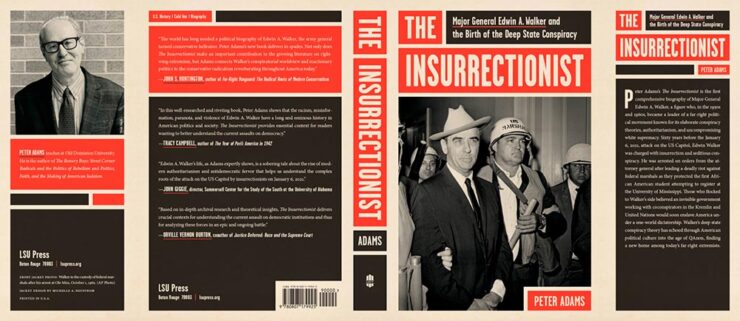
    Louisiana State University Press. Book design by Michelle A. Neustrom.

    Color blocking perfection: a lesson in how-to using limited color choices.

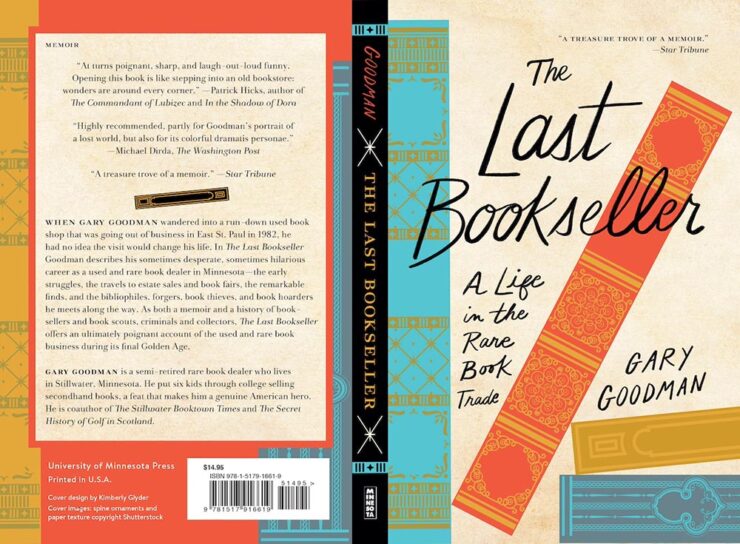
    University of Minnesota Press. Book design by Kimberly Glyder.

    Great illustration, strong type, fabulous colors. (Interestingly….)

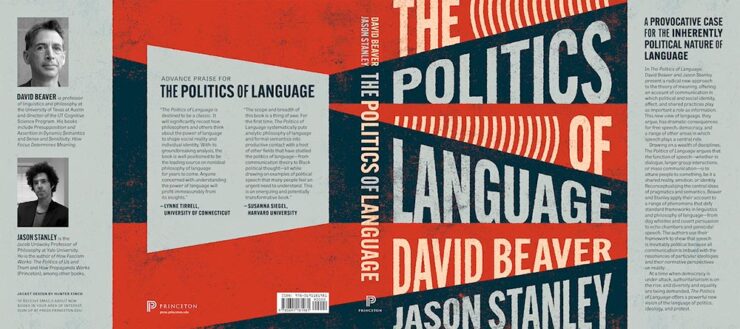
    Princeton University Press. Book design by Hunter Finch.

    Another that avoids stereotypes with a great background. The hint of megaphones is smartly done.

    McGill-Queen’s University Press. Book design by David Drummond.

    Brilliant: I love everything about this cover.

    Honorable mentions go to the type on Divine Days and the open book on Some Unfinished Chaos. See the whole category of winners here.

    Looking forward to next year! (Let’s hope I can post about it in a timely manner.)

    See also: Last year’s winners highlighted here on Foreword.

  • 50 Books | 50 Covers, 2023 Edition

    50 Books | 50 Covers, 2023 Edition

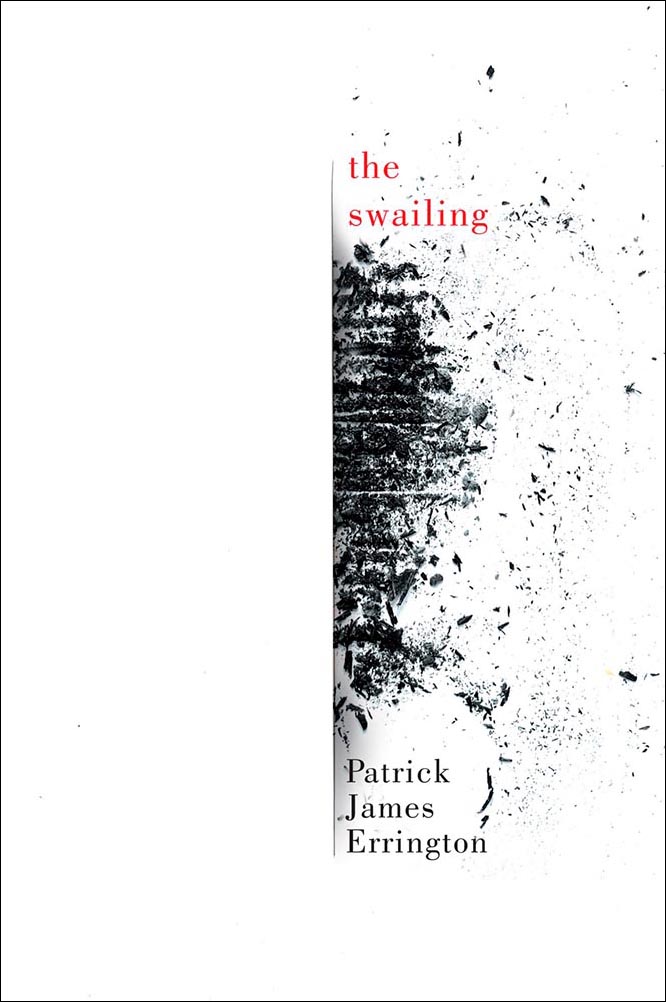
    AIGA’s annual deep dive into great book design is out — later this year, for some reason — and brings deep satisfaction with a huge variety of titles, foreign and domestic.

    “One hundred years into this competition, the book seems to be as protean and chimeric as ever. At times confounded and delighted, we asked ourselves [during the judging process], Is this a course packet or a manifesto? A sculpture or a monograph? A glossary or a guidebook? Is this book contemporary or retro? Gauche or chic? We debated books that blended the grotesque with the goofy alongside books that were delicate, subtle, and difficult to emotionally classify. In the end, we felt we found some of the best of this year’s offerings, books that in every case seem to show what design can do to bring the experience of reading to riskier-yet-more-rewarding places.”

    — Rob Giampietro, AIGA 50 Books | 50 Covers Chair

    As pointed out above, it’s the 100th year of the competition, this time with 542 book and cover designs entered from 28 countries. In order to be eligible, submitted designs had to have been published and used in the marketplace in 2023.

    Some of my favorites, in alphabetical order:

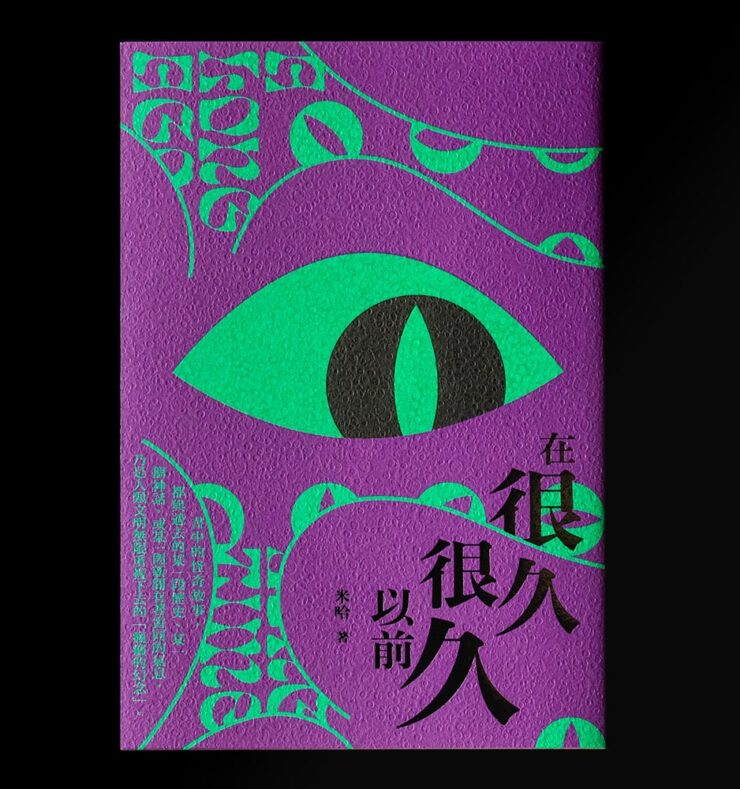
    A Long Long Time Ago. Book design by You Kwok Ho.

    Great texture, great graphics — on the theme of “observer.” Indeed.

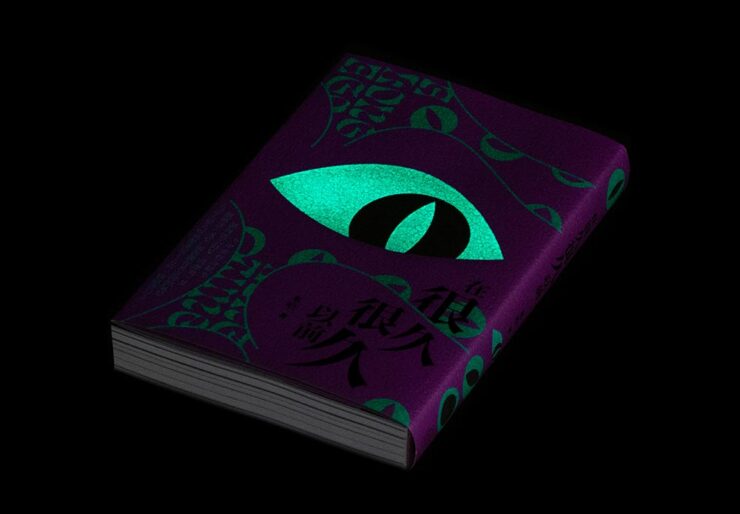
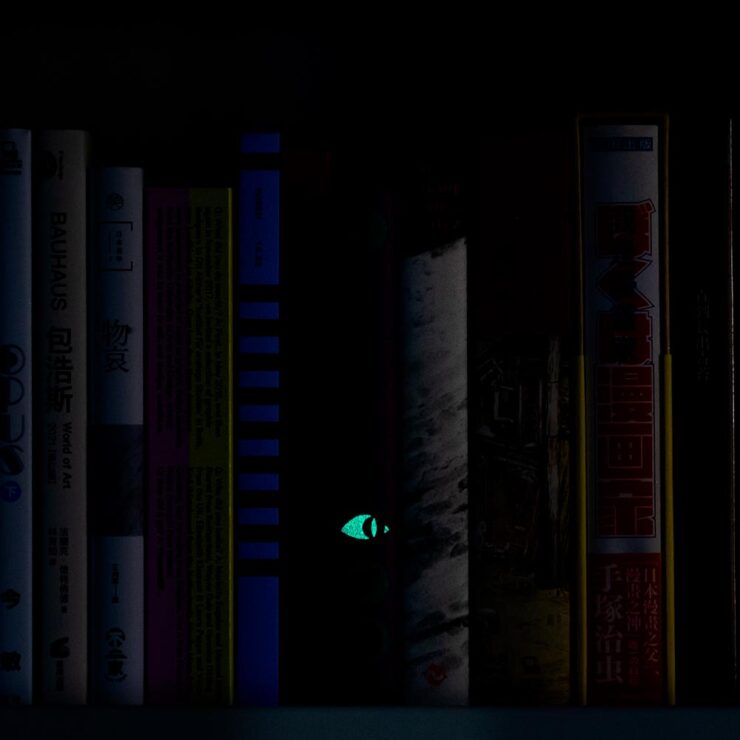
    A Long Long Time Ago (glow-in-the-dark detail). Book design by You Kwok Ho.

    But wait: there’s more. This one observes more dramatically than it might seem, uh, at first glance.

    A Long Long Time Ago (shelf detail). Book design by You Kwok Ho.

    I want to get a copy just so one of my bookshelves will have this moment. Fantastic.

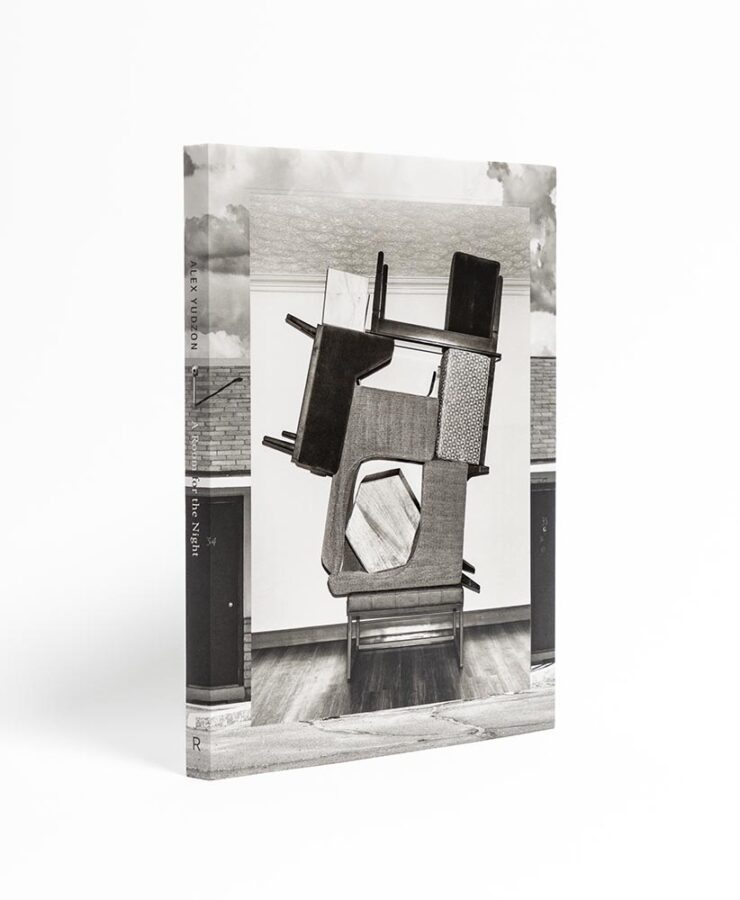
    Alex Yudzon: A Room for the Night. Book design by David Chickey and Mat Patalano.

    “Yudzon stacks, leans, and balances furniture [in the hotel rooms where he’s a guest] in configurations that transform these generic interiors into hallucinatory worlds where the laws of physics are suspended and dormant emotions released.” (After the installations are documented, crime-scene style, they are dismantled and the rooms returned to their original condition.) Really: who could resist? The compelling design isn’t even the icing on that cake — we’re well past that — it’s a fancy fork, ready to dig in.

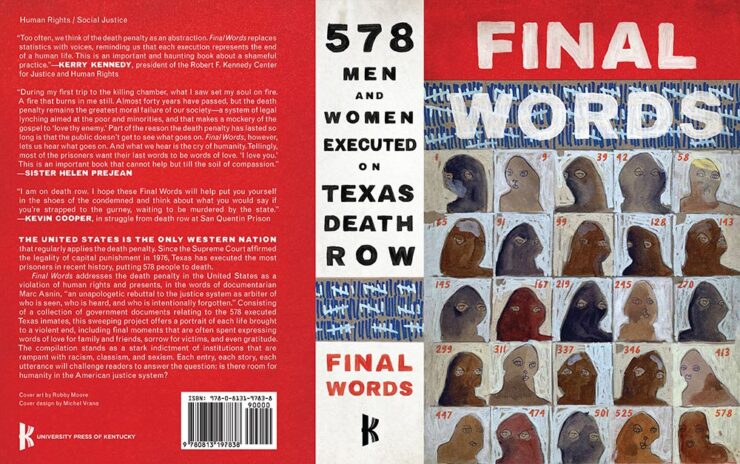
    Final Words: 578 Men and Women Executed on Texas Death Row. Book design by Michel Vrana.

    I’m glad we have the whole cover here; the spine definitely adds to the overall, and the illustrations on the front add so much.

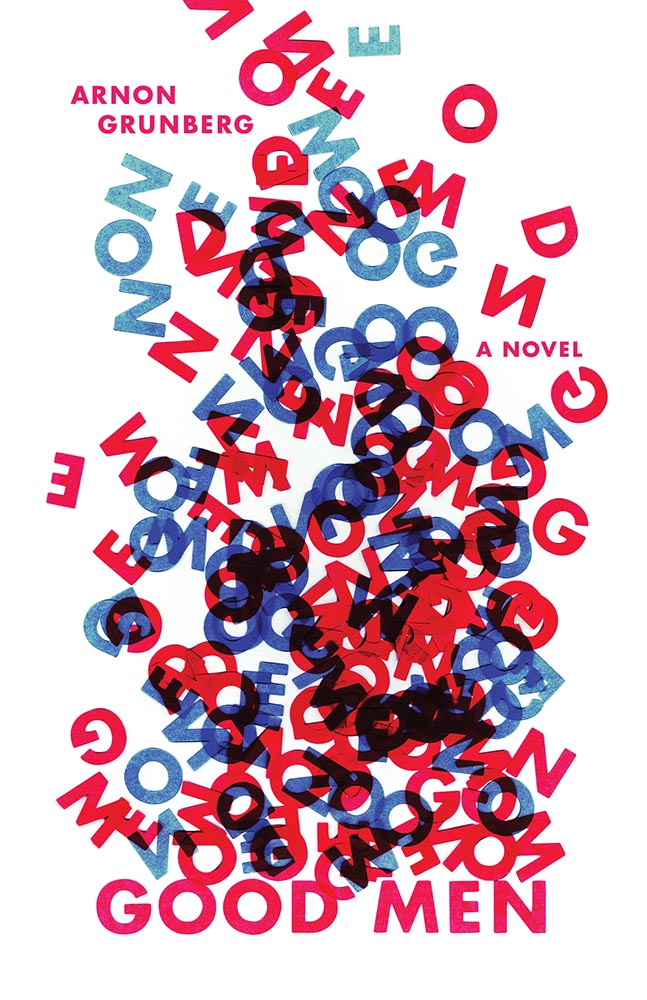
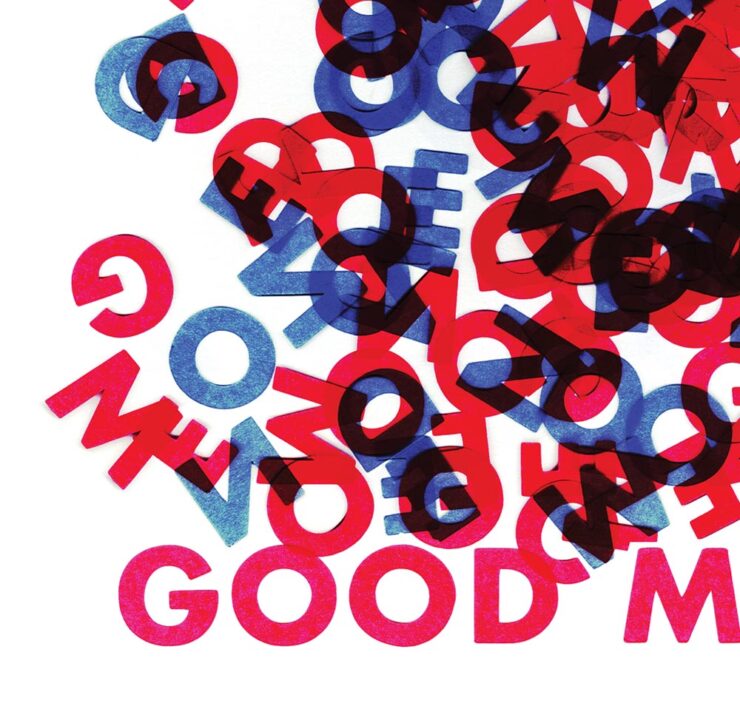
    Good Men. Book design by Anna Jordan.

    “I cut the letters of the title out of paper and arranged them in a way that is reminiscent of a fire – as if the words “GOOD MEN” are going up in flames. The letters rise up in a smoke-like form. Blue and red is used to emphasize the visual association with fire. The result is a visual metaphor for “GOOD MEN” blazing into entropic chaos,” designer Anna Jordan says of this novel about a firefighter, “an ordinary, sympathetic guy lost in a turbulent existence.”

    Good Men (lettering detail). Book design by Anna Jordan.

    Nice.

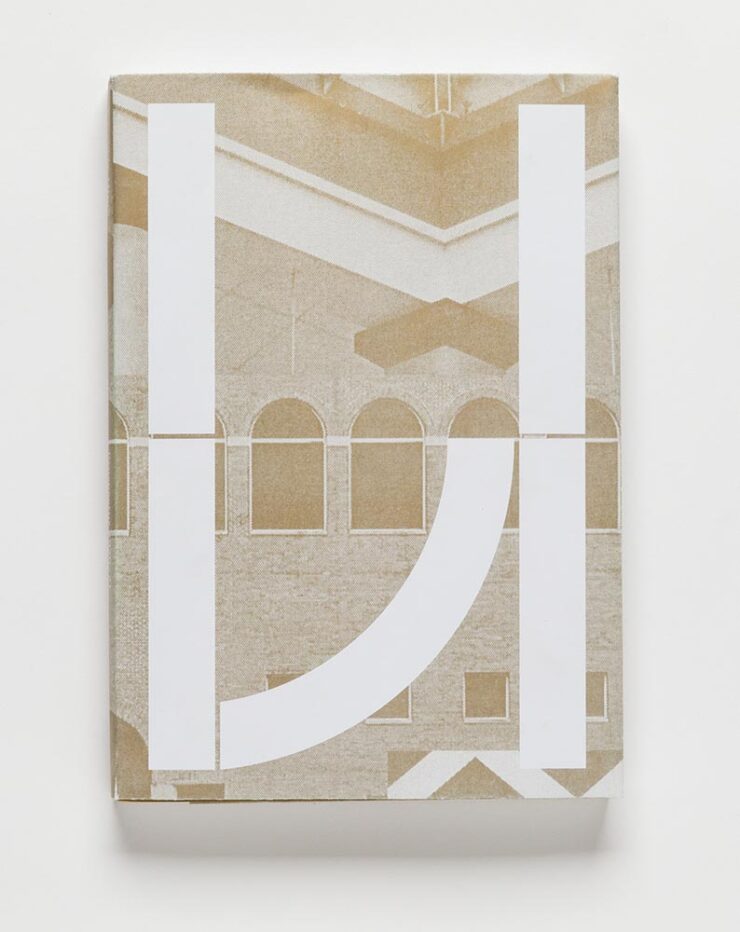
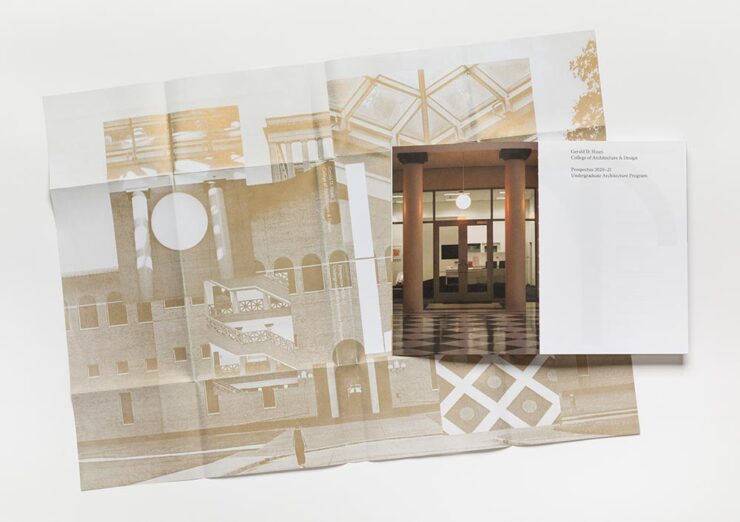
    The Gerald D. Hines College of Architecture and Design: 2020–21 Prospectus. Book design by Renata Graw and Lucas Reif.

    This prospectus for the University of Houston has a special bonus:

    The Hines College 2020–21 Prospectus, with its jacket casually tossed over its shoulder. Book design by Renata Graw and Lucas Reif.

    Design-driven impact, the dean says. Yep.

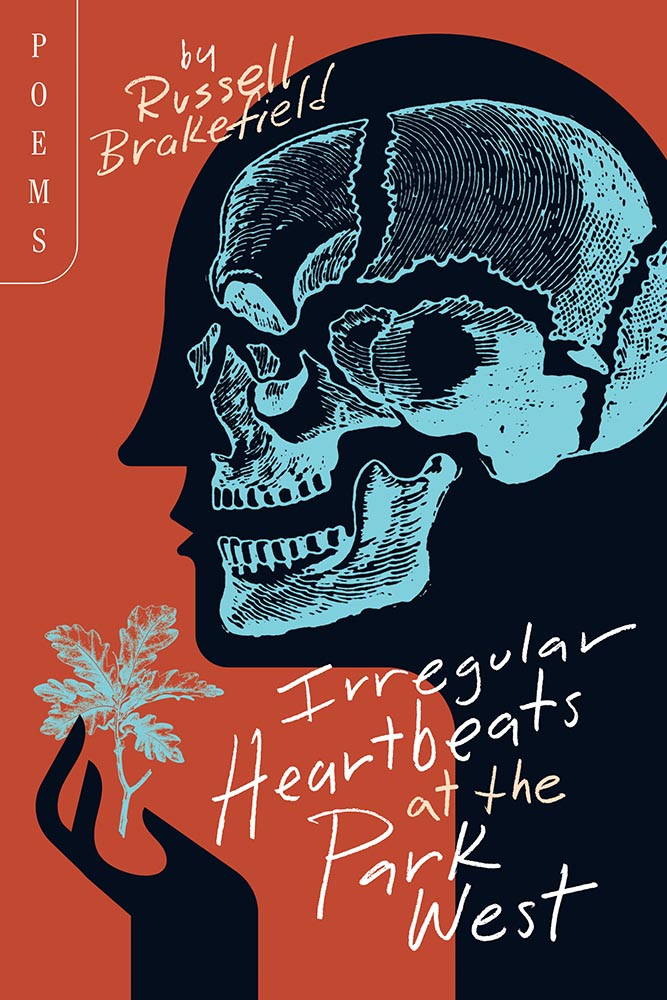
    Irregular Heartbeats at the Park West. Book design by Brad Norr.

    “Rural gothic,” they say. “Goodness,” I append.

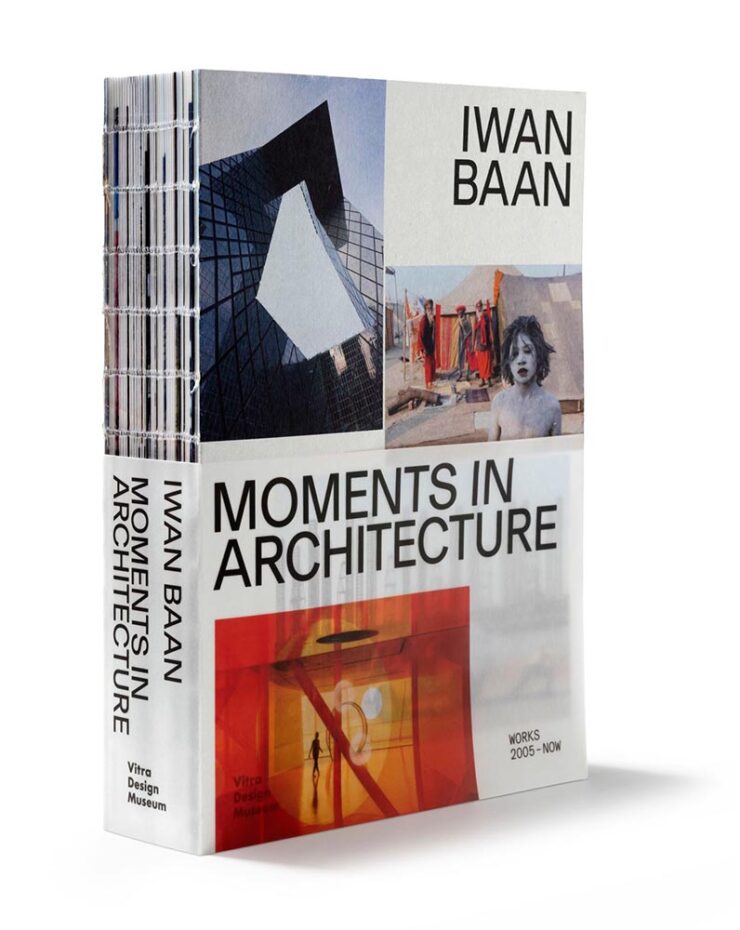
    Iwan Baan: Moments in Architecture. Book design by Haller Brun.

    Each year, 50 Books seems to latch onto a particular theme. Last year, it was irregular page sizes (often multiple sizes in the same book); this year, it’s irregular, often hand-sewn bindings, seen here with a slip jacket starring the other recurring theme this year: translucency.

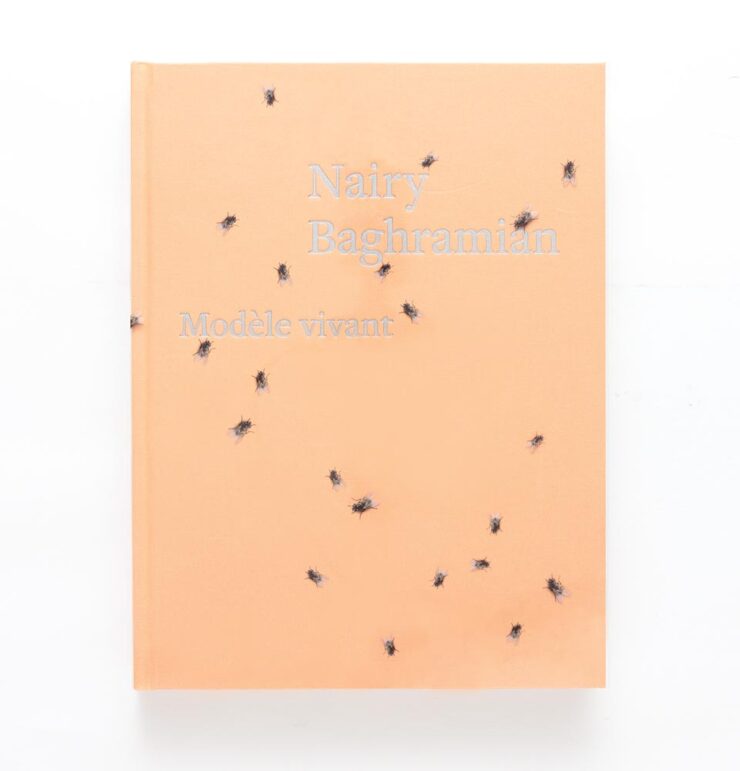
    Nairy Baghramian: Modèle vivant. Book design by Green Dragon Office with Nairy Baghramian.

    Speaking of translucency, this jacket is that … and something more, shall we say, eye-catching. Compelling, but does it make you want to pick it up?

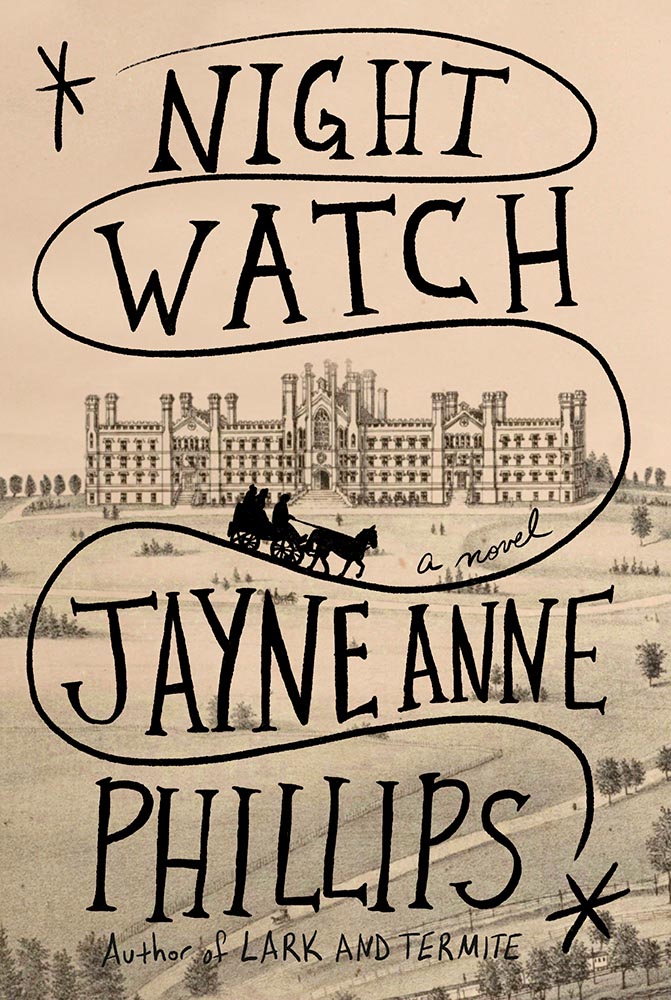
    Night Watch. Book design by Kelly Blair.

    This title was in my folder of finalists for Foreword‘s Favorite Book Covers of 2023 but ultimately not selected. Glad to see it get some recognition. (Note that The Guest Lecture and The Nursery, two other 50 Covers winners, did make my list.)

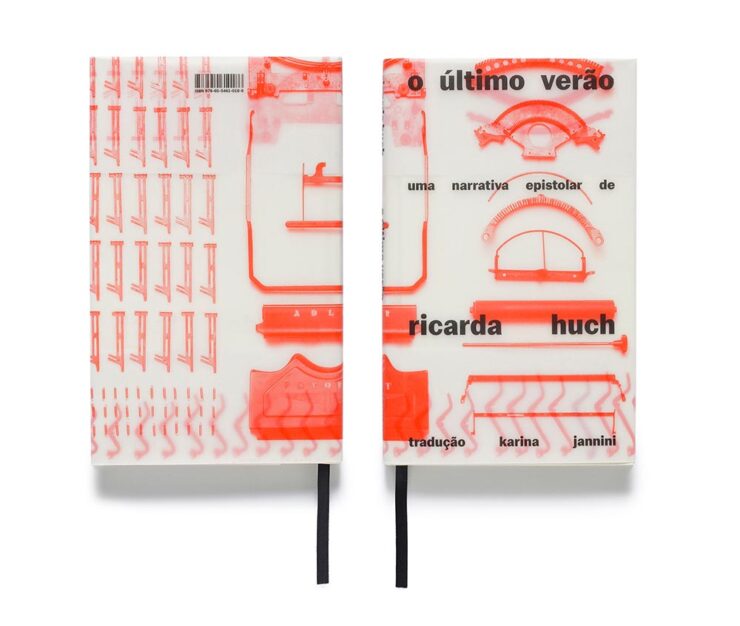
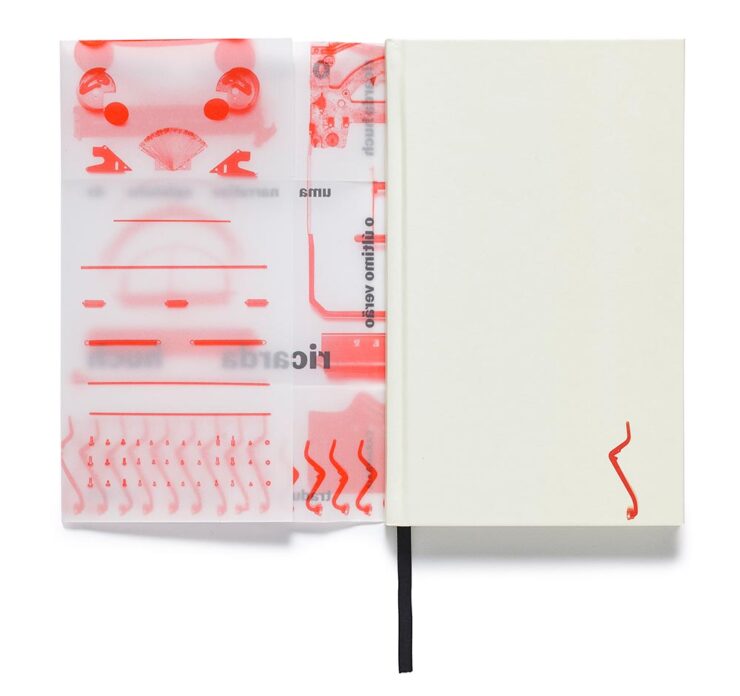
    The Last Summer. Book design by Gabriela Castro, Gustavo Marchetti and Paulo Chagas.

    The translucency is back, this time covering — well, jacketing — a newly-republished 1910 detective novel set in pre-revolutionary Russia.

    The Last Summer (jacket detail). Book design by Gabriela Castro, Gustavo Marchetti and Paulo Chagas.
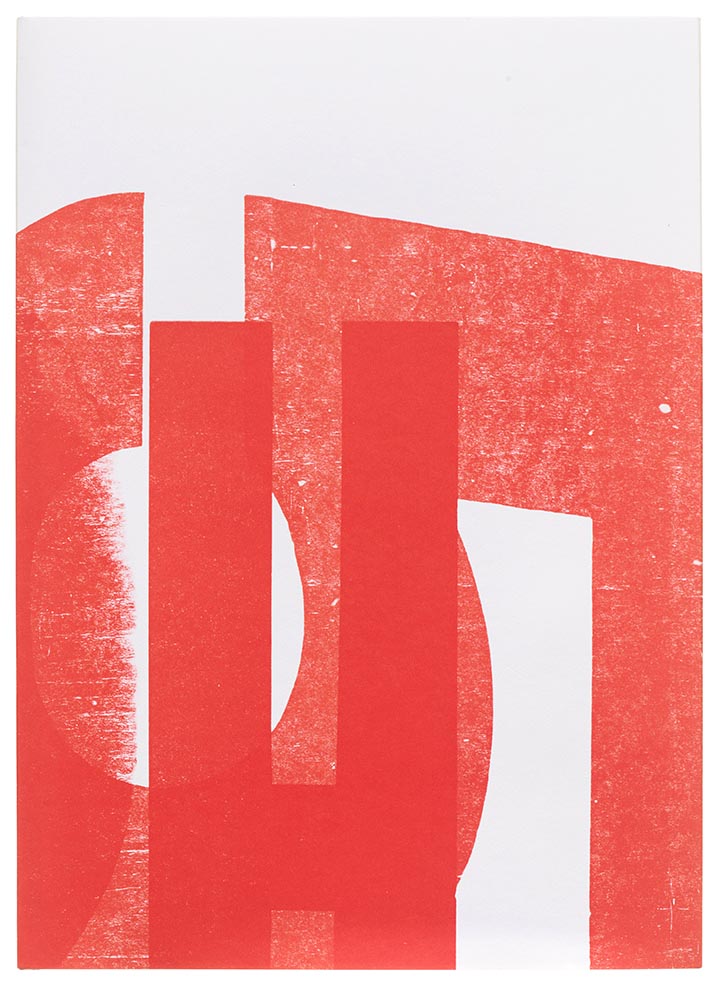
    Only on Saturday. Book design by Chuck Byrne.

    “Printing legend Jack Stauffacher’s experimental make-ready sheets informed both the cover and the jacket for the regular edition,” 50 Books says, in another red-and-white triumph.

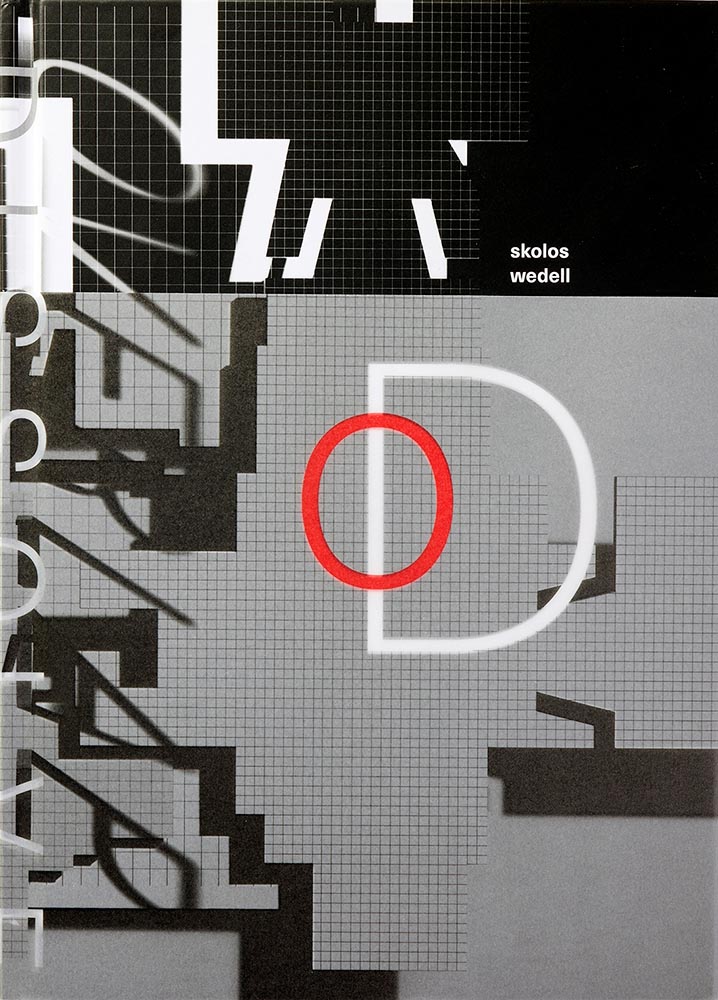
    Overlap/Dissolve. Book design by Nancy Skolos and Thomas Wedell.

    Great three-dimensionality on this cover, with an equally compelling interior:

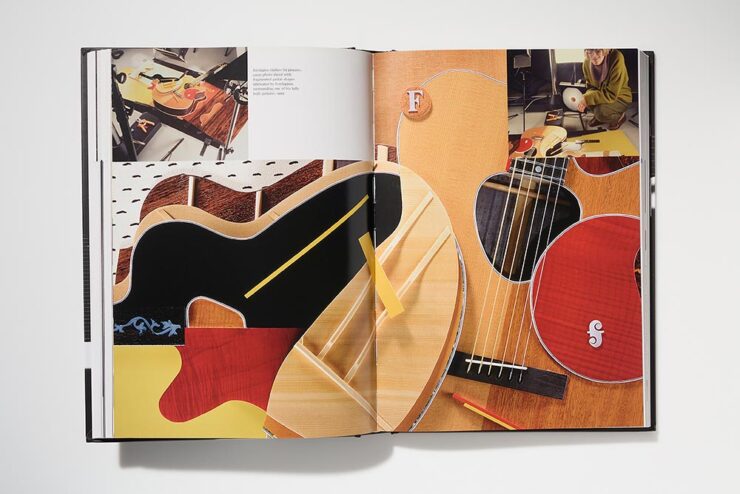
    Overlap/Dissolve interior spread. Book design by Nancy Skolos.

    “We set up compositional frameworks to express harmony, conflict, resolution, or both,” the designers write. “For us there is never one perfect design solution, but the process generates one idea that overlaps and dissolves into the next.”

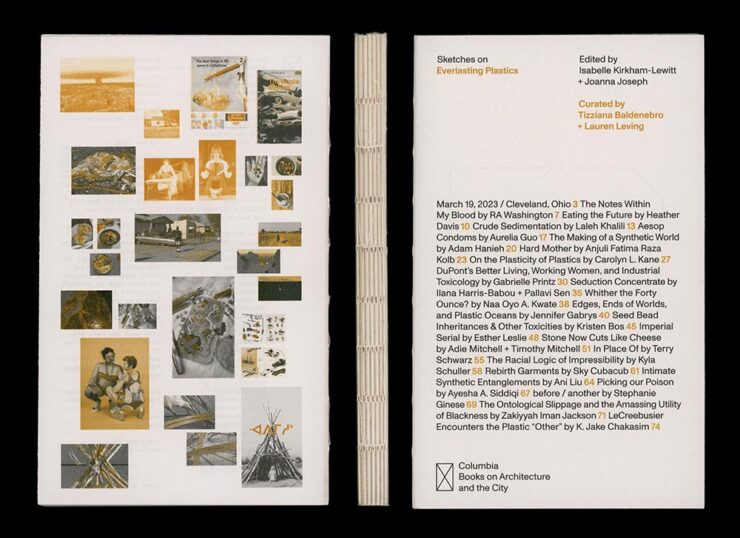
    Sketches on Everlasting Plastics. Book design by Renata Graw and Lucas Reif.

    Sketches on Everlasting Plastics, which “explores the infinite ways in which plastic permeates our bodies and our world,” accompanied the exhibition Everlasting Plastics at the 2023 Venice Architecture Biennale. (Note the binding.)

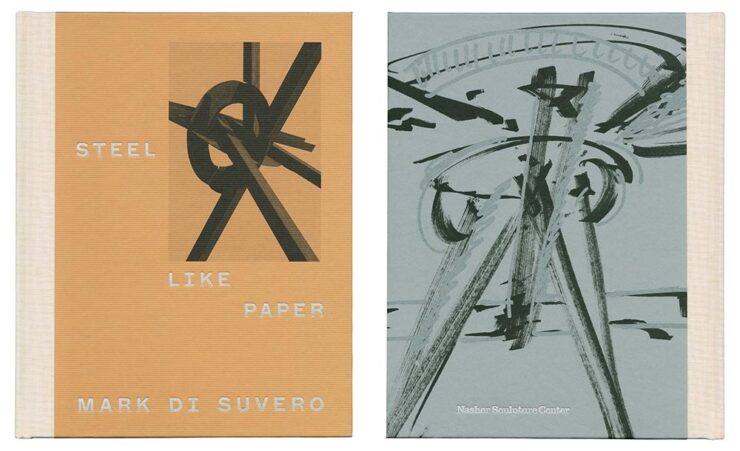
    Steel Like Paper. Book design by Wolfe Hall.

    Debossed type, linen spine, great photographs. Nice.

    And, last but certainly not least:

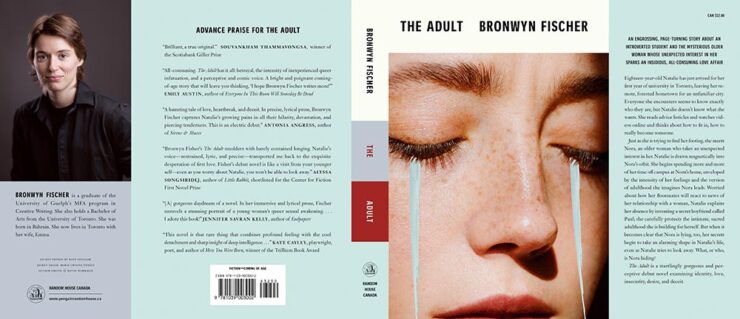
    The Adult (full jacket). Book design by Kate Sinclair.

    Simple at first glance, yet brings more on multiple levels. Great.

    Each of the 2023 winners can be viewed through AIGA’s online gallery, and will become part of the AIGA collection at the Rare Book and Manuscript Library at Columbia University’s Butler Library in New York.

    Via, as is often the case, PRINT Magazine.

  • Beautifully Briefed 24.8: Picture This

    Beautifully Briefed 24.8: Picture This

    A trio of miscellany, a trio of space photography, more than a trio of great black and white photography, and a single, very serious photography question for you this time — let’s get right into it.

    Summer of Fun Miscellany
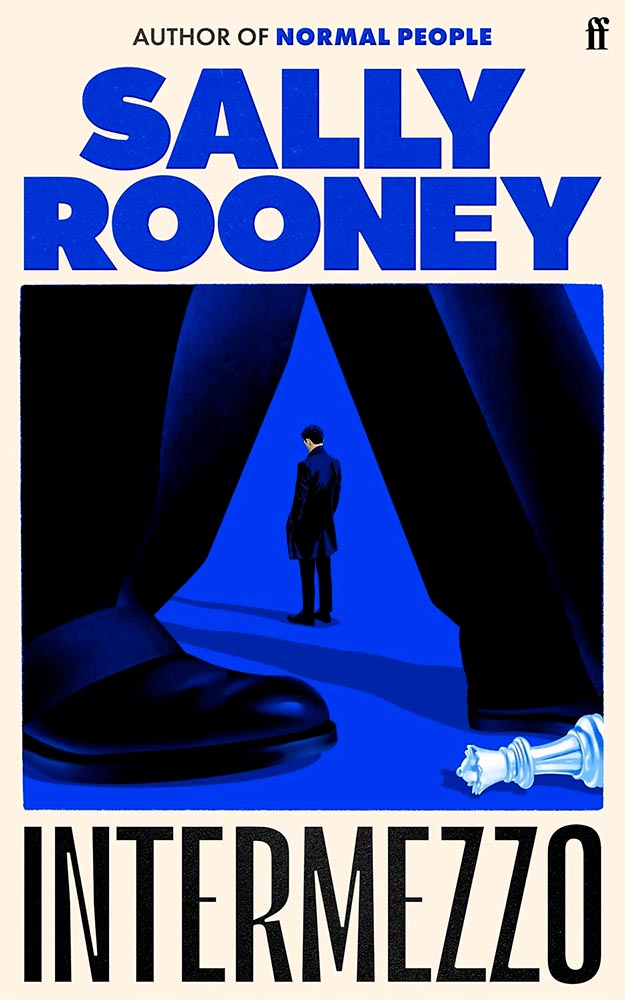
    Intermezzo, Explained
    The UK cover for Intermezzo. Book design by Kishan Rajani. (The US cover doesn’t compare.)

    GQ UK has an interview with Kishan Rajani, a senior designer at Faber, and Pete Adlington, the publisher’s art director, “about how the Intermezzo design came together, the role of social media in modern book design, and how to make books ‘as pickupable as possible.’”

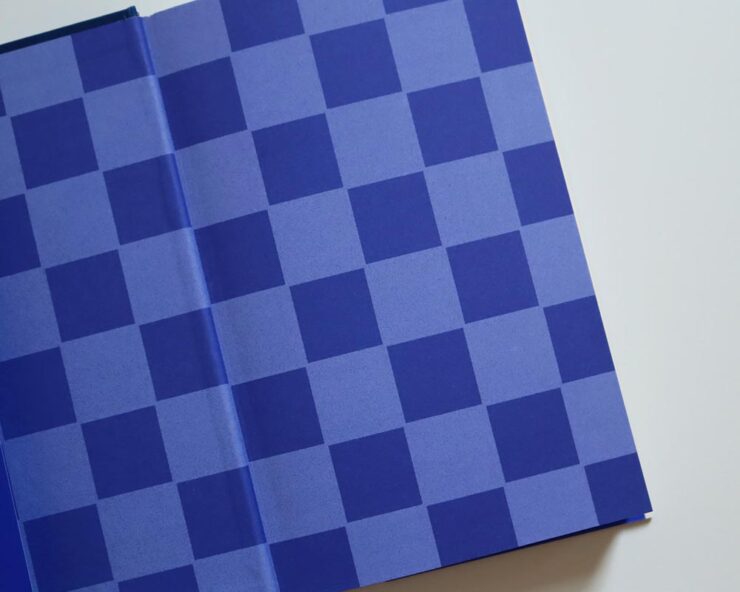
    The endpapers for Intermezzo (UK). I really like that they’ve sweated the little details.

    We can discuss “pickupable” as a word another time — your time is better spent, for now, reading the interview.

    WeTransfer Sold

    “Some of Bending Spoons’ most successful products are tools that serve creativity, therefore we are confident that this milestone will complement both businesses, supercharge our growth, and help us create even more value for creative industries at large,” says WeTransfer CEO Alexander Vassilev of the acquisition.

    I like and appreciate WeTransfer — unlike the corporatespeak above (but hey, we’re inventing words today … right?) — and hope that despite being corporatized, nothing substantive will change.

    PetaPixel: “The companies did not say whether or not all staff or leadership at WeTransfer would be maintained after the conclusion of the acquisition. That may come into question since Bending Spoons does have a track record of buying completed products, training its internal staff on their upkeep, and then releasing the original development team.”

    Crap.

    Update, 9 September, 2024: “Bending Spoons acquired file-sharing platform WeTransfer in July and has now laid off 75% of WeTransfer’s staff,” PetaPixel reports. “The Italian app company Bending Spoons has confirmed the layoffs to TechCrunch, which comprise at least 260 people based on WeTransfer’s employee headcount of around 350 people.”

    Adobe, Again
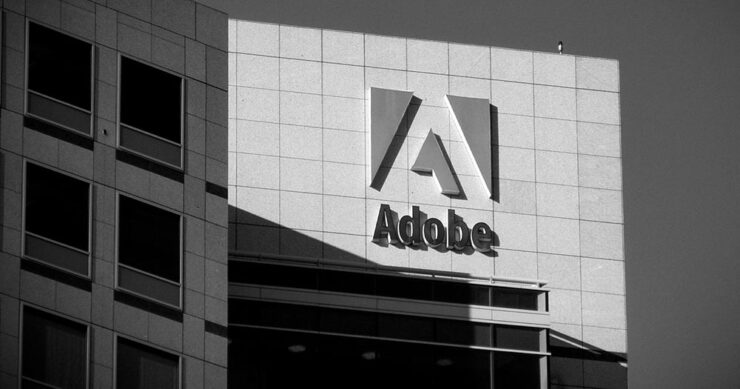
    The Adobe “World Headquarters” buildings in San Jose, California. Image via PetaPixel.

    Adobe (previously) recently sat down with PetaPixel to discuss the shambles where things stand — clearly, an attempt at damage control. PP published it … and got some feedback:

    Adobe couldn’t explain why it let its once excellent relationship with photographers and media lapse, only that it is sorry that happened. I do believe [their explanation], at least when I hear it from the people responsible for making the software. There is a big divide between the folks who code Photoshop and the C-level executives who are so out of touch with the end users. The thing is, it doesn’t matter what those people down in the trenches of development say or even how good Adobe’s software happens to be, some photographers just don’t like the feeling of giving money to the company because of the people at the helm.

    Jaron Schneider, PetaPixel

    The thing is: it’s less photography, really, than design. If you’re a photographer, how you get to the point of printing or publishing the photographs offers options in software — whether iPhoto, Affinity, Photoshop, or the Pixel 9 Magic Editor — Instagram doesn’t care, Zenfolio takes multiple file formats, and so on.

    But in design — that is, desktop publishing or especially book design — Adobe has a monopoly over the software used by the industry, full stop. I used to love working with their software. Today, not so much. (And for the record, it’s more than their fees, it’s the quality of the software.) It’s extremely frustrating and, at the moment, there is no alternative even on the horizon.

    Crap. (Again.)

    Extraordinary Astrophotography

    So, how many can place Kyrgyzstan on a map? It’s a former Soviet Republic in Central Asia, and, clearly, a great place to do some astrophotography.

    Star Trails Above Tash Rabat by Soumyadeep Mukherjee.

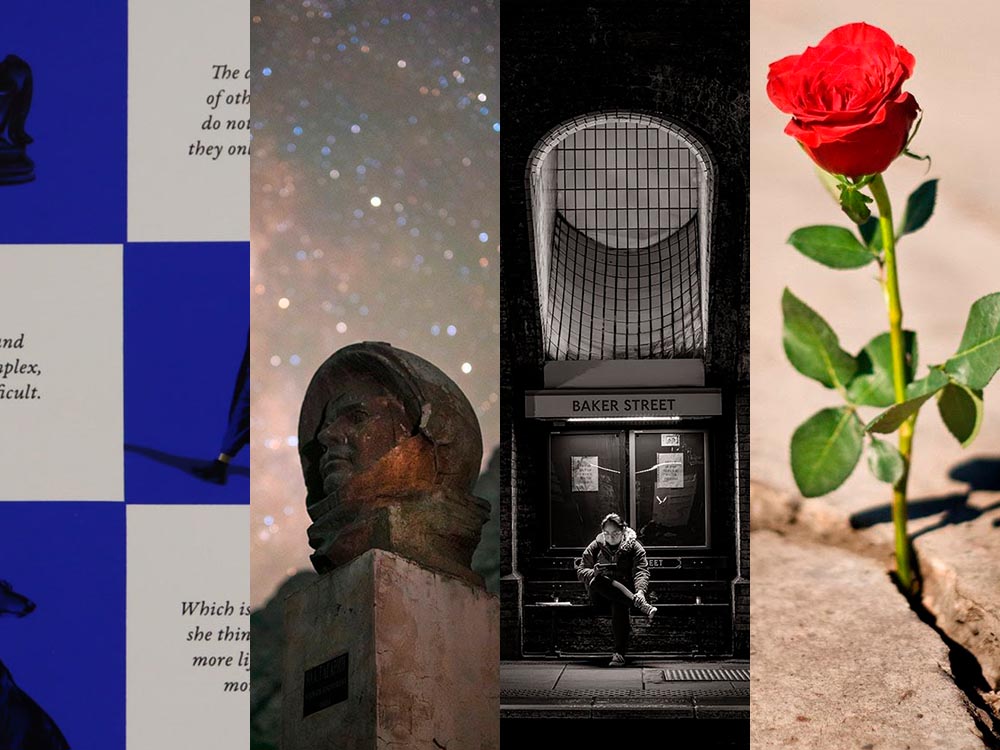
    PetaPixel highlights the work of Soumyadeep Mukherjee, who traveled there specifically for the purpose — and succeeded wildly. It’s awesome to see a country I’m not familiar with served so well. (My favorite, of course, is the short depth-of-field portrait — if you can call it that — of Yuri Gargarin, seen in the header image above.)

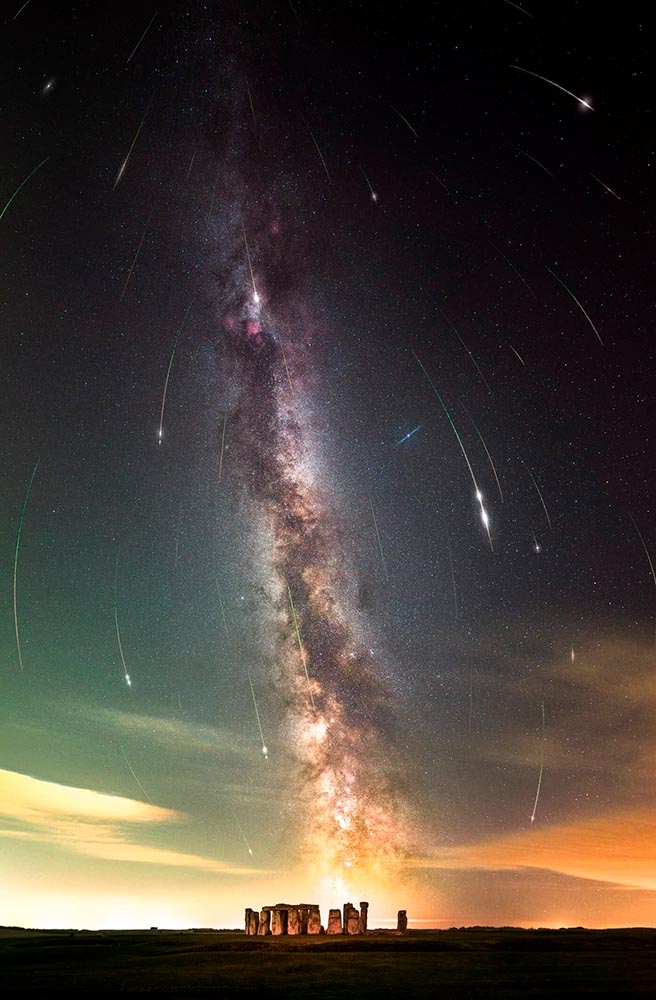
    Alternatively, This is Colossal points us at “Bisected by the Milky Way, a Stellar Image Captures the Perseid Meteor Shower Raining Down on Stonehenge“:

    Perseid Meteors over Stonehenge by Josh Dury.

    “Josh Dury, aka ‘Starman,’ is an award-winning landscape astrophotographer, presenter, speaker and writer from The Mendip Hills ‘Super National Nature Reserve’ in Somerset, United Kingdom,” his web site trumpets.

    The thing is … despite looking like he’s about 25, he’s earned it. Great stuff.

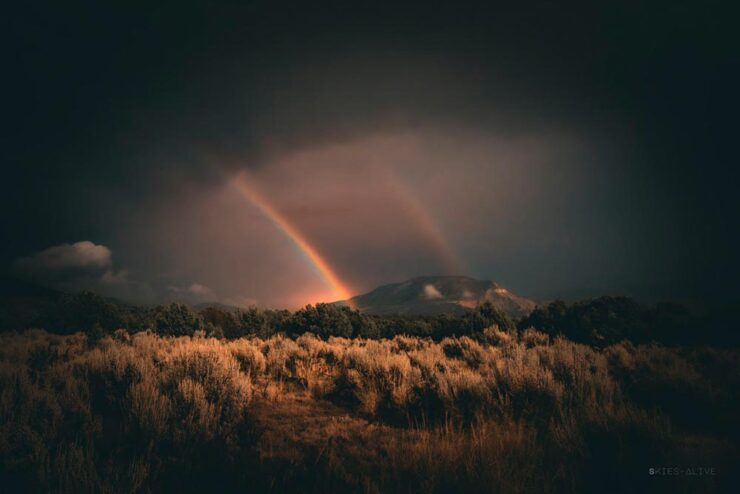
    Meanwhile, back at PetaPixel, “Photographer Aaron Watson, who goes by Skies Alive Photography, has seen many incredible things in the night sky. His latest sighting is a rare double ‘moonbow,’ a rainbow created by bright moonlight in precise conditions.”

    Double Moonbow by Aaron Watson.
    All three of these folks need special thanks for their patience. I have trouble standing still long enough to set up a tripod, let alone do long exposures under rarely-encountered combinations of time, weather, equipment and location — plus lots of good luck — in the middle of the night. Well done, all.

    “Majesty of Monochrome”

    The winners of the third annual Black and White Photo Awards have been unveiled, showcasing the best in monochrome photography across multiple categories.

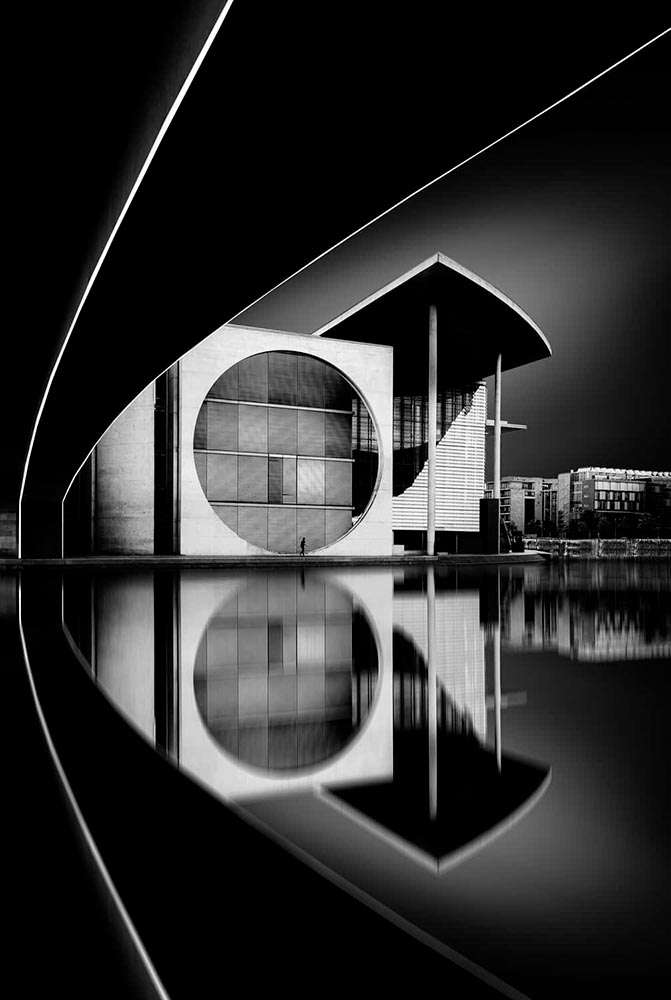
    Monochrome Majesty: Marie-Elisabeth-Lüders-Haus, by Robert Fulop. Bronze Mention from the Black and White Photo Awards 2024.

    Naturally, I gravitate towards architecture — and the winners (of the nearly 5000 entrants) demonstrate serious talent.

    Bench, by Colin Page. Finalist from the Black and White Photo Awards 2024.
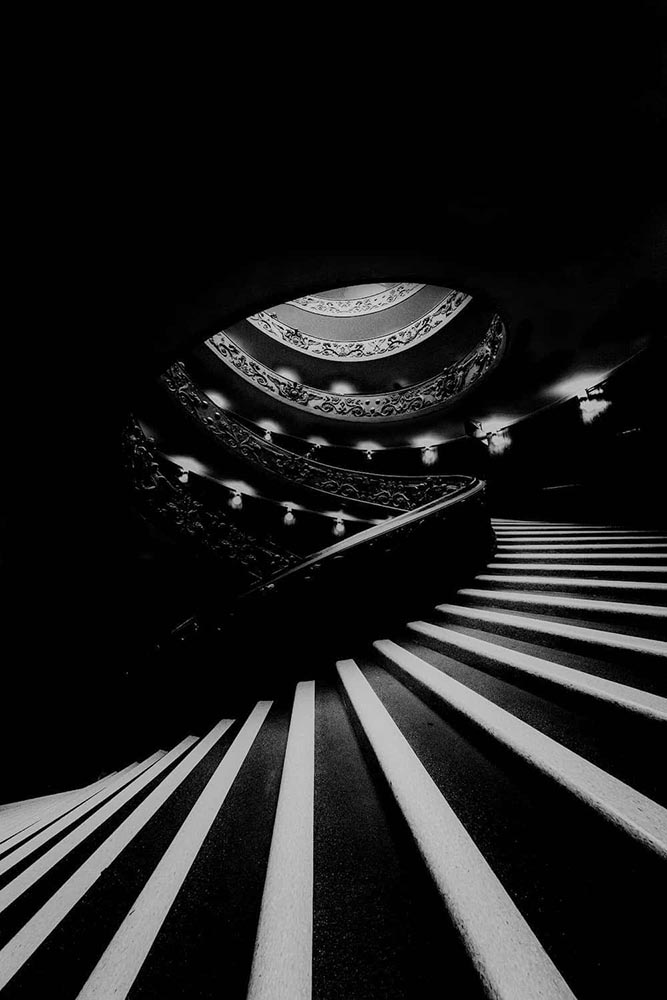
    The Double Helix, by Md Tanveer Rohan. Finalist from the Black and White Photo Awards 2024.
    Windows by Manfred Gruber. Finalist from the Black and White Photo Awards 2024.

    See the winners — and especially, take in the finalists, many of which I’d personally judge to be winners in their own right — at the contest’s web site.

    Special Bonus #1: It’s time once again for the annual iPhone Awards, “a powerful testament to the art of storytelling through photography.” I especially liked this one:

    Bicycle Forest by James Kittendorf. 3rd place in the Cityscape category, 2024 IPPAwards.

    It’s a great photograph, certainly, but it was taken by a now-quite-elderly iPhone X — proof, once again, that it’s the camera you have with you. See all the 2024 winning photographs, in multiple categories and taken worldwide, here. (Via PetaPixel.)

    So … What’s Next for Photography?

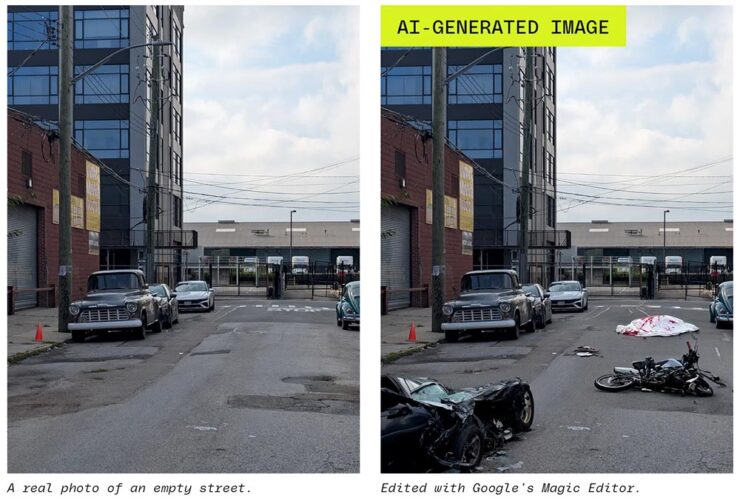
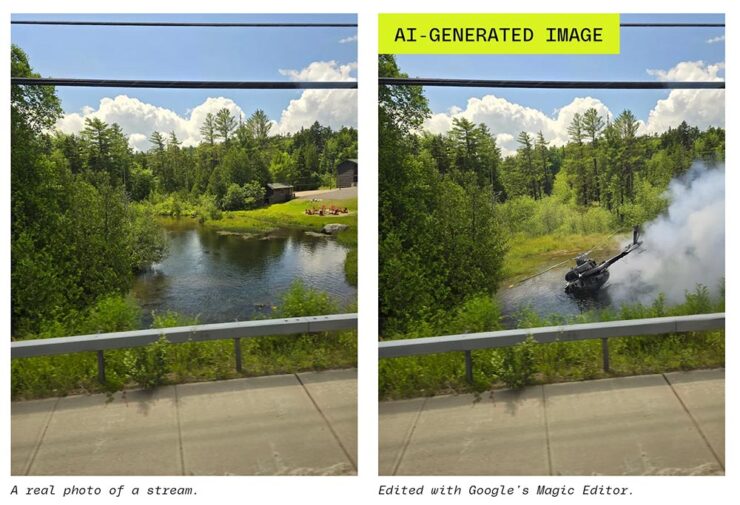
    The Verge: “Anyone who buys a Pixel 9 — the latest model of Google’s flagship phone, available starting this week — will have access to the easiest, breeziest user interface for top-tier lies, built right into their mobile device.”

    A montage from The Verge, thankfully clearly labeled.

    Life-changing moments have long been captured using photography, from Moonrise to George Floyd. But, generally, fakes were the exception, not the rule. We’re, unfortunately, arming the folks who cry foul.

    Another montage from The Verge. Note the woods filled in behind the helicopter less convincingly than the accident, above — but how many are going to notice?

    It does this article disrespect to summarize. Just go read: “No one’s ready for this.”

    Special Bonus #2: Nick Heer, at Pixel Envy, articulates what needs to be said: “anyone can now radically and realistically alter an entire scene within minutes of taking a photo. [O]ur expectations need to change.”

  • Beautifully Briefed 24.7: Generated

    Beautifully Briefed 24.7: Generated

    This time, another automaker logo, some automotive and architecture photography, and the special bonuses that have all become a regular part of the Beautifully Briefed standard. But we’re going to start with some generated content.

    AI Book “Design”

    From the “We knew this was going to happen” category, we have the first — that I’ve seen, anyway — “let AI do the work” research paper suggesting that book design is something that can be automated.

    We have presented a novel approach to computationally design books. The presented system implements a generative design process which takes advantage of the scripting capabilities of Adobe InDesign to procedurally typeset books from content provided by the user. We have shown the ability of the system to (i) create book designs that consistently comply with a series of typographic rules, styles and principles identified in the literature; (ii) produce visually diversified books from the same input content; and (iii) produce visually coherent books with different contents.

    Design by “AI.”

    Let’s please remember that “AI” as the term is currently used is actually “applied machine learning;” in this case, specific rules within specific containers in a specific application. It’s a first step towards something, as most “AI” is in 2024.
    But it’s absolutely not the only step. It’s inevitable that the necessary subsequent steps will be taken, probably sooner than later.

    As usual where someone is seriously discussing replacing a human worker with a computer, there’s a pitch for the upside:

    The work presented in the paper may challenge the typical roles of both the tool and the designer. First, by automatically creating and suggesting design alternatives, the tool ends up playing a more active role in the design process. Then, by modifying and developing custom tools, the designer is no longer a mere tool user and becomes the author of tools tailored to specific needs. We believe this shift can be fruitful since it enables the exploration and discovery of new technical and creative possibilities.

    In other words, the designer is now responsible for creatively writing the rules then policing the output — like so many things in the machine-learning, or “AI” space — rather than the actual drudgery of directly designing the output. “Design great rules, get great design.”

    And there is room for this. Amazon, especially, is going to jump on book design generated this way; never mind those folks in China or India earning (a paltry few) dollars a day, the computer can do it better for less . . . . Poof! With no human interaction whatsoever, your book is ready to publish. Indeed, for some, the bar to publish has just been lowered made easier. Perhaps even Adobe, who trumpets “AI” at every turn these days, they may choose to take this up. (Probably for a surcharge to the already-high subscription pricing.)

    Let’s not even speculate about the major publishing houses for now.

    But like AI-generated anything, getting actual art requires hand-tuning the input by an artist. For what amounts to “slop” — see this fantastic PixelEnvy discussion — the generated approach to book design might even be appropriate. But for book design that’s artistic, cared-for, or even “just” thoughtful, you’re going to need a human for a long time yet to come.

    The paper is available on Cornell University’s arxiv under CC BY-NC-SA 4.0 DEED license. (Via Hackernoon.)

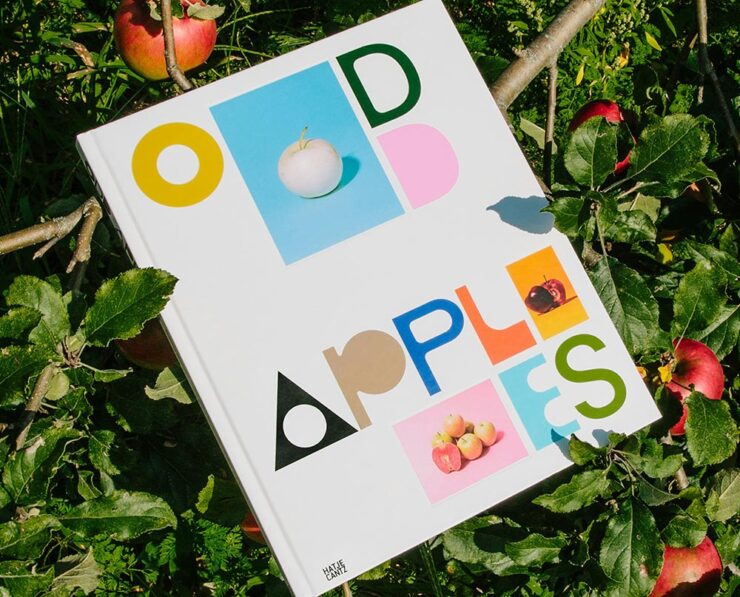
    The excellent Odd Apples, which I’m sure I’ve highlighted before — but in a very human way, can’t find.

    Special Bonus #1: I had the occasion to recently flip through Pentagram’s book design section. Some seriously interesting, seriously artistic work. (See the Odd Apples listing specifically.)

    It could probably be argued that computers took book design jobs away, but….

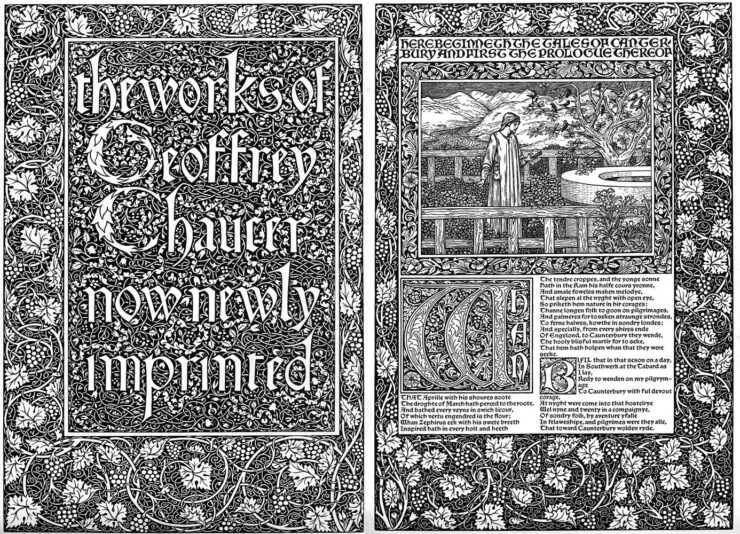
    Special Bonus #2: CreativeBoom links to three free archives on Victorian illustration to inspire — or perhaps use creatively in a book.

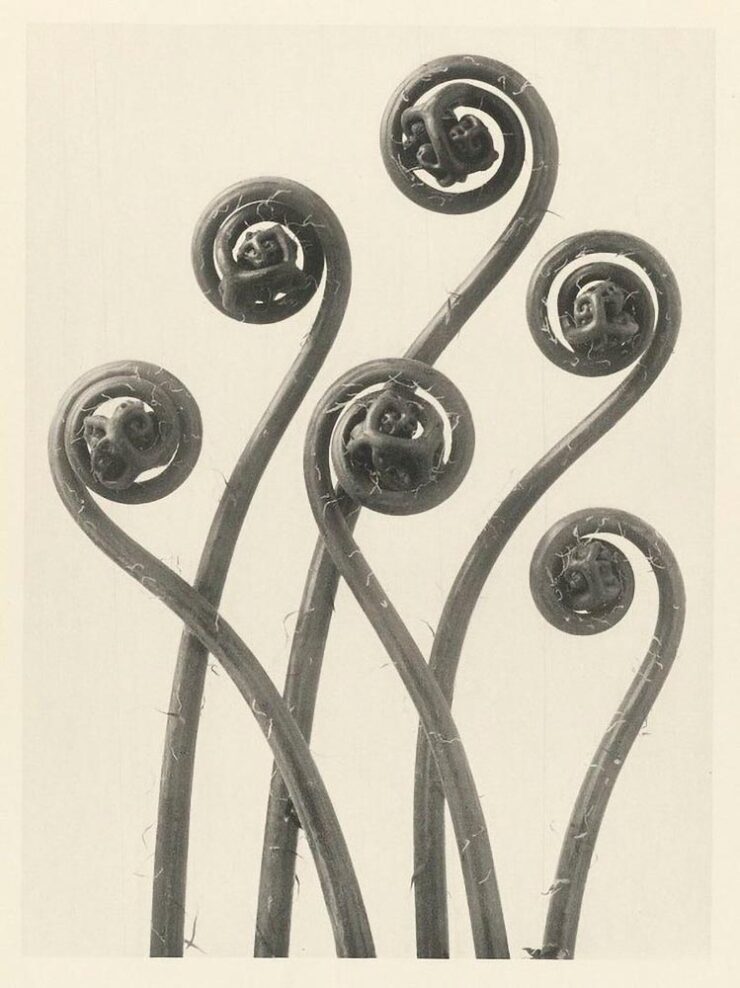
    Untitled (Fiddleheads), 1928. Photo by Karl Blossfeldt.

    Special Bonus #3: The ever-great Kottke.org. points us at Public Work, “an image search engine that boasts 100,000 “copyright-free” images from institutions like the NYPL, the Met, etc. It’s fast with a relatively simple interface and uses AI to auto-categorize and suggest possibly related images (both visually and content-wise).” As Jason Kottke points out, not great in the attribution department, but good stuff nonetheless.

    Mazda’s New Logo
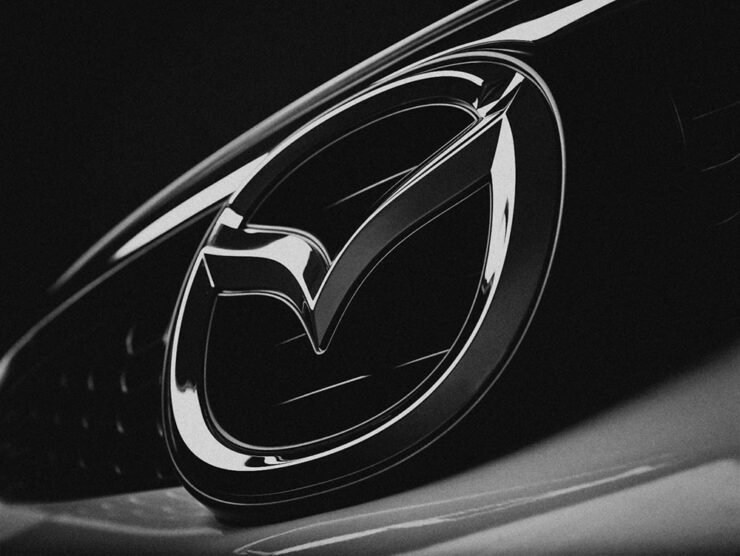
    Mazda’s logo as of 2023, seen on one of its cars.

    From the automotive logo thread (previously), we have to note Mazda’s new look, reduced from the current 3D-style grayscale to flat and black and white. This one gets some criticism from me: it lacks grace, pace, or space. (Hmph. That might be someone else.)

    Angry Bird, anyone? (Pardon the artifacts — this image is enlarged from a Japanese trademark post.)

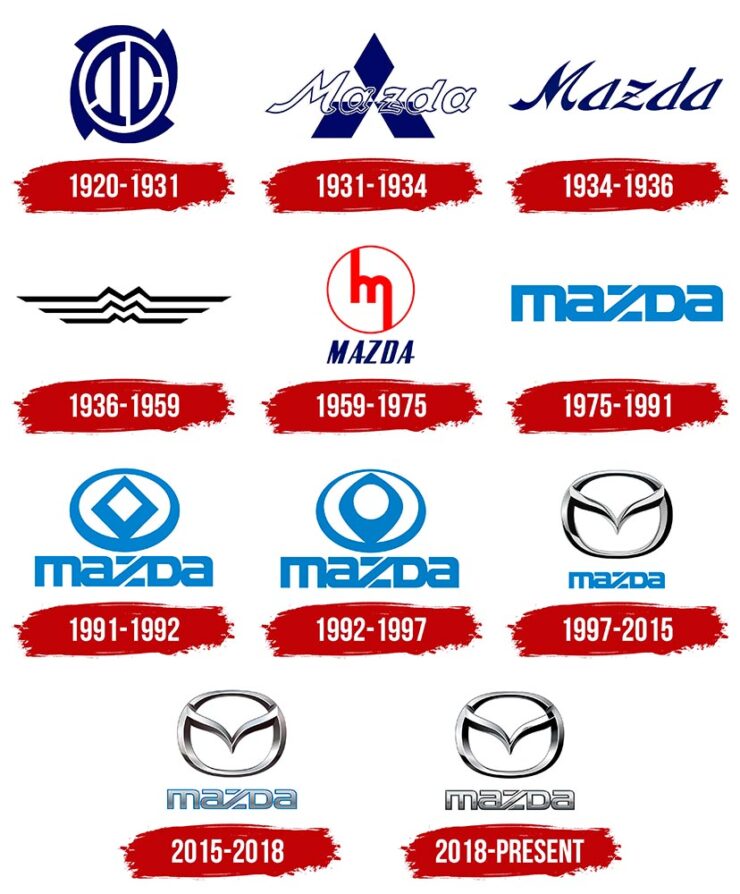
    Then again, Mazda has not always been successful with logos. Anyone remember the 1991–1997 version?

    Mazda’s complete logo history.

    The 1931–1934 version lays the name over Mitsubishi’s logo, which was responsible for sales. The 1975–1991 version is the one I remember best, but that’s likely a youth/rose-colored glasses sort of thing. See Wiki for more information.

    Meanwhile, Mazda is trying to move upmarket right now, and the new “look” isn’t really in keeping with that. Curious to see where this goes. (Via The Autopian.)

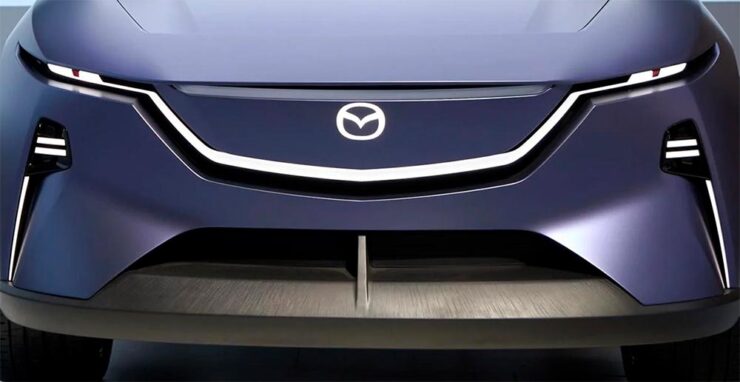
    Mazda’s new electric concept, the Errata, sporting an interim, flattened version of the current logo. Wait, might have gotten something wrong there, too….

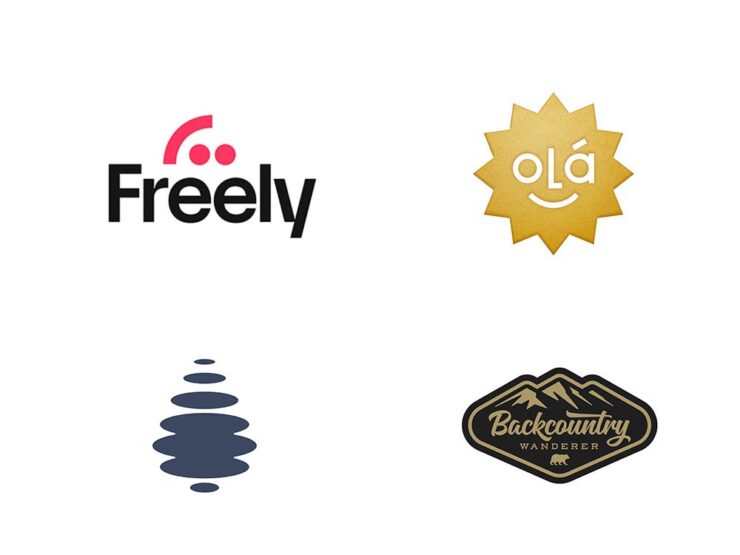
    Special Bonus #3: BrandNew points us at the 2024 Logo Trends report, the annual fun item from Logo Lounge that looks at what’s hot in this year’s crop of — you guessed it!

    Freely (Smiley category) and Droplet (Elliptic category), left, and Olá and Backcountry Wanderer, right, from the Sticker category. (Olá could be in the Smiley category, too.)

    Some of my favorites are above, but the whole report is worth a look. (Spoiler: more than flattening is on trend.)

    Auto, Auto+Arch, Arch
    Auto Photo Manual

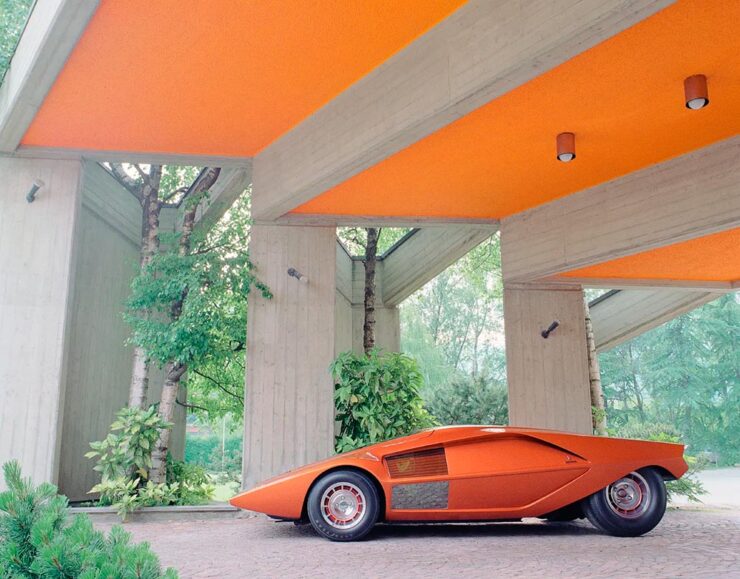
    Via Wallpaper*, we have Auto Photo Manual, a new monograph from Benedict Redgrove that “explores the art and science of photographing the world’s most striking cars:”

    A very orange Lambo. Photo by Benedict Redgrove.

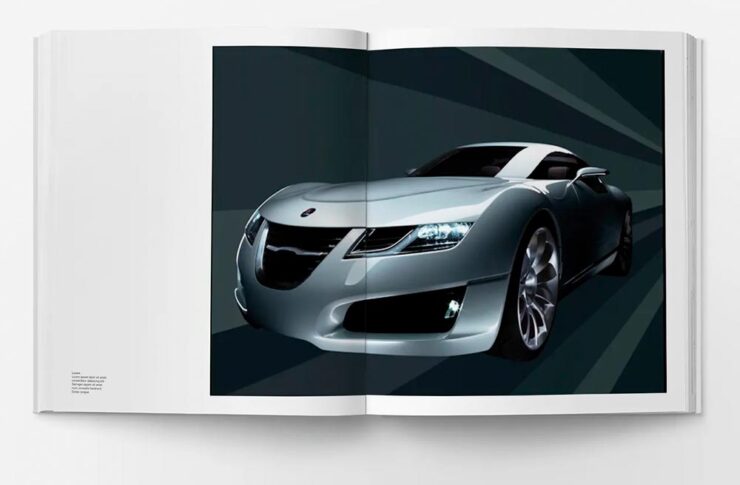
    Always a sucker for a Saab, especially this concept:

    The 2006 Saab Aero-X concept. Photo by Benedict Redgrove.

    Auto Photo Manual is a Kickstarter item that could use some love — stop by if you can. Wallpaper* has the full story.

    A Time • A Place (Vol. 1)

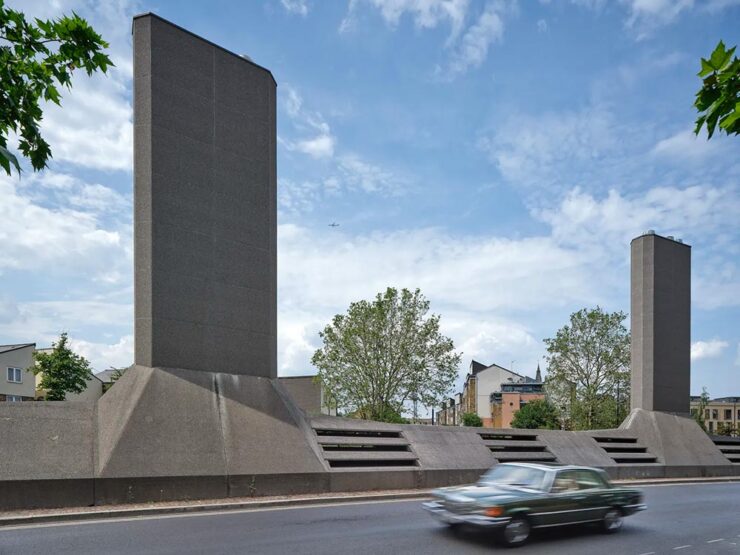
    Also via Wallpaper*, we have a “celebration of the European Car of the Year and changing perceptions of modern design, pairing the best buildings of the age with their automotive contemporaries:”

    London’s Camberwell Subamarine and the Mercedes W116. Photo by Daniel Hopkinson.

    “Through the lens of time, both [cars and buildings] have become highly symbolic of their eras and hindsight will allow us to trace the roots of each design to determine how it is viewed from a 21st century perspective,” says Holroyd, noting that over this period architecture underwent a stylistic retreat, just as car design became emboldened and more avant-garde.

    Great stuff in this new title, available now from The Modernist. Read more at Wallpaper*.

    World Architecture Festival 2024 Shortlist

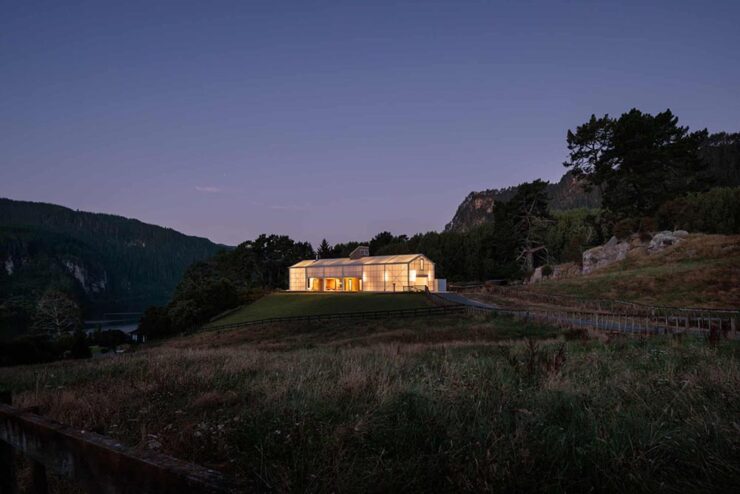
    Via The Guardian, we have The World Architecture Festival’s 2024 shortlist, revealing projects from around the world spanning categories such as childcare, energy, transport and science. A couple of faves:

    The Chodge by DCA Architects of Transformation — interesting name(s), surely — in Whakamaru, New Zealand. Photograph by Simon Devitt.

    The live awards event will take place in Singapore from November 6-8. This year’s finalists represent 71 countries.

    Woven Passage to Cloudy Peaks by line+ studio in Shaoxing, China. Photograph by line+studio.

    See more at The Guardian, or the complete shortlist at The World Architect Festival.

    Special Bonus #4: This is Colossal brings us the drone photography of Eric Waider, shot in Iceland:

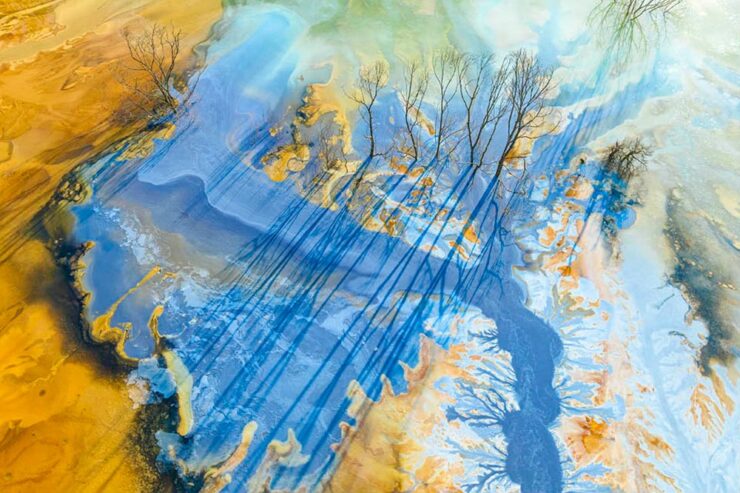
    As glaciers expand and recede, they have the capacity to grind rock so fine that geologists refer to the pulverized material as glacial flour. It slips down rivers and into lakes, carrying the otherworldly turquoise hue through a unique and resilient ecosystem. In Iceland, the blue-green color is complemented by rivers that flow yellow, thanks to sulfur from nearby volcanoes, or red from dissolved ferrous iron—also known as bog iron. Coursing over rock and black sand, the streams take on dazzling, rhythmic patterns.
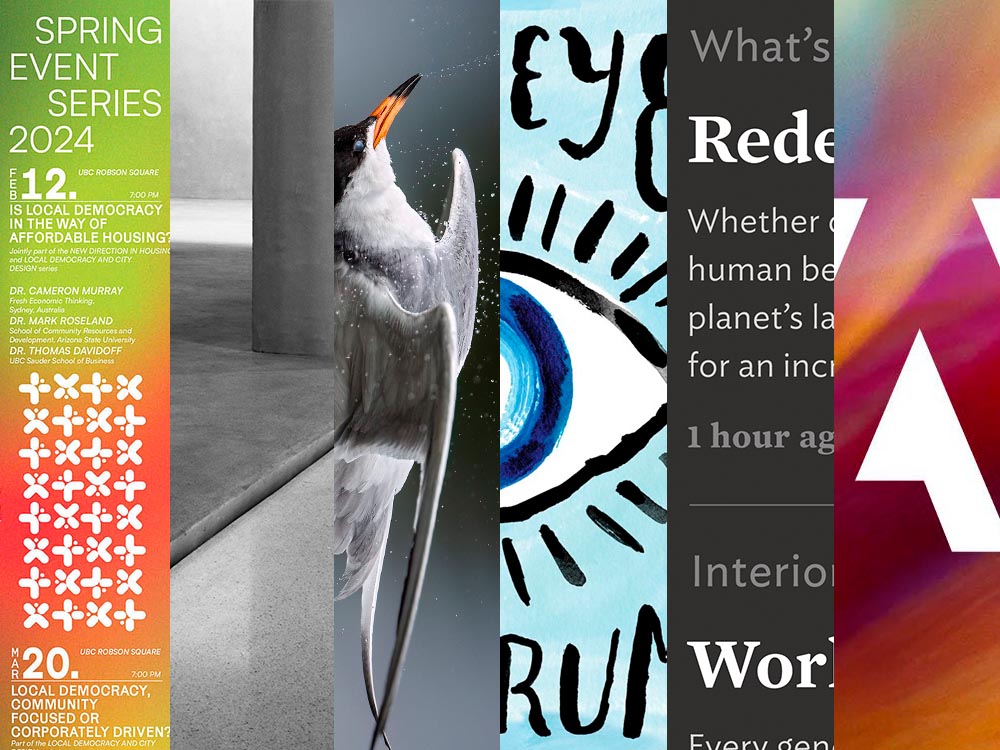
    Photograph by Erik Waider.

    Brilliant. See his website (“Abstract Landscapes of the distant North”) and enjoy that series and more — including faves such as Ocean Blues and Glacial Macro.

  • Beautifully Briefed 24.6: Summer of Win (Mostly)

    Beautifully Briefed 24.6: Summer of Win (Mostly)

    In this installment of Beautifully Briefed, let’s take a look at some great posters, great print items, and great photography. Plus, an update from Adobe’s continued campaign to lose friends and attract government attention. Fun stuff!
    GET LECTURED (ON ARCHITECTURE)

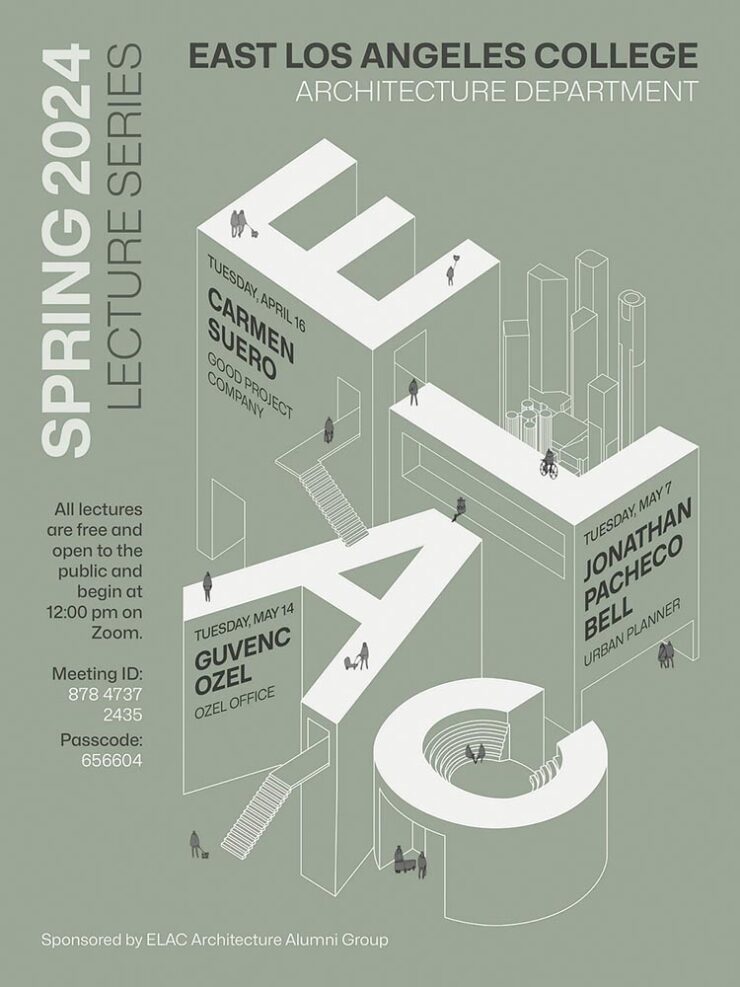
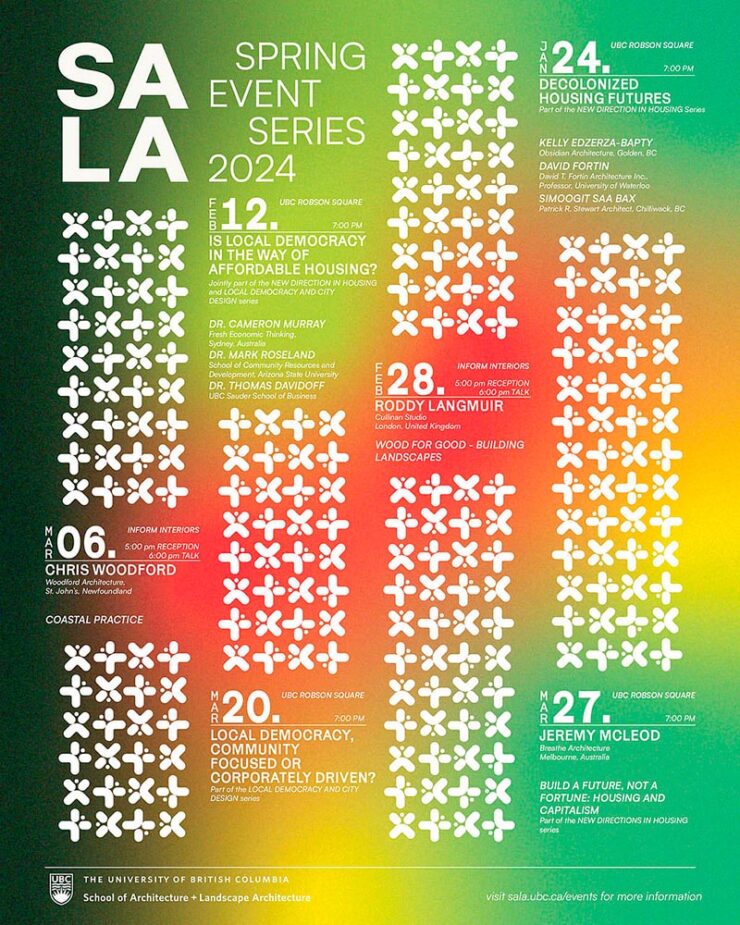
    Back in September, I mentioned Archinect’s Get Lectured poster series. They’re back with the Spring 2024 winners, including these two faves:
    ELAC lecture poster design by Tashfiah Ahmed.
    Lecture poster from the University of British Columbia; designer not listed.

    Great examples of design in a often difficult category. See the rest.

    Architecture Photographs by Hélène Binet

    While we’re discussing architecture, let’s talk about a Dezeen post that caught my eye: photographer Hélène Binet has a new book out, adding to her long career capturing the old-school way — using film.

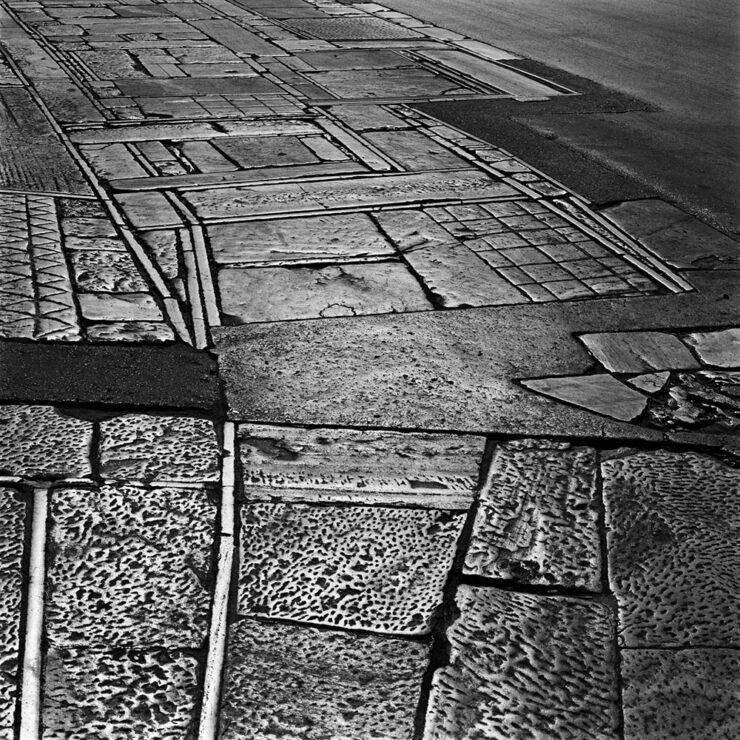
    “A Sentimental Topography by Dimitris Pikionis, landscaping of the Acropolis, Athens, Greece.”

    This series captures shadows and light with exceptional talent, including the above, where she’s praised for “captur[ing] in a single image the tactile and textured presence of tectonic form, both in built and natural environments.”

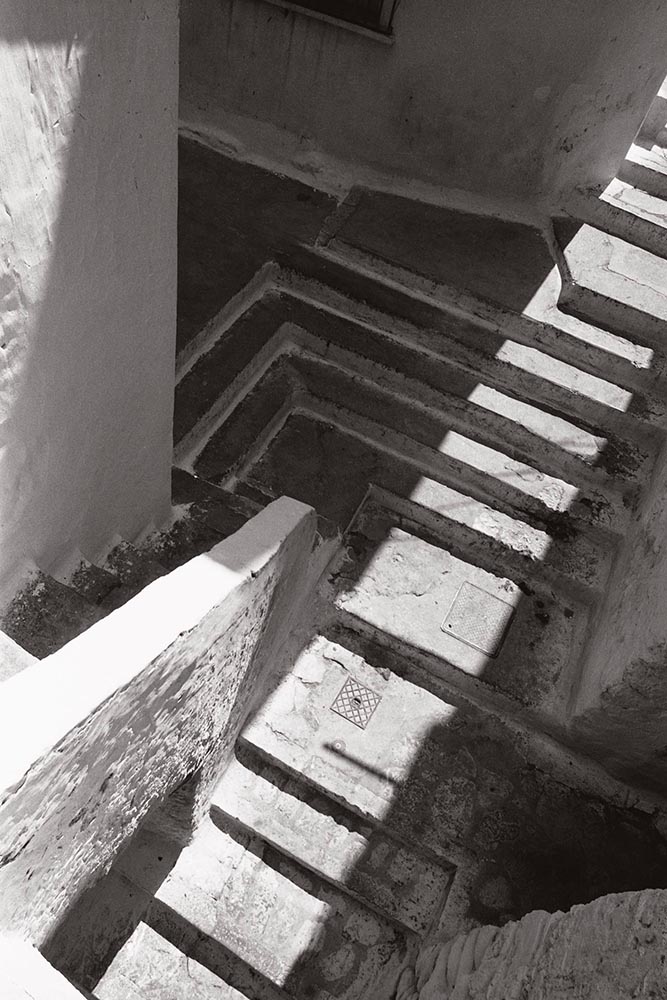
    “Staircases in Sperlonga, Latina, Italy.”

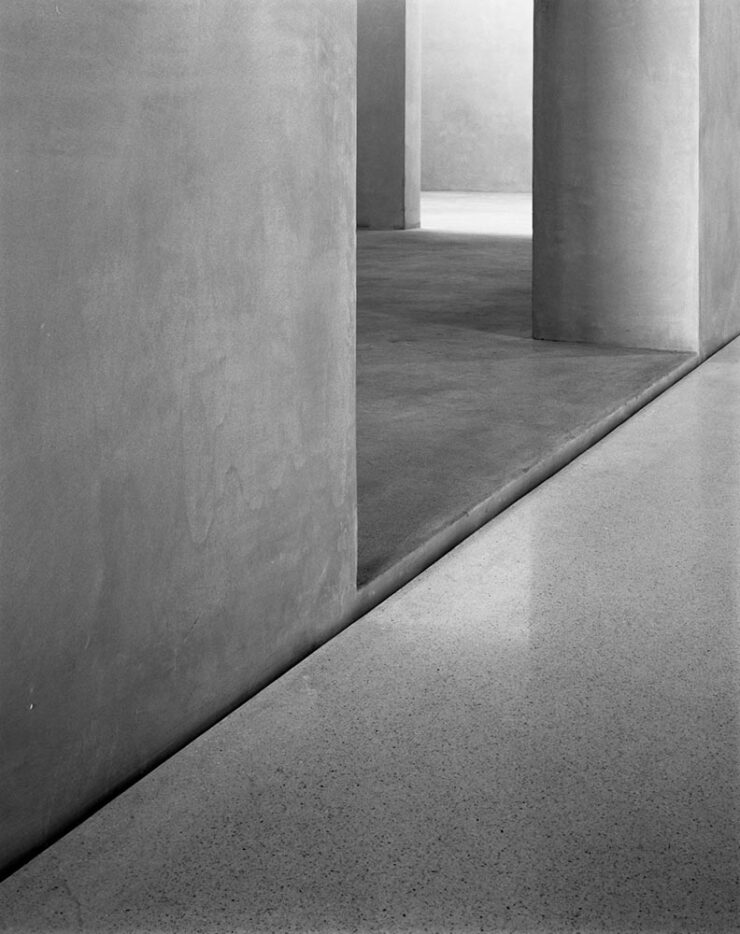
    I love the softer shades of gray than shown in the previous image, and both this and the image below demonstrate a deep understanding of architectural expression.

    “Kolumba Museum, Cologne, Germany, by Peter Zumthor.”

    Read the post from Dezeen, see more examples of outstanding work on her website, or buy the book with 170 photographs, essays, and more.

    2024 Audubon Photography Winners

    This is Colossal posted about this a day before my Audubon magazine showed up with these prominently featured, and they’re all winners.

    Wild Turkey, Female Bird Prize Winner, by Travis Potter.

    Bird photography is a difficult skill requiring patience, perseverance, and specialized gear; those who excel at it deserve recognition. Plus, there’s this:

    Audubon’s climate science report Survival by Degrees reveals that two-thirds of North American birds are threatened by extinction from climate change, including species featured in this year’s Audubon Photography Awards like the Blackburnian Warbler, California Quail, and Sedge Wren.

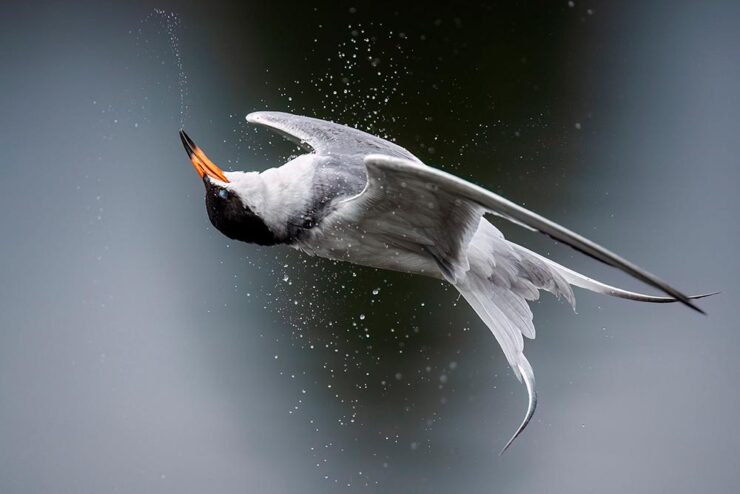
    Forster’s Tern, Professional Honorable Mention, by Kevin Lohman.

    Check out the Colossal post, or see the full story at the Audubon website.

    Special Bonus #1: Kottke points us towards the Siena 2024 Drone Photography Awards. “Look! Up in the sky! It’s … another contest!” Good stuff nonetheless:

    “Jiashao Bridge” by Sheng Jiang, China.
    PRINT 2024 Awards

    The annual PRINT awards are out, featuring — natch — great items in print, including items like the Smithsonian’s annual report and a Naked Trails brochure. Here are a couple of items from the book design category:

    Jacket design by Robin Bilardello.

    Author sketch and lettering by the author. Also, let’s get the . . . :

    Cover design by Milan Bozic, with illustration and typography by Lauren Tamaki.

    Fantastic.

    Special Bonus #2: Hoefler & Co. brings us Typographic Doubletakes: “While good typefaces have prodigious families of carefully related styles, some of the best typography builds unexpected relationships between unrelated fonts.”

    Left: Chronicle Hairline + Landmark. Right: Vitesse + Gotham.

    Their blog refreshes as you scroll in more ways than one — enjoy.

    Left: Mercury Text + Ideal Sans SSm. Right: Whitney + Operator and Operator Mono.

    Special Bonus #3: Kottke points us to a LitHub post arguing for adding full credit pages to books acknowledging everyone who worked on them. “How lovely it is to be seen and appreciated.”

    Adobe “Too Easy to Hate,” Say Users, Employees

    Adobe continues to score big with the public — in the best Boeing style, a formerly-great company has put profits before users and employees. While successful from the shareholders’ point of view (record profits, again), some are . . . upset. PetaPixel:

    Just over a month ago, an Adobe exec called AI the “new digital camera.” Simultaneously, an Adobe marketing campaign chucked photographers under the bus, and not for the first time, which caught the attention of the American Society of Media Photographers (ASMP). At the very top of Adobe, there is a concerning and frustrating lack of understanding about art and the people who make it.

    Even “exasperated employees implored leadership to not let it be the “evil” company customers think it is;” while that might be a stretch — “ignorant greed” is a better description — either is not a winning look.

    The latest was a terms-of-service update that many saw as a rights grab, allowing the company to use users’ work to train its AI services. While those have been amended, the seemingly clear language — “We’ve never trained generative AI on customer content, taken ownership of a customer’s work, or allowed access to customer content beyond legal requirements” — comes from a company that has lost the trust of users, making those words just that — words. Time will tell if they are truth.

    But there’s more: Adobe’s just been sued by the FTC (via PetaPixel, Pixel Envy) for hidden fees and difficult cancellations:

    “For years, Adobe has harmed consumers by enrolling them in its default, most lucrative subscription plan without clearly disclosing important plan terms,” the lawsuit alleges. “Adobe fails to adequately disclose to consumers that by signing up for the ‘Annual, Paid Monthly’ subscription plan, they are agreeing to a yearlong commitment and a hefty early termination fee that can amount to hundreds of dollars. Adobe clearly discloses the early termination fee only when subscribers attempt to cancel, turning the stealth early termination fee into a powerful retention too that [redacted] by trapping consumers in subscriptions they no longer want.”

    I’m actually glad for this, as I wasn’t aware that my $60+ monthly fee is a payment on an annual plan. (Ug.) Not too big an issue — I actually feel like there’s decent value in the plan and will continue to subscribe for the foreseeable future.

    But I’d also be lying if I said I’m completely satisfied with our business arrangement: alternatives are few and far between. While Adobe does not have a monopoly legally or technically, in the publishing industry at least, they are, for all intents and purposes, the only game in town. It would be nice if they would at least demonstrate a modicum of respect for their users.

    Update, 25 July 2024: “Adobe Exec Says Early Termination Fees Are ‘Like Heroin’ for the Company,” according to PetaPixel. Hmph.

  • Beautifully Briefed 24.5: On Into Summer

    Beautifully Briefed 24.5: On Into Summer

    This time, we welcome the start of summer with a selection of photography and book design items — with, as usual, a couple of bonuses. Oh, and a computer item with its own “bonus.” The Summer of Joy starts now.

    SteerMouse

    Like many who spend a ton of time mousing, my production Mac sports an aftermarket pointing device: a Logitech MX Master 3S. It’s a great mouse: ergonomic, covered in button options, and with a freewheeling scroll wheel that makes both design and surfing a joy.

    Unfortunately, Logitech’s software doesn’t live up to the hardware’s promise. I’m certainly not alone in thinking this way, but like many, I’d resigned myself to living with it . . . with one glaring, continually-irksome exception: over the years, they’d actually removed a regularly-used feature.

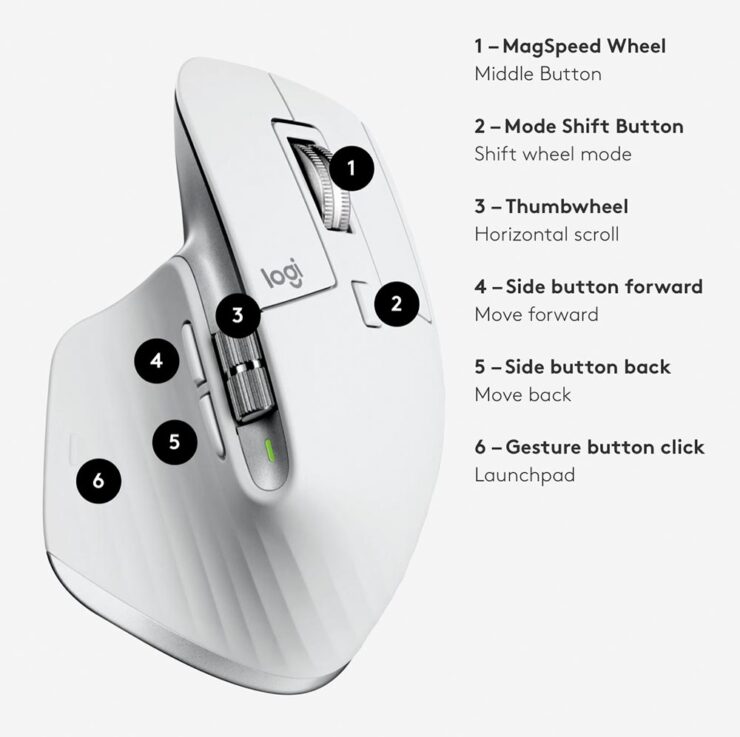
    There’s something significant missing from the available options. (Logitech.com screen capture.)

    That’s right — there is no way to reprogram the two main buttons. They’re a single click (left) and a command/control click (right), whether you want ’em that way or not. Most of the time, I don’t.

    It’s fine for surfing, sure, and for other applications as well. But for book design, not so much. The right button has to be a double-click. That way, word, sentence, paragraph and section selections are readily available through a combination of first- and middle-finger clicks. Sure, they could be assigned to the side buttons (4 and 5, above), but if you’ll forgive me mangling an analogy, race drivers don’t try to get their feet on the door handles when clutching.

    Thankfully, while sitting in a tire shop the other day — speaking of driving — I was making the wait more palatable by listening to Accidental Tech Podcast, wherein Steven Hackett’s post on Logitech software was briefly mentioned. And the clouds parted.

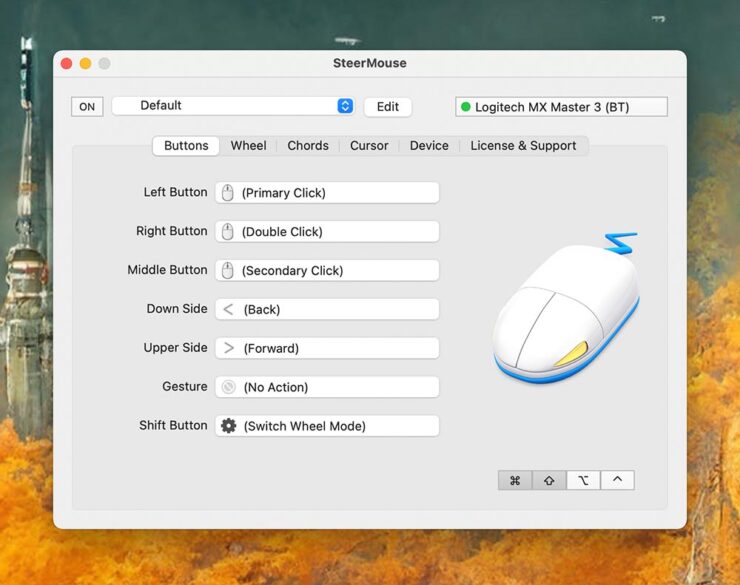
    Okay, sure, it was technically unrelated. But he’s trying SteerMouse — and that’s all the recommendation I needed:

    It may not look as flashy, but it’s the content that counts. Kudos.

    My double-click is back! Quality independent software, highly recommended.

    Special Bonus #1: From another chapter of less-than-ideal software, Adobe continues to flub the landing. PetaPixel has been on their case in a significant way, with Adobe Says AI is the New Digital Camera, Adobe’s CEO is Just Not on the Same Wavelength as Artists, Adobe Throws Photographers Under the Bus Again: ‘Skip the Photoshoot’, and ASMP Calls Out Adobe for Its ‘Shocking Dismissal of Photography’. Whew.

    A Couple Library of Congress Photographs

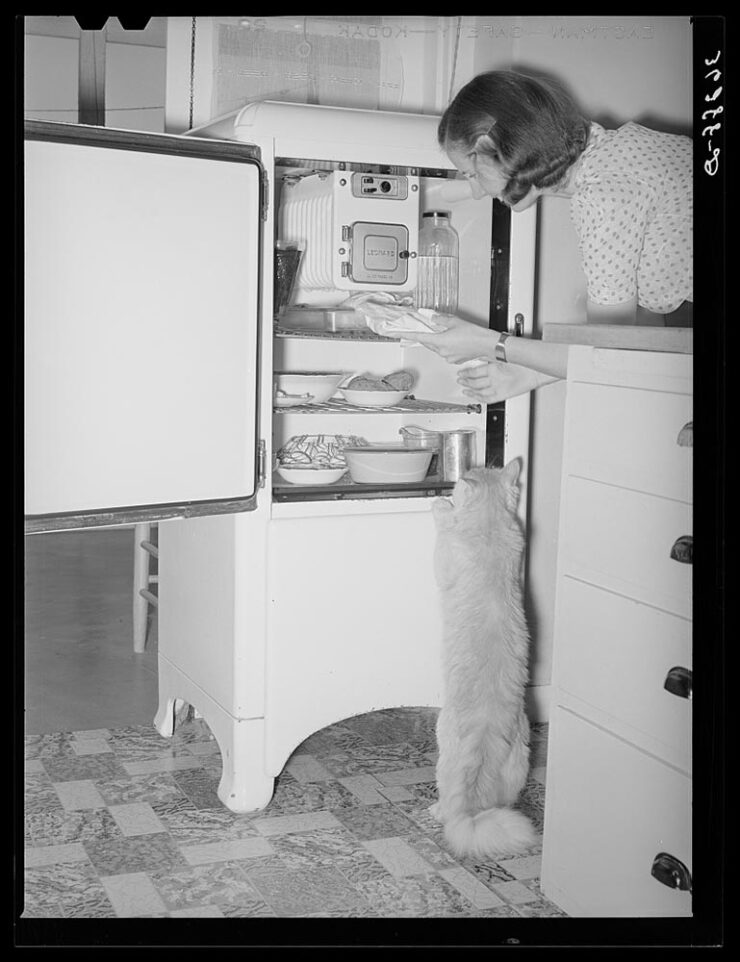
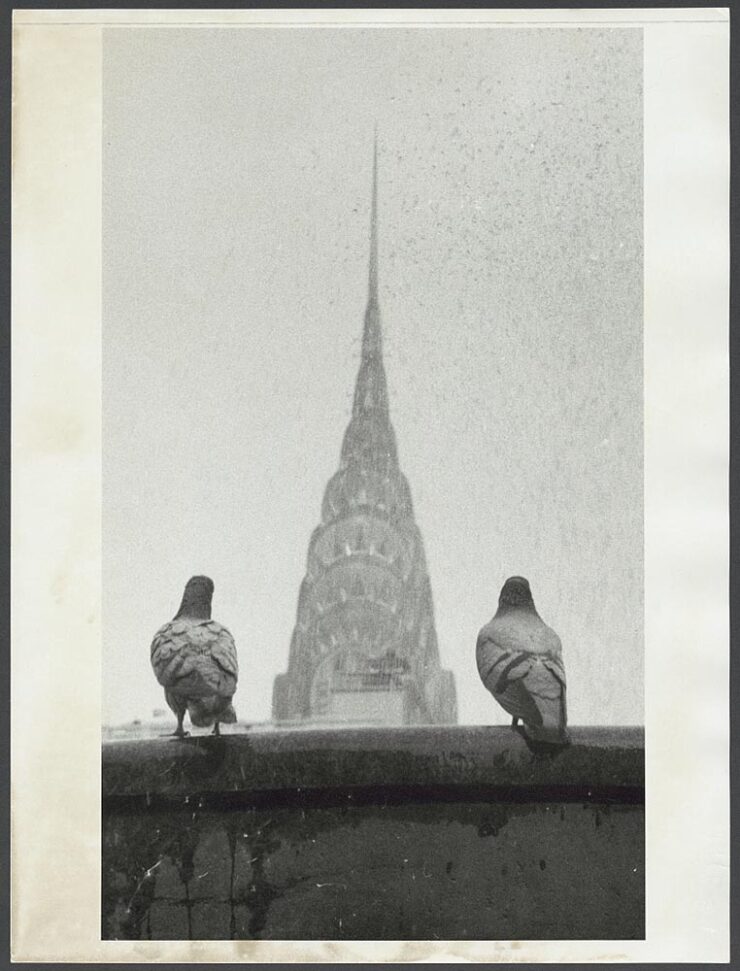
    Speaking of PetaPixel, they’ve posted a story on someone retiring from what seems like a great way to spend a career: “The Prints and Photographs collection in the Library of Congress number more than 15 million images. Maintaining the archive is a big job and a retiring librarian has picked her favorite pictures after working there for 34 years. [Read] Jan Grenci’s final blog post.”

    Even the cats know the refrigerators contain plenty of food at the Casa Grande Farms. Pinal County, Arizona. Photo by Russell Lee, 1940.
    Two pigeons on a ledge with a view of the Chrysler Building in the background. Photo by Angelo Rizzuto. June 1957.

    The LOC’s Picture This has a plethora of great posts, and 15 million photographs is a great way to pass a rainy afternoon (or two). Enjoy.

    Special Bonus #2: From the archives comes another PetaPixel post on Getty’s Open Content Program, with its 87,000 free-to-use photographs: “Add a print of your favorite Dutch still life to your gallery wall or create a shower curtain using the Irises by Van Gogh — the possibilities are endless,” Getty explains.

    Kirkus: 20 Books that Should Be Bestsellers

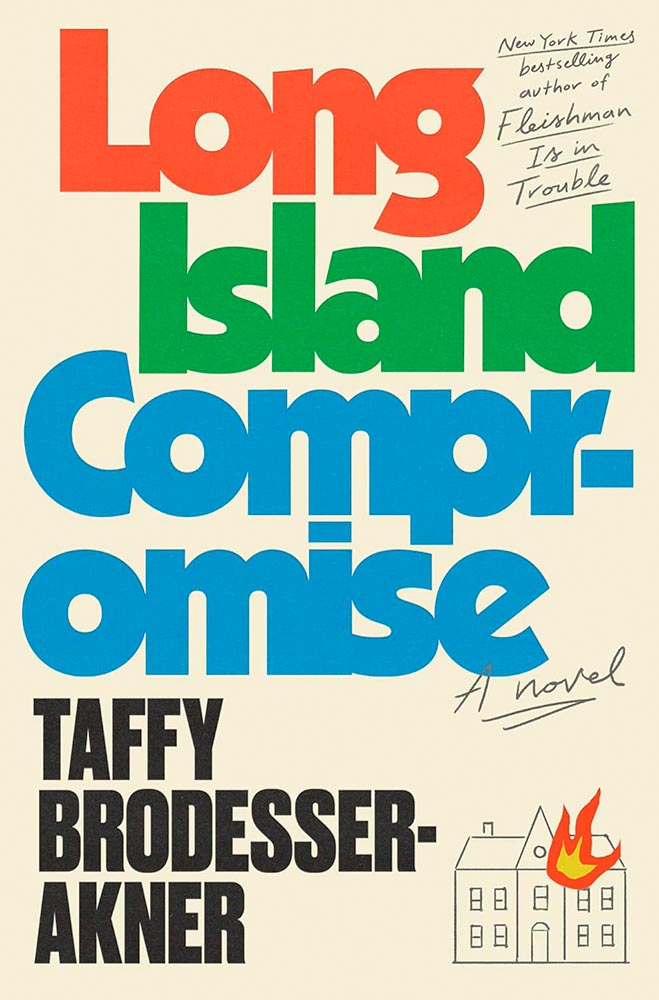
    Kottke points us to a Kirkus Reviews post, 20 Books that Should be Bestsellers. Some good book design here:

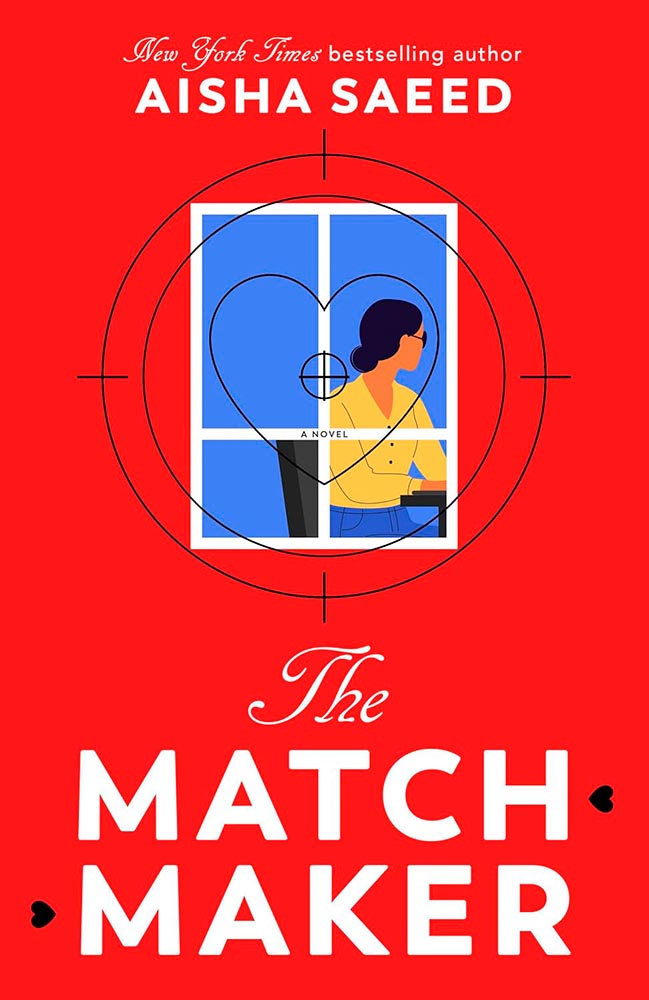
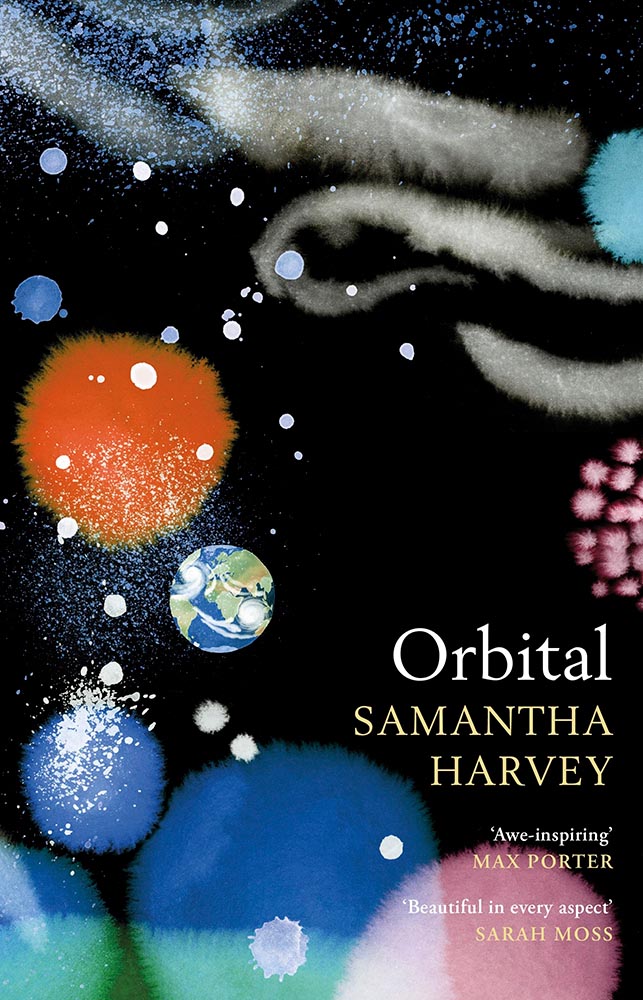
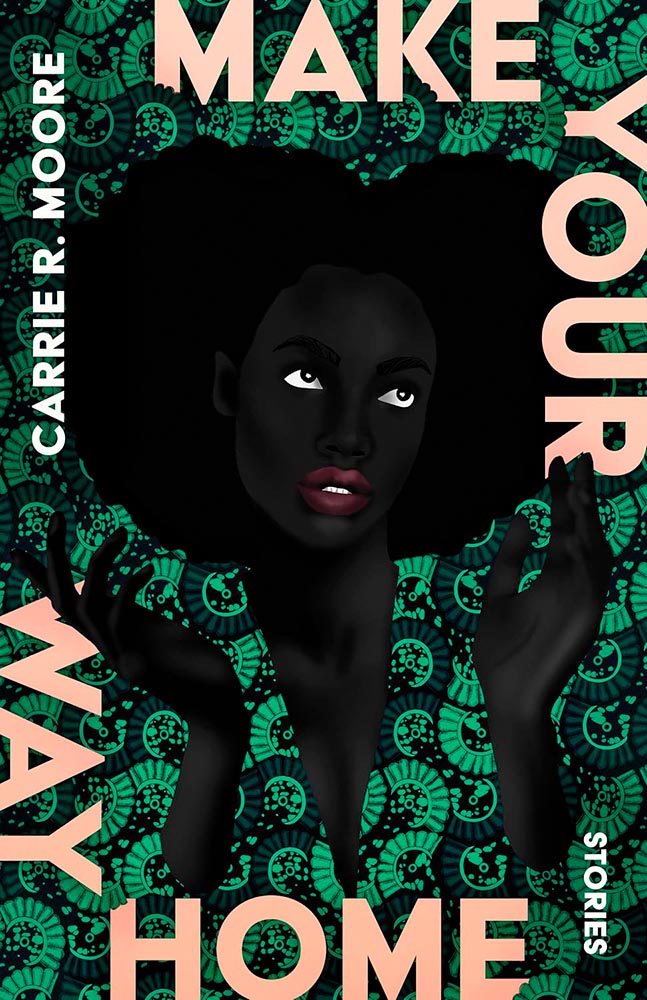
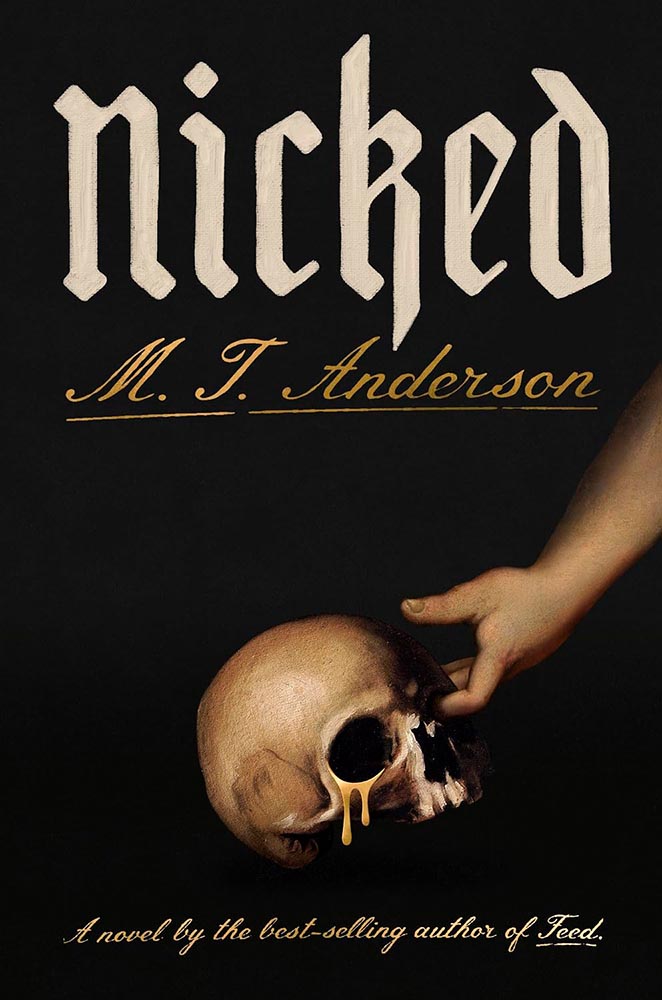
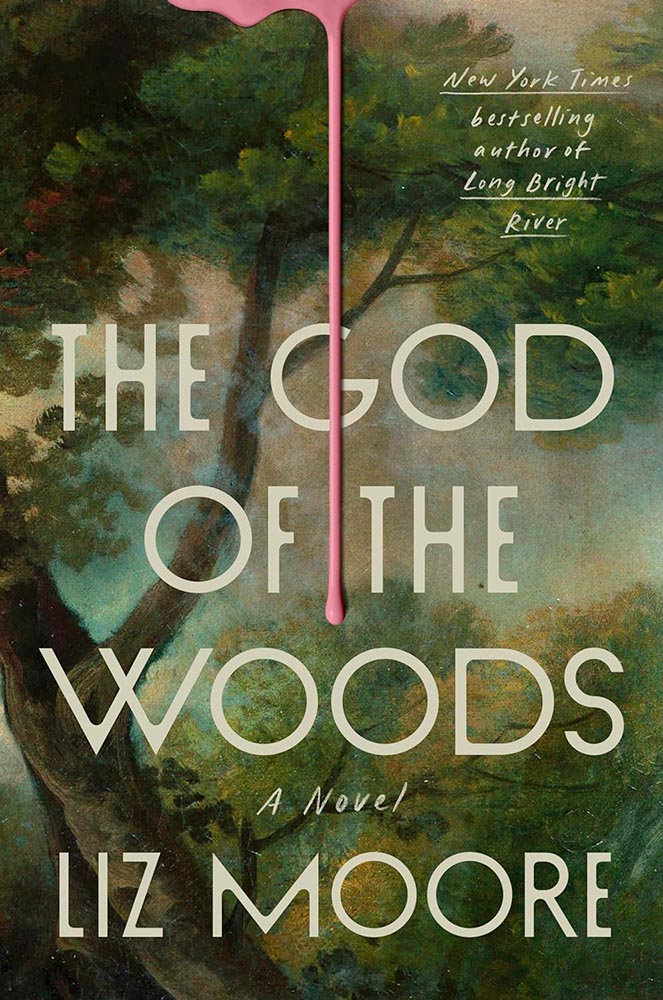
    Both of the above have been added to my “potential best covers” folder (without designer attribution, alas); the former for what I’d call “the quintessential 2024 style,” and the latter for the quintessential book cover purpose: fantastic type treatment and compelling imagery combined with the-question-that-has-to-be-answered. (“The seven-hundred-year-old bones of Saint Nicholas […] weep a mysterious liquid that can heal the sick,” Amazon explains.) Good stuff.

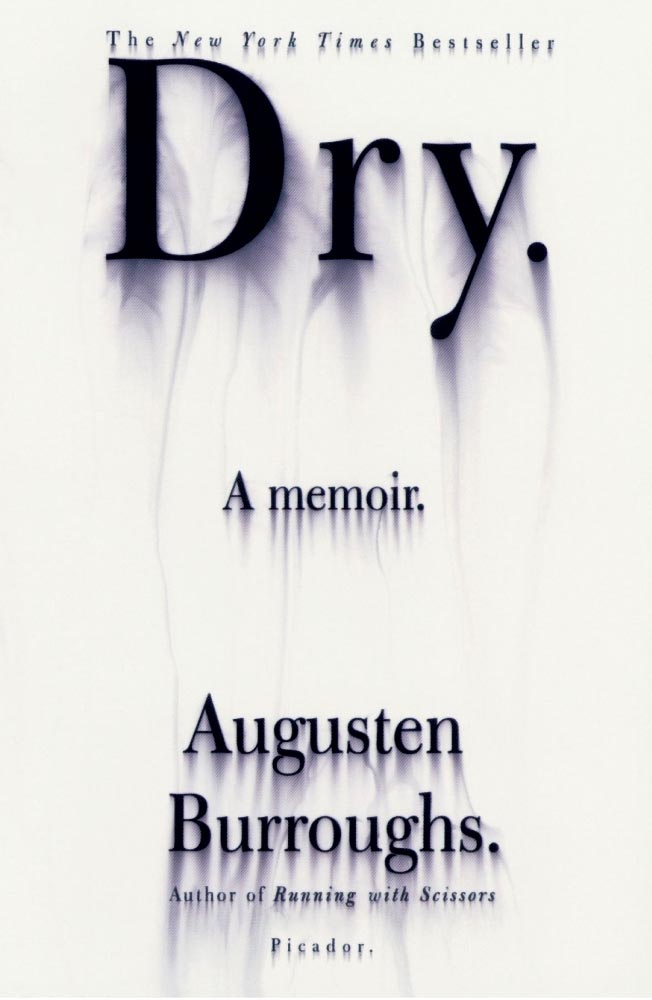
    There’s also this, which isn’t quite up to the above but still interesting:

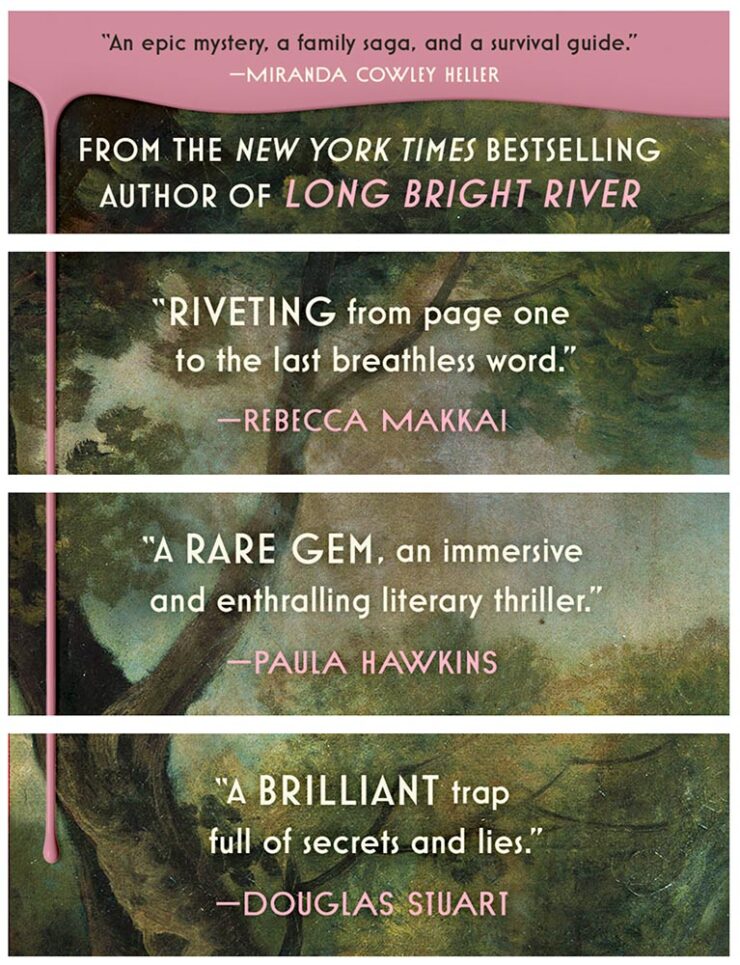
    …with its box o’ quotes on Amazon:

    Nice.

    Special Bonus #3: Chip Kidd has been promoted: “VP and art director at Knopf and graphic editor at Pantheon.” Few are more deserving, as the long list of accomplishments on his Wiki page attests.

    A couple of faves from “Good is Dead,” a selection of book covers he’s designed:

    Cover design by Chip Kidd.
    Cover design by Chip Kidd.

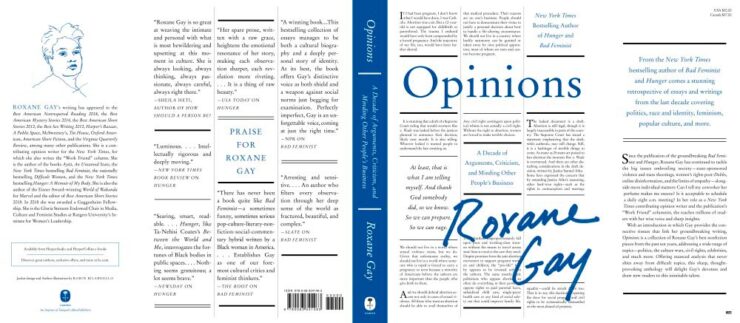
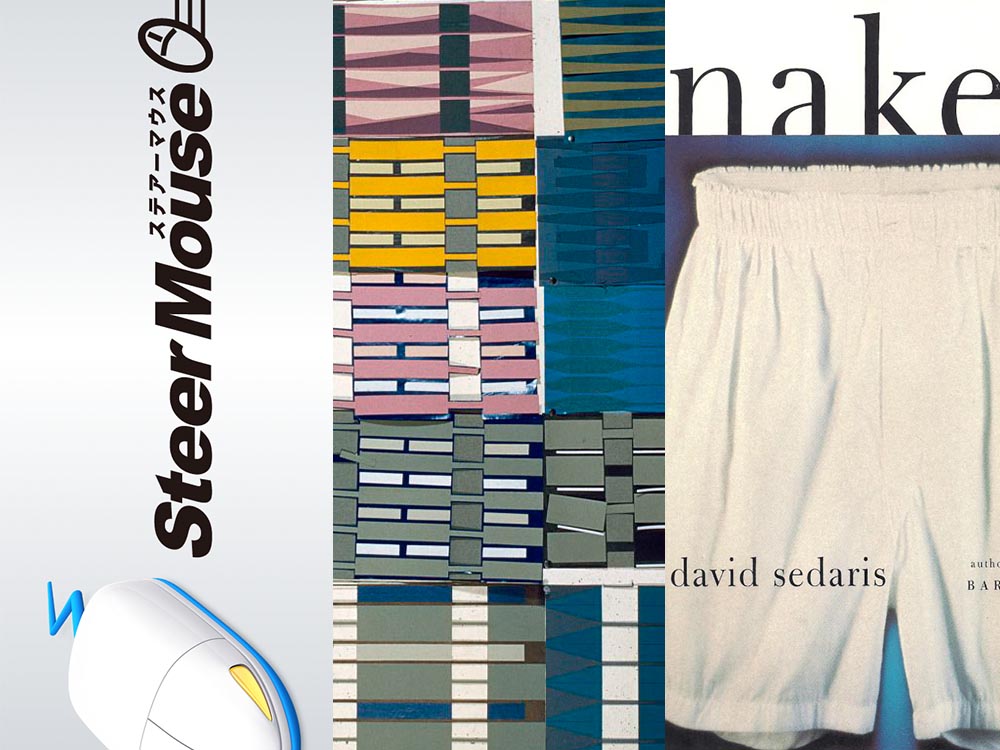
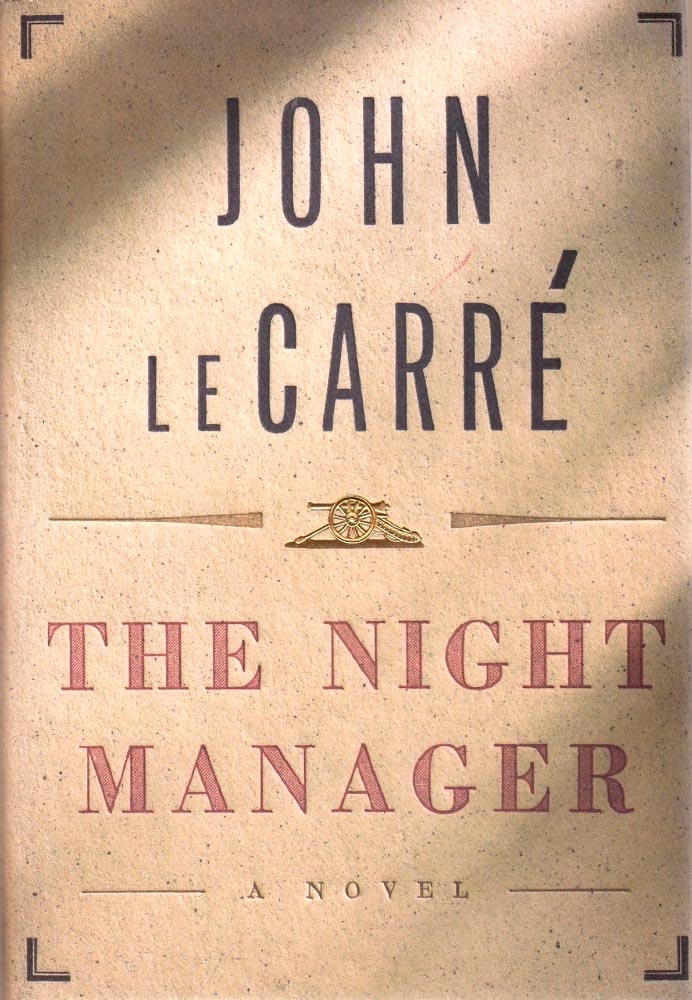
    And, of course, Naked, in this post’s cover image. Kudos.

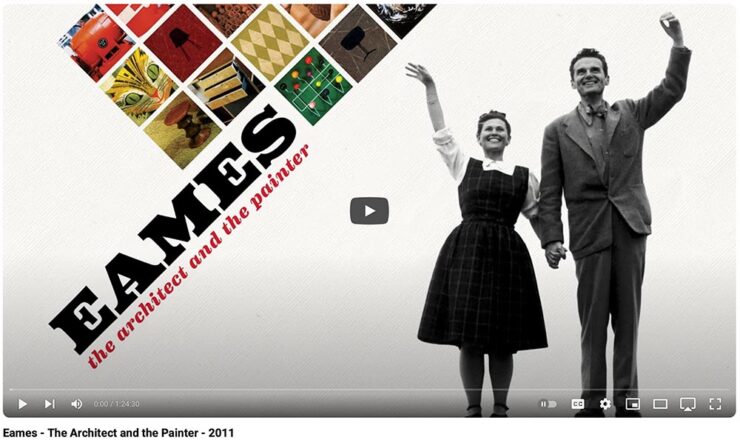
    Special Bonus #4: One the subject of great designers, this film on Charles and Ray Eames was a winner. (It’s from 2011, but was new to me — and hopefully you, too.) Watch when you can:

    YouTube won’t allow me to embed this, unfortunately — click the link above to view.

    Special Bonus #5: The lede-of-the-day award: “Do all book covers look the same today? Euronews Culture goes under the dust cover with those that design them.”

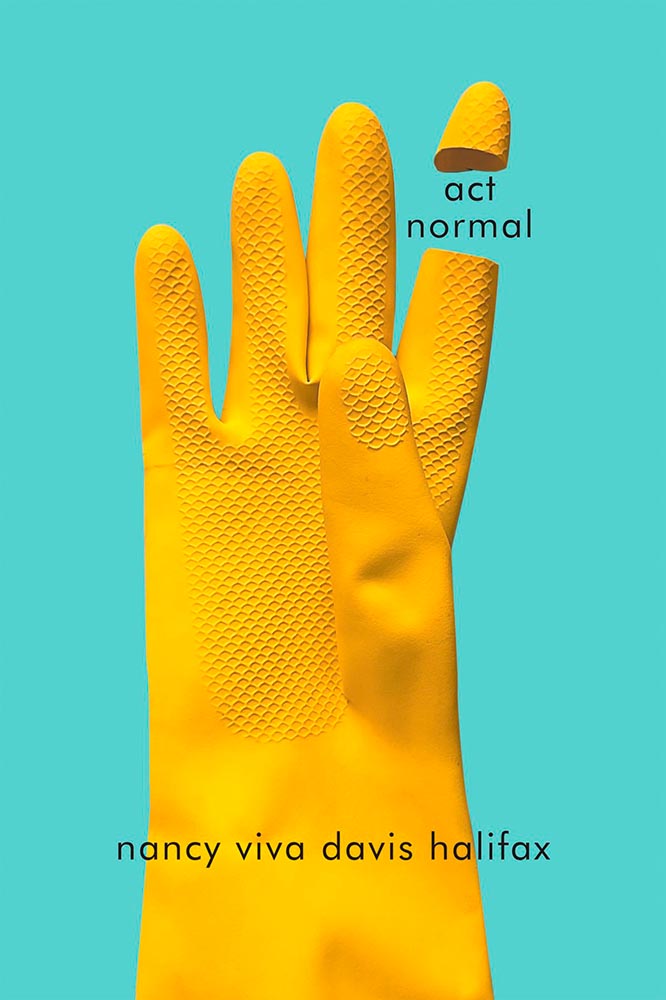
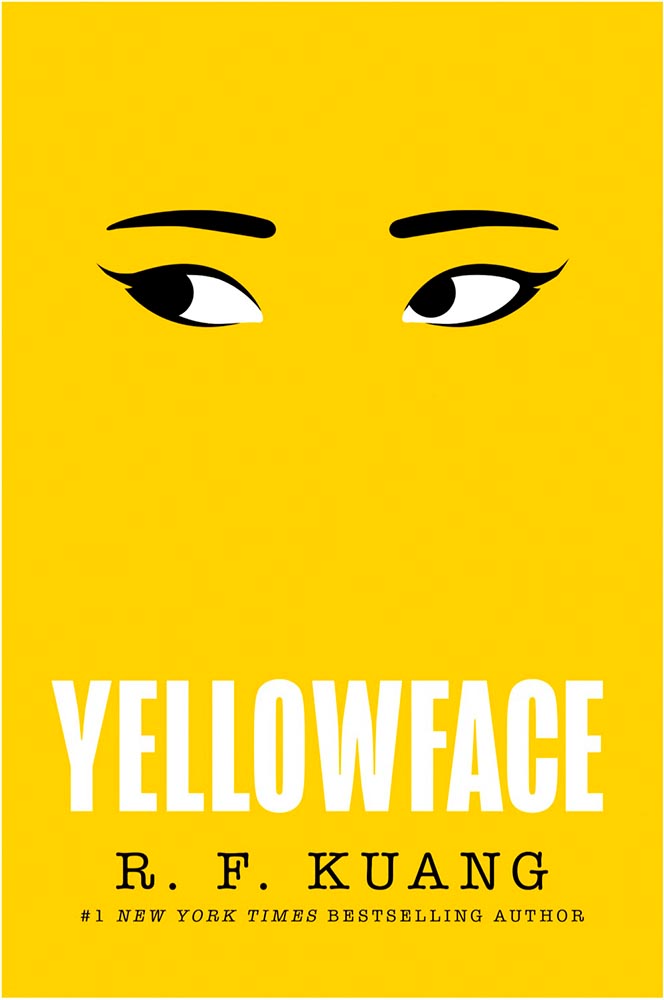
    The interesting thing here is a discussion of risk — ’cause, of course, in today’s culture, a book cover alone can result in a title getting cancelled banned — revolving around things, um, yellow:

    One of my favorite covers of 2023, still without a cover designer attribution. (Darn.)

    Special Bonus #6: Penguin Books reveals the Cover Design Award 2024 shortlist, a contest for non-professionals to take a crack at Penguin greatness. (Via CreativeBoom.) My favorite:

    Cover design by Charlotte Gill.

    Update, 27 June 2024: The winners for the Penguin item, above, have been posted. CreativeBoom covers it.

  • Beautifully Briefed 24.3: Bloomin’ Breadth

    Beautifully Briefed 24.3: Bloomin’ Breadth

    The end of March here in Middle Georgia means flowers aplenty, and usually with that, some photography — but I’ve not yet had a chance. (Stay tuned.) I have, however, been saving up links o’ interest: fonts, books, photography, and new(ish) car logos. Let’s go!

    Kottke Meets 2024

    Starting with one of the very few places that is still around from Foreword’s old days, the always-interesting Jason Kottke:

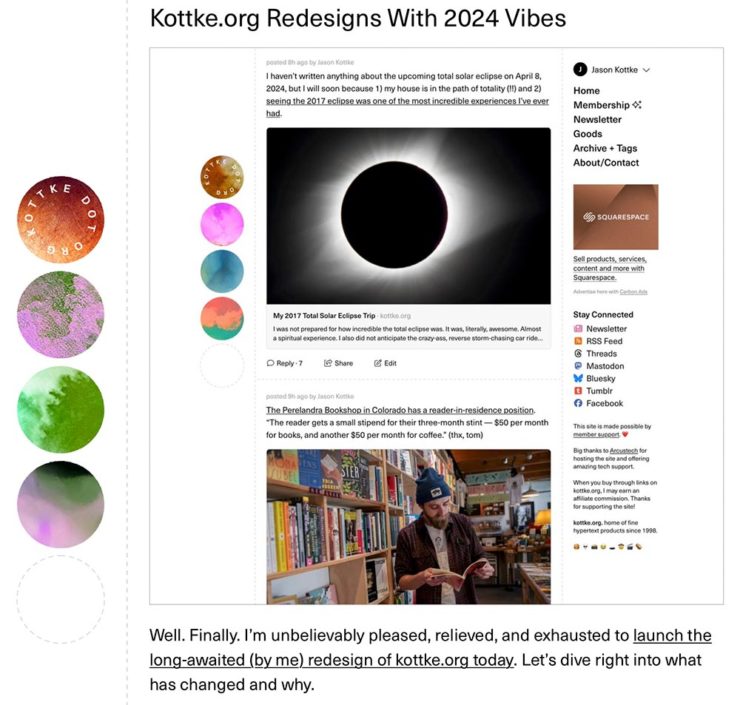
    2024 marks Kottke.org’s 26th year on the ’net.

    Great new looks for great content, with better Quick Links — the previews are ace — and incredibly-appreciated gift links to places like The New York Times and The Atlantic. If you haven’t been in a while, click and enjoy.

    Fab Spring Type

    With “a plethora of captivating new typefaces,” CreativeBoom celebrates spring with 11 new faces to tempt, inspire, and bring joy:

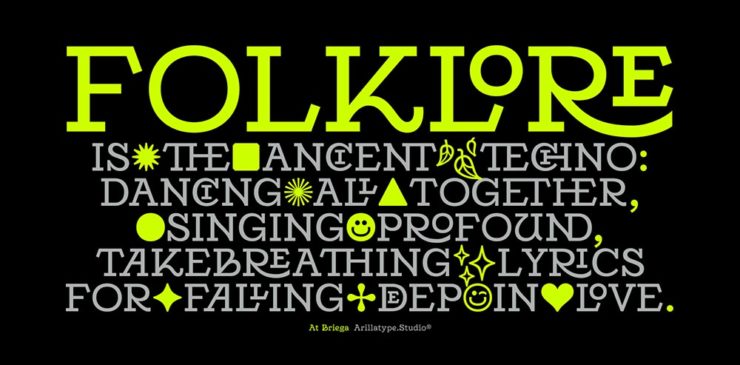
    Arillatype.Studio brings us a thousand glyphs of greatness.

    Zanco, with its bell-bottom style; Seabirds, inspired by 1930s book covers; Module, a “fluke side hustle;” and Graffeur, improvised from gaffer tape and glimpsed in this post’s header image, are all great. My far-and-away favorite, though, is At Briega, “inspired by the concept of hybridisation” and shown above.

    See ’em all here.

    Literary Three-Fer
    M.C. Escher’s Lesser-Known Works
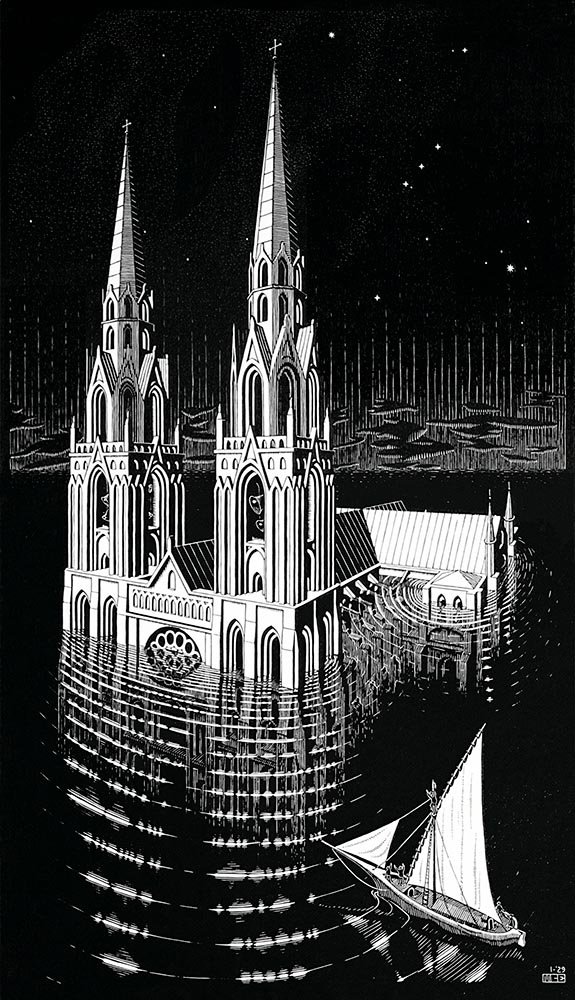
    “The Drowned Cathedral,” a 1929 woodcut.

    “Unique perspective” never does justice to someone whose name defines the term. See some never-before-seen images alongside old favorites in a new Escher book highlighted at Hyperallergic.

    Multidimensional Libri

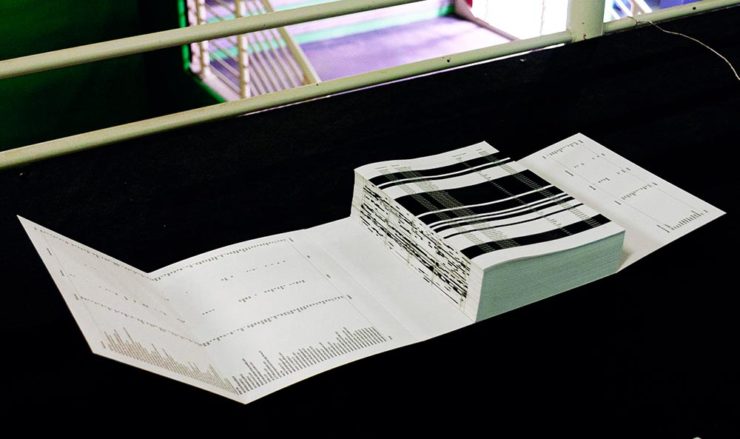
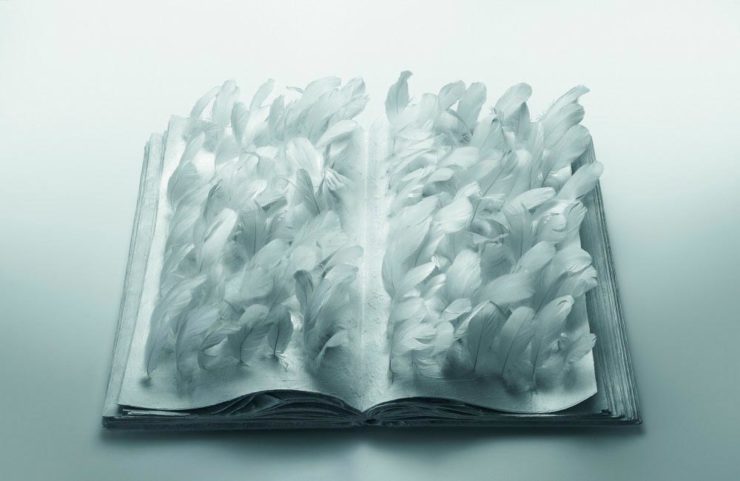
    “Experimental books are flourishing, [a]nd the evidence is seen” in this Daily Heller from PRINT: a traveling exhibition on three-dimensional books, all published titles.

    Oh, those Italians. Read on.

    Book Design Snobbery
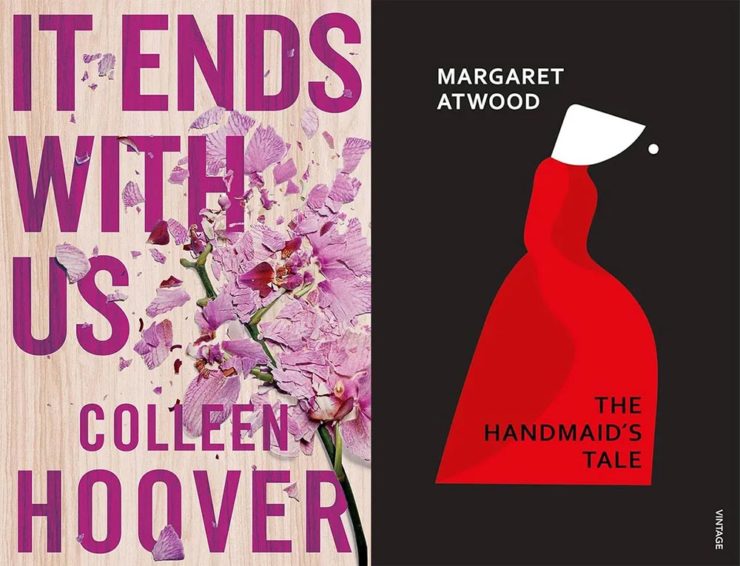
    Hoover vs. Atwood — no joke.

    “Don’t get held back from the simple pleasures of reading,” argues Natalie Fear at CreativeBloq, “not everything needs to be minimalist.” Justification for commercialism or a common-sense explanation for the bookshelves’ current look? You decide.

    Photography Three-Fer
    Winners of Monochromatic Minimalism
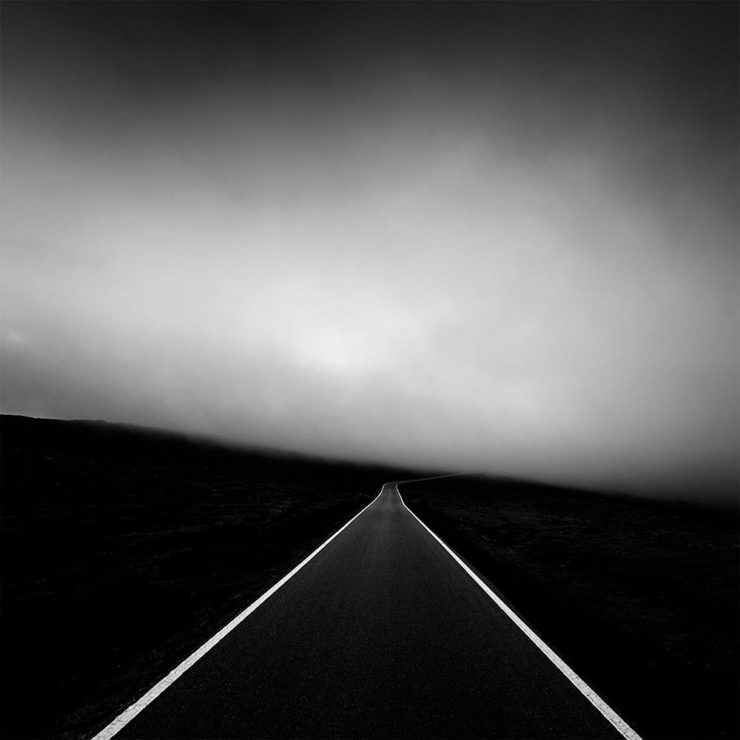
    “Black Pearl” by Sascha Kohne. An honorable mention for the magazine, but a winner for me.

    Some incredibly good stuff here — but perhaps more importantly, did you know of Black & White Minimalism Magazine? There’s no end to today’s continued diversification, methinks.

    “Traveling through Costa da Morte, Galicia. 600m above sea level where the mountains separate the Cantabria sea from the Atlantic Ocean,” explains third-place winner Alexandre Caetano.
    Aging Facades of France

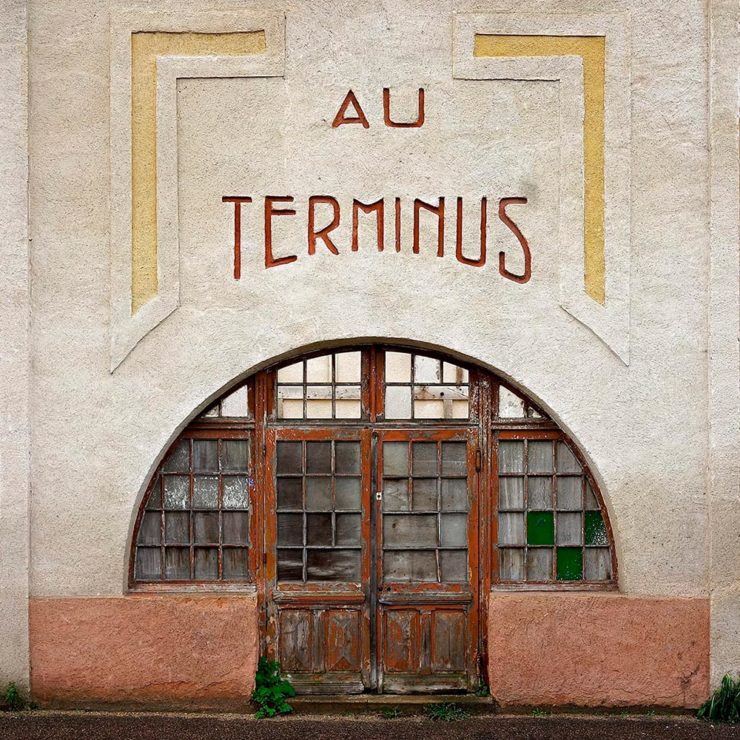
    “Shuttered blinds, peeling paint, and aging doors don’t usually indicate an invitation, but for French photographer Thibaut Derien, the fading facades of long-closed shops are well worth a stop,” This is Colossal says.

    Sony Photography Awards: Architecture
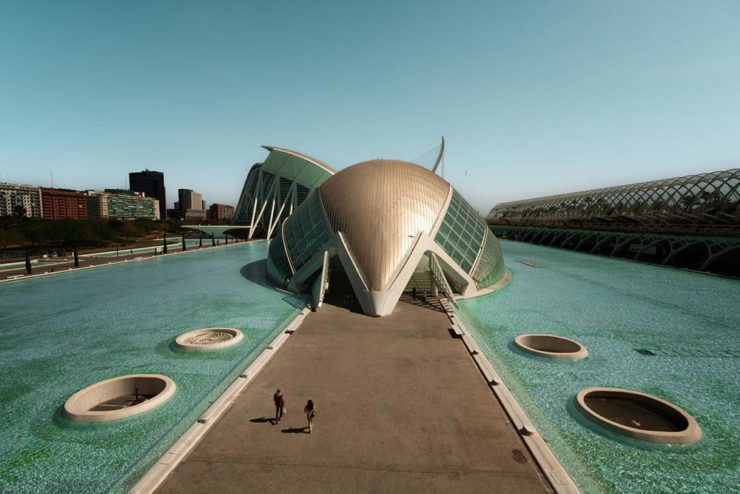
    The Ciudad de las Artes y las Ciencias (City of Arts and Sciences) in Valencia, Spain: “Hemispheric,” by Eng Tong Tan, Malaysia.

    ArchDaily‘s coverage of the annual Sony awards shortlist announcement was an insta-click.

    New Bull: Now Flat. (And a BMW.)

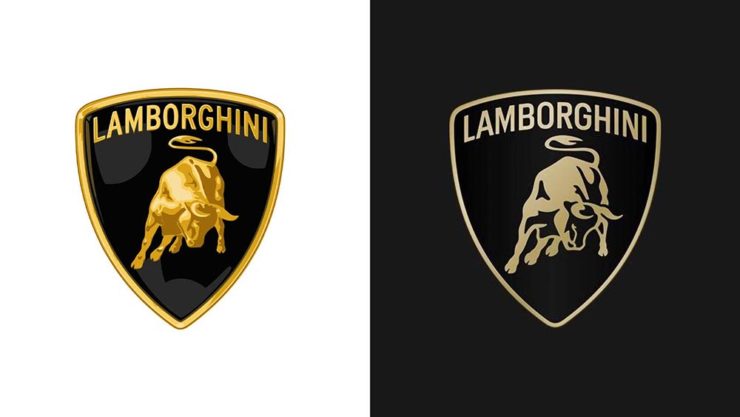
    Lamborghini practically defines flamboyant. So it’s worth a link when their logo gets less interesting:

    Old logo, left, new, right.

    Late at following the industry trend of flat-is-better, because, well, Volkswagen. (Okay, I undersell. Perhaps.) Read the lack of news at Motor11Motor1 also has a decent roundup of new car logos, from 2016-present, which underscores the “flatness” trend. or The Drive, where they manage to convey the brand’s use of the phrase “digital touchpoints.”

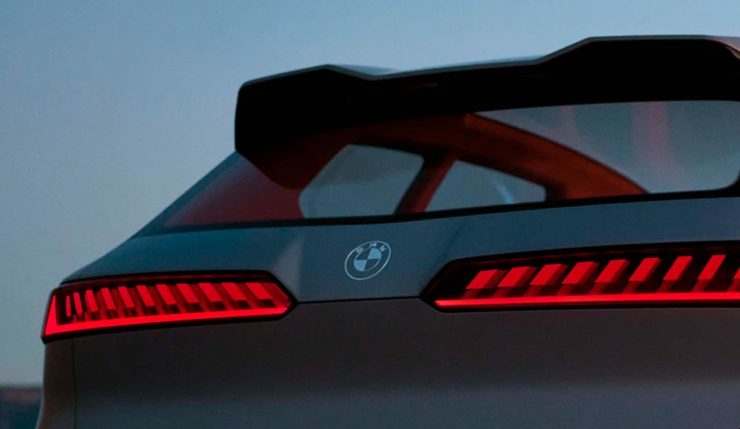
    I don’t know whether this will make any more sense in a few or even many months — which is relevant because of BMW. Four years ago, one of the industry’s design leaders expressed strong this new style, and I didn’t get it. But it’s worn better than most, and superlatively on occasion — check out the logo’s use on the Vision Neue Klasse X:

    Rather than a standalone, plastic part sitting on the paint, it’s etched into the finish. Man, I hope that makes it into production.

    Neue Klasse: do like. Bull? No so much.

    Update, 2 April: BrandNew, itself sporting a new look, has weighed in on the new Lambo style, calling it “not good.” (FYI, BrandNew is a subscription, quite possibly the best $20/year someone interested in design can spend.)

    • 1
      Motor1 also has a decent roundup of new car logos, from 2016-present, which underscores the “flatness” trend.
  • Beautifully Briefed 24.2: February Favorites

    Beautifully Briefed 24.2: February Favorites

    This time, book design times two, book cutouts, album covers, and a reflection on my 2023 photographs. It’s one of those Februaries, so let’s leap into it.

    Jodi Hunt’s Great British Design
    Screen print by Kate Gibb, lettering by Jodi Hunt, and photograph by Adaeze Okaro.

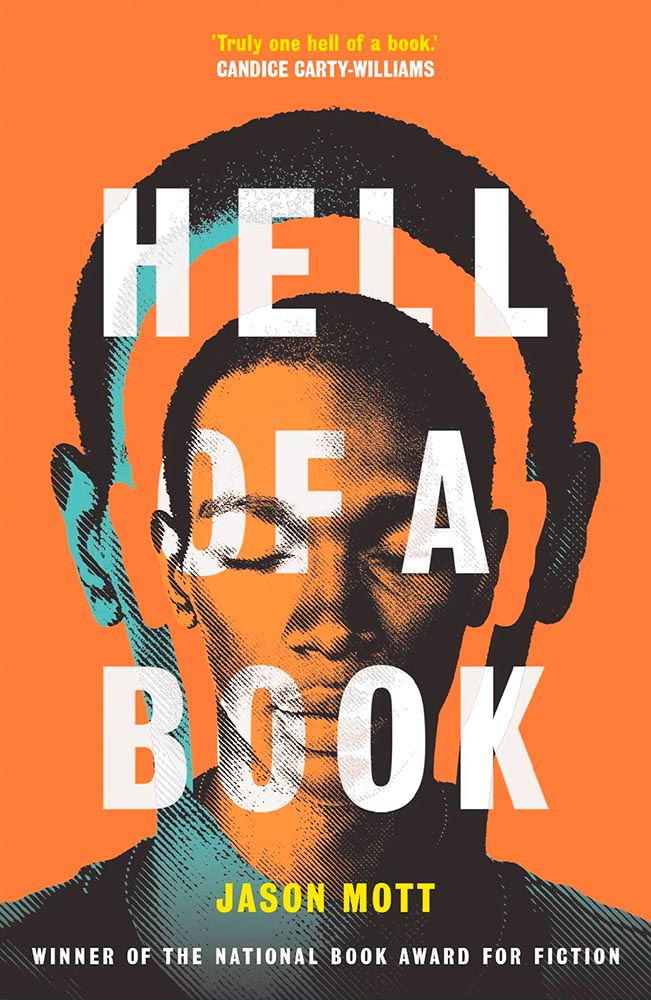
    You might recognize the above book cover from my 2023 Favorite Book Covers post, a fantastic series of choices that speak to all colors while definitively saying, “Black.” It’s Nice That has a short post talking about Jodi Hunt, who designer that cover — and more.

    Design by Jodi Hunt.

    The screen printing is prominent here, too, and the interaction between that and title are, to borrow a Britishism, “ace.” And the below, with its slightly haunting image treatment (and that great text, lower left), also earns kudos:

    Design by Jodi Hunt.

    Great design, deservedly highlighted. See the other examples here.

    The original Book Design
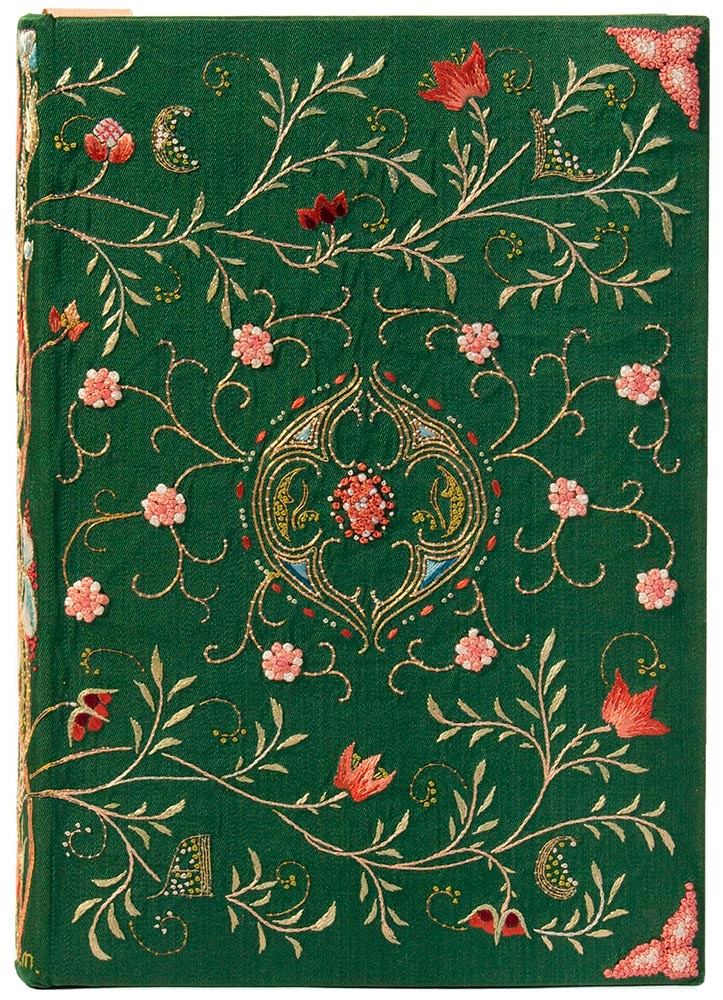
    Ernest Lefébure, Embroidery and Lace: Their Manufacture and History from the Remotest Antiquity to the Present Day (1888), with binding created by May Morris

    Before there was book design, or even graphic design — that is, when books and pages were thought of as art instead of design — folks were still coming up with great book covers. The Grolier Club, “America’s oldest and largest society for bibliophiles and enthusiasts,” has a wonderful exhibit of cover design . . . made up exclusively of antiques.

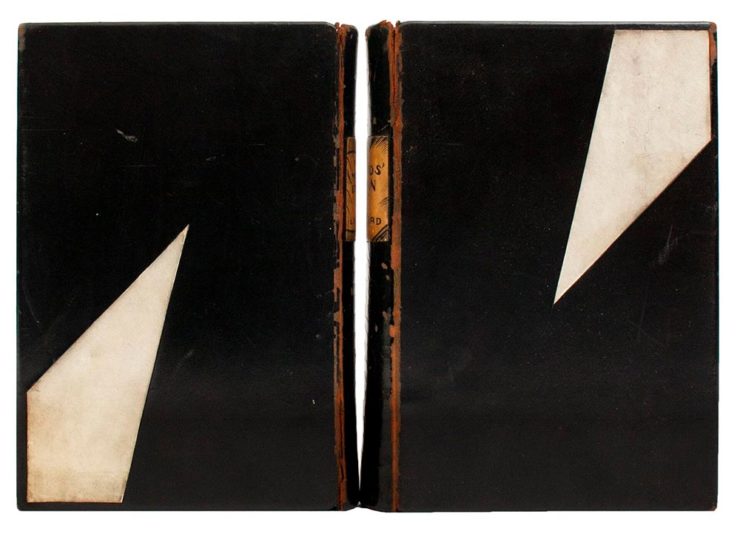
    Lynd Ward, Gods’ Man: A Novel in Woodcuts, 1929, and Madman’s Drum: A Novel in Woodcuts, 1930.

    One of the most memorable artworks […] is a sumptuous but comparatively delicate volume, a 1643 book of psalms created in London. Atmospheric exposure usually turns white silk-bound editions tan and brown, but this cover is a shiny cream color. The polychrome silk and gold metallic threads, which wind around one another to form a colorful floral pattern, maintain an eye-catching vibrancy. The only sign of the book’s age is the oxidized silver “stumpwork,” a type of raised embroidery that in this case resembles beading.

    Elaine Velie, Hyperallergic

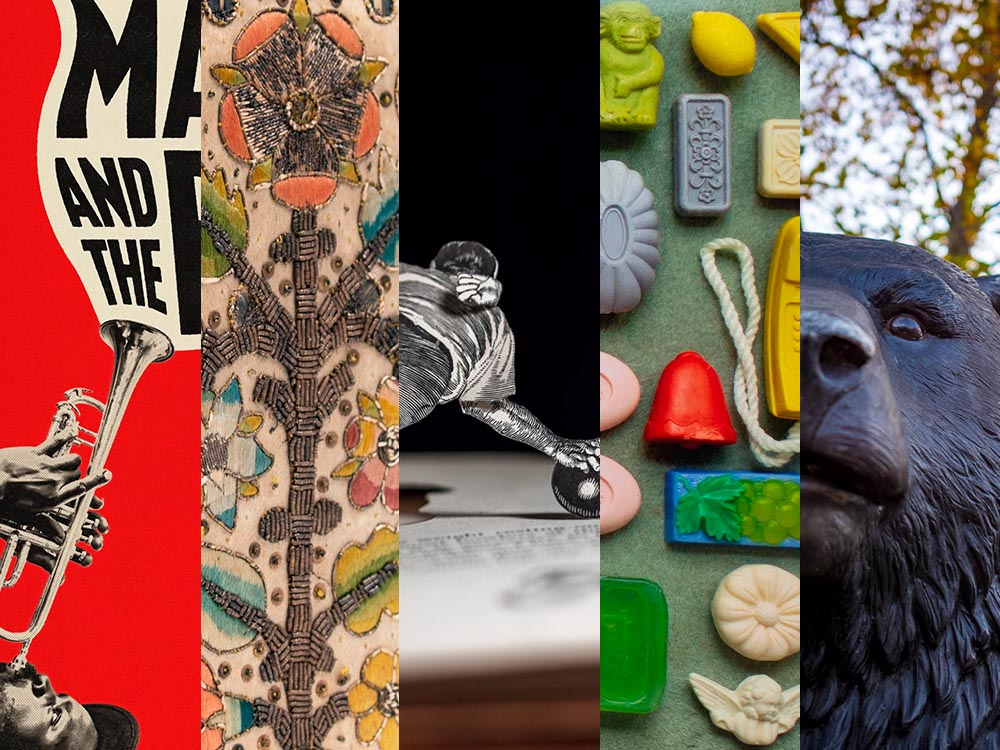
    The quote above refers to the book in this month’s cover image, second from left, and is but one where what you see isn’t necessarily what you think it is — it’s more complex, more interesting, made with what the artist had available in the day. Great reminders, all, that book design has a much longer history than what we think of when we hear the term.

    Check out that Hyperallergic article, another on This is Colossal, or, if you’re near NYC, go to the exhibit at the Grolier, 66th and Park. If, like me, you’re not able to visit in person, give them props for also posting the exhibit online.

    Books Manufacture Realities

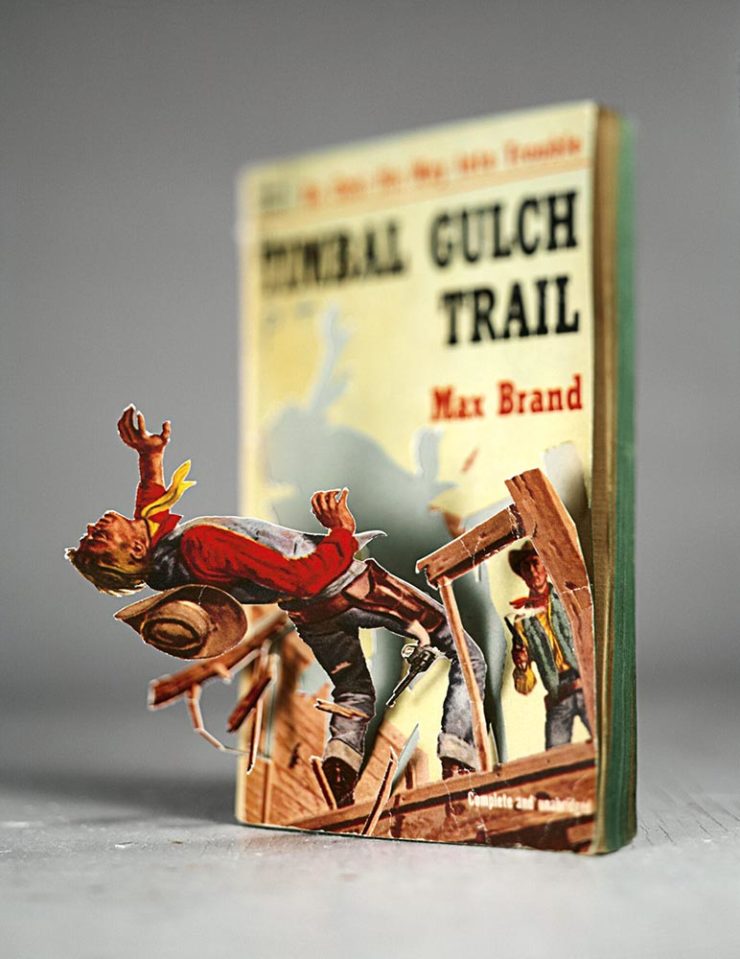
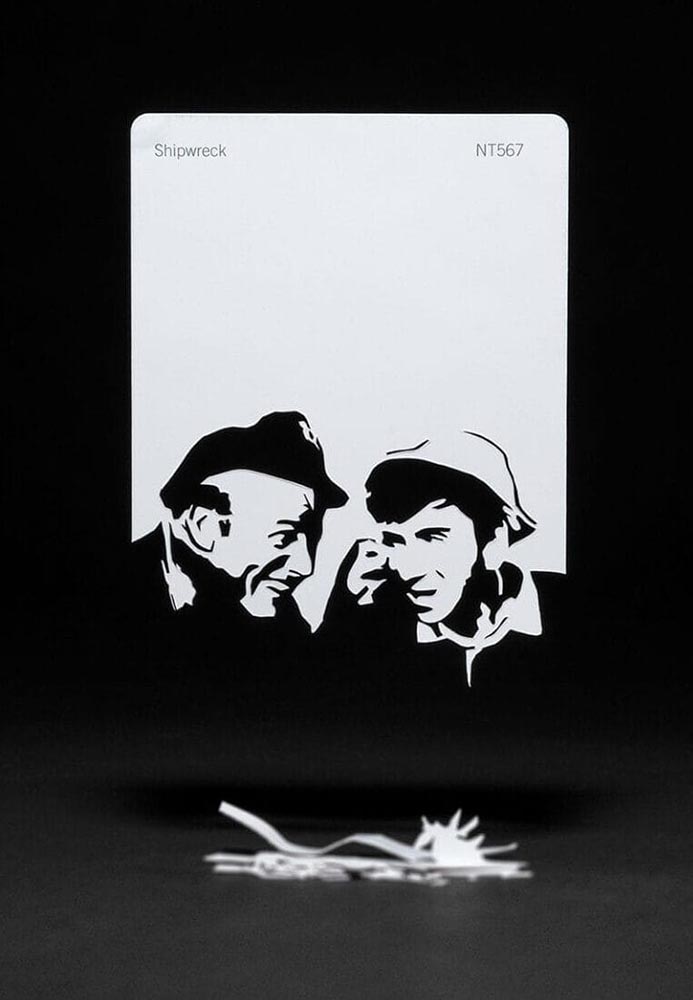
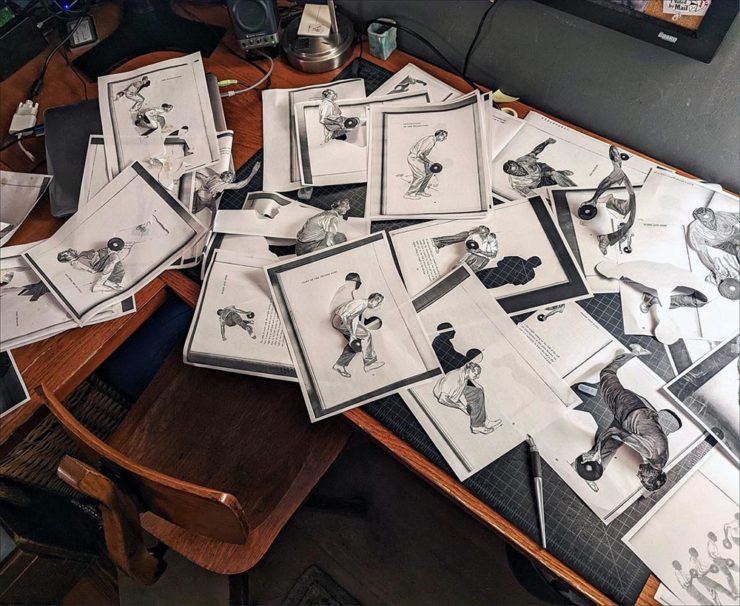
    “Meticulous incisions and methodical folding allow scenes to arise from aged books and color swatches in Thomas Allen’s paper cutouts,” This is Colossal notes — but a picture is worth a thousand words:

    Timber by Thomas Allen.

    The vintage paperback work happened by complete accident. I was cutting into a pulp novel one afternoon with the intent of removing the illustration completely when I noticed that if I left some areas attached, folded the parts carefully, and looked at them from a single vantage point so that everything aligned, they created the illusion of 3D pop-ups. Everything snowballed from there.

    — Thomas Allen, via This is Colossal
    The three-hour cutout: Shipwreck, by Thomas Allen.

    Here’s his desk — whoa:

    Test cutouts in Allen’s studio, via This is Colossal.

    The article is a must-read. Awesome stuff.

    The Article’s Great — but the Headline is the Point.

    “Virality over Creativity.” Few things summarize the last few years more — it’s always about getting eyeballs, not about truth or quality. It’s satisfying the algorithm. Because, of course, these days, media is social.

    Real or AI?

    POV, a new series of articles from It’s Nice That examines, in this case, creativity and AI in design for the music industry. “If an artist isn’t putting a piece of themselves and their experience into the work,” it asks, “why should anyone care?”

    All valid questions, yes. But it’s the headline that provides another potential word of the year: virality.

    The times we live in . . . .

    Some of my Favorite 2023 Photographs

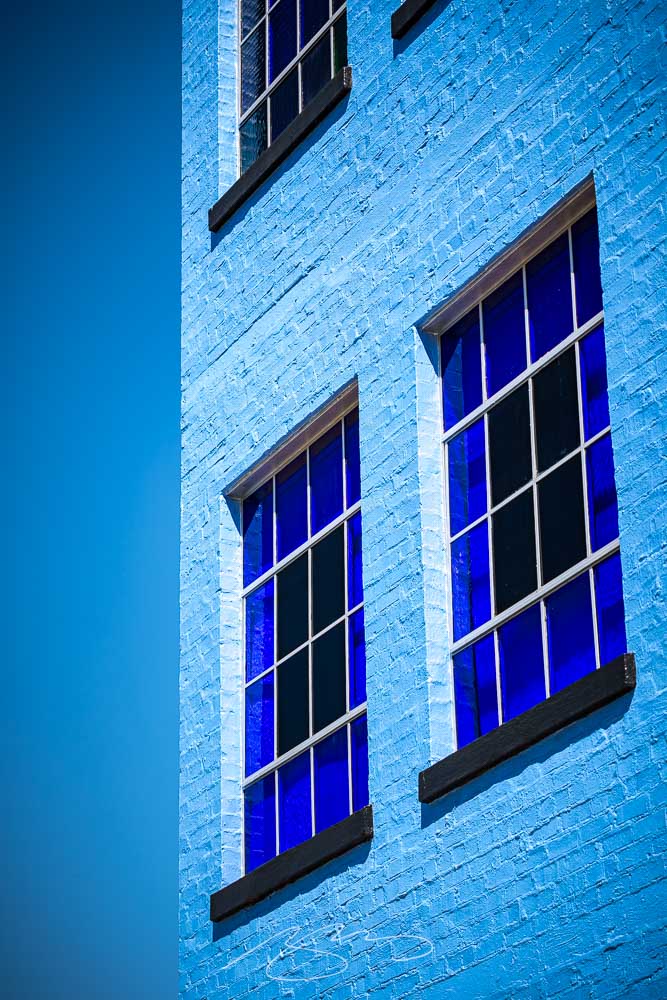
    I’ve updated my photography page with my favorites of 2023, including these two:

    Blue Against Blue Against Blue, 943 Ellis St.

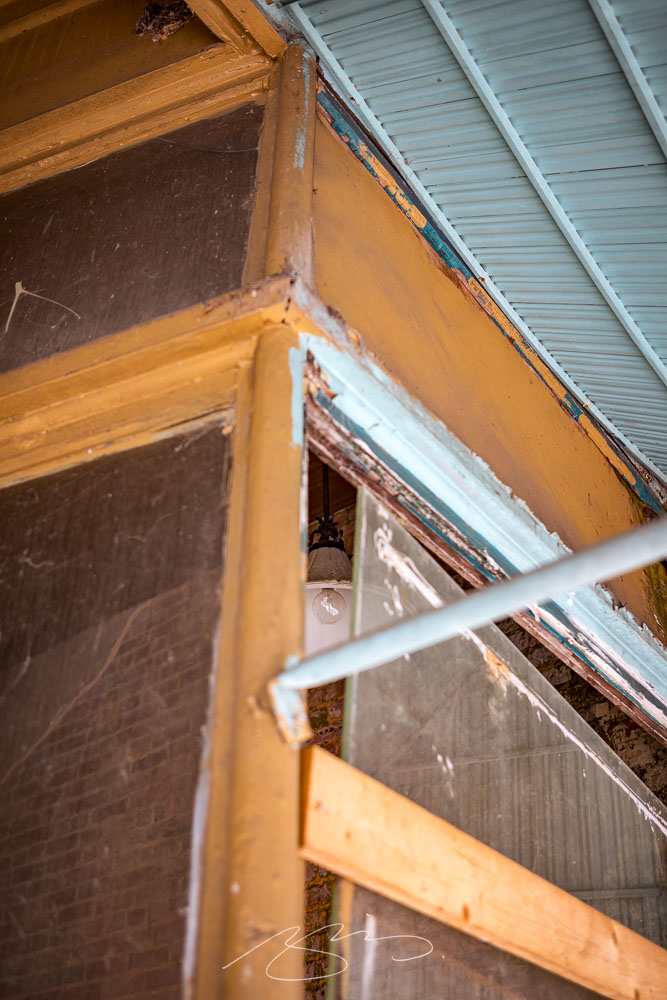
    The above, taken in Augusta, is architecture that doesn’t make me feel blue, while the below, taken on the main street in Sparta, does:

    Bulb Moment, 12745 Broad St.

    A couple of reflections: I didn’t get out as much as I did in 2022, and regret it, and have somehow pretty much eschewed both black-and-white and effects (film grain, light leaks, etc.), and kind of regret that, too. Both things to do differently in 2024.

    That said, six years after investing in a different style of photography, I’m settling in — and looking forward to the future. I hope you are, too.