Category: Logos

Logos are considered a subset of design in general. May include branding if appropriate.

  • Beautifully Briefed 25.8: Calming, Hopefully

    Beautifully Briefed 25.8: Calming, Hopefully

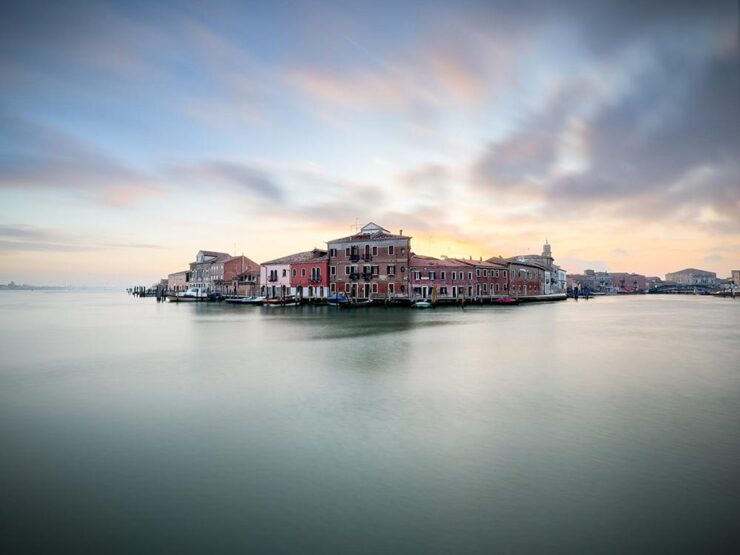
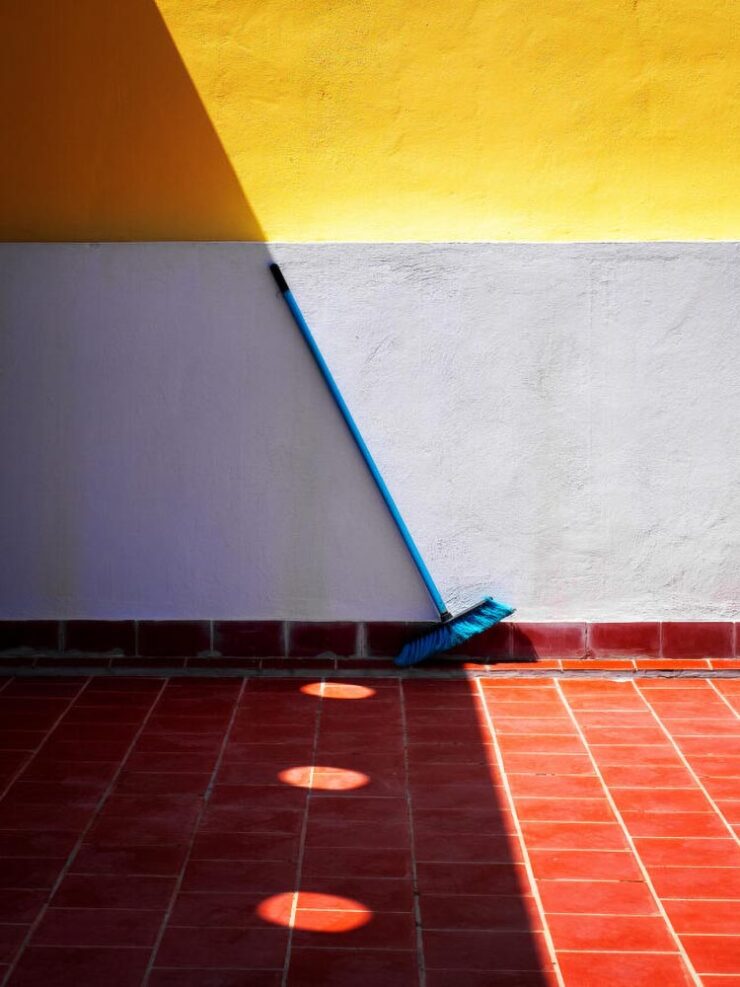
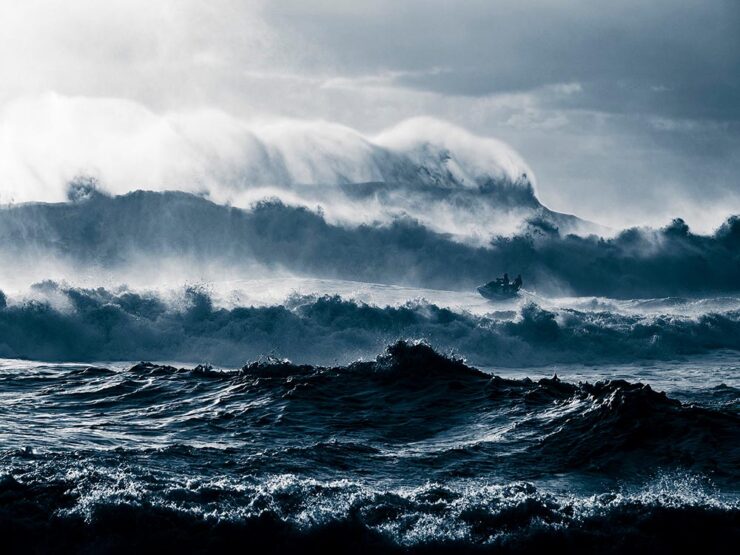
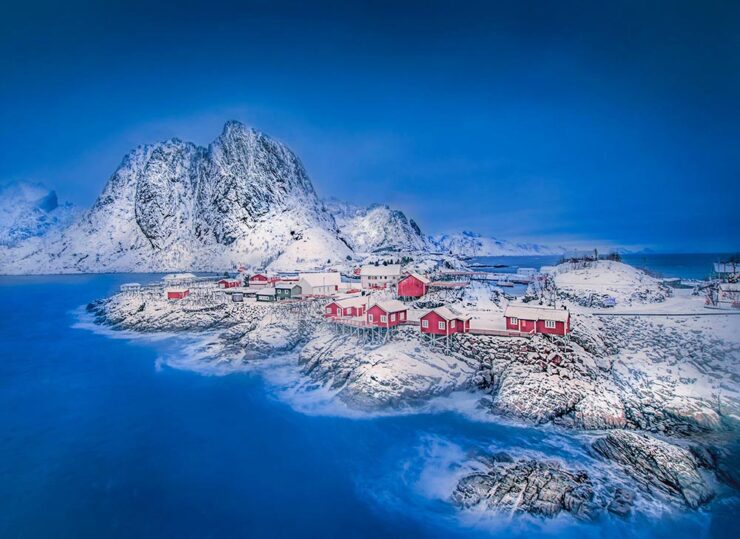
    Type opens up, the best designer you’ve never heard of, and photography to admire and inspire: all this and more for your August edification and enjoyment.

    August University Press Coverage on Spine

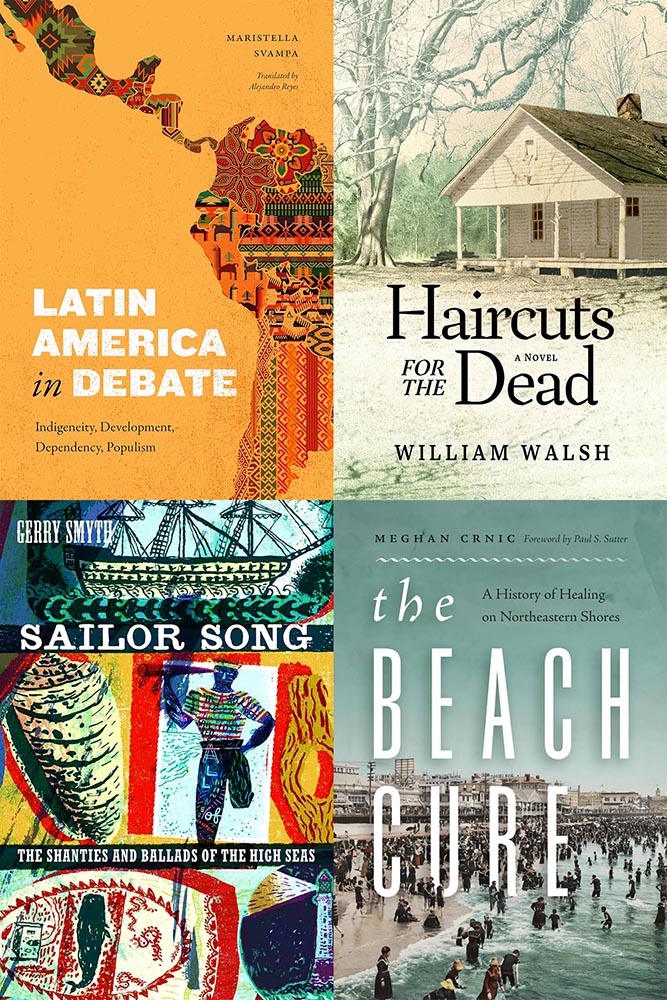
    Rather than show my favorite this month, I thought I’d share four of the runners up:

    My favorite of the covers not in the Spine post.

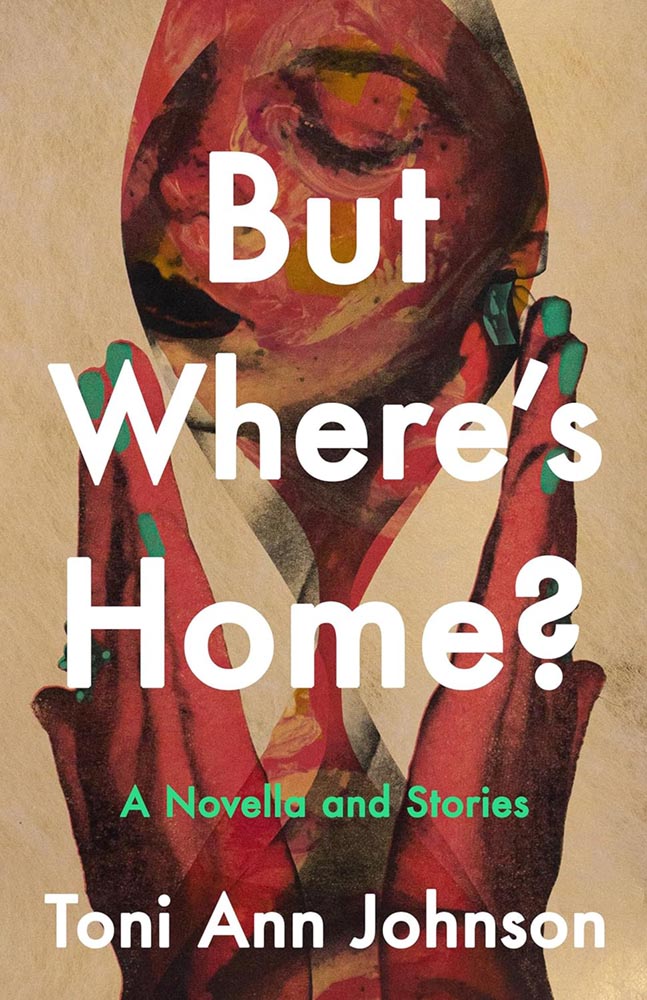
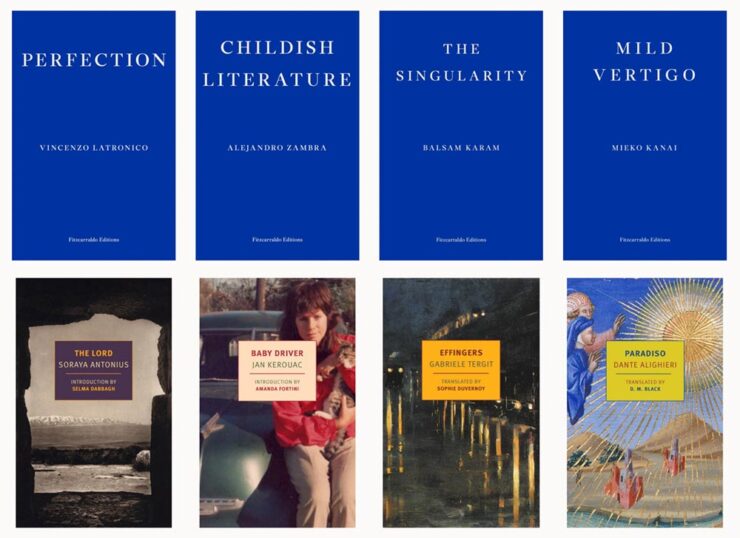
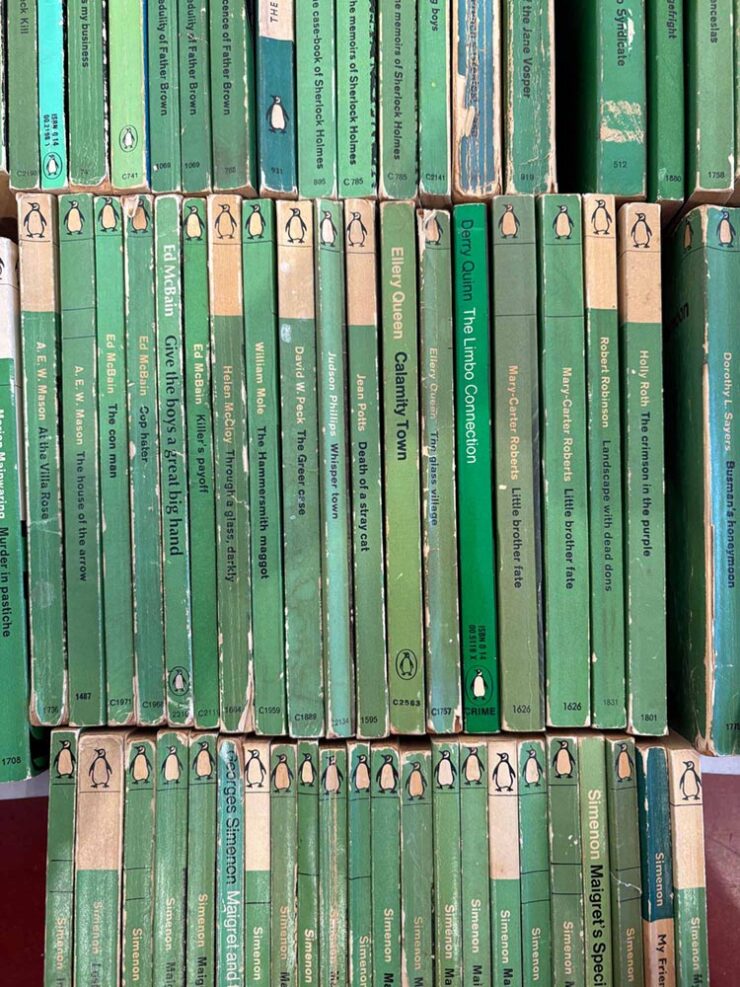
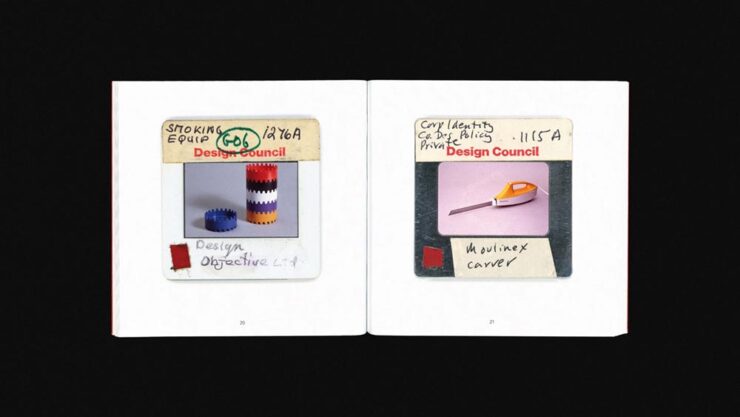
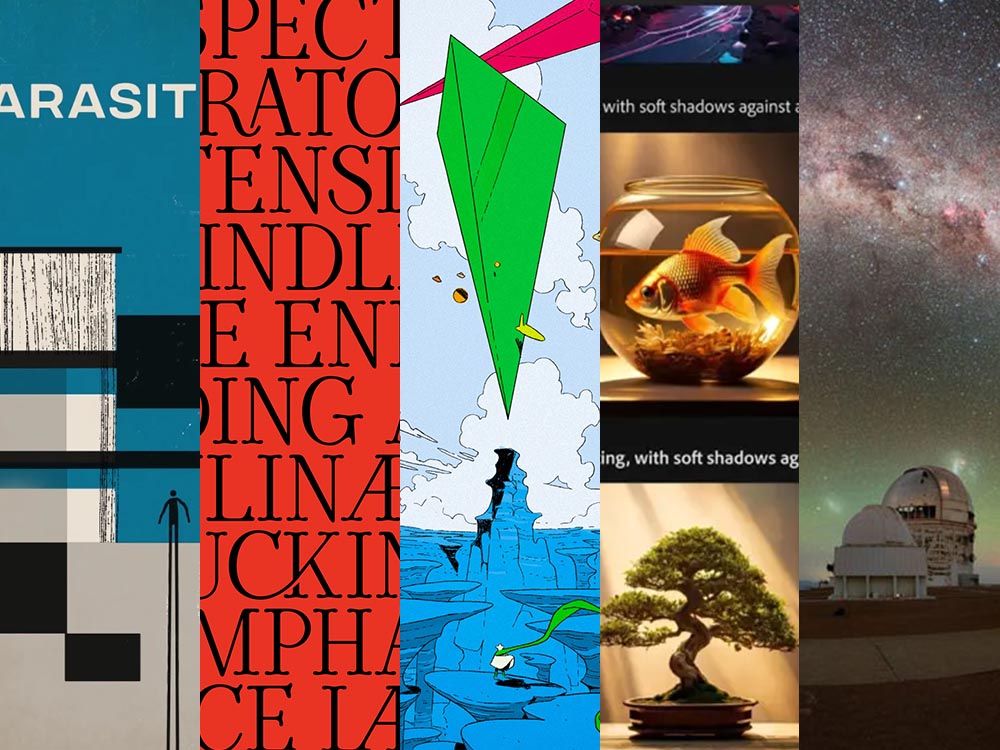
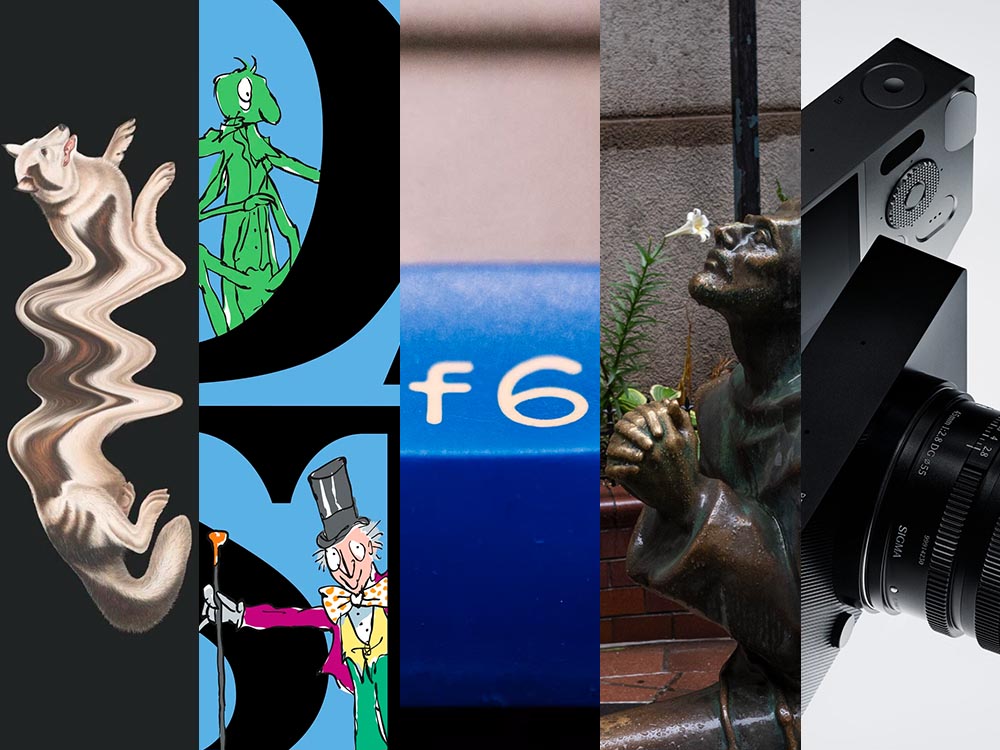
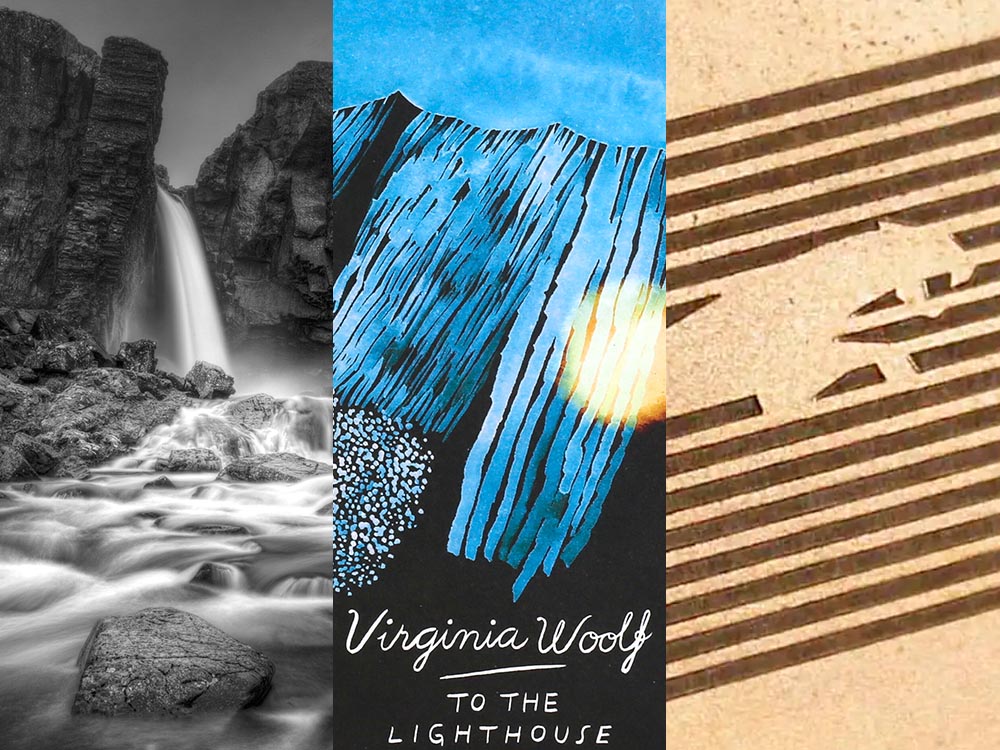
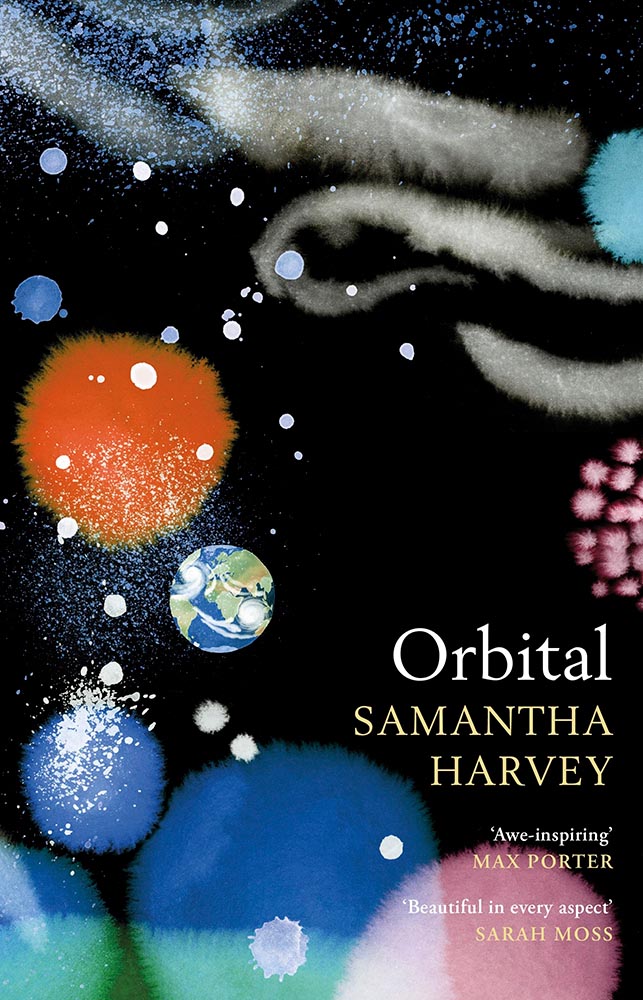
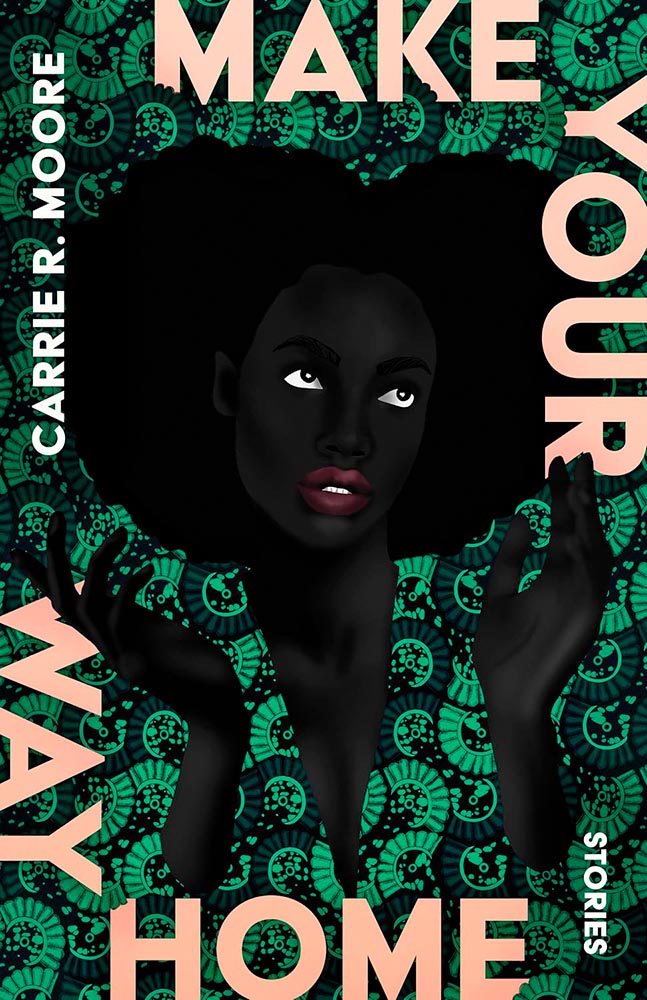
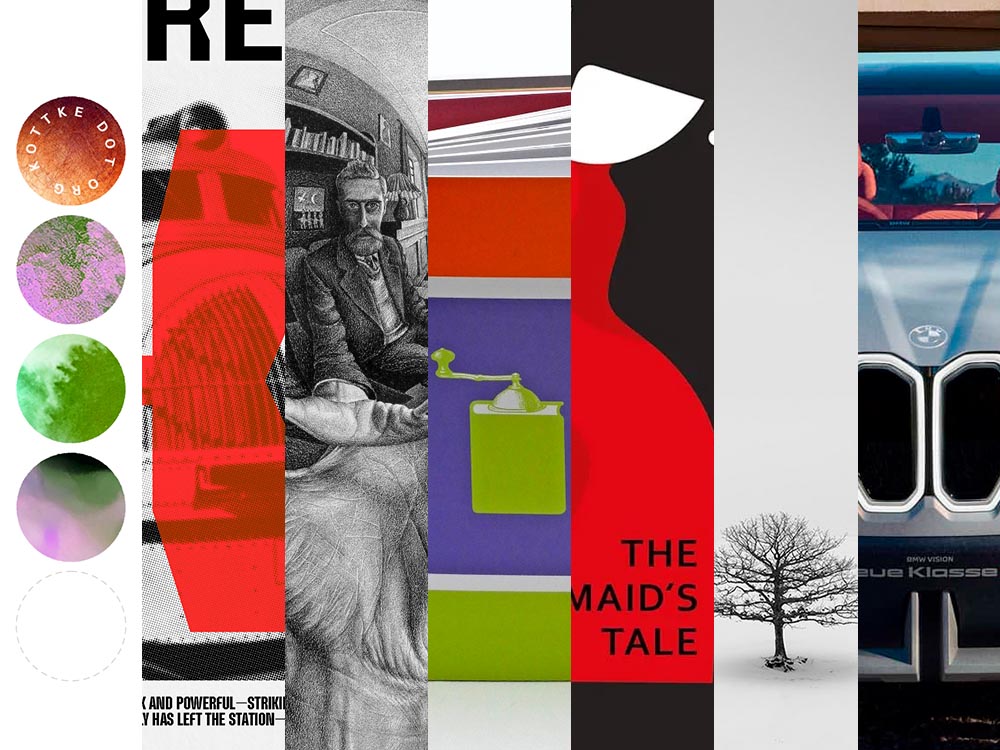
    Clockwise from upper left: Duke University Press, Mercer University Press, and two from the University of Washington. These are all good, but just missed being in the post because another option offered a better design — or story.
    I’m highlighting these to celebrate the strong design in university work; despite limited budgets — or whatever other, shall we say, challenges universities face these days — most have realized that great design is worth the extra. Long live the University Press!

    See the rest at Spine.

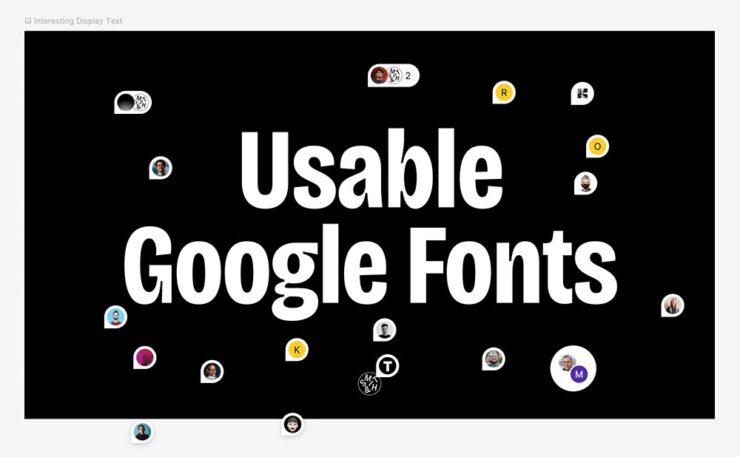
    Fontastically usable

    BrandNew points us at a little treasure posted by Smith and Diction: an expert’s take on which among the Google fonts are worth it, helpfully organized by category. Check it out.

    FYI, it’s at Figma, a site I’d heard of but not interacted with (it’s aimed at the collaborative market, aka “teams”); it took me a minute to orient myself. (Use the zoom in the upper right, then drag.)

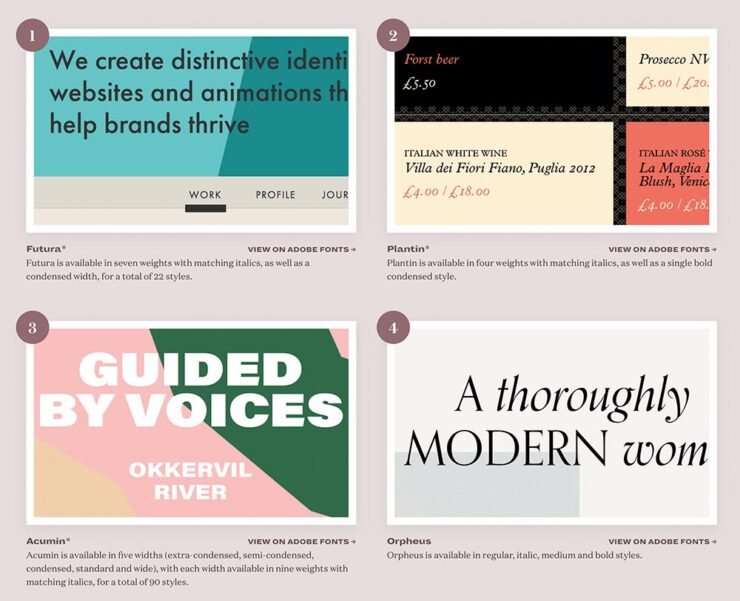
    In the comments at BrandNew, several folks point to the two Typewolf lists on the subject, one for Google and one for Adobe/Typekit. (Interestingly, I was not familiar with Typewolf — it was good enough to earn an instant bookmark. Stay tuned for more from them.)

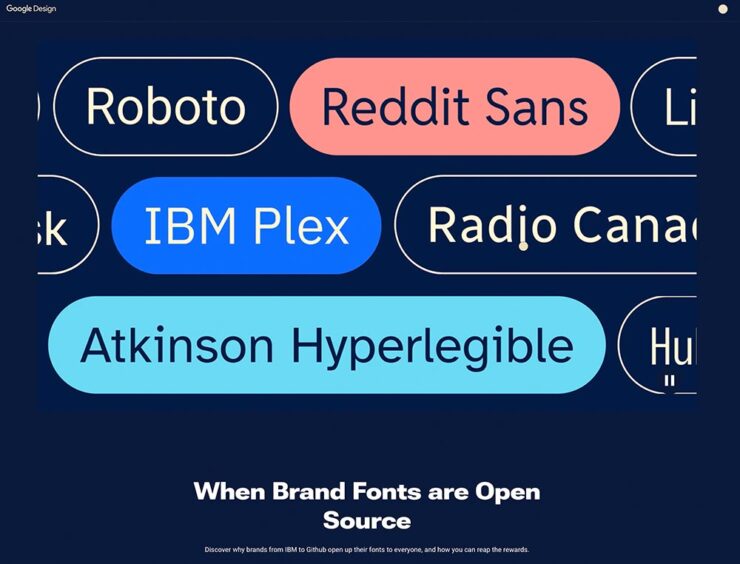
    That was on the 7th. On the 8th, BrandNew linked to a Google Design article on “the benefits of brands — for the brands and for users — making their proprietary typefaces open source and available to all to use, modify, and tinker with.” Google Fonts currently has 17 of them.

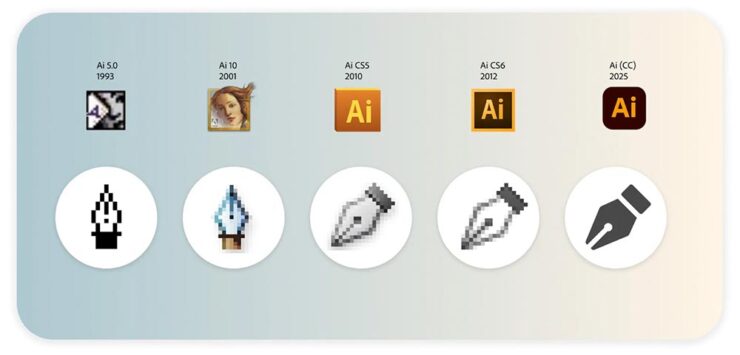
    Lastly, on the 15th: Keep Calm and Icon. “Bettina Reinemann, Staff Experience Designer, Brand & Icons, at Adobe, offers an interesting and comprehensive deep dive into the evolution of a handful of Adobe’s most iconic, well, icons and how they have changed over the decades in style, meaning, and depiction.”
    BrandNew is subscription, yes, but it’s one of the web’s subscription bargains at less than $25/year and packed with great stuff. I do wish they’d offer a free article or two within a given period of time so new folks can sample before purchasing, but that criticism aside, I can’t recommend them highly enough.
    Many Thanks to … Double-Oh Who?

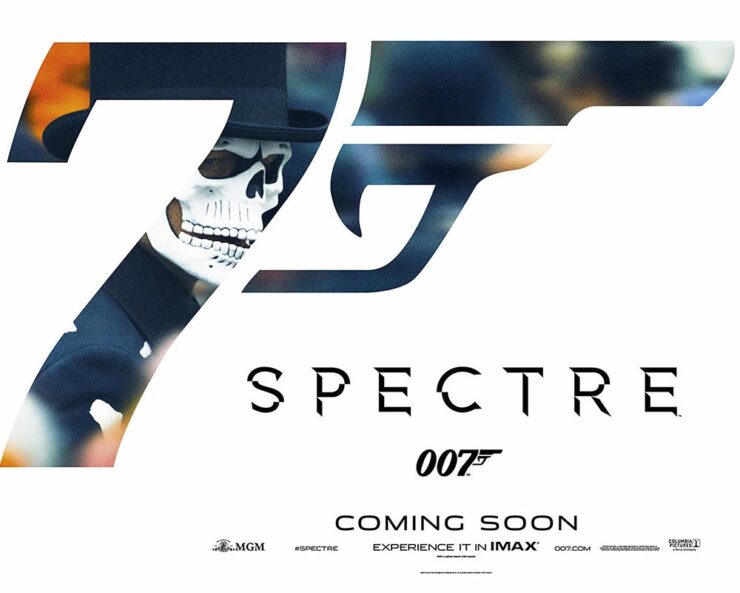
    Joe Caroff, designer of so many things yet a so completely unknown personality, died on the 17th — one day short of his 104th (!) birthday. The Guardian has a nice obit … with this graphic:

    The 2015 film by Sam Mendes, the 24th James Bond adventure.

    That’s right, he’s the guy who designed that logo. John Gruber, at Daring Fireball, has a nice discussion of the logo and, specifically, its subtle evolution within the Bond franchise. (Did you know it was initially created for use on letterhead? Wow.)

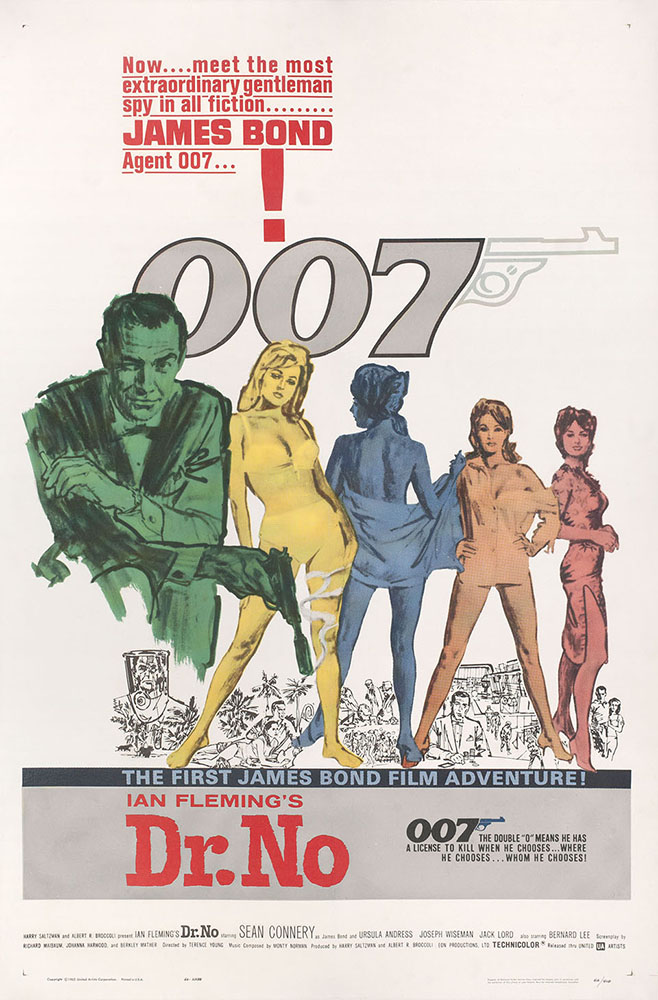
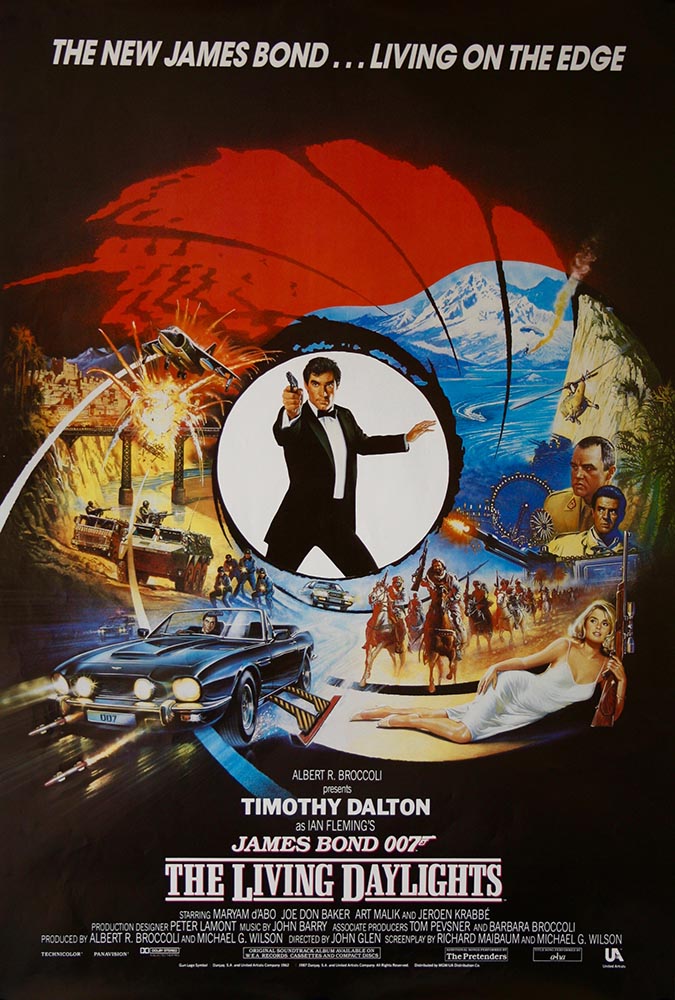
    He also links to a bunch of Bond one-sheet posters, a couple of which I’d like to post:

    The 1962 film by Terence Young, and
    The 1987 film by John Glen, the 15th.

    I’m of the age to have grown up with Roger Moore, and really liked Timothy Dalton’s first film — it’s a shame it crashed and burned with the second — whose portrayal of the character has an edge you don’t see again until Daniel Craig stepped into the role.

    But I digress. Joe Caroff’s poster history covers some greats, including this one:

    Original 1961 U.S. one sheet poster by Joe Caroff.

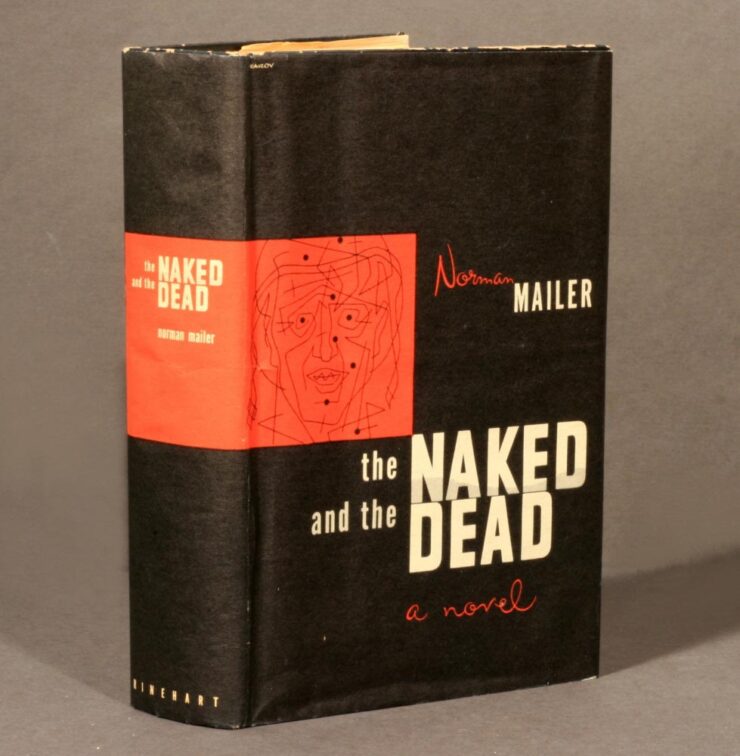
    But it’s a tidbit on the Wiki entry that warrants my publicly spending a minute remembering Joe Caroff: he designed the original jacket for Norman Mailer’s The Naked and the Dead:

    Jacket design by Joe Caroff. Photograph courtesy of The Norman Mailer Society.

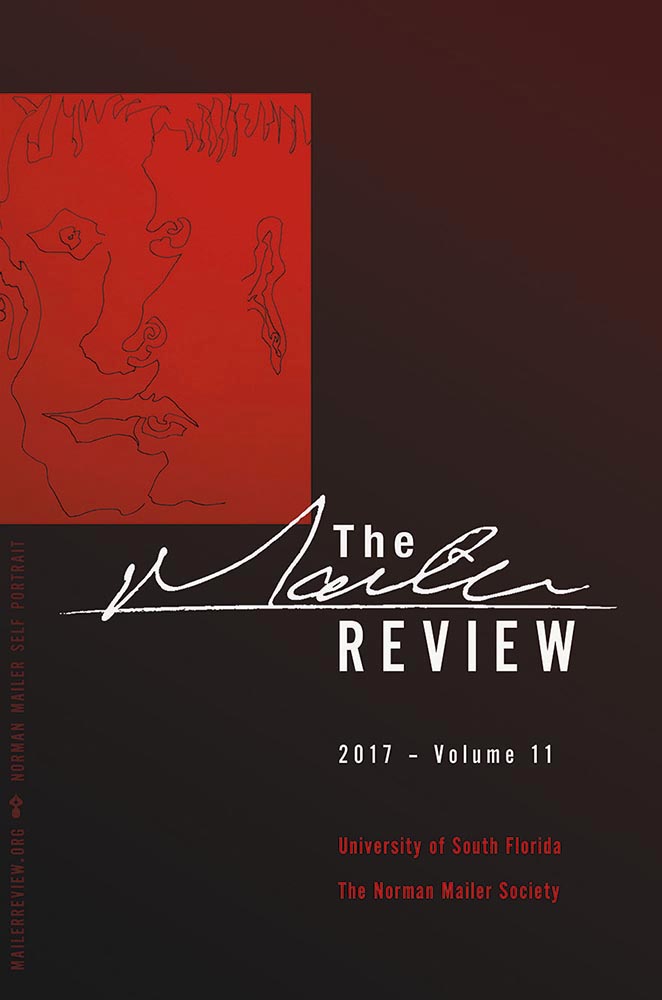
    When I had the privilege of redesigning The Mailer Review in 2017, the first cover paid homage to the above design:

    The illustration is a self-portrait by Norman Mailer. (See Wikipedia for the old design.)

    Read more about Joe Caroff’s many accomplishments at Print (spoiler: Steven Heller hadn’t heard of him before 2016!) or DesignWeek.

    And Now For Something Completely … Wait.

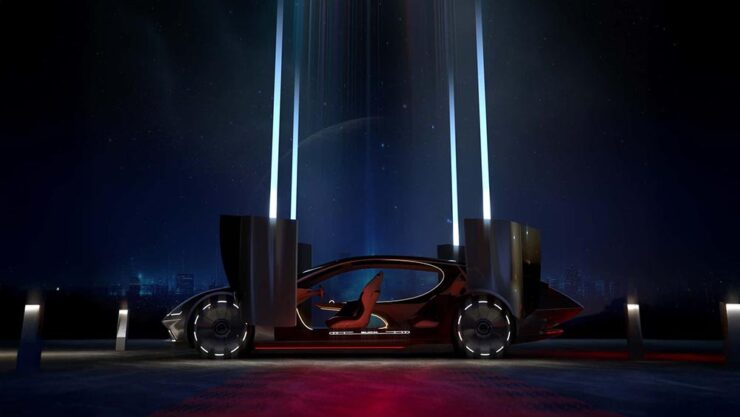
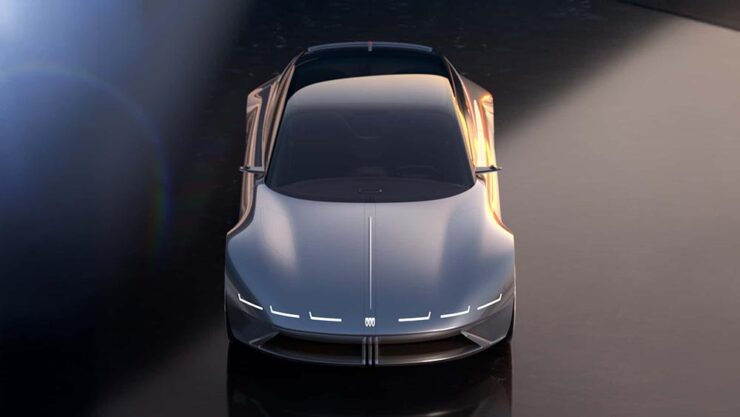
    A quick drive-by here: this is a Buick.

    It’s quite literally out of this world: the Electra Orbit Concept is only for the Chinese market — their biggest. The interior, especially, has more than a few overtones of the Jaguar Type 00 concept. (Which is looking more and more prescient, frankly; see previous coverage.) Read more at Motor1 or the Autopian.

    “Sedans are dead,” someone said. Hmph.
    August’s Photography Faves
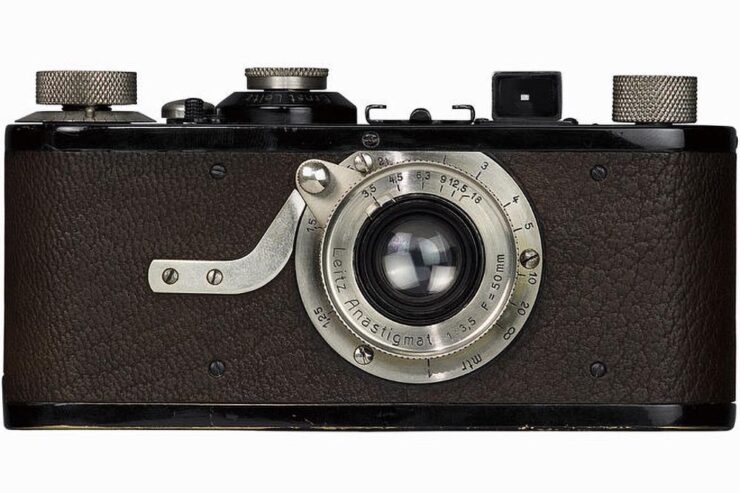
    100 Years of the Leica 1
    1925’s Leica 1, the world’s first mass-produced 35mm camera.

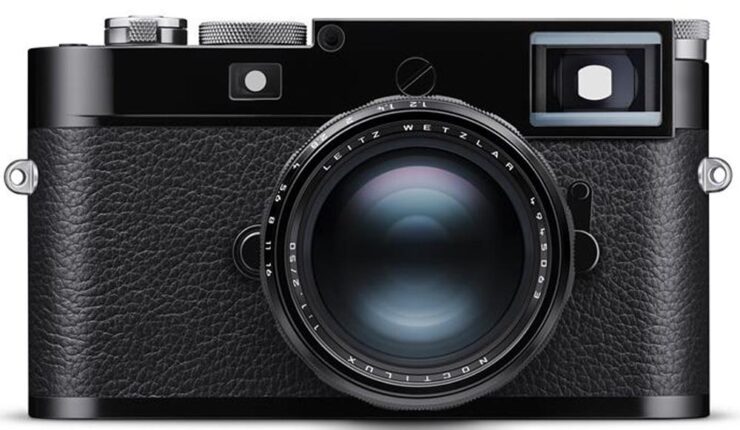
    PetaPixel has a nice piece covering all of the many ways the Leica 1 — the first from “a tiny German camera company” — has had such an outsized influence on the huge world that is photography today.

    The 2025 M11 New York Edition. You can absolutely see the family resemblance.
    2025 iPhone Photography Awards

    It’s time for the annual iPhone Photography Awards — along with my annual observation that the camera you have with you is the most powerful of all. And since a substantial percentage of the world carries an iPhone, the possibilities are nearly endless.

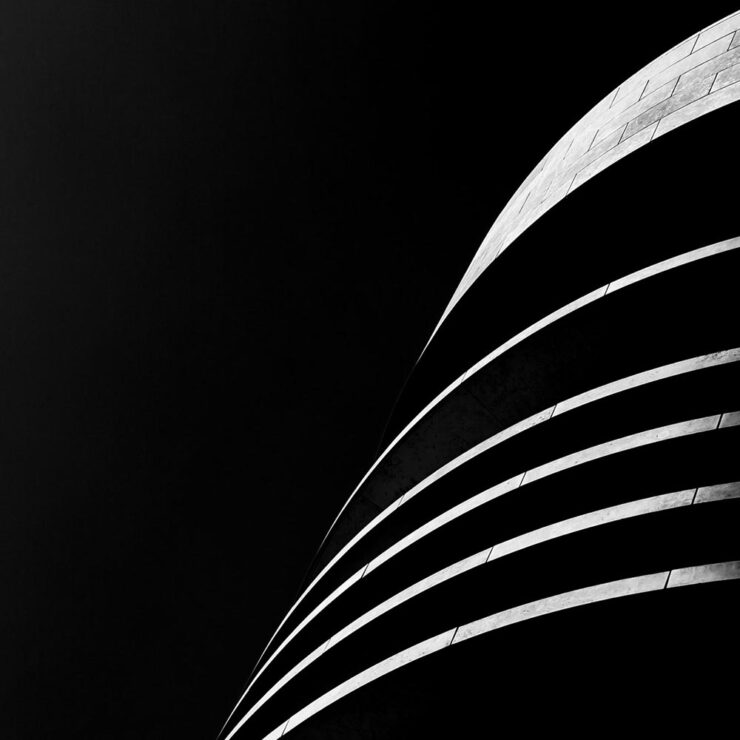
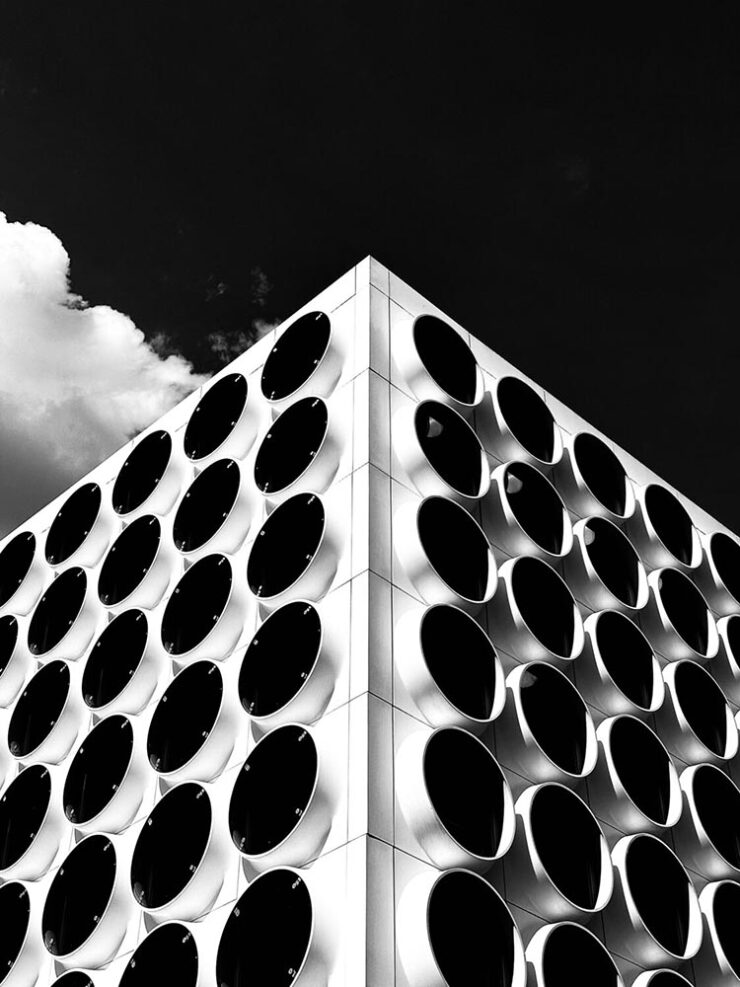
    PetaPixel has a round up of the winners, but it’s the honorable mentions I’d like to highlight:

    Architecture: Photograph by Adrian Beasley, United Kingdom.
    Architecture: Photograph by Vladyslav Vasylkevych, Ukraine.
    Cityscapes: A second from Adrian Beasley, United Kingdom. (I didn’t see that until after I’d selected ones to post — and decided to post it anyway.)

    Okay, one photograph that placed (2nd):

    The famed “Other” category: Dominic Martín Dähncke, Tenerife, Canary Islands (Spain).

    See many, many more — nearly all fantastic — at the IPPAwards website: 2025 iPhone Photography Awards Announces Winners of Its 18th Annual Competition.

    Special Bonus #1: “Perhaps no building in the world captures the early 20th-century art deco movement quite like the Chrysler Building, which has been an iconic fixture in the Manhattan skyline since 1930. Its grace and beauty have captivated photographers for decades. For one NYC shooter, the building has become his life’s work. Mitchell Funk has been photographing the Chrysler Building for 50 years; his images are vibrant, eye-catching, and extremely creative.”

    2025 Ocean Photographer of the Year Awards, and Prints for Wildlife

    “Fragility, beauty, and urgency characterize” this competition, with “an emphasis on ocean conservation and the outsize influence humans have on marine life,” This is Colossal says. (More at PetaPixel, too.)

    From the Adventure category: photograph by Ben Thouard.
    Human Connections: photograph by Jianping Li.
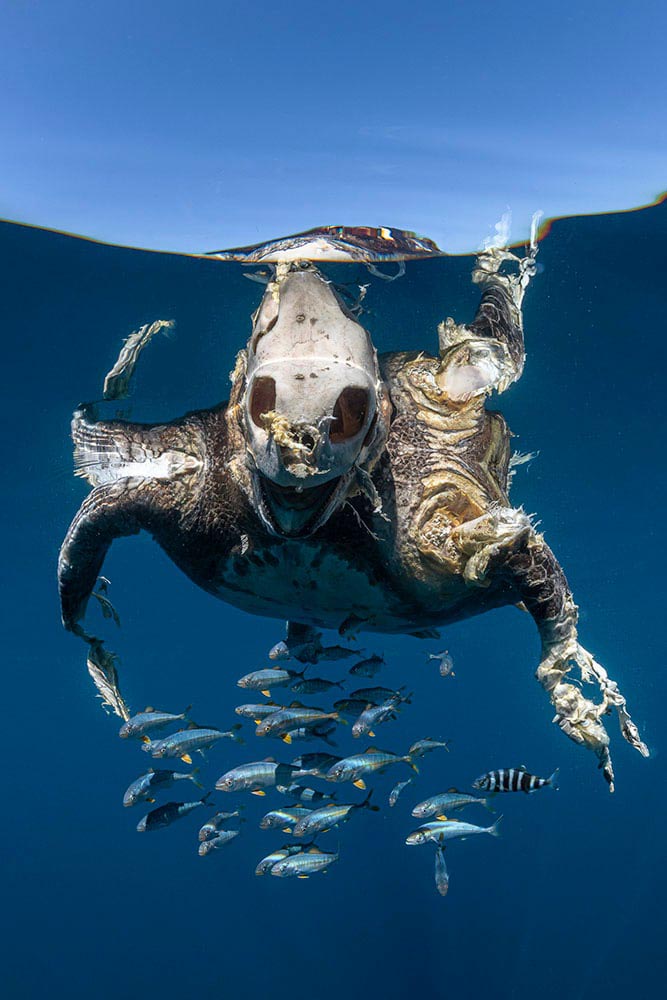
    Impact: photograph by Henley Spiers.

    On that last one: “This green turtle was killed by a boat strike, an unnatural and unnecessary death for an endangered species,” says photographer Henley Spiers. “Only recently deceased, it is partly decomposed, with the haunting view of the bare skull in contrast to the skin, which remains on the rest of its body, and the juvenile fish which have adopted the turtle carcass as a form of safe refuge. We came across this turtle by chance, a dispiriting sight at the end of a long and fruitless day at sea. I can only hope that this image acts as a reminder of the enormous human burden placed on turtles and the ocean as a whole.”

    It had the intended effect. Impact, indeed.

    So, you might ask: how can I help? Prints for Wildlife is one way.

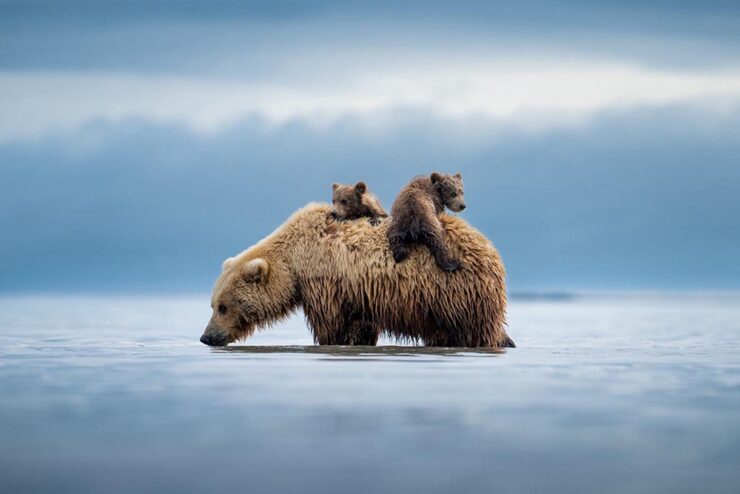
    “Lifeboat,” Alaska. Photograph by Casey Cooper. (Sold out, alas.)

    “In 2025, the crisis isn’t a virus — it’s a withdrawal of critical funding for wildlife and conservation,” says program co-founder Pie Aerts. “Prints for Wildlife is more than a fundraiser; it’s a platform for connection, consciousness and hope in a time of crisis.” Browse photos by more than 200 photographers on the fundraiser’s website. The limited-edition prints will be available until September 21.

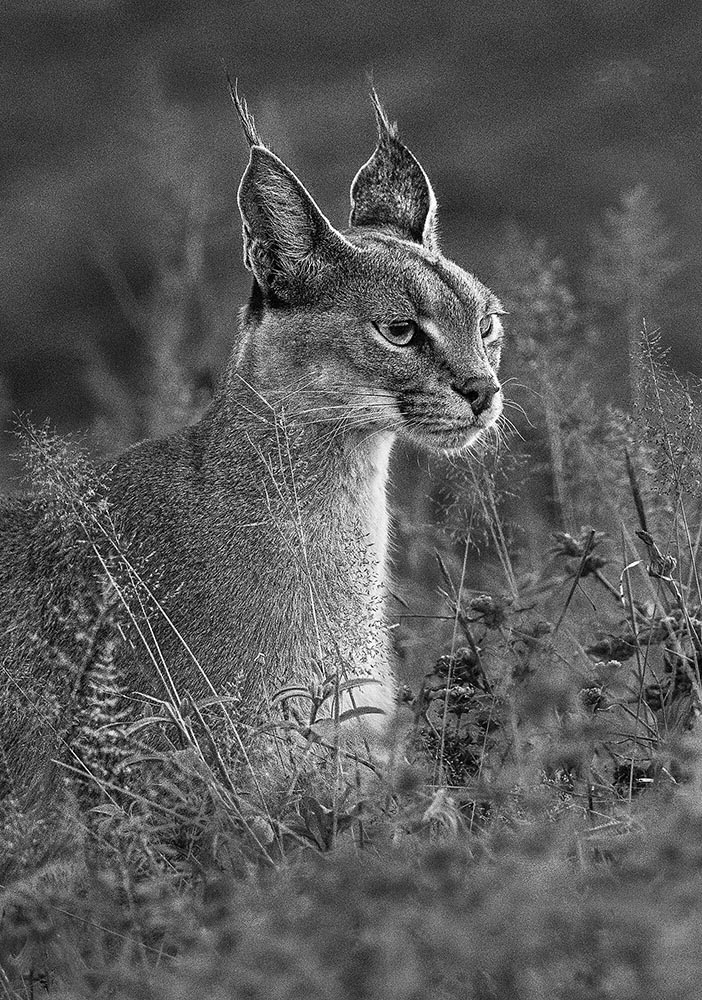
    “Caracal,” Tanzania. Photograph by Elena Didevska.

    Special Bonus #2: “The Natural History Museum in London unveiled a first look at 15 of the breathtaking photos that are in the running to win the 61st Wildlife Photographer of the Year competition, including a lion staring down a cobra, a pack of Arctic wolves, and bats flying through the dark toward the camera; the 2025 Wildlife Photographer of the Year contest attracted 60,636 total entries, the most ever in the contest’s illustrious history.”

    2025 Capture the Dark Sky Contest

    DarkSky International announced the winners of its fifth annual Capture the Dark photography contest. Winners across eight main categories showcase the best in astrophotography and demonstrate why it is vital to protect dark skies worldwide; PetaPixel has a nice roundup.

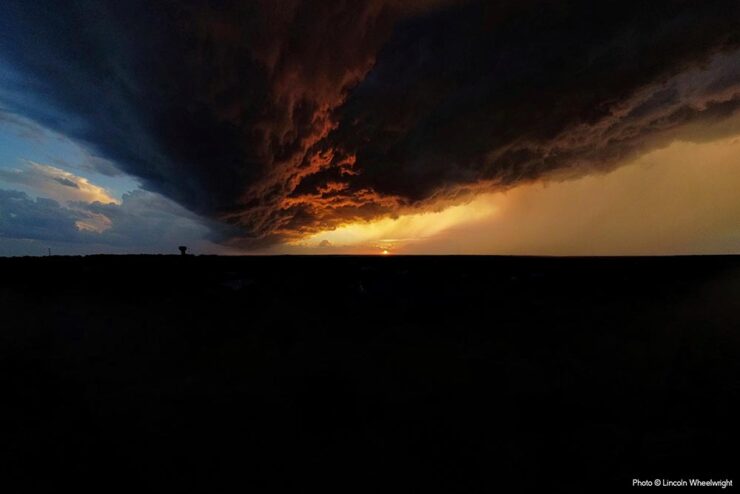
    In other words, I’m not going to let you go enjoy your Labor Day weekend (here in the US, at least) without once again closing with a photograph of two of my favorite things: lupines against a beautiful night sky.

    “Celestial Dance over Lupine Fields,” New Zealand. Photograph by Lucy Yunxi Hu.

    Have a great September, everyone.

  • Beautifully Briefed, 25.7: Hot (and Cold)

    Beautifully Briefed, 25.7: Hot (and Cold)

    Take a break from the summer heat with a Mac delight, two interesting typefaces, a discussion of Bentley’s new concept — and updated flying “B,” with a quick mention of the other double-R — and, of course, some great photography. Better still, we close out with a guaranteed smile.

    ’Cause we need more smiles these days.

    July’s Spine Post

    July’s University Press Coverage has already been posted. My personal favorite of the bunch:

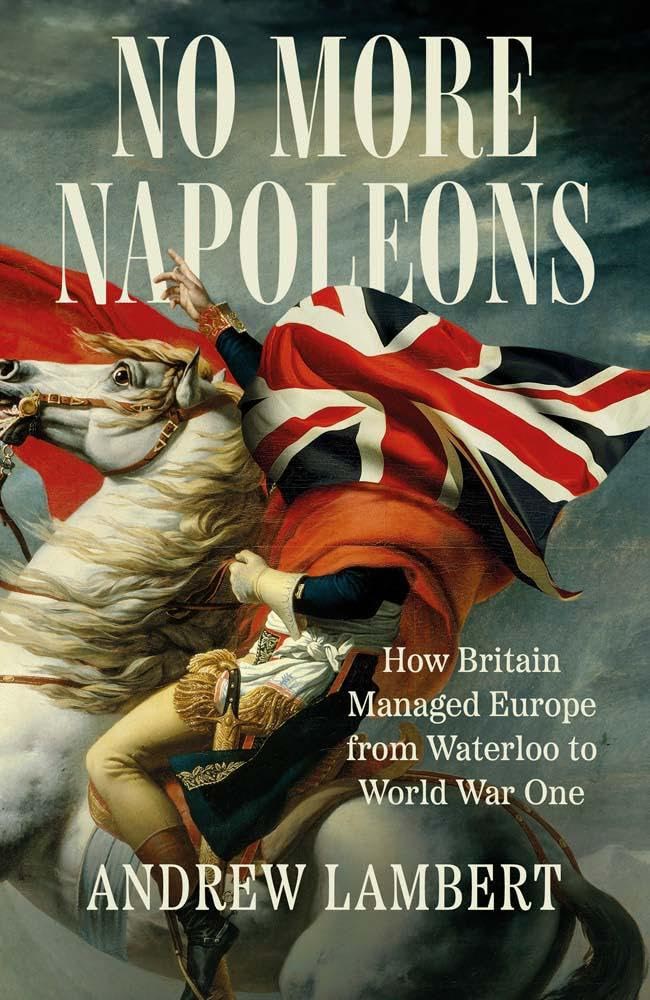
    Yale University Press. Cover design by Jonathan Pelham; art direction by Rachael Lonsdale; image is an adaptation of Jacques-Louis David’s Napoleon Crossing the Alps.

    Darn near perfect. Hat tip to Jonathan Pelham.

    Frame of Preference

    While we’re on the subject of darn near perfect, Marcin Wichary — he of the now-sold-out Shift Happens fame, not to mention The Hardest Working Font in Manhattan — has gifted the world with another absolute gem:

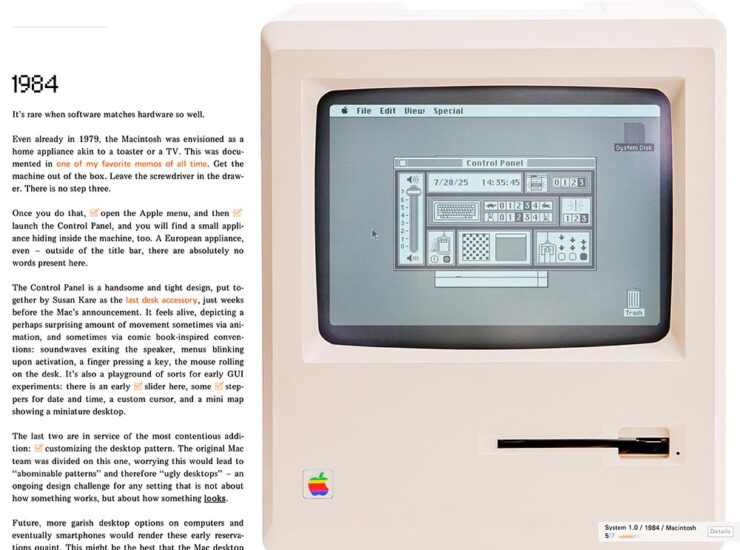
    Frame of Preference (Screenshot)

    If you’re a Mac geek, whether a software history buff, or a just grizzled veteran, set aside a few minutes to take this trip down memory lane. There are 150 tasks to complete (!), five extra Easter eggs, great Mac hardware and software, and some of the best web programming extant. Enjoy!

    ATC Identity Program Upgraded

    The Appalachian Trail Conservancy celebrates its hundredth anniversary this year, and took advantage of the occasion to update its logo and identity system for the next hundred years.

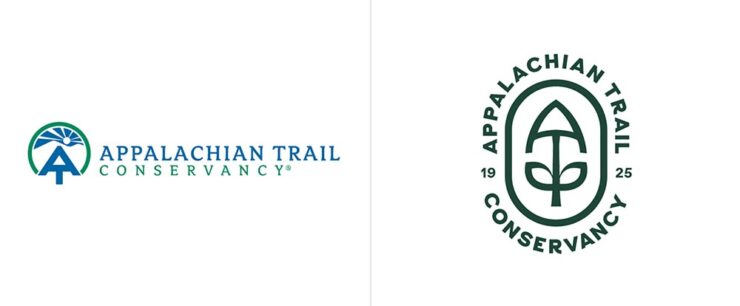
    Previous logo (left) and new (right).

    The logo is a combination of a mountain peak, the AT symbol, a trail shovel, leaves (“growth and diversity”), and a holding shape (“protected ecosystem”); while overcomplicated in explanation, in practice it’s warm and friendly at first glance yet has depth for folks who know the Trail.

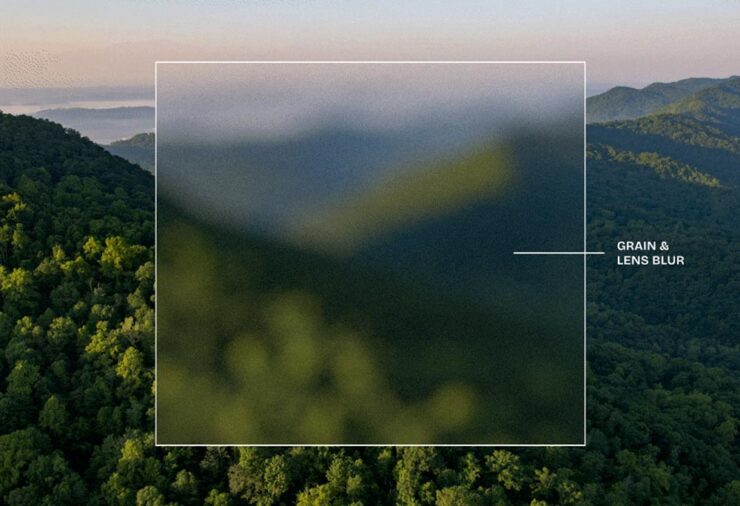
    The blur and grain, highlighted against the beautiful scenery the AT is known for.
    The new logo against one of grain/blur backgrounds.

    The supporting system works well, too, but I’ll leave that to Amy Borg, whose extensive post on the work is excellent. (Via BrandNew.)

    Indeed. Donate, too, if you can.

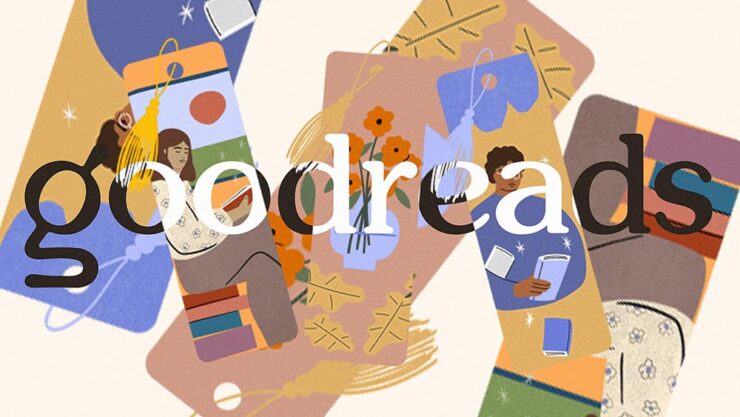
    Special Bonus #1: A new Goodreads logo:

    I’ll have to guess as to whether it’s actually “good for BookTok.”
    July’s Font Finds
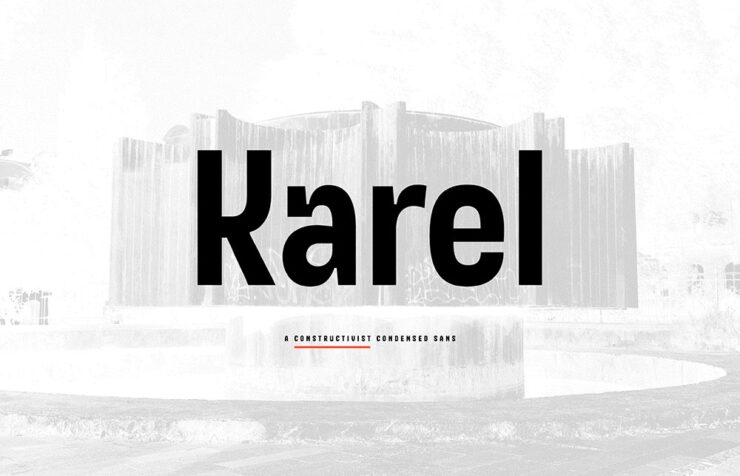
    Karel, by Typonym

    “Inspired by glyphs on a mid-century Prague plaque, Karel synthesises historical discovery with contemporary invention. Developed for brand messaging and retail identity, it includes alternate figures to vary the level of stylisation,” CreativeBoom writes.

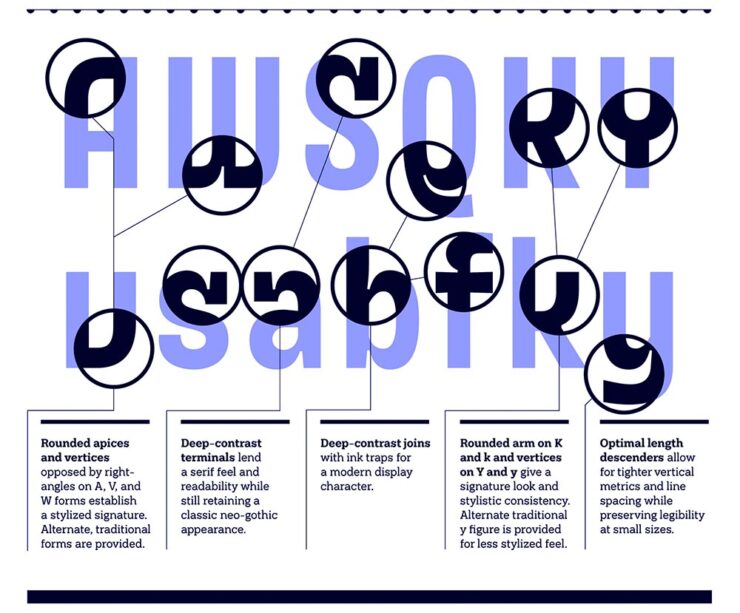
    Details on some of the glyph choices.
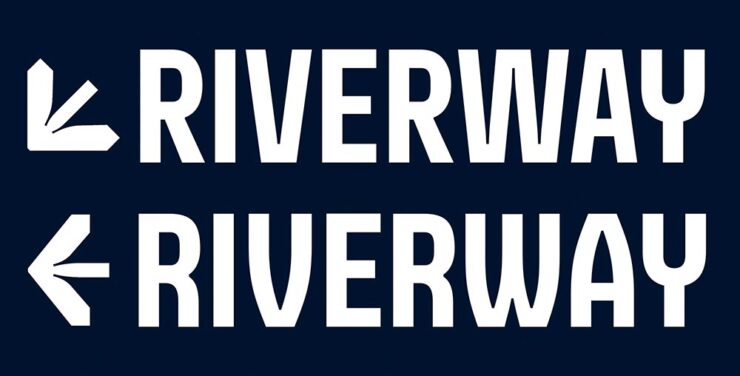
    Different versions are available, allowing you to match style with project.

    “A constructivist condensed sans, [that,] in every case stands apart from the multitude of neo-grotesque alternatives,” Typonym writes. (Great company name, by the way.)

    Penguin Inclusive Sans, with Olivia King

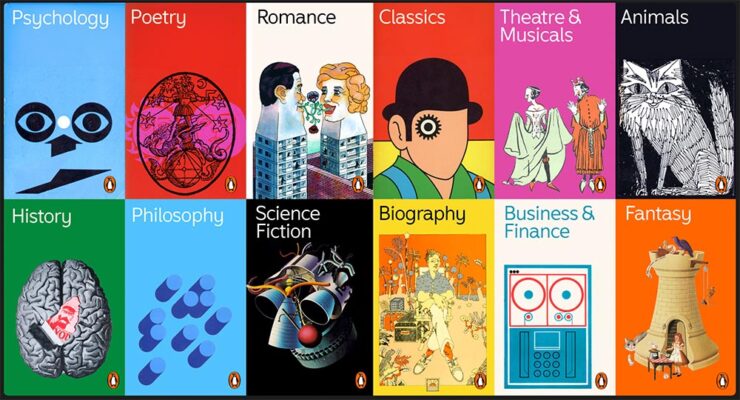
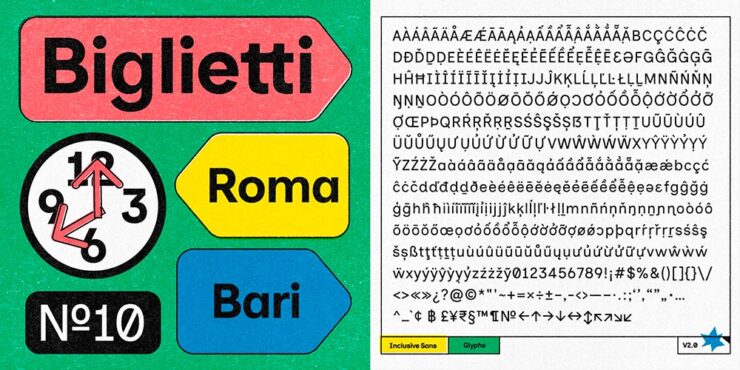
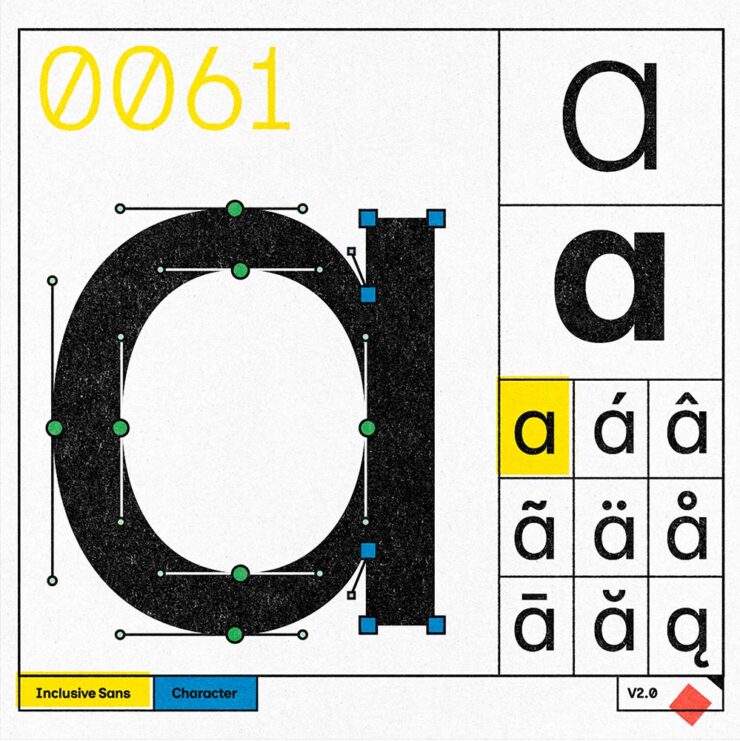
    We’ve covered Inclusive Sans before, but to recap, it’s awesome, it’s free, it’s open-source, and as of February, it’s available at Google Fonts for anyone to use. So, guess who has adapted it into something new? (Okay, header spoiler, but still.) No one less than a publishing heavyweight: “A bespoke typeface for Penguin Books, uniting brand heritage, accessibility, and contemporary design to create a versatile typeface for its global publishing house,” creative director Olivia King writes.

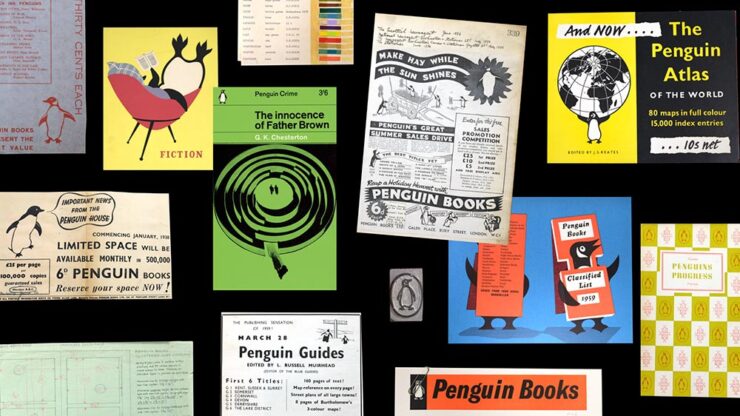
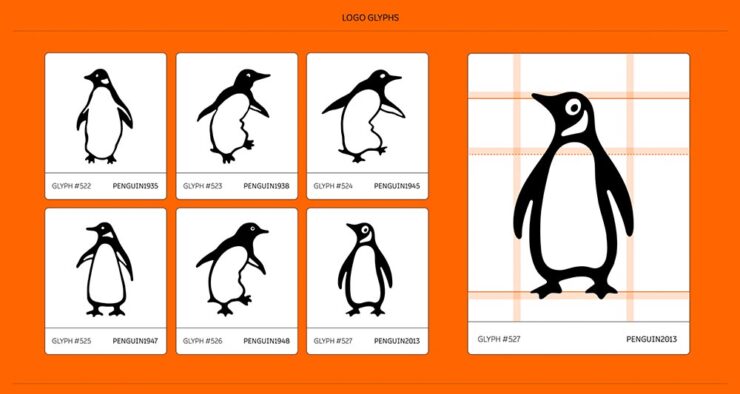
    Some historical images, worth including just for the penguin reading in the chair — feet up, natch.

    For 90 years, Penguin has been committed to making books for everyone. Its iconic sixpenny paperbacks revolutionised access to stories and knowledge, making reading more inclusive and affordable. Staying true to this spirit of inclusion, Penguin commissioned a custom version of Inclusive Sans — an accessible typeface — to serve as its primary brand font across its global publishing house.

    — Olivia King, Creative Director
    Another item included “just ’cause” — mostly for the science fiction illustration.
    Included in the character set are glyphs for the Penguin.

    “We transitioned Inclusive Sans from a Grotesque to a Humanist foundation, adding playful flicks and flourishes to create a sense of movement and approachability[;] whether used in a refined, understated way or in strong, confident applications, the typeface offers flexibility and distinctiveness.” Marketing speak, sure, but speaking to the applications rather than past them.

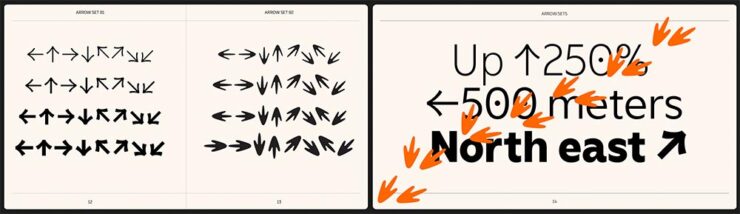
    Penguin’s footprints as arrows: says something positive, I think.

    The entire page is great: well put-together, well illustrated, and approachable. And wander around the site while you’re there — more than “O.K.,” it’s example after example of work the rest of us aspire to. (Via BrandNew.)

    July’s Graphic Design Two-Fer
    The World Illustration Awards 2025 Shortlist
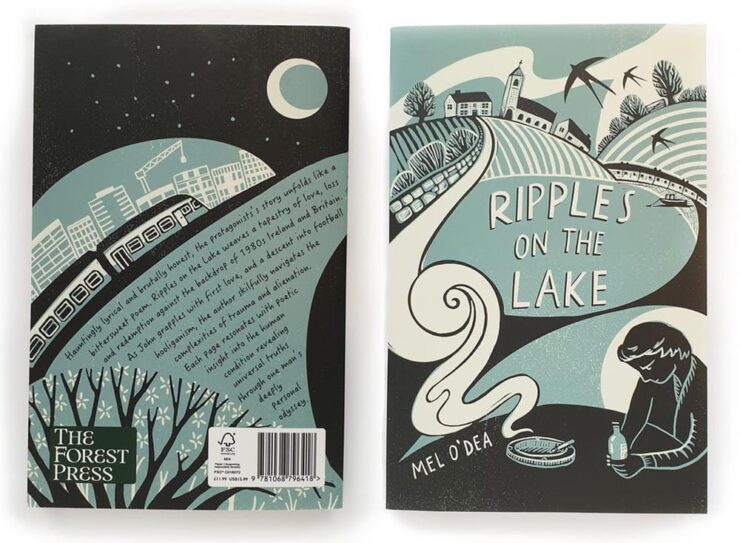
    From the book covers category, Ripples on the Lake by Becca Thorne.

    “The Association of Illustrators has unveiled those in the running for this year’s World Illustration Awards, featuring 200 standout projects from over 4,700 entries worldwide. From editorial brilliance to site-specific design, it’s a showcase of illustration at its most imaginative,” CreativeBoom writes. It’s books and editorial to animation and product design — a cornucopia of illustrative goodness. Check it out.

    Designer as Influencer
    More than slightly NSFW — while actually about work. Read wherever you’re comfortable.

    “As social platforms reward visibility, creatives are increasingly expected to make their practice public. Designers are no longer just making work; they are the work. But what started as promotion now risks swallowing design itself,” It’s Nice That writes.

    Yet another reason to avoid social media … says the old guy who reads web pages published by actual individuals (and sticks to blogging). Still, very much worth a read.

    Special Bonus Two-Fer. #2: From PetaPixel, DuckDuckGo, my search engine of choice, can now filter out AI images from search results. (It’s a simple toggle.) Nice.

    #3: Not so nice is WeTransfer’s predicted face-plant, also via PetaPixel.

    Bentley EXP15 Concept: Buckle Up

    Let’s just get this out of the way: the brutalist automobile is officially a trend.

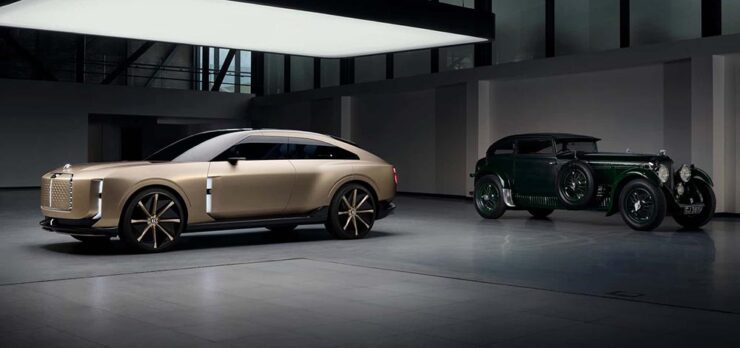
    The new EXP15 with a 1930 Speed Six.

    Yes, you’ve seen that shape before — and that time, I asked y’all to hang on see what happens. This time, I’m less confident it will turn out well:

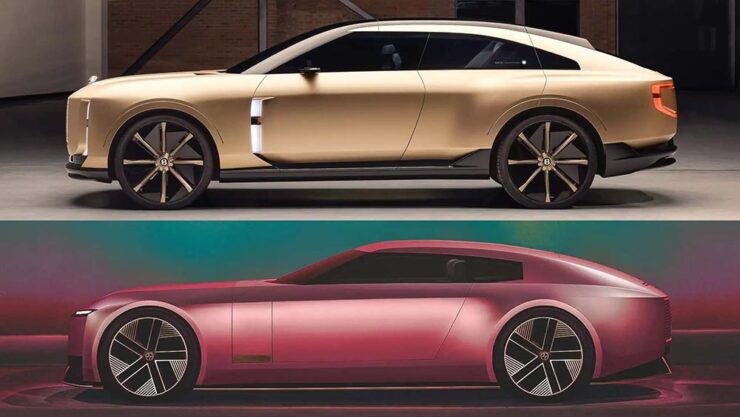
    The EXP15, top, with the Jaguar Type 00, bottom.

    The Jaguar is both more compelling and fresh — it’s somehow more, yet with less detail. Interestingly, Jag is trying to reposition itself in the Bentley space (including comparative pricing), preferring to move upmarket rather than compete with the likes of BMW or Mercedes.

    It’d be quite the coup for Jaguar to leap in (sorry) and take charge.

    Update, 31 July (hours after posting, in fact): Jaguar Land Rover’s CEO has unexpectedly announced that it’s time to step aside. It’s apparently not about expectations, but….

    Enough about Jaguar. Some more photographs/renders of the Bentley:

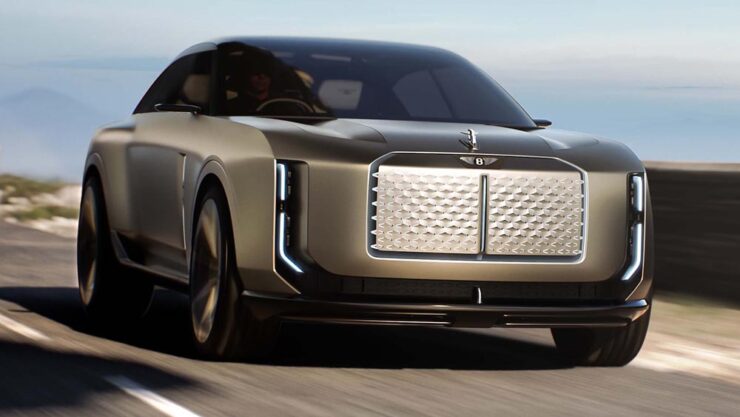
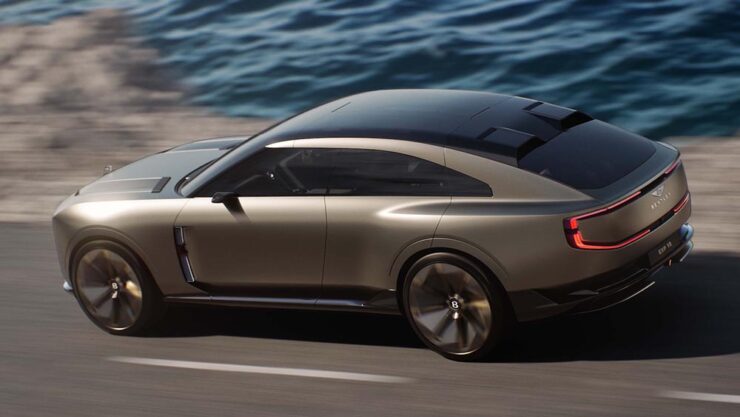
    Arguably the best angle, somewhat hiding the EXP15’s SUV-esque size.
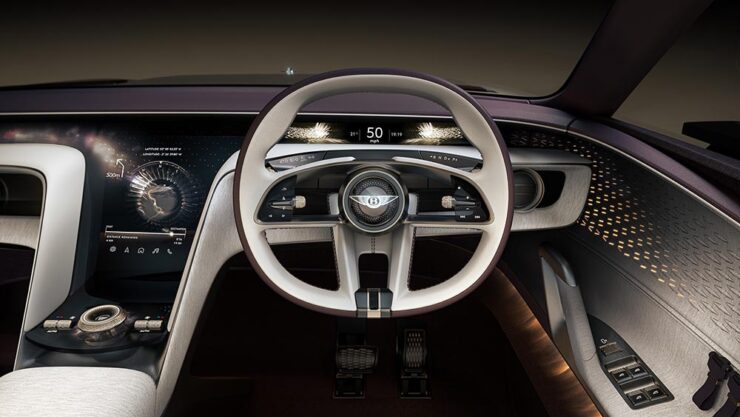
    The interior is better than the exterior, with some Bentley traditions intact. (Yes, the concept is a three-seater: the passenger seat was eliminated in favor of the pampered purebred.)
    The dash is all screens, yes, but not necessarily obviously so — something likely to age better than the iPad-on-dash approach.

    Lastly, from the rear:

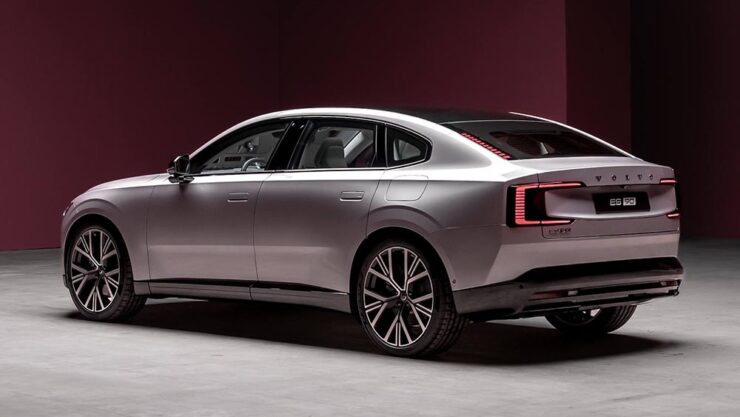
    Wait. I’ve seen that look somewhere else.
    Oh, yeah, the Volvo ES90. (Itself riding at SUV height.)

    I apologize for not being more positive on this one; I’ve been down on the Volkswagen Group in general for a while, and it makes me sad that, with their flagship brand, nothing in their new concept suggests they’re trying to reverse the trend.

    Coverage: “This is What the Future of Bentley Will Look Like,” from Motor1; “The Bentley EXP 15 brings the bling and delves into tomorrow’s luxury automotive experience,” from Wallpaper*; and “Bentley Is Showing Jaguar How To Take A Luxury Brand Into The Future With The New EXP 15 (IPSO Fatso),” from The Autopian. (Apologies also for the three differing headline capitalization styles — blame the sources.)

    Also worth reading: The Autopian questions whether the new “Autobrutalist movement” — where I got the term — can be stopped; and Motor1 has not one but two items asking readers to give Jaguar a chance. (Probably unrelated.)

    But wait: there’s another reason I’m down on Bentley right now.

    The New Bentley Logo: Style over Substance
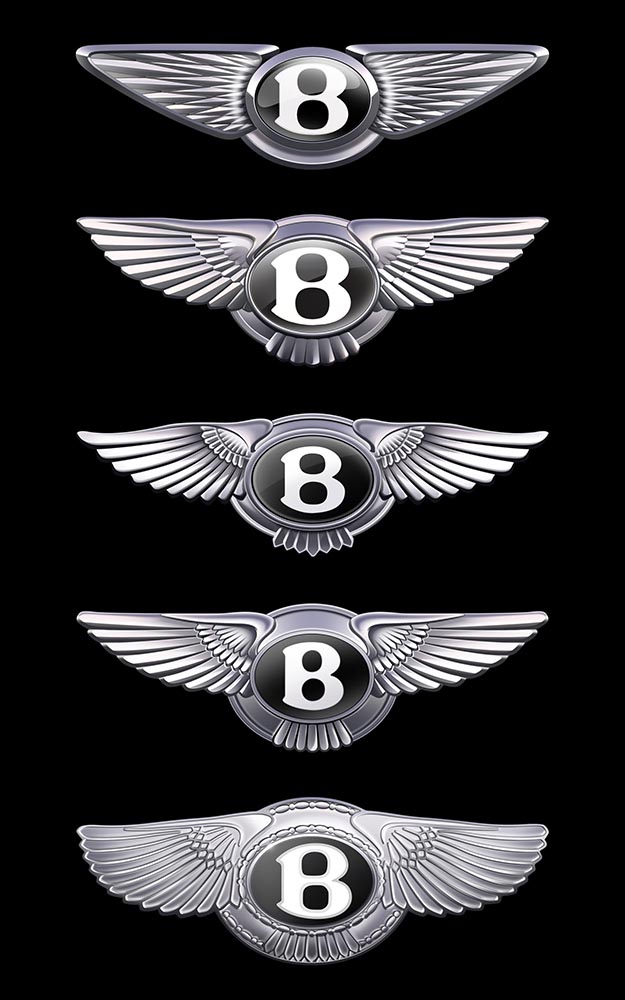
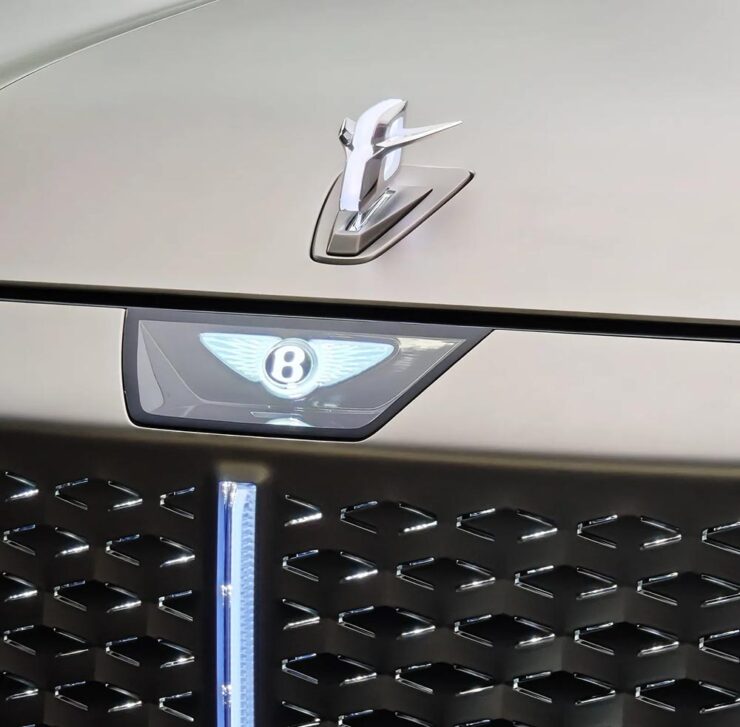
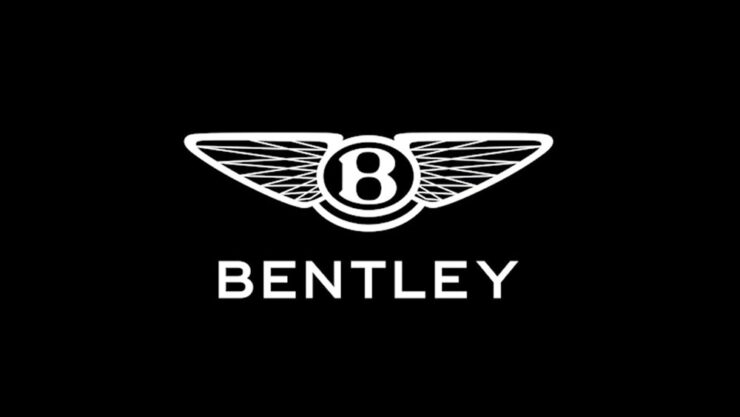
    The five versions of the “winged B” logo, in order: 2025, 2002, 1996, 1931, and 1919.
    BMW called light “the new chrome.” Bentley absolutely gagged on it. At least the infamous Flying B is still there — hood ornaments are few-and-far-between these days.

    When you’re Bentley, you shouldn’t be chasing trends, you should be leading them. Style over substance is nothing less than a mistake.

    Also, because everyone else has one:

    The flat version.

    This new version was done in-house, the wrong choice on every level; this isn’t a time to save money. Another sad moment: the storied history of a brand like Bentley, running on the equivalent of a flat tire. (Perhaps even the rim. Trailing sparks.)

    Dezeen was mostly positive, BrandNew mostly negative. (“[E]verything here feels cheap and overwrought.” Subscription, alas.) The Autopian goes for balance. You can tell where I land.

    Special Bonus #4: Range Rover’s new logo, best described as “not trying very hard” or even perhaps “goofy as hell.”

    Posted without comment.

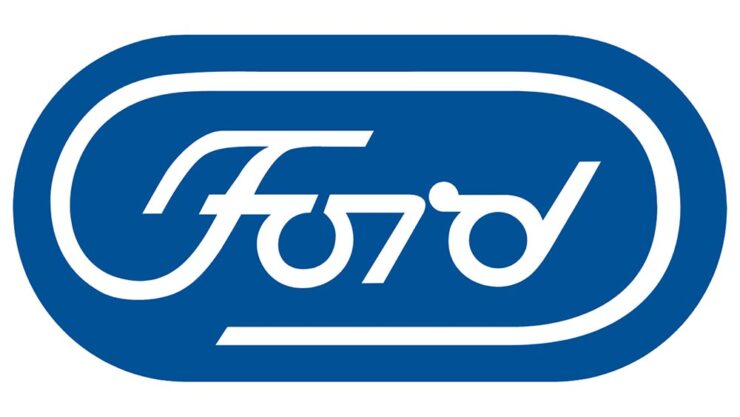
    Special Bonus #5: In case you’ve never seen it, Paul Rand’s 1966 proposal for a redesign of the now-iconic Ford logo:

    The Autopian has a nice piece on this.
    July’s Photography Faves
    Astronomy Photographer of the Year Shortlist

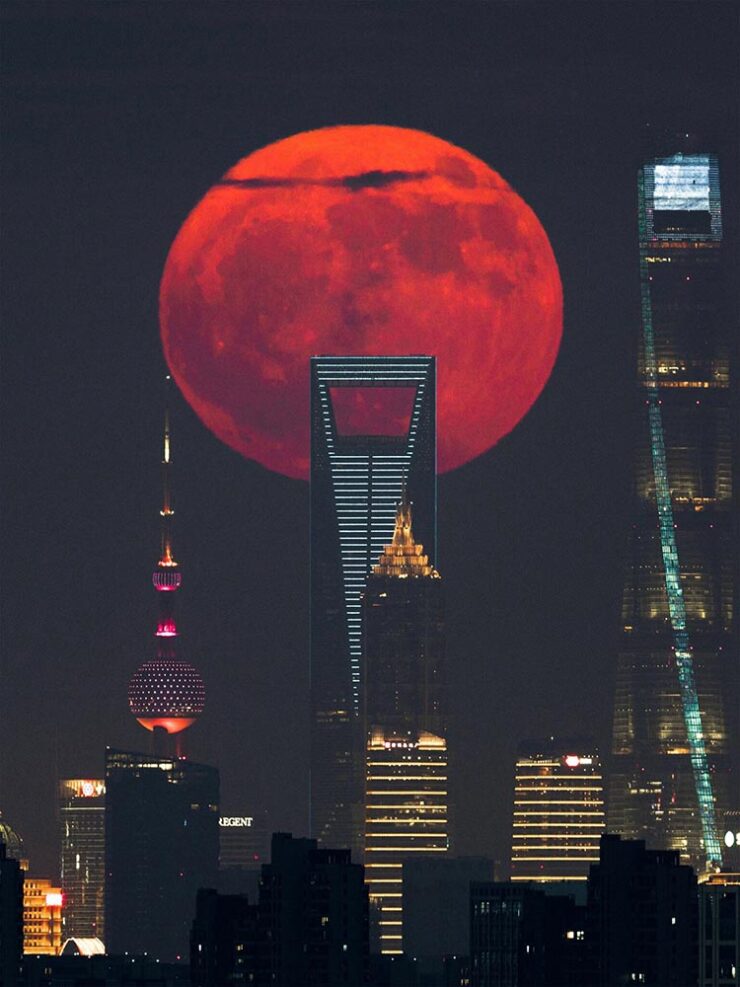
    “Awe-inspiring scenes of the Milky Way, dancing aurorae, and serene galaxies all feature on the shortlist for this year’s ZWO Astronomy Photographer of the Year,” PetaPixel writes. Indeed:

    “Blood Moon Rising Behind the City Skyscrapers,” Shanghai. Photograph by Tianyao Yang.

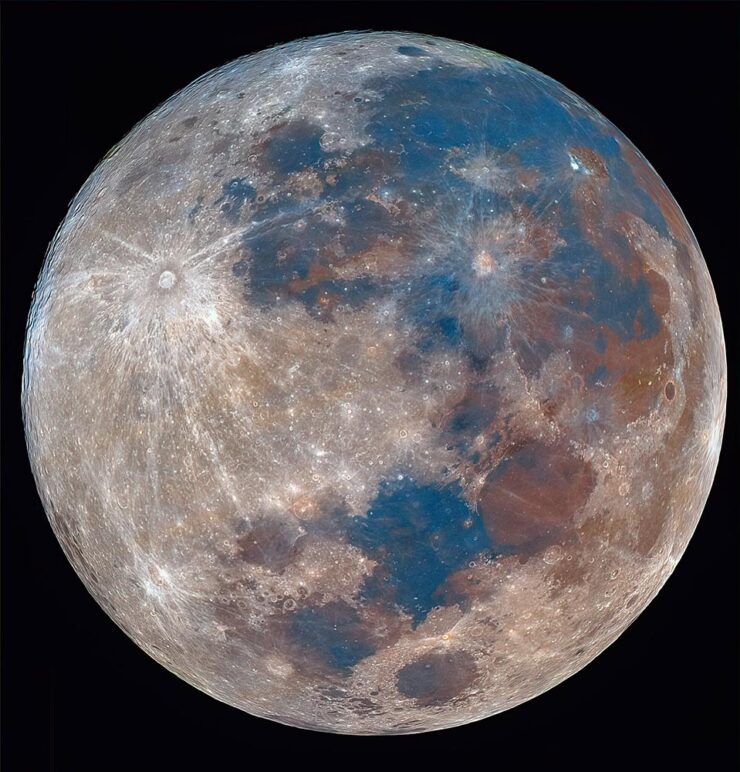
    The competition is run by Royal Observatory Greenwich, supported by ZWO and in association with BBC Sky at Night Magazine.

    “The Last Mineral Supermoon of 2024,” Delhi. Photograph by Karthik Easvur.

    See the other 28 on the shortlist here. The winners will be announced in September, so stay tuned.

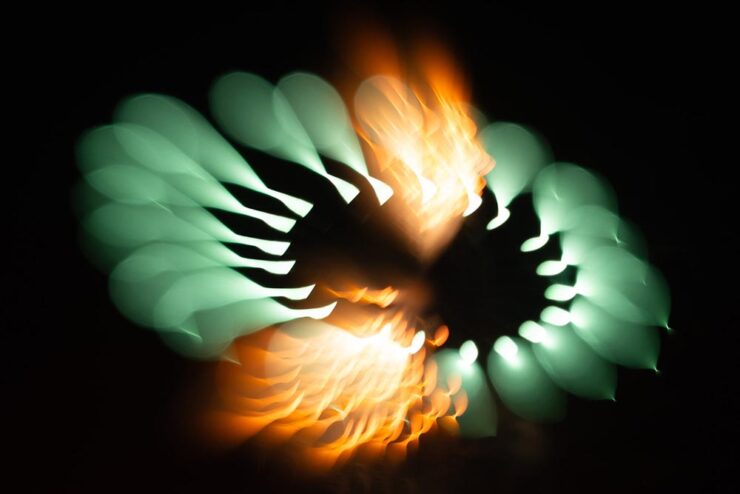
    Abstract Fireworks

    Every year, photographers across the world flock to fireworks displays, something that’s never interested me — until now:

    Photograph by Bryan Szucs.

    PetaPixel takes a moment to self-congratulate here, and I think they’ve earned it — although it’s good to note that the original post cites This is Colossal. (And that PetaPixel did a poor job with the cite in that original story, using only Colossal’s photography tag rather than an easily-found, specific link. Shame on them.)

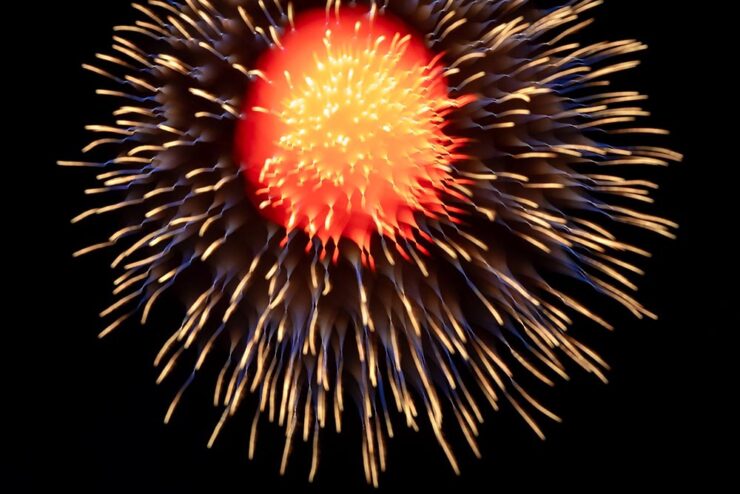
    Anyway, photographer Bryan Szucs took the defocusing idea and absolutely ran with it:

    Photograph by Bryan Szucs.

    Great stuff. See more on his website SmugMug.

    Special Bonus #6: Apple filed a fascinating image sensor technology patent last month, which describes a stacked image sensor with vast dynamic range and very low noise. PetaPixel has the story.

    Unbuilt Frank Lloyd Wright

    Okay, officially these are renders, not photographs. Still:

    Trinity Chapel. Image by David Romero.

    Hooked on the Past emerged from the intersection of two personal passions: the history of architecture and the fascinating world of computer-generated imagery,” Romero tells This is Colossal.

    Gordon Strong Automobile Objective. Image by David Romero.

    Wright was ahead of his time in that he pushed material science to make a concept, shape, or cantilever work (often demonstrated in the maintenance and repair bills); his unbuilt projects demonstrate what could have been, and there’s nowhere better to imagine those than in generated imagery.

    Hunftingdon Hardford. Image by David Romero.

    See more at this great Colossal post.

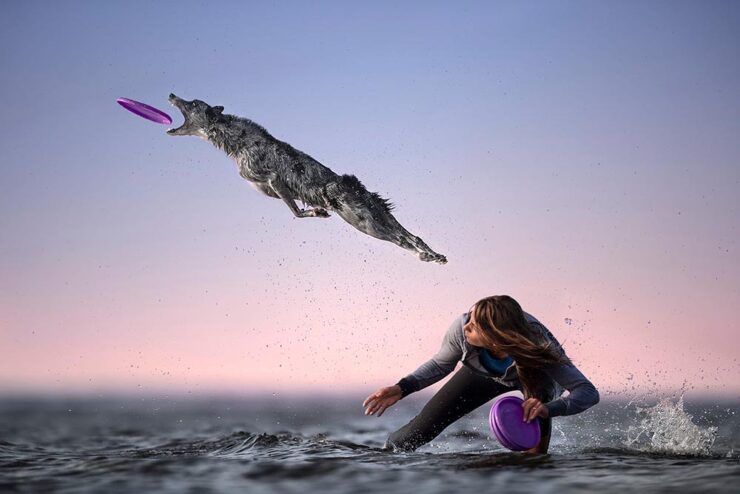
    High-Octane Dogs
    Photograph by Caludio Piccoli.

    “Ultimately, it’s not the equipment that creates the magic. It’s the connection with the dog, the timing, the light, and the intention behind every shot. The gear just helps bring that vision to life,” photographer Caludio Piccoli tells PetaPixel.

    Photograph by Caludio Piccoli.

    I could easily repost every photograph from the story; they’re all great. Just go read it instead.

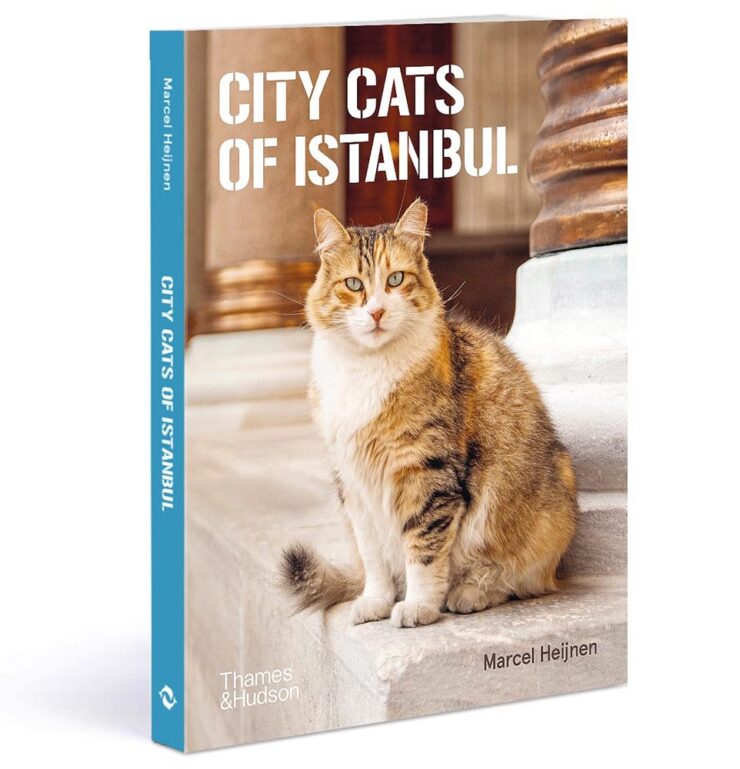
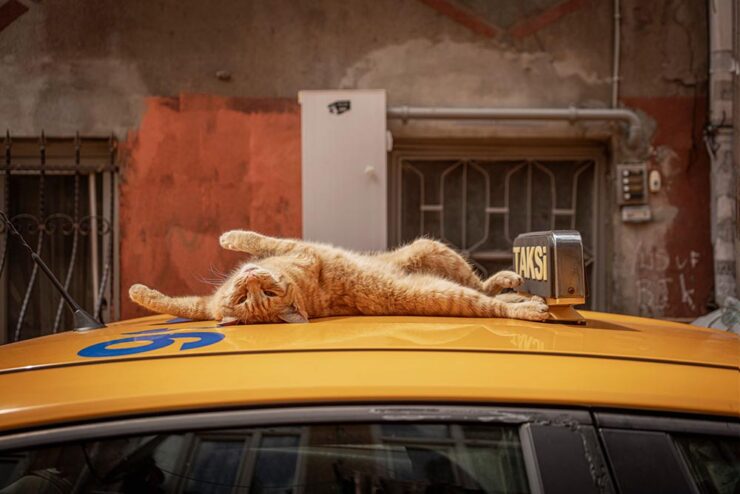
    City Cats of Istanbul

    To close out this month, well, the title says it all:

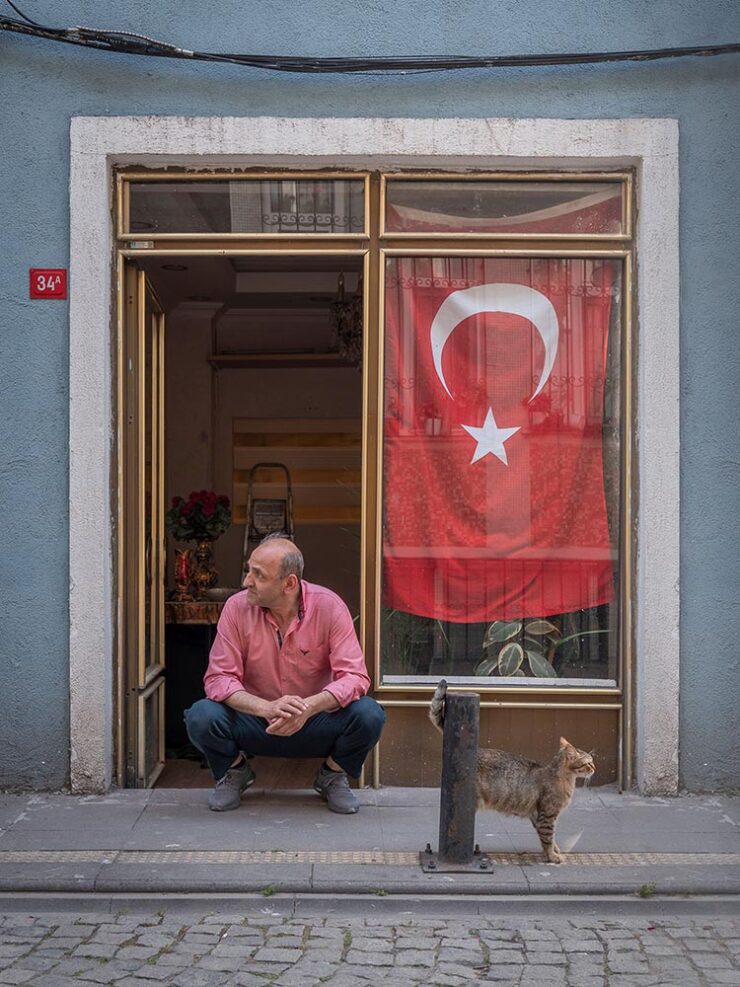
    Somehow, they completely fit the location:

    Photograph by Marcel Heijnen.

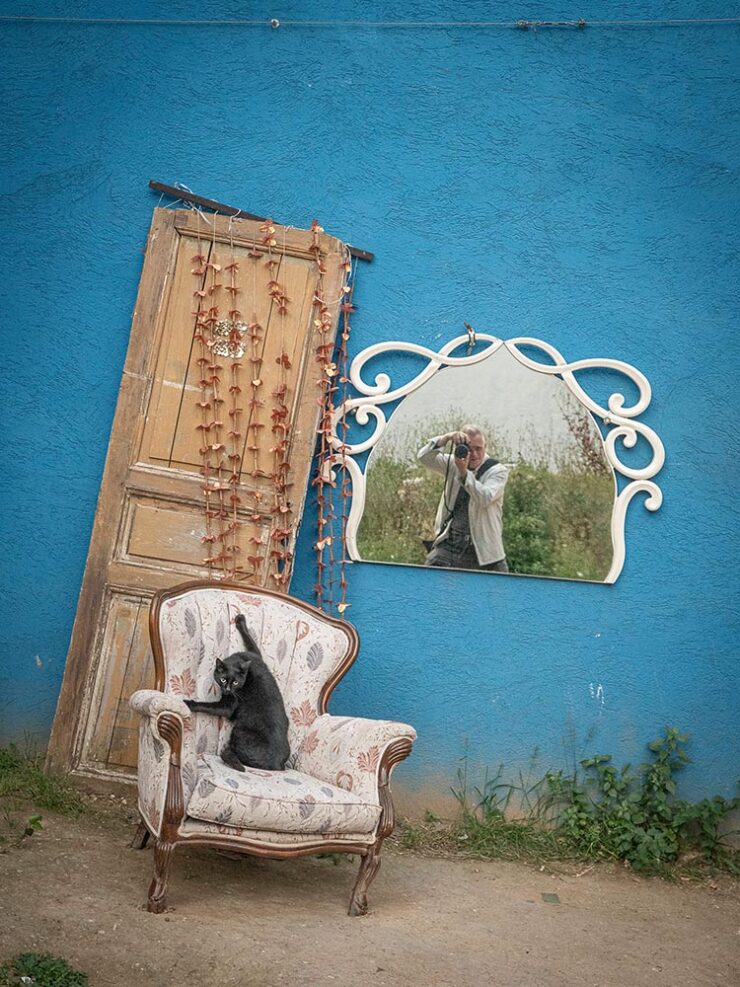
    The author (supposedly the one in the mirror):

    Photograph by Marcel Heijnen.

    See more at This is Colossal or CreativeBoom — and then go enjoy August with a smile on your face.

    Photograph by Marcel Heijnen.
  • Beautifully Briefed 25.5: Cool

    Beautifully Briefed 25.5: Cool

    It’s been a lovely, cool spring here in Middle Georgia; it seems that in the 2020s, springtime has had more rain and less of the dive from winter into hot that’s featured in years past. (Not to fear: we’ll be into summer soon enough.) Open window weather, we call it, to be enjoyed while we can.

    That said, there’s been plenty of goodness gathering for this month’s posting: more movie/books, more album art, more typefaces, and more great photography. There’s also an excellent observation regarding design trends and a bit on Adobe.

    Also posted this month: The annual University Presses Show roundup, now also available on SPINE, and an updated photography gallery from Forsyth, Georgia.

    But First: A Bit o’ Nostalgia
    Foreword, May 31st, 2019.

    This is the 200th post on the new Foreword, which I restarted six years ago today. It’s taken a bit to get back into regular blogging, but I’ve once again found my sea legs, really enjoy it and hope to continue for a long while yet.

    Thanks very much for stopping by — genuinely appreciated.

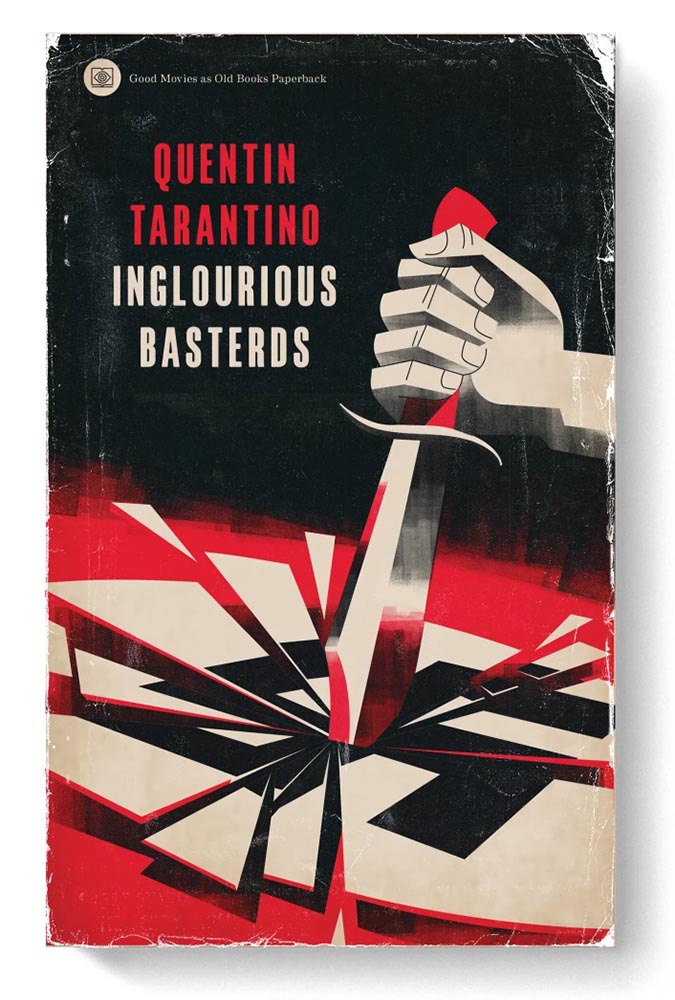
    “Good Movies as Old Books,” Again

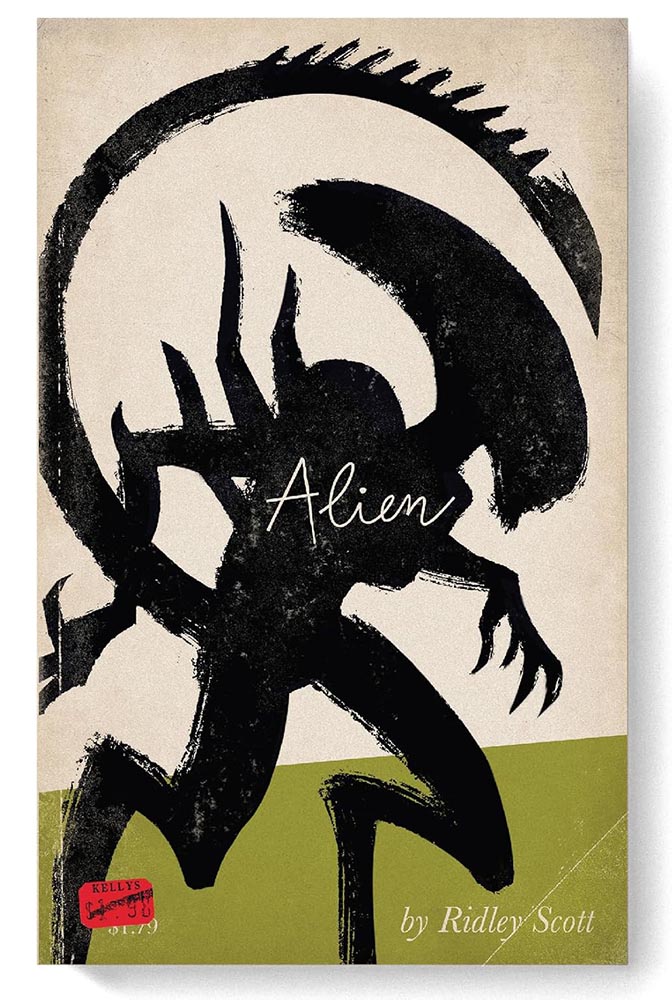
    I’ve featured the work of designer Matt Stevens before, but there’s an update to his fantastic personal project to make vintage paperback covers from movies.

    Perfect — and still available as prints. They’re also now available in new book, which combines the best of the first two books (published via Kickstarter) and adds a few more … or as a set of 100 postcards, perfect for framing and scattering about on walls near you.

    Better still, Stevens’ work has led to actual book cover design jobs, and his work for North Carolina tourism is awesome. Read this Fast Company post for the full story.

    Special Bonus #1: Heading to Europe? It’s Nice That has “Where to book hunt in Amsterdam, a playground for contemporary book design,” listing “why the city is so known for its publishing prowess, and shares a comprehensive list of places for designers, printers, publishers, and enthusiasts alike, to check out.”

    The History of Album Art

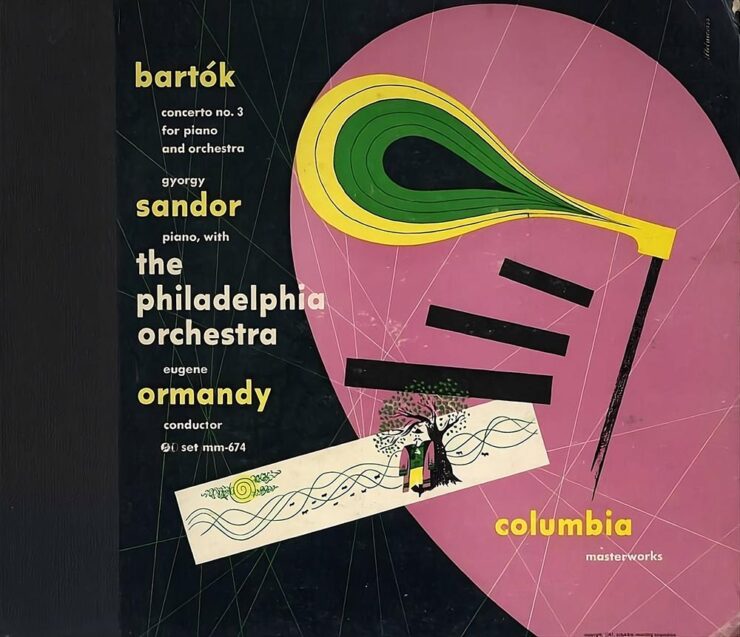
    Album art didn’t always exist, Matt Ström-Awn reminds us. Utilitarian at first, it evolved.

    Alex Steinweiss’ cover art for Columbia’s recording of Bartók’s Concerto No. 3.

    The invention of album art can get lost in the story of technological mastery. But among all the factors that contributed to the rise of recorded music, it stands as one of the few that was wholly driven by creators themselves. Album art — first as marketing material, then as pure creative expression — turned an audio-only medium into a multi-sensory experience.

    This is the story of the people who made music visible.

    Matt Ström-Awn
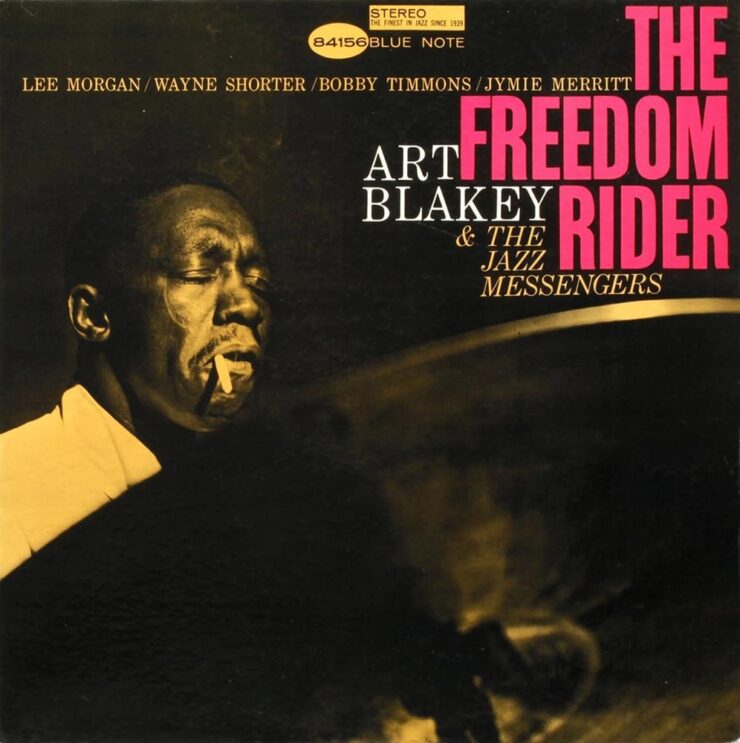
    Reid Miles’ cover for Art Blakey’s The Freedom Rider

    Well-written and informative. If, like me, you’re old enough to remember music on vinyl — or you’re one of the new generation of devotees — take a minute this weekend to appreciate the particular goodness that is album art.

    There May be Typefaces Here

    CreativeBoom continues its monthly roundup of new fonts, and I wanted to highlight a couple:

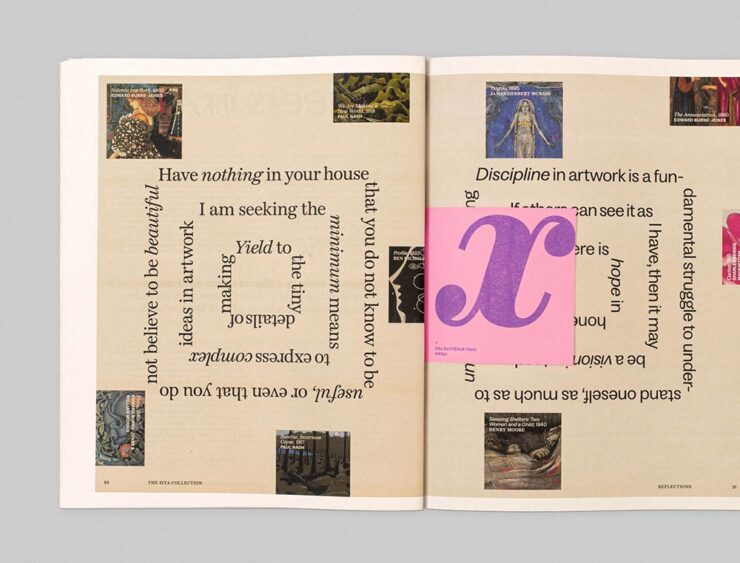
    The Sita Collection, from Order

    I’m a sucker for fonts that have both serif and sans together in the same family — they’re incredibly flexible and perfectly complimentary in design projects. “Order Type Foundry’s first superfamily is a thoughtful homage to 19th-century Scottish typographic traditions, reimagined for contemporary design needs,” CreativeBoom writes. See more at Order.

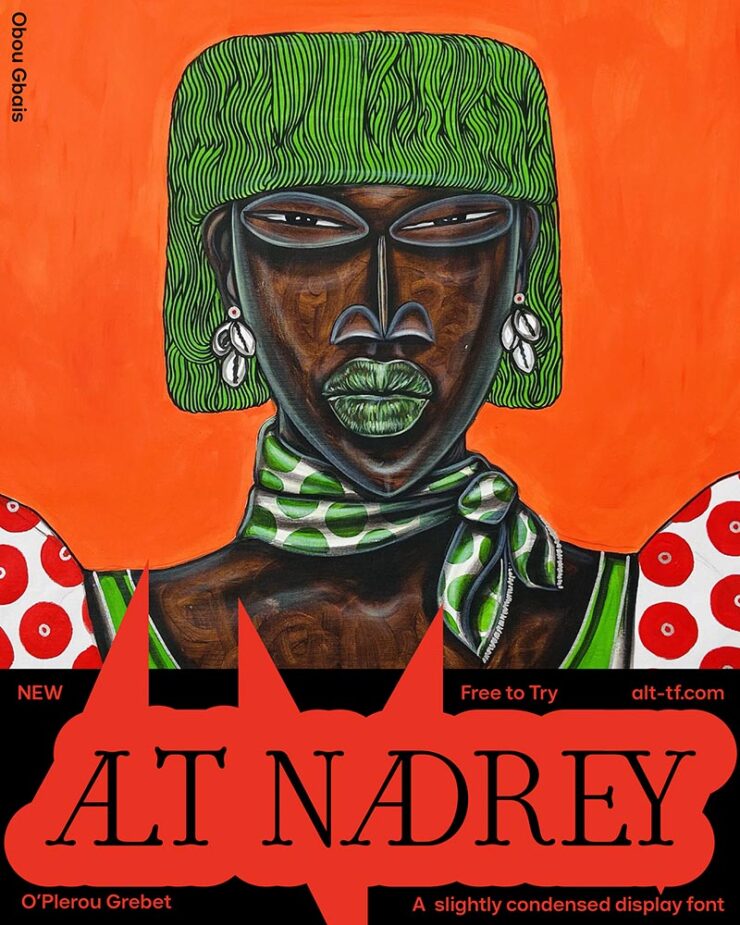
    Nadrey means “My Heart” in Bété, the designer’s mother tongue. Artworks by Ivorian artist Obou Gbais.

    Described by its creator as a “typographical rendition of love,” the beautiful letterforms “draw inspiration from 90s poster fonts, combining narrow-ish, rounded letterforms with a contemporary sensibility. Its gentle curves and subtle serifs create a sophisticated softness while maintaining refined elegance.” Côte d’Ivoire-based type designer O’Plérou does the world a favor, as far as I’m concerned. See more at ALT.

    Sofia Pro by Mostardesign.

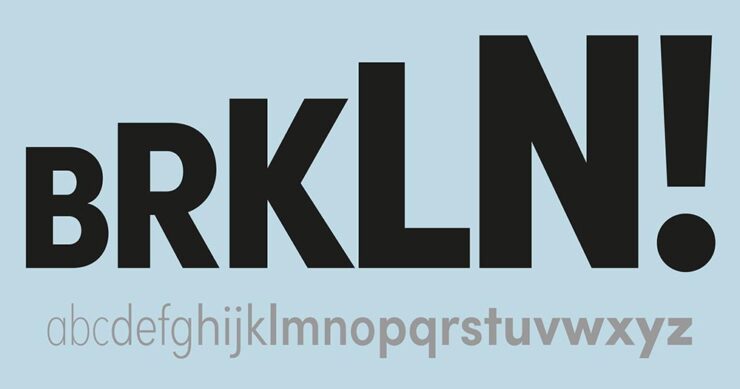
    Up there with Futura, from which it’s descended (see what I did there?), Sofia is one of those faces you see everywhere: “a familiar presence in contemporary visual communication, even for those who can’t identify it by name,” CreativeBoom writes. Sofia’s been updated and expanded, now available in a variable format. Spread the Mostard.

    Special Bonus #2: It’s not over the top: “[r]ather than uber-pragmatic, sterile fonts, Ornamental & Title Type (OTT) is dedicated to expressive display typefaces,” It’s Nice That writes in a profile of Eliott Grunewald’s foundry. Check it out.

    “Fun Fatigue”
    Branding agency Collins’ approach for RobinHood, an online investing and stock trading company.

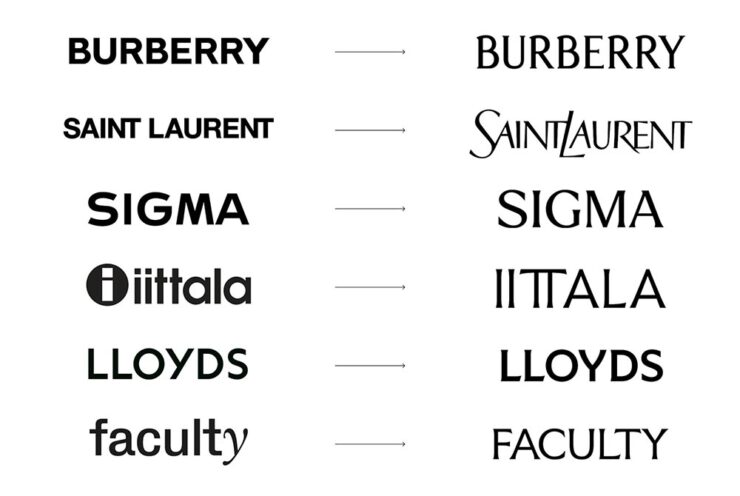
    DesignWeek asks, “Is formality returning in branding?” An article by Mother Design’s Alec Mezzetti covers how we got to casual in the first place — and why we might be turning a corner away from it.

    Casual vs. not-so-much — and, of course, once corporate trends become a “new direction…..”

    “In a landscape of homogenous casualised branding, widespread disillusion with the idealism that birthed it, and a growing sense of insecurity, these old codes hold power,” Mezzetti writes. The RobinHood investing/trading example, shown above, now looks like this:

    RobinHood, as rebranded by Porto Rocha.

    The money quote, if you’ll forgive the expression: “The extreme end of this trend towards symbols of old luxury, hierarchy and tradition has been labelled […] as ‘Boom Boom’ aesthetics, which overtly embrace past eras of excess such as the roaring 1920s or, the boom years of the 1980s.”

    See if you agree. (Via BrandNew.)

    Let’s Talk about Adobe, again

    A two-parter, here. First, let’s start with more from Mother Design:1Oddly, Mother Design’s page on Adobe, mentioned in Google Search results, now nets a 404 error. I wonder what that’s about.

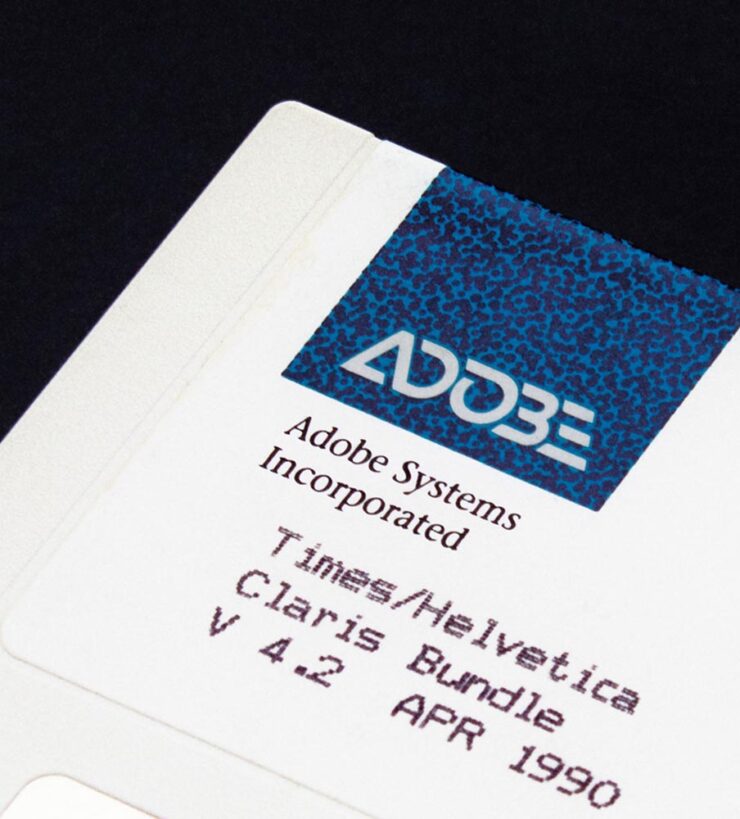
    That’s right, Adobe has a new logo and branding. ’Course, some of us have been using Adobe’s software for a minute — and clearly remember this:

    In any case, Adobe is ignoring the trend mentioned above and heavily embracing the current-thinking, very corporate-casual approach:

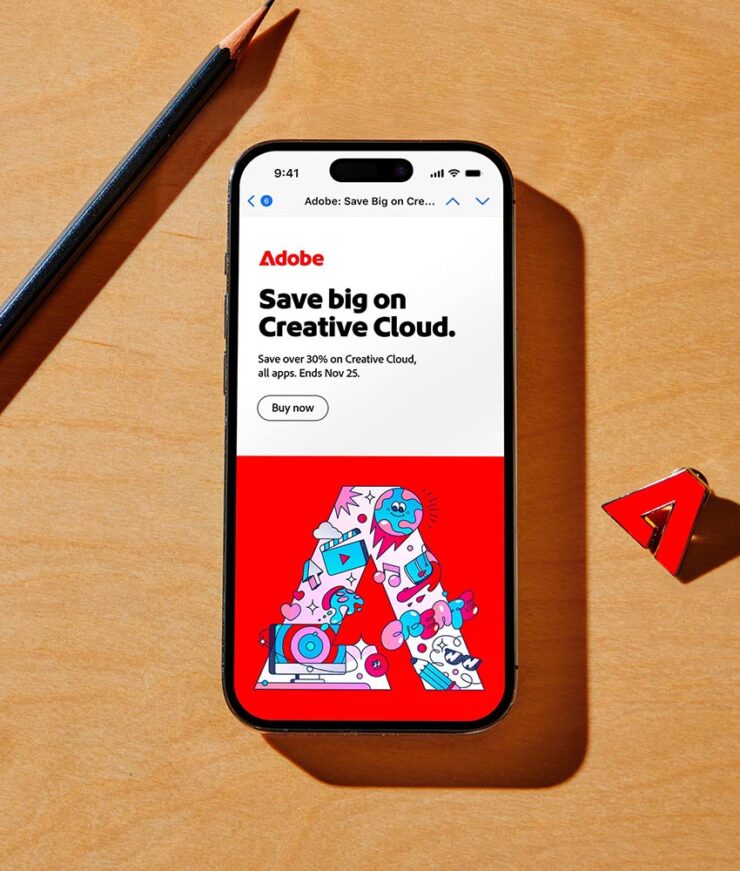
    And hyping the value:

    This leads directly to the second part: Adobe is, once again, both flouting its record profits and raising its prices. Why? AI, of course. (We’ll save the potential monopoly position for another discussion.)

    Adobe has rewritten pretty much all of their apps to include AI, making it so that many functions are better; retouching power lines in Lightroom, for example, is now a one-click affair. Others seem to be there because Adobe believes the general public somehow demands it. (The AI “summaries” of the PDFs in Acrobat, for example, are being pushed so hard it’s actually annoying, although to be fair, that’s not unique to Adobe.)

    In retrospect, it’s obvious that the new AI functions have been written in such a way that we’d get used to having them … and then be forced to pay extra to keep them. In other words, you’d think that, as customers of the Adobe ecosystem for decades now, we’d somehow get to the other side of the fishbowl and not be surprised at the wall.

    Adobe has introduced a new “Standard” tier that’s actually slightly less pricy, but with the AI stuff — along with iPad functionality, online access, and other features — turned off. No one who already has a subscription and gotten used to what’s available is going to want that.

    Firefly, shown above, is new, and AI from the ground up, and the generative fill options in Lightroom, Photoshop, and Illustrator, plus the always-useful access to the Adobe Font collection, mean that I’m going to continue to argue that the yearly subscription actually represents a value.

    That said, it’s an increasing cost that has to get passed along. I don’t like it, and I’m going to continue to say — in public, on the record — that Adobe is putting profits before people. But this is 2025, and these days, sport contains blood.

    Read more at Ars Technica, see the handy chart at PetaPixel, or read Adobe’s marketing for the new Creative Suite Pro.

    Special Bonus #3: Apple, the most beloved of all motherships, is also taking fire these days. Longtime fans will know the name John Siracusa — and, thus, know instinctively what this essay represents.

    Update, 9 June, 2025: Nick Heer, Pixel Envy: “It is hard to see how one could be a fan of a multi-trillion-dollar company. I am just a customer, like a billion-plus others.”

    Special Bonus #4: The Onion, May 16. “[Today, we] announced today the launch of its in-house advertising venture, America’s Finest Creative Agency.Chef’s kiss.

    May Photography Round-up

    As has become the norm, let’s end with some awesome photography posted around the ’net in May.

    Just a little bit “off,” in the best way
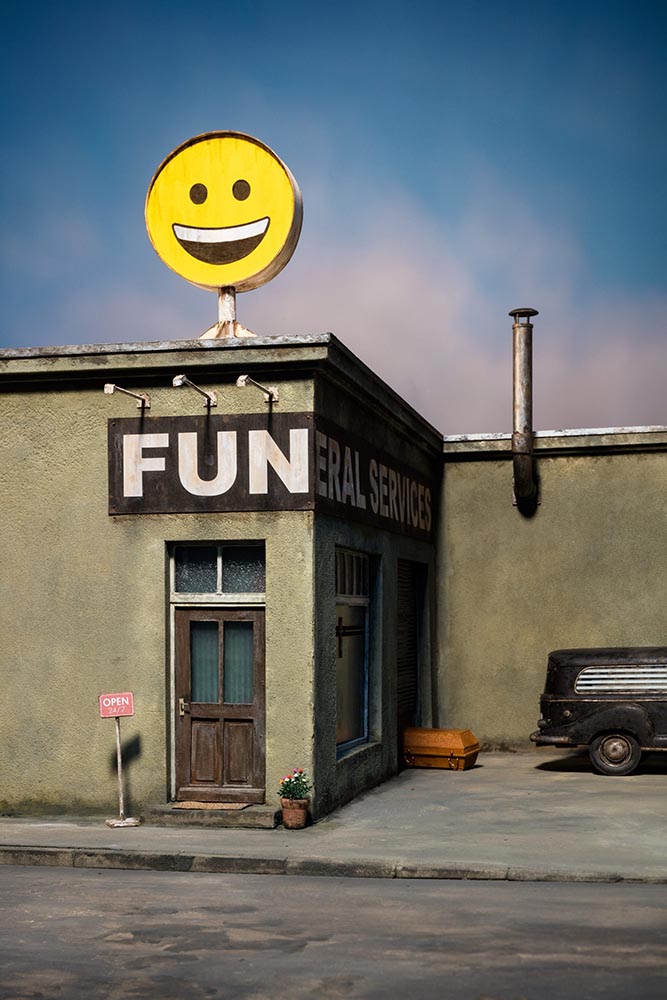
    Putting the “fun” in funeral services. Photograph by Frank Kunert.

    No, it’s not AI: it’s a fabulous series of miniatures, meticulously constructed and photographed for our viewing pleasure. This is Colossal has more. (The behind-the-scenes photo shows all: lots of work.)

    The German Society of Nature Photographers

    This annual competition is a members-only affair, but in no way, shape, or form is that a compromise:

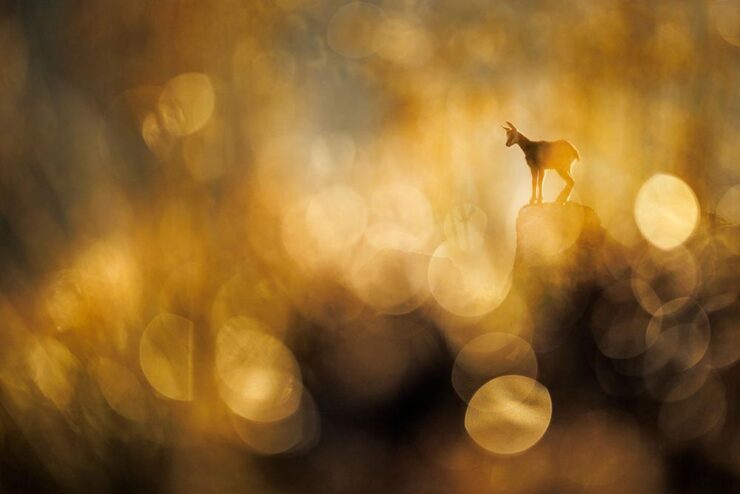
    1st Place, Mammals: “Chamois.” Photograph by Radomir Jakubowski.
    1st Place, Landscape: “Deforestation.” Photograph by Hanneke Van Camp.

    See many more — including a bird bursting through a waterfall (!) — at PetaPixel or head straight to the competition’s website.

    From Norway to Hong Kong

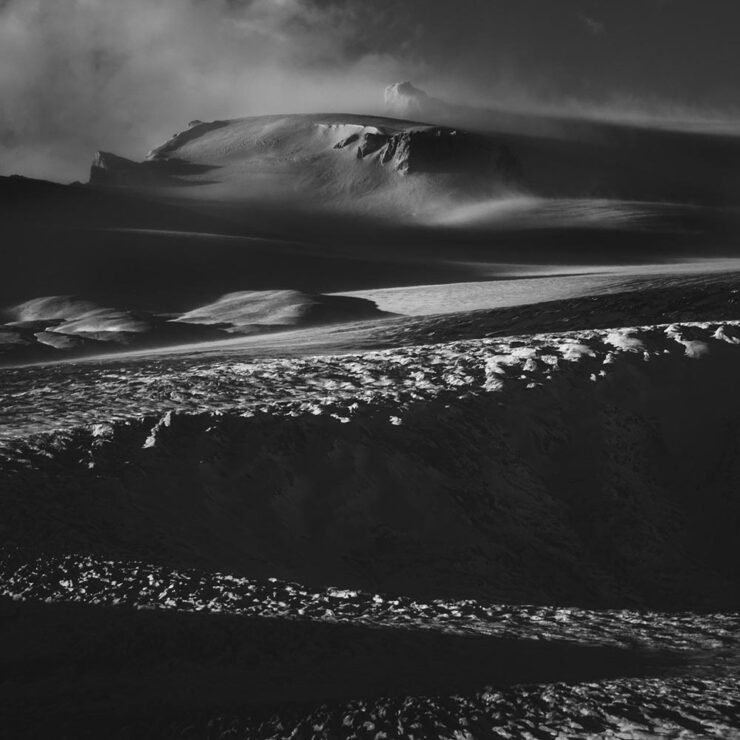
    “Like a love letter to nature, Arild Heitman weaves images together as letters into words to create a visual narrative,” PetaPixel writes of the Norwegian photographer.

    Photograph by Arild Heitman.

    A style that’s “more fine art than sweeping vistas,” they argue; I agree. Of course, there are some vistas, too, but with an interesting quality:

    Photograph by Arild Heitman.

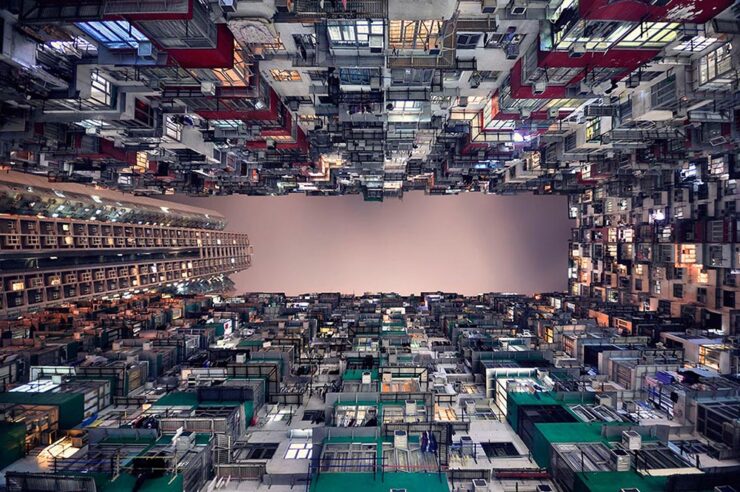
    Architecture is another where details and point of view matter. French photographer Romain Jacquet-Lagrèze moved to Hong Kong in 2009, partially because of what he describes as “verticality,” something the Chinese city certainly has in abundance.

    “44.” Photograph by Romain Jacquet-Lagrèze.

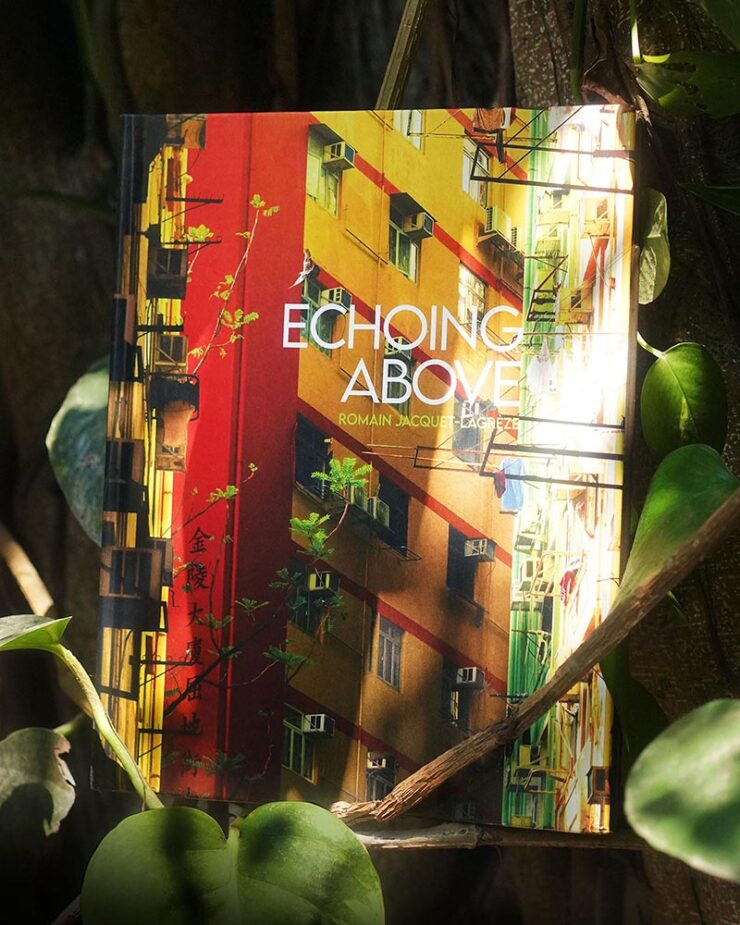
    “I am especially proud of my latest body of work, Echoing Above. I started it by shooting trees growing wildly on residential buildings in the middle of the city. While looking up to find the trees, I spotted the men building scaffolding. And by looking for the men, I discovered the variety of birds that live in the heights of the city,” PetaPixel quotes.

    “Flock Over Mong Kok.” Photograph by Romain Jacquet-Lagrèze.

    “I find it beautiful to see how the presence of trees, men, and birds are taking turns above our heads, like an echo in a concrete canyon,” he tells This is Colossal. His latest collection has been gathered into a book, available on his website.

    Paris in Color

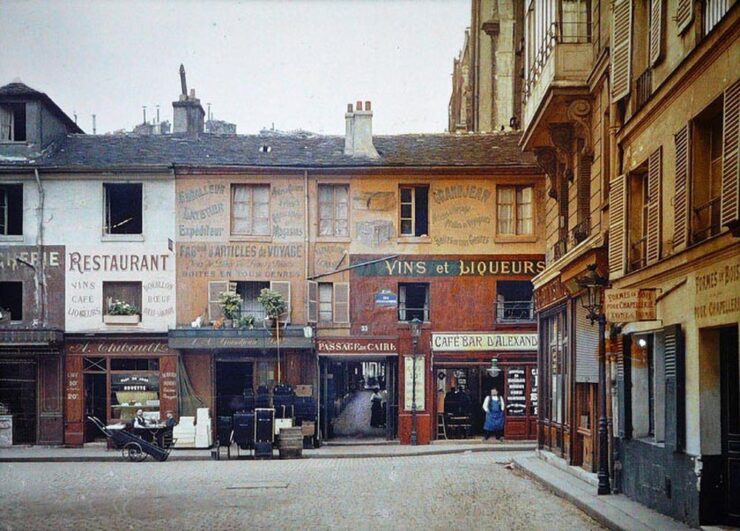
    Jason Kottke brings us an incredible before-and-after, which I hope he won’t mind my reposting:

    Photograph by Albert Kahn, 1914. (Color in original.)

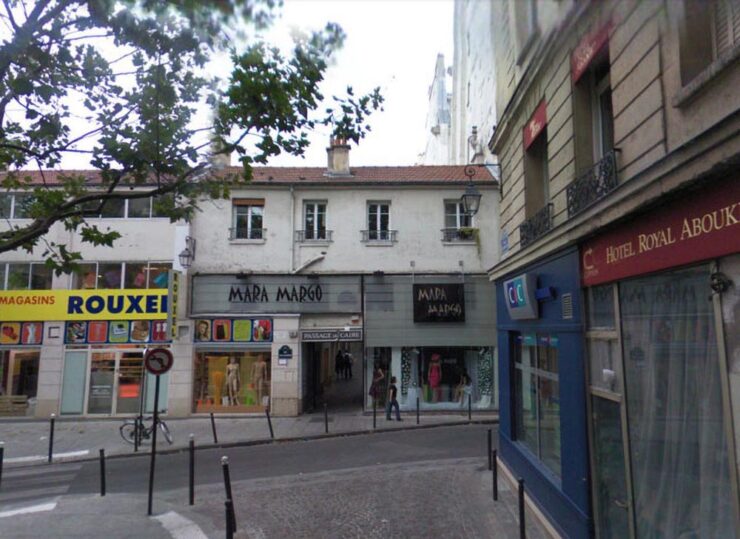
    “That photo is of the entrance to the Passage du Caire at the corner of Rue d’Alexandrie and Rue Sainte-Foy in the 2nd arrondissement.” he writes. Here’s what it looks like today:

    Google Street View, undated.

    Is it just me, or is the photograph from 1914 infinitely more compelling? Click through for more.

    Looking Up

    In its sixth year, Nature‘s Scientist at Work competition invites readers to submit their best photos that show the “diverse, interesting, challenging, striking, and colorful work that scientists do around the world.”

    Photograph by Aman Chokshi.

    For scale, look closely: there are two people at the bottom of that dish. Awesome.

    “Winter Fairy Tale,” Austria. Photograph by Uros Fink.

    We finish up this month with one of the most beautiful sights in the night sky: the Milky Way. Travel photography blog Capture the Atlas has announced the winners of its annual Milky Way Photographer of the Year competition. (And getting these isn’t easy: the photographer shown above, Uros Fink, hiked through the snow for hours with a 22-kilogram backpack and sled.)

    “It bridges the gap between science and art, giving us an awe-inspiring look at the galaxy that surrounds us — from both Earth and orbit,” Capture the Atlas explains, via PetaPixel. The competition site includes the winning photographs, a bit about each, and camera data. Using the word “awesome” somehow falls a little short here….

    My favorite gets both the sky and, implausibly, my favorite flower — in an amazing location:

    “A Sea of Lupines,” New Zealand. Photograph by Max Inwood.

    Have a great weekend!

  • Beautifully Briefed 25.2: Late Winter Stew

    Beautifully Briefed 25.2: Late Winter Stew

    A bunch of tasty ingredients in this month’s post — from friendly identities and open-source typefaces to feel-good photography. Once past the minor rant we’re that covers the other meaning of stew, that is. Read on.

    It’s Nice That on Copyright and Reuse

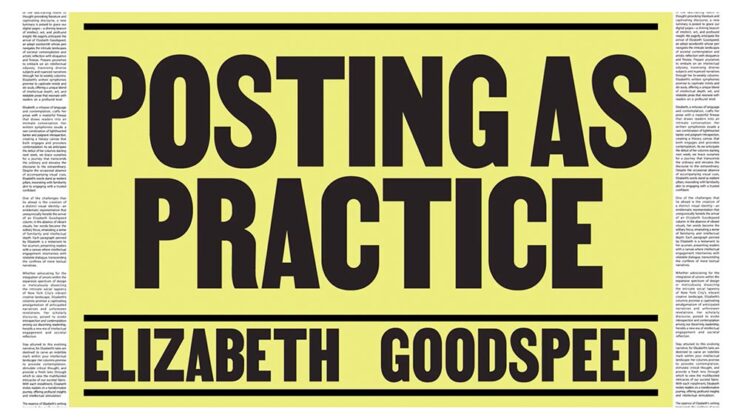
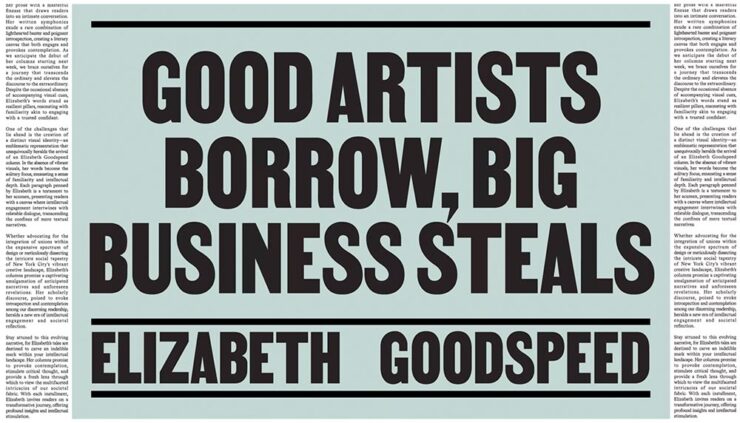
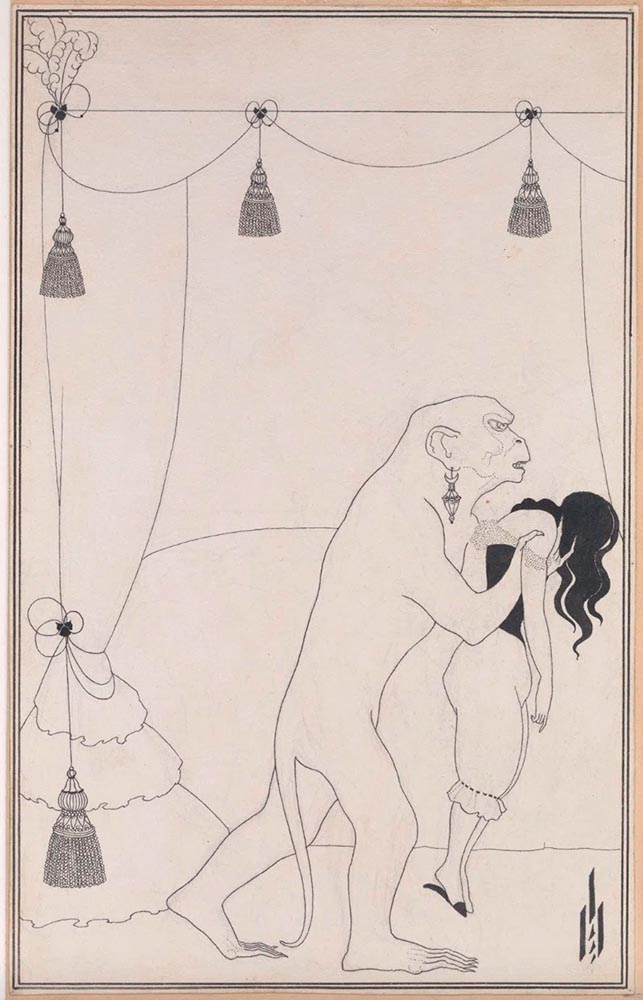
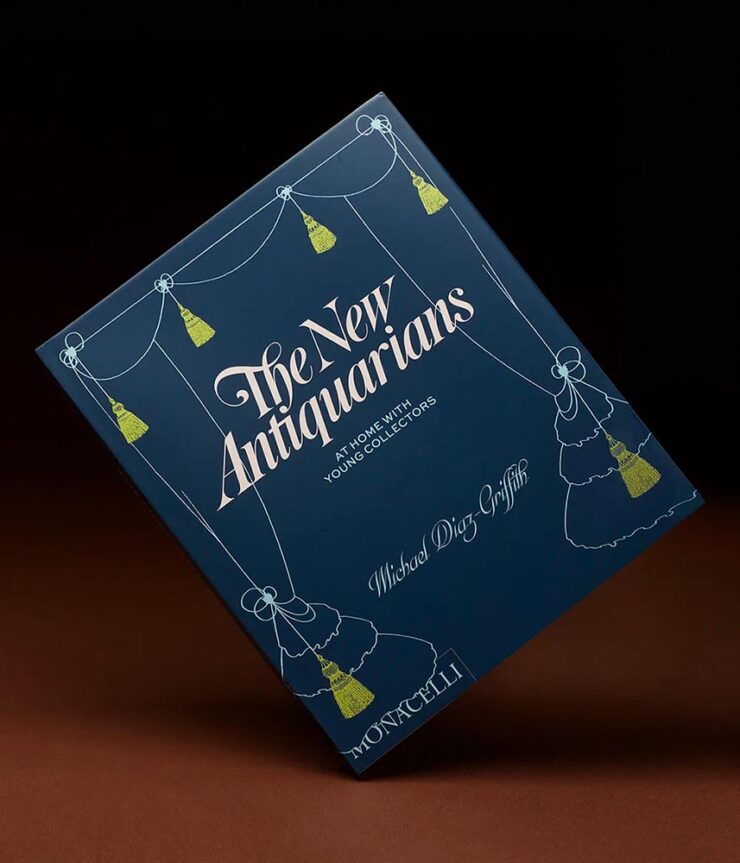
    Elizabeth Goodspeed, editor-at-large for It’s Nice That, has a great column up regarding copyright and the current — and trending — business climate, especially with regard to copyright: it’s become the norm, she argues, for companies to mine open-source and expired-copyright imagery instead of hiring an artist, a trend exacerbated by the rise of AI. “Instead of safeguarding creators, copyright now favors whoever has the resources to outlast their opponent in a legal battle,” she writes. “Since public domain material already looks polished, using it also eliminates the time, effort, and expense of creating something new from scratch (not to mention the time spent building its associative meaning from the ground up). But why would anyone ever commission an illustrator when they can just pull something free from an archive?”

    She’s done it herself:

    The Murders in the Rue Morgue, 1895 (public domain). Aubrey Beardsley.
    New Antiquarians, 2023. Book design by Elizabeth Goodspeed.

    She also points to a new UK proposal for a data mining exemption to be given to AI companies. “[I]t would lead to a “wholesale” transfer of wealth from the creative industries to the tech sector,” Sir Paul McCartney argues. (Source.) But isn’t that true of the larger picture these days, no matter the country?

    Not all borrowing is the same. Copying is often more about power than propriety. When working with archival material myself, I like to think in terms of the stand-up comedy rule: punching up vs. punching down. Picking up visual motifs from a billion-dollar corporation that’s built its empire on copyright hoarding? That’s punching up. Repackaging the work of a living artist from a marginalised background without credit or compensation? Likewise, using found material for an indie zine is a far cry from pulling from the same source for a corporate client that could easily afford to commission something new.

    — Elizabeth Goodspeed, It’s Nice That Editor-at-large

    It is most certainly a trend in book design — but the bigger question here is one she states as fact: “[r]ather than referencing the past, designers are stripping it for parts.” It’s worth stepping back, as designers, and consider how we source — and use — imagery.

    The entire article, only part of which is discussed above, is worth a read. And more than a moment’s thought.

    Okay, on to the fun stuff.

    An author on her own book design

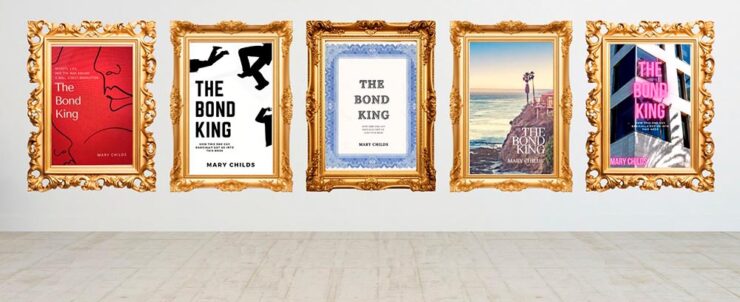
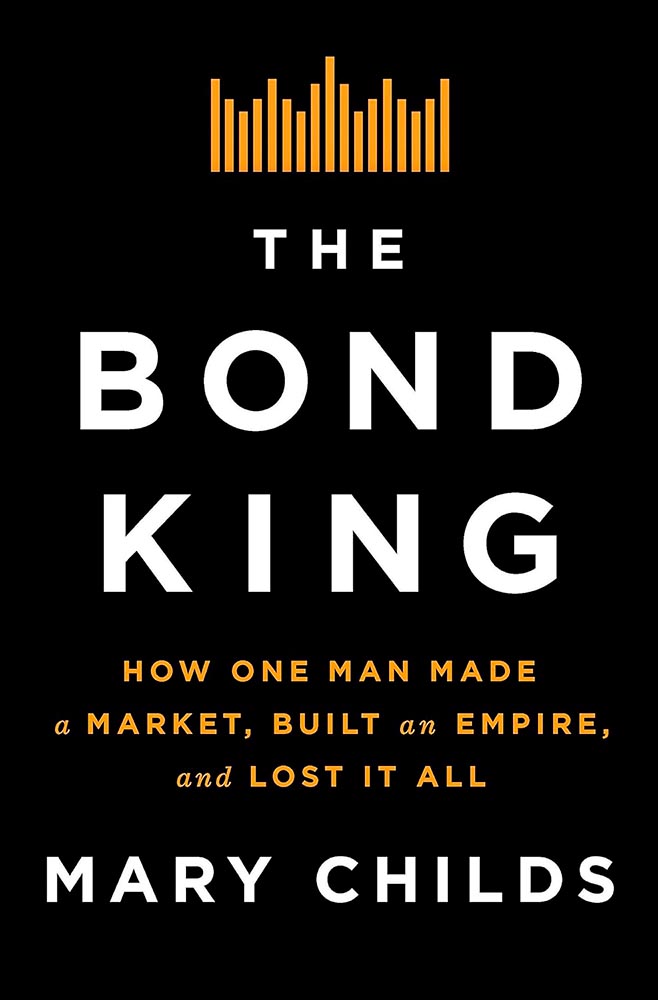
    Mary Childs, a co-host of the Planet Money podcast on NPR, writes on LitHub what it’s like to tackle the cover design for the book she’d written:

    LitHub’s great cover graphic — pun likely intended — for Mary’s attempts.

    “This very slight, low-stakes request for ‘inspiration’ became an all-consuming assignment. My brain started spitting out cover ideas. And then more cover ideas. I was sure I would break through and create the Great American Finance-book-that-reads-like-a-Novel Cover,” she writes — and, better still, backs up with illustrations.

    Cover design by the Flatiron Books in-house art dept.

    In the end, she left it to the professionals — but the trip is absolutely worth the read. (Be sure to follow the Na Kim link, too.) Via Kottke.

    Special Bonus #1: Speaking of Na Kim, and also via Kottke, she’s somehow found time to start painting. “Be careful what you’re good at, you’re going to get stuck doing that.”

    The Fantastic Mr. Font (and other big Dahls)

    “Pluckish and playful” is more than a description of the wonderfully-named Fantastic Mr. Font, it’s the description of the new identity for the Roald Dahl Story Company. (Which is, unfortunately, a division of Netflix — but we’ll leave that for another day.)

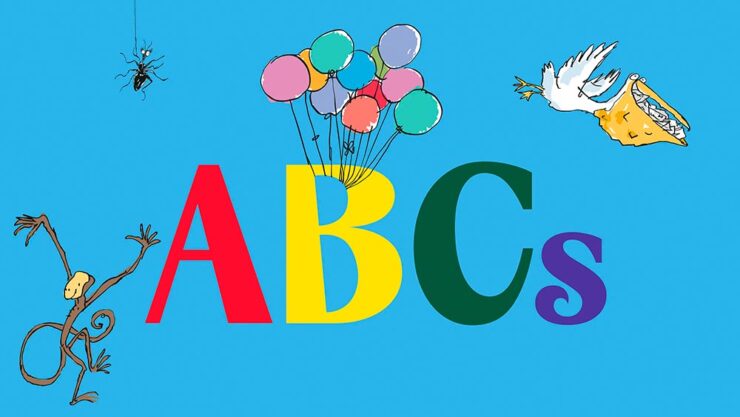
    Just right. So, too, it the font’s interaction with various illustration elements:

    Roald Dahl and Sir Quentin Blake — plus the new font.

    The typeface was “developed in collaboration with type foundry Pangram Pangram, the font is a customisation of its existing font PP Acma, turning its already unconventional characteristics into something ‘more mischievous,’” Ellis Tree — another great name — writes at It’s Nice That.

    Read the full, well-illustrated story.

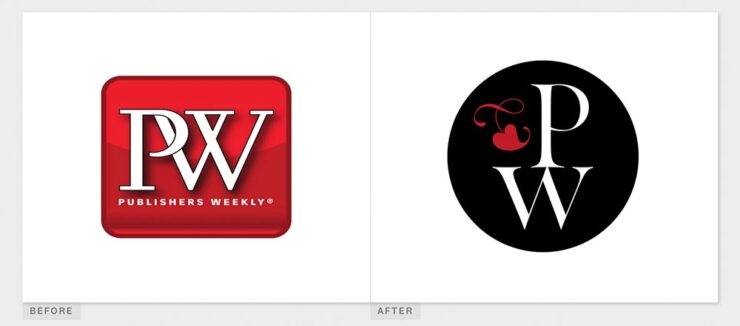
    Special Bonus #2: While we’re on the subject of branding, check out the new look for Publisher’s Weekly:

    BrandNew’s before-and-after of the PW logo.

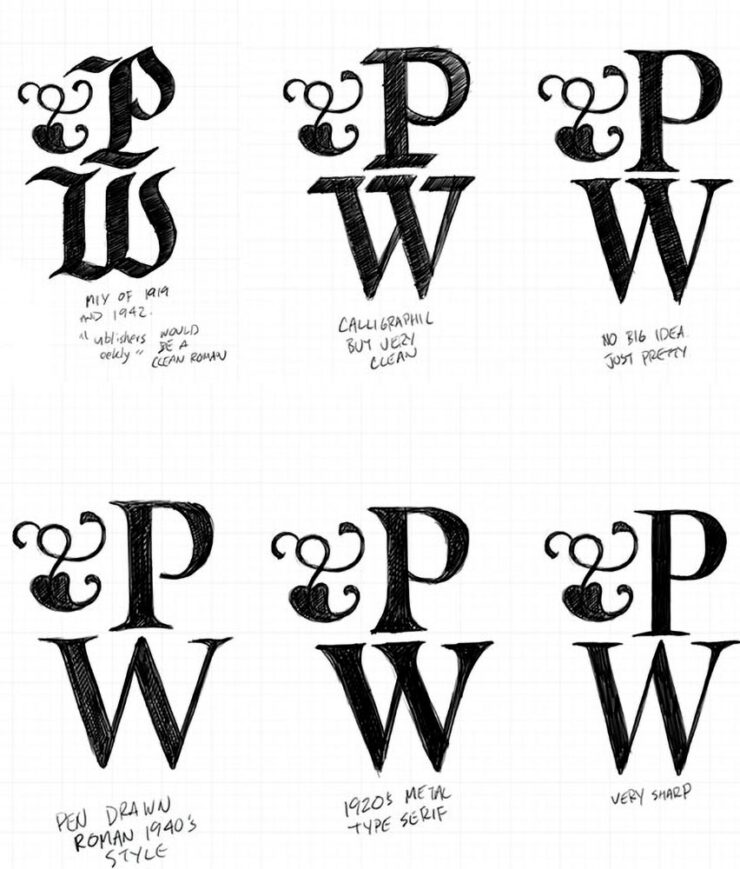
    It’s actually a return to an older form, but updated. Their website has a brief explanation. (Via BrandNew.)

    PW examines options for their new/old logo.
    Some Fantastic Fonts
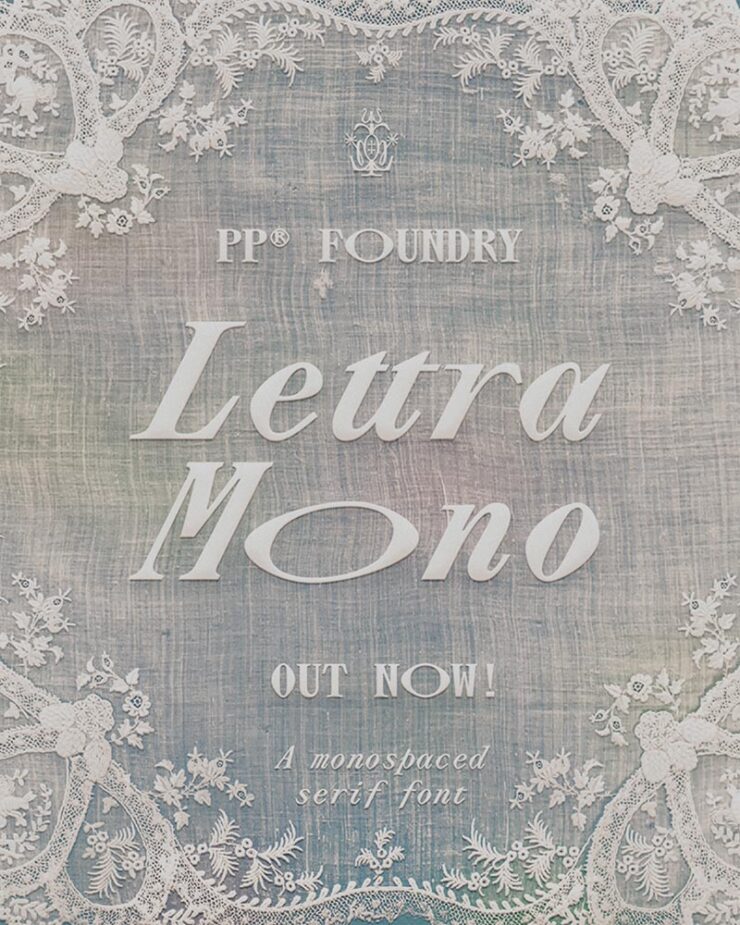
    Lettra Mono

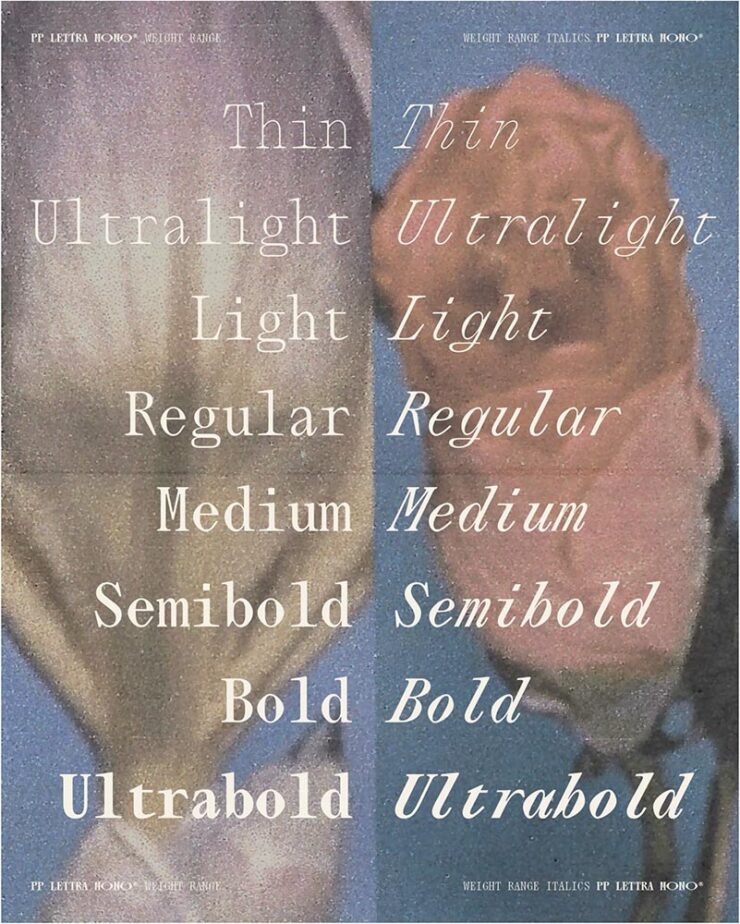
    Speaking of Pangram Pangram, let’s start there: their Lettra Mono was the standout of Creative Boom’s roundup of new fonts for February. Monospaced serif fonts are unusual, but good ones….

    The italics, especially.
    Inclusive Sans

    CB also chose the incredible update to Inclusive Sans, which was also the subject of an article at It’s Nice That — and, better still, free, open-sourced, and now available in five-weight goodness at Google Fonts.

    Love the retro style of the supporting images.

    “Inclusive Sans is a new typeface from Olivia King that puts accessibility at the forefront,” It’s Nice That writes. “It’s arisen from the type designer’s research into typographic accessibility and readability – from highly regarded traditional guides and papers to more modern approaches to letterform legibility.”

    Available in a variable weight, too.
    Gorton

    Marcin Wichary — he of Shift Happens fame — pens (heh) an comprehensive and incredibly well-illustrated article on Gorton, a typeface you’re undoubtedly seen but don’t know.

    Anyone who knows Shift Happens will recognize the illustrative style. Photograph by Marcin Wichary.

    “One day,” he writes, “I saw what felt like Gorton on a ferry traversing the waters Bay Area. A few weeks later, I spotted it on a sign in a national park. Then on an intercom. On a street lighting access cover. In an elevator. At my dentist’s office. In an alley.”

    See also the f6 in the title image, above. Photograph by Marcin Wichary.

    It’s a long post, so save it for when you’ve a minute to enjoy — but 110% worth it.

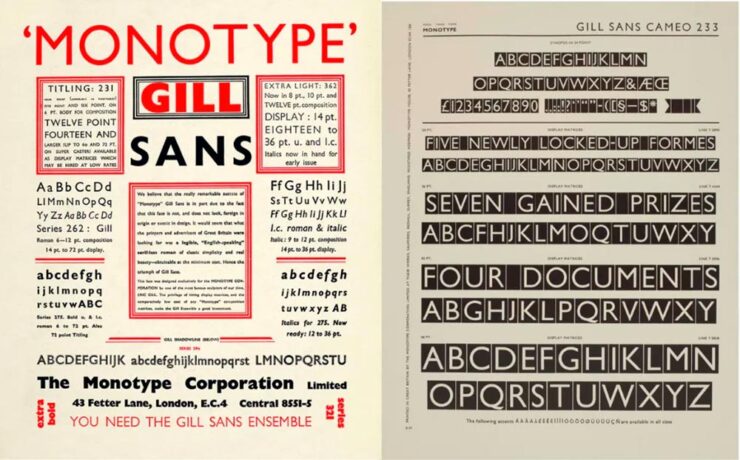
    Special Bonus #3: Creative Bloq has a list of the best typography of the 1920s — “from Futura to Industria Gravur” — as chosen by designers. My fave? Gill Sans, of course.

    Used in Saab’s advertising, amongst about a billion other examples.

    Special Bonus #4: Nick Heer at Pixel Envy comments on a list posted by Robb Knight: “Something very useful from the Atlas of Type: a huge list of type foundries.” A good Canadian citizen, he reminds us that Pangram Pangram is, in fact, Canadian. More: “I was particularly excited to learn about Tiro Typeworks. They have a vast library of type for scientific and scholarly works [… I]f you are reading this on MacOS, you probably have STIX Two installed.”

    Some Great Photography

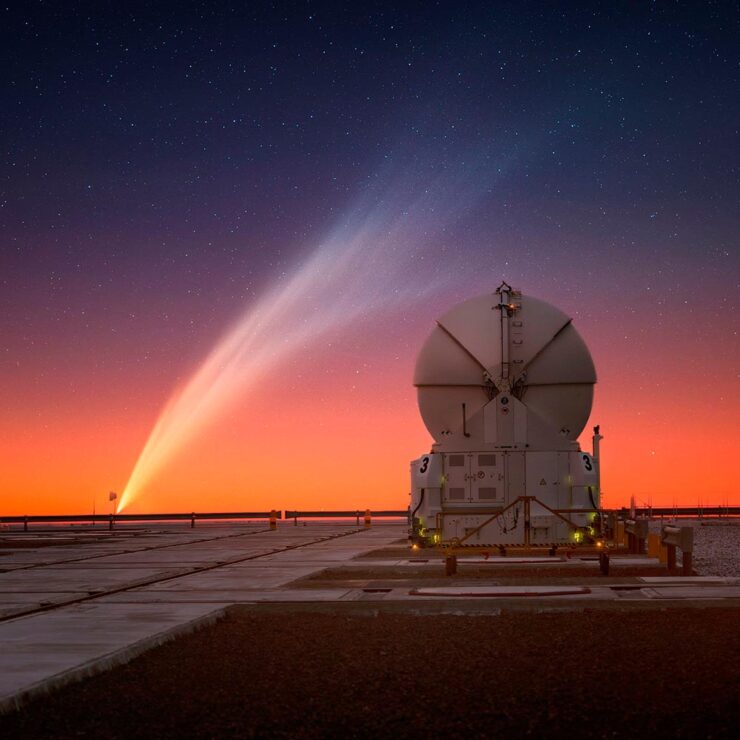
    Comet G3 visits every 600,000 years, they say. Hmph.

    Yuri Beletsky of the ESO caught G3 over the telescopes in Chile.

    Great stuff. See more at PetaPixel.

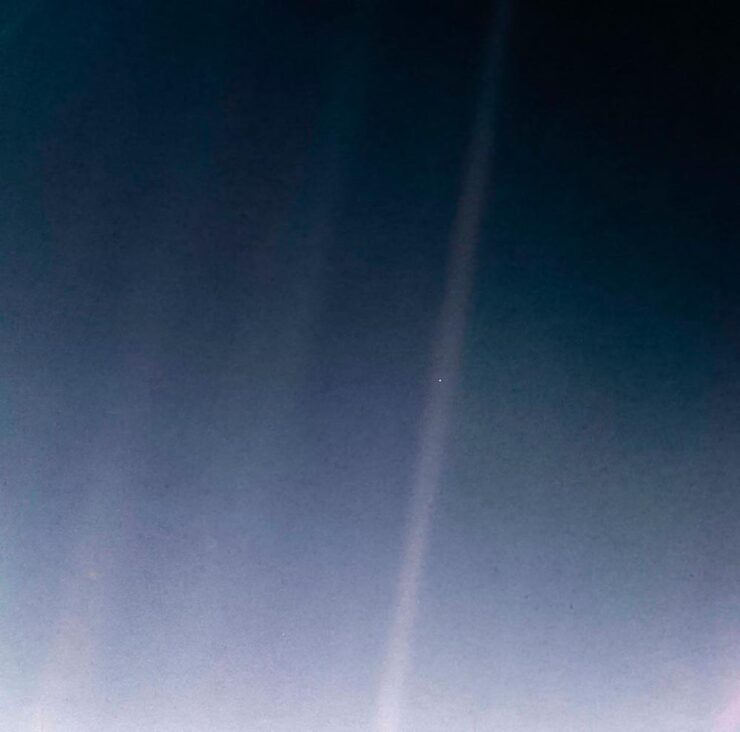
    Meanwhile, on the subject of space — and PetaPixela reminder that one of the most infamous photographs in history turned 35 on Valentine’s Day:

    The Pale Blue Dot. (2020 remastered edition.)

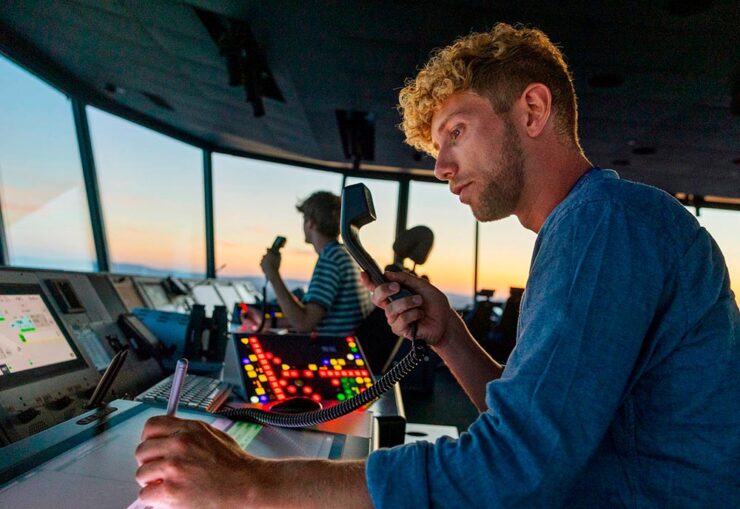
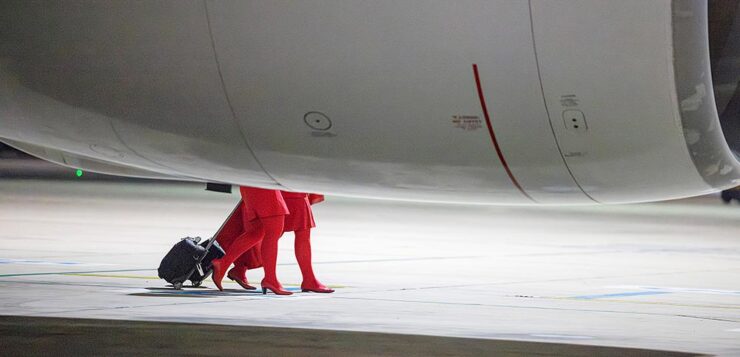
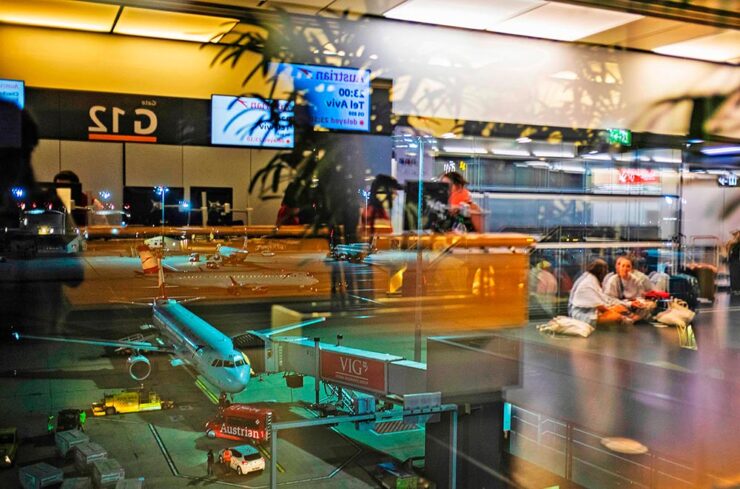
    Aaaand one more from PetaPixel: a book. Eight photographers documented 24 hours at the Vienna Airport, offering up more than a few behind-the-scenes shots — in celebration of its 70th anniversary:

    Photograph by Jérôme Gence.

    “The project was overseen by Lois Lammerhuber,” PetaPixel writes, “a publisher and photographer, who has since turned the collection of images into a book titled The Dream of Flying.”

    Photograph by Ulla Lohmann.

    The project was “about showing the people who use the airport as well as highlighting the staff who ensure all the airplanes depart and land safely.” My favorite shot:

    Photograph by Ana María Arévalo Gosen.

    I’m an airport and large/commercial plane junkie — and old enough to remember when all-access at the local airport wasn’t a big deal — so it was great to see these.

    Lastly, from This is Colossal, another round of the “coincidental” style of Eric Kogan:

    Photograph by Eric Kogan.

    All NYC this time. Check ’em out.

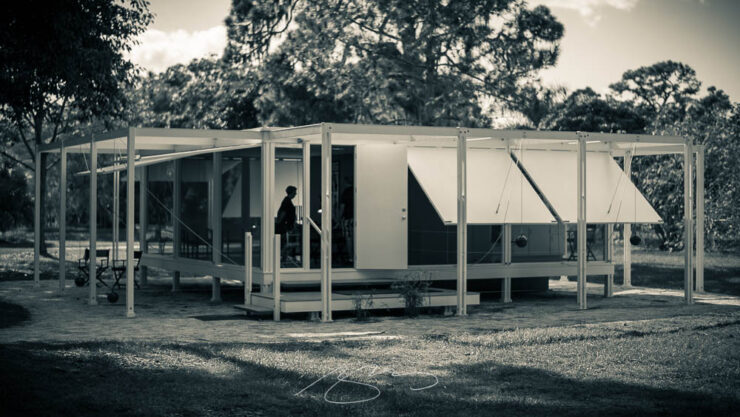
    Special Bonus #5: Art News notes that Paul Rudoph’s Walker Guest House is for sale for the bargain price of $2 million. It’s a kit home that’s been assembled in various places, including the grounds of the Ringling Museum in Sarasota, Florida. (It’s currently in storage in Rhinebeck, New York. Shipping is not included.)

    So why is in the photography section, you ask?

    Photograph by Giles Hoover.

    That’s why. Check out more of my photography from Ringling and Sarasota. (The Walker images are near the top.)

    Photograph by Giles Hoover.
    Sigma: a new BFF?

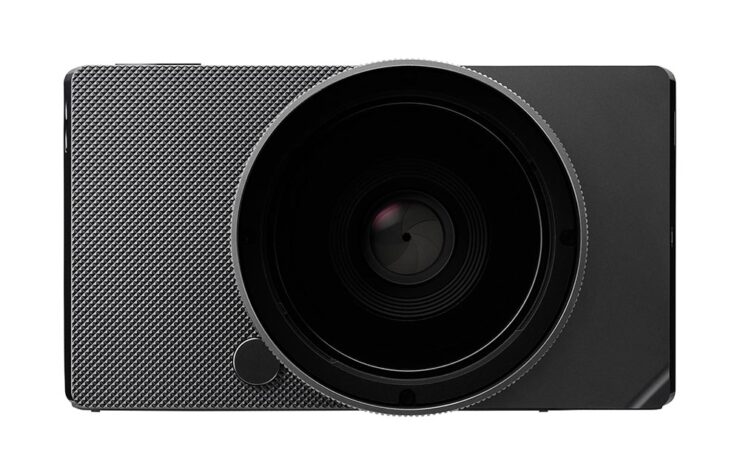
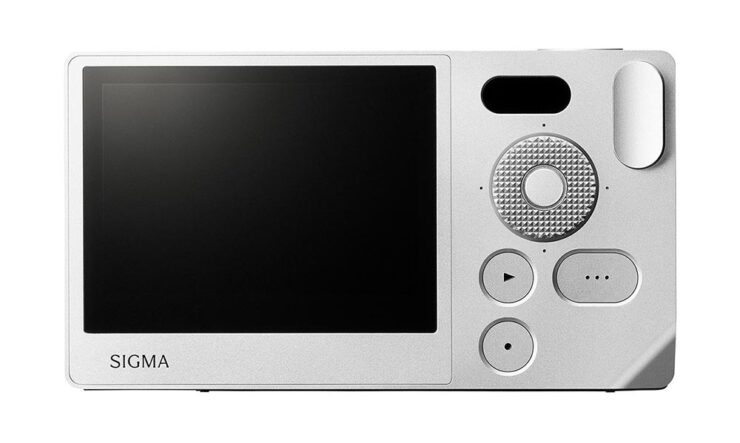
    No, that’s just BF — it stands for “beautiful foolishness,” after a line from a poem in Okura Tenshin’s The Book of Tea — but, as usual for them, something different. Something good.

    Like the FP before it, there’s nothing you don’t need, bordering perhaps on a minimalism that’s … stark? No viewfinder, no stabilization, no mechanical shutter, built-in memory (so no card slot), haptic interface. But style for days, a great shape and texture, and absolutely the right size.

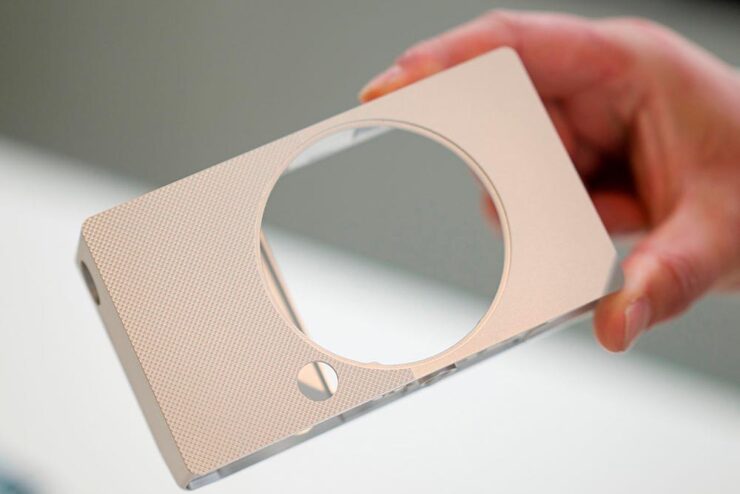
    It’s made at the rapid clip of nine per day, because it’s made from a single billet of aluminum — shades of the Leica T/TL/TL2 (something I maintain was before its time, and discontinued short-sightedly) — except full-frame. And, of course, supported by Sigma’s extensive catalog of L-mount lenses. (Another commonality with the TL.)

    At $2000, it’s the right price, too. Read more here or here or here.

    Oh, and one more thing: Sigma has a new identity to go with the BF:

    Slightly more formal, slightly on-trend typography, which is fine — but the logo is clever in being both a letter and a lens. More of that just right to close out the day.

    Special Bonus #6: Sigma’s CEO Kazuto Yamaki is charismatic, interesting, and dedicated, as seen in the videos PetaPixel has introducing their new HQ building in 2022. Love the library-wrapped staircase.

    Update, 4 March 2025: PetaPixel has posted a YouTube podcast/interview with Kazuto Yamaki, in which he talks about the BF and possibly a new, “serious” camera to compliment their 300-600mm lens. (This is probably a better intro to Sigma’s CEO than the above.)

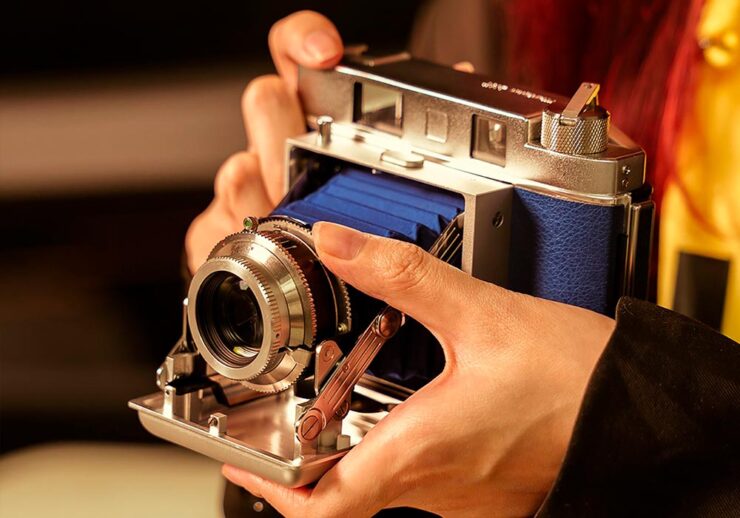
    Special Bonus #7: TTArtisan, the Chinese manufacturer making interesting L-mount lenses — I have two, both solidly in the cheap-and-cheerful category — is about to introduce their first camera … and “interesting” is, in fact, the best way to describe it:

    Purely mechanical, no batteries required, instant film camera that’s decidedly retro.

    See you in the spring!

  • Beautifully Briefed 24.7: Generated

    Beautifully Briefed 24.7: Generated

    This time, another automaker logo, some automotive and architecture photography, and the special bonuses that have all become a regular part of the Beautifully Briefed standard. But we’re going to start with some generated content.

    AI Book “Design”

    From the “We knew this was going to happen” category, we have the first — that I’ve seen, anyway — “let AI do the work” research paper suggesting that book design is something that can be automated.

    We have presented a novel approach to computationally design books. The presented system implements a generative design process which takes advantage of the scripting capabilities of Adobe InDesign to procedurally typeset books from content provided by the user. We have shown the ability of the system to (i) create book designs that consistently comply with a series of typographic rules, styles and principles identified in the literature; (ii) produce visually diversified books from the same input content; and (iii) produce visually coherent books with different contents.

    Design by “AI.”

    Let’s please remember that “AI” as the term is currently used is actually “applied machine learning;” in this case, specific rules within specific containers in a specific application. It’s a first step towards something, as most “AI” is in 2024.

    But it’s absolutely not the only step. It’s inevitable that the necessary subsequent steps will be taken, probably sooner than later.

    As usual where someone is seriously discussing replacing a human worker with a computer, there’s a pitch for the upside:

    The work presented in the paper may challenge the typical roles of both the tool and the designer. First, by automatically creating and suggesting design alternatives, the tool ends up playing a more active role in the design process. Then, by modifying and developing custom tools, the designer is no longer a mere tool user and becomes the author of tools tailored to specific needs. We believe this shift can be fruitful since it enables the exploration and discovery of new technical and creative possibilities.

    In other words, the designer is now responsible for creatively writing the rules then policing the output — like so many things in the machine-learning, or “AI” space — rather than the actual drudgery of directly designing the output. “Design great rules, get great design.”

    And there is room for this. Amazon, especially, is going to jump on book design generated this way; never mind those folks in China or India earning (a paltry few) dollars a day, the computer can do it better for less . . . . Poof! With no human interaction whatsoever, your book is ready to publish. Indeed, for some, the bar to publish has just been lowered made easier. Perhaps even Adobe, who trumpets “AI” at every turn these days, they may choose to take this up. (Probably for a surcharge to the already-high subscription pricing.)

    Let’s not even speculate about the major publishing houses for now.

    But like AI-generated anything, getting actual art requires hand-tuning the input by an artist. For what amounts to “slop” — see this fantastic PixelEnvy discussion — the generated approach to book design might even be appropriate. But for book design that’s artistic, cared-for, or even “just” thoughtful, you’re going to need a human for a long time yet to come.

    The paper is available on Cornell University’s arxiv under CC BY-NC-SA 4.0 DEED license. (Via Hackernoon.)

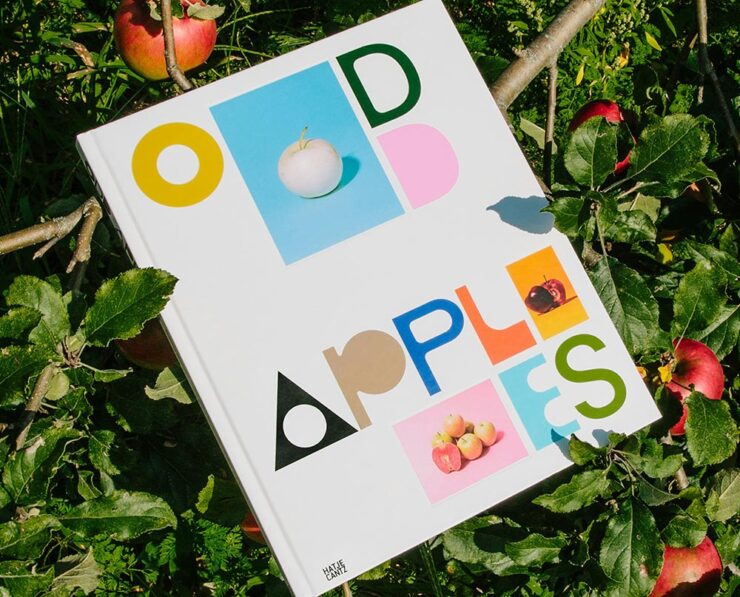
    The excellent Odd Apples, which I’m sure I’ve highlighted before — but in a very human way, can’t find.

    Special Bonus #1: I had the occasion to recently flip through Pentagram’s book design section. Some seriously interesting, seriously artistic work. (See the Odd Apples listing specifically.)

    It could probably be argued that computers took book design jobs away, but….

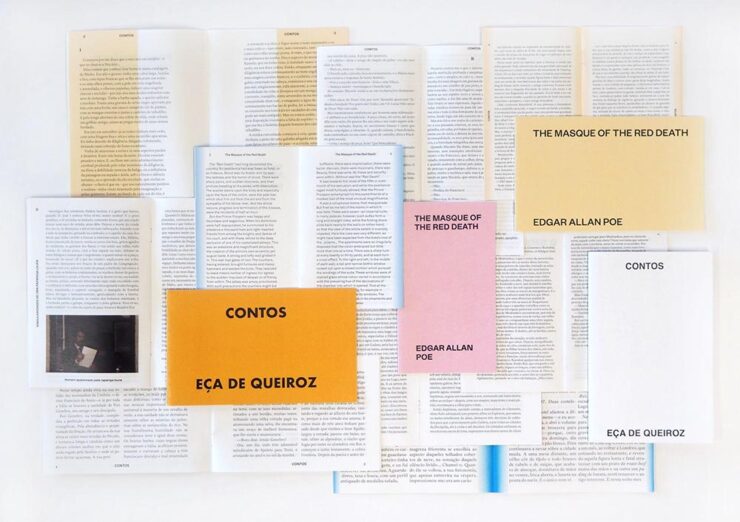
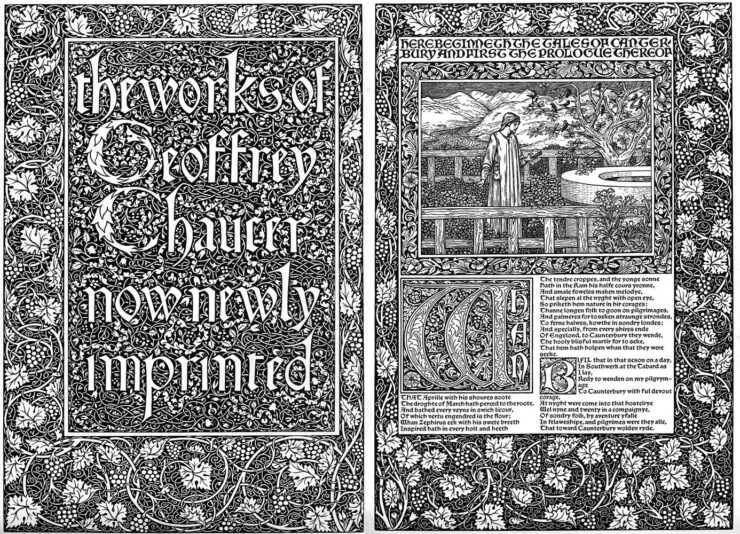
    Special Bonus #2: CreativeBoom links to three free archives on Victorian illustration to inspire — or perhaps use creatively in a book.

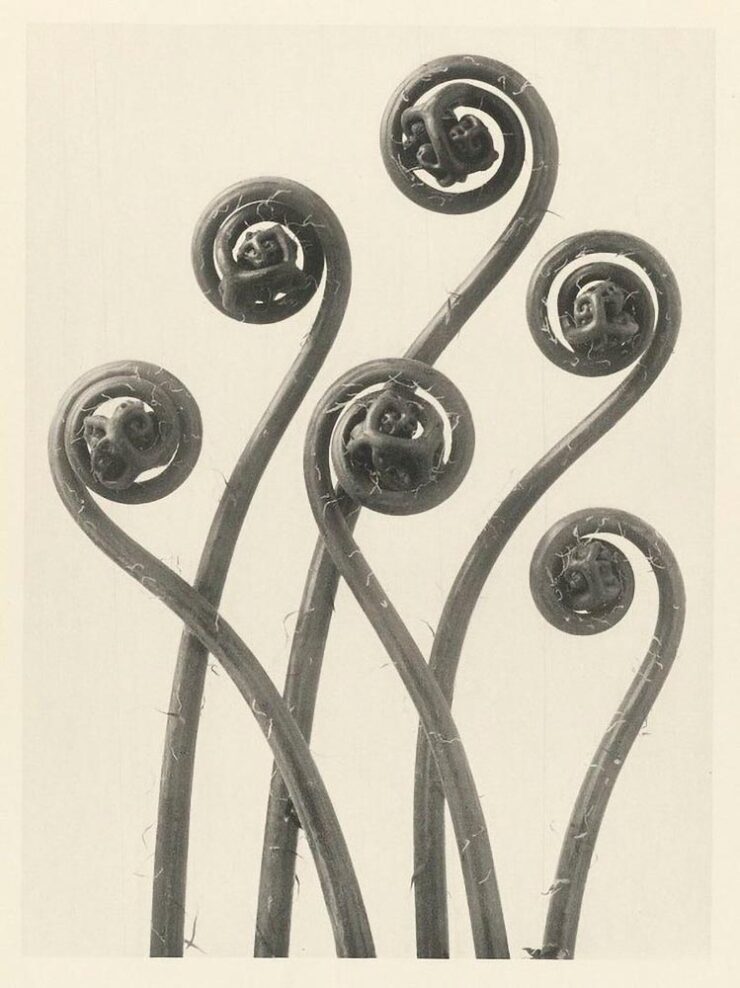
    Untitled (Fiddleheads), 1928. Photo by Karl Blossfeldt.

    Special Bonus #3: The ever-great Kottke.org. points us at Public Work, “an image search engine that boasts 100,000 “copyright-free” images from institutions like the NYPL, the Met, etc. It’s fast with a relatively simple interface and uses AI to auto-categorize and suggest possibly related images (both visually and content-wise).” As Jason Kottke points out, not great in the attribution department, but good stuff nonetheless.

    Mazda’s New Logo
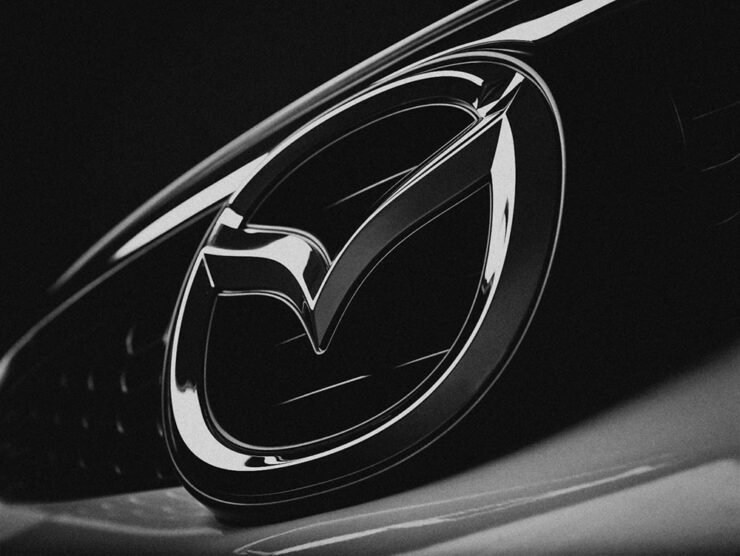
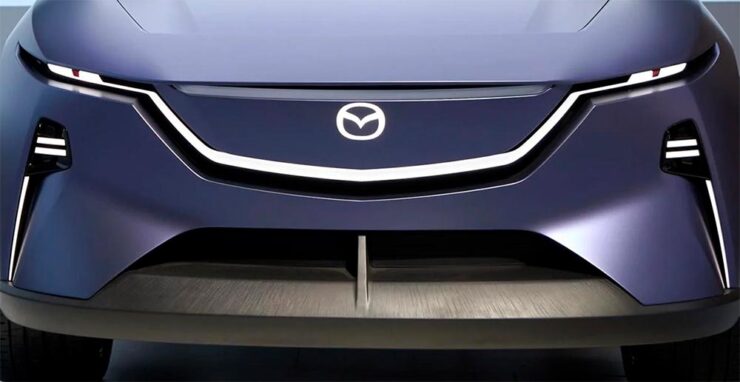
    Mazda’s logo as of 2023, seen on one of its cars.

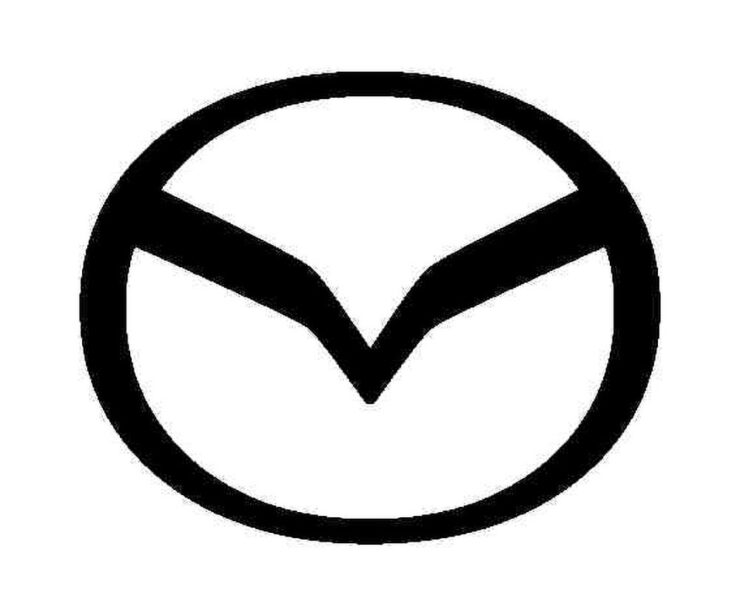
    From the automotive logo thread (previously), we have to note Mazda’s new look, reduced from the current 3D-style grayscale to flat and black and white. This one gets some criticism from me: it lacks grace, pace, or space. (Hmph. That might be someone else.)

    Angry Bird, anyone? (Pardon the artifacts — this image is enlarged from a Japanese trademark post.)

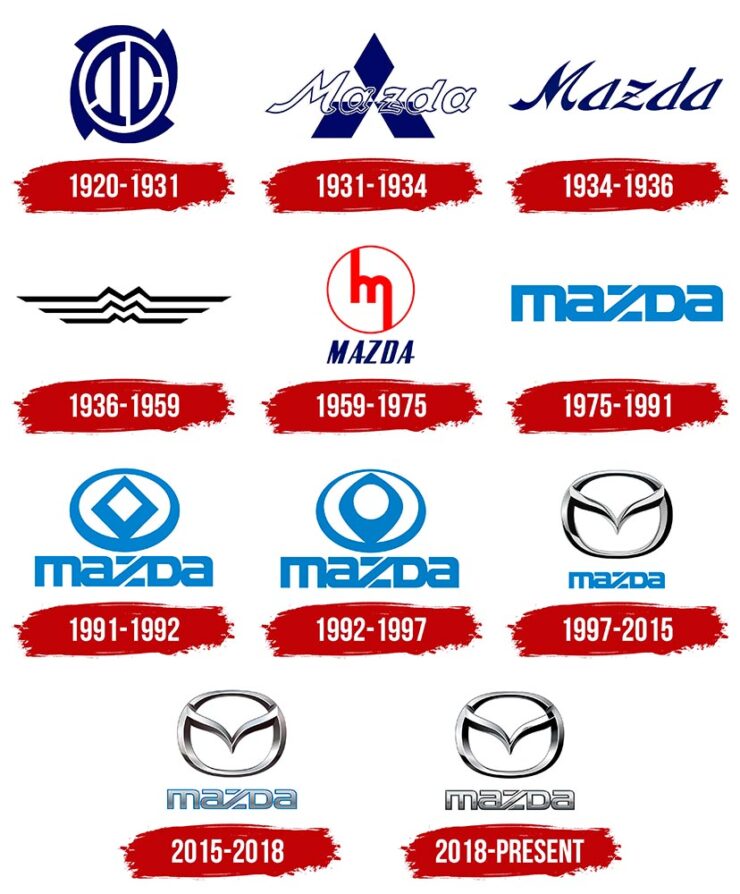
    Then again, Mazda has not always been successful with logos. Anyone remember the 1991–1997 version?

    Mazda’s complete logo history.

    The 1931–1934 version lays the name over Mitsubishi’s logo, which was responsible for sales. The 1975–1991 version is the one I remember best, but that’s likely a youth/rose-colored glasses sort of thing. See Wiki for more information.

    Meanwhile, Mazda is trying to move upmarket right now, and the new “look” isn’t really in keeping with that. Curious to see where this goes. (Via The Autopian.)

    Mazda’s new electric concept, the Errata, sporting an interim, flattened version of the current logo. Wait, might have gotten something wrong there, too….

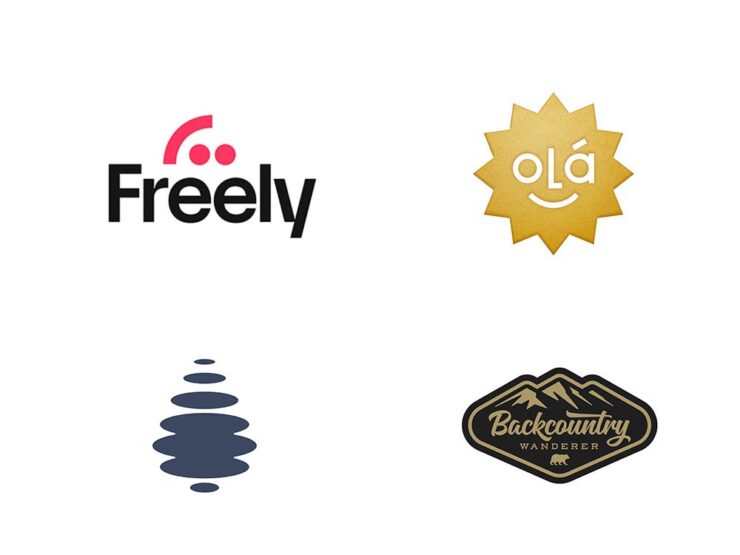
    Special Bonus #3: BrandNew points us at the 2024 Logo Trends report, the annual fun item from Logo Lounge that looks at what’s hot in this year’s crop of — you guessed it!

    Freely (Smiley category) and Droplet (Elliptic category), left, and Olá and Backcountry Wanderer, right, from the Sticker category. (Olá could be in the Smiley category, too.)

    Some of my favorites are above, but the whole report is worth a look. (Spoiler: more than flattening is on trend.)

    Auto, Auto+Arch, Arch
    Auto Photo Manual

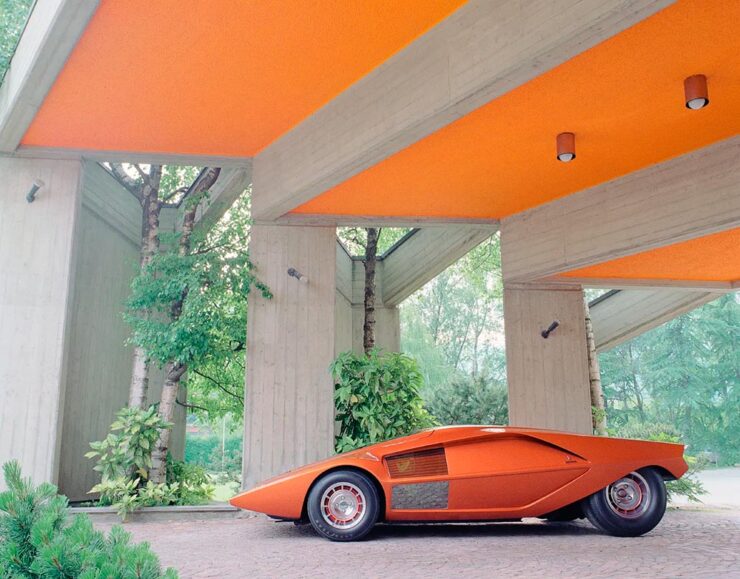
    Via Wallpaper*, we have Auto Photo Manual, a new monograph from Benedict Redgrove that “explores the art and science of photographing the world’s most striking cars:”

    A very orange Lambo. Photo by Benedict Redgrove.

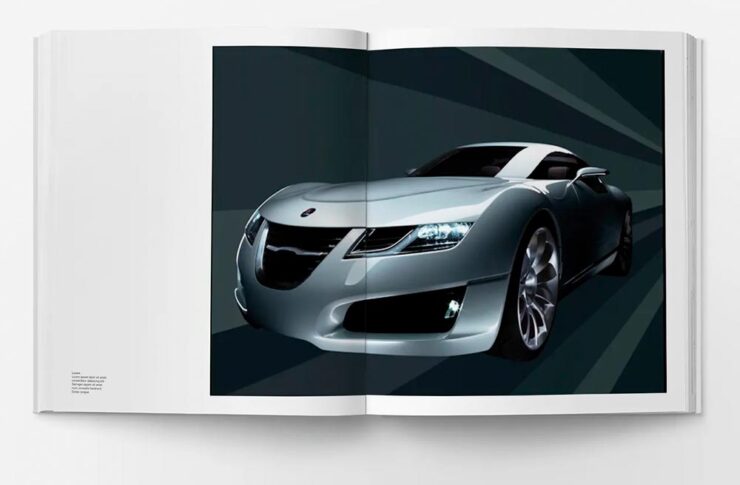
    Always a sucker for a Saab, especially this concept:

    The 2006 Saab Aero-X concept. Photo by Benedict Redgrove.

    Auto Photo Manual is a Kickstarter item that could use some love — stop by if you can. Wallpaper* has the full story.

    A Time • A Place (Vol. 1)

    Also via Wallpaper*, we have a “celebration of the European Car of the Year and changing perceptions of modern design, pairing the best buildings of the age with their automotive contemporaries:”

    London’s Camberwell Subamarine and the Mercedes W116. Photo by Daniel Hopkinson.

    “Through the lens of time, both [cars and buildings] have become highly symbolic of their eras and hindsight will allow us to trace the roots of each design to determine how it is viewed from a 21st century perspective,” says Holroyd, noting that over this period architecture underwent a stylistic retreat, just as car design became emboldened and more avant-garde.

    Great stuff in this new title, available now from The Modernist. Read more at Wallpaper*.

    World Architecture Festival 2024 Shortlist

    Via The Guardian, we have The World Architecture Festival’s 2024 shortlist, revealing projects from around the world spanning categories such as childcare, energy, transport and science. A couple of faves:

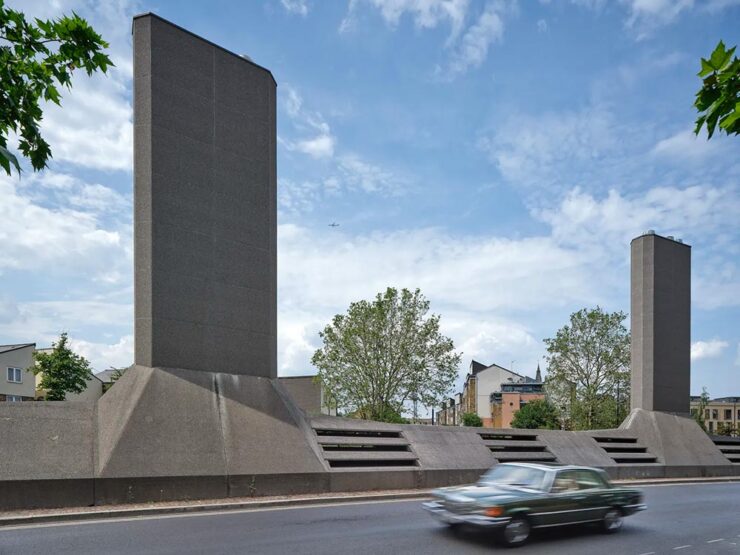
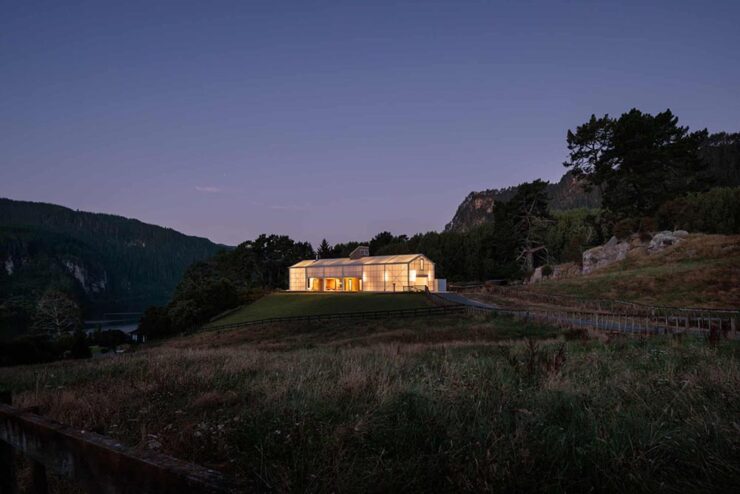
    The Chodge by DCA Architects of Transformation — interesting name(s), surely — in Whakamaru, New Zealand. Photograph by Simon Devitt.

    The live awards event will take place in Singapore from November 6-8. This year’s finalists represent 71 countries.

    Woven Passage to Cloudy Peaks by line+ studio in Shaoxing, China. Photograph by line+studio.

    See more at The Guardian, or the complete shortlist at The World Architect Festival.

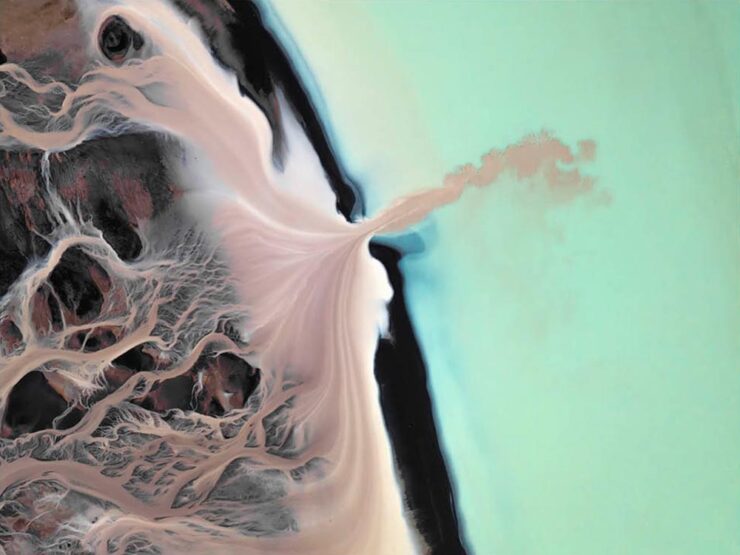
    Special Bonus #4: This is Colossal brings us the drone photography of Eric Waider, shot in Iceland:

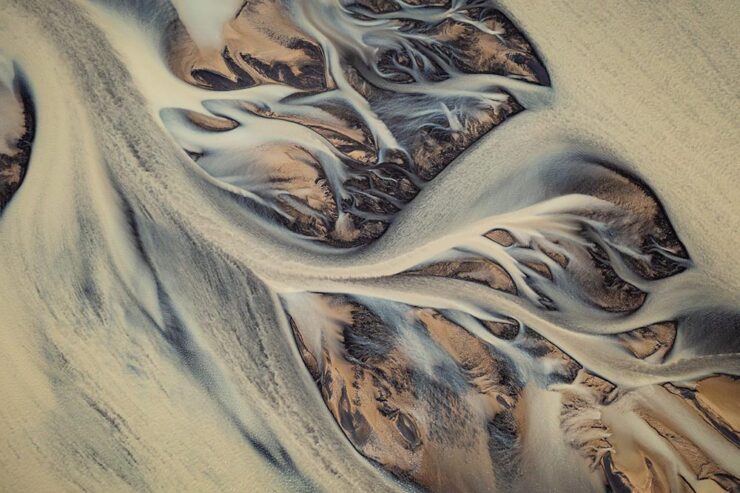
    As glaciers expand and recede, they have the capacity to grind rock so fine that geologists refer to the pulverized material as glacial flour. It slips down rivers and into lakes, carrying the otherworldly turquoise hue through a unique and resilient ecosystem. In Iceland, the blue-green color is complemented by rivers that flow yellow, thanks to sulfur from nearby volcanoes, or red from dissolved ferrous iron—also known as bog iron. Coursing over rock and black sand, the streams take on dazzling, rhythmic patterns.

    Photograph by Erik Waider.

    Brilliant. See his website (“Abstract Landscapes of the distant North”) and enjoy that series and more — including faves such as Ocean Blues and Glacial Macro.

  • Beautifully Briefed 24.3: Bloomin’ Breadth

    Beautifully Briefed 24.3: Bloomin’ Breadth

    The end of March here in Middle Georgia means flowers aplenty, and usually with that, some photography — but I’ve not yet had a chance. (Stay tuned.) I have, however, been saving up links o’ interest: fonts, books, photography, and new(ish) car logos. Let’s go!

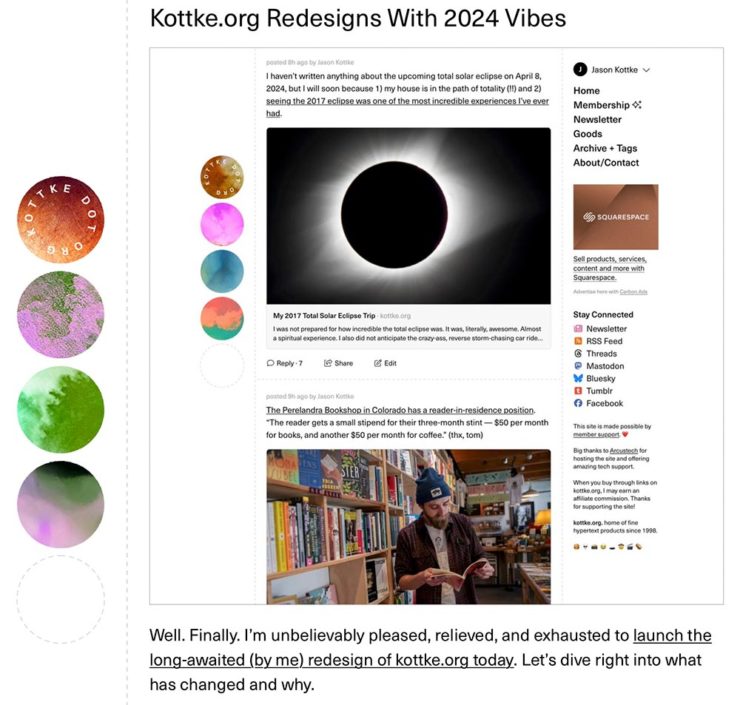
    Kottke Meets 2024

    Starting with one of the very few places that is still around from Foreword’s old days, the always-interesting Jason Kottke:

    2024 marks Kottke.org’s 26th year on the ’net.

    Great new looks for great content, with better Quick Links — the previews are ace — and incredibly-appreciated gift links to places like The New York Times and The Atlantic. If you haven’t been in a while, click and enjoy.

    Fab Spring Type

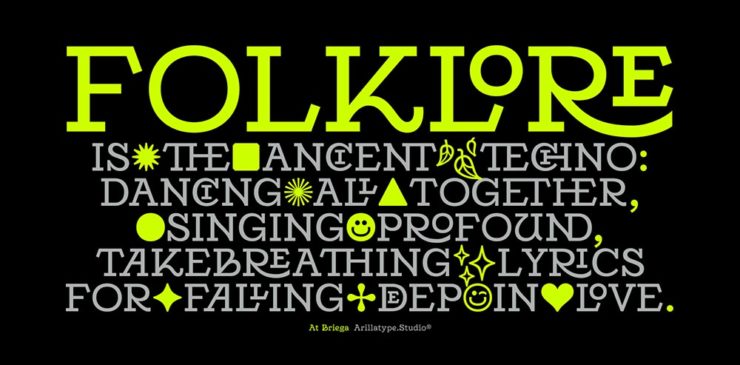
    With “a plethora of captivating new typefaces,” CreativeBoom celebrates spring with 11 new faces to tempt, inspire, and bring joy:

    Arillatype.Studio brings us a thousand glyphs of greatness.

    Zanco, with its bell-bottom style; Seabirds, inspired by 1930s book covers; Module, a “fluke side hustle;” and Graffeur, improvised from gaffer tape and glimpsed in this post’s header image, are all great. My far-and-away favorite, though, is At Briega, “inspired by the concept of hybridisation” and shown above.

    See ’em all here.

    Literary Three-Fer
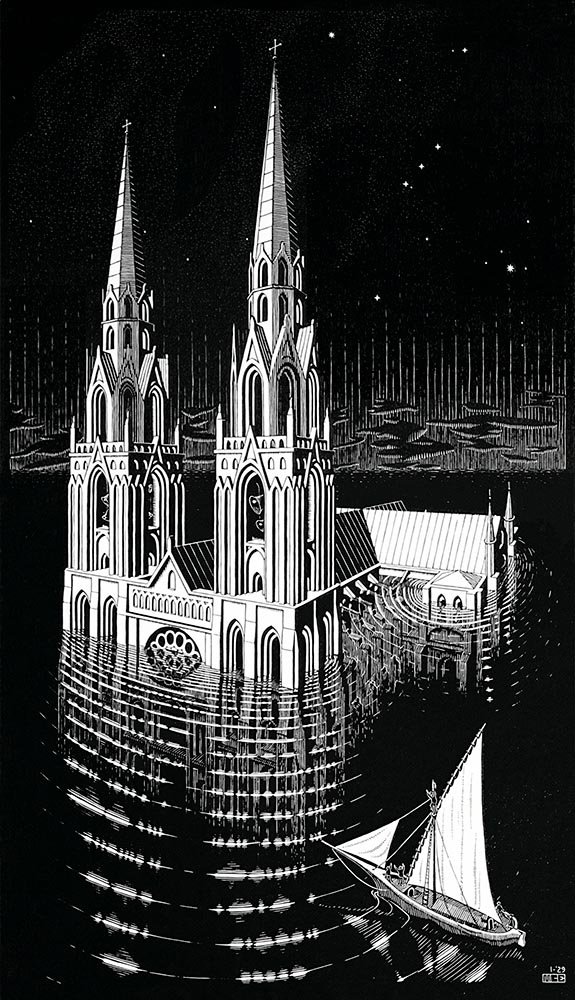
    M.C. Escher’s Lesser-Known Works
    “The Drowned Cathedral,” a 1929 woodcut.

    “Unique perspective” never does justice to someone whose name defines the term. See some never-before-seen images alongside old favorites in a new Escher book highlighted at Hyperallergic.

    Multidimensional Libri

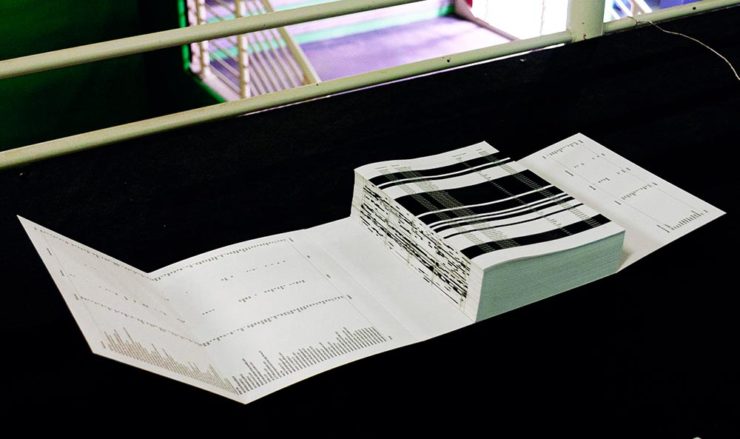
    “Experimental books are flourishing, [a]nd the evidence is seen” in this Daily Heller from PRINT: a traveling exhibition on three-dimensional books, all published titles.

    Oh, those Italians. Read on.

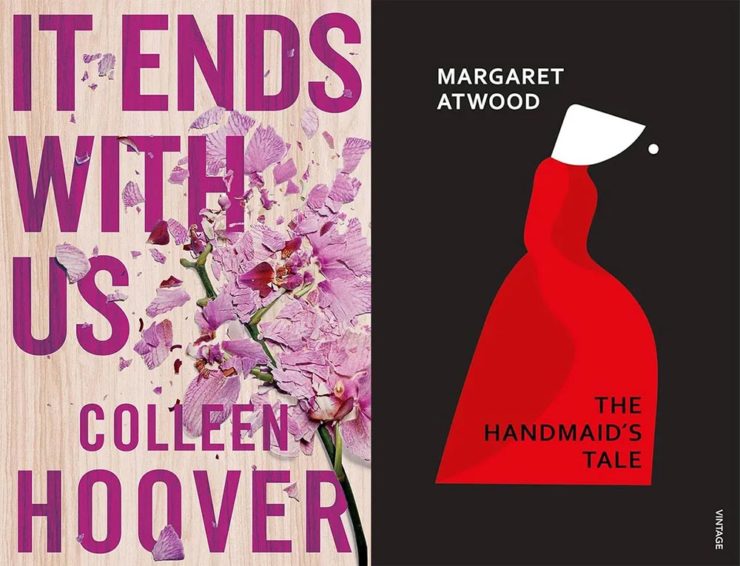
    Book Design Snobbery
    Hoover vs. Atwood — no joke.

    “Don’t get held back from the simple pleasures of reading,” argues Natalie Fear at CreativeBloq, “not everything needs to be minimalist.” Justification for commercialism or a common-sense explanation for the bookshelves’ current look? You decide.

    Photography Three-Fer
    Winners of Monochromatic Minimalism
    “Black Pearl” by Sascha Kohne. An honorable mention for the magazine, but a winner for me.

    Some incredibly good stuff here — but perhaps more importantly, did you know of Black & White Minimalism Magazine? There’s no end to today’s continued diversification, methinks.

    “Traveling through Costa da Morte, Galicia. 600m above sea level where the mountains separate the Cantabria sea from the Atlantic Ocean,” explains third-place winner Alexandre Caetano.
    Aging Facades of France

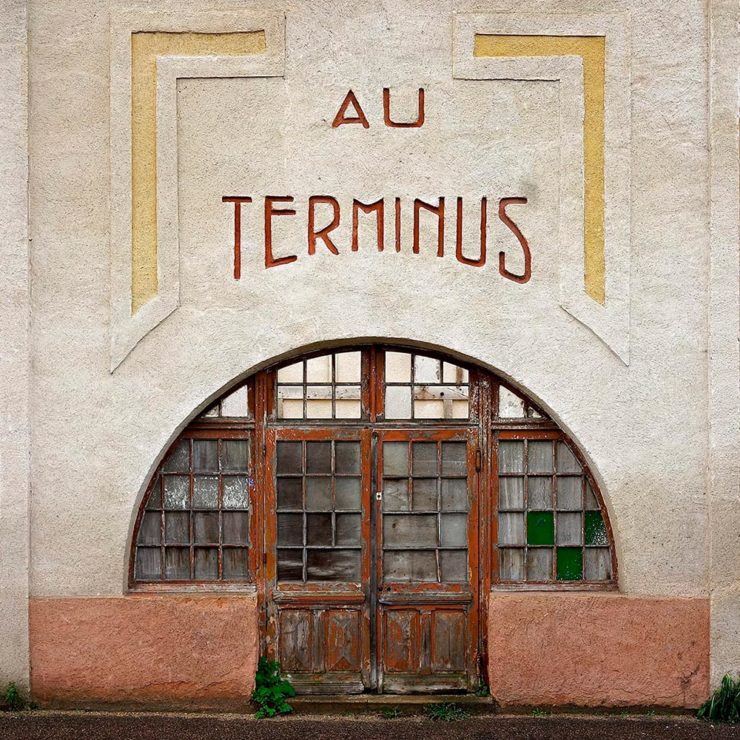
    “Shuttered blinds, peeling paint, and aging doors don’t usually indicate an invitation, but for French photographer Thibaut Derien, the fading facades of long-closed shops are well worth a stop,” This is Colossal says.

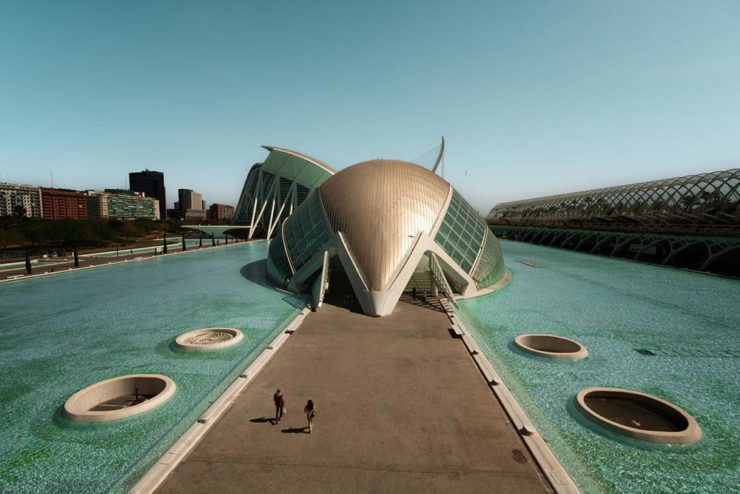
    Sony Photography Awards: Architecture
    The Ciudad de las Artes y las Ciencias (City of Arts and Sciences) in Valencia, Spain: “Hemispheric,” by Eng Tong Tan, Malaysia.

    ArchDaily‘s coverage of the annual Sony awards shortlist announcement was an insta-click.

    New Bull: Now Flat. (And a BMW.)

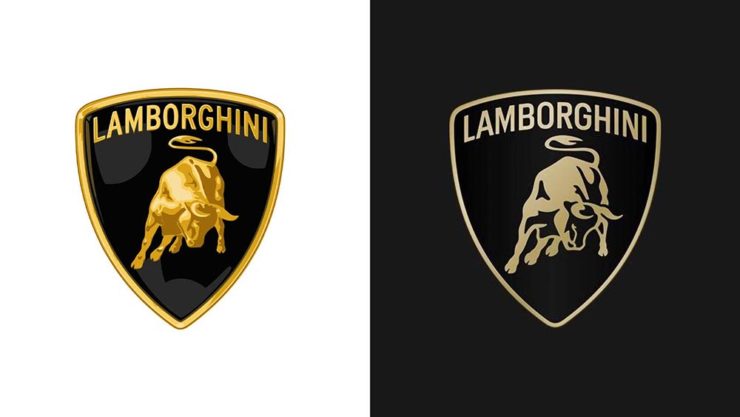
    Lamborghini practically defines flamboyant. So it’s worth a link when their logo gets less interesting:

    Old logo, left, new, right.

    Late at following the industry trend of flat-is-better, because, well, Volkswagen. (Okay, I undersell. Perhaps.) Read the lack of news at Motor11Motor1 also has a decent roundup of new car logos, from 2016-present, which underscores the “flatness” trend. or The Drive, where they manage to convey the brand’s use of the phrase “digital touchpoints.”

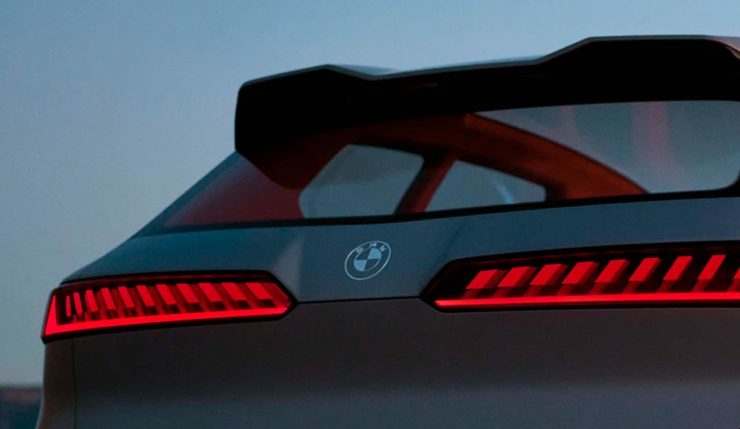
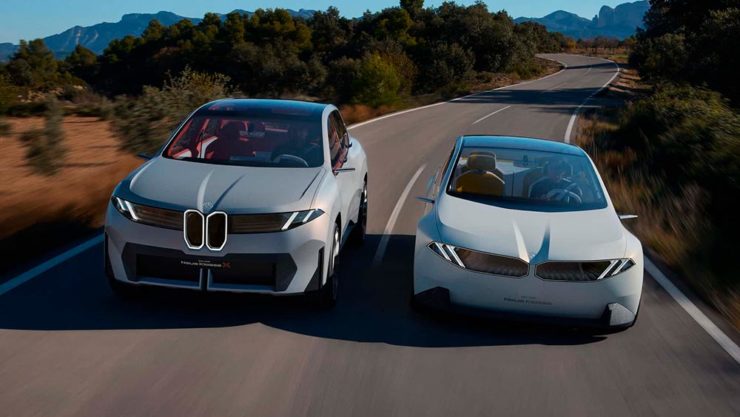
    I don’t know whether this will make any more sense in a few or even many months — which is relevant because of BMW. Four years ago, one of the industry’s design leaders expressed strong this new style, and I didn’t get it. But it’s worn better than most, and superlatively on occasion — check out the logo’s use on the Vision Neue Klasse X:

    Rather than a standalone, plastic part sitting on the paint, it’s etched into the finish. Man, I hope that makes it into production.

    Neue Klasse: do like. Bull? No so much.

    Update, 2 April: BrandNew, itself sporting a new look, has weighed in on the new Lambo style, calling it “not good.” (FYI, BrandNew is a subscription, quite possibly the best $20/year someone interested in design can spend.)

    • 1
      Motor1 also has a decent roundup of new car logos, from 2016-present, which underscores the “flatness” trend.
  • Beautifully Briefed 23.10: Shifting, Branding, and Creating

    Beautifully Briefed 23.10: Shifting, Branding, and Creating

    A variety of interests addressed this time: a bit on Shift Happens, a great question on branding, and Leica’s new M camera — and its content credentials. (Plus, bonuses.) Happy October!

    Booking a Keyboard

    We talked about this title back in January, but it’s worth the reminder:

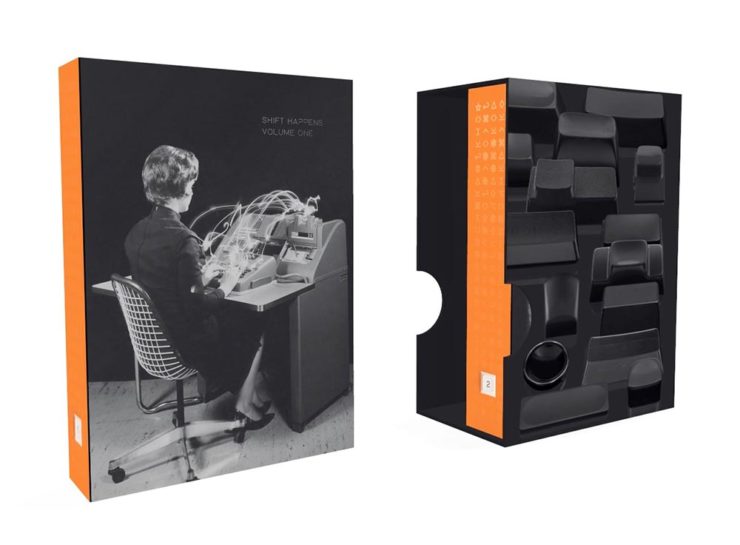
    A 3D rendering of Shift Happens.

    Marcin Wichary has long been interested in keyboards. In his words,

    Keyboards fascinated me for years. But it occurred to me that a good, comprehensive, and human story of keyboards — starting with typewriters and ending with modern computers and phones — has never been written. How did we get from then to now? What were the steps along the way? And how on earth does QWERTY still look the same now as it did 150 years ago? I wanted a book like this for years. So I wrote it.

    Marcin Wichary, Shift Happens

    This title fascinates me, partially because it’s an interesting subject — one we’ve all interacted with, often without thinking about — and partially because it’s a great, well-covered exercise in book design.

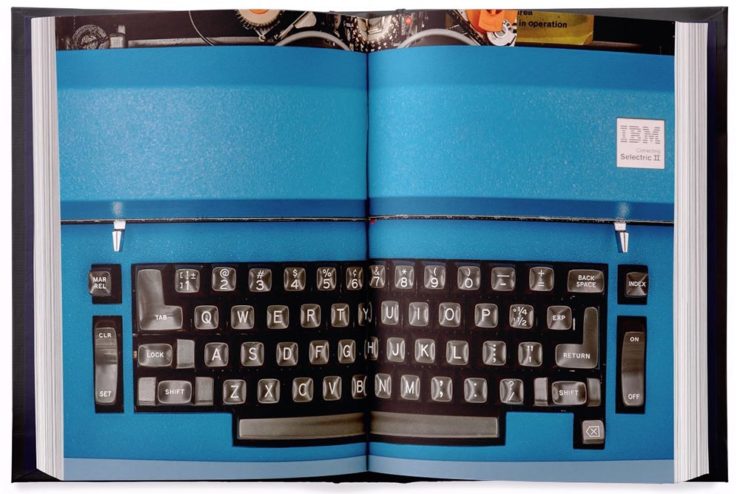
    A very cool photograph of an IBM Electric. Photo by Marcin Wichary.

    Further, Marcin has done a fantastic job in getting the word out. He’s designed a killer web site, written some great updates, and gotten some good press — including a recent interview with Ars Technica, in which he says:

    I am a web guy, and I used to think that the web (just like typewriters, once) took away a lot of hard-won typesetting nuance and tradition. But it turns out that the web also makes it much easier to do certain things. To have a word be surrounded by a rounded rectangle—a visual representation of a key—is a few lines of CSS or a few clicks in Figma. But for the book, I had to cut my own font and then write Python scripts to do typesetting inside the font-making software, which I’m pretty sure you are not supposed to do[.]

    Marcin Wichary, Shift Happens

    Really looking forward this title. Copies are, as of this writing, still available.

    Let’s Talk Branding.

    It’s Nice That asks a great question: “Are rebrands starting to look the same? The challenges facing commercial design,” in which author Elizabeth Goodspeed discusses whether “shortened turnarounds and economic tensions” are taking a toll on originality.

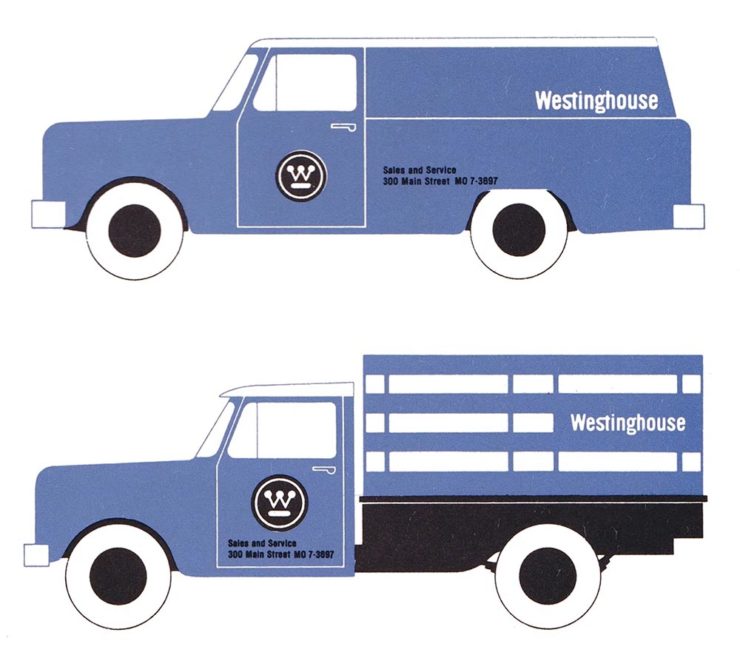
    Westinghouse branding guidelines from the ’60s.

    The answer might seem to be, “Well, duh,” but it’s nonetheless a thoughtful and insightful article that asks the correct question: “how does one define originality in an age saturated with visual stimuli?”

    [T]he digital applications more often associated with modern rebrands, while comparatively easy to update, may counter-intuitively promote less care and attention towards their making. [A]nother possible issue contributing to rebrand redundancy: lack of rollout support beyond rebrand launch. Even a unique identity may lose its spark when its primary consumer touchpoint is what a social media manager produces on Canva after skimming the brand guidelines once. Further still, many clients no longer approach design studios to harness their expertise but, instead, with preconceived notions of the result they expect; design studios may want to create original work, but sometimes clients are willing to pay more for a rebrand that mirrors their own preconceived ideas of what the work should look like.

    — Elizabeth Goodspeed, It’s Nice That
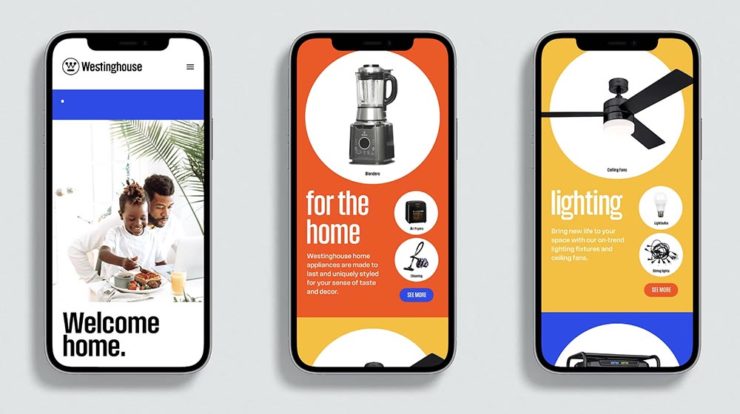
    The logo’s the same, but the applications vastly different.

    The whole article is great (and richly illustrated) — give it a few minutes of your time.

    Special Bonuses #1 & 2: Let’s look at a couple of places where branding has been in the news recently (pun intended). Also from It’s Nice That, an article on The Irish Independent rebrand. Here, as is often the case recently, it’s the custom illustrations that carry the day:

    Andy Goodman is the illustrator responsible for the lively work found throughout, which toe the line between measured and playful,” It’s Nice That writes. Agreed 100%.

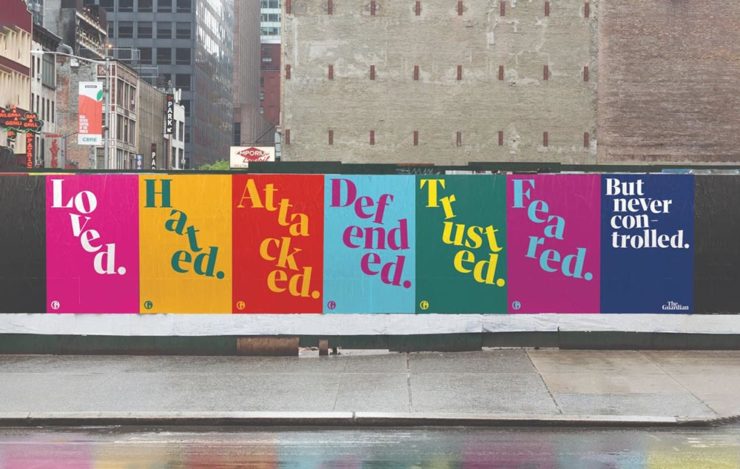
    Less successful is England’s The Guardian, whose ongoing campaign to raise money — they don’t have a paywall, relying instead on reader contributions — perhaps could have used more work:

    These ads don’t really have me on the fence: The Guardian deserves better.

    Meh. (And this from a huge fan of The Guardian.) Creative Boom is more positive.

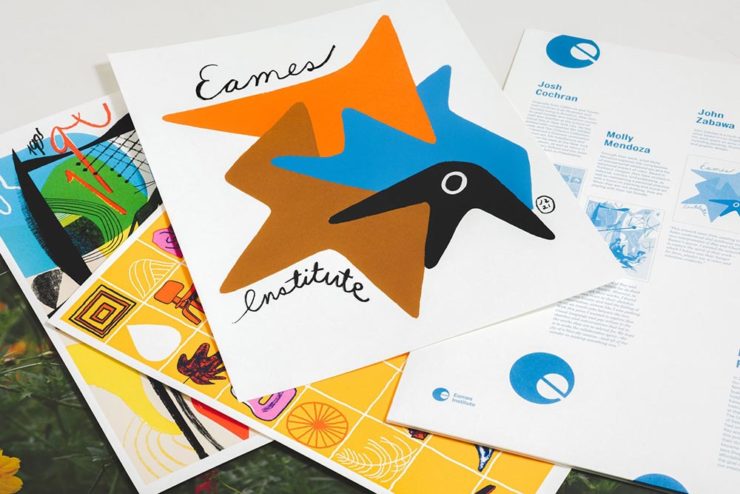
    Special Bonus #3: From the wildly successful, original branding department comes, of course, the brilliantly-named Eames Institute of Infinite Curiosity. They’ve been covered here twice before, but are back in the news with a new branding Manual. See why that’s capitalized at Dezeen.

    The Eames Institute branding oozes positivity, class, and — you guessed it — infinite curiosity. Nice.
    Leica, Adobe, and Content Authenticity

    One would assume that Leica users are the epitome of content authenticity — there’s nothing like the world’s best lenses (IMHO), attached to some incredible cameras, to provide photographers with all that’s needed to make the best possible images.

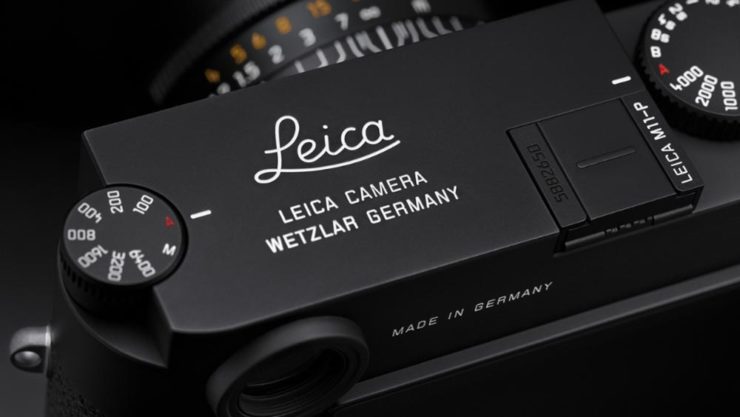
    Leica’s new M11-P, however, packs a world first: hardware encryption that supports a system called the “Content Authenticity Initiative (CAI).” In CAI corporate-speak, it’s “the future of photojournalism […] usher[ing] in a powerful new way for photojournalists and creatives to combat misinformation and bring authenticity to their work and consumers, while pioneering widespread adoption of Content Credentials.”

    Leica’s new M11-P. A bargain at $9,195. (Lenses extra, of course.)

    B&H puts it another way:

    The Content Authenticity Initiative (CAI) is a collaborative effort initiated by Adobe in partnership with various other organizations, including The New York Times and Leica, among others. Announced in late 2019, its primary goal is to develop a standard for digital content attribution. The rise in manipulated digital content, deep fakes, and misinformation has underlined the need for a more transparent system of content attribution, which the CAI seeks to address.

    The interesting thing here is Adobe’s initiative. What’s their goal?

    Adobe has been suffering a few hits recently. They’ve just raised prices — on the heels of record profits — and “monopoly” is not in any way a stretch. Photoshop? Entered the lexicon. InDesign? No credible alternatives. Illustrator? Professional standard across multiple industries. In other words, we’re stuck with ’em, and they know it.

    This line of thinking is expanded at CreativeBoom: “Is Adobe Becoming the Frenemy of Creatives? But that’s not all.

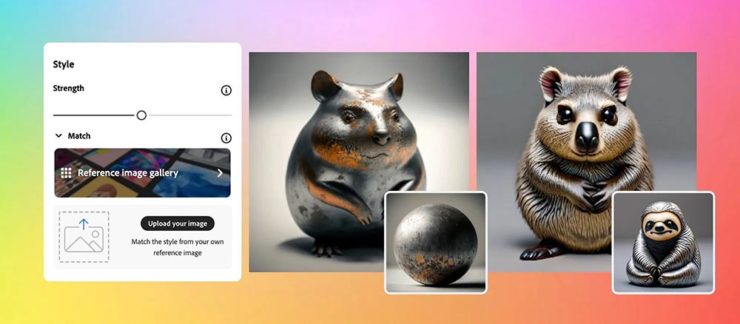
    Ignore’s Adobe’s unfailingly cute examples: AI + texture = exactly what some “creative director” needed. Seriously uncute.

    They’re pushing hard into AI, too, and surprisingly up-front about it changing creative work in ways potentially less creative:

    Firefly 2 was unveiled yesterday at the 2023 Adobe Max conference with the artificial intelligence (AI)-powered tool incorporated into Lightroom’s new lens blur feature that simulates depth of field along with a host of other tools. However, it was the new “Generative Match” tool that will allow users to upload a reference image to guide the AI image generator to a specific style that prompted Adobe to comment that the new tools could mean less work for photographers. 

    Adobe is appealing to companies who want a “consistent look across assets.” It is offering brands the chance to generate hundreds, if not thousands, of similar images for different uses such as websites, social media, and print advertisements.

    — Matt Growcoot, PetaPixel

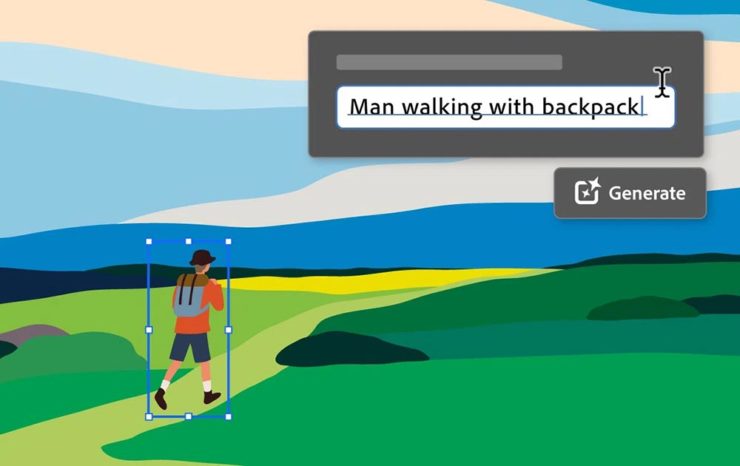
    Or how about this example: An agency or freelancer working on a vector image in Illustrator, and need to add something that they either don’t have the time or talent to do myself. Previously, they could find either a stock item — made by a human (who is paid, by the way) — or hire it out (again, to a human, and again, one who is paid for their work). Now? Just tell the computer what you need.

    Get more from Ars Technica’s Unlimited Barbarians Dept.

    All of which ties nicely back to the previous section on whether branding is beginning to homogenize. Is AI going to accelerate that process? You betcha.

    Value human creativity, folks. Artists, teachers, writers, thinkers: all the people pushing at the edges of the envelope will now have to push even harder, in an era when envelope-pushing is increasingly demonized.

    Special Bonus #4: Ars Technica argues that the U.S. Copyright Office’s blanket ban on the copyright-ability of AI-generated images isn’t going to age well, using photography as an argument.

    Special Bonus #5 (Updated 31 Oct): Via Nick Heer’s excellent Pixel Envy, we have a great explainer from Tim Bray regarding The Coalition for Content Provenance and Authenticity (C2PA), the actual implementation of CAI. Better than my brief description by a country mile.

    Special Bonus #6: To round out this post, from the department of envelope-pushing: PRINT Magazine put together the book covers of the 11 most-banned books in America. Dangerous, indeed!

  • Updated Gallery: Automotive (Details)

    Updated Gallery: Automotive (Details)

    Two different photographic opportunities have meant additions to the Automotive gallery recently: some motorcycles in Columbus, and some BMWs at an event in Hampton, a suburb of Atlanta and home to the Atlanta Motor Speedway.

    All of these were taken with Leica’s superlative APO 90mm macro (yes, I know, I go on and on about this lens — it’s that good), and almost all are just details — a lens that long in a crowd means leaving the big picture aside in favor of the minutiae. Luckily, that’s a strength of the camera system, and one of my favorite ways to use it.

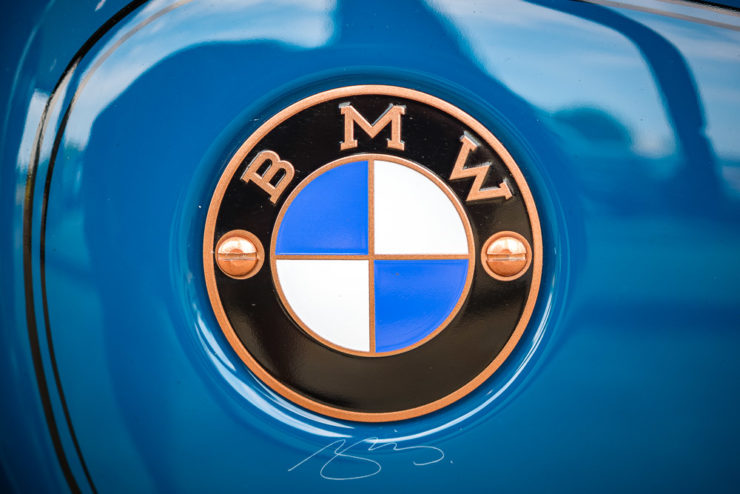
    Retro BMW (Motorrad) Roundel
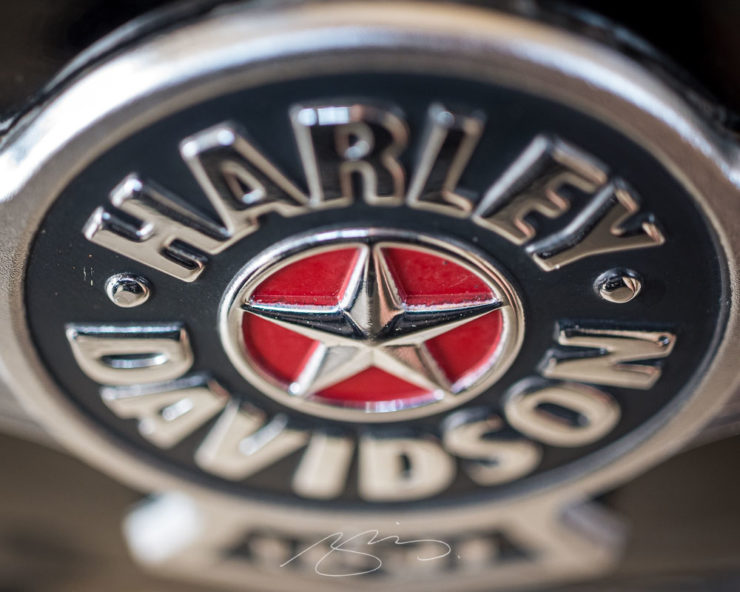
    Harley Davidson Star Logo (Detail)

    The Harley logo wasn’t one I was familiar with — and it’s great — but the BMW is fantastic in its retro glory, complete with copper screws.

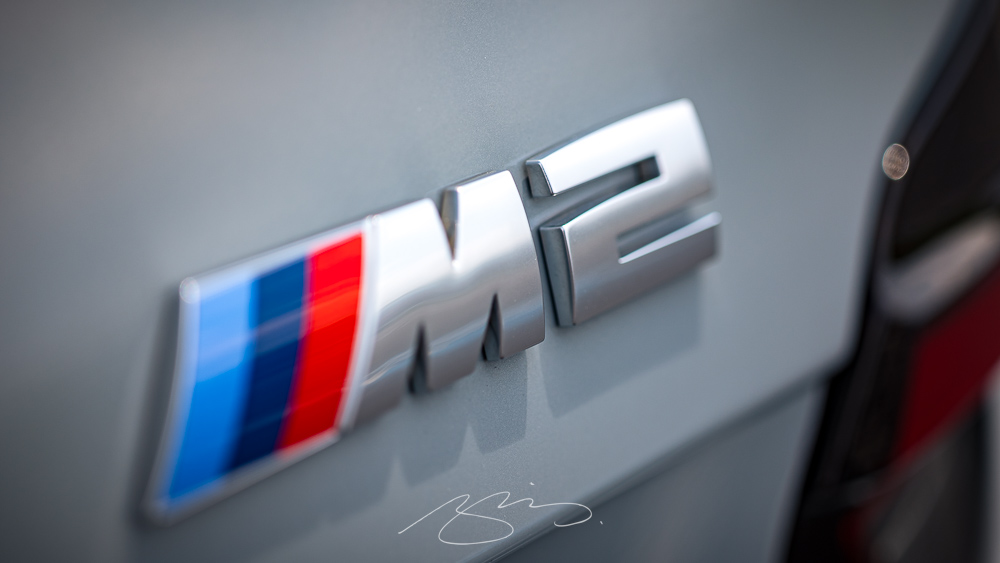
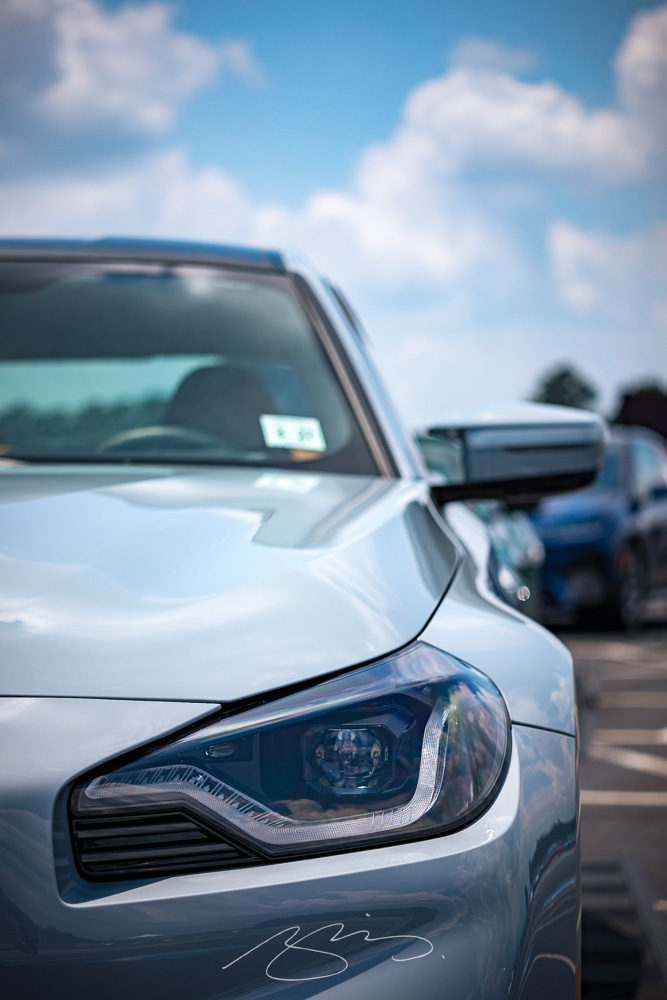
    Meanwhile, speaking of BMWs, they hold their Ultimate Drive Experience yearly in the Atlanta area, and Gerald and I are in regular attendance. It was my first time seeing a number of new models, including the new M2:

    M2 (Headlight Detail)

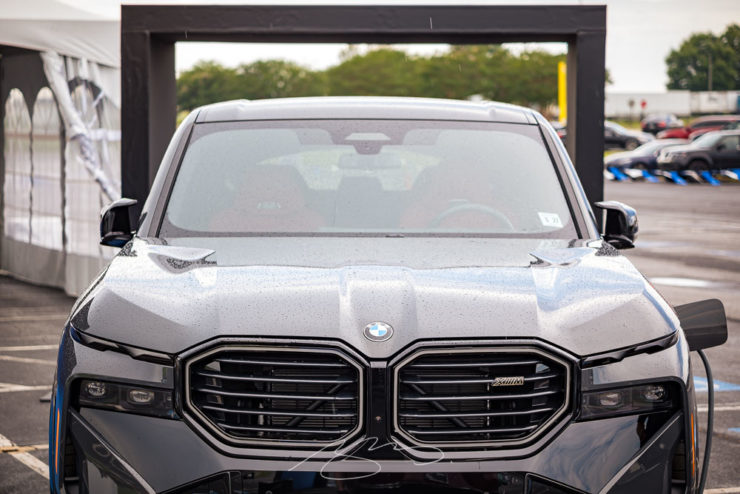
    Didn’t like this until I saw it there; it’s a shortened M4 but wide and swollen in all the right ways. However, the undisputed star of the show was the new XM. Like many modern BMWs, it’s better in person — exuding presence:

    XM (Charging)

    I wish I’d somehow been able to better convey its stance, its proportions, and what I imagine it would look like coming up behind you. Then again, $160k and 664 horsepower will do that. Speaking of horsepower:

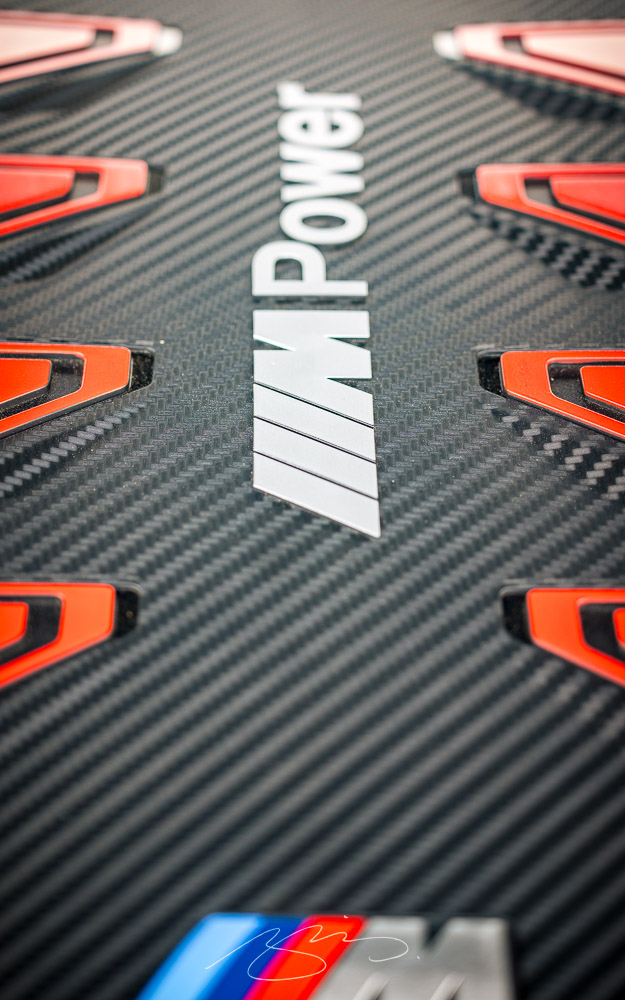
    XM (M Power V8 Hybrid)

    Nuthin’ like a carbon fiber engine cover in a three-ton machine. That said, for both Gerald and I the far-and-away favorite wasn’t the XM but rather the iX:

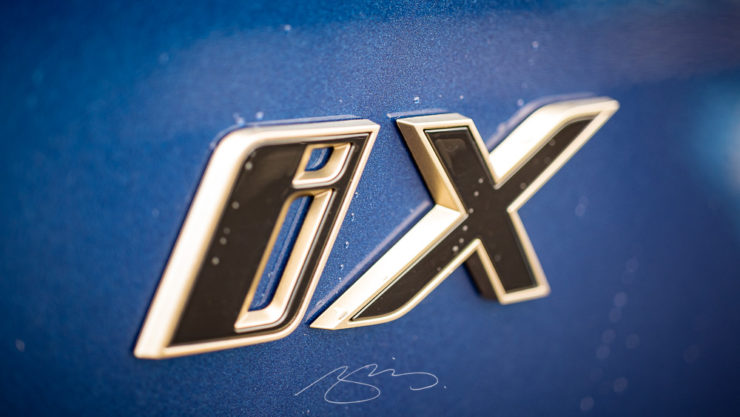
    iX (Badge Detail)

    The iX is a little ungainly from some angles, but its battery-powered, carbon fiber goodness is both fast and efficient. Plus, it sports one of the best BMW interiors going right now, and that’s saying something. (Ventilated wool seats for the win, folks.)

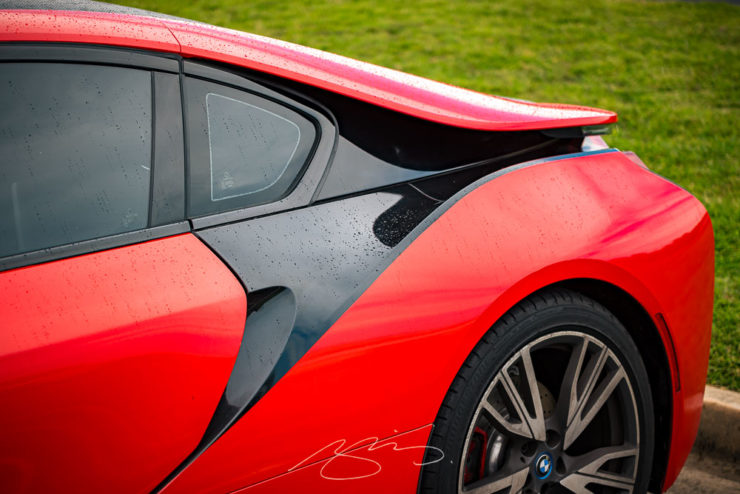
    These events usually boast parking lots filled with classics, but either the late Sunday afternoon or thunderstorms kept the older items safely garaged. However, there was a sweet and very bright red i8 gracing the scene:

    i8 Swoop

    If you’re at all into cars, there are 150 photographs in the automotive gallery waiting for you to enjoy. (As the note says, “some bias may be shown.”)

    Have a great weekend!

    Update: Gerald had already posted on this, but I didn’t see it in time to link above. Thanks, man!