Tag: design

  • University Press Design Show 2024

    University Press Design Show 2024

    Significantly behind on this for the second year in a row. Apologies. —Ed.

    The annual Association of University Presses (AUPresses) Book, Jacket, and Journal Show has announced its winners published during 2023. The show, now in its 59th year, “honors the university publishing community’s design and production professionals; recognizes achievement in design, production, and manufacture of print publications; and serves as a spark to conversations and source of ideas about intelligent, creative, and resourceful publishing.”

    It is a joy to be amid the rush of creativity and exuberance that is exemplified by the Book, Jacket, and Journal Show submissions. Our jurors were spoiled with the wide variety of visual and intellectual expressions that make our community so rich and diverse. The committee members really came through as a team, making this year’s efforts virtually seamless. Here’s to another great Show!

    — David Zielonka, Stanford University Press, Book, Jacket, and Journal Show Committee chair

    Entries are extensive — 507 worldwide — and the winners are separated into several categories, which I’ve drawn from below.

    Scholarly Typographic

    Academia’s titles are so often subjects that you only get from university presses. A great example:

    University of North Carolina Press. Book design by Lindsay Starr.

    When important titles are accompanied by compelling design, everyone benefits. Honorary mention to Horror and Harm, whose design invokes neither. See all the winning entries.

    Scholarly Illustrated

    Because these winning entries are from all over the globe, they run the risk of being difficult for us ’Muricans to understand. But design is a universal language:

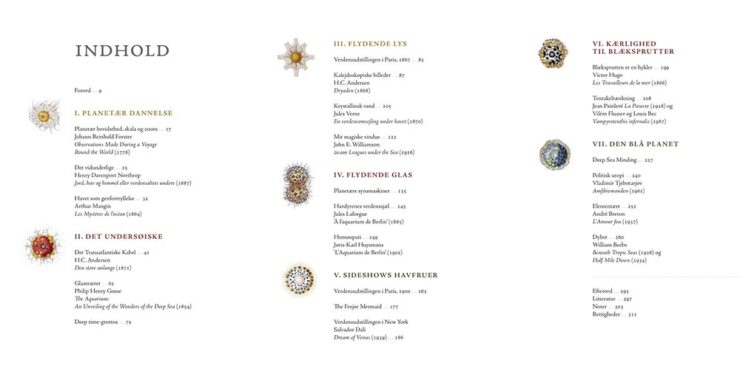
    Aarhus University Press. Book design by Jørgen Sparre.

    The cover’s good, but one of the great things about this show is that you get more:

    Aarhus University Press. Book design by Jørgen Sparre.

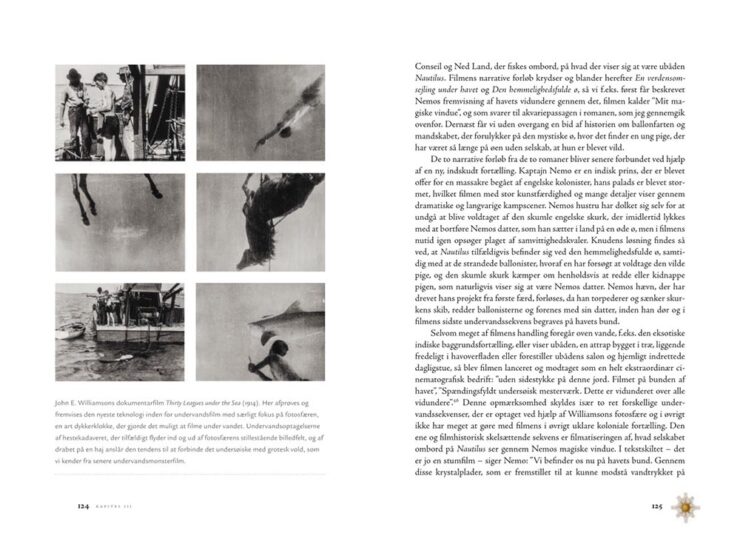
    I’m a sucker for an interesting content spread, as demonstrated here.

    Aarhus University Press. Book design by Jørgen Sparre.

    I love the dingbats next to the page numbers, too; a great way to instantly illustrate which section you’re in.

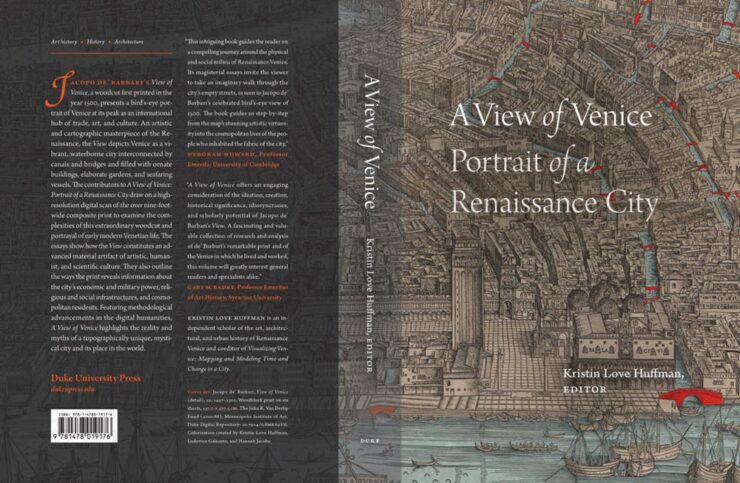
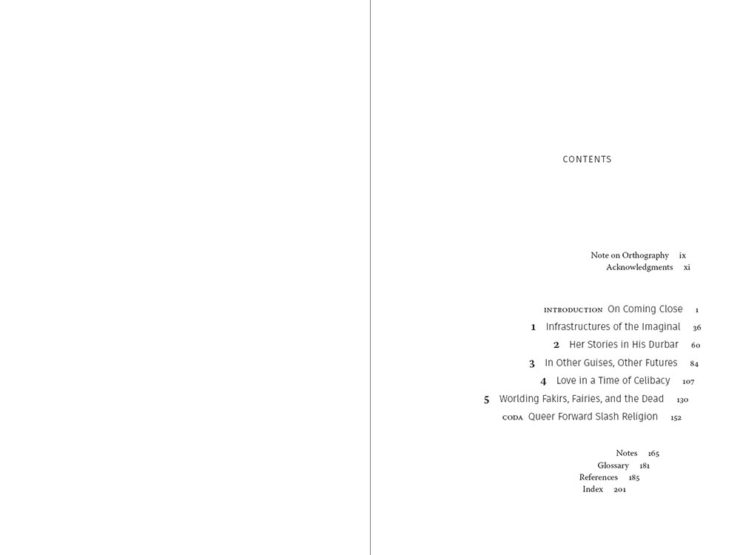
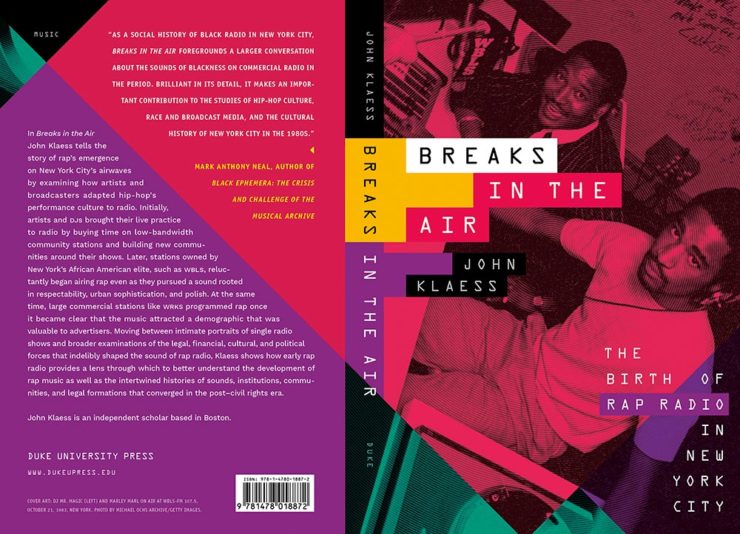
    Duke University Press. Book design by A. Mattson Gallagher.

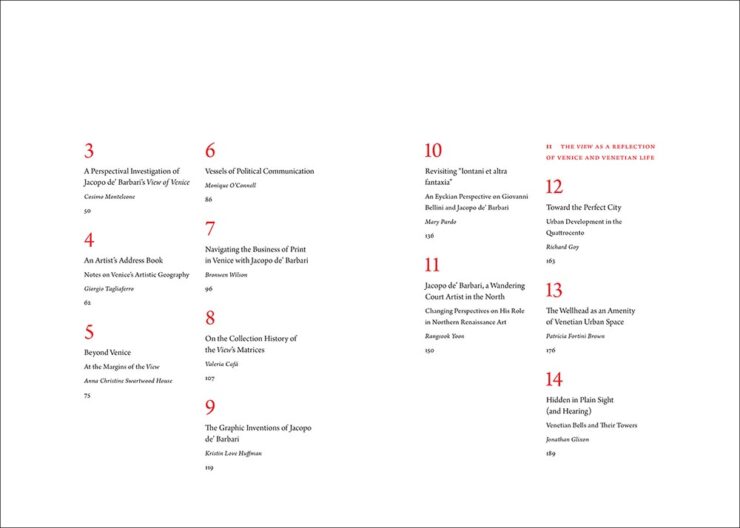
    Strong cover here, with the two shades of overlay really working in concert with the orange. Oh, and another — you guessed it — great content section, like this spread:

    Duke University Press. Book design by A. Mattson Gallagher.

    Nice. See all of the entries from the Scholarly Illustrated section.

    Trade Typographic and Poetry and Literature

    Honorable mention to the jacket for Rim to River in the former category and the illustrations in The Lamb Cycle in the latter. See all the Trade Typographic winners and the Poetry and Literature winners.

    Trade Illustrated

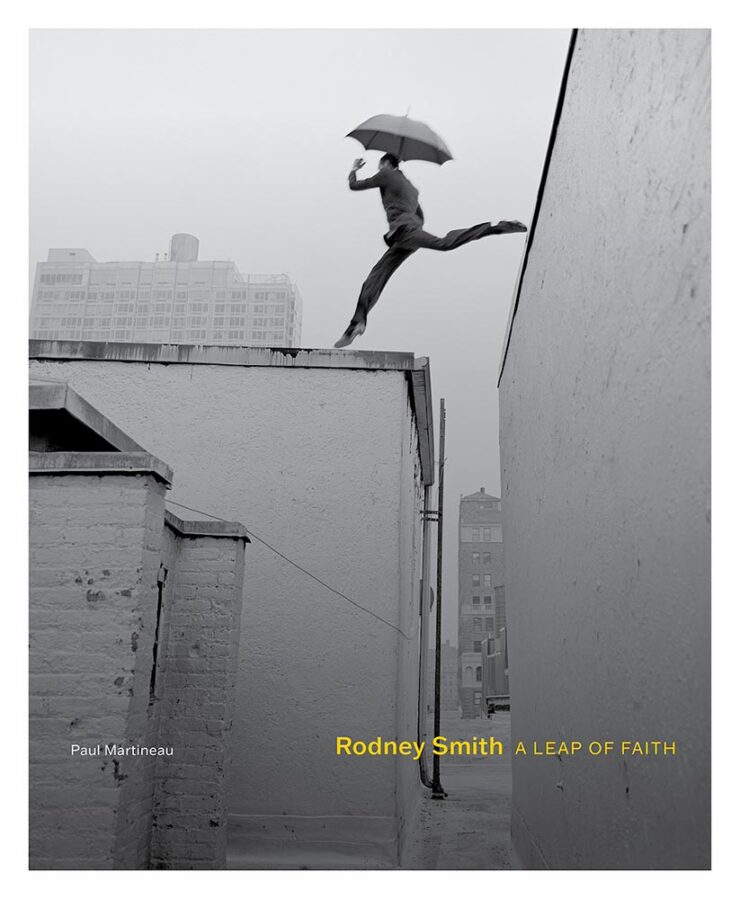
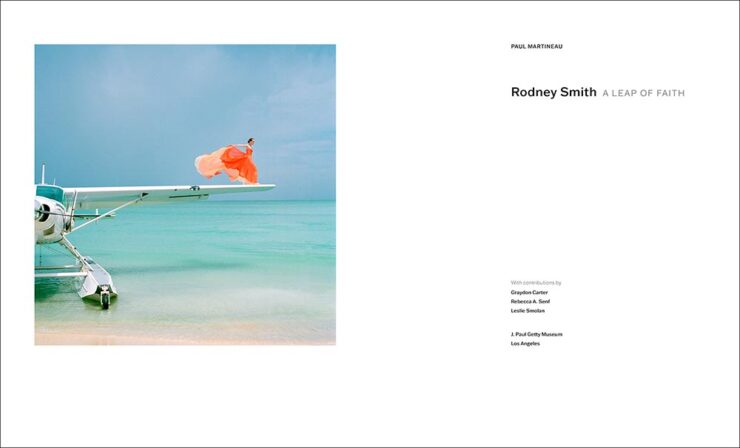
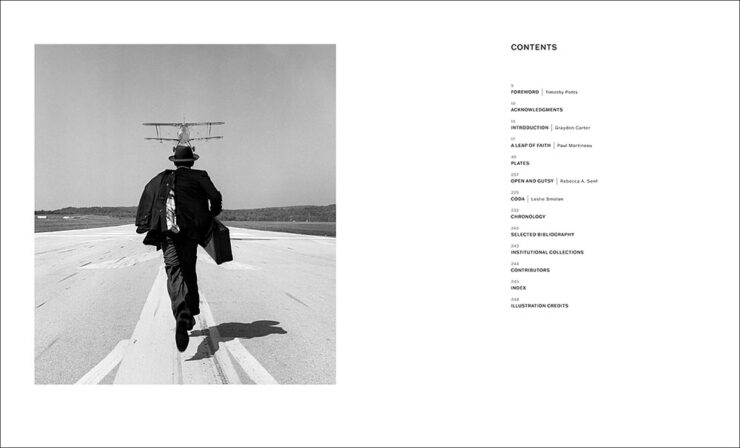
    Some incredibly talented photographers on display here, but one leapt ahead:

    Getty Publications. Book design by Jennifer Schuetz-Domer.
    Getty Publications. Book design by Jennifer Schuetz-Domer.
    Getty Publications. Book design by Jennifer Schuetz-Domer.

    More about the photography than design, admittedly, but still great stuff. Honorable mention to Looking at Venezuela, 1928-1978, which combines more-than-interesting photography with another eye-catching contents spread.

    See all the Trade Illustrated winners here.

    Reference

    Couple of titles to highlight:

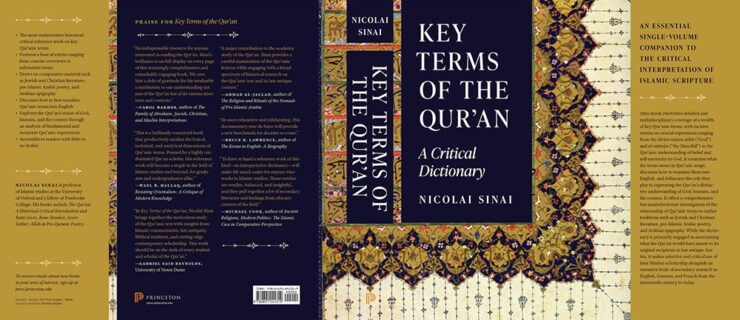
    Princeton University Press. Book design by Heather Hansen.

    A outstanding example of the cover being good, but the jacket in its entirely being more than the sum of its parts. Also:

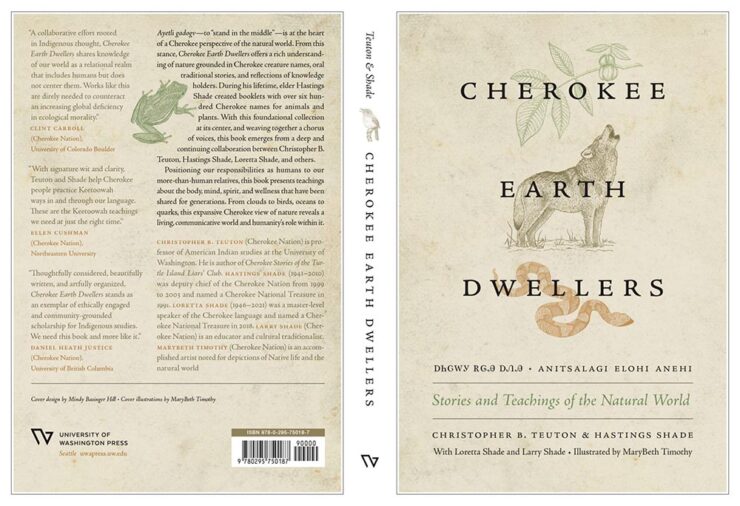
    University of Washington Press. Book design by Mindy Basinger Hill.

    Not resorting to stereotypes or tropes was absolutely the right move, and the strong interior design works well, too. Nice.

    See all the Reference winners here.

    Jacket and Cover

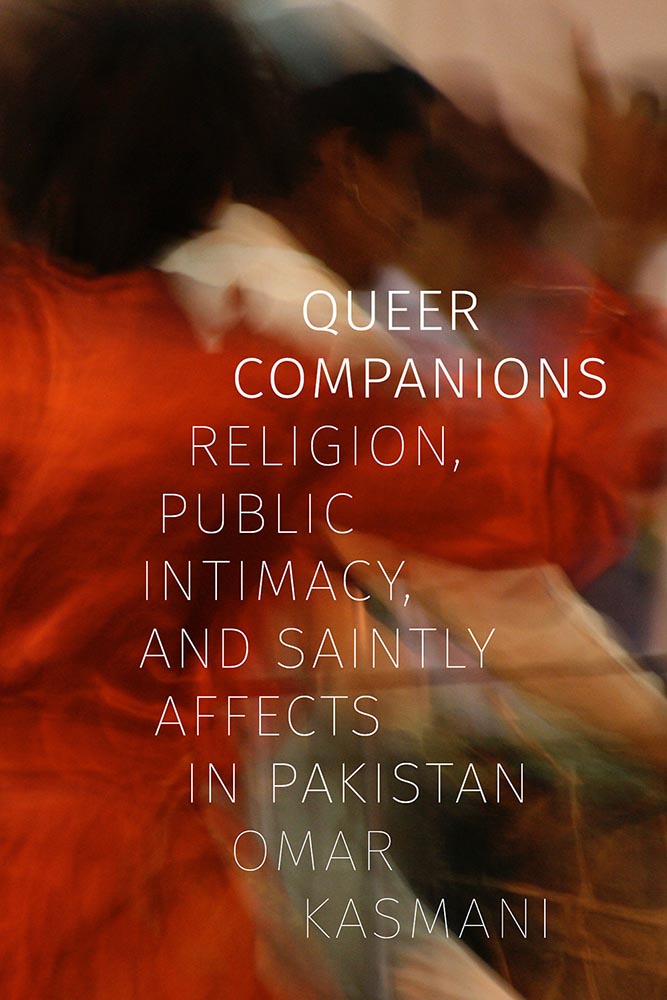
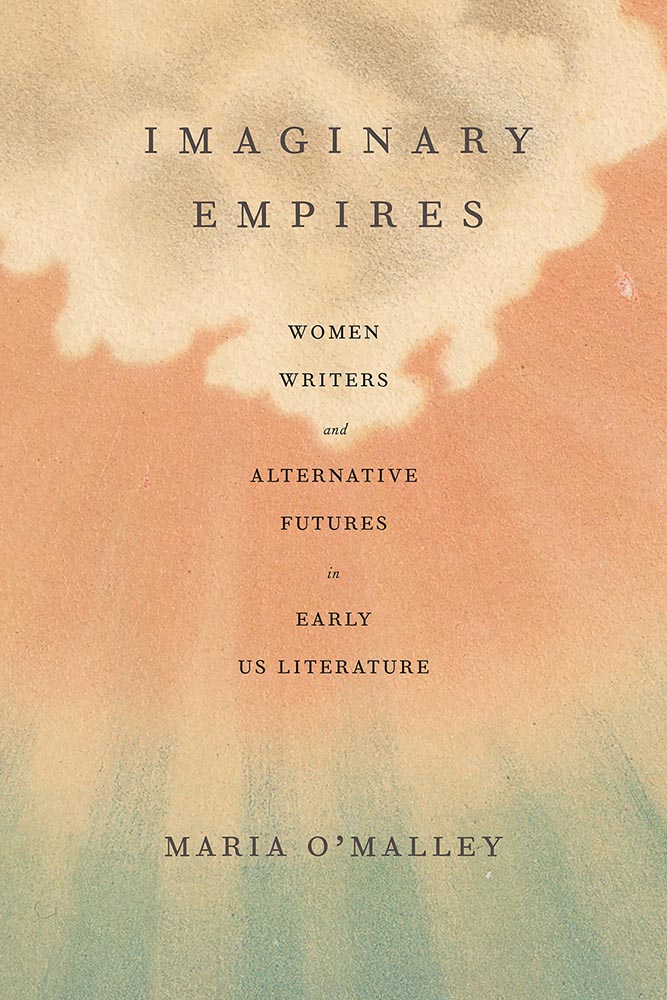
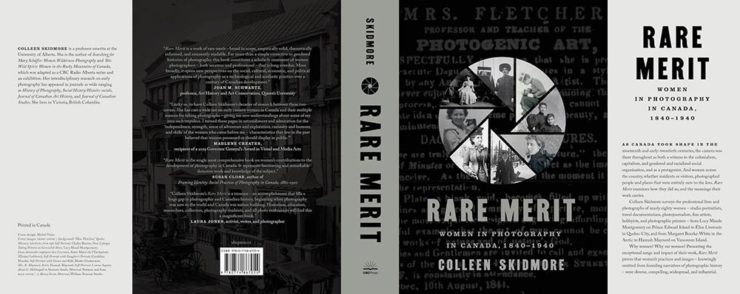
    This section is far and away the largest, and features some outstanding examples of book design — from any publisher — in subject areas that don’t always lend themselves to dynamic design. Some of my favorites, in alphabetical order:

    McGill-Queen’s University Press. Book design by David Drummond.

    Simple concept, well executed.

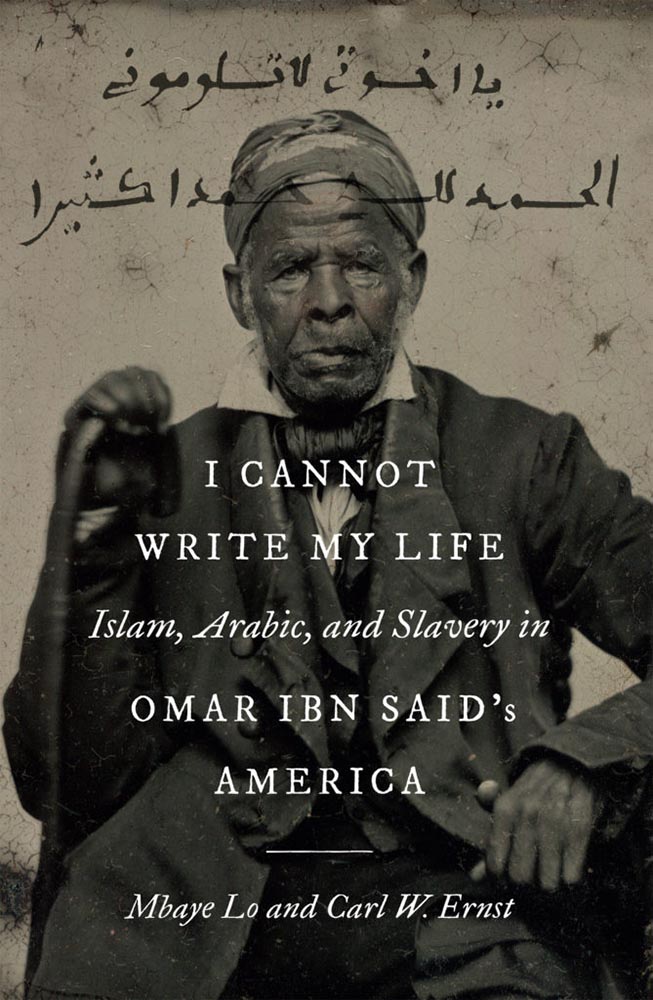
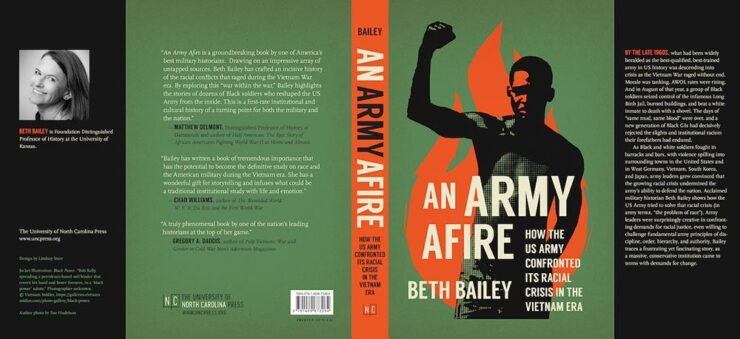
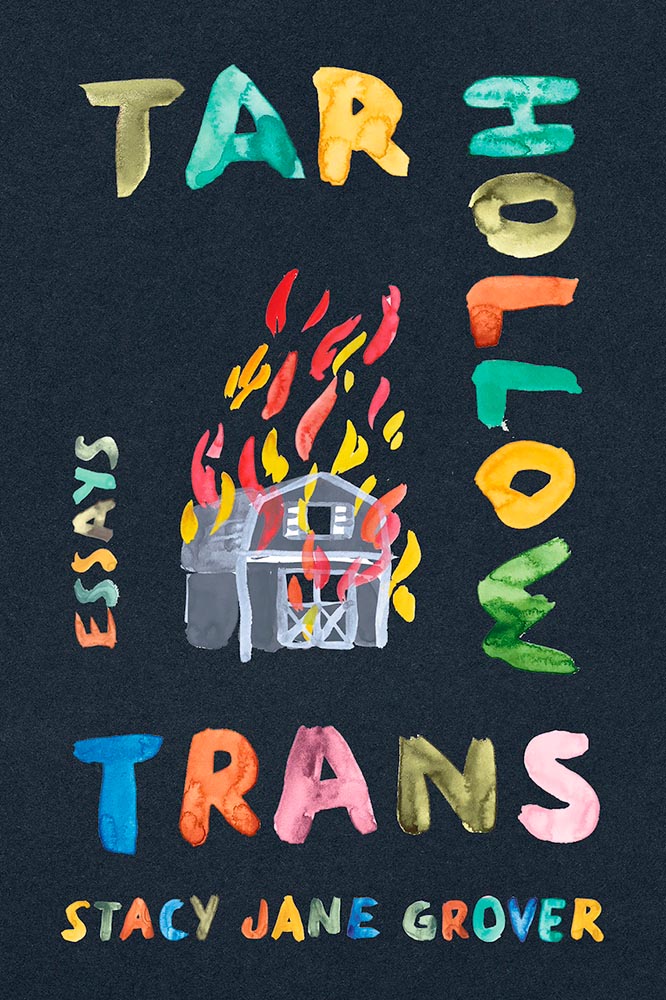
    University of North Carolina Press. Book design by Lindsay Starr.

    Strong image on this cover works extremely well with the green background and orange fire (and spine). Excellent.

    University Press of Kentucky. Book design by Kathleen Lynch.

    Love the illustration choices on the cover, with exactly the right background and interesting hand-lettering-style title.

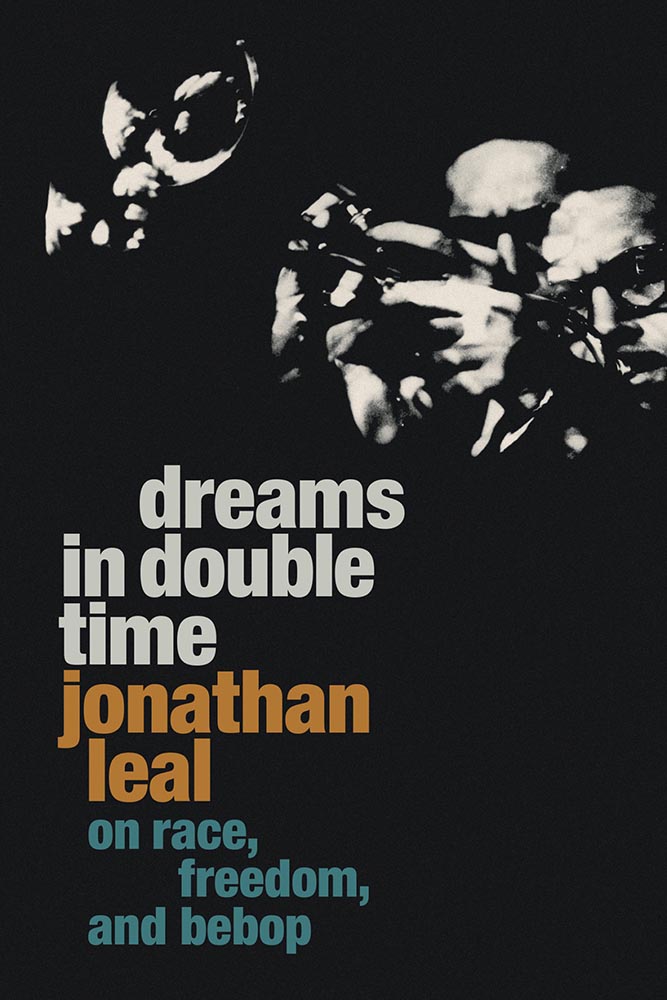
    Duke University Press. Book design by Matthew Tauch.

    Double-exposure, something hard to execute well and done perfectly here, is exactly the right choice on this strong cover.

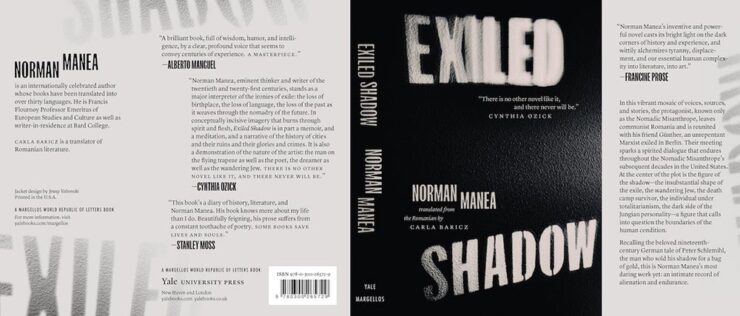
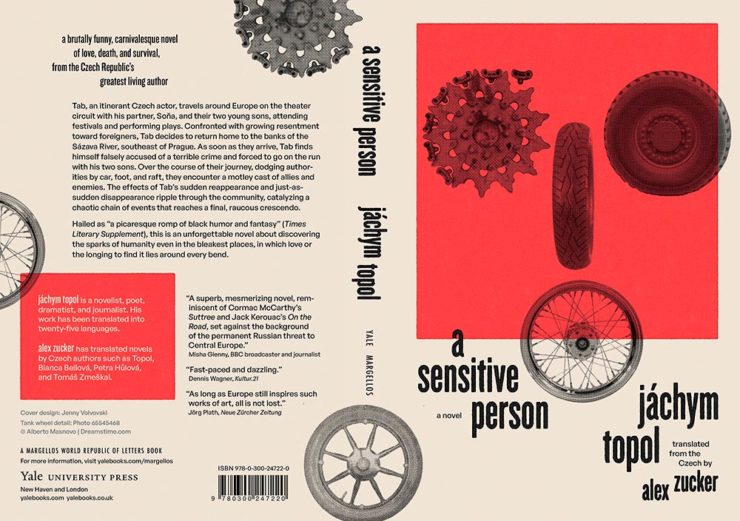
    Yale University Press. Book design by Jenny Volvovski.

    Simply put, excellent: a two-color jacket with fantastic lettering and great texture.

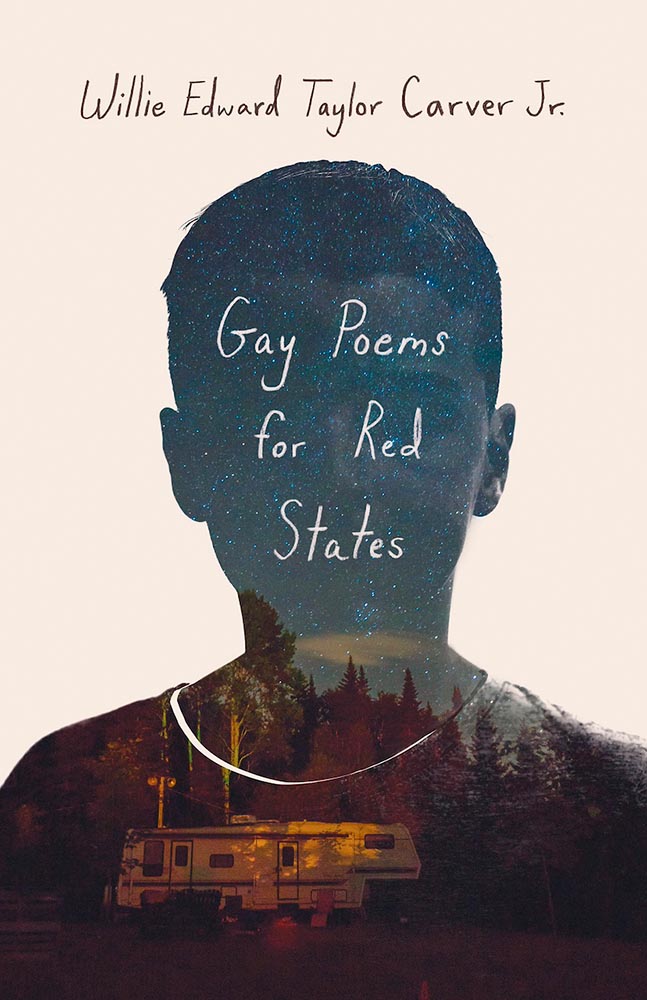
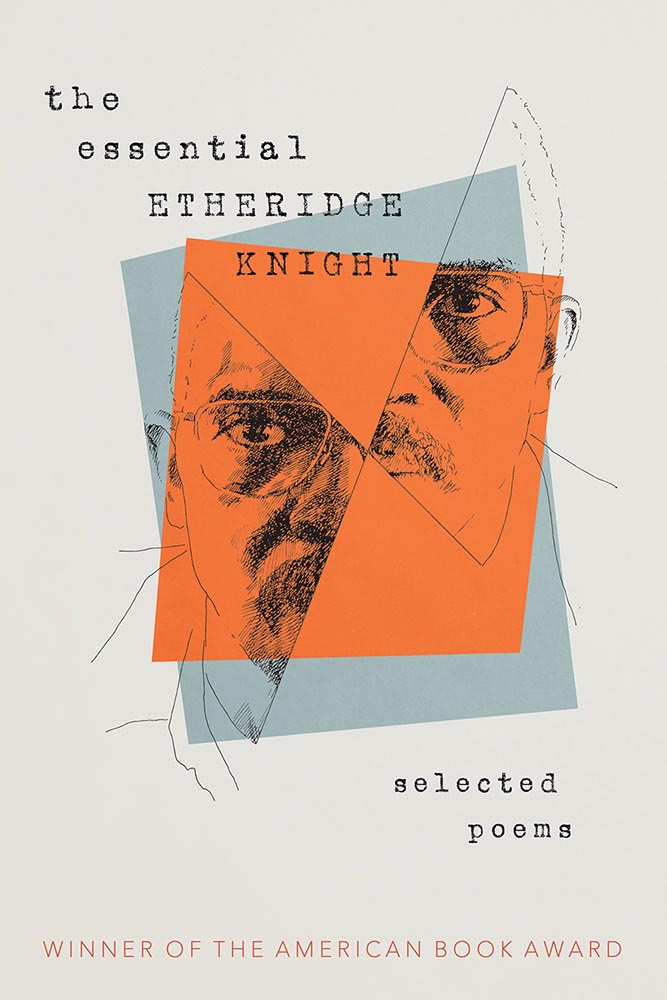
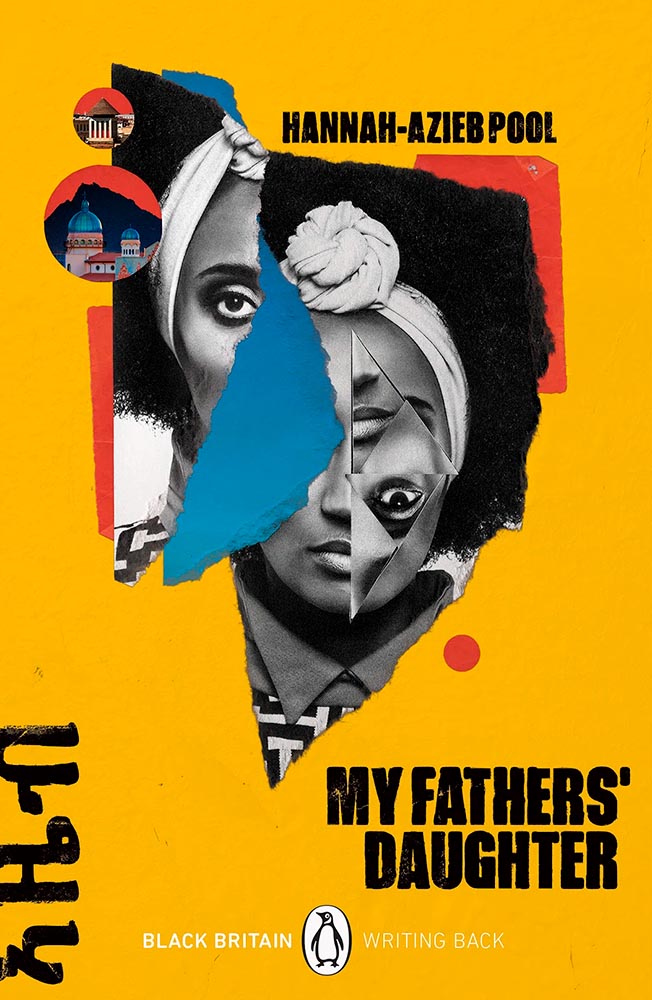
    University Press of Kentucky. Book design by Zoe Norvell.

    The hint of a face and the illustration within the outline combine to make this a winner on several levels.

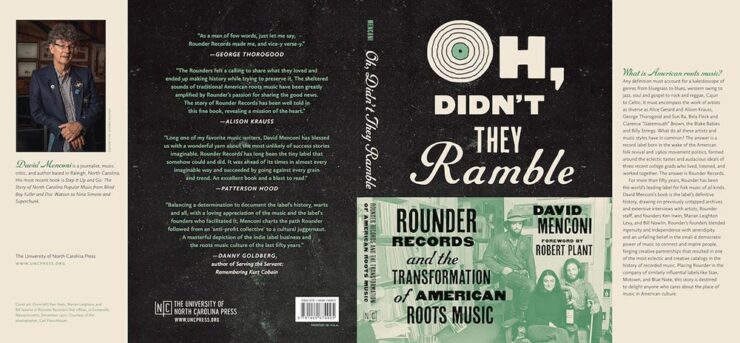
    University of North Carolina Press. Book design by Lindsay Starr.

    Oh, that O! (The rest of the type is awesome, too.) Aged to perfection.

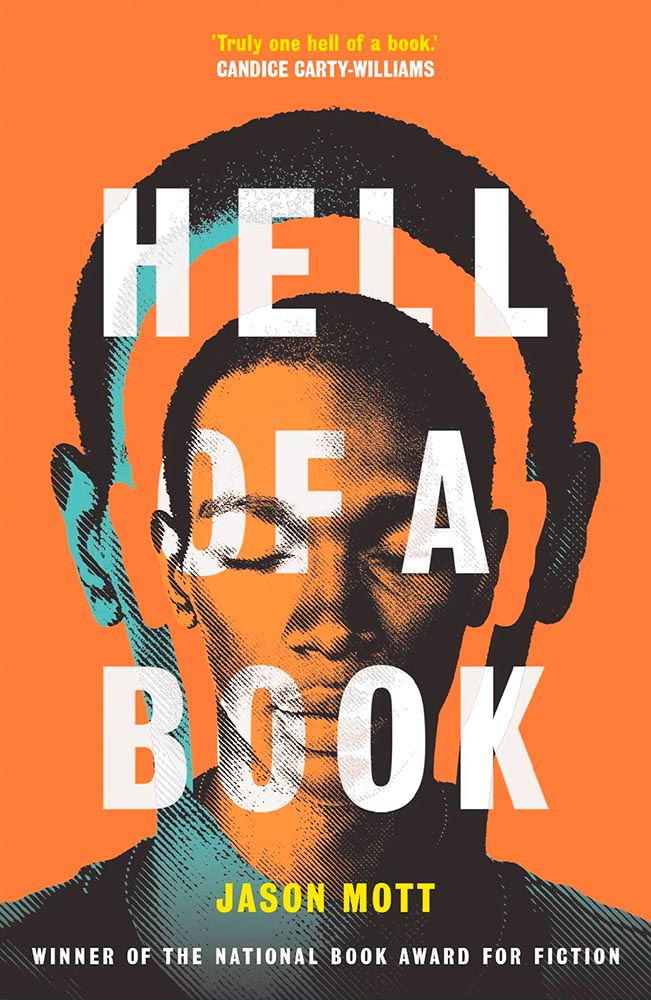
    Yale University Press. Book design by Nathan Burton.

    Illustration and type combine to achieve a fantastic jacket.

    University Press of Kentucky. Book design by Jaya Miceli.

    This cover made an appearance on my 2023 Favorite Book Covers list, and I’m delighted to see AUPresses recognize it, too.

    Princeton University Press. Book design by Katie Osborne.

    Another example of simple-done-well. Love the orange.

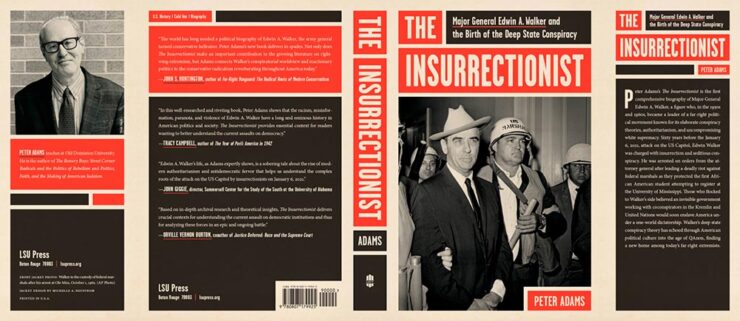
    Louisiana State University Press. Book design by Michelle A. Neustrom.

    Color blocking perfection: a lesson in how-to using limited color choices.

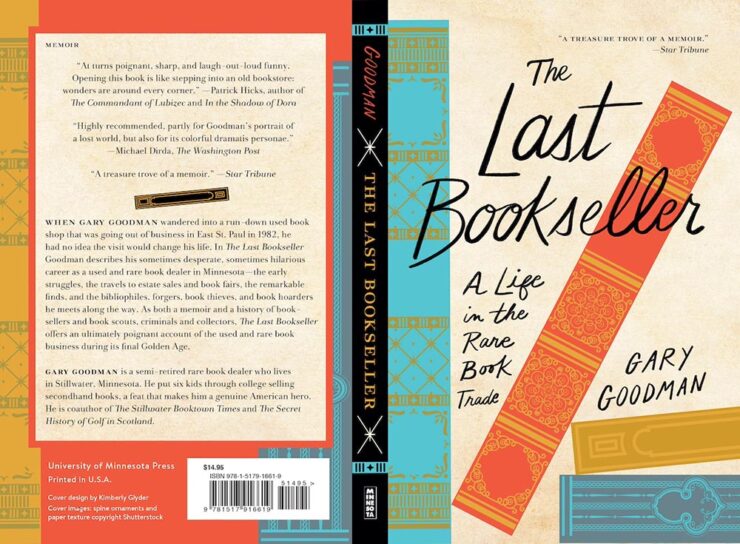
    University of Minnesota Press. Book design by Kimberly Glyder.

    Great illustration, strong type, fabulous colors. (Interestingly….)

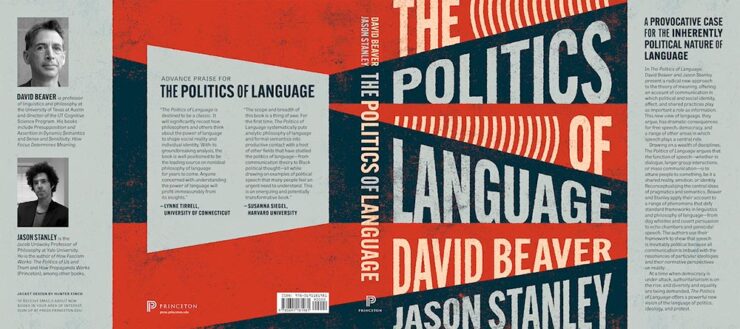
    Princeton University Press. Book design by Hunter Finch.

    Another that avoids stereotypes with a great background. The hint of megaphones is smartly done.

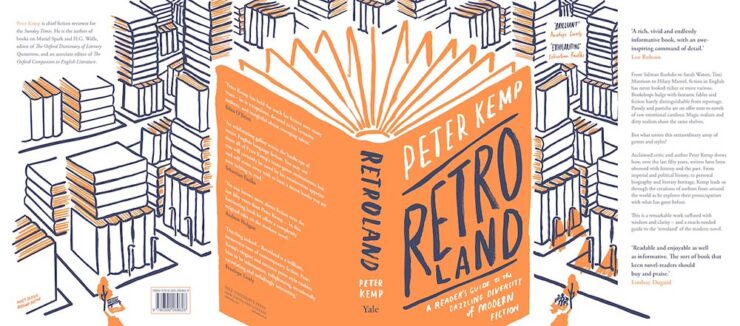
    McGill-Queen’s University Press. Book design by David Drummond.

    Brilliant: I love everything about this cover.

    Honorable mentions go to the type on Divine Days and the open book on Some Unfinished Chaos. See the whole category of winners here.

    Looking forward to next year! (Let’s hope I can post about it in a timely manner.)

    See also: Last year’s winners highlighted here on Foreword.

  • Beautifully Briefed 24.8: Picture This

    Beautifully Briefed 24.8: Picture This

    A trio of miscellany, a trio of space photography, more than a trio of great black and white photography, and a single, very serious photography question for you this time — let’s get right into it.

    Summer of Fun Miscellany
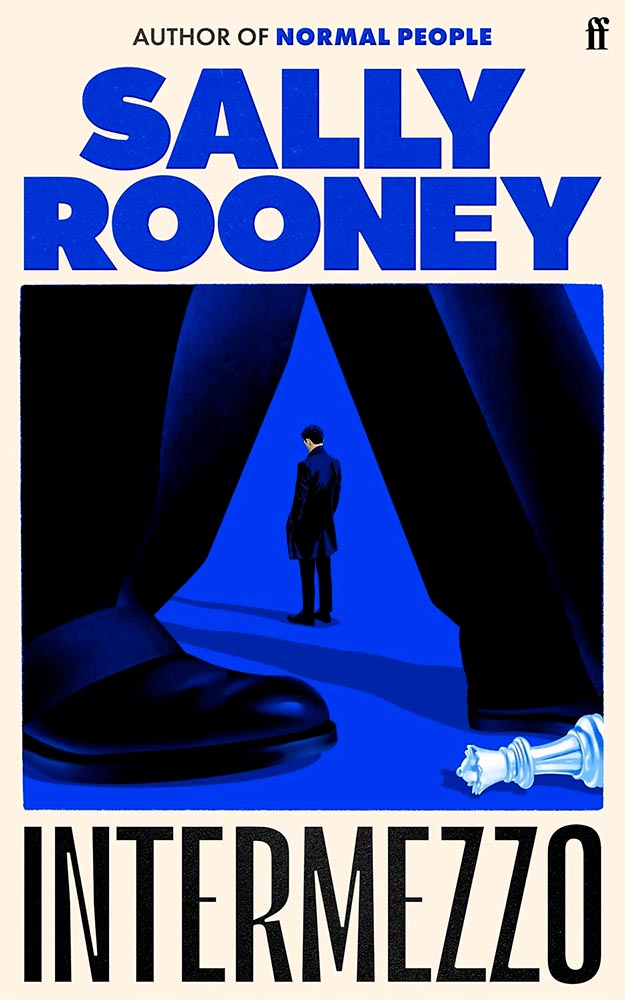
    Intermezzo, Explained
    The UK cover for Intermezzo. Book design by Kishan Rajani. (The US cover doesn’t compare.)

    GQ UK has an interview with Kishan Rajani, a senior designer at Faber, and Pete Adlington, the publisher’s art director, “about how the Intermezzo design came together, the role of social media in modern book design, and how to make books ‘as pickupable as possible.’”

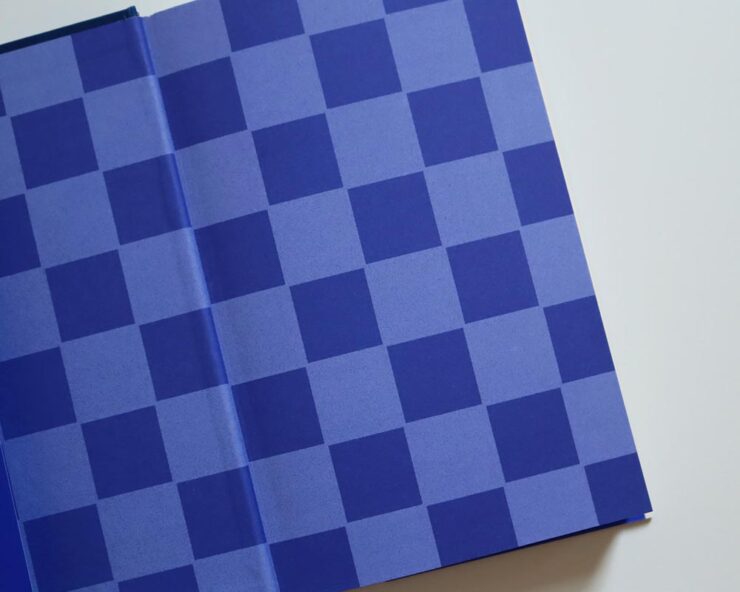
    The endpapers for Intermezzo (UK). I really like that they’ve sweated the little details.

    We can discuss “pickupable” as a word another time — your time is better spent, for now, reading the interview.

    WeTransfer Sold

    “Some of Bending Spoons’ most successful products are tools that serve creativity, therefore we are confident that this milestone will complement both businesses, supercharge our growth, and help us create even more value for creative industries at large,” says WeTransfer CEO Alexander Vassilev of the acquisition.

    I like and appreciate WeTransfer — unlike the corporatespeak above (but hey, we’re inventing words today … right?) — and hope that despite being corporatized, nothing substantive will change.

    PetaPixel: “The companies did not say whether or not all staff or leadership at WeTransfer would be maintained after the conclusion of the acquisition. That may come into question since Bending Spoons does have a track record of buying completed products, training its internal staff on their upkeep, and then releasing the original development team.”

    Crap.

    Update, 9 September, 2024: “Bending Spoons acquired file-sharing platform WeTransfer in July and has now laid off 75% of WeTransfer’s staff,” PetaPixel reports. “The Italian app company Bending Spoons has confirmed the layoffs to TechCrunch, which comprise at least 260 people based on WeTransfer’s employee headcount of around 350 people.”

    Adobe, Again
    The Adobe “World Headquarters” buildings in San Jose, California. Image via PetaPixel.

    Adobe (previously) recently sat down with PetaPixel to discuss the shambles where things stand — clearly, an attempt at damage control. PP published it … and got some feedback:

    Adobe couldn’t explain why it let its once excellent relationship with photographers and media lapse, only that it is sorry that happened. I do believe [their explanation], at least when I hear it from the people responsible for making the software. There is a big divide between the folks who code Photoshop and the C-level executives who are so out of touch with the end users. The thing is, it doesn’t matter what those people down in the trenches of development say or even how good Adobe’s software happens to be, some photographers just don’t like the feeling of giving money to the company because of the people at the helm.

    Jaron Schneider, PetaPixel

    The thing is: it’s less photography, really, than design. If you’re a photographer, how you get to the point of printing or publishing the photographs offers options in software — whether iPhoto, Affinity, Photoshop, or the Pixel 9 Magic Editor — Instagram doesn’t care, Zenfolio takes multiple file formats, and so on.

    But in design — that is, desktop publishing or especially book design — Adobe has a monopoly over the software used by the industry, full stop. I used to love working with their software. Today, not so much. (And for the record, it’s more than their fees, it’s the quality of the software.) It’s extremely frustrating and, at the moment, there is no alternative even on the horizon.

    Crap. (Again.)

    Extraordinary Astrophotography

    So, how many can place Kyrgyzstan on a map? It’s a former Soviet Republic in Central Asia, and, clearly, a great place to do some astrophotography.

    Star Trails Above Tash Rabat by Soumyadeep Mukherjee.

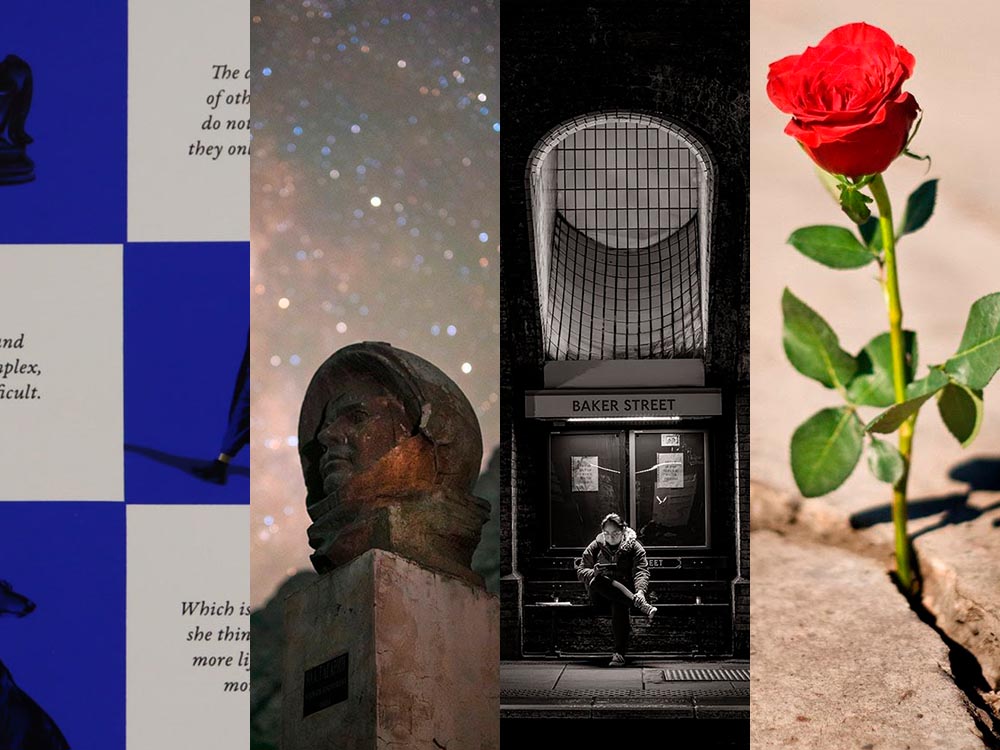
    PetaPixel highlights the work of Soumyadeep Mukherjee, who traveled there specifically for the purpose — and succeeded wildly. It’s awesome to see a country I’m not familiar with served so well. (My favorite, of course, is the short depth-of-field portrait — if you can call it that — of Yuri Gargarin, seen in the header image above.)

    Alternatively, This is Colossal points us at “Bisected by the Milky Way, a Stellar Image Captures the Perseid Meteor Shower Raining Down on Stonehenge“:

    Perseid Meteors over Stonehenge by Josh Dury.

    “Josh Dury, aka ‘Starman,’ is an award-winning landscape astrophotographer, presenter, speaker and writer from The Mendip Hills ‘Super National Nature Reserve’ in Somerset, United Kingdom,” his web site trumpets.

    The thing is … despite looking like he’s about 25, he’s earned it. Great stuff.

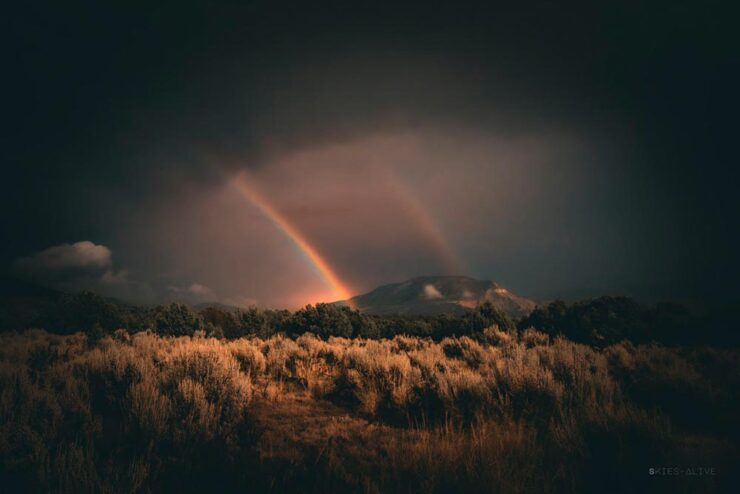
    Meanwhile, back at PetaPixel, “Photographer Aaron Watson, who goes by Skies Alive Photography, has seen many incredible things in the night sky. His latest sighting is a rare double ‘moonbow,’ a rainbow created by bright moonlight in precise conditions.”

    Double Moonbow by Aaron Watson.

    All three of these folks need special thanks for their patience. I have trouble standing still long enough to set up a tripod, let alone do long exposures under rarely-encountered combinations of time, weather, equipment and location — plus lots of good luck — in the middle of the night. Well done, all.

    “Majesty of Monochrome”

    The winners of the third annual Black and White Photo Awards have been unveiled, showcasing the best in monochrome photography across multiple categories.

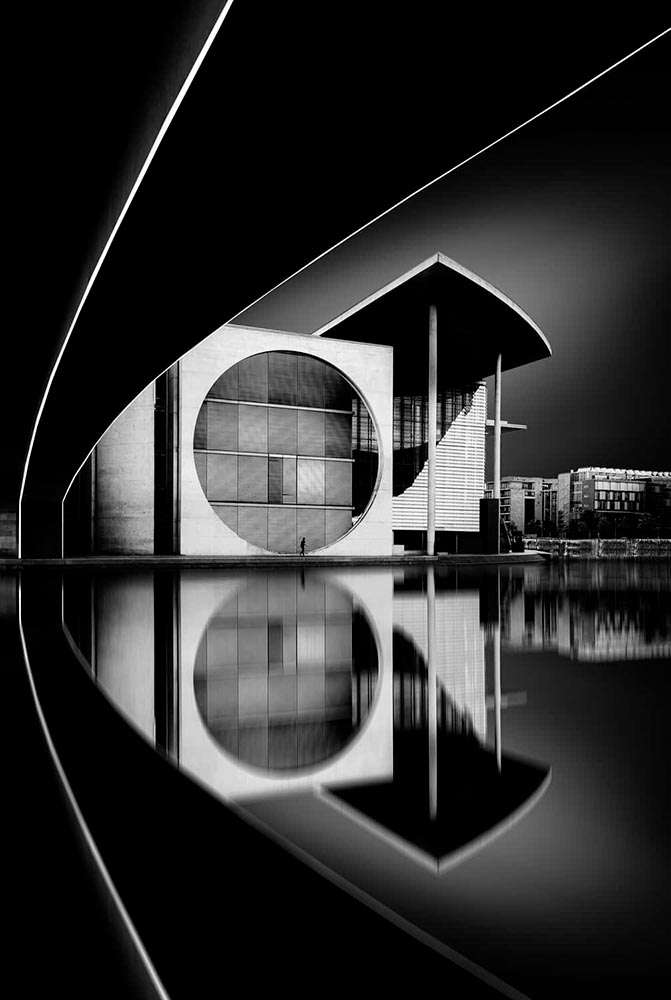
    Monochrome Majesty: Marie-Elisabeth-Lüders-Haus, by Robert Fulop. Bronze Mention from the Black and White Photo Awards 2024.

    Naturally, I gravitate towards architecture — and the winners (of the nearly 5000 entrants) demonstrate serious talent.

    Bench, by Colin Page. Finalist from the Black and White Photo Awards 2024.
    The Double Helix, by Md Tanveer Rohan. Finalist from the Black and White Photo Awards 2024.
    Windows by Manfred Gruber. Finalist from the Black and White Photo Awards 2024.

    See the winners — and especially, take in the finalists, many of which I’d personally judge to be winners in their own right — at the contest’s web site.

    Special Bonus #1: It’s time once again for the annual iPhone Awards, “a powerful testament to the art of storytelling through photography.” I especially liked this one:

    Bicycle Forest by James Kittendorf. 3rd place in the Cityscape category, 2024 IPPAwards.

    It’s a great photograph, certainly, but it was taken by a now-quite-elderly iPhone X — proof, once again, that it’s the camera you have with you. See all the 2024 winning photographs, in multiple categories and taken worldwide, here. (Via PetaPixel.)

    So … What’s Next for Photography?

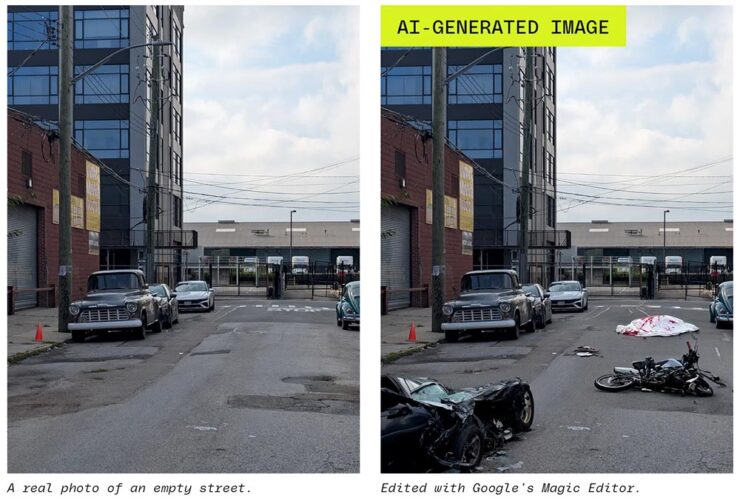
    The Verge: “Anyone who buys a Pixel 9 — the latest model of Google’s flagship phone, available starting this week — will have access to the easiest, breeziest user interface for top-tier lies, built right into their mobile device.”

    A montage from The Verge, thankfully clearly labeled.

    Life-changing moments have long been captured using photography, from Moonrise to George Floyd. But, generally, fakes were the exception, not the rule. We’re, unfortunately, arming the folks who cry foul.

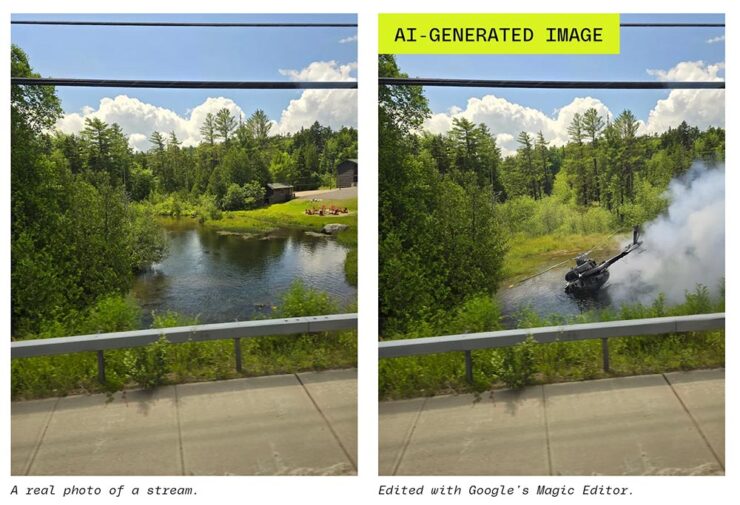
    Another montage from The Verge. Note the woods filled in behind the helicopter less convincingly than the accident, above — but how many are going to notice?

    It does this article disrespect to summarize. Just go read: “No one’s ready for this.”

    Special Bonus #2: Nick Heer, at Pixel Envy, articulates what needs to be said: “anyone can now radically and realistically alter an entire scene within minutes of taking a photo. [O]ur expectations need to change.”

  • Beautifully Briefed 24.7: Generated

    Beautifully Briefed 24.7: Generated

    This time, another automaker logo, some automotive and architecture photography, and the special bonuses that have all become a regular part of the Beautifully Briefed standard. But we’re going to start with some generated content.

    AI Book “Design”

    From the “We knew this was going to happen” category, we have the first — that I’ve seen, anyway — “let AI do the work” research paper suggesting that book design is something that can be automated.

    We have presented a novel approach to computationally design books. The presented system implements a generative design process which takes advantage of the scripting capabilities of Adobe InDesign to procedurally typeset books from content provided by the user. We have shown the ability of the system to (i) create book designs that consistently comply with a series of typographic rules, styles and principles identified in the literature; (ii) produce visually diversified books from the same input content; and (iii) produce visually coherent books with different contents.

    Design by “AI.”

    Let’s please remember that “AI” as the term is currently used is actually “applied machine learning;” in this case, specific rules within specific containers in a specific application. It’s a first step towards something, as most “AI” is in 2024.

    But it’s absolutely not the only step. It’s inevitable that the necessary subsequent steps will be taken, probably sooner than later.

    As usual where someone is seriously discussing replacing a human worker with a computer, there’s a pitch for the upside:

    The work presented in the paper may challenge the typical roles of both the tool and the designer. First, by automatically creating and suggesting design alternatives, the tool ends up playing a more active role in the design process. Then, by modifying and developing custom tools, the designer is no longer a mere tool user and becomes the author of tools tailored to specific needs. We believe this shift can be fruitful since it enables the exploration and discovery of new technical and creative possibilities.

    In other words, the designer is now responsible for creatively writing the rules then policing the output — like so many things in the machine-learning, or “AI” space — rather than the actual drudgery of directly designing the output. “Design great rules, get great design.”

    And there is room for this. Amazon, especially, is going to jump on book design generated this way; never mind those folks in China or India earning (a paltry few) dollars a day, the computer can do it better for less . . . . Poof! With no human interaction whatsoever, your book is ready to publish. Indeed, for some, the bar to publish has just been lowered made easier. Perhaps even Adobe, who trumpets “AI” at every turn these days, they may choose to take this up. (Probably for a surcharge to the already-high subscription pricing.)

    Let’s not even speculate about the major publishing houses for now.

    But like AI-generated anything, getting actual art requires hand-tuning the input by an artist. For what amounts to “slop” — see this fantastic PixelEnvy discussion — the generated approach to book design might even be appropriate. But for book design that’s artistic, cared-for, or even “just” thoughtful, you’re going to need a human for a long time yet to come.

    The paper is available on Cornell University’s arxiv under CC BY-NC-SA 4.0 DEED license. (Via Hackernoon.)

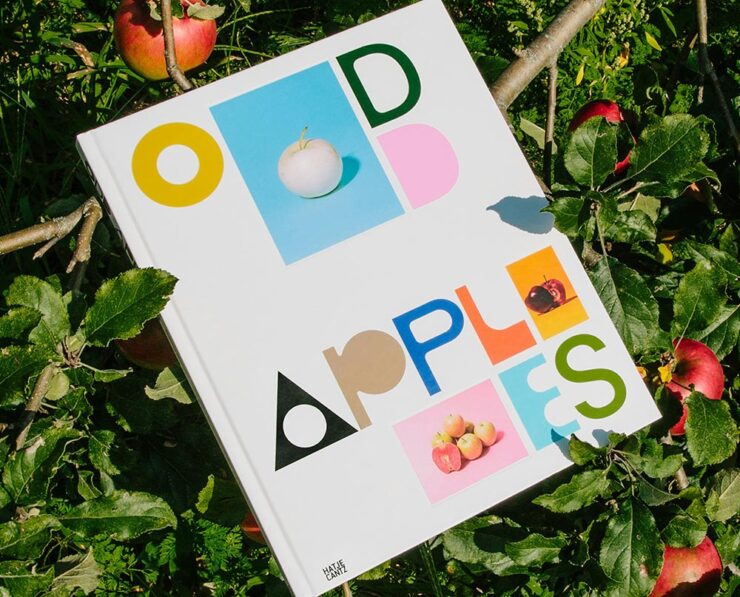
    The excellent Odd Apples, which I’m sure I’ve highlighted before — but in a very human way, can’t find.

    Special Bonus #1: I had the occasion to recently flip through Pentagram’s book design section. Some seriously interesting, seriously artistic work. (See the Odd Apples listing specifically.)


    It could probably be argued that computers took book design jobs away, but….

    Special Bonus #2: CreativeBoom links to three free archives on Victorian illustration to inspire — or perhaps use creatively in a book.

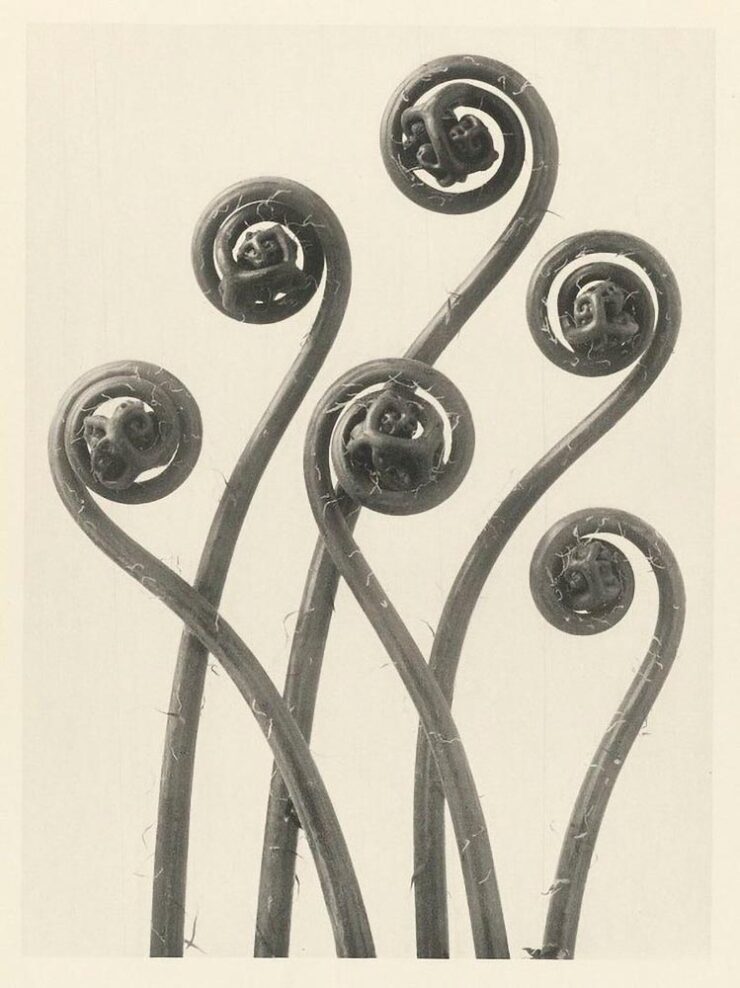
    Untitled (Fiddleheads), 1928. Photo by Karl Blossfeldt.

    Special Bonus #3: The ever-great Kottke.org. points us at Public Work, “an image search engine that boasts 100,000 “copyright-free” images from institutions like the NYPL, the Met, etc. It’s fast with a relatively simple interface and uses AI to auto-categorize and suggest possibly related images (both visually and content-wise).” As Jason Kottke points out, not great in the attribution department, but good stuff nonetheless.

    Mazda’s New Logo
    Mazda’s logo as of 2023, seen on one of its cars.

    From the automotive logo thread (previously), we have to note Mazda’s new look, reduced from the current 3D-style grayscale to flat and black and white. This one gets some criticism from me: it lacks grace, pace, or space. (Hmph. That might be someone else.)

    Angry Bird, anyone? (Pardon the artifacts — this image is enlarged from a Japanese trademark post.)

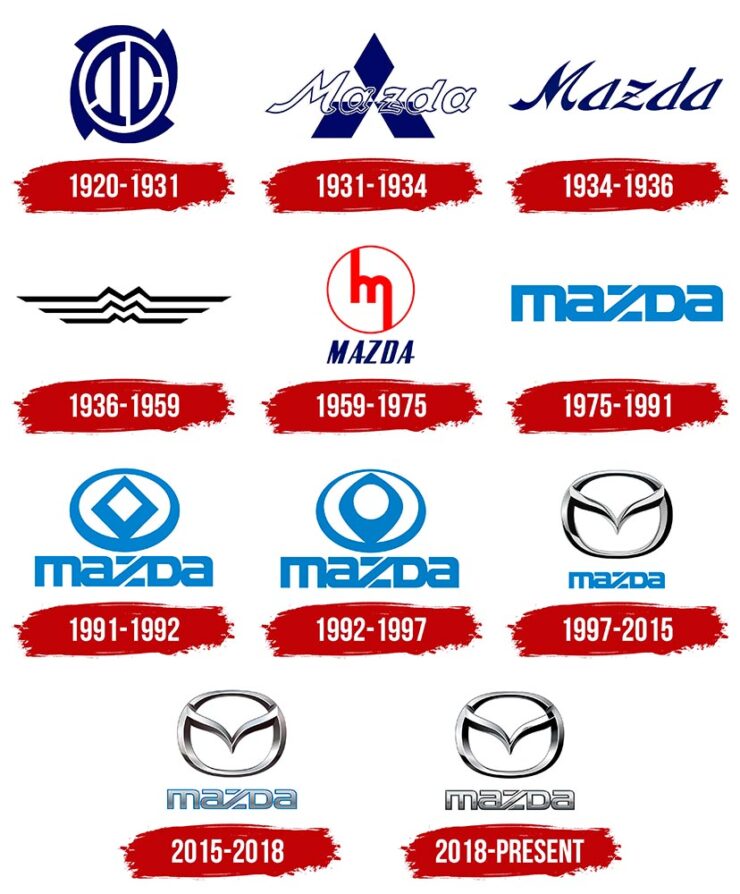
    Then again, Mazda has not always been successful with logos. Anyone remember the 1991–1997 version?

    Mazda’s complete logo history.

    The 1931–1934 version lays the name over Mitsubishi’s logo, which was responsible for sales. The 1975–1991 version is the one I remember best, but that’s likely a youth/rose-colored glasses sort of thing. See Wiki for more information.

    Meanwhile, Mazda is trying to move upmarket right now, and the new “look” isn’t really in keeping with that. Curious to see where this goes. (Via The Autopian.)

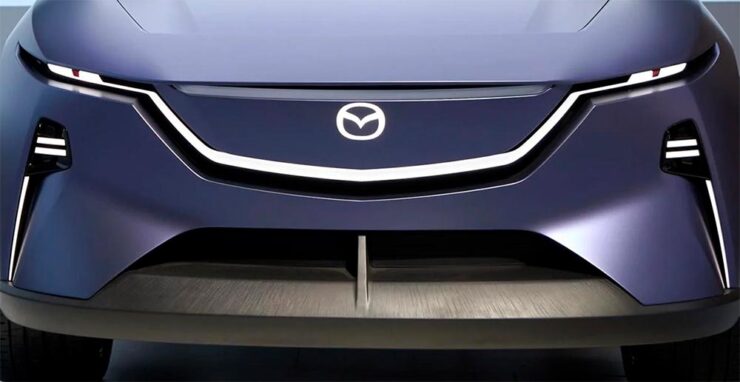
    Mazda’s new electric concept, the Errata, sporting an interim, flattened version of the current logo. Wait, might have gotten something wrong there, too….

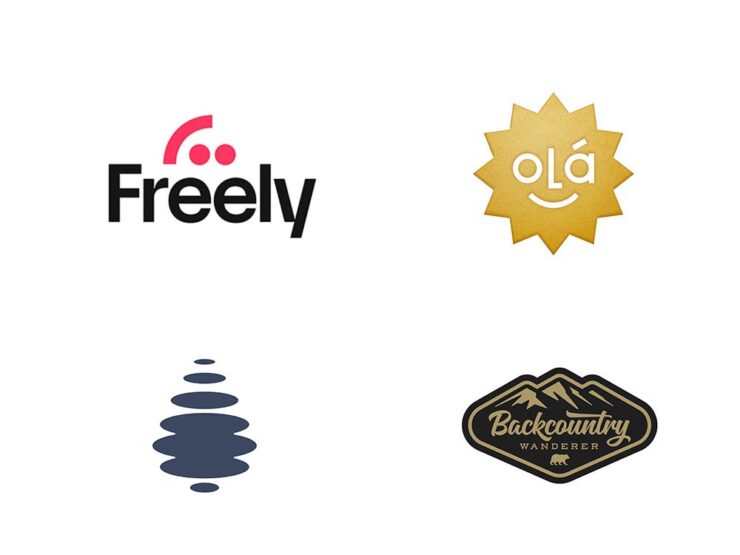
    Special Bonus #3: BrandNew points us at the 2024 Logo Trends report, the annual fun item from Logo Lounge that looks at what’s hot in this year’s crop of — you guessed it!

    Freely (Smiley category) and Droplet (Elliptic category), left, and Olá and Backcountry Wanderer, right, from the Sticker category. (Olá could be in the Smiley category, too.)

    Some of my favorites are above, but the whole report is worth a look. (Spoiler: more than flattening is on trend.)

    Auto, Auto+Arch, Arch
    Auto Photo Manual

    Via Wallpaper*, we have Auto Photo Manual, a new monograph from Benedict Redgrove that “explores the art and science of photographing the world’s most striking cars:”

    A very orange Lambo. Photo by Benedict Redgrove.

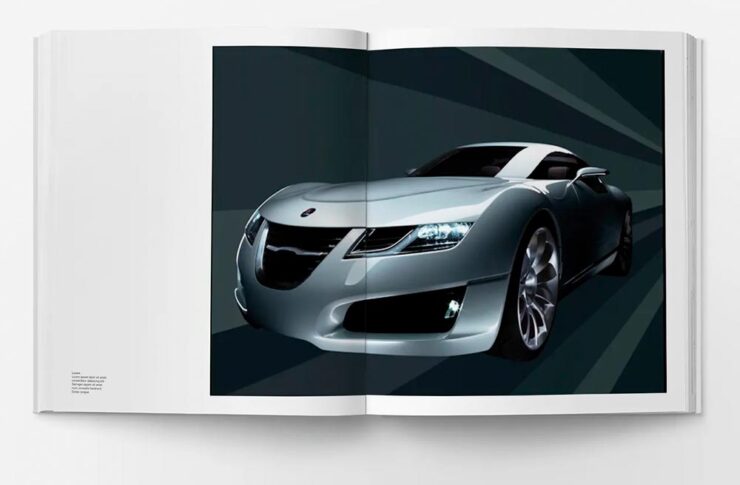
    Always a sucker for a Saab, especially this concept:

    The 2006 Saab Aero-X concept. Photo by Benedict Redgrove.

    Auto Photo Manual is a Kickstarter item that could use some love — stop by if you can. Wallpaper* has the full story.

    A Time • A Place (Vol. 1)

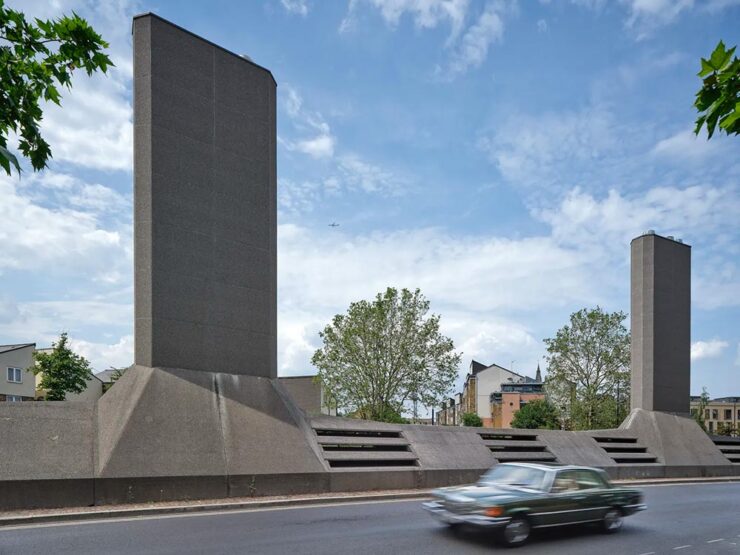
    Also via Wallpaper*, we have a “celebration of the European Car of the Year and changing perceptions of modern design, pairing the best buildings of the age with their automotive contemporaries:”

    London’s Camberwell Subamarine and the Mercedes W116. Photo by Daniel Hopkinson.
    “Through the lens of time, both [cars and buildings] have become highly symbolic of their eras and hindsight will allow us to trace the roots of each design to determine how it is viewed from a 21st century perspective,” says Holroyd, noting that over this period architecture underwent a stylistic retreat, just as car design became emboldened and more avant-garde.

    Great stuff in this new title, available now from The Modernist. Read more at Wallpaper*.

    World Architecture Festival 2024 Shortlist

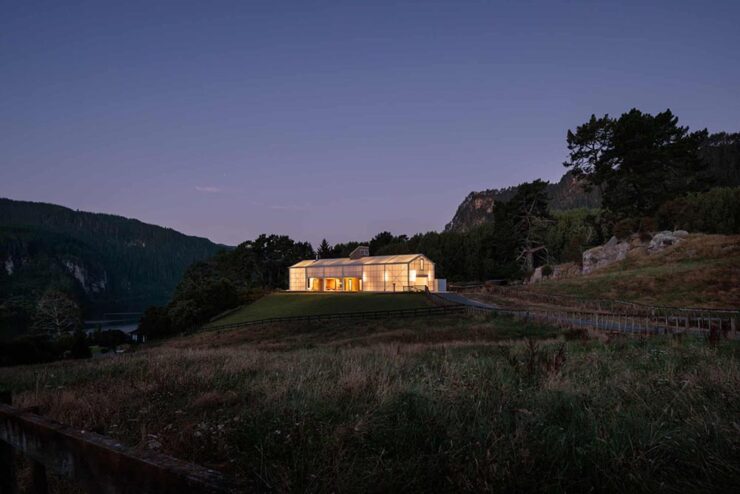
    Via The Guardian, we have The World Architecture Festival’s 2024 shortlist, revealing projects from around the world spanning categories such as childcare, energy, transport and science. A couple of faves:

    The Chodge by DCA Architects of Transformation — interesting name(s), surely — in Whakamaru, New Zealand. Photograph by Simon Devitt.

    The live awards event will take place in Singapore from November 6-8. This year’s finalists represent 71 countries.

    Woven Passage to Cloudy Peaks by line+ studio in Shaoxing, China. Photograph by line+studio.

    See more at The Guardian, or the complete shortlist at The World Architect Festival.

    Special Bonus #4: This is Colossal brings us the drone photography of Eric Waider, shot in Iceland:

    As glaciers expand and recede, they have the capacity to grind rock so fine that geologists refer to the pulverized material as glacial flour. It slips down rivers and into lakes, carrying the otherworldly turquoise hue through a unique and resilient ecosystem. In Iceland, the blue-green color is complemented by rivers that flow yellow, thanks to sulfur from nearby volcanoes, or red from dissolved ferrous iron—also known as bog iron. Coursing over rock and black sand, the streams take on dazzling, rhythmic patterns.
    Photograph by Erik Waider.

    Brilliant. See his website (“Abstract Landscapes of the distant North”) and enjoy that series and more — including faves such as Ocean Blues and Glacial Macro.

  • Beautifully Briefed 24.6: Summer of Win (Mostly)

    Beautifully Briefed 24.6: Summer of Win (Mostly)

    In this installment of Beautifully Briefed, let’s take a look at some great posters, great print items, and great photography. Plus, an update from Adobe’s continued campaign to lose friends and attract government attention. Fun stuff!
    GET LECTURED (ON ARCHITECTURE)

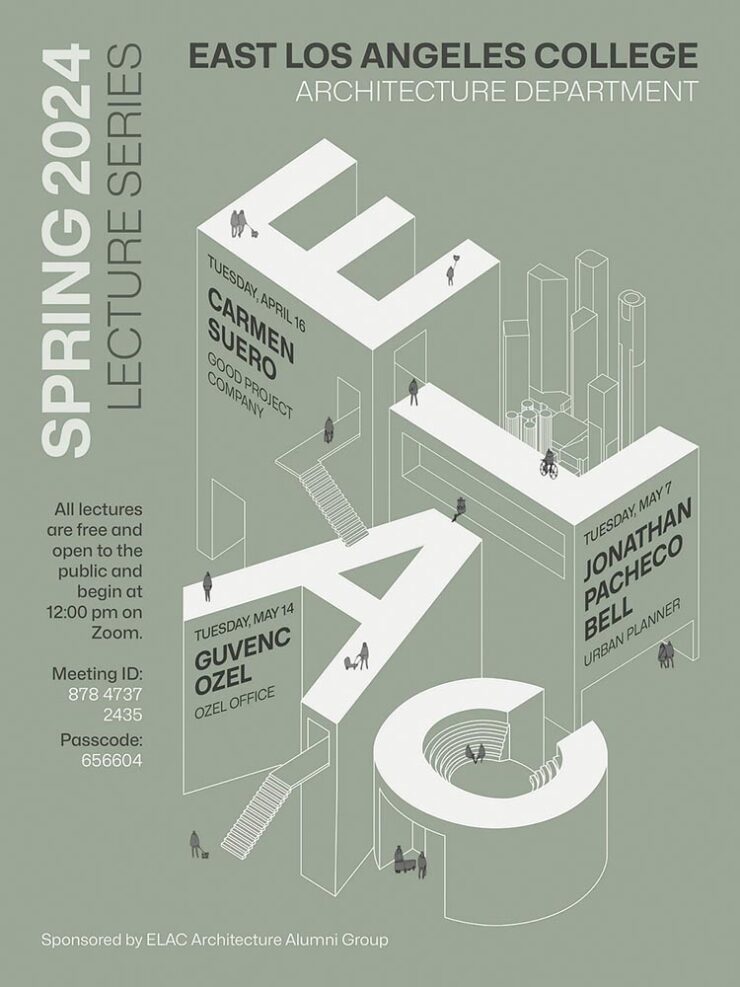
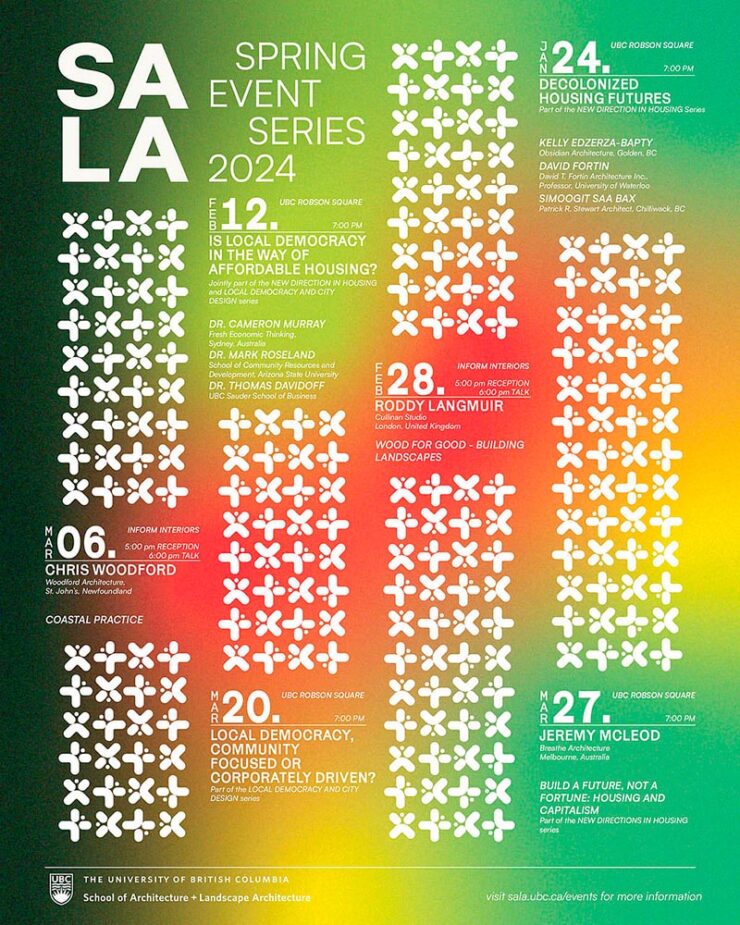
    Back in September, I mentioned Archinect’s Get Lectured poster series. They’re back with the Spring 2024 winners, including these two faves:
    ELAC lecture poster design by Tashfiah Ahmed.
    Lecture poster from the University of British Columbia; designer not listed.

    Great examples of design in a often difficult category. See the rest.

    Architecture Photographs by Hélène Binet

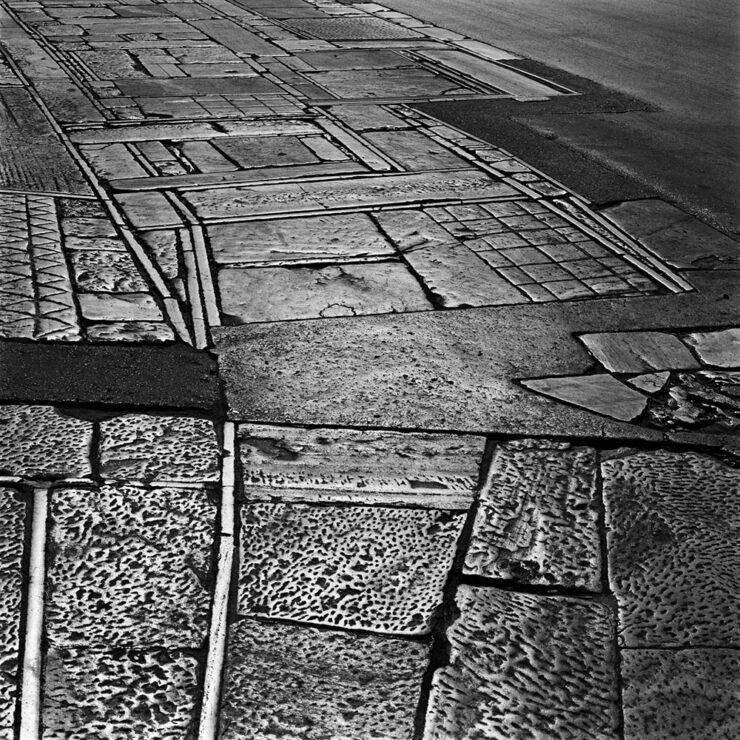
    While we’re discussing architecture, let’s talk about a Dezeen post that caught my eye: photographer Hélène Binet has a new book out, adding to her long career capturing the old-school way — using film.

    “A Sentimental Topography by Dimitris Pikionis, landscaping of the Acropolis, Athens, Greece.”

    This series captures shadows and light with exceptional talent, including the above, where she’s praised for “captur[ing] in a single image the tactile and textured presence of tectonic form, both in built and natural environments.”

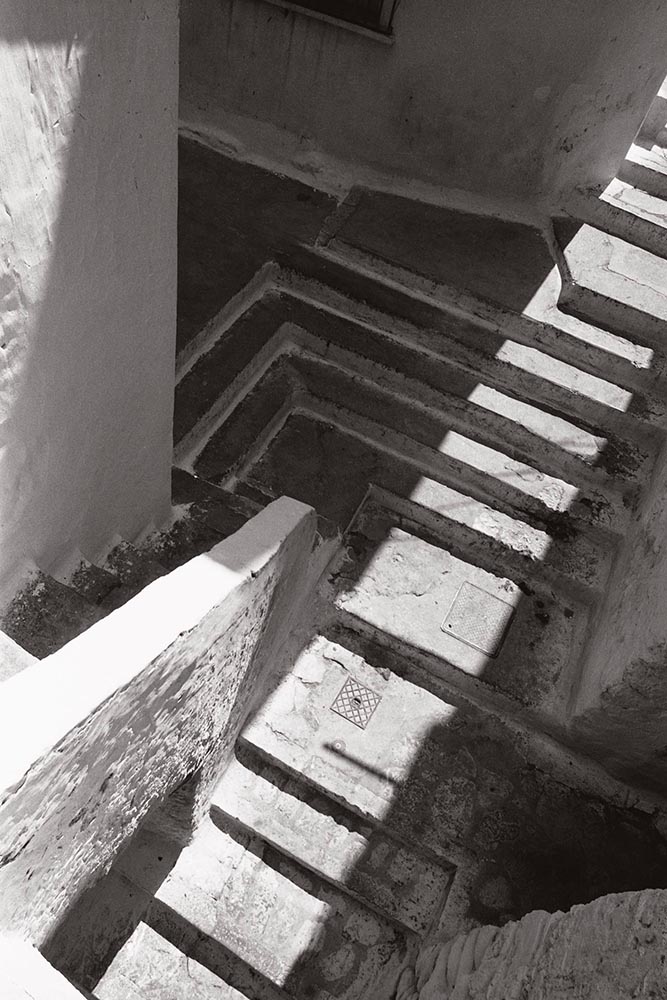
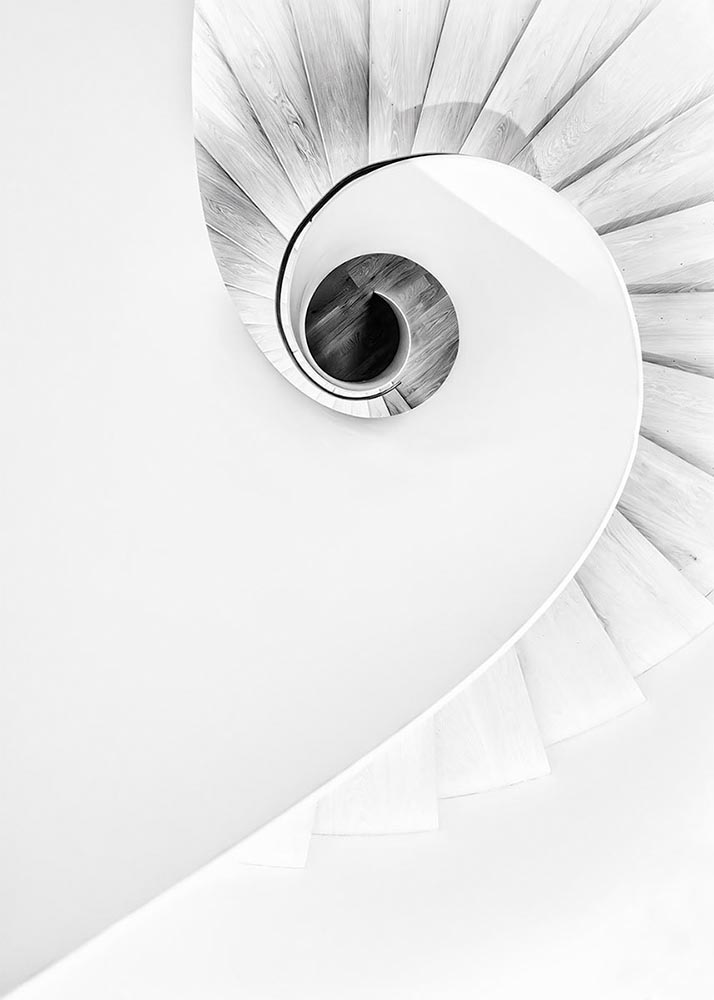
    “Staircases in Sperlonga, Latina, Italy.”

    I love the softer shades of gray than shown in the previous image, and both this and the image below demonstrate a deep understanding of architectural expression.

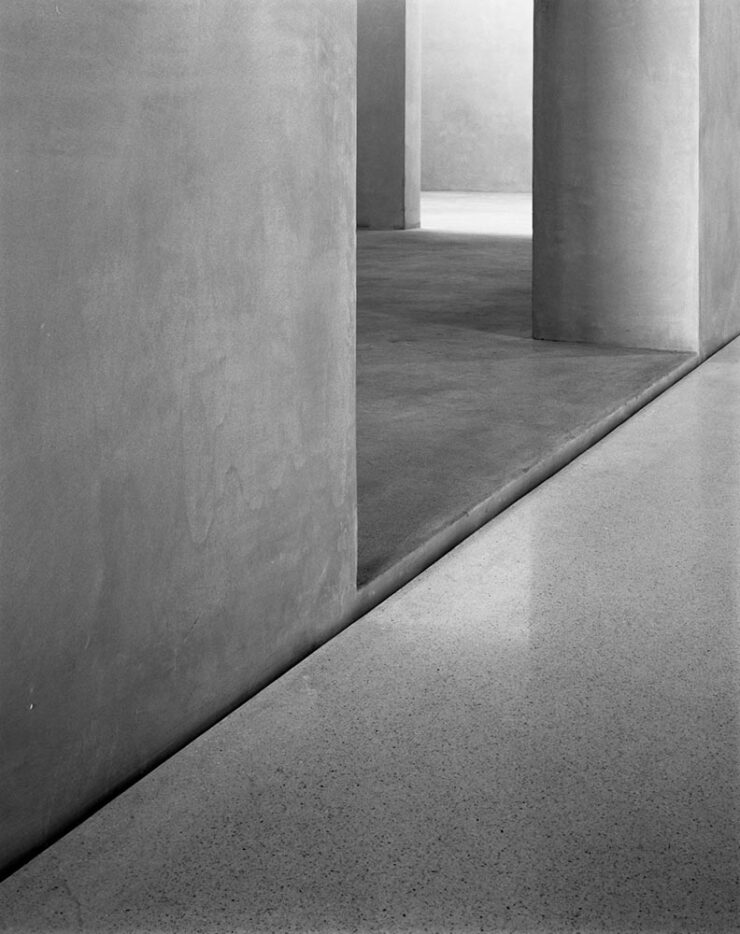
    “Kolumba Museum, Cologne, Germany, by Peter Zumthor.”

    Read the post from Dezeen, see more examples of outstanding work on her website, or buy the book with 170 photographs, essays, and more.

    2024 Audubon Photography Winners

    This is Colossal posted about this a day before my Audubon magazine showed up with these prominently featured, and they’re all winners.

    Wild Turkey, Female Bird Prize Winner, by Travis Potter.

    Bird photography is a difficult skill requiring patience, perseverance, and specialized gear; those who excel at it deserve recognition. Plus, there’s this:

    Audubon’s climate science report Survival by Degrees reveals that two-thirds of North American birds are threatened by extinction from climate change, including species featured in this year’s Audubon Photography Awards like the Blackburnian Warbler, California Quail, and Sedge Wren.

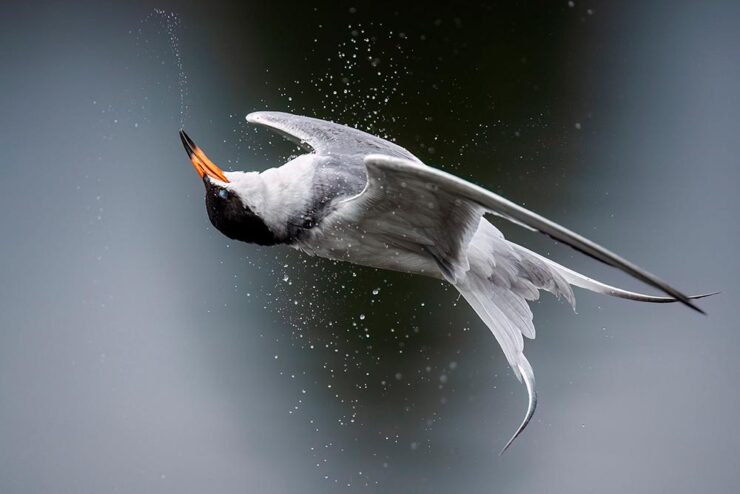
    Forster’s Tern, Professional Honorable Mention, by Kevin Lohman.

    Check out the Colossal post, or see the full story at the Audubon website.

    Special Bonus #1: Kottke points us towards the Siena 2024 Drone Photography Awards. “Look! Up in the sky! It’s … another contest!” Good stuff nonetheless:

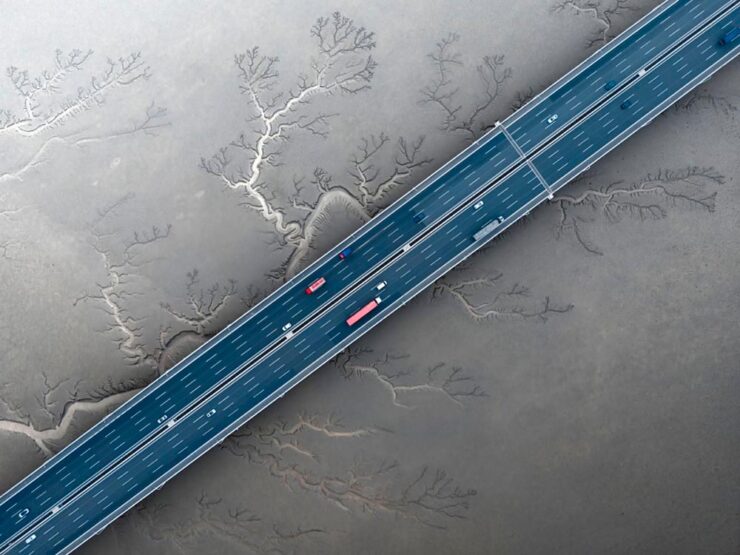
    “Jiashao Bridge” by Sheng Jiang, China.
    PRINT 2024 Awards

    The annual PRINT awards are out, featuring — natch — great items in print, including items like the Smithsonian’s annual report and a Naked Trails brochure. Here are a couple of items from the book design category:

    Jacket design by Robin Bilardello.

    Author sketch and lettering by the author. Also, let’s get the . . . :

    Cover design by Milan Bozic, with illustration and typography by Lauren Tamaki.

    Fantastic.

    Special Bonus #2: Hoefler & Co. brings us Typographic Doubletakes: “While good typefaces have prodigious families of carefully related styles, some of the best typography builds unexpected relationships between unrelated fonts.”

    Left: Chronicle Hairline + Landmark. Right: Vitesse + Gotham.

    Their blog refreshes as you scroll in more ways than one — enjoy.

    Left: Mercury Text + Ideal Sans SSm. Right: Whitney + Operator and Operator Mono.

    Special Bonus #3: Kottke points us to a LitHub post arguing for adding full credit pages to books acknowledging everyone who worked on them. “How lovely it is to be seen and appreciated.”

    Adobe “Too Easy to Hate,” Say Users, Employees

    Adobe continues to score big with the public — in the best Boeing style, a formerly-great company has put profits before users and employees. While successful from the shareholders’ point of view (record profits, again), some are . . . upset. PetaPixel:

    Just over a month ago, an Adobe exec called AI the “new digital camera.” Simultaneously, an Adobe marketing campaign chucked photographers under the bus, and not for the first time, which caught the attention of the American Society of Media Photographers (ASMP). At the very top of Adobe, there is a concerning and frustrating lack of understanding about art and the people who make it.

    Even “exasperated employees implored leadership to not let it be the “evil” company customers think it is;” while that might be a stretch — “ignorant greed” is a better description — either is not a winning look.

    The latest was a terms-of-service update that many saw as a rights grab, allowing the company to use users’ work to train its AI services. While those have been amended, the seemingly clear language — “We’ve never trained generative AI on customer content, taken ownership of a customer’s work, or allowed access to customer content beyond legal requirements” — comes from a company that has lost the trust of users, making those words just that — words. Time will tell if they are truth.

    But there’s more: Adobe’s just been sued by the FTC (via PetaPixel, Pixel Envy) for hidden fees and difficult cancellations:

    “For years, Adobe has harmed consumers by enrolling them in its default, most lucrative subscription plan without clearly disclosing important plan terms,” the lawsuit alleges. “Adobe fails to adequately disclose to consumers that by signing up for the ‘Annual, Paid Monthly’ subscription plan, they are agreeing to a yearlong commitment and a hefty early termination fee that can amount to hundreds of dollars. Adobe clearly discloses the early termination fee only when subscribers attempt to cancel, turning the stealth early termination fee into a powerful retention too that [redacted] by trapping consumers in subscriptions they no longer want.”

    I’m actually glad for this, as I wasn’t aware that my $60+ monthly fee is a payment on an annual plan. (Ug.) Not too big an issue — I actually feel like there’s decent value in the plan and will continue to subscribe for the foreseeable future.

    But I’d also be lying if I said I’m completely satisfied with our business arrangement: alternatives are few and far between. While Adobe does not have a monopoly legally or technically, in the publishing industry at least, they are, for all intents and purposes, the only game in town. It would be nice if they would at least demonstrate a modicum of respect for their users.

    Update, 25 July 2024: “Adobe Exec Says Early Termination Fees Are ‘Like Heroin’ for the Company,” according to PetaPixel. Hmph.

  • Beautifully Briefed 24.4: April Snow(ed Under)

    Beautifully Briefed 24.4: April Snow(ed Under)

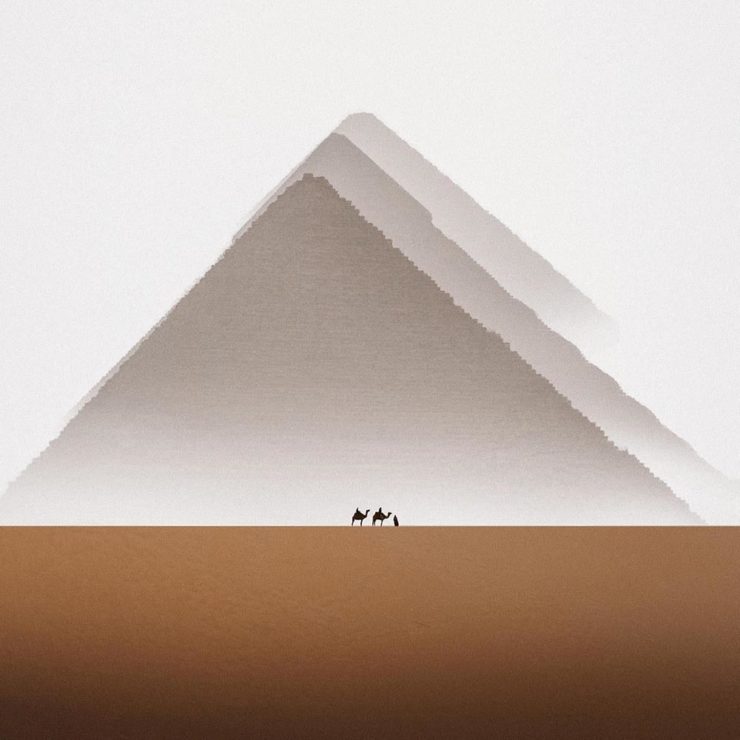
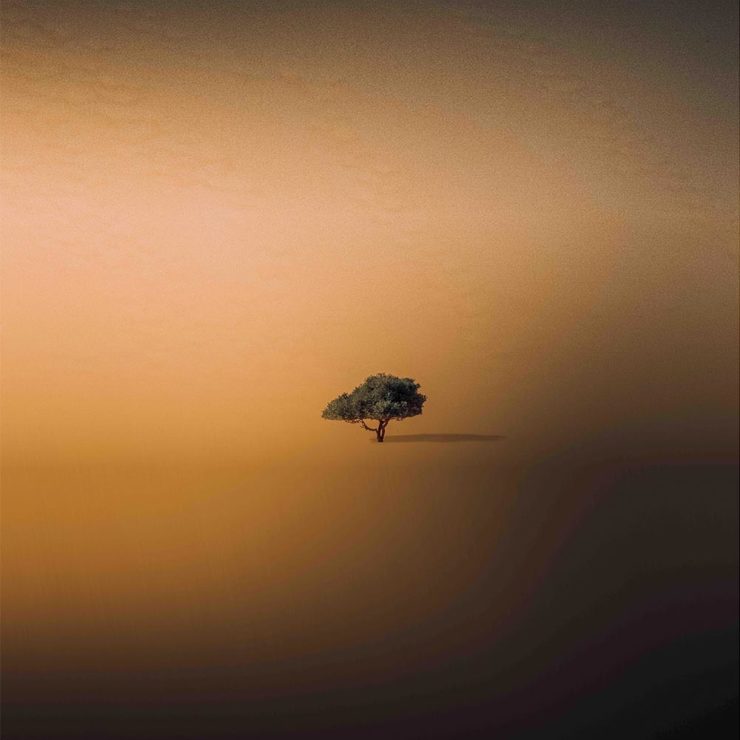
    This April has been busy — meaning that I’ve not marked as many items for this column as usual. (I generally keep a browser tab group going throughout the month with items that could potentially be added, then weed them out/down as posting time gets near; usually, I aim for four or five diverse items.) This month, a great young Egyptian photographer and some details on what goes on, er, under the covers of book design.

    Karim Emr, Photographer
    Infinity, Karim Emr, 2021. The print is 64×64 inches(!).

    Just look at that — awesome. The moment it appeared on Kottke, it got marked for posting. It’s fantastic to see a familiar locale taken with a fresh perspective, proving once again that no matter how many cameras exist in the world, it’s what you do with it that matters.

    This is great, too:

    “Water, Water, Water,” Karin Amr, 2021. (Forgive the color banding; that’s my fault, not the photographer’s.)

    I didn’t realize that was flooded at first — the desert plays many tricks. For more, check out his Instagram or order prints at 1stDibs.

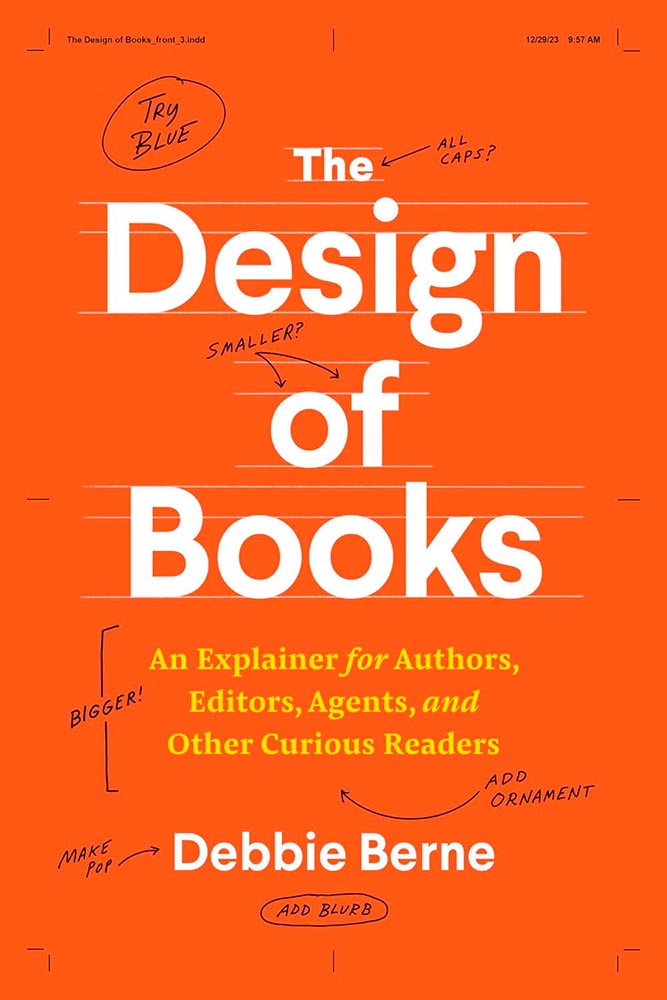
    The Design of Books

    You’re reading Foreword, so it’s safe to assume at least a passing interest in book design. So this one’s a natural to highlight:

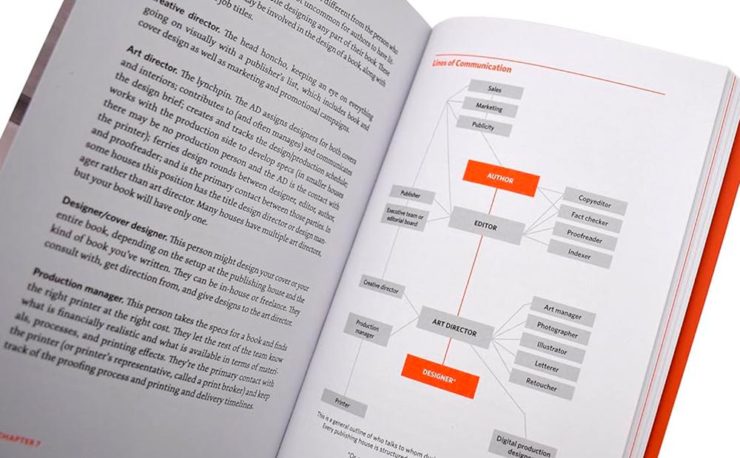
    New title by book designer Debbie Berne

    Professional book designer Berne debuts with her first self-authored (and designed) title that seemingly anticipates every question people curious about book production might ask, as well as many they probably hadn’t thought about. . . . This title illuminates all that goes into producing and designing a book.

    — Library Journal
    Interior highlights from The Design of Books.

    From crop marks to the editorial workings, a worthy read for those in need of better understanding the process, those in the process (you’d be surprised: it’s more than authors and editors), and, as the author — and the LJ — say, “other curious readers.” Recommended.

    Special Bonus #1: The above is courtesy of another Kottke post, which has a comment regarding the redesign of the Book of Common Worship for the Church of England. It’s long and detailed, but it you have a minute: An account of the making of Common Worship: Services and Prayers for the Church of England. [PDF]

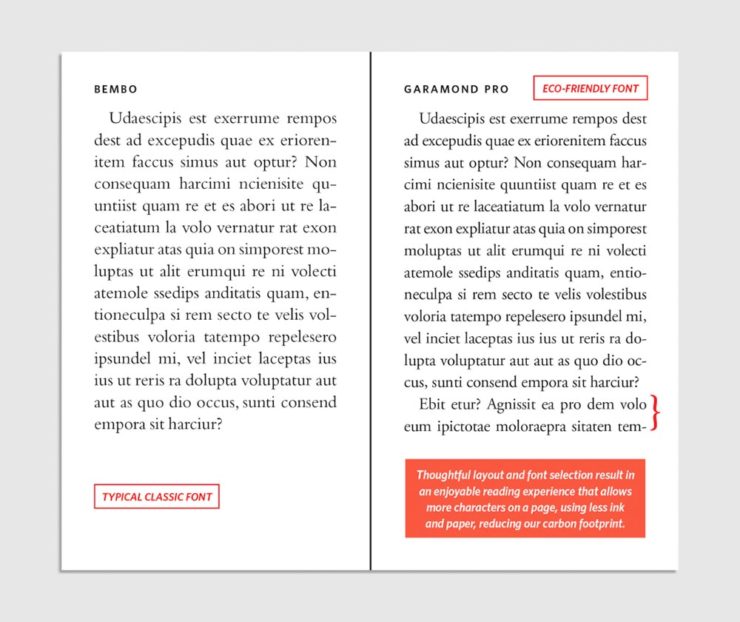
    Special Bonus #2: HarperCollins, one of the biggest publishers in the world, has something to tout: saving trees through “eco design.”

    It’s painfully clear which is easier to read: a change for the better . . . ?

    Fast Company reports on this, although to be honest I’m not sure it’s an improvement — while it’s impressive that, “so far, these subtle, imperceptible tweaks have saved 245.6 million pages, equivalent to 5,618 trees,” perhaps the startling statistic there is that a single tree can produce nearly forty-four thousand book pages. (Along with some bark mulch, presumably.)

    In any case, the VP of creative operations and production at HarperCollins — apparently an actual title — is proud of their “learnings.”

    Doctor? No, Book Designer

    The AIGA Eye on Design‘s book design category, always full of gems, highlights the career path of another book design professional, Jason Ramirez:

    One of the first in his family to attend college, he studied biological sciences and later religious studies at the University of Rochester, and after graduation he began taking night classes in typography, color theory, graphics, and web design. At nearly 30-years-old, he applied and was accepted into Parsons School of Design, where a course with cover designer Gabriele Wilson opened up a world of possibility.

    —Laura Feinstein, AIGA

    He’s done well:

    Cover design: Jason Ramirez

    A great read on the how’s and why’s of five worthy book cover designs when you have a moment.

    Special Bonus #3: CreativeBoom profiles another book designer, this time Leah Jacobs-Gordon, a freelancer in England.

    Cover design: Leah Jacobs-Gordon

    Enjoy your spring!

  • Beautifully Briefed 24.3: Bloomin’ Breadth

    Beautifully Briefed 24.3: Bloomin’ Breadth

    The end of March here in Middle Georgia means flowers aplenty, and usually with that, some photography — but I’ve not yet had a chance. (Stay tuned.) I have, however, been saving up links o’ interest: fonts, books, photography, and new(ish) car logos. Let’s go!

    Kottke Meets 2024

    Starting with one of the very few places that is still around from Foreword’s old days, the always-interesting Jason Kottke:

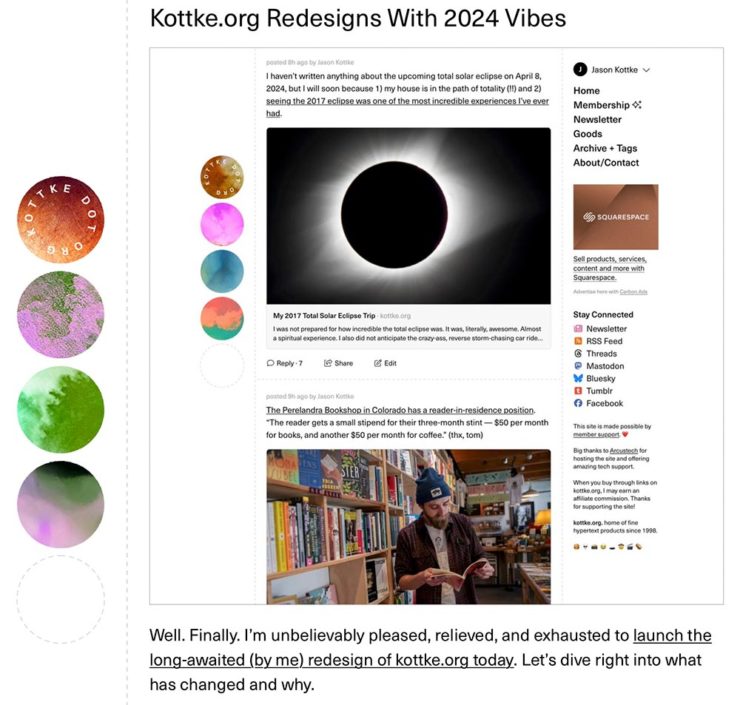
    2024 marks Kottke.org’s 26th year on the ’net.

    Great new looks for great content, with better Quick Links — the previews are ace — and incredibly-appreciated gift links to places like The New York Times and The Atlantic. If you haven’t been in a while, click and enjoy.

    Fab Spring Type

    With “a plethora of captivating new typefaces,” CreativeBoom celebrates spring with 11 new faces to tempt, inspire, and bring joy:

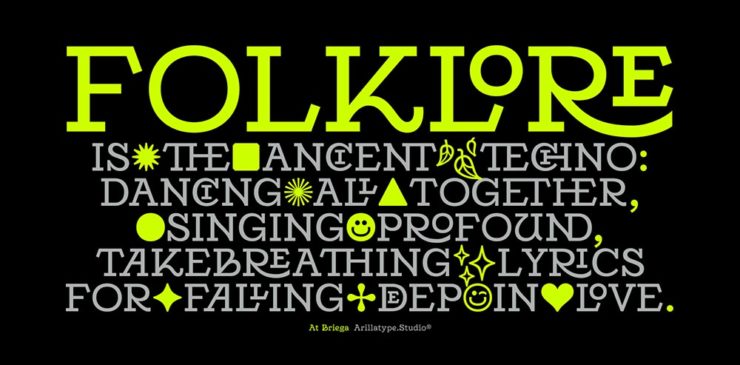
    Arillatype.Studio brings us a thousand glyphs of greatness.

    Zanco, with its bell-bottom style; Seabirds, inspired by 1930s book covers; Module, a “fluke side hustle;” and Graffeur, improvised from gaffer tape and glimpsed in this post’s header image, are all great. My far-and-away favorite, though, is At Briega, “inspired by the concept of hybridisation” and shown above.

    See ’em all here.

    Literary Three-Fer
    M.C. Escher’s Lesser-Known Works
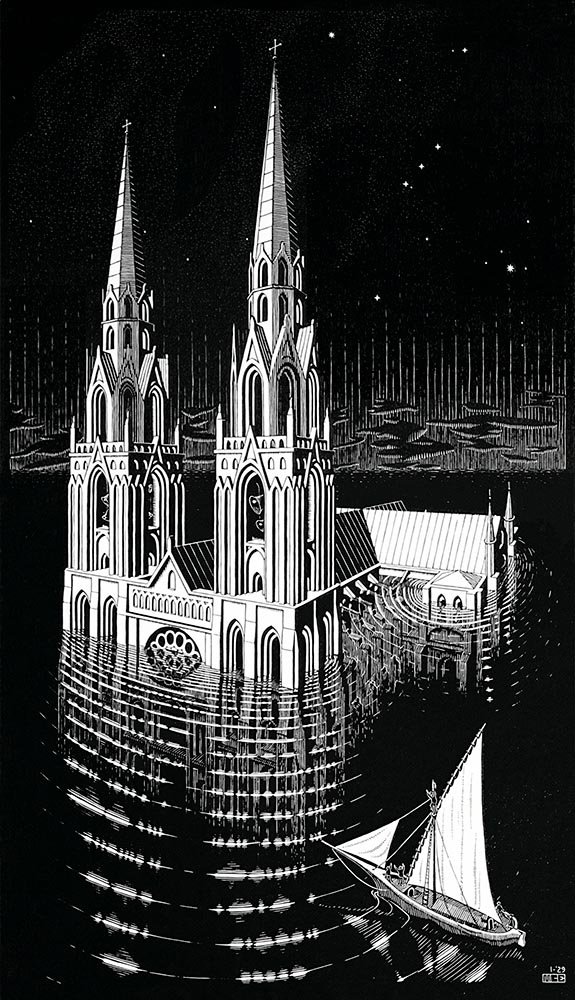
    “The Drowned Cathedral,” a 1929 woodcut.

    “Unique perspective” never does justice to someone whose name defines the term. See some never-before-seen images alongside old favorites in a new Escher book highlighted at Hyperallergic.

    Multidimensional Libri

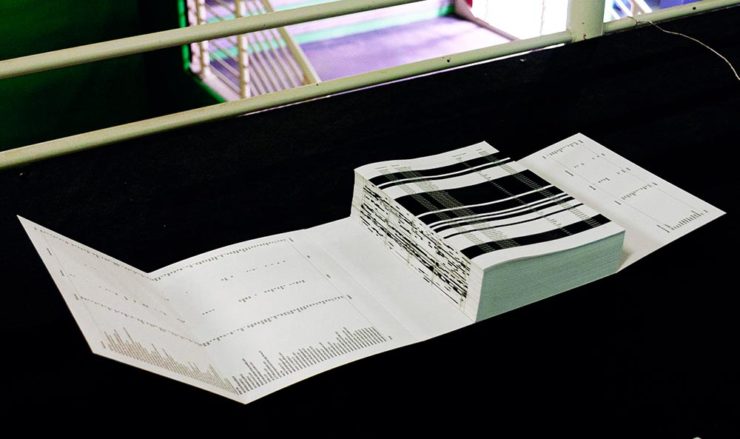
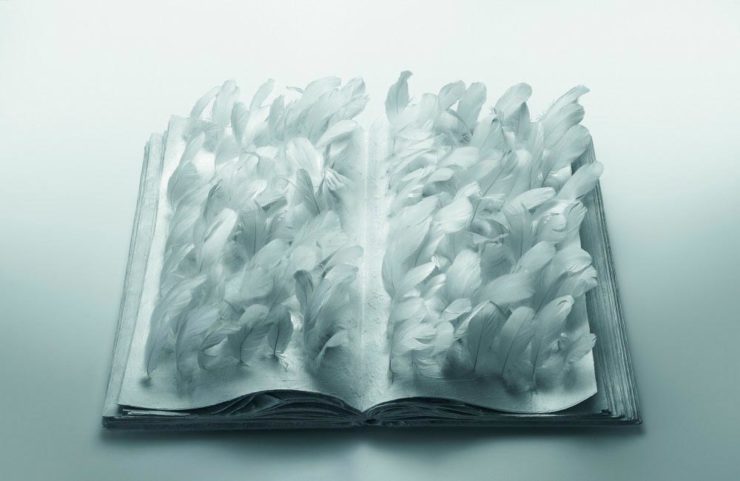
    “Experimental books are flourishing, [a]nd the evidence is seen” in this Daily Heller from PRINT: a traveling exhibition on three-dimensional books, all published titles.

    Oh, those Italians. Read on.

    Book Design Snobbery
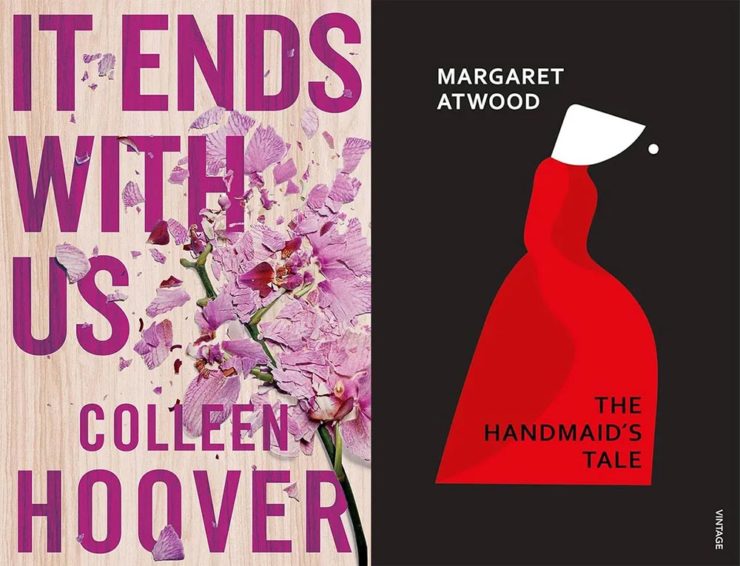
    Hoover vs. Atwood — no joke.

    “Don’t get held back from the simple pleasures of reading,” argues Natalie Fear at CreativeBloq, “not everything needs to be minimalist.” Justification for commercialism or a common-sense explanation for the bookshelves’ current look? You decide.

    Photography Three-Fer
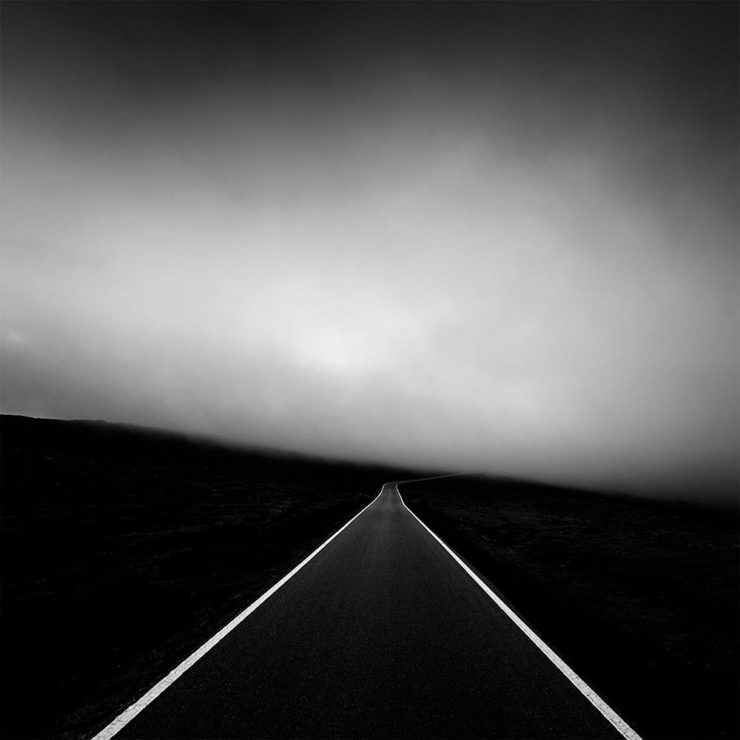
    Winners of Monochromatic Minimalism
    “Black Pearl” by Sascha Kohne. An honorable mention for the magazine, but a winner for me.

    Some incredibly good stuff here — but perhaps more importantly, did you know of Black & White Minimalism Magazine? There’s no end to today’s continued diversification, methinks.

    “Traveling through Costa da Morte, Galicia. 600m above sea level where the mountains separate the Cantabria sea from the Atlantic Ocean,” explains third-place winner Alexandre Caetano.
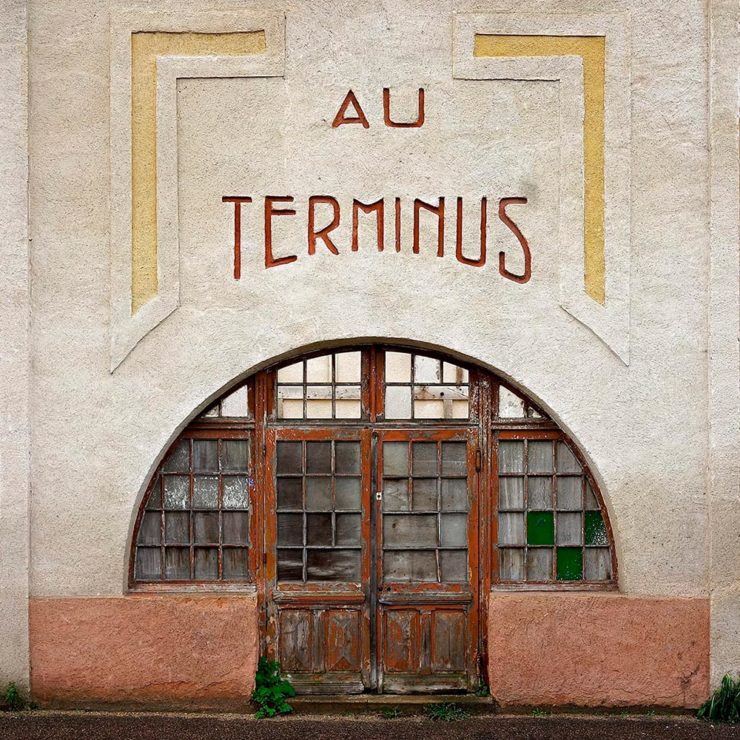
    Aging Facades of France

    “Shuttered blinds, peeling paint, and aging doors don’t usually indicate an invitation, but for French photographer Thibaut Derien, the fading facades of long-closed shops are well worth a stop,” This is Colossal says.

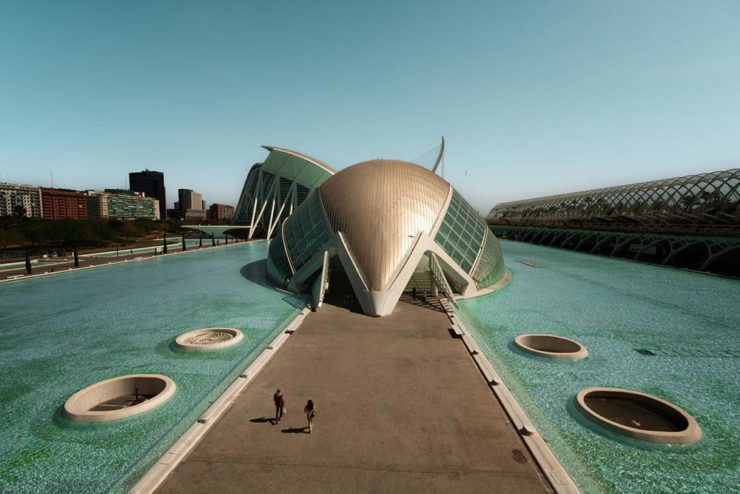
    Sony Photography Awards: Architecture
    The Ciudad de las Artes y las Ciencias (City of Arts and Sciences) in Valencia, Spain: “Hemispheric,” by Eng Tong Tan, Malaysia.

    ArchDaily‘s coverage of the annual Sony awards shortlist announcement was an insta-click.

    New Bull: Now Flat. (And a BMW.)

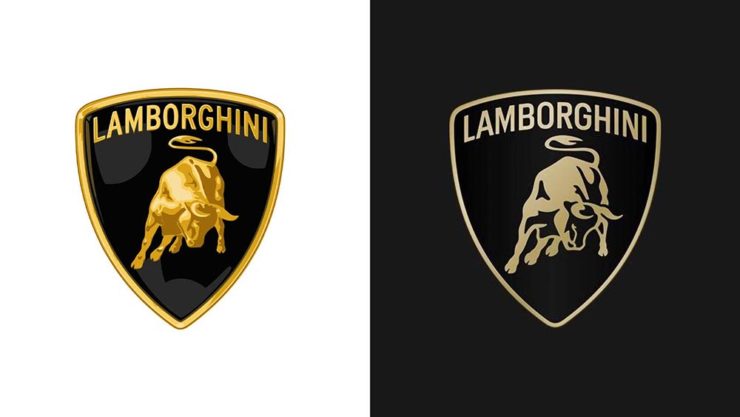
    Lamborghini practically defines flamboyant. So it’s worth a link when their logo gets less interesting:

    Old logo, left, new, right.

    Late at following the industry trend of flat-is-better, because, well, Volkswagen. (Okay, I undersell. Perhaps.) Read the lack of news at Motor11Motor1 also has a decent roundup of new car logos, from 2016-present, which underscores the “flatness” trend. or The Drive, where they manage to convey the brand’s use of the phrase “digital touchpoints.”

    I don’t know whether this will make any more sense in a few or even many months — which is relevant because of BMW. Four years ago, one of the industry’s design leaders expressed strong this new style, and I didn’t get it. But it’s worn better than most, and superlatively on occasion — check out the logo’s use on the Vision Neue Klasse X:

    Rather than a standalone, plastic part sitting on the paint, it’s etched into the finish. Man, I hope that makes it into production.

    Neue Klasse: do like. Bull? No so much.

    Update, 2 April: BrandNew, itself sporting a new look, has weighed in on the new Lambo style, calling it “not good.” (FYI, BrandNew is a subscription, quite possibly the best $20/year someone interested in design can spend.)

    • 1
      Motor1 also has a decent roundup of new car logos, from 2016-present, which underscores the “flatness” trend.
  • Beautifully Briefed 24.2: February Favorites

    Beautifully Briefed 24.2: February Favorites

    This time, book design times two, book cutouts, album covers, and a reflection on my 2023 photographs. It’s one of those Februaries, so let’s leap into it.

    Jodi Hunt’s Great British Design
    Screen print by Kate Gibb, lettering by Jodi Hunt, and photograph by Adaeze Okaro.

    You might recognize the above book cover from my 2023 Favorite Book Covers post, a fantastic series of choices that speak to all colors while definitively saying, “Black.” It’s Nice That has a short post talking about Jodi Hunt, who designer that cover — and more.

    Design by Jodi Hunt.

    The screen printing is prominent here, too, and the interaction between that and title are, to borrow a Britishism, “ace.” And the below, with its slightly haunting image treatment (and that great text, lower left), also earns kudos:

    Design by Jodi Hunt.

    Great design, deservedly highlighted. See the other examples here.

    The original Book Design
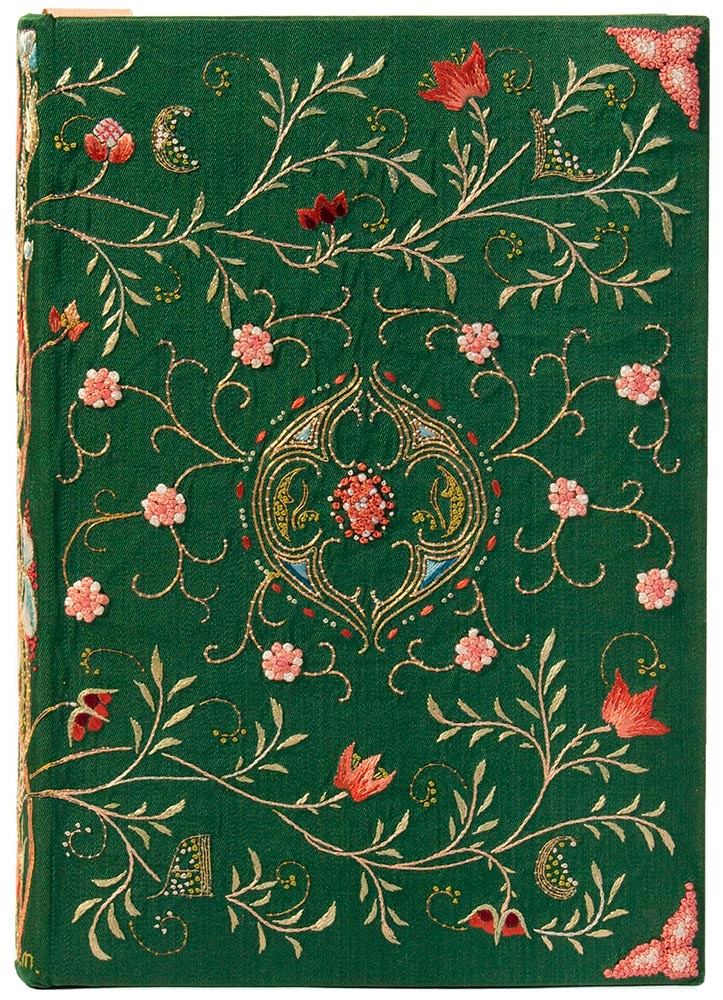
    Ernest Lefébure, Embroidery and Lace: Their Manufacture and History from the Remotest Antiquity to the Present Day (1888), with binding created by May Morris

    Before there was book design, or even graphic design — that is, when books and pages were thought of as art instead of design — folks were still coming up with great book covers. The Grolier Club, “America’s oldest and largest society for bibliophiles and enthusiasts,” has a wonderful exhibit of cover design . . . made up exclusively of antiques.

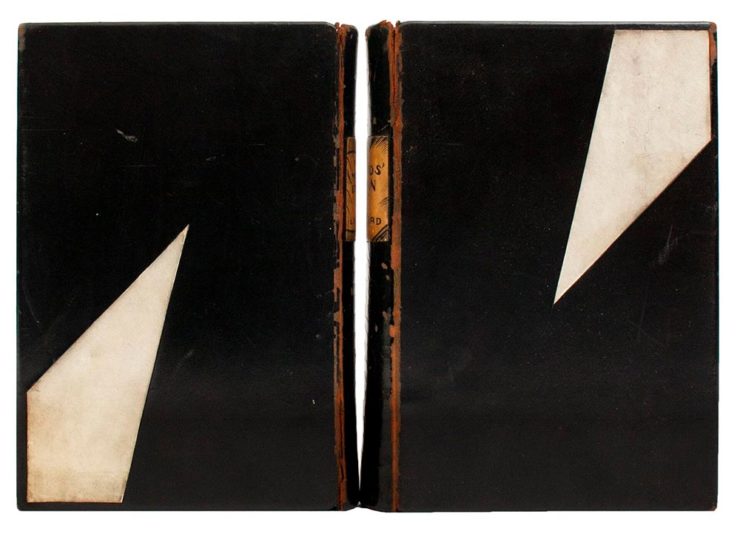
    Lynd Ward, Gods’ Man: A Novel in Woodcuts, 1929, and Madman’s Drum: A Novel in Woodcuts, 1930.

    One of the most memorable artworks […] is a sumptuous but comparatively delicate volume, a 1643 book of psalms created in London. Atmospheric exposure usually turns white silk-bound editions tan and brown, but this cover is a shiny cream color. The polychrome silk and gold metallic threads, which wind around one another to form a colorful floral pattern, maintain an eye-catching vibrancy. The only sign of the book’s age is the oxidized silver “stumpwork,” a type of raised embroidery that in this case resembles beading.

    Elaine Velie, Hyperallergic

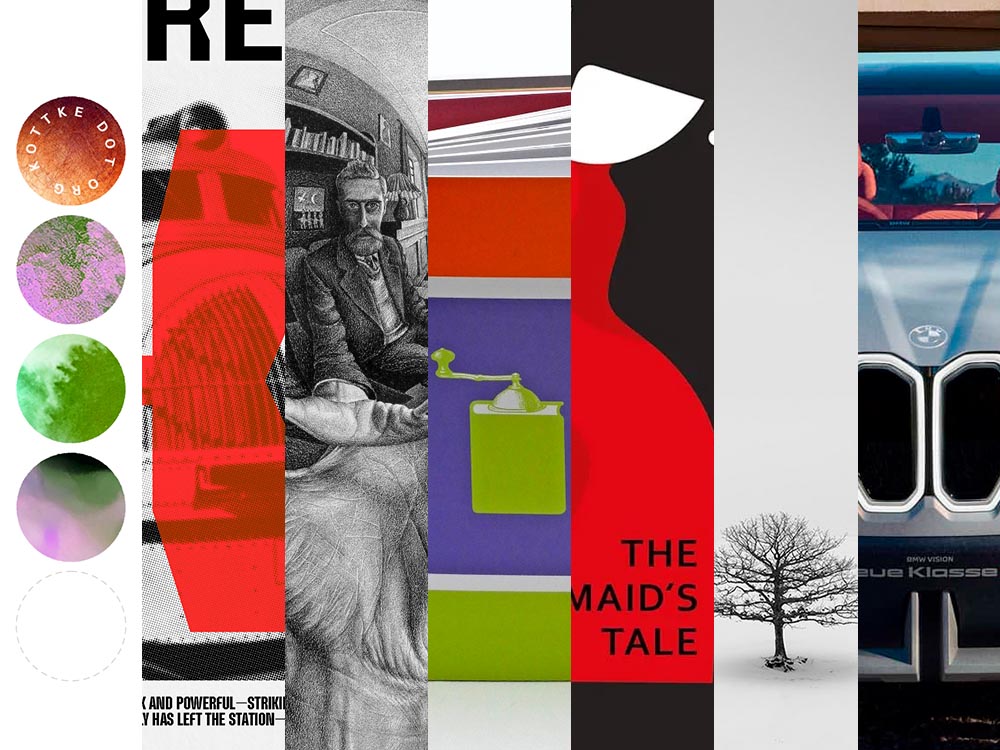
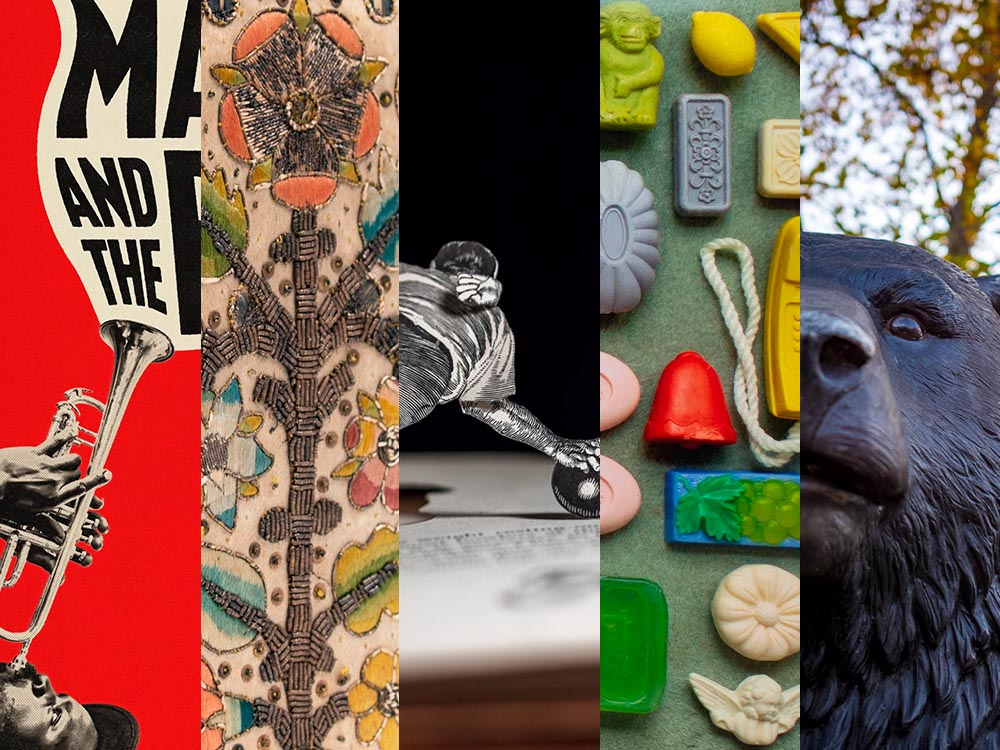
    The quote above refers to the book in this month’s cover image, second from left, and is but one where what you see isn’t necessarily what you think it is — it’s more complex, more interesting, made with what the artist had available in the day. Great reminders, all, that book design has a much longer history than what we think of when we hear the term.

    Check out that Hyperallergic article, another on This is Colossal, or, if you’re near NYC, go to the exhibit at the Grolier, 66th and Park. If, like me, you’re not able to visit in person, give them props for also posting the exhibit online.

    Books Manufacture Realities

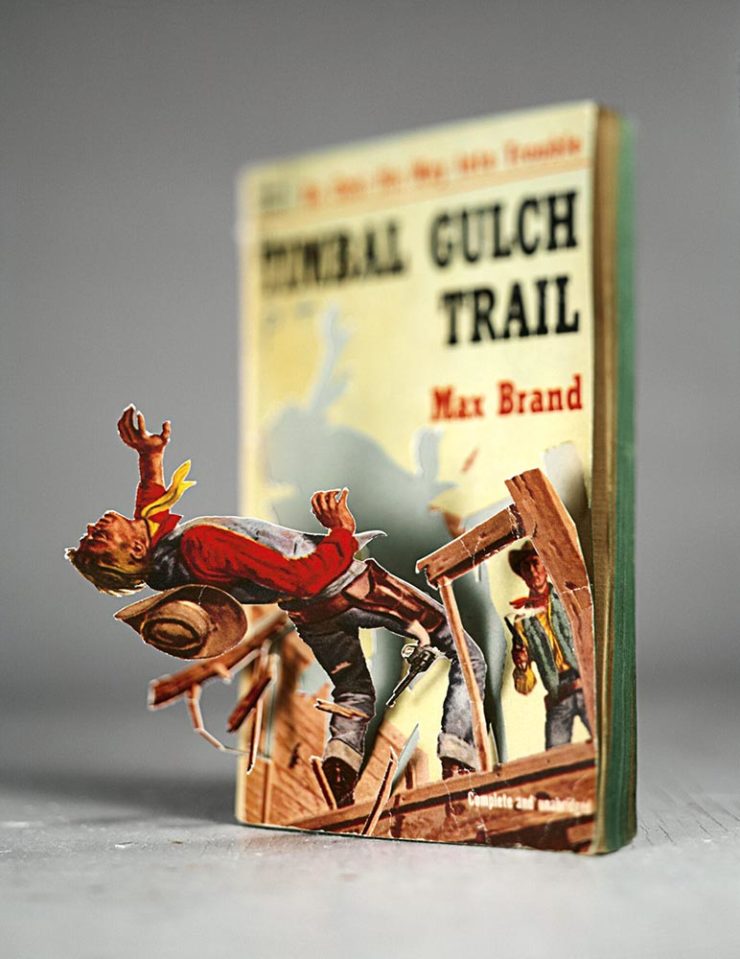
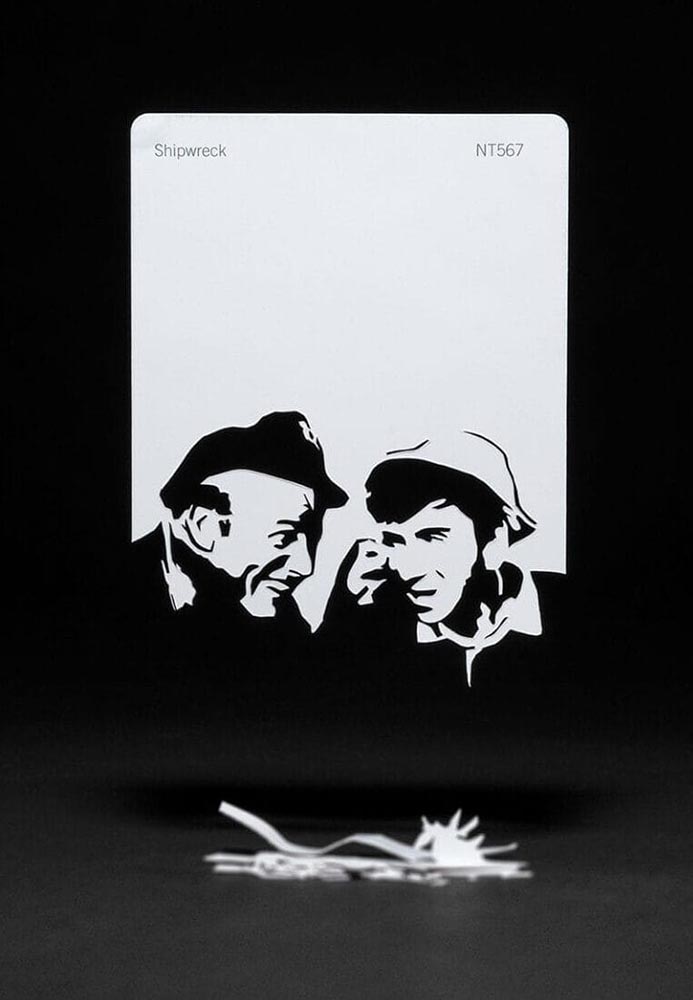
    “Meticulous incisions and methodical folding allow scenes to arise from aged books and color swatches in Thomas Allen’s paper cutouts,” This is Colossal notes — but a picture is worth a thousand words:

    Timber by Thomas Allen.

    The vintage paperback work happened by complete accident. I was cutting into a pulp novel one afternoon with the intent of removing the illustration completely when I noticed that if I left some areas attached, folded the parts carefully, and looked at them from a single vantage point so that everything aligned, they created the illusion of 3D pop-ups. Everything snowballed from there.

    — Thomas Allen, via This is Colossal
    The three-hour cutout: Shipwreck, by Thomas Allen.

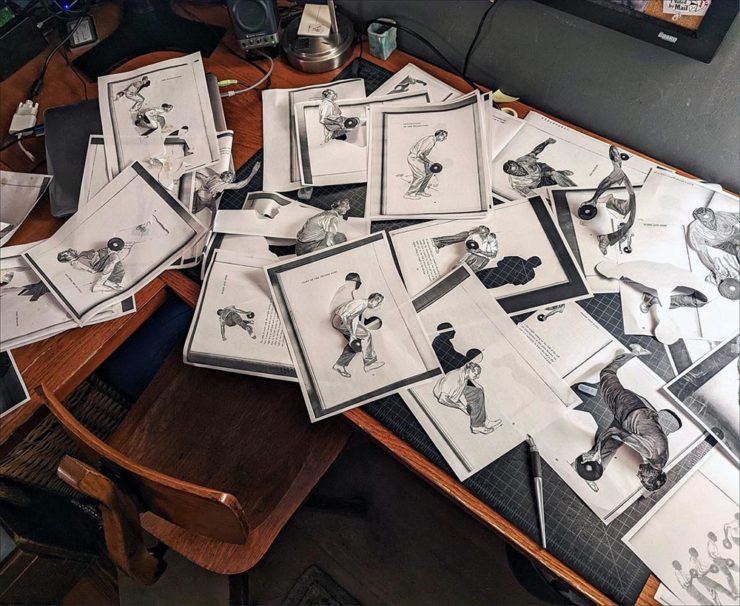
    Here’s his desk — whoa:

    Test cutouts in Allen’s studio, via This is Colossal.

    The article is a must-read. Awesome stuff.

    The Article’s Great — but the Headline is the Point.

    “Virality over Creativity.” Few things summarize the last few years more — it’s always about getting eyeballs, not about truth or quality. It’s satisfying the algorithm. Because, of course, these days, media is social.

    Real or AI?

    POV, a new series of articles from It’s Nice That examines, in this case, creativity and AI in design for the music industry. “If an artist isn’t putting a piece of themselves and their experience into the work,” it asks, “why should anyone care?”

    All valid questions, yes. But it’s the headline that provides another potential word of the year: virality.

    The times we live in . . . .

    Some of my Favorite 2023 Photographs

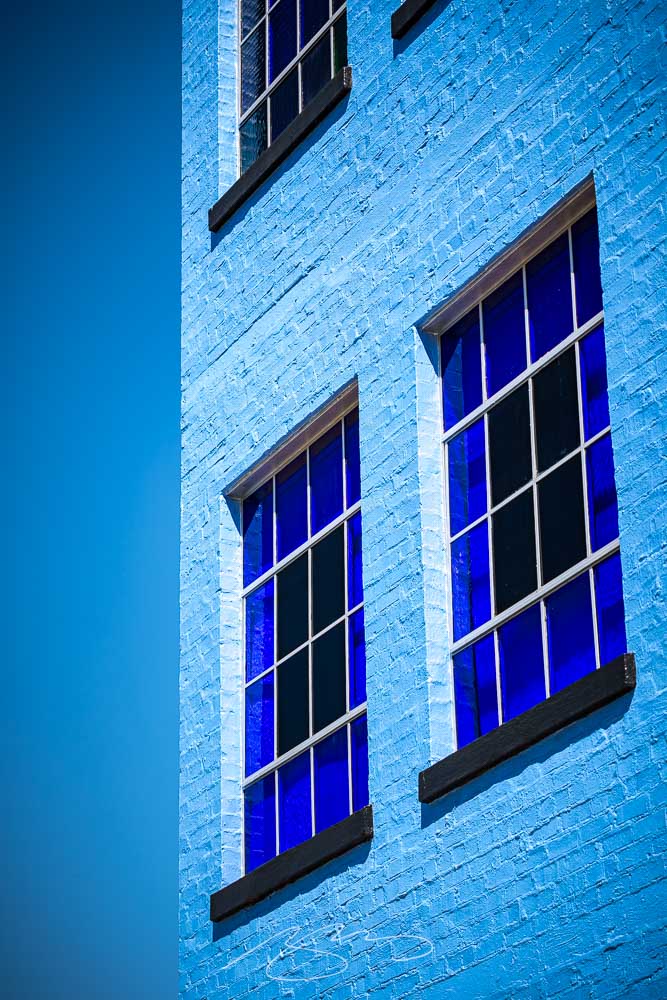
    I’ve updated my photography page with my favorites of 2023, including these two:

    Blue Against Blue Against Blue, 943 Ellis St.

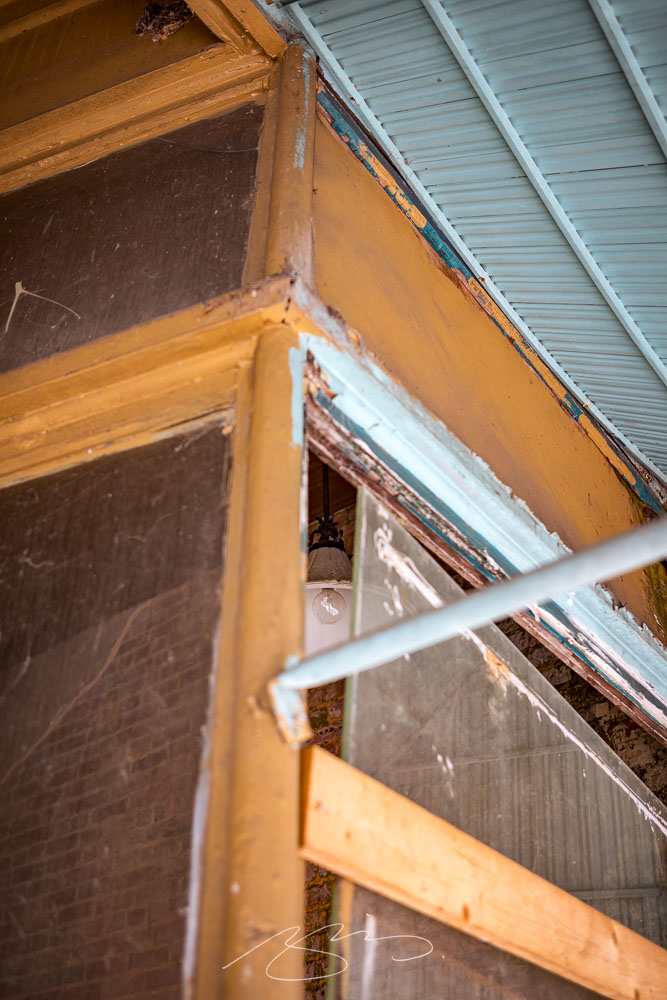
    The above, taken in Augusta, is architecture that doesn’t make me feel blue, while the below, taken on the main street in Sparta, does:

    Bulb Moment, 12745 Broad St.

    A couple of reflections: I didn’t get out as much as I did in 2022, and regret it, and have somehow pretty much eschewed both black-and-white and effects (film grain, light leaks, etc.), and kind of regret that, too. Both things to do differently in 2024.

    That said, six years after investing in a different style of photography, I’m settling in — and looking forward to the future. I hope you are, too.

  • University Press Design Show 2023

    University Press Design Show 2023

    As I mentioned in the recent Favorite Book Covers post, I totally missed the ’23 Association of University Presses Design Show in July, 2023 — which is their best-of from 2022 — and I’d like to highlight some of the great book design. Let’s catch up.

    “Our selections ended up evoking an array of responses,” said [Jayme] Yen, [Juror]. “As book designers, some books made us professionally jealous—we wish we had designed those! As designers-who-collect-books, we took notes about the books we wanted to purchase later. As readers, there were books that we lingered over for longer than absolutely necessary, the text and typography luring us in and making us forget all else.” 

    Jayme Yen, AUPresses Design Show Juror

    This show is a favorite because more than just the covers are brought to the fore — interior design on books is, in my opinion, the unsung hero of print and publishing. Of course, there are more than a few covers to discuss, too.

    AUPresses lists designers in with their winning designs, which I’ve included in the captions below. Any errors are mine.

    They also separate the awards into categories. Let’s start with a couple from Scholarly Typographic:

    Duke University Press. Cover design by A. Mattson Gallagher.
    Duke University Press. Interior design by A. Mattson Gallagher.

    Great effect on the cover image — not an easy subject for that part of the world, handled with grace — and bonus points for a beautifully interesting contents page, an area often neglected.

    Also:

    Louisiana State University Press. Cover design by Andrew Shurtz.

    I haven’t seen this one in person, so not sure whether the texture is in the paper or the illustration (or both), but either way, this cover design delights.

    Let’s move on to Scholarly Illustrated, and this interesting title:

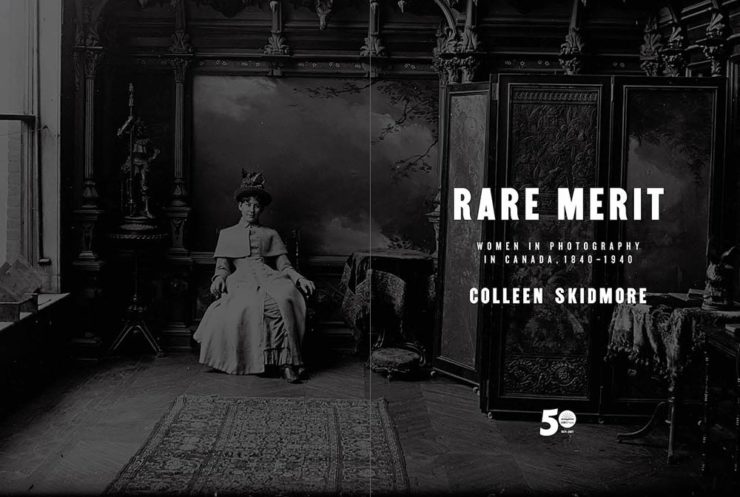
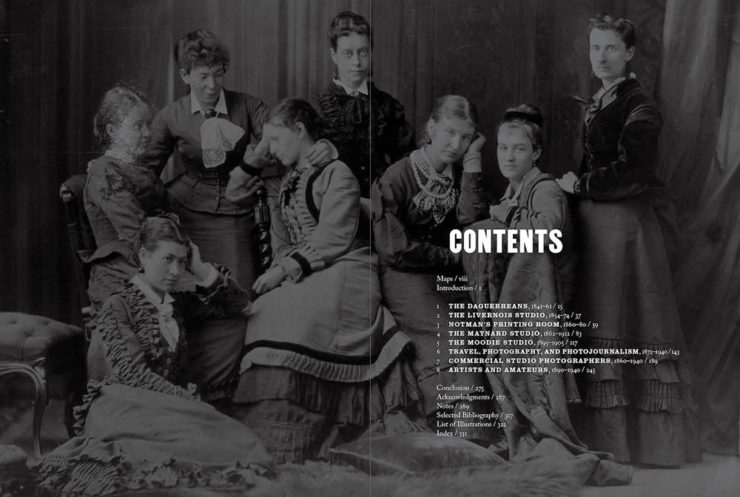
    University of British Columbia Press. Jacket design by Michel Vrana.
    University of British Columbia Press. Title page design by Michel Vrana.
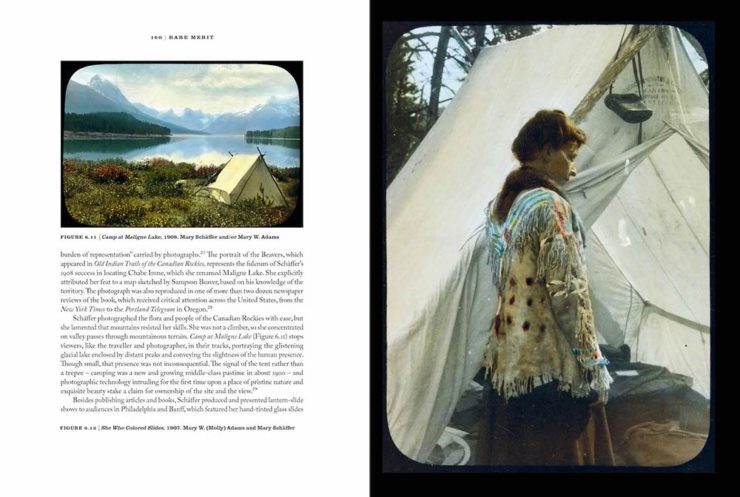
    University of British Columbia Press. Interior design by Michel Vrana.
    University of British Columbia Press. Interior design by Michel Vrana.

    Another winning contents page — this time paired with an interesting cover, great title page, and interior design up to the standards set by these pioneering women. Only question: they couldn’t get a woman to design the title?

    From Trade Typographic, we have:

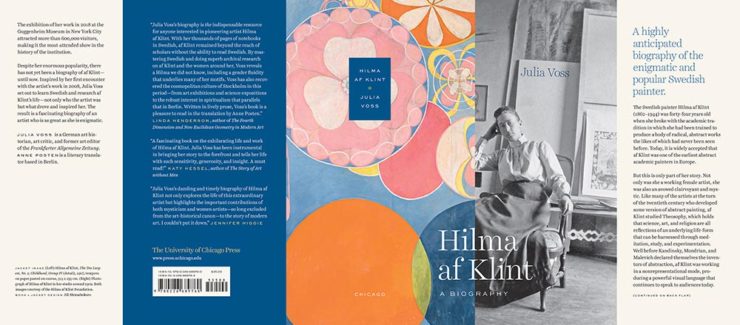
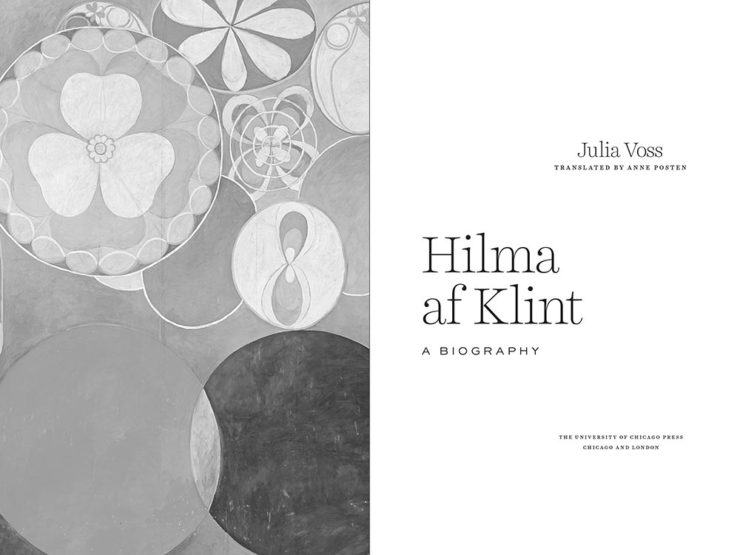
    University of Chicago Press. Jacket design by Jill Shimabukuro.
    University of Chicago Press. Title page design by Jill Shimabukuro.

    That jacket is fantastic: I love a design that wraps the spine onto the front (and, in this case, back) cover. Kudos.

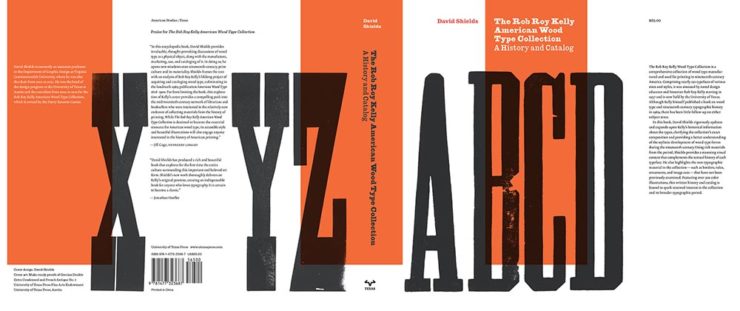
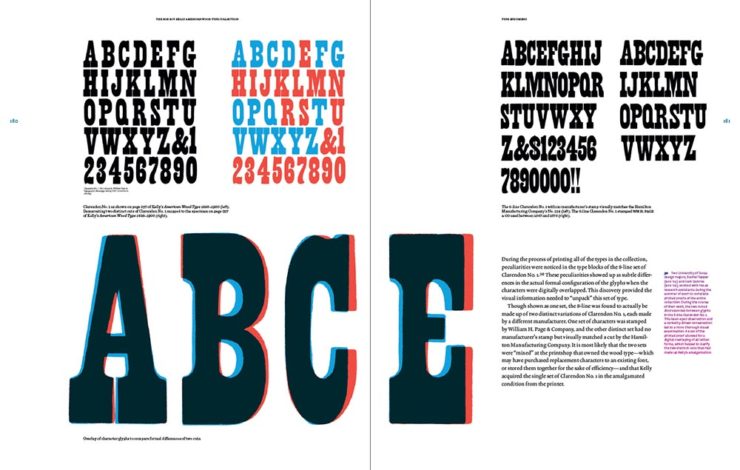
    From Trade Illustrated, some wooden type:

    University of Texas Press. Jacket design by David Shields.
    University of Texas Press. Interior design by David Shields.

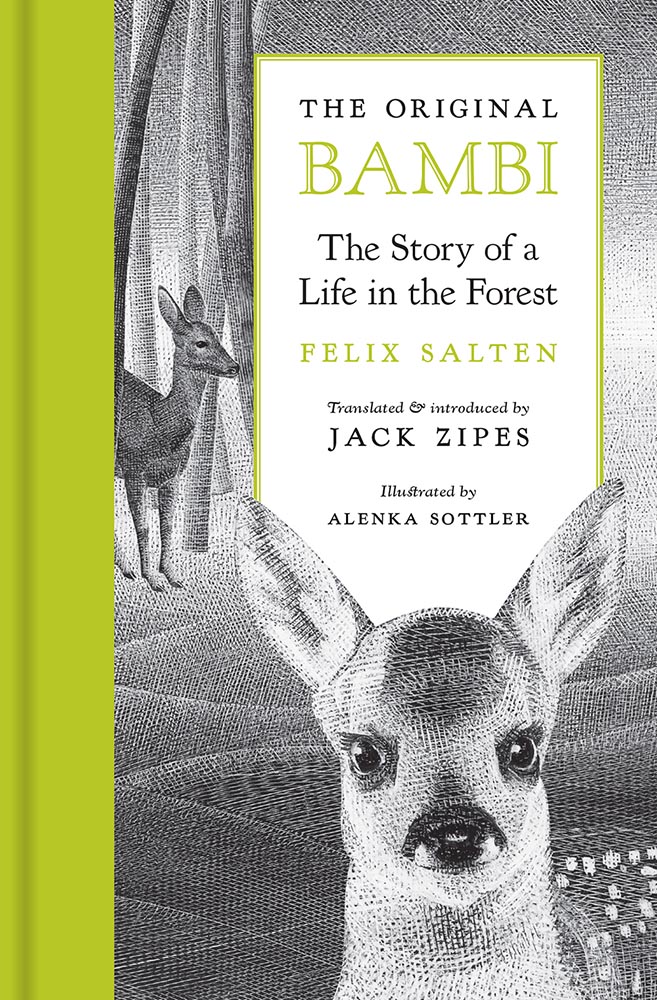
    From Poetry and Literature, we have an all-time favorite, redone with remarkable aplomb:

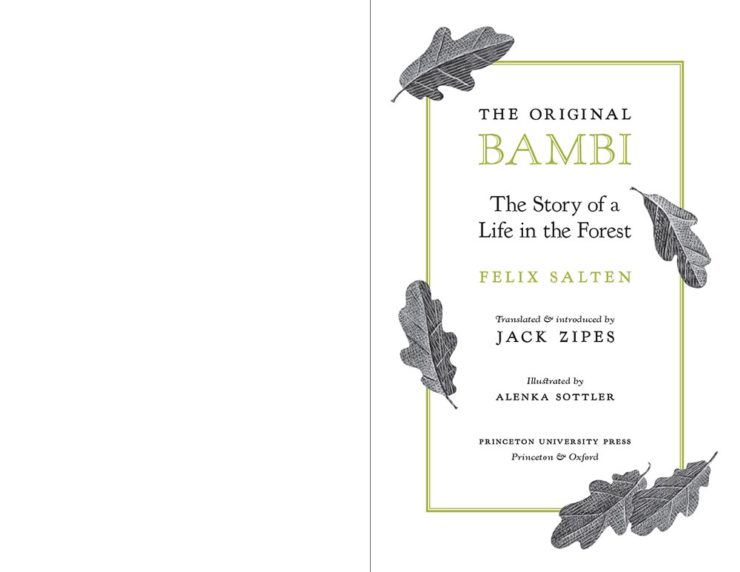
    Princeton University Press. Cover design by Chris Ferrante, illustrated by Alenka Sottler.
    Princeton University Press. Title page design by Chris Ferrante, illustrated by Alenka Sottler.
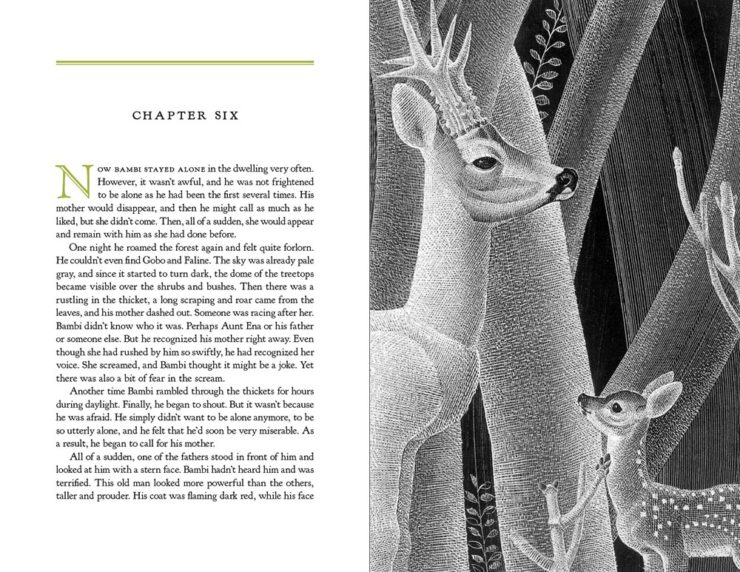
    Princeton University Press. Interior design by Chris Ferrante, illustrated by Alenka Sottler.
    Princeton University Press. Illustrated by Alenka Sottler.

    I can’t speak highly enough of the talent and style on display in these illustrations, complimented with great book design. Fantastic.

    From the Journals category:

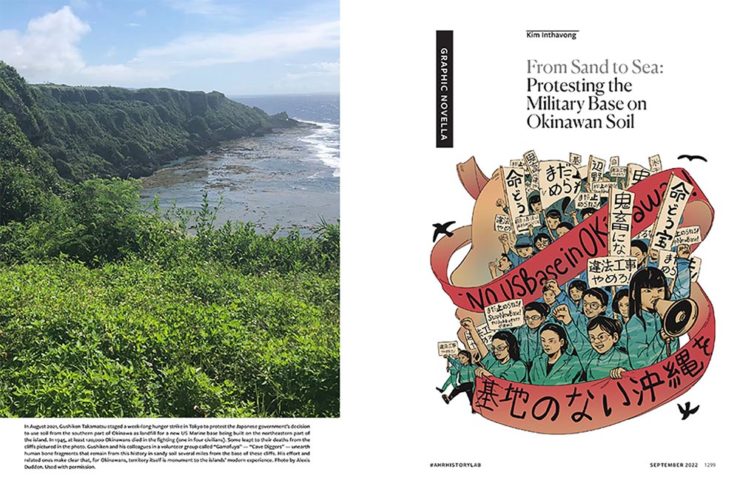
    American Historical Association. Cover design by Paul Carlos.
    American Historical Association. Interior design by Paul Carlos.

    That cover photograph — wow — combined with a full-color interior that’s really well done. Great stuff.

    From the Reference category, we have three, starting with a local favorite:

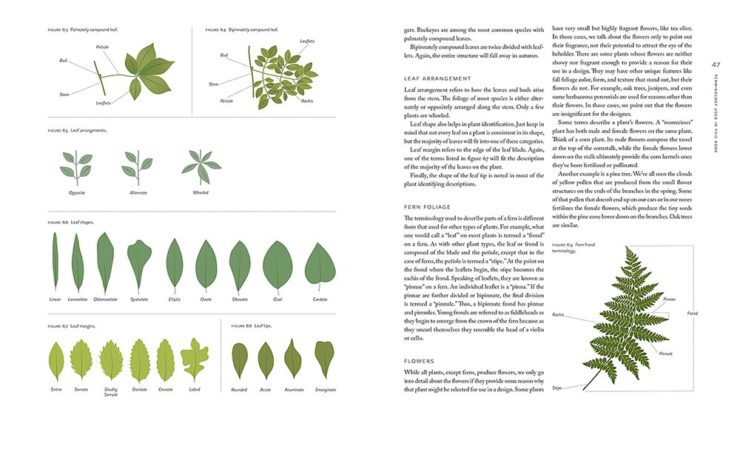
    University of Georgia Press. Interior design by Mindy Basinger Hill.
    University of Georgia Press. Interior design by Mindy Basinger Hill.
    University of Georgia Press. Interior design by Mindy Basinger Hill.

    The more data, the more charts, the more fuss, the harder it is to do well. Another title handled in a way that invites the reader to enjoy — nice.

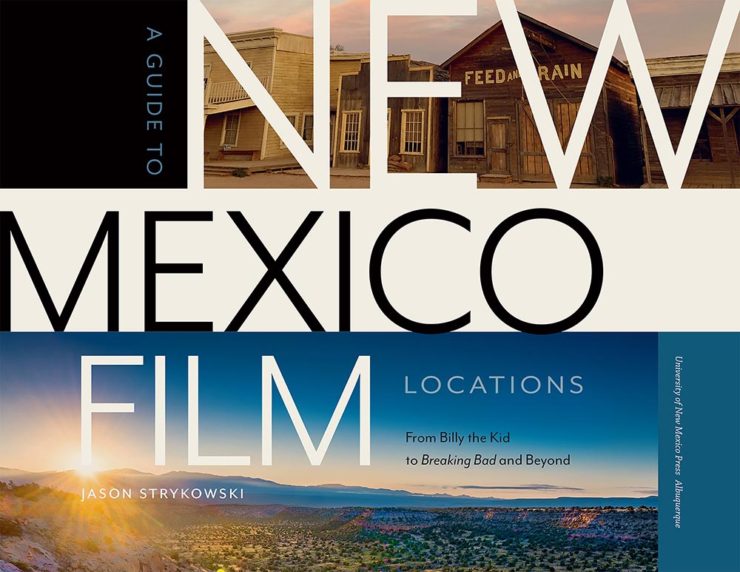
    University of New Mexico Press. Cover design by Mindy Basinger Hill.

    The interior of this book is good, but the cover, with its natural-paper-as-sky really works for me. (I do wish the author’s name were a little more prominent.)

    University of New Mexico Press. Title page design by Mindy Basinger Hill.
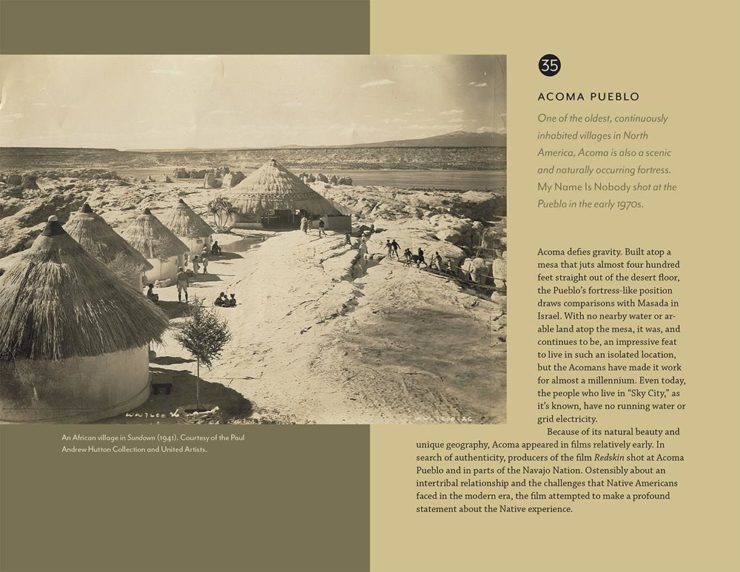
    University of New Mexico Press. Interior design by Mindy Basinger Hill.

    Killer title page with aged, map-based listings. Nice.

    We round out with several selections from the big one: the Book Jackets and Covers category:

    Duke University Press. Cover design by Matthew Tauch.

    Great photograph complimented by fantastic use of color and geometry.

    Gallaudet University. Cover design by Eric Wilder.

    Next-level simple, with good typography and color.

    McGill and Queen’s University Press. Cover design by David Drummond.

    Next-next-level simple, with the best drop shadows I’ve seen recently. Great stuff.

    McGill and Queen’s University Press. Cover design by David Drummond.

    Same designer as the previous title, and perhaps similar in style, but handled well while still being distinctive.

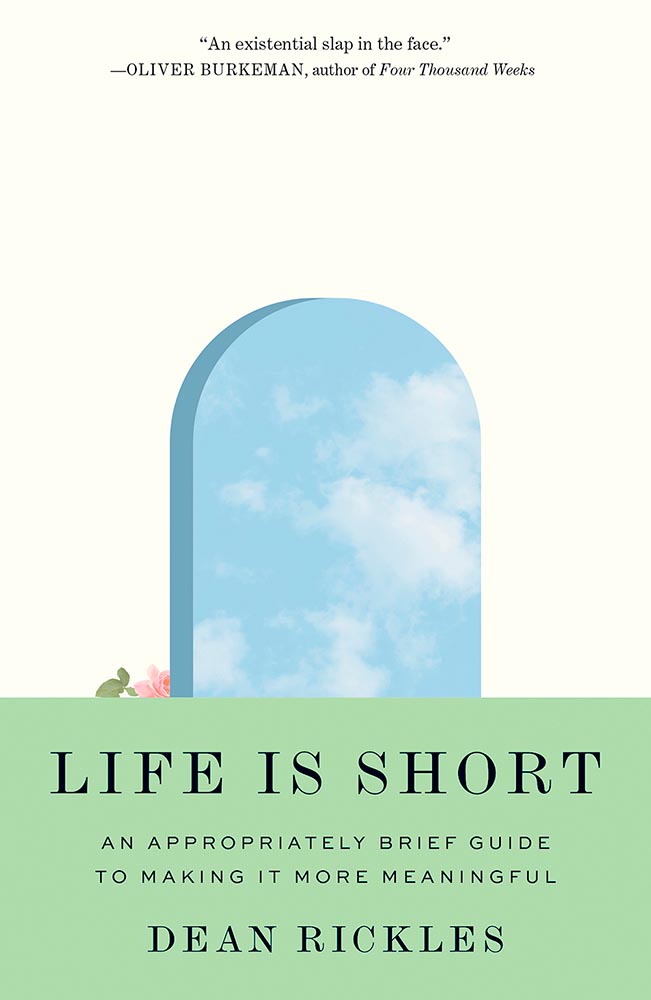
    Princeton University Press. Cover design by Kari Spurzem.

    Life is short. Go though the door while you can.

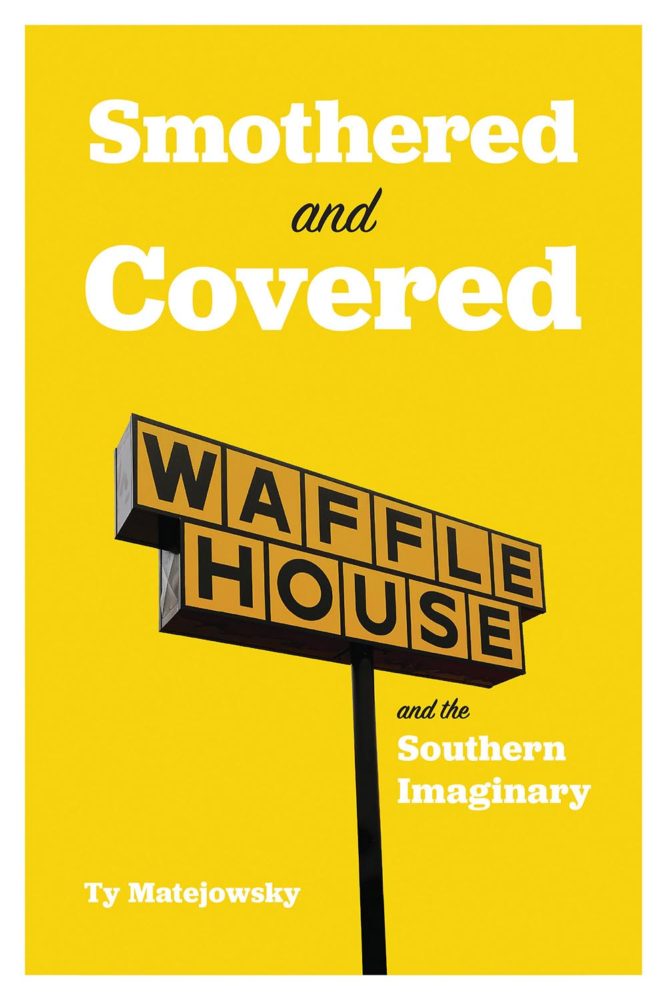
    University of Alabama Press. Cover design by Lori Lynch.

    This could have been handled any one of a trillion ways — ’bout the number of breakfasts served — but this one is interesting and respectful. Bonus points for the phrase, “Southern Imaginary.”

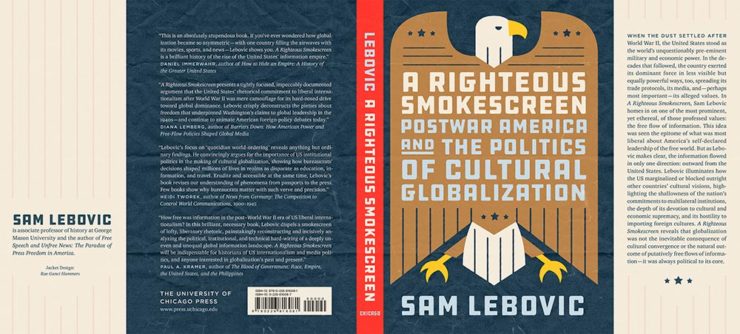
    University of Chicago Press. Jacket design by Rae Ganci Hammers.

    Love this, from background to foreground, with bonus points for a back flap not filled to the brim. As I recall, this one was a runner-up for last year’s favorite covers list.

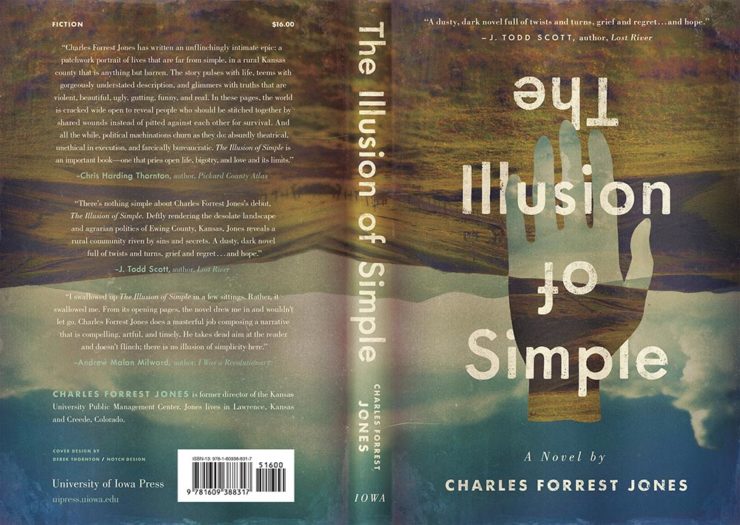
    University of Iowa Press. Jacket design by Derek Thornton.

    While we’re on the subject, this one not only made the cut for my 2022 Favorite Book Covers, but was in my top three. Great, great stuff, shown here both front and back.

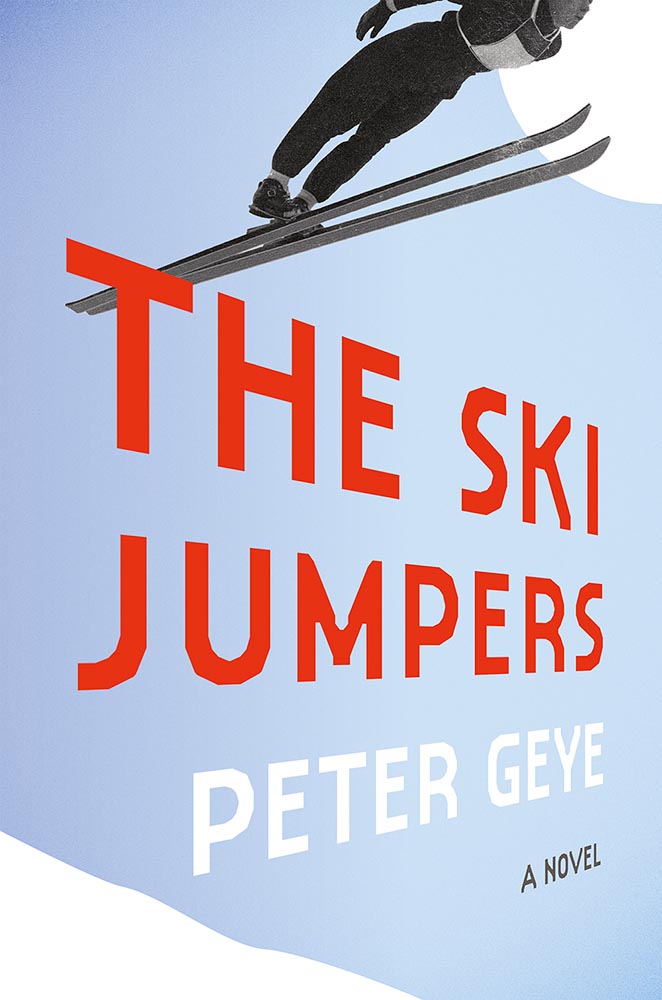
    University of Minnesota Press. Cover design by Catherine Casalino.

    Jumping right off the top of the cover — perfect. (Great use of color, too.)

    University of Pittsburgh Press. Cover design by Joel W. Coggins.

    Interesting, compelling choice with the illustration. Bonus points for monospace, typewriter-style title, complimented with the callout. Nice.

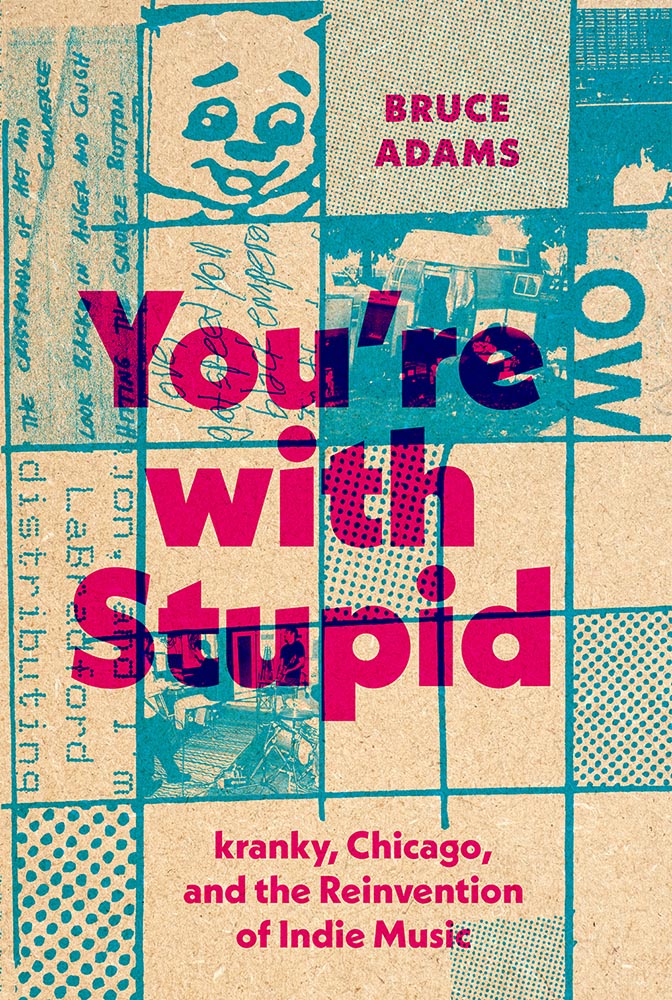
    University of Texas Press. Cover design by Lonny Hurley and Derek George.

    A cover that’s neither cranky nor stupid. (Crafty, though….)

    Yale University Press. Cover design by Jennifer Volvovski.

    Face-off!

    “The printed book should be both a functional and a beautiful object,” said Mindy Basinger Hill, “and every year this community finds new and innovative ways to bring that vision to our books.” I couldn’t agree more, and despite my tardiness in sharing, I’m happy to have seen these titles — and hope you are, too. Looking forward to next year!

    See the entirety of the show’s winners here or read the overview. See also last year’s coverage.

  • Beautifully Briefed 23.11: Considerations

    Beautifully Briefed 23.11: Considerations

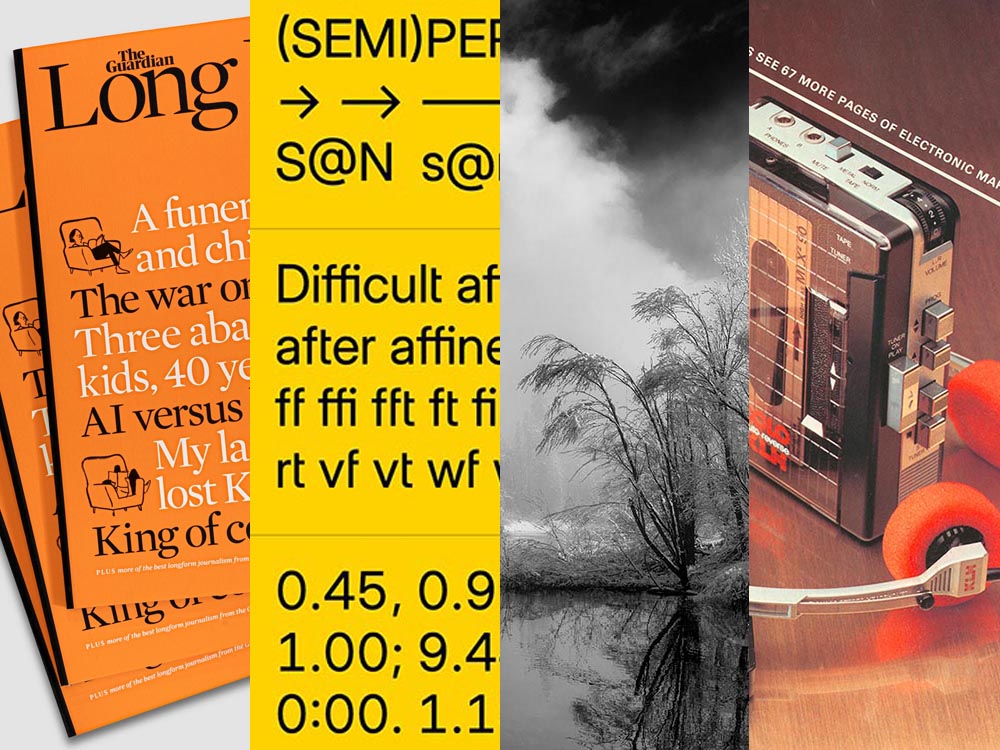
    A selection of diverse items for this entry in the series: a new publication from The Guardian, open source fonts for your 2023 goodness (along with more for ’24), and the Natural Landscape Photography Award winners. Also: DAK. Let’s get into it.

    The Long Read

    Regular readers will know that I’m a big fan of The Guardian, including its unusual-for-journalism payment model (that, frankly, some outlets in the US would be wise to copy). Now, they’re on newsstands with a “bookazine” called The Long Read.

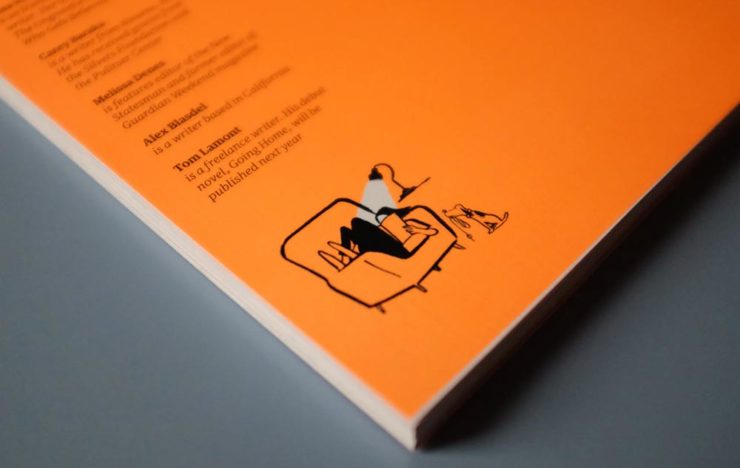
    The back cover. (See the front cover at the left in the header image.)

    “We know that for many people, myself included, when it comes to long, immersive pieces, reading in print […] is still the most satisfying reading experience, and one that should be cherished in a climate so saturated by disturbance,” quotes It’s Nice That. With most of these more evergreen stories taking months or even years to build, hardy print felt the best way for them to live. [A] ‘bookazine’, it balances all the things we love about magazines (“the drama, the pace, the energy”) with the considered typesetting of a book. A lot of attention was given to packaging its large volume of text – clocking in at 55,000 words – to make the reading experience as relaxing as possible, from body type size to column widths.

    Liz Gorny, It’s Nice That
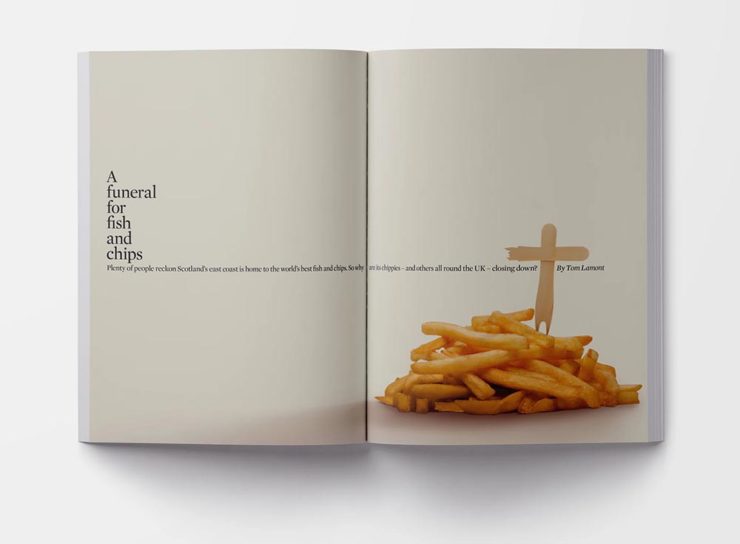
    An article title page — indeed, the best of a newspaper magazine in book form.

    Read more at It’s Nice That, and give The Long Read a look at The Guardian bookstore or a newsstand near you.

    Three Open Source Fonts for 2023, and 50 for ’24

    As a self-confessed font junkie, I’m always interested when a new one comes across the bow — but there are so many these days, they’ve unfortunately become almost commodities. (That’s a huge shame, but also a discussion for another time.) So it’s interesting when I see ones that are not only good but also available for everyone, free and open source.

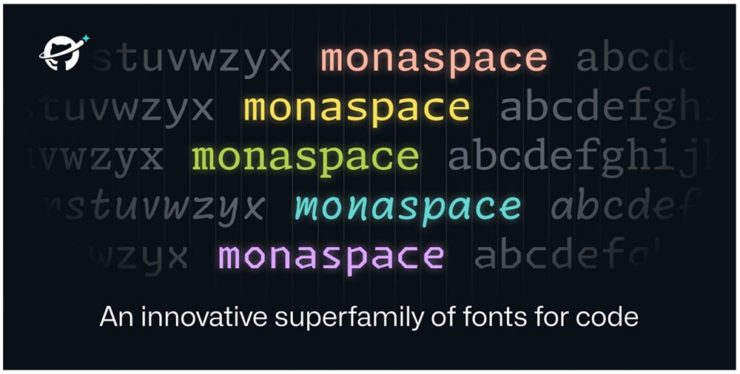
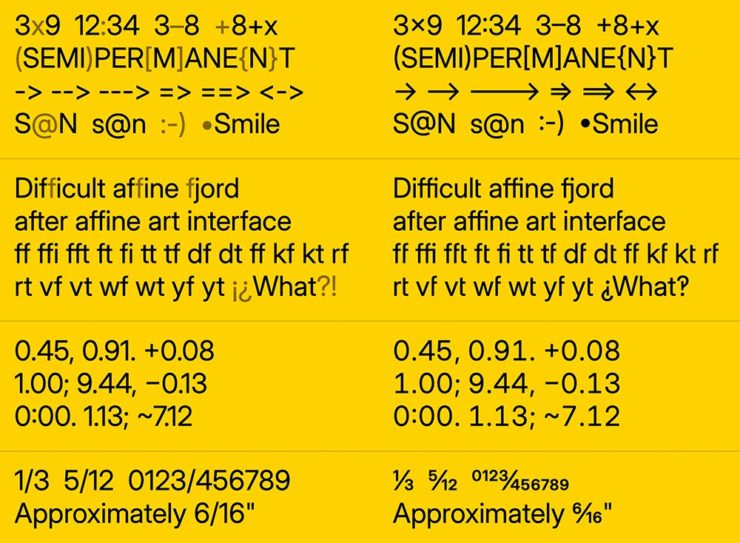
    Monaspace is the first of three I want to highlight, “a monospaced type superfamily with some modern tricks up its sleeve.” Designed for code — hence the monospace — it’s a successful answer to the question, “Letters on a grid is how we see our code. Why not make those letters better?”

    Get the full story or download from GitHub.

    B612 is designed for — get this — the screens on Airbus commercial planes. “[T]he challenge was to improve the display of information on the cockpit screens, in particular in terms of legibility and comfort of reading, and to optimize the overall homogeneity of the cockpit.” Read the back story here.

    B612 is available from Google or GitHub.

    Inter is described as, “The 21st century standard,” “a workhorse of a typeface carefully crafted & designed for a wide range of applications, from detailed user interfaces to marketing & signage.” One of the world’s most-used font families, it’s perfect when readability is at the fore.

    Inter is detailed and downloadable here.

    But there’s more!

    Brinca by In-House International. (Image via CreativeBoom.)

    CreativeBoom has their annual compilation of 50 new fonts for the coming year up, “a comprehensive list of the best fonts that demand your attention in 2024. We’ve compiled this comprehensive list by asking the creative industry for their favourites, analysing work from the last 12 months, and taking on board the design trends emerging right now.”

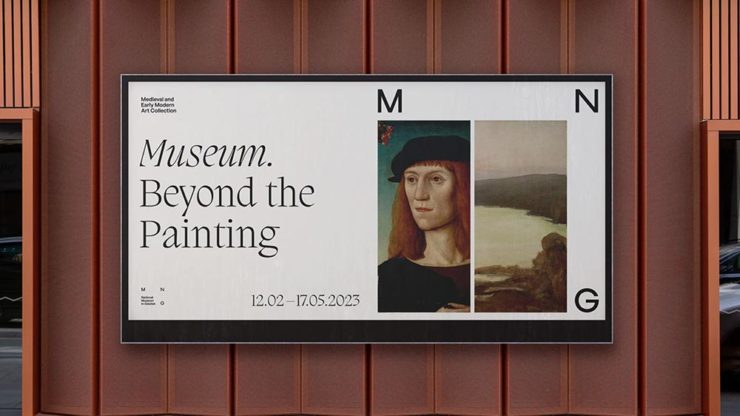
    National Museum in Gdańsk by Tofu Studio. Featuring Migra by Pangram Pangram. (Image via CreativeBoom.)

    Great stuff. Creative. Boom!

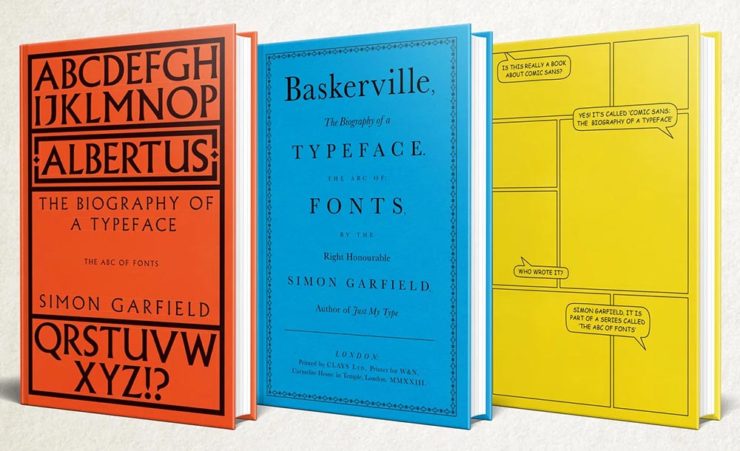
    Special Bonus: Simon Garfield publishes biographies on Albertus, Baskerville and Comic Sans. Seriously:

    The Natural Landscape Photography Awards

    For once: a contest that demands more — like the original RAW files. (Literally the raw image from the camera, before processing, for those who don’t know — think film negatives, rather than the resulting prints.) Okay, sure, it’s not perfect; there are entry fees and it doesn’t have a long track record, but the rules are solid with respect to image integrity.

    Of course, the quality of the subject chosen to photograph is, if you’ll pardon the expression, subjective. The overriding theme here seems to be the perfection of dramatic subtlety — not an easy thing to get right.

    Photo: Adam Gibbs
    Photo: Adam Gibbs

    The two photographs above are both by Adam Gibbs and reflect the judges’ desire to reward photographers who display a diverse portfolio of subjects.

    Photo: Alberto Rodriguez Garcia
    “Once Upon a Time.” Photo: Matt Redfern

    A winner from the “abstracts and details” category for the first and a great title for the second image that does indeed tell so many stories. Rounding it out, another beautiful black-and-white:

    Photo: Franka Gabler

    See the contest website for the complete selection of 2023 winners. (Via PetaPixel.)

    Remember the DAK catalogs?

    If you’re a certain age — that is, were around in the ’80s — the DAK catalog was a regular. (Give me one, together with a JC Whitney catalog, and a weekend was gone.) A recent post by Cabel Sasser brought it all back:

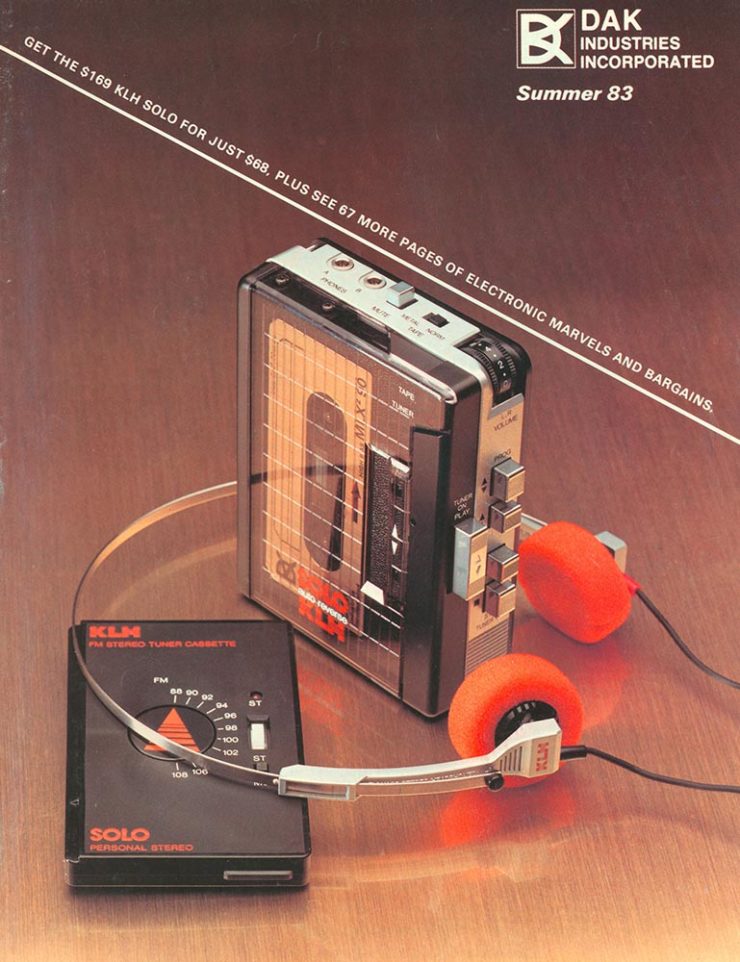
    The catalog from Summer 1983.

    Oh, the products. The explanations. The fun.

    I’m not going to spoil the effort put into the story of Drew Alan Kaplan, a.k.a. DAK, Joseph Sugarman, Products That Think, or any of it: go enjoy for yourself.