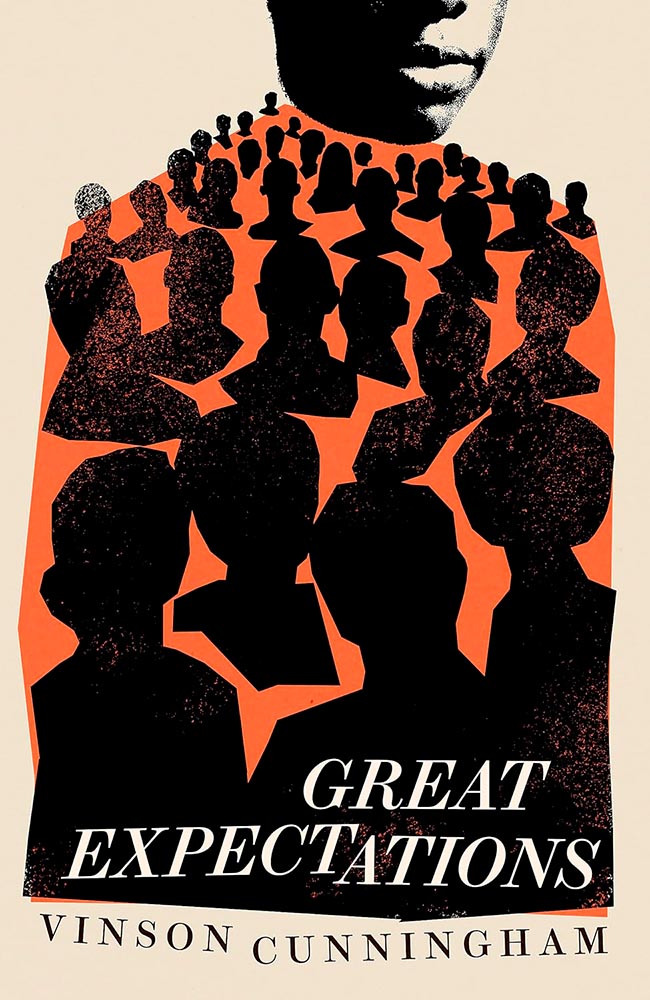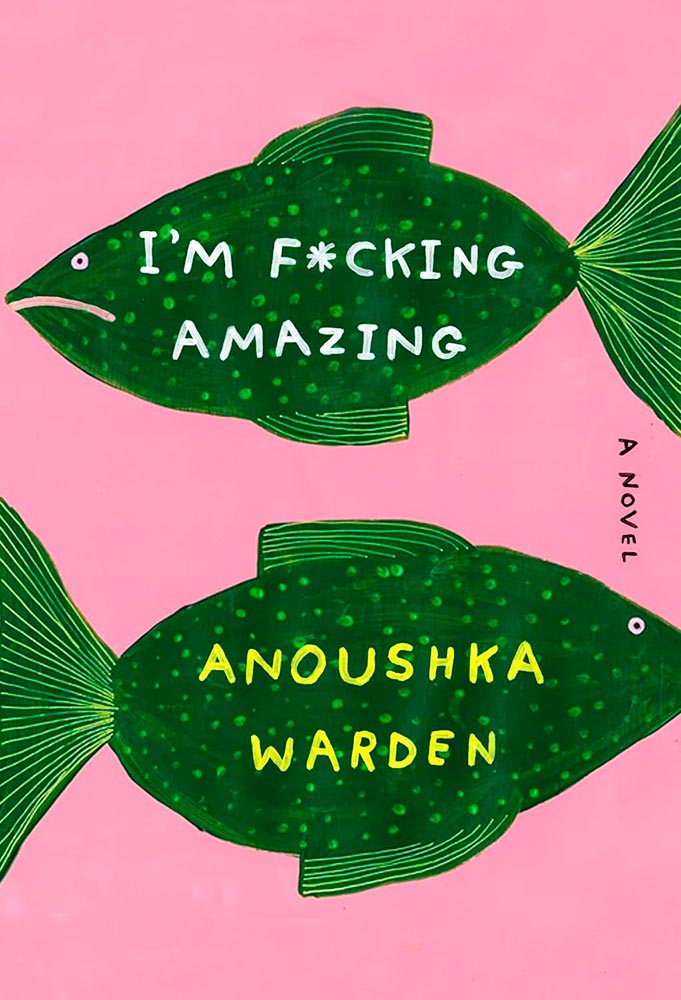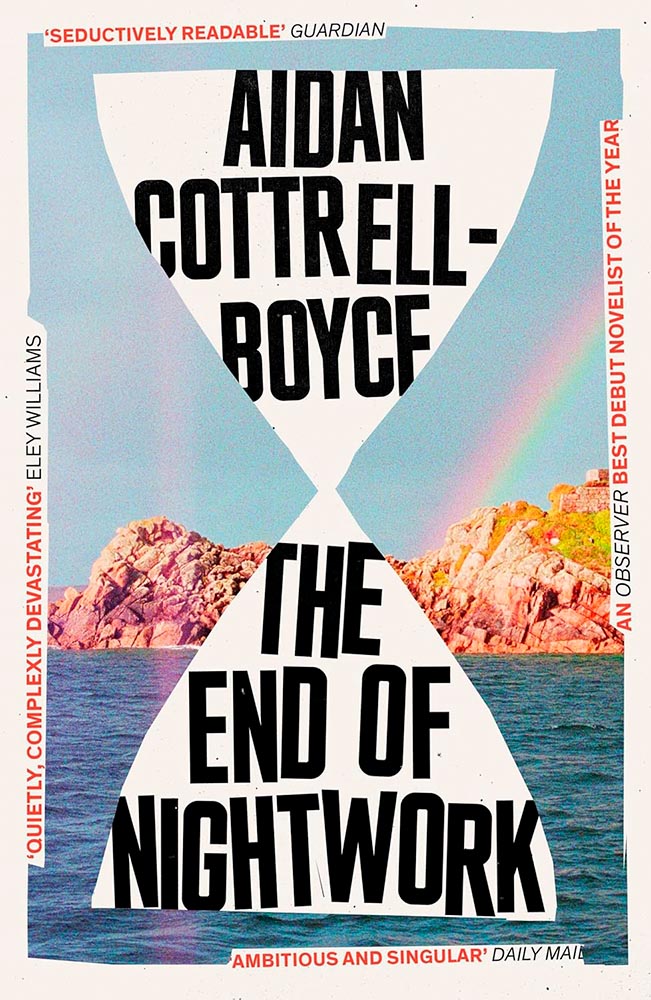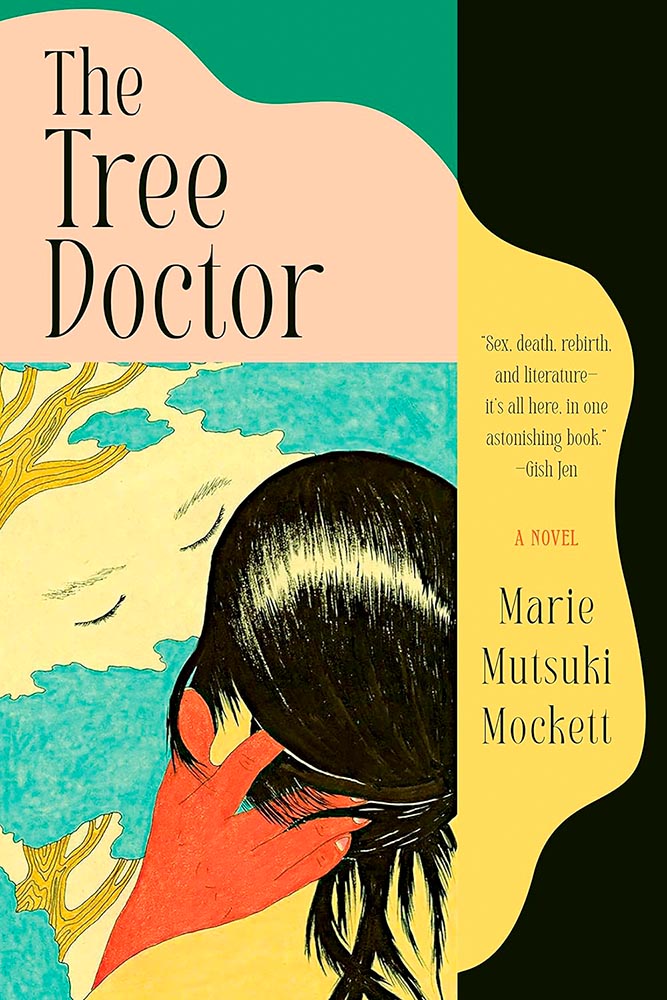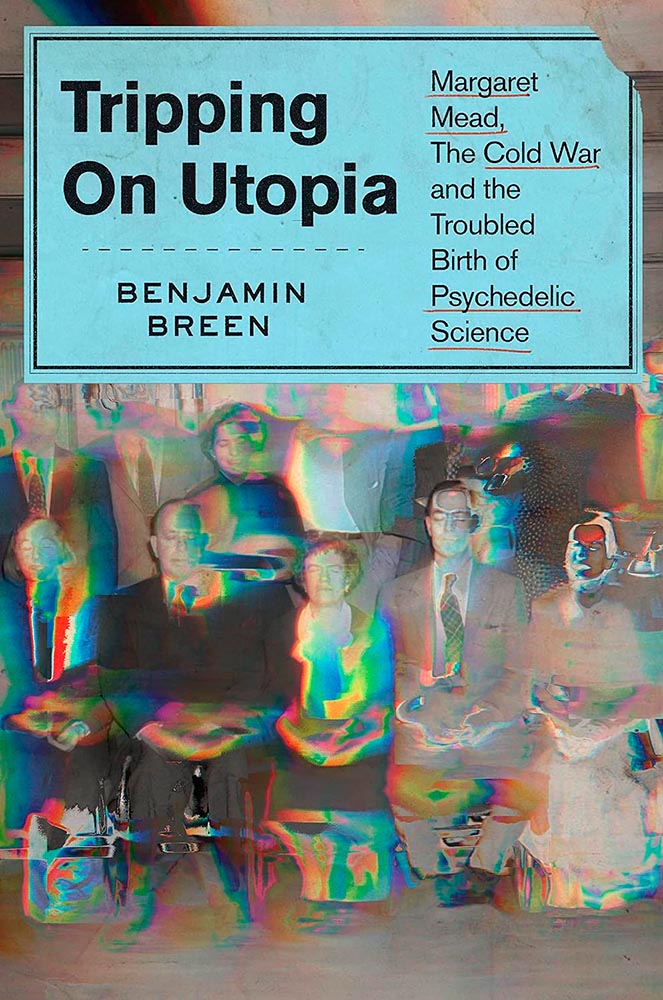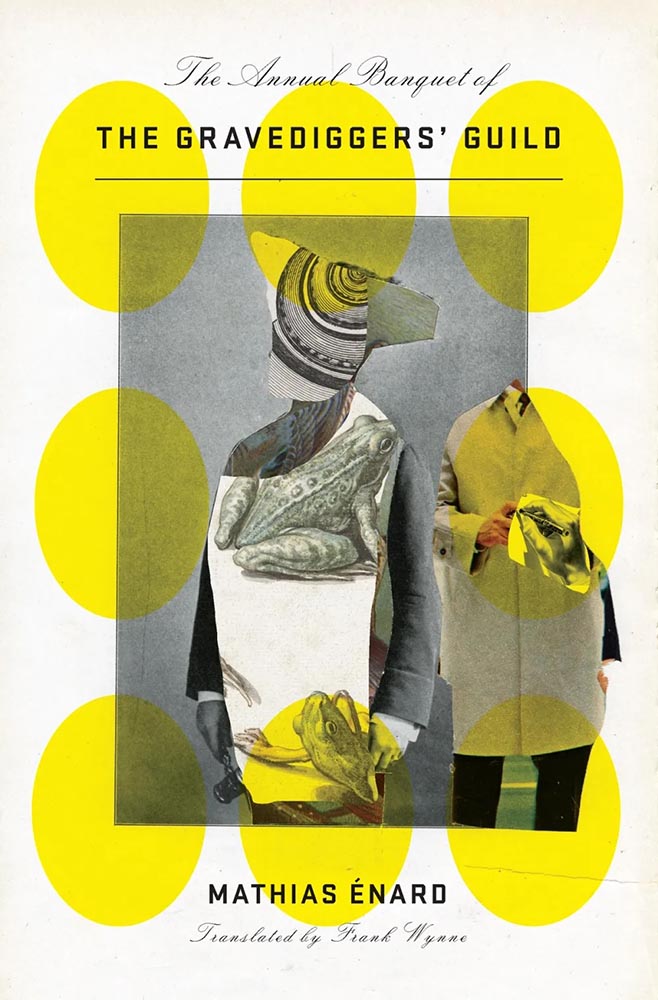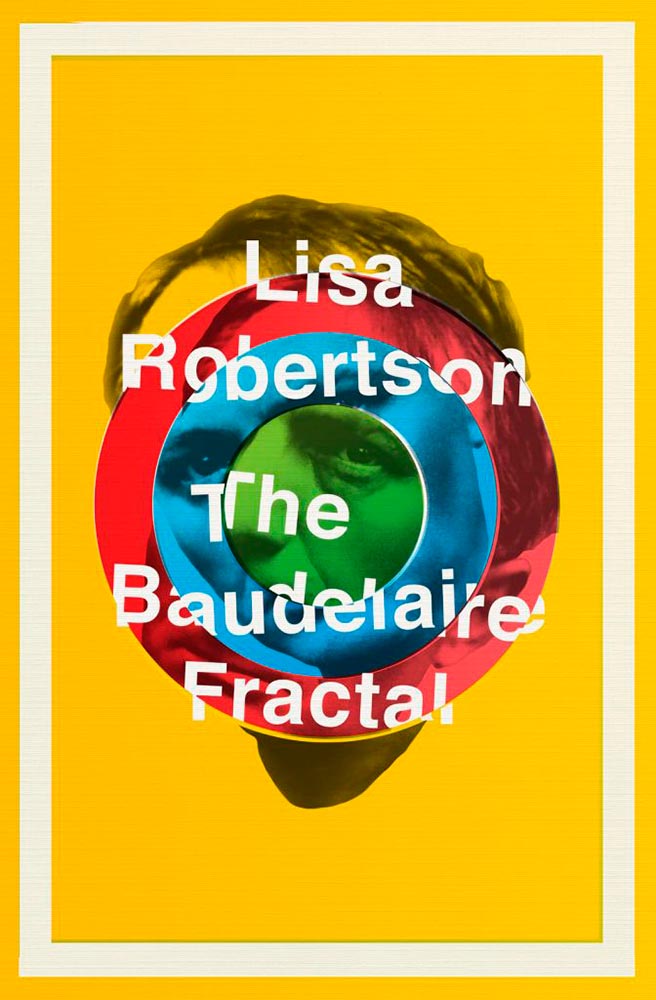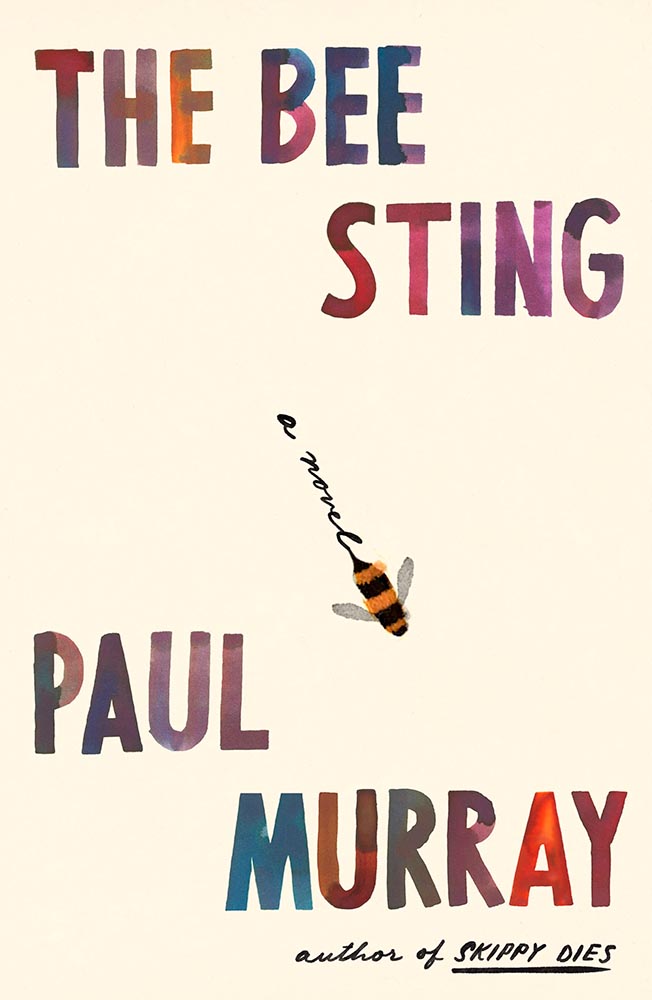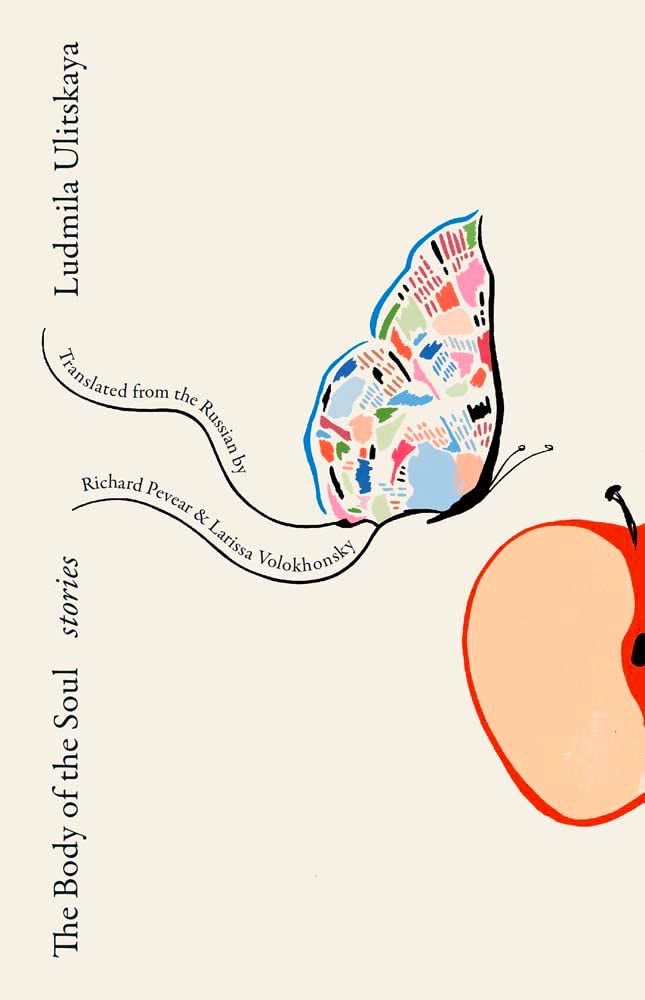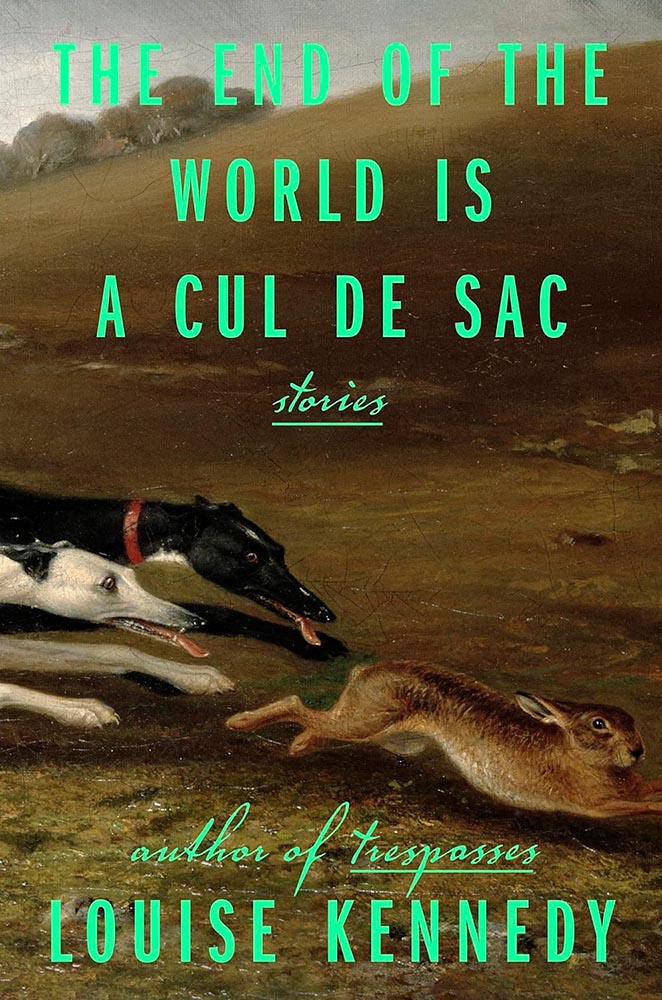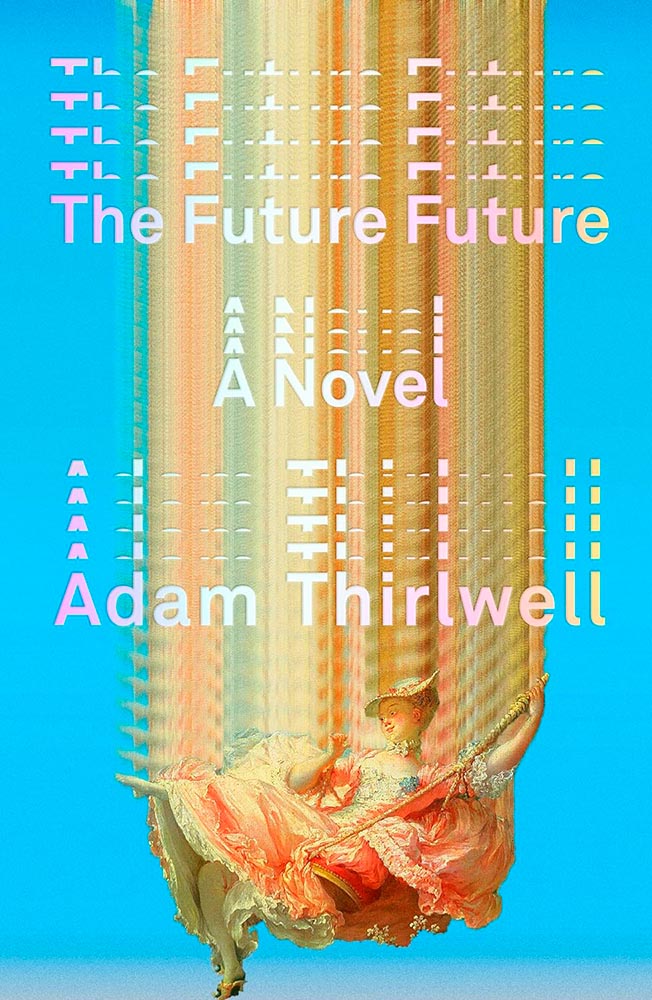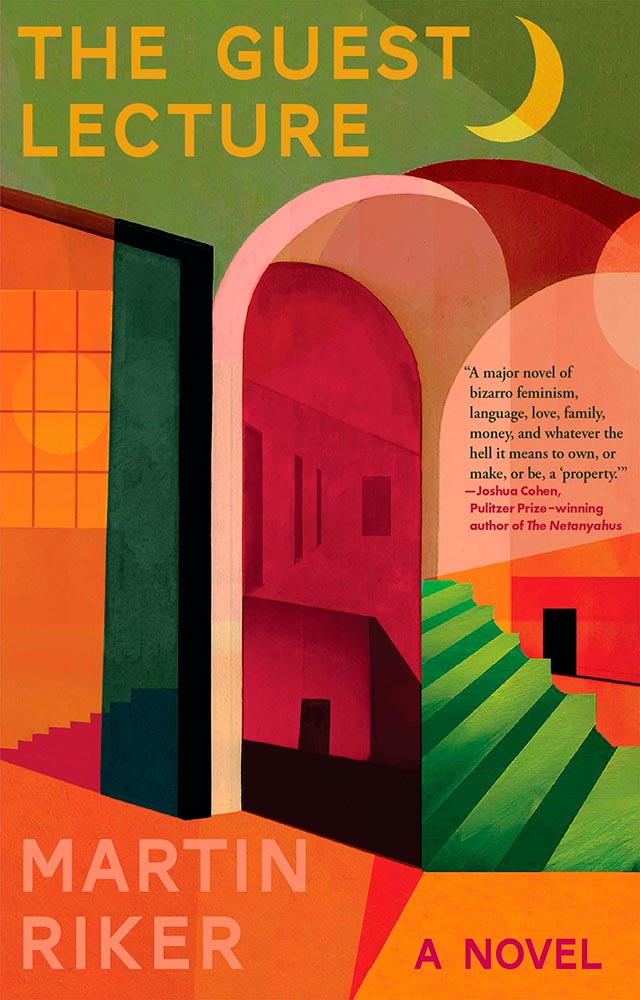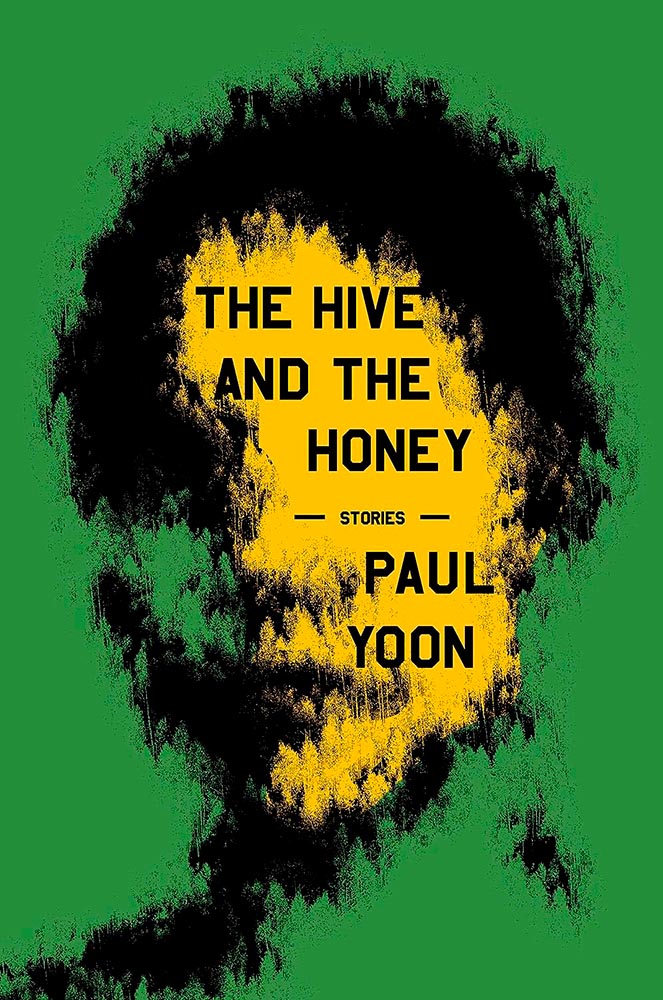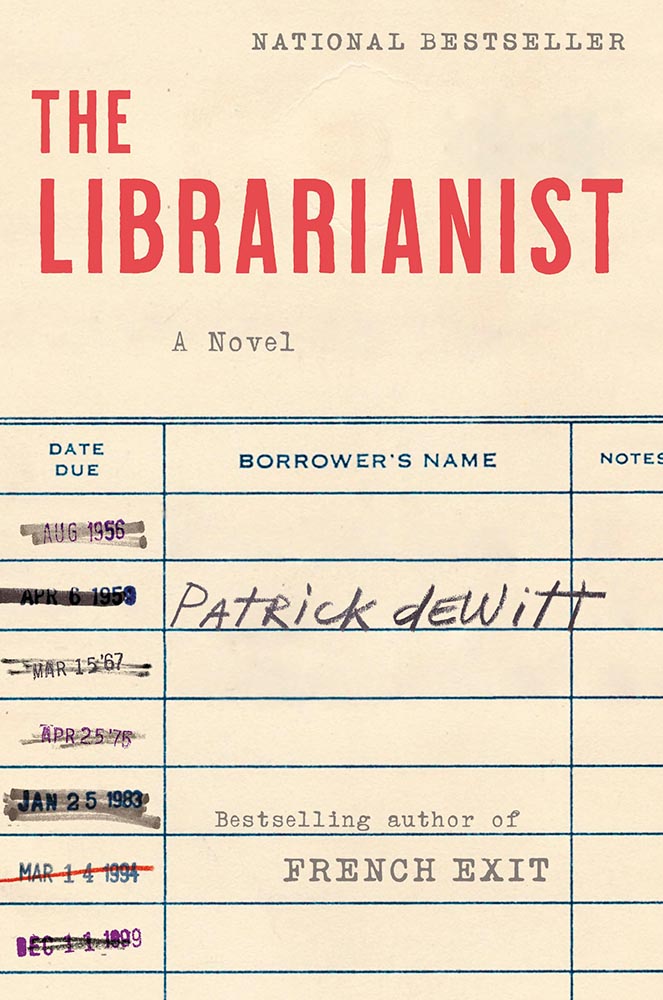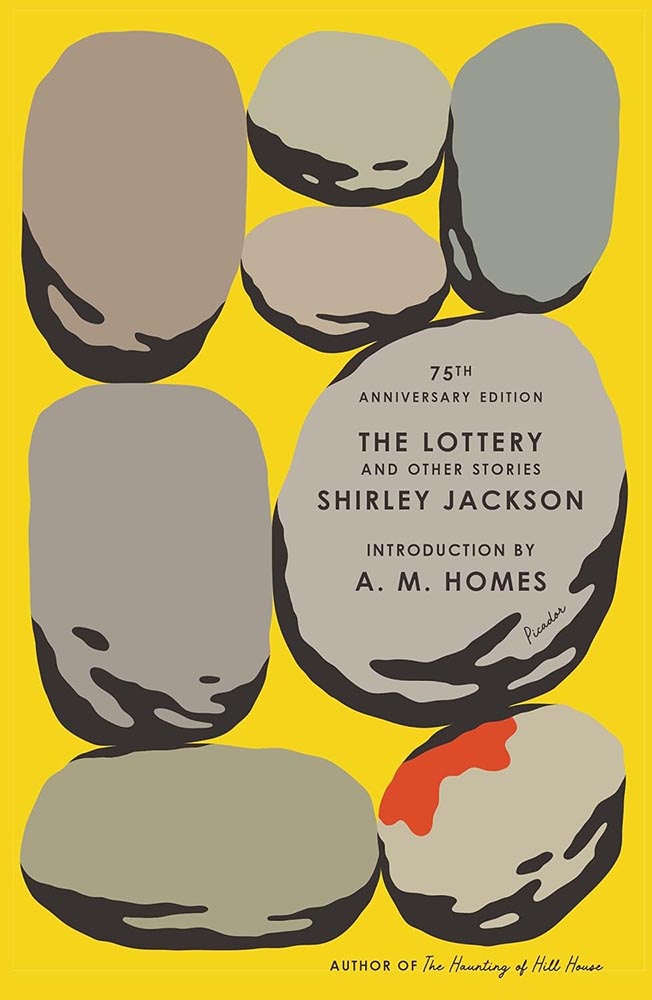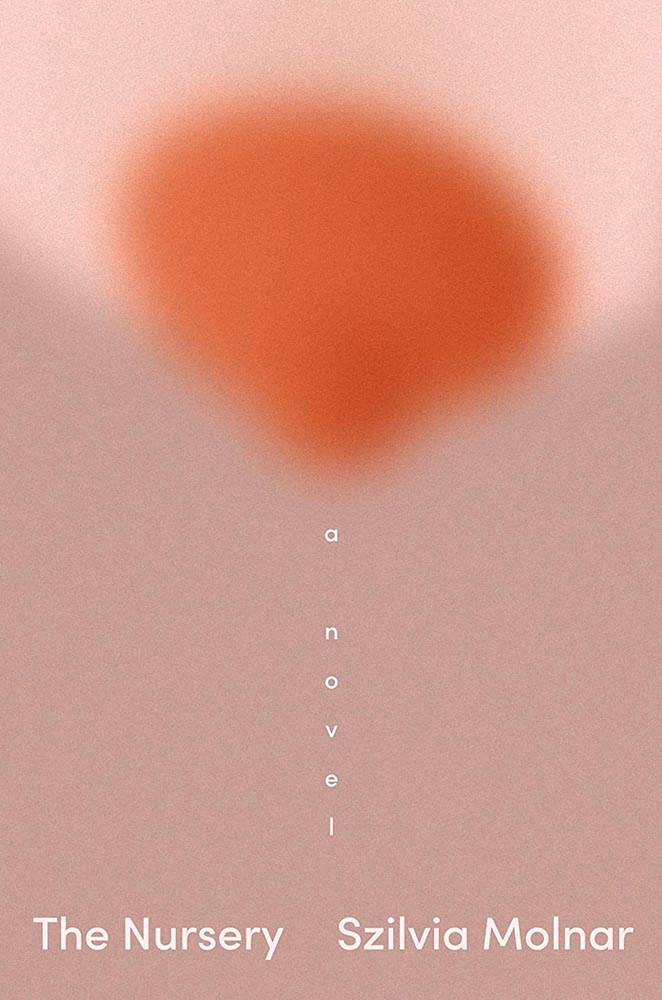
Category: Art

All art forms — too many to list — that don’t include photography, although there is often overlap.

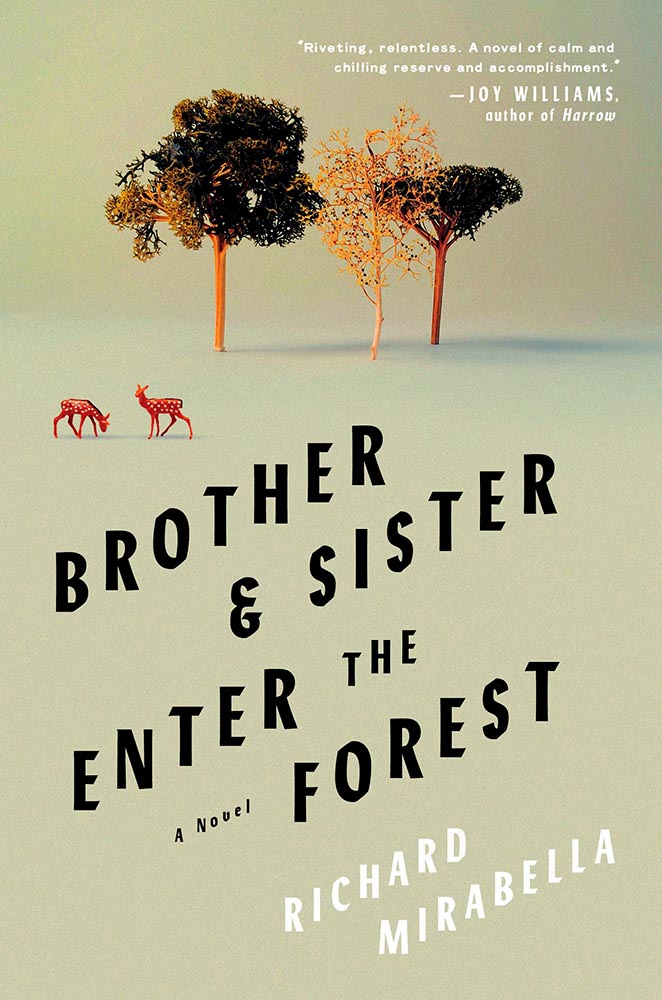
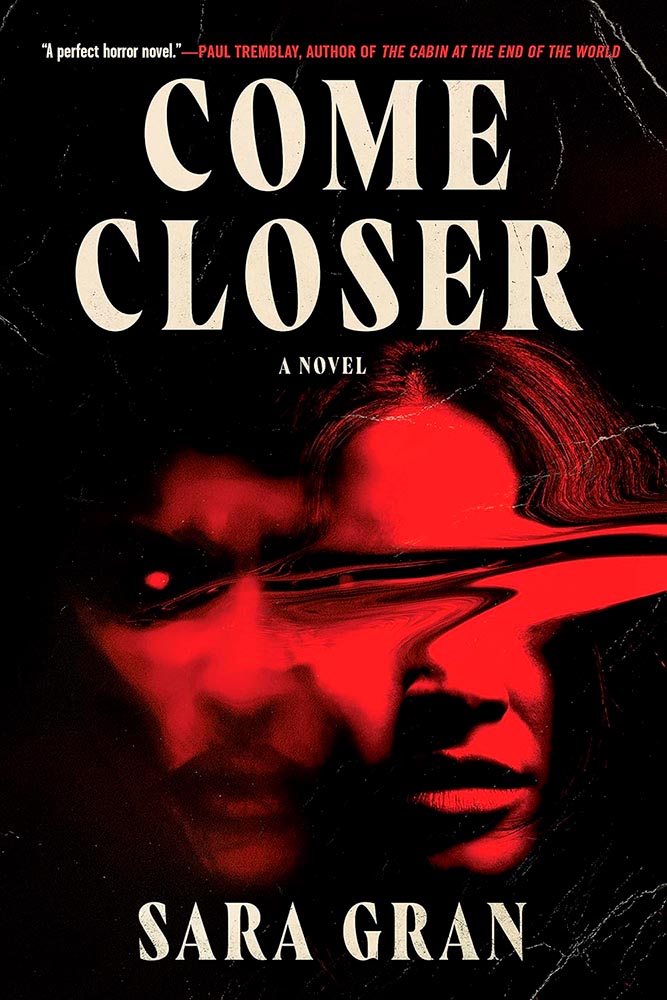
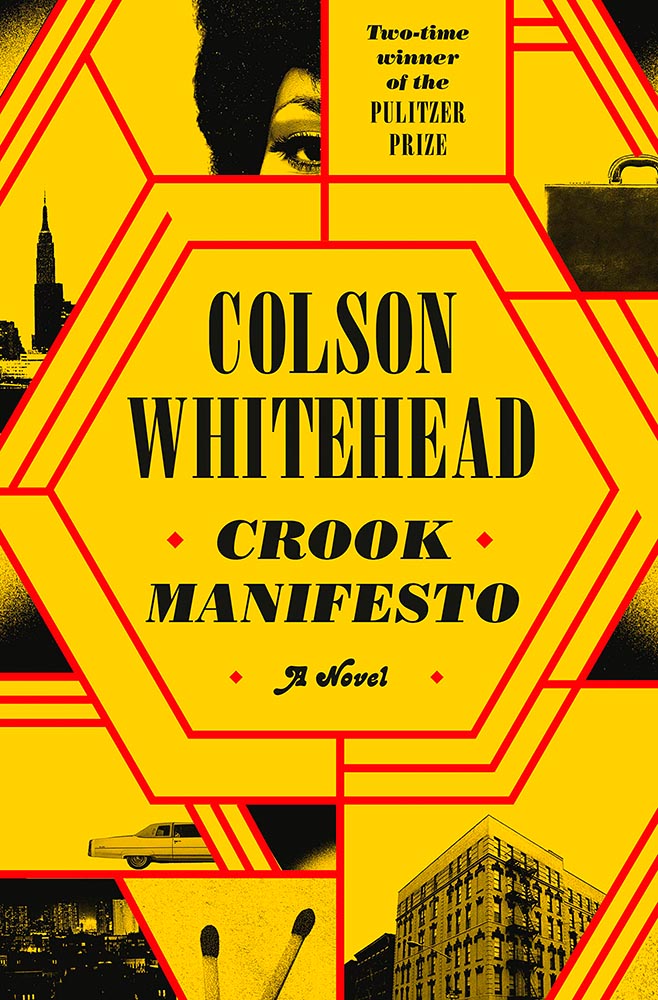
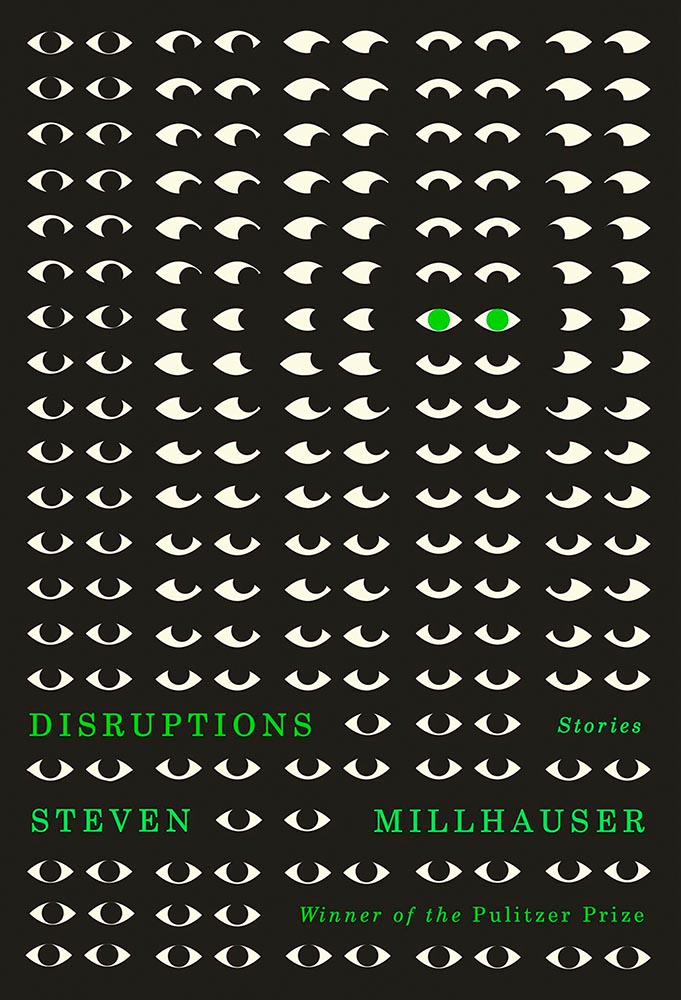
  • My Favorite Book Covers of 2024

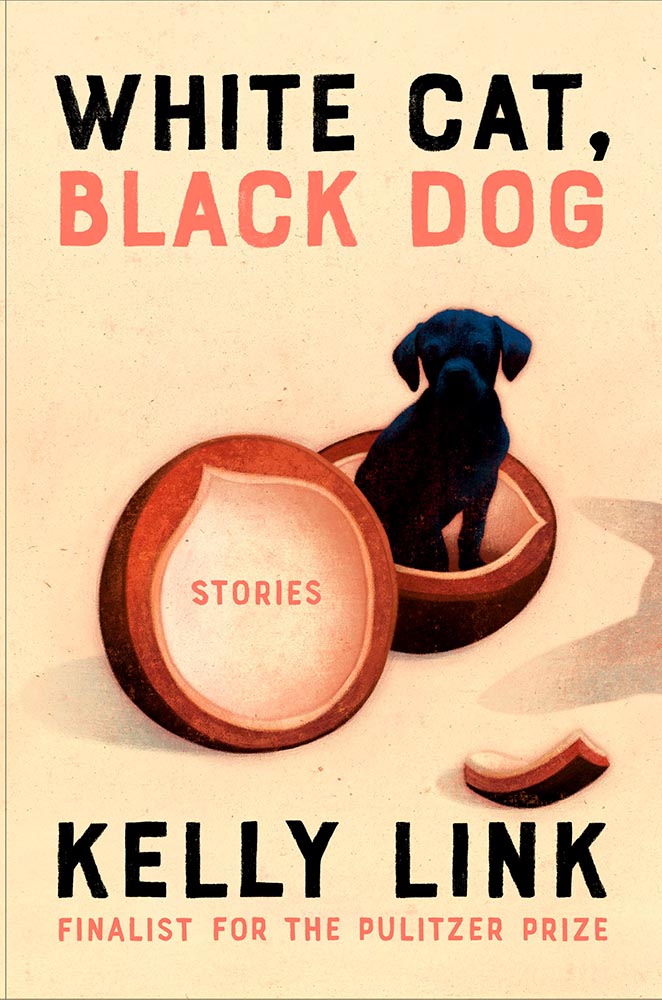
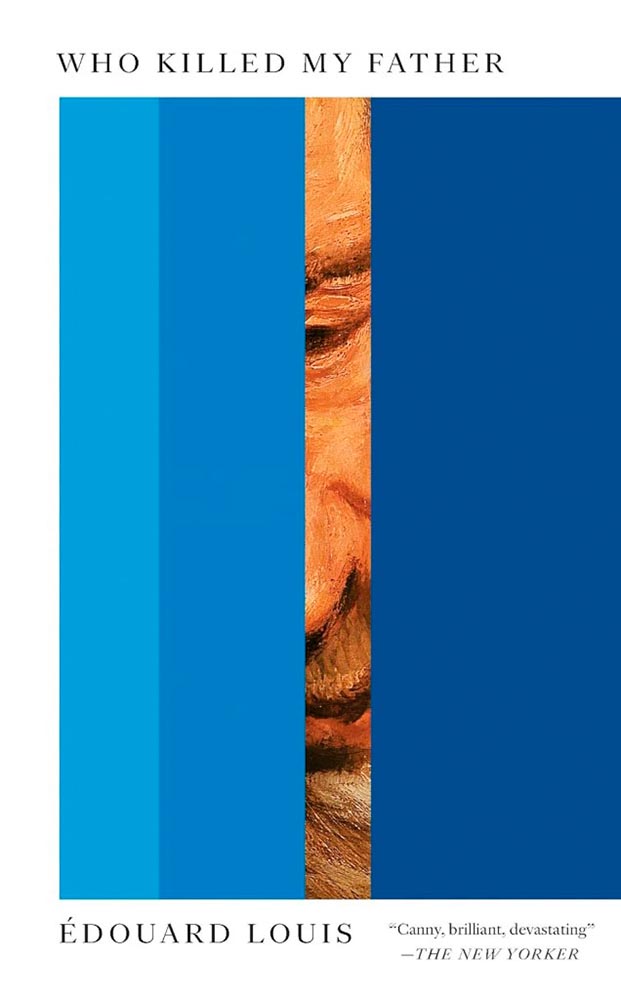
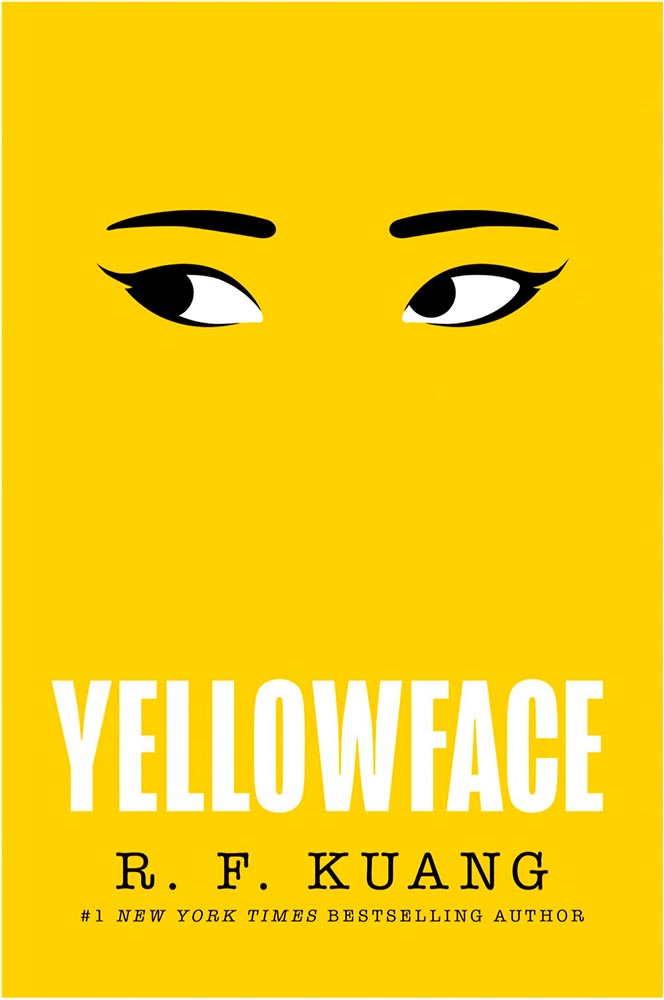
    My Favorite Book Covers of 2024

    2024 was interesting in the way of the apocryphal Chinese curse: “May you live in interesting times.” Taking the time out to peruse the best of the new releases — for both book cover design and books in general — is tremendously enjoyable. Needed, even, now more than ever.

    When it came time to do the years’ tally, summary, and post, the number of candidates in the favorites folder was well over three hundred: a third more than last year, more than double 2022’s.

    It’s been argued that the increasing number of published titles is a reflection of publishers’ woes, including fighting back against publishing slop. (See my Beautifully Briefed series for more.) However, the increasing number of published titles means more work for the book designers among us — some of whom show, or continue to show, exceptional skill.

    Consequently, this year’s list of favorite book design items has grown: up to one hundred and sixteen. Wow.

    Fix a beverage and get comfy.

    Please remember that the usual disclaimer applies: these are my favorites — others might say “best,” but I’ve been in this business long enough to know that there’s always another title you haven’t seen or read about. I don’t want to disrespect any of the talented book designers not on this list. I’ve tried to include design credit where I could — special thanks to the folks who answered emails with that information — and wish to stress that any mistakes in the list below are mine.

    Note: If you’re on Foreword’s main page, please click on the post title, above, to view this list. You’ll get larger covers for your viewing pleasure.

    • • •

    My Four Faves for ’24
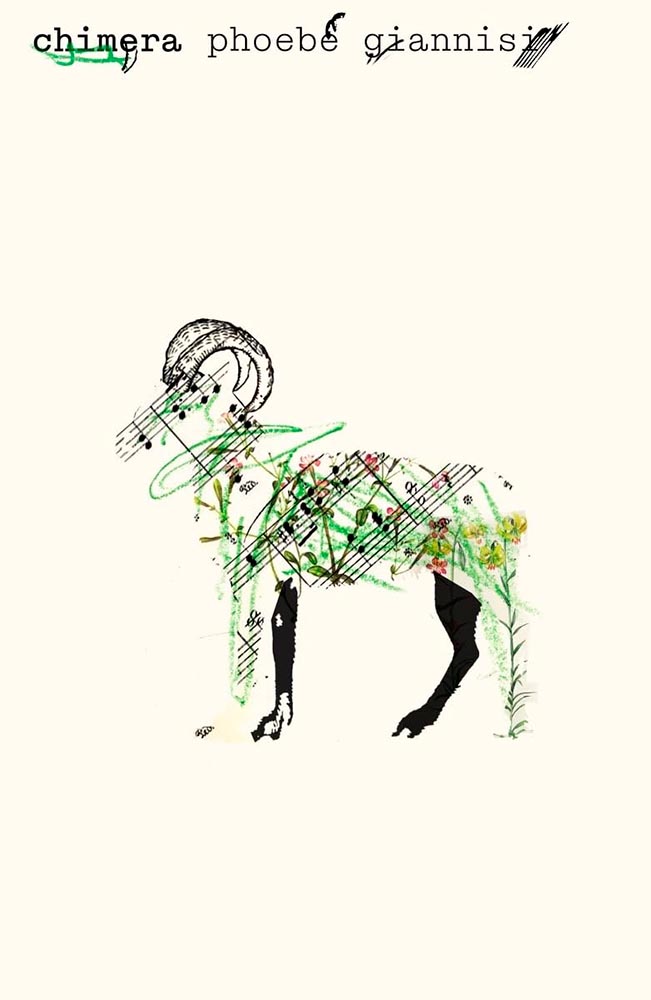
    Cover design by Pablo Delcan.

    It’s no surprise that we’re leading with an example of minimalism-as-superlative. This UK title is described thusly: “The centre of Chimera engages with a three-year field research project on the goat-herding practices of the Vlachs, a nomadic people of Northern Greece and the Southern Balkans, who speak their own language. In these poems, day-to-day activities such as shearing and shepherding mix with snippets of conversations, oral tradition and song―locating a larger story in this ancient marriage between humans and animals.”

    Aside from being visually arresting, I can’t think of a better visual summary — yet still in keeping with the style of Cicada, the previous title. Awesome.
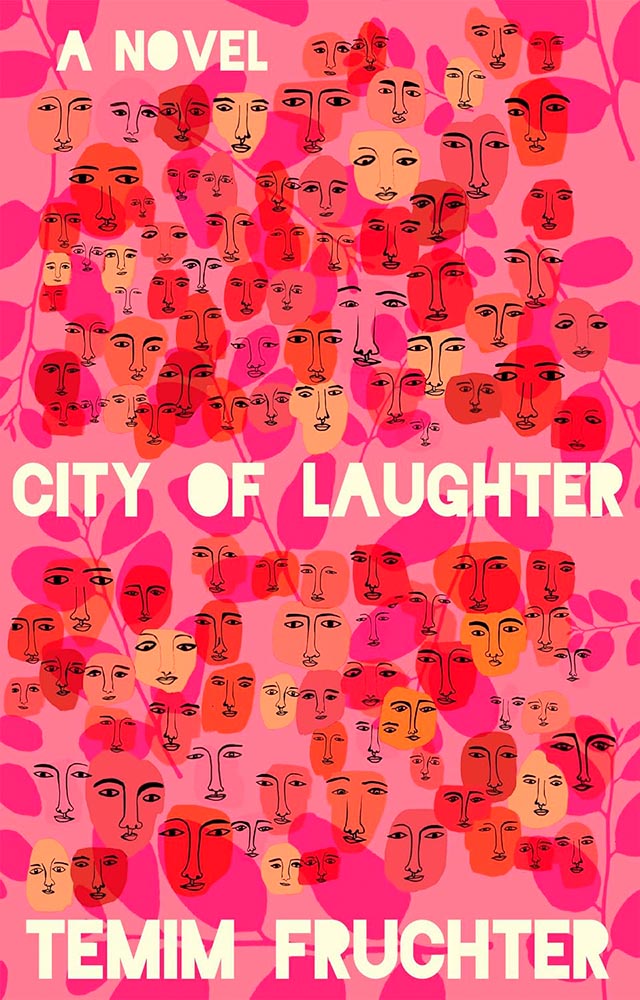
    Cover design by Kelly Winton.

    “[F]our generations of Eastern European Jewish women bound by blood, half-hidden secrets, and the fantastical visitation of a shapeshifting stranger over the course of 100 years,” all on a book cover, in a style that’s fresh and colorful with great lettering.
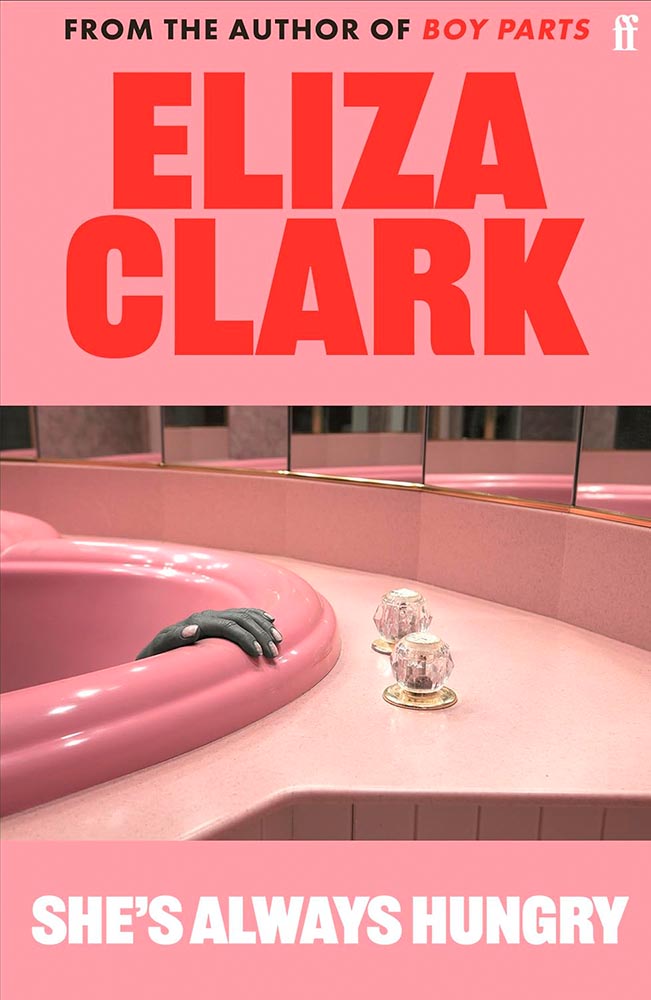
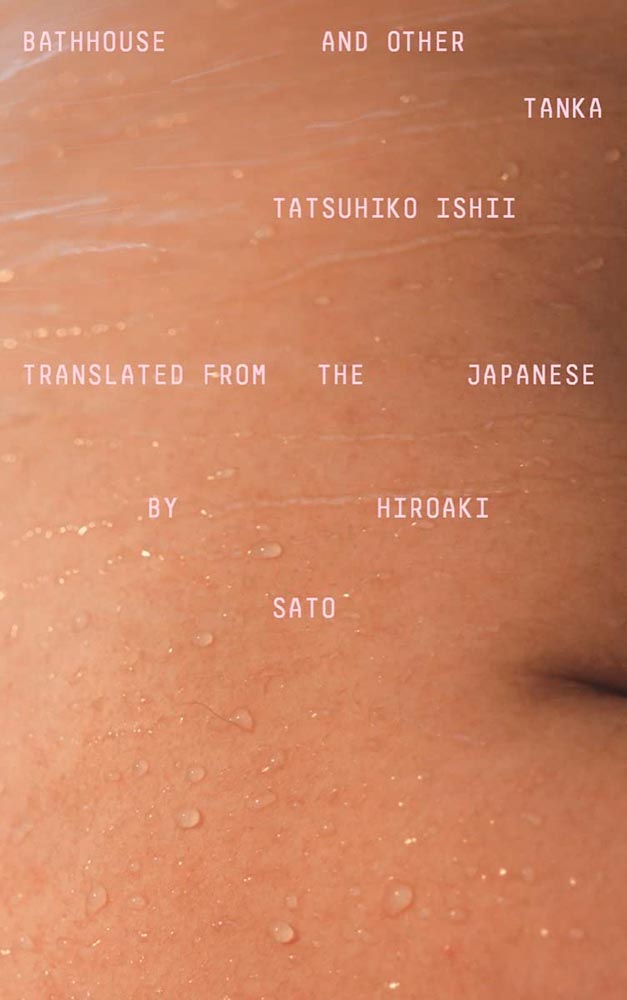
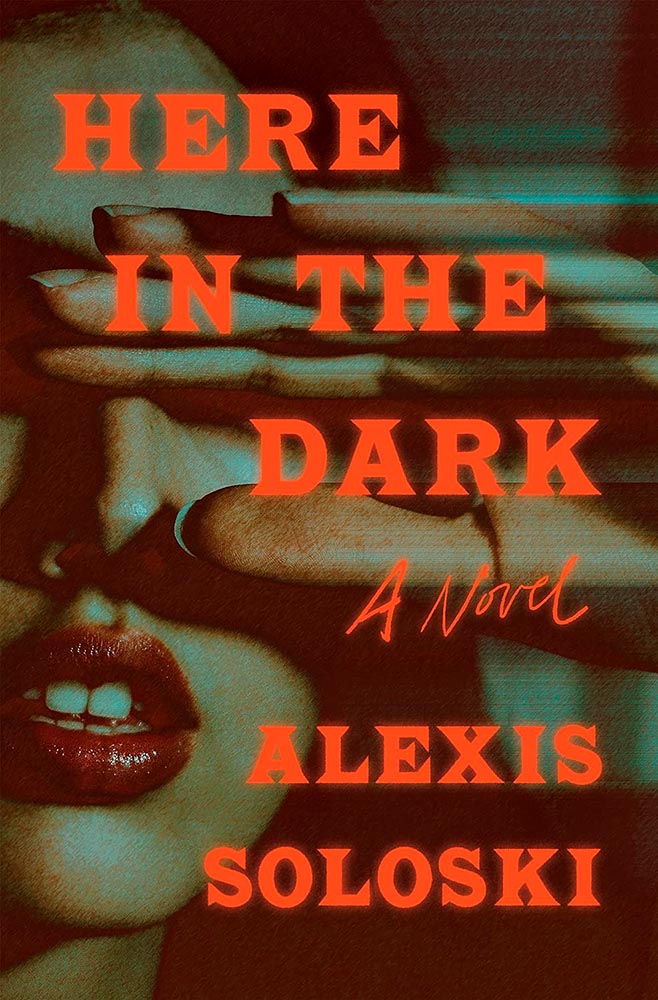
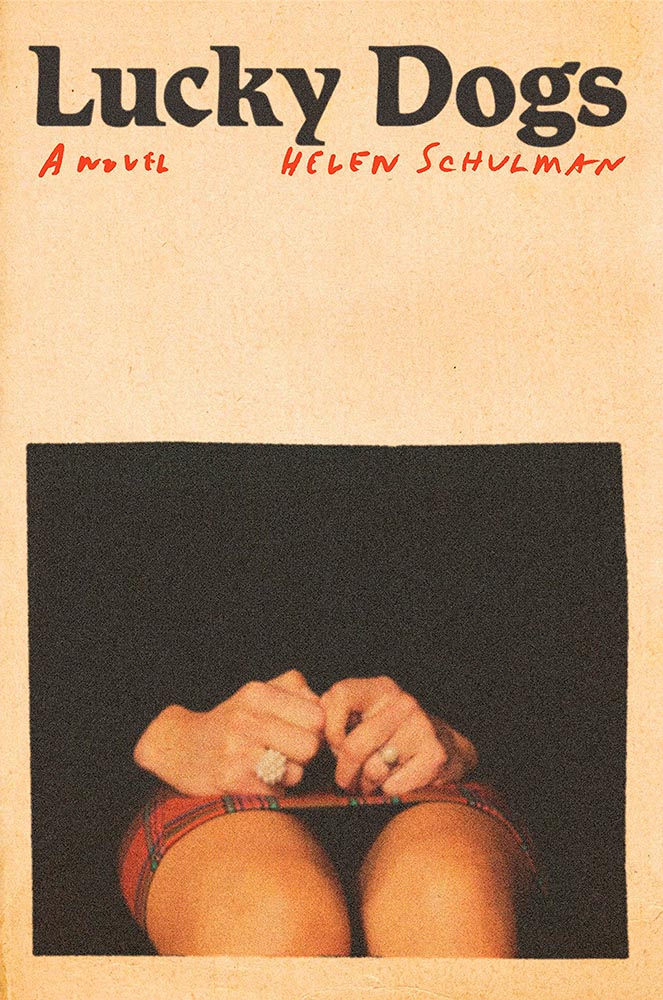
    Cover design by Faber. Photograph by Juno Calypso.

    Occasionally, a photograph just makes a cover — and this one vaults it to the top. (Sometimes, great book design is as “simple” as selecting great elements.) Part of a series called “the Honeymoon,” it’s absolutely the style of photographer Juno Calypso.
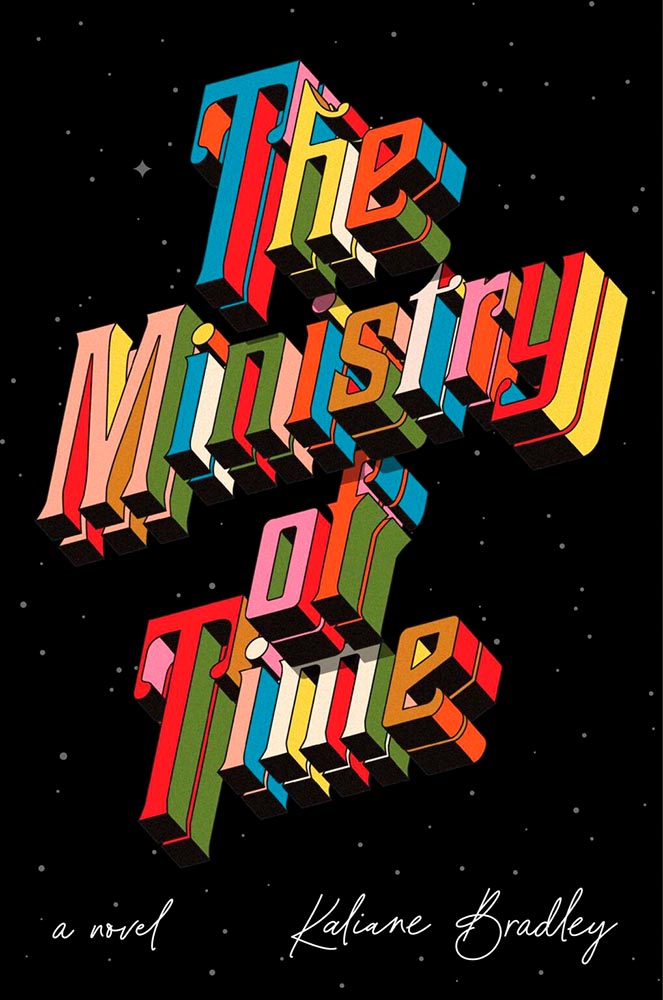
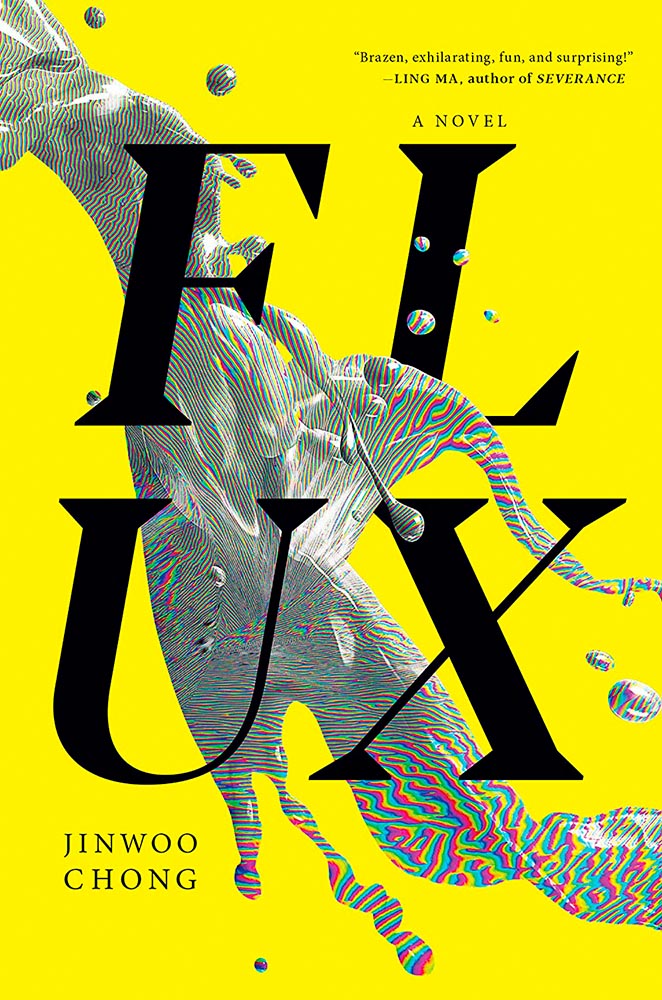
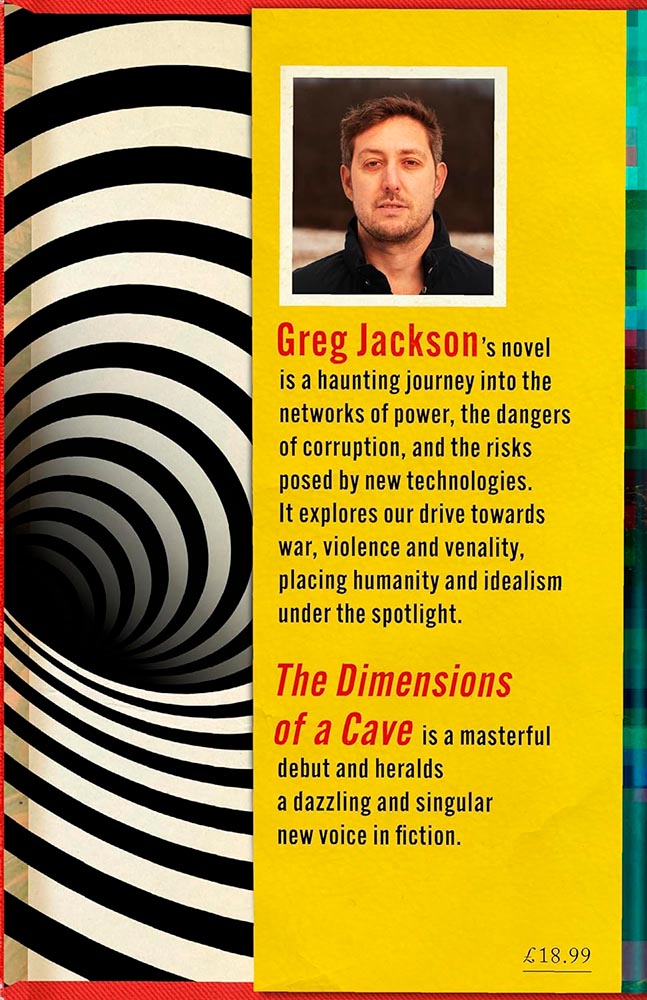
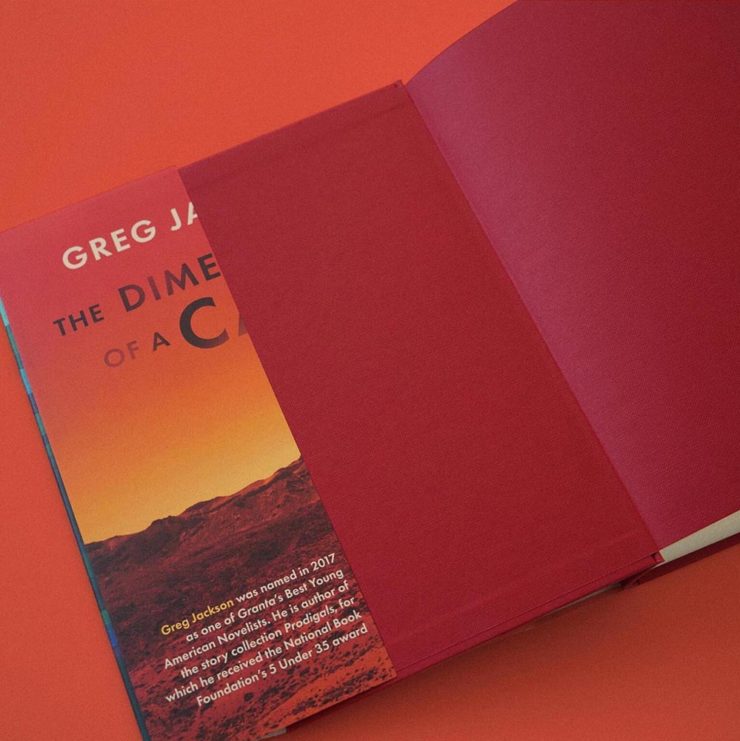
    Cover design by Alison Forner. Typography by Andrew Footit.

    Never mind the “time travel romance, spy thriller, workplace comedy, and ingenious exploration of the nature of power and the potential for love to change it all” — it’s the oh-so-dimensional title that transcends. (All that other stuff is just a bonus.)

    Other 2024 Favorites, in Alphabetical Order
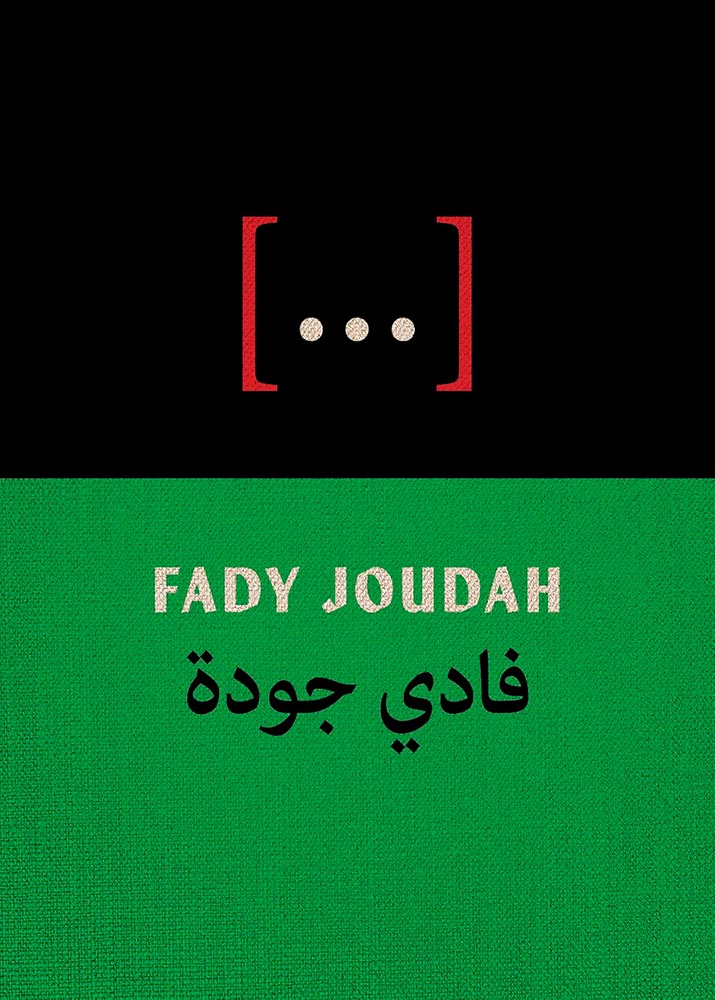
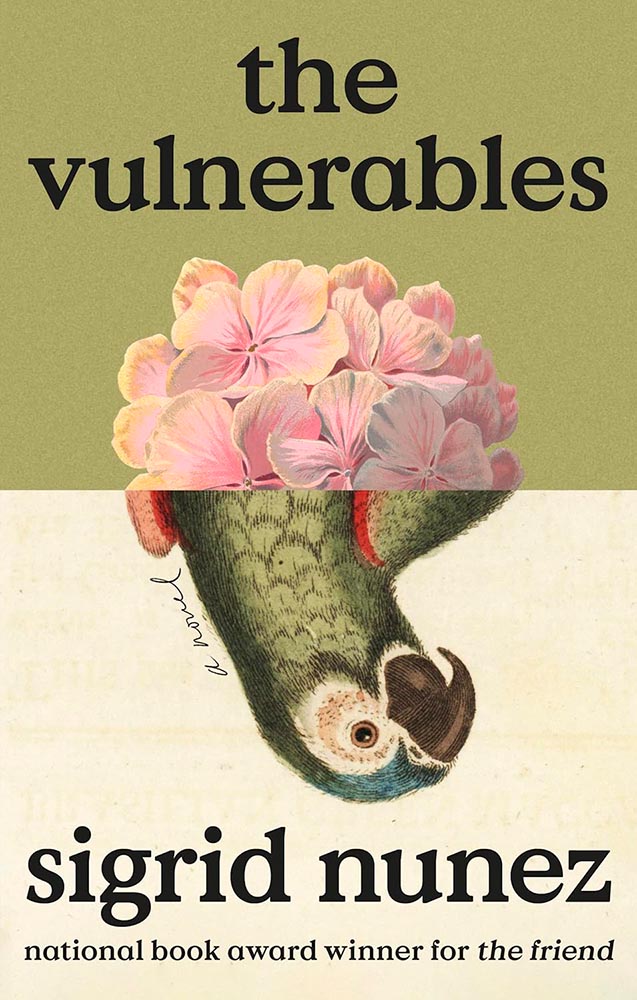
    Cover design by Mary Austin Speaker.

    “I am unfinished business,” indeed.

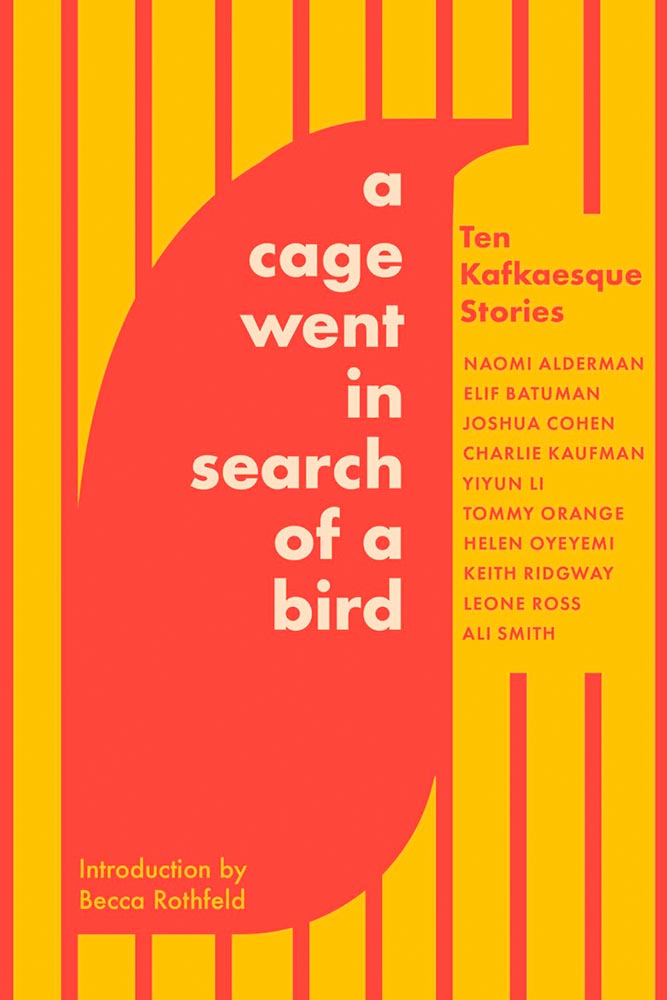
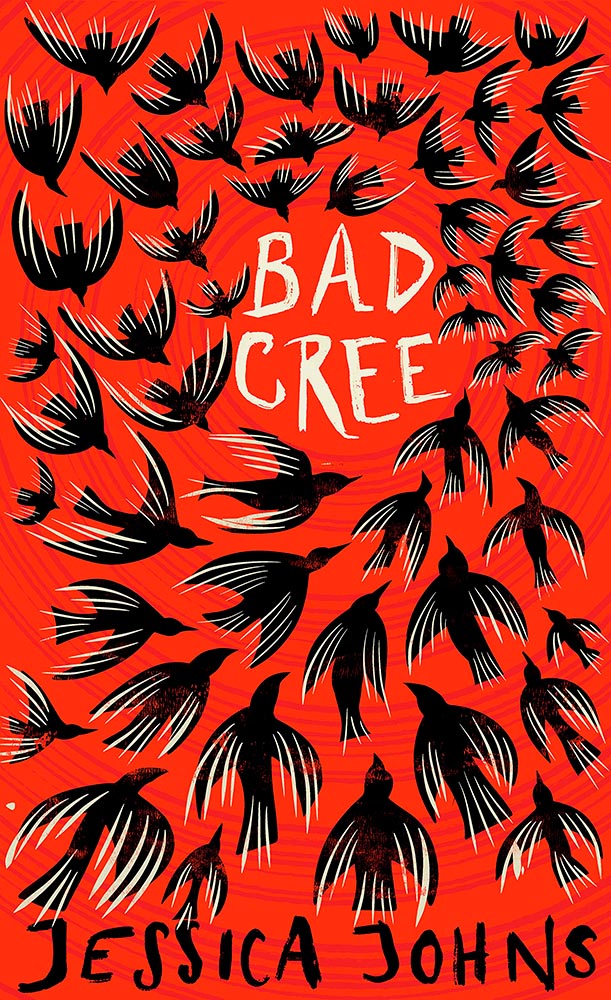
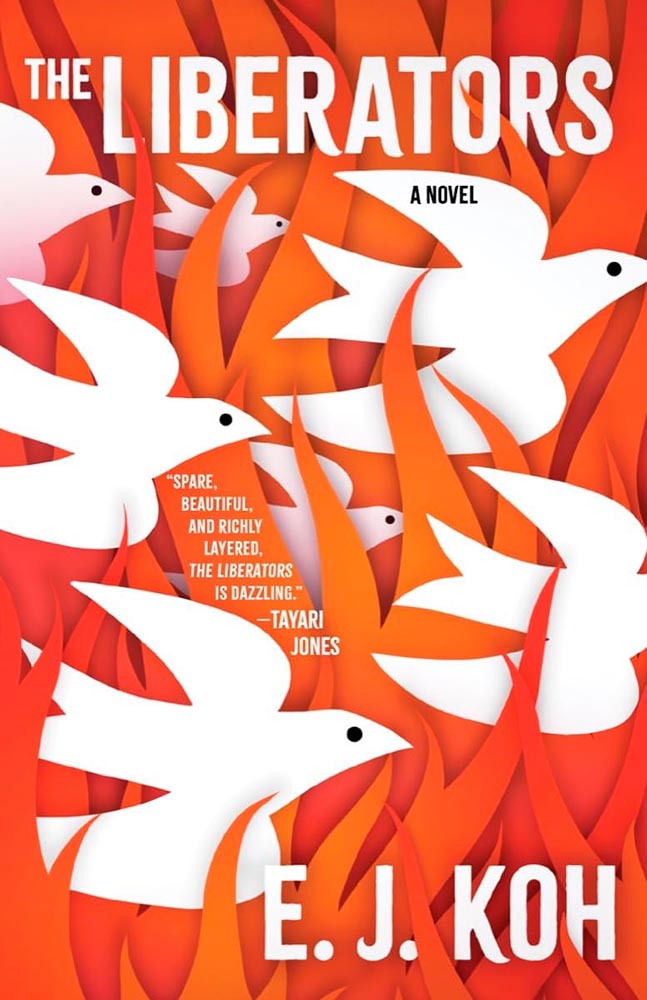
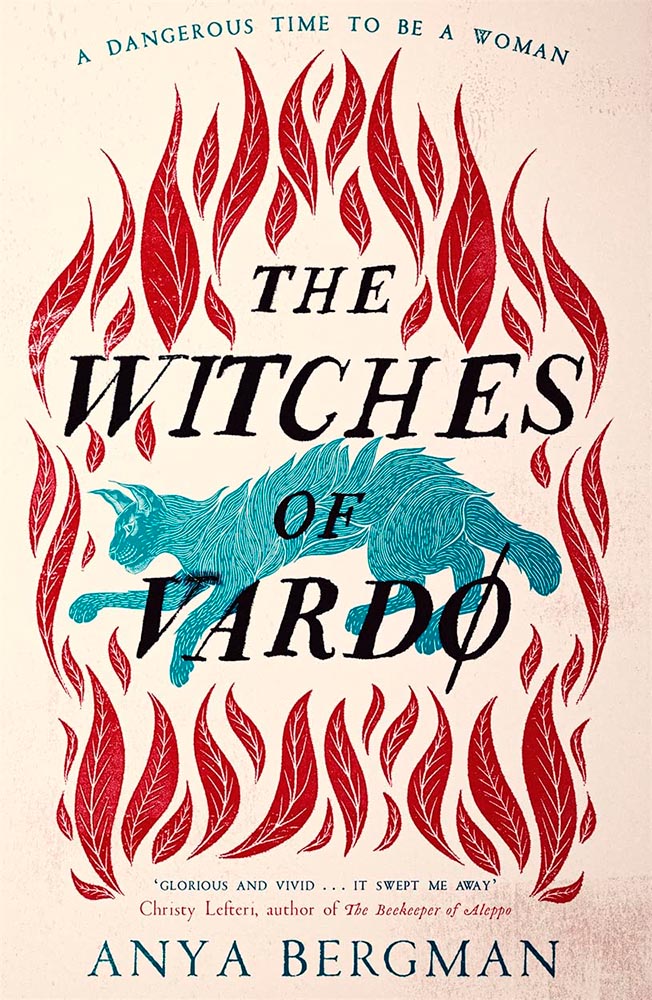
    Cover design by Nico Taylor.

    A-as-eye, shape-as-bird, lines-as-cage: Kafkaesque-as-subtlety. Yet….
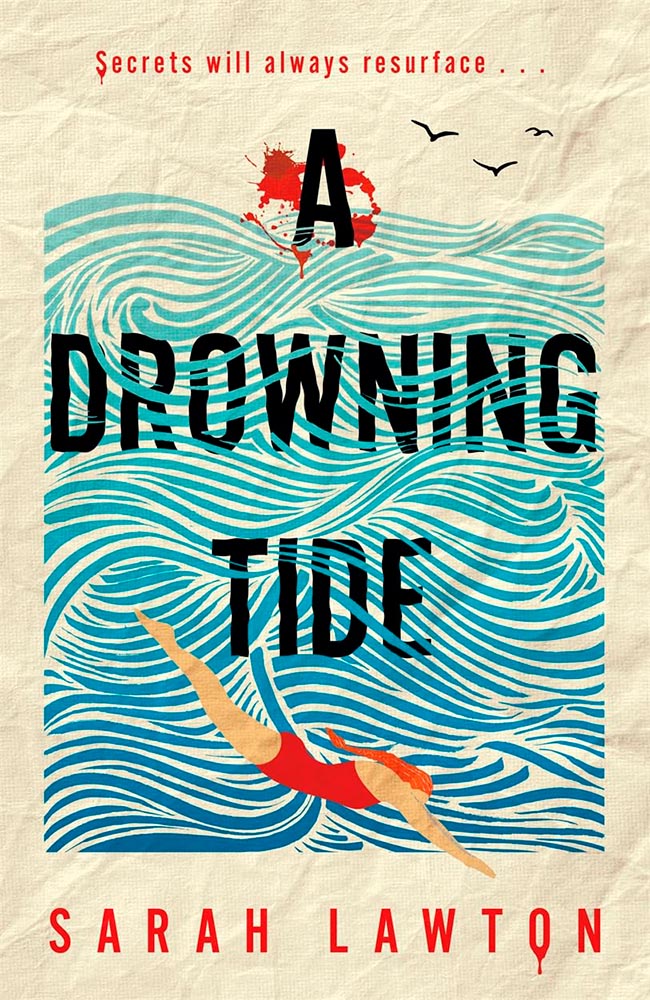
    Cover design by Emma Rogers.

    The paper is perfect, the title interleaved with the water superlative, and the blood, which can absolutely be done into the realm of cliché, drips rather than gushes.
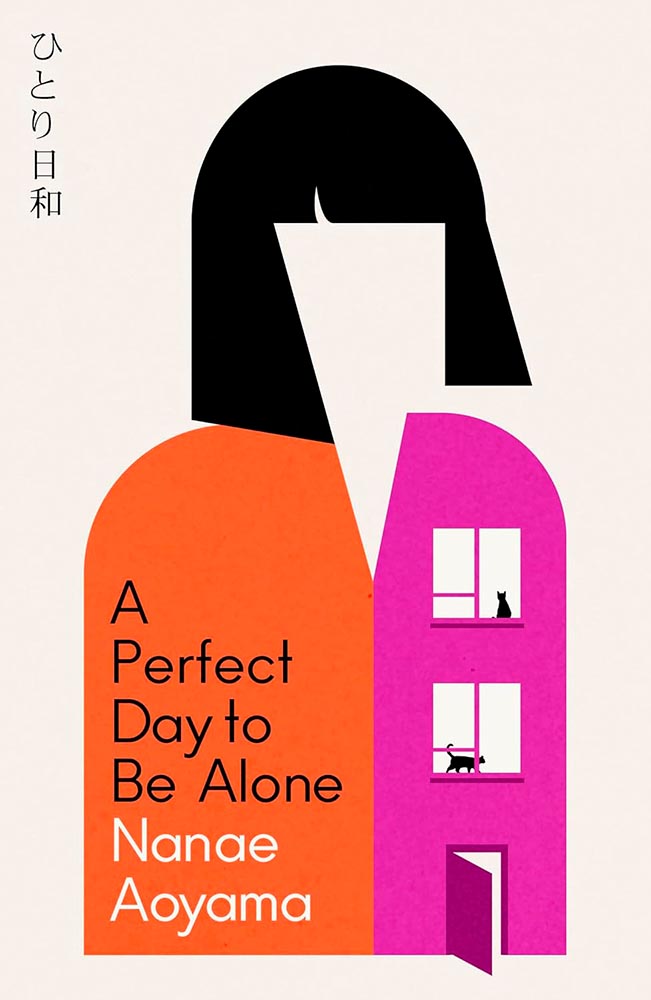
    Cover design by Jack Smyth.

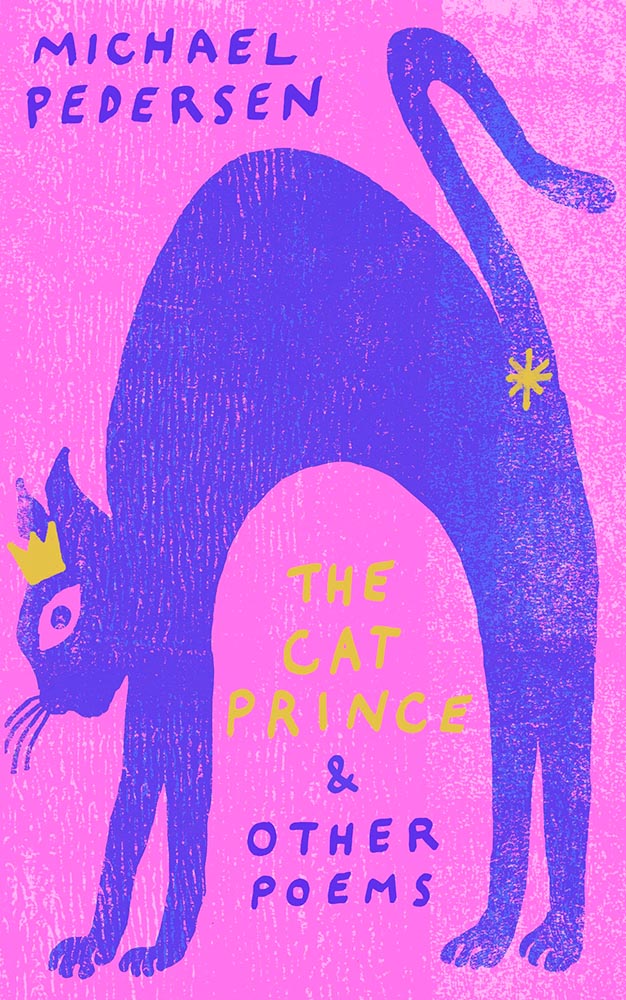
    The first of five appearances for Jack Smyth — tops this year — this cover speaks to solitude (and cats!) with fantastic expression.

    Special Bonus: A 2019 write-up on Smyth at It’s Nice That.
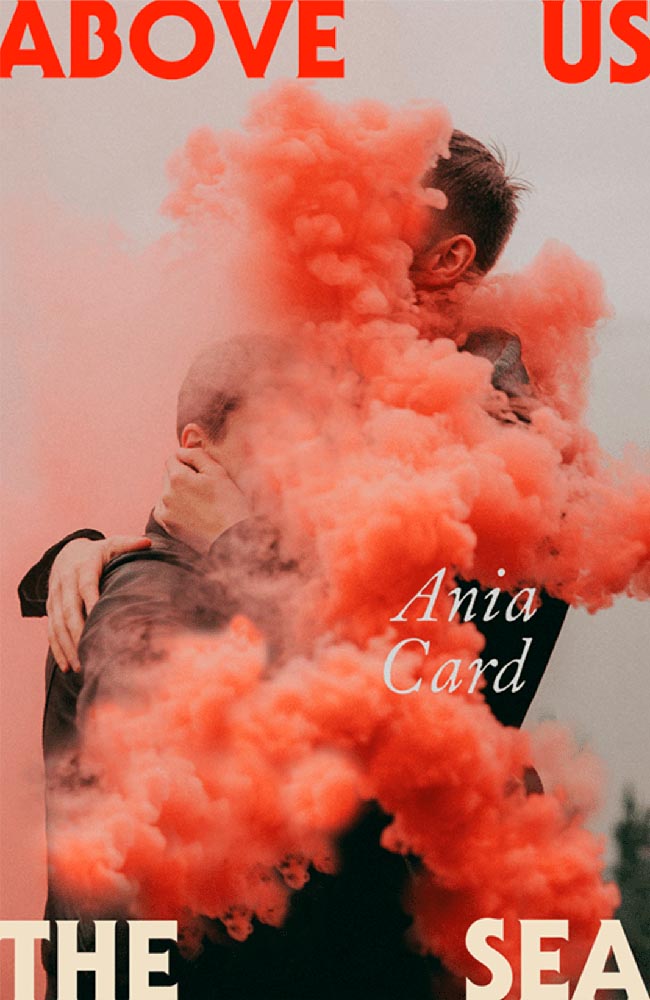
    Cover design by Emma Ewbank.

    This photographic subject is so strong, yet clearly speaks to the cloudy tenderness within. (Also, title placement.)
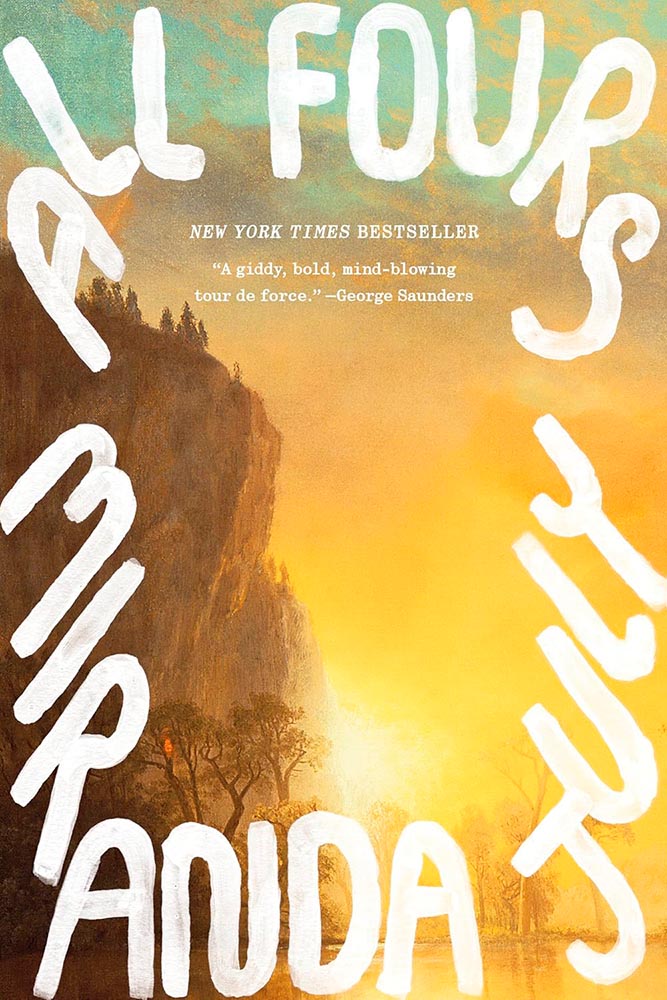
    Cover design by Helen Yentus.

    Another examples of typography-on-the-edge — but, really, the hero on this cover.
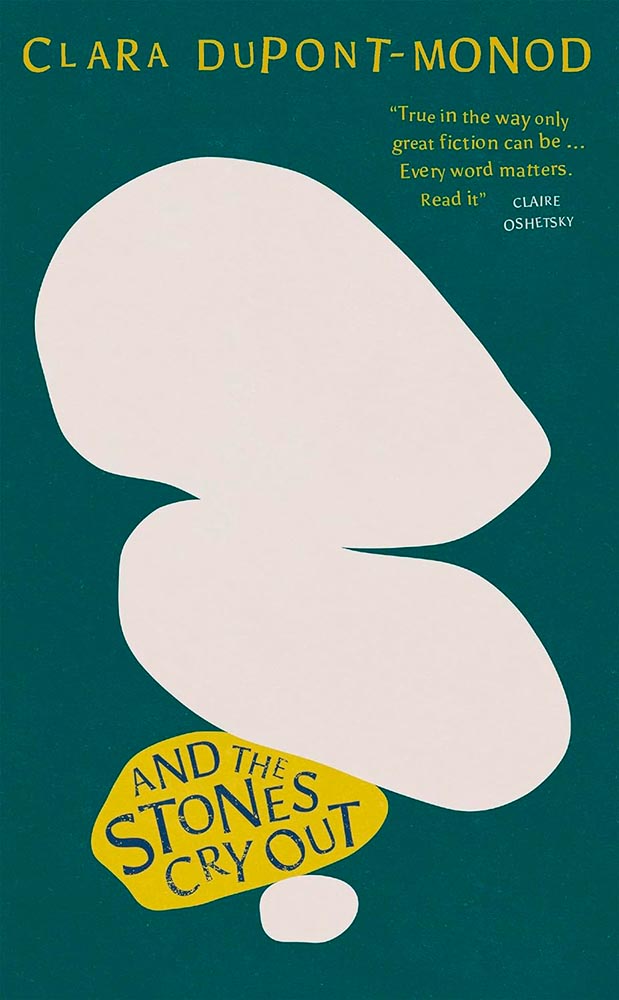
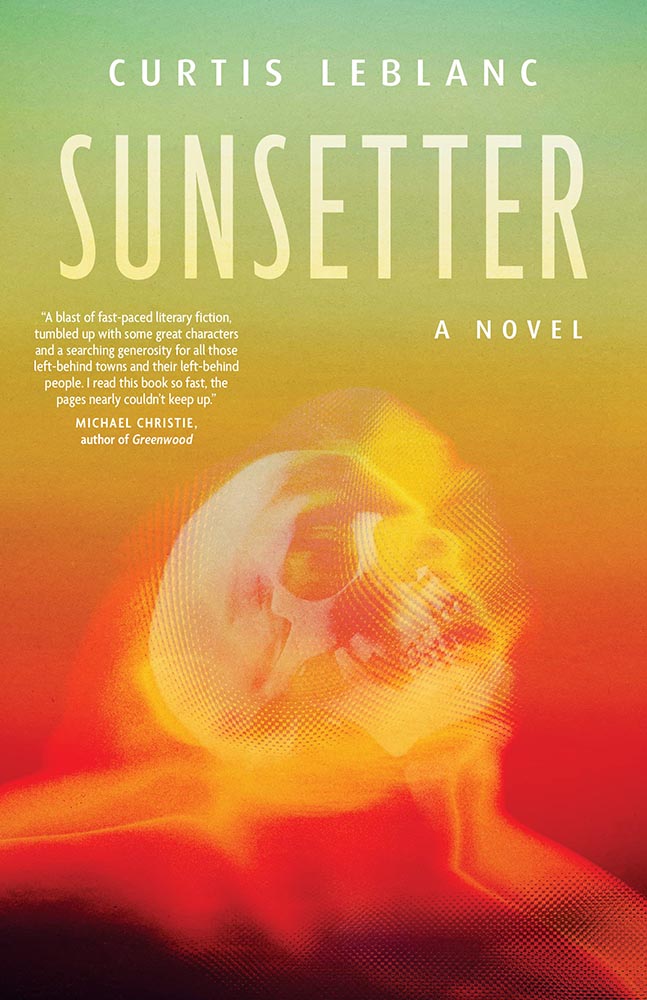
    Cover design by Johnathan Pelham.

    Fantastic title placement (with the perfect hint of wear), complimented by the unusual treatment of the author’s name and pull quote, this cover only hints at the story within yet holds it up.
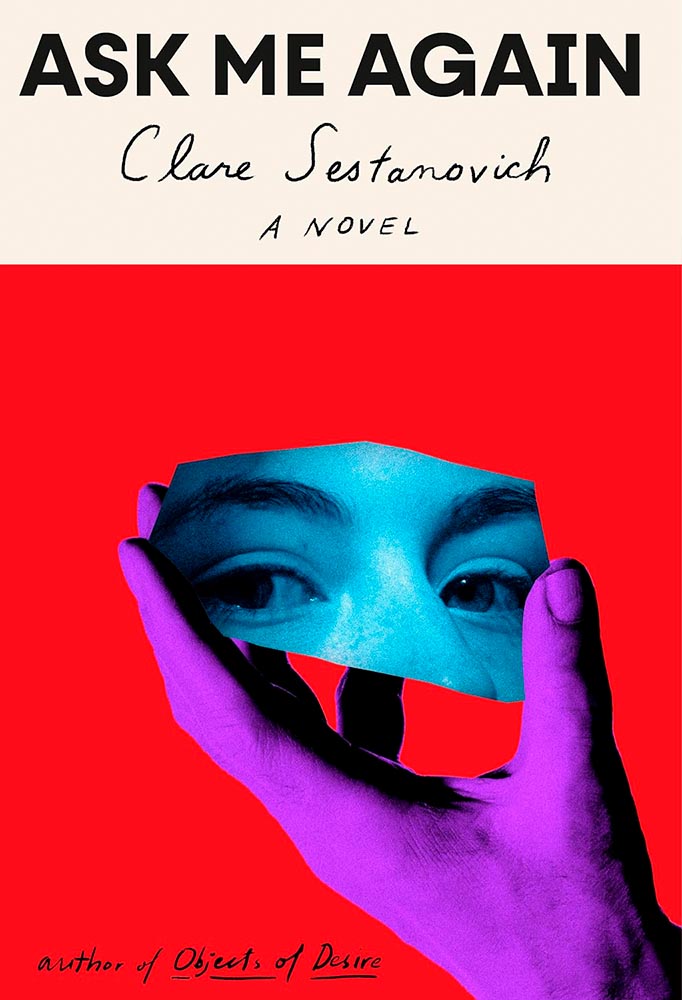
    Cover design by Janet Hansen.

    I’ll admit: it’s not immediately clear how this title and cover work together. Yet they do, and it’s not just because of the (male) hand and (female) face — or striking colors — it’s more the representation of reflection, something required in maturity.
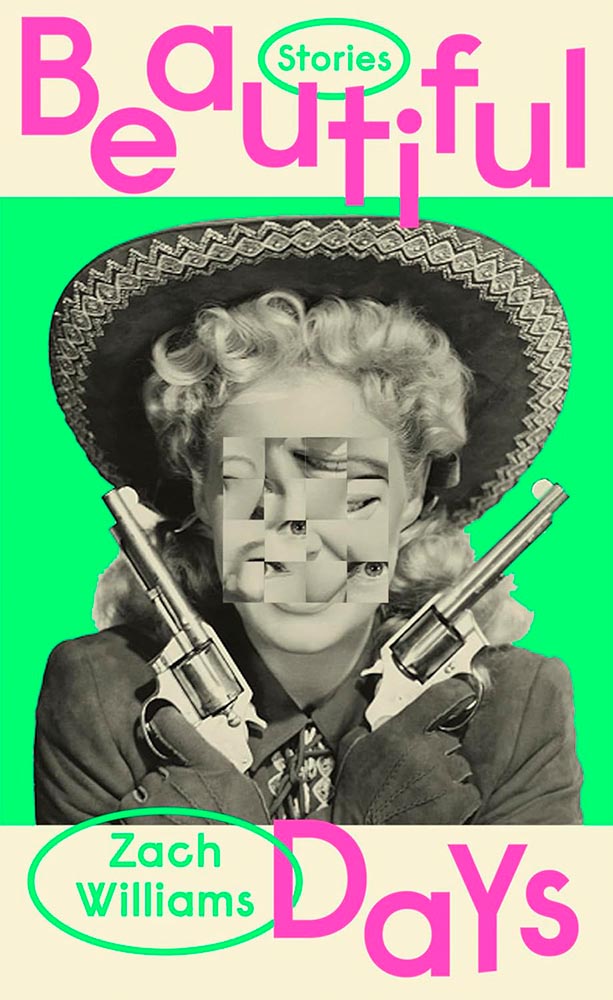
    Cover design by Chris Bentham.

    The rearrange-the-pieces treatment for faces has become a thing, but few do it so well. Special bonus for the selection of photograph for this UK version of the title — and great color choices.
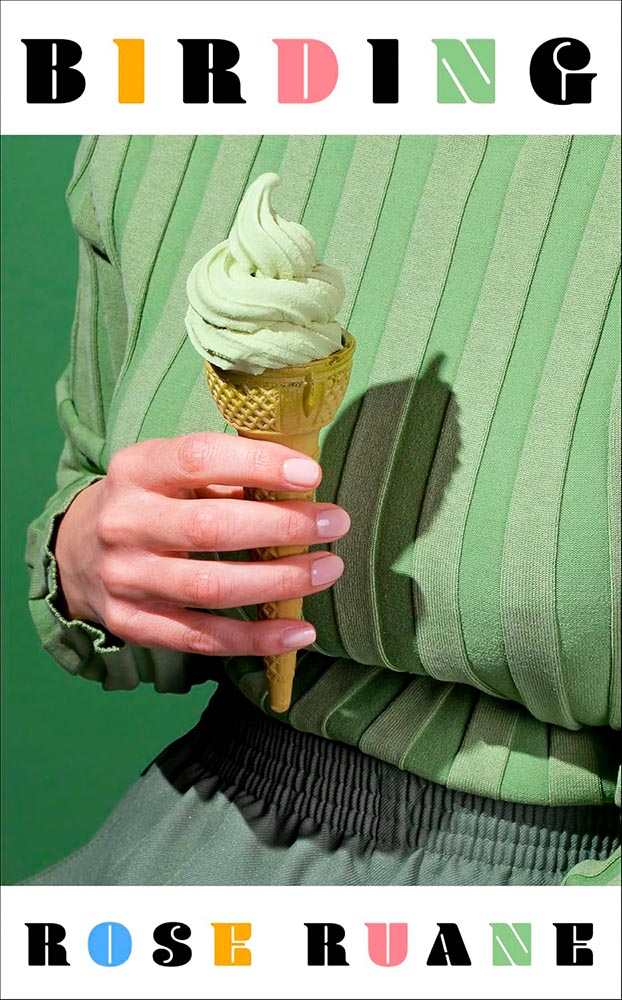
    Cover design by Charlotte Stroomer. Photograph by Kelsey Mcclellan.

    Another example of the photograph making the cover — but with simply awesome typography, too. (Huge fan of the overall color scheme, too.)
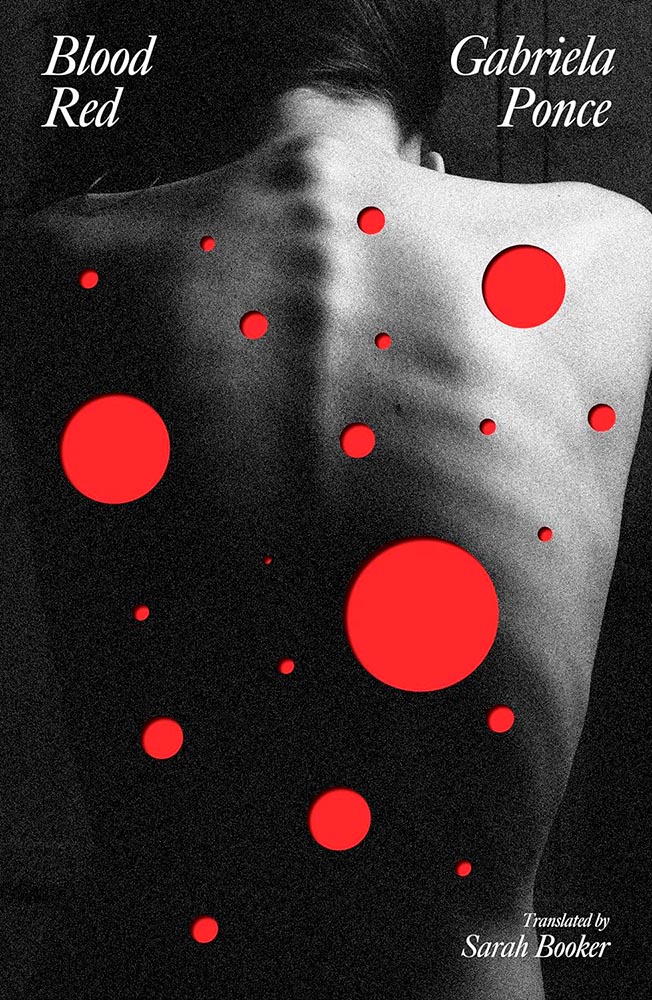
    Cover design by Luke Bird.

    This UK title shoots to kill, perfect for a story of shooting one’s self in the back. (The Irony Dept. reports that the publisher is Dead Ink, by the way.)
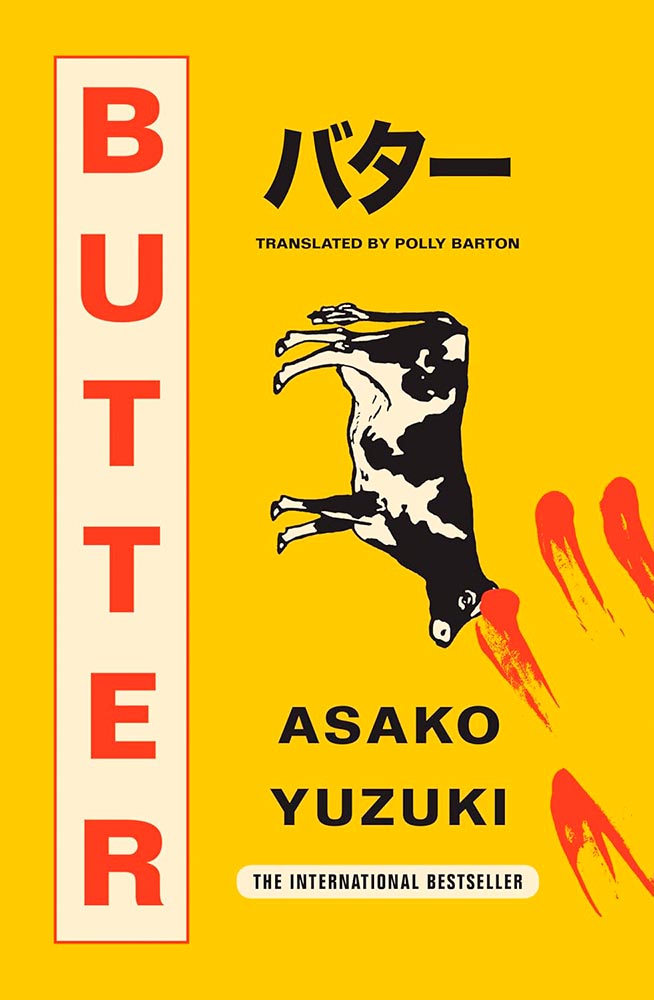
    Cover design by Emma Pidsley.

    Sticks it to ’em in the most compelling way. (Also: “There are two things that I simply cannot tolerate: feminists and margarine.”)
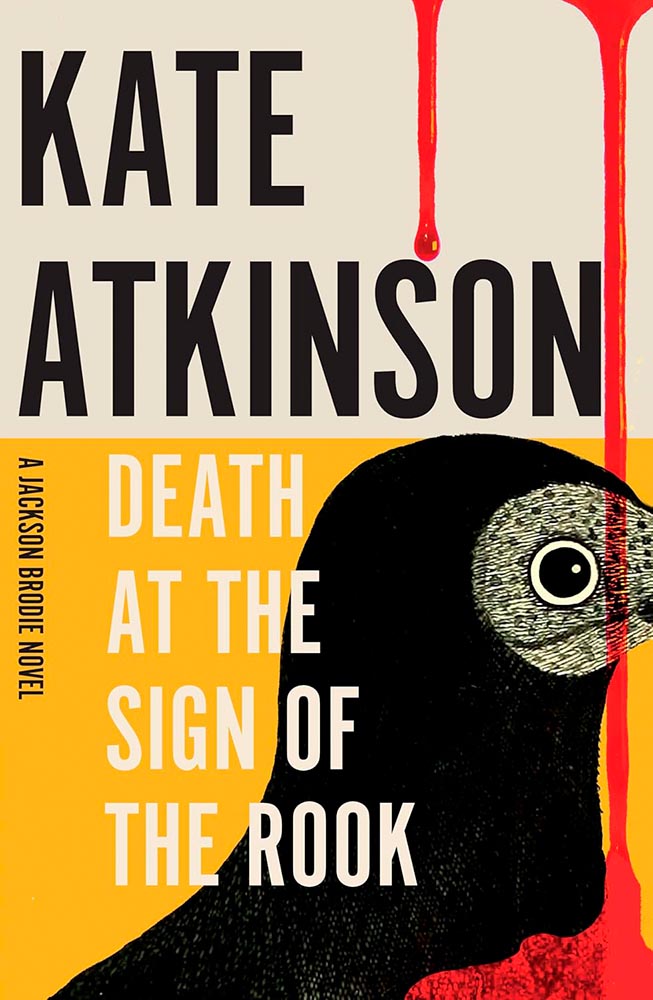
    Cover design by Anna Morrison.

    Another UK title, this one counters the too-much-blood thing with fabulous typography and an over-the-top — well, off-the-side, really — crop. (I especially love that the top of the rook’s head just peeks above the yellow.)
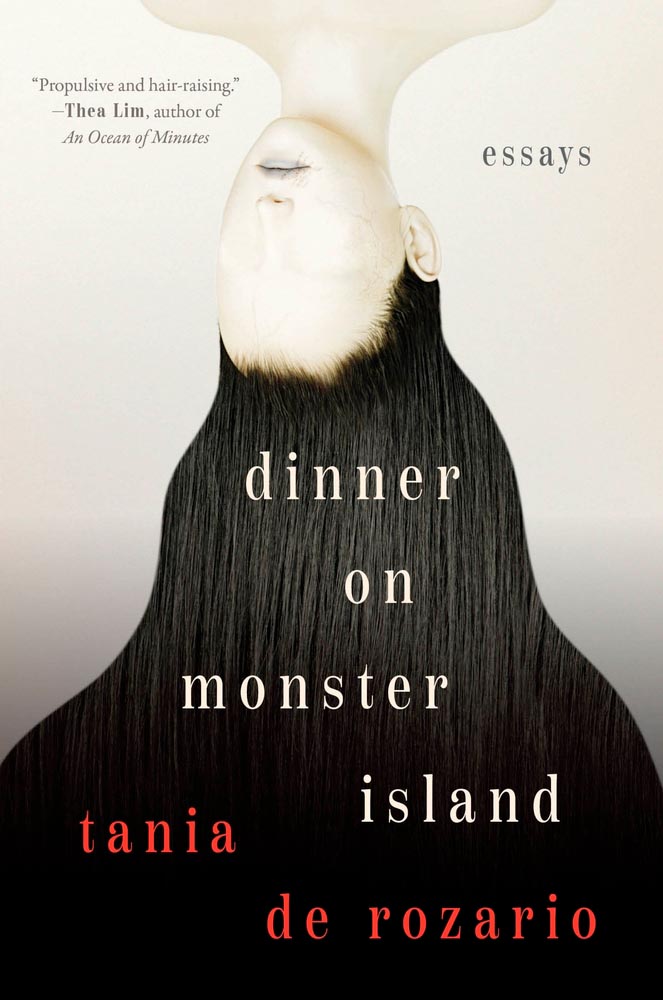
    Cover design by Olivia Mcgiff.

    “Hair-raising,” indeed. (Check out the veins.) The opposite of queer, brown, and fat — and yet, somehow, just right.
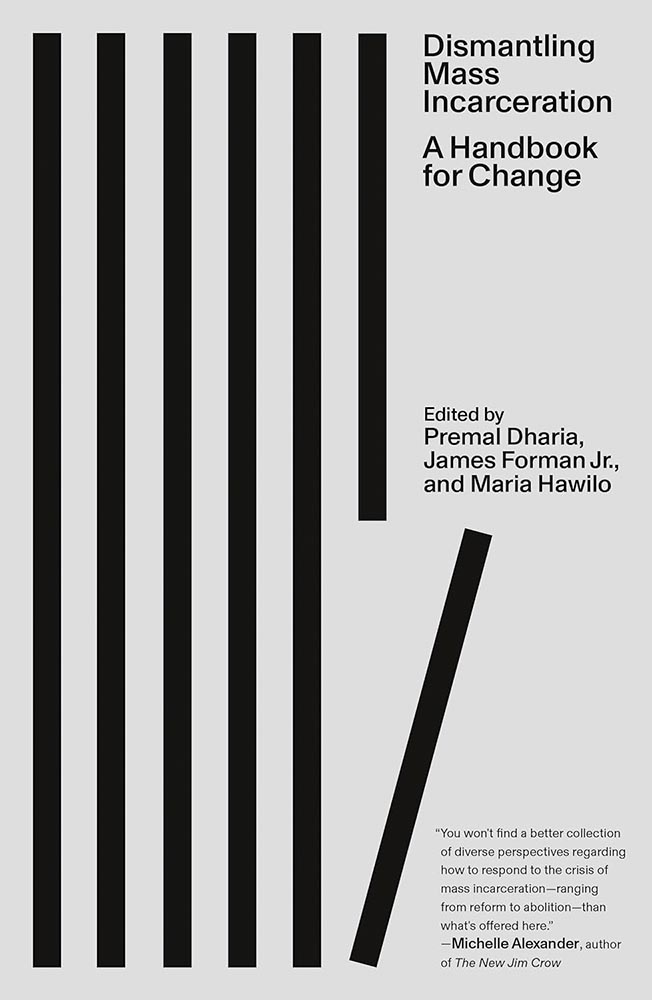
    Cover design by Oliver Munday.

    Few others can express so much with just a line. It sounds like a joke, something that treats the subject with something less than it deserves, but quite literally the lines on this gray background make all the difference.
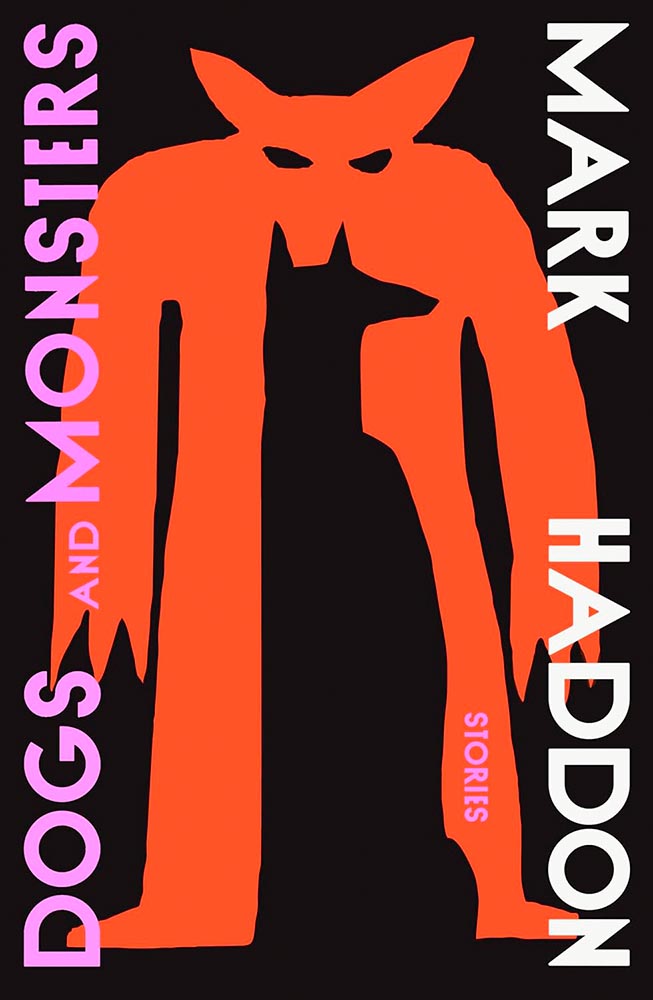
    Cover design by Suzanne Dean. Illusustion by Neue Gestaltung.

    Greeks myths, contemporary dystopian narratives — never mind that, it’s the illustration on this cover that gets the “terrifyingly talented” label.
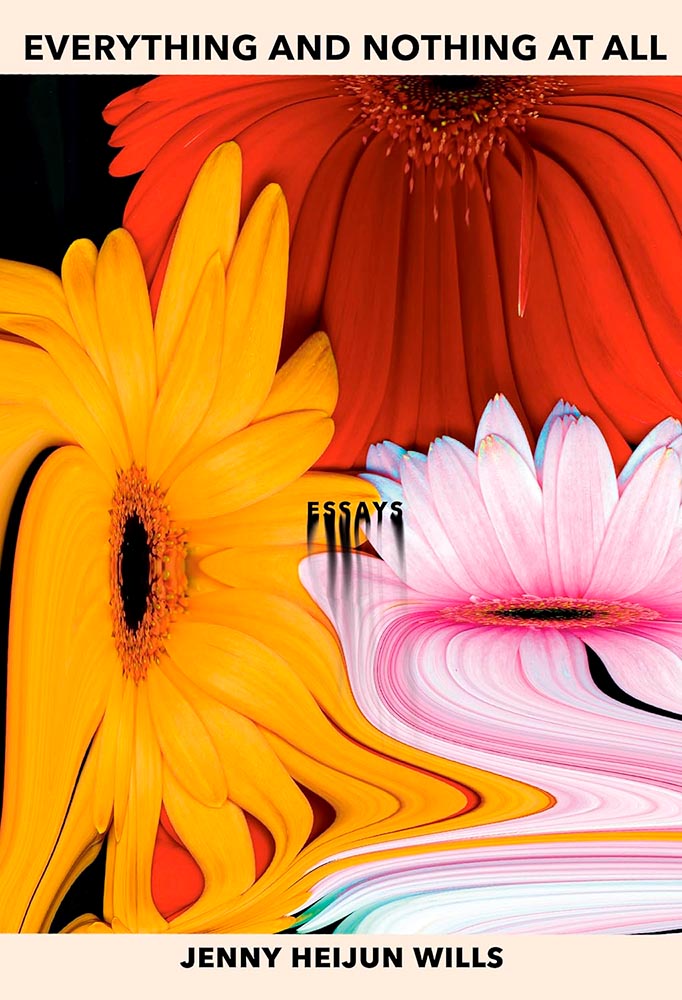
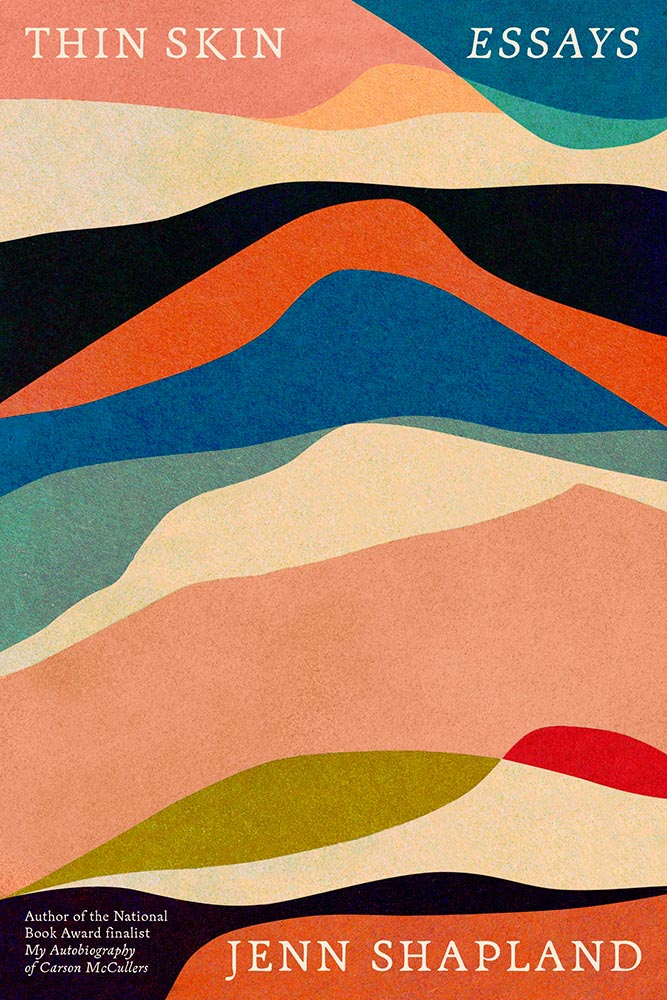
    Cover design by Terri Nimmo.

    Subversive, surreal, yet “refuses to pander or be pinned down and possessed.” (Also, “Essays.”)
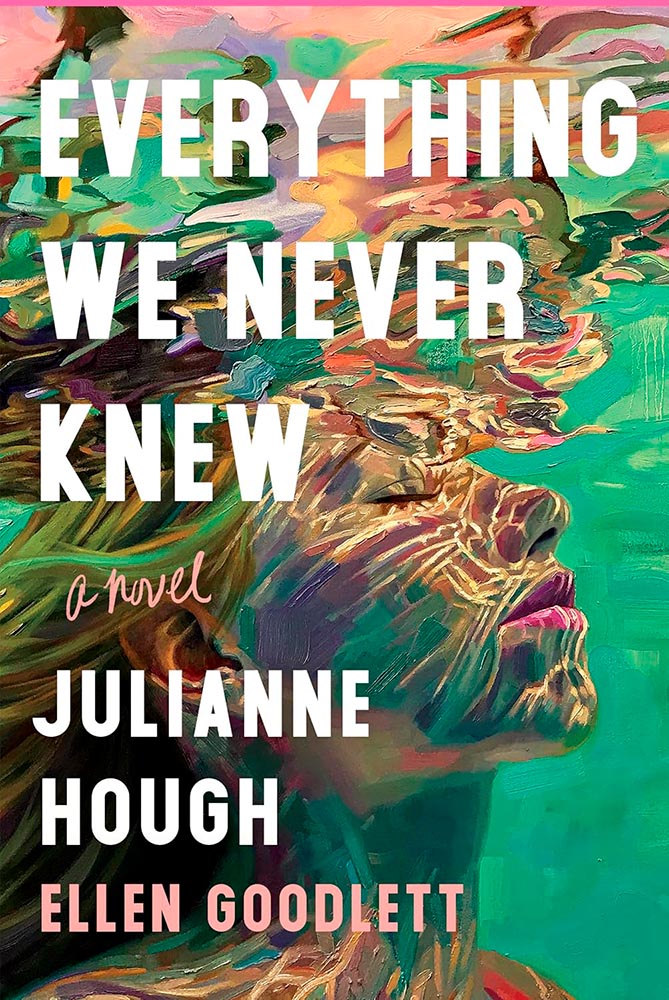
    Cover design by Sara Wood. Art by Isabel Emrich.

    Real estate agent Lexi senses a drowning, leading to … well, a novel — but it’s the artwork, by painter Isabel Emrich, that carries this cover to the next level.
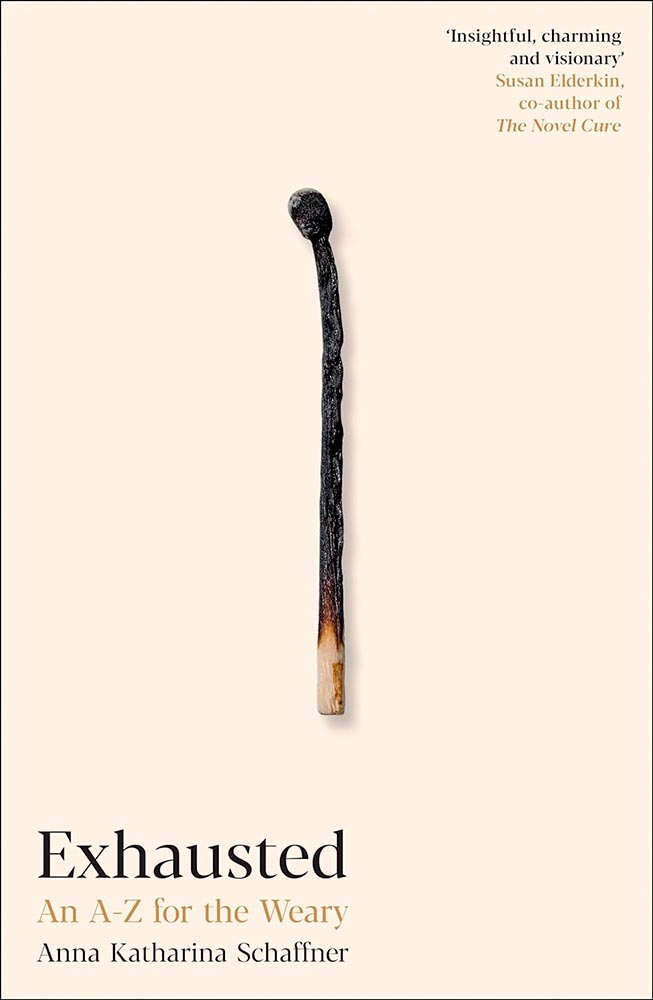
    Cover design by Steve Coventry-Panton.

    Minimalism exemplified. While some could argue cliché, I’d argue that it’s the perfect choice: for the weary, for the curious, for this cover.
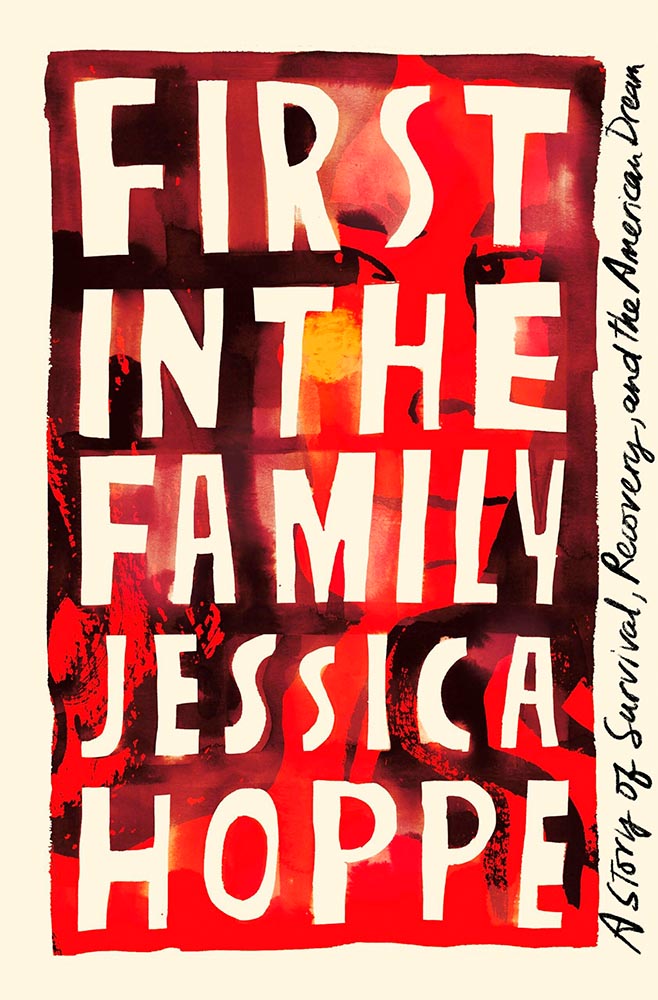
    Cover design by Isabel Urbina-Peña.

    The eyes just grab you — “crackle like a bonfire,” to quote one of the reviews. (They were speaking of the text, not the cover, but better words….)
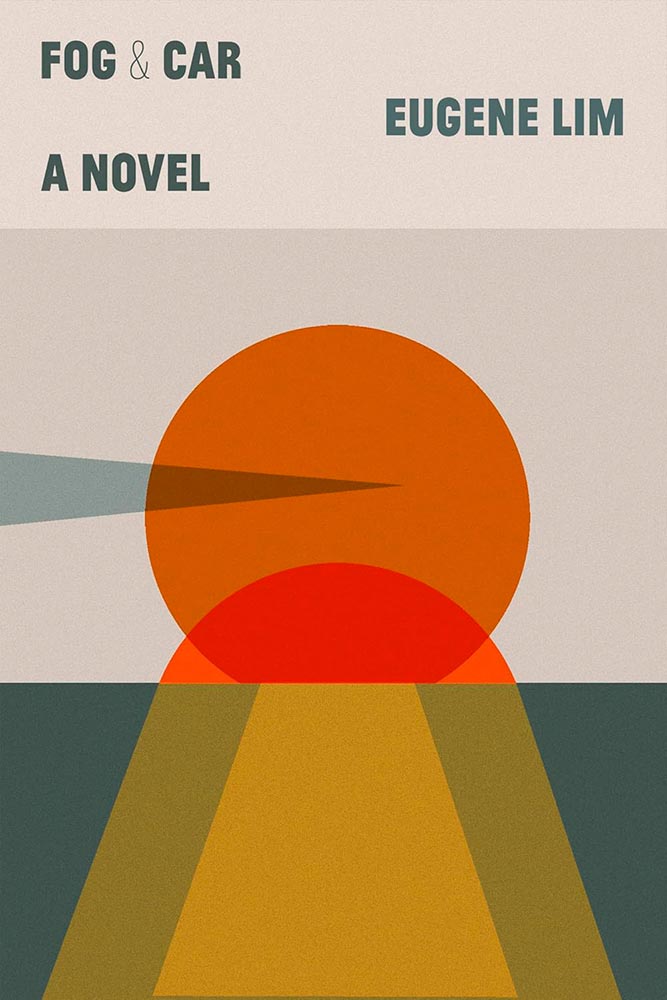
    Cover design by Michael Salu.

    Simple and geometric, yet story-telling in the finest.
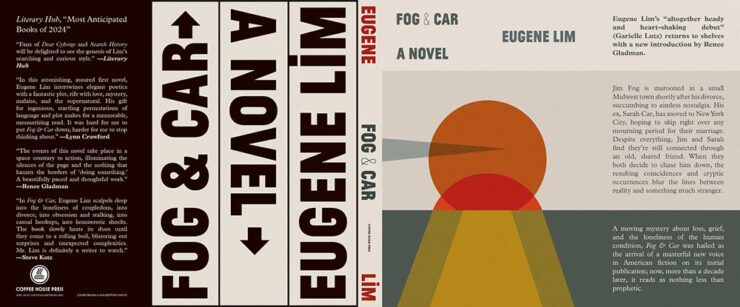
    Also, the whole jacket wins. (The bar code space is below “a novel,” by the way.)
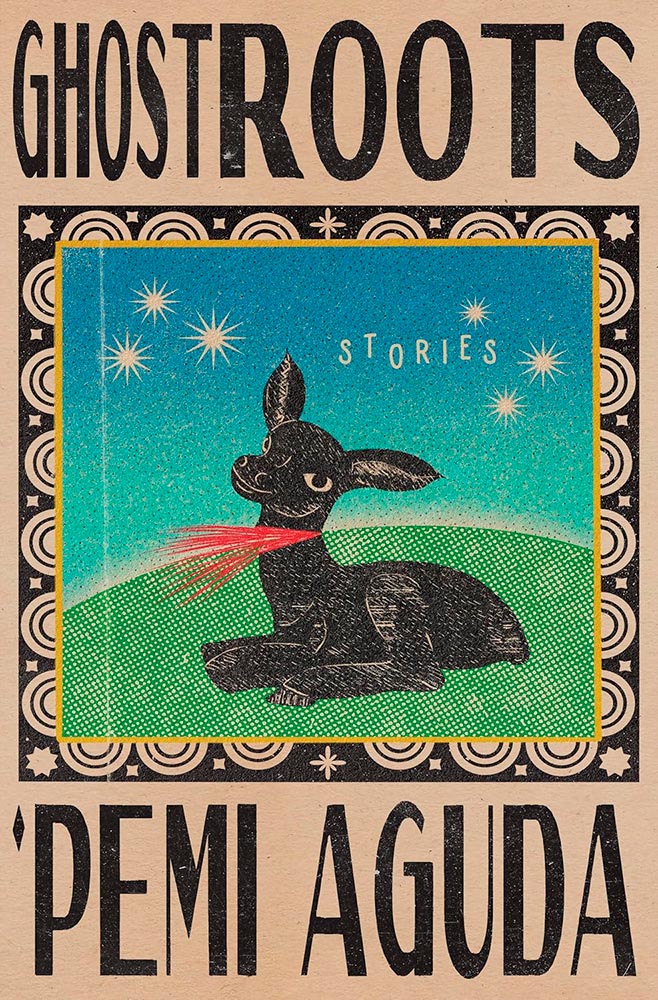
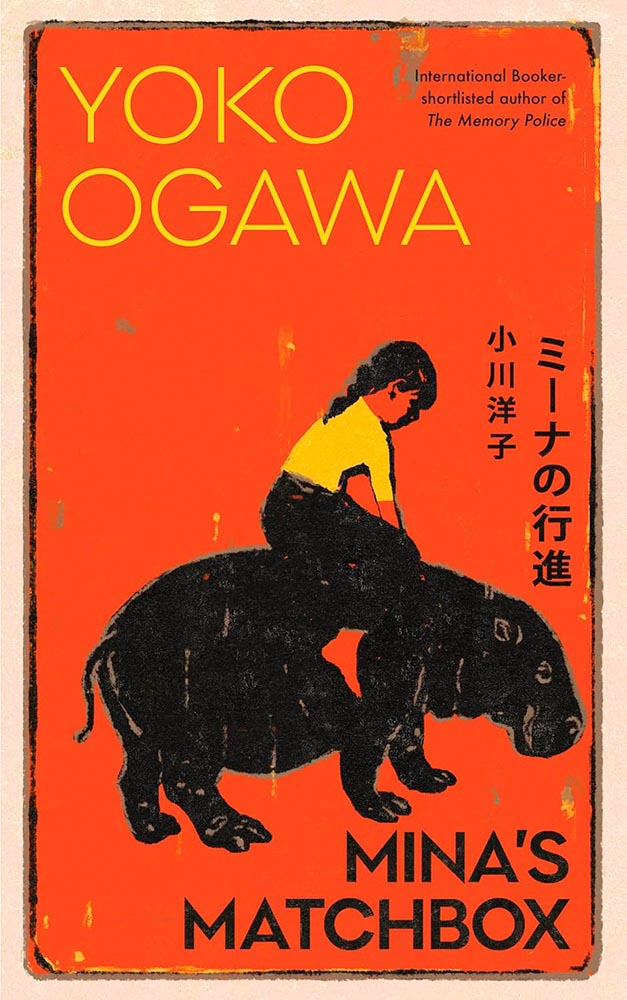
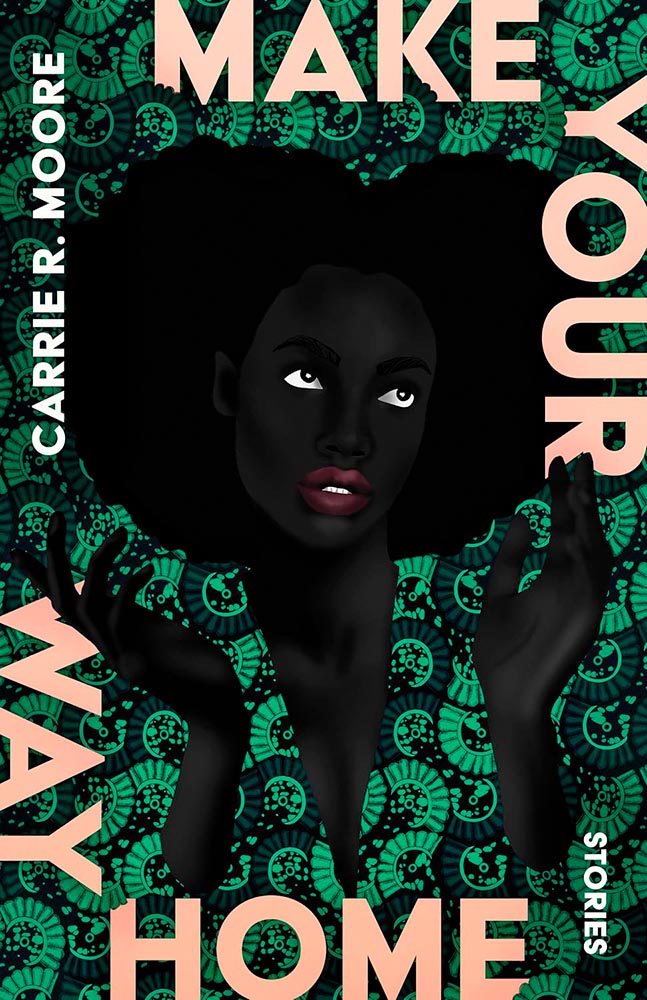
    Cover design by Ssarahmay Wilkinson. Art by Day Brierre.

    Containing short stories set in Lagos, Nigeria, this cover speaks to African roots yet does so in a way that causes both admiration and upset in equal measure. “Brilliant” is overused, but….
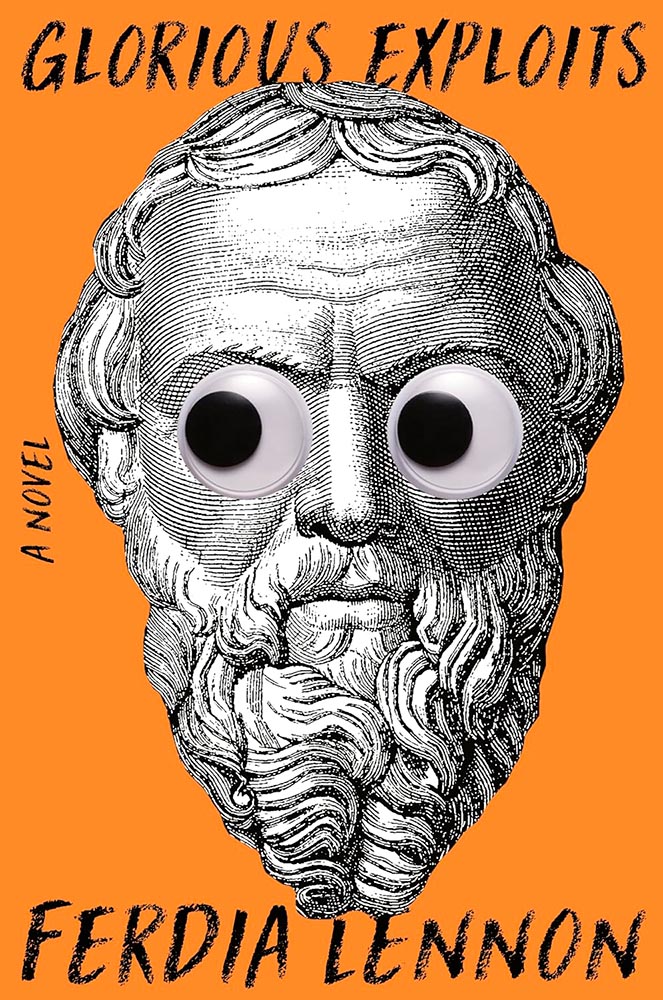
    Cover design by Gregg Kulick.

    “Glorious Exploits,” indeed.

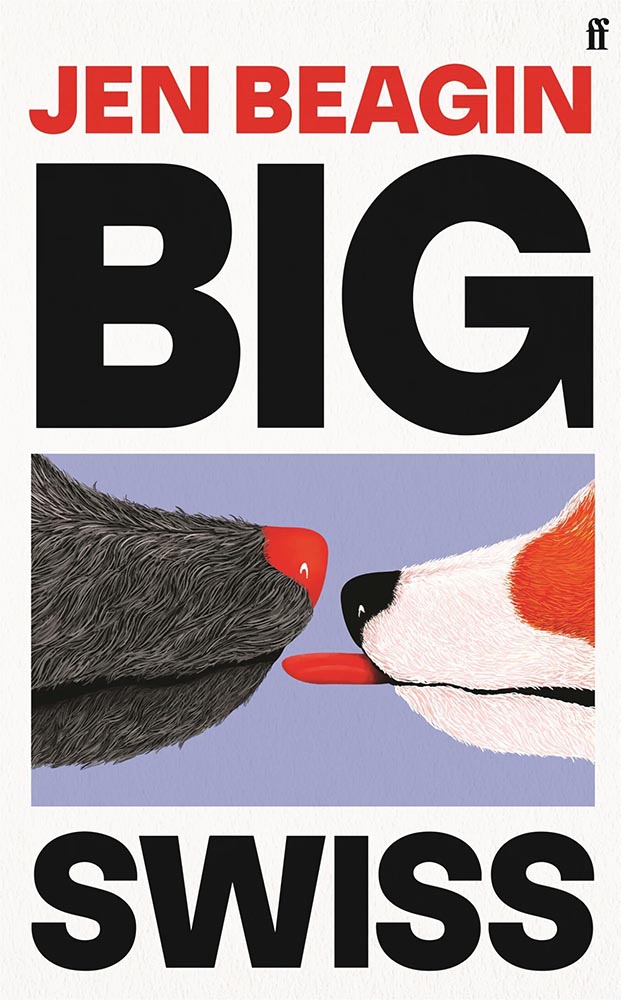
    Cover design by Jack Smyth.

    It’s, oddly, the UK version of this cover that does it for me: the US version relies on art, while Smyth’s version relies on talent. (Perhaps a metaphor for the bestseller within…?)
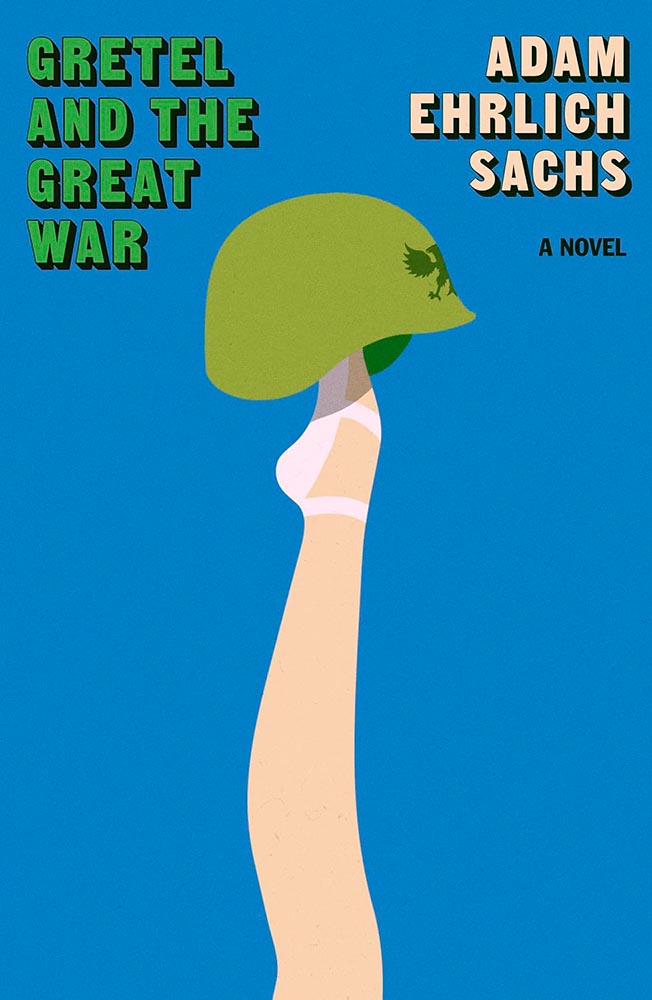
    Cover design by Alex Merto.

    Shades of M*A*S*H, certainly, yet brilliant on its own: lunatics is war.
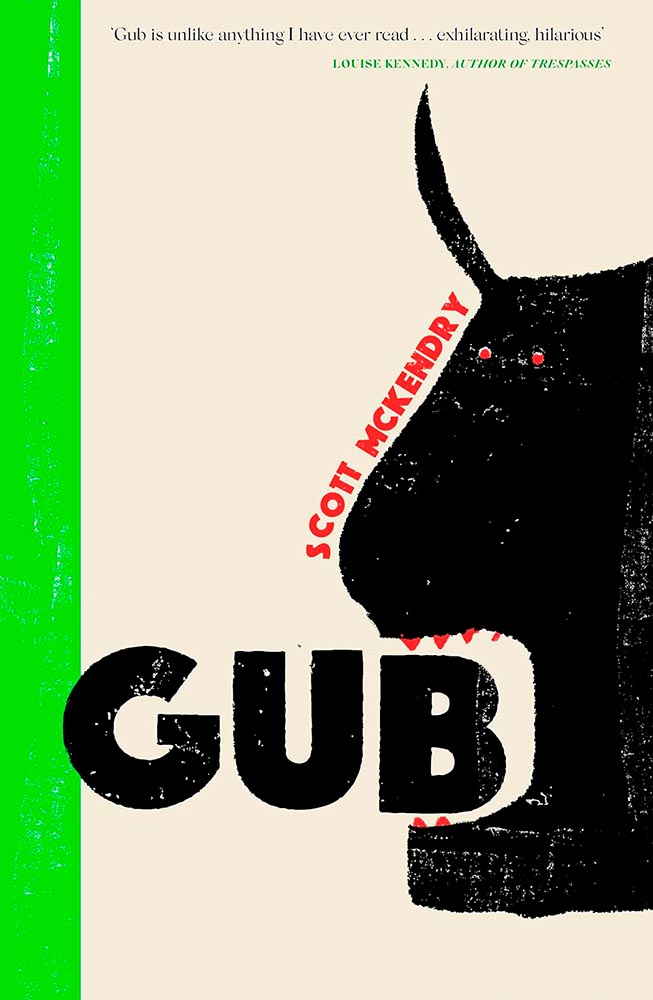
    Cover design by Anna Morrison.

    “Playful demotic,” writ large.

    Cover design by Olivia McGiff.

    “A novel” is King. (Sorry.) Most haunting in exactly the right way.
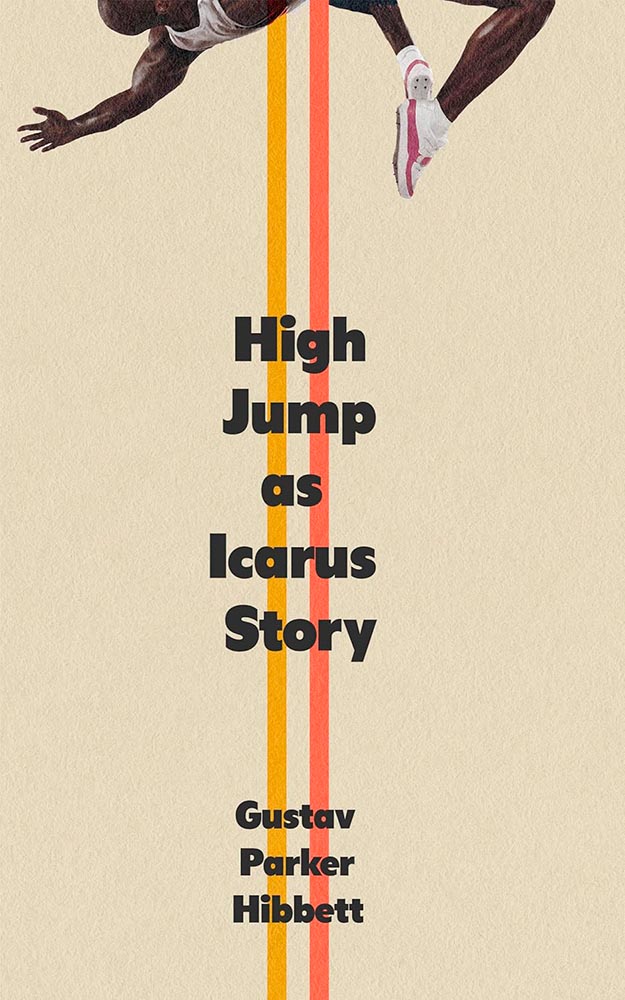
    Cover design by Anna Morrison.

    The paper, the lines, all perfect — but it’s the crop that, well, sends it over the top.
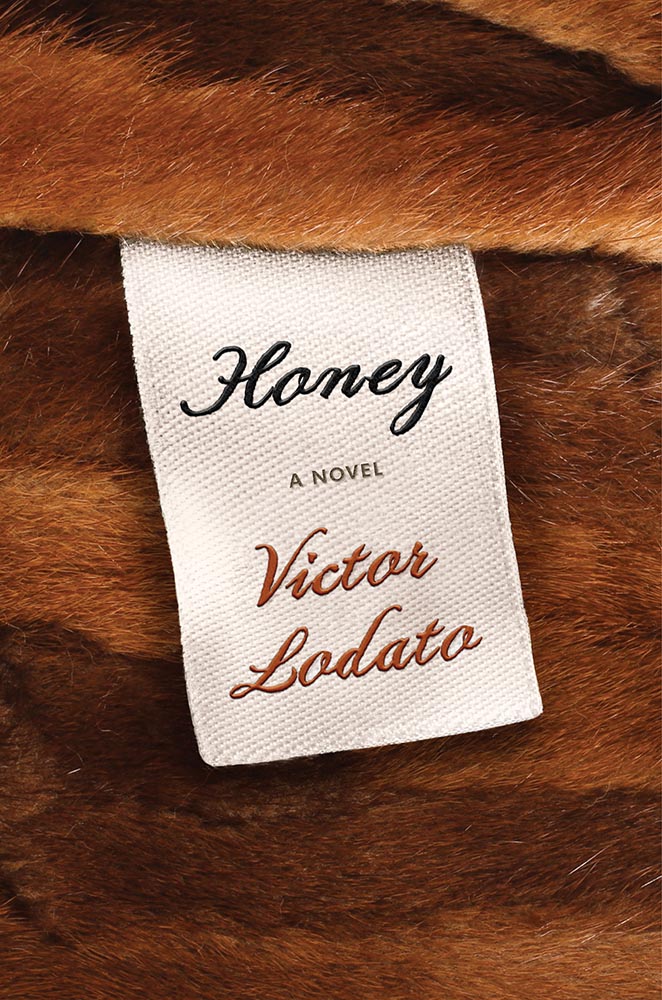
    Cover design by Robin Bilardello.

    Labeled “perfect.”

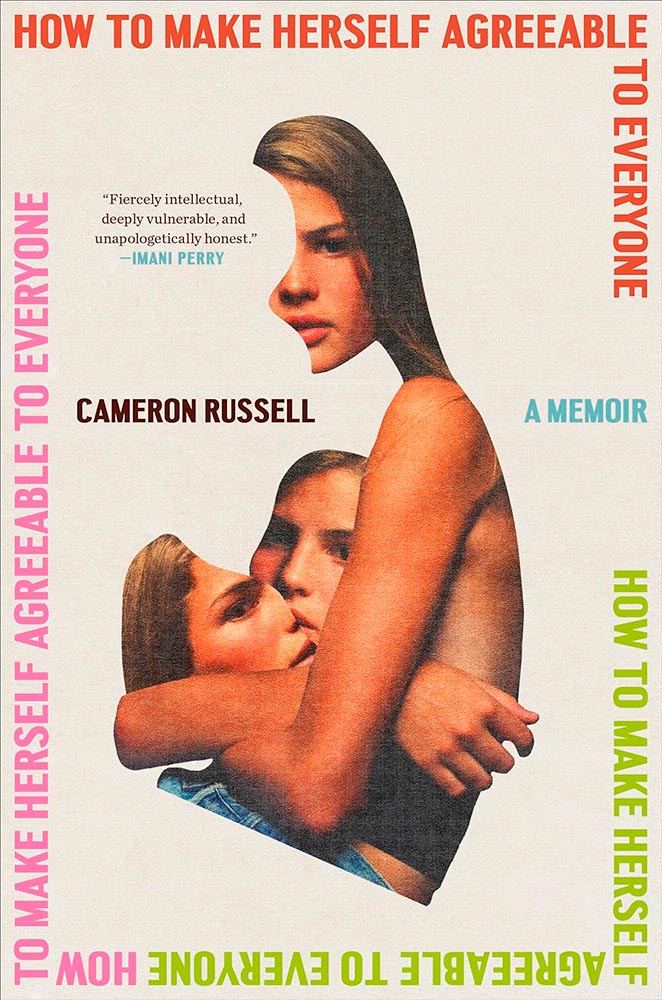
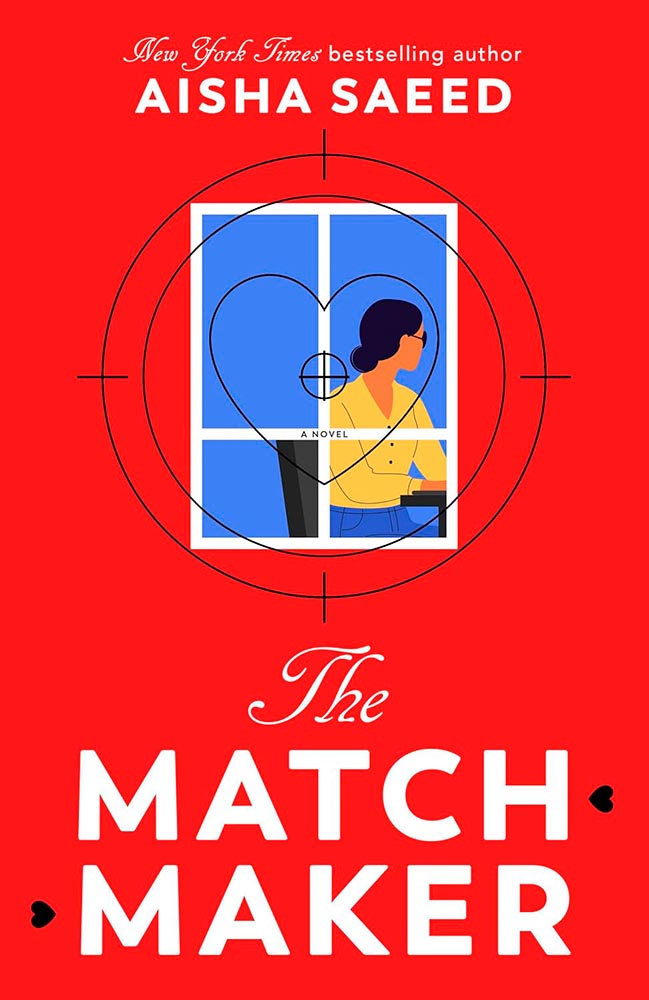
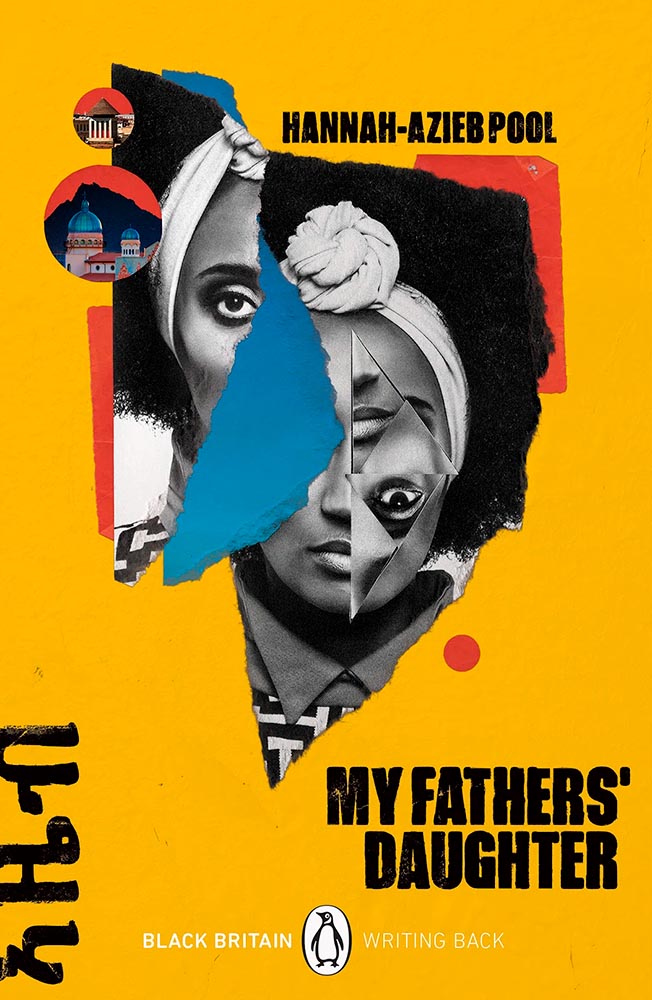
    Cover design by Arsh Raziuddin.

    This girl represents the appropriate reaction to an image-based culture, a cut-apart look in the mirror that shouldn’t necessarily be limited to the fashion industry. (That the collage is vaguely heart-shaped probably ins’t a coincidence.) Bonus points for the title repeating around the edge.
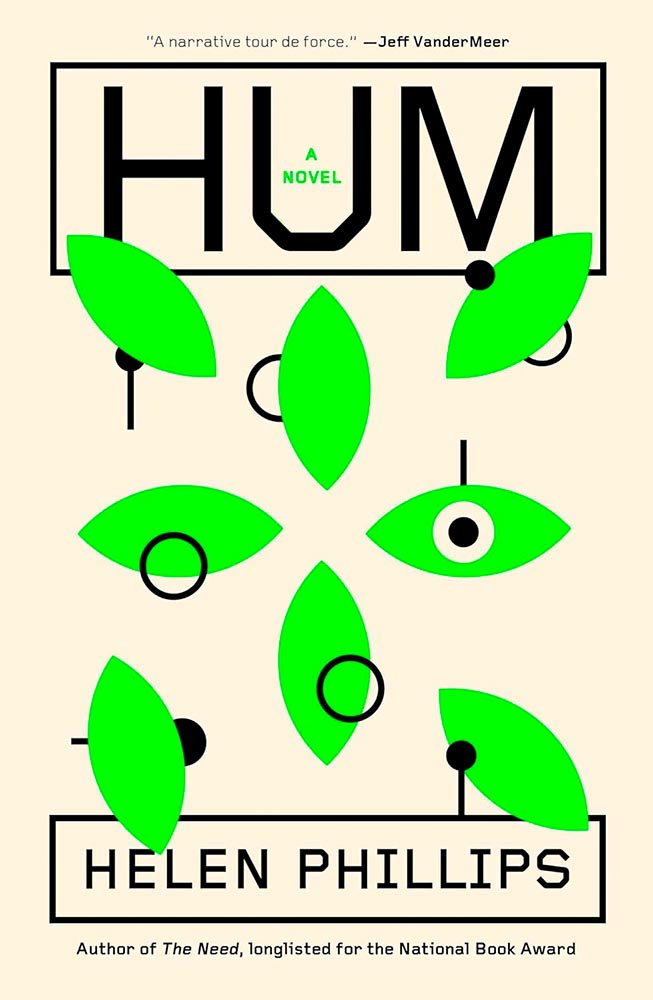
    Cover design by Oliver Munday.

    “In a near-future world addled by climate change and inhabited by intelligent robots called ‘hums,’ May loses her job to artificial intelligence,” the description reads. Yes.
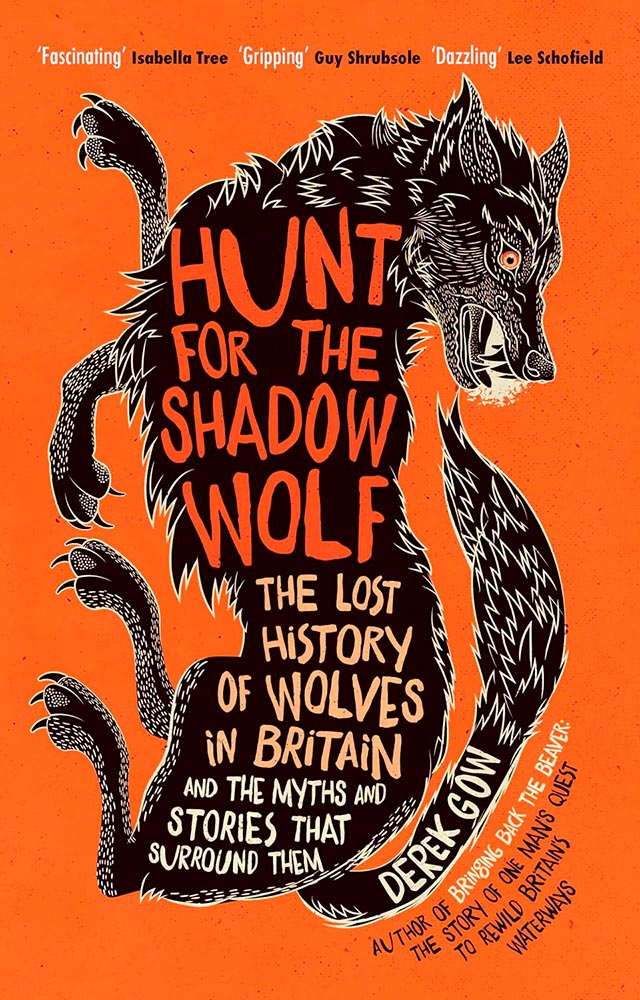
    Cover design by Edward Bettison.

    The illustration and type work so very well together. (Also, color.)
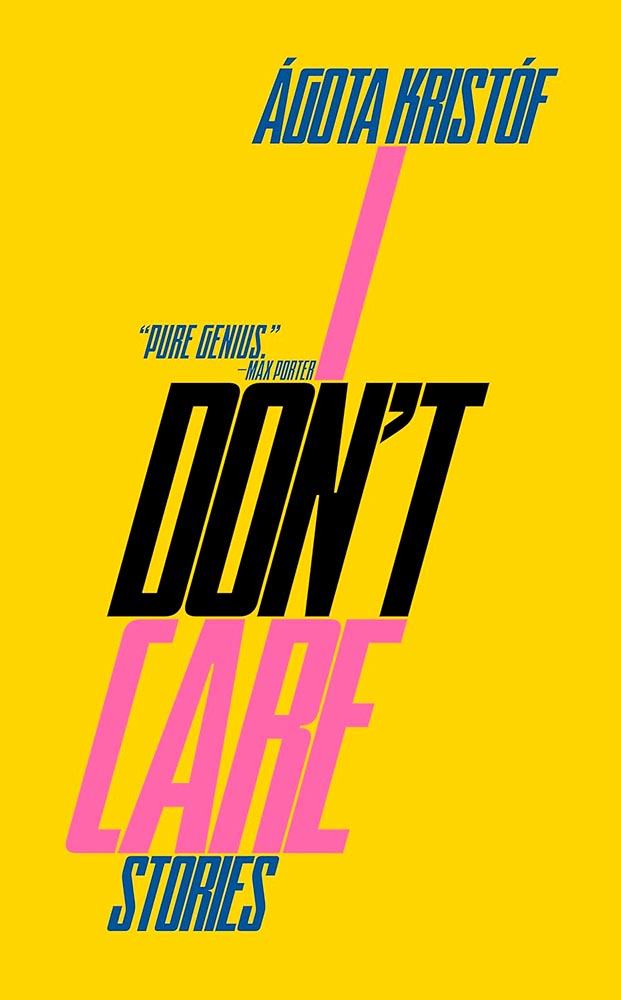
    Cover design by Erik Carter.

    Movie poster! (Also, color.)

    Cover design by Emily Mahon.

    With a title like that, it’s tempting to let it carry the day. Uh … no.
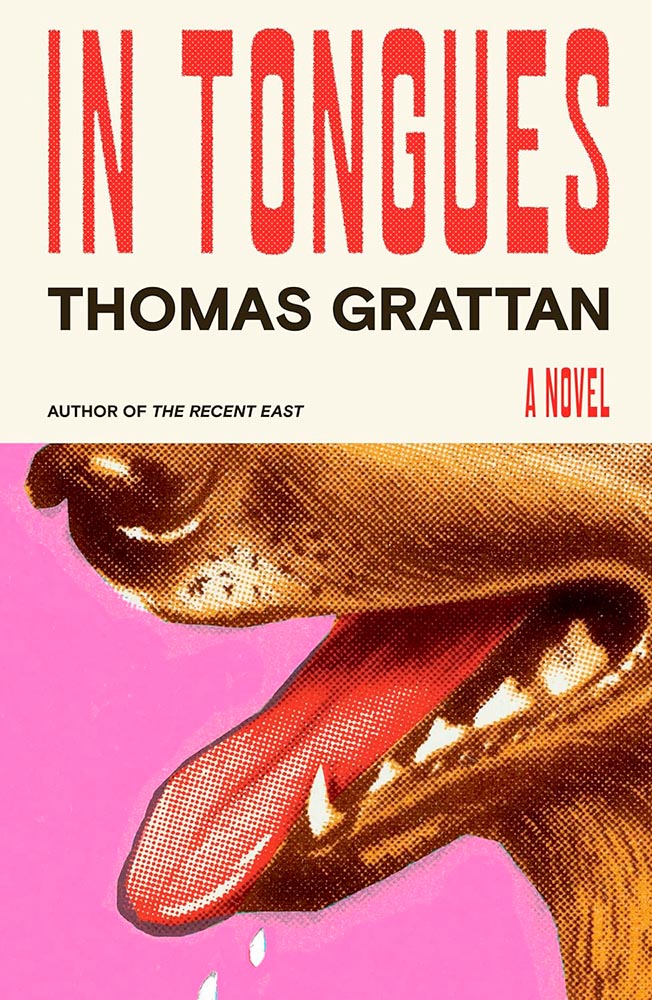
    Cover design by Alex Merto.

    The pink isn’t in halftone. (Also, the drops of drool.)
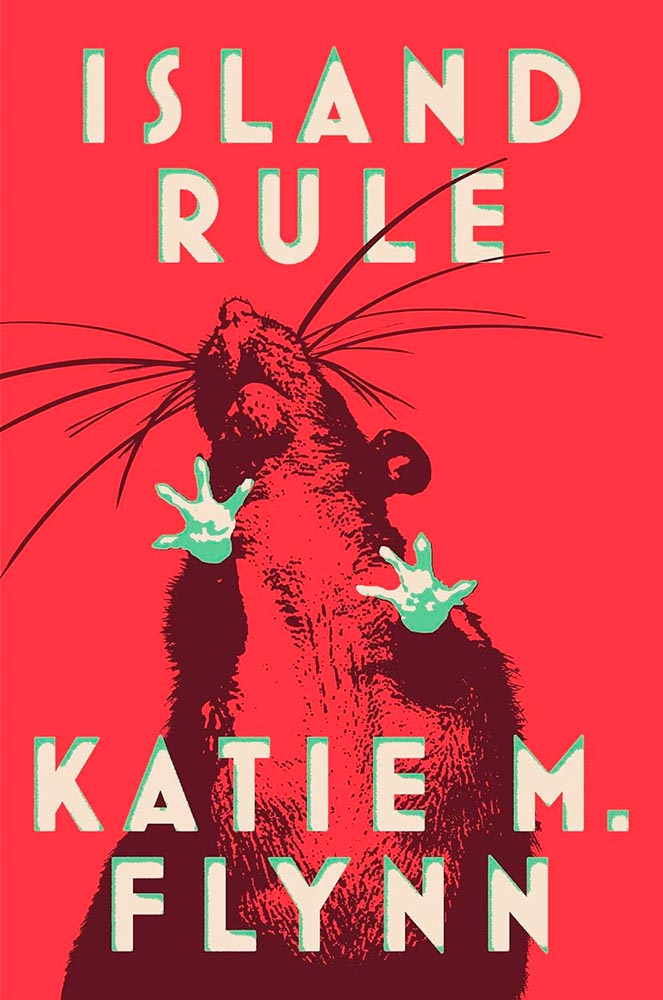
    Cover design by Adriana Tonell.

    A red, red rat is awesome. But it’s the way the green works — in the feet, yes, but especially the type — defines “win.”
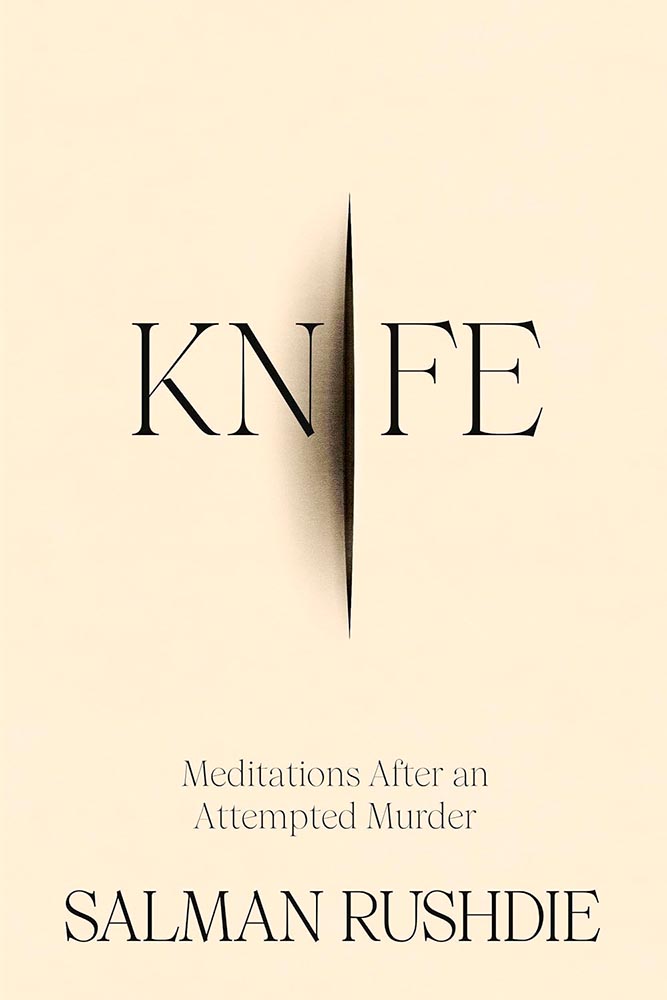
    Cover design by Arsh Raziuddin.

    Not an easy title, handled with absolute skill.
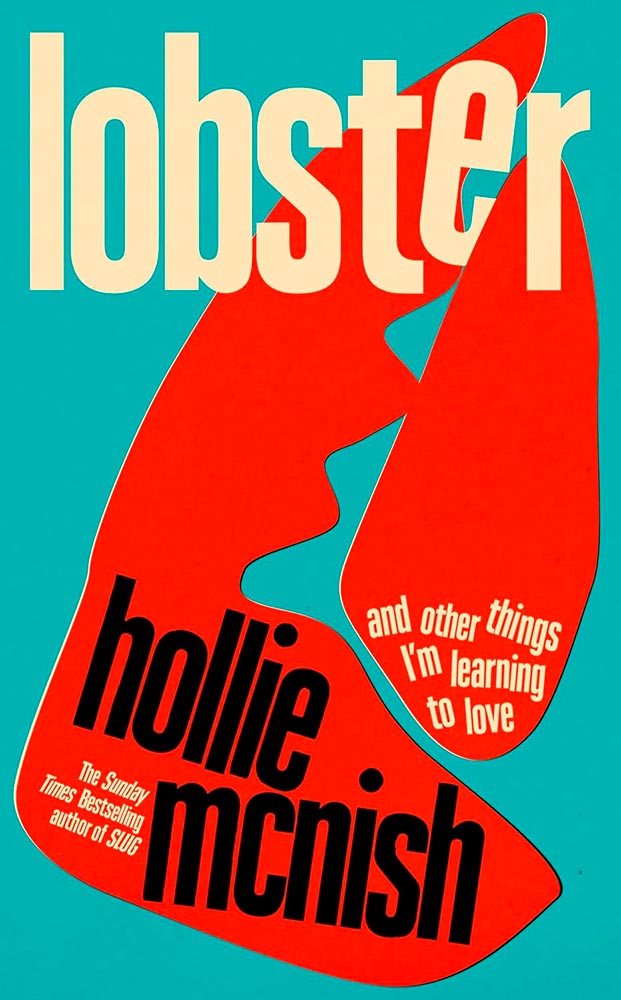
    Cover design by Jack Smyth.

    “This book is written out of both love and hate for the world.” Nuthin’ but love for the cover from me.

    Cover design by Emily Mahon.

    Sometimes, the literal approach works. (Pardon the expression.) But it’s the added burn mark that makes it.
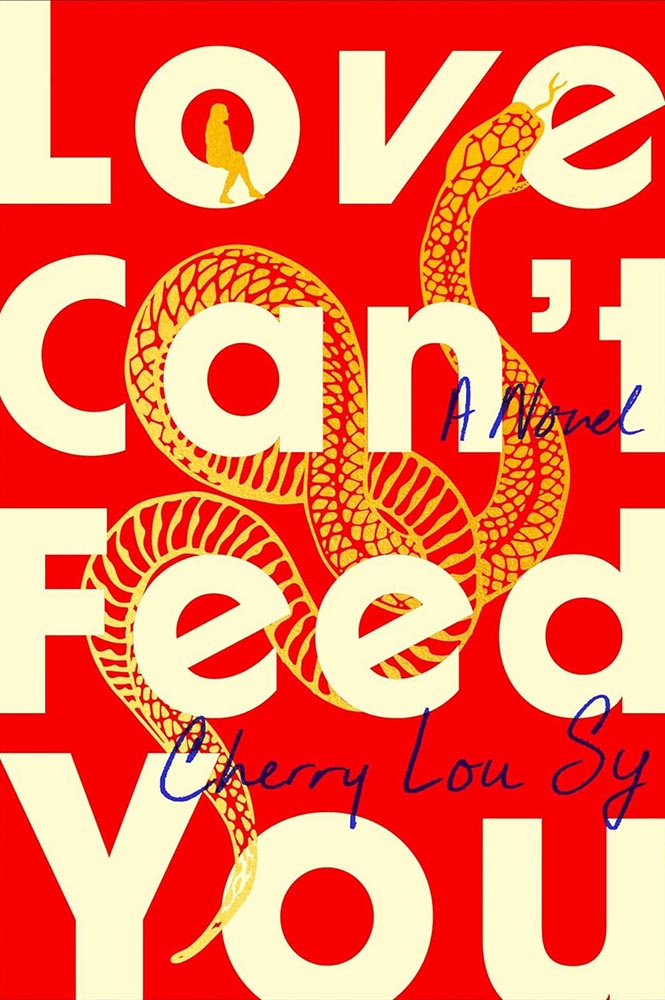
    Cover design by Dominique Jones.

    The red and gold, the title treatment, the complimentary blue ink, and the woman in the “o” are all fantastic. The snake, though, from scales to bite, is superlative.
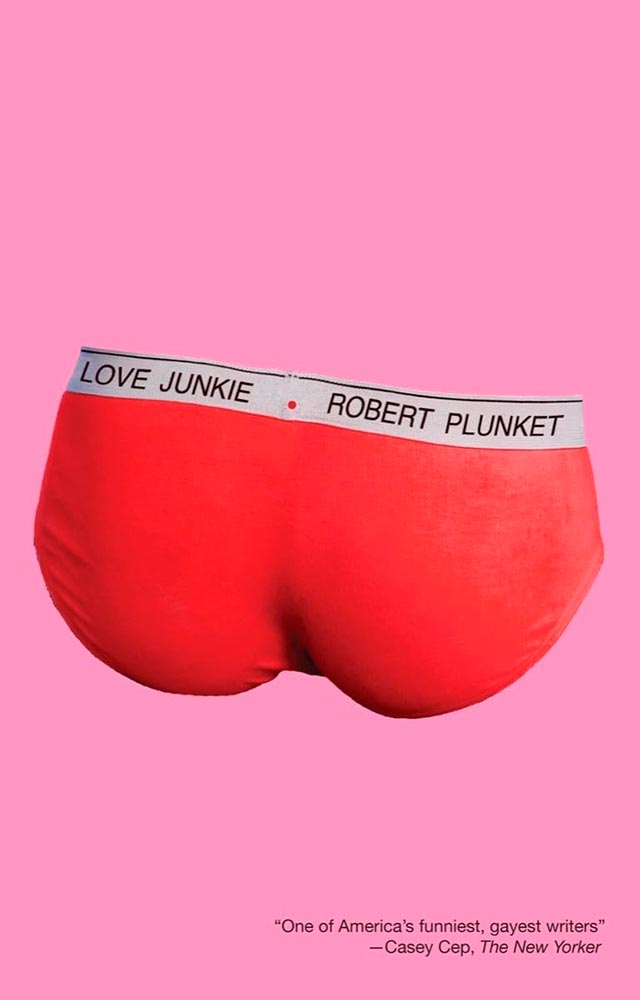
    Cover design by Oliver Munday.

    Oooollllliiiiivvvvvveerr! (Two years in a row, even.)
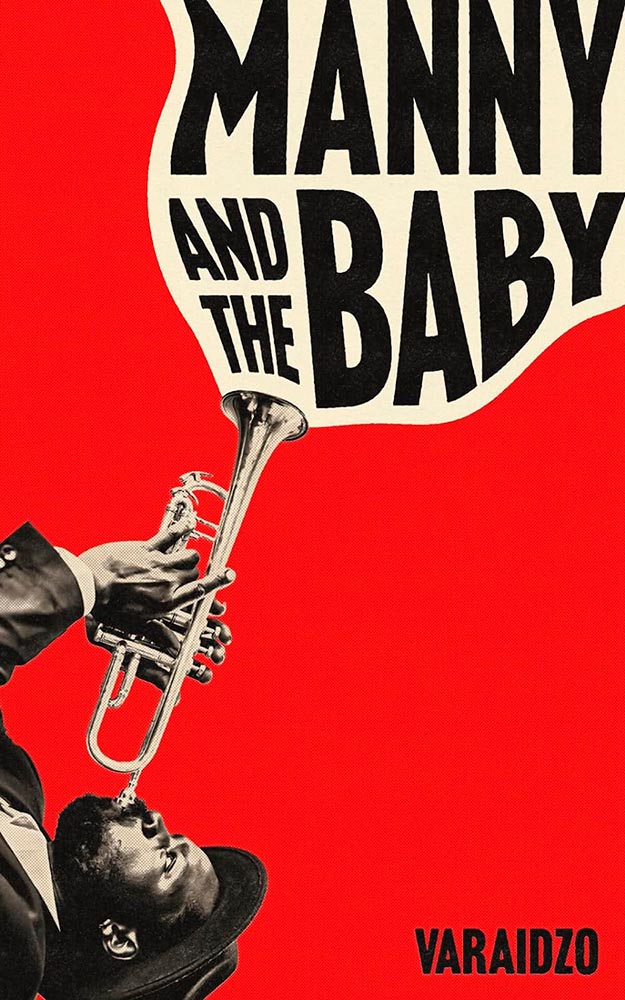
    Cover design by Jodi Hunt.

    “British and Black, with Jazz and Character” is a tough brief, handled here in a way that makes the title incredibly appealing.
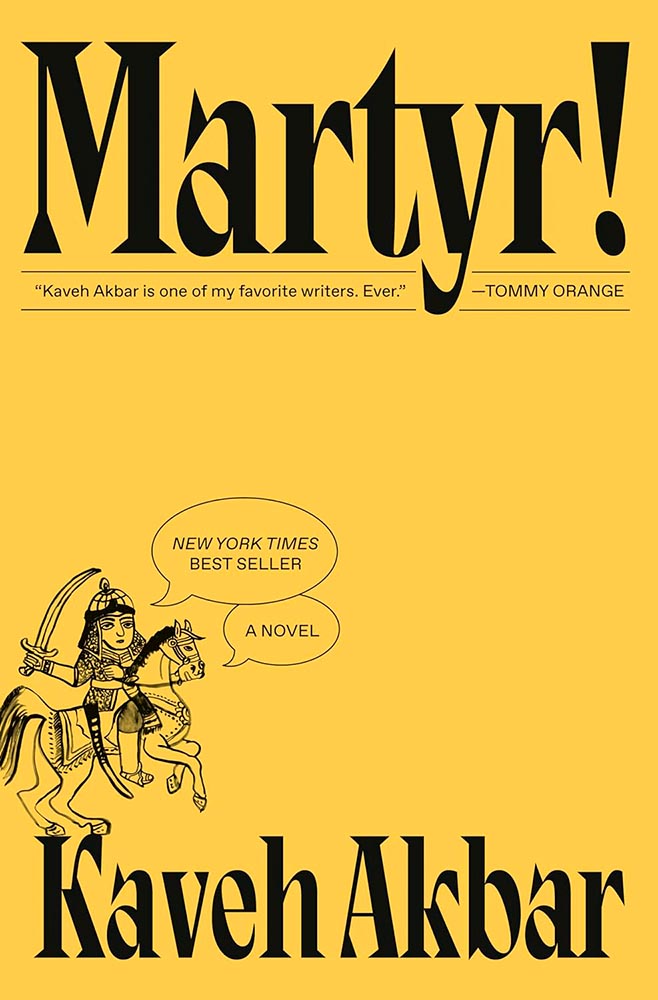
    Cover by Linda Huang.

    Unusual color choice, eye-catching type, the explanation point! But, of course, it’s the illustration — and the accompanying speech bubbles — that take it to the next level. Bonus points for both the hooves balanced on the “K” and the treatment for the pull quote.

    Cover design by Zoe Norvell.

    That yellow, the blackletter title and unusually-spaced author play perfect — and curiosity-peaking — supporting roles to that painting. Purity, indeed.
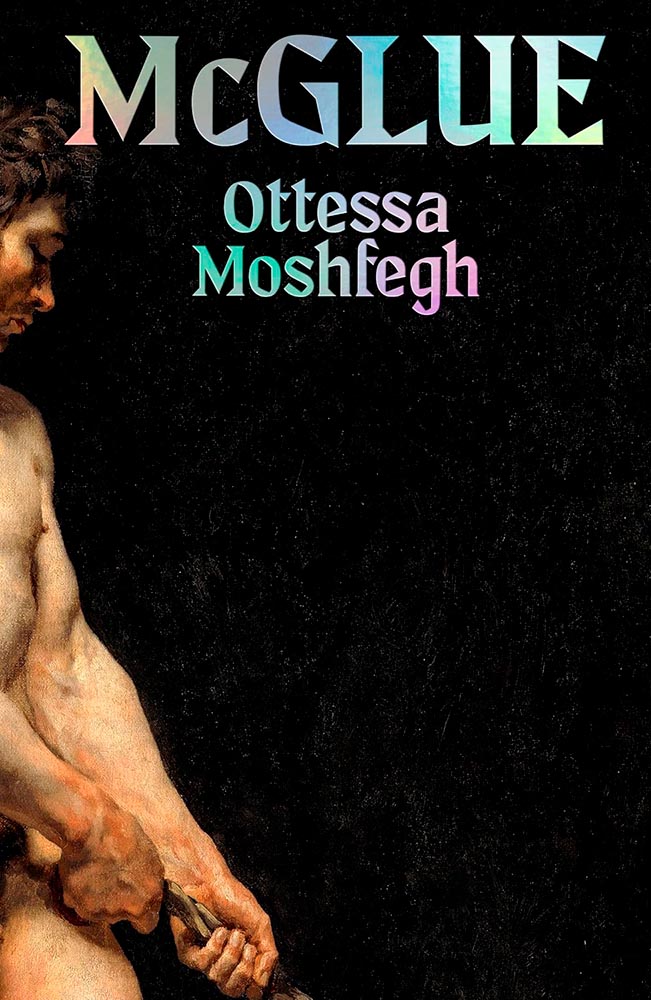
    Cover design by Jonathan Pelham.

    What’s he pulling on, now? (Also, the title/author treatment.)
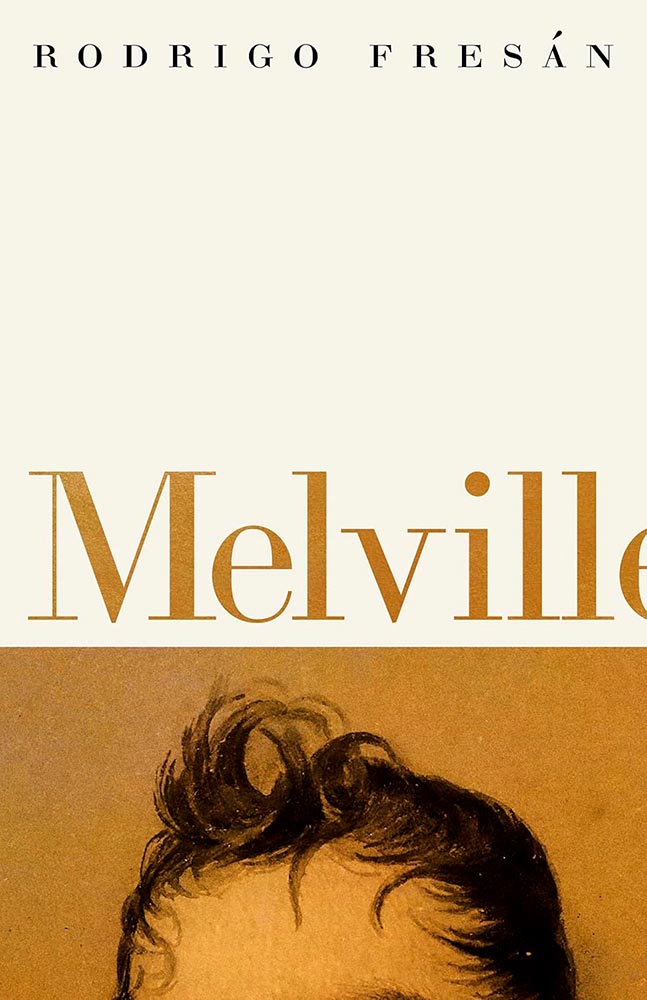
    Cover design by Daniel Beneworth-Gray based on a concept by Daniel Fresán.

    Cropped to perfection.

    Cover by Suzanne Dean.

    The first of three UK versions in a row: this title lights it up.
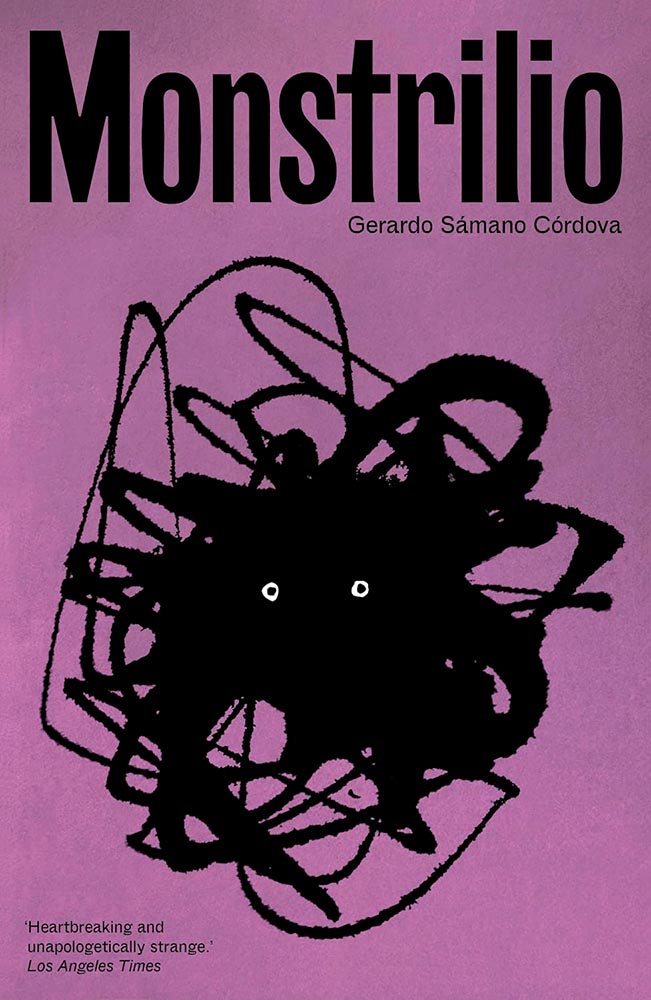
    Cover design by Tom Etherington.

    The US version of this title was in last year’s list, but this UK version is equally strong — in an entirely different way.
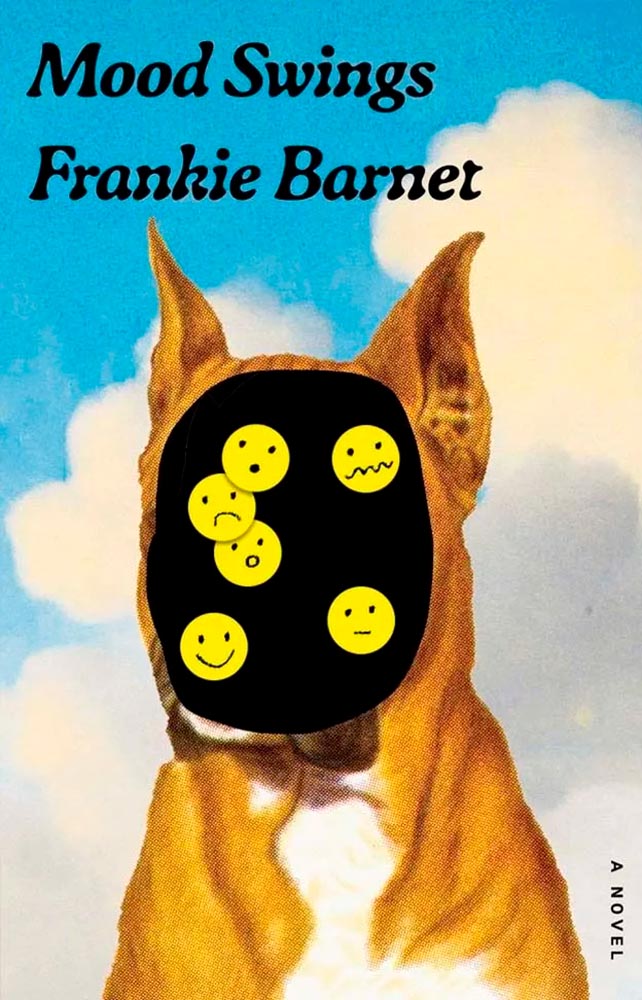
    Cover design by Kate Sinclair.

    Another UK version, another winner. Love the typography. Bonus points for the homemade emoji.
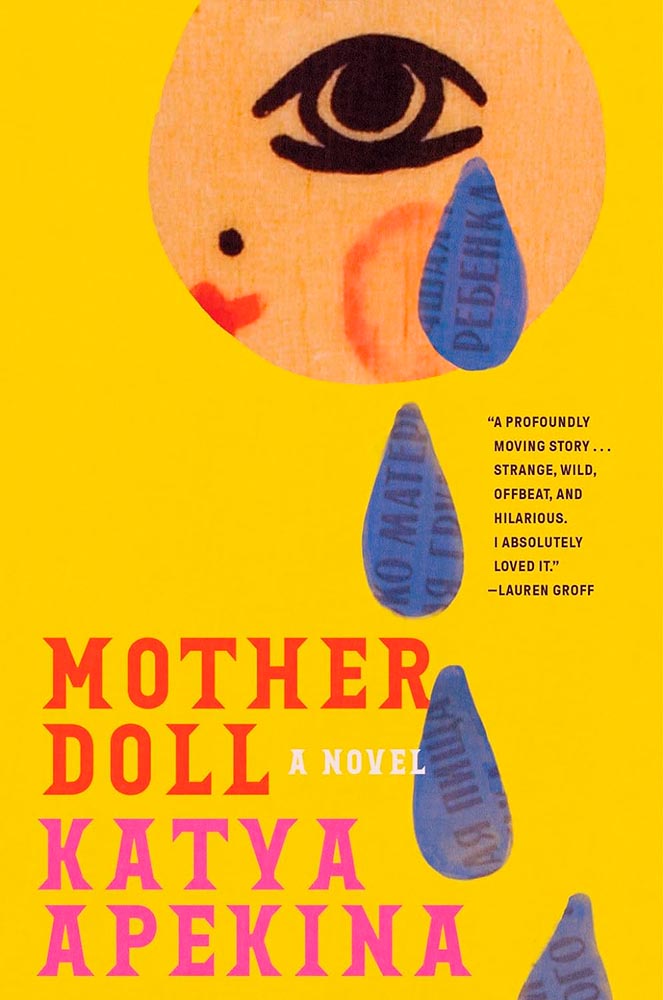
    Cover design by Arsh Raziuddin.

    All kinds of goodness nested into this one, from the title treatment to the slight fading in the tears (which continue on the back cover).
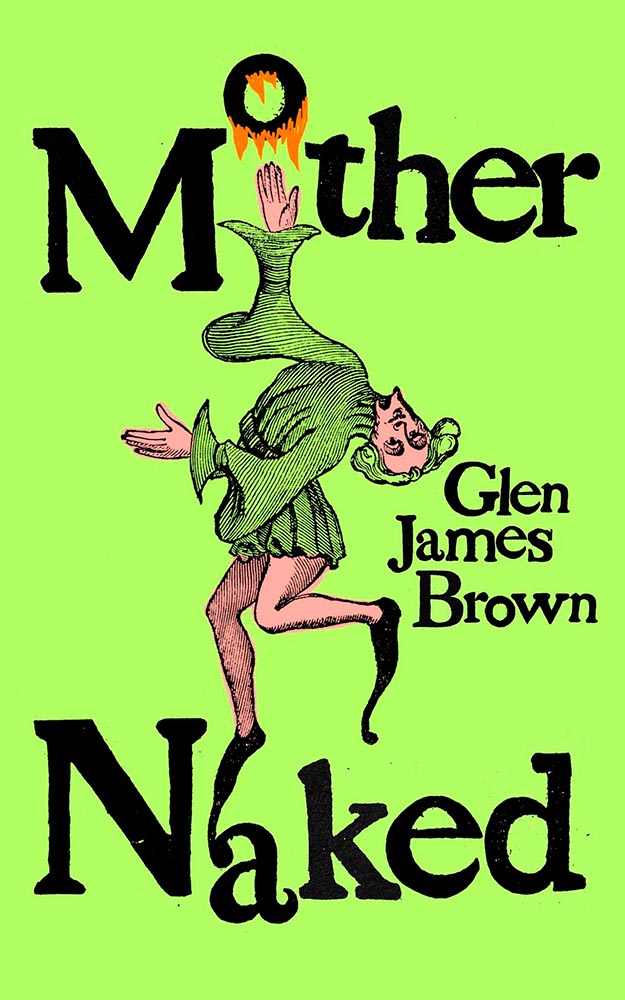
    Cover design by Jon Gray.

    From the green to the typography to — especially — the illustration, this cover weaves a tale from 1434 straight into our brains.
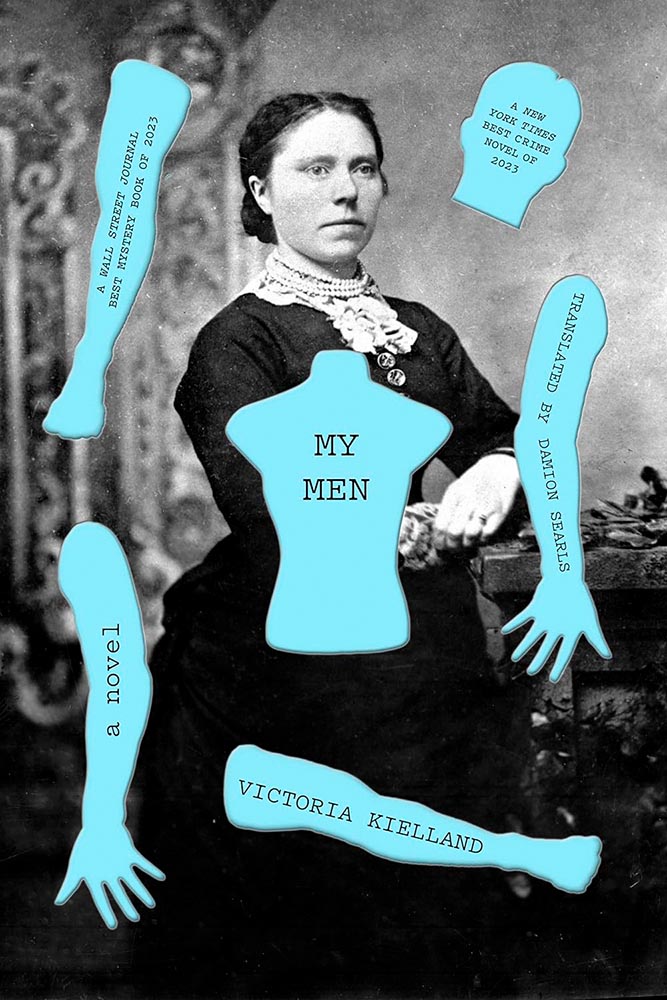
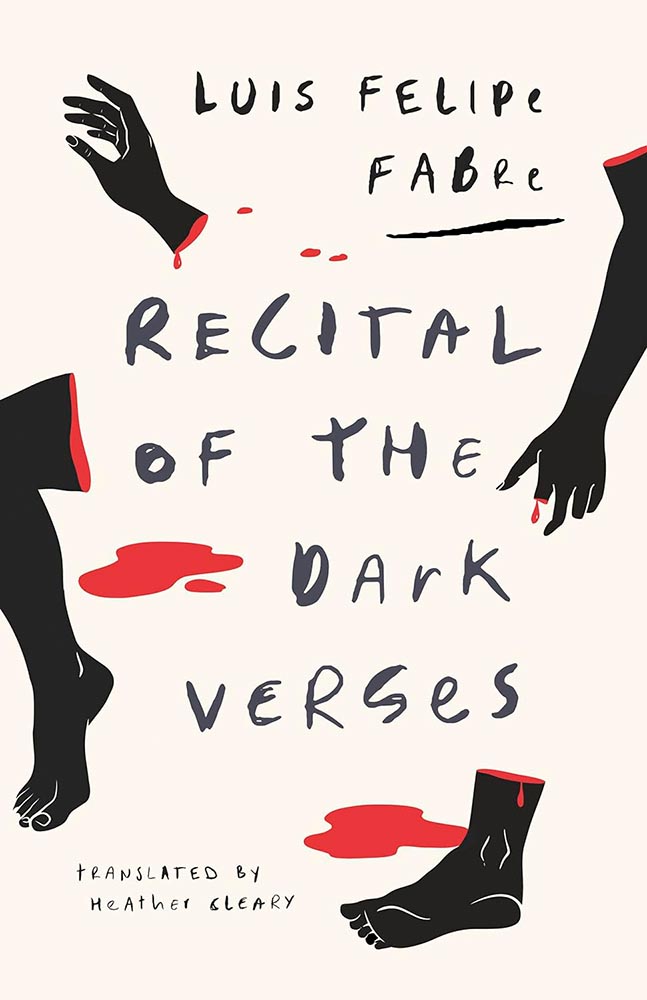
    Cover design by Adriana Tonello.

    The disembodied bits. ’Nuff said.

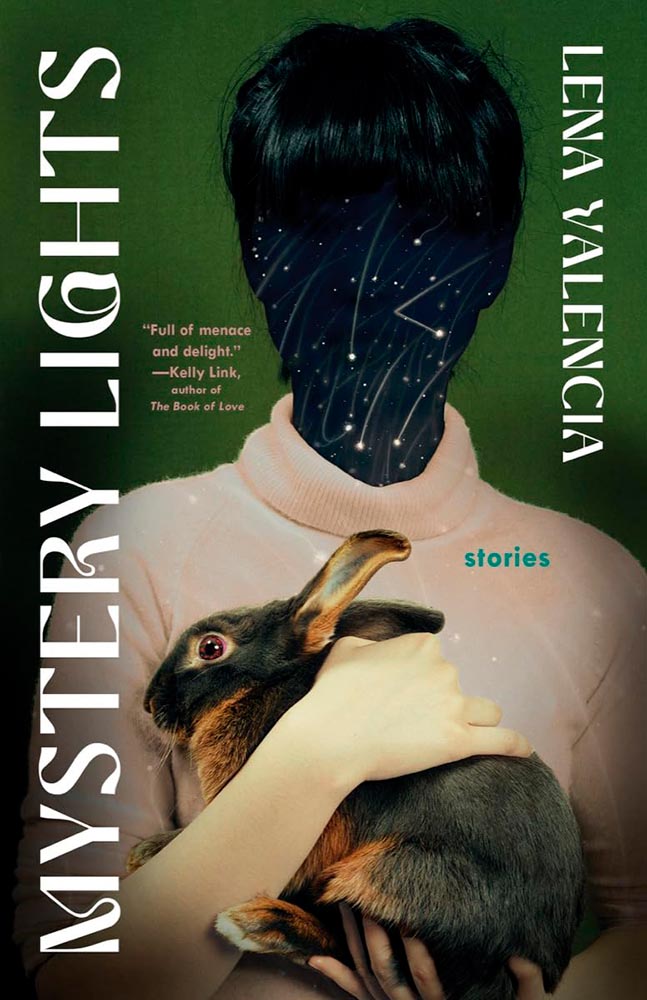
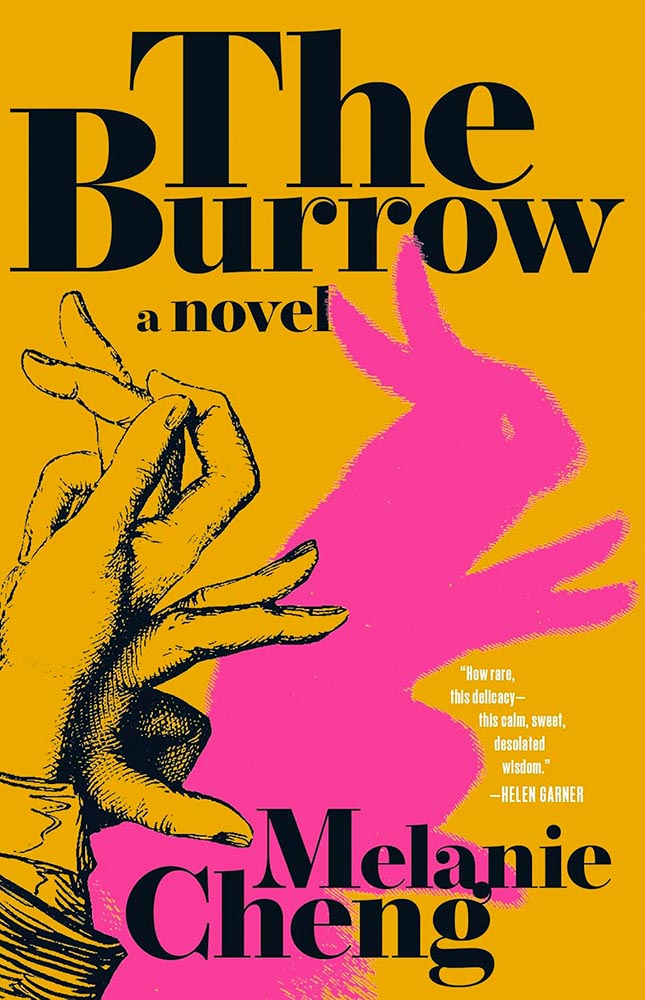
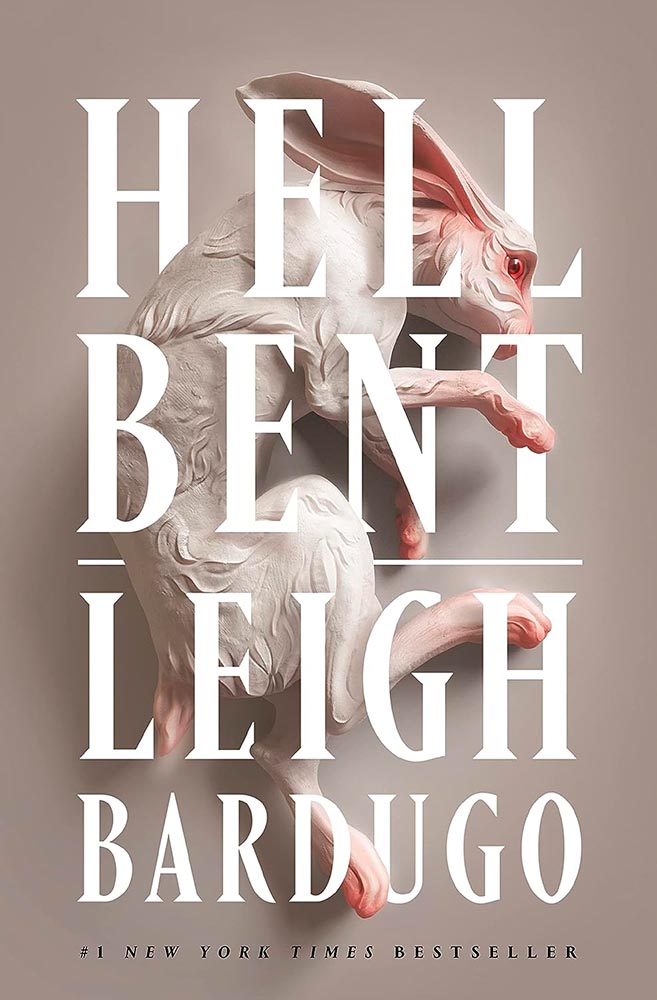
    Cover design by Beth Steidle.

    I feel for the rabbit.

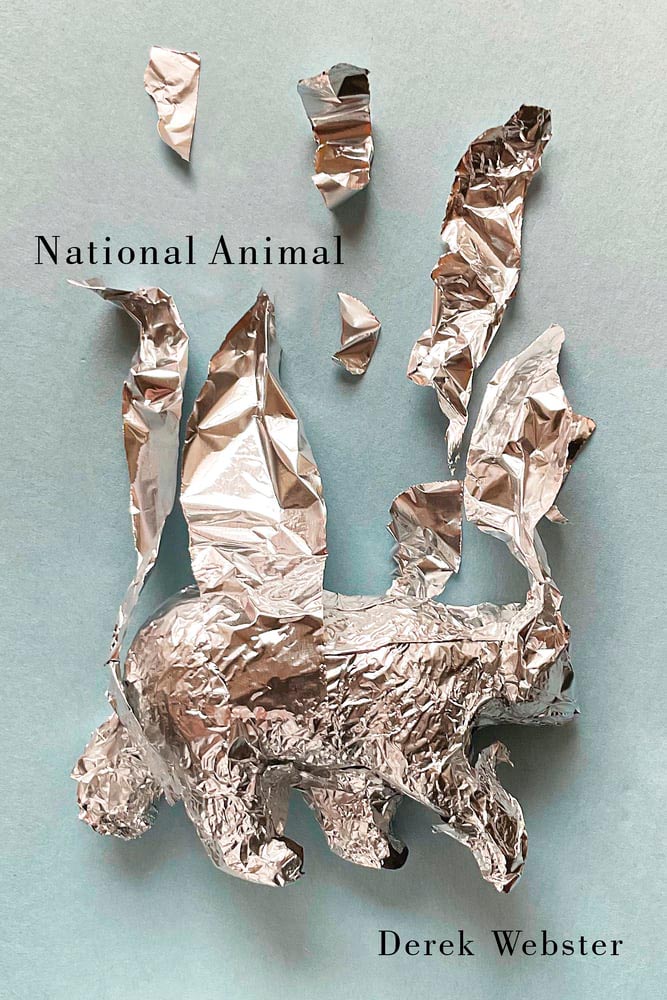
    Cover by David Drummond.

    Speaking of empathy for the animal: this slim volume of poetry is perhaps an all-too-real sign of the times. (The cover, too.)
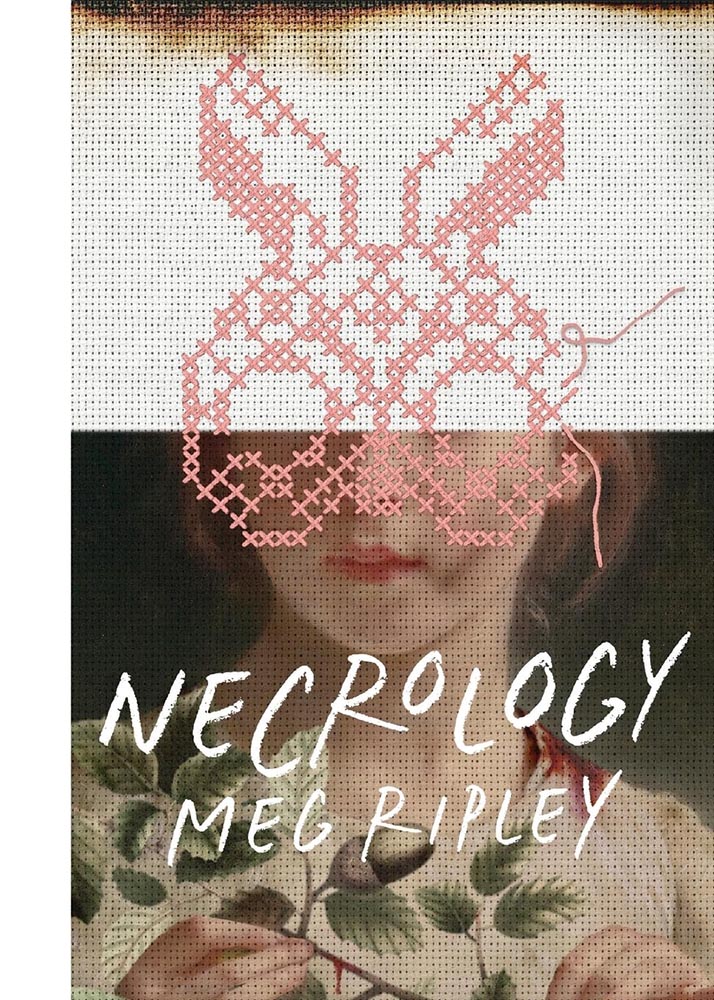
    Cover by Luisa Dias.

    Pink Rabbit, slightly dirty: there’s a quality to this that grabs on and won’t let go. (Thankfully, it’s the first in a series….)
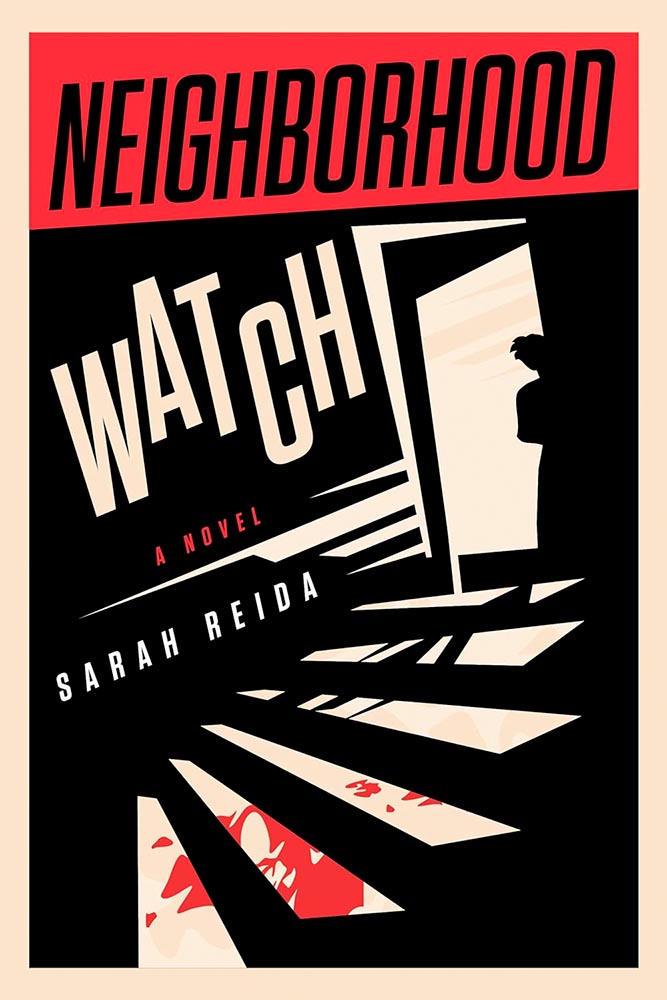
    Cover by William Ruoto.

    The opposite of the above, yet still bloody good at capturing attention.
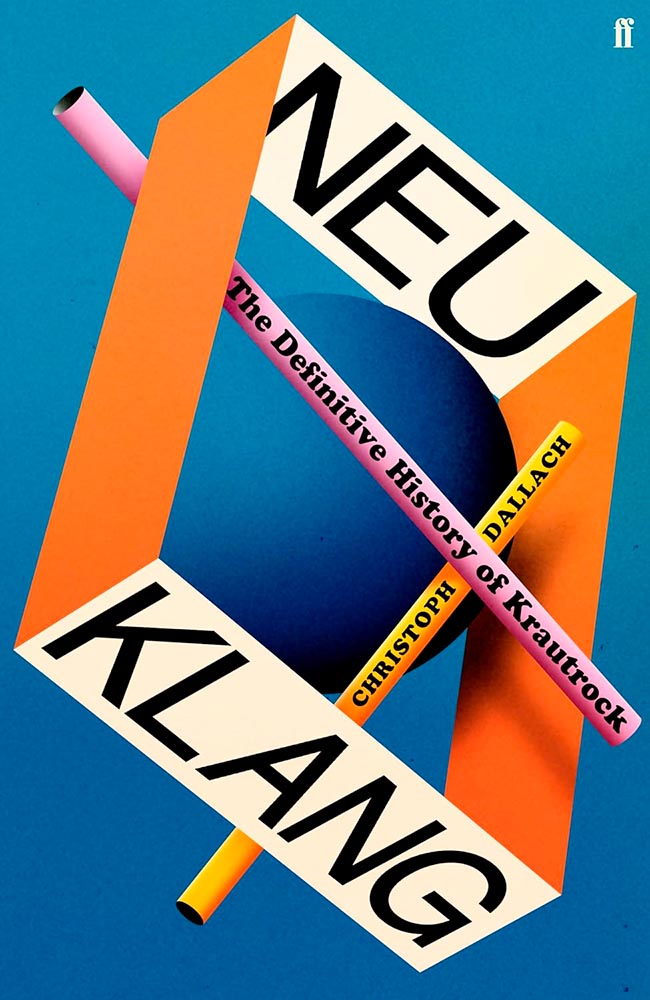
    Cover by Jack Smyth.

    1968 called, with the perfect cover original of the moment.
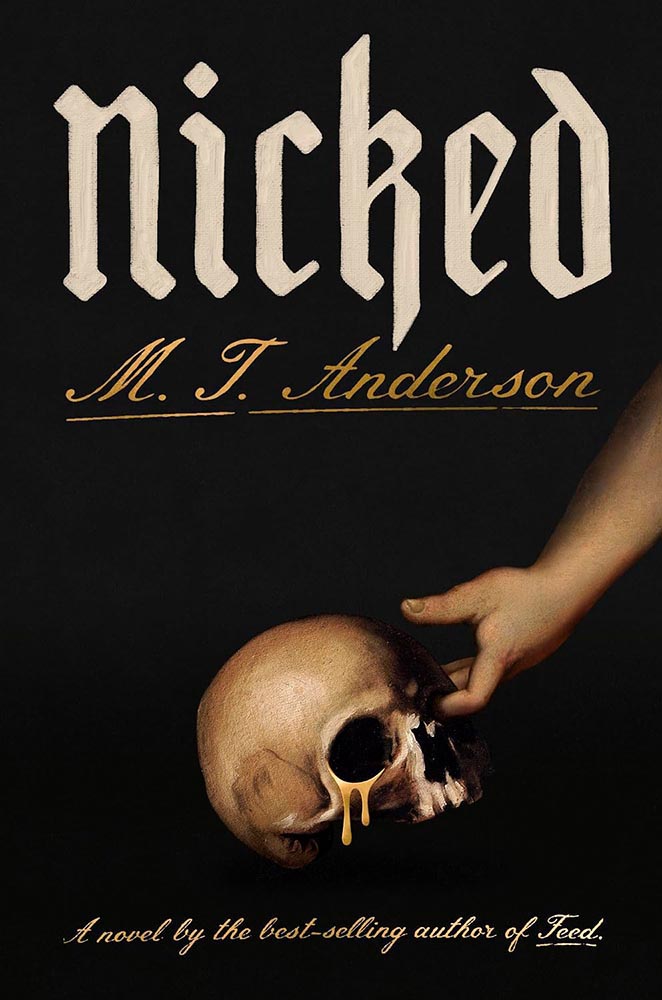
    Cover by Zak Tebbal.

    “Do a cover on sacrilegious theft,” someone said. Saint Nick brought us a gift.
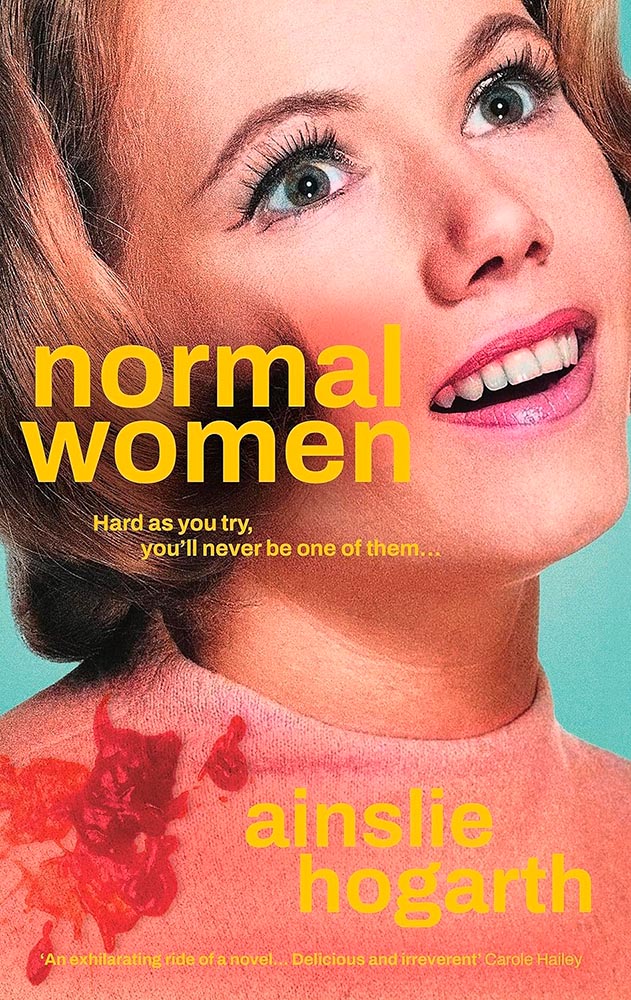
    Cover by Holly Battle.

    Hard as one might try, topping this might never be possible.
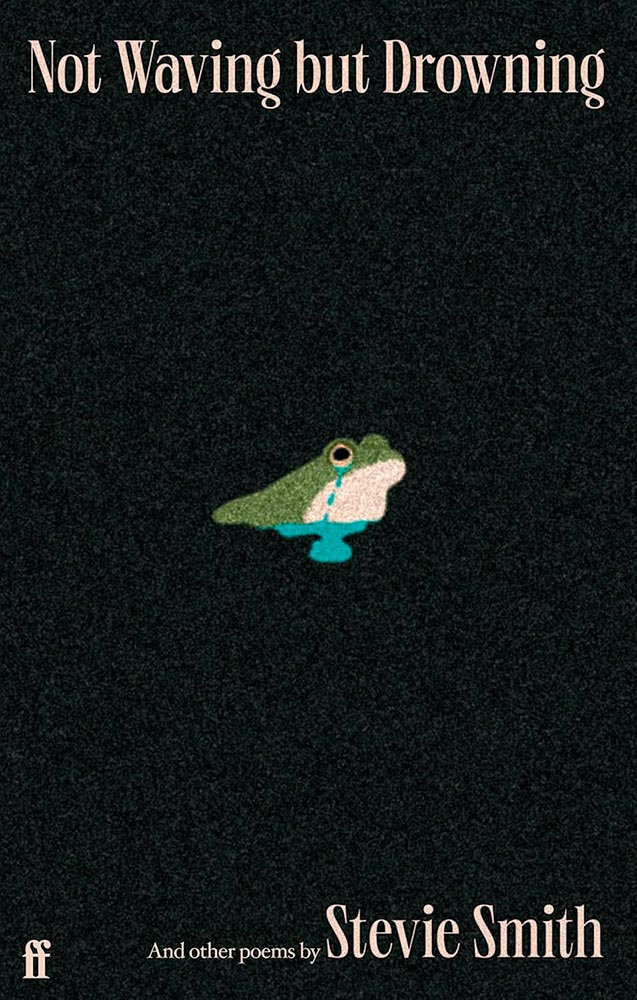
    Cover by Pete Adlington.

    This UK title’s cover does so much more than it has any right to. Brilliant. (Bonus points for the grain.)
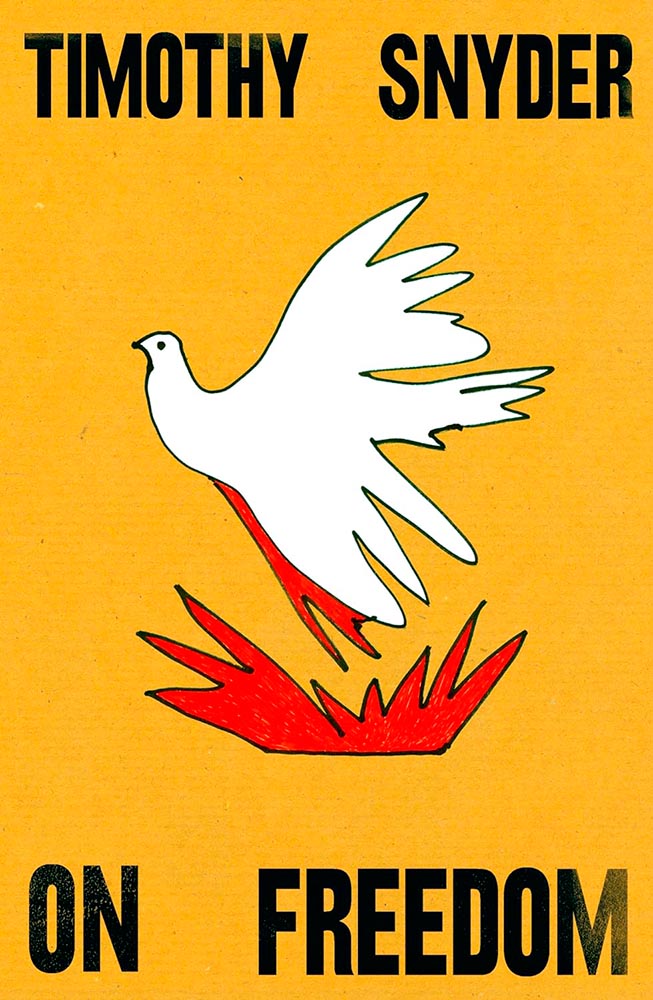
    Cover design by Suzanne Dean. Art by Anton Logov.

    Another gem from the less-is-more department. (Also, the paper texture and slight aging on the lettering.)
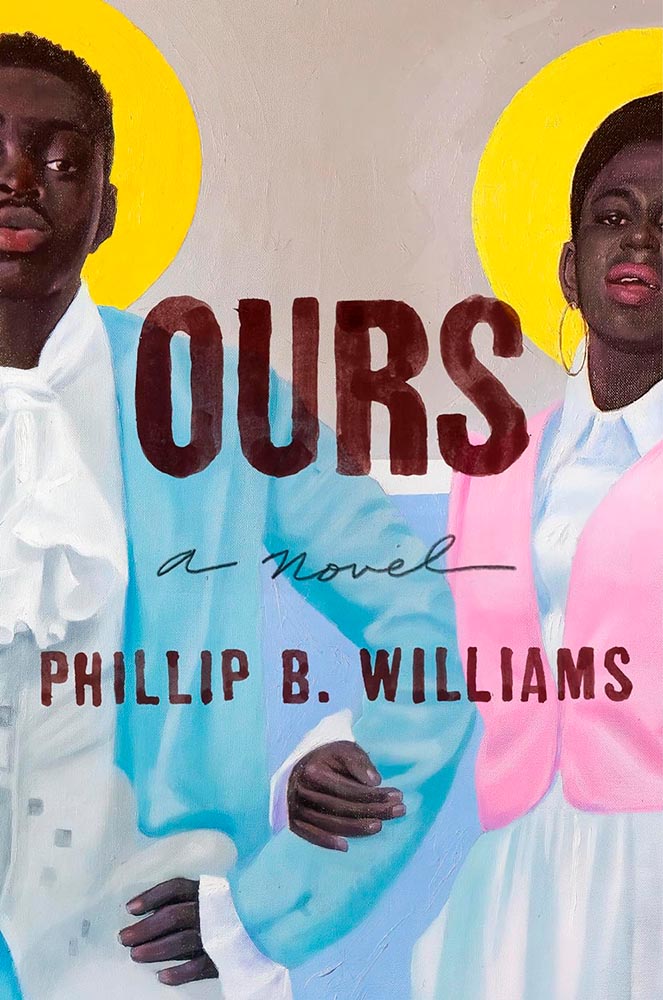
    Cover design by Lynn Buckley. Art by Damilola Opedun.

    There’s something about this that just works. Take a moment to read this LitHub intro instead of listening to me.
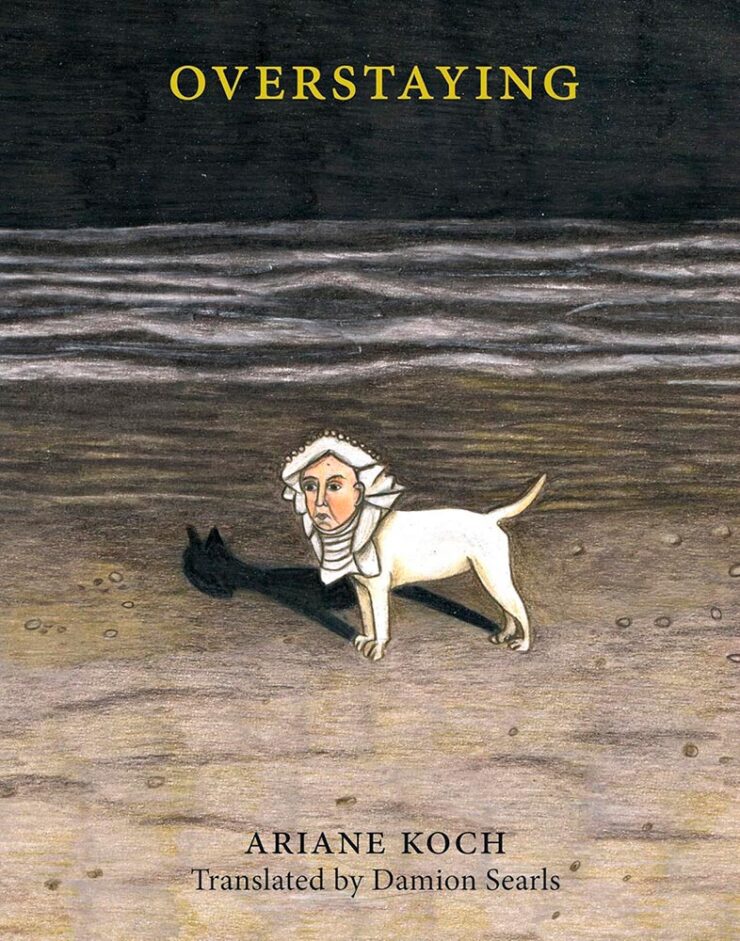
    Cover design by Lucie Kohler.

    Overstays … in your brain. Very nearly put this at the top of the pile.
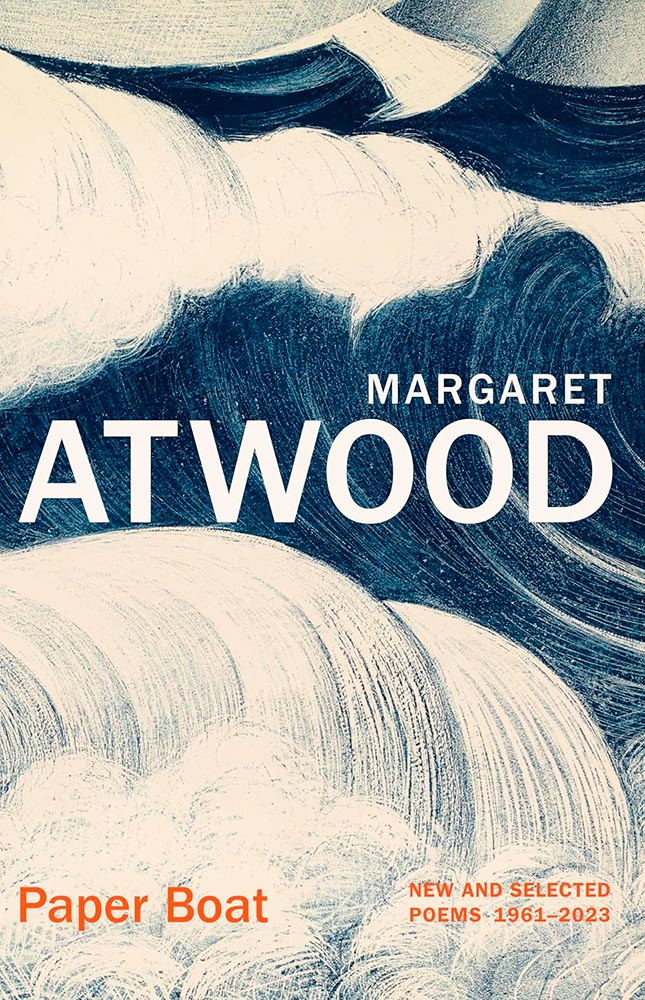
    Cover design by Suzanne Dean.

    The energy in this cover is fantastic. But it’s what’s under the cover:
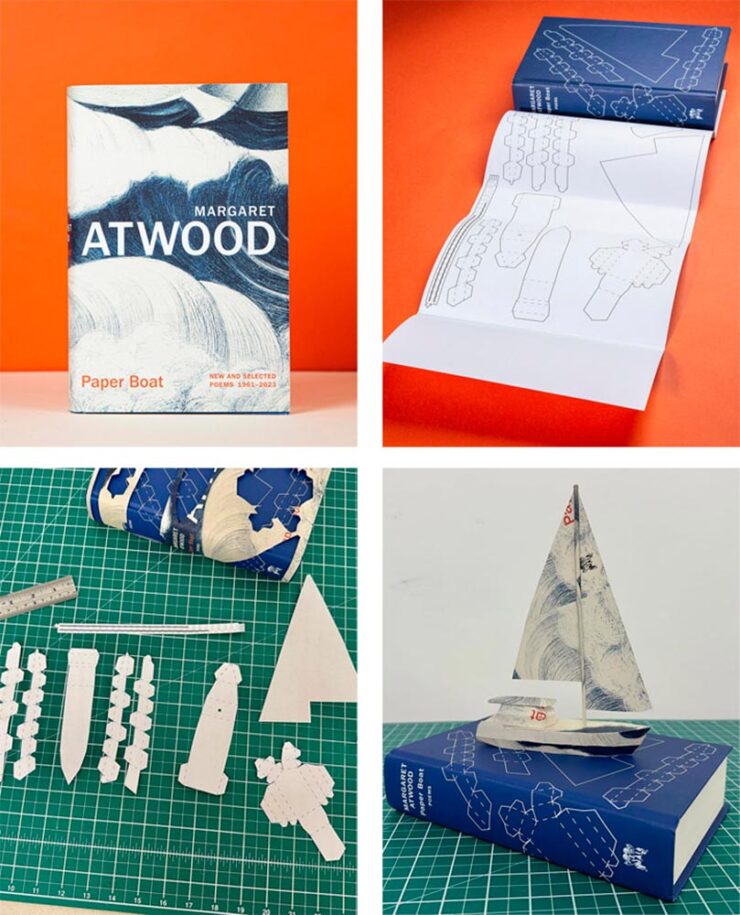
    Paper art by Nathan Ward. Photos courtesy of LitHub.

    The printed cover, too. Awesome.

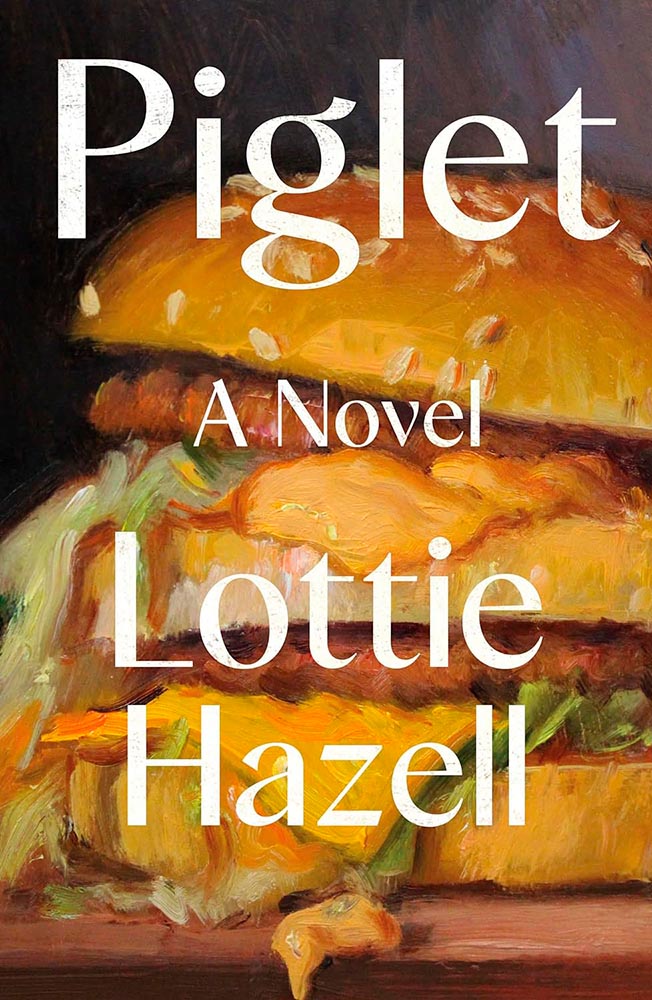
    Cover design by Jenni Oughton. Art by Noah Verrier.

    Leaving aside the notion that Americans can recognize a Big Mac on sight, even when idealized/stylized — beautifully — like this, it’s the perfect compliment to this title.

    Cover design by Tyler Comrie.

    Farcical dystopia, embodied.

    Cover design by Tom Etherington.

    Unsee the face! (Bonus points for superlative typography.) Battled with Chimera and Rough Trade for one of the top spots.
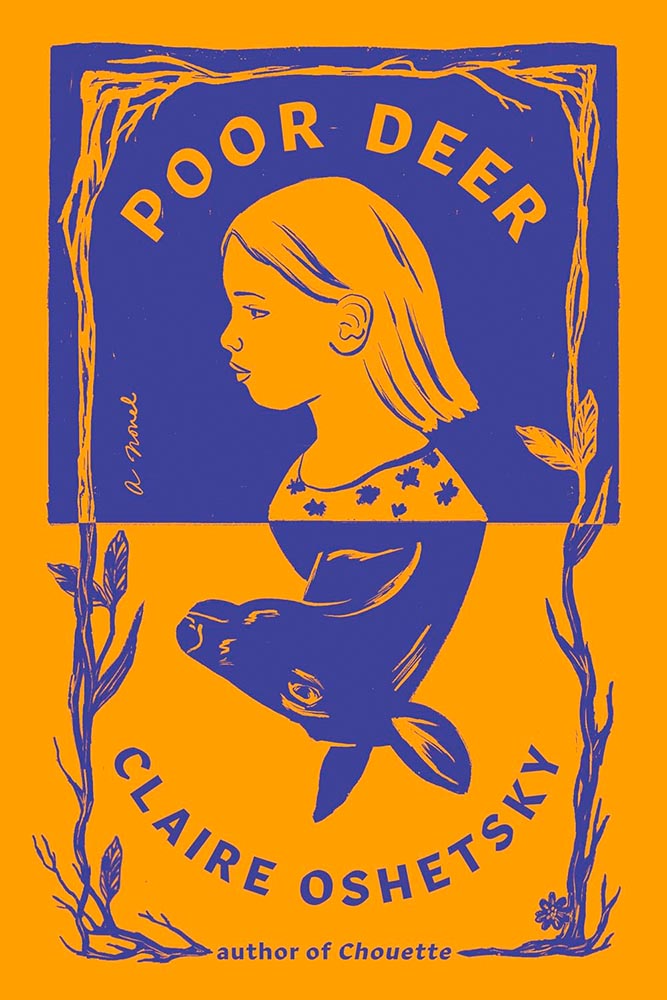
    Cover design and illustration by Vivian Lopez Rowe.

    Reflections, indeed. (Also, color.)

    Cover design by Sukruti Anah Staneley.

    “Prod the bitch that is Life and become her.” These thirteen linked stories demand a cover that leaps off the shelf and grabs you.

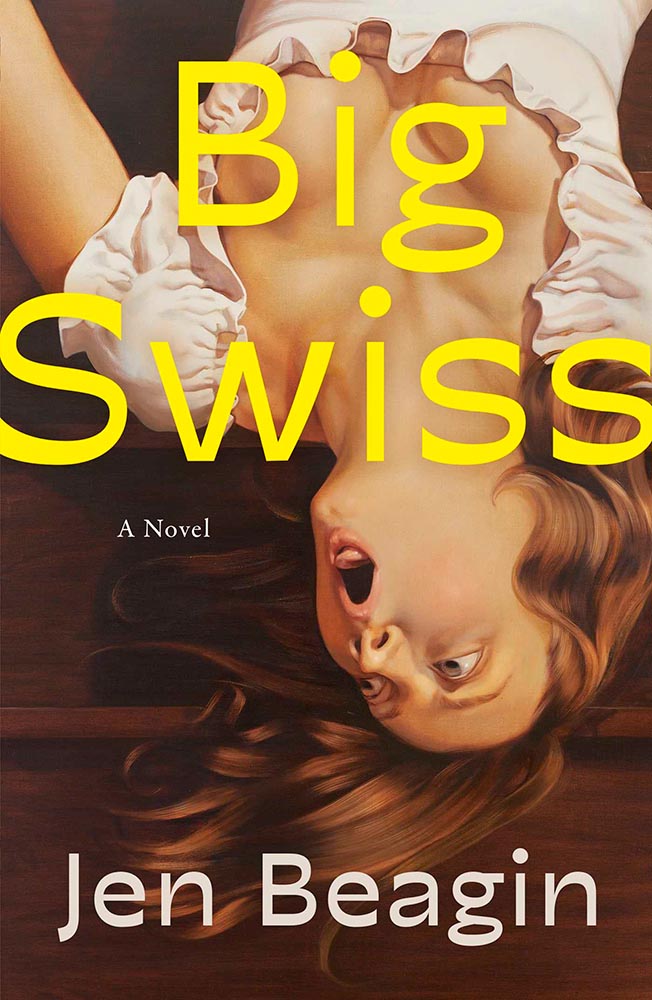
    Every year, there’s at least one title that so incredibly well illustrates how that notion works here in the US versus in the UK, and this year, it’s this one. I really like the above — the color’s awesome, and those teeth! — and believe it’s exactly right for the US market.
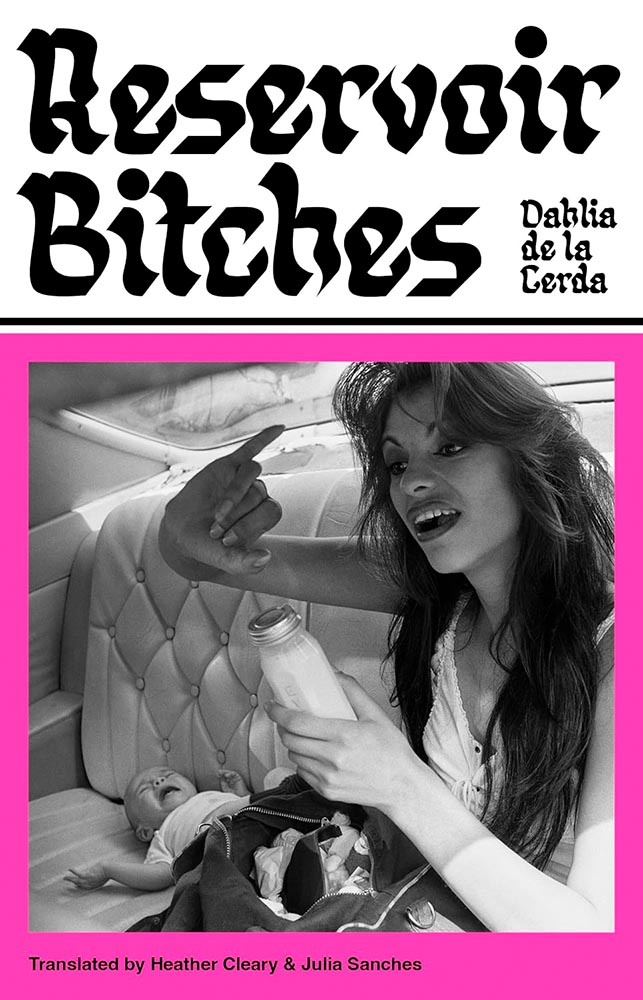
    Cover design by Luke Bird. Photography by Graciela Iturbide.

    But for the UK market … that photograph. (Bonus points for the title treatment.)
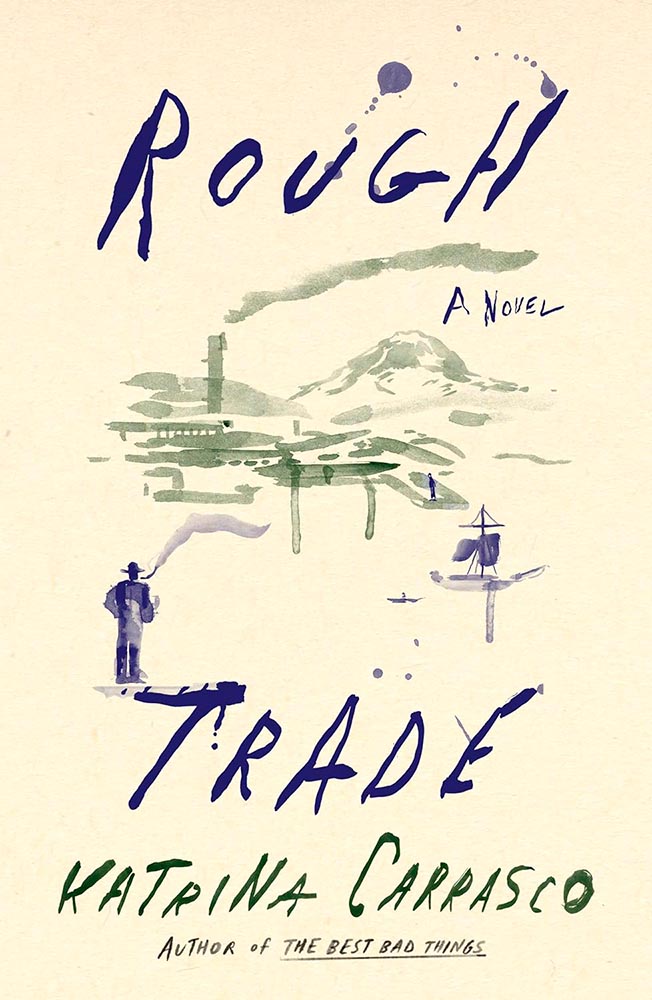
    Cover design by Na Kim.

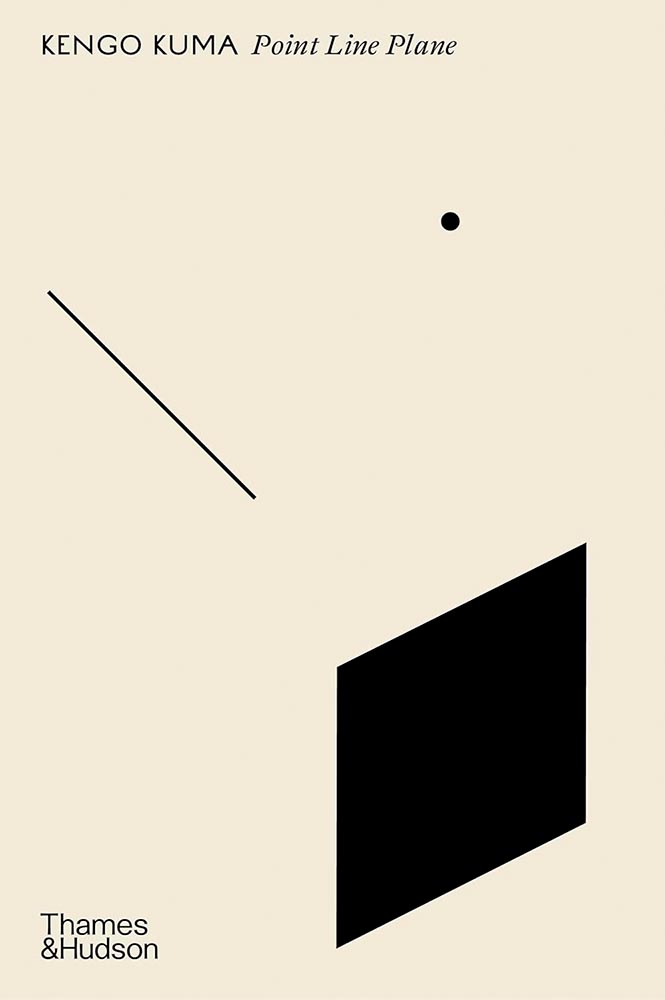
    Watercolor perfection. Competed with Chimera and Point Line Plane for the one of the top spots. (I felt only one illustration-against-plain-background cover should be at the top. Might have been wrong.)
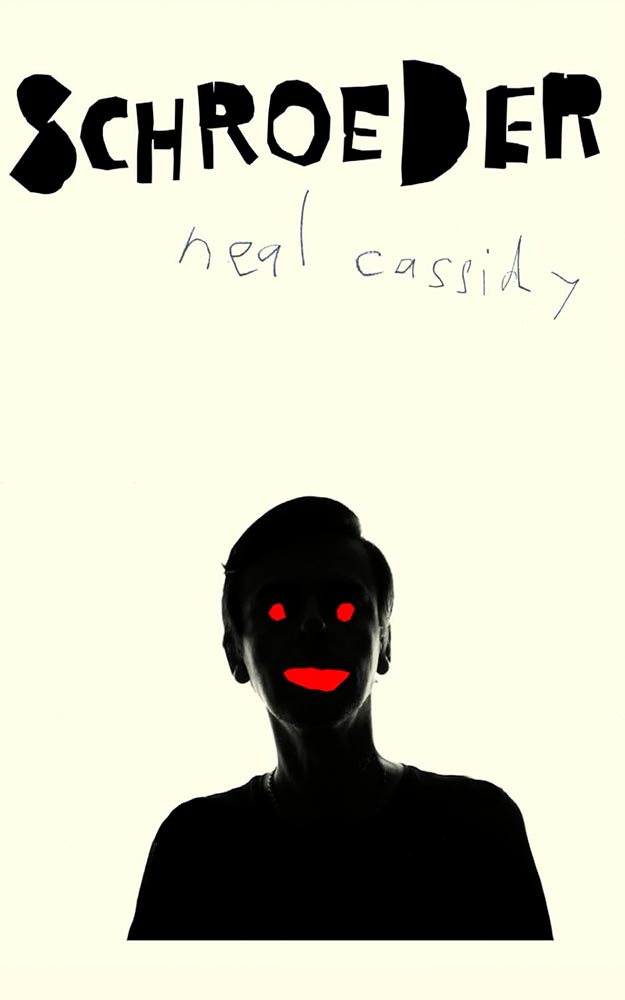
    Cover design by Jamie Keenan.

    The title treatment, the ink author’s name, and the photograph alone would be compelling. But … wow.
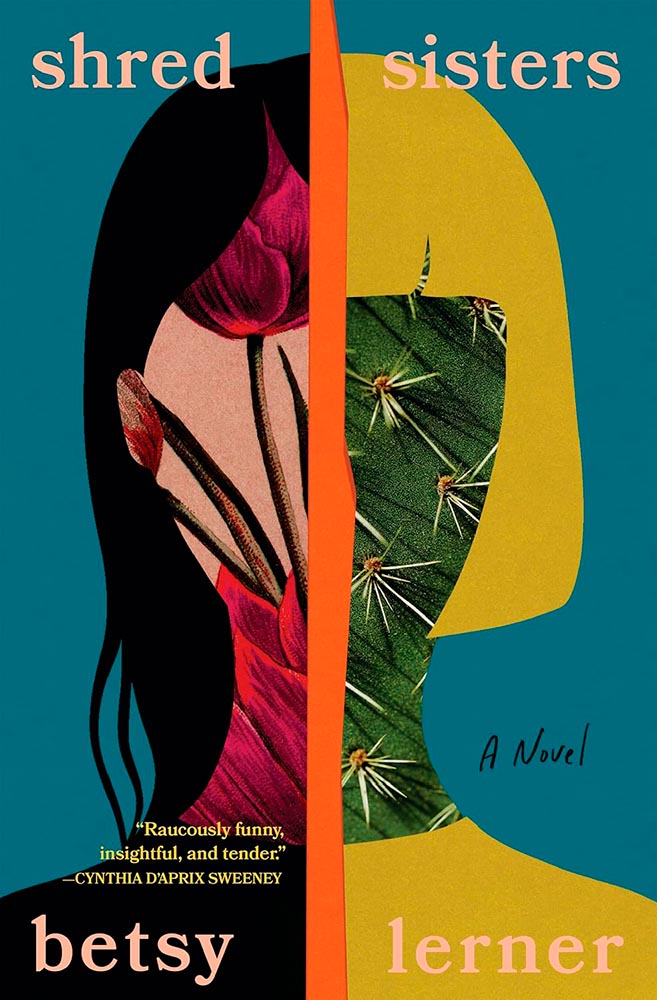
    Cover design by Amanda Hudson.

    From the illustration-makes-it dept. (Bonus points for the not-quite-halves.)
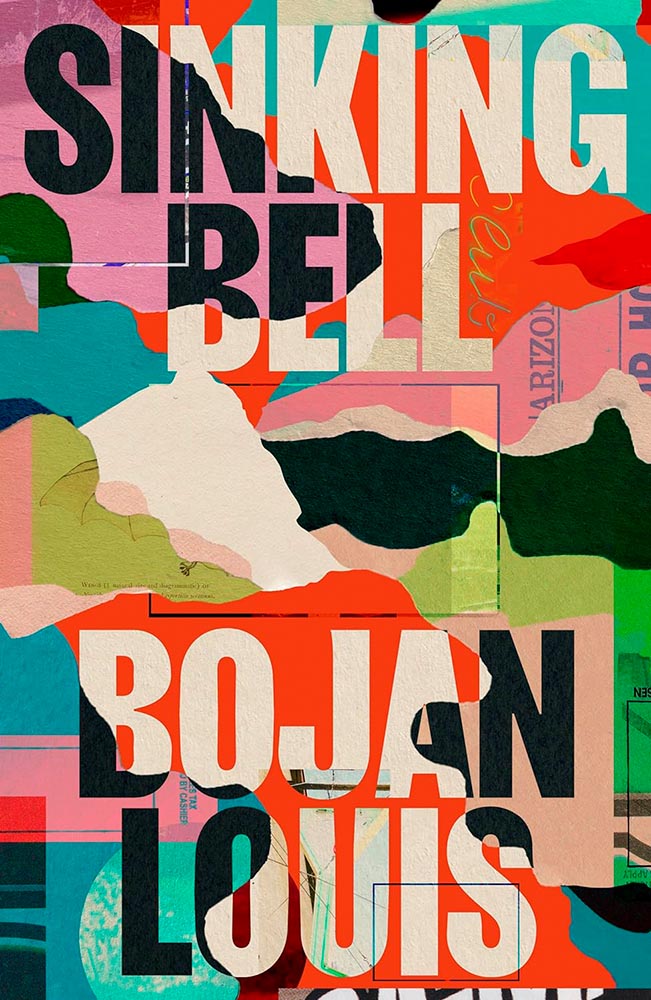
    Cover design by Tom Etherington.

    Paper and color, oh my.

    Cover design by Luke Bird.

    Yeah, it’s a cookbook. Who knew? Also:
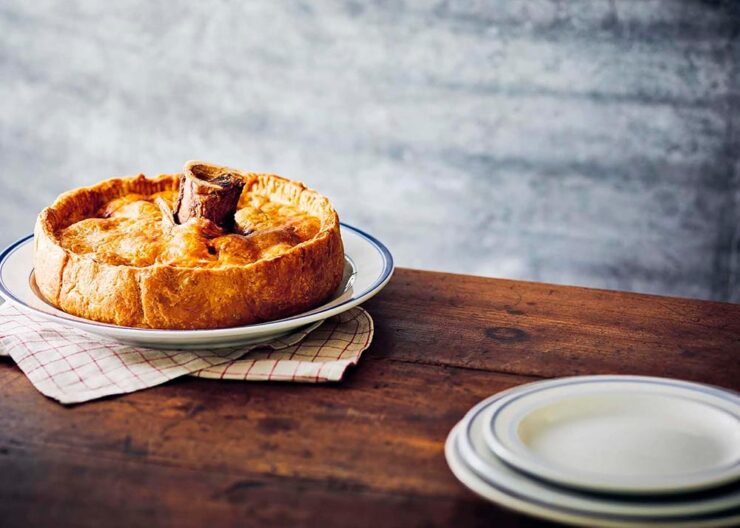
    Quadrille unfortunately didn’t return a request for the photographer’s name.

    Bonus points for the fantastic photography within.
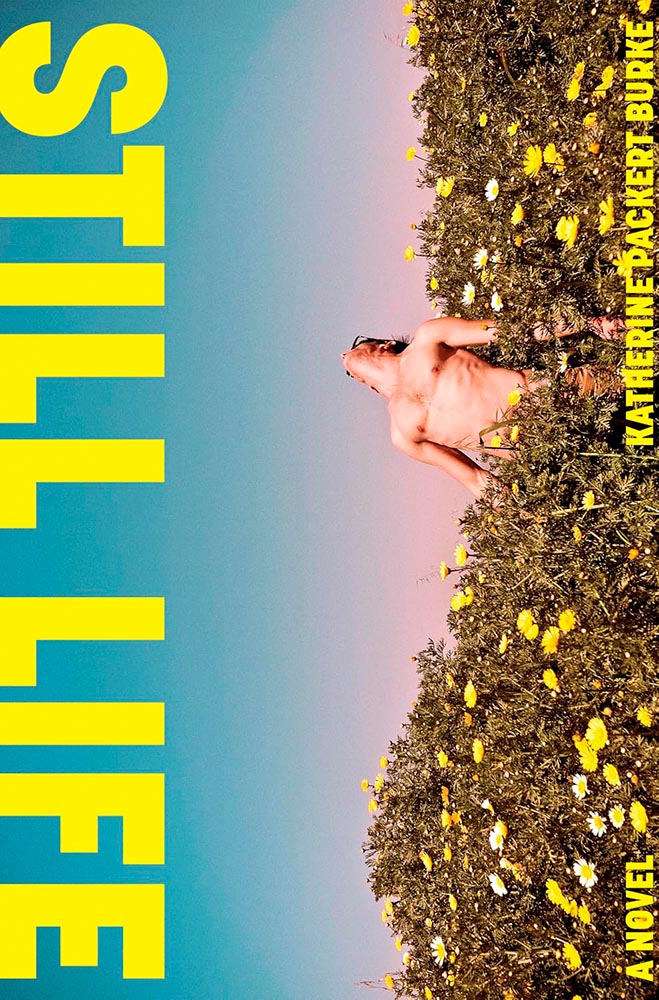
    Cover design by Sarahmay Wilkins.

    This would work perfectly well on the vertical. But it’s so much more this way.
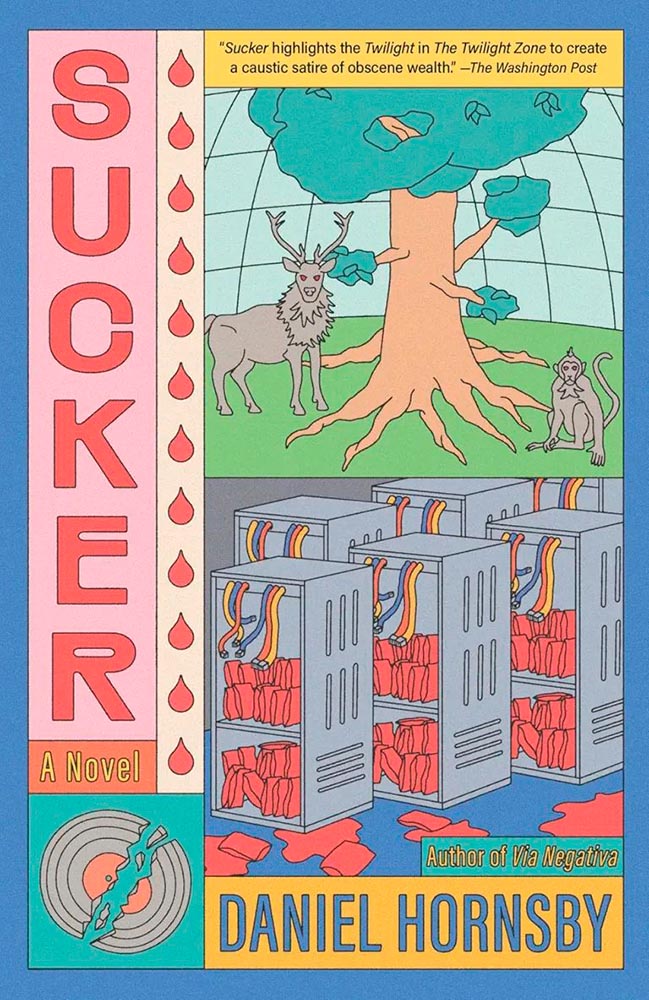
    Cover design by Perry De Le Vega.

    Definitely amongst the 1%.

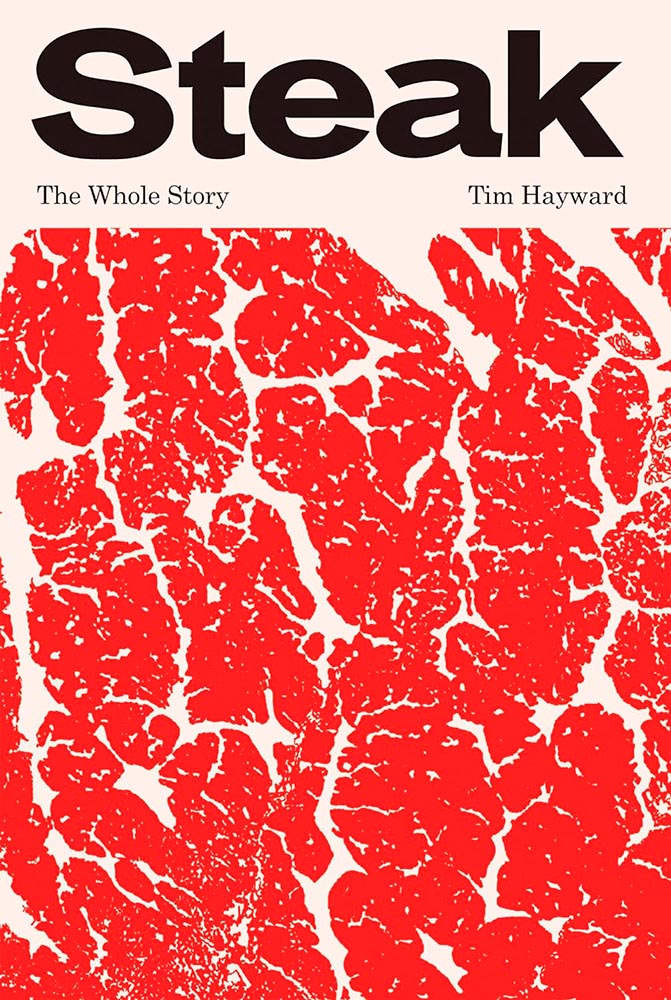
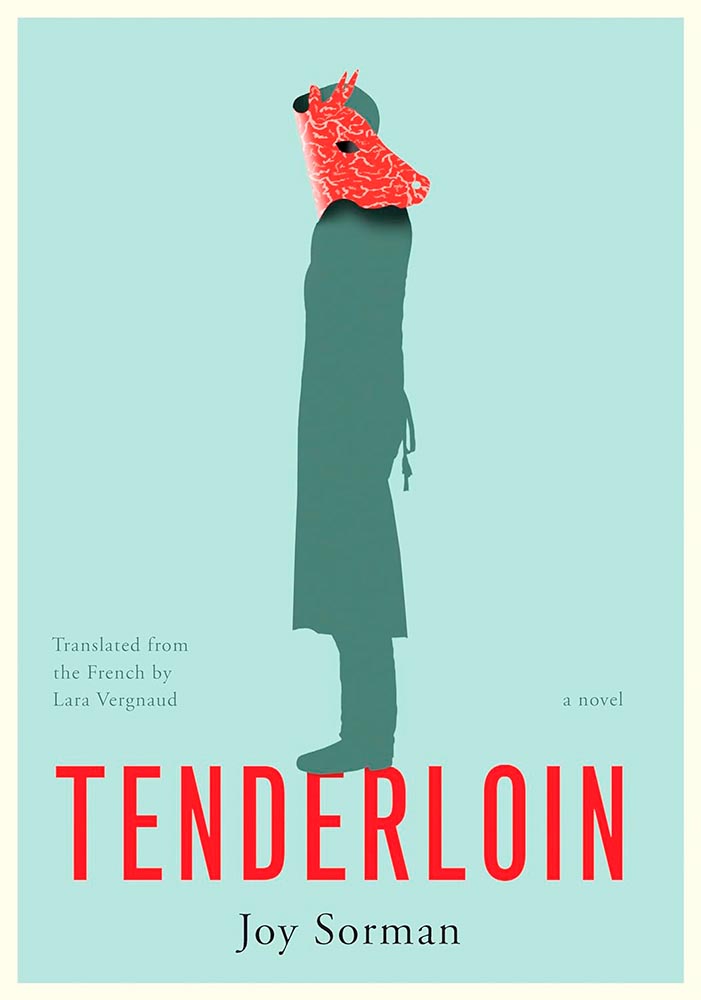
    Cover design by Jamie Keenan.

    Someone chose not to butcher. Except…. (Extra points for the apron strings.)
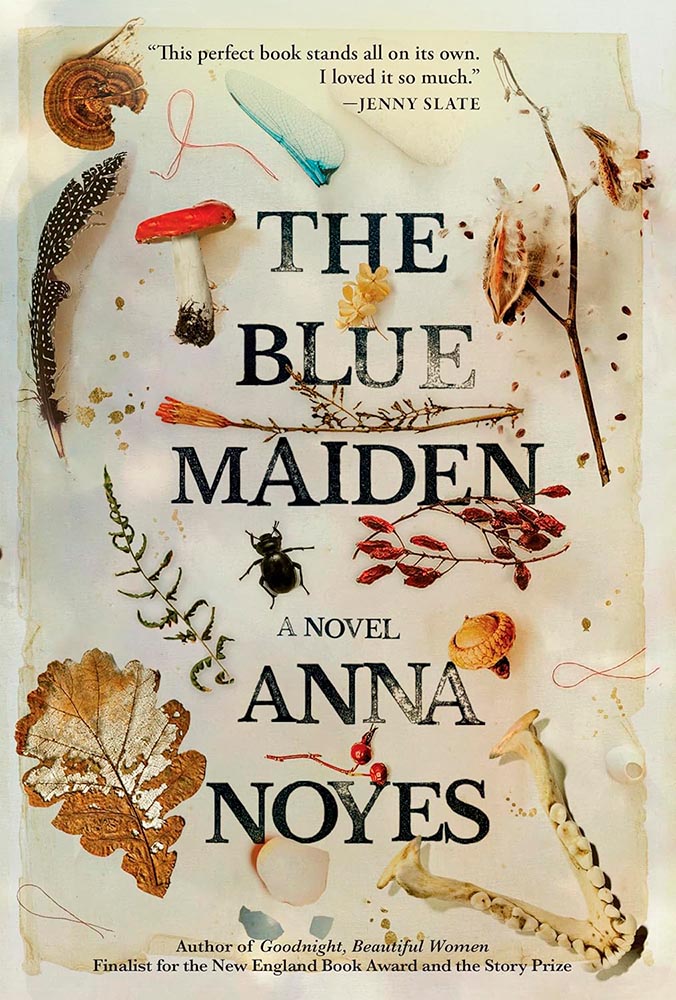
    Cover design by Kelly Winton.

    I’m a huge fan of a photorealistic collage, but this, interleaved with the title, defines superlative.
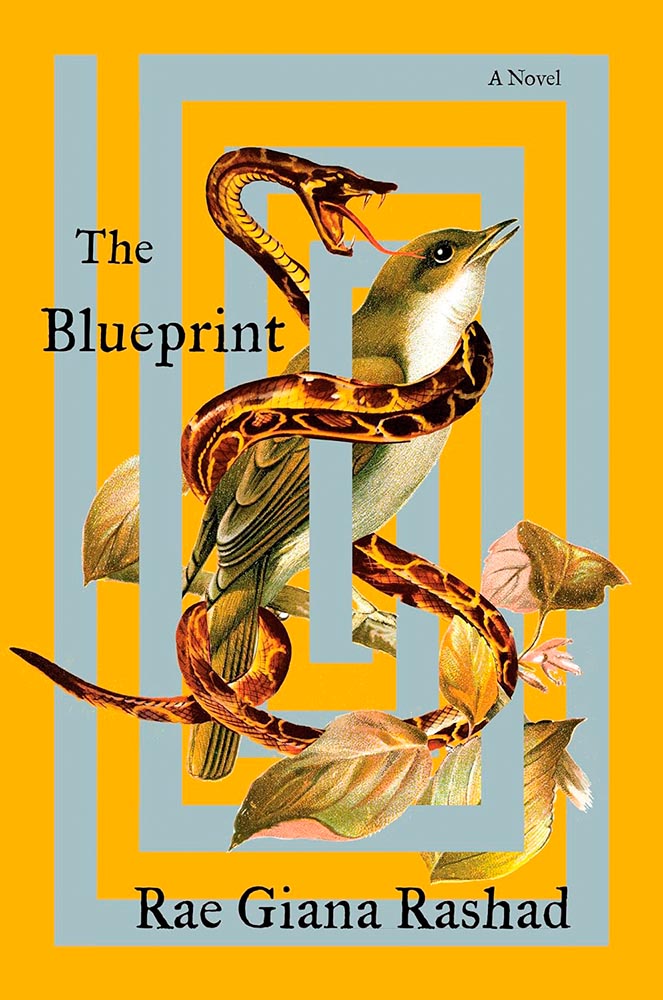
    Cover design by Robin Bilardello.

    In a world of algorithms, proof that creativity and talent are so very human. (Also, color.)
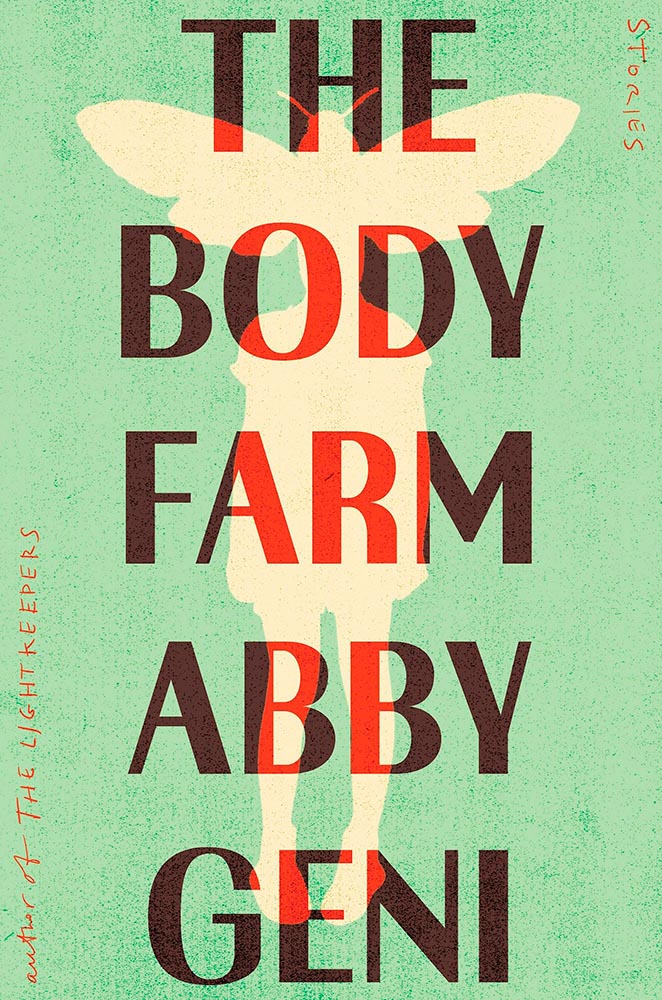
    Cover design by Jaya Miceli.

    That awesome green, the color-burned title treatment, the hand lettering, the texture — all add up to top-flight attention-getting. (Bonus points for the entomology illustration/hint.)

    Cover design by David Pearson.

    The swan’s pose of contemplation, indeed. (Also, color — perfect.)
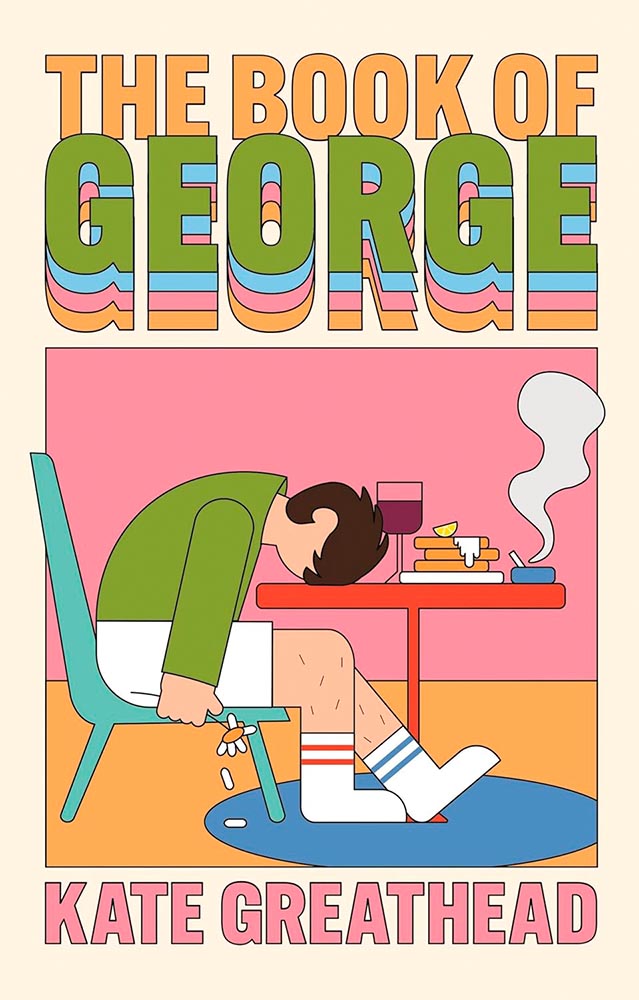
    Cover design by Holly Battle.

    We all know a George.

    Cover design by Beth Steidle.

    So much more than just a pet rabbit. (Also, color.)
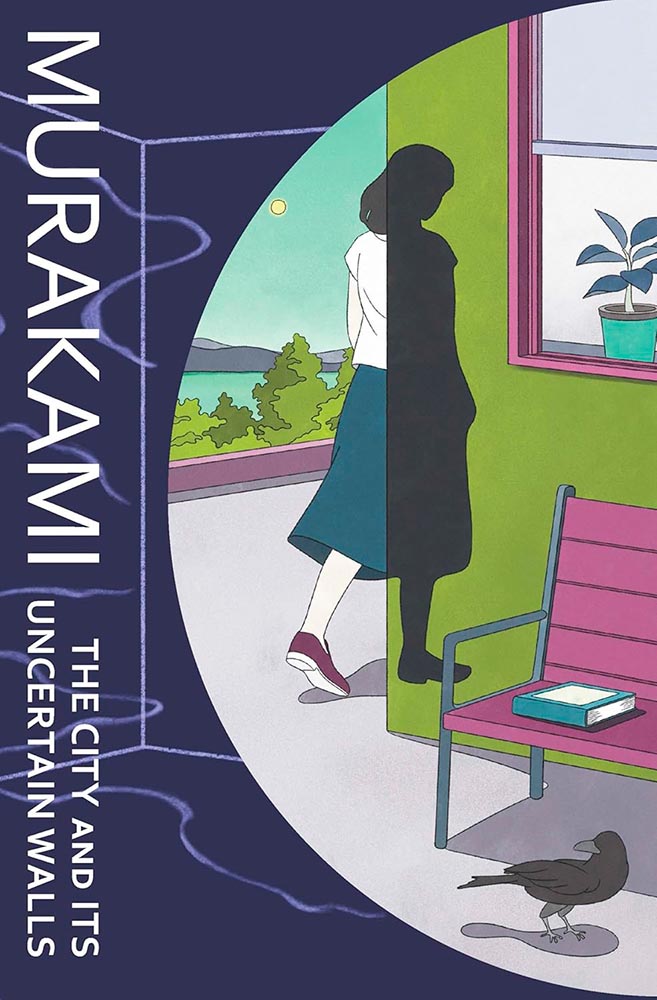
    Cover design by Suzanne Dean. Illustration by Jialun Deng. Painting by Takaya Katsuragawa.

    This cover had me at “uncertain walls.” (See also: End of the World and Hard-Boiled Wonderland.)
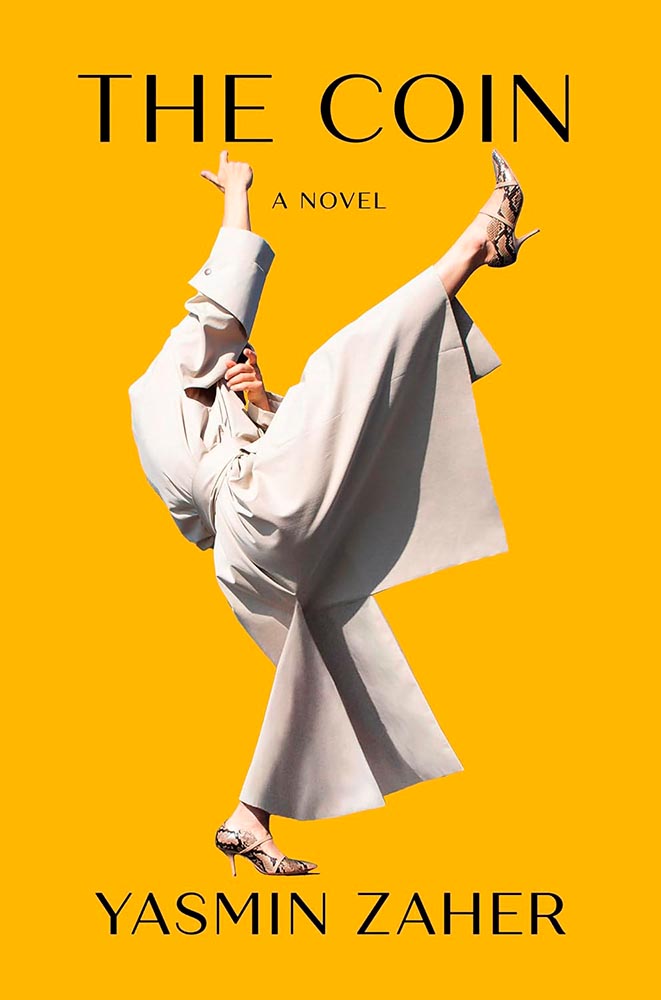
    Cover design by Jaya Miceli.

    Never mind that this shade of yellow seems to be having a moment, let’s talk about that photograph: the goal of any cover is to peak your curiosity. And we have … win.
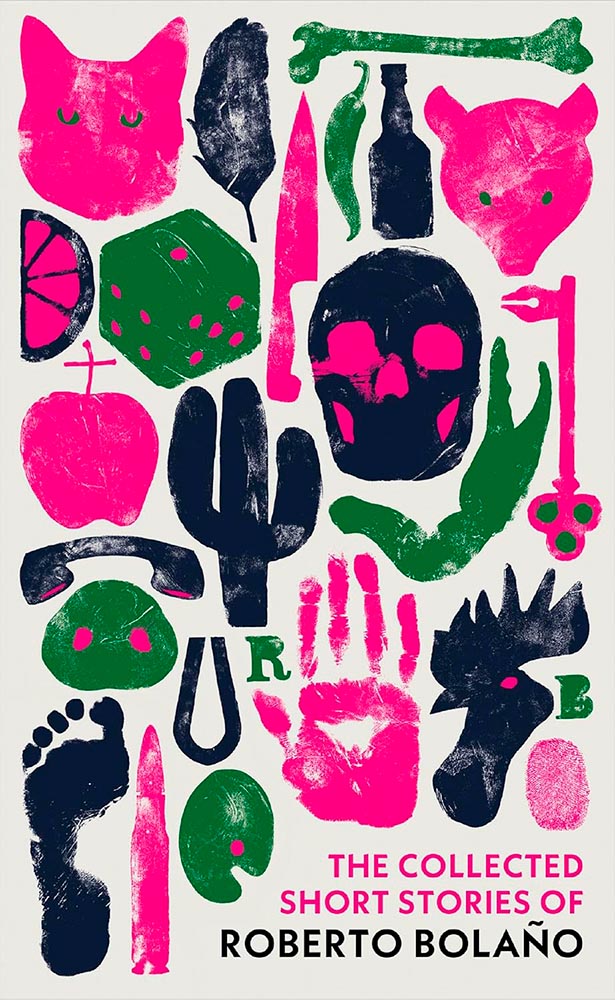
    Cover design by Diego Becas.

    A collection, indeed. (Also, color.)
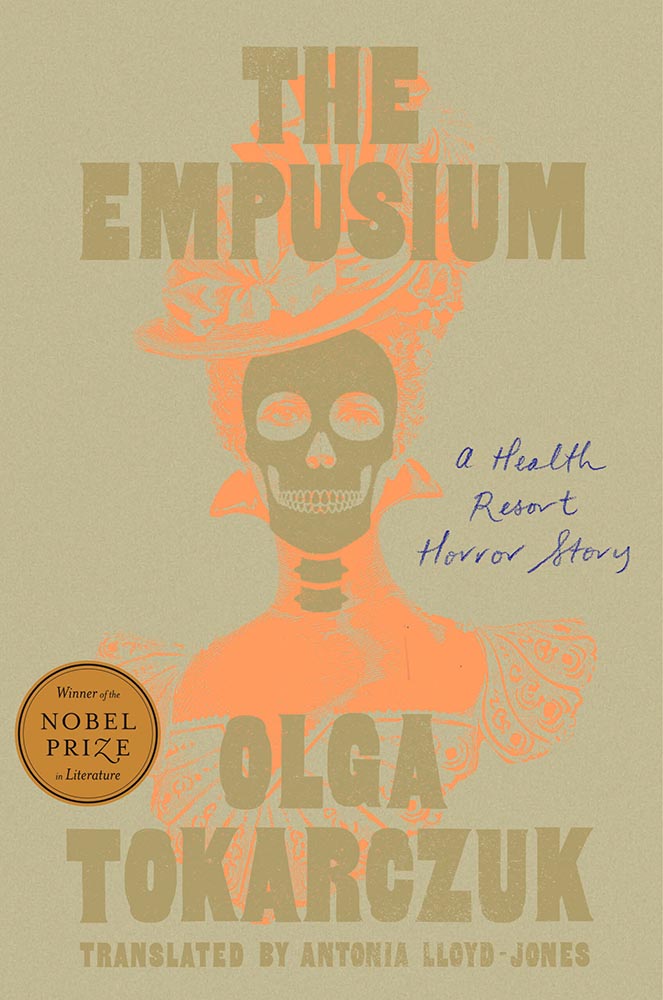
    Cover design by Lauren Peters-Collaer.

    Ink gets blotted out. (Also, paper.)

    Cover design by Jack Smyth.

    Never mind the brilliance in the middle — the four pull quotes are, quite literally, the end of the rainbow.
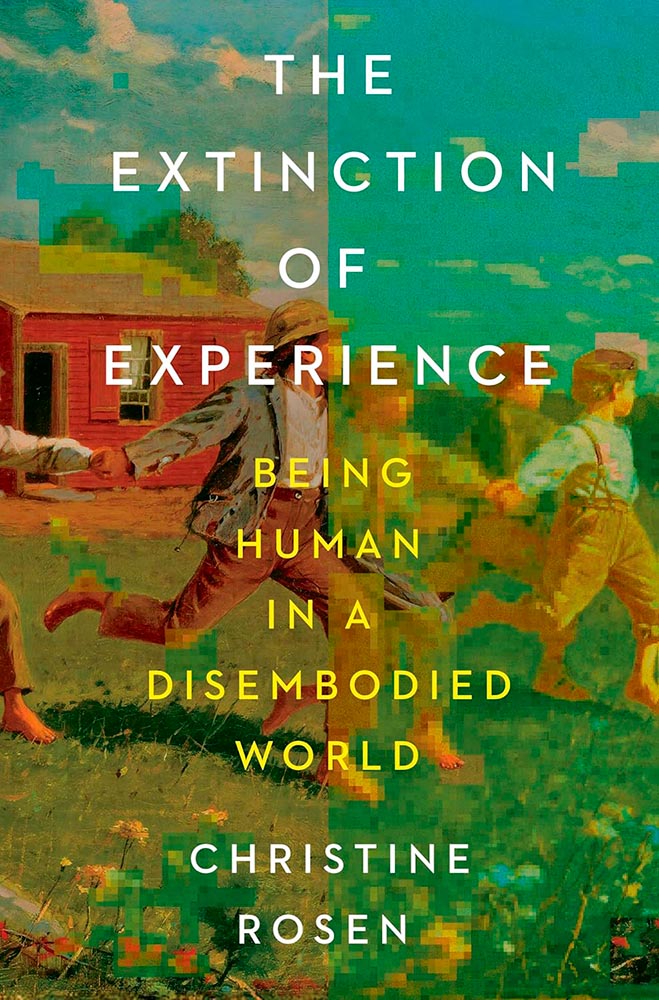
    Cover design by Derek Thornton.

    Cultural and emotional shifts through technology, as expressed in (cover) art.
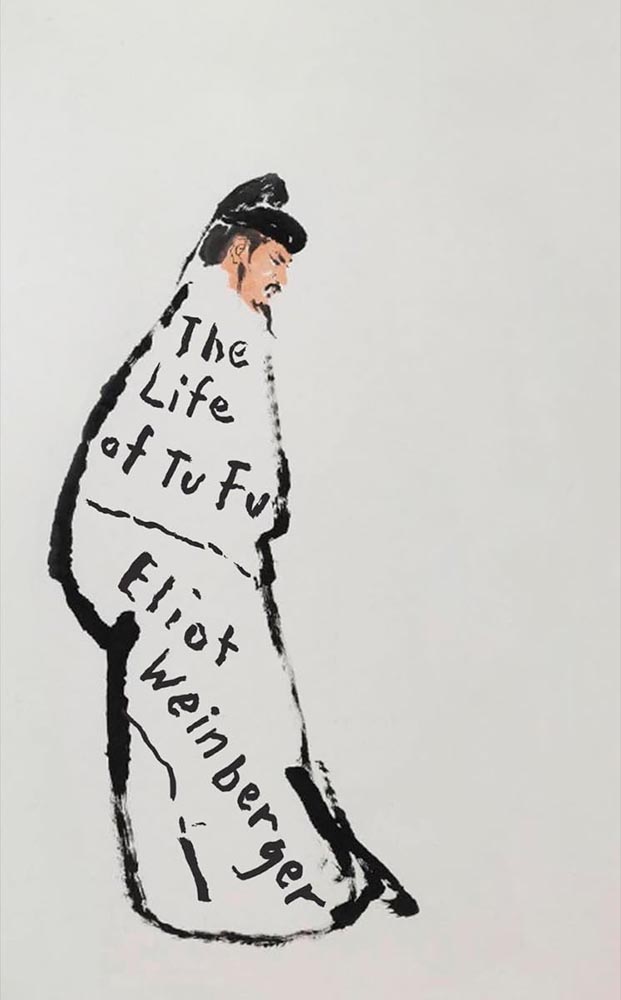
    Cover design by Oliver Munday.

    At the risk of repeating myself, no one does more with less than Oliver Munday: this level of white space deserves an award.
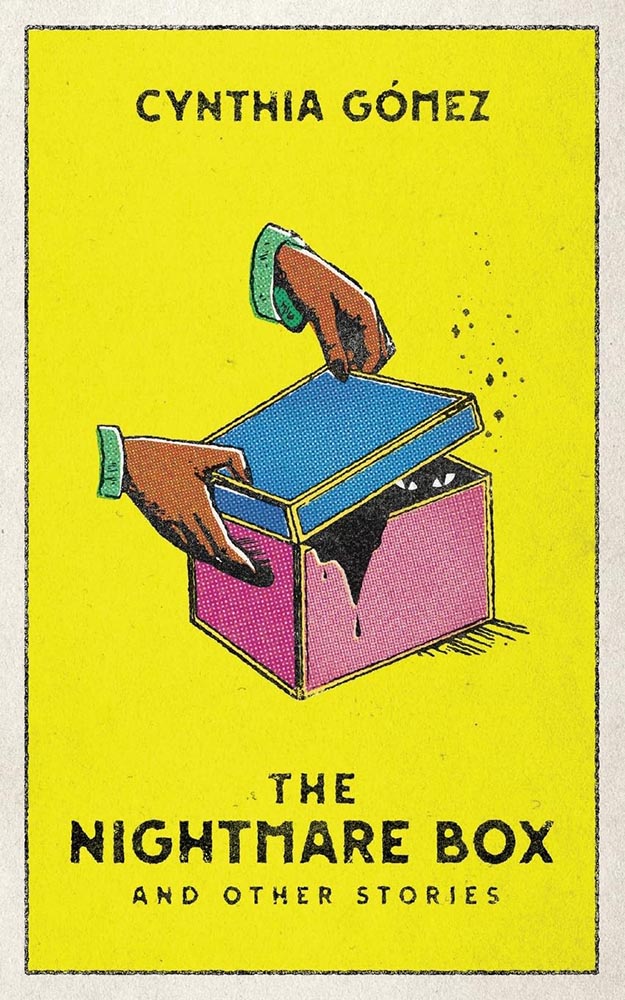
    Cover design by Luisa Dias.

    The eyes are eclipsed only by the rising magic dust. (Also, screening.)
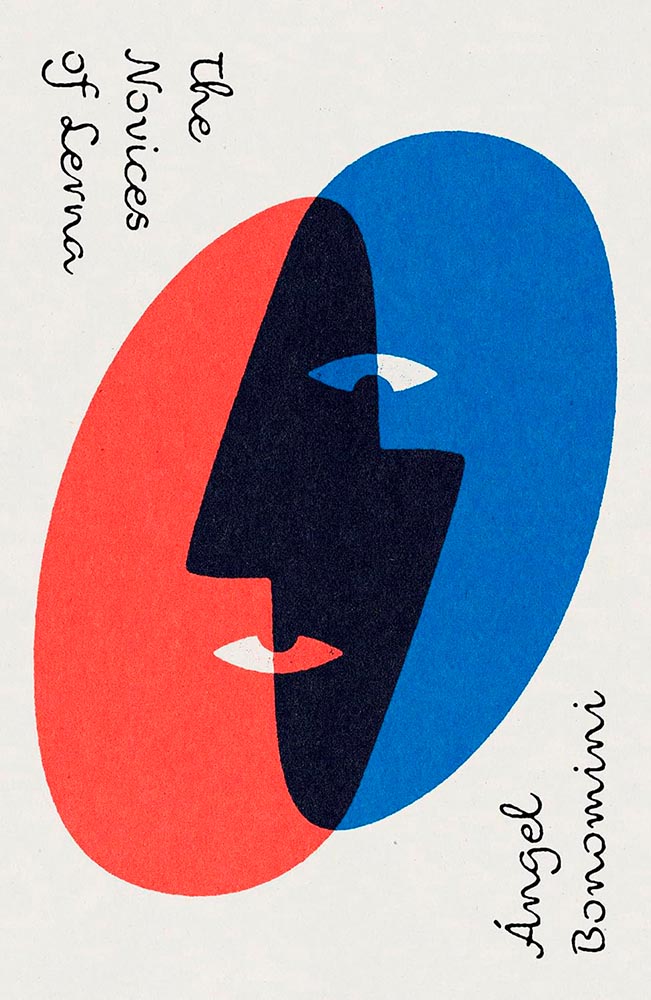
    Cover design by Jonathan Pelham.

    Another where the US and UK express things differently; the UK’s, above, is brilliantly simple and simple in its brilliance.
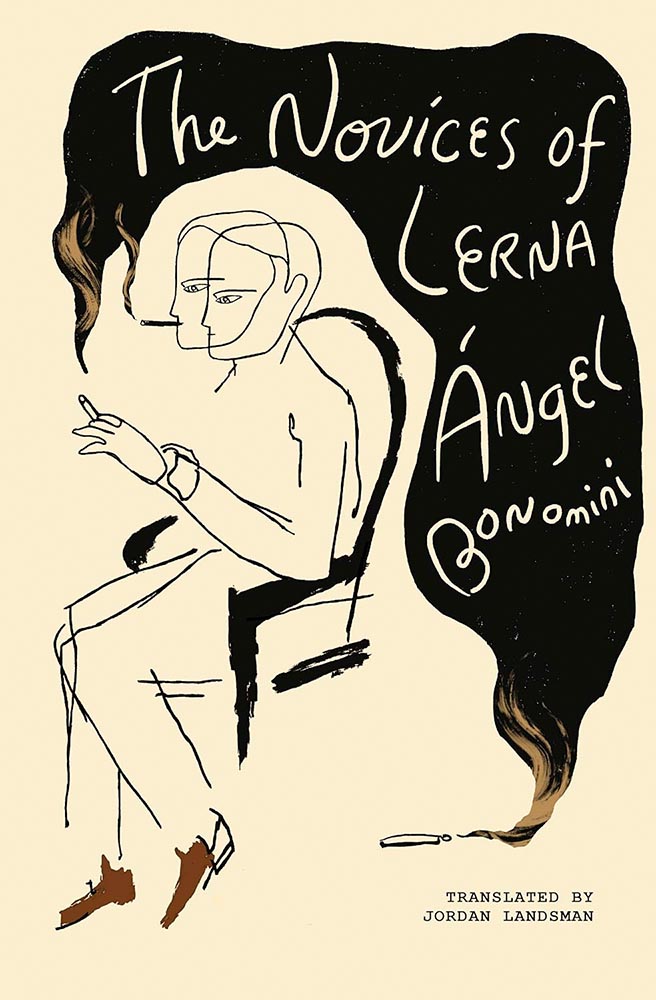
    Cover design by Sarah Schulte.

    While the US version is more while still “less” in the big scheme of things. A two-fer.
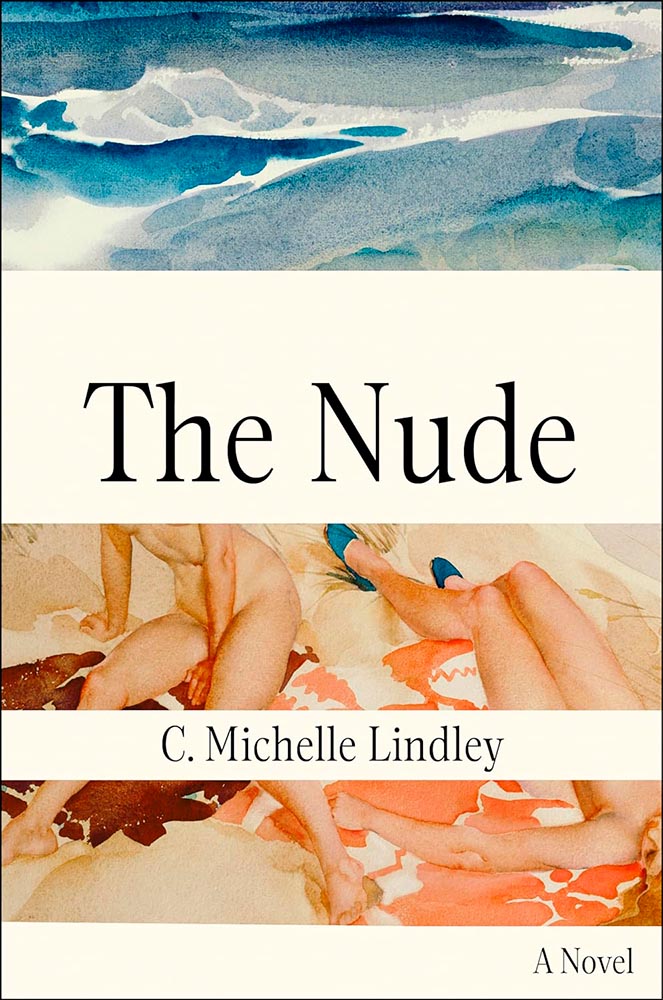
    Cover design by Kelli McAdams.

    Text blocks do. (Also, awesome art.)
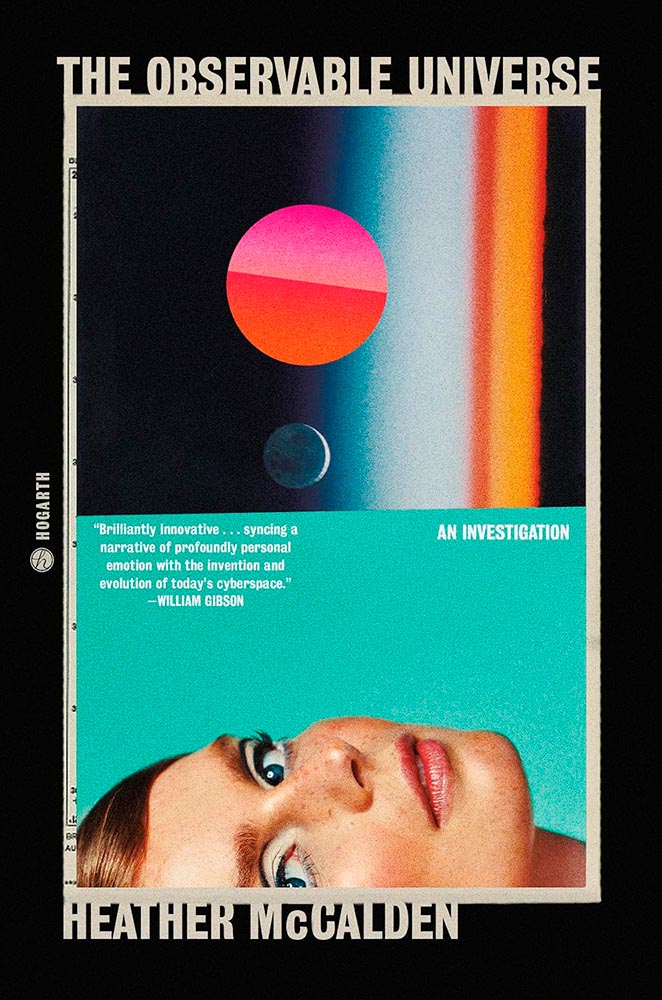
    Cover design by Arsh Raziuddin.

    Get lost in it. (Also, the article peeking out on the left.)
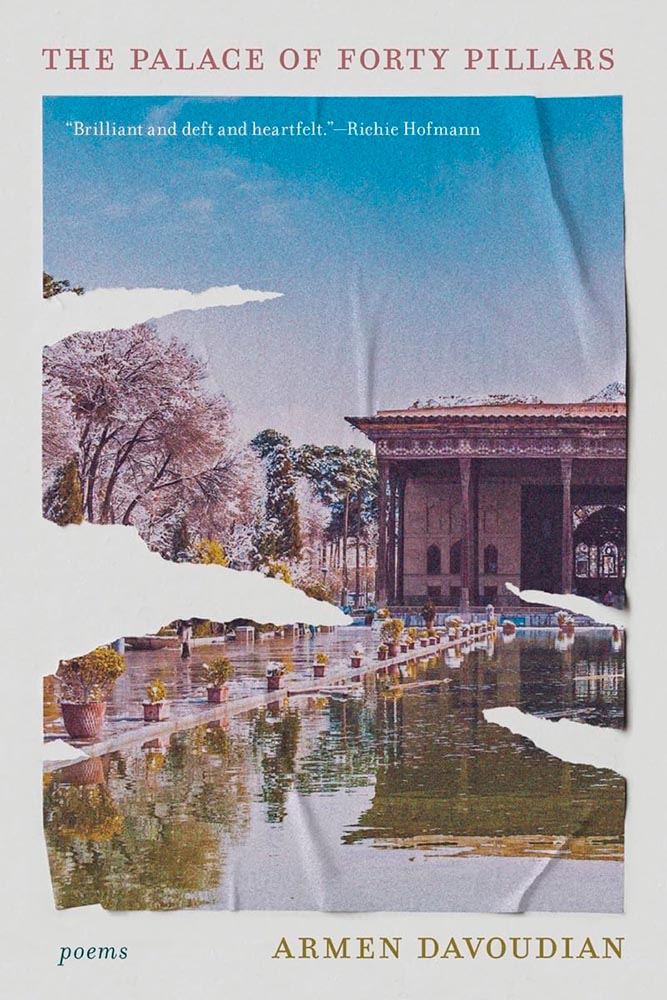
    Cover design by Beth Steidle.

    Reflections, torn asunder yet so lovingly smoothed out and preserved for posterity.
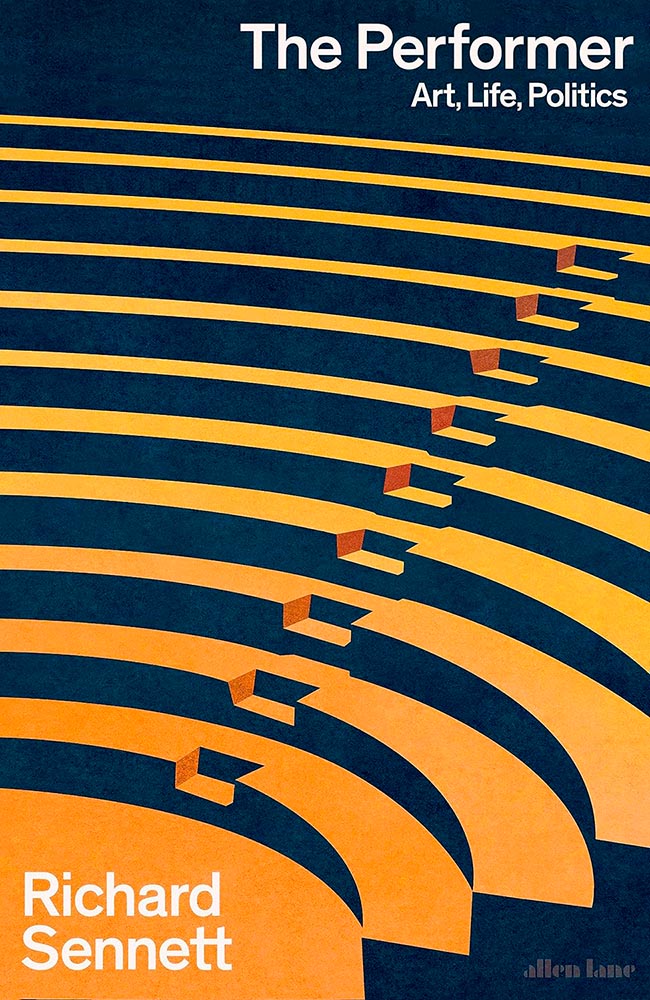
    Cover design by Tom Etherington.

    Two-color, geometric brilliance, given center stage.
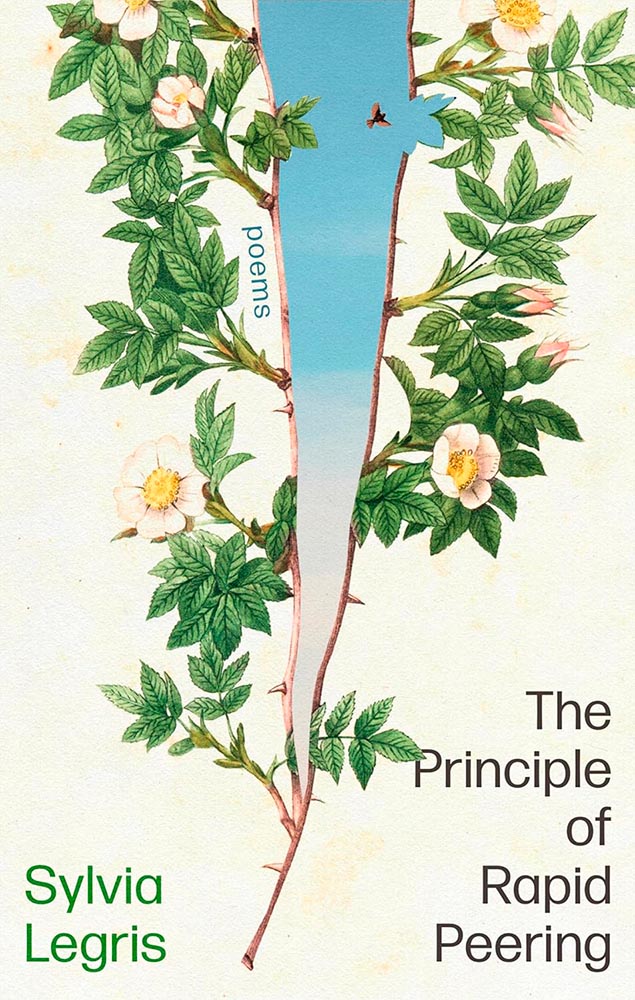
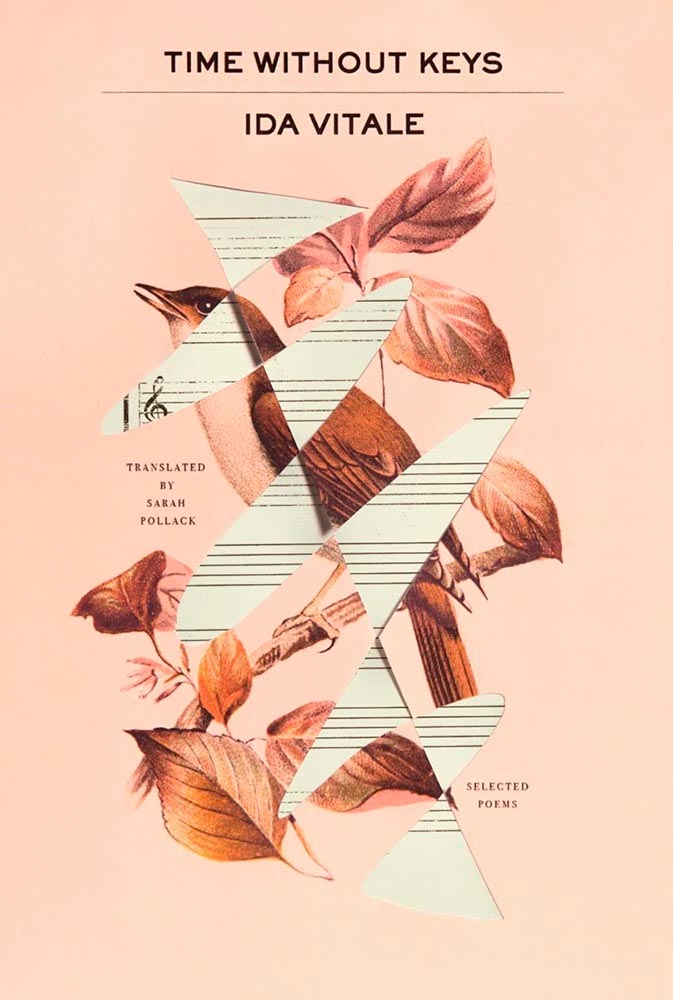
    Cover design by Ben Prior.

    “Self-seeding wind / is a wind of ever-replenishing breath,” the title poem reads, but it’s the cover that drops the ultimate clipping. (Also, placement of “poems,” appropriately.)
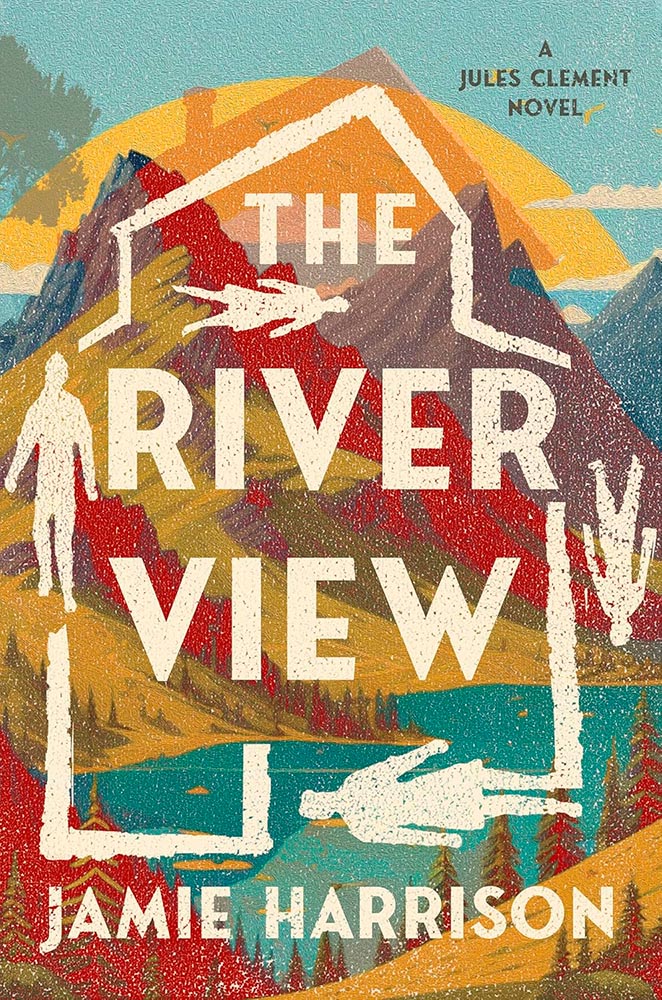
    Cover design by Jaya Miceli.

    “Heavily textured” has never read so well.
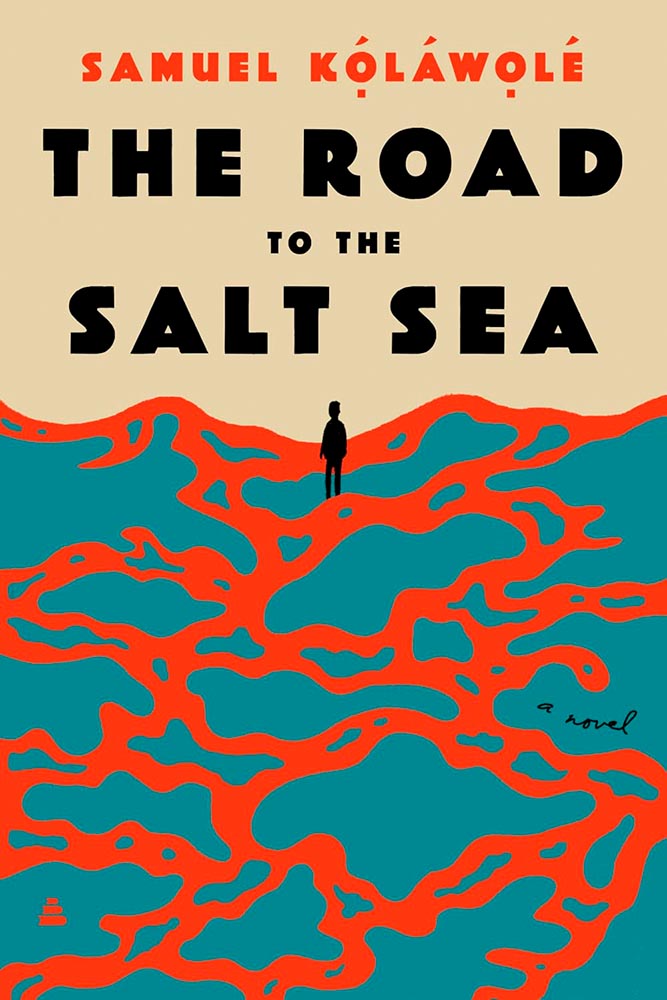
    Cover design by Alica Tatone.

    I’m not sure what the illustration on this cover stands for — desert, sea, paths taken or not, or something I don’t or even can’t understand — and perhaps that’s why this design works on so many levels: an enigma that requires further exploration.
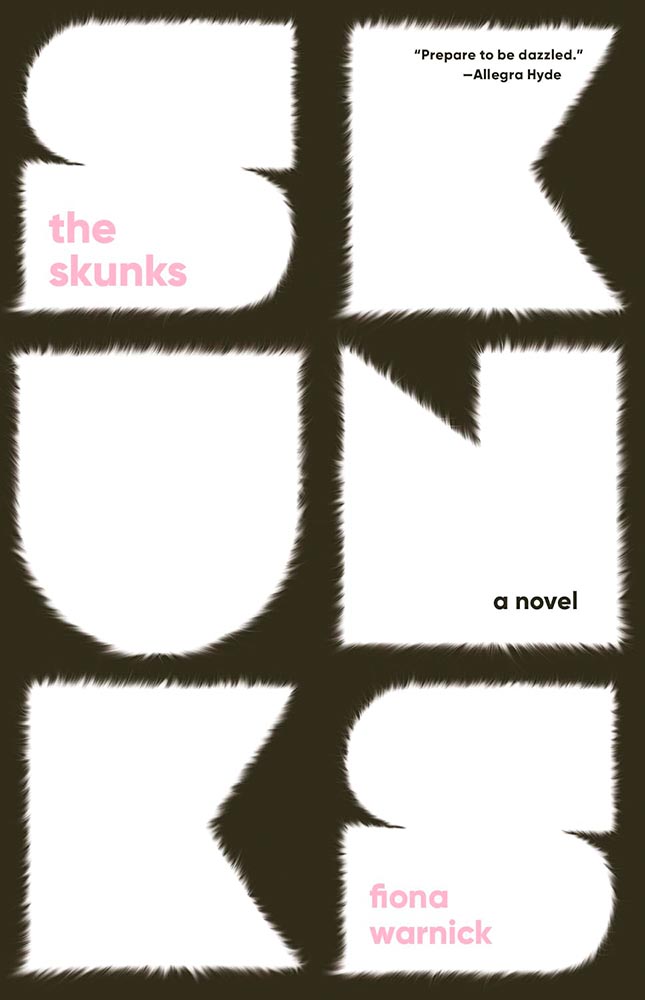
    Cover design by Beth Steidle.

    Cuddly in just the right way.

    Cover design by Kimberly Glider. Illustration by Cory Feder.

    “An affair with an arborist could result in a cutting,” I chose not to say. Wait. (Also, the accompanying cover.)
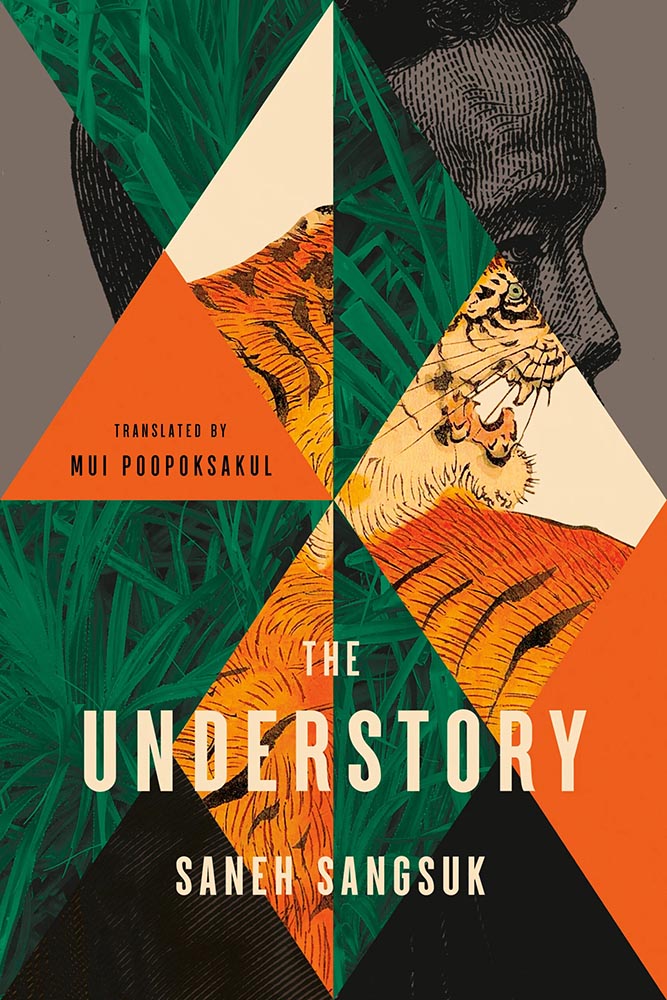
    Cover design by Emily Mahon.

    Geometry, color, content: this cover’s been promoted to the actual story.
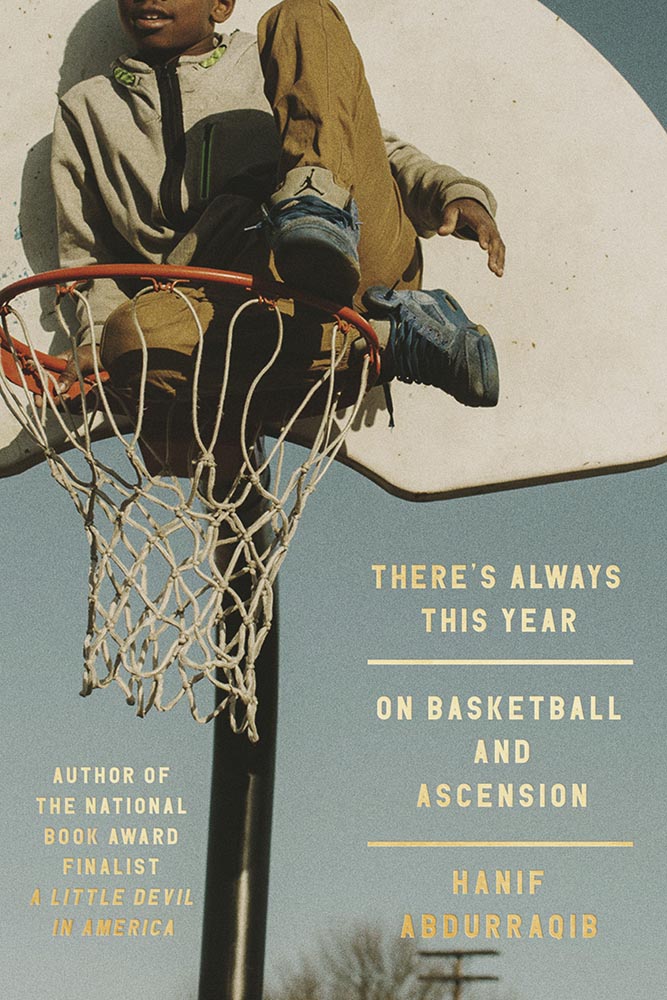
    Cover design by Tyler Comrie. Photograph by Matt Eich.

    Photograph, texture, photograph, title treatment, photograph. (Also, the subtle shadowing in the author’s name and previous title.) Another very nearly at the top.
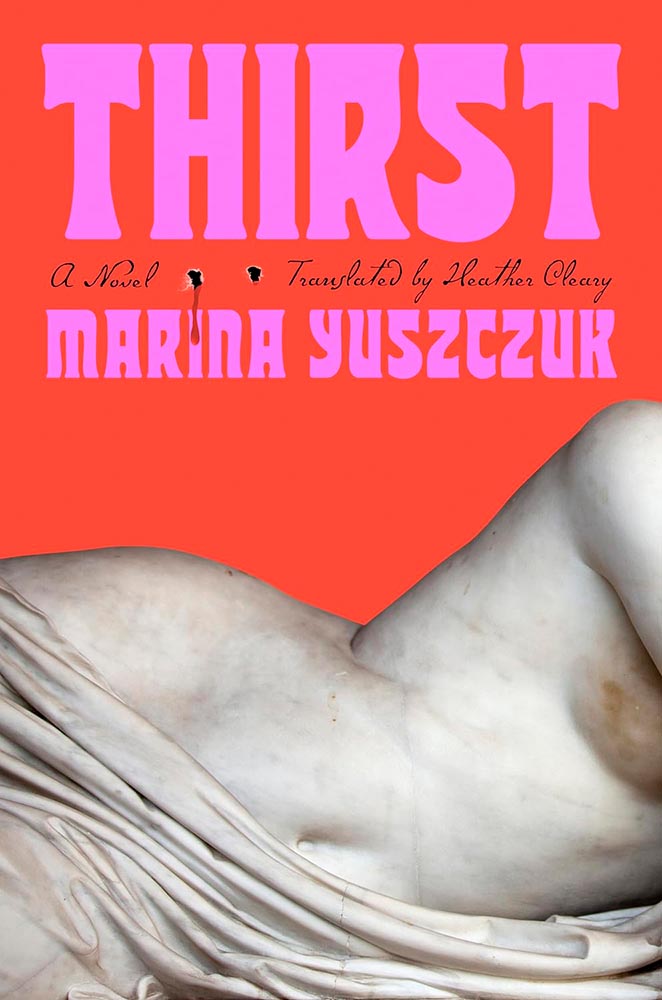
    Cover design by Kaitlin Kall.

    From color to art choice, this is a masterpiece. But those bite marks … aaaah!
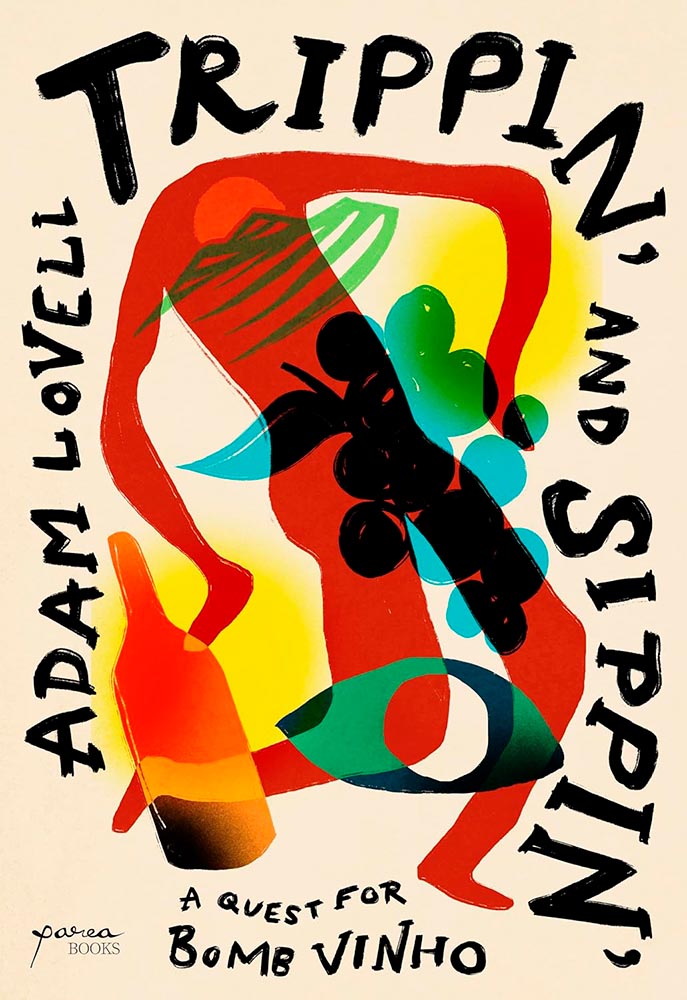
    Cover design by Holly Ovenden.

    Tripping on a quest for a Bomb: yes.

    Cover design by Tyler Comrie.

    Tripping on a quest for Utopia: yes.
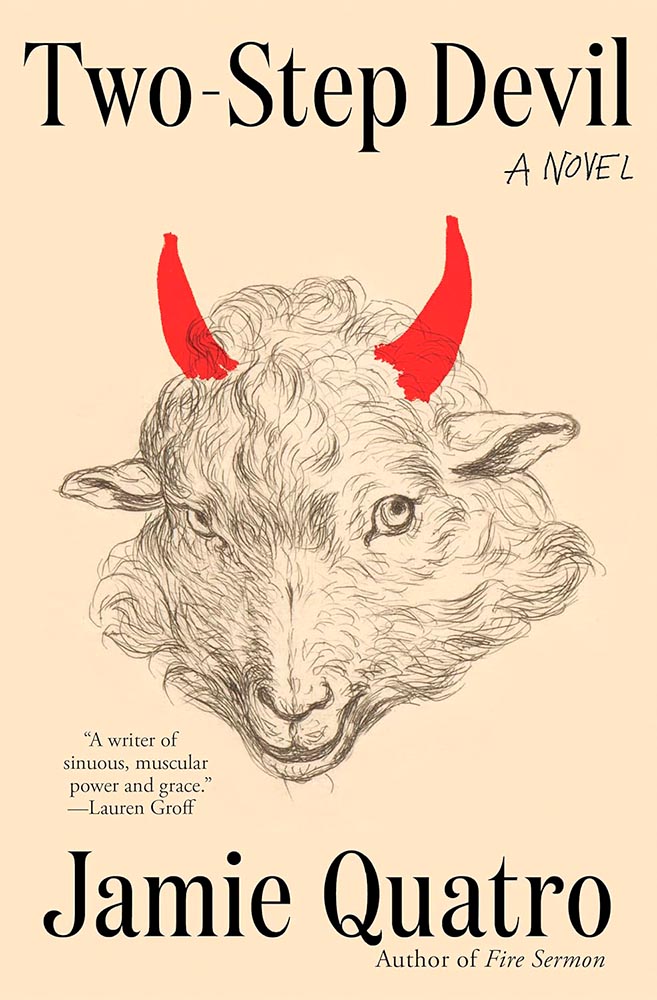
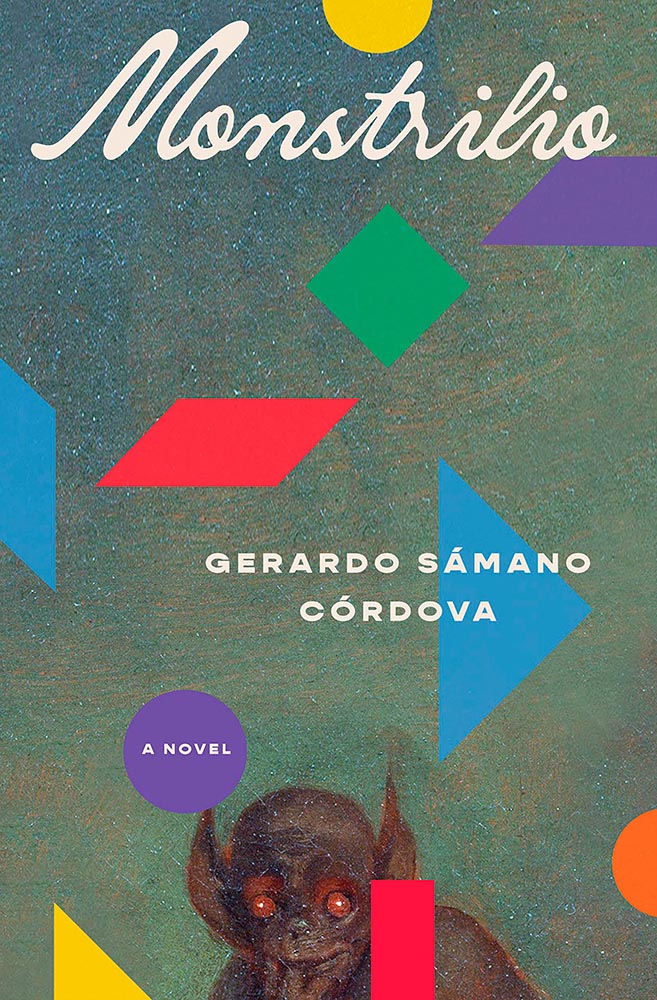
    Cover design by Alex Merto.

    The eyes, the fur … and the horns. Transcendent.
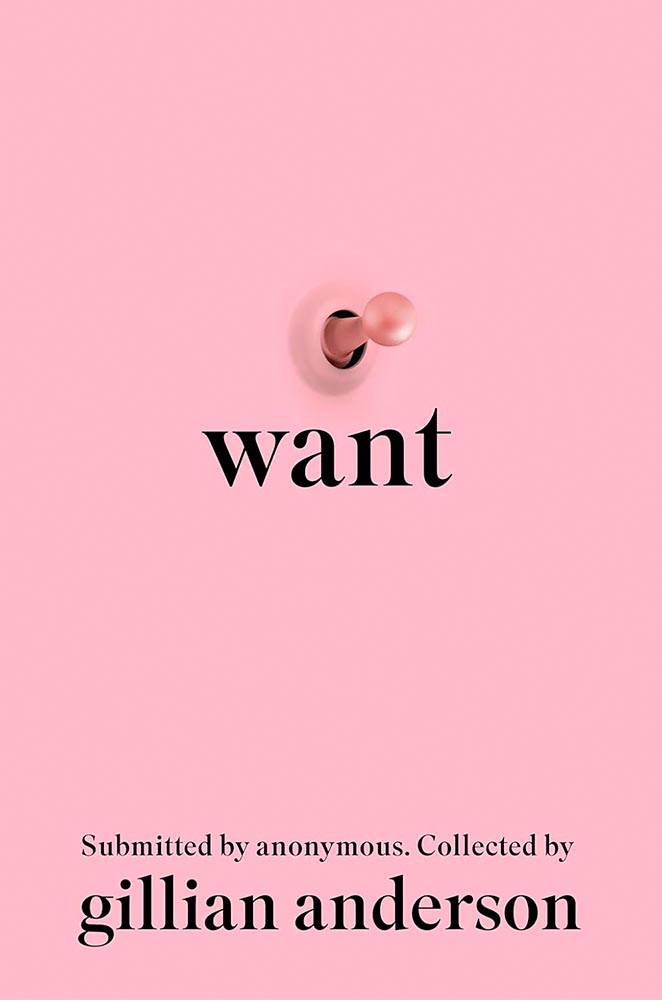
    Cover design by David Mann.

    Something not to talk about … yet, so remarkably expressive.
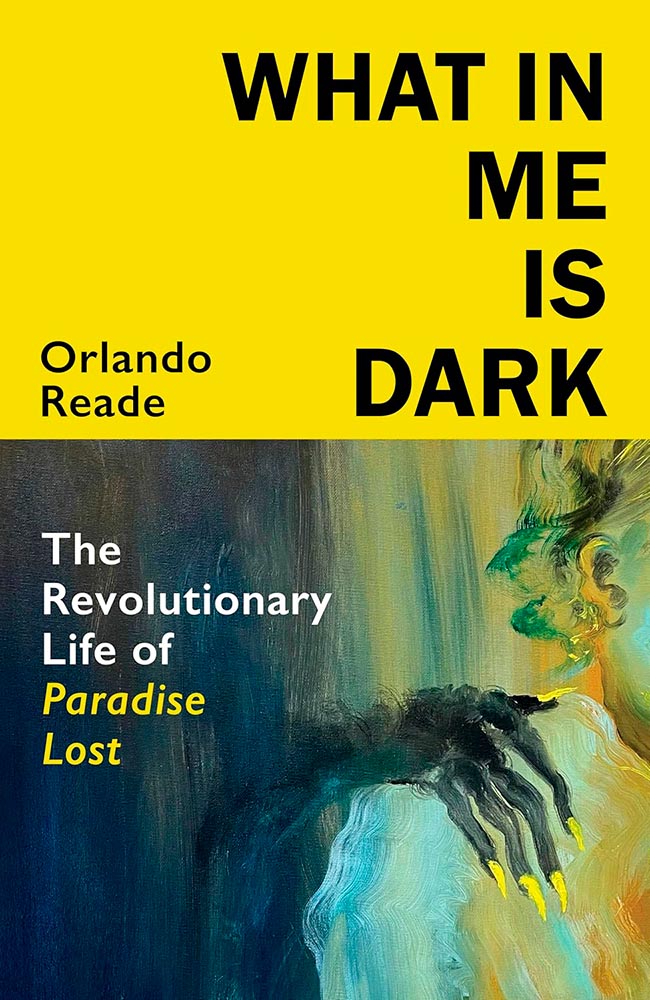
    Cover design by Angela Maasalu.

    Never mind anything else: it’s the fingernails.
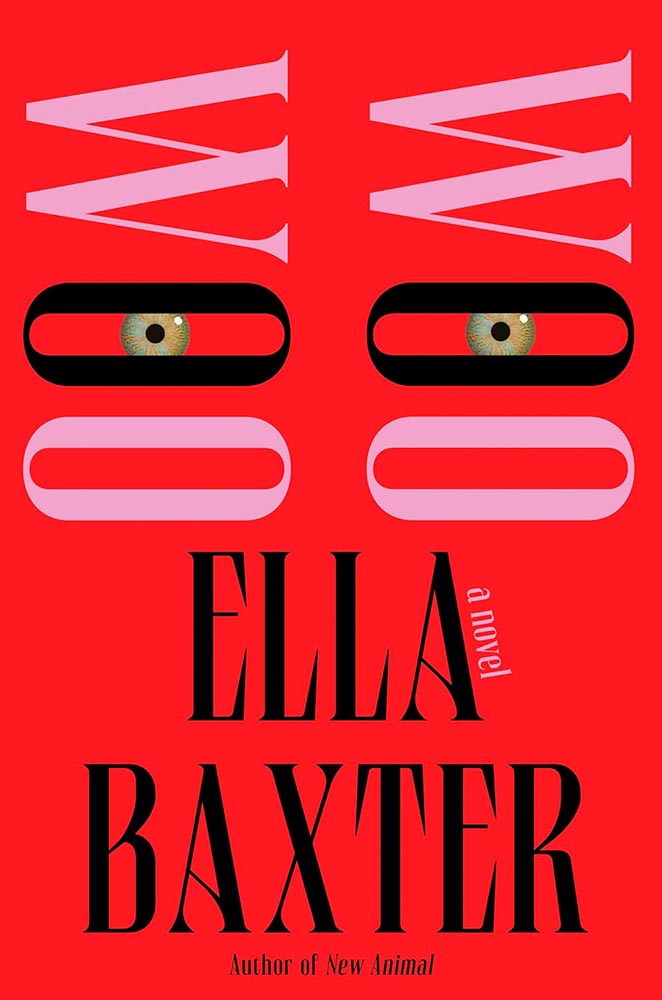
    Cover design by Nicole Caputo.

    Just when you think these eyes have seen it all…. (Also, the typography.)
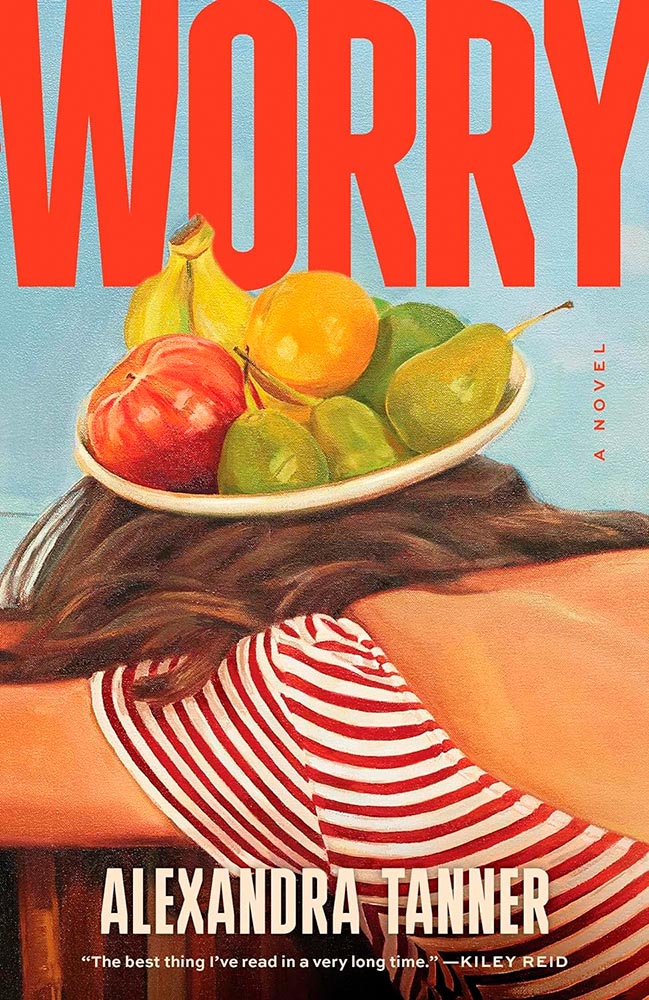
    Cover design by Alicia Tatone. Art by Shannon Cartier Lucy.

    “Dryly witty” describes more than just the text within. (Also, the title treatment … and “Mormon mommy bloggers.”)
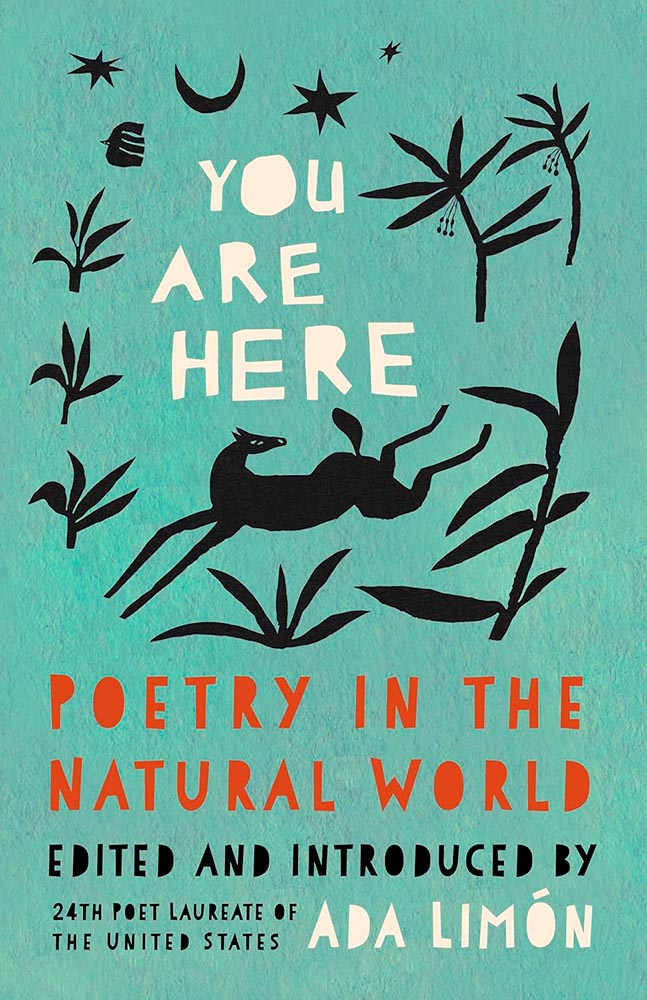
    Cover design by Mary Austin Speaker.

    Surround yourself, feel, and bring great typography.

    • • •

    A moment of self-criticism, if I may: comparing this year’s list to the 2023 favorites, I can’t help but notice there’s a bit too much of the same. For myself, for my clients, and for my readers, I need to work on being too much inside a comfort zone. (Apparently hypocritically, in the 2023 summary, I commented on “sameism” being a thing.)

    Meanwhile, again like last year, I’d like to highlight Dan Wagstaff’s comments over at The Casual Optimist:

    recent article on Spine argued that there is a battle between minimalism and maximalism going on. I think that could be true. Different approaches work for different audiences. But I also think it’s messier than that. I get the sense that publishers are less sure of what they want and what sells (certain genres notwithstanding).

    It has been a rough year for a lot of publishers, so there is undoubtedly a lot of uncertainty, and no small amount of anxiety. I could go on about why that it is (and the publishing’s self-inflicted wounds) but, in short, what I think we’re also seeing with book covers is more meddling and less direction.

    — Dan Wagstaff, The Casual Optimist

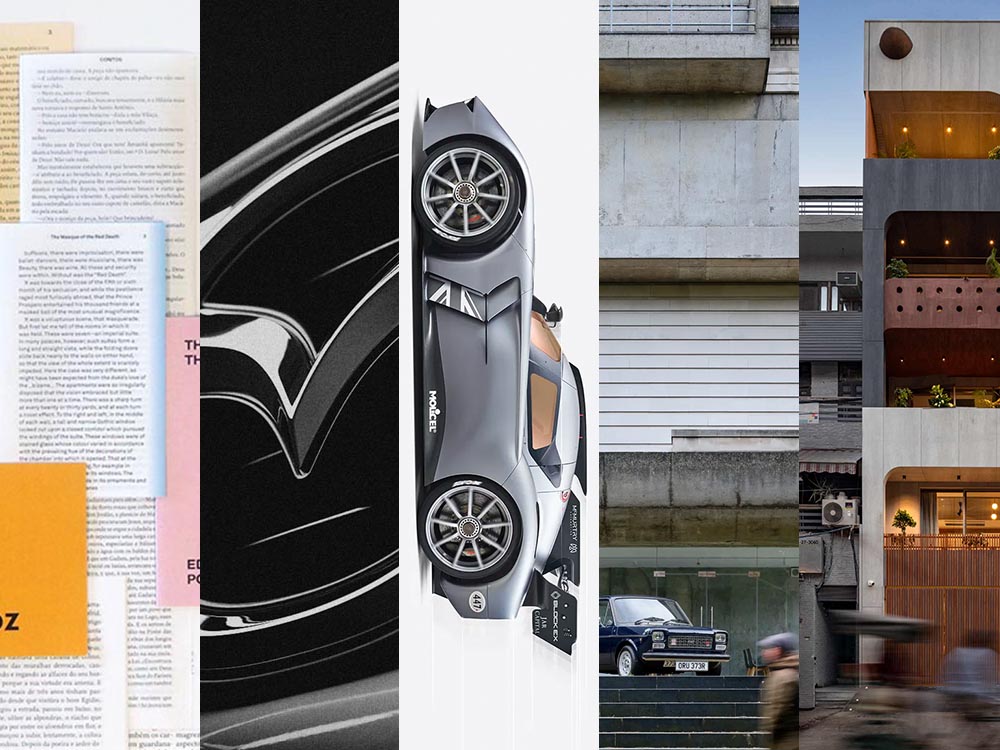
    I’d read that Spine article, too, and generally agree with their argument that, “This is not just because designers have different ideas about the best way to cut through the noise, but because they are ultimately trying to appeal to two different types of readers. […] It is the designer’s job to know how to grab the attention of the specific readership that the author is trying to reach.”1I have point out: one of their minimalist examples, One Day, Everyone Will Have Always Been Against This, is a 2025 title already in the favorites folder. Stay tuned.
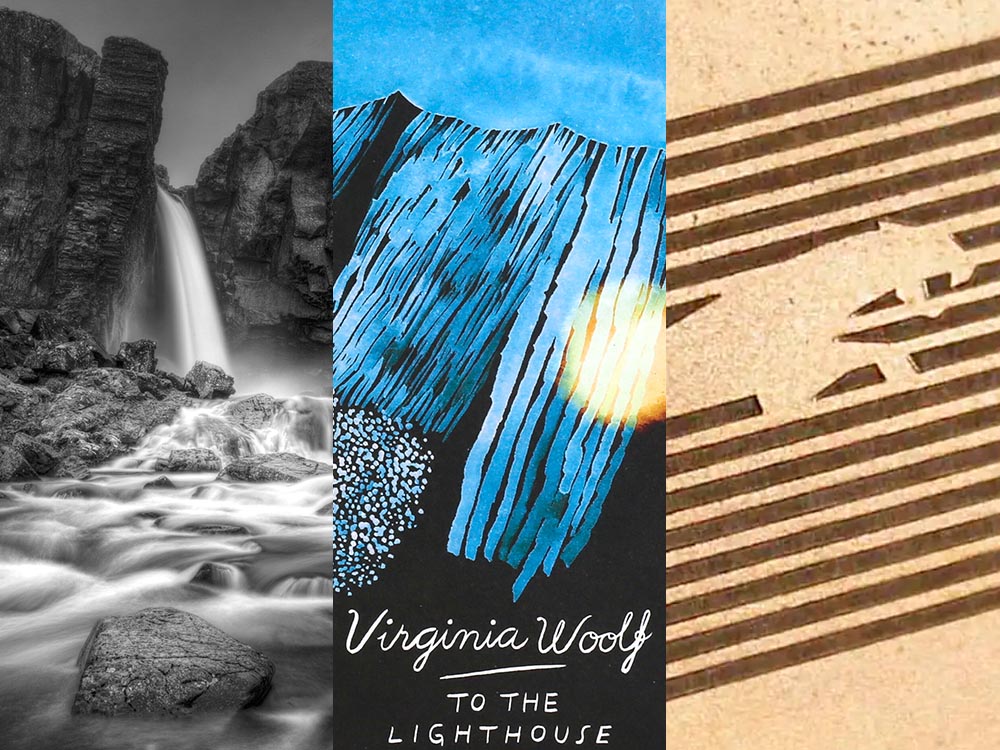
    The buyers that minimalist and the maximalist covers appeal to don’t always overlap. But they do appear next to one another on shelves, actual or virtual. For one just perusing, it’s possible for the volume, whether minimalist or maximalist, to dissolve into noise. Dan’s right to caution.

    Thankfully, the designers on this list have battled the committees bent on mediocrity and overcome with great talent, great design, and great perseverance.

    My best wishes to them — indeed, all of us — in 2025. It has all the hallmarks of another interesting year.

    How this list was compiled

    My selections stem from books I’ve seen in person; the “best of” lists from NPR, The Guardian, and the BBC (among others); and the best book cover lists from Spine, The Casual Optimist, BoingBoing, Creative ReviewPRINT, and LitHub. (Shout out to LitHub’s 50 Biggest Literary Stories of 2024, too.) Please check all of those, and enjoy — a great many more outstanding examples of book cover creativity await.

  • Beautifully Briefed 24.8: Picture This

    Beautifully Briefed 24.8: Picture This

    A trio of miscellany, a trio of space photography, more than a trio of great black and white photography, and a single, very serious photography question for you this time — let’s get right into it.

    Summer of Fun Miscellany
    Intermezzo, Explained
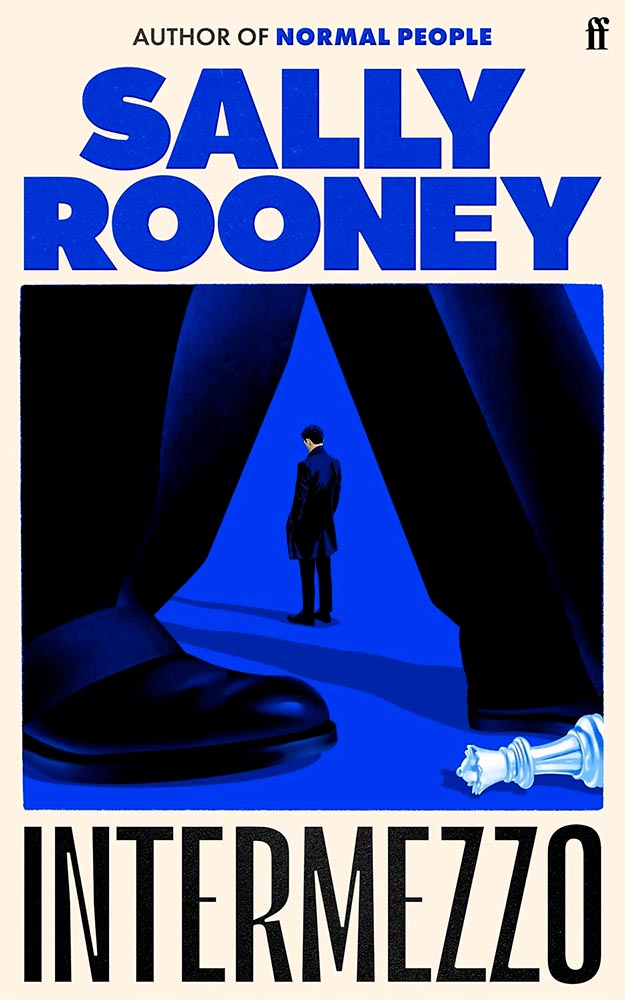
    The UK cover for Intermezzo. Book design by Kishan Rajani. (The US cover doesn’t compare.)

    GQ UK has an interview with Kishan Rajani, a senior designer at Faber, and Pete Adlington, the publisher’s art director, “about how the Intermezzo design came together, the role of social media in modern book design, and how to make books ‘as pickupable as possible.’”

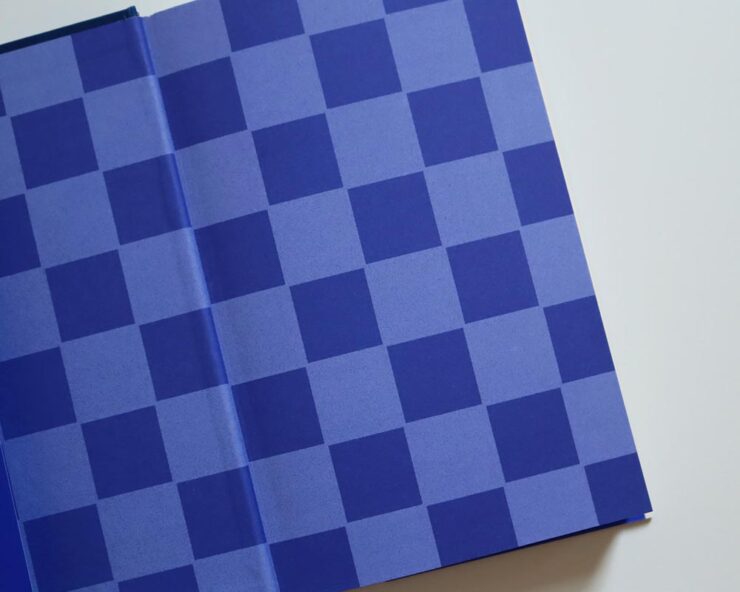
    The endpapers for Intermezzo (UK). I really like that they’ve sweated the little details.

    We can discuss “pickupable” as a word another time — your time is better spent, for now, reading the interview.

    WeTransfer Sold

    “Some of Bending Spoons’ most successful products are tools that serve creativity, therefore we are confident that this milestone will complement both businesses, supercharge our growth, and help us create even more value for creative industries at large,” says WeTransfer CEO Alexander Vassilev of the acquisition.

    I like and appreciate WeTransfer — unlike the corporatespeak above (but hey, we’re inventing words today … right?) — and hope that despite being corporatized, nothing substantive will change.

    PetaPixel: “The companies did not say whether or not all staff or leadership at WeTransfer would be maintained after the conclusion of the acquisition. That may come into question since Bending Spoons does have a track record of buying completed products, training its internal staff on their upkeep, and then releasing the original development team.”

    Crap.

    Update, 9 September, 2024: “Bending Spoons acquired file-sharing platform WeTransfer in July and has now laid off 75% of WeTransfer’s staff,” PetaPixel reports. “The Italian app company Bending Spoons has confirmed the layoffs to TechCrunch, which comprise at least 260 people based on WeTransfer’s employee headcount of around 350 people.”

    Adobe, Again
    The Adobe “World Headquarters” buildings in San Jose, California. Image via PetaPixel.

    Adobe (previously) recently sat down with PetaPixel to discuss the shambles where things stand — clearly, an attempt at damage control. PP published it … and got some feedback:

    Adobe couldn’t explain why it let its once excellent relationship with photographers and media lapse, only that it is sorry that happened. I do believe [their explanation], at least when I hear it from the people responsible for making the software. There is a big divide between the folks who code Photoshop and the C-level executives who are so out of touch with the end users. The thing is, it doesn’t matter what those people down in the trenches of development say or even how good Adobe’s software happens to be, some photographers just don’t like the feeling of giving money to the company because of the people at the helm.

    Jaron Schneider, PetaPixel

    The thing is: it’s less photography, really, than design. If you’re a photographer, how you get to the point of printing or publishing the photographs offers options in software — whether iPhoto, Affinity, Photoshop, or the Pixel 9 Magic Editor — Instagram doesn’t care, Zenfolio takes multiple file formats, and so on.

    But in design — that is, desktop publishing or especially book design — Adobe has a monopoly over the software used by the industry, full stop. I used to love working with their software. Today, not so much. (And for the record, it’s more than their fees, it’s the quality of the software.) It’s extremely frustrating and, at the moment, there is no alternative even on the horizon.

    Crap. (Again.)

    Extraordinary Astrophotography

    So, how many can place Kyrgyzstan on a map? It’s a former Soviet Republic in Central Asia, and, clearly, a great place to do some astrophotography.

    Star Trails Above Tash Rabat by Soumyadeep Mukherjee.

    PetaPixel highlights the work of Soumyadeep Mukherjee, who traveled there specifically for the purpose — and succeeded wildly. It’s awesome to see a country I’m not familiar with served so well. (My favorite, of course, is the short depth-of-field portrait — if you can call it that — of Yuri Gargarin, seen in the header image above.)

    Alternatively, This is Colossal points us at “Bisected by the Milky Way, a Stellar Image Captures the Perseid Meteor Shower Raining Down on Stonehenge“:

    Perseid Meteors over Stonehenge by Josh Dury.

    “Josh Dury, aka ‘Starman,’ is an award-winning landscape astrophotographer, presenter, speaker and writer from The Mendip Hills ‘Super National Nature Reserve’ in Somerset, United Kingdom,” his web site trumpets.

    The thing is … despite looking like he’s about 25, he’s earned it. Great stuff.

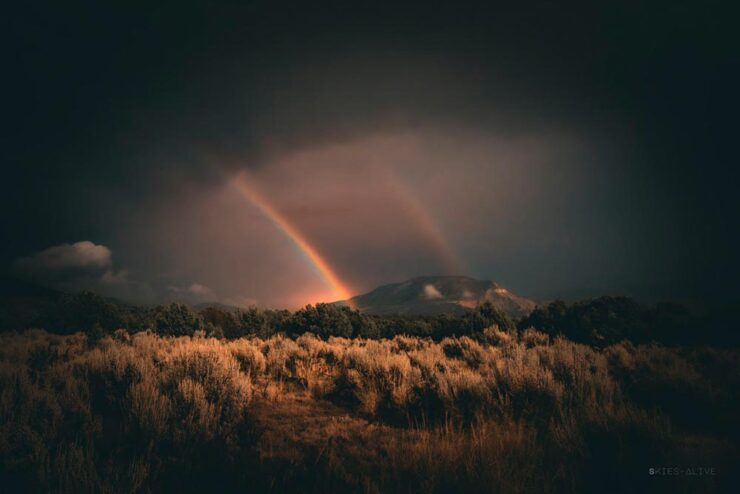
    Meanwhile, back at PetaPixel, “Photographer Aaron Watson, who goes by Skies Alive Photography, has seen many incredible things in the night sky. His latest sighting is a rare double ‘moonbow,’ a rainbow created by bright moonlight in precise conditions.”

    Double Moonbow by Aaron Watson.

    All three of these folks need special thanks for their patience. I have trouble standing still long enough to set up a tripod, let alone do long exposures under rarely-encountered combinations of time, weather, equipment and location — plus lots of good luck — in the middle of the night. Well done, all.

    “Majesty of Monochrome”

    The winners of the third annual Black and White Photo Awards have been unveiled, showcasing the best in monochrome photography across multiple categories.

    Monochrome Majesty: Marie-Elisabeth-Lüders-Haus, by Robert Fulop. Bronze Mention from the Black and White Photo Awards 2024.

    Naturally, I gravitate towards architecture — and the winners (of the nearly 5000 entrants) demonstrate serious talent.

    Bench, by Colin Page. Finalist from the Black and White Photo Awards 2024.
    The Double Helix, by Md Tanveer Rohan. Finalist from the Black and White Photo Awards 2024.
    Windows by Manfred Gruber. Finalist from the Black and White Photo Awards 2024.

    See the winners — and especially, take in the finalists, many of which I’d personally judge to be winners in their own right — at the contest’s web site.

    Special Bonus #1: It’s time once again for the annual iPhone Awards, “a powerful testament to the art of storytelling through photography.” I especially liked this one:

    Bicycle Forest by James Kittendorf. 3rd place in the Cityscape category, 2024 IPPAwards.

    It’s a great photograph, certainly, but it was taken by a now-quite-elderly iPhone X — proof, once again, that it’s the camera you have with you. See all the 2024 winning photographs, in multiple categories and taken worldwide, here. (Via PetaPixel.)

    So … What’s Next for Photography?

    The Verge: “Anyone who buys a Pixel 9 — the latest model of Google’s flagship phone, available starting this week — will have access to the easiest, breeziest user interface for top-tier lies, built right into their mobile device.”

    A montage from The Verge, thankfully clearly labeled.
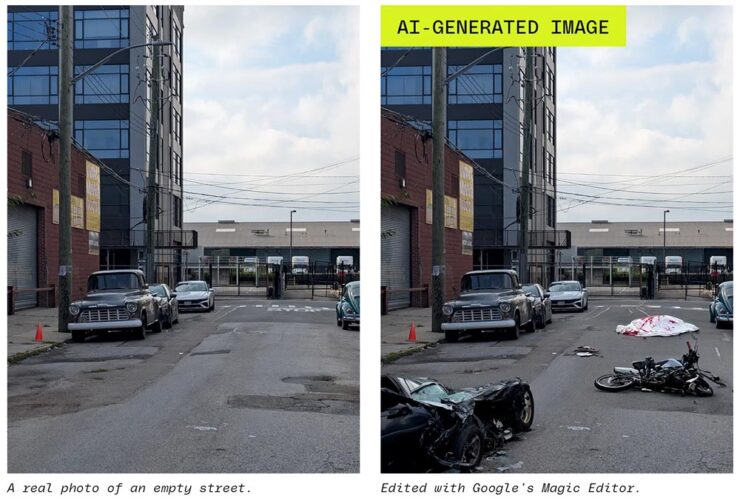
    Life-changing moments have long been captured using photography, from Moonrise to George Floyd. But, generally, fakes were the exception, not the rule. We’re, unfortunately, arming the folks who cry foul.
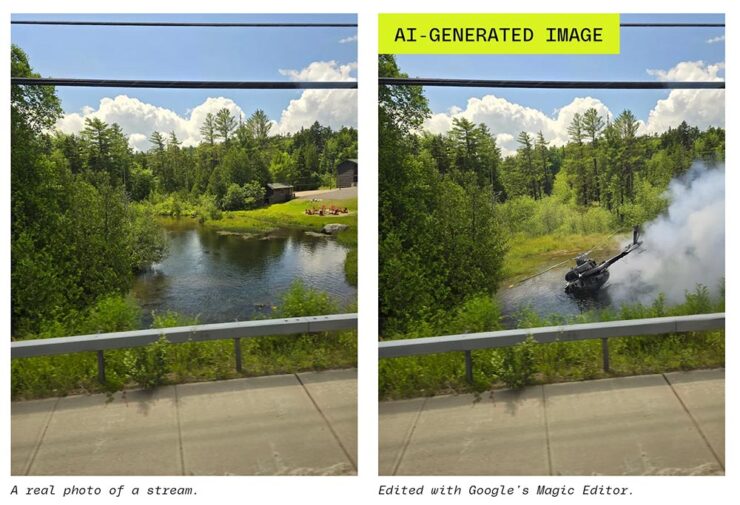
    Another montage from The Verge. Note the woods filled in behind the helicopter less convincingly than the accident, above — but how many are going to notice?

    It does this article disrespect to summarize. Just go read: “No one’s ready for this.”

    Special Bonus #2: Nick Heer, at Pixel Envy, articulates what needs to be said: “anyone can now radically and realistically alter an entire scene within minutes of taking a photo. [O]ur expectations need to change.”

  • Beautifully Briefed 24.7: Generated

    Beautifully Briefed 24.7: Generated

    This time, another automaker logo, some automotive and architecture photography, and the special bonuses that have all become a regular part of the Beautifully Briefed standard. But we’re going to start with some generated content.

    AI Book “Design”

    From the “We knew this was going to happen” category, we have the first — that I’ve seen, anyway — “let AI do the work” research paper suggesting that book design is something that can be automated.
    We have presented a novel approach to computationally design books. The presented system implements a generative design process which takes advantage of the scripting capabilities of Adobe InDesign to procedurally typeset books from content provided by the user. We have shown the ability of the system to (i) create book designs that consistently comply with a series of typographic rules, styles and principles identified in the literature; (ii) produce visually diversified books from the same input content; and (iii) produce visually coherent books with different contents.

    Design by “AI.”

    Let’s please remember that “AI” as the term is currently used is actually “applied machine learning;” in this case, specific rules within specific containers in a specific application. It’s a first step towards something, as most “AI” is in 2024.

    But it’s absolutely not the only step. It’s inevitable that the necessary subsequent steps will be taken, probably sooner than later.

    As usual where someone is seriously discussing replacing a human worker with a computer, there’s a pitch for the upside:

    The work presented in the paper may challenge the typical roles of both the tool and the designer. First, by automatically creating and suggesting design alternatives, the tool ends up playing a more active role in the design process. Then, by modifying and developing custom tools, the designer is no longer a mere tool user and becomes the author of tools tailored to specific needs. We believe this shift can be fruitful since it enables the exploration and discovery of new technical and creative possibilities.

    In other words, the designer is now responsible for creatively writing the rules then policing the output — like so many things in the machine-learning, or “AI” space — rather than the actual drudgery of directly designing the output. “Design great rules, get great design.”

    And there is room for this. Amazon, especially, is going to jump on book design generated this way; never mind those folks in China or India earning (a paltry few) dollars a day, the computer can do it better for less . . . . Poof! With no human interaction whatsoever, your book is ready to publish. Indeed, for some, the bar to publish has just been lowered made easier. Perhaps even Adobe, who trumpets “AI” at every turn these days, they may choose to take this up. (Probably for a surcharge to the already-high subscription pricing.)

    Let’s not even speculate about the major publishing houses for now.

    But like AI-generated anything, getting actual art requires hand-tuning the input by an artist. For what amounts to “slop” — see this fantastic PixelEnvy discussion — the generated approach to book design might even be appropriate. But for book design that’s artistic, cared-for, or even “just” thoughtful, you’re going to need a human for a long time yet to come.

    The paper is available on Cornell University’s arxiv under CC BY-NC-SA 4.0 DEED license. (Via Hackernoon.)

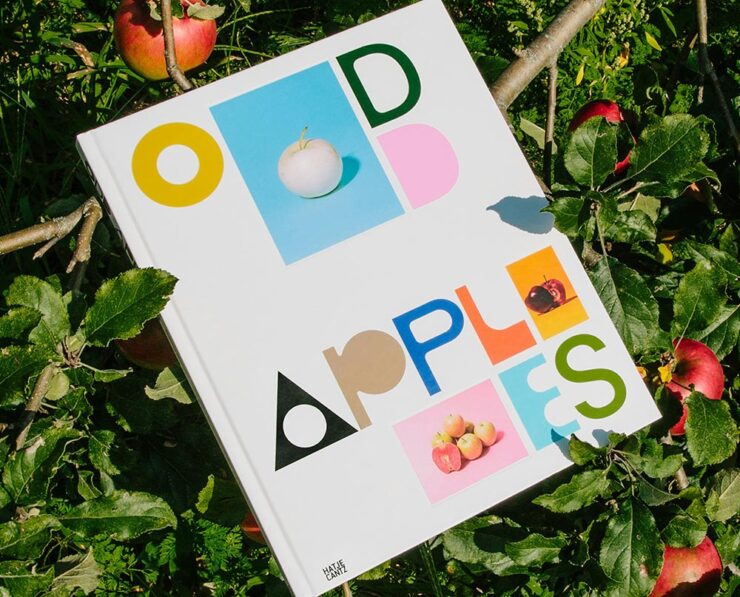
    The excellent Odd Apples, which I’m sure I’ve highlighted before — but in a very human way, can’t find.
    Special Bonus #1: I had the occasion to recently flip through Pentagram’s book design section. Some seriously interesting, seriously artistic work. (See the Odd Apples listing specifically.)
    It could probably be argued that computers took book design jobs away, but….

    Special Bonus #2: CreativeBoom links to three free archives on Victorian illustration to inspire — or perhaps use creatively in a book.

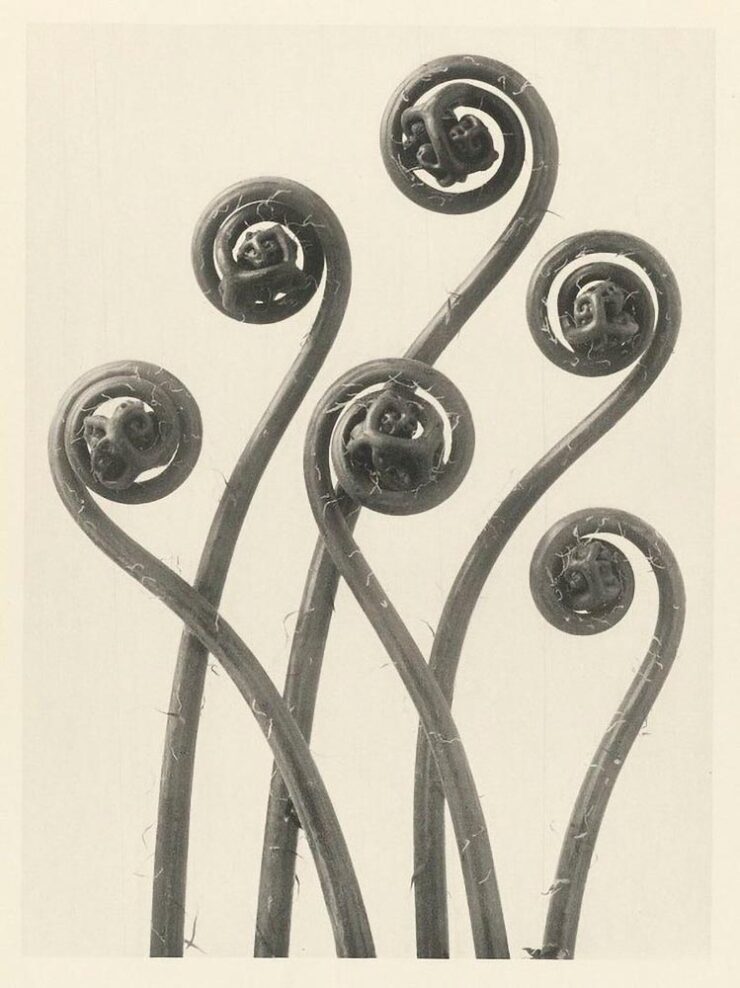
    Untitled (Fiddleheads), 1928. Photo by Karl Blossfeldt.

    Special Bonus #3: The ever-great Kottke.org. points us at Public Work, “an image search engine that boasts 100,000 “copyright-free” images from institutions like the NYPL, the Met, etc. It’s fast with a relatively simple interface and uses AI to auto-categorize and suggest possibly related images (both visually and content-wise).” As Jason Kottke points out, not great in the attribution department, but good stuff nonetheless.

    Mazda’s New Logo
    Mazda’s logo as of 2023, seen on one of its cars.

    From the automotive logo thread (previously), we have to note Mazda’s new look, reduced from the current 3D-style grayscale to flat and black and white. This one gets some criticism from me: it lacks grace, pace, or space. (Hmph. That might be someone else.)

    Angry Bird, anyone? (Pardon the artifacts — this image is enlarged from a Japanese trademark post.)

    Then again, Mazda has not always been successful with logos. Anyone remember the 1991–1997 version?

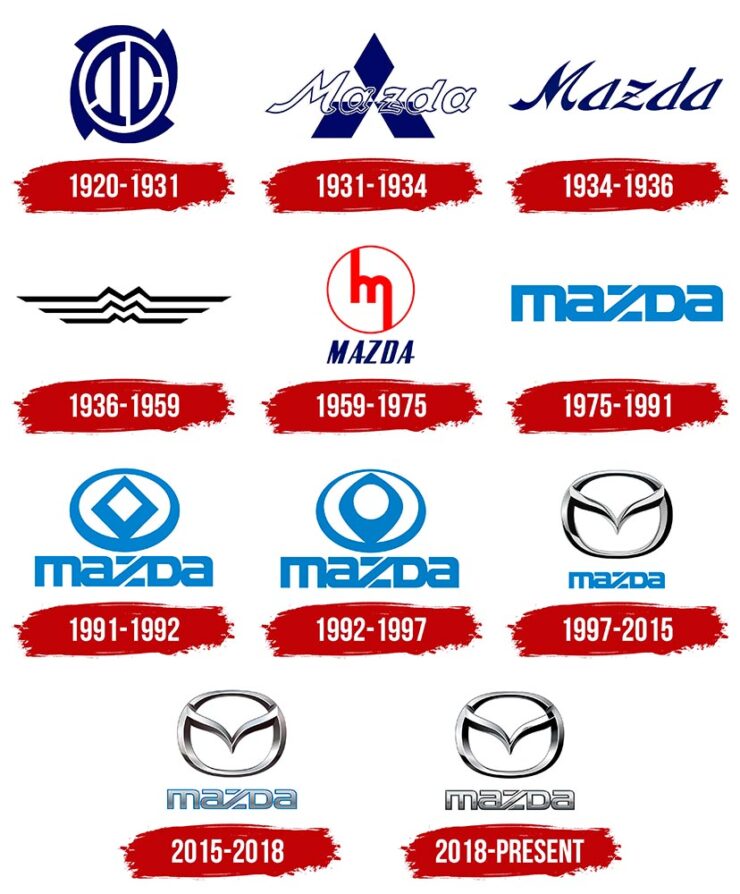
    Mazda’s complete logo history.

    The 1931–1934 version lays the name over Mitsubishi’s logo, which was responsible for sales. The 1975–1991 version is the one I remember best, but that’s likely a youth/rose-colored glasses sort of thing. See Wiki for more information.

    Meanwhile, Mazda is trying to move upmarket right now, and the new “look” isn’t really in keeping with that. Curious to see where this goes. (Via The Autopian.)

    Mazda’s new electric concept, the Errata, sporting an interim, flattened version of the current logo. Wait, might have gotten something wrong there, too….

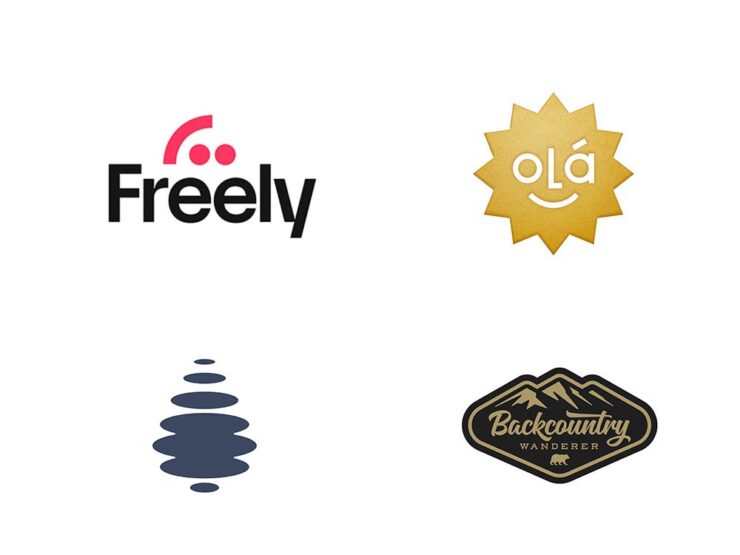
    Special Bonus #3: BrandNew points us at the 2024 Logo Trends report, the annual fun item from Logo Lounge that looks at what’s hot in this year’s crop of — you guessed it!

    Freely (Smiley category) and Droplet (Elliptic category), left, and Olá and Backcountry Wanderer, right, from the Sticker category. (Olá could be in the Smiley category, too.)

    Some of my favorites are above, but the whole report is worth a look. (Spoiler: more than flattening is on trend.)

    Auto, Auto+Arch, Arch
    Auto Photo Manual

    Via Wallpaper*, we have Auto Photo Manual, a new monograph from Benedict Redgrove that “explores the art and science of photographing the world’s most striking cars:”

    A very orange Lambo. Photo by Benedict Redgrove.

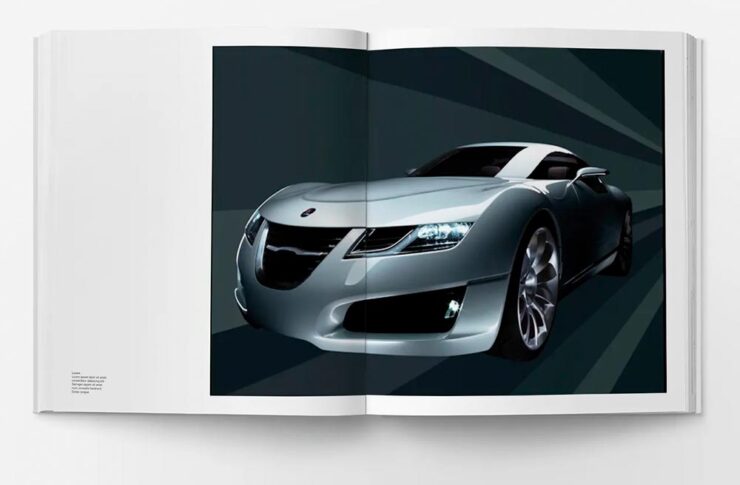
    Always a sucker for a Saab, especially this concept:

    The 2006 Saab Aero-X concept. Photo by Benedict Redgrove.

    Auto Photo Manual is a Kickstarter item that could use some love — stop by if you can. Wallpaper* has the full story.

    A Time • A Place (Vol. 1)

    Also via Wallpaper*, we have a “celebration of the European Car of the Year and changing perceptions of modern design, pairing the best buildings of the age with their automotive contemporaries:”

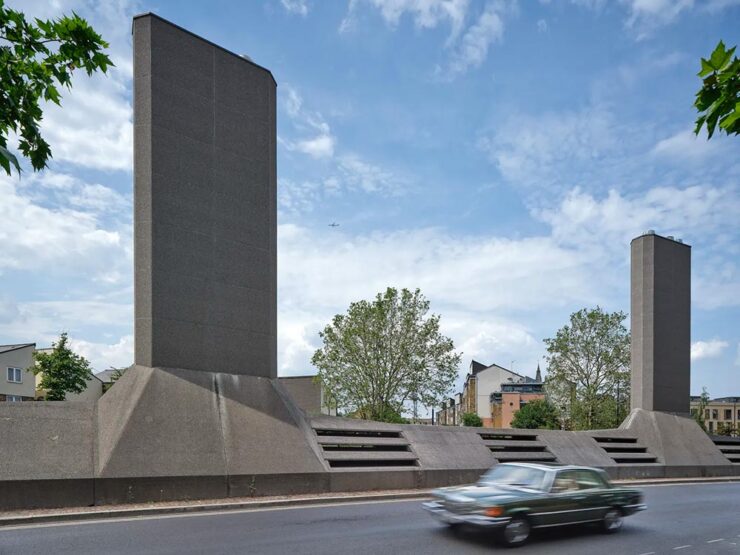
    London’s Camberwell Subamarine and the Mercedes W116. Photo by Daniel Hopkinson.

    “Through the lens of time, both [cars and buildings] have become highly symbolic of their eras and hindsight will allow us to trace the roots of each design to determine how it is viewed from a 21st century perspective,” says Holroyd, noting that over this period architecture underwent a stylistic retreat, just as car design became emboldened and more avant-garde.

    Great stuff in this new title, available now from The Modernist. Read more at Wallpaper*.

    World Architecture Festival 2024 Shortlist

    Via The Guardian, we have The World Architecture Festival’s 2024 shortlist, revealing projects from around the world spanning categories such as childcare, energy, transport and science. A couple of faves:

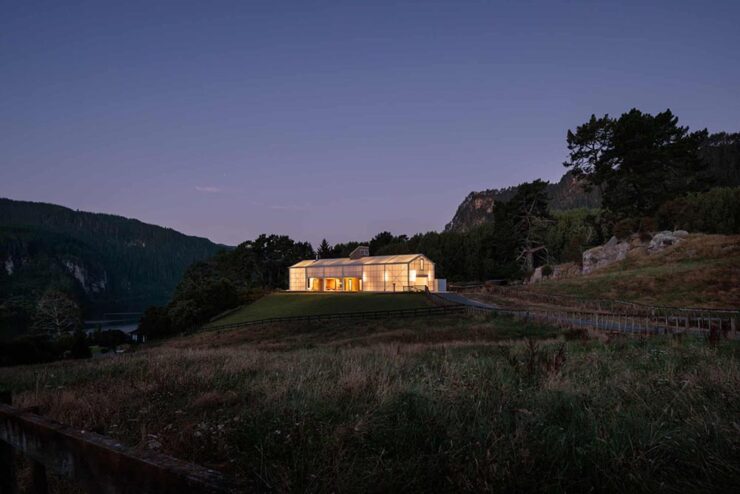
    The Chodge by DCA Architects of Transformation — interesting name(s), surely — in Whakamaru, New Zealand. Photograph by Simon Devitt.

    The live awards event will take place in Singapore from November 6-8. This year’s finalists represent 71 countries.

    Woven Passage to Cloudy Peaks by line+ studio in Shaoxing, China. Photograph by line+studio.

    See more at The Guardian, or the complete shortlist at The World Architect Festival.

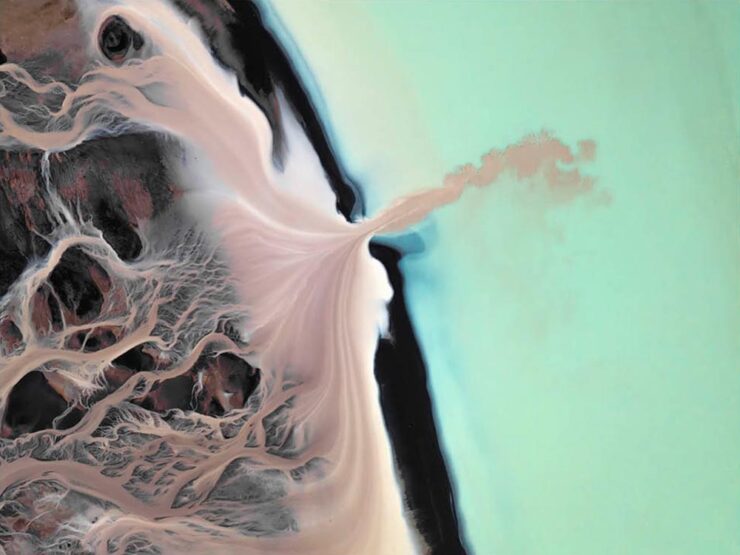
    Special Bonus #4: This is Colossal brings us the drone photography of Eric Waider, shot in Iceland:

    As glaciers expand and recede, they have the capacity to grind rock so fine that geologists refer to the pulverized material as glacial flour. It slips down rivers and into lakes, carrying the otherworldly turquoise hue through a unique and resilient ecosystem. In Iceland, the blue-green color is complemented by rivers that flow yellow, thanks to sulfur from nearby volcanoes, or red from dissolved ferrous iron—also known as bog iron. Coursing over rock and black sand, the streams take on dazzling, rhythmic patterns.

    Photograph by Erik Waider.

    Brilliant. See his website (“Abstract Landscapes of the distant North”) and enjoy that series and more — including faves such as Ocean Blues and Glacial Macro.

  • Beautifully Briefed 24.3: Bloomin’ Breadth

    Beautifully Briefed 24.3: Bloomin’ Breadth

    The end of March here in Middle Georgia means flowers aplenty, and usually with that, some photography — but I’ve not yet had a chance. (Stay tuned.) I have, however, been saving up links o’ interest: fonts, books, photography, and new(ish) car logos. Let’s go!

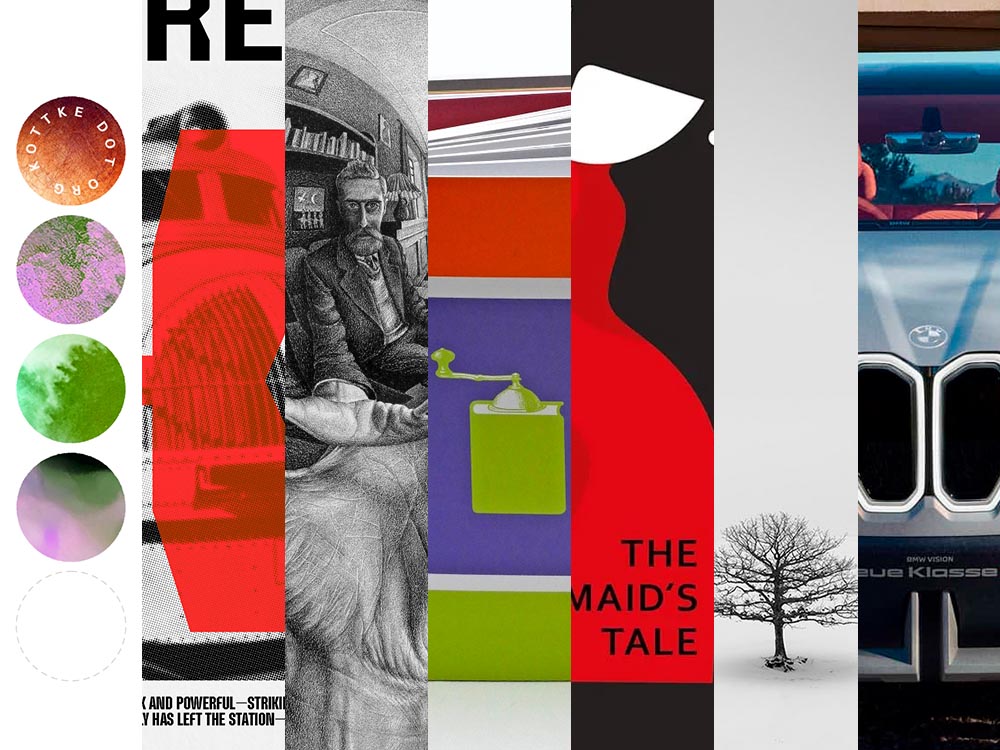
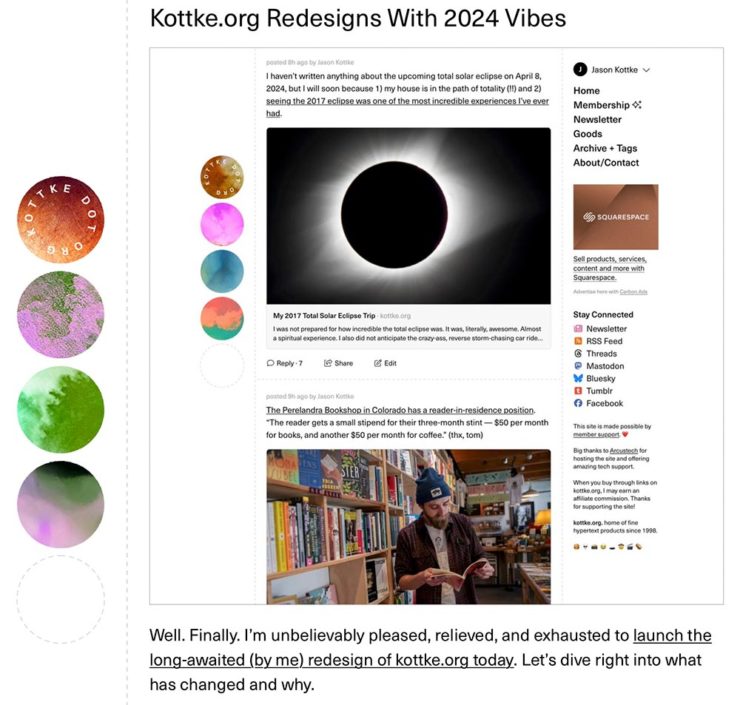
    Kottke Meets 2024

    Starting with one of the very few places that is still around from Foreword’s old days, the always-interesting Jason Kottke:

    2024 marks Kottke.org’s 26th year on the ’net.

    Great new looks for great content, with better Quick Links — the previews are ace — and incredibly-appreciated gift links to places like The New York Times and The Atlantic. If you haven’t been in a while, click and enjoy.

    Fab Spring Type

    With “a plethora of captivating new typefaces,” CreativeBoom celebrates spring with 11 new faces to tempt, inspire, and bring joy:

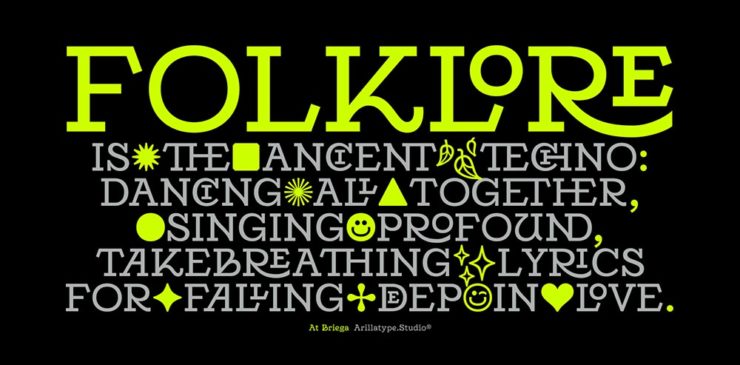
    Arillatype.Studio brings us a thousand glyphs of greatness.

    Zanco, with its bell-bottom style; Seabirds, inspired by 1930s book covers; Module, a “fluke side hustle;” and Graffeur, improvised from gaffer tape and glimpsed in this post’s header image, are all great. My far-and-away favorite, though, is At Briega, “inspired by the concept of hybridisation” and shown above.

    See ’em all here.

    Literary Three-Fer
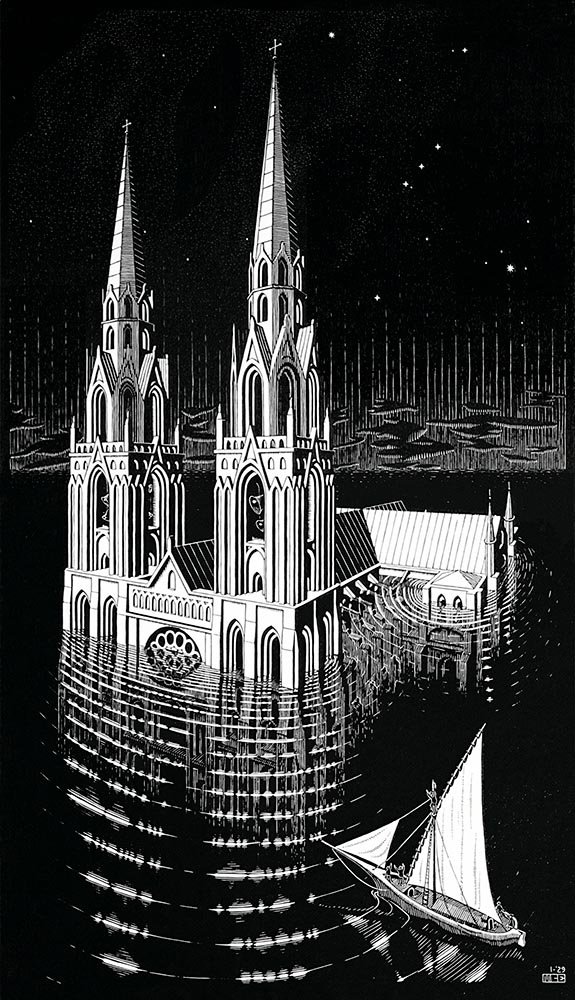
    M.C. Escher’s Lesser-Known Works
    “The Drowned Cathedral,” a 1929 woodcut.

    “Unique perspective” never does justice to someone whose name defines the term. See some never-before-seen images alongside old favorites in a new Escher book highlighted at Hyperallergic.

    Multidimensional Libri

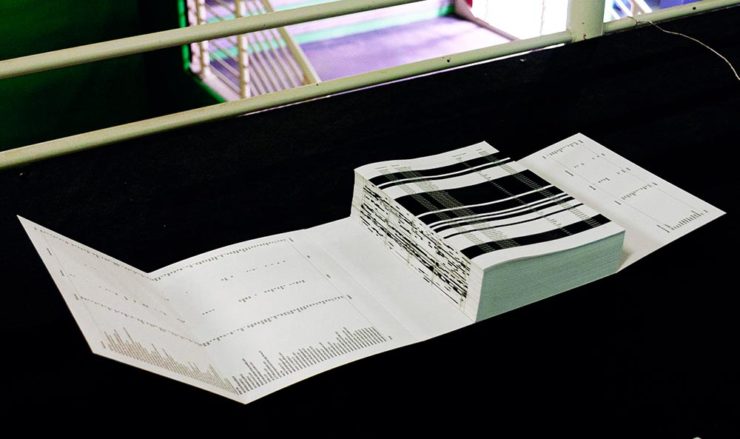
    “Experimental books are flourishing, [a]nd the evidence is seen” in this Daily Heller from PRINT: a traveling exhibition on three-dimensional books, all published titles.

    Oh, those Italians. Read on.

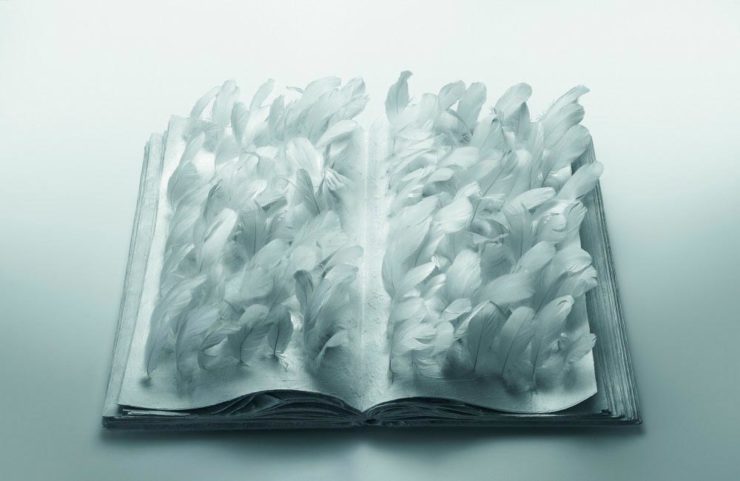
    Book Design Snobbery
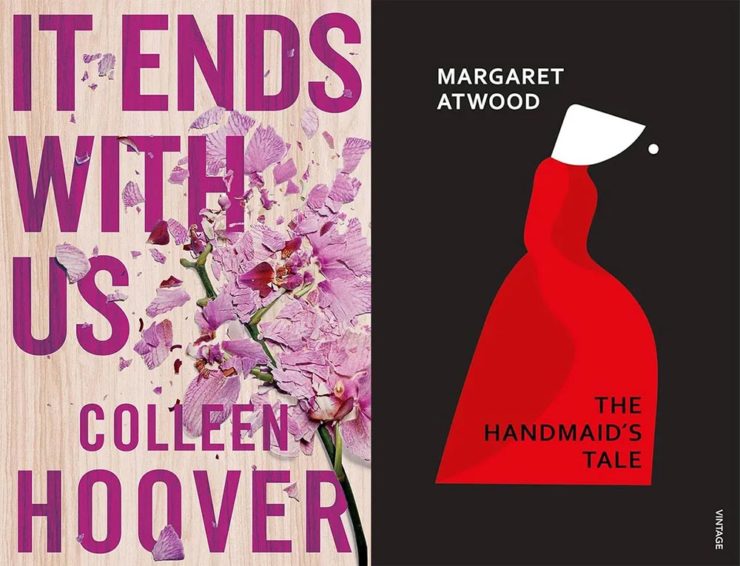
    Hoover vs. Atwood — no joke.

    “Don’t get held back from the simple pleasures of reading,” argues Natalie Fear at CreativeBloq, “not everything needs to be minimalist.” Justification for commercialism or a common-sense explanation for the bookshelves’ current look? You decide.

    Photography Three-Fer
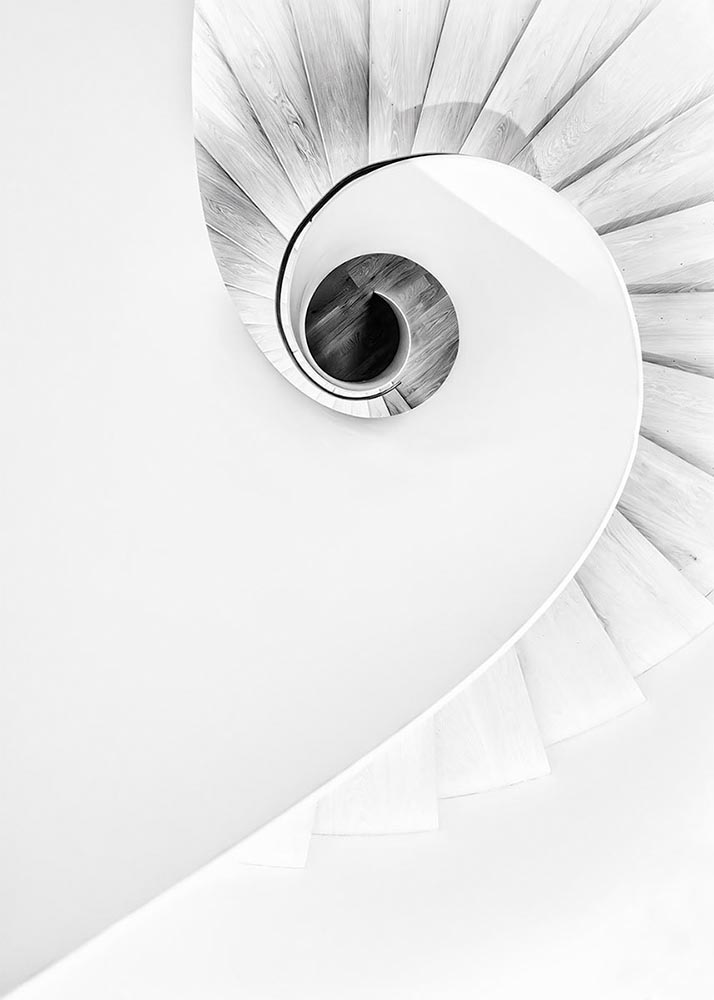
    Winners of Monochromatic Minimalism
    “Black Pearl” by Sascha Kohne. An honorable mention for the magazine, but a winner for me.

    Some incredibly good stuff here — but perhaps more importantly, did you know of Black & White Minimalism Magazine? There’s no end to today’s continued diversification, methinks.

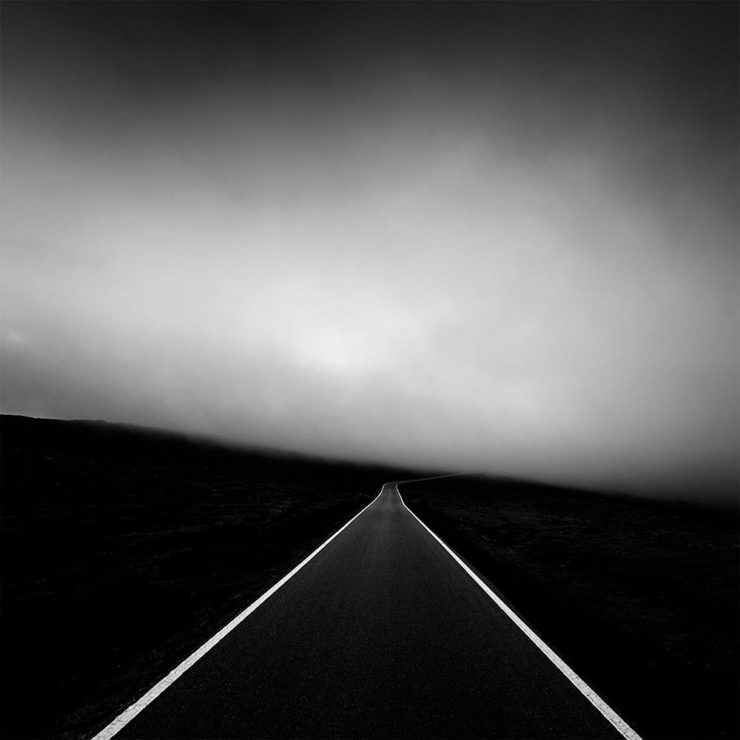
    “Traveling through Costa da Morte, Galicia. 600m above sea level where the mountains separate the Cantabria sea from the Atlantic Ocean,” explains third-place winner Alexandre Caetano.
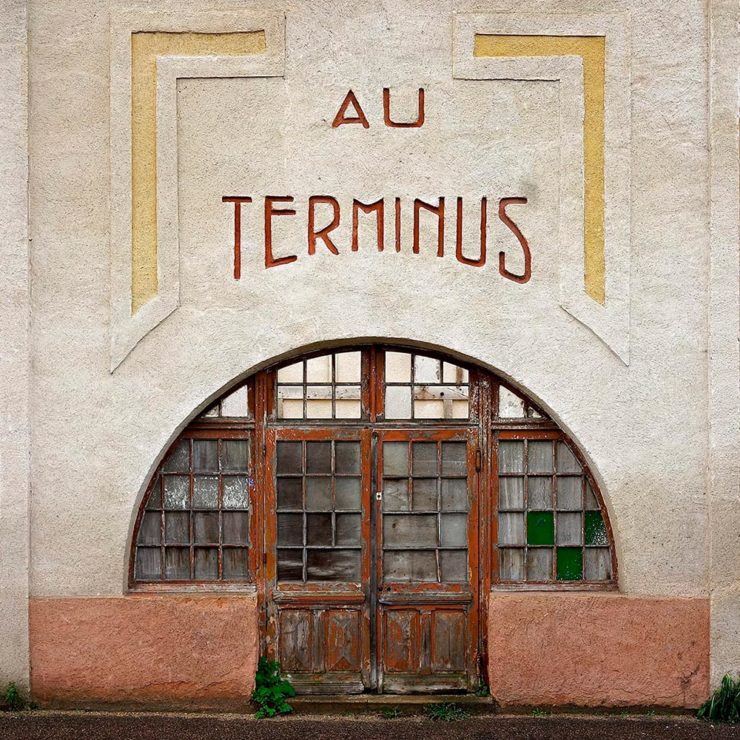
    Aging Facades of France

    “Shuttered blinds, peeling paint, and aging doors don’t usually indicate an invitation, but for French photographer Thibaut Derien, the fading facades of long-closed shops are well worth a stop,” This is Colossal says.

    Sony Photography Awards: Architecture
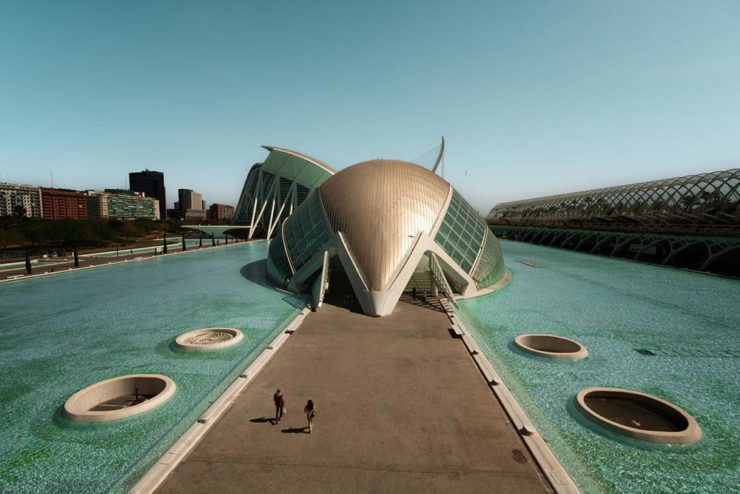
    The Ciudad de las Artes y las Ciencias (City of Arts and Sciences) in Valencia, Spain: “Hemispheric,” by Eng Tong Tan, Malaysia.

    ArchDaily‘s coverage of the annual Sony awards shortlist announcement was an insta-click.

    New Bull: Now Flat. (And a BMW.)

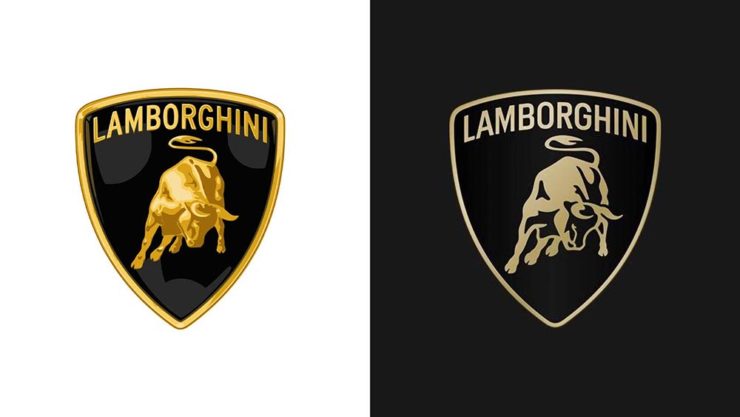
    Lamborghini practically defines flamboyant. So it’s worth a link when their logo gets less interesting:

    Old logo, left, new, right.

    Late at following the industry trend of flat-is-better, because, well, Volkswagen. (Okay, I undersell. Perhaps.) Read the lack of news at Motor11Motor1 also has a decent roundup of new car logos, from 2016-present, which underscores the “flatness” trend. or The Drive, where they manage to convey the brand’s use of the phrase “digital touchpoints.”

    I don’t know whether this will make any more sense in a few or even many months — which is relevant because of BMW. Four years ago, one of the industry’s design leaders expressed strong this new style, and I didn’t get it. But it’s worn better than most, and superlatively on occasion — check out the logo’s use on the Vision Neue Klasse X:

    Rather than a standalone, plastic part sitting on the paint, it’s etched into the finish. Man, I hope that makes it into production.

    Neue Klasse: do like. Bull? No so much.

    Update, 2 April: BrandNew, itself sporting a new look, has weighed in on the new Lambo style, calling it “not good.” (FYI, BrandNew is a subscription, quite possibly the best $20/year someone interested in design can spend.)

    • 1
      Motor1 also has a decent roundup of new car logos, from 2016-present, which underscores the “flatness” trend.
  • Beautifully Briefed 24.2: February Favorites

    Beautifully Briefed 24.2: February Favorites

    This time, book design times two, book cutouts, album covers, and a reflection on my 2023 photographs. It’s one of those Februaries, so let’s leap into it.

    Jodi Hunt’s Great British Design
    Screen print by Kate Gibb, lettering by Jodi Hunt, and photograph by Adaeze Okaro.

    You might recognize the above book cover from my 2023 Favorite Book Covers post, a fantastic series of choices that speak to all colors while definitively saying, “Black.” It’s Nice That has a short post talking about Jodi Hunt, who designer that cover — and more.

    Design by Jodi Hunt.

    The screen printing is prominent here, too, and the interaction between that and title are, to borrow a Britishism, “ace.” And the below, with its slightly haunting image treatment (and that great text, lower left), also earns kudos:

    Design by Jodi Hunt.

    Great design, deservedly highlighted. See the other examples here.

    The original Book Design
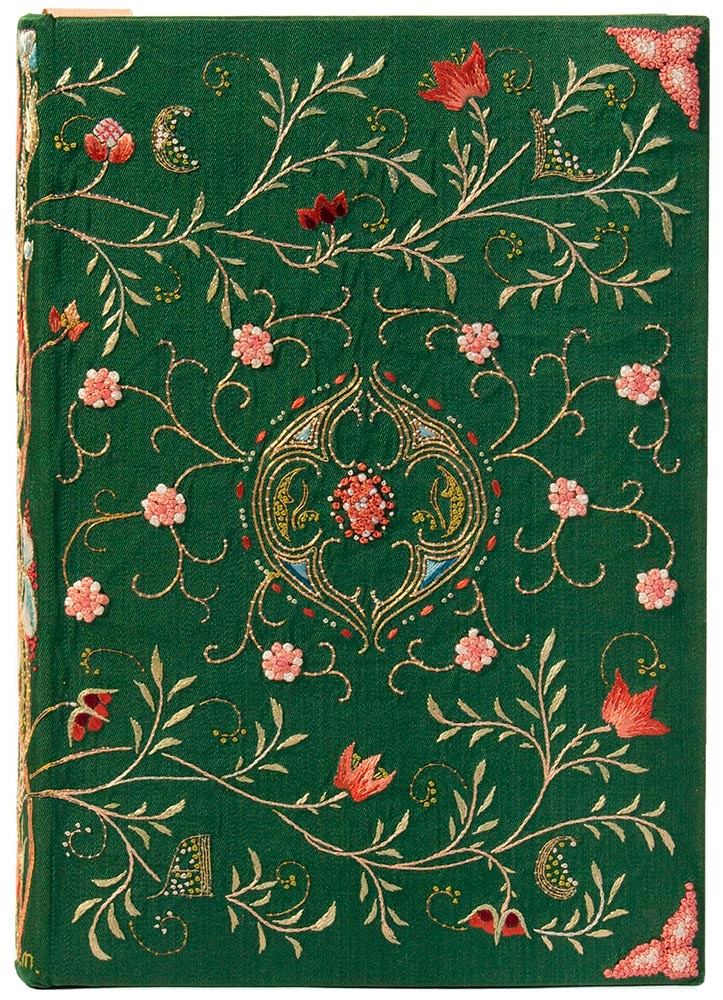
    Ernest Lefébure, Embroidery and Lace: Their Manufacture and History from the Remotest Antiquity to the Present Day (1888), with binding created by May Morris

    Before there was book design, or even graphic design — that is, when books and pages were thought of as art instead of design — folks were still coming up with great book covers. The Grolier Club, “America’s oldest and largest society for bibliophiles and enthusiasts,” has a wonderful exhibit of cover design . . . made up exclusively of antiques.

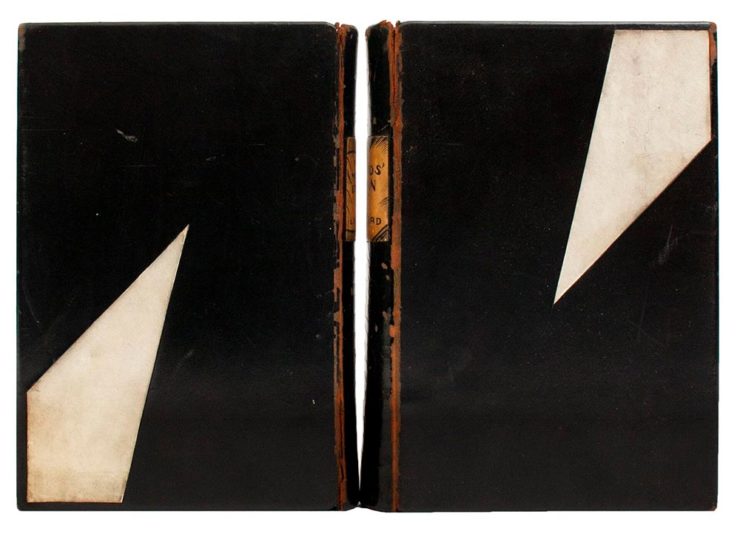
    Lynd Ward, Gods’ Man: A Novel in Woodcuts, 1929, and Madman’s Drum: A Novel in Woodcuts, 1930.

    One of the most memorable artworks […] is a sumptuous but comparatively delicate volume, a 1643 book of psalms created in London. Atmospheric exposure usually turns white silk-bound editions tan and brown, but this cover is a shiny cream color. The polychrome silk and gold metallic threads, which wind around one another to form a colorful floral pattern, maintain an eye-catching vibrancy. The only sign of the book’s age is the oxidized silver “stumpwork,” a type of raised embroidery that in this case resembles beading.

    Elaine Velie, Hyperallergic

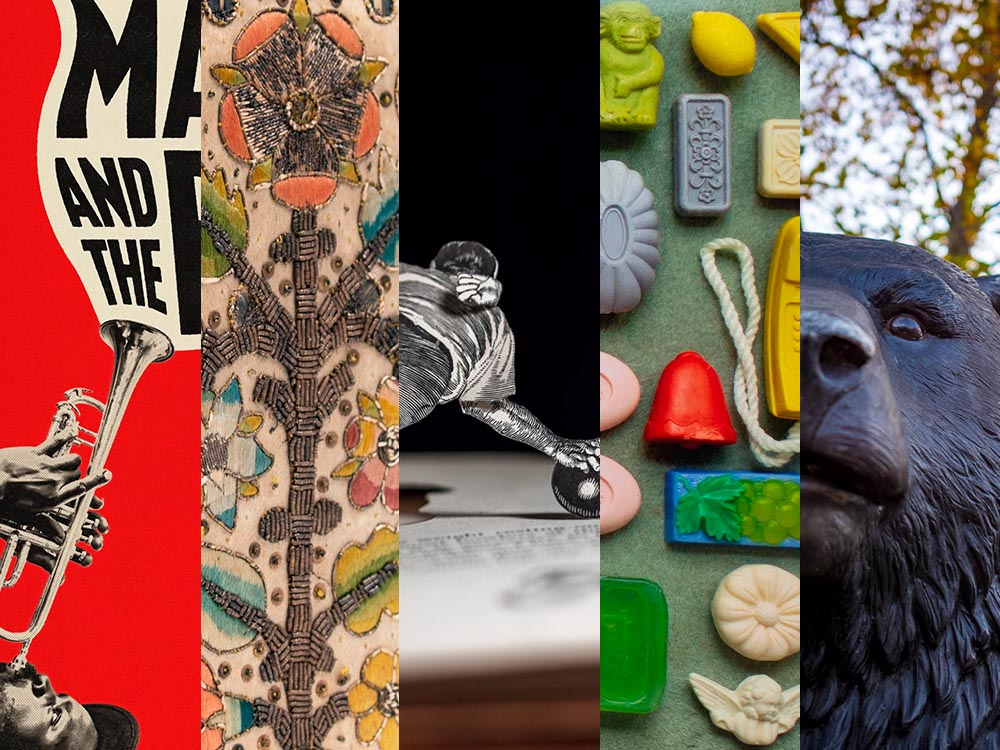
    The quote above refers to the book in this month’s cover image, second from left, and is but one where what you see isn’t necessarily what you think it is — it’s more complex, more interesting, made with what the artist had available in the day. Great reminders, all, that book design has a much longer history than what we think of when we hear the term.

    Check out that Hyperallergic article, another on This is Colossal, or, if you’re near NYC, go to the exhibit at the Grolier, 66th and Park. If, like me, you’re not able to visit in person, give them props for also posting the exhibit online.

    Books Manufacture Realities

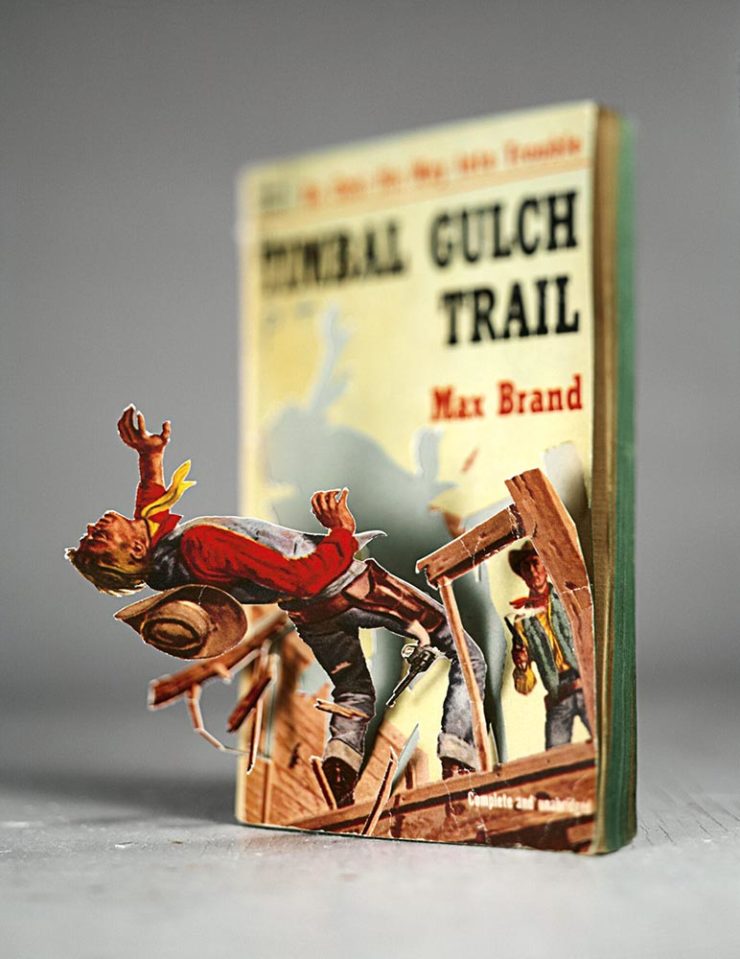
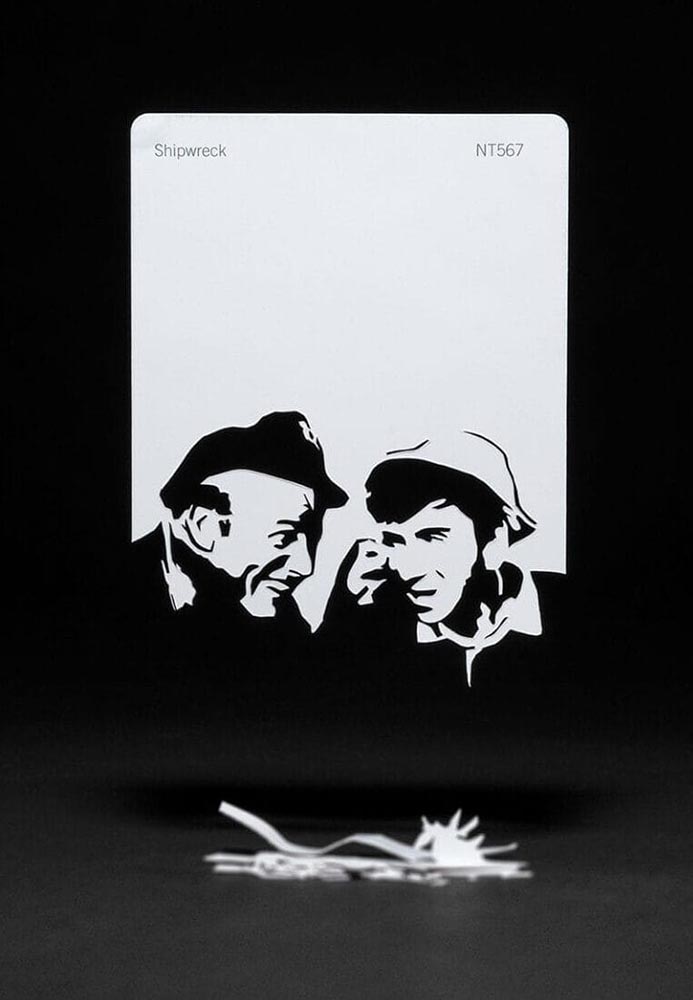
    “Meticulous incisions and methodical folding allow scenes to arise from aged books and color swatches in Thomas Allen’s paper cutouts,” This is Colossal notes — but a picture is worth a thousand words:

    Timber by Thomas Allen.

    The vintage paperback work happened by complete accident. I was cutting into a pulp novel one afternoon with the intent of removing the illustration completely when I noticed that if I left some areas attached, folded the parts carefully, and looked at them from a single vantage point so that everything aligned, they created the illusion of 3D pop-ups. Everything snowballed from there.

    — Thomas Allen, via This is Colossal
    The three-hour cutout: Shipwreck, by Thomas Allen.

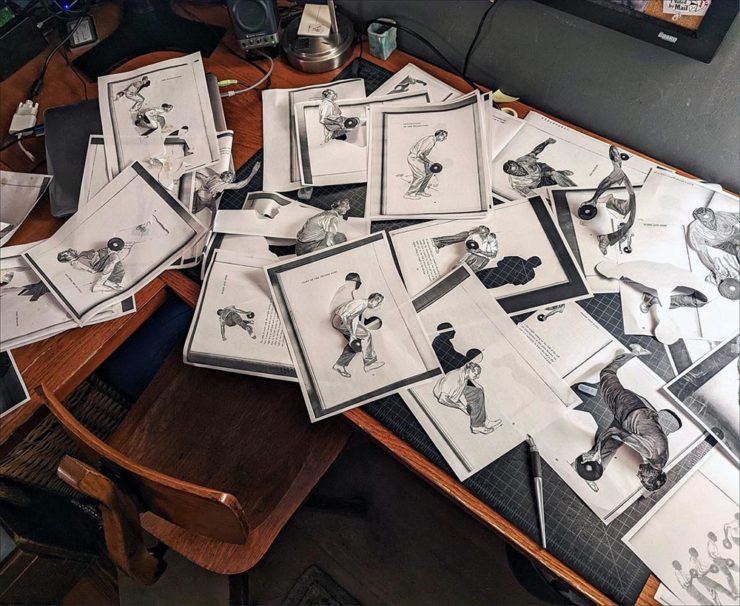
    Here’s his desk — whoa:

    Test cutouts in Allen’s studio, via This is Colossal.

    The article is a must-read. Awesome stuff.

    The Article’s Great — but the Headline is the Point.

    “Virality over Creativity.” Few things summarize the last few years more — it’s always about getting eyeballs, not about truth or quality. It’s satisfying the algorithm. Because, of course, these days, media is social.

    Real or AI?

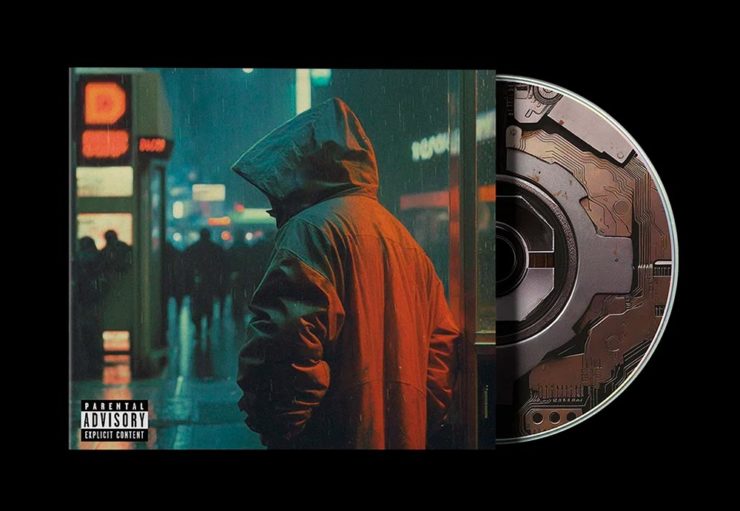
    POV, a new series of articles from It’s Nice That examines, in this case, creativity and AI in design for the music industry. “If an artist isn’t putting a piece of themselves and their experience into the work,” it asks, “why should anyone care?”

    All valid questions, yes. But it’s the headline that provides another potential word of the year: virality.

    The times we live in . . . .

    Some of my Favorite 2023 Photographs

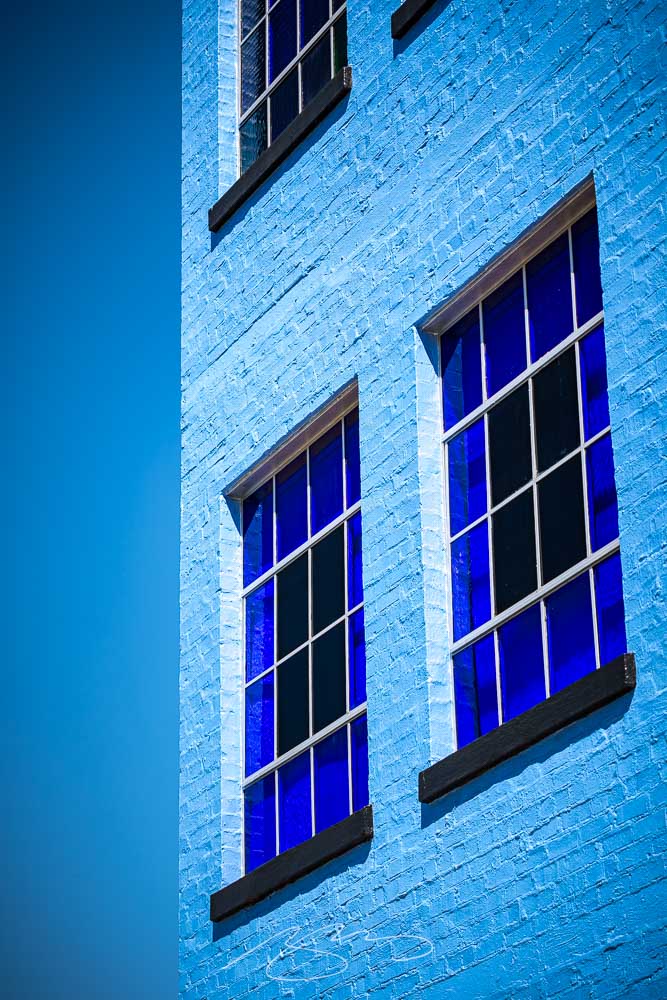
    I’ve updated my photography page with my favorites of 2023, including these two:

    Blue Against Blue Against Blue, 943 Ellis St.

    The above, taken in Augusta, is architecture that doesn’t make me feel blue, while the below, taken on the main street in Sparta, does:

    Bulb Moment, 12745 Broad St.

    A couple of reflections: I didn’t get out as much as I did in 2022, and regret it, and have somehow pretty much eschewed both black-and-white and effects (film grain, light leaks, etc.), and kind of regret that, too. Both things to do differently in 2024.

    That said, six years after investing in a different style of photography, I’m settling in — and looking forward to the future. I hope you are, too.

  • Beautifully Briefed 24.1: Optimism, Hopefully

    Beautifully Briefed 24.1: Optimism, Hopefully

    In this installment, Honda’s new(ish) logo, the Travel Photographer of the Year 2023 winners, and the Macintosh turns 40. Plus, one more thing. But first:

    My Favorite Book Covers of 2023

    In case you missed it, the annual favorite book covers post is up — all 78 items (plus some extras). It’s best viewed large, so click and enjoy.

    Honda’s New Logo: Not a Zero
    Not a zero — an “H.” Clever(ish).

    As car manufacturers go, Honda’s tiny. As a result, they’re way behind on the electric push: they’ve got some hybrid stuff, a hydrogen fuel-cell item only available in California, and a new battery vehicle built by GM. Not where you want to be in 2024.

    So they’re trying to make a splash. And to their credit, they’re doing it in an attention-getting style. Introducing the Honda Zero series, starting with the Saloon:

    Futuristic indeed.
    There’s no mistaking this for an Accord — but then, that’s the idea.

    And the Honda Zero Space Hub:

    Not minivan, Space Hub. (The no-rear-window thing is becoming a trend, alas.)

    Other Zero Series cars will follow, and of course, being concepts, details are scarce. Both concepts, however, highlight a new logo for Honda’s EV effort:

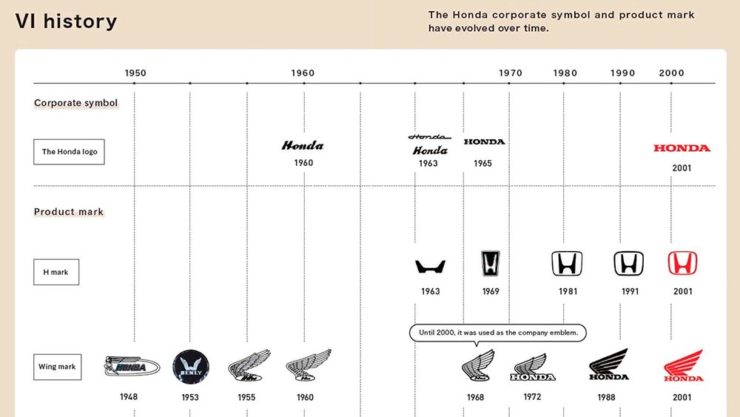
    Yeah, not earth-shattering. (And distinct from the Zero-series logo, above, which does not seem to appear on the cars — only marketing materials.) Here’s a history, for reference:

    It’s worth noting that the non-electric cars will retain the current logo they’ve used since 2001. Read more at Motor1 or The Drive. (The latter has more on Honda’s Zero cars, too.)

    2023 Travel Photographer of the Year (Contest)

    Disclaimer up front: it’s another pay-to-enter photography contest, which seem to have proliferated. The problem here is the outstanding quality of output — perhaps I should just get over it and move on.

    The rules of this one require both prints for final judging, no composite images, no AI, and a RAW file to check results against. All of which mean, to me at least, a higher level of achievement in order to enter. Okay.

    Shout out to the BBC for bringing this year’s winners to my — our — attention.

    Travel Photograph of the Year 2023 overall winner: AndreJa Ravnak, Slovenia

    Slovenia is a beautiful country, and AndreJa Ravnak’s winning portfolio of photographs absolutely reflects both that and its hard-working agricultural nature. But there’s more:

    Nature, Wildlife, and Conservation Portfolio Winner: Martin Broen, USA

    A “ray of sunshine” joke here . . . .

    Leisure and Adventure Winner: Andrea Peruzzi, Italy

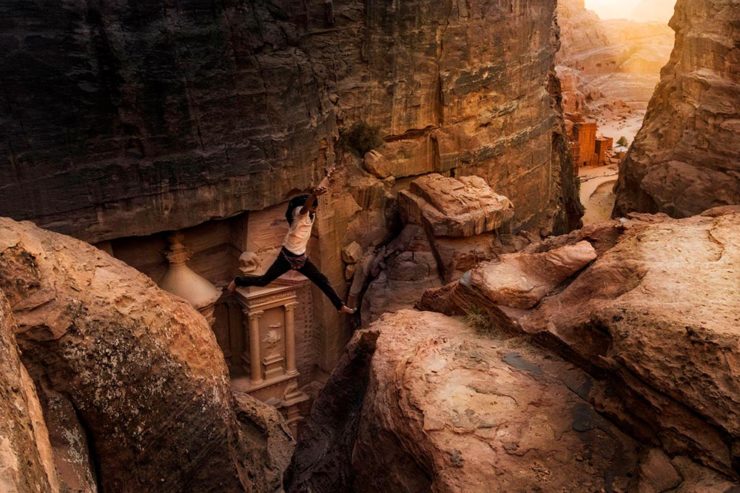
    Certainly a lesson in how not to enjoy the wonderful city of Petra, in the Jordanian desert — but an attention-getting photograph.

    Landscape and Environment Portfolio Winner: Armand Sarlangue, France

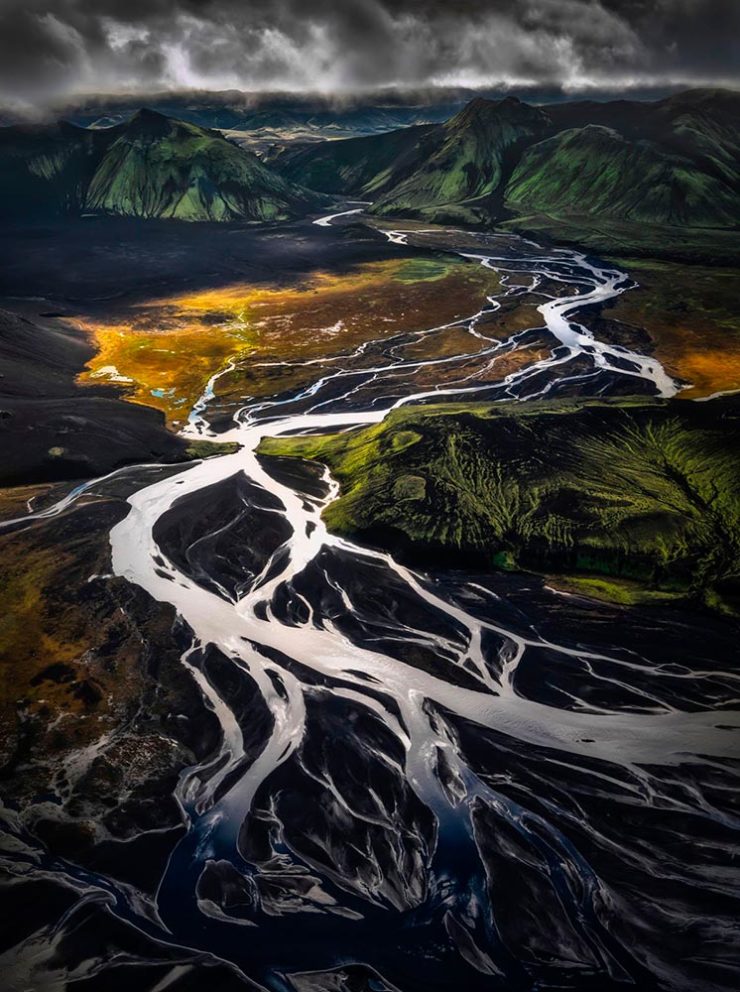
    Seriously amazing stuff: moody, dramatic, and yes, fluvial morphology. Nice.

    See more at the Travel Photographer of the Year website. (Also via PetaPixel.)

    The Macintosh Turns 40

    1984 seems like so very long ago — and let’s face it: 40 years is a long time. Indeed, these forty years of technological progress has been unrivaled in human history. But the Mac is not only still with us but better than ever.

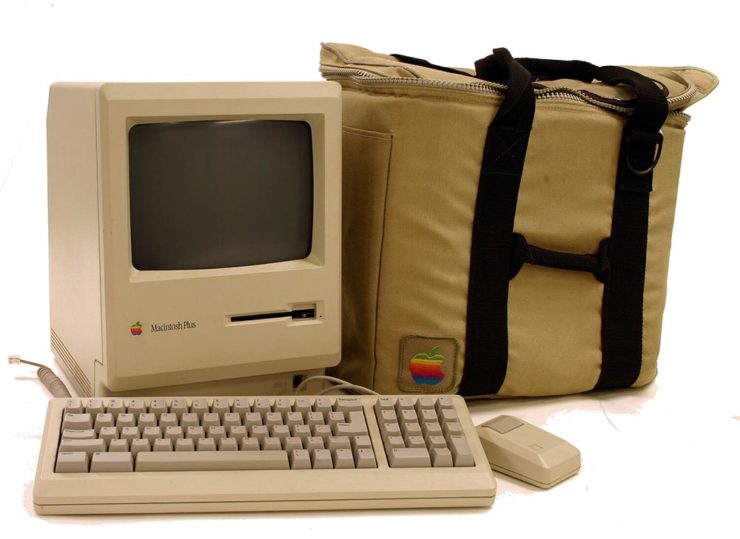
    A Mac Plus, circa 1986.

    There are a stack of articles that’ll retrace the history, tell a story, cite unusual examples of the breed, or even come up with the original press release:

    We believe that [this] technology represents the future direction of all personal computers,” said Steven P. Jobs, Chairman of the Board of Apple. “Macintosh makes this technology available for the first time to a broad audience–at a price and size unavailable from any other manufacturer. By virtue of the large amount of software written for them, the Apple II and the IBM PC became the personal-computer industry’s first two standards. We expect Macintosh to become the third industry standard.

    — Apple Computer, January 24, 1984

    My first Mac was the one pictured above: a 1989 Mac Plus, with an external 20MB (!) Jasmine hard drive. (I even still have the case, although mine was a black Targus item.) It didn’t last long, though, because I’d been bitten by the graphic design craze and soon traded it for a Mac called a Quadra, with its separate 256-color monitor.

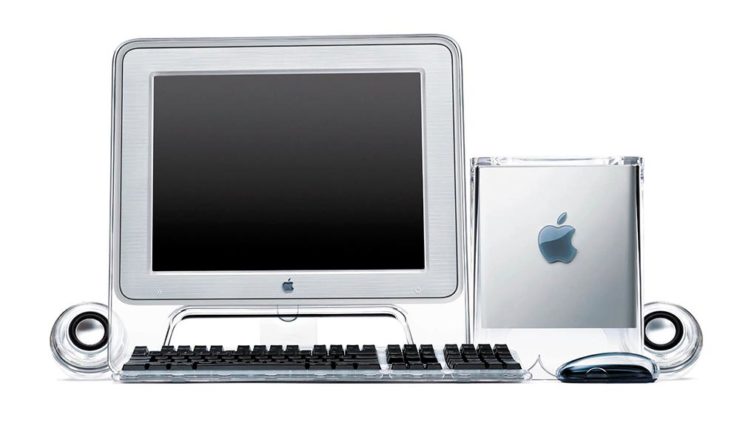
    A preview of the future: 2000’s PowerMac G4 Cube.

    Such was the pace of technology those days: that one was replaced with another, then another. (Including one of the Macs pictured at the top of the post. Bonus points if you know which it is.) I did not have the G4 Cube, pictured above, because by then I was rocking a tower and scoffed at Apple’s first attempt at desktop miniaturization — not to mention the inferior quality of the first generations of flat screens.

    All-in-ones were — and remain — the domain of Apple’s iMac.

    But less than ten years later, the computer had become part of the flat screen, and these days, I’m still using a 27″ iMac. Sure, its days are numbered, but I love its ability to get huge book and photography projects out the door with a minimum of fuss — all in a simple, elegant package with very much more than a passing resemblance to the original Macintosh.

    Here’s to another 40 years, Apple. Congrats.

    Special Bonus: There are few folks more “Mac” than John Siracusa, who has penned a thoughtful piece on AI: “I Made This.” (Via Pixel Envy.)

    One More Thing: Word of the Year, 2023

    From none other than Cory Doctorow: “enshittification.”

    Here is how platforms die: first, they are good to their users; then they abuse their users to make things better for their business customers; finally, they abuse those business customers to claw back all the value for themselves. Then, they die.

    — Cory Doctorow, Pluralistic, 21 January 2023

    He’s specifically referring to TikTok, and cites Amazon and then Facebook as further examples, but oh, so many, many other items apply. I’ve not read something that represents where we sit — in America, sure, but beyond — at the start of 2024.

    And this year promises to be a doozy.

    “‘Monetize’ is a terrible word that tacitly admits that there is no such thing as an ‘Attention Economy,’” he writes. And yet, “monetize” is where business, education, and perhaps society is at. Ug.

    The whole thing is fantastic and very much worth a read. But, “[n]ow that [they] have been infected by enshittifcation, the only thing left is to kill [them] with fire” might be taking things a bit far. Let’s hope — and work — for a better solution. For all of us.

  • My Favorite Book Covers of 2023

    My Favorite Book Covers of 2023

    2023 seemed to go by with greater speed than normal, meaning the process of accumulating my favorite book covers occurred more hastily than I would have sometimes preferred — after all, perusing the best of the new releases is tremendously enjoyable. It’s just that, due to this year’s hefty undertakings, I was not able to make as much time as I’d have liked.

    So I was surprised when, in early January, the tally of candidates in the favorites folder was over two hundred items. A bounty of goodness.

    Narrowing those down to the list below was exceptionally difficult. I tried to get to last year’s limit of 70 titles, but failed; I managed to narrow it to 80, then 78, but just couldn’t winnow any further.

    Pull up a chair. This one’s gonna take a minute.

    Please remember that these are my favorites — others might say “best,” but I’ve been in this business long enough to know that there’s always another title you haven’t seen or read about, and I don’t want to disrespect any of the talented book designers not on this list. I’ve tried to include design credit where I could — special thanks to the folks who answered emails with that information — and wish to stress that any mistakes in the list below are mine.

    Note: If you’re on Foreword’s main page, please click on the post title, above, to view this list. You’ll get larger covers for your viewing pleasure.

    My Favorite Book Covers of 2023 (three-way tie)
    Design by Keith Hayes with art by Sasha Vinogradova.

    “Find a gateway to the underworld. Steal a soul out of hell. A simple plan,” the Amazon description starts, and it’s a sequel of magic, secret societies, and whatever else.

    But never mind all that. This cover grabbed my attention in a way few do, with its combination of art, shadow, and type, all carved to perfection.

    Design by Oliver Munday.

    I dare say that only Oliver Munday could have done this expression of so much with so little. Enormously appropriate, then, for a memoir only 64 pages long.

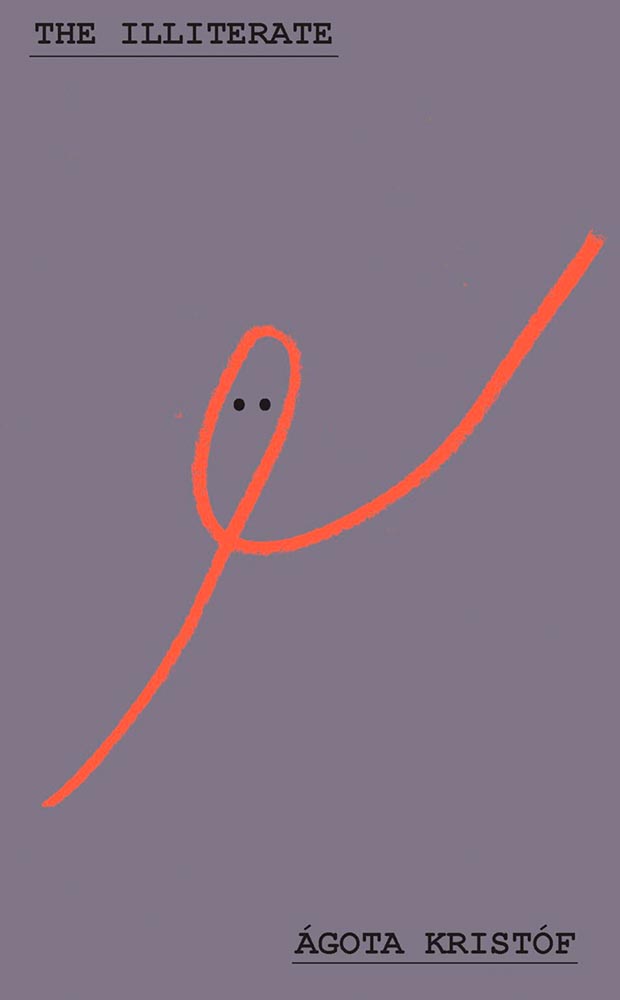
    Design by Adriana Tonello.

    From The Illiterate‘s Hungarian refugee in Switzerland we move to a Norwegian immigrant seeking freedom in America. Alas, she turns out to be our first (known) serial killer — giving this hand a quiet, eerie yet somehow classic quality that quietly compels like few others. Outstanding.

    Other 2023 Favorites, in alphabetical order:
    Design by Holly Ovenden.

    Impressive sense of movement from these figures, whose interplay with the title type combines with quotes-on-a-path (something of a trend this year) and great color choices to provide something memorable.

    Design by Keith Hayes.

    Such a simple concept. Such superlative results. No other concerns.

    Design by Holly Ovenden.

    There is another version of this on one of the “best of” lists, but I much prefer this one, with the circling birds and hand-done lettering. A two-color triumph.

    Design by Oliver Munday.

    Oooollllliiiiivvvvvveerr!

    Design for the US version by Anna Weyant.

    One of those examples where the art just shouts off the shelf, although the type treatment works exceptionally well, too. Better still, it’s one of the rare US versions that bests its UK treatment:

    Design for the UK version by Kishan Rajani.

    Not at all bad — in several “best of” lists, in fact. Just not mine.

    Design by Sarah Wood.

    I’m not sure whether the items on the page are models, made (or found) objects, or some extremely well-done Photoshop work, but ultimately it’s combination of the simple graphics and brilliant typographic treatment that earned this title its spot. Fantastic.

    Design by Caroline Johnson.

    The ’70s are hot right now, but this is 2023, aged to perfection. Very nearly made the “best of,” not just the “best of the rest.” Horrifically good.

    Design by Oliver Munday.

    Type, color, pattern, brilliance. Must be a Munday.

    Design by Dylan C. Lathrop.

    Eyes are a frequent guest on book covers. Rarely so many, though, and rarely in two-color. Winner of more than a Pulitzer.

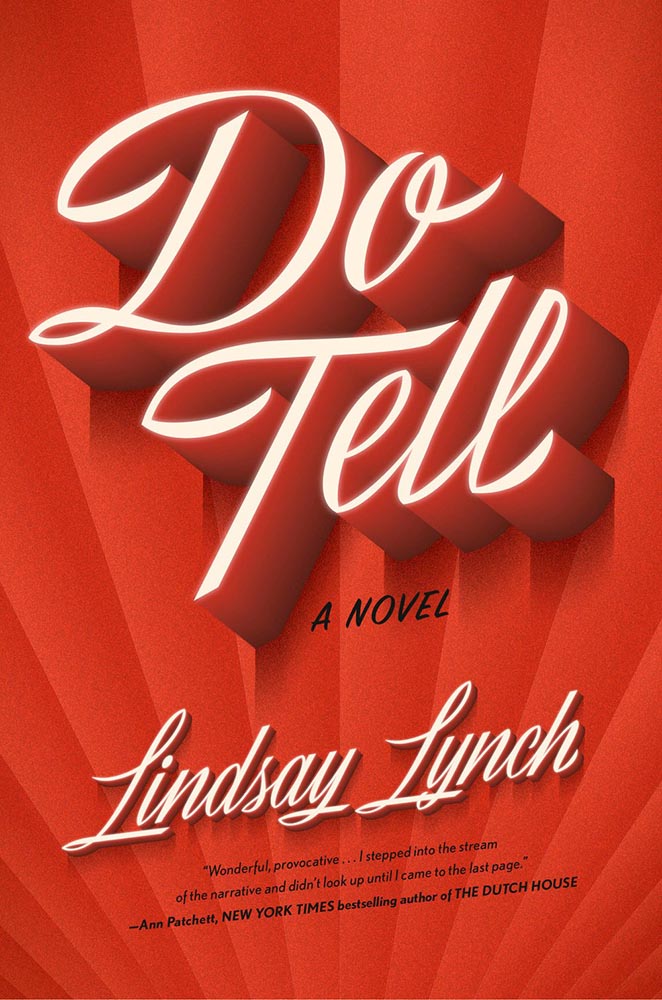
    Design by Emily Mahon, lettering by Martina Flor.

    Edie O’Dare does tell, it turns out. “Cinematic” might be a cliché, but….

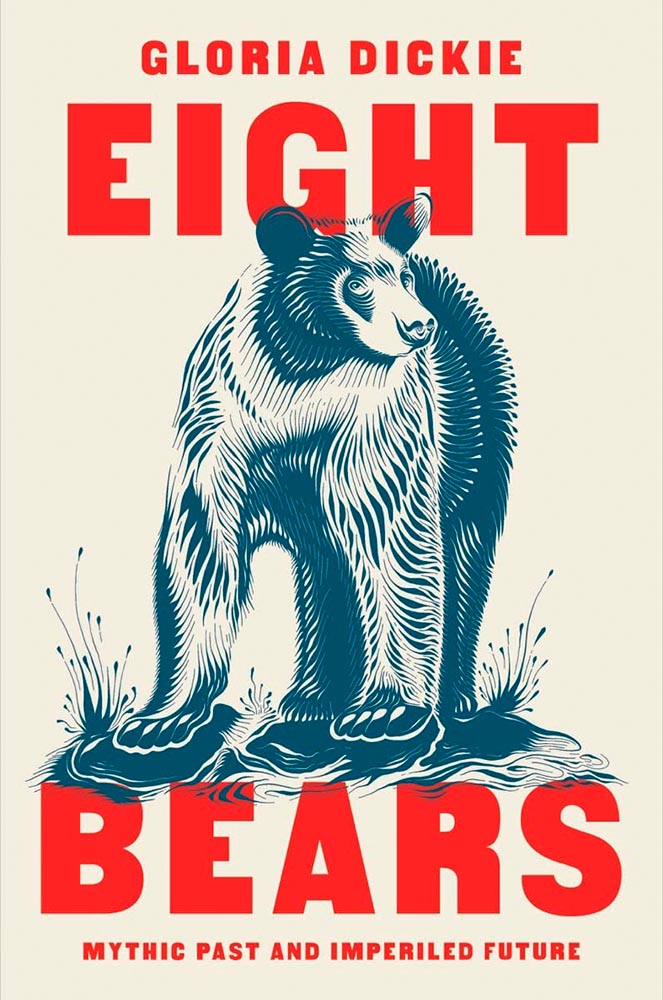
    Design by Pete Garceau.

    I’m a sucker for a great woodcut-style illustration. Great type treatment propels it into a standout book cover.

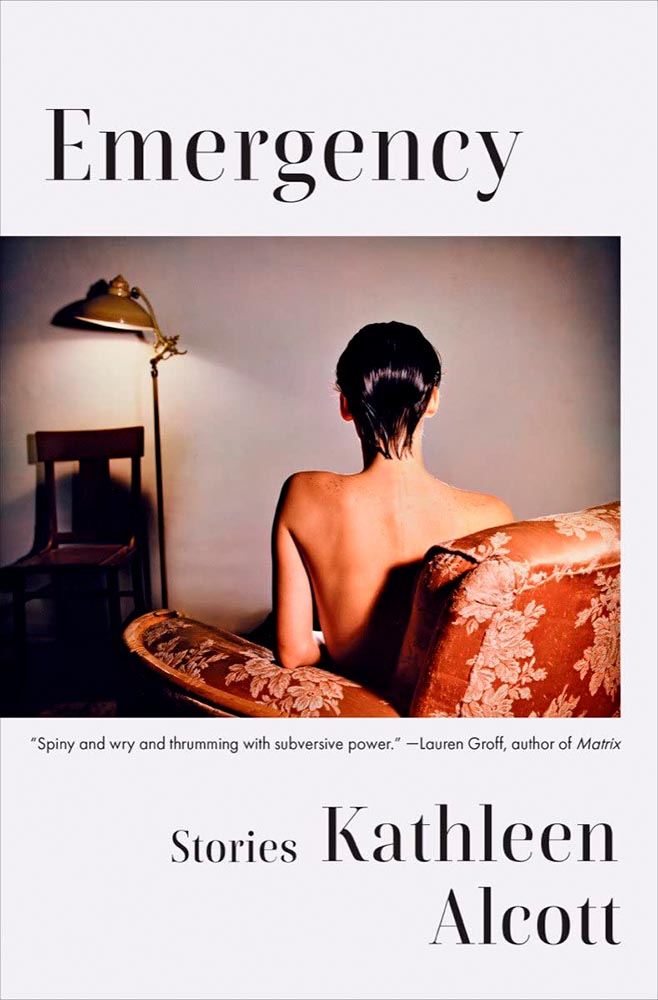
    Design by Ingsu Liu.

    There’s something decidedly non-emergency about this, yet once you understand, it works perfectly: simple, yet so very not.

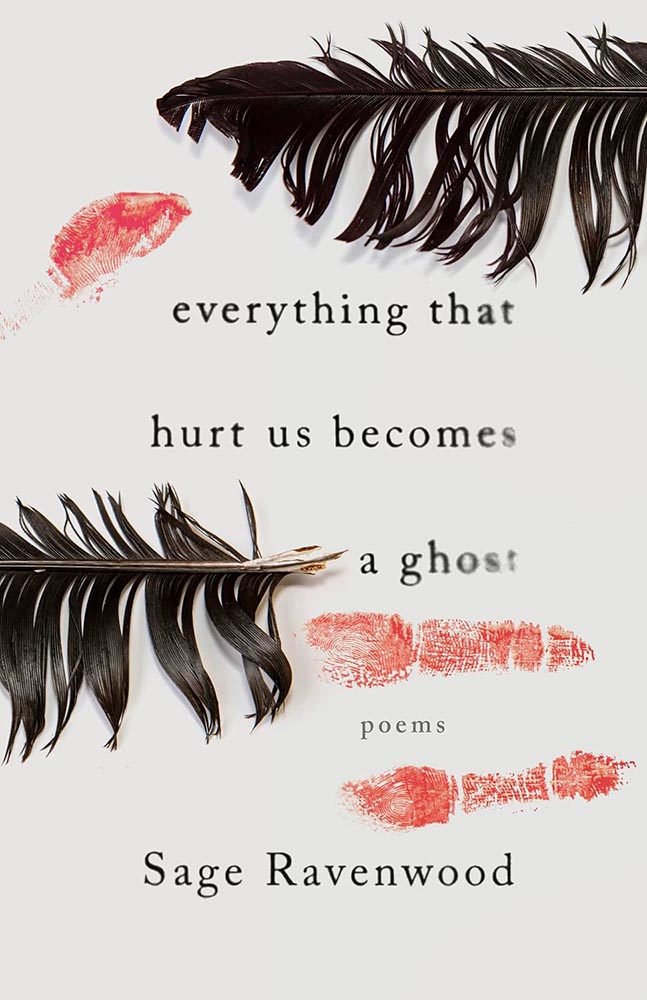
    Design by Eric C. Wilder.

    This book of Native poetry ranges from Missing and Murdered Indigenous Women (MMIW) to reverence to the natural world to “the machinations of colonialism,” a cover assignment that could border on impossible. Yet, here . . . absolutely brilliant. Expressive and so much more, including possibly my favorite type treatment of all on this list.

    Design by Arsh Raziuddin.

    Danger: UXB. (The pink is an inspired choice, too.)

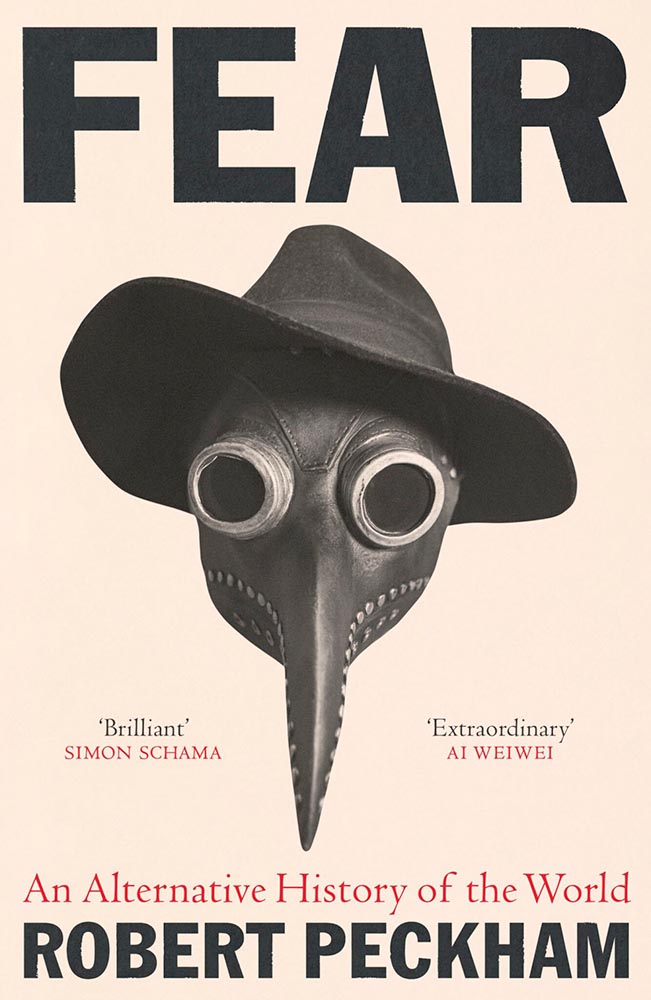
    Design by Tom Etherington.

    Fear knows no bounds, only stylish hats. (On the LitHub list, someone said it has “serious 2024 vibes,” which I’m concerned may turn out to have some truth to it.)

    Screen print by Kate Gibb, lettering by Jodi Hunt, and photograph by Adaeze Okaro.

    Rarely have photo and type worked so well together. Fantastically well done, with plenty of room for the soon-to-be-added kudos, quotes, and awards.

    Design by Beste Miray Doğan.

    Who splits a four-letter word onto two lines? Someone after great results, as it turns out — with bonus points for the pattern and color in the “splash.” Nice.

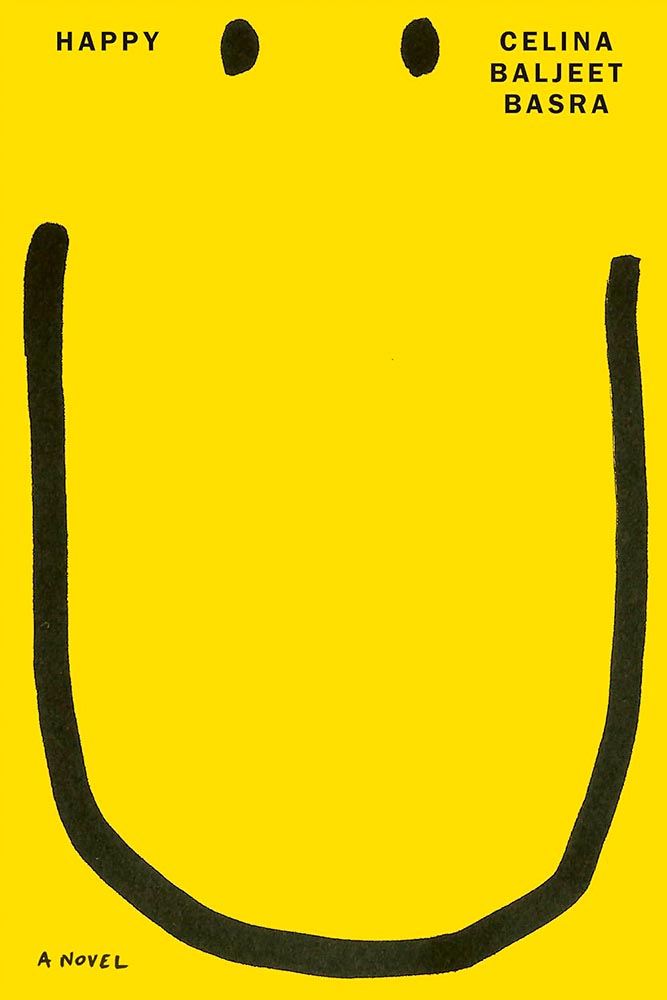
    Design by Alex Merto.

    Smile-inducing. Sometimes simple is best.

    Design by Sara Wood.

    Junior theatre critic gets senior designer’s knockout hit. The audience goes wild.

    Design by John Gall.

    I’m at a bit of a loss to describe why I like this so much, except that every time I look at it, I like it even more.

    Design by Kate Sinclair.

    Perfect execution of a simple concept, from colors to art to type.

    Design by Devin Grosz.

    Wins the “best-placed title” award, among so many others.

    Design by Greg Heinimann.

    A reminder that something done often can still be done with originality — and incredibly well.

    Design by Emily Mahon.

    The collage-as-book-cover is another (perhaps) overused item, but when in the hands of Emily Mahon, this one looks you in the eye and won’t let go.

    Design by No Ideas.

    The jacket that covers The King of New York with . . . Lou Reed. “Well played” seems like an undersell.

    Design by Janet Hansen.

    From the textured paper to the type choices, this cover’s great. But with that photo choice, it’s vaulted into “best” category.

    Design by Alex Merto.

    The combination of geometric shapes and unexpected typography mean this little guy will never get painted into a corner.

    Design by David Drummond.

    “Type here,” someone said.

    Design by Oliver Munday.

    Type-as-a-border is a trend — one I’m surprised to see on a Munday — that’s actually a great counter to the purposely irreverent illustration. I dig it.

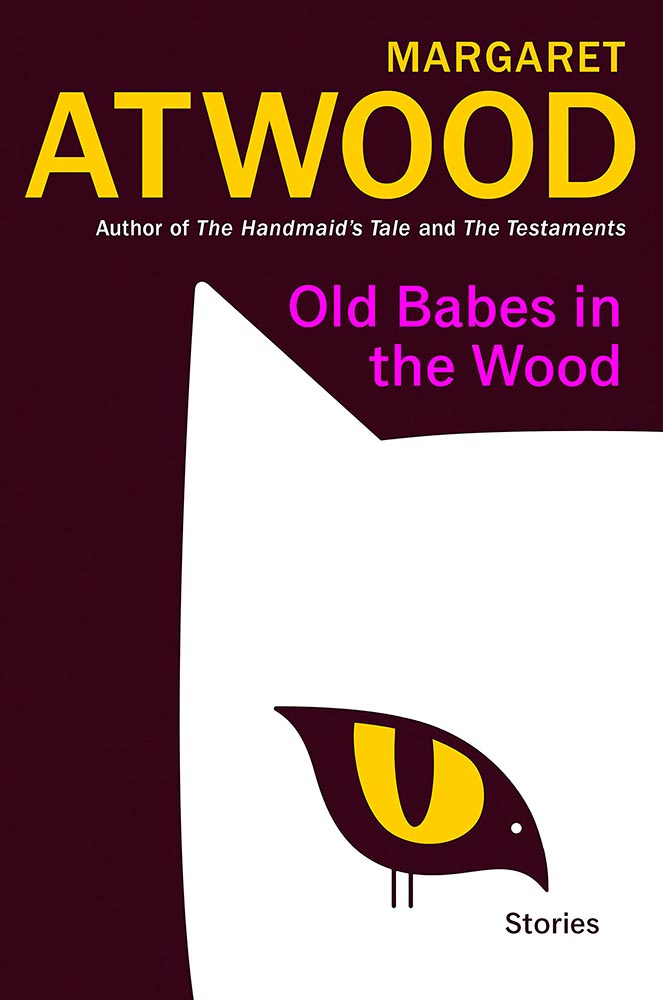
    Bird-as-cat’s-eye. On a Margaret Atwood. ’Nuff said.

    Design by Luke Bird.

    Brilliantly, uh, substantive: a lesson in how-to.

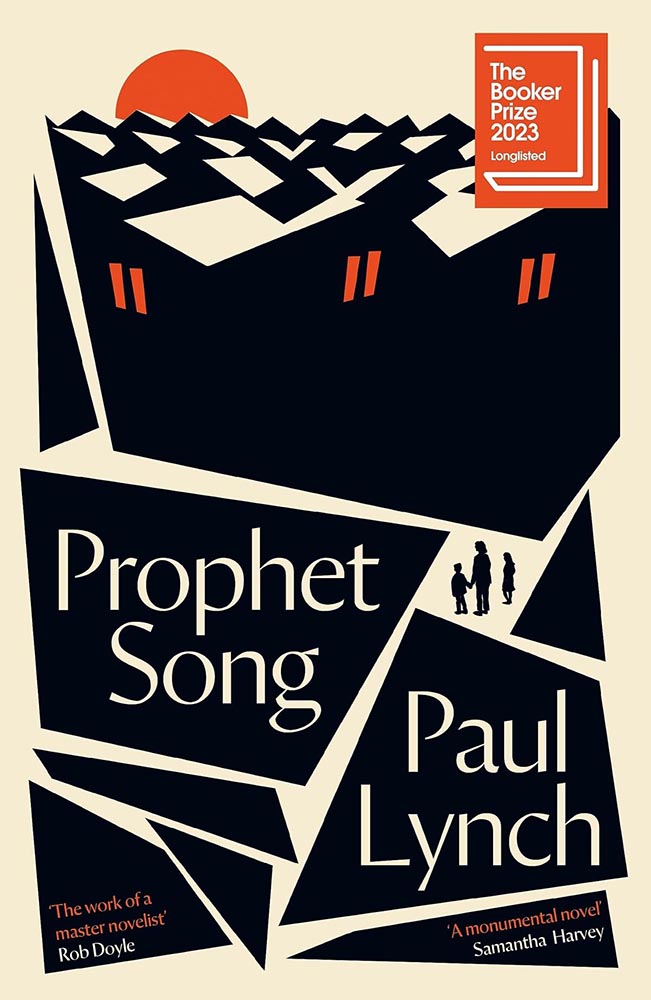
    Design by Jack Smyth.

    The rooftops alone make this, but avoiding the stereotypical Irish colors is a huge bonus, too. (This title went on to win the 2023 Booker Prize, by the way.)

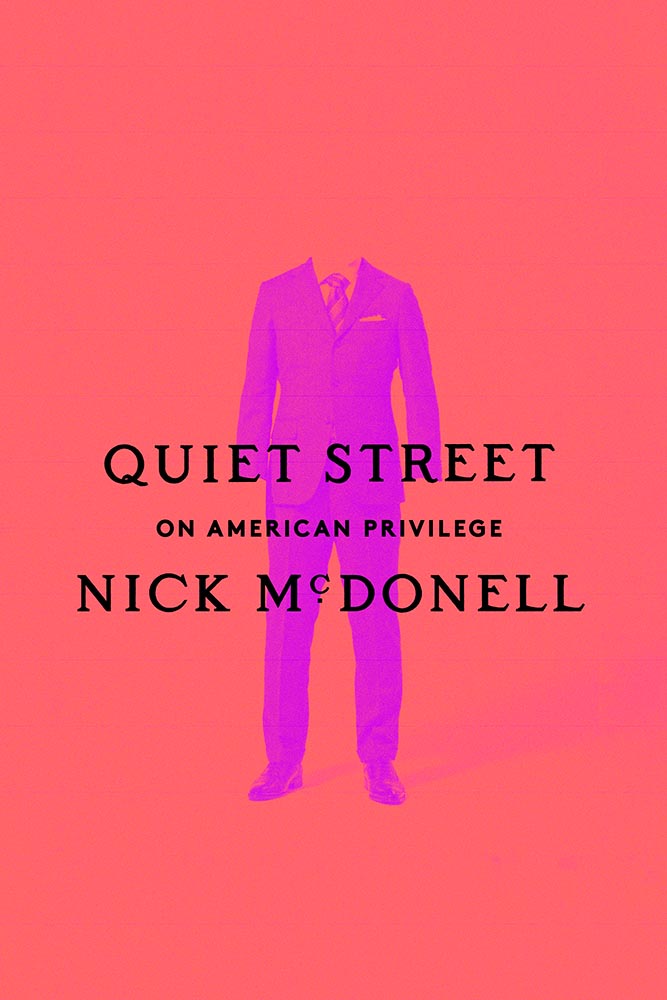
    Design by Janet Hansen.

    A triumph of the less-is-more approach, starring a headless human and superlative typography. Fantastic.

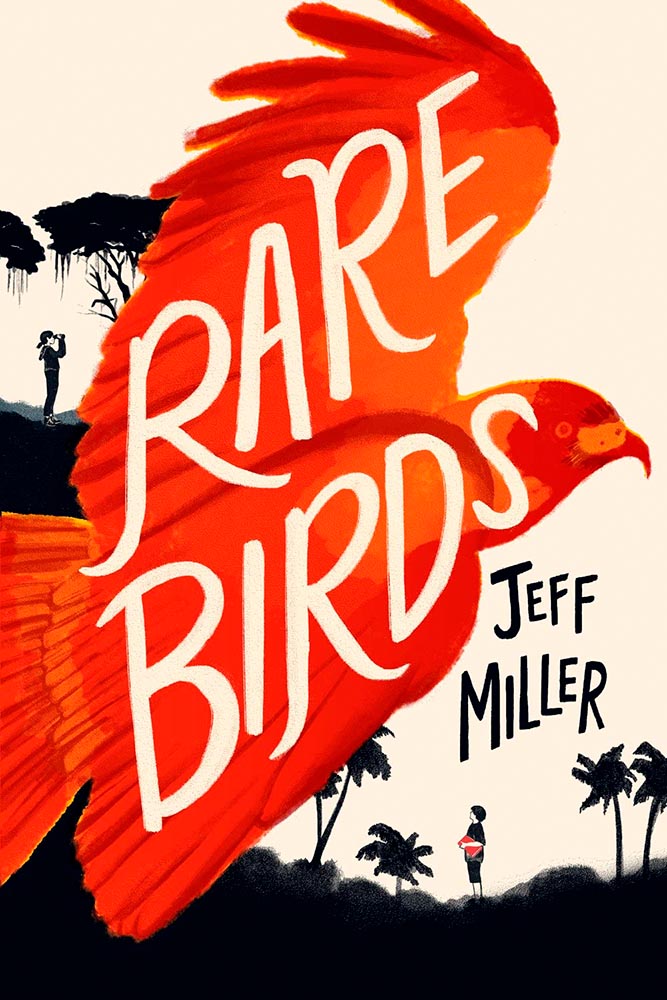
    Design by Kimberly Glyder.

    It’s rare to see children’s literature graced with such a great cover — this one literally flies off the shelf to grab your attention. A rare bird, indeed.

    Design by Alban Fischer.

    St. John called: this cover is fabulous, from evocative body parts to hand-lettering to die for. Awesome.

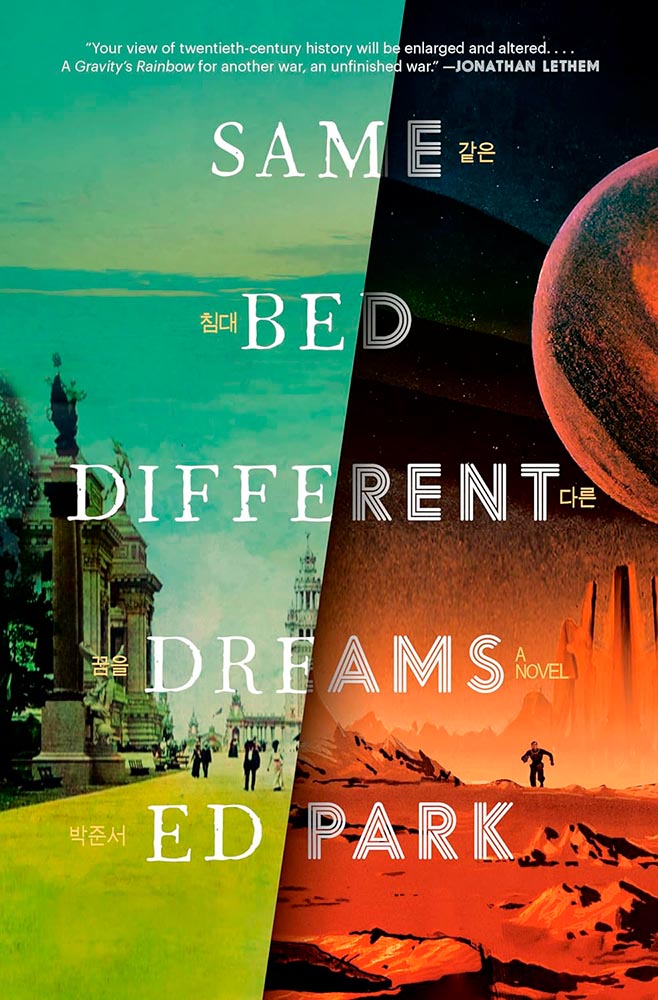
    Design by Will Staehle.

    A novel on the Korean Provisional Government — and so very much more. The split treatment, with both halves running at 11, get fantastic typography and the Korean characters (in gold, obvious in person) are a great touch.

    Bonus: Read the author’s reaction at LitHub.

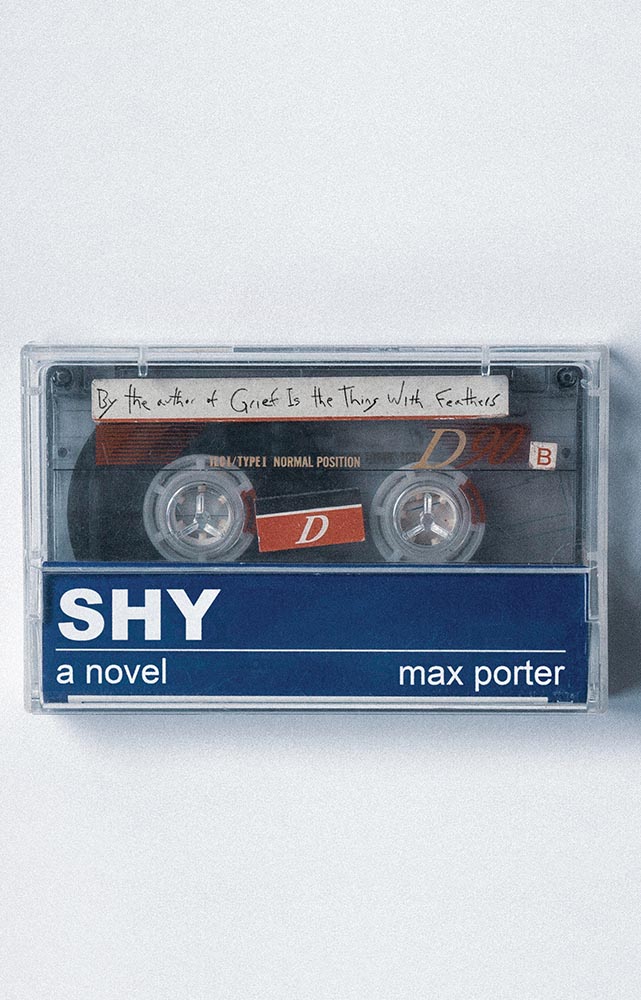
    Design of the US version by Carlos Esparza.

    Another where the US version shines, especially as cassettes are coming back into fashion. (Special points for the subtitle-as-label.) A B-side no longer.

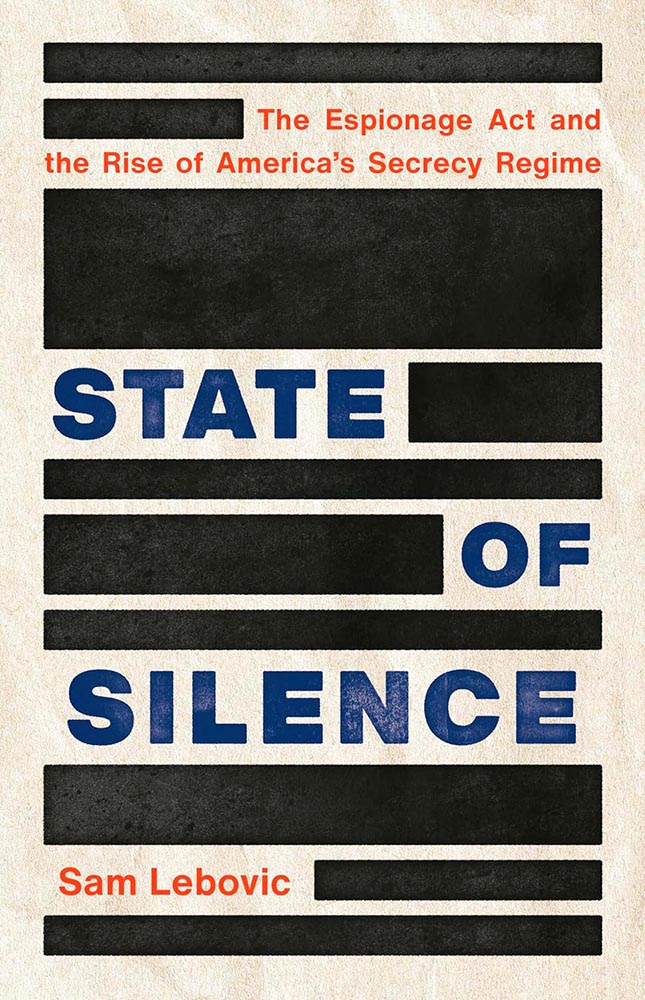
    Design by Emmily O’Connor.

    Brilliant comment redacted.

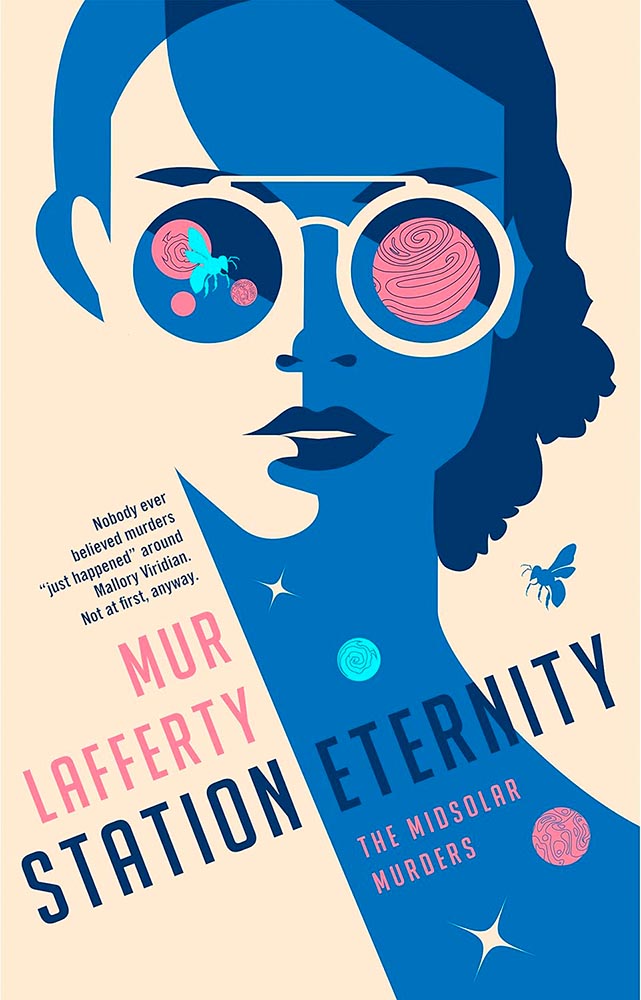
    Design by Will Staehle.

    Mallory Viridian is an amateur detective on an extraterrestrial (and sentient!) space station — perfectly sold with this line-art-only cover. Fantastic.

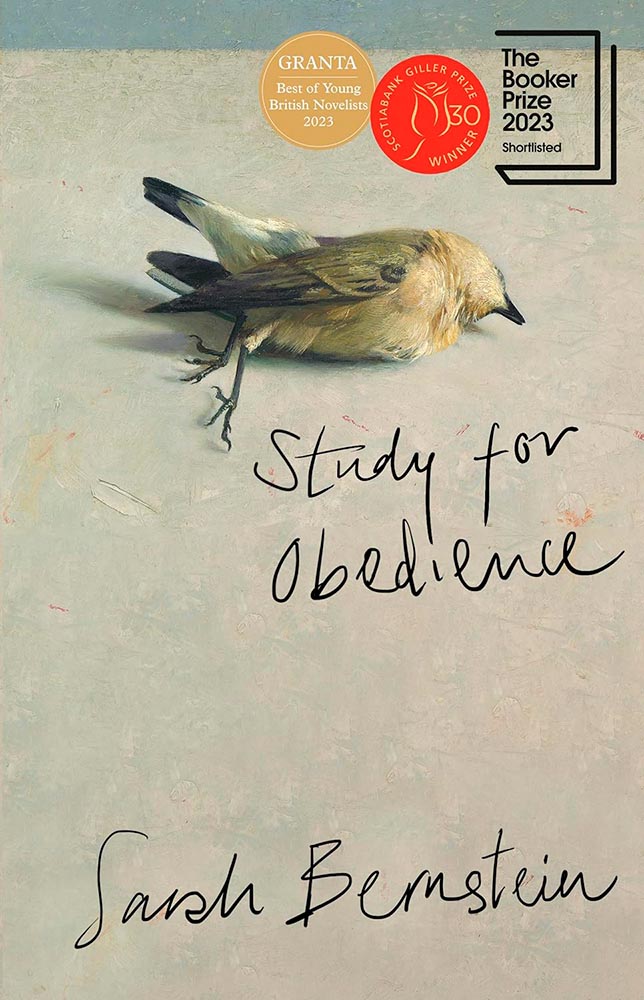
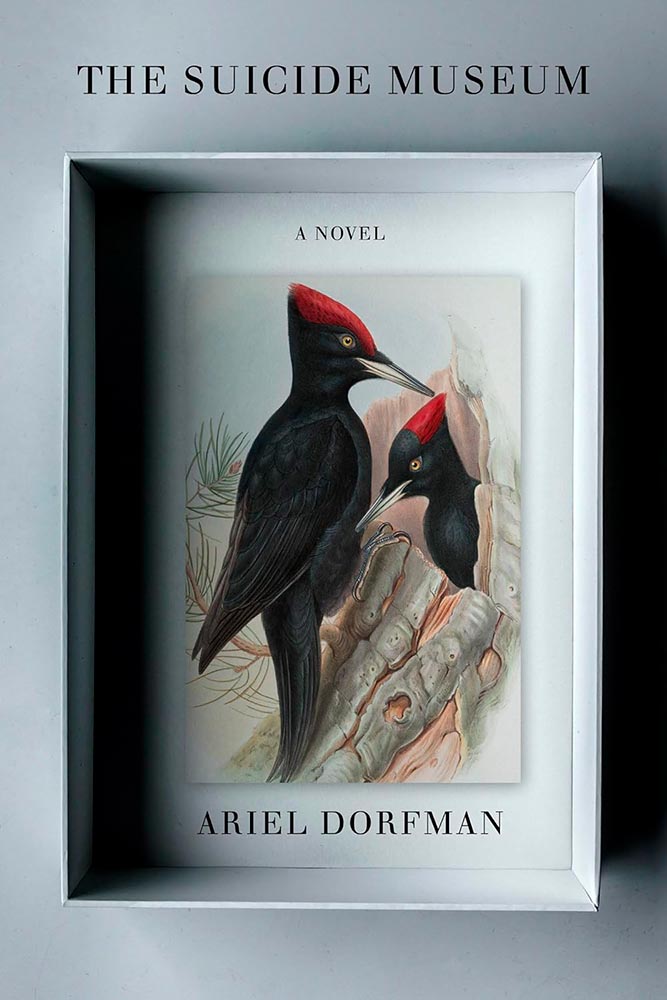
    Design by Anna Green.

    Dead birds wouldn’t ordinarily be my go-to for cover excellence. But this one, with its painterly quality and hand lettering, perfectly hints at the haunting, slightly bizarre adventure within. Perhaps I should study more; as many will testify, it’s certainly not an obedience thing. (Read the Booker Prize listing.)

    Design by Caroline Suzuki.

    One of those instances where the graphic just sells the cover. Brilliant.

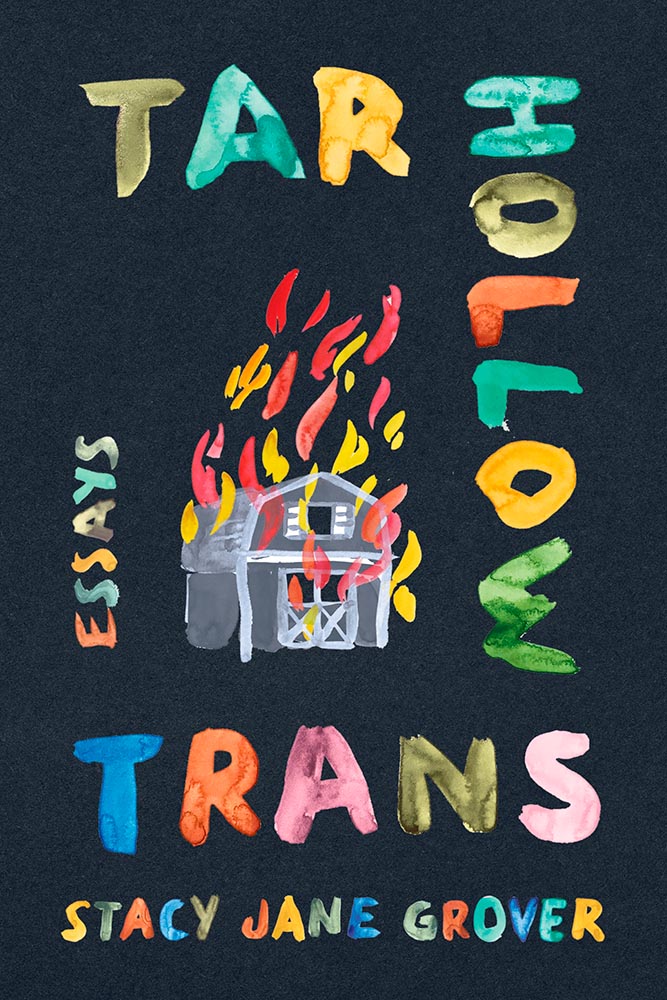
    Design by Jaya Miceli.

    The continuing stigmatization of the LGBTQ+ population in the United States is so perfectly summarized here. (I’m curious how this cover was done, too: white paint, then watercolored? Gouache? Either way, the colors serve the overall so very well.)

    Design by John Gall.

    This collage jumps through my psyche: sophisticated, off-kilter, and yet, somehow, completely right.

    Design by Jamie Keenan.

    I had to look up Charles Baudelaire, I have to admit — but didn’t need to know in order to get the disjointed, colorful appeal of this cover.

    Design by Na Kim.

    Leaving a trail, all right. (Also: the text colors.) This version is mercifully short of Booker notifications, too — sometimes, I wish all the callouts and clubs would just go away.

    Design (and illustration) by Sarah Schulte.

    Type on a path can be fraught, as can simple illustrations on off-white. Except when simple ideas are translated into compelling book design. Completely different from the above, yes, but just as accomplished.

    Design by Gray318.

    Crown. Asterisk. Print!

    Design by Sarah Shulte.

    As the risk of repeating myself: “Type on a path can be fraught, as can simple illustrations on off-white. Except when simple ideas are translated into compelling book design. Completely different from the above, yes, but just as accomplished.”

    Design by Jamie Keenan.

    This trick can only be pulled once, and book designers everywhere are envious downright jealous. Here’s the cover — uh, flap:

    “Continued on rear flap,” it doesn’t say.

    Design by Lauren Peters-Callaer.

    Brilliance in titling aside, check the glint in the rabbit’s eye. Wonderful.

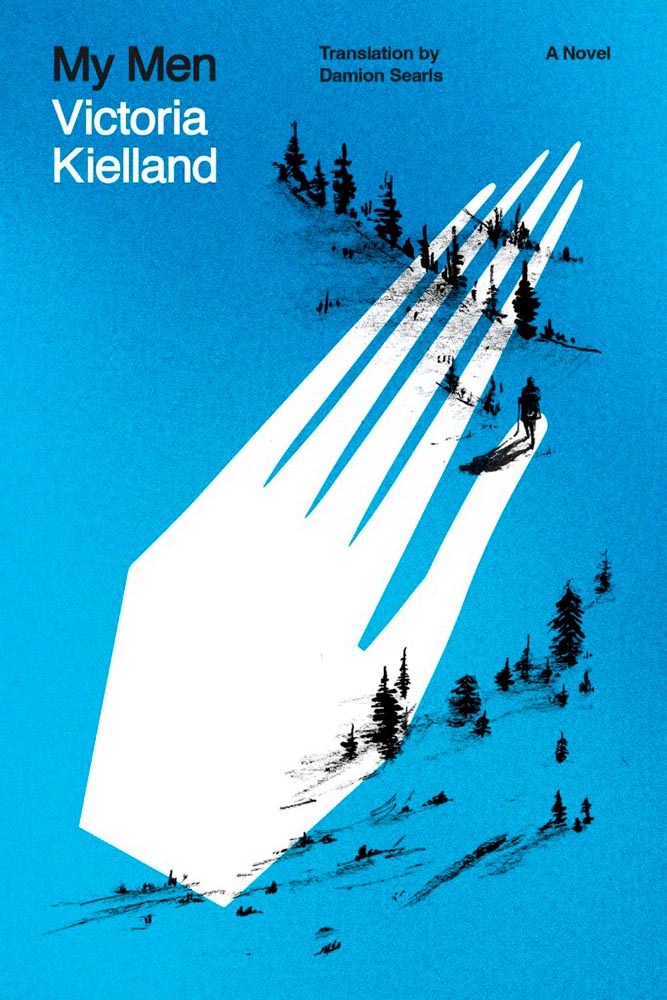
    Design by Grace Han.

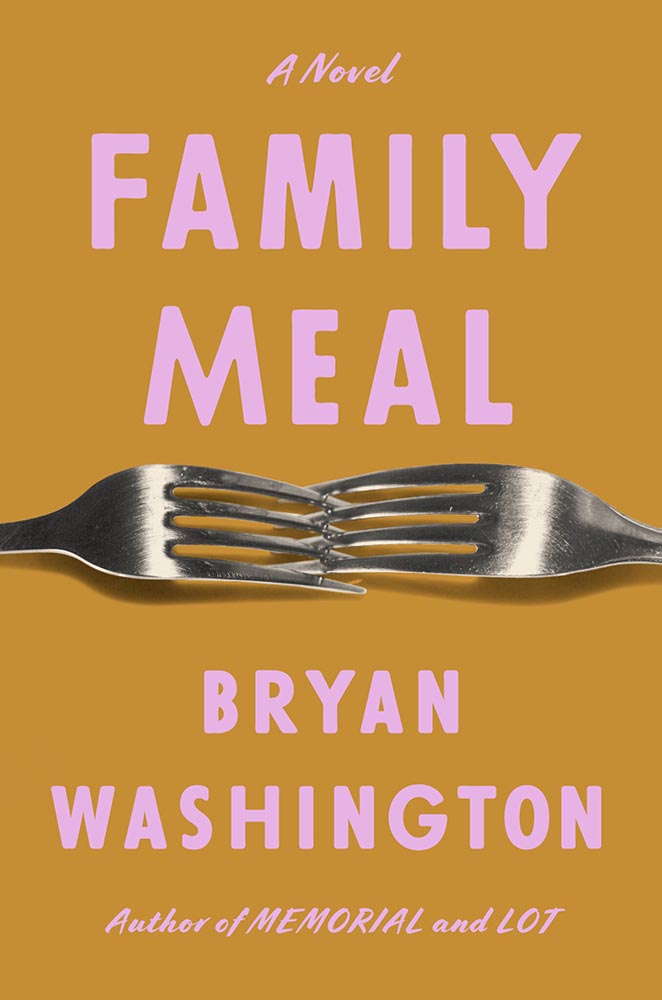
    Interlocking forks, LOL. (Also, color choices.)

    Design by Alex Merto.

    This has gotten a bunch of well-deserved attention: from the embossed type to the gradually-increasing repetition of the artwork, Alex Merto scores and scores then repeats. Great stuff.

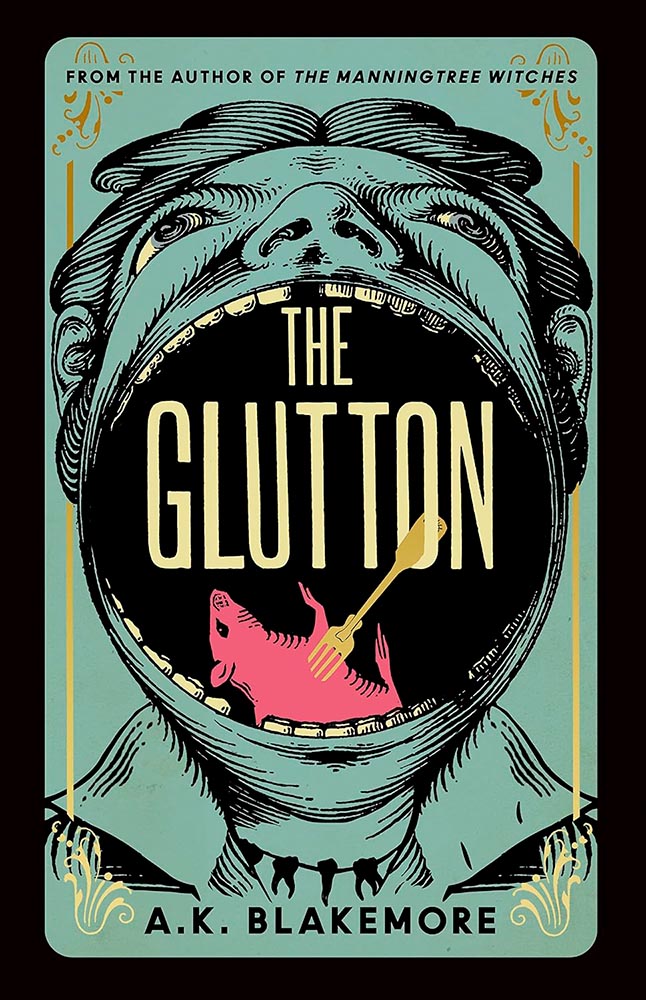
    Design for the US version by Alicia Tatone.

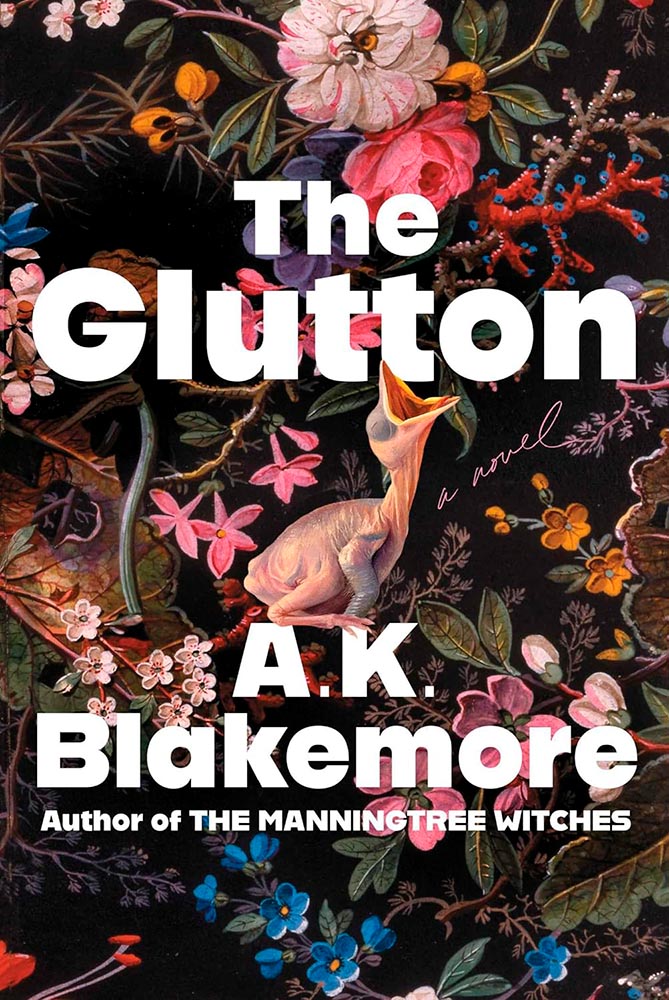
    Gluttonously hits a bunch of high notes, and keeps coming back for more — until:

    Design for the UK version by Jo Walker.

    Yeah. Score one for the UK.

    Design by Kelly Winton.

    Is it possible for something Escher-esque to be soothing? Yes, it turns out.

    Design by Oliver Munday.

    Perfectly abstract, brilliantly pulling together the remarkably disparate stories within.

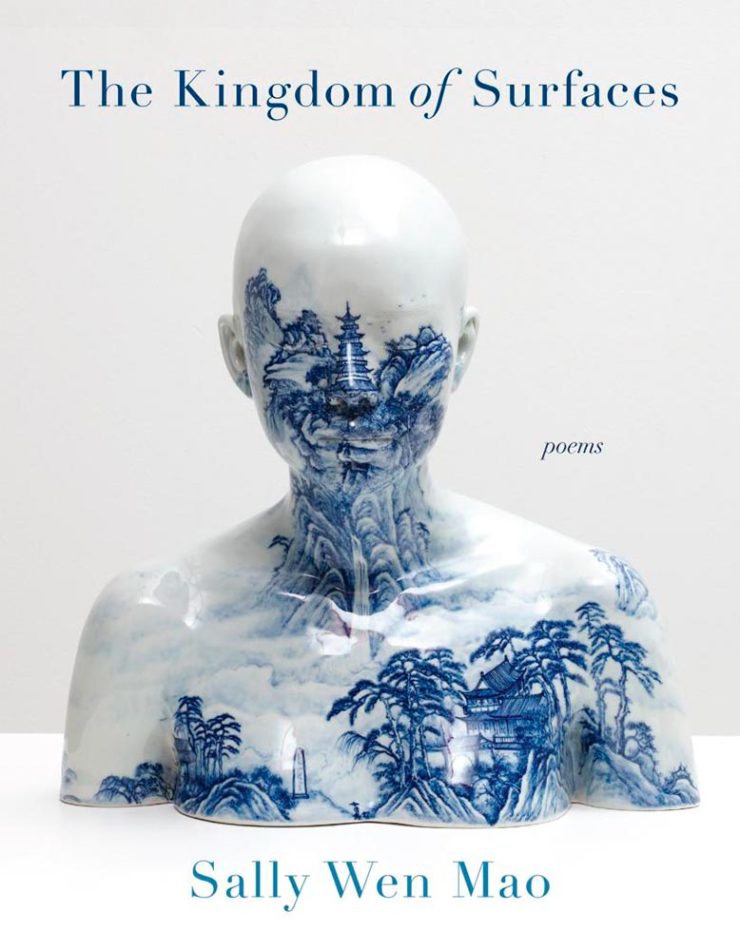
    Design by Kapo Ng.

    “Kingdom of surfaces,” so very indeed.

    Design by Beth Steidle.

    “Spare, beautiful, and richly layered, the [book’s cover] is dazzling.” —Foreword

    Design by Allison Saltzman.

    Another of those too-simply concepts that checks out on every level. Awesome.

    Design by Alex Merto.

    Rarely does so much text take up so little space yet work so well — this 75th anniversary reprint stacks up. (Imagine inspiring a school-aged Stephen King, by the way. That’s “The Lottery.”)

    Design by Linda Huang.

    “A novel” has never played so well.

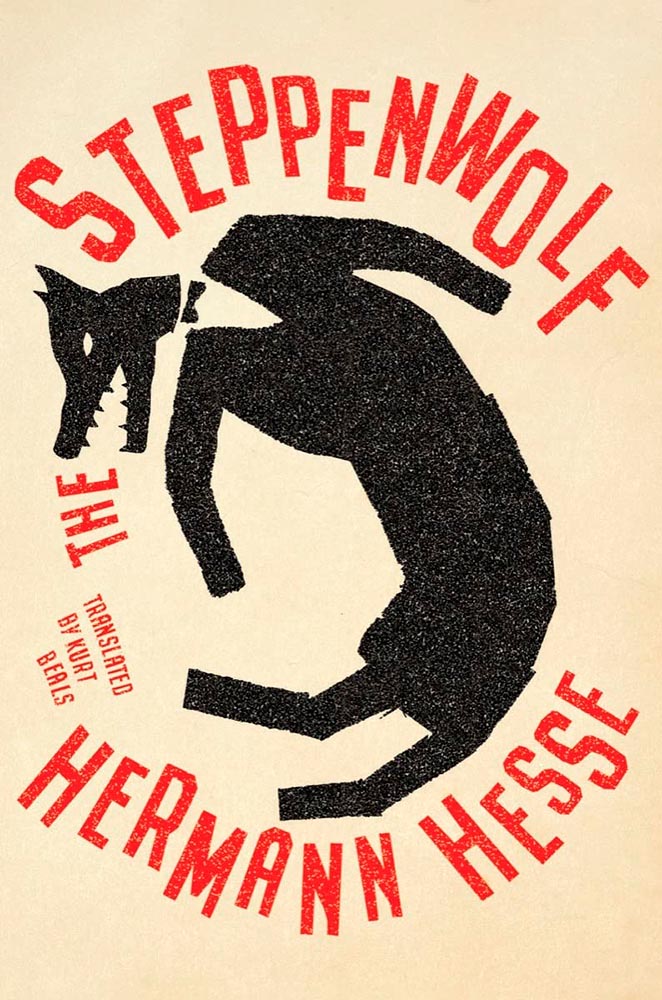
    Design by Jaya Miceli.

    Steppen-out: this new translation gets new meaning. (In the text, too, I understand.)

    Design by John Gall.

    Multi-layered shadowboxing. Nice.

    Design by Steve Attardo.

    A study in simple perfection. For a book examining heightening fascism, toning down the cover speaks volumes. Great choices on every level.

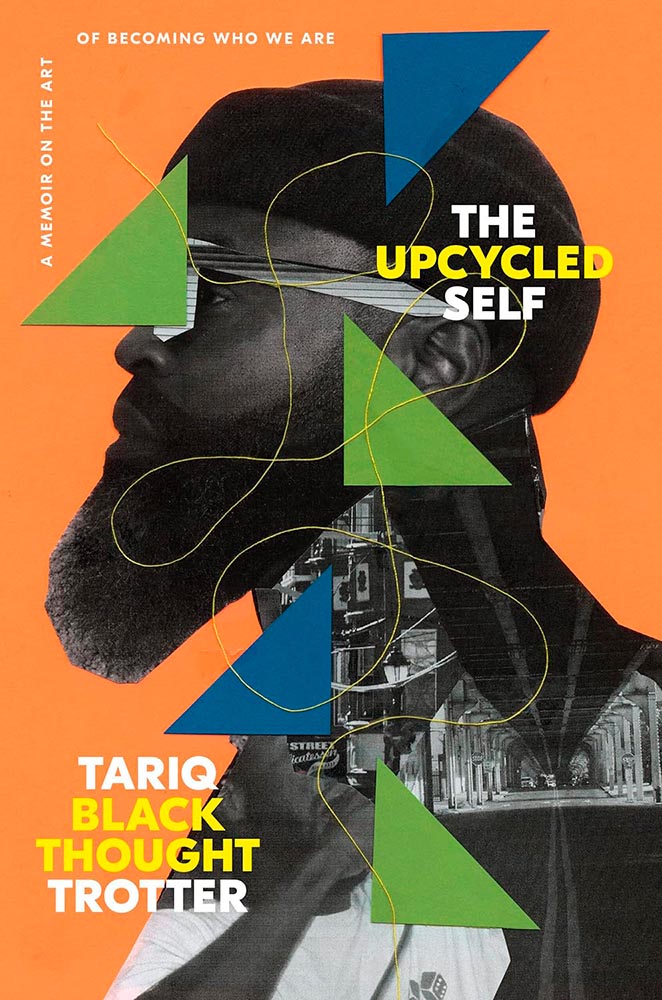
    Design by Greg Mollica.

    To collage in a way that the resulting product is of higher value than the original items: upcycling, indeed. (“The thread tying the cover together is a masterstroke,” he said.)

    Design by Lauren Peters-Callaer.

    “The humor of a great conversation,” one of the reviews said, and better words could not be found for the cover. Masterful.

    Design by Andrew Davis.

    The woodcut-style illustration is back, in two-color and aged to perfection. (The paperback kept the illustration but changed out and dulled the colors, to a much less satisfying effect. Curses.)

    Design by Tom Etherington.

    “Permeable boundaries,” illustrated brilliantly, with perfect texture and typography.

    Design by Tyler Comrie.

    “Sings,” someone said. “Seconded,” I said.

    Design by Jonathan Pelham.

    Stories told in a triumph of less is more. (The US version is good — another that’s one some others’ “best of” lists — but here’s another one where I think the UK slam dunks.)

    Design by Laywan Kwan.

    This is one of those covers that keeps giving, a three-color triumph of telling the book’s story. (Also: typographically counter-riffic.)

    Design by Na Kim.

    The Book of Goose was one of my top three covers last year, but high expectations are nothing when Na Kim is covering it. Storied, indeed.

    UK version design by Andrew Davis.

    I was going to go on for a minute, again, about how the UK gets all the good covers — and this one earned a spot in this post — but…:

    US version design by Owen Gent.

    …the more I look at this US version, the more I like it. The hint of cat, the red shading, the paper’s tone and texture, and the type treatment stand in direct contrast with the fabulously literal interpretation of the UK version. Given both, I literally couldn’t choose.

    Design by Matt Dorfman.

    “There’s a painting at the door,” in the most amazing state. (Political pun intended.)

    William Morrow didn’t return a request for the cover design’s name, unfortunately.

    There are so many ways to get this design wrong — but wow: someone took a cliché and literally flew in the face of it, to brilliant, memorable effect. I wish I could give appropriate credit.

    • • •

    Dan Wagstaff over at The Casual Optimist comments that,

    [I]t’s like we’re stuck in a holding pattern, circling the same design ideas. Trends have stuck around. A lot of covers feel safe. Some of this was the books themselves. I’m not sure exactly how many celebrity memoirs is too many, but I’m pretty sure we reached that point and sailed right past it in 2023. No doubt some of it is sales and marketing departments sanding down all the edges and demanding the tried and true (see Zachary Petit’s alternative best of 2023 piece on killed covers for Fast Company). But I would not be surprised if it designers were just getting caught up in the churn — too many books, too many covers, and too much other stuff to worry about.

    — Dan Wagstaff, The Casual Optimist

    I think he’s right. Despite growing the number of selected covers this year over last, I feel that despite the outstanding items above, the majority of the book covers and jackets — almost certainly by publishers’ explicit direction — are playing it safe. After all, here in the Roaring Twenties, rocking the boat brings nothing short of vilification.

    Thankfully, the designers on this list have battled the committees bent on mediocrity and overcome with great talent, great design, and great perseverance. Power to them, and I wish them — indeed, all of us — continued success in 2024.

    ’Cause, y’know, it’s gonna be a great year.

    How this list was compiled

    My selections stem from books I’ve seen in person; the “best of” lists from NPR, The Guardian, and the BBC (among others); and the best book cover lists from Spine, The Casual Optimist, The Book Designer, Creative ReviewKottkePRINT, The New York Times (gift link), and LitHub. See how my list compares with those, and enjoy: a great many more outstanding examples of book cover creativity await.

    Please note: I somehow missed the 2023 University Press Design Show — usually linked here — so please stay tuned for that post soon (and then again in July for the ’24 Show). Apologies.

  • Beautifully Briefed 23.9: Falling into Brilliance

    Beautifully Briefed 23.9: Falling into Brilliance

    As summer turns to fall, let’s take a look at Type 1 fonts, a library index, revolutionary posters, posters for “get lectured,” and two different photography contests. Let’s get right into it.

    Adobe discontinues a standard: The Type 1 font

    Back in the early days of desktop publishing — up to about the turn of the century, give or take — everything typographic used PostScript, a programming language by Adobe. (Other stuff, too, like Adobe’s vector program, Illustrator.) PostScript fonts were the so-called “Type 1” variety, made up of a bitmapped “suitcase” that housed the standard display sizes and an outline file used by the output device to print clean, what-you-see-is-what-you-get beauty.

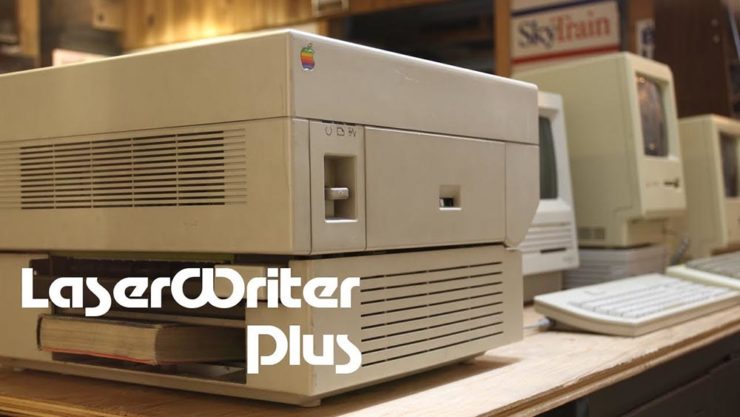
    The Apple LaserWriter Plus and some vintage Macs: nostalgia! (Note the book — heh.) Image: YouTube.

    Companies from Apple to Microsoft didn’t want Adobe to hold a monopoly on output tech, so later fonts evolved into TrueType and then OpenType, the latter of which is the standard today.

    So much so that Adobe has now discontinued Type 1, and they, along with Microsoft, have stopped being supported. Which is understandable and yet a shame: some of us still have hundreds of them.

    Ars Technica has the best roundup.

    Meanwhile, I’m going to investigate a conversion utility. Will report back.

    All the Libraries in London

    It’s Nice That has a post that reminds us of a library’s central purpose: to leave knowing more than you did when you entered. “The library, in our shared public imagination, is a special place,” the author argues — reminding us of what libraries were established to do, often distinctly different from the modern reality (especially in the United States).

    In the library you begin to be convinced that language matters, that words have the power to clarify, to rouse, to make us feel something, to help us understand the political and cultural features of historical and contemporary moments.

    Lola Olufemi, It’s Nice That
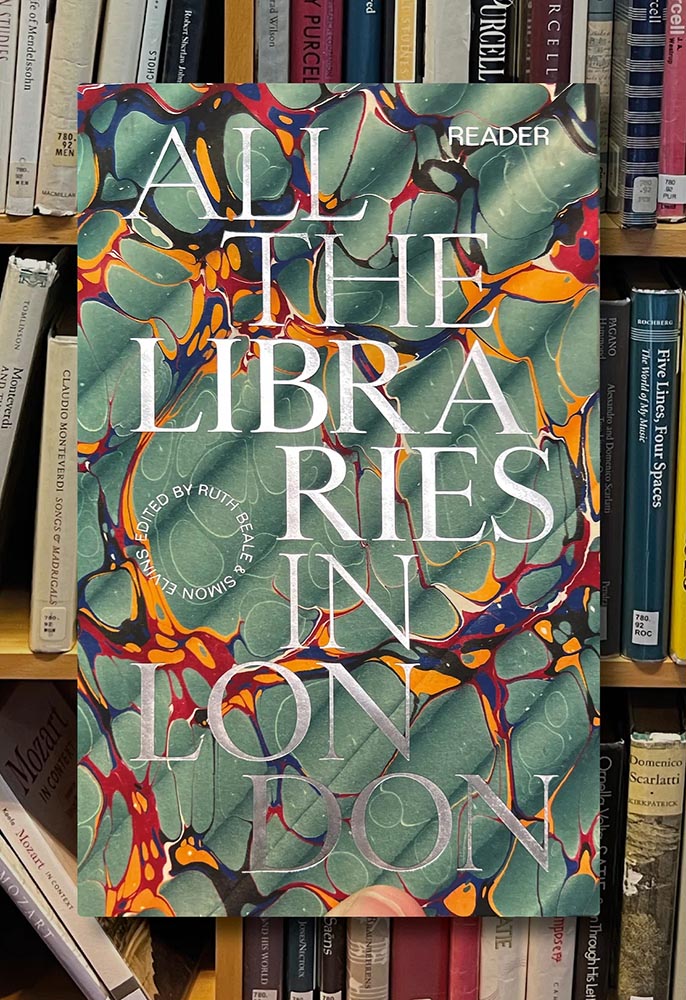
    All the Libraries in London. Cover design: unknown. Image via It’s Nice That.

    All the Libraries in London does something artistic with a simple listing, elevating it, reminding us how compelling the ideal that libraries represent really is:

    This is a political and artistic listing, one that invites the reader to rediscover their own memories of their local library as a site of discovery. The book’s authors invite us to reflect on our personal relationship to libraries as well as the necessity of collectively securing their future existence.

    Lola Olufemi, It’s Nice That
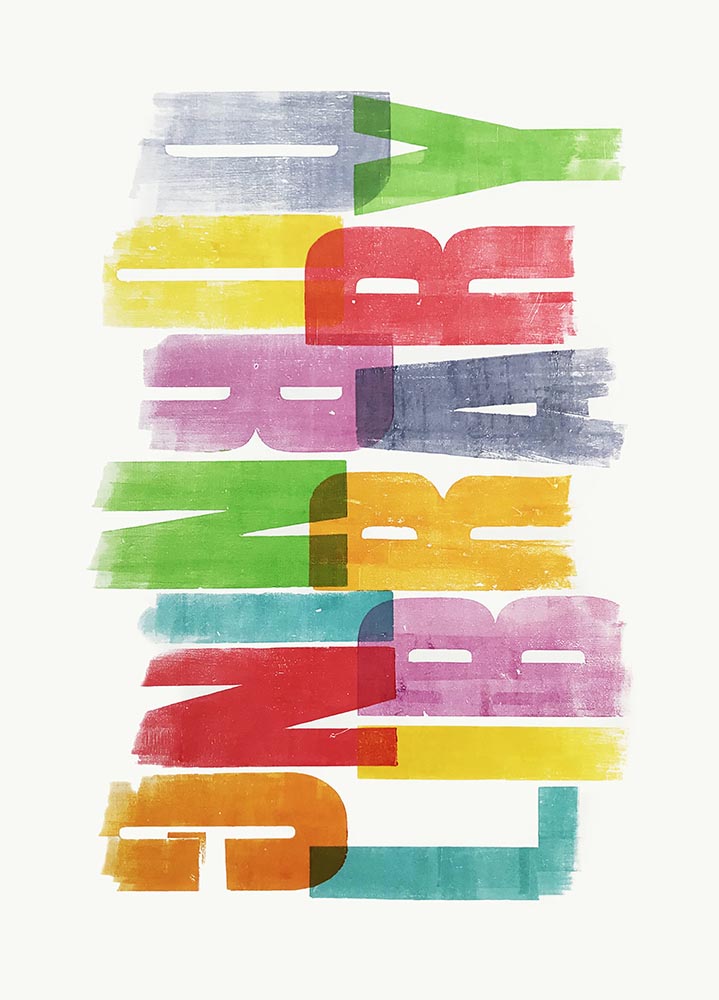
    Alan Kitching, Durning Library. Image via It’s Nice That.

    We need more of this everywhere, but especially here in the States. Meanwhile, check out this great item at It’s Nice That.

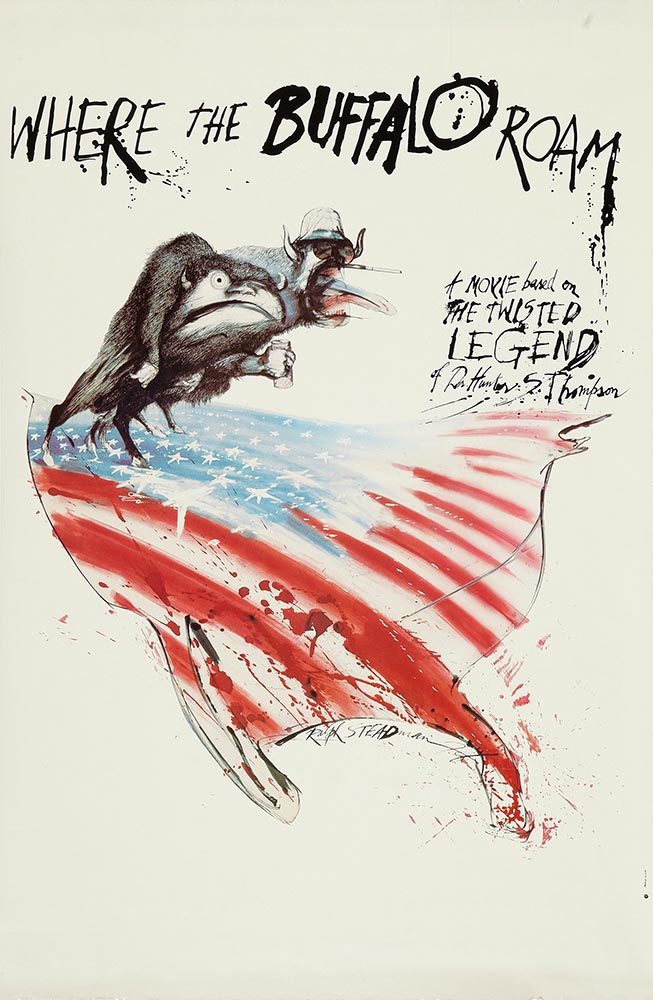
    Special Bonus #1: Another British treasure, via the very British Antiques Roadshow (a British original, natch): this incredible poster by Ralph Steadman.

    Ralph Steadman’s Where the Buffalo Roam (1980) poster. Image via Wikipedia.

    Special Bonus #2: British book designer Steve Leard has launched a new book design podcast, Cover Meeting, featuring interviews between Leard and fellow book designers on the work, the industry, and more. The Bookseller has more.

    Cuban Movie Posters. No, Really.

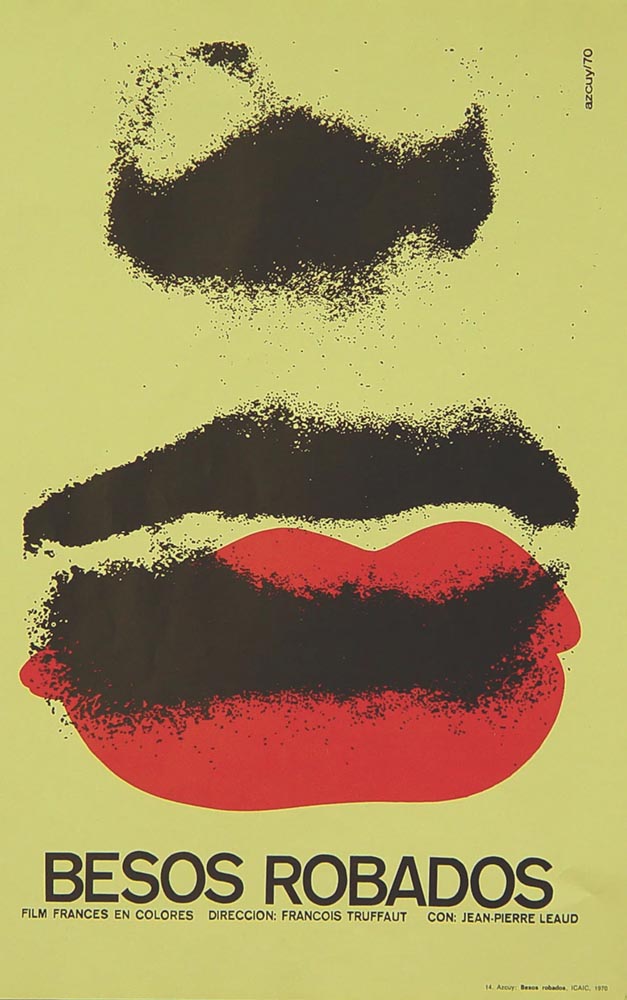
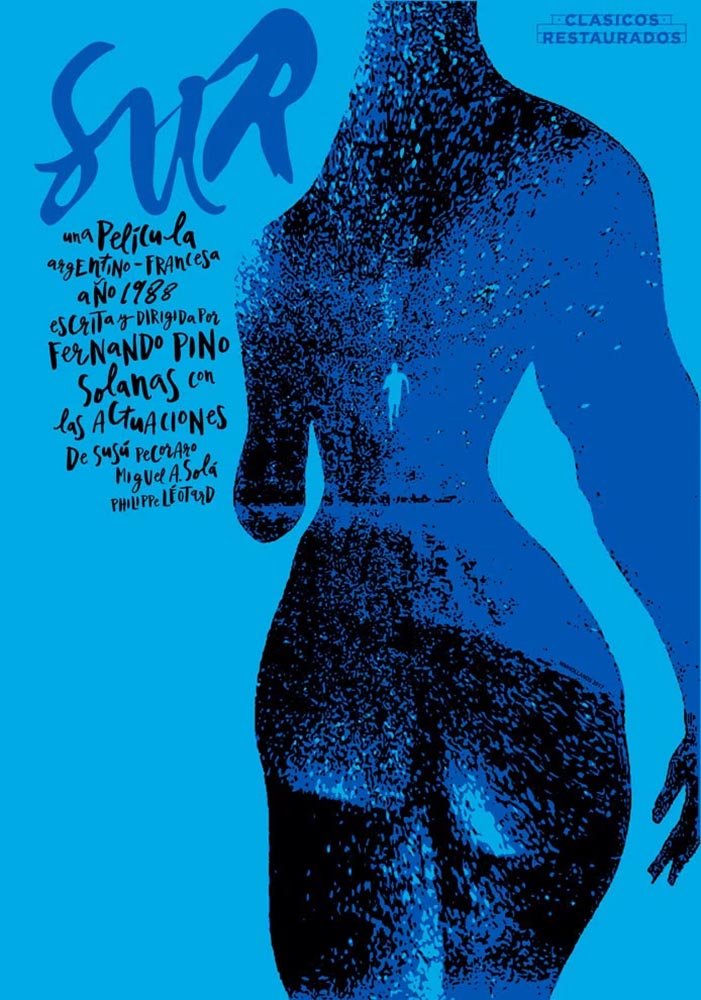
    While we’re on the subject of great posters — and It’s Nice That — let’s talk about how Cuba’s revolution-era political posters transformed their poster design for films. Appropriately enough, a new film, El Cartel Cubano, highlights these amazing (and, likely, never seen before) items.

    Besos Robados, ICAIC, by Sotolongo & Carole Goodman. Image via It’s Nice That.

    How come our posters in the US aren’t this beautiful? What did this say about the priorities of the revolution? What did the medium or choices in the scarcity of materials used say about the economic situation in Cuba?” It’s these questions which form the bedrock of El Cartel Cubano, a fascinating and tender tribute to the artists on the island.

    Adrienne Hall, co-director, El Cartel Cubano
    Sur, by Michael Myiares Holland. Image via It’s Nice That.

    I have to admit: this isn’t a subject I would have leapt at, but It’s Nice That sold it. Awesome.

    Get Lectured (on Architecture)

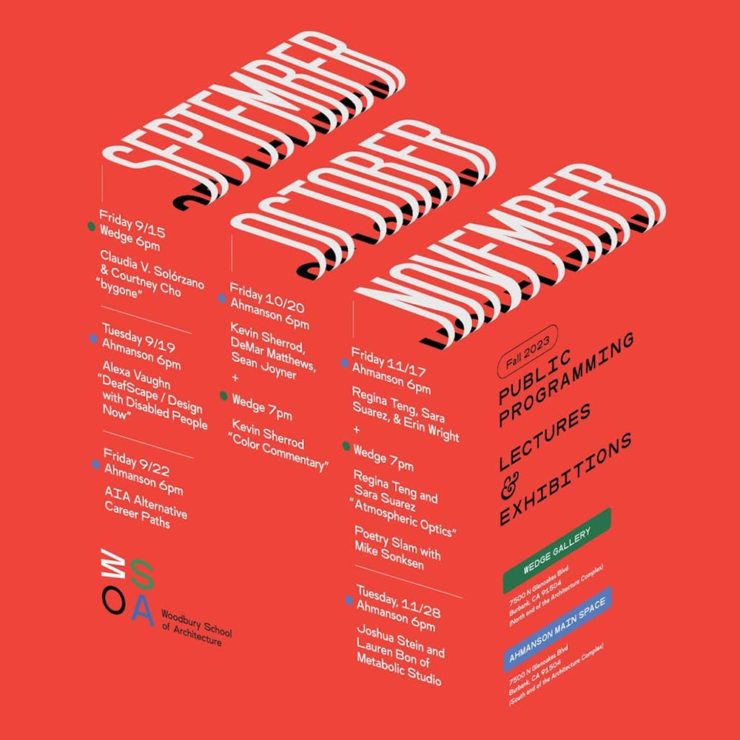
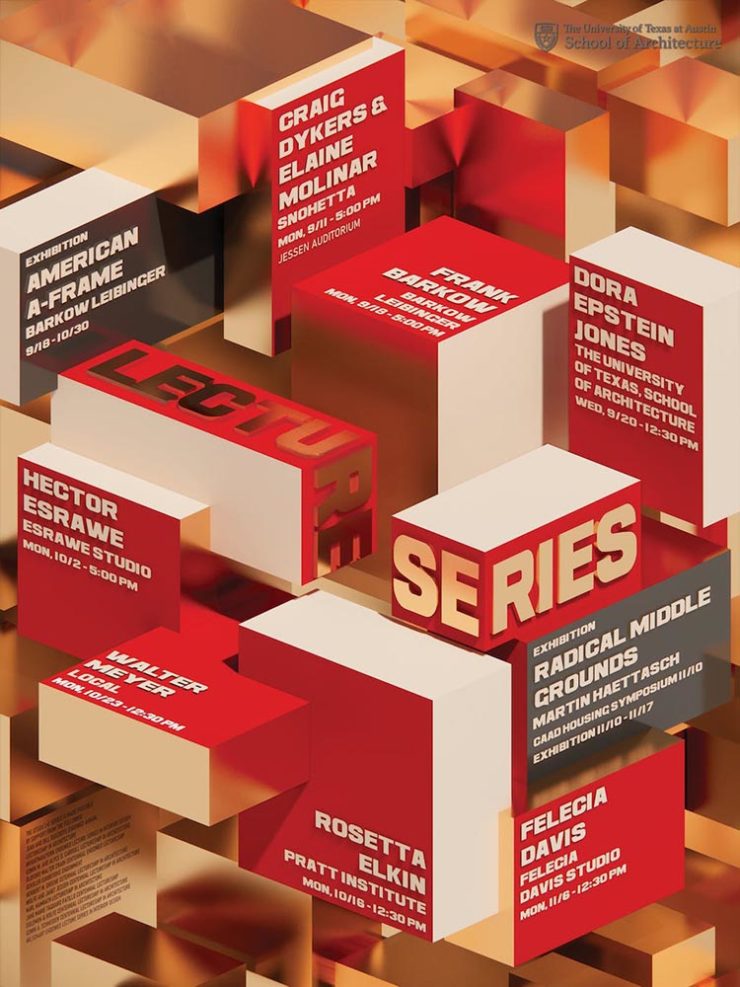
    Closing out our trifecta of great posters, Archinect‘s Get Lectured series brings us these fantastic items from their Fall 2023 series:

    Woodbury University School of Architecture’s Fall 2023 lecture series.
    The University of Texas at Austin School of Architecture’s Fall 2023 lecture series

    Some real gems: see more.

    Finalists of the 2023 Urban Photography Awards

    Going to soapbox a little here: pay-to-enter photo contests aren’t usually something I want to spread the word about. So ArchDaily‘s basically-a-press-release, “URBAN Photo Awards 2023 has announced its list of Finalist Photographers, marking the penultimate stage of the international contest,” was guaranteed a pass.

    But there’s a problem: some of the photographs are really compelling.

    Untitled, by Claudia Costantino

    This one’s my fave:

    Back to the 70s, by Stephane Navailles

    See the contest website, or ArchDaily‘s post.

    Winners of the 2023 Black and White Photography Awards

    Another contest, yes. They’re everywhere. But … wow.

    Street Lights – Ottawa, by Gareth Jones, category winner, architecture
    Another mushroom? By Hector Ballester Ballester. Silver mention, architecture.
    Alamillo bridge, by Manuel Ponce Luque. Finalist.
    The concert, by Helena García Huertas. Finalist.
    Reflections on the stairwell, by Max Dobens. Finalist.

    And that’s just the buildings/architecture — there are portraits, street photography, landscapes, and more. A reminder to aspire, every day, with every image.

    The Black and White Photo Awards (2023). (Via PetaPixel.)

  • Beautifully Briefed 23.8: Summer Stew

    Beautifully Briefed 23.8: Summer Stew

    The August heat is met with some refreshingly cool items for you this time: beloved movies reimagined as vintage paperbacks, graphic design on the Internet Archive, and winners of the 2023 iPhone photography awards. Plus, a bit on social media that hopefully won’t leave an aftertaste. Let’s dig in.

    “Good Movies as Old Books”

    This is Colossal points us to an extraordinary personal project by graphic designer Matt Stevens: classic, acclaimed movies visualized as vintage paperback books. Everything about these spells “win.”

    From the aged look, illustration choices, and director-as-author to the logo and occasional price, these are all … perfect.

    Volume One is 100 titles, and while that book is sold out, prints are available at his website. The items in Volume Two, due this month, are guaranteed to be awesome.

    Graphic Design on the Internet Archive
    Emigre #20 – Expatriates. Courtesy of the Internet Archive via archive.digital.

    Another treasure via Jason Kottke:

    archives.design is a labor of love site run by Valery Marier where she collects graphic design related materials that are available to freely borrow, stream, or download from the Internet Archive. I’ve only scratched the surface in poking around, but so far I’ve found Olivetti brochures, a collection of theater programs from the 19th and early 20th centuries, several Apple thingsThe Vignelli Canona specimen book of wood type from the 1880s, and many issues of Emigre. What a resource!

    Jason Kottke, kottke.org
    An advertising brochure for the Olivetti Tetractys, circa 1956.

    Some of these are fantastic — set aside some time to explore and enjoy.

    2023 iPhone Photography Winners

    I don’t always link to these contests — it often seems like the publicity (and rights!) are all about the folks holding the contest rather than the people entering them — but I often look, and am always impressed with the quality coming out of a “simple” iPhone.

    Long Nguyen, France – 1st Place, Travel – “Last Night before Xmas”
    Scott Galloway, United States – 1st Place, Nature – “Wonder Wheel”

    And while both of the above are (relatively) recent phones, in the latter case showing the macro capabilities of an iPhone 12 Pro Max, even older phones can highlight the talent of the person using it:

    Derek Hager, United States – 3rd Place, Photographer of the Year – “Tucson Morning”

    Shot on a 2017 iPhone X. Nice.

    See all the winners, for 2023 and years past, at IPPAwards.com. (Via PetaPixel.)

    A Moment Regarding Social Media

    I’m not going to spend much time on this; I eschewed pretty much all forms of social media years ago now, and don’t regret it. That said, I do keep up with social media in the meta sense (a word that’s been stolen, as far as I’m concerned, by — wait for it — a social media company), and have noted the pain and concern associated with the implosion of Twitter.

    While this conversation started with Nick Heer and the always-excellent Pixel Envy, it’s obviously evolved as the year has seen one extraordinary cage fight event after another.

    Threads on Apple’s App Store, via the BBC.

    For the past decade, It’s been all but required for serious brands to maintain a social media presence […] yet instead of scrambling to claim digital real estate across all these newly emerging platforms, some companies are choosing to be more judicious about which platforms they choose to join. In some cases, they’re learning from brands who jumped the social media ship years ago.

    Chris Stokel-Walker, BBC

    The quote above, from the BBC, attempts to answer the question, “Why your favourite brand may be taking a social media break.” Short answer: it’s complicated. I’d argue there’s an even shorter answer — it’s smart! — but for people and brands that aren’t yet established, social media is often key to discoverability.

    This may be especially true for artists, designers, photographers, and others in the self- and small-business-employed creative field. Indeed, let’s go to a great source for those in the arena, Creative Boom, who recently spent a minute asking, “Creatives are saying social media is over… so what next?”

    Like any new craze, it was fun for a while. But there’s certainly nothing new about it any more. Facebook’s now been around for almost two decades. Twitter’s 17 years old. Even Instagram has reached its teens. And while many of us joined these platforms during their fun, “anything goes” eras, when everything was about the users, now it’s all about the algorithms and their use to make venture capitalists vast amounts of money.

    Tom May, Creative Boom

    While I agree that social media is a mess and has been for a while, I’m absolutely not going to tell you to give it up — only to remind you that I have given it up and continue to be completely okay with the decision.

    I do want to ask you, though, to choose wisely:

    Facebook’s “Threads (an Instagram app),” their answer to the Twitter/X debacle, as shown via Apple’s iOS App Store privacy report.
    Tapbot’s “Ivory,” available in Apple’s iOS App Store and showing that app’s privacy report, for the Mastodon social platform.

    Enough said. Turn off the computer, go forth, and enjoy a beautiful summer’s day.